

An update on genetic frontotemporal dementia
Open accessThe DOI matches its Crossref record; 91 of the 91 references it cites were found in a registry or an index.
Abstract
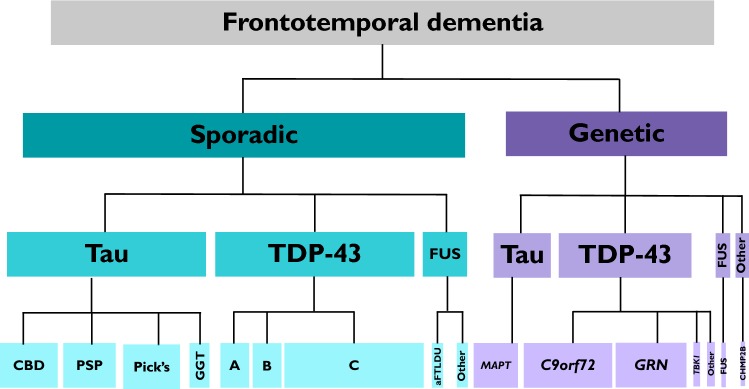
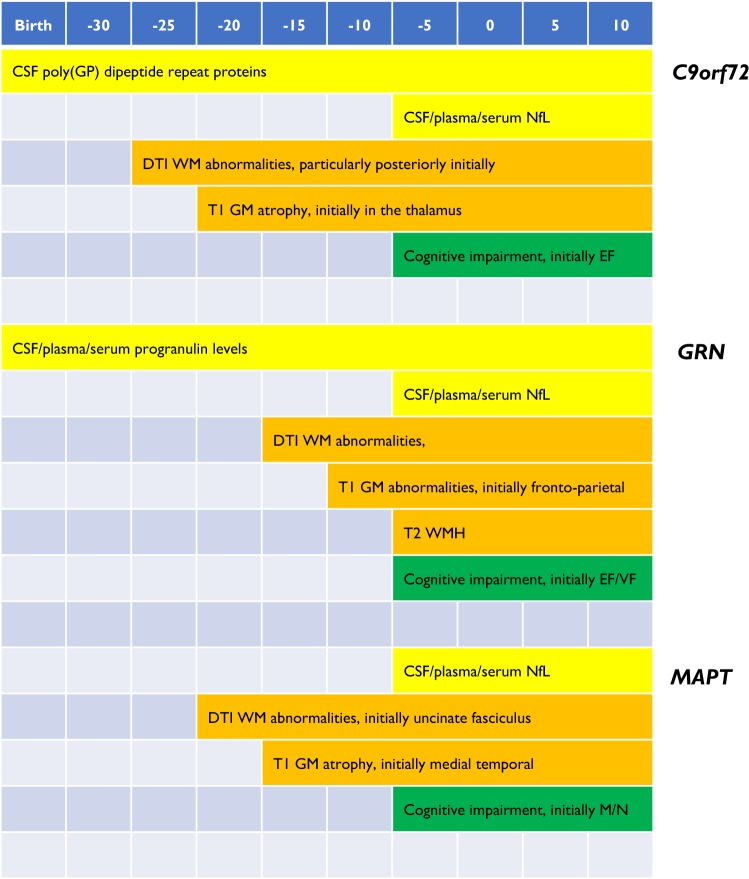
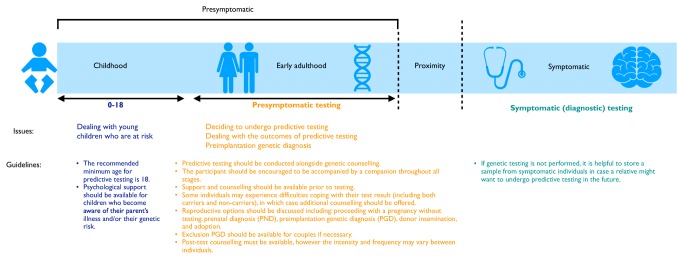
Frontotemporal dementia (FTD) is a highly heritable group of neurodegenerative disorders, with around 30% of patients having a strong family history. The majority of that heritability is accounted for by autosomal dominant mutations in the chromosome 9 open reading frame 72 (C9orf72), progranulin (GRN), and microtubule-associated protein tau (MAPT) genes, with mutations more rarely seen in a number of other genes. This review will discuss the recent updates in the field of genetic FTD. Age at symptom onset in genetic FTD is variable with recently identified genetic modifiers including TMEM106B (in GRN carriers particularly) and a polymorphism at a locus containing two overlapping genes LOC101929163 and C6orf10 (in C9orf72 carriers). Behavioural variant FTD (bvFTD) is the most common diagnosis in each of the genetic groups, although in C9orf72 carriers amyotrophic lateral sclerosis either alone, or with bvFTD, is also common. An atypical neuropsychiatric presentation is also seen in C9orf72 carriers and family members of carriers are at greater risk of psychiatric disorders including schizophrenia and autistic spectrum disorders. Large natural history studies of presymptomatic genetic FTD are now underway both in Europe/Canada (GENFI-the Genetic FTD Initiative) and in the US (ARTFL/LEFFTDS study), collaborating together under the banner of the FTD Prevention Initiative (FPI). These studies are taking forward the validation of cognitive, imaging and fluid biomarkers that aim to robustly measure disease onset, staging and progression in genetic FTD. Grey matter changes on MRI and hypometabolism on FDG-PET are seen at least 10 years before symptom onset with white matter abnormalities seen earlier, but the pattern and exact timing of changes differ between different genetic groups. In contrast, tau PET has yet to show promise in genetic FTD. Three key fluid biomarkers have been identified so far that are likely to be helpful in clinical trials-CSF or blood neurofilament light chain levels (in all groups), CSF or blood progranulin levels (in GRN carriers) and CSF poly(GP) dipeptide repeat protein levels (in C9orf72 carriers). Increased knowledge about genetic FTD has led to more clinical presymptomatic genetic testing but this has not yet been mirrored in the development of either an accepted FTD-specific testing protocol or provision of appropriate psychological support mechanisms for those living through the at-risk phase. This will become even more relevant as disease-modifying therapy trials start in each of the genetic groups over the next few years.
Overview
The claims and statistics of this paper haven’t been checked yet.
Free: it reads the open-access text and checks the first 5 claims that cite a source we can check. Create a free account to check every claim.
Integrity signals
Registry
Cites
Statistics
Figures
Verification
Claims the paper makes
The claims and statistics of this paper haven’t been checked yet.
Free: it reads the open-access text and checks the first 5 claims that cite a source we can check. Create a free account to check every claim.
Claims other papers make about this one
Each is checked against this paper’s own text: does it say what the citing paper says it does?
The source backs part of the claim, not all of it — or backs it for a different population, condition or comparison.
In the citing paper
“Known genetic modifiers of f-FTD disease progression were not included, such as specific mutations (for MAPT) and TMEM106B, a modifier of penetrance in GRN.2,40”
From Temporal order of clinical and biomarker changes in familial frontotemporal dementia (2022) · cites this paper as [2]
Experimental — accuracy not yet measuredThe cited source says what the claim attributes to it.
In the citing paper
“Approximately 20–30% of FTD is caused by autosomal dominant mutations (familial, or f-FTD), usually in one of three genes: chromosome 9 open reading frame 72 (C9orf72), progranulin (GRN), or microtubule-associated protein tau (MAPT).2”
From Temporal order of clinical and biomarker changes in familial frontotemporal dementia (2022) · cites this paper as [2]
The cited source says what the claim attributes to it.
In the citing paper
“Although the clinical manifestations of the f-FTD mutations are similar, the biology and neuropathology associated with C9orf72, GRN, and MAPT mutations are vastly different.2”
From Temporal order of clinical and biomarker changes in familial frontotemporal dementia (2022) · cites this paper as [2]
The cited source says what the claim attributes to it.
In the citing paper
“Mutations in genes such as microtubule-associated protein tau (MAPT), progranulin (GRN), and chromosome 9 open reading frame 72 (C9ORF72) represent the most common genetic cause of FTD [5].”
From A role for astrocytic miR-129-5p in frontotemporal dementia (2025) · cites this paper as [5]
In the citing paper
“since 70 % of bvFTD cases is non-genetic (Greaves and Rohrer, 2019)”
From The pursuit for markers of disease progression in behavioral variant frontotemporal dementia: a scoping review to optimize outcome measures for clinical trials (2024) · cites this paper as Greaves and Rohrer, 2019
Self-check
Percentages, sums and reported differences re-computed from the paper’s own numbers.
The self-check needs the paper’s full text.
Citations
Cites
Sensitivity of revised diagnostic criteria for the behavioural variant of frontotemporal dementia
Rascovsky, K., Hodges, J. R., Knopman, D., Mendez, M. F., Kramer, J. H., Neuhaus, J., van Swieten, J. C., Seelaar, H., Dopper, E. G. P., Onyike, C. U., et al. (2011) · Brain · doi:10.1093/brain/awr179 · Cited by 5,221
Self-citationClassification of primary progressive aphasia and its variants
Gorno-Tempini, M. L., Hillis, A. E., Weintraub, S., Kertesz, A., Mendez, M., Cappa, S. F., Ogar, J. M., Rohrer, J. D., Black, S., Boeve, B. F., et al. (2011) · Neurology · doi:10.1212/wnl.0b013e31821103e6 · Cited by 5,141
Self-citationClinical diagnosis of progressive supranuclear palsy: The movement disorder society criteria
Höglinger, G. U., Respondek, G., Stamelou, M., Kurz, C., Josephs, K. A., Lang, A. E., Mollenhauer, B., Müller, U., Nilsson, C., Whitwell, J. L., et al. (2017) · Movement Disorders · doi:10.1002/mds.26987 · Cited by 2,359
Criteria for the diagnosis of corticobasal degeneration
Armstrong, M. J., Litvan, I., Lang, A. E., Bak, T. H., Bhatia, K. P., Borroni, B., Boxer, A. L., Dickson, D. W., Grossman, M., Hallett, M., et al. (2013) · Neurology · doi:10.1212/wnl.0b013e31827f0fd1 · Cited by 1,904
Strong, M. J., Abrahams, S., Goldstein, L. H., Woolley, S., Mclaughlin, P., Snowden, J., Mioshi, E., Roberts-South, A., Benatar, M., HortobáGyi, T., et al. (2017) · Amyotrophic Lateral Sclerosis and Frontotemporal Degeneration · doi:10.1080/21678421.2016.1267768 · Cited by 909
Young, A. L., Marinescu, R. V., Oxtoby, N. P., Bocchetta, M., Yong, K., Firth, N. C., Cash, D. M., Thomas, D. L., Dick, K. M., Cardoso, J., et al. (2018) · Nature Communications · doi:10.1038/s41467-018-05892-0 · Cited by 596
Self-citationMutations in progranulin are a major cause of ubiquitin-positive frontotemporal lobar degeneration
Gass, J., Cannon, A., Mackenzie, I. R., Boeve, B., Baker, M., Adamson, J., Crook, R., Melquist, S., Kuntz, K., Petersen, R., et al. (2006) · Human Molecular Genetics · doi:10.1093/hmg/ddl241 · Cited by 580
Prevalence, characteristics, and survival of frontotemporal lobar degeneration syndromes
Coyle-Gilchrist, I. T. S., Dick, K. M., Patterson, K., Vázquez Rodríquez, P., Wehmann, E., Wilcox, A., Lansdall, C. J., Dawson, K. E., Wiggins, J., Mead, S., et al. (2016) · Neurology · doi:10.1212/wnl.0000000000002638 · Cited by 540
Rohrer, J. D., Nicholas, J. M., Cash, D. M., van Swieten, J., Dopper, E., Jiskoot, L., van Minkelen, R., Rombouts, S. A., Cardoso, M. J., Clegg, S., et al. (2015) · The Lancet Neurology · doi:10.1016/s1474-4422(14)70324-2 · Cited by 538
Self-citationThe heritability and genetics of frontotemporal lobar degeneration
Rohrer, J. D., Guerreiro, R., Vandrovcova, J., Uphill, J., Reiman, D., Beck, J., Isaacs, A. M., Authier, A., Ferrari, R., Fox, N. C., et al. (2009) · Neurology · doi:10.1212/wnl.0b013e3181bf997a · Cited by 536
Self-citation
Cited by
Items 201–300 of 541
Silva-Llanes, I., Rodríguez-López, S., González-Naranjo, P., del Sastre, E., López, M. G., Paez, J. A., Campillo, N. E., & Lastres‐Becker, I. (2025) · Brain Behavior and Immunity · doi:10.1016/j.bbi.2025.03.008 · Cited by 8
“Likewise, this disease is characterized by the appearance of ubiquitin-positive toxic protein aggregates (Irwin et al., 2015; Goedert et al., 2021; Greaves and Rohrer, 2019).”
Honey, M. I. J., Hok‐A‐Hin, Y. S., Thijssen, E. H., Cousins, K. A. Q., van der Weijden, B., Veld, L. I. ‘., Stoops, E., de Boer, S. C. M., Duits, F. H., Houwer, J. F. H. D., et al. (2026) · Nature Medicine · doi:10.1038/s41591-026-04341-6 · Cited by 8
“However, most FTD cases are sporadic 6 , with poor correlations between the clinical syndrome and underlying pathology, except for FTD–amyotrophic lateral sclerosis (ALS) and primary progressive aphasia semantic (svPPA; likely FTLD-TDP) and progressive supranuclear palsy (PSP), corticobasal…”
Cruzado, L., Custodio, N., Montesinos, R., & Lanata, S. (2021) · Revista de Neuro-Psiquiatría · doi:10.20453/rnp.v84i3.4035 · Cited by 11
“La DFT es una entidad con alta heredabilidad, que alcanza el 40% de los casos, pero solo el 20% tiene un patrón de herencia autosómica dominante claro (24).”
BackgroundInfluentialNassan, M. M., Piras, I. S., Rogalski, E. J., Geula, C., Mesulam, M. M., & Huentelman, M. J. (2023) · Neurology · doi:10.1212/wnl.0000000000207136 · Cited by 8
“Furthermore, MAPT (a gene associated with FTD), has been shown to be associated with left-handedness in a large genome-wide association study (GWAS) in approximately 400,000 participants.(11,12) These observations raise the question of whether constitutional factors modulating interhemispheric organization (e.”
BackgroundPresymptomatic and early pathological features of MAPT-associated frontotemporal lobar degeneration
Giannini, L., Mol, M. O., Rajicic, A., van Buuren, R., Sarkar, L., Arezoumandan, S., Ohm, D. T., Irwin, D. J., Rozemüller, A. J. M., Bank, N. B., et al. (2023) · Acta Neuropathologica Communications · doi:10.1186/s40478-023-01588-9 · Cited by 8
“Familial cases of FTLD-TDP pathologies occur due to defects in the genes including C9orf72, GRN, TARDBP and VCP, whereas FTLD-Tau is associated with pathogenic variants in the MAPT gene [27].”
BackgroundVilla, C., Pellencin, E., Romeo, A., Giaccone, G., Rossi, G., Prioni, S., & Caroppo, P. (2024) · Frontiers in Bioscience-Landmark · doi:10.31083/j.fbl2901012 · Cited by 8
“The latter is responsible for approximately 5–10% of all familial FTD cases [1].”
BackgroundBest, P. T., Swieten, J. C. V., Jiskoot, L. C., Moreno, F., Sánchez‐Valle, R., Laforce, R. J., Graff, C., Masellis, M., Tartaglia, M. C., Rowe, J. B., et al. (2024) · Neurology · doi:10.1212/wnl.0000000000209829 · Cited by 8
Self-citationMetzler, L. A. P., Metzger, J. M., Gerred, K., Emborg, M. E., & Kapoor, A. (2025) · Experimental Gerontology · doi:10.1016/j.exger.2025.112736 · Cited by 10
“…the present study was to evaluate expression patterns of blood-based biomarkers of neurodegeneration and inflammation across adulthood in male and female rhesus macaques as these physiological changes are proposed to start years, if not decades, before disease diagnosis (Greaves and Rohrer, 2019).”
Immunological Fluid Biomarkers in Frontotemporal Dementia: A Systematic Review
Erichsen, P. A., Henriksen, E. E., Nielsen, J. E., Ejlerskov, P., Simonsen, A. H., & Toft, A. D. (2025) · Biomolecules · doi:10.3390/biom15040473 · Cited by 9
“…under-scores the importance of further studies to explore the temporal dynamics and functional roles of immune alterations in FTD. Considerable efforts have been made to identify immune-related biomarkers that can provide insights into FTD mechanisms, but their clinical utility remains limited [2].”
Miedema, S. S. M., Rajicic, A., Mol, M. O., Paliukhovich, I., Klaassen, R. V., van Buuren, R., Li, K. W., Koopmans, F., Seelaar, H., van Rooij, J., et al. (2025) · Acta Neuropathologica Communications · doi:10.1186/s40478-025-02077-x · Cited by 8
“All patients were previously tested negative for pathogenic germline variants in the major FTD-related genes ( MAPT , GRN , C9orf72 , TARDBP , TBK1 , OPTN , SQSTM1 , VCP , CHMP2B , FUS [20]).”
Nanotechnology in gene delivery for neural regenerative medicine
Shahlaei, M., Asl, S. M., & Saeidifar, M. (2020) · Elsevier eBooks · doi:10.1016/b978-0-12-820223-4.00005-x · Cited by 9
Genetic Counselling Improves the Molecular Characterisation of Dementing Disorders
Zampatti, S., Ragazzo, M., Peconi, C., Luciano, S., Gambardella, S., Caputo, V., Strafella, C., Cascella, R., Caltagirone, C., & Giardina, E. (2021) · Journal of Personalized Medicine · doi:10.3390/jpm11060474 · Cited by 8
“Clinically, there are five main phenotypes recognised in FTD: behavioural variant, PPA (primary progressive aphasia), semantic dementia, FTD with parkinsonism, and FTD-MND (FTD with motoneuron disease).”
BackgroundInfluentialStructural brain splitting is a hallmark of Granulin-related frontotemporal dementia
Gazzina, S., Grassi, M., Premi, E., Alberici, A., Benussi, A., Archetti, S., Gasparotti, R., Bocchetta, M., Cash, D. M., Todd, E. G., et al. (2022) · Neurobiology of Aging · doi:10.1016/j.neurobiolaging.2022.02.009 · Cited by 9
“…family history (Rohrer et al., 2009) and mutations in the Granulin ( GRN) gene, whose list is enriched with more than 110 pathogenic variants (Greaves and Rohrer, 2019), are recognized as a leading cause of genetic FTD, accounting for 5–20% of familiar and 1–5% of sporadic FTD patients…”
Self-citationGalluzzi, S., Mega, A., Fede, G. D., Muscio, C., Fascendini, S., Benussi, L., Tagliavini, F., The Italian-DIAfN Working Group, Frisoni, G. B., & Maria, E. D. (2022) · Alzheimer Disease & Associated Disorders · doi:10.1097/wad.0000000000000494 · Cited by 9
van Gils, A. M., Rhodius‐Meester, H. F. M., Leeuwis, A. E., Handgraaf, D., Bakker, C., Peetoom, K. K. B., Bouwman, F. H., Pijnenburg, Y. A. L., Papma, J. M., Hoogendoorn, T., et al. (2023) · Alzheimer s & Dementia Diagnosis Assessment & Disease Monitoring · doi:10.1002/dad2.12471 · Cited by 14
López, A., Velasco-Rueda, M., Garcia-Cifuentes, E. R., Zarante, I., & Matallana, D. (2021) · Frontiers in Neurology · doi:10.3389/fneur.2021.681595 · Cited by 9
“The heritability of FTD with motor neuron disease (FTD-MND), and atypical parkinsonian disorders are less clear, possibly due to the number of studies reported until today (5, 10).”
BackgroundSandberg, A., Ling, H., Gearing, M., Dombroski, B. A., Cantwell, L. B., R’Bibo, L., Levey, A. I., Schellenberg, G. D., Hardy, J., Wood, N. W., et al. (2020) · Neurobiology of Disease · doi:10.1016/j.nbd.2020.105079 · Cited by 9
“On the other hand, clinical presentation of frontotemporal dementia is associated with different genetic mutations (Database, A.F.M, 2019; Greaves and Rohrer, 2019).”
BackgroundGonzalez, A. S., Harding, E., Zimmermann, N., Hoare, Z., Brotherhood, E., & Crutch, S. J. (2020) · medRxiv · doi:10.1101/2020.12.18.20248455 · Cited by 8
Ambaw, Y. A., Ljubenkov, P. A., Singh, S., Hamed, A., Boland, S., Boxer, A. L., Walther, T. C., & Farese, R. V. (2025) · Alzheimer s & Dementia · doi:10.1002/alz.70631 · Cited by 7
Preclinical and Prodromal Frontotemporal Dementia: Challenges and Opportunities
Palacino, F., Manganotti, P., & Benussi, A. (2025) · International Journal of Translational Medicine · doi:10.3390/ijtm5040052 · Cited by 7
Excitotoxicity in amyotrophic lateral sclerosis: a key pathogenic mechanism
Silva-Hucha, S., Hernández, R. G., Baena-López, D., de Sevilla, M. E. F., Paradas, C., & Morcuende, S. (2026) · Brain Communications · doi:10.1093/braincomms/fcag098 · Cited by 7
“34,35 These aggregates result from post-translational modifications of nuclear TDP-43 and are closely linked to neurodegenerative progression due to impaired axonal transport.”
Rossi-Harries, S., Harrison, C. R., Camic, P. M., Sullivan, M. P., Grillo, A., Crutch, S. J., & Harding, E. (2024) · BMC Geriatrics · doi:10.1186/s12877-024-04988-1 · Cited by 7
“…dementia also include those which are autosomal dominantly inherited, such as familial frontotemporal dementia (fFTD) and familial Alzheimer’s disease (FAD), meaning those with an affected parent have a 50% chance of developing the same condition (Greaves & Rohrer, 2019; Ryan et al., 2016) [6, 7].”
The Search for a Universal Treatment for Defined and Mixed Pathology Neurodegenerative Diseases
O’Day, D. H. (2024) · International Journal of Molecular Sciences · doi:10.3390/ijms252413424 · Cited by 8
“The proteins TDP-43, FUS, and SOD1 have been implicated as risk factors for the disease [44–46].”
Fahy, N., Hayes, O. S., Greaves, C. V., Goldsmith, S., Brotherhood, E., Rohrer, J. D., Harding, E., & Stott, J. C. H. (2025) · Journal of Genetic Counseling · doi:10.1002/jgc4.2000 · Cited by 7
“Due to the above-outlined variability in age-related penetrance in fFTD, and particularly due to its high in-trafamilial variability (Greaves & Rohrer, 2019 ), individuals who have inherited implicated genes, and at-risk individuals who have chosen not to pursue genetic testing, are left with…”
InfluentialSelf-citationChaar, D., Li, Z., Shang, L., Ratliff, S. M., Mosley, T. H., Kardia, S. L. R., Zhao, W., Zhou, X., & Smith, J. A. (2025) · International Journal of Molecular Sciences · doi:10.3390/ijms26062443 · Cited by 7
“We also identified additional genes involved in B cell autoimmunity ( HLA-DQA2 [61,62] and CSTF1 [63]), neurodegenerative processes ( SUPT4H1 [64], C6orf10 [65], IKZF1 [66], and DEDD [67]), and neuronal growth ( IKZF1 [66] and STYX [68]).”
Membrane Charge Drives the Aggregation of TDP-43 Pathological Fragments
Corucci, G., Vadukul, D. M., Paracini, N., Laux, V., Batchu, K. C., Aprile, F. A., & Pastore, A. (2025) · Journal of the American Chemical Society · doi:10.1021/jacs.5c00594 · Cited by 8
Targeted copy number variant identification across the neurodegenerative disease spectrum
Dilliott, A. A., Zhang, K. K., Wang, J., Abrahão, A., Binns, M. A., Black, S. E., BORRIE, M. J., Dowlatshahi, D. D., Finger, E. C., Fischer, C. E., et al. (2022) · Molecular Genetics & Genomic Medicine · doi:10.1002/mgg3.1986 · Cited by 7
“Genetic factors can increase one's risk of developing neurodegenerative disease considerably, with relatively high heritability estimates across the various diagnoses (Cacace et al., 2016; Greaves & Rohrer, 2019; Mejzini et al., 2019).”
BackgroundYang, J., Song, H., & Hao, X. (2022) · Journal of Medical Virology · doi:10.1002/jmv.28177 · Cited by 7
“Mutations of MAPT have also been discovered as one of the main genetic causes of frontotemporal dementia.(33) SNCA gene, encoding alpha‐synuclein (alphaSyn), was the first gene identified to cause Parkinson's disease.”
BackgroundMisfolded α‐Synuclein in Cerebrospinal Fluid of Contact Sport Athletes
Vasilevskaya, A., Martínez-Valbuena, I., Anastassiadis, C., Taghdiri, F., Khodadadi, M., Tarazi, A., Green, R., Colella, B., Wennberg, R. A., Mikulis, D. J., et al. (2023) · Movement Disorders · doi:10.1002/mds.29621 · Cited by 9
White-matter abnormalities in presymptomaticGRNandC9orf72mutation carriers
Lee, H., Mackenzie, I. R., Beg, M. F., Popuri, K., Rademakers, R., Wittenberg, D., & Hsiung, G. R. (2022) · Brain Communications · doi:10.1093/braincomms/fcac333 · Cited by 8
“poral dementia cases are known to be familial, often caused by tauopathies or TAR DNA-binding protein 43 (TDP-43) proteinopathies.(2) Therefore, individuals who carry autosomal dom-”
Autosomal Dominant Frontotemporal Lobar Degeneration in a Filipino Family with Progranulin Mutation
Dominguez, J. C., Ng, A. R., Yu, J. G., Guevarra, A. C., Daroy, M. L. G., Alfon, A. C., Catindig, J.-A. S., Dizon, M., Santiago, J. F. Y., Moral, M. C. O. D., et al. (2020) · Dementia and Geriatric Cognitive Disorders · doi:10.1159/000510106 · Cited by 7
Kennedy, J. C., Vargas, S. O., Fishman, M. P., Alesi, N., Baek, S.-H., Khabibillin, D., Platt, C. D., Garcia-de-Alba, C., Agrawal, P. B., Carmichael, N. E., et al. (2025) · Med · doi:10.1016/j.medj.2025.100607 · Cited by 6
Castro, J. G., Rubio‐Guerra, S., Casaletto, K. B., Selma‐González, J., Memel, M., Vaqué‐Alcázar, L., Morcillo-Nieto, A. O., Arriola‐Infante, J. E., Dols‐Icardo, O., Bejanin, A., et al. (2025) · Alzheimer s & Dementia · doi:10.1002/alz.70070 · Cited by 7
Clinical features and biomarkers of semantic variant primary progressive aphasia with MAPT mutation
Xu, J., Xia, Y., Meng, M., Liu, F., Che, P., Zhang, Y., Wang, Y., Cai, L., Qin, W., & Zhang, N. (2023) · Alzheimer s Research & Therapy · doi:10.1186/s13195-023-01176-y · Cited by 6
“To date, more than 60 different pathogenic missense, silent and intronic MAPT mutations have been identified [16].”
BackgroundNan, H., Liu, L., Chen, Z., Chu, M. K., Li, J., Jing, D., Wang, Y., & Wu, L. (2023) · Clinical Genetics · doi:10.1111/cge.14354 · Cited by 6
A Systematic Review of the Genetics and Pathology of Psychosis in Frontotemporal Dementia
Chatterjee, A., Hirsch‐Reinshagen, V., Scott, I. M., Cashman, N. R., & Hsiung, G. R. (2023) · Canadian Journal of Neurological Sciences / Journal Canadien des Sciences Neurologiques · doi:10.1017/cjn.2023.248 · Cited by 7
“52,59 Among the rarer genetic mutations, UBQLN2 has been associated with psychosis in a recent case report.”
InfluentialAn Automated Toolbox to Predict Single Subject Atrophy in Presymptomatic Granulin Mutation Carriers
Premi, E., Costa, T., Gazzina, S., Benussi, A., Cauda, F., Gasparotti, R., Archetti, S., Alberici, A., Swieten, J. C. V., Sánchez‐Valle, R., et al. (2022) · Journal of Alzheimer s Disease · doi:10.3233/jad-215447 · Cited by 6
“have been designed [9,10], and it is likely that these drugs may be more effective if administered early in disease”
BackgroundSelf-citationOliveira, A. R., Martins, S., Cammarata, G., Martins, M. M., Cardoso, A. M., Almeida, M. R., Macário, C., Santana, I. J., Peça, J., & Cardoso, A. L. (2022) · Biomedicines · doi:10.3390/biomedicines10081905 · Cited by 6
“frame 72 (C9orf72), account for 5% to 10% of all FTLD cases [3,4].”
BackgroundGenetic Screening in Korean Patients with Frontotemporal Dementia Syndrome
Kim, E., Na, D. L., Kim, H.-J., Park, K. W., Lee, J., Roh, J. H., Kwon, J. C., Yoon, S. J., Jung, N., Jeong, J. H., et al. (2022) · Journal of Alzheimer s Disease Reports · doi:10.3233/adr-220030 · Cited by 6
“gov/books/NBK1116/), and high-quality published literature [1, 4] and introduced as causative genes of FTD-ALS spectrum disorders or dementia, were screened for pathogenic variants (Table 1).”
BackgroundGordón, E., Bocchetta, M., Nicholas, J. M., Cash, D. M., & Rohrer, J. D. (2021) · NeuroImage Clinical · doi:10.1016/j.nicl.2021.102842 · Cited by 6
Self-citationCerebellar integrity and contributions to cognition in C9orf72-mediated frontotemporal dementia
Chen, Y., Landín-Romero, R., Kumfor, F., Irish, M., Dobson‐Stone, C., Kwok, J. B., Halliday, G. M., Hodges, J. R., & Piguet, O. (2022) · Cortex · doi:10.1016/j.cortex.2021.12.014 · Cited by 7
Gambogi, L. B., de Souza, L. C., & Caramelli, P. (2022) · Arquivos de Neuro-Psiquiatria · doi:10.1590/0004-282x-anp-2022-s140 · Cited by 7
Sogorb‐Esteve, A., Nilsson, J., Swift, I. J., Heller, C., Russell, L. L., Peakman, G., Convery, R. S., Swieten, J. C. V., Seelaar, H., Borroni, B., et al. (2022) · Research Square · doi:10.21203/rs.3.rs-1188941/v1 · Cited by 6
Self-citationCognitive Decline in Parkinsonism: From Clinical Phenotypes to the Genetic Background
Koros, C., Stanitsa, E., Angelopoulou, E., Papageorgiou, S. G., & Stefanis, L. (2025) · Biomedicines · doi:10.3390/biomedicines13071624 · Cited by 5
“MAPT mutations seem to be highly penetrant, as a family history of parkinsonism or dementia is frequently observed among MAPT mutation carriers [111].”
Dratch, L., Jenny, K., Salmon, K., Crook, A., Uhlmann, W. R., Fong, J. C., Goldman, J. S., Klee, V., MacLeod, R., Chaouch, A., et al. (2025) · Neurology · doi:10.1212/wnl.0000000000213814 · Cited by 5
White matter hyperintensities precede other biomarkers in GRN frontotemporal dementia
Soltaninejad, M., Dadar, M., Collins, D. L., Rajabli, R., Venkatraghavan, V., Bouzigues, A., Russell, L. L., Foster, P. H., Ferry‐Bolder, E., Swieten, J. C. V., et al. (2025) · Alzheimer s & Dementia · doi:10.1002/alz.70695 · Cited by 5
Self-citationTAF15 amyloids propagate via defined motifs in a prion-like fashion
Konstantoulea, K., Gadhe, L. G., Goodavish, F., Gupta, A., Tagad, H. D., Vaquer‐Alicea, J., Ghayal, N. B., Roemer, S. F., Deture, M. A., Nana, A. L., et al. (2026) · Nature Communications · doi:10.1038/s41467-026-75607-3 · Cited by 5
Cellular signatures underlying functional resilience in presymptomatic frontotemporal dementia
Tsvetanov, K. A., Malpetti, M., Jones, P. S., Rittman, T., Whiteside, D. J., Murley, A. G., Bethlehem, R. A. I., Paquola, C., Premi, E., Bouzigues, A., et al. (2025) · Brain · doi:10.1093/brain/awaf443 · Cited by 6
Self-citationCimini, S., Bellini, S., Saraceno, C., Benussi, L., Ghidoni, R., Giliani, S., Puoti, G., Canafoglia, L., Giaccone, G., & Rossi, G. (2022) · International Journal of Molecular Sciences · doi:10.3390/ijms232213753 · Cited by 5
“About 40% of cases of FTLD have a positive family history, and the main causative genes linked to the disease are microtubule-associated protein tau (MAPT), chromosome 9 open reading frame 72 (C9ORF72), and progranulin (GRN), with many other genes being less frequent [2].”
BackgroundThe Essential Role of Epigenetic Modifications in Neurodegenerative Diseases with Dyskinesia
Qi, Z., Li, J., Li, M., Du, X., Zhang, L., Wang, S., Xu, B., Liu, W., Xu, Z., & Deng, Y. L. (2021) · Cellular and Molecular Neurobiology · doi:10.1007/s10571-021-01133-z · Cited by 8
Physiological and pathological effects of phase separation in the central nervous system
Wang, J., Zhu, H., Tian, R., Zhang, Q., Zhang, H., Hu, J. J., & Wang, S. (2024) · Journal of Molecular Medicine · doi:10.1007/s00109-024-02435-7 · Cited by 5
Tian, Y., Rusinek, H., Masurkar, A. V., & Feng, Y. (2024) · Statistics in Medicine · doi:10.1002/sim.10263 · Cited by 7
Kancheva, I. K., Bouzigues, A., Russell, L. L., Foster, P. H., Ferry‐Bolder, E., Swieten, J. C. V., Jiskoot, L. C., Seelaar, H., Sánchez‐Valle, R., Laforce, R. J., et al. (2025) · Neurology · doi:10.1212/wnl.0000000000213677 · Cited by 5
Self-citationMelis, M., Defazio, G., Casaglia, E., Melas, V., & Floris, G. (2021) · Amyotrophic Lateral Sclerosis and Frontotemporal Degeneration · doi:10.1080/21678421.2021.1903505 · Cited by 5
“amyotrophic lateral sclerosis (ALS) worldwide (1),”
Klotz, S., & Gelpí, E. (2021) · Wiener Medizinische Wochenschrift · doi:10.1007/s10354-021-00848-4 · Cited by 6
Wong, B., Lucente, D. E., Krivensky, S., Krahn, E. A., Karlawish, J. H., & Dickerson, B. C. (2021) · Alzheimer s & Dementia Diagnosis Assessment & Disease Monitoring · doi:10.1002/dad2.12225 · Cited by 5
Temporal dynamics predict symptom onset and cognitive decline in familial frontotemporal dementia
Whiteside, D. J., Malpetti, M., Jones, P. S., Ghosh, B. C. P., Coyle-Gilchrist, I. T. S., Swieten, J. C. V., Seelaar, H., Jiskoot, L. C., Borroni, B., Sánchez‐Valle, R., et al. (2022) · Alzheimer s & Dementia · doi:10.1002/alz.12824 · Cited by 6
Self-citationChu, M., Wu, L., Liu, L., Nan, H., Jiang, D., Wang, Y., & Rosa‐Neto, P. (2022) · Current Alzheimer Research · doi:10.2174/1567205020666221226122557 · Cited by 5
Bagyinszky, E., & An, S. S. A. (2025) · International Journal of Molecular Sciences · doi:10.3390/ijms26209960 · Cited by 4
“…), TAR DNA Binding Protein ( TARDBP ), FUS RNA Binding Protein ( FUS ), Sequestosome-1 ( SQSTM1 ), Coiled-Coil-Helix-Coiled-Coil-Helix Domain Containing 10 (CHCHD10), TANK-binding kinase 1 ( TBK1 ), optineurin ( OPTN ), Cyclin F ( CCNF ), and T-cell intracellular antigen 1 ( TIA1 ) genes [7–9].”
Lee, Y., Lee, D. Y., Walker, Z., Allison, J., Kaliszewska, A., Fernandes, A. R., Zhang, K. Y., Bekele, Y., Hosseini, P., Joubert, R., et al. (2025) · Molecular Therapy — Methods & Clinical Development · doi:10.1016/j.omtm.2025.101622 · Cited by 4
“11 FTD is highly heritable, and a strong family history is found in ∼ 30%–50% of all the patients with FTD. 5,9,12 18 GRN codes for the human PGRN (hPGRN) protein, which is found in a wide range of tissues, but dysfunction and degeneration in heterozygous mutant carriers are largely confined to the…”
Heritability and shared environmental effects of brain diseases in 12,040 extended families
Dijkstra, J. I. R., Hulsman, M., Waterink, L., Holstege, H. H., Teunissen, C. E., Christiaansen, W. F. L., de Jong, B. A., Kochunov, P., Donohue, B., Zwan, M. D., et al. (2025) · npj Dementia · doi:10.1038/s44400-025-00030-2 · Cited by 4
“ForFTD,wereportmoderategenetic contributions(47.6%,range0 – 97),whichalignwith theobservationthatup to40 – 50%ofFTDpatientsreportafamilyhistoryofdementia 21 ,supporting the prominent role of hereditary factors in FTD ’ s etiology.”
InfluentialBartoshyk, P., & Ó’Caoimh, R. (2025) · NeuroSci · doi:10.3390/neurosci6040114 · Cited by 5
“Pathologically, in both familial and sporadic FTD, three main protein biomarkers have been identified: TDP–43, fused in sarcoma (FUS), and tau (structural proteins predominantly found supporting the stability of cerebral axonal microtubules) [21,22].”
Distinct proteomic CSF profiles in genetic frontotemporal lobar degeneration
Houwer, J. F. H. D., Dopper, E. G. P., van Buuren, R., Stokkel, M. E., de Boer, L., Swartenbroekx, T., Boesjes, P., Rajicic, A., Sogorb‐Esteve, A., Bouzigues, A., et al. (2025) · Brain · doi:10.1093/brain/awaf457 · Cited by 5
Self-citationThe Ku80-p53-SIRT1 axis in DNA damage response contributes to sporadic and familial ALS and FTD
Jun, Y.-W., Lee, S., Almeida, S., Freude, K., Ichida, J. K., & Gao, F. (2025) · Nature Communications · doi:10.1038/s41467-025-67749-7 · Cited by 4
Genetic and Neuroimaging Analysis of SIGMAR1 for Frontotemporal Dementia
Che, X., Lin, G., Liu, X., Wang, G., Zhao, Q., & Ren, R. (2023) · Journal of Alzheimer s Disease · doi:10.3233/jad-221195 · Cited by 4
Fukatsu, S., Sashi, H., Shirai, R., Takagi, N., Oizumi, H., Yamamoto, M., Ohbuchi, K., Miyamoto, Y., & Yamauchi, J. (2024) · Pathophysiology · doi:10.3390/pathophysiology31010008 · Cited by 4
“Through the identification and subsequent characterization of these responsible genes, it is predicted that one major molecular pathological mechanism of FTDALS links to abnormality or deficiency of proteostasis [13–16].”
BackgroundZammitt, D. C., Brotherhood, E., Fearn, C., Greaves, C. V., Hayes, O., Harding, E., Lykourgos, M., Rohrer, J. D., & Stott, J. C. H. (2024) · Molecular Genetics & Genomic Medicine · doi:10.1002/mgg3.70038 · Cited by 4
Self-citationRetinal biomarkers for the risk of Alzheimer’s disease and frontotemporal dementia
Wang, R., Cai, J., Gao, Y., Tang, Y., Gao, H., Qin, L., Cai, H., Yang, F., Ren, Y., Luo, C., et al. (2025) · Frontiers in Aging Neuroscience · doi:10.3389/fnagi.2024.1513302 · Cited by 8
Opposing role of phagocytic receptors MERTK and AXL in Progranulin deficient FTD
Clelland, C. D., Fan, L., Saloner, R., Etchegaray, J. I., Altobelli, C. R., Salomonsson, S. E., Birk, A. M., Sachdev, A., Zhu, J., Lee, S.-I., et al. (2025) · Communications Biology · doi:10.1038/s42003-025-08368-2 · Cited by 4
Rambarack, N., Fodder, K., Murthy, M. N., Toomey, C. E., de Silva, R., Heutink, P., Humphrey, J., Raj, T., Lashley, T., & Bettencourt, C. (2025) · Acta Neuropathologica Communications · doi:10.1186/s40478-025-02071-3 · Cited by 4
“Heritability varies greatly between syndromes, with frequency of mutations also different between geographical populations (8).”
Hovhannisyan, Y., Yeritsyan, H., Hakobjanyan, G., Petrosyan, G., Harutyunyan, H. A., Muradyan, A. A., Azizian, A., & Yenkoyan, K. B. (2025) · International Journal of Molecular Sciences · doi:10.3390/ijms26146965 · Cited by 4
“Another important cause of early-onset dementia is frontotemporal lobar degeneration (FTLD), which is often associated with familial forms of the disease [5,55].”
Graafland, C. H., Seelaar, H., Panman, J. L., Swieten, J. C. V., Bunnik, E. M., & Kaat, L. D. (2026) · Human Genetics · doi:10.1007/s00439-025-02795-1 · Cited by 4
“In 20–30% of cases, FTD is caused by a heterozygous mutation in one of the three major genes: progranulin ( GRN ), microtubule-associated protein tau ( MAPT ) or chromosome 9 open reading frame 72 ( C9orf72 ) (Greaves and Rohrer 2019 ).”
Genetically Engineered Mouse Models for Alzheimer Disease and Frontotemporal Dementia
Chiu, Y., Xia, S., Qiao, H., & Zhao, Z. (2024) · American Journal Of Pathology · doi:10.1016/j.ajpath.2024.11.006 · Cited by 6
Reduced plasma hexosylceramides in frontotemporal dementia are a biomarker of white matter integrity
Marian, O. C., Matis, S., Dobson‐Stone, C., Kim, W. S., Kwok, J. B., Piguet, O., Halliday, G. M., Landín-Romero, R., & Don, A. S. (2025) · Alzheimer s & Dementia Diagnosis Assessment & Disease Monitoring · doi:10.1002/dad2.70131 · Cited by 5
New MAPT variant in a FTD patient with Alzheimer’s disease phenotype at onset
Caroppo, P., Prioni, S., Maderna, E., Grisoli, M., & Rossi, G. (2020) · Neurological Sciences · doi:10.1007/s10072-020-04901-9 · Cited by 7
The Utility of Next-Generation Sequencing for Identifying the Genetic Basis of Dementia
Klimkowicz‐Mrowiec, A., Dziubek, A., Sado, M., Karpiński, M., & Gorzkowska, A. (2021) · International Journal of Environmental Research and Public Health · doi:10.3390/ijerph18168520 · Cited by 4
“Age of onset in genetic forms of FTD is also highly variable, but unlike EOAD, with advanced within‐family variability [11].”
BackgroundResultKhoshnood, B., Ullgren, A., Laffita‐Mesa, J. M., Öijerstedt, L., Patra, K., Nennesmo, I., & Graff, C. (2021) · Journal of Neurology · doi:10.1007/s00415-021-10887-x · Cited by 5
“Nevertheless, rare mutations in other genes, namely TARDBP, VCP, CHMP2B, SQSTM1, UBQLN1 and TBK1 are also reported to be causative for FTD [7].”
BackgroundAssessing the Impact of Developments in Genetic Testing on Insurers' Risk Exposure
Rodriguez-Rincon, D., Parkinson, S., Hocking, L., Evans, H., Hudson, E., & Morley, K. I. (2022) · Rand health quarterly · doi:10.7249/rhq-09-04-05 · Cited by 6
Criterios diagnósticos en la enfermedad demencial ¿Qué hay de nuevo?
Labos, E., Bavec, C. V., Cristalli, D. O., Deschle, F., Isaac, C. F., Dorman, G. S., Ollari, J., Rubiño, V., & Russo, M. J. (2023) · Vertex Revista Argentina de Psiquiatría · doi:10.53680/vertex.v34i160.460 · Cited by 6
O’Connor, A., Ryan, N. S., Belder, C. R. S., Lynch, D. S., Lahiri, N., Houlden, H., Rohrer, J. D., Fox, N. C., & O’Dowd, S. (2024) · Practical Neurology · doi:10.1136/pn-2024-004241 · Cited by 4
Self-citationGawęda-Walerych, K., Sitek, E. J., Borczyk, M., Berdyński, M., Narożańska, E., Brockhuis, B., Korostyński, M., Sławek, J. W., & Żekanowski, C. (2021) · Genes · doi:10.3390/genes12111806 · Cited by 5
“Initial genetic analysis of the patient’s DNA has excluded mutations in MAPT, PGRN, and C9orf72 which are the most common genetic causes of the FTLD spectrum [18] and subsequently whole-genome sequencing was performed.”
BackgroundKarachanak-Yankova, S., Serbezov, D., Antov, G., Stancheva, M., Mihaylova, M., Hadjidekova, S. P., Toncheva, D. I., Pashov, A. D., Belejanska, D., Zhelev, Y., et al. (2024) · Genes · doi:10.3390/genes15060753 · Cited by 3
Research trends and hotspots for frontotemporal dementia from 2000 to 2022: a bibliometric analysis
Chen, X., Chen, Y., Ni, B., & Huang, C. (2024) · Frontiers in Neurology · doi:10.3389/fneur.2024.1399600 · Cited by 4
“Approximately 40% of people with FTD have a family history (10), and one-third of FTD is inherited by autosomal dominant mutations in three genes: progranulin (GRN), microtubule-associated protein tau (MAPT) and chromosome 9 open reading frame 72 (C9orf72) (11).”
BackgroundRajicic, A., Giannini, L., Gerrits, E., van Buuren, R., Melhem, S., Slotman, J. A., Rozemüller, A. J. M., Eggen, B. J. L., Swieten, J. C. V., & Seelaar, H. (2024) · Glia · doi:10.1002/glia.24663 · Cited by 3
Cosma, C., Talli, I., Pangrazzi, E., Padoan, A., Cerutti, H., Zaninotto, M., Gabelli, C., & Plebani, M. (2025) · Clinical Chemistry and Laboratory Medicine (CCLM) · doi:10.1515/cclm-2024-1143 · Cited by 3
Wang, L., Cen, S., Zhao, L., Tang, J., Xu, P., Quan, P., & Ding, W. (2025) · The Journal of Prevention of Alzheimer s Disease · doi:10.1016/j.tjpad.2025.100306 · Cited by 3
“Approximately 30 % of FTLD cases are familial, commonly caused by pathogenic mutations in C9orf72 (chromosome 9 open reading frame 72), MAPT (micro-tubule-associated protein tau), and GRN (progranulin) [4 – 6].”
Amin, M. A., Zehravi, M., Sweilam, S. H., Shanmugarajan, T. S., Arjun, U. V. N. V., Nagaiyan, M. B., Reddy, S. M., Subash, V., swarnalatha, K. M., Pazhanikumar, A., et al. (2025) · 3 Biotech · doi:10.1007/s13205-025-04470-8 · Cited by 4
“Fronto-temporal dementia (FTD) is a condition marked by alterations to behavior, language, personality, and motor skills due to alterations in the temporal and frontal lobes (Greaves and Rohrer 2019; Couratier et al. 2017).”
Ramakrishnan, S., Arshad, F., Bs, K., Bosco, S., Pon, A. G., Ganaraja, V. H., Deekshitha, M., Mahima, R., Arunachal, G., Kulanthaivelu, K., et al. (2025) · BMC Neurology · doi:10.1186/s12883-025-04336-9 · Cited by 3
“FTD is a highly heritable disease, even more than AD, and is often noted in those with behavioural FTD and FTD-ALS [1, 2].”
Volkmer, A., Jiang, J., Crutch, S. J., Dathan, K., & Harding, E. (2025) · International Journal for Equity in Health · doi:10.1186/s12939-025-02634-9 · Cited by 3
“…body dementia (characterised by fluctuating cognition and motor disturbances), Young Onset Alzheimer’s disease (in which symptoms begin before the age of 65), and familial Alzheimer’s disease and familial frontotemporal dementia (both of which are inherited in an autosomal dominant manner) [16–22].”
So, I., Bouzigues, A., Russell, L. L., Foster, P. H., Ferry‐Bolder, E., Swieten, J. C. V., Jiskoot, L. C., Seelaar, H., Sánchez‐Valle, R., Laforce, R. J., et al. (2025) · Journal of Alzheimer s Disease · doi:10.1177/13872877251393414 · Cited by 3
Self-citationALS and Huntington Disease: Unraveling the Connections between TDP-43 and Huntingtin
Perry, C. M., & Martin, D. D. O. (2026) · Journal of Neuroscience · doi:10.1523/jneurosci.0263-25.2026 · Cited by 3
Novel approaches for the treatment of frontotemporal dementia: is there hope for the future?
Lozupone, M., Dibello, V., Sardone, R., Castellana, F., Zupo, R., Lampignano, L., Bortone, I., Sborgia, G., Daniele, A., Solfrizzi, V., et al. (2025) · Expert Review of Neurotherapeutics · doi:10.1080/14737175.2025.2546867 · Cited by 3
“Mutations in the C9orf72 gene were recognized as the leading genetic cause of FTD and the combined ALS-FTD spectrum worldwide, accounting for a substantial proportion of familial cases across diverse populations [38].”
Neuropsychiatric symptoms in behavioral variant frontotemporal dementia: a narrative review
Page, J., Pontone, G. M., & Davydow, D. S. (2025) · International Review of Psychiatry · doi:10.1080/09540261.2025.2583257 · Cited by 3
“…to FTD occur in the microtubule-associated protein tau ( MAPT ) gene, pro-granulin ( GRN ) gene, or the chromosome 9 open reading frame 72 (C9 orf 72) gene, and occur in an autosomal dominant fashion (Rosen et al., 2020). bvFTD is the most heritable of the subtypes (Greaves & Rohrer, 2019).”
Case Report: [18F]PI2620 as a Tau Imaging Agent in Posterior Cortical Atrophy
Kong, Y., Xie, K., Qiao, H., Cui, Y., Jing, D., Wang, Y., Li, X., & Wu, L. (2020) · Frontiers in Neurology · doi:10.3389/fneur.2020.566667 · Cited by 3
“Mutations in MAPT—which encodes tau protein—are considered as a pathogenic factor in frontotemporal dementia (FTD) but have seldom been observed in PCA (9).”
BackgroundMAPT Q336H mutation: Intrafamilial phenotypic heterogeneity in a new Italian family
Villa, C., Rossi, G., Bizzozero, I., Prioni, S., Boiocchi, C., Agosta, F., Canu, E., Filippi, M., Giaccone, G., & Caroppo, P. (2022) · European Journal of Neurology · doi:10.1111/ene.15250 · Cited by 3
“Nearly 60 mutations in the MAPT gene associated with autosomal dominant tauopathies, mostly frontotemporal dementia (FTD), have been identified so far [1].”
BackgroundA novel homozygous mutation in TBK1 gene causing ALS-FTD
Libonati, L., Ceccanti, M., Cambieri, C., Colavito, D., Moret, F., Fiorini, I., & Inghilleri, M. (2022) · Neurological Sciences · doi:10.1007/s10072-021-05820-z · Cited by 3
“The brain usually shows marked atrophy of frontal and temporal lobes [8].”
BackgroundRyan, B., Baker, A. O., Ilse, C., Brickell, K. L., Kersten, H. M., Williams, J. M., Addis, D. R., Tippett, L. J., & Curtis, M. A. (2022) · Journal of the Royal Society of New Zealand · doi:10.1080/03036758.2022.2101483 · Cited by 3
“This is one of over 60 pathogenic MAPT mutations (Greaves and Rohrer 2019) and is one of the most common, having been identified in at least 27 families worldwide (AD & FTD Mutation Database; www. molgen.vib-ua.be/FTDmutations).”
BackgroundLópez, A., Sanabria, F. C., Mayorga, P., Sanchez, A. I., González-Nieves, S., Ayala‐Ramírez, P., Zarante, I., & Matallana, D. (2022) · Frontiers in Neurology · doi:10.3389/fneur.2022.675301 · Cited by 3
“BvFTD was the most common clinical variant followed by language variants (35, 36).”
BackgroundScreening for Genetic Mutations Associated with Early-Onset Alzheimer’s Disease in Han Chinese
Liu, C., Cong, L., Zhu, M., Wang, Y., Tang, S. H., Han, X., Zhang, Q., Tian, N., Liu, K., Liang, X., et al. (2022) · Current Alzheimer Research · doi:10.2174/1567205020666221028112915 · Cited by 3
Li, C., Wen, Y., Zhao, M., Wang, Y., Li, P., Wang, L., & Wang, S. H. (2023) · Molecular Genetics & Genomic Medicine · doi:10.1002/mgg3.2222 · Cited by 3
“It is characterized by distinct changes in behavior, language, and motor function (Greaves & Rohrer, 2019).”
Background
Metadata
- Authors
- Greaves, C. V., & Rohrer, J. D.
- Affiliations
- UCL Queen Square Institute of Neurology (GB)
- Corresponding author
- Rohrer, Jonathan D.
- Venue
- Journal of Neurology
- Published
- 2019-05-22
- Volume
- 266
- Issue
- 8
- Pages
- 2075-2086
- ISSN
- 0012-1037 (ISSN-L)
- 0340-5354
- 1432-1459
- PMC
- PMC6647117
- OpenAlex
- W2946423464
- Semantic Scholar
- a2e7ba961fbe79feb913f4882aa50a437a1e08c7
- Cited by
- 500
- References
- 91
- Citations by year
- 2026: 55 · 2025: 78 · 2024: 77 · 2023: 65 · 2022: 100 · 2021: 78 · 2020: 42 · 2019: 4
- FWCI
- 7.53
- Type
- journal article
- Language
- en
- Open access
- hybrid
- doi.org
- Licence
- cc-by
- creativecommons.org/licenses/by/4.0 (tdm)
- creativecommons.org/licenses/by/4.0 (vor)
- Locations
- Journal of Neurology (publishedVersion, cc-by)
- Europe PMC (PubMed Central) (publishedVersion, cc-by)
- PubMed Central (publishedVersion, cc-by)
- PubMed (publishedVersion)
- UCL Discovery (University College London) (submittedVersion)
- Funders
- National Institute for Health and Care Research (CL-2012-18-010)
- Medical Research Council (MR/M023664/1, MR/M008525/1, MR/J009482/1)
- Topics
- Health Sciences › Medicine › Clinical Neurology › Amyotrophic Lateral Sclerosis Research
- Health Sciences › Medicine › Psychiatry and Mental health › Dementia and Cognitive Impairment Research
- Life Sciences › Neuroscience › Cellular and Molecular Neuroscience › Alzheimer's disease research and treatments
- Keywords
- frontotemporal dementia, genetic frontotemporal dementia, C9orf72, progranulin, MAPT, TMEM106B, behavioral variant frontotemporal dementia, amyotrophic lateral sclerosis, presymptomatic genetic testing, genetic modifiers, neurofilament light chain, dipeptide repeat proteins, biomarkers
- MeSH terms
- C9orf72 Protein, Humans, Membrane Proteins, Mutation, Nerve Tissue Proteins, Biomarkers, Genetic Predisposition to Disease, Frontotemporal Dementia
About these checks
Registry, retraction, Cites and statistics results are computed, not judged, with one exception: a printed reference that no index lists is read once by a model before it counts as a citation error. Claims are extracted by a model and kept only when their quote appears verbatim in the text; each cited source is then checked, with a model’s help, for whether it says what the claim relies on. Those verdicts can be wrong — read the claim’s quote and the cited source before relying on one.
Statistics and arithmetic are recomputed, not judged.
Confidence bands are shown only for fields calibrated on our annotated test set. None is calibrated yet, so no band is shown.
What counts as a claim ›How we measure confidence ›How we check this ›
Are you an author, or do you see a problem with this page? Request a review
Data sources
Bibliographic data: Semantic Scholar, OpenAlex, Crossref.
Contains information from the Semantic Scholar Academic Graph Datasets, made available under the ODC Attribution License (ODC-BY 1.0).
Semantic Scholar’s data is described in: Kinney, R., et al. (2023). The Semantic Scholar Open Data Platform. arXiv:2301.10140.
