

An update on genetic frontotemporal dementia
Open accessThe DOI matches its Crossref record; 91 of the 91 references it cites were found in a registry or an index.
Abstract
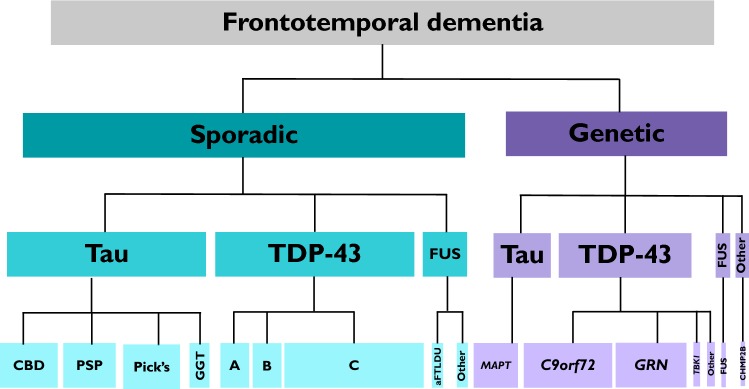
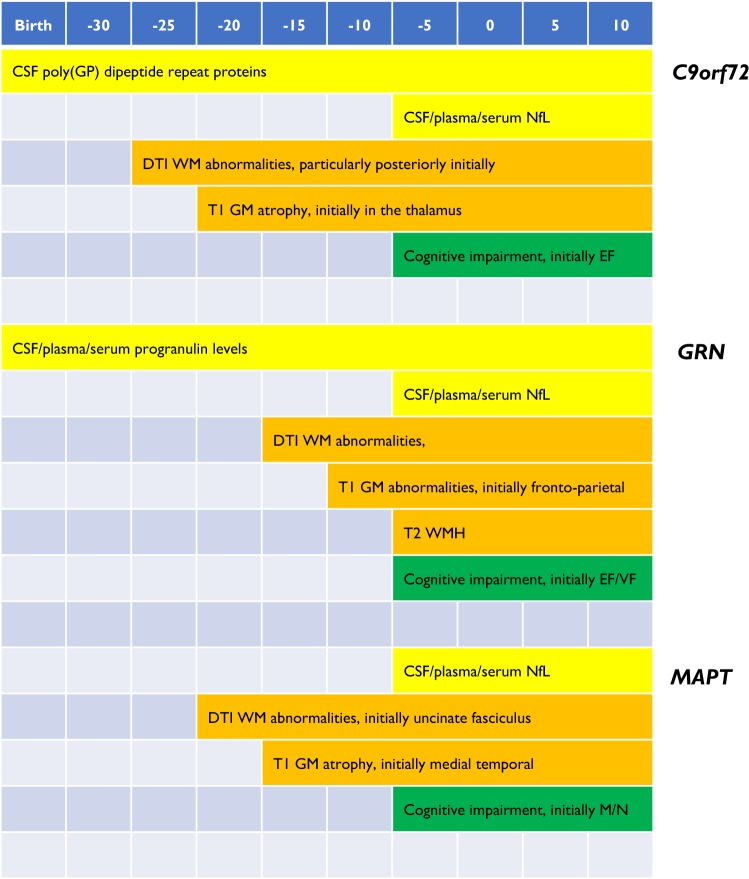
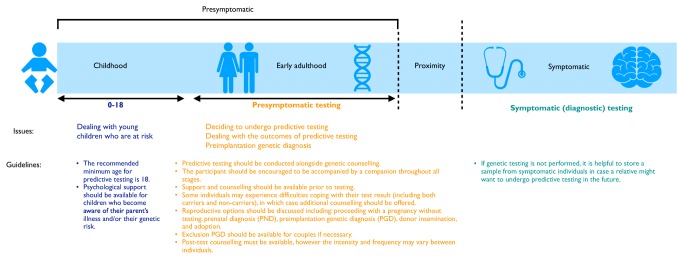
Frontotemporal dementia (FTD) is a highly heritable group of neurodegenerative disorders, with around 30% of patients having a strong family history. The majority of that heritability is accounted for by autosomal dominant mutations in the chromosome 9 open reading frame 72 (C9orf72), progranulin (GRN), and microtubule-associated protein tau (MAPT) genes, with mutations more rarely seen in a number of other genes. This review will discuss the recent updates in the field of genetic FTD. Age at symptom onset in genetic FTD is variable with recently identified genetic modifiers including TMEM106B (in GRN carriers particularly) and a polymorphism at a locus containing two overlapping genes LOC101929163 and C6orf10 (in C9orf72 carriers). Behavioural variant FTD (bvFTD) is the most common diagnosis in each of the genetic groups, although in C9orf72 carriers amyotrophic lateral sclerosis either alone, or with bvFTD, is also common. An atypical neuropsychiatric presentation is also seen in C9orf72 carriers and family members of carriers are at greater risk of psychiatric disorders including schizophrenia and autistic spectrum disorders. Large natural history studies of presymptomatic genetic FTD are now underway both in Europe/Canada (GENFI-the Genetic FTD Initiative) and in the US (ARTFL/LEFFTDS study), collaborating together under the banner of the FTD Prevention Initiative (FPI). These studies are taking forward the validation of cognitive, imaging and fluid biomarkers that aim to robustly measure disease onset, staging and progression in genetic FTD. Grey matter changes on MRI and hypometabolism on FDG-PET are seen at least 10 years before symptom onset with white matter abnormalities seen earlier, but the pattern and exact timing of changes differ between different genetic groups. In contrast, tau PET has yet to show promise in genetic FTD. Three key fluid biomarkers have been identified so far that are likely to be helpful in clinical trials-CSF or blood neurofilament light chain levels (in all groups), CSF or blood progranulin levels (in GRN carriers) and CSF poly(GP) dipeptide repeat protein levels (in C9orf72 carriers). Increased knowledge about genetic FTD has led to more clinical presymptomatic genetic testing but this has not yet been mirrored in the development of either an accepted FTD-specific testing protocol or provision of appropriate psychological support mechanisms for those living through the at-risk phase. This will become even more relevant as disease-modifying therapy trials start in each of the genetic groups over the next few years.
Overview
The claims and statistics of this paper haven’t been checked yet.
Free: it reads the open-access text and checks the first 5 claims that cite a source we can check. Create a free account to check every claim.
Integrity signals
Registry
Cites
Statistics
Figures
Verification
Claims the paper makes
The claims and statistics of this paper haven’t been checked yet.
Free: it reads the open-access text and checks the first 5 claims that cite a source we can check. Create a free account to check every claim.
Claims other papers make about this one
Each is checked against this paper’s own text: does it say what the citing paper says it does?
The source backs part of the claim, not all of it — or backs it for a different population, condition or comparison.
In the citing paper
“Known genetic modifiers of f-FTD disease progression were not included, such as specific mutations (for MAPT) and TMEM106B, a modifier of penetrance in GRN.2,40”
From Temporal order of clinical and biomarker changes in familial frontotemporal dementia (2022) · cites this paper as [2]
Experimental — accuracy not yet measuredThe cited source says what the claim attributes to it.
In the citing paper
“Approximately 20–30% of FTD is caused by autosomal dominant mutations (familial, or f-FTD), usually in one of three genes: chromosome 9 open reading frame 72 (C9orf72), progranulin (GRN), or microtubule-associated protein tau (MAPT).2”
From Temporal order of clinical and biomarker changes in familial frontotemporal dementia (2022) · cites this paper as [2]
The cited source says what the claim attributes to it.
In the citing paper
“Although the clinical manifestations of the f-FTD mutations are similar, the biology and neuropathology associated with C9orf72, GRN, and MAPT mutations are vastly different.2”
From Temporal order of clinical and biomarker changes in familial frontotemporal dementia (2022) · cites this paper as [2]
The cited source says what the claim attributes to it.
In the citing paper
“Mutations in genes such as microtubule-associated protein tau (MAPT), progranulin (GRN), and chromosome 9 open reading frame 72 (C9ORF72) represent the most common genetic cause of FTD [5].”
From A role for astrocytic miR-129-5p in frontotemporal dementia (2025) · cites this paper as [5]
In the citing paper
“since 70 % of bvFTD cases is non-genetic (Greaves and Rohrer, 2019)”
From The pursuit for markers of disease progression in behavioral variant frontotemporal dementia: a scoping review to optimize outcome measures for clinical trials (2024) · cites this paper as Greaves and Rohrer, 2019
Self-check
Percentages, sums and reported differences re-computed from the paper’s own numbers.
The self-check needs the paper’s full text.
Citations
Cites
Sensitivity of revised diagnostic criteria for the behavioural variant of frontotemporal dementia
Rascovsky, K., Hodges, J. R., Knopman, D., Mendez, M. F., Kramer, J. H., Neuhaus, J., van Swieten, J. C., Seelaar, H., Dopper, E. G. P., Onyike, C. U., et al. (2011) · Brain · doi:10.1093/brain/awr179 · Cited by 5,221
Self-citationClassification of primary progressive aphasia and its variants
Gorno-Tempini, M. L., Hillis, A. E., Weintraub, S., Kertesz, A., Mendez, M., Cappa, S. F., Ogar, J. M., Rohrer, J. D., Black, S., Boeve, B. F., et al. (2011) · Neurology · doi:10.1212/wnl.0b013e31821103e6 · Cited by 5,141
Self-citationClinical diagnosis of progressive supranuclear palsy: The movement disorder society criteria
Höglinger, G. U., Respondek, G., Stamelou, M., Kurz, C., Josephs, K. A., Lang, A. E., Mollenhauer, B., Müller, U., Nilsson, C., Whitwell, J. L., et al. (2017) · Movement Disorders · doi:10.1002/mds.26987 · Cited by 2,359
Criteria for the diagnosis of corticobasal degeneration
Armstrong, M. J., Litvan, I., Lang, A. E., Bak, T. H., Bhatia, K. P., Borroni, B., Boxer, A. L., Dickson, D. W., Grossman, M., Hallett, M., et al. (2013) · Neurology · doi:10.1212/wnl.0b013e31827f0fd1 · Cited by 1,904
Strong, M. J., Abrahams, S., Goldstein, L. H., Woolley, S., Mclaughlin, P., Snowden, J., Mioshi, E., Roberts-South, A., Benatar, M., HortobáGyi, T., et al. (2017) · Amyotrophic Lateral Sclerosis and Frontotemporal Degeneration · doi:10.1080/21678421.2016.1267768 · Cited by 909
Young, A. L., Marinescu, R. V., Oxtoby, N. P., Bocchetta, M., Yong, K., Firth, N. C., Cash, D. M., Thomas, D. L., Dick, K. M., Cardoso, J., et al. (2018) · Nature Communications · doi:10.1038/s41467-018-05892-0 · Cited by 596
Self-citationMutations in progranulin are a major cause of ubiquitin-positive frontotemporal lobar degeneration
Gass, J., Cannon, A., Mackenzie, I. R., Boeve, B., Baker, M., Adamson, J., Crook, R., Melquist, S., Kuntz, K., Petersen, R., et al. (2006) · Human Molecular Genetics · doi:10.1093/hmg/ddl241 · Cited by 580
Prevalence, characteristics, and survival of frontotemporal lobar degeneration syndromes
Coyle-Gilchrist, I. T. S., Dick, K. M., Patterson, K., Vázquez Rodríquez, P., Wehmann, E., Wilcox, A., Lansdall, C. J., Dawson, K. E., Wiggins, J., Mead, S., et al. (2016) · Neurology · doi:10.1212/wnl.0000000000002638 · Cited by 540
Rohrer, J. D., Nicholas, J. M., Cash, D. M., van Swieten, J., Dopper, E., Jiskoot, L., van Minkelen, R., Rombouts, S. A., Cardoso, M. J., Clegg, S., et al. (2015) · The Lancet Neurology · doi:10.1016/s1474-4422(14)70324-2 · Cited by 538
Self-citationThe heritability and genetics of frontotemporal lobar degeneration
Rohrer, J. D., Guerreiro, R., Vandrovcova, J., Uphill, J., Reiman, D., Beck, J., Isaacs, A. M., Authier, A., Ferrari, R., Fox, N. C., et al. (2009) · Neurology · doi:10.1212/wnl.0b013e3181bf997a · Cited by 536
Self-citation
Cited by
Items 101–200 of 541
Pharmacotherapy for Frontotemporal Dementia
Khoury, R., Liu, Y., Sheheryar, Q., & Grossberg, G. T. (2021) · CNS Drugs · doi:10.1007/s40263-021-00813-0 · Cited by 23
“(GRN) gene and then the microtubule-associated protein tau (MAPT) gene [9].”
BackgroundGiampietri, L., Belli, E., Beatino, M. F., Giannoni, S., Palermo, G., Campese, N., Tognoni, G., Siciliano, G., Ceravolo, R., Luca, C. D., et al. (2022) · Diagnostics · doi:10.3390/diagnostics12040796 · Cited by 25
Preclinical Interventions in Mouse Models of Frontotemporal Dementia Due to Progranulin Mutations
Kashyap, S. N., Boyle, N. R., & Roberson, E. D. (2023) · Neurotherapeutics · doi:10.1007/s13311-023-01348-6 · Cited by 22
Galectin‐3 is upregulated in frontotemporal dementia patients with subtype specificity
Borrego‐Écija, S., Pérez‐Millan, A., Antonell, A., Fort‐Aznar, L., Tilki, E. K., León‐Halcón, A., Lladó, A., Molina‐Porcel, L., Balasa, M., Juncà‐Parella, J., et al. (2023) · Alzheimer s & Dementia · doi:10.1002/alz.13536 · Cited by 22
“6,7 The neuropathological substrate of FTD is frontotemporal lobar degeneration (FTLD).”
BackgroundSaloner, R., Staffaroni, A. M., Dammer, E. B., Johnson, E. C. B., Paolillo, E. W., Wise, A. B., Heuer, H. W., Forsberg, L. K., Lario‐Lago, A., Webb, J. D., et al. (2025) · Nature Aging · doi:10.1038/s43587-025-00878-2 · Cited by 24
“The majority of autosomal dominant FTLD-tau is due to mutations in microtubule-associated protein tau ( MAPT ) 5,9 .”
Phase 1 study of latozinemab in progranulin‐associated frontotemporal dementia
Ward, M., Carter, L. P., Huang, J. Y., Maslyar, D. J., Budda, B., Paul, R. H., & Rosenthal, A. (2024) · Alzheimer s & Dementia Translational Research & Clinical Interventions · doi:10.1002/trc2.12452 · Cited by 22
Reus, L. M., Paşaniuc, B., Posthuma, D., Boltz, T. A., Ferrari, R., Hernandez, D. G., Nalls, M. A., Rohrer, J. D., Ramasamy, A., Kwok, J. B., et al. (2021) · Biological Psychiatry · doi:10.1016/j.biopsych.2020.12.023 · Cited by 21
Self-citationDiagnostic accuracy of research criteria for prodromal frontotemporal dementia
Benussi, A., Premi, E., Grassi, M., Alberici, A., Cantoni, V., Gazzina, S., Archetti, S., Gasparotti, R., Fumagalli, G., Bouzigues, A., et al. (2024) · Alzheimer s Research & Therapy · doi:10.1186/s13195-024-01383-1 · Cited by 21
“A genetically inherited disorder, most frequently due to variants in the microtubule-associated protein tau (MAPT) , progranulin (GRN) , or chromosome 9 open reading frame72 (C9orf72) genes [9, 10], may represent a privileged scenario to assess the MCBMI criteria accuracy.”
BackgroundSelf-citationFrontotemporal Dementia and Late-Onset Bipolar Disorder: The Many Directions of a Busy Road
da Silva, M. N. M., Porto, F. H. D. G., Lopes, P. M. G., Prado, C. S. D. C., Frota, N. A. F., Alves, C. H. L., & Alves, G. S. (2021) · Frontiers in Psychiatry · doi:10.3389/fpsyt.2021.768722 · Cited by 22
“In the last 10 years, GNR (128), progranulin mutation (127, 128), and chromosome 17 165 (3 ′ UTR+78C/T) (18) have been reported in case series of BD evolving to FTD (111, 127).”
BackgroundInfluentialHok‐A‐Hin, Y. S., Vermunt, L., Peeters, C. F. W., van der Ende, E. L., de Boer, S. C. M., Meeter, L. H. H., Houwer, J. F. H. D., Seelaar, H., Swieten, J. C. V., Hu, W. T., et al. (2025) · Molecular Neurodegeneration · doi:10.1186/s13024-025-00882-5 · Cited by 20
Prenatal gyrification pattern affects age at onset in frontotemporal dementia
Harper, L., Lindberg, O. E., Bocchetta, M., Todd, E. G., Strandberg, O. T., van Westen, D., Stomrud, E., Waldö, M. L., Wahlund, L., Hansson, O., et al. (2022) · Cerebral Cortex · doi:10.1093/cercor/bhab457 · Cited by 20
“A genetic etiology is observed in approximately 15–30% of cases of FTD (Greaves and Rohrer 2019).”
Self-citationGurfinkel, Y., Polain, N., Sonar, K., Nice, P. A., Mancera, R. L., & Rea, S. L. (2022) · Neurobiology of Disease · doi:10.1016/j.nbd.2022.105859 · Cited by 22
“It is a progressively fatal disease without a cure that displays a family history in around 40% of cases [2].”
BackgroundInfluentialHarding, E., Rossi-Harries, S., Alterkawi, S., Waddington, C., Grillo, A., Wood, O. K., Brotherhood, E., Windle, G., Sullivan, M. P., Camic, P. M., et al. (2023) · Aging & Mental Health · doi:10.1080/13607863.2023.2194848 · Cited by 22
“Some dementias are also directly inheritable such as familial frontotemporal dementia and familial Alzheimer’s disease (Greaves & Rohrer, 2019; Ryan et al., 2016).”
BackgroundTam, S., Wear, D., Morrone, C. D., & Yu, W. H. (2024) · Journal of Neurochemistry · doi:10.1111/jnc.16108 · Cited by 21
Sogorb‐Esteve, A., Weiner, S., Simrén, J., Swift, I. J., Bocchetta, M., Todd, E. G., Cash, D. M., Bouzigues, A., Russell, L. L., Foster, P. H., et al. (2025) · Science Translational Medicine · doi:10.1126/scitranslmed.adm9654 · Cited by 23
Self-citationThe role of neurofilament light in genetic frontotemporal lobar degeneration
Zetterberg, H., Teunissen, C., van Swieten, J., Kuhle, J., Boxer, A., Rohrer, J. D., Mitic, L., Nicholson, A. M., Pearlman, R., McCaughey, S. M., et al. (2022) · Brain Communications · doi:10.1093/braincomms/fcac310 · Cited by 19
“sponsible for approximately half of familial FTD cases and approximately 10–30% of all FTD cases, whereas the remainder is considered sporadic.(2) FTLD is pathologically as-”
BackgroundSelf-citationMirabian, S., Mohammadian, F., Ganji, Z., Zare, H., & Khalesi, E. H. (2025) · The Neuroradiology Journal · doi:10.1177/19714009251313511 · Cited by 21
Beckers, J., & Damme, P. V. (2025) · Autophagy Reports · doi:10.1080/27694127.2025.2474796 · Cited by 21
Sleep Disorders in Neurodegenerative Diseases with Dementia: A Comprehensive Review
Siwecka, N., Golberg, M., Świerczewska, D., Filipek, B., Pendrasik, K., Bączek-Grzegorzewska, A., Stasiołek, M., & Matysiak, M. (2025) · Journal of Clinical Medicine · doi:10.3390/jcm14197119 · Cited by 20
Update on Major Neurocognitive Disorders
Jones, K. C. (2021) · FOCUS The Journal of Lifelong Learning in Psychiatry · doi:10.1176/appi.focus.20210004 · Cited by 23
Tipton, P. W., Deutschlaender, A., Savica, R., Heckman, M. G., Brushaber, D. E., Dickerson, B. C., Gavrilova, R. H., Geschwind, D. H., Ghoshal, N., Graff‐Radford, J., et al. (2022) · Neurology · doi:10.1212/wnl.0000000000200860 · Cited by 22
“Approximately 30% of FTLD is genetic, and those with bvFTD are 4 times more likely to have a strong family history compared with those with PPA.10-12 Pathogenic variants (hereafter referred to as variants) in chromosome 9 open reading frame 72 (C9orf72), microtubule-associated protein tau (MAPT), and granulin (GRN) ac…”
BackgroundInfluentialCerebellar and subcortical atrophy contribute to psychiatric symptoms in frontotemporal dementia
Bussy, A., Levy, J. P., Best, T., Patel, R., Cupo, L., Langenhove, T. V., Nielsen, J. E., Pijnenburg, Y. A. L., Waldö, M. L., Remes, A. M., et al. (2023) · Human Brain Mapping · doi:10.1002/hbm.26220 · Cited by 21
Self-citationAdvances in the treatment and management of frontotemporal dementia
Benussi, A., & Borroni, B. (2023) · Expert Review of Neurotherapeutics · doi:10.1080/14737175.2023.2228491 · Cited by 19
“It is associated with MAPT gene variants, which have over 60 pathogenic variants reported [10,22].”
BackgroundTargeting Progranulin as an Immuno-Neurology Therapeutic Approach
Boylan, M. A., Pincetic, A., Romano, G. J., Tatton, N. A., Kenkare-Mitra, S., & Rosenthal, A. (2023) · International Journal of Molecular Sciences · doi:10.3390/ijms242115946 · Cited by 19
Ando, K., Ferlini, L., Suain, V., Yilmaz, Z., Mansour, S., Ber, I. L., Bouchard, C., Leroy, K., Dürr, A., Clot, F., et al. (2020) · Acta Neuropathologica Communications · doi:10.1186/s40478-020-00977-8 · Cited by 20
Reus, L. M., Jansen, I. E., Mol, M. O., van Ruissen, F., van Rooij, J., van Schoor, N. M., Tesi, N., Reinders, M. J. T., Huisman, M. A., Holstege, H. H., et al. (2021) · Translational Psychiatry · doi:10.1038/s41398-021-01577-3 · Cited by 19
“Genetic factors play a major role in FTD; up to 40–50% of all FTD patients have a positive family history for dementia [5, 6].”
BackgroundTranscriptomic and Network Meta-Analysis of Frontotemporal Dementias
Bottero, V., Alrafati, F., Santiago, J. A., & Potashkin, J. A. (2021) · Frontiers in Molecular Neuroscience · doi:10.3389/fnmol.2021.747798 · Cited by 19
Antonioni, A., Raho, E. M., Spampinato, D. A., Granieri, E., Fadiga, L., Lorenzo, F. D., & Koch, G. (2025) · Neuroscience & Biobehavioral Reviews · doi:10.1016/j.neubiorev.2025.106194 · Cited by 20
“Notably, this also entails concerns for patients ’ relatives, as FTD is characterised by a high heritability (Fenoglio et al., 2018; Greaves and Rohrer, 2019).”
Metal Toxicity and Dementia Including Frontotemporal Dementia: Current State of Knowledge
Gorini, F., & Tonacci, A. (2024) · Antioxidants · doi:10.3390/antiox13080938 · Cited by 19
Shafei, R., Woollacott, I., Mummery, C. J., Bocchetta, M., Guerreiro, R. J., Brás, J., Warren, J. D., Lashley, T., Jaunmuktane, Z., & Rohrer, J. D. (2019) · Neurobiology of Aging · doi:10.1016/j.neurobiolaging.2019.11.009 · Cited by 19
“Since that time, over 60 MAPT mutations have been discovered, with the majority presenting with clinical features of behavioral change and/or parkinsonism (Greaves and Rohrer, 2019).”
Self-citationDefective Lysosomal Lipid Catabolism as a Common Pathogenic Mechanism for Dementia
Lee, J. Y., Marian, O. C., & Don, A. S. (2021) · NeuroMolecular Medicine · doi:10.1007/s12017-021-08644-4 · Cited by 20
Lower plasma total tau in adolescent psychosis: Involvement of the orbitofrontal cortex
Andreou, D., Jørgensen, K. N., Nerland, S., Smelror, R. E., Wedervang‐Resell, K., Johannessen, C. H., Myhre, A. M., Andreassen, O. A., Blennow, K., Zetterberg, H., et al. (2021) · Journal of Psychiatric Research · doi:10.1016/j.jpsychires.2021.10.031 · Cited by 17
Pharmacogenomics of Dementia: Personalizing the Treatment of Cognitive and Neuropsychiatric Symptoms
Vuić, B., Milos, T., Tudor, L., Perković, M. N., Konjevod, M., Erjavec, G. N., Farkaš, V., Uzun, S., Mimica, N., & Štrac, D. Š. (2023) · Genes · doi:10.3390/genes14112048 · Cited by 19
A Systematic Review of Expressive and Receptive Prosody in People With Dementia
Oh, C., Morris, R. J., & Wang, X. (2021) · Journal of Speech Language and Hearing Research · doi:10.1044/2021_jslhr-21-00013 · Cited by 19
Exploring Neurofilament Light Chain and Exosomes in the Genetic Forms of Frontotemporal Dementia
Zanardini, R., Saraceno, C., Benussi, L., Squitti, R., & Ghidoni, R. (2022) · Frontiers in Neuroscience · doi:10.3389/fnins.2022.758182 · Cited by 17
Savard, M., Pascoal, T. A., Servaes, S., Dhollander, T., Iturria‐Medina, Y., Kang, M. S., Vitali, P., Therriault, J., Mathotaarachchi, S. S., Benedet, A. L., et al. (2022) · eLife · doi:10.7554/elife.73510 · Cited by 17
Targeting the molecular web of Alzheimer’s disease: unveiling pathways for effective pharmacotherapy
Jadhav, D., Saraswat, N., Vyawahare, N. S., & Shirode, D. S. (2024) · The Egyptian Journal of Neurology Psychiatry and Neurosurgery · doi:10.1186/s41983-023-00775-8 · Cited by 20
“Even though it is sometimes thought of as an uncommon condition, FTD—which has an estimated lifetime risk of 1 in 742—is perhaps the most prevalent kind of dementia seen by persons under the age of 60 [109].”
BackgroundApproaches to develop therapeutics to treat frontotemporal dementia
Elia, L. P., Reisine, T., Alijagic, A., & Finkbeiner, S. M. (2020) · Neuropharmacology · doi:10.1016/j.neuropharm.2020.107948 · Cited by 17
“Frontotemporal dementia (FTD) is the most common age-related dementia in people under 60 years of age (Rabinovici and Miller, 2010; Rademakers et al., 2012; Riedl et al., 2014; Greaves and Rohrer, 2019).”
BackgroundExamining empathy deficits across familial forms of frontotemporal dementia within the GENFI cohort
Foster, P. H., Russell, L. L., Peakman, G., Convery, R. S., Bouzigues, A., Greaves, C. V., Bocchetta, M., Cash, D. M., van Swieten, J. C., Jiskoot, L. C., et al. (2022) · Cortex · doi:10.1016/j.cortex.2022.01.012 · Cited by 16
Self-citationKeeley, O., & Coyne, A. N. (2024) · Nucleus · doi:10.1080/19491034.2024.2349085 · Cited by 16
Altered mRNA transport and local translation in i3Neurons with RNA-binding protein knockdown
Dargan, R., Mikheenko, A., Johnson, N. L., Packer, B., Li, Z., Craig, E. J., Como, C. N., Sarbanes, S. L., Bereda, C., Hao, Y., et al. (2025) · Nucleic Acids Research · doi:10.1093/nar/gkaf709 · Cited by 16
FTLD Treatment: Current Practice and Future Possibilities
Ljubenkov, P. A., & Boxer, A. L. (2021) · Advances in experimental medicine and biology · doi:10.1007/978-3-030-51140-1_18 · Cited by 16
Frontotemporal dementia: A unique window on the functional role of the temporal lobes
Borghesani, V., Deleon, J., & Gorno‐Tempini, M. L. (2022) · Handbook of clinical neurology · doi:10.1016/b978-0-12-823493-8.00011-0 · Cited by 17
Identifying and Diagnosing TDP-43 Neurodegenerative Diseases in Psychiatry
Ducharme, S., Pijnenburg, Y. A. L., Rohrer, J. D., Huey, E. D., Finger, E. C., & Tatton, N. A. (2023) · American Journal of Geriatric Psychiatry · doi:10.1016/j.jagp.2023.08.017 · Cited by 22
Self-citationFrontotemporal Dementia: A Cross-Cultural Perspective
Onyike, C. U., Shinagawa, S., & Ellajosyula, R. (2021) · Advances in experimental medicine and biology · doi:10.1007/978-3-030-51140-1_10 · Cited by 18
Chen, K., Gao, T., Liu, Y., Zhu, K., Wang, T., & Zeng, P. (2024) · Neurobiology of Aging · doi:10.1016/j.neurobiolaging.2023.09.017 · Cited by 15
Nan, H., Kim, Y., Chu, M., Li, D., Li, J., Jiang, D., Wu, Y., Ohtsuka, T., & Wu, L. (2024) · Alzheimer s Research & Therapy · doi:10.1186/s13195-024-01493-w · Cited by 15
“In Caucasian populations, around 30% to 50% of patients with FTD have a family history [3], of which mutations involving GRN , MAPT , and C9orf72 (chromosome 9 open reading frame 72) account for 60% of all inherited FTD [4].”
BackgroundRisk factors for the neurodegenerative dementias in the Western Pacific region
Clarke, A. J., Brodtmann, A. G., Irish, M., Mowszowski, L., Radford, K. A., Naismith, S. L., Mok, V., Kiernan, M. C., Halliday, G. M., & Ahmed, R. M. (2024) · The Lancet Regional Health - Western Pacific · doi:10.1016/j.lanwpc.2024.101051 · Cited by 20
“161 Lipid levels may also affect onset in ALS and FTD. Studies in Australasian and Asian populations suggest that there is an increased incidence of hyperlipidemia in those with ALS and that this may positively in fl uence survival.”
BackgroundClark, D. G. (2024) · CONTINUUM Lifelong Learning in Neurology · doi:10.1212/con.0000000000001506 · Cited by 16
McKenna, M. C., Lope, J., Tan, E. L., & Bede, P. (2022) · Brain Imaging and Behavior · doi:10.1007/s11682-022-00711-z · Cited by 16
“A genetic cause is determined in approximately 30% of cases (Greaves & Rohrer, 2019).”
BackgroundSantos‐García, I., Rodríguez‐Cueto, C., Villegas, P., Piscitelli, F., Lauritano, A., Shen, C.-K. J., Marzo, V. D., Fernández‐Ruíz, J., & de Lago, E. (2023) · Journal of Neuroinflammation · doi:10.1186/s12974-023-02792-z · Cited by 15
“This "molecular classification" is, in a certain way, associated with the genetic origin of the disease, as approximately 40–50% of patients present an autosomal dominant inheritance pattern [56], with the remaining 50–60% of cases having sporadic origin [32].”
BackgroundMega, A., Galluzzi, S., Bonvicini, C., Fostinelli, S., Gennarelli, M., Geroldi, C., Zanetti, O. O., Benussi, L., Maria, E. D., & Frisoni, G. B. (2020) · Alzheimer s Research & Therapy · doi:10.1186/s13195-020-00720-4 · Cited by 17
Experimental Disease-Modifying Agents for Frontotemporal Lobar Degeneration
Giunta, M., Solje, E., Gardoni, F., Borroni, B., & Benussi, A. (2021) · Journal of Experimental Pharmacology · doi:10.2147/jep.s262352 · Cited by 18
Differential involvement of neurotransmitter pathways in AD, bvFTD and MCI: Whole-brain MRI analysis
Morais, R. F., Sousa, J. M., Koba, C., de Andrés, L., Jesus, T., Baldeiras, I., Oliveira, T. G., & Santana, I. J. (2025) · Neurobiology of Disease · doi:10.1016/j.nbd.2025.106897 · Cited by 14
“The cholinergic system, primarily involving acetylcholine, is crucial for memory and attention, and its degeneration is linked to cognitive decline in Alz-heimer ’ s disease (AD) though less so in frontotemporal dementia (bvFTD) (Arvanitakis et al., 2019; Greaves and Rohrer, 2019).”
O’Day, D. H. (2023) · Journal of Clinical Medicine · doi:10.3390/jcm12227045 · Cited by 14
“A dozen or so less common (5% of FTD mutations) mutations have also been identified [97,98].”
BackgroundPoos, J. M., van den Berg, E., de Boer, L., Gunput, S. T. G., Dopper, E. G. P., Seelaar, H., & Jiskoot, L. C. (2024) · Aging and Disease · doi:10.14336/ad.2024.0183 · Cited by 17
“A limitation of our study is the potential heterogeneity of the patient samples with respect to underlying mutation, clinical phenotype, and disease duration/time to symptom onset [5, 6-65 6-65].”
InfluentialKung, W., & Lin, M.-S. (2021) · International Journal of Molecular Sciences · doi:10.3390/ijms22020934 · Cited by 14
“The well-documented genetic manifestations include the following: (1) autosomal dominant spinocerebellar ataxia type 1 (SCA1): ATXN1 mutation (associated with polyglutamine repeat in ataxin-1) [8]; (2) autosomal dominant early-onset AD: mutations in amyloid precursor protein (chromosome 21), presenilin-1 (chromosome 1…”
BackgroundBroce, I., Castruita, P. A., & Yokoyama, J. S. (2021) · Frontiers in Neuroscience · doi:10.3389/fnins.2021.639078 · Cited by 15
Liu, L., Chu, M. K., Nie, B., Liu, L., Xie, K., Cui, Y., Kong, Y., Chen, Z., Nan, H., Chen, K., et al. (2022) · Alzheimer s Research & Therapy · doi:10.1186/s13195-022-01000-z · Cited by 14
“Background Frontotemporal dementia (FTD) is a clinically, genetically, and pathologically heterogeneous group of syndromes characterized by the degeneration of the frontal and temporal cortices [1].”
BackgroundFrequency and Longitudinal Course of Motor Signs in Genetic Frontotemporal Dementia
Schönecker, S., Martínez-Murcia, F. J., Rauchmann, B., Franzmeier, N., Prix, C., Wlasich, E., Loosli, S. V., Bochmann, K., Górriz, J. M., Laforce, R. J., et al. (2022) · Neurology · doi:10.1212/wnl.0000000000200828 · Cited by 14
“This was to be expected in c9orf72 pathogenic variant carriers but is rather unexpected in GRN and MAPT pathogenic variant carriers, as the occurrence of ALS-like signs has only rarely been described in these conditions.(4,24) Of interest, this was only in part due to the nonspecific variables with high cross loadings…”
BackgroundSelf-citationChen, F., Liu, J., Yang, T., Sun, J., He, X., Fu, X., Qiao, S., An, J., & Yang, J. (2023) · Journal of bone oncology · doi:10.1016/j.jbo.2023.100493 · Cited by 14
“10 reported in several neurological diseases such as frontotemporal dementia [53]and neuronal ceroid lipofuscinosis[52].”
BackgroundLimb and face apraxias in frontotemporal dementia: A systematic scoping review
Yliranta, A., & Jehkonen, M. (2020) · Cortex · doi:10.1016/j.cortex.2020.03.023 · Cited by 15
Rohrer, J. D., & Boxer, A. L. (2021) · Advances in experimental medicine and biology · doi:10.1007/978-3-030-51140-1_8 · Cited by 14
Self-citationCalabria as a Genetic Isolate: A Model for the Study of Neurodegenerative Diseases
Bruno, F., Laganà, V., Lorenzo, R. D., Bruni, A. C., & Maletta, R. (2022) · Biomedicines · doi:10.3390/biomedicines10092288 · Cited by 15
“, VCP, CHMP2B, TARDBP, FUS, SQSTM1, CHCHD10, TBK1, OPTN, CCNF, TIA1), enlarging the genetic and phenotypic spectrum of this disease [57].”
BackgroundDominguez, J. C., Yu, J. G., Tan, Y. J., Ng, A. R., Guzman, M. F. D., Natividad, B. P., Daroy, M. L. G., Cano, J., Yu, J. M. F., Lian, M. M., et al. (2021) · Frontiers in Neurology · doi:10.3389/fneur.2021.645913 · Cited by 14
“Mutations in three genes are associated with the majority of familial FTD (fFTD) cases microtubule associated protein tau gene (MAPT), granulin precursor (GRN), and hexanucleotide repeat expansions in chromosome 9 open reading frame 72- SMCR8complex subunit (C9orf72) (5).”
BackgroundPlasschaert, R. N., DeAndrade, M. P., Hull, F., Nguyen, Q., Peterson, T., Yan, A., Loperfido, M., Baricordi, C., Barbarossa, L., Yoon, J. K., et al. (2022) · Molecular Therapy · doi:10.1016/j.ymthe.2022.05.022 · Cited by 12
Distinct fingerprints of tRNA-derived small non-coding RNA in animal models of neurodegeneration
Baindoor, S., Gibriel, H. A. Y., Venø, M. T., Su, J., Morrissey, E. P., Jirström, E., Woods, I., Kenny, A., Alves, M., Halang, L., et al. (2024) · Disease Models & Mechanisms · doi:10.1242/dmm.050870 · Cited by 14
“Approximately 30% have a genetic form of FTD, with mutations mainly in C9orf72 , progranulin ( GRN ) and microtubule associated protein tau ( MAPT ) genes (Greaves and Rohrer, 2019).”
CSF glial markers are elevated in a subset of patients with genetic frontotemporal dementia
Woollacott, I., Swift, I. J., Sogorb‐Esteve, A., Heller, C., Knowles, K., Bouzigues, A., Russell, L. L., Peakman, G., Greaves, C. V., Convery, R. S., et al. (2022) · Annals of Clinical and Translational Neurology · doi:10.1002/acn3.51672 · Cited by 13
“It is genetic in about a third of cases, with mutations in C9orf72, GRN and MAPT being the commonest causes.(1) However, little is known about the underlying pathophysiological processes that occur in FTD.”
Self-citationChu, M. K., Nan, H., Jiang, D., Liu, L., Huang, A., Wang, Y., & Wu, L. (2023) · Journal of Alzheimer s Disease · doi:10.3233/jad-230052 · Cited by 12
Filippini, T., Costanzini, S., Chiari, A., Urbano, T., Despini, F., Tondelli, M., Bedin, R., Zamboni, G., Teggi, S., & Vinceti, M. (2024) · International Journal of Health Geographics · doi:10.1186/s12942-024-00384-5 · Cited by 13
The role of frontotemporal dementia associated genes in patients with Alzheimer's disease
Xiao, X., Yuan, Z., Guo, L., Liao, X., Zhou, Y., Zhang, W., Zhou, L., Wang, X., Liu, X., Liu, H., et al. (2021) · Neurobiology of Aging · doi:10.1016/j.neurobiolaging.2021.05.016 · Cited by 14
Hsiao‐Nakamoto, J., Chiu, C., VandeVrede, L. A., Ravi, R., Vandenberg, B., Groot, J. D., Tsogtbaatar, B., Fang, M., Auger, P., Gould, N. S., et al. (2024) · bioRxiv (Cold Spring Harbor Laboratory) · doi:10.1101/2024.02.09.579529 · Cited by 13
KCTD20 suppression mitigates excitotoxicity in tauopathy patient organoids
Berlind, J. E., Lai, J. D., Lie, C., Vicente, J., Lam, K., Guo, S., Chang, J., Yu, V. L., & Ichida, J. K. (2025) · Neuron · doi:10.1016/j.neuron.2025.02.001 · Cited by 12
Sex differences in clinical phenotypes of behavioral variant frontotemporal dementia
Liu, X., de Boer, S. C. M., Cortez, K., Poos, J. M., Illán‐Gala, I., Heuer, H. W., Forsberg, L. K., Casaletto, K. B., Memel, M., Appleby, B. S., et al. (2025) · Alzheimer s & Dementia · doi:10.1002/alz.14608 · Cited by 12
Self-citationCortical iron accumulation in MAPT ‐ and C9orf 72‐associated frontotemporal lobar degeneration
Giannini, L. A. A., Bulk, M., Kenkhuis, B., Rajicic, A., Melhem, S., Hegeman-Kleinn, I. M., Bossoni, L., Suidgeest, E., Dopper, E. G. P., Swieten, J. C. V., et al. (2023) · Brain Pathology · doi:10.1111/bpa.13158 · Cited by 11
“FTD is hereditary in 30% of the cases, with mutations in microtubuleassociated protein tau (MAPT), progranulin (GRN), and chromosome 9 open reading frame 72 (C9orf72) as most common gene defects [3, 4].”
BackgroundHarding, E., Rossi-Harries, S., Gerritzen, E. V., Zimmermann, N., Hoare, Z., Proctor, D., Brotherhood, E., Crutch, S. J., & Gonzalez, A. S. (2023) · BMC Geriatrics · doi:10.1186/s12877-023-03992-1 · Cited by 13
“To build on this, exploration of the impact of COVID-19 of those with other non-memory-led or lesser known dementias such as posterior cortical atrophy (PCA) [23, 24], primary progressive aphasia (PPA) [25], behavioural variant frontotemporal dementia (bvFTD) [26], dementia with Lewy bodies (DLB) [27], and familial fo…”
BackgroundLongitudinal cerebral perfusion in presymptomatic genetic frontotemporal dementia: GENFI results
Pasternak, M. M., Mirza, S. S., Luciw, N. J., Mutsaerts, H. J. M. M., Petr, J., Thomas, D. L., Cash, D. M., Bocchetta, M., Tartaglia, M. C., Mitchell, S. B., et al. (2024) · Alzheimer s & Dementia · doi:10.1002/alz.13750 · Cited by 11
Self-citationChen, Z., Chu, M. K., Liu, L., Zhang, J., Kong, Y., Xie, K., Cui, Y., Ye, H., Li, J., Wang, L., et al. (2022) · Alzheimer s Research & Therapy · doi:10.1186/s13195-022-01033-4 · Cited by 12
“The majority of the inherited cases of FTD involve autosomal dominant mutations in the chromosome 9 open reading frame 72 (C9orf72), progranulin (GRN), and microtubule-associated protein tau (MAPT) genes [4].”
BackgroundBergh, S., Cheong, R. Y., Petersén, Å., & Gabery, S. (2022) · Frontiers in Molecular Neuroscience · doi:10.3389/fnmol.2022.984317 · Cited by 11
“The latter two genes are also affected in FTD as well as progranulin (GRN) and microtubule associated protein tau (MAPT) (Taylor et al., 2016; Greaves and Rohrer, 2019).”
BackgroundA role for astrocytic miR-129-5p in frontotemporal dementia
Kaurani, L., Pradhan, R., Schröder, S., Burkhardt, S., Schuetz, A.-L., Krüger, D. M., Pena, T., Heutink, P., Sananbenesi, F., & Fischer, A. (2025) · Translational Psychiatry · doi:10.1038/s41398-025-03338-y · Cited by 10
“While some cases occur sporadically, current data suggest that up to 48% of FTD cases have a familial basis [5].”
HSV-1 as a Potential Driver of Alzheimer’s Disease
Li, D.-Y., Choi, E. S., & Bao, X. (2025) · Pathogens · doi:10.3390/pathogens14101022 · Cited by 10
“A majority of individuals inherit autosomal dominant mutations of C9orf72 on chromosome 9, progranulin on chromosome 17, and microtubule-associated protein tau on chromosome 17 [18].”
Proteomics of the dentate gyrus reveals semantic dementia specific molecular pathology
Mol, M. O., Miedema, S. S. M., Melhem, S., Li, K. W., Koopmans, F., Seelaar, H., Gottmann, K., Leßmann, V., Bank, N. B., Smit, A. B., et al. (2022) · Acta Neuropathologica Communications · doi:10.1186/s40478-022-01499-1 · Cited by 11
“Ling SC (2018) Synaptic paths to neurodegeneration: the emerging role of TDP-43 and FUS in synaptic functions.”
BackgroundDistinctive cell‐free DNA methylation characterizes presymptomatic genetic frontotemporal dementia
Giannini, L. A. A., Boers, R., van der Ende, E. L., Poos, J. M., Jiskoot, L. C., Boers, J., van IJcken, W. F. J., Dopper, E. G. P., Pijnenburg, Y. A. L., Seelaar, H., et al. (2024) · Annals of Clinical and Translational Neurology · doi:10.1002/acn3.51997 · Cited by 11
“6 Fluid biomarkers play a crucial role in the early diagnosis and prognostic follow-up of patients with FTD syndromes, 7 to improve clinical care and the design of clinical trials targeting the early disease stage.”
BackgroundSchönecker, S., Martínez-Murcia, F. J., Denecke, J., Franzmeier, N., Danek, A., Wagemann, O., Prix, C., Wlasich, E., Vöglein, J., Loosli, S. V., et al. (2024) · Neurology · doi:10.1212/wnl.0000000000209569 · Cited by 13
Self-citationKim, E., Moon, S. Y., Kim, H. J., Jung, N., Lee, S. M., & Kim, Y. E. (2022) · European Journal of Neurology · doi:10.1111/ene.15455 · Cited by 10
“Second, out of clinical FTD syndromes, svPPA, as in our case, is an unusual genetic FTD phenotype that is generally sporadic [6].”
BackgroundDefining the presymptomatic phase of frontotemporal dementia
Russell, L. L., & Rohrer, J. D. (2023) · Current Opinion in Neurology · doi:10.1097/wco.0000000000001174 · Cited by 12
Self-citationA Clinicopathologic Study of Movement Disorders in Frontotemporal Lobar Degeneration
Pablo‐Fernández, E. D., González‐Herrero, B., Santacruz, D. M. C., Rossor, M. N., Schott, J. M., Lashley, T., Holton, J. L., Fox, N. C., Révész, T., Warren, J. D., et al. (2020) · Movement Disorders · doi:10.1002/mds.28356 · Cited by 10
“33 Mild 6 (32) 3 (33) 3 (33) 0 Moderate 8 (42) 3 (33) 5 (56) 0 Severe 5 (26) 3 (33) 1 (11) 1 (100) Distribution, N (%) 0.”
Self-citationLok, H. C., & Kwok, J. B. (2021) · International Journal of Molecular Sciences · doi:10.3390/ijms22052541 · Cited by 12
“Less common causal genes such as those for valosin-containing protein (VCP), chromatin-modifying protein 2B (CHMP2B), TAR-DNAbinding protein 43 (TARDBP), fused in sarcoma (FUS), coiled-coil-helix-coiled-coil-helix domain-containing 10 (CHCHD10) and triggering receptor expressed on myeloid cells 2 (TREM2) are known to…”
BackgroundNeurodegenerative Disease Risk in Carriers of Autosomal Recessive Disease
Vieira, S. R. L., & Morris, H. R. (2021) · Frontiers in Neurology · doi:10.3389/fneur.2021.679927 · Cited by 10
“Since it was first associated with FTD, over 110 pathogenic GRN mutations have been described (85).”
BackgroundJanicki, M. P., McCallion, P., Jokinen, N. S., Larsen, F., Mughal, D., Palanisamy, V., Santos, F. H., Service, K. P., Shih, A. J., Shooshtari, S., et al. (2025) · Journal of Autism and Developmental Disorders · doi:10.1007/s10803-025-06843-7 · Cited by 10
“Familial heritability is associated with an increased risk of psychiatric disorders, including schizophrenia and autism (Greaves & Rohrer, 2019).”
Patients carrying the mutation p.R406W in MAPT present with non-conforming phenotypic spectrum
Gossye, H., Mossevelde, S. V., Sieben, A., Bjerke, M., de Craen, E. H. V., van der Zee, J., Deyn, P. P. D., Bleecker, J. D., Versijpt, J. J., van den Ende, J., et al. (2022) · Brain · doi:10.1093/brain/awac362 · Cited by 10
Analytical and clinical validation of a blood progranulin ELISA in frontotemporal dementias
Meda, F. J., Simrén, J., Borroni, B., Cantoni, V., Archetti, S., Biasiotto, G., Andréasson, U., Blennow, K., Kvartsberg, H., & Zetterberg, H. (2023) · Clinical Chemistry and Laboratory Medicine (CCLM) · doi:10.1515/cclm-2023-0562 · Cited by 9
“Consideringthespectrum ofdiseases, it is clear that the assay signi fi cantly distinguishes GRN mutation carriers, either symptomatic or pre-symptomatic, from everyotherdiseasetype(p<0.0001for GRN andPre-GRN vs.AD, bvFTD, PPA, CBS, PSP and Controls; p<0.001 vs. C9orf72 mutation carriers; p<0.05 vs. pre-C9orf72 ).”
BackgroundInfluentialStefanova, E. D., Marjanović, A., Dobričić, V., Mandić‐Stojmenović, G., Stojković, T., Branković, M., Šarčević, M., Novaković, I. V., & Kostić, V. (2024) · Neurogenetics · doi:10.1007/s10048-024-00766-8 · Cited by 9
Communicating and Using Dementia Risk Evidence
Rosen, A. C. (2022) · Journal of Alzheimer s Disease · doi:10.3233/jad-220722 · Cited by 10
“For highly penetrant pathogenic variants, genetic counsellors are critical to help people decide whether they wish to know, with high certainty, that they and their family members will inherit the disease [64, 65].”
BackgroundZubizarreta, I. K., Manero-Azua, Á., Afonso-Agüera, J., & de Nanclares, G. P. (2023) · Journal of Personalized Medicine · doi:10.3390/jpm13091396 · Cited by 9
“Regarding FTD, other involved genes include the microtubule-associated protein tau (MAPT) and progranulin (GRN), among others [30].”
BackgroundAnterior cingulate sulcation is associated with onset and survival in frontotemporal dementia
Harper, L., de Boer, S., Lindberg, O. E., Lätt, J., Cullen, N. C., Clark, L., Irwin, D. J., Massimo, L. M., Grossman, M., Hansson, O., et al. (2023) · Brain Communications · doi:10.1093/braincomms/fcad264 · Cited by 10
Gonzalo‐Consuegra, C., Santos‐García, I., García‐Toscano, L., Martín-Baquero, R., Rodríguez‐Cueto, C., Wittwer, M., Dżygiel, P., Grether, U., de Lago, E., & Fernández‐Ruíz, J. (2024) · Biomedicine & Pharmacotherapy · doi:10.1016/j.biopha.2024.116473 · Cited by 9
Nicolas, G., Sévigny, M., Lecoquierre, F., Marguet, F., Deschênes, A., Pelaez, M. C., Feuillette, S., Audebrand, A., Lecourtois, M., Rousseau, S., et al. (2022) · Acta Neuropathologica Communications · doi:10.1186/s40478-022-01314-x · Cited by 10
Sung, H., & Lloyd, T. E. (2022) · Traffic · doi:10.1111/tra.12861 · Cited by 11
Fieldhouse, J. L. P., van Paassen, D. N., van Engelen, M.-P. E., De Boer, S. C. M., Hartog, W. L., Braak, S., Schoonmade, L. J., Schouws, S. N. T. M., Krudop, W. A., Oudega, M. L., et al. (2024) · Frontiers in Aging Neuroscience · doi:10.3389/fnagi.2024.1382593 · Cited by 8
“However, since 70 % of bvFTD cases is non-genetic (Greaves and Rohrer, 2019), clearly this knowledge gap needs to be addressed.”
Background
Metadata
- Authors
- Greaves, C. V., & Rohrer, J. D.
- Affiliations
- UCL Queen Square Institute of Neurology (GB)
- Corresponding author
- Rohrer, Jonathan D.
- Venue
- Journal of Neurology
- Published
- 2019-05-22
- Volume
- 266
- Issue
- 8
- Pages
- 2075-2086
- ISSN
- 0012-1037 (ISSN-L)
- 0340-5354
- 1432-1459
- PMC
- PMC6647117
- OpenAlex
- W2946423464
- Semantic Scholar
- a2e7ba961fbe79feb913f4882aa50a437a1e08c7
- Cited by
- 500
- References
- 91
- Citations by year
- 2026: 55 · 2025: 78 · 2024: 77 · 2023: 65 · 2022: 100 · 2021: 78 · 2020: 42 · 2019: 4
- FWCI
- 7.53
- Type
- journal article
- Language
- en
- Open access
- hybrid
- doi.org
- Licence
- cc-by
- creativecommons.org/licenses/by/4.0 (tdm)
- creativecommons.org/licenses/by/4.0 (vor)
- Locations
- Journal of Neurology (publishedVersion, cc-by)
- Europe PMC (PubMed Central) (publishedVersion, cc-by)
- PubMed Central (publishedVersion, cc-by)
- PubMed (publishedVersion)
- UCL Discovery (University College London) (submittedVersion)
- Funders
- National Institute for Health and Care Research (CL-2012-18-010)
- Medical Research Council (MR/M023664/1, MR/M008525/1, MR/J009482/1)
- Topics
- Health Sciences › Medicine › Clinical Neurology › Amyotrophic Lateral Sclerosis Research
- Health Sciences › Medicine › Psychiatry and Mental health › Dementia and Cognitive Impairment Research
- Life Sciences › Neuroscience › Cellular and Molecular Neuroscience › Alzheimer's disease research and treatments
- Keywords
- frontotemporal dementia, genetic frontotemporal dementia, C9orf72, progranulin, MAPT, TMEM106B, behavioral variant frontotemporal dementia, amyotrophic lateral sclerosis, presymptomatic genetic testing, genetic modifiers, neurofilament light chain, dipeptide repeat proteins, biomarkers
- MeSH terms
- C9orf72 Protein, Humans, Membrane Proteins, Mutation, Nerve Tissue Proteins, Biomarkers, Genetic Predisposition to Disease, Frontotemporal Dementia
About these checks
Registry, retraction, Cites and statistics results are computed, not judged, with one exception: a printed reference that no index lists is read once by a model before it counts as a citation error. Claims are extracted by a model and kept only when their quote appears verbatim in the text; each cited source is then checked, with a model’s help, for whether it says what the claim relies on. Those verdicts can be wrong — read the claim’s quote and the cited source before relying on one.
Statistics and arithmetic are recomputed, not judged.
Confidence bands are shown only for fields calibrated on our annotated test set. None is calibrated yet, so no band is shown.
What counts as a claim ›How we measure confidence ›How we check this ›
Are you an author, or do you see a problem with this page? Request a review
Data sources
Bibliographic data: Semantic Scholar, OpenAlex, Crossref.
Contains information from the Semantic Scholar Academic Graph Datasets, made available under the ODC Attribution License (ODC-BY 1.0).
Semantic Scholar’s data is described in: Kinney, R., et al. (2023). The Semantic Scholar Open Data Platform. arXiv:2301.10140.
