

Conjoint activity of anterior insular and anterior cingulate cortex: awareness and response
Open accessThe DOI matches its Crossref record; 141 of the 141 references it cites were found in a registry or an index.
Abstract
There is now a wealth of evidence that anterior insular and anterior cingulate cortices have a close functional relationship, such that they may be considered together as input and output regions of a functional system. This system is typically engaged across cognitive, affective, and behavioural contexts, suggesting that it is of fundamental importance for mental life. Here, we review the literature and reinforce the case that these brain regions are crucial, firstly, for the production of subjective feelings and, secondly, for co-ordinating appropriate responses to internal and external events. This model seeks to integrate higher-order cortical functions with sensory representation and autonomic control: it is argued that feeling states emerge from the raw data of sensory (including interoceptive) inputs and are integrated through representations in conscious awareness. Correspondingly, autonomic nervous system reactivity is particularly important amongst the responses that accompany conscious experiences. Potential clinical implications are also discussed.
Overview
The claims and statistics of this paper haven’t been checked yet.
Free: it reads the open-access text and checks the first 5 claims that cite a source we can check. Create a free account to check every claim.
Integrity signals
Registry
Cites
Statistics
Figures
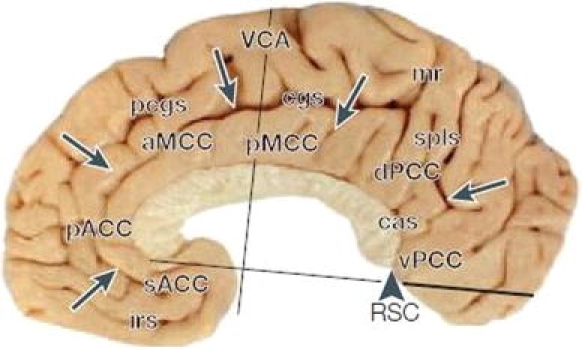
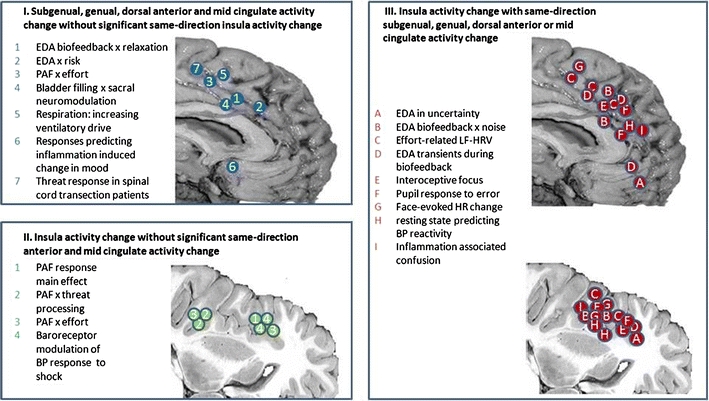
Verification
Claims the paper makes
The claims and statistics of this paper haven’t been checked yet.
Free: it reads the open-access text and checks the first 5 claims that cite a source we can check. Create a free account to check every claim.
Claims other papers make about this one
Each is checked against this paper’s own text: does it say what the citing paper says it does?
The source backs part of the claim, not all of it — or backs it for a different population, condition or comparison.
In the citing paper
“These observations provide further support for considering the salience network as a central neural substrate of our model.”
From An Interoceptive Predictive Coding Model of Conscious Presence (2012) · cites this paper as Medford and Critchley, 2010
Experimental — accuracy not yet measuredThe source backs part of the claim, not all of it — or backs it for a different population, condition or comparison.
In the citing paper
“The AIC and the ACC (see Figure 2) are often coactivated despite being spatially widely separated, forming a “salience network” in conjunction with the amygdala and the inferior frontal gyrus”
From An Interoceptive Predictive Coding Model of Conscious Presence (2012) · cites this paper as Medford and Critchley, 2010
Experimental — accuracy not yet measuredThe source backs part of the claim, not all of it — or backs it for a different population, condition or comparison.
In the citing paper
“This state of defensive posturing may compromise one’s ability to utilize typical sensory processing avenues to interpret external sensory information continuously received from their surroundings (Bryant et al., 2005; Felmingham et al., 2008; Medford and Critchley, 2010; Ionta et al., 2011; Terpou et al., 2018).”
From How Processing of Sensory Information From the Internal and External Worlds Shape the Perception and Engagement With the World in the Aftermath of Trauma: Implications for PTSD (2021) · cites this paper as Medford and Critchley, 2010
Experimental — accuracy not yet measuredThe cited source says what the claim attributes to it.
In the citing paper
“ACC does not seem to be a critical region in generating awareness, yet it might receive input from AIC and convey the “feeling” information to other brain networks that serve voluntary control functions (Posner and Rothbart, 1998; Craig, 2009; Medford and Critchley, 2010; Valentini, 2010).”
From Anterior insular cortex and emotional awareness (2013) · cites this paper as Medford and Critchley, 2010
The cited source says what the claim attributes to it.
In the citing paper
“In other words, we borrow from the classical view that ACC serves as a limbic motor region and the AIC as a limbic sensory structure (Craig, 2009; Medford and Critchley, 2010).”
From Anterior insular cortex and emotional awareness (2013) · cites this paper as Medford and Critchley, 2010
7 more claims about this paper
Create a free account to see every claim other papers make about this one.
Self-check
Percentages, sums and reported differences re-computed from the paper’s own numbers.
The self-check needs the paper’s full text.
Citations
Cites
Dissociable intrinsic connectivity networks for salience processing and executive control
Seeley, W. W., Menon, V., Schatzberg, A. F., Keller, J., Glover, G. H., Kenna, H., Reiss, A. L., & Greicius, M. D. (2007) · The Journal of Neuroscience · doi:10.1523/jneurosci.5587-06.2007 · Cited by 7,426 · cited 4×
“The link with other automatic processes such as attentional direction and salience processing (Seeley et al. 2007) is suspected to be intrinsic to the conjoint functioning of ACC and insular cortex (Craig 2009) and their phylogenetic evolution in primates.”
BackgroundMethodInfluentialHow do you feel — now? The anterior insula and human awareness
(Bud) Craig, A. D. (2009) · Nature Reviews Neuroscience · doi:10.1038/nrn2555 · Cited by 6,657 · cited 14×
“studies reporting increased insula activation in alexithymics in response to emotional material, and some reporting decreases (Craig 2009).”
BackgroundResultInfluentialCognitive and emotional influences in anterior cingulate cortex
Bush, G., Luu, P., & Posner, M. I. (2000) · Trends in Cognitive Sciences · doi:10.1016/s1364-6613(00)01483-2 · Cited by 6,259 · cited 1×
“These ideas were extended by an influential review of neuroimaging studies involving ACC activation, which suggested that the region classically designated as ACC can be further subdivided into dorsal cognitive and rostral-ventral affective divisions (Bush et al. 2000).”
BackgroundHow do you feel? Interoception: The sense of the physiological condition of the body
Craig, A. D. (2002) · Nature Reviews Neuroscience · doi:10.1038/nrn894 · Cited by 6,006 · cited 3×
“A stance taken from observing the close correspondence between autonomic output and cingulate function across a range of tasks provided a view consistent with the notion of cingulate as ‘limbic motor cortex’ (Craig 2002).”
BackgroundResultInfluentialEmpathy for Pain Involves the Affective but not Sensory Components of Pain
Singer, T., Seymour, B., O'Doherty, J., Kaube, H., Dolan, R. J., & Frith, C. D. (2004) · Science · doi:10.1126/science.1093535 · Cited by 3,929 · cited 1×
“A study by Singer et al. (2004) is of particular note: AIC and ACC were amongst a network of regions activated by a task eliciting empathy for the pain of others.”
BackgroundNeural systems supporting interoceptive awareness
Critchley, H. D., Wiens, S., Rotshtein, P., Öhman, A., & Dolan, R. J. (2004) · Nature Neuroscience · doi:10.1038/nn1176 · Cited by 3,406 · cited 2×
“Direct evidence for the idea that the insula is a key area supporting interoception comes from a functional neuroimaging study in which the ability to make accurate judgements about the timing of one’s own heartbeat was used as an index of interoceptive awareness (Critchley et al. 2004).”
BackgroundMethodSelf-citationContributions of anterior cingulate cortex to behaviour
Devinsky, O., Morrell, M. J., & Vogt, B. A. (1995) · Brain · doi:10.1093/brain/118.1.279 · Cited by 3,377 · cited 6×
“Devinsky et al. (1995) observe that ‘‘the functions of the anterior cingulate cortex, a component of several vital networks and subserving a diverse range of functions, are difficult to quantify or even describe, and have eluded the traditional ‘localized lesion-behavioural correlate’ approach’’.”
BackgroundInfluentialSridharan, D., Levitin, D. J., & Menon, V. (2008) · Proceedings of the National Academy of Sciences · doi:10.1073/pnas.0800005105 · Cited by 2,892 · cited 2×
“More specific evidence of functional interaction between ACC and AIC comes from a study by Sridharan et al. (2008), which identified a fronto-insular cingulate system involved in switching between default mode and central executive networks.”
BackgroundA neural system for error detection and compensation
Gehring, W. J., Goss, B., Coles, M. G. H., Meyer, D. E., & Donchin, E. (1993) · Psychological Science · doi:10.1111/j.1467-9280.1993.tb00586.x · Cited by 2,862 · cited 1×
“This idea was based on the discovery of the errorrelated negativity (ERN) potential, an event-related potential consistently observed in experimental trials about 100 ms following response initiation, when the response is in error (Gehring et al. 1993).”
BackgroundPain Affect Encoded in Human Anterior Cingulate But Not Somatosensory Cortex
Rainville, P., Duncan, G. H., Price, D. D., Carrier, B., & Bushnell, M. C. (1997) · Science · doi:10.1126/science.277.5328.968 · Cited by 2,687 · cited 1×
“Also, ACC responses to pain can be modulated by hypnotic suggestions designed to alter the unpleasantness, but not the intensity, of pain (Rainville et al. 1997).”
Background
Cited by
Items 201–300 of 665
Sidlauskaite, J., Sonuga-Barke, E. J. S., Roeyers, H., & Wiersema, J. R. (2015) · Psychological Medicine · doi:10.1017/s0033291715002019 · Cited by 49
Wei, Y., Ramautar, J. R., Colombo, M. A., Lindert, B. H. W. T., & Someren, E. J. W. V. (2018) · Frontiers in Psychiatry · doi:10.3389/fpsyt.2018.00395 · Cited by 51
Interoception, mindfulness and touch: A meta-review of functional MRI studies
Casals-Gutiérrez, S., & Abbey, H. (2020) · International Journal of Osteopathic Medicine · doi:10.1016/j.ijosm.2019.10.006 · Cited by 44
Smith, R. S., Steklis, H. D., Steklis, N. G., Weihs, K. L., & Lane, R. D. (2020) · Biological Psychology · doi:10.1016/j.biopsycho.2020.107925 · Cited by 52
Connecting Circuits with Networks in Addiction Neuroscience: A Salience Network Perspective
Cushnie, A. K., Tang, W., & Heilbronner, S. R. (2023) · International Journal of Molecular Sciences · doi:10.3390/ijms24109083 · Cited by 51
“Optogenetic stimulation of the AIC increased both AIC activity and functional connectivity with other regions of the SN [45,102,256,257].”
BackgroundInfluentialRubio, A., Pellissier, S., Van Oudenhove, L., Ly, H. G., Dupont, P., Tack, J., Dantzer, C., Delon‐Martin, C., & Bonaz, B. (2016) · Neurogastroenterology & Motility · doi:10.1111/nmo.12844 · Cited by 45
Altered Insula Connectivity under MDMA
Walpola, I. C., Nest, T., Roseman, L., Erritzøe, D., Feilding, A., Nutt, D. J., & Carhart-Harris, R. L. (2017) · Neuropsychopharmacology · doi:10.1038/npp.2017.35 · Cited by 53
How Interoception and the Insula Shape Mental Imagery and Aphantasia
Silvanto, J., & Nagai, Y. (2025) · Brain Topography · doi:10.1007/s10548-025-01101-6 · Cited by 47
Functional lateralization of the anterior insula during feedback processing
Späti, J., Chumbley, J., Brakowski, J., Dörig, N., Grosse Holtforth, M., Seifritz, E., & Spinelli, S. (2014) · Human Brain Mapping · doi:10.1002/hbm.22484 · Cited by 41
Dewe, H., Watson, D. G., Kessler, K., & Braithwaite, J. J. (2018) · Consciousness and Cognition · doi:10.1016/j.concog.2018.06.008 · Cited by 50
A multi-pathway hypothesis for human visual fear signaling
Silverstein, D. N., & Ingvar, M. (2015) · Frontiers in Systems Neuroscience · doi:10.3389/fnsys.2015.00101 · Cited by 41
“During human emotional experience and effortful tasks, the AI and ACC have shown conjoint activity in fMRI studies (Medford and Critchley, 2010; Gu et al., 2013; Engström et al., 2015).”
MethodDaily physical complaints and hippocampal function: An fMRI study of pain modulation by anxiety
Gondo, M., Moriguchi, Y., Kodama, N., Sato, N., Sudo, N., Kubo, C., & Komaki, G. (2012) · NeuroImage · doi:10.1016/j.neuroimage.2012.07.025 · Cited by 46
“…2000), and the parietal operculum (Benuzzi et al., 2008; Sawamoto et al., 2000; Treede et al., 1999), the anterior cingulate cortex(Critchley, 2004; Medford and Critchley, 2010; Peyron et al., 2000; Singer et al., 2004), the inferior prefrontal gyrus (Bender et al., 2007; Salomons et al., 2007;…”
The brain network for self-feeling: A symptom-lesion mapping study
Grossi, D., Vita, A. D., Palermo, L., Sabatini, U., Trojano, L., & Guariglia, C. (2014) · Neuropsychologia · doi:10.1016/j.neuropsychologia.2014.08.004 · Cited by 47
Weissflog, M., Choma, B. L., Dywan, J., van Noordt, S. J. R., & Segalowitz, S. J. (2013) · Social Neuroscience · doi:10.1080/17470919.2013.833549 · Cited by 47
“This is relevant because the more rostral regions of the ACC are strongly and reciprocally related to the anterior insula (Medford & Critchley, 2010), which is, by recent accounts, the region of the pain–response network that most specifically underlies the empathic response to the pain of others…”
BackgroundPain Asymbolia as Depersonalization for Pain Experience. An Interoceptive Active Inference Account
Gerrans, P. (2020) · Frontiers in Psychology · doi:10.3389/fpsyg.2020.523710 · Cited by 43
Attentional modulation of reward processing in the human brain
Rothkirch, M., Schmack, K., Deserno, L., Darmohray, D. M., & Sterzer, P. (2013) · Human Brain Mapping · doi:10.1002/hbm.22383 · Cited by 44
“Co-activation of ACC with aINS is often reported, giving support for the notion that these regions form two components of one network [Medford and Critchley, 2010].”
BackgroundResultFear extinction learning and anandamide: an fMRI study in healthy humans
Spohrs, J., Martin, U., Grön, G., Prost, M., Plener, P. L., Fegert, J. M., Bîndilă, L., & Abler, B. (2021) · Translational Psychiatry · doi:10.1038/s41398-020-01177-7 · Cited by 45
Lamichhane, B., & Dhamala, M. (2015) · Brain Connectivity · doi:10.1089/brain.2014.0282 · Cited by 47
“The activity in the dACC is known to have a direct causal role on choosing an action during the goal-directed action selection (Dos-enbach et al., 2007; Medford and Critchley, 2010; Zysset et al., 2006) and is involved in the top-down modulation to the primary motor cortex (Taylor et al., 2007).”
Right-hemispheric cortical contributions to language ability in healthy adults
van Ettinger-Veenstra, H., Ragnehed, M., McAllister, A. M., Lundberg, P., & Engström, M. (2011) · Brain and Language · doi:10.1016/j.bandl.2011.10.002 · Cited by 49
“Further, the anterior cingulate cortex (ACC) and the anterior insular cortex (AIC) are frequently engaged across a wide distribution of cognitive tasks, including language (Fu et al., 2002; Medford and Critchley, 2010).”
Paranoid thinking, suspicion, and risk for aggression: A neurodevelopmental perspective
Tone, E. B., & Davis, J. S. (2012) · Development and Psychopathology · doi:10.1017/s0954579412000521 · Cited by 43
“…that areas within the insula and anterior cingulate cortex (ACC) may operate as a “saliency network” that triggers prefrontal attentional, control, and response processes as a function of select input from sensory components of the detection node (Med- ford & Critchley, 2010; Menod & Uddin, 2010).”
BackgroundTouch massage: a pilot study of a complex intervention
Lindgren, L., Lehtipalo, S., Winsö, O., Karlsson, M., Wiklund, U., & Brulin, C. (2013) · Nursing in Critical Care · doi:10.1111/nicc.12017 · Cited by 48
A neural mediator of human anxiety sensitivity
Harrison, B. J., Fullana, M. A., Soriano‐Mas, C., Via, E., Pujol, J., Martínez‐Zalacaín, I., Tinoco, D., Davey, C. G., López‐Solà, M., Pérez, V., et al. (2015) · Human Brain Mapping · doi:10.1002/hbm.22889 · Cited by 46
“Thus, while both the AIC and dACC were linked to selfreported bodily anxiety sensations, likely via a joint contribution to basic interoceptive awareness [Medford and Critchley, 2010], the dACC appears more specifically involved in the conscious appraisal of the aversiveness of these sensations as a function of trait…”
BackgroundBrain processing of pain in patients with unresponsive wakefulness syndrome
Markl, A., Yu, T., Vogel, D., Müller, F., Kotchoubey, B., & Lang, S. (2013) · Brain and Behavior · doi:10.1002/brb3.110 · Cited by 48
“The few positron emission tomography studies that have examined pain processing did not yield a clear and consistent result.”
BackgroundMargolis, A. E., Pagliaccio, D., Thomas, L. V., Banker, S. M., & Marsh, R. (2019) · Neuropsychology · doi:10.1037/neu0000494 · Cited by 43
“…and connectivity has been associated with interpreting social norms (Xiang et al., 2013), processing the experience of reward and pain in others (Lockwood, 2016), as well as the production of subjective feelings and coordinating responses to internal and external events (Medford & Critchley, 2010).”
Meta‐analytic evidence for a joint neural mechanism underlying response inhibition and state anger
Puiu, A. A., Wudarczyk, O. A., Kohls, G., Bzdok, D., Herpertz‐Dahlmann, B., & Konrad, K. (2020) · Human Brain Mapping · doi:10.1002/hbm.25004 · Cited by 41
“This idea fits well with earlier models suggesting the aI represents an input hub for a self-awareness system that projects global emotional states into the ACC which then selects and prepares appropriate responses (Medford & Critchley, 2010).”
ResultLangers, D. R. M., & Melcher, J. R. (2011) · Brain Connectivity · doi:10.1089/brain.2011.0023 · Cited by 42
“The fact that this control network is modulated by frontoinsular cortex (Medford and Critchley, 2010; Sridharan et al., 2008) combined with our observation of connectivity between INS and OFC lend support to this interpretation.”
Stevens, J. S., Ely, T. D., Sawamura, T., Guzman, D., Bradley, B., Ressler, K. J., & Jovanovic, T. (2016) · Depression and Anxiety · doi:10.1002/da.22506 · Cited by 40
“Participants showed decreased activation of regions associated with environmental and internal salience[54, 55] including dACC, bilateral insula, striatum, and inferior parietal cortex.”
Prolonged microgravity induces reversible and persistent changes on human cerebral connectivity
Jillings, S., Pechenkova, E., Tomilovskaya, E., Rukavishnikov, I. V., Jeurissen, B., Ombergen, A. V., Nosikova, I., Rumshiskaya, A. D., Litvinova, L., Annen, J., et al. (2023) · Communications Biology · doi:10.1038/s42003-022-04382-w · Cited by 44
Yoshihara, K., Tanabe, H. C., Kawamichi, H., Koike, T., Yamazaki, M. L., Sudo, N., & Sadato, N. (2016) · NeuroImage · doi:10.1016/j.neuroimage.2016.04.040 · Cited by 45
“Moreover, the ACC and aIC may be considered together as input and output regions of the functional system, which is typically engaged across cognitive, affective, and behavioral contexts (Medford and Critchley, 2010).”
BackgroundSzekely, A., Silton, R. L., Heller, W., Miller, G. A., & Mohanty, A. (2017) · Social Cognitive and Affective Neuroscience · doi:10.1093/scan/nsw137 · Cited by 37
“…functional connectivity (Margulies et al., 2007; Seeley et al., 2007; Taylor et al., 2009; Deen et al., 2011), task-based co-activation (Medford and Critchley, 2010; Gu et al., 2013), and rACC-amygdala task-based functional connectivity during successful resolution of emotional…”
BackgroundInfluentialPain Perception Can Be Modulated by Mindfulness Training: A Resting-State fMRI Study
Su, I.-W., Wu, A. F.-W., Liang, K., Cheng, K.-Y., Hsieh, S., Sun, W., & Chou, T. (2016) · Frontiers in Human Neuroscience · doi:10.3389/fnhum.2016.00570 · Cited by 42
“A speaker usually takes a stance from his own perspective, but to keep up with the true spirit of empathy, he will need to take the other’s perspective in order to understand what the other is experiencing.”
BackgroundPrediction-based neural mechanisms for shielding the self from existential threat
Dor‐Ziderman, Y., Lutz, A., & Goldstein, A. (2019) · NeuroImage · doi:10.1016/j.neuroimage.2019.116080 · Cited by 45
Torta, D. M. E., Costa, T., Duca, S., Fox, P. T., & Cauda, F. (2013) · Frontiers in Human Neuroscience · doi:10.3389/fnhum.2013.00275 · Cited by 41
Detailed mapping of human habenula resting-state functional connectivity
Ely, B. A., Stern, E. R., Kim, J.-W., Gabbay, V., & Xu, J. (2019) · NeuroImage · doi:10.1016/j.neuroimage.2019.06.015 · Cited by 43
Functional Connectivity of Prefrontal Cortex in Various Meditation Techniques – A Mini-Review
Rathore, M., Verma, M., Nirwan, M., Trivedi, S., & Pai, V. (2022) · International Journal of Yoga · doi:10.4103/ijoy.ijoy_88_22 · Cited by 45
“It monitors amygdala sensory stimuli and plays an essential role in the network related to alternation, orientation, and execution function.[40] Coactivator of frontal and parietal and ACC in response to tasks known to activate the cingulate‐frontal‐parietal network that supports motivation, attention, motor control,…”
BackgroundFandakova, Y., Bunge, S. A., Wendelken, C., Desautels, P., Hunter, L., Lee, J. K., & Ghetti, S. (2016) · Cerebral Cortex · doi:10.1093/cercor/bhw352 · Cited by 39
Dauvilliers, Y. A., Evangelista, E., de Verbizier, D., Barateau, L., & Peigneux, P. (2017) · Frontiers in Neurology · doi:10.3389/fneur.2017.00350 · Cited by 39
Altered functional connectivity of interoception in illness anxiety disorder
Grossi, D., Longarzo, M., Quarantelli, M., Salvatore, E., Cavaliere, C., Luca, P. D., Trojano, L., & Aiello, M. (2016) · Cortex · doi:10.1016/j.cortex.2016.10.018 · Cited by 39
“ACC is a region where all physiological, affective and emotional information coming from the insula integrate, contributing to self-awareness (Medford & Critchley, 2010).”
BackgroundThe pattern theory of compassion
Gallagher, S., Raffone, A., & Aglioti, S. M. (2024) · Trends in Cognitive Sciences · doi:10.1016/j.tics.2024.04.005 · Cited by 43
“According to an in fl uential model [51], the anterior insula and ACC have a close functional relationship: they may be considered together as the input (anterior insula) and output (ACC) regions of a functional system that is engaged across cognitive, affective, and behavioral contexts, and that…”
BackgroundAsghar, M. S., Becerra, L. R., Larsson, H. B. W., Borsook, D., & Ashina, M. (2016) · PLoS ONE · doi:10.1371/journal.pone.0150334 · Cited by 38
“Thus, while anatomical data shows connections between the insula and numerous brain areas including anterior cingulate [77], specificially the anterior-middle region of the insula and the dorsal anterior cingulate [78], the functional relationship including coactivation [79, 80] still remains unclear [81] but clearly…”
BackgroundSelf and other body perception in anorexia nervosa: The role of posterior DMN nodes
Via, E., Goldberg, X., Sánchez, I., Forcano, L., Harrison, B. J., Davey, C. G., Pujol, J., Martínez‐Zalacaín, I., Fernández‐Aranda, F., Soriano‐Mas, C., et al. (2016) · The World Journal of Biological Psychiatry · doi:10.1080/15622975.2016.1249951 · Cited by 38
Control of response interference: caudate nucleus contributes to selective inhibition
Schmidt, C. C., Timpert, D. C., Arend, I. C., Vossel, S., Fink, G. R., Henik, A., & Weiss, P. H. (2020) · Scientific Reports · doi:10.1038/s41598-020-77744-1 · Cited by 41
Cayoun, B. A., & Shires, A. G. (2020) · Frontiers in Psychology · doi:10.3389/fpsyg.2020.545945 · Cited by 36
Interoception in Fear Learning and Posttraumatic Stress Disorder
Joshi, S. A., Aupperle, R. L., & Khalsa, S. S. (2023) · FOCUS The Journal of Lifelong Learning in Psychiatry · doi:10.1176/appi.focus.20230007 · Cited by 45
Wyczesany, M., & Ligeza, T. S. (2014) · Experimental Brain Research · doi:10.1007/s00221-014-4149-9 · Cited by 47
Padula, C. B., Tenekedjieva, L., McCalley, D. M., Al-Dasouqi, H., Hanlon, C. A., Williams, L. M., Kozel, F. A., Knutson, B. D., Durazzo, T. C., Yesavage, J. A., et al. (2022) · Frontiers in Psychiatry · doi:10.3389/fpsyt.2022.893833 · Cited by 40
Sympathetic and parasympathetic central autonomic networks
Valenza, G., Ciò, F. D., Toschi, N., & Barbieri, R. (2024) · Imaging Neuroscience · doi:10.1162/imag_a_00094 · Cited by 40
“Research has suggested that the mid-cingulate plays a crucial role in the regulation of autonomic activity ( Luu & Posner, 2003; Medford & Critchley, 2010), while the anterior part is involved in pain processing ( Farrell et al., 2005) and fear perception ( Mechias et al., 2010).”
BackgroundDewe, H., Watson, D. G., & Braithwaite, J. J. (2016) · Cognitive Neuropsychiatry · doi:10.1080/13546805.2016.1212703 · Cited by 38
“…emotion is reflected by the degree of sensitivity to internal bodily responses (Bechara & Naqvi, 2004; Critchley et al., 2004; Damasio, 2003; Herbert et al., 2011; Seth, 2009, 2013; Seth et al., 2012; Tsakiris et al., 2011; see also Medford & Critchley, 2010; Medford, 2012; for discussion).”
BackgroundAbnormal Functional Connectivity Between Default and Salience Networks in Pediatric Bipolar Disorder
Lopez-Larson, M. P., Shah, L. M., Weeks, H. R., King, J. B., Mallik, A. K., Yurgelun-Todd, D. A., & Anderson, J. S. (2016) · Biological Psychiatry Cognitive Neuroscience and Neuroimaging · doi:10.1016/j.bpsc.2016.10.001 · Cited by 39
“The salience network is another large-scale resting-state network that includes regions of the anterior cingulate cortex (ACC) and anterior insula cortex (24, 28, 29).”
BackgroundTemporal prediction errors modulate cingulate–insular coupling
Limongi, R., Sutherland, S. C., Zhu, J. M., Young, M. E., & Habib, R. (2013) · NeuroImage · doi:10.1016/j.neuroimage.2012.12.078 · Cited by 36
“The aMCC and the aINS constitute an input–output system (Medford and Critchley, 2010; Taylor et al., 2009) with anatomical (Mesulam and Mufson, 1982; Mufson and Mesulam, 1982) and functional (Taylor et al., 2009) reciprocal connectivity.”
Paštrnák, M., Simkova, E., & Novák, T. (2021) · Scientific Reports · doi:10.1038/s41598-021-96319-2 · Cited by 39
Shaw, R., Abbey, H., Casals-Gutiérrez, S., & Maretic, S. (2022) · International journal of osteopathic medicine · doi:10.1016/j.ijosm.2022.06.003 · Cited by 38
Opioid modulation of resting-state anterior cingulate cortex functional connectivity
Gorka, S. M., Fitzgerald, D. A., de Wit, H., Angstadt, M., & Phan, K. L. (2014) · Journal of Psychopharmacology · doi:10.1177/0269881114548436 · Cited by 36
“The ACC-anterior insula circuit is critically involved, via functional interactions, in the internal awareness and subjective experience of unpleasant pain-related emotions, and in guiding affective and behavioral responses to perceived unpleasantness (Medford and Critchley, 2010).”
Samara, Z., Evers, E. A. T., Goulas, A., Uylings, H. B. M., Rajkowska, G., Ramaekers, J. G., & Stiers, P. L. J. (2017) · Brain Structure and Function · doi:10.1007/s00429-017-1378-2 · Cited by 37
“2014), as well as the repeated finding that the anterior insula is functionally linked to ACC (Medford and Critchley 2010; Seeley et al.”
BackgroundInfluentialRebuilding communities with empathy
Berardi, M. K., White, A. M., Winters, D., Thorn, K., Brennan, M. A., & Dolan, P. (2020) · Local Development & Society · doi:10.1080/26883597.2020.1794761 · Cited by 42
“It allows us to transcend our differences, grievances, and biases to focus on not only our own needs, but also those of the wider locality (Loggia et al., 2008; Medford & Critchley, 2010; Shackman et al., 2011).”
BackgroundSalience network activity in perceptual decisions
Lamichhane, B., Adhikari, B. M., & Dhamala, M. (2016) · Brain Connectivity · doi:10.1089/brain.2015.0392 · Cited by 33
“The dACC is also known to be associated with goal-directed action selection (Dosenbach et al., 2007; Medford and Critchley, 2010; Zysset et al., 2006).”
McGeown, W. J. (2016) · Strathprints: The University of Strathclyde institutional repository (University of Strathclyde) · Cited by 42
Ambrasė, A., Lewis, C. A., Barth, C., & Derntl, B. (2020) · Frontiers in Neuroendocrinology · doi:10.1016/j.yfrne.2020.100873 · Cited by 33
Naro, A., Leo, A., Bramanti, P., & Calabrò, R. S. (2015) · Journal of Pain · doi:10.1016/j.jpain.2015.06.014 · Cited by 36
Increased frontal functional networks in adult survivors of childhood brain tumors
Chen, H., Wang, L., King, T. Z., & Mao, H. (2016) · NeuroImage Clinical · doi:10.1016/j.nicl.2016.02.010 · Cited by 34
“, 2009; Whitfield-Gabrieli and Ford, 2012) and is typically deactivated during most cognitive tasks, and is among the most commonly studied of the rs-fMRI analysis of connectivity networks; and salience network (SN), is the cingulate-frontal operculum system responsible for detecting and integrating “interoceptive, au…”
BackgroundGoswami, R., Frances, M. F., Steinback, C. D., & Shoemaker, J. K. (2012) · Journal of Neurophysiology · doi:10.1152/jn.00764.2011 · Cited by 35
The beneficial effects of meditation: contribution of the anterior cingulate and locus coeruleus.
Craigmyle, N. A. (2013) · Frontiers in Psychology · doi:10.3389/fpsyg.2013.00731 · Cited by 32
Nicotine Alters Food–Cue Reactivity via Networks Extending From the Hypothalamus
Kroemer, N. B., Guevara, A., Vollstädt‐Klein, S., & Smolka, M. N. (2013) · Neuropsychopharmacology · doi:10.1038/npp.2013.133 · Cited by 36
“In addition, the effect in the cingulate gyrus may be due to strong connections with insular regions potentially subserving evaluative functions to select and prepare for future actions (Medford and Critchley, 2010).”
BackgroundYu, H., Chen, X., Liu, J., & Zhou, X. (2013) · PLoS ONE · doi:10.1371/journal.pone.0057111 · Cited by 36
“Recently, growing evidence extends the role of dACC to emotional appraisal associated with bodily reactivity and subjective distress [41,42].”
Duquette, P., & Ainley, V. (2019) · Frontiers in Psychology · doi:10.3389/fpsyg.2019.02173 · Cited by 29
Neural basis of nonanalytical reasoning expertise during clinical evaluation
Durning, S. J., Costanzo, M. E., Artino, A. R., Graner, J. L., van der Vleuten, C. P. M., Beckman, T. J., Wittich, C. M., Roy, M. J., Holmboe, E. S., & Schuwirth, L. (2015) · Brain and Behavior · doi:10.1002/brb3.309 · Cited by 37
“This may ultimately enable the identification of fMRI biomarkers of effective clinical reasoning, which could facilitate educational interventions to improve desired regional brain activation in order to reduce cognitive errors.”
The Neural Basis of Aversive Pavlovian Guidance during Planning
Lally, N., Huys, Q. J. M., Eshel, N., Faulkner, P., Dayan, P., & Roiser, J. P. (2017) · Journal of Neuroscience · doi:10.1523/jneurosci.0085-17.2017 · Cited by 35
“Of particular relevance is the insula, which is thought to play a role in interoceptive perception and the production of subjective negative feeling states (Medford and Critchley, 2010) and has been reported to influence decision-making (Yu et al., 2010).”
BackgroundIntertwining personal and reward relevance: evidence from the drift-diffusion model
Yankouskaya, A., Bührle, R., Lugt, E., Stolte, M., & Sui, J. (2018) · Psychological Research · doi:10.1007/s00426-018-0979-6 · Cited by 34
“Alternatively, ‘tagging’ a neutral object with socially related information may trigger activation of the salience network which coordinates behavioural responses to prioritize the most important signals (Medford & Critchley, 2010).”
BackgroundWu, X., Shi, L., Wei, D., & Qiu, J. (2019) · Human Brain Mapping · doi:10.1002/hbm.24488 · Cited by 28
“…insula to anterior insula to produce an integrated moment-by-moment representation of internal bodily states, which will be transmitted to ACC to modulate visceral movement and to prefrontal cortex to promote highlevel cognitive activities (A. D. B. Craig, 2009; Medford & Critchley, 2010).”
BackgroundAlders, G. L., Davis, A. D., MacQUEEN, G. M., Strother, S. C., Hassel, S., Zamyadi, M., Sharma, G. B., Arnott, S. R., Downar, J. H., Harris, J. K., et al. (2019) · Journal of Affective Disorders · doi:10.1016/j.jad.2019.07.037 · Cited by 33
The role of attention in the relationship between early life stress and depression
Mao, Y., Xiao, H., Ding, C., & Qiu, J. (2020) · Scientific Reports · doi:10.1038/s41598-020-63351-7 · Cited by 32
Duquette, P. (2020) · Frontiers in Psychiatry · doi:10.3389/fpsyt.2020.00433 · Cited by 33
Thirst and the state-dependent representation of incentive stimulus value in human motive circuitry
Becker, C. A., Schmälzle, R., Flaisch, T., Renner, B., & Schupp, H. T. (2015) · Social Cognitive and Affective Neuroscience · doi:10.1093/scan/nsv063 · Cited by 30
“The ACC acts as major neural site for the integration of internal and external events (Paus, 2001; Craig, 2002; 2010; Medford and Critchley, 2010).”
BackgroundFietz, J., Pöhlchen, D., Binder, F. P., BeCOME Working Group, Czisch, M., Sämann, P. G., & Spoormaker, V. I. (2021) · Human Brain Mapping · doi:10.1002/hbm.25678 · Cited by 34
Morris, T. P., Kucyi, A., Anteraper, S. A., Geddes, M. R., Nieto-Castañón, A., Burzynska, A. Z., Gothe, N. P., Fanning, J. T., Salerno, E. A., Whitfield, S., et al. (2022) · Scientific Reports · doi:10.1038/s41598-021-04738-y · Cited by 31
He, L., Mao, Y., Sun, J., Zhuang, K., Zhu, X., Qiu, J., & Chen, X. (2018) · Frontiers in Psychology · doi:10.3389/fpsyg.2018.00925 · Cited by 33
Sethi, A., O’Nions, E., McCrory, E. J. P., Bird, G., & Viding, E. M. (2018) · NeuroImage Clinical · doi:10.1016/j.nicl.2018.01.027 · Cited by 30
“…theoretical accounts have proposed distinct roles for these regions, with the AI acting as an ‘input’ node integrating awareness of emotional and physical states, and the ACC as an ‘output’ node necessary for the selection and preparation of responses to these states (Medford and Critchley, 2010).”
Neural correlates of fear appeal in advertising: An fMRI analysis
Mostafa, M. M. (2018) · Journal of Marketing Communications · doi:10.1080/13527266.2018.1497680 · Cited by 32
“The conjoint activation of the ACC and the insula is hardly surprising since it has been well documented in a variety of contexts (Medford and Critchley 2010; Denke et al. 2014).”
BackgroundReward function as an outcome predictor in youth with mood and anxiety symptoms
Liu, Q., Ely, B. A., Schwartz, J. J., Alonso, C. M., Stern, E. R., & Gabbay, V. (2020) · Journal of Affective Disorders · doi:10.1016/j.jad.2020.09.074 · Cited by 30
“Moreover, we also found that anterior insula activation during PPE predicted downstream anhedonia levels, consistent with the close functional relationship between the dACC and anterior insula as the primary structures of the salience network responsible for evaluating and directing attention toward important stimuli…”
ResultKhan, A., Wang, X., Ti, C. H. E., Tse, C., & Tong, R. K. (2020) · Frontiers in Human Neuroscience · doi:10.3389/fnhum.2020.584136 · Cited by 31
Si, R., Rowe, J. B., & Zhang, J. (2021) · NeuroImage · doi:10.1016/j.neuroimage.2021.118468 · Cited by 33
Neural underpinnings of maladaptive decision-making in addictions
Guttman, Z., Moeller, S. J., & London, E. D. (2017) · Pharmacology Biochemistry and Behavior · doi:10.1016/j.pbb.2017.06.014 · Cited by 29
“They are likely integrated with cognitive information through the insula, ACC, amygdala, and somatosensory cortex (Medford and Critchley, 2010), and integration in all these areas relies on activity in the ventromedial PFC (Bechara et al.”
BackgroundChia, Z., Silberberg, G., & Augustine, G. J. (2017) · Claustrum · doi:10.1080/20023294.2017.1357412 · Cited by 29
Michalska, K. J., Feldman, J. S., Ivie, E. J., Shechner, T., Sequeira, S. L., Averbeck, B. B., Degnan, K. A., Chronis-Tuscano, A. M., Leibenluft, E., Fox, N. A., et al. (2018) · Developmental Cognitive Neuroscience · doi:10.1016/j.dcn.2018.12.003 · Cited by 31
Neuroimaging gender dysphoria: a novel psychobiological model
Altinay, M. I., & Anand, A. (2019) · Brain Imaging and Behavior · doi:10.1007/s11682-019-00121-8 · Cited by 33
Evidence accumulation detected in BOLD signal using slow perceptual decision making
Krueger, P. M., van Vugt, M. K., Simen, P., Nystrom, L. E., Holmes, P. J., & Cohen, J. D. (2017) · Journal of Neuroscience Methods · doi:10.1016/j.jneumeth.2017.01.012 · Cited by 38
Changes in emotional processing following interoceptive network stimulation with rTMS
Mai, S., Braun, J., Probst, V., Kammer, T., & Pollatos, O. (2019) · Neuroscience · doi:10.1016/j.neuroscience.2019.03.014 · Cited by 30
Duan, S., Liu, L., Li, G., Wang, J., Hu, Y., Zhang, W., Tan, Z., Jia, Z., Zhang, L., von Deneen, K. M., et al. (2021) · Frontiers in Neuroscience · doi:10.3389/fnins.2021.628880 · Cited by 29
Okita, K., Ghahremani, D. G., Payer, D. E., Robertson, C. L., Mandelkern, M. A., & London, E. D. (2015) · The International Journal of Neuropsychopharmacology · doi:10.1093/ijnp/pyv129 · Cited by 30
“…was on the ACC and AIC, which have been linked to emotion processing and awareness of internal states (Critchley et al., 2004; Silani et al., 2008; Medford and Critchley, 2010) and which also show structural and functional deficits in individuals with MA use disorder (London et al., 2004;…”
BackgroundMethodInfluentialSleep and Affective Brain Regulation
van der Helm, E., & Walker, M. P. (2012) · Social and Personality Psychology Compass · doi:10.1111/j.1751-9004.2012.00464.x · Cited by 30
“…control of subcor - tical limbic networks , they critically integrate primary affective signals into second - order maps of the internal state of the organism ( Craig , 2010 , 2011 ; Critchley , 2005 , 2009 ; Harrison , Gray , Gianaros , & Critchley , 2010 ; Medford & Critchley , 2010 ) .”
BackgroundImpact of couple conflict and mediation on how romantic partners are seen: An fMRI study
Rafi, H., Bogacz, F., Sander, D., & Klimecki, O. (2020) · Cortex · doi:10.1016/j.cortex.2020.04.036 · Cited by 27
Amaral, A. I. A., & Langers, D. R. M. (2015) · Hearing Research · doi:10.1016/j.heares.2015.03.006 · Cited by 26
“As part of the salience network, the anterior insula was shown to be involved in top-down detection of salient events (Medford and Critchley, 2010; Menon and Uddin, 2010), and voluntary and involuntary attention (Mayer et al., 2009; Touroutoglou et al., 2012).”
Li, S., Demenescu, L. R., Sweeney‐Reed, C. M., Krause, A. L., Metzger, C. D., & Walter, M. (2017) · Human Brain Mapping · doi:10.1002/hbm.23648 · Cited by 26
“Conjoint activity of ACC and AI would thus act as input and output regions to produce subjective emotional feelings and to mediate responses (self-awareness) to internal and external events [Medford and Critchley, 2010].”
BackgroundInfluentialDoes Government Report Readability Matter? Evidence from Market Reactions to AAERs
Kuang, Y. F., Lee, G., & Qin, B. (2019) · Journal of Accounting and Public Policy · doi:10.1016/j.jaccpubpol.2019.106697 · Cited by 29
Oosterwijk, S., Snoek, L., Rotteveel, M., Barrett, L. F., & Scholte, H. S. (2017) · Social Cognitive and Affective Neuroscience · doi:10.1093/scan/nsx037 · Cited by 30
“Second, we found that successful classification was associated with voxels in regions associated with somatosensory processing (postcentral gyrus) and the representation of interoceptive sensations (insular cortex, see Craig, 2009; Medford and Critchley, 2010).”
BackgroundSpitoni, G. F., Giorgio, P., Galati, G., Sulpizio, V., Paolucci, S., & Pizzamiglio, L. (2016) · PLoS ONE · doi:10.1371/journal.pone.0151213 · Cited by 29
Gatus, A., Jamieson, G. A., & Stevenson, B. J. (2022) · Frontiers in Human Neuroscience · doi:10.3389/fnhum.2022.744487 · Cited by 26
Minati, L., Grisoli, M., Franceschetti, S., Epifani, F., Granvillano, A., Medford, N., Harrison, N. A., Piacentini, S. H. M. J., & Critchley, H. (2011) · Brain Topography · doi:10.1007/s10548-011-0210-1 · Cited by 31
“…emerging view that processing the conflict inherent in actively choosing between a risk-free and a risky option may have distinct substrates with respect to conflict related to inhibiting prepotent response tendencies (Barch et al. 2000; Braver et al. 2001; Vogt 2005; Medford and Critchley 2010).”
BackgroundResultInfluentialSelf-citationVistoli, D., Lavoie, M.-A., Sutliff, S., Jackson, P. L., & Achim, A. M. (2017) · Journal of Psychiatry and Neuroscience · doi:10.1503/jpn.160136 · Cited by 28
González‐Arnay, E., González‐Gómez, M., & Meyer, G. (2017) · Frontiers in Neuroanatomy · doi:10.3389/fnana.2017.00111 · Cited by 28
“Anterior insula and anterior cingulate cortex have a close functional relationship and may belong to a neural system engaged in multiple cognitive, affective, and behavioral contexts (Medford and Critchley, 2010).”
Background
Metadata
- Authors
- Medford, N., & Critchley, H. D.
- Affiliations
- Brighton and Sussex Medical School (GB)
- Corresponding author
- Medford, Nick
- Venue
- Brain Structure and Function
- Published
- 2010-05-29
- Volume
- 214
- Issue
- 5-6
- Pages
- 535-549
- ISSN
- 1863-2653 (ISSN-L)
- 1863-2661
- PMC
- PMC2886906
- OpenAlex
- W2006789534
- Cited by
- 627
- References
- 141
- Citations by year
- 2026: 24 · 2025: 22 · 2024: 53 · 2023: 27 · 2022: 31 · 2021: 29 · 2020: 51 · 2019: 32 · 2018: 53 · 2017: 43 · 2016: 47 · 2015: 45 · 2014: 36 · 2013: 53 · 2012: 51
- FWCI
- 5.96
- Type
- journal article
- Language
- en
- Open access
- hybrid
- doi.org
- Licence
- cc-by-nc
- Locations
- Brain Structure and Function (publishedVersion, cc-by-nc)
- PubMed Central (publishedVersion, cc-by-nc)
- PubMed (publishedVersion)
- Figshare (submittedVersion, cc-by)
- Topics
- Health Sciences › Medicine › Psychiatry and Mental health › Psychosomatic Disorders and Their Treatments
- Life Sciences › Neuroscience › Cognitive Neuroscience › Neural and Behavioral Psychology Studies
- Social Sciences › Arts and Humanities › Philosophy › Philosophy and Theoretical Science
- Keywords
- anterior insula, anterior cingulate cortex, interoception, conscious awareness, subjective feelings, autonomic nervous system, emotional responses, sensory integration, autonomic regulation, clinical implications
- MeSH terms
- Autonomic Nervous System, Awareness, Cerebral Cortex, Consciousness, Emotions, Gyrus Cinguli, Humans, Neural Pathways, Reaction Time, Self Concept
About these checks
Registry, retraction, Cites and statistics results are computed, not judged, with one exception: a printed reference that no index lists is read once by a model before it counts as a citation error. Claims are extracted by a model and kept only when their quote appears verbatim in the text; each cited source is then checked, with a model’s help, for whether it says what the claim relies on. Those verdicts can be wrong — read the claim’s quote and the cited source before relying on one.
Statistics and arithmetic are recomputed, not judged.
Confidence bands are shown only for fields calibrated on our annotated test set. None is calibrated yet, so no band is shown.
What counts as a claim ›How we measure confidence ›How we check this ›
Are you an author, or do you see a problem with this page? Request a review
Data sources
Bibliographic data: Semantic Scholar, OpenAlex, Crossref.
Contains information from the Semantic Scholar Academic Graph Datasets, made available under the ODC Attribution License (ODC-BY 1.0).
Semantic Scholar’s data is described in: Kinney, R., et al. (2023). The Semantic Scholar Open Data Platform. arXiv:2301.10140.
