

Conjoint activity of anterior insular and anterior cingulate cortex: awareness and response
Open accessThe DOI matches its Crossref record; 141 of the 141 references it cites were found in a registry or an index.
Abstract
There is now a wealth of evidence that anterior insular and anterior cingulate cortices have a close functional relationship, such that they may be considered together as input and output regions of a functional system. This system is typically engaged across cognitive, affective, and behavioural contexts, suggesting that it is of fundamental importance for mental life. Here, we review the literature and reinforce the case that these brain regions are crucial, firstly, for the production of subjective feelings and, secondly, for co-ordinating appropriate responses to internal and external events. This model seeks to integrate higher-order cortical functions with sensory representation and autonomic control: it is argued that feeling states emerge from the raw data of sensory (including interoceptive) inputs and are integrated through representations in conscious awareness. Correspondingly, autonomic nervous system reactivity is particularly important amongst the responses that accompany conscious experiences. Potential clinical implications are also discussed.
Overview
The claims and statistics of this paper haven’t been checked yet.
Free: it reads the open-access text and checks the first 5 claims that cite a source we can check. Create a free account to check every claim.
Integrity signals
Registry
Cites
Statistics
Figures
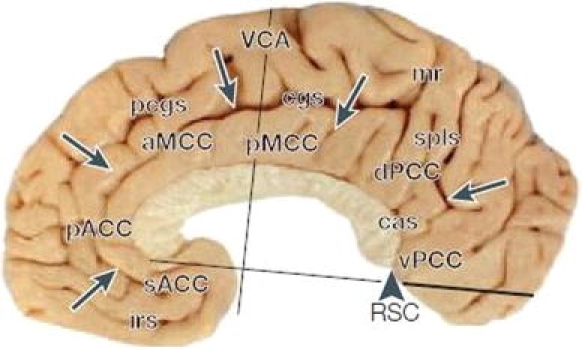
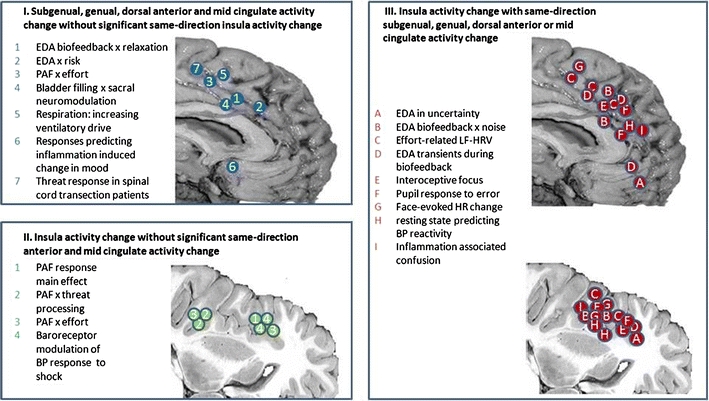
Verification
Claims the paper makes
The claims and statistics of this paper haven’t been checked yet.
Free: it reads the open-access text and checks the first 5 claims that cite a source we can check. Create a free account to check every claim.
Claims other papers make about this one
Each is checked against this paper’s own text: does it say what the citing paper says it does?
The source backs part of the claim, not all of it — or backs it for a different population, condition or comparison.
In the citing paper
“These observations provide further support for considering the salience network as a central neural substrate of our model.”
From An Interoceptive Predictive Coding Model of Conscious Presence (2012) · cites this paper as Medford and Critchley, 2010
Experimental — accuracy not yet measuredThe source backs part of the claim, not all of it — or backs it for a different population, condition or comparison.
In the citing paper
“The AIC and the ACC (see Figure 2) are often coactivated despite being spatially widely separated, forming a “salience network” in conjunction with the amygdala and the inferior frontal gyrus”
From An Interoceptive Predictive Coding Model of Conscious Presence (2012) · cites this paper as Medford and Critchley, 2010
Experimental — accuracy not yet measuredThe source backs part of the claim, not all of it — or backs it for a different population, condition or comparison.
In the citing paper
“This state of defensive posturing may compromise one’s ability to utilize typical sensory processing avenues to interpret external sensory information continuously received from their surroundings (Bryant et al., 2005; Felmingham et al., 2008; Medford and Critchley, 2010; Ionta et al., 2011; Terpou et al., 2018).”
From How Processing of Sensory Information From the Internal and External Worlds Shape the Perception and Engagement With the World in the Aftermath of Trauma: Implications for PTSD (2021) · cites this paper as Medford and Critchley, 2010
Experimental — accuracy not yet measuredThe cited source says what the claim attributes to it.
In the citing paper
“ACC does not seem to be a critical region in generating awareness, yet it might receive input from AIC and convey the “feeling” information to other brain networks that serve voluntary control functions (Posner and Rothbart, 1998; Craig, 2009; Medford and Critchley, 2010; Valentini, 2010).”
From Anterior insular cortex and emotional awareness (2013) · cites this paper as Medford and Critchley, 2010
The cited source says what the claim attributes to it.
In the citing paper
“In other words, we borrow from the classical view that ACC serves as a limbic motor region and the AIC as a limbic sensory structure (Craig, 2009; Medford and Critchley, 2010).”
From Anterior insular cortex and emotional awareness (2013) · cites this paper as Medford and Critchley, 2010
7 more claims about this paper
Create a free account to see every claim other papers make about this one.
Self-check
Percentages, sums and reported differences re-computed from the paper’s own numbers.
The self-check needs the paper’s full text.
Citations
Cites
Dissociable intrinsic connectivity networks for salience processing and executive control
Seeley, W. W., Menon, V., Schatzberg, A. F., Keller, J., Glover, G. H., Kenna, H., Reiss, A. L., & Greicius, M. D. (2007) · The Journal of Neuroscience · doi:10.1523/jneurosci.5587-06.2007 · Cited by 7,426 · cited 4×
“The link with other automatic processes such as attentional direction and salience processing (Seeley et al. 2007) is suspected to be intrinsic to the conjoint functioning of ACC and insular cortex (Craig 2009) and their phylogenetic evolution in primates.”
BackgroundMethodInfluentialHow do you feel — now? The anterior insula and human awareness
(Bud) Craig, A. D. (2009) · Nature Reviews Neuroscience · doi:10.1038/nrn2555 · Cited by 6,657 · cited 14×
“studies reporting increased insula activation in alexithymics in response to emotional material, and some reporting decreases (Craig 2009).”
BackgroundResultInfluentialCognitive and emotional influences in anterior cingulate cortex
Bush, G., Luu, P., & Posner, M. I. (2000) · Trends in Cognitive Sciences · doi:10.1016/s1364-6613(00)01483-2 · Cited by 6,259 · cited 1×
“These ideas were extended by an influential review of neuroimaging studies involving ACC activation, which suggested that the region classically designated as ACC can be further subdivided into dorsal cognitive and rostral-ventral affective divisions (Bush et al. 2000).”
BackgroundHow do you feel? Interoception: The sense of the physiological condition of the body
Craig, A. D. (2002) · Nature Reviews Neuroscience · doi:10.1038/nrn894 · Cited by 6,006 · cited 3×
“A stance taken from observing the close correspondence between autonomic output and cingulate function across a range of tasks provided a view consistent with the notion of cingulate as ‘limbic motor cortex’ (Craig 2002).”
BackgroundResultInfluentialEmpathy for Pain Involves the Affective but not Sensory Components of Pain
Singer, T., Seymour, B., O'Doherty, J., Kaube, H., Dolan, R. J., & Frith, C. D. (2004) · Science · doi:10.1126/science.1093535 · Cited by 3,929 · cited 1×
“A study by Singer et al. (2004) is of particular note: AIC and ACC were amongst a network of regions activated by a task eliciting empathy for the pain of others.”
BackgroundNeural systems supporting interoceptive awareness
Critchley, H. D., Wiens, S., Rotshtein, P., Öhman, A., & Dolan, R. J. (2004) · Nature Neuroscience · doi:10.1038/nn1176 · Cited by 3,406 · cited 2×
“Direct evidence for the idea that the insula is a key area supporting interoception comes from a functional neuroimaging study in which the ability to make accurate judgements about the timing of one’s own heartbeat was used as an index of interoceptive awareness (Critchley et al. 2004).”
BackgroundMethodSelf-citationContributions of anterior cingulate cortex to behaviour
Devinsky, O., Morrell, M. J., & Vogt, B. A. (1995) · Brain · doi:10.1093/brain/118.1.279 · Cited by 3,377 · cited 6×
“Devinsky et al. (1995) observe that ‘‘the functions of the anterior cingulate cortex, a component of several vital networks and subserving a diverse range of functions, are difficult to quantify or even describe, and have eluded the traditional ‘localized lesion-behavioural correlate’ approach’’.”
BackgroundInfluentialSridharan, D., Levitin, D. J., & Menon, V. (2008) · Proceedings of the National Academy of Sciences · doi:10.1073/pnas.0800005105 · Cited by 2,892 · cited 2×
“More specific evidence of functional interaction between ACC and AIC comes from a study by Sridharan et al. (2008), which identified a fronto-insular cingulate system involved in switching between default mode and central executive networks.”
BackgroundA neural system for error detection and compensation
Gehring, W. J., Goss, B., Coles, M. G. H., Meyer, D. E., & Donchin, E. (1993) · Psychological Science · doi:10.1111/j.1467-9280.1993.tb00586.x · Cited by 2,862 · cited 1×
“This idea was based on the discovery of the errorrelated negativity (ERN) potential, an event-related potential consistently observed in experimental trials about 100 ms following response initiation, when the response is in error (Gehring et al. 1993).”
BackgroundPain Affect Encoded in Human Anterior Cingulate But Not Somatosensory Cortex
Rainville, P., Duncan, G. H., Price, D. D., Carrier, B., & Bushnell, M. C. (1997) · Science · doi:10.1126/science.277.5328.968 · Cited by 2,687 · cited 1×
“Also, ACC responses to pain can be modulated by hypnotic suggestions designed to alter the unpleasantness, but not the intensity, of pain (Rainville et al. 1997).”
Background
Cited by
Items 301–400 of 665
Basile, G. A., Tatti, E., Bertino, S., Milardi, D., Genovese, G., Bruno, A., Muscatello, M. R. A., Ciurleo, R., Cerasa, A., Quartarone, A., et al. (2024) · Brain Structure and Function · doi:10.1007/s00429-024-02781-9 · Cited by 24
Feeling Full or Empty Inside? Peran Perbedaan Individual dalam Struktur Pengalaman Afektif
Yusainy, C. (2017) · Jurnal Psikologi · doi:10.22146/jpsi.18377 · Cited by 28
“…rasa sakit, dan selfcontrol berada pada area anterior cingulate cortex yang membantu subjek menilai sejauh mana suatu stimulus berpotensi menghasilkan imbalan dan hukuman, serta merencanakan respons adaptif yang harus segera ia tampilkan (diskusi lebih lanjut, lihat Medford & Critchley, 2010).”
BackgroundHaas, I. J., Baker, M. N., & Gonzalez, F. J. (2017) · Social Justice Research · doi:10.1007/s11211-017-0295-0 · Cited by 27
“…relevant information or salience and may aid in the process of integrating cognitive with emotional information (Gu, Liu, Van Dam, Hof, & Fan, 2013; Uddin, 2015), and there is also some evidence that activation in these regions—insula and ACC—may be linked (Medford & Critchley, 2010).”
BackgroundThe cutaneous borders of interoception: Active and social inference of pain and pleasure on the skin
Mohr, M. V., & Fotopoulou, A. (2018) · Oxford University Press eBooks · doi:10.1093/oso/9780198811930.003.0006 · Cited by 32
“…touch and its modulation, are not only common to these two modalities, but seem several recent neuroimaging studies have included such areas and their observed functional connectivity in various hypothesized “salience networks” (Legrain et al., 2011; Medford & Critchley, 2010; Wiech et al., 2010).”
BackgroundLiu, D., Hu, X., Liu, Y., Yang, K., Xiao, C., Hu, J., Li, Z., Zou, Y., Chen, J., & Liu, H. (2019) · World Neurosurgery · doi:10.1016/j.wneu.2019.04.248 · Cited by 24
Cortical and cerebellar modulation of autonomic responses to loud sounds
Mueller‐Pfeiffer, C., Zeffiro, T. A., Tuura, R., Michels, L., Baumann, P., Wood, N. E., Spring, J. D., Rufer, M., Pitman, R. K., & Orr, S. P. (2013) · Psychophysiology · doi:10.1111/psyp.12142 · Cited by 23
Panerai, A. E. (2011) · Neurological Sciences · doi:10.1007/s10072-011-0540-5 · Cited by 24
“Insula and ACC are activated in response to sensory stimuli as well as to affiliative stimuli such as a smile or a disgusting or fearful figure or event [14].”
BackgroundInfluentialCategorical evidence, confidence, and urgency during probabilistic categorization
Braunlich, K., & Seger, C. A. (2015) · NeuroImage · doi:10.1016/j.neuroimage.2015.11.011 · Cited by 26
“Together, these regions are thought to play an important role in the bottom-up orienting of attention to salient external events (Buckner et al., 2013; Ciaramelli et al., 2008; Medford and Critchley, 2010; Menon and Uddin, 2010; Menon, 2011; Sridharan et al., 2008).”
BackgroundUnawareness of deficits in ischemic injury: Role of the cingulate cortex
Palermo, S., Leotta, D., Bongioanni, M. R., & Amanzio, M. (2013) · Neurocase · doi:10.1080/13554794.2013.826686 · Cited by 24
Bowyer, S. M., Gjini, K., Zhu, X. H., Kim, L., Moran, J. E., Rizvi, S. U., Gumenyuk, V., Tepley, N., & Boutros, N. N. (2015) · Journal of Behavioral and Brain Science · doi:10.4236/jbbs.2015.51001 · Cited by 25
“BA 24 (the anterior cingulate cortex) is responsible for rational cognitive functions, such as reward anticipation, decision-making, and empathy [44]-[48].”
BackgroundA Sparse Reduced Rank Framework for Group Analysis of Functional Neuroimaging Data
Ahn, M., Shen, H., Lin, W., & Zhu, H. (2015) · Statistica Sinica · doi:10.5705/ss.2013.232w · Cited by 25
“Interestingly, functional relationship between the insula and cingulate gyrus has received a lot of attention in the literature (Taylor, Seminow-icz, and Davis (2009); Medford and Critchley (2010)).”
BackgroundLearning effective connectivity from fMRI using autoregressive hidden Markov model with missing data
Dang, S., Chaudhury, S., Lall, B., & Roy, P. K. (2017) · Journal of Neuroscience Methods · doi:10.1016/j.jneumeth.2016.12.019 · Cited by 25
Altered Central Autonomic Network in Baseball Players: A Resting-state fMRI Study
Sie, J., Chen, Y.-H., Chang, C., Yen, N., Chu, W., & Shiau, Y.-H. (2019) · Scientific Reports · doi:10.1038/s41598-018-36329-9 · Cited by 26
Developmental changes in adolescents’ neural response to challenge
Strang, N. M., Pruessner, J., & Pollak, S. D. (2011) · Developmental Cognitive Neuroscience · doi:10.1016/j.dcn.2011.06.006 · Cited by 22
“, 1997), as well as regulation of autonomic activity (Medford and Critchley, 2010; Luu and Posner, 2003).”
Kim, J., Park, H.-D., Kim, K. W., Shin, D. W., Lim, S., Kwon, H., Kim, M.-Y., Kim, K., & Jeong, B. (2019) · Scientific Reports · doi:10.1038/s41598-018-36498-7 · Cited by 22
Neural mechanisms of emotional health in traumatic brain injury patients undergoing rTMS treatment
Sultana, T., Hasan, M. A., Kang, X., Liou-Johnson, V., Adamson, M. M., & Razi, A. (2023) · Molecular Psychiatry · doi:10.1038/s41380-023-02159-z · Cited by 22
“The coactivation of AI and dACC is crucial for the processing of emotional functions [75, 76] and anterior insula is found to be functionally connected with anterior cingulate in the resting state as well [77].”
BackgroundCzobor, P., Kakuszi, B., Németh, K., Balogh, L., Papp, S., Tombor, L., & Bitter, I. (2016) · Brain Imaging and Behavior · doi:10.1007/s11682-016-9610-x · Cited by 23
Resting state cerebral blood flow with arterial spin labeling MRI in developing human brains
Liu, F., Duan, Y., Peterson, B. S., Asllani, I., Zelaya, F. O., Lythgoe, D. J., & Kangarlu, A. (2018) · European Journal of Paediatric Neurology · doi:10.1016/j.ejpn.2018.03.003 · Cited by 22
Leo, D. G., Keller, S. S., & Proietti, R. (2024) · Frontiers in Psychology · doi:10.3389/fpsyg.2024.1411835 · Cited by 21
“…cortex (Medford and Critchley, 2010; Zhang et al., 2018) (which regulates functions linked to emotions and homeostasis), the cingulate cortex (Medford and Critchley, 2010; Crone et al., 2015; Herbet et al., 2016) (which is involved in emotion formation and processing), the paraventricular…”
BackgroundThe role of the insula in chronic pain following spinal cord injury: A resting‐state fMRI study
Mandloi, S., Syed, M., Shoraka, O., Ailes, I., Kang, K. C., Sathe, A., Heller, J. E., Thalheimer, S., Mohamed, F. B., Sharan, A. D., et al. (2023) · Journal of Neuroimaging · doi:10.1111/jon.13117 · Cited by 23
Depression Phenotype, Inflammation, and the Brain: Implications for Future Research
Krishnadas, R., & Harrison, N. A. (2016) · Psychosomatic Medicine · doi:10.1097/psy.0000000000000339 · Cited by 23
The Motivation-Based Promotion of Proactive Control: The Role of Salience Network
Qiao, L., Xu, L., Che, X., Zhang, L., Li, Y., Xue, G., Li, H., & Chen, A. (2018) · Frontiers in Human Neuroscience · doi:10.3389/fnhum.2018.00328 · Cited by 22
Wu, L., Kirmse, U., Flaisch, T., Boiandina, G., Kenter, A., & Schupp, H. T. (2017) · Frontiers in Human Neuroscience · doi:10.3389/fnhum.2017.00465 · Cited by 21
“It is interesting, however, that these regions are key structures of the saliency network (Seeley et al., 2007), which is implicated in the regulation of attention and working memory across large-scale neural networks (Medford and Critchley, 2010; Menon and Uddin, 2010).”
BackgroundPrice, C. J., Sevinc, G., & Farb, N. A. S. (2023) · Brain Sciences · doi:10.3390/brainsci13101396 · Cited by 20
“Furthermore, interoceptive awareness appears to be indicated by prefrontal activity, and in particular in the dorsal anterior cingulate cortex (ACC), whose activity predicts awareness during attention to interoceptive signals [19].”
BackgroundAlienation and identification in addiction
Gerrans, P. (2022) · Philosophical Psychology · doi:10.1080/09515089.2022.2067034 · Cited by 21
“…agent loses a sense of self while other bodily and cognitive experiences are preserved and the ability to narrate the fortunes of the autobiographical self is unimpaired (Medford, 2012; Medford et al., 2006., 2016; Medford & Critchley, 2010; Gerrans, 2019, 2020; Billon, 2016, Farmer et al., 2021).”
BackgroundInfluentialAlexitimia y depresión: evidencia, controversias e implicancias
Arancibia, M., & Rosa Behar, A. (2015) · Revista chilena de neuro-psiquiatría · doi:10.4067/s0717-92272015000100004 · Cited by 34
Initial and sustained brain responses to threat anticipation in blood-injection-injury phobia
Brinkmann, L., Poller, H., Herrmann, M. J., Miltner, W. H. R., & Straube, T. (2016) · NeuroImage Clinical · doi:10.1016/j.nicl.2016.12.015 · Cited by 21
“During fear and anxiety, ACC activation is often associated with insula hyper-reactivity (Critchley et al., 2004; Medford and Critchley, 2010; Shenhav et al., 2013; Straube et al., 2006a; Straube et al., 2006b) and both regions are implicated in specific phobia (Del Casale et al.”
Fiacconi, C. M., Barkley, V., Finger, E. C., Carson, N., Duke, D., Rosenbaum, R. S., Gilboa, A., & Köhler, S. (2014) · Frontiers in Human Neuroscience · doi:10.3389/fnhum.2014.00726 · Cited by 22
Ristow, I., Li, M., Čolić, L., Marr, V., Födisch, C., von Düring, F., Schiltz, K., Drumkova, K., Witzel, J. G., Walter, H., et al. (2018) · NeuroImage Clinical · doi:10.1016/j.nicl.2018.01.018 · Cited by 22
Cortese, M. D., Riganello, F., Arcuri, F., Lucca, L. F., Tonin, P., Schnakers, C., & Laureys, S. (2020) · Frontiers in Human Neuroscience · doi:10.3389/fnhum.2020.00097 · Cited by 21
“In the pain matrix, the ACC within the prefrontal cortex also plays the role of encoding affective–cognitive information (Medford and Critchley, 2010).”
BackgroundThe pathoconnectivity network analysis of the insular cortex: A morphometric fingerprinting
Nani, A., Manuello, J., Mancuso, L., Liloia, D., Costa, T., Vercelli, A., Duca, S., & Cauda, F. (2020) · NeuroImage · doi:10.1016/j.neuroimage.2020.117481 · Cited by 19
Gerrans, P., & Murray, R. J. (2020) · Neuroscience of Consciousness · doi:10.1093/nc/niaa026 · Cited by 23
The neural basis of attaining conscious awareness of sad mood
Smith, R. S., Braden, B. B., Chen, K., Ponce, F. A., Lane, R. D., & Baxter, L. C. (2014) · Brain Imaging and Behavior · doi:10.1007/s11682-014-9318-8 · Cited by 21
The Routledge International Handbook of Psychobiology
Walburn, J., Vedhara, K., & Weinman, J. (2018) · Routledge eBooks · doi:10.4324/9781315642765 · Cited by 19
Martínez-Rivera, F. J., Pérez-Torres, J., Velázquez-Díaz, C. D., Sanchez-Navarro, M. J., Huertas-Pérez, C. I., Diehl, M. M., Phillips, M. L., Haber, S. N., & Quirk, G. J. (2022) · Biological Psychiatry · doi:10.1016/j.biopsych.2022.02.008 · Cited by 20
“The PL cortex is necessary for the expression of PMA (21,23), and the AI/LO projects to the PL cortex (16,24 – 26).”
Richey, J. A., Gračanin, D., LaConte, S. M., Lisinski, J. M., Kim, I., Coffman, M. C., Antezana, L., Carlton, C. N., Garcia, K. M., & White, S. W. (2022) · Journal of Clinical Child & Adolescent Psychology · doi:10.1080/15374416.2022.2051528 · Cited by 19
“…al., 1997) and fMRI have further suggested that ACC is a key integration area for the conscious experience of emotion (e.g. Gu et al., 2013), perhaps due to its role in merging interoceptive and autonomic activity with high-order cortical functions (Medford & Critchley, 2010; Stevens et al., 2011).”
BackgroundBrain activation induced by psychological stress in patients with schizophrenia
Castro, M. N., Villarreal, M. F., Bolotinsky, N., Papávero, E. B., Goldschmidt, M., Costanzo, E. Y., Drucaroff, L. J., Wainsztein, A., de Achával, D., Pahissa, J., et al. (2015) · Schizophrenia Research · doi:10.1016/j.schres.2015.07.008 · Cited by 21
“, 2000a,b, 2005; Critchley, 2005), insula (which probably works together with anterior cingulum, as both are components of a system underlying self awareness; Medford and Critchley, 2010), and deactivation of the hippocampalamygdala complex (Kern et al.”
InfluentialSmith, R., Lane, R. D., Sanova, A., Alkozei, A., Smith, C., & Killgore, W. D. S. (2018) · Frontiers in Human Neuroscience · doi:10.3389/fnhum.2018.00370 · Cited by 17
Brain structural correlates of alexithymia in patients with major depressive disorder
Förster, K., Enneking, V., Dohm, K., Redlich, R., Meinert, S., Geisler, A. I., Leehr, E. J., Kugel, H., Baune, B. T., Arolt, V., et al. (2020) · Journal of Psychiatry and Neuroscience · doi:10.1503/jpn.190044 · Cited by 20
Right anterior insula is associated with pain generalization in patients with fibromyalgia
Liu, H., Chou, K., Lee, P., Wang, Y.-F., Chen, S., Lai, K., Lin, C., Wang, S., & Chen, W. (2021) · Pain · doi:10.1097/j.pain.0000000000002409 · Cited by 20
Shi, X., Zheng, J., Ma, J., Wang, Z., Sun, W., Li, M., Huang, S., & Hu, S. (2022) · Neuroscience Letters · doi:10.1016/j.neulet.2022.136735 · Cited by 19
“Together, these areas may be considered the input and output regions of a functional system that is typically engaged across cognitive, affective, and behavioral contexts, suggesting that it is of fundamental importance for mental life [35,36].”
Neural Bases of Performance Monitoring
Ullsperger, M. (2017) · Wiley eBooks · doi:10.1002/9781118920497.ch17 · Cited by 18
Kraus, J., Frick, A., Román, R., Jurkovičová, L., Mareček, R., Mikl, M., Brázdil, M., & Fredrikson, M. (2019) · Social Cognitive and Affective Neuroscience · doi:10.1093/scan/nsz090 · Cited by 20
“Specifically, activity in the ACC is most likely related to emotion expression (Medford & Critchley, 2010; Dejean et al ., 2015), whereas anterior insula, which was reduced by partner contact and had a functional connectivity with the ACC, may involve interoception and awareness, particularly in…”
Porter, B. S., Li, K., & Hillman, K. L. (2020) · eNeuro · doi:10.1523/eneuro.0243-20.2020 · Cited by 18
“As outlined by Medford and Critchley (2010) the regions could function in tandem: the AI integrating external and internal sensory inputs to represent the current state of the organism, with the ACC then utilizing this state representation to drive relevant behaviors.”
BackgroundShoemaker, J. K., Usselman, C. W., Rothwell, A., & Wong, W. S. (2012) · Experimental Physiology · doi:10.1113/expphysiol.2012.065557 · Cited by 18
“…IC and subgenual ACC fit well with the recent interpretation that these regions form an axis of conjoint activity such that the anterior IC integrates sensory information and the ACC co-ordinates the preparation and execution of an autonomic response to the sensation (Medford & Critchley, 2010).”
BackgroundVinberg, K., Rosén, J., Kastrati, G., & Åhs, F. (2022) · eLife · doi:10.7554/elife.69686 · Cited by 19
“Based on these findings, it has been suggested that anxiety disorders and neuroticism may result from excessive processing of emotion- related salient cues (Menon, 2011) and/or alterations in autonomic interoceptive- autonomic processing (e.g. Paulus and Stein, 2006; Medford and Critchley, 2010).”
InfluentialPape, T., Livengood, S. L., Kletzel, S., Blabas, B., Guernon, A., Bhaumik, D. K., Bhaumik, R., Mallinson, T., Weaver, J., Higgins, J. P., et al. (2020) · Frontiers in Neurology · doi:10.3389/fneur.2020.01027 · Cited by 18
Political uncertainty moderates neural evaluation of incongruent policy positions
Haas, I. J., Baker, M. N., & Gonzalez, F. J. (2021) · Philosophical Transactions of the Royal Society B Biological Sciences · doi:10.1098/rstb.2020.0138 · Cited by 18
Wesarg, C., Veer, I. M., Oei, N. Y. L., Daedelow, L. S., Lett, T. A. P., Banaschewski, T., Barker, G. J., Bokde, A. L. W., Quinlan, E. B., Desrivières, S., et al. (2021) · Human Brain Mapping · doi:10.1002/hbm.25433 · Cited by 17
“Together with the ACC, the insula gives rise to feelings and motivations underlying emotions (Medford & Critchley, 2010).”
BackgroundWang, H., Tian, Y., Wang, Y., He, Q., Qiu, J., Feng, T., Chen, H., & Lei, X. (2022) · CNS Neuroscience & Therapeutics · doi:10.1111/cns.13887 · Cited by 18
Kano, M., Coen, S. J., Farmer, A. D., Aziz, Q., Williams, S., Alsop, D. C., Fukudo, S., & Tuura, R. (2013) · Brain Structure and Function · doi:10.1007/s00429-013-0593-8 · Cited by 17
“The insula cortex is also thought to be particularly relevant to anxiety states, which are characterized by physical changes such as increased heart rate and motor restlessness (Medford and Critchley 2010).”
BackgroundThe influence of self-awareness on emotional memory formation: an fMRI study
Pais-Vieira, C., Wing, E. A., & Cabeza, R. E. L. (2015) · Social Cognitive and Affective Neuroscience · doi:10.1093/scan/nsv141 · Cited by 19
Positive Allosteric Modulator of GABA Lowers BOLD Responses in the Cingulate Cortex
Walter, S. A., Forsgren, M. F., Lundengård, K., Simon, R. A., Nilsson, M. T., Söderfeldt, B. A., Lundberg, P., & Engström, M. (2016) · PLoS ONE · doi:10.1371/journal.pone.0148737 · Cited by 19
“Given lead by previous studies reporting correlations between the GABA system and the vascular response in the cingulate cortex [12, 14], the paramount role of the cingulate cortex in executive processing [18], and the relation between GABA levels measured by MRS and negative BOLD responses in the default mode network…”
BackgroundToich, J. T. F., Taylor, P. A., Holmes, M., Gohel, S., Cotton, M. F., Dobbels, E., Laughton, B., Little, F., van der Kouwe, A. J. W., Biswal, B. B., et al. (2018) · Frontiers in Human Neuroscience · doi:10.3389/fnhum.2017.00635 · Cited by 22
“, 2007), is important in coordinating behavioral responses (Medford and Critchley, 2010), initiating cognitive control (Menon and Uddin, 2010), and maintaining and implementing task sets (Dosenbach et al.”
BackgroundN-Acetyl and Glutamatergic Neurometabolites in Perisylvian Brain Regions of Methamphetamine Users
Tang, J., O’Neill, J., Alger, J. R., Shen, Z., Johnson, M., & London, E. D. (2018) · The International Journal of Neuropsychopharmacology · doi:10.1093/ijnp/pyy042 · Cited by 17
“The insula participates in emotion processing (Medford and Critchley, 2010; Goerlich-Dobre et al., 2014), and anxiety covaries negatively with glucose metabolism in left insula of methamphetamine users (London et al.”
BackgroundCattarinussi, G., Moghaddam, H. S., Aarabi, M. H., Squarcina, L., Sambataro, F., Brambilla, P., & Delvecchio, G. (2022) · International Journal of Molecular Sciences · doi:10.3390/ijms232315379 · Cited by 17
“Notably, simultaneous intraoperative behavioral and tractography assessments demonstrated that the activation of the cingulum bundle leads to changes in interoception [57], which leads to the modulation of the rostral anterior cingulate cortex and anterior insular cortex [58], two key regions communicating through the…”
BackgroundJornkokgoud, K., Baggio, T., Bakiaj, R., Wongupparaj, P., Job, R., & Grecucci, A. (2024) · European Journal of Neuroscience · doi:10.1111/ejn.16345 · Cited by 16
“…diverse functions related to personality, from distorted representations of self and others subserved by fronto-temporal areas (Hu et al., 2016), unusual emotional experiences subserved by the cingulate, the cerebellum and insular regions (Medford & Critchley, 2010; Phillips et al., 2015).”
BackgroundNeuroimaging Studies of Interoception and Self-Awareness
Garfinkel, S. N., Nagai, Y., Seth, A. K., & Critchley, H. (2013) · Springer eBooks · doi:10.1007/978-3-642-37580-4_11 · Cited by 19
Self-citationUnawareness of bipolar disorder: the role of the cingulate cortex
Palermo, S., Cauda, F., Costa, T., Duca, S., Gallino, G., Geminiani, G. C., Keller, R., & Amanzio, M. (2014) · Neurocase · doi:10.1080/13554794.2014.917682 · Cited by 16
“Indeed, as suggested by Medford and Critchley (2010), feeling states emerge from the raw data of sensory inputs and are integrated through representations in conscious awareness.”
BackgroundMigraine Mistakes: Error Awareness
Borsook, D., Aasted, C. M., Burstein, R., & Becerra, L. R. (2013) · The Neuroscientist · doi:10.1177/1073858413503711 · Cited by 17
Neural correlates of HIV risk feelings
Häcker, F. E. K., Schmälzle, R., Renner, B., & Schupp, H. T. (2014) · Social Cognitive and Affective Neuroscience · doi:10.1093/scan/nsu093 · Cited by 17
Pressman, P., Noniyeva, Y., Bott, N., Dutt, S., Sturm, V. E., Miller, B. L., & Kramer, J. H. (2016) · PLoS ONE · doi:10.1371/journal.pone.0158187 · Cited by 17
Tops, M., Montero‐Marín, J., & Quirin, M. (2016) · Advances in motivation and achievement · doi:10.1108/s0749-742320160000019012 · Cited by 18
Kaiser, J., Belenya, R., Chung, W.-Y., Gentsch, A., & Schütz‐Bosbach, S. (2020) · NeuroImage · doi:10.1016/j.neuroimage.2020.117550 · Cited by 17
Neural mechanisms supporting evaluation of others’ errors in real-life like conditions
Jääskeläinen, I., Halme, H.-L., Agam, Y., Glerean, E., Lahnakoski, J., Sams, M., Tapani, K., Ahveninen, J., & Manoach, D. (2016) · Scientific Reports · doi:10.1038/srep18714 · Cited by 16
Effects of Preceding Stimulation on Brain Activation in Response to Colonic Distention in Humans
Hamaguchi, T., Kano, M., Kanazawa, M., Itoh, M., Yanai, K., & Fukudo, S. (2013) · Psychosomatic Medicine · doi:10.1097/psy.0b013e3182926682 · Cited by 17
The integration of negative affect, pain and cognitive control in the cingulate cortex
Fig., A. (2011) · Cited by 60
Developmental risk for psychopathy
Viding, E. M., & McCrory, E. J. P. (2015) · Wiley eBooks · doi:10.1002/9781118381953.ch68 · Cited by 17
Nelson, N., Shacham, R., & Ben‐Ari, R. (2015) · Personality and Individual Differences · doi:10.1016/j.paid.2015.08.022 · Cited by 16
Effects of Alcohol Intoxication on Response Conflict in a Flanker Task
Marinković, K., Rickenbacher, E., & Azma, S. (2013) · Journal of Addiction Research & Therapy · doi:10.4172/2155-6105.s3-002 · Cited by 16
“Evidence of the synchronous activity changes between the ACC and the anterior insula indicates that they may be closely functionally related [93].”
BackgroundRiganello, F., Macrì, S., Alleva, E., Petrini, C., Soddu, A., León‐Carrión, J., & Dolce, G. (2016) · Frontiers in Neurology · doi:10.3389/fneur.2016.00202 · Cited by 17
“” The pain matrix entails two main subsystems (37): the lateral neuronal network [secondary somatosensory (S2) cortex, lateral thalamus, and posterior insula], encoding sensory–discriminative information (38), and the medial network [anterior cingulate cortex (ACC) and prefrontal cortex], encoding affective–cognitive…”
BackgroundTool selection and the ventral‐dorsal organization of tool‐related knowledge
Tobia, M. J., & Madan, C. R. (2017) · Physiological Reports · doi:10.14814/phy2.13078 · Cited by 17
McQueen, G., Lay, A., Lally, J., Gabay, A. S., Collier, T., Lythgoe, D. J., Barker, G. J., Stone, J. M., McGuire, P. K., MacCabe, J. H., et al. (2019) · Psychopharmacology · doi:10.1007/s00213-019-05382-1 · Cited by 15
POST‐TRAUMATIC STRESS DISORDER AND NEUROANTHROPOLOGY: STOPPING PTSD BEFORE IT BEGINS
Collura, G. L., & Lende, D. H. (2012) · Annals of Anthropological Practice · doi:10.1111/j.2153-9588.2012.01096.x · Cited by 17
Adolescent Emotional Maturation through Divergent Models of Brain Organization
Semper, J. V. O., Murillo, J. I., & Bernácer, J. (2016) · Frontiers in Psychology · doi:10.3389/fpsyg.2016.01263 · Cited by 21
The Neural Basis of Motivational Influences on Cognitive ControlPreprint
Parro, C., Dixon, M. L., & Christoff, K. (2017) · bioRxiv (Cold Spring Harbor Laboratory) · doi:10.1101/113126 · Cited by 16
Treatments and regulatory mechanisms of acoustic stimuli on mood disorders and neurological diseases
Chen, Y., Sun, J., Tao, J., & Sun, T. (2024) · Frontiers in Neuroscience · doi:10.3389/fnins.2023.1322486 · Cited by 16
“Furthermore, the anterior cingulate cortex, with its ties to both emotional and cognitive facets of empathy, is also actively engaged when individuals are moved by music (Medford and Critchley, 2010).”
BackgroundLongitudinal brain activity changes in asymptomatic Alzheimer disease
Codispoti, K.-E., Beason‐Held, L. L., Kraut, M. A., O’Brien, R., Rudow, G. L., Pletniková, O., Crain, B. J., Troncoso, J. C., & Resnick, S. M. (2012) · Brain and Behavior · doi:10.1002/brb3.47 · Cited by 14
The Fundamental Basis of Palpitations: A Neurocardiology Approach
Kandiah, J. W., Blumberger, D. M., & Rabkin, S. W. (2021) · Current Cardiology Reviews · doi:10.2174/1573403x17666210909123930 · Cited by 14
Strawson, W., Wang, H.-T., Quadt, L., Sherman, M. T., Larsson, D. E. O., Davies, G., Mckeown, B., Silva, M., Fielding-Smith, S. F., Bibby-Jones, A.-M., et al. (2021) · The International Journal of Neuropsychopharmacology · doi:10.1093/ijnp/pyab093 · Cited by 16
“Moreover, the ACC has been shown to work in concert with the insula, theoretically to enable the dynamic integrative control of internal bodily state (Medford and Critchley, 2010).”
Self-citationKlugah‐Brown, B., Wang, P., Jiang, Y., Becker, B., Hu, P., Uddin, L. Q., & Biswal, B. B. (2022) · Cerebral Cortex · doi:10.1093/cercor/bhac168 · Cited by 15
Winter, A., Ahlbrand, R., & Sah, R. (2019) · Progress in Neuro-Psychopharmacology and Biological Psychiatry · doi:10.1016/j.pnpbp.2019.02.007 · Cited by 15
“We also measured whether losartan alters neuronal activation in areas that have been implicated in interoceptive integration (Medford and Critchley, 2010), such as the anterior cingulate (ACC) and insula (INS).”
Miyakoshi, M., Jurgiel, J., Dillon, A., Chang, S. W., Piacentini, J. C., Makeig, S., & Loo, S. K. (2020) · Cerebral Cortex Communications · doi:10.1093/texcom/tgaa046 · Cited by 15
Mental Effort: Brain and Autonomic Correlates in Health and Disease
Radulescu, E., Nagai, Y., & Critchley, H. (2014) · Springer eBooks · doi:10.1007/978-1-4939-1236-0_16 · Cited by 17
Self-citationBinks, A. P. (2022) · Handbook of clinical neurology · doi:10.1016/b978-0-323-91534-2.00008-4 · Cited by 16
Responsiveness and the Autonomic Control–CNS Two-Way Interaction in Disorders of Consciousness
Riganello, F. (2015) · Springer eBooks · doi:10.1007/978-3-319-21425-2_11 · Cited by 15
Park, S. H., Deng, E. Z., Baker, A. K., MacNiven, K. H., Knutson, B. D., & Martucci, K. T. (2022) · Neuroimage Reports · doi:10.1016/j.ynirp.2022.100147 · Cited by 16
“The aINS and ACC represent additional essential brain regions for both pain and motivation (Martucci and Mackey, 2018; Medford and Critchley, 2010).”
BackgroundReflections on music, affect, and sociality
Sachs, M. E., Habibi, A., & Damásio, H. (2018) · Progress in brain research · doi:10.1016/bs.pbr.2018.03.009 · Cited by 15
“The insula and ACC, two brain regions that are functionally and structurally connected (Medford and Critchley, 2010), appear to be involved in numerous cognitive processes.”
BackgroundSteklis, H. D., & Lane, R. D. (2012) · The Science of the Mind · doi:10.1007/978-4-431-54123-3_8 · Cited by 12
Chang, H.-M., & Rosychuk, R. J. (2015) · Statistica Sinica · doi:10.5705/ss.2013.215w · Cited by 14
Tinaz, S., Elfil, M., Kamel, S., Aravala, S. S., Louis, E. D., & Sinha, R. (2020) · Clinical Parkinsonism & Related Disorders · doi:10.1016/j.prdoa.2020.100051 · Cited by 15
“Furthermore, the coordinated activity of the rAI and dACC is also crucial for generating appropriate responses to internal and external events based on one's awareness [27].”
BackgroundTemporal Dynamics of Large-Scale Networks Predict Neural Cue Reactivity and Cue-Induced Craving
Wang, K. S., Kaiser, R. H., Peechatka, A. L., Frederick, B. B., & Janes, A. C. (2020) · Biological Psychiatry Cognitive Neuroscience and Neuroimaging · doi:10.1016/j.bpsc.2020.07.006 · Cited by 19
Salience and default‐mode network connectivity during threat and safety processing in older adults
Marstaller, L., Fynes‐Clinton, S., Burianová, H., & Reutens, D. C. (2020) · Human Brain Mapping · doi:10.1002/hbm.25199 · Cited by 12
“In addition, research shows that SN connectivity modulates the degree to which autonomic responses are consciously experienced as arousal (Medford & Critchley, 2010; Xia, Touroutoglou, Quigley, Feldman Barrett, & Dickerson, 2017).”
BackgroundEffects of age and gender on neural correlates of emotion imagery
Tomasino, B., Maggioni, E., Bonivento, C., Nobile, M., D’Agostini, S., Arrigoni, F., Fabbro, F., & Brambilla, P. (2022) · Human Brain Mapping · doi:10.1002/hbm.25906 · Cited by 13
“They are considered input and output regions of the network involved in the processing of subjective feelings (Medford & Critchley, 2010).”
BackgroundImpaired executive functioning after left anterior insular stroke: a case report
Markostamou, I., Rudolf, J., Tsiptsios, I., & Kosmidis, M. H. (2014) · Neurocase · doi:10.1080/13554794.2013.878725 · Cited by 13
“…there is evidence that the insula participates actively in the systems of attentional and cognitive control and in goal-oriented behavior (Medford & Critchley, 2010; Menon & Uddin, 2010; Nelson et al., 2010), mechanisms that are embedded in executive functioning, guide behavior and…”
BackgroundČolić, L., Demenescu, L. R., Li, M., Kaufmann, J., Krause, A. L., Metzger, C., & Walter, M. (2015) · Social Cognitive and Affective Neuroscience · doi:10.1093/scan/nsv110 · Cited by 14
“engaged in mood regulation and identification of affective internal states (Lane et al., 1998; Medford and Critchley, 2010; Etkin et al., 2011; Sturm et al., 2012).”
BackgroundInfluentialWisner, K., Johnson, M. K., Porter, J. N., Krueger, R. F., & MacDonald, A. W. (2021) · Human Brain Mapping · doi:10.1002/hbm.25613 · Cited by 12
The cingulo-opercular network is composed of two distinct sub-systemsPreprint
Gratton, C., Dworetsky, A., Adeyemo, B., Seitzman, B. A., Smith, D. M., Petersen, S. E., & Neta, M. (2022) · bioRxiv (Cold Spring Harbor Laboratory) · doi:10.1101/2022.09.16.508254 · Cited by 11
Somatosensory false feedback biases emotional ratings through interoceptive embodiment
Patchitt, J., Garfinkel, S. N., Strawson, W. H., Miller, M., Tsakiris, M., Clark, A., & Critchley, H. (2025) · Scientific Reports · doi:10.1038/s41598-025-94971-6 · Cited by 12
“In this context, unattributed or unpredicted states of arousal may engender anxiety states through insular engagement 18 , often in conjunction with ‘visceromotor’ anterior midcingulate cortex 25 .”
Self-citationContext-prosody interaction in sarcasm comprehension: A functional magnetic resonance imaging study
Nakamura, T., Matsui, T., Utsumi, A., Sumiya, M., Nakagawa, E., & Sadato, N. (2022) · Neuropsychologia · doi:10.1016/j.neuropsychologia.2022.108213 · Cited by 11
Metadata
- Authors
- Medford, N., & Critchley, H. D.
- Affiliations
- Brighton and Sussex Medical School (GB)
- Corresponding author
- Medford, Nick
- Venue
- Brain Structure and Function
- Published
- 2010-05-29
- Volume
- 214
- Issue
- 5-6
- Pages
- 535-549
- ISSN
- 1863-2653 (ISSN-L)
- 1863-2661
- PMC
- PMC2886906
- OpenAlex
- W2006789534
- Cited by
- 627
- References
- 141
- Citations by year
- 2026: 24 · 2025: 22 · 2024: 53 · 2023: 27 · 2022: 31 · 2021: 29 · 2020: 51 · 2019: 32 · 2018: 53 · 2017: 43 · 2016: 47 · 2015: 45 · 2014: 36 · 2013: 53 · 2012: 51
- FWCI
- 5.96
- Type
- journal article
- Language
- en
- Open access
- hybrid
- doi.org
- Licence
- cc-by-nc
- Locations
- Brain Structure and Function (publishedVersion, cc-by-nc)
- PubMed Central (publishedVersion, cc-by-nc)
- PubMed (publishedVersion)
- Figshare (submittedVersion, cc-by)
- Topics
- Health Sciences › Medicine › Psychiatry and Mental health › Psychosomatic Disorders and Their Treatments
- Life Sciences › Neuroscience › Cognitive Neuroscience › Neural and Behavioral Psychology Studies
- Social Sciences › Arts and Humanities › Philosophy › Philosophy and Theoretical Science
- Keywords
- anterior insula, anterior cingulate cortex, interoception, conscious awareness, subjective feelings, autonomic nervous system, emotional responses, sensory integration, autonomic regulation, clinical implications
- MeSH terms
- Autonomic Nervous System, Awareness, Cerebral Cortex, Consciousness, Emotions, Gyrus Cinguli, Humans, Neural Pathways, Reaction Time, Self Concept
About these checks
Registry, retraction, Cites and statistics results are computed, not judged, with one exception: a printed reference that no index lists is read once by a model before it counts as a citation error. Claims are extracted by a model and kept only when their quote appears verbatim in the text; each cited source is then checked, with a model’s help, for whether it says what the claim relies on. Those verdicts can be wrong — read the claim’s quote and the cited source before relying on one.
Statistics and arithmetic are recomputed, not judged.
Confidence bands are shown only for fields calibrated on our annotated test set. None is calibrated yet, so no band is shown.
What counts as a claim ›How we measure confidence ›How we check this ›
Are you an author, or do you see a problem with this page? Request a review
Data sources
Bibliographic data: Semantic Scholar, OpenAlex, Crossref.
Contains information from the Semantic Scholar Academic Graph Datasets, made available under the ODC Attribution License (ODC-BY 1.0).
Semantic Scholar’s data is described in: Kinney, R., et al. (2023). The Semantic Scholar Open Data Platform. arXiv:2301.10140.
