

Conjoint activity of anterior insular and anterior cingulate cortex: awareness and response
Open accessThe DOI matches its Crossref record; 141 of the 141 references it cites were found in a registry or an index.
Abstract
There is now a wealth of evidence that anterior insular and anterior cingulate cortices have a close functional relationship, such that they may be considered together as input and output regions of a functional system. This system is typically engaged across cognitive, affective, and behavioural contexts, suggesting that it is of fundamental importance for mental life. Here, we review the literature and reinforce the case that these brain regions are crucial, firstly, for the production of subjective feelings and, secondly, for co-ordinating appropriate responses to internal and external events. This model seeks to integrate higher-order cortical functions with sensory representation and autonomic control: it is argued that feeling states emerge from the raw data of sensory (including interoceptive) inputs and are integrated through representations in conscious awareness. Correspondingly, autonomic nervous system reactivity is particularly important amongst the responses that accompany conscious experiences. Potential clinical implications are also discussed.
Overview
The claims and statistics of this paper haven’t been checked yet.
Free: it reads the open-access text and checks the first 5 claims that cite a source we can check. Create a free account to check every claim.
Integrity signals
Registry
Cites
Statistics
Figures
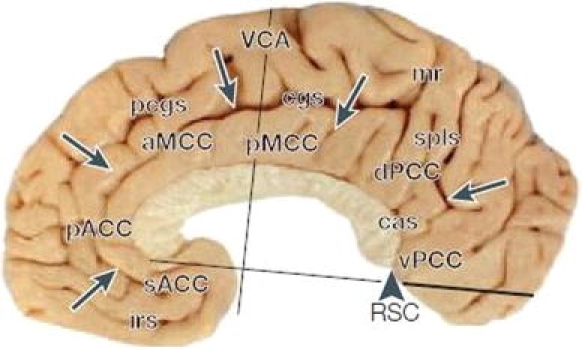
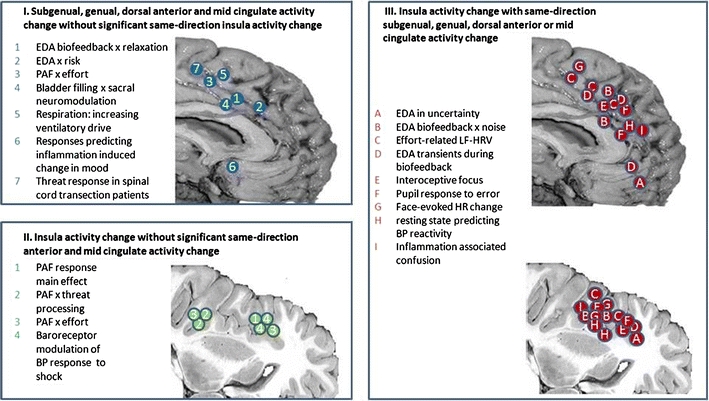
Verification
Claims the paper makes
The claims and statistics of this paper haven’t been checked yet.
Free: it reads the open-access text and checks the first 5 claims that cite a source we can check. Create a free account to check every claim.
Claims other papers make about this one
Each is checked against this paper’s own text: does it say what the citing paper says it does?
The source backs part of the claim, not all of it — or backs it for a different population, condition or comparison.
In the citing paper
“These observations provide further support for considering the salience network as a central neural substrate of our model.”
From An Interoceptive Predictive Coding Model of Conscious Presence (2012) · cites this paper as Medford and Critchley, 2010
Experimental — accuracy not yet measuredThe source backs part of the claim, not all of it — or backs it for a different population, condition or comparison.
In the citing paper
“The AIC and the ACC (see Figure 2) are often coactivated despite being spatially widely separated, forming a “salience network” in conjunction with the amygdala and the inferior frontal gyrus”
From An Interoceptive Predictive Coding Model of Conscious Presence (2012) · cites this paper as Medford and Critchley, 2010
Experimental — accuracy not yet measuredThe source backs part of the claim, not all of it — or backs it for a different population, condition or comparison.
In the citing paper
“This state of defensive posturing may compromise one’s ability to utilize typical sensory processing avenues to interpret external sensory information continuously received from their surroundings (Bryant et al., 2005; Felmingham et al., 2008; Medford and Critchley, 2010; Ionta et al., 2011; Terpou et al., 2018).”
From How Processing of Sensory Information From the Internal and External Worlds Shape the Perception and Engagement With the World in the Aftermath of Trauma: Implications for PTSD (2021) · cites this paper as Medford and Critchley, 2010
Experimental — accuracy not yet measuredThe cited source says what the claim attributes to it.
In the citing paper
“ACC does not seem to be a critical region in generating awareness, yet it might receive input from AIC and convey the “feeling” information to other brain networks that serve voluntary control functions (Posner and Rothbart, 1998; Craig, 2009; Medford and Critchley, 2010; Valentini, 2010).”
From Anterior insular cortex and emotional awareness (2013) · cites this paper as Medford and Critchley, 2010
The cited source says what the claim attributes to it.
In the citing paper
“In other words, we borrow from the classical view that ACC serves as a limbic motor region and the AIC as a limbic sensory structure (Craig, 2009; Medford and Critchley, 2010).”
From Anterior insular cortex and emotional awareness (2013) · cites this paper as Medford and Critchley, 2010
7 more claims about this paper
Create a free account to see every claim other papers make about this one.
Self-check
Percentages, sums and reported differences re-computed from the paper’s own numbers.
The self-check needs the paper’s full text.
Citations
Cites
Dissociable intrinsic connectivity networks for salience processing and executive control
Seeley, W. W., Menon, V., Schatzberg, A. F., Keller, J., Glover, G. H., Kenna, H., Reiss, A. L., & Greicius, M. D. (2007) · The Journal of Neuroscience · doi:10.1523/jneurosci.5587-06.2007 · Cited by 7,426 · cited 4×
“The link with other automatic processes such as attentional direction and salience processing (Seeley et al. 2007) is suspected to be intrinsic to the conjoint functioning of ACC and insular cortex (Craig 2009) and their phylogenetic evolution in primates.”
BackgroundMethodInfluentialHow do you feel — now? The anterior insula and human awareness
(Bud) Craig, A. D. (2009) · Nature Reviews Neuroscience · doi:10.1038/nrn2555 · Cited by 6,657 · cited 14×
“studies reporting increased insula activation in alexithymics in response to emotional material, and some reporting decreases (Craig 2009).”
BackgroundResultInfluentialCognitive and emotional influences in anterior cingulate cortex
Bush, G., Luu, P., & Posner, M. I. (2000) · Trends in Cognitive Sciences · doi:10.1016/s1364-6613(00)01483-2 · Cited by 6,259 · cited 1×
“These ideas were extended by an influential review of neuroimaging studies involving ACC activation, which suggested that the region classically designated as ACC can be further subdivided into dorsal cognitive and rostral-ventral affective divisions (Bush et al. 2000).”
BackgroundHow do you feel? Interoception: The sense of the physiological condition of the body
Craig, A. D. (2002) · Nature Reviews Neuroscience · doi:10.1038/nrn894 · Cited by 6,006 · cited 3×
“A stance taken from observing the close correspondence between autonomic output and cingulate function across a range of tasks provided a view consistent with the notion of cingulate as ‘limbic motor cortex’ (Craig 2002).”
BackgroundResultInfluentialEmpathy for Pain Involves the Affective but not Sensory Components of Pain
Singer, T., Seymour, B., O'Doherty, J., Kaube, H., Dolan, R. J., & Frith, C. D. (2004) · Science · doi:10.1126/science.1093535 · Cited by 3,929 · cited 1×
“A study by Singer et al. (2004) is of particular note: AIC and ACC were amongst a network of regions activated by a task eliciting empathy for the pain of others.”
BackgroundNeural systems supporting interoceptive awareness
Critchley, H. D., Wiens, S., Rotshtein, P., Öhman, A., & Dolan, R. J. (2004) · Nature Neuroscience · doi:10.1038/nn1176 · Cited by 3,406 · cited 2×
“Direct evidence for the idea that the insula is a key area supporting interoception comes from a functional neuroimaging study in which the ability to make accurate judgements about the timing of one’s own heartbeat was used as an index of interoceptive awareness (Critchley et al. 2004).”
BackgroundMethodSelf-citationContributions of anterior cingulate cortex to behaviour
Devinsky, O., Morrell, M. J., & Vogt, B. A. (1995) · Brain · doi:10.1093/brain/118.1.279 · Cited by 3,377 · cited 6×
“Devinsky et al. (1995) observe that ‘‘the functions of the anterior cingulate cortex, a component of several vital networks and subserving a diverse range of functions, are difficult to quantify or even describe, and have eluded the traditional ‘localized lesion-behavioural correlate’ approach’’.”
BackgroundInfluentialSridharan, D., Levitin, D. J., & Menon, V. (2008) · Proceedings of the National Academy of Sciences · doi:10.1073/pnas.0800005105 · Cited by 2,892 · cited 2×
“More specific evidence of functional interaction between ACC and AIC comes from a study by Sridharan et al. (2008), which identified a fronto-insular cingulate system involved in switching between default mode and central executive networks.”
BackgroundA neural system for error detection and compensation
Gehring, W. J., Goss, B., Coles, M. G. H., Meyer, D. E., & Donchin, E. (1993) · Psychological Science · doi:10.1111/j.1467-9280.1993.tb00586.x · Cited by 2,862 · cited 1×
“This idea was based on the discovery of the errorrelated negativity (ERN) potential, an event-related potential consistently observed in experimental trials about 100 ms following response initiation, when the response is in error (Gehring et al. 1993).”
BackgroundPain Affect Encoded in Human Anterior Cingulate But Not Somatosensory Cortex
Rainville, P., Duncan, G. H., Price, D. D., Carrier, B., & Bushnell, M. C. (1997) · Science · doi:10.1126/science.277.5328.968 · Cited by 2,687 · cited 1×
“Also, ACC responses to pain can be modulated by hypnotic suggestions designed to alter the unpleasantness, but not the intensity, of pain (Rainville et al. 1997).”
Background
Cited by
The expected value of control: an integrative theory of anterior cingulate cortex function
Shenhav, A., Botvinick, M. M., & Cohen, J. D. (2013) · Neuron · doi:10.1016/j.neuron.2013.07.007 · Cited by 2,321
The integration of negative affect, pain and cognitive control in the cingulate cortex
Shackman, A. J., Salomons, T. V., Slagter, H. A., Fox, A. S., Winter, J. J., & Davidson, R. J. (2011) · Nature Reviews Neuroscience · doi:10.1038/nrn2994 · Cited by 2,082
“For example, recent imaging data implicate MCC in the regulation of autonomic activit”
Uncertainty and anticipation in anxiety: an integrated neurobiological and psychological perspective
Grupe, D. W., & Nitschke, J. B. (2013) · Nature Reviews Neuroscience · doi:10.1038/nrn3524 · Cited by 2,007
Parshall, M. B., Schwartzstein, R. M., Adams, L., Banzett, R. B., Manning, H. L., Bourbeau, J., Calverley, P. M., Gift, A. G., Harver, A., Lareau, S. C., et al. (2012) · American Journal of Respiratory and Critical Care Medicine · doi:10.1164/rccm.201111-2042st · Cited by 1,844
Interoceptive inference, emotion, and the embodied self
Seth, A. K. (2013) · Trends in Cognitive Sciences · doi:10.1016/j.tics.2013.09.007 · Cited by 1,816
Toward a rational and mechanistic account of mental effort
Shenhav, A., Musslick, S., Lieder, F., Kool, W., Griffiths, T. L., Cohen, J. D., & Botvinick, M. M. (2017) · Annual Review of Neuroscience · doi:10.1146/annurev-neuro-072116-031526 · Cited by 1,077
Bernhardt, B. C., & Singer, T. (2012) · Annual Review of Neuroscience · doi:10.1146/annurev-neuro-062111-150536 · Cited by 952
“AI and ACC/MCC share a close functional relationship within various flexibly recruited and distributed networks (Craig 2009, Devinsky et al. 1995, Medford & Critchley 2010, Seeley et al. 2007, Sridharan et al. 2008, Taylor et al. 2009).”
BackgroundMethodAn Interoceptive Predictive Coding Model of Conscious Presence
Seth, A. K., Suzuki, K., & Critchley, H. D. (2012) · Frontiers in Psychology · doi:10.3389/fpsyg.2011.00395 · Cited by 950
Self-citationLangner, R., & Eickhoff, S. B. (2013) · Psychological Bulletin · doi:10.1037/a0030694 · Cited by 746
“Anatomically and functionally , it is tightly connected with the anterior and middle cingulate cortex (Augustine, 1996; Eckert et al., 2009; Medford & Critchley, 2010; Taylor, Seminowicz, & Davis, 2009).”
BackgroundAnterior insular cortex and emotional awareness
Gu, X., Hof, P. R., Friston, K. J., & Fan, J. (2013) · Journal of Comparative Neurology · doi:10.1002/cne.23368 · Cited by 712
“The International Journal of Medical Robotics and Computer Assisted Surgery published by John Wiley & Sons, Ltd.”
Neural signatures of human fear conditioning: an updated and extended meta-analysis of fMRI studies
Fullana, M. A., Harrison, B. J., Soriano-Mas, C., Vervliet, B., Cardoner, N., Àvila-Parcet, A., & Radua, J. (2016) · Molecular Psychiatry · doi:10.1038/mp.2015.88 · Cited by 702
Swick, D., Ashley, V., & Turken, U. (2011) · NeuroImage · doi:10.1016/j.neuroimage.2011.02.070 · Cited by 638
“, 2010), and coordinating appropriate responses to internal and external events (Medford and Critchley, 2010).”
BackgroundLane, R. D., Ryan, L., Nadel, L., & Greenberg, L. (2015) · Behavioral and Brain Sciences · doi:10.1017/s0140525x14000041 · Cited by 552
Salience network integrity predicts default mode network function after traumatic brain injury
Bonnelle, V., Ham, T. E., Leech, R., Kinnunen, K. M., Mehta, M. A., Greenwood, R. J., & Sharp, D. J. (2012) · Proceedings of the National Academy of Sciences · doi:10.1073/pnas.1113455109 · Cited by 606
“The results are broadly in line with the proposed functions for the SN, which include initiation of cognitive control (27), maintenance and implementation of task sets (9, 40), and coordination of behavioral response (41).”
BackgroundThe insula and drug addiction: an interoceptive view of pleasure, urges, and decision-making
Naqvi, N. H., & Bechara, A. (2010) · Brain Structure and Function · doi:10.1007/s00429-010-0268-7 · Cited by 598
“Damasio has proposed that this integration occurs in areas such as the ACC (see the reviews in this issue by Medford and Critchley (2010), as well as by Allman et al. 2010, on the functional relationships between the insula and the ACC).”
MethodNieuwenhuys, R. (2012) · Progress in Brain Research · doi:10.1016/b978-0-444-53860-4.00007-6 · Cited by 580
The hierarchical basis of neurovisceral integration
Smith, R., Thayer, J. F., Khalsa, S. S., & Lane, R. D. (2017) · Neuroscience & Biobehavioral Reviews · doi:10.1016/j.neubiorev.2017.02.003 · Cited by 523
Uddin, L. Q., Supekar, K. S., Ryali, S., & Menon, V. (2011) · The Journal of Neuroscience · doi:10.1523/jneurosci.4465-11.2011 · Cited by 520
“, 2007) and task states (Medford and Critchley, 2010).”
BackgroundResting state functional connectivity in addiction: Lessons learned and a road ahead
Sutherland, M. T., McHugh, M. J., Pariyadath, V., & Stein, E. A. (2012) · NeuroImage · doi:10.1016/j.neuroimage.2012.01.117 · Cited by 494
“In cognitive task paradigms, insula and dorsal ACC activity routinely co-occur (Lawrence et al., 2003; Medford and Critchley, 2010), likely in the service of monitoring ongoing goal-directed behavior for salient stimuli (e.g., errors, response conflict) which precipitates a cascade of neural events…”
BackgroundConscious perception of errors and its relation to the anterior insula
Ullsperger, M., Harsay, H. A., Wessel, J. R., & Ridderinkhof, K. R. (2010) · Brain Structure and Function · doi:10.1007/s00429-010-0261-1 · Cited by 463
The insula: an underestimated brain area in clinical neuroscience, psychiatry, and neurology
Namkung, H., Kim, S.-H., & Sawa, A. (2017) · Trends in Neurosciences · doi:10.1016/j.tins.2017.02.002 · Cited by 462
“It has strong structural and functional connections with the anterior cingulate cortex, and thus the anterior insula can be considered as a “limbic sensory area” connected with the anterior cingulate cortex, a “limbic motor area” [9, 10].”
BackgroundMorawetz, C., Bode, S., Derntl, B., & Heekeren, H. R. (2017) · Neuroscience & Biobehavioral Reviews · doi:10.1016/j.neubiorev.2016.11.014 · Cited by 458
“The insula is a functionally heterogeneous region, hypothesized to exert an integrative role between the homeostatic, affective and cognitive systems of the human brain (Craig, 2010; Kurth et al., 2010; Medford and Critchley, 2010; Menon and Uddin, 2010).”
BackgroundRole of the anterior insula in task-level control and focal attention
Nelson, S. M., Dosenbach, N. U. F., Cohen, A. L., Wheeler, M. E., Schlaggar, B. L., & Petersen, S. E. (2010) · Brain Structure and Function · doi:10.1007/s00429-010-0260-2 · Cited by 435
“So far it has not been possible to clearly dissociate the functional roles of the aI and dACC (Medford and Critchley 2010) in humans using neuroimaging.”
MethodContributions of the insula to cognition and emotion
Gasquoine, P. G. (2014) · Neuropsychology Review · doi:10.1007/s11065-014-9246-9 · Cited by 400
“Five studies in Table 1 implicated the insula in conscious awareness including Craig ( 2009 ) , Medford and Critchley ( 2010 ) , and Menon and Uddin ( 2010 ) , but the issue remains contentious .”
BackgroundA convergent functional architecture of the insula emerges across imaging modalities
Kelly, C., Toro, R., Di Martino, A., Cox, C. L., Bellec, P., Castellanos, F. X., & Milham, M. P. (2012) · NeuroImage · doi:10.1016/j.neuroimage.2012.03.021 · Cited by 374
“…in concert with activation of anterior cingulate cortex, likely subserves emergent integrative functions such as conscious awareness (Craig, 2009b; Medford and Critchley, 2010), salience detection (Seeley et al., 2007), task-set maintenance (Dosenbach et al., 2007, 2008) or focal attention…”
Transdiagnostic impairment of cognitive control in mental illness
McTeague, L. M., Goodkind, M. S., & Etkin, A. (2016) · Journal of Psychiatric Research · doi:10.1016/j.jpsychires.2016.08.001 · Cited by 368
“…for the coordination of dynamic interaction of large-scale neural networks in response to contextual demands (Jiang et al., 2015; Medford and Critchley, 2010; Menon and Uddin, 2010; (Jiang et al., 2015; Medford and Critchley, 2010; Menon and Uddin, 2010; Power et al., 2013; Sridharan et al., 2008).”
BackgroundAssociation between heart rate variability and fluctuations in resting-state functional connectivity
Chang, C., Metzger, C. D., Glover, G. H., Duyn, J. H., Heinze, H.-J., & Walter, M. (2013) · NeuroImage · doi:10.1016/j.neuroimage.2012.11.038 · Cited by 367
“…network (Seeley et al., 2007), and exhibits robust resting-state functional connectivity with other regions related to HRV – notably, including the insula (Critchley et al., 2003;Medford and Critchley, 2010) – and may therefore be regarded as a representative node for such a network of regions.”
BackgroundInfluentialFear from the heart: sensitivity to fear stimuli depends on individual heartbeats
Garfinkel, S. N., Minati, L., Gray, M. A., Seth, A. K., Dolan, R. J., & Critchley, H. D. (2014) · The Journal of Neuroscience · doi:10.1523/jneurosci.3507-13.2014 · Cited by 338
Self-citationThree key regions for supervisory attentional control: Evidence from neuroimaging meta-analyses
Cieslik, E. C., Mueller, V. I., Eickhoff, C. R., Langner, R., & Eickhoff, S. B. (2015) · Neuroscience & Biobehavioral Reviews · doi:10.1016/j.neubiorev.2014.11.003 · Cited by 322
Fear extinction in the human brain: A meta-analysis of fMRI studies in healthy participants
Fullana, M. A., Albajes-Eizagirre, A., Soriano-Mas, C., Vervliet, B., Cardoner, N., Benet, O., Radua, J., & Harrison, B. J. (2018) · Neuroscience & Biobehavioral Reviews · doi:10.1016/j.neubiorev.2018.03.002 · Cited by 308
“Co-activation of these regions is frequently observed in human fMRI studies and has been linked prominently to the elicitation of negative affective states, including threat-related anticipatory anxiety (Etkin et al., 2011; Medford and Critchley, 2010).”
BackgroundNeural Primacy of the Salience Processing System in Schizophrenia
Palaniyappan, L., Simmonite, M., White, T. P., Liddle, E. B., & Liddle, P. F. (2013) · Neuron · doi:10.1016/j.neuron.2013.06.027 · Cited by 297
“These two networks are thought to interact at various levels to enable coordinated neural activity (Medford and Critchley, 2010).”
BackgroundHarshaw, C. (2015) · Psychological Bulletin · doi:10.1037/a0038101 · Cited by 302
“The anterior insula and anterior cingulate form a closely connected circuit, nearly always being co-activated in studies of emotion (see Craig, 2009, 2010; Medford & Critchley, 2010; Taylor, Seminowicz, & Davis, 2009).”
BackgroundMindfulness meditation-based pain relief: a mechanistic account
Zeidan, F., & Vago, D. R. (2016) · Annals of the New York Academy of Sciences · doi:10.1111/nyas.13153 · Cited by 300
Brain correlates of hypnosis: A systematic review and meta-analytic exploration
Landry, M., Lifshitz, M., & Raz, A. (2017) · Neuroscience & Biobehavioral Reviews · doi:10.1016/j.neubiorev.2017.02.020 · Cited by 323
Azevedo, R. T., Macaluso, E., Avenanti, A., Santangelo, V., Cazzato, V., & Aglioti, S. M. (2013) · Human Brain Mapping · doi:10.1002/hbm.22133 · Cited by 277
A quantitative meta-analysis of functional imaging studies of social rejection
Cacioppo, S., Frum, C., Asp, E., Weiss, R. M., Lewis, J. W., & Cacioppo, J. T. (2013) · Scientific Reports · doi:10.1038/srep02027 · Cited by 290
Zeidan, F., Grant, J. A., Brown, C. A., McHaffie, J. G., & Coghill, R. C. (2012) · Neuroscience Letters · doi:10.1016/j.neulet.2012.03.082 · Cited by 284
“The anterior insula may be involved in shaping afferent nociceptive processing by providing a substrate for the integration of cognitive information [60] and has been shown to contribute to interoceptive evaluation [17,18,46].”
A human brain network derived from coma-causing brainstem lesions
Fischer, D. B., Boes, A. D., Demertzi, A., Evrard, H. C., Laureys, S., Edlow, B. L., Liu, H., Saper, C. B., Pascual-Leone, A., Fox, M. D., et al. (2016) · Neurology · doi:10.1212/wnl.0000000000003404 · Cited by 283
“Both regions are more active during wakefulness(22,26) and autonomic arousal.(27) Moreover, the AI and ACC become jointly active during awareness of visual, somatosensory, interoceptive, and other sensory stimuli.”
BackgroundRos, T., Théberge, J., Frewen, P. A., Kluetsch, R., Densmore, M., Calhoun, V. D., & Lanius, R. A. (2013) · NeuroImage · doi:10.1016/j.neuroimage.2012.09.046 · Cited by 249
“…while the dACC/MCC has been found to activate during selective attention (Weissman et al. 2005), stimulus anticipation (Aarts, Roelofs, and van Turennout 2008), error monitoring (Pourtois et al. 2010), autonomic processing (Medford and Critchley 2010), and emotional arousal (McRae et al. 2008).”
Ham, T., Leff, A., de Boissezon, X., Joffe, A., & Sharp, D. J. (2013) · The Journal of Neuroscience · doi:10.1523/jneurosci.4692-12.2013 · Cited by 271
“…salient events (Seeley et al., 2007) and is thought important for the initiation of cognitive control (Menon and Uddin, 2010), the maintenance and implementation of task sets (Dosenbach et al., 2006; Nelson et al., 2008), and the coordination of behavioral responses (Medford and Critchley, 2010).”
BackgroundNeural correlates of establishing, maintaining, and switching brain states
Tang, Y.-Y., Rothbart, M. K., & Posner, M. I. (2012) · Trends in Cognitive Sciences · doi:10.1016/j.tics.2012.05.001 · Cited by 259
How Acute Total Sleep Loss Affects the Attending Brain: A Meta-Analysis of Neuroimaging Studies
Ma, N., Dinges, D. F., Basner, M., & Rao, H. (2015) · Sleep · doi:10.5665/sleep.4404 · Cited by 248
The neural basis of one's own conscious and unconscious emotional states
Smith, R., & Lane, R. D. (2015) · Neuroscience & Biobehavioral Reviews · doi:10.1016/j.neubiorev.2015.08.003 · Cited by 241
The role of shared neural activations, mirror neurons, and morality in empathy – A critical comment
Lamm, C., & Majdandžić, J. (2015) · Neuroscience Research · doi:10.1016/j.neures.2014.10.008 · Cited by 252
“From the viewpoint of social neuroscience, this interpretation is mainly based on the fact that AI and MCC are brain structures associated with the affectivemotivational aspects of pain, Outside of the domain of pain, these areas are associated with functions strongly linked to emotional experiences as well – such as…”
Greenberg, T., Carlson, J. M., Cha, J., Hajcak, G., & Mujica-Parodi, L. R. (2013) · Depression and Anxiety · doi:10.1002/da.22016 · Cited by 232
“[39] The PPI results are consistent with such a modulatory role for the aINS and suggest that it may facilitate fear response to the CS via the ACC, which is involved in initiation of autonomic and motor responses and has heavy projections to the amygdala and SMA.[40] Differences in connectivity during presentation of…”
Resultde Wied, M., van Boxtel, A., Matthys, W., & Meeus, W. (2012) · Journal of Abnormal Child Psychology · doi:10.1007/s10802-011-9557-8 · Cited by 223
“Reduced ACC responses to negative affective pictures have been observed in conduct disordered adolescents compared to controls (Stadler et al. 2007; Sterzer et al. 2005).”
BackgroundInfluentialThe evolutionary psychology of women's aggression
Campbell, A. (2013) · Philosophical Transactions of the Royal Society B: Biological Sciences · doi:10.1098/rstb.2013.0078 · Cited by 229
The Social Modulation of Pain: Others as Predictive Signals of Salience – a Systematic Review
Krahé, C., Springer, A., Weinman, J. A., & Fotopoulou, A. (2013) · Frontiers in Human Neuroscience · doi:10.3389/fnhum.2013.00386 · Cited by 245
The Organization of the Primate Insular Cortex
Evrard, H. C. (2019) · Frontiers in Neuroanatomy · doi:10.3389/fnana.2019.00043 · Cited by 231
Sliz, D., & Hayley, S. (2012) · Frontiers in Human Neuroscience · doi:10.3389/fnhum.2012.00323 · Cited by 222
“…role of the insular cortex to visceral-sensory information and the conscious emotional representation from these bodily states (Craig, 2002, 2003; Critchley, 2005; Medford and Critchley, 2010), the insula’s functions will be further examined in MDD pathology across various study paradigms.”
BackgroundAttentional modulation of primary interoceptive and exteroceptive cortices.
Farb, N. A. S., Segal, Z. V., & Anderson, A. K. (2013) · Cerebral Cortex · doi:10.1093/cercor/bhr385 · Cited by 235
Interaction between cognition, emotion, and the autonomic nervous system
(2013) · Handbook of Clinical Neurology · doi:10.1016/b978-0-444-53491-0.00006-7 · Cited by 230
Self-citationAnterior insular cortex is necessary for empathetic pain perception
Gu, X., Gao, Z., Wang, X., Liu, X., Knight, R. T., Hof, P. R., & Fan, J. (2012) · Brain · doi:10.1093/brain/aws199 · Cited by 223
Vanneste, S., & De Ridder, D. (2012) · Frontiers in Systems Neuroscience · doi:10.3389/fnsys.2012.00031 · Cited by 216
“This network has been implicated in bottom-up detection of salient events and coordinating appropriate responses (Medford and Critchley, 2010; Menon and Uddin, 2010).”
BackgroundLane, R. D., Weihs, K. L., Herring, A., Hishaw, A., & Smith, R. (2015) · Neuroscience & Biobehavioral Reviews · doi:10.1016/j.neubiorev.2015.06.007 · Cited by 204
“The ACC is a predominantly motor structure that coordinates interoceptive and exteroceptive information and regulates autonomic and somatomotor activity in anticipation of the behavioral response needed to respond to the eliciting stimulus (Medford and Critchley, 2010).”
BackgroundThe Brain Circuitry Underlying the Temporal Evolution of Nausea in Humans
Napadow, V., Sheehan, J. D., Kim, J., LaCount, L. T., Park, K., Kaptchuk, T. J., Rosen, B. R., & Kuo, B. (2013) · Cerebral Cortex · doi:10.1093/cercor/bhs073 · Cited by 215
Error awareness and the error-related negativity: evaluating the first decade of evidence
Wessel, J. R. (2012) · Frontiers in Human Neuroscience · doi:10.3389/fnhum.2012.00088 · Cited by 215
“The insular cortex has been conjectured to reflect the activity of an “interoceptive awareness” system (Critchley et al., 2004; Craig, Frontiers in Human Neuroscience www.frontiersin.org April 2012 | Volume 6 | Article 88 | 11 2009; Medford and Critchley, 2010).”
BackgroundAn information theory account of cognitive control
Fan, J. (2014) · Frontiers in Human Neuroscience · doi:10.3389/fnhum.2014.00680 · Cited by 200
“…of the ACC (Bush et al., 2000; Fan et al., 2008a; Nee et al., 2011) and AI (Kurth et al., 2010), and the dissociation between them (Gu et al., 2010; Medford and Critchley, 2010; Menon and Uddin, 2010; Sterzer and Kleinschmidt, 2010) also need to be considered to fully understand their roles in the…”
BackgroundHung, Y., Gaillard, S. L., Yarmak, P., & Arsalidou, M. (2018) · Human Brain Mapping · doi:10.1002/hbm.24232 · Cited by 212
Cloutman, L. L., Binney, R. J., Drakesmith, M., Parker, G. J. M., & Lambon Ralph, M. A. (2012) · NeuroImage · doi:10.1016/j.neuroimage.2011.11.016 · Cited by 202
“…and more widely distributed network of insular interconnectivity, involving a number of insula–cortical connections not observed in the current study, most notably between the anterior insula and anterior cingulate cortex (ACC; Cauda et al., 2011; Medford and Critchley, 2010; Taylor et al., 2009).”
Ersche, K. D., Williams, G. B., Robbins, T. W., & Bullmore, E. T. (2013) · Current Opinion in Neurobiology · doi:10.1016/j.conb.2013.02.017 · Cited by 205
Lockwood, P. L., Sebastian, C. L., McCrory, E. J., Hyde, Z. H., Gu, X., De Brito, S. A., & Viding, E. (2013) · Current Biology · doi:10.1016/j.cub.2013.04.018 · Cited by 188
“Meta-analyses indicate that AI and ACC are consistently activated during empathy for pain and have a close functional relationship [7, 8, 16].”
InfluentialNeural correlates of mindfulness meditation-related anxiety relief
Zeidan, F., Martucci, K. T., Kraft, R. A., McHaffie, J. G., & Coghill, R. C. (2014) · Social Cognitive and Affective Neuroscience · doi:10.1093/scan/nst041 · Cited by 196
Mella, N., Conty, L., & Pouthas, V. (2011) · Brain and Cognition · doi:10.1016/j.bandc.2010.11.012 · Cited by 174
“In line with this view , attentional control has been associated with activity in the anterior cingulate cortex ( see Medford and Critchley ( 2010 ) for a review ) , a brain region that is also known to regulate SCR ( Critchley , 2002 ; Critchley , Elliott , If the lengthening of subjective time in…”
Interoceptive inference: From computational neuroscience to clinic
Owens, A. P., Allen, M., Ondobaka, S., & Friston, K. J. (2018) · Neuroscience & Biobehavioral Reviews · doi:10.1016/j.neubiorev.2018.04.017 · Cited by 174
“As key players in the functional anatomy of interoception, the ACC and insula cortex are important for the processing of interoceptive feedback and mediating autonomic responses to interoceptive information (Medford and Critchley, 2010; Damasio and Carvalho, 2013).”
Atypical interoception as a common risk factor for psychopathology: A review
Brewer, R., Murphy, J., & Bird, G. (2021) · Neuroscience & Biobehavioral Reviews · doi:10.1016/j.neubiorev.2021.07.036 · Cited by 180
States of mind: Emotions, body feelings, and thoughts share distributed neural networks
Oosterwijk, S., Lindquist, K. A., Anderson, E., Dautoff, R., Moriguchi, Y., & Barrett, L. F. (2012) · NeuroImage · doi:10.1016/j.neuroimage.2012.05.079 · Cited by 162
“The activations we observed in the AI were primarily in the dorsal portion, which may reflect the role of this area in sustained attention towards salient information (see Lindquist & Barrett, under review; Medford & Critchley, 2010; Seeley et al., 2007).”
BackgroundInfluentialDifferent functions in the cingulate cortex, a meta-analytic connectivity modeling study
Torta, D. M., & Cauda, F. (2011) · NeuroImage · doi:10.1016/j.neuroimage.2011.03.066 · Cited by 169
“All these areas are some of the main constituent of the so-called ‘Core System’ (Dosenbach et al., 2006; Medford and Critchley, 2010; Nelson et al., 2010) which is involved in the implementation of task-sets and sustained ‘setmaintenance’ over entire task epochs.”
The role of depressive subtypes within the neuroinflammation hypothesis of major depressive disorder
Woelfer, M., Kasties, V., Kahlfuss, S., & Walter, M. (2019) · Neuroscience · doi:10.1016/j.neuroscience.2018.03.034 · Cited by 171
The roles of superficial amygdala and auditory cortex in music-evoked fear and joy
Koelsch, S., Skouras, S., Fritz, T. H., Herrera, P., Bonhage, C., Küssner, M. B., & Jacobs, A. M. (2013) · NeuroImage · doi:10.1016/j.neuroimage.2013.05.008 · Cited by 189
Andrewes, D. G., & Jenkins, L. M. (2019) · Neuropsychology Review · doi:10.1007/s11065-019-09398-4 · Cited by 181
Insular and hippocampal gray matter volume reductions in patients with major depressive disorder
Stratmann, M., Konrad, C., Kugel, H., Krug, A., Schöning, S., Ohrmann, P., Uhlmann, C., Postert, C., Suslow, T., Heindel, W., et al. (2014) · PLoS ONE · doi:10.1371/journal.pone.0102692 · Cited by 164
“There is growing evidence that these connections might play an integrative role in cognitive, affective and behavioral contexts [52], thus all domains frequently affected in depressive disorders.”
BackgroundPhysical Activity, Sustained Sedentary Behavior, and Pain Modulation in Women With Fibromyalgia
Ellingson, L. D., Shields, M. R., Stegner, A. J., & Cook, D. B. (2012) · The Journal of Pain · doi:10.1016/j.jpain.2011.11.001 · Cited by 163
Rapid-response impulsivity: Definitions, measurement issues, and clinical implications.
Hamilton, K. R., Littlefield, A. K., Anastasio, N. C., Cunningham, K. A., Fink, L. H. L., Wing, V. C., Mathias, C. W., Lane, S. D., Schütz, C. G., Swann, A. C., et al. (2015) · Personality Disorders: Theory, Research, and Treatment · doi:10.1037/per0000100 · Cited by 153
“…2009; Swick et al., 2011) include responding to salient events and initiating cognitive control (Menon & Uddin, 2010), capturing focal attention and maintaining task set (Nelson et al., 2010), and coordinating appropriate responses to internal and external events (Medford & Critchley, 2010).”
Brodmann area 10: Collating, integrating and high level processing of nociception and pain
Peng, K., Steele, S. C., Becerra, L., & Borsook, D. (2018) · Progress in Neurobiology · doi:10.1016/j.pneurobio.2017.11.004 · Cited by 155
“The SN is activated by behaviorally salient events (Ham et al., 2013b), and is considered to be involved in cognitive control initiation (Menon and Uddin, 2010), high-level information integration (Menon, 2011), and behavioral response regulations (Medford and Critchley, 2010; Seeley et al., 2007).”
BackgroundInfluentialEmotional appraisal is influenced by cardiac afferent information
Gray, M. A., Beacher, F. D., Minati, L., Nagai, Y., Kemp, A. H., Harrison, N. A., & Critchley, H. D. (2012) · Emotion · doi:10.1037/a0025083 · Cited by 163
Self-citationDefinition and characterization of an extended multiple-demand network
Camilleri, J. A., Müller, V. I., Fox, P., Laird, A. R., Hoffstaedter, F., Kalenscher, T., & Eickhoff, S. B. (2018) · NeuroImage · doi:10.1016/j.neuroimage.2017.10.020 · Cited by 158
Ernst, J., Böker, H., Hättenschwiler, J., Schüpbach, D., Northoff, G., Seifritz, E., & Grimm, S. (2014) · Social Cognitive and Affective Neuroscience · doi:10.1093/scan/nst058 · Cited by 161
“A recently proposed model by Medford and Critchley (2010) states that the conjoint activity of insula and ACC is crucial for the production of subjective feelings and co-ordinating appropriate responses to internal and external stimuli, thereby providing the neural basis of self-awareness.”
BackgroundMethodValenza, G., Sclocco, R., Duggento, A., Passamonti, L., Napadow, V., Barbieri, R., & Toschi, N. (2019) · NeuroImage · doi:10.1016/j.neuroimage.2019.04.075 · Cited by 160
“More recent studies, however, have suggested that the MCC, previously implicated in cognition, is also important to regulate autonomic activity (Luu and Posner, 2003; Medford and Critchley, 2010), as well as emotional production and perception (Etkin et al.”
BackgroundOn the functional anatomy of the urge-for-action
Jackson, S. R., Parkinson, A., Kim, S. Y., Schüermann, M., & Eickhoff, S. B. (2011) · Cognitive Neuroscience · doi:10.1080/17588928.2011.604717 · Cited by 158
“The insula and anterior cingulate cortex have been considered to be the input and output regions of a functional system that is engaged in cognitive, affective, and behavioral contexts (Craig, 2009 ; Medford & Critchley, 2010 ).”
Hogeveen, J., & Grafman, J. H. (2021) · Handbook of clinical neurology · doi:10.1016/b978-0-12-822290-4.00004-9 · Cited by 198
“This line of work has led to the suggestion that aINS has a necessary role in integrating ascending visceral sensory data to generate interoceptive awareness, while pACC is critical for coordinating appropriate motor and non-motor responses to interoceptive events and plays a role in the formation and regulation of in…”
BackgroundDissecting axes of autonomic control in humans: insights from neuroimaging
Critchley, H. D., Nagai, Y., Gray, M. A., & Mathias, C. J. (2011) · Autonomic Neuroscience · doi:10.1016/j.autneu.2010.09.005 · Cited by 152
“The role of this region is nevertheless tied to responses in dorsal cingulate cortex (Medford and Critchley, 2010), and similar studies also emphasise this region in interception and affective feelings (Lane et al.”
Self-citationHow are different neural networks related to consciousness?
Qin, P., Wu, X., Huang, Z., Duncan, N. W., Tang, W., Wolff, A., Hu, J., Gao, L., Jin, Y., Wu, X., et al. (2015) · Annals of Neurology · doi:10.1002/ana.24479 · Cited by 153
Arioli, M., Cattaneo, Z., Ricciardi, E., & Canessa, N. (2021) · Human Brain Mapping · doi:10.1002/hbm.25570 · Cited by 187
“This evidence strengthens the view of the insula as input region of the empathy network, translating sensations into subjective feelings and awareness (Medford & Critchley, 2010; Naor et al., 2020), whereas the ACC might represent the output region modulating empathy-related behavioral drives.”
BackgroundNeural basis of contagious itch and why some people are more prone to it
Holle, H., Warne, K., Seth, A. K., Critchley, H. D., & Ward, J. (2012) · Proceedings of the National Academy of Sciences · doi:10.1073/pnas.1216160109 · Cited by 145
“Of note, these regions are also linked to the processing of (and awareness of) interoceptive bodily signals, including pain, cardiovascular activity, and hunger (9, 10).”
BackgroundSelf-citationCentral fatigue theory and endurance exercise: Toward an interoceptive model
McMorris, T., Barwood, M., & Corbett, J. (2018) · Neuroscience & Biobehavioral Reviews · doi:10.1016/j.neubiorev.2018.03.024 · Cited by 130
Self‐other resonance, its control and prosocial inclinations: Brain–behavior relationships
Christov‐Moore, L., & Iacoboni, M. (2016) · Human Brain Mapping · doi:10.1002/hbm.23119 · Cited by 142
“In addition, we found that increased functional connectivity between left amygdala and ACC was negatively correlated with DG offers (see Figs.”
MethodInfluentialGuo, C. C., Sturm, V. E., Zhou, J., Gennatas, E. D., Trujillo, A. J., Hua, A. Y., Crawford, R., Stables, L., Kramer, J. H., Rankin, K., et al. (2016) · Proceedings of the National Academy of Sciences · doi:10.1073/pnas.1509184113 · Cited by 125
Cortical Thickness and Folding Deficits in Conduct-Disordered Adolescents
Hyatt, C. J., Haney-Caron, E., & Stevens, M. C. (2012) · Biological Psychiatry · doi:10.1016/j.biopsych.2011.11.017 · Cited by 123
fMRI functional connectivity of the periaqueductal gray in PTSD and its dissociative subtype
Harricharan, S., Rabellino, D., Frewen, P. A., Densmore, M., Théberge, J., McKinnon, M. C., Schore, A. N., & Lanius, R. A. (2016) · Brain and Behavior · doi:10.1002/brb3.579 · Cited by 127
Cognitive control, motivation and fatigue: A cognitive neuroscience perspective
Kok, A. (2022) · Brain and Cognition · doi:10.1016/j.bandc.2022.105880 · Cited by 137
Remijnse, P. L., van den Heuvel, O. A., Nielen, M. M. A., Vriend, C., Hendriks, G.-J., Hoogendijk, W. J. G., Uylings, H. B. M., & Veltman, D. J. (2013) · PLoS ONE · doi:10.1371/journal.pone.0059600 · Cited by 123
Couto, B., Sedeño, L., Sposato, L. A., Sigman, M., Riccio, P. M., Salles, A., Lopez, V., Schroeder, J., Manes, F., & Ibanez, A. (2013) · Cortex · doi:10.1016/j.cortex.2012.08.006 · Cited by 116
“This aIC-ACC network, also known as the salience network, is suggested to switch between attentional and resting state modes (Sridharan et al., 2008) and to integrate cognitive, homeostatic and emotional salience information (Deshpande et al., 2011; Medford and Critchley, 2010).”
BackgroundThe role of touch in regulating inter-partner physiological coupling during empathy for pain
Goldstein, P., Weissman-Fogel, I., & Shamay-Tsoory, S. G. (2017) · Scientific Reports · doi:10.1038/s41598-017-03627-7 · Cited by 118
Unconscious emotion: A cognitive neuroscientific perspective
Smith, R. S., & Lane, R. D. (2016) · Neuroscience & Biobehavioral Reviews · doi:10.1016/j.neubiorev.2016.08.013 · Cited by 135
Acquired alexithymia following damage to the anterior insula
Hogeveen, J., Bird, G., Chau, A., Krueger, F., & Grafman, J. (2016) · Neuropsychologia · doi:10.1016/j.neuropsychologia.2016.01.021 · Cited by 116
Goerlich, K. S., Bruce, L., Martens, S., Aleman, A., & Hooker, C. I. (2013) · Neuropsychologia · doi:10.1016/j.neuropsychologia.2013.12.006 · Cited by 129
Xu, A., Larsen, B., Baller, E. B., Scott, J. C., Sharma, V., Adebimpe, A., Basbaum, A. I., Dworkin, R. H., Edwards, R. R., Woolf, C. J., et al. (2020) · Neuroscience & Biobehavioral Reviews · doi:10.1016/j.neubiorev.2020.01.004 · Cited by 126
“The MCC is strongly implicated in the affective-motivational components of pain, especially pain response selection (Medford and Critchley, 2010; Shackman et al., 2011; Vogt, 2005, 2016; Vogt et al., 2003), and has been reported in previous meta-analyses of pain (Farrell et al.”
BackgroundHilger, K., Ekman, M., Fiebach, C. J., & Basten, U. (2016) · Intelligence · doi:10.1016/j.intell.2016.11.001 · Cited by 122
From sensation to percept: The neural signature of auditory event-related potentials
Joos, K., Gilles, A., de Heyning, P. V., Ridder, D. D., & Vanneste, S. (2014) · Neuroscience & Biobehavioral Reviews · doi:10.1016/j.neubiorev.2014.02.009 · Cited by 125
Metadata
- Authors
- Medford, N., & Critchley, H. D.
- Affiliations
- Brighton and Sussex Medical School (GB)
- Corresponding author
- Medford, Nick
- Venue
- Brain Structure and Function
- Published
- 2010-05-29
- Volume
- 214
- Issue
- 5-6
- Pages
- 535-549
- ISSN
- 1863-2653 (ISSN-L)
- 1863-2661
- PMC
- PMC2886906
- OpenAlex
- W2006789534
- Cited by
- 627
- References
- 141
- Citations by year
- 2026: 24 · 2025: 22 · 2024: 53 · 2023: 27 · 2022: 31 · 2021: 29 · 2020: 51 · 2019: 32 · 2018: 53 · 2017: 43 · 2016: 47 · 2015: 45 · 2014: 36 · 2013: 53 · 2012: 51
- FWCI
- 5.96
- Type
- journal article
- Language
- en
- Open access
- hybrid
- doi.org
- Licence
- cc-by-nc
- Locations
- Brain Structure and Function (publishedVersion, cc-by-nc)
- PubMed Central (publishedVersion, cc-by-nc)
- PubMed (publishedVersion)
- Figshare (submittedVersion, cc-by)
- Topics
- Health Sciences › Medicine › Psychiatry and Mental health › Psychosomatic Disorders and Their Treatments
- Life Sciences › Neuroscience › Cognitive Neuroscience › Neural and Behavioral Psychology Studies
- Social Sciences › Arts and Humanities › Philosophy › Philosophy and Theoretical Science
- Keywords
- anterior insula, anterior cingulate cortex, interoception, conscious awareness, subjective feelings, autonomic nervous system, emotional responses, sensory integration, autonomic regulation, clinical implications
- MeSH terms
- Autonomic Nervous System, Awareness, Cerebral Cortex, Consciousness, Emotions, Gyrus Cinguli, Humans, Neural Pathways, Reaction Time, Self Concept
About these checks
Registry, retraction, Cites and statistics results are computed, not judged, with one exception: a printed reference that no index lists is read once by a model before it counts as a citation error. Claims are extracted by a model and kept only when their quote appears verbatim in the text; each cited source is then checked, with a model’s help, for whether it says what the claim relies on. Those verdicts can be wrong — read the claim’s quote and the cited source before relying on one.
Statistics and arithmetic are recomputed, not judged.
Confidence bands are shown only for fields calibrated on our annotated test set. None is calibrated yet, so no band is shown.
What counts as a claim ›How we measure confidence ›How we check this ›
Are you an author, or do you see a problem with this page? Request a review
Data sources
Bibliographic data: Semantic Scholar, OpenAlex, Crossref.
Contains information from the Semantic Scholar Academic Graph Datasets, made available under the ODC Attribution License (ODC-BY 1.0).
Semantic Scholar’s data is described in: Kinney, R., et al. (2023). The Semantic Scholar Open Data Platform. arXiv:2301.10140.
