

The creatine kinase system and pleiotropic effects of creatine
Open accessThe DOI matches its Crossref record; 253 of the 254 references it cites were found in a registry or an index.
Abstract
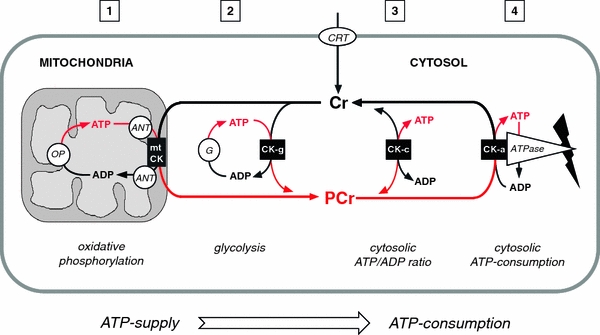
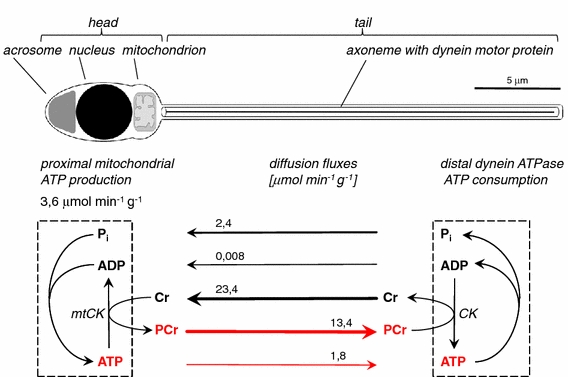
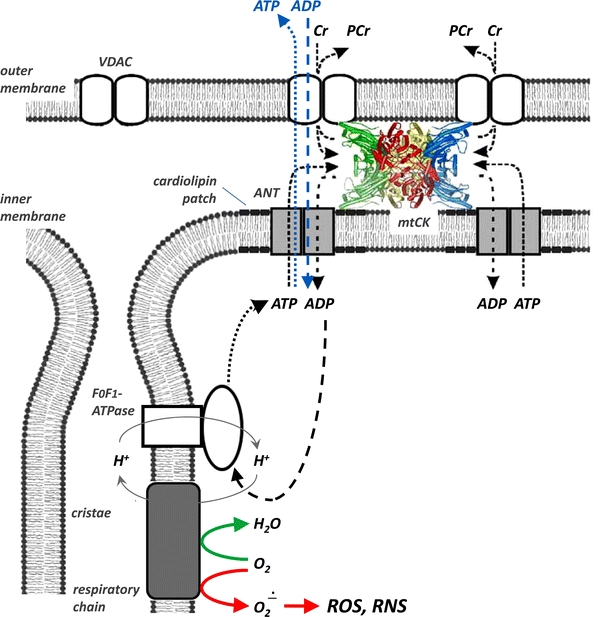
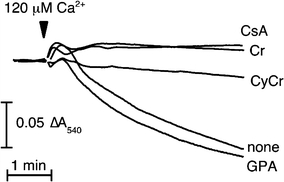
The pleiotropic effects of creatine (Cr) are based mostly on the functions of the enzyme creatine kinase (CK) and its high-energy product phosphocreatine (PCr). Multidisciplinary studies have established molecular, cellular, organ and somatic functions of the CK/PCr system, in particular for cells and tissues with high and intermittent energy fluctuations. These studies include tissue-specific expression and subcellular localization of CK isoforms, high-resolution molecular structures and structure-function relationships, transgenic CK abrogation and reverse genetic approaches. Three energy-related physiological principles emerge, namely that the CK/PCr systems functions as (a) an immediately available temporal energy buffer, (b) a spatial energy buffer or intracellular energy transport system (the CK/PCr energy shuttle or circuit) and (c) a metabolic regulator. The CK/PCr energy shuttle connects sites of ATP production (glycolysis and mitochondrial oxidative phosphorylation) with subcellular sites of ATP utilization (ATPases). Thus, diffusion limitations of ADP and ATP are overcome by PCr/Cr shuttling, as most clearly seen in polar cells such as spermatozoa, retina photoreceptor cells and sensory hair bundles of the inner ear. The CK/PCr system relies on the close exchange of substrates and products between CK isoforms and ATP-generating or -consuming processes. Mitochondrial CK in the mitochondrial outer compartment, for example, is tightly coupled to ATP export via adenine nucleotide transporter or carrier (ANT) and thus ATP-synthesis and respiratory chain activity, releasing PCr into the cytosol. This coupling also reduces formation of reactive oxygen species (ROS) and inhibits mitochondrial permeability transition, an early event in apoptosis. Cr itself may also act as a direct and/or indirect anti-oxidant, while PCr can interact with and protect cellular membranes. Collectively, these factors may well explain the beneficial effects of Cr supplementation. The stimulating effects of Cr for muscle and bone growth and maintenance, and especially in neuroprotection, are now recognized and the first clinical studies are underway. Novel socio-economically relevant applications of Cr supplementation are emerging, e.g. for senior people, intensive care units and dialysis patients, who are notoriously Cr-depleted. Also, Cr will likely be beneficial for the healthy development of premature infants, who after separation from the placenta depend on external Cr. Cr supplementation of pregnant and lactating women, as well as of babies and infants are likely to be of benefit for child development. Last but not least, Cr harbours a global ecological potential as an additive for animal feed, replacing meat- and fish meal for animal (poultry and swine) and fish aqua farming. This may help to alleviate human starvation and at the same time prevent over-fishing of oceans.
Overview
The claims and statistics of this paper haven’t been checked yet.
Free: it reads the open-access text and checks the first 5 claims that cite a source we can check. Create a free account to check every claim.
Integrity signals
Registry
Cites
Statistics
Figures
Verification
Claims the paper makes
The claims and statistics of this paper haven’t been checked yet.
Free: it reads the open-access text and checks the first 5 claims that cite a source we can check. Create a free account to check every claim.
Claims other papers make about this one
Each is checked against this paper’s own text: does it say what the citing paper says it does?
The source backs part of the claim, not all of it — or backs it for a different population, condition or comparison.
In the citing paper
“These findings support contentions that it is prudent for individuals to consume at least 3 g/day of creatine to support general health as one ages [1,50].”
From Creatine in health and disease (2021) · cites this paper as [50]
Experimental — accuracy not yet measuredThe source backs part of the claim, not all of it — or backs it for a different population, condition or comparison.
In the citing paper
“As noted above, creatine and phosphagens play an important role in maintaining energy availability [38,39,56,57], particularly related to the role of the CK/PRr system and shuttling of ATP, ADP, and Pi in and out of the mitochondria for cellular metabolism [50,54,55].”
From Creatine in health and disease (2021) · cites this paper as [50]
Experimental — accuracy not yet measuredThe source backs part of the claim, not all of it — or backs it for a different population, condition or comparison.
In the citing paper
“Since sperm motility is dependent on ATP availability and CK activity has been associated with greater sperm quality and function [50,327,328,329], there has been some interest in whether creatine supplementation and/or administration might improve fertility.”
From Creatine in health and disease (2021) · cites this paper as [50]
Experimental — accuracy not yet measuredThe source backs part of the claim, not all of it — or backs it for a different population, condition or comparison.
In the citing paper
“Creatine [166,167], citrulline [168,169], and leucine-rich feedings [111,162] are best interpreted as compounds that help maintain a permissive metabolic and signalling environment in which mechanical loading can drive nucleolar expansion.”
From Ribosome Biogenesis as a Putative Bottleneck to Skeletal Muscle Hypertrophy: Mechanisms, Human Evidence, and Practical Modulators (2026) · cites this paper as [167]
Experimental — accuracy not yet measuredThe source backs part of the claim, not all of it — or backs it for a different population, condition or comparison.
In the citing paper
“creatine is best interpreted as a plausible indirect supporter of ribosome biogenesis, not as a proven direct activator of nucleolar output [166,167]”
From Ribosome Biogenesis as a Putative Bottleneck to Skeletal Muscle Hypertrophy: Mechanisms, Human Evidence, and Practical Modulators (2026) · cites this paper as [167]
Experimental — accuracy not yet measured
10 more claims about this paper
Create a free account to see every claim other papers make about this one.
Self-check
Percentages, sums and reported differences re-computed from the paper’s own numbers.
The self-check needs the paper’s full text.
Citations
Cites
Mitochondrial membrane permeabilization in cell death
Kroemer, G., Galluzzi, L., & Brenner, C. (2007) · Physiological Reviews · doi:10.1152/physrev.00013.2006 · Cited by 3,598 · cited 2×
“Although the molecular composition of the pore remains an open question, it seems to involve the adenine nucleotide transporter ANT-1 isoform and the voltage-dependent anion carrier VDAC (Zhivotovsky et al. 2009) together with mtCK (Kroemer et al. 2007).”
BackgroundCreatine and Creatinine Metabolism
Wyss, M., & Kaddurah-Daouk, R. (2000) · Physiological Reviews · doi:10.1152/physrev.2000.80.3.1107 · Cited by 2,950 · cited 2×
“In particular, the neuroprotective role of Cr that is relevant to a number of neuromuscular and neuro-degenerative diseases is well documented (Matthews et al. 1998; Klivenyi et al. 1999; Brewer and Wallimann 2000; Wyss and Kaddurah-Daouk 2000; Baker and Tarnopolsky 2003; Andres et al. 2005a, b; Brosnan and Brosnan 20…”
BackgroundWallimann, T., Wyss, M., Brdiczka, D., Nicolay, K., & Eppenberger, H. M. (1992) · Biochemical Journal · doi:10.1042/bj2810021 · Cited by 2,011
Self-citationElevation of creatine in resting and exercised muscle of normal subjects by creatine supplementation
Harris, R. C., Söderlund, K., & Hultman, E. (1992) · Clinical Science · doi:10.1042/cs0830367 · Cited by 1,168 · cited 2×
“Cr improves cellular energy state (PCr/ATP ratio) and muscle performance (Harris et al. 1992; Greenhaff et al. 1993) Cr facilitates intracellular energy transport (PCr circuit or shuttle) (Wallimann 1975; Saks et al. 1978, 2006b; Bessman and Geiger 1981; Wallimann and Eppenberger 1985; Bessman…”
BackgroundMcPherron, S. P., Alemseged, Z., Marean, C. W., Wynn, J. G., Reed, D., Geraads, D., Bobe, R., & Béarat, H. A. (2010) · Nature · doi:10.1038/nature09248 · Cited by 832
Transport of Energy in Muscle: The Phosphorylcreatine Shuttle
Bessman, S. P., & Geiger, P. J. (1981) · Science · doi:10.1126/science.6450446 · Cited by 758
Neuroprotective effects of creatine in a transgenic animal model of amyotrophic lateral sclerosis
Klivenyi, P., Ferrante, R. J., Matthews, R. T., Bogdanov, M. B., Klein, A. M., Andreassen, O. A., Mueller, G., Wermer, M., Kaddurah-Daouk, R., & Beal, M. F. (1999) · Nature Medicine · doi:10.1038/6568 · Cited by 682
Nutritional recommendations for the management of sarcopenia
Morley, J. E., Argiles, J. M., Evans, W. J., Bhasin, S., Cella, D., Deutz, N. E. P., Doehner, W., Fearon, K. C. H., Ferrucci, L., Hellerstein, M. K., et al. (2010) · Journal of the American Medical Directors Association · doi:10.1016/j.jamda.2010.04.014 · Cited by 664 · cited 2×
“Recent nutritional recommendations by the US Society for Sarcopenia, Cachexia and Wasting Disease proposed Cr supplementation together with other measures for the management of sarcopenia (age-dependent progressive muscle loss) which is prevalent among the elderly (Morley et al. 2010).”
BackgroundMitochondrial creatine kinase in human health and disease
Schlattner, U., Tokarska-Schlattner, M., & Wallimann, T. (2006) · Biochimica et Biophysica Acta (BBA) - Molecular Basis of Disease · doi:10.1016/j.bbadis.2005.09.004 · Cited by 622
Self-citationGreenhaff, P. L., Casey, A., Short, A. H., Harris, R., Soderlund, K., & Hultman, E. (1993) · Clinical Science · doi:10.1042/cs0840565 · Cited by 460 · cited 4×
“Cr improves cellular energy state (PCr/ATP ratio) and muscle performance (Harris et al. 1992; Greenhaff et al. 1993)”
BackgroundInfluential
Research works printed but not linked: 5
- Saks VA Molecular systems bioenergetics: energy for life 2007 Weinheim Wiley
- Tokarska-Schlattner M Meiler F Zandomeneghi G Meier BH Saks V Neumann D Wallimann T Schlattner U Do creatine and other guanidino compounds bind to phospholipid membranes? Studies with SPR and P-31-NMR-spectroscopy Biophys J 2003 84 49A
- Tokarska-Schlattner M Wallimann T Schlattner U Membrane protective effects of phosphocreatine Biophys J 2005 88 418A
- Wallimann T (1975) Creatine kinase isoenzymes and myofibrillar structure. PhD Thesis Nr 5437, ETH Zurich
- Ziegenfuss TN Lowery LM Lemon PWR Acute fluid volume changes in men during three days of creatine supplementation J Exerc Physiol 1998 1 1 9
Cited by
Items 801–900 of 954
Guanidinoacetic Acid Supplementation: A Mechanistic Model of Utilization and Clearance
Ostojić, S. M. (2025) · Journal of Dietary Supplements · doi:10.1080/19390211.2025.2606749
Frabschka, A., Völter, M. F., Jöhren, H., Schmitz, W., Wiegand, C., El‐Mesery, M., Koderer, C., Wiesner, L., Kübler, A. C., & Seher, A. (2025) · bioRxiv (Cold Spring Harbor Laboratory) · doi:10.1101/2025.08.17.670755
Valenti, V. E., de Souza, G., Candeloro, B. M., Gonzaga, L. A., Gimenez, F. V. M., Leitão, F. N. C., de Melo, Y. A. M., de Oliveira, C. M., Porto, A. A., Garner, D. M., et al. (2026) · Bratislavské lekárske listy/Bratislava medical journal · doi:10.1007/s44411-026-00887-6
Vargas, A. P. (2012) · LA Referencia (Red Federada de Repositorios Institucionales de Publicaciones Científicas)
Modelewski, P. M., Białożyt, J., Wagner, W., Dędniak, A., Twardy, P., Gutarowicz, M., Nieradka, K., Klahs, K., Armatys, M., & Muraszko-Kuźma, M. (2026) · Quality in Sport · doi:10.12775/qs.2026.57.72536
Xiaowen, Z., Yuan, J., Muro, P., Chen, R., Jin, T., & Mao, F. (2026) · Cellular Immunology · doi:10.1016/j.cellimm.2026.105165
Barbeau, P. (2017) · The Atrium (University of Guelph)
Wang, S.-J., Zhang, X., Li, J., Zhou, Y., Zhu, Z.-M., Chen, H., Mei, P.-C., An, N., Huang, Z., Zhu, Q.-F., et al. (2025) · Journal of Food Composition and Analysis · doi:10.1016/j.jfca.2025.108819
Kong, J. (2013) · MacSphere (McMaster University) · doi:10.71548/16999
Ostojić, S. M., & Miller, D. W. (2026) · Nutrition Reviews · doi:10.1093/nutrit/nuag139
Chapitre 5. Métabolisme du phosphagène
POORTMANS, J. R., & Boisseau, N. (2017) · De Boeck Supérieur eBooks · doi:10.3917/dbu.poort.2017.01.0127
Skelton, M. R., Liou, R., & Perna, M. K. (2022) · bioRxiv (Cold Spring Harbor Laboratory) · doi:10.1101/2022.06.02.494536
Rapid LC-MS/MS Method for Targeted Assay of Creatine Deficiency Syndromes in Morocco
Meiouet, F., & Boemer, F. (2026) · Metabolites · doi:10.3390/metabo16060388
Mińkowski, M., Oćwieja, Z., Wyborska, A., Fengler, K., Jakubowska, O., Kominiak, D., Carreno, M. G., Solecka, K., Urbanik, A., & Pietrzak, K. (2026) · Quality in Sport · doi:10.12775/qs.2026.55.71118
Impact of Autophagy and Proteasome inhibition on denervation-induced Skeletal Muscle AtrophyPreprint
Singh, A. P., & Dabur, R. (2024) · Research Square · doi:10.21203/rs.3.rs-5360477/v1
Domingues, W. J. R. (2018) · LA Referencia (Red Federada de Repositorios Institucionales de Publicaciones Científicas)
Miotto, P. M. (2018) · The Atrium (University of Guelph)
Abdulrahman, H. N., & Hassan, L. M. (2026) · Academic Journal of International University of Erbil · doi:10.63841/iue33118
Jeong, J. Y., Kim, J., Kim, M., & Park, S. (2025) · Food Science of Animal Resources · doi:10.5851/kosfa.2025.e11
Trotier-Faurion, A. (2013) · theses.fr (ABES) · doi:10.70675/88744a8azcb26z49dbz977az6bf9162d955c
Todorović, N., Kuzmanović, J., Nedeljkovic, D., Ranisavljev, M., Javorac, D., Andjelic, B., & Ostojić, S. M. (2026) · Nutrition and Health · doi:10.1177/02601060261499900
Beyond Muscle Energetics: Creatine in Brain Function, Mental Health, and Exercise Performance
Kamela, M., Kasznicki, M., Czechowska, M., Kalisiak, M., Micek, N., Rogozińska, A., Łącki, J., Skrzypek, E., Jackowiak, K., Beśka, W., et al. (2026) · Quality in Sport · doi:10.12775/qs.2026.59.72819
Czerny, I., Daniszewski, S., Marek, J., Wiśniewska, A., Cupriak, P. J., Czerny, I., Pelc, J., Radziwiłko, J. M., Czachurska, M., & Dudek, P. (2026) · Quality in Sport · doi:10.12775/qs.2026.65.74048
Boroujerdi, M. (2026) · CRC Press eBooks · doi:10.1201/9781003604662
Tesyna, J., Kubala, K., Obszańska, A., Tomczyszyn, J., Czapla, M., & Marchlik, K. (2026) · Quality in Sport · doi:10.12775/qs.2026.69.74214
Biosenseurs reposant sur l'AMPK et le FRET pour l'analyse du métabolisme énergétique : AMPFret
Pelosse, M. (2015) · theses.fr (ABES) · doi:10.70675/5e286e5cz52a5z4b90z890ez6ee25b5438db
Deciphering the role of Creatine Kinase B in energy supply for fast axonal transport
Cuoc, E. C. (2023) · theses.fr (ABES) · doi:10.70675/707730b1zcba0z4c17zbf1az4471b4140440
Cunha, M. P., Akhtar, A. S., & Ramos-Hryb, A. B. (2026) · Current Issues in Molecular Biology · doi:10.3390/cimb48111174
Current Trends in Creatine Use Rates Among the Adolescent Athletic Population
Wang, J. (2020) · UA Campus Repository (The University of Arizona)
Analýza spotřebitelského chování na trhu sportovní výživy a doplňků stravy
Šigutová, V. (2024) · DSpace VŠB-TUO (VŠB-TUO)
Sphingolipides : nouveaux régulateurs de la masse et de la fonction musculaire ?
Lair, B. (2023) · theses.fr (ABES) · doi:10.70675/47a64499zee05z4065z9ee5z7c0c891477ec
Farmácia Padrão da Légua - Matosinhos
Rodrigues, B. N. D. C. (2025) · Portuguese National Funding Agency for Science, Research and Technology (RCAAP Project by FCT)
ხუბულავა, Ს. (2023) · Iverieli (National Parliamentary Library of Georgia)
Rusterholz, F. (2026) · oURspace (University of Regina) · doi:10.82465/51
Kabelis, P., Rzeszutko-Bełzowska, A., & Leońska‐Duniec, A. (2026) · Central European Journal of Sport Sciences and Medicine · doi:10.18276/cej.2026.1-05
Efecto de la suplementación aguda con zumo de remolacha en el rendimiento aeróbico y anaeróbico
Cuenca Garcia, E. (2020) · Dipòsit Digital de la Universitat de Barcelona (Universitat de Barcelona)
Cardiotoxicity of doxorubicin : a transcriptomic, proteomic and phosphoproteomic study
Gratia, S. (2011) · theses.fr (ABES) · doi:10.70675/312725aez3539z4ebez8847z92538ffb3c9d
Colonna, K. (2023) · Brock University Digital Repository (Brock University)
Sun, M., Jiao, H., Wang, X., Zhao, J., & Lin, H. (2021) · Research Square · doi:10.21203/rs.3.rs-354913/v1
Fuelled by creatine: exploring two copies of the creatine transporter SLC6A8 gene in rainbow trout
Borchel, A., Müller-Eigner, A., Görs, S., Rebl, H., Rebl, A., Metges, C. C., Goldammer, T., & Verleih, M. (2026) · Fish Physiology and Biochemistry · doi:10.1007/s10695-026-01723-y
Khairul, D. C., James, R. J., Ramli, S., Khamis, S., Zolkeflee, N. K. Z., Jalani, K. J., & Rasol, N. E. (2026) · SSRN Electronic Journal · doi:10.2139/ssrn.6952100
Investigating the role of ACSS2-mediated acetyl-CoA metabolism on EGFR-PI3K-PKB signalling
Cragoe, B. (2023) · Apollo (University of Cambridge) · doi:10.17863/cam.106167
Bian, X., Zhu, J., Jia, X., Liang, W., Yu, S., Li, Z., Zhang, W., & Rao, Y. (2023) · eLife · doi:10.7554/elife.89317.2.sa4
Tamer, Ş., Ates, G., Gündoğan, G. İ., & Özkök, E. (2026) · Biomedicines · doi:10.3390/biomedicines14112490
Evaluating a lack of creatine in the monoaminergic neurotransmitter system
Abdulla, Z. I. (2019) · OhioLink ETD Center (Ohio Library and Information Network)
Schniertshauer, D. (2020) · KOPS (University of Konstanz)
Einkenni þjálfunarálags meðal hlaupara á Íslandi. Tengsl við efnaskipti
Matthíasson, L. M. (2023) · Skemman
Relatório de estágio: mestrado em análises clínicas
Rodrigues, F. V. (2015) · Portuguese National Funding Agency for Science, Research and Technology (RCAAP Project by FCT)
Creatina en la salud y en la enfermedad
Fernández, C. G., Iniesta, À. M., Gumucio, M. M., Bravo, J. J. M., & de la redGDPS, G. D. T. D. D. Y. E. R. C. (2026) · Diabetes práctica · doi:10.52102/diabet/pract.2026.2.art2
Yelgoniyeva, M., Konkayev, A. K., & Ogizbayeva, A. V. (2026) · Traumatology and Orthopаedics of Kazakhstan · doi:10.52889/1684-9280-2026-77-2-jto042
Mouheiche, J. (2014) · theses.fr (ABES) · doi:10.70675/868705b0z4da2z4740z8eb4z53536bd6cfe5
Creatine metabolism is dysregulated in necrotizing enterocolitis
Franca, A. P., Wilson, A. P., Bogie, B. C., Wang, S., Stephenson, D., Zhong, H., Rizzuto, C. R., Sklar, D. E., Reisz, J. A., Good, M. L., et al. (2026) · Pediatric Research · doi:10.1038/s41390-026-05627-8
Delfinis, L. J. (2020) · YorkSpace (York University)
Dastvan, R., Gies, S. L., McLaughlin, N., Shubbar, A., Kong, C., Wu, T., Khan, S., Ustione, A., Miller, I., Piston, D. W., et al. (2026) · Research Square · doi:10.21203/rs.3.rs-10582165/v1
Identification et caractérisation d'une isoforme mitochondriale du canal TRPV1 humain
Beignon, F. (2022) · theses.fr (ABES) · doi:10.70675/f2e8bcebzcfc7z400azabe5z741a04e3fcc3
Citrulline et métabolisme des polyamines : quelle place pour la N-carbamoylputrescine?
Ramani, D. (2012) · theses.fr (ABES) · doi:10.70675/ff941c5dz0f60z44b3z8f42z55c48abe9e17
Teng, Y., Wang, C. Y., Wu, Y., Chang, Y., & Qin, Y. (2026) · Animals · doi:10.3390/ani16131967
A associação de Creatina e Coenzima Q10 e seu possível potencial ergogênico no endurance
Costa, C., & Araujo, F. (2018) · LA Referencia (Red Federada de Repositorios Institucionales de Publicaciones Científicas)
Lemeshko, V. V. (2026) · Revista de la Academia Colombiana de Ciencias Exactas Físicas y Naturales · doi:10.18257/raccefyn.3491
Mou, S., Zhao, Z., Liu, C., Li, J., He, Q., Liu, W., Zhang, B., Zheng, Z., Sun, W., Shi, X., et al. (2025) · Brain and Behavior · doi:10.1002/brb3.70331
Role of the oviduct environment in sperm storage
Grub, L. K. (2020) · Illinois Digital Environment for Access to Learning and Scholarship (University of Illinois at Urbana-Champaign)
Bell, A., & Kershaw, C. M. (2026) · doi:10.14293/pr2199.004482.v1
Tumpa, I. J., Pervin, M. A., Hossen, M. S., Moin, M. B., Hossain, M. S., & Hossain, Z. (2026) · Journal of the Bangladesh Agricultural University · doi:10.3329/jbau.v24i3.93904
Shi, H., Li, W., Zhao, X., Dai, M., Yang, Z., Zhou, Y., & Feng, T. (2026) · Pharmaceuticals · doi:10.3390/ph19111753
Biasibetti, H. (2017) · LA Referencia (Red Federada de Repositorios Institucionales de Publicaciones Científicas)
Metabolomic signatures of colonic infection by Brachyspira hyodysenteriae
Pérez-Pérez, L., Galisteo, C., Castillo-Peinado, L. S., Tomé‐Rodríguez, S., Priego‐Capote, F., Carvajal, A., & Argüello, H. (2026) · Veterinary Research · doi:10.1186/s13567-026-01727-9
Alchujyan, N. K., Aghajanova, E., Movsesyan, N., Melkonyan, A., Guevorkian, A. G., Andreasyan, A., & Hovhannisyan, M. (2024) · AIMS bioengineering · doi:10.3934/bioeng.2024028
Sampers, R. (2025) · Online Publication Service of Würzburg University (Würzburg University) · doi:10.25972/opus-42411
Magnetic resonance imaging signature of facioscapulohumeral muscular dystrophy
Janssen, B. H. (2015) · Radboud Repository (Radboud University)
Ge, J., Jiang, S., Yuan, L., Chen, H., Jin, Q., Han, D. H., & Wang, J. (2026) · Fishes · doi:10.3390/fishes11060360
Jõutõstmise võistluseks valmistumise ja parima saavutuse tagamise meetodid
Saarela, M. (2016) · DSpace repository (University of Tartu)
Monga, S. (2023) · Oxford University Research Archive (ORA) (University of Oxford) · doi:10.5287/ora-eqkpxaezm
Pérez-Castillo, Í. M., Rueda, R., Bouzamondo, H., López-Chicharro, J., & Mihic, N. (2023) · doi:10.3389/fphys.2023.1167449.s001
Tan, L., Sun, X., Li, J., Wang, Q., Zhuo, Z., Li, Y., Su, Y., Fan, C., & Cheng, J. (2023) · Italian Journal of Animal Science · doi:10.1080/1828051x.2022.2157763
Mena, D. (2019) · Portuguese National Funding Agency for Science, Research and Technology (RCAAP Project by FCT)
Mena, D. T. D. S. (2019) · Portuguese National Funding Agency for Science, Research and Technology (RCAAP Project by FCT)
Raku energeetilist seisundit reguleerivate geenide ekspressiooni hindamine reaalaja-PCR abil
Tarrend, M. (2014) · DSpace repository (University of Tartu)
Araujo, A. F. (2016) · Americanae (AECID Library)
Condeço, M. G. G. D. S. (2020) · Portuguese National Funding Agency for Science, Research and Technology (RCAAP Project by FCT)
Godinho, L. C. (2022) · LA Referencia (Red Federada de Repositorios Institucionales de Publicaciones Científicas)
Integrazione di creatina in soggetti anziani per il trattamento della sarcopenia
D'ELIA, A. (2024) · Electronic Theses and Dissertations Repository (University of Pisa)
Marques, E. P. (2016) · Lume (Universidade Federal do Rio Grande do Sul)
Creatine neuroprotection in the retina
Sia, P. I. (2018) · Adelaide Research & Scholarship (AR&S) (University of Adelaide)
X-linked creatine transporter deficiency
van de Kamp, J. M. (2014) · Pure Amsterdam UMC
Cherix, A. (2020) · Infoscience (Ecole Polytechnique Fédérale de Lausanne) · doi:10.5075/epfl-thesis-9820
Stojanovska, S. (2019) · Goce Delchev University Repository (Goce Delčev University of Štip)
Kurimoto, T., Bono, K., Imahori, N., Nakamura, M., Ueda, J., & Saito, S. (2026) · Tomography · doi:10.3390/tomography12110164
The role of creatine kinase in hypertension: Therapeutic perspectives
Karamat, F. A. (2019) · UvA-DARE (University of Amsterdam)
Lakomkin, V. L., Studneva, I. M., Abramov, A. A., Просвирнин, А. В., Veselova, O. M., Lukoshkova, E. V., Pisarenko, O. I., & Kapelko, V. I. (2020) · Russian Cardiology Bulletin · doi:10.36396/ms.2020.62.62.004
Aditivos alimentares na ocorrência de miopatias em frangos de corte
de Souza, C., Wachholz, L., Kohler, T. L., de Souza, C., & Nunes, R. V. (2024) · Archivos de Zootecnia · doi:10.21071/az.v73i283.5858
Rojas, D. B. (2012) · LA Referencia (Red Federada de Repositorios Institucionales de Publicaciones Científicas)
Patterns of protein turnover in aging Caenorhabditis elegans
Dhondt, I. (2015) · Ghent University Academic Bibliography (Ghent University)
Establishing Cryptosporidium parvum as a model organism
Miller, C. N. (2017) · Kent Academic Repository (University of Kent)
Exploration of the Mitochondria as a Potential Therapeutic Target in Duchenne Muscular Dystrophy
Bellissimo, C. A. (2023) · York University Digital Library (York University)
Creatine Beyond Muscle: Pleiotropic Effects with and Without Exercise—A Critical Narrative Review
Marco-Alacid, C., & Fierro, A. L. (2026) · Nutrients · doi:10.3390/nu18223741
Metadata
- Authors
- Wallimann, T., Tokarska-Schlattner, M., & Schlattner, U.
- Affiliations
- ETH Zurich (CH)
- Inserm (FR)
- Corresponding author
- Wallimann, Theo
- Schlattner, Uwe
- Venue
- Amino Acids
- Published
- 2011-03-30
- Volume
- 40
- Issue
- 5
- Pages
- 1271-1296
- ISSN
- 0939-4451 (ISSN-L)
- 1438-2199
- PMC
- PMC3080659
- OpenAlex
- W2041686985
- Cited by
- 797
- References
- 254
- Citations by year
- 2026: 79 · 2025: 84 · 2024: 59 · 2023: 68 · 2022: 60 · 2021: 61 · 2020: 41 · 2019: 43 · 2018: 42 · 2017: 44 · 2016: 58 · 2015: 46 · 2014: 43 · 2013: 35 · 2012: 26
- FWCI
- 3.15
- Type
- journal article
- Language
- en
- Open access
- hybrid
- doi.org
- Licence
- cc-by-nc
- Locations
- Amino Acids (publishedVersion, cc-by-nc)
- PubMed Central (publishedVersion, cc-by-nc)
- PubMed (publishedVersion)
- reroDoc Digital Library (submittedVersion)
- HAL (submittedVersion, other-oa)
- Repository for Publications and Research Data (ETH Zurich) (submittedVersion, other-oa)
- ETH Zürich Research Collection
- Funders
- National Science Foundation
- European Commission (249202)
- Schweizerischer Nationalfonds zur Förderung der Wissenschaftlichen Forschung
- Topics
- Life Sciences › Biochemistry, Genetics and Molecular Biology › Molecular Biology › Mitochondrial Function and Pathology
- Health Sciences › Nursing › Nutrition and Dietetics › Muscle metabolism and nutrition
- Life Sciences › Biochemistry, Genetics and Molecular Biology › Molecular Biology › Metabolism, Diabetes, and Cancer
- Keywords
- creatine kinase, phosphocreatine, creatine, creatine supplementation, ATP transport, adenine nucleotide transporter, mitochondrial permeability transition, reactive oxygen species, antioxidant activity, creatine kinase isoforms, neuroprotection, muscle growth, bone preservation, preterm infants, dialysis patients, feed additives, structure-function relationship, spermatozoa
- MeSH terms
- Animals, Creatine, Creatine Kinase, Humans, Phosphocreatine
About these checks
Registry, retraction, Cites and statistics results are computed, not judged, with one exception: a printed reference that no index lists is read once by a model before it counts as a citation error. Claims are extracted by a model and kept only when their quote appears verbatim in the text; each cited source is then checked, with a model’s help, for whether it says what the claim relies on. Those verdicts can be wrong — read the claim’s quote and the cited source before relying on one.
Statistics and arithmetic are recomputed, not judged.
Confidence bands are shown only for fields calibrated on our annotated test set. None is calibrated yet, so no band is shown.
What counts as a claim ›How we measure confidence ›How we check this ›
Are you an author, or do you see a problem with this page? Request a review
Data sources
Bibliographic data: Semantic Scholar, OpenAlex, Crossref.
Contains information from the Semantic Scholar Academic Graph Datasets, made available under the ODC Attribution License (ODC-BY 1.0).
Semantic Scholar’s data is described in: Kinney, R., et al. (2023). The Semantic Scholar Open Data Platform. arXiv:2301.10140.
