

The creatine kinase system and pleiotropic effects of creatine
Open accessThe DOI matches its Crossref record; 253 of the 254 references it cites were found in a registry or an index.
Abstract
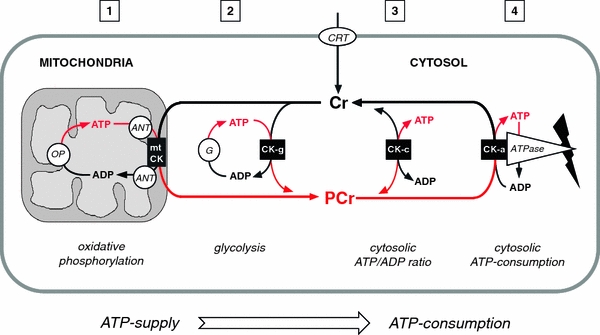
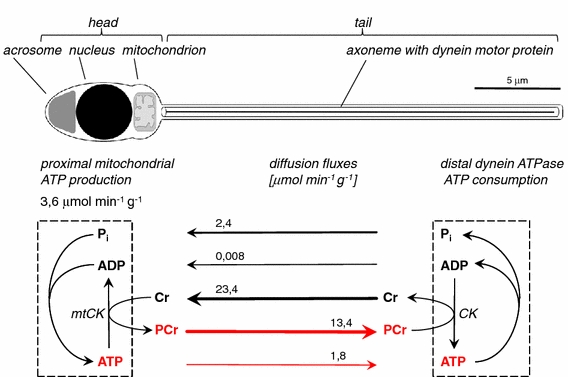
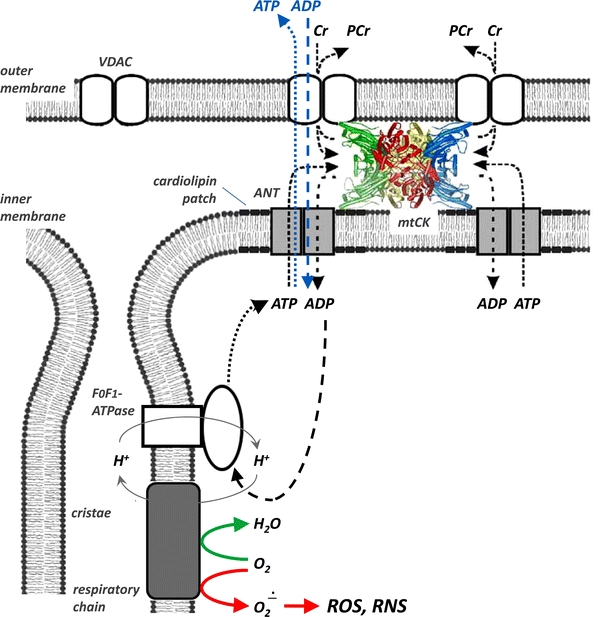
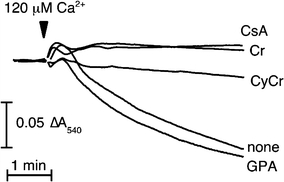
The pleiotropic effects of creatine (Cr) are based mostly on the functions of the enzyme creatine kinase (CK) and its high-energy product phosphocreatine (PCr). Multidisciplinary studies have established molecular, cellular, organ and somatic functions of the CK/PCr system, in particular for cells and tissues with high and intermittent energy fluctuations. These studies include tissue-specific expression and subcellular localization of CK isoforms, high-resolution molecular structures and structure-function relationships, transgenic CK abrogation and reverse genetic approaches. Three energy-related physiological principles emerge, namely that the CK/PCr systems functions as (a) an immediately available temporal energy buffer, (b) a spatial energy buffer or intracellular energy transport system (the CK/PCr energy shuttle or circuit) and (c) a metabolic regulator. The CK/PCr energy shuttle connects sites of ATP production (glycolysis and mitochondrial oxidative phosphorylation) with subcellular sites of ATP utilization (ATPases). Thus, diffusion limitations of ADP and ATP are overcome by PCr/Cr shuttling, as most clearly seen in polar cells such as spermatozoa, retina photoreceptor cells and sensory hair bundles of the inner ear. The CK/PCr system relies on the close exchange of substrates and products between CK isoforms and ATP-generating or -consuming processes. Mitochondrial CK in the mitochondrial outer compartment, for example, is tightly coupled to ATP export via adenine nucleotide transporter or carrier (ANT) and thus ATP-synthesis and respiratory chain activity, releasing PCr into the cytosol. This coupling also reduces formation of reactive oxygen species (ROS) and inhibits mitochondrial permeability transition, an early event in apoptosis. Cr itself may also act as a direct and/or indirect anti-oxidant, while PCr can interact with and protect cellular membranes. Collectively, these factors may well explain the beneficial effects of Cr supplementation. The stimulating effects of Cr for muscle and bone growth and maintenance, and especially in neuroprotection, are now recognized and the first clinical studies are underway. Novel socio-economically relevant applications of Cr supplementation are emerging, e.g. for senior people, intensive care units and dialysis patients, who are notoriously Cr-depleted. Also, Cr will likely be beneficial for the healthy development of premature infants, who after separation from the placenta depend on external Cr. Cr supplementation of pregnant and lactating women, as well as of babies and infants are likely to be of benefit for child development. Last but not least, Cr harbours a global ecological potential as an additive for animal feed, replacing meat- and fish meal for animal (poultry and swine) and fish aqua farming. This may help to alleviate human starvation and at the same time prevent over-fishing of oceans.
Overview
The claims and statistics of this paper haven’t been checked yet.
Free: it reads the open-access text and checks the first 5 claims that cite a source we can check. Create a free account to check every claim.
Integrity signals
Registry
Cites
Statistics
Figures
Verification
Claims the paper makes
The claims and statistics of this paper haven’t been checked yet.
Free: it reads the open-access text and checks the first 5 claims that cite a source we can check. Create a free account to check every claim.
Claims other papers make about this one
Each is checked against this paper’s own text: does it say what the citing paper says it does?
The source backs part of the claim, not all of it — or backs it for a different population, condition or comparison.
In the citing paper
“These findings support contentions that it is prudent for individuals to consume at least 3 g/day of creatine to support general health as one ages [1,50].”
From Creatine in health and disease (2021) · cites this paper as [50]
Experimental — accuracy not yet measuredThe source backs part of the claim, not all of it — or backs it for a different population, condition or comparison.
In the citing paper
“As noted above, creatine and phosphagens play an important role in maintaining energy availability [38,39,56,57], particularly related to the role of the CK/PRr system and shuttling of ATP, ADP, and Pi in and out of the mitochondria for cellular metabolism [50,54,55].”
From Creatine in health and disease (2021) · cites this paper as [50]
Experimental — accuracy not yet measuredThe source backs part of the claim, not all of it — or backs it for a different population, condition or comparison.
In the citing paper
“Since sperm motility is dependent on ATP availability and CK activity has been associated with greater sperm quality and function [50,327,328,329], there has been some interest in whether creatine supplementation and/or administration might improve fertility.”
From Creatine in health and disease (2021) · cites this paper as [50]
Experimental — accuracy not yet measuredThe source backs part of the claim, not all of it — or backs it for a different population, condition or comparison.
In the citing paper
“Creatine [166,167], citrulline [168,169], and leucine-rich feedings [111,162] are best interpreted as compounds that help maintain a permissive metabolic and signalling environment in which mechanical loading can drive nucleolar expansion.”
From Ribosome Biogenesis as a Putative Bottleneck to Skeletal Muscle Hypertrophy: Mechanisms, Human Evidence, and Practical Modulators (2026) · cites this paper as [167]
Experimental — accuracy not yet measuredThe source backs part of the claim, not all of it — or backs it for a different population, condition or comparison.
In the citing paper
“creatine is best interpreted as a plausible indirect supporter of ribosome biogenesis, not as a proven direct activator of nucleolar output [166,167]”
From Ribosome Biogenesis as a Putative Bottleneck to Skeletal Muscle Hypertrophy: Mechanisms, Human Evidence, and Practical Modulators (2026) · cites this paper as [167]
Experimental — accuracy not yet measured
10 more claims about this paper
Create a free account to see every claim other papers make about this one.
Self-check
Percentages, sums and reported differences re-computed from the paper’s own numbers.
The self-check needs the paper’s full text.
Citations
Cites
Mitochondrial membrane permeabilization in cell death
Kroemer, G., Galluzzi, L., & Brenner, C. (2007) · Physiological Reviews · doi:10.1152/physrev.00013.2006 · Cited by 3,598 · cited 2×
“Although the molecular composition of the pore remains an open question, it seems to involve the adenine nucleotide transporter ANT-1 isoform and the voltage-dependent anion carrier VDAC (Zhivotovsky et al. 2009) together with mtCK (Kroemer et al. 2007).”
BackgroundCreatine and Creatinine Metabolism
Wyss, M., & Kaddurah-Daouk, R. (2000) · Physiological Reviews · doi:10.1152/physrev.2000.80.3.1107 · Cited by 2,950 · cited 2×
“In particular, the neuroprotective role of Cr that is relevant to a number of neuromuscular and neuro-degenerative diseases is well documented (Matthews et al. 1998; Klivenyi et al. 1999; Brewer and Wallimann 2000; Wyss and Kaddurah-Daouk 2000; Baker and Tarnopolsky 2003; Andres et al. 2005a, b; Brosnan and Brosnan 20…”
BackgroundWallimann, T., Wyss, M., Brdiczka, D., Nicolay, K., & Eppenberger, H. M. (1992) · Biochemical Journal · doi:10.1042/bj2810021 · Cited by 2,011
Self-citationElevation of creatine in resting and exercised muscle of normal subjects by creatine supplementation
Harris, R. C., Söderlund, K., & Hultman, E. (1992) · Clinical Science · doi:10.1042/cs0830367 · Cited by 1,168 · cited 2×
“Cr improves cellular energy state (PCr/ATP ratio) and muscle performance (Harris et al. 1992; Greenhaff et al. 1993) Cr facilitates intracellular energy transport (PCr circuit or shuttle) (Wallimann 1975; Saks et al. 1978, 2006b; Bessman and Geiger 1981; Wallimann and Eppenberger 1985; Bessman…”
BackgroundMcPherron, S. P., Alemseged, Z., Marean, C. W., Wynn, J. G., Reed, D., Geraads, D., Bobe, R., & Béarat, H. A. (2010) · Nature · doi:10.1038/nature09248 · Cited by 832
Transport of Energy in Muscle: The Phosphorylcreatine Shuttle
Bessman, S. P., & Geiger, P. J. (1981) · Science · doi:10.1126/science.6450446 · Cited by 758
Neuroprotective effects of creatine in a transgenic animal model of amyotrophic lateral sclerosis
Klivenyi, P., Ferrante, R. J., Matthews, R. T., Bogdanov, M. B., Klein, A. M., Andreassen, O. A., Mueller, G., Wermer, M., Kaddurah-Daouk, R., & Beal, M. F. (1999) · Nature Medicine · doi:10.1038/6568 · Cited by 682
Nutritional recommendations for the management of sarcopenia
Morley, J. E., Argiles, J. M., Evans, W. J., Bhasin, S., Cella, D., Deutz, N. E. P., Doehner, W., Fearon, K. C. H., Ferrucci, L., Hellerstein, M. K., et al. (2010) · Journal of the American Medical Directors Association · doi:10.1016/j.jamda.2010.04.014 · Cited by 664 · cited 2×
“Recent nutritional recommendations by the US Society for Sarcopenia, Cachexia and Wasting Disease proposed Cr supplementation together with other measures for the management of sarcopenia (age-dependent progressive muscle loss) which is prevalent among the elderly (Morley et al. 2010).”
BackgroundMitochondrial creatine kinase in human health and disease
Schlattner, U., Tokarska-Schlattner, M., & Wallimann, T. (2006) · Biochimica et Biophysica Acta (BBA) - Molecular Basis of Disease · doi:10.1016/j.bbadis.2005.09.004 · Cited by 622
Self-citationGreenhaff, P. L., Casey, A., Short, A. H., Harris, R., Soderlund, K., & Hultman, E. (1993) · Clinical Science · doi:10.1042/cs0840565 · Cited by 460 · cited 4×
“Cr improves cellular energy state (PCr/ATP ratio) and muscle performance (Harris et al. 1992; Greenhaff et al. 1993)”
BackgroundInfluentialInternational Society of Sports Nutrition position stand: Nutrient timing
Kerksick, C., Harvey, T., Stout, J., Campbell, B., Wilborn, C., Kreider, R., Kalman, D., Ziegenfuss, T., Lopez, H., Landis, J., et al. (2008) · Journal of the International Society of Sports Nutrition · doi:10.1186/1550-2783-5-17 · Cited by 456
Direct antioxidant properties of creatine
Lawler, J. M., Barnes, W. S., Wu, G., Song, W., & Demaree, S. (2002) · Biochemical and Biophysical Research Communications · doi:10.1006/bbrc.2001.6164 · Cited by 448 · cited 2×
“Cr acts as a mild direct anti-oxidant (free radical scavenger) (Lawler et al. 2002)”
BackgroundNeuroprotective Effects of Creatine and Cyclocreatine in Animal Models of Huntington’s Disease
Matthews, R. T., Yang, L., Jenkins, B. G., Ferrante, R. J., Rosen, B. R., Kaddurah-Daouk, R., & Beal, M. F. (1998) · The Journal of Neuroscience · doi:10.1523/jneurosci.18-01-00156.1998 · Cited by 430
Creatine kinase in non-muscle tissues and cells
Wallimann, T., & Hemmer, W. (1994) · Molecular and Cellular Biochemistry · doi:10.1007/bf01267955 · Cited by 374
Self-citationFunctions and effects of creatine in the central nervous system
Andres, R. H., Ducray, A. D., Schlattner, U., Wallimann, T., & Widmer, H. R. (2008) · Brain Research Bulletin · doi:10.1016/j.brainresbull.2008.02.035 · Cited by 368
Self-citationTubulin binding blocks mitochondrial voltage-dependent anion channel and regulates respiration
Rostovtseva, T. K., Sheldon, K. L., Hassanzadeh, E., Monge, C., Saks, V., Bezrukov, S. M., & Sackett, D. L. (2008) · Proceedings of the National Academy of Sciences · doi:10.1073/pnas.0806303105 · Cited by 366
New insights into doxorubicin-induced cardiotoxicity: The critical role of cellular energetics
Tokarska-Schlattner, M., Zaugg, M., Zuppinger, C., Wallimann, T., & Schlattner, U. (2006) · Journal of Molecular and Cellular Cardiology · doi:10.1016/j.yjmcc.2006.06.009 · Cited by 350
Self-citationCreatine: Endogenous Metabolite, Dietary, and Therapeutic Supplement
Brosnan, J. T., & Brosnan, M. E. (2007) · Annual Review of Nutrition · doi:10.1146/annurev.nutr.27.061406.093621 · Cited by 347
Skeletal muscles of mice deficient in muscle creatine kinase lack burst activity
van Deursen, J., Heerschap, A., Oerlemans, F., Rultenbeek, W., Jap, P., ter Laak, H., & Wieringa, B. (1993) · Cell · doi:10.1016/0092-8674(93)90510-w · Cited by 343
International Society of Sports Nutrition position stand: creatine supplementation and exercise
Buford, T. W., Kreider, R. B., Stout, J. R., Greenwood, M., Campbell, B., Spano, M., Ziegenfuss, T., Lopez, H., Landis, J., & Antonio, J. (2007) · Journal of the International Society of Sports Nutrition · doi:10.1186/1550-2783-4-6 · Cited by 341
Hespel, P., Op't Eijnde, B., Leemputte, M. V., Ursø, B., Greenhaff, P. L., Labarque, V., Dymarkowski, S., Hecke, P. V., & Richter, E. A. (2001) · The Journal of Physiology · doi:10.1111/j.1469-7793.2001.0625c.xd · Cited by 335 · cited 9×
“…or the antioxidant effects of Cr, as well as the interference of Cr with cell signalling affecting the expression of muscle transcriptional factors (Hespel et al. 2001; Hespel and Derave 2007; Deldicque et al. 2008) or activating important signalling pathways such a p38 Akt/PKB (Hespel et al.…”
BackgroundInfluentialDietary supplement creatine protects against traumatic brain injury
Sullivan, P. G., Geiger, J. D., Mattson, M. P., & Scheff, S. W. (2000) · Annals of Neurology · doi:10.1002/1531-8249(200011)48:5<723::aid-ana5>3.0.co;2-w · Cited by 309
Role of creatine phosphokinase in cellular function and metabolism
Saks, V. A., Rosenshtraukh, L. V., Smirnov, V. N., & Chazov, E. I. (1978) · Canadian Journal of Physiology and Pharmacology · doi:10.1139/y78-113 · Cited by 303
Side-chain flexibility in proteins upon ligand binding
Najmanovich, R., Kuttner, J., Sobolev, V., & Edelman, M. (2000) · Proteins: Structure, Function, and Genetics · doi:10.1002/(sici)1097-0134(20000515)39:3<261::aid-prot90>3.0.co;2-4 · Cited by 295
Structure of mitochondrial creatine kinase
Fritz-Wolf, K., Schnyder, T., Wallimann, T., & Kabsch, W. (1996) · Nature · doi:10.1038/381341a0 · Cited by 294
Self-citationRae, C., Digney, A. L., McEwan, S. R., & Bates, T. C. (2003) · Proceedings of the Royal Society of London. Series B: Biological Sciences · doi:10.1098/rspb.2003.2492 · Cited by 283 · cited 2×
“Positive effects of Cr supplementation on memory, learning and mental performance (Rae et al. 2003), as well as on cognitive performance, have been demonstrated (McMorris et al.”
BackgroundBeneficial effects of creatine, CoQ10, and lipoic acid in mitochondrial disorders
Rodriguez, M. C., MacDonald, J. R., Mahoney, D. J., Parise, G., Beal, M. F., & Tarnopolsky, M. A. (2007) · Muscle & Nerve · doi:10.1002/mus.20688 · Cited by 255
Steeghs, K., Benders, A., Oerlemans, F., de Haan, A., Heerschap, A., Ruitenbeek, W., Jost, C., van Deursen, J., Perryman, B., Pette, D., et al. (1997) · Cell · doi:10.1016/s0092-8674(00)80186-5 · Cited by 252
(2013) · Handbook of Clinical Neurology · doi:10.1016/b978-0-444-59565-2.00053-8 · Cited by 251
Cardiac system bioenergetics: metabolic basis of the Frank‐Starling law
Saks, V., Dzeja, P., Schlattner, U., Vendelin, M., Terzic, A., & Wallimann, T. (2006) · The Journal of Physiology · doi:10.1113/jphysiol.2005.101444 · Cited by 251
Self-citationBrewer, G. J., & Wallimann, T. W. (2000) · Journal of Neurochemistry · doi:10.1046/j.1471-4159.2000.0741968.x · Cited by 230 · cited 2×
“In particular, the neuroprotective role of Cr that is relevant to a number of neuromuscular and neuro-degenerative diseases is well documented (Matthews et al. 1998; Klivenyi et al. 1999; Brewer and Wallimann 2000; Wyss and Kaddurah-Daouk 2000; Baker and Tarnopolsky 2003; Andres et al. 2005a, b; Brosnan and Brosnan 20…”
BackgroundSelf-citationWallimann, T., Dolder, M., Schlattner, U., Eder, M., Hornemann, T., O'Gorman, E., Rück, A., & Brdiczka, D. (1998) · BioFactors · doi:10.1002/biof.5520080310 · Cited by 230 · cited 3×
“3), which can also be induced by membrane-bound mtCK (Epand et al. 2007b), thus allowing for a functional interaction between both proteins (Wallimann et al. 1998; Schlattner et al. 2006b).”
BackgroundSelf-citationThe Critical Role Played by Animal Source Foods in Human (Homo) Evolution
Milton, K. (2003) · The Journal of Nutrition · doi:10.1093/jn/133.11.3886s · Cited by 229
Effect of creatine and weight training on muscle creatine and performance in vegetarians
BURKE, D. G., CHILIBECK, P. D., PARISE, G., CANDOW, D. G., MAHONEY, D., & TARNOPOLSKY, M. (2003) · Medicine & Science in Sports & Exercise · doi:10.1249/01.mss.0000093614.17517.79 · Cited by 224
Sestili, P., Martinelli, C., Bravi, G., Piccoli, G., Curci, R., Battistelli, M., Falcieri, E., Agostini, D., Gioacchini, A. M., & Stocchi, V. (2006) · Free Radical Biology and Medicine · doi:10.1016/j.freeradbiomed.2005.10.035 · Cited by 220 · cited 2×
“Cr acts as a strong indirect anti-oxidant in mitochondria (where ROS production is lowered by tight coupling of respiration/ATP production to ATP export) (Meyer et al. 2006; Sestili et al. 2006)”
BackgroundRossi, A. M., Eppenberger, H. M., Volpe, P., Cotrufo, R., & Wallimann, T. (1990) · Journal of Biological Chemistry · doi:10.1016/s0021-9258(19)34115-8 · Cited by 215
Self-citationRelating Structure to Mechanism in Creatine Kinase
McLeish, M. J., & Kenyon, G. L. (2005) · Critical Reviews in Biochemistry and Molecular Biology · doi:10.1080/10409230590918577 · Cited by 212
The role of creatine kinase in inhibition of mitochondrial permeability transition
(1997) · FEBS Letters · doi:10.1016/s0014-5793(97)01045-4 · Cited by 210
Self-citationMitochondrial Creatine Kinase Activity Prevents Reactive Oxygen Species Generation
Meyer, L. E., Machado, L. B., Santiago, A. P. S. A., da-Silva, W. S., De Felice, F. G., Holub, O., Oliveira, M. F., & Galina, A. (2006) · Journal of Biological Chemistry · doi:10.1074/jbc.m604123200 · Cited by 209
Rift Valley lake fish and shellfish provided brain-specific nutrition for early Homo
Broadhurst, C. L., Cunnane, S. C., & Crawford, M. A. (1998) · British Journal of Nutrition · doi:10.1079/bjn19980004 · Cited by 207
Wallimann, T., Schlösser, T., & Eppenberger, H. M. (1984) · Journal of Biological Chemistry · doi:10.1016/s0021-9258(17)42981-4 · Cited by 202 · cited 3×
“…(1, 2) or ATP-consuming processes (4), that may be represented by ATPases, such as the actin-activated myosin MgATPase for muscle contraction (Wallimann et al. 1984; Ventura-Clapier et al. 1987; van Deursen et al. 1993) and actin-based cell motility (Kuiper et al. 2009), ATPdependent…”
BackgroundResultSelf-citationEffects of creatine on mental fatigue and cerebral hemoglobin oxygenation
Watanabe, A., Kato, N., & Kato, T. (2002) · Neuroscience Research · doi:10.1016/s0168-0102(02)00007-x · Cited by 196
Inhibition of the Mitochondrial Permeability Transition by Creatine Kinase Substrates
Dolder, M., Walzel, B., Speer, O., Schlattner, U., & Wallimann, T. (2003) · Journal of Biological Chemistry · doi:10.1074/jbc.m208705200 · Cited by 194
Self-citationSchulze, A. (2003) · Molecular and Cellular Biochemistry · doi:10.1023/a:1022443503883 · Cited by 189
Muscle Creatine Kinase-deficient Mice
Veksler, V. I., Kuznetsov, A. V., Anflous, K., Mateo, P., van Deursen, J., Wieringa, B., & Ventura-Clapier, R. (1995) · Journal of Biological Chemistry · doi:10.1074/jbc.270.34.19921 · Cited by 183
Kreider, R. B., Melton, C., Rasmussen, C. J., Greenwood, M., Lancaster, S., Cantler, E. C., Milnor, P., & Almada, A. L. (2003) · Molecular and Cellular Biochemistry · doi:10.1023/a:1022469320296 · Cited by 181 · cited 2×
“…side effects of Cr supplementation that are reported, e.g. via internet can be dismissed on the basis of solid scientific evidence, even if Cr is taken for extended periods of time (i.e. years), (Kreider et al. 2003; Francaux and Poortmans 2006; Persky and Rawson 2007; Bender et al. 2008a).”
BackgroundAdhihetty, P. J., & Beal, M. F. (2008) · NeuroMolecular Medicine · doi:10.1007/s12017-008-8053-y · Cited by 177
Wyss, M., & Schulze, A. (2002) · Neuroscience · doi:10.1016/s0306-4522(02)00088-x · Cited by 175
Methyl balance and transmethylation fluxes in humans
Mudd, S. H., Brosnan, J. T., Brosnan, M. E., Jacobs, R. L., Stabler, S. P., Allen, R. H., Vance, D. E., & Wagner, C. (2007) · The American Journal of Clinical Nutrition · doi:10.1093/ajcn/85.1.19 · Cited by 175
Localization and Function of M-Line-Bound Creatine Kinase
Wallimann, T., & Eppenberger, H. M. (1985) · Cell and Muscle Motility · doi:10.1007/978-1-4757-4723-2_8 · Cited by 163
Self-citationAbsence of phosphocreatine resynthesis in human calf muscle during ischaemic recovery
Quistorff, B., Johansen, L., & Sahlin, K. (1993) · Biochemical Journal · doi:10.1042/bj2910681 · Cited by 163
Santos, R. V. T., Bassit, R. A., Caperuto, E. C., & Costa Rosa, L. F. B. P. (2004) · Life Sciences · doi:10.1016/j.lfs.2003.11.036 · Cited by 162
A brief review of the archaeological evidence for Palaeolithic and Neolithic subsistence
Richards, M. (2002) · European Journal of Clinical Nutrition · doi:10.1038/sj.ejcn.1601646 · Cited by 159
Creatine supplementation improves muscular performance in older men
GOTSHALK, L. A., VOLEK, J. S., STARON, R. S., DENEGAR, C. R., HAGERMAN, F. C., & KRAEMER, W. J. (2002) · Medicine & Science in Sports & Exercise · doi:10.1097/00005768-200203000-00023 · Cited by 158 · cited 3×
“Probably, it will take another decade still to discover the more subtle phenotypic changes, gone unnoticed, which are caused by brain-type CK ablation.”
BackgroundJost, C. R., Van der Zee, C. E. E. M., In ‘t Zandt, H. J. A., Oerlemans, F., Verheij, M., Streijger, F., Fransen, J., Heerschap, A., Cools, A. R., & Wieringa, B. (2002) · European Journal of Neuroscience · doi:10.1046/j.1460-9568.2002.02001.x · Cited by 157
Tokarska-Schlattner, M., Zaugg, M., da Silva, R., Lucchinetti, E., Schaub, M. C., Wallimann, T., & Schlattner, U. (2005) · American Journal of Physiology-Heart and Circulatory Physiology · doi:10.1152/ajpheart.01057.2004 · Cited by 156
Self-citationCrystal structure of rabbit muscle creatine kinase1
Rao, J., Bujacz, G., & Wlodawer, A. (1998) · FEBS Letters · doi:10.1016/s0014-5793(98)01355-6 · Cited by 151
Mitochondrial contact sites: their role in energy metabolism and apoptosis
Brdiczka, D. G., Zorov, D. B., & Sheu, S.-S. (2006) · Biochimica et Biophysica Acta (BBA) - Molecular Basis of Disease · doi:10.1016/j.bbadis.2005.09.007 · Cited by 150 · cited 2×
“Thus, Cr is not only involved in stimulating mitochondrial respiration but also works as an effective mitochondrial protectant and anti-apoptotic compound (Brdiczka et al. 2006).”
BackgroundO’Gorman, E., Beutner, G., Wallimann, T., & Brdiczka, D. G. (1996) · Biochimica et Biophysica Acta (BBA) - Bioenergetics · doi:10.1016/0005-2728(96)00074-6 · Cited by 149
Self-citationSafdar, A., Yardley, N. J., Snow, R., Melov, S., & Tarnopolsky, M. A. (2008) · Physiological Genomics · doi:10.1152/physiolgenomics.00157.2007 · Cited by 149 · cited 2×
“Cr induces differential expression of transcription factors and other genes (Hespel et al. 2001; Louis et al. 2004; Deldicque et al. 2008; Safdar et al. 2008)”
BackgroundCoupling of Cell Energetics with Membrane Metabolic Sensing
Abraham, M. R., Selivanov, V. A., Hodgson, D. M., Pucar, D., Zingman, L. V., Wieringa, B., Dzeja, P. P., Alekseev, A. E., & Terzic, A. (2002) · Journal of Biological Chemistry · doi:10.1074/jbc.m201777200 · Cited by 148 · cited 1×
“Finally, as to the third, by transgenic deletion of cytosolic MM-CK the observed integrative signalling through CK, where cellular energetics is coupled to membrane metabolic sensing, is lost (Abraham et al. 2002).”
BackgroundPhosphotransfer reactions in the regulation of ATP‐sensitive K + channels
Dzeja, P. P., & Terzic, A. (1998) · The FASEB Journal · doi:10.1096/fasebj.12.7.523 · Cited by 147
Kay, L., Nicolay, K., Wieringa, B., Saks, V., & Wallimann, T. (2000) · Journal of Biological Chemistry · doi:10.1074/jbc.275.10.6937 · Cited by 145
Self-citationMuscle Creatine Kinase-deficient Mice
Ventura-Clapier, R., Kuznetsov, A. V., d'Albis, A., van Deursen, J., Wieringa, B., & Veksler, V. I. (1995) · Journal of Biological Chemistry · doi:10.1074/jbc.270.34.19914 · Cited by 141
Deldicque, L., Atherton, P., Patel, R., Theisen, D., Nielens, H., Rennie, M. J., & Francaux, M. (2008) · Journal of Applied Physiology · doi:10.1152/japplphysiol.00873.2007 · Cited by 141
Brosnan, J. T., Wijekoon, E. P., Warford‐Woolgar, L., Trottier, N. L., Brosnan, M. E., Brunton, J. A., & Bertolo, R. F. P. (2009) · Journal of Nutrition · doi:10.3945/jn.109.105411 · Cited by 137
Mitochondrial creatine kinase mediates contact formation between mitochondrial membranes.
Rojo, M., Hovius, R., Demel, R. A., Nicolay, K., & Wallimann, T. (1991) · Journal of Biological Chemistry · doi:10.1016/s0021-9258(18)54921-8 · Cited by 134
Self-citationCreatine Supplementation and Cognitive Performance in Elderly Individuals
McMorris, T., Mielcarz, G., Harris, R. C., Swain, J. P., & Howard, A. (2007) · Aging, Neuropsychology, and Cognition · doi:10.1080/13825580600788100 · Cited by 134 · cited 3×
“2003), as well as on cognitive performance, have been demonstrated (McMorris et al. 2007), and a reduction of mental fatigue by Cr was also shown (Watanabe et al.”
BackgroundKraemer, W. J., & Volek, J. S. (1999) · Clinics in Sports Medicine · doi:10.1016/s0278-5919(05)70174-5 · Cited by 130 · cited 3×
“The affected functions, such as the development of muscle force and muscle relaxation, including intracellular Ca2? handling, can be enhanced in wild-type animals, as well as in humans, by Cr supplementation (Kraemer and Volek 1999; van Leemputte et al. 1999).”
BackgroundImproved Reperfusion and Neuroprotection by Creatine in a Mouse Model of Stroke
Prass, K., Royl, G., Lindauer, U., Freyer, D., Megow, D., Dirnagl, U., Stöckler-Ipsiroglu, G., Wallimann, T., & Priller, J. (2007) · Journal of Cerebral Blood Flow & Metabolism · doi:10.1038/sj.jcbfm.9600351 · Cited by 128
Self-citationUse of creatine in the elderly and evidence for effects on cognitive function in young and old
Rawson, E. S., & Venezia, A. C. (2011) · Amino Acids · doi:10.1007/s00726-011-0855-9 · Cited by 127
The mitochondrial permeability transition from yeast to mammals
Azzolin, L., von Stockum, S., Basso, E., Petronilli, V., Forte, M. A., & Bernardi, P. (2010) · FEBS Letters · doi:10.1016/j.febslet.2010.04.023 · Cited by 127
Pulido, S. M., Passaquin, A. C., Leijendekker, W. J., Challet, C., Wallimann, T., & Rüegg, U. T. (1998) · FEBS Letters · doi:10.1016/s0014-5793(98)01399-4 · Cited by 124
Self-citationBrain-type creatine kinase has a crucial role in osteoclast-mediated bone resorption
Chang, E., Ha, J., Oerlemans, F. T. J. J., Lee, Y. J., Lee, S. W., Ryu, J., Kim, H. J., Lee, Y., Kim, H., Choi, J., et al. (2008) · Nature Medicine · doi:10.1038/nm.1860 · Cited by 123
Ceddia, R. B., & Sweeney, G. (2004) · The Journal of Physiology · doi:10.1113/jphysiol.2003.056291 · Cited by 121
Creatine metabolism and the consequences of creatine depletion in muscle
Wyss, M., & Wallimann, T. (1994) · Molecular and Cellular Biochemistry · doi:10.1007/bf01267947 · Cited by 121
Self-citationWegmann, G., Zanolla, E., Eppenberger, H. M., & Wallimann, T. (1992) · Journal of Muscle Research and Cell Motility · doi:10.1007/bf01738037 · Cited by 121
Self-citationBassit, R. A., Curi, R., & Costa Rosa, L. F. B. P. (2008) · Amino Acids · doi:10.1007/s00726-007-0582-4 · Cited by 120 · cited 3×
“…2004; Deldicque et al. 2008; Safdar et al. 2008) Cr reduces the appearance of inflammation markers during endurance exercise (Santos et al. 2004; Bassit et al. 2008) Cr activates cell signalling and enhances muscle cell differentiation (Ceddia and Sweeney 2004; Louis et al. 2004; Deldicque et…”
BackgroundHair Bundles Are Specialized for ATP Delivery via Creatine Kinase
Shin, J., Streijger, F., Beynon, A. J., Peters, T. A., Gadzala, L. A., McMillen, D. A., Bystrom, C. E., der Zee, C. E. E. M. V., Wallimann, T., & Gillespie, P. G. (2007) · Neuron · doi:10.1016/j.neuron.2006.12.021 · Cited by 119
Self-citationStructural and behavioural consequences of double deficiency for creatine kinases BCK and UbCKmit
Streijger, F., Oerlemans, F. T. J. J., Ellenbroek, B. A., Jost, C. R., Wieringa, B., & VANDERZEE, C. (2004) · Behavioural Brain Research · doi:10.1016/j.bbr.2004.07.002 · Cited by 119
Deldicque, L., Theisen, D., Bertrand, L., Hespel, P., Hue, L., & Francaux, M. (2007) · American Journal of Physiology-Cell Physiology · doi:10.1152/ajpcell.00162.2007 · Cited by 117
Sakellaris, G., Kotsiou, M., Tamiolaki, M., Kalostos, G., Tsapaki, E., Spanaki, M., Spilioti, M., Charissis, G., & Evangeliou, A. (2006) · The Journal of Trauma: Injury, Infection, and Critical Care · doi:10.1097/01.ta.0000230269.46108.d5 · Cited by 116 · cited 3×
“Interdisciplinary approaches in the frame of a system bioenergetics have been successfully applied in the past and will further be necessary to understand the CK/PCr system in more detail (Saks et al. 2006a; Saks 2007).”
BackgroundMethodFlow of energy in the outer retina in darkness and in light
Linton, J. D., Holzhausen, L. C., Babai, N., Song, H., Miyagishima, K. J., Stearns, G. W., Lindsay, K., Wei, J., Chertov, A. O., Peters, T. A., et al. (2010) · Proceedings of the National Academy of Sciences · doi:10.1073/pnas.1002471107 · Cited by 116
Cardiolipin Clusters and Membrane Domain Formation Induced by Mitochondrial Proteins
Epand, R. F., Tokarska-Schlattner, M., Schlattner, U., Wallimann, T., & Epand, R. M. (2006) · Journal of Molecular Biology · doi:10.1016/j.jmb.2006.10.028 · Cited by 113
Self-citationOctamers of Mitochondrial Creatine Kinase Isoenzymes Differ in Stability and Membrane Binding
Schlattner, U., & Wallimann, T. (2000) · Journal of Biological Chemistry · doi:10.1074/jbc.m001919200 · Cited by 111
Self-citationSchlattner, U., Dolder, M., Wallimann, T., & Tokarska-Schlattner, M. (2001) · Journal of Biological Chemistry · doi:10.1074/jbc.m106524200 · Cited by 110
Self-citationHornemann, T., Kempa, S., Himmel, M., Hayeß, K., Fürst, D. O., & Wallimann, T. (2003) · Journal of Molecular Biology · doi:10.1016/s0022-2836(03)00921-5 · Cited by 109
Self-citationAdenine nucleotide translocase: a component of the phylogenetically conserved cell death machinery
Zhivotovsky, B., Galluzzi, L., Kepp, O., & Kroemer, G. (2009) · Cell Death and Differentiation · doi:10.1038/cdd.2009.118 · Cited by 108
Tombes, R. M., Brokaw, C. J., & Shapiro, B. M. (1987) · Biophysical Journal · doi:10.1016/s0006-3495(87)83190-9 · Cited by 107
van Waarde, A., van den Thillart, G., Erkelens, C., Addink, A. D. F., & Lugtenburg, J. (1990) · Journal of Biological Chemistry · doi:10.1016/s0021-9258(19)40137-3 · Cited by 106
Creatine supplementation improves muscular performance in older women
Gotshalk, L. A., Kraemer, W. J., Mendonca, M. A. G., Vingren, J. L., Kenny, A. M., Spiering, B. A., Hatfield, D. L., Fragala, M. S., & Volek, J. S. (2007) · European Journal of Applied Physiology · doi:10.1007/s00421-007-0580-y · Cited by 106 · cited 2×
“Cr supplementation, in conjunction with exercise, was shown to improve muscle performance in elderly men and postmenopausal women (Gotshalk et al. 2002, 2008), as well as to increase bone mineral density in healthy elderly men (Chilibeck et al. 2005).”
BackgroundCreatine Kinase and Creatine Transporter in Normal, Wounded, and Diseased Skin
Schlattner, U., Möckli, N., Speer, O., Werner, S., & Wallimann, T. (2002) · Journal of Investigative Dermatology · doi:10.1046/j.0022-202x.2001.01697.x · Cited by 105
Self-citationCook, C. J., Crewther, B. T., Kilduff, L. P., Drawer, S., & Gaviglio, C. M. (2011) · Journal of the International Society of Sports Nutrition · doi:10.1186/1550-2783-8-2 · Cited by 104
The influence of creatine supplementation on the cognitive functioning of vegetarians and omnivores
Benton, D., & Donohoe, R. (2011) · British Journal of Nutrition · doi:10.1017/s0007114510004733 · Cited by 101
‘Hot spots’ of creatine kinase localization in brain: cerebellum, hippocampus and choroid plexus
Kaldis, P., Hemmer, W., Zanolla, E., Holtzman, D., & Wallimann, T. (2009) · Developmental Neuroscience · doi:10.1159/000111452 · Cited by 99 · cited 4×
“Mitochondria from sea urchins and other organisms harbour high concentrations of octameric mtCK (Wallimann et al. 1986a; Tombes and Shapiro 1987; Kaldis et al. 1996b), whereas the sperm tails contain a ‘‘cytosolic’’ CK which in sea urchins is a contiguous CK trimer (Quest et al. 1997), but in other…”
BackgroundResultInfluentialSelf-citationSteeghs, K., Oerlemans, F. T. J. J., HAAN, A. D., Heerschap, A., Verdoodt, L., de Bie, M., Ruitenbeek, W., Benders, A. A. G. M., Jost, C. R., van Deursen, J., et al. (1998) · Molecular and Cellular Biochemistry · doi:10.1023/a:1006811717709 · Cited by 99
Hu, F., Furihata, K., Mie, I.-I., Kaminogawa, S., & Tanokura, M. (2004) · Journal of Agricultural and Food Chemistry · doi:10.1021/jf049616o · Cited by 98
van Deursen, J., Ruitenbeek, W., Heerschap, A., Jap, P., ter Laak, H., & Wieringa, B. (1994) · Proceedings of the National Academy of Sciences · doi:10.1073/pnas.91.19.9091 · Cited by 98
Fish muscle energy metabolism measured by in vivo 31P-NMR during anoxia and recovery
van den Thillart, G., van Waarde, A., Muller, H.-J., Erkelens, C., Addink, A. D. F., & Lugtenburg, J. (1989) · American Journal of Physiology-Regulatory, Integrative and Comparative Physiology · doi:10.1152/ajpregu.1989.256.4.r922 · Cited by 98
Adcock, K. H., Nedelcu, J., Loenneker, T., Martin, E., Wallimann, T., & Wagner, B. P. (2002) · Developmental Neuroscience · doi:10.1159/000069043 · Cited by 97 · cited 3×
“This corroborates earlier findings that Cr protects the brain of newborn rats against hypoxia (Adcock et al. 2002) or of adult mice in a model of stroke (Prass et al.”
BackgroundResultSelf-citationCreatine kinase isoenzymes in spermatozoa
Wallimann, T., Moser, H., Zurbriggen, B., Wegmann, G., & Eppenberger, H. M. (1986) · Journal of Muscle Research and Cell Motility · doi:10.1007/bf01756199 · Cited by 97
Self-citationRole of the creatine/phosphocreatine system in the regulation of mitochondrial respiration
Saks, V. A., Kongas, O., Vendelin, M., & Kay, L. (2000) · Acta Physiologica Scandinavica · doi:10.1046/j.1365-201x.2000.00715.x · Cited by 97
Hosamani, R., Ramesh, S. R., & ., M. (2010) · Neurochemical Research · doi:10.1007/s11064-010-0198-z · Cited by 95
Differential effect of creatine on oxidatively-injured mitochondrial and nuclear DNA
Guidi, C., Potenza, L., Sestili, P., Martinelli, C., Guescini, M., Stocchi, L., Zeppa, S. D., Polidori, E., Annibalini, G., & Stocchi, V. (2007) · Biochimica et Biophysica Acta (BBA) - General Subjects · doi:10.1016/j.bbagen.2007.09.018 · Cited by 95
Berneburg, M., Gremmel, T., Kürten, V., Schroeder, P., Hertel, I., von Mikecz, A., Wild, S., Chen, M., Declercq, L., Matsui, M., et al. (2005) · Journal of Investigative Dermatology · doi:10.1111/j.0022-202x.2005.23806.x · Cited by 94
Yquel, R. J., Arsac, L. M., Thiaudiere, E., Canioni, P., & Manier, G. (2002) · Journal of Sports Sciences · doi:10.1080/026404102317366681 · Cited by 94 · cited 2×
“The effects of Cr are most beneficial for high-intensity intermittent exercise (Kraemer and Volek 1999) but positive effects of Cr have also been noted for better fatigue resistance (Rawson et al. 2011) and for improved recovery after heavy exercise (Yquel et al. 2002).”
BackgroundCreatine transporters: A reappraisal
Speer, O., Neukomm, L. J., Murphy, R. M., Zanolla, E., Schlattner, U., Henry, H., Snow, R. J., & Wallimann, T. (2003) · Molecular and Cellular Biochemistry · doi:10.1023/b:mcbi.0000009886.98508.e7 · Cited by 94
Self-citationStadhouders, A. M., Jap, P. H., Winkler, H. P., Eppenberger, H. M., & Wallimann, T. (1994) · Proceedings of the National Academy of Sciences · doi:10.1073/pnas.91.11.5089 · Cited by 94
Self-citationCrystal structure of brain‐type creatine kinase at 1.41 Å resolution
Eder, M., Schlattner, U., Wallimann, T., Becker, A., Kabsch, W., & Fritz‐Wolf, K. (1999) · Protein Science · doi:10.1110/ps.8.11.2258 · Cited by 94
Self-citationAnalysis of Functional Coupling: Mitochondrial Creatine Kinase and Adenine Nucleotide Translocase
Vendelin, M., Lemba, M., & Saks, V. A. (2004) · Biophysical Journal · doi:10.1529/biophysj.103.036210 · Cited by 90
Role of creatine kinase in force development in chemically skinned rat cardiac muscle.
Ventura‐Clapier, R., Mekhfi, H., & Vassort, G. (1987) · The Journal of General Physiology · doi:10.1085/jgp.89.5.815 · Cited by 89
Lenz, H., Schmidt, M., Welge, V., Schlattner, U., Wallimann, T., Elsässer, H.-P., Wittern, K.-P., Wenck, H., Stäb, F., & Blatt, T. (2005) · Journal of Investigative Dermatology · doi:10.1111/j.0022-202x.2004.23522.x · Cited by 89
Self-citationGualano, B., de Salles Painelli, V., Roschel, H., Lugaresi, R., Dorea, E., Artioli, G. G., Lima, F. R., da Silva, M. E. R., Cunha, M. R., Seguro, A. C., et al. (2011) · European Journal of Applied Physiology · doi:10.1007/s00421-010-1676-3 · Cited by 88 · cited 2×
“…et al. 1998; Klivenyi et al. 1999; Brewer and Wallimann 2000; Wyss and Kaddurah-Daouk 2000; Baker and Tarnopolsky 2003; Andres et al. 2005a, b; Brosnan and Brosnan 2007; Rodriguez et al. 2007; Tarnopolsky 2007; Adhihetty and Beal 2008; Andres et al. 2008; Valastro et al. 2009; Gualano et al. 2010).”
BackgroundGualano, B., Ugrinowitsch, C., Novaes, R. B., Artioli, G. G., Shimizu, M. H., Seguro, A. C., Harris, R. C., & Lancha, A. H. (2008) · European Journal of Applied Physiology · doi:10.1007/s00421-007-0669-3 · Cited by 88 · cited 3×
“Thus, a change in life-style together with intake of Cr may prevent or delay the onset of health problems, such as type-2 diabetes, obesity and metabolic syndrome (Gualano et al. 2008a).”
BackgroundHornemann, T., Stolz, M., & Wallimann, T. (2000) · The Journal of Cell Biology · doi:10.1083/jcb.149.6.1225 · Cited by 88
Self-citationPhosphocreatine protects transgenic mouse liver expressing creatine kinase from hypoxia and ischemia
Miller, K., Halow, J., & Koretsky, A. P. (1993) · American Journal of Physiology-Cell Physiology · doi:10.1152/ajpcell.1993.265.6.c1544 · Cited by 88
Scopes, R. K. (1973) · Biochemical Journal · doi:10.1042/bj1340197 · Cited by 87
Sipilä, I. (1980) · Biochimica et Biophysica Acta (BBA) - Enzymology · doi:10.1016/0005-2744(80)90194-1 · Cited by 87
Location and regulation of octameric mitochondrial creatine kinase in the contact sites
Kottke, M., Adams, V., Wallimann, T., Nalam, V. K., & Brdiczka, D. G. (1991) · Biochimica et Biophysica Acta (BBA) - Biomembranes · doi:10.1016/0005-2736(91)90287-i · Cited by 87
Self-citationIreland, Z., Dickinson, H., Snow, R. J., & Walker, D. W. (2008) · American Journal of Obstetrics and Gynecology · doi:10.1016/j.ajog.2007.10.790 · Cited by 87
Andres, R. H., Huber, A. W., Schlattner, U., Pérez-Bouza, A., Krebs, S. H., Seiler, R. W., Wallimann, T., & Widmer, H. R. (2005) · Neuroscience · doi:10.1016/j.neuroscience.2005.03.004 · Cited by 86
Self-citationShortening of muscle relaxation time after creatine loading
van Leemputte, M., Vandenberghe, K., & Hespel, P. (1999) · Journal of Applied Physiology · doi:10.1152/jappl.1999.86.3.840 · Cited by 86
Saks, V. A., Ventura‐Clapier, R., Huchua, Z. A., Preobrazhenskiĭ, A. N., & Emelin, I. V. (1984) · Biochimica et Biophysica Acta (BBA) - Molecular Cell Research · doi:10.1016/0167-4889(84)90115-0 · Cited by 85
Creatine increases IGF‐I and myogenic regulatory factor mRNA in C2C12 cells
Louis, M., Van Beneden, R., Dehoux, M., Thissen, J. P., & Francaux, M. (2004) · FEBS Letters · doi:10.1016/s0014-5793(03)01504-7 · Cited by 84
Eppenberger-Eberhardt, M., Riesinger, I., Messerli, M., Schwarb, P., Müller, M., Eppenberger, H. M., & Wallimann, T. (1991) · The Journal of cell biology · doi:10.1083/jcb.113.2.289 · Cited by 83
Self-citationJohnston, A. P. W., Burke, D. G., MacNeil, L. G., & Candow, D. G. (2009) · Journal of Strength and Conditioning Research · doi:10.1519/jsc.0b013e31818efbcc · Cited by 83 · cited 3×
“Since Cr has been shown to significantly alleviate muscle disuse atrophy (Johnston et al. 2009), it is to be expected that resumption of breathing and rehabilitation of ICU patients may also be positively influenced by Cr.”
BackgroundThe concentration of creatine in meat, offal and commercial dog food
Harris, R. C., Lowe, J. A., Warnes, K., & ORME, C. E. (1997) · Research in Veterinary Science · doi:10.1016/s0034-5288(97)90181-8 · Cited by 83
Kraft, T., Hornemann, T., Stolz, M., Nier, V., & Wallimann, T. (2000) · Journal of Muscle Research and Cell Motility · doi:10.1023/a:1005623002979 · Cited by 81
Self-citationCreatine improves health and survival of mice
Bender, A., Beckers, J., Schneider, I., Hölter, S. M., Haack, T., Ruthsatz, T., Vogt-Weisenhorn, D. M., Becker, L., Genius, J., Rujescu, D., et al. (2008) · Neurobiology of Aging · doi:10.1016/j.neurobiolaging.2007.03.001 · Cited by 81
Crystal structure of human ubiquitous mitochondrial creatine kinase
Eder, M., Fritz‐Wolf, K., Kabsch, W., Wallimann, T., & Schlattner, U. (2000) · Proteins: Structure, Function, and Bioinformatics · doi:10.1002/(sici)1097-0134(20000515)39:3<216::aid-prot40>3.0.co;2-# · Cited by 81
Self-citationWallimann, T., Tokarska‐Schlattner, M., Neumann, D., Epand, R. M., Epand, R. F., Andres, R. H., Widmer, H. R., Hornemann, T., Saks, V., Agarkova, I., et al. (2007) · Molecular System Bioenergetics · doi:10.1002/9783527621095.ch7 · Cited by 80
Self-citationTokarska-Schlattner, M., Wallimann, T., & Schlattner, U. (2002) · Molecular Pharmacology · doi:10.1124/mol.61.3.516 · Cited by 80
Self-citationGualano, B., Novaes, R. B., Artioli, G. G., Freire, T. O., Df, C., Scagliusi, F. B., Rogeri, P. S., Roschel, H., Ugrinowitsch, C., & Lancha, A. H. (2007) · Amino Acids · doi:10.1007/s00726-007-0508-1 · Cited by 80
Long-term creatine supplementation is safe in aged patients with Parkinson disease
Bender, A., Samtleben, W., Elstner, M., & Klopstock, T. (2008) · Nutrition Research · doi:10.1016/j.nutres.2008.01.001 · Cited by 79 · cited 4×
“…side effects of Cr supplementation that are reported, e.g. via internet can be dismissed on the basis of solid scientific evidence, even if Cr is taken for extended periods of time (i.e. years), (Kreider et al. 2003; Francaux and Poortmans 2006; Persky and Rawson 2007; Bender et al. 2008a).”
BackgroundInfluentialWallimann, T., Wegmann, G., Moser, H., Huber, R., & Eppenberger, H. M. (1986) · Proceedings of the National Academy of Sciences · doi:10.1073/pnas.83.11.3816 · Cited by 79
Self-citationEpand, R. F., Schlattner, U., Wallimann, T., Lacombe, M.-L., & Epand, R. M. (2007) · Biophysical Journal · doi:10.1529/biophysj.106.092353 · Cited by 78
Self-citationMolecular system bioenergetics: regulation of substrate supply in response to heart energy demands
Saks, V., Favier, R., Guzun, R., Schlattner, U., & Wallimann, T. (2006) · The Journal of Physiology · doi:10.1113/jphysiol.2006.120584 · Cited by 77
Self-citationSPEER, O., BÄCK, N., BUERKLEN, T., BRDICZKA, D., KORETSKY, A., WALLIMANN, T., & ERIKSSON, O. (2005) · Biochemical Journal · doi:10.1042/bj20040386 · Cited by 77
Self-citationBeneficial effect of creatine supplementation in knee osteoarthritis
NEVES, M., GUALANO, B., ROSCHEL, H., FULLER, R., BENATTI, F. B., DE SÁ PINTO, A. L., LIMA, F. R., PEREIRA, R. M., LANCHA, A. H., & BONFÁ, E. (2011) · Medicine & Science in Sports & Exercise · doi:10.1249/mss.0b013e3182118592 · Cited by 76
Creatine kinase-mediated ATP supply fuels actin-based events in phagocytosis
Kuiper, J. W. P., Pluk, H., Oerlemans, F., van Leeuwen, F. N., de Lange, F., Fransen, J., & Wieringa, B. (2008) · PLoS Biology · doi:10.1371/journal.pbio.0060051 · Cited by 75 · cited 2×
“In non-muscle cells, ablation of BB-CK leads to altered actin-based phagocytosis (Kuiper et al. 2008) and cell motility of cells cultured from CK knockout animals (Kuiper et al. 2009), indicating that CK is not only important for muscle contraction but also for phagocytosis and cell motility in…”
BackgroundCreatine monohydrate and resistance training increase bone mineral content and density in older men.
(2005) · PubMed · Cited by 75
Metabolic fluctuation during a muscle contraction cycle
Chung, Y., Sharman, R., Carlsen, R., Unger, S. W., Larson, D., & Jue, T. (1998) · American Journal of Physiology-Cell Physiology · doi:10.1152/ajpcell.1998.274.3.c846 · Cited by 73
Effects of creatine supplementation on homocysteine levels and lipid peroxidation in rats
Deminice, R., Portari, G. V., Vannucchi, H., & Jordao, A. A. (2008) · British Journal of Nutrition · doi:10.1017/s0007114508162985 · Cited by 71
Regulation of the creatine transporter by AMP-activated protein kinase in kidney epithelial cells
Li, H., Thali, R. F., Smolak, C., Gong, F., Alzamora, R., Wallimann, T., Scholz, R., Pastor-Soler, N. M., Neumann, D., & Hallows, K. R. (2010) · American Journal of Physiology-Renal Physiology · doi:10.1152/ajprenal.00162.2010 · Cited by 71
Self-citationC-terminal Lysines Determine Phospholipid Interaction of Sarcomeric Mitochondrial Creatine Kinase
Schlattner, U., Gehring, F., Vernoux, N., Tokarska-Schlattner, M., Neumann, D., Marcillat, O., Vial, C., & Wallimann, T. (2004) · Journal of Biological Chemistry · doi:10.1074/jbc.m314158200 · Cited by 71
Self-citationCreatine as a compatible osmolyte in muscle cells exposed to hypertonic stress
Alfieri, R. R., Bonelli, M. A., Cavazzoni, A., Brigotti, M., Fumarola, C., Sestili, P., Mozzoni, P., De Palma, G., Mutti, A., Carnicelli, D., et al. (2006) · The Journal of Physiology · doi:10.1113/jphysiol.2006.115006 · Cited by 70
The creatine kinase system in smooth muscle
Clark, J. F. (1994) · Molecular and Cellular Biochemistry · doi:10.1007/bf01267956 · Cited by 70
Studies in human myometrium during pregnancy
Kumar, D., Goodno, J. A., & Barnes, A. C. (1962) · American Journal of Obstetrics and Gynecology · doi:10.1016/0002-9378(62)90562-8 · Cited by 68
Sistermans, E. A., de Kok, Y. J. M., Peters, W., Ginsel, L. A., Jap, P. H. K., & Wieringa, B. (1995) · Cell and Tissue Research · doi:10.1007/bf00307817 · Cited by 68
Clinical Use of Creatine in Neuromuscular and Neurometabolic Disorders
Tarnopolsky, M. A. (2007) · Subcellular Biochemistry · doi:10.1007/978-1-4020-6486-9_10 · Cited by 67 · cited 4×
“In particular, the neuroprotective role of Cr that is relevant to a number of neuromuscular and neuro-degenerative diseases is well documented (Matthews et al. 1998; Klivenyi et al. 1999; Brewer and Wallimann 2000; Wyss and Kaddurah-Daouk 2000; Baker and Tarnopolsky 2003; Andres et al. 2005a, b; Brosnan and Brosnan 20…”
BackgroundInfluentialInstitute of Cell Biology, E. H., Gerber, I., ap Gwynn, I., Alini, M., & Wallimann, T. (2005) · European Cells and Materials · doi:10.22203/ecm.v010a02 · Cited by 66
Self-citationTombes, R. M., & Shapiro, B. M. (1987) · Journal of Biological Chemistry · doi:10.1016/s0021-9258(18)47689-2 · Cited by 65
Local ATP Generation by Brain-Type Creatine Kinase (CK-B) Facilitates Cell Motility
Kuiper, J. W. P., van Horssen, R., Oerlemans, F., Peters, W., van Dommelen, M. M. T., te Lindert, M. M., ten Hagen, T. L. M., Janssen, E., Fransen, J. A. M., & Wieringa, B. (2009) · PLoS ONE · doi:10.1371/journal.pone.0005030 · Cited by 65
Acute creatine ingestion in human: Consequences on serum creatine and creatinine concentrations
Schedel, J.-M., Tanaka, H., Kiyonaga, A., Shindo, M., & Schutz, Y. (1999) · Life Sciences · doi:10.1016/s0024-3205(99)00512-3 · Cited by 64
Dawson, M. J., & Wray, S. (1985) · The Journal of Physiology · doi:10.1113/jphysiol.1985.sp015844 · Cited by 64
Hurtley, S. M. (2009) · Science · doi:10.1126/science.326.5957.1205 · Cited by 64
NEWMEYER, A., CECIL, K. M., SCHAPIRO, M., CLARK, J. F., & DEGRAUW, T. J. (2005) · Journal of Developmental & Behavioral Pediatrics · doi:10.1097/00004703-200508000-00003 · Cited by 63
Ireland, Z., Russell, A. P., Wallimann, T., Walker, D. W., & Snow, R. (2009) · BMC Developmental Biology · doi:10.1186/1471-213x-9-39 · Cited by 63
Self-citationProtective effects of oral creatine supplementation on spinal cord injury in rats
Hausmann, O., Fouad, K., Wallimann, T., & Schwab, M. (2002) · Spinal Cord · doi:10.1038/sj.sc.3101330 · Cited by 61 · cited 2×
“Also, Cr displayed astonishingly positive effects in traumatic brain injury in animals (Sullivan et al. 2000; Hausmann et al. 2002), as well as in children and adolescent patients (Sakellaris et al.”
BackgroundSelf-citationStachowiak, O., Schlattner, U., Dolder, M., & Wallimann, T. (1998) · Molecular and Cellular Biochemistry · doi:10.1023/a:1006803431821 · Cited by 61
Self-citationIn‘t Zandt, H. J. A., Renema, W. K. J., Streijger, F., Jost, C., Klomp, D. W. J., Oerlemans, F., Van der Zee, C. E. E. M., Wieringa, B., & Heerschap, A. (2004) · Journal of Neurochemistry · doi:10.1111/j.1471-4159.2004.02599.x · Cited by 60
Safety of Creatine Supplementation
Persky, A. M., & Rawson, E. S. (2007) · Subcellular Biochemistry · doi:10.1007/978-1-4020-6486-9_14 · Cited by 60
Ergogenic Effects of Creatine in Sports and Rehabilitation
Hespel, P., & Derave, W. (2007) · Springer eBooks · doi:10.1007/978-1-4020-6486-9_12 · Cited by 59
Structural and functional adaptations of striated muscles to CK deficiency
Ventura‐Clapier, R., Kaasik, A., & Veksler, V. (2003) · Molecular and Cellular Biochemistry · doi:10.1023/b:mcbi.0000009857.69730.97 · Cited by 59
Andres, R. H., Ducray, A. D., Pérez-Bouza, A., Schlattner, U., Huber, A. W., Krebs, S. H., Seiler, R. W., Wallimann, T., & Widmer, H. R. (2005) · Cell Transplantation · doi:10.3727/000000005783982756 · Cited by 59
Self-citationCreatine supplementation???Part I: performance, clinical chemistry, and muscle volume
KAMBER, M., KOSTER, M., KREIS, R., WALKER, G., BOESCH, C., & HOPPELER, H. (1999) · Medicine & Science in Sports & Exercise · doi:10.1097/00005768-199912000-00011 · Cited by 58
Watt, K. K. O., Garnham, A. P., & Snow, R. J. (2004) · International Journal of Sport Nutrition and Exercise Metabolism · doi:10.1123/ijsnem.14.5.517 · Cited by 58
Low-dose creatine supplementation enhances fatigue resistance in the absence of weight gain
Rawson, E. S., Stec, M. J., Frederickson, S. J., & Miles, M. P. (2011) · Nutrition · doi:10.1016/j.nut.2010.04.001 · Cited by 58 · cited 2×
“The effects of Cr are most beneficial for high-intensity intermittent exercise (Kraemer and Volek 1999) but positive effects of Cr have also been noted for better fatigue resistance (Rawson et al. 2011) and for improved recovery after heavy exercise (Yquel et al. 2002).”
Backgroundde Groof, A. J. C., Fransen, J. A. M., Errington, R. J., Willems, P. H. G. M., Wieringa, B., & Koopman, W. J. H. (2002) · Journal of Biological Chemistry · doi:10.1074/jbc.m108157200 · Cited by 55
Guerrero, M. L., Beron, J., Spindler, B., Groscurth, P., Wallimann, T., & Verrey, F. (1997) · American Journal of Physiology-Cell Physiology · doi:10.1152/ajpcell.1997.272.2.c697 · Cited by 55
Self-citationCannata, D. J., Ireland, Z., Dickinson, H., Snow, R. J., Russell, A. P., West, J., & Walker, D. W. (2010) · Pediatric Research · doi:10.1203/pdr.0b013e3181f1c048 · Cited by 54
Young, J. F., Larsen, L. B., Malmendal, A., Nielsen, N. C., Straadt, I. K., Oksbjerg, N., & Bertram, H. C. (2010) · Journal of the International Society of Sports Nutrition · doi:10.1186/1550-2783-7-9 · Cited by 54
Sarcopenia: current theories and the potential beneficial effect of creatine application strategies
Candow, D. G. (2011) · Biogerontology · doi:10.1007/s10522-011-9327-6 · Cited by 53
Stachowiak, O., Schlattner, U., Dolder, M., & Wallimann, T. (1998) · PubMed · Cited by 52
Self-citationHemmer, W., Riesinger, I., Wallimann, T., Eppenberger, H. M., & Quest, A. F. G. (1993) · Journal of Cell Science · doi:10.1242/jcs.106.2.671 · Cited by 52
Self-citationCanonaco, F., Schlattner, U., Pruett, P. S., Wallimann, T., & Sauer, U. (2002) · Journal of Biological Chemistry · doi:10.1074/jbc.m204052200 · Cited by 51
Self-citationGlycogen Turnover Forms Lactate during Exercise
Shulman, R. G. (2005) · Exercise and Sport Sciences Reviews · doi:10.1097/00003677-200510000-00002 · Cited by 51
New insights into creatine function and synthesis
Brosnan, M. E., Edison, E. E., da Silva, R. P., & Brosnan, J. T. (2007) · Advances in Enzyme Regulation · doi:10.1016/j.advenzreg.2006.12.005 · Cited by 51
Changes in glycolytic network and mitochondrial design in creatine kinase–deficient muscles
de Groof, A. J. C., Oerlemans, F. T. J. J., Jost, C. R., & Wieringa, B. (2001) · Muscle & Nerve · doi:10.1002/mus.1131 · Cited by 51
Schlattner, U., Eder, M., Dolder, M., Khuchua, Z. A., Strauss, A. W., & Wallimann, T. (2000) · Biological Chemistry · doi:10.1515/bc.2000.131 · Cited by 50
Self-citationIdentification of two distinctly localized mitochondrial creatine kinase isoenzymes in spermatozoa
Kaldis, P., Stolz, M., Wyss, M., Zanolla, E., Rothen‐Rutishauser, B., Vorherr, T. E., & Wallimann, T. (1996) · Journal of Cell Science · doi:10.1242/jcs.109.8.2079 · Cited by 50
Self-citationFunctions of Creatine Kinase Isoenzymes in Spermatozoa
Kaldis, P., Kamp, G., Piendl, T., & Wallimann, T. (1997) · Advances in developmental biology · doi:10.1016/s1566-3116(08)60040-7 · Cited by 49
Self-citationCreatine and tempol attenuate noise-induced hearing loss
Minami, S., Yamashita, D., Ogawa, K., Schacht, J., & Miller, J. M. (2007) · Brain Research · doi:10.1016/j.brainres.2007.02.021 · Cited by 49
Stachowiak, O., Dolder, M., & Wallimann, T. (1996) · Biochemistry · doi:10.1021/bi961838v · Cited by 49
Self-citationGualano, B., Ferreira, D. C., Sapienza, M. T., Seguro, A. C., & Lancha, A. H. (2010) · American Journal of Kidney Diseases · doi:10.1053/j.ajkd.2009.10.053 · Cited by 48
Tachikawa, M., Hosoya, K., Ohtsuki, S., & Terasaki, T. (2007) · Springer eBooks · doi:10.1007/978-1-4020-6486-9_5 · Cited by 48
From energy store to energy flux: a study in creatine kinase deficient fast skeletal muscle
Kaasik, A., Veksler, V., Boehm, E., Novotova, M., & Ventura‐Clapier, R. (2003) · The FASEB Journal · doi:10.1096/fj.02-0684fje · Cited by 47
Tokarska-Schlattner, M., Dolder, M., Gerber, I., Speer, O., Wallimann, T., & Schlattner, U. (2007) · Biochimica et Biophysica Acta (BBA) - Bioenergetics · doi:10.1016/j.bbabio.2007.08.006 · Cited by 46
Self-citationEder, M., Stolz, M., Wallimann, T., & Schlattner, U. (2000) · Journal of Biological Chemistry · doi:10.1074/jbc.m004071200 · Cited by 46
Self-citationWegmann, G., Huber, R., Zanolla, E., Eppenberger, H. M., & Wallimann, T. (1991) · Differentiation · doi:10.1111/j.1432-0436.1991.tb00868.x · Cited by 46
Self-citationRelationship of body water compartments to age, race, and fat-free mass
Aloia, J. F., Vaswani, A. N., Flaster, E. R., & Ma, R. (1998) · Journal of Laboratory and Clinical Medicine · doi:10.1016/s0022-2143(98)90126-3 · Cited by 46
Tarnopolsky, M. A., Simon, D. K., Roy, B. D., Chorneyko, K., Lowther, S. A., Johns, D. R., Sandhu, J. K., Li, Y., & Sikorska, M. (2004) · Muscle & Nerve · doi:10.1002/mus.20020 · Cited by 45
dos Santos, R. V. T., Júnior, M. L. B., Caperuto, É. C., & Rosa, L. F. C. (2007) · Clinical and Experimental Pharmacology and Physiology · doi:10.1111/j.1440-1681.2007.04717.x · Cited by 44
The theory of diazymes and functional coupling of pyruvate kinase and creatine kinase
Dillon, P. F., & Clark, J. F. (1990) · Journal of Theoretical Biology · doi:10.1016/s0022-5193(05)80272-3 · Cited by 44
Dalbo, V. J., Roberts, M. D., Lockwood, C. M., Tucker, P. S., Kreider, R. B., & Kerksick, C. M. (2009) · Dynamic Medicine · doi:10.1186/1476-5918-8-6 · Cited by 44
Effects of N-linked glycosylation on the creatine transporter
Straumann, N., Wind, A., Leuenberger, T., & Wallimann, T. (2006) · Biochemical Journal · doi:10.1042/bj20050857 · Cited by 43
Self-citationInhibition of Proteinase K Activity by Copper(II) Ions,
Stone, L. A., Jackson, G. S., Collinge, J., Wadsworth, J. D. F., & Clarke, A. R. (2007) · Biochemistry · doi:10.1021/bi061646s · Cited by 43
Targeting cellular energy production in neurological disorders
Baker, S. K., & Tarnopolsky, M. A. (2003) · Expert Opinion on Investigational Drugs · doi:10.1517/13543784.12.10.1655 · Cited by 43
Compartmentation of creatine kinase isoenzymes in myometrium of gravid guinea‐pig.
Clark, J. F., Khuchua, Z. A., Kuznetsov, A. V., Saks, V. A., & Ventura‐Clapier, R. (1993) · The Journal of Physiology · doi:10.1113/jphysiol.1993.sp019734 · Cited by 42
Mice lacking brain-type creatine kinase activity show defective thermoregulation
Streijger, F., Pluk, H., Oerlemans, F., Beckers, G., Bianco, A. C., Ribeiro, M. O., Wieringa, B., & Van der Zee, C. E. E. M. (2009) · Physiology & Behavior · doi:10.1016/j.physbeh.2009.02.003 · Cited by 42
Research works printed but not linked: 5
- Saks VA (ed) (2007) Molecular systems bioenergetics: energy for life. Wiley, Weinheim
- Tokarska-Schlattner M, Meiler F, Zandomeneghi G, Meier BH, Saks V, Neumann D, Wallimann T, Schlattner U (2003) Do creatine and other guanidino compounds bind to phospholipid membranes? Studies with SPR and P-31-NMR-spectroscopy. Biophys J 84:49A
- Tokarska-Schlattner M, Wallimann T, Schlattner U (2005a) Membrane protective effects of phosphocreatine. Biophys J 88:418A
- Wallimann T (1975) Creatine kinase isoenzymes and myofibrillar structure. PhD Thesis Nr 5437, ETH Zurich
- Ziegenfuss TN, Lowery LM, Lemon PWR (1998) Acute fluid volume changes in men during three days of creatine supplementation. J Exerc Physiol 1:1–9
Cited by
Kreider, R. B., Kalman, D. S., Antonio, J., Ziegenfuss, T. N., Wildman, R., Collins, R., Candow, D. G., Kleiner, S. M., Almada, A. L., & Lopez, H. L. (2017) · Journal of the International Society of Sports Nutrition · doi:10.1186/s12970-017-0173-z · Cited by 1,057
“creatine in their diet particularly as one ages [27].”
BackgroundInfluentialReactive Oxygen Species in Skeletal Muscle Signaling
Barbieri, E., & Sestili, P. (2012) · Journal of Signal Transduction · doi:10.1155/2012/982794 · Cited by 411
Muscle glycogen stores and fatigue
Ørtenblad, N., Westerblad, H., & Nielsen, J. (2013) · The Journal of Physiology · doi:10.1113/jphysiol.2013.251629 · Cited by 353
“CK (creatine kinase) is localized at the mitochondrial membrane, on the M- and I-band, and on the SR membrane (Rossi et al. 1990; Wegmann et al. 1992; Wallimann et al. 2011).”
BackgroundMinisola, S., Peacock, M., Fukumoto, S., Cipriani, C., Pepe, J., Tella, S. H., & Collins, M. T. (2017) · Nature Reviews Disease Primers · doi:10.1038/nrdp.2017.44 · Cited by 290
Overview of the Muscle Cytoskeleton
Henderson, C. A., Gomez, C. G., Novak, S. M., Mi‐Mi, L., & Gregorio, C. C. (2017) · Comprehensive Physiology · doi:10.1002/cphy.c160033 · Cited by 278
Metadata
- Authors
- Wallimann, T., Tokarska-Schlattner, M., & Schlattner, U.
- Affiliations
- ETH Zurich (CH)
- Inserm (FR)
- Corresponding author
- Wallimann, Theo
- Schlattner, Uwe
- Venue
- Amino Acids
- Published
- 2011-03-30
- Volume
- 40
- Issue
- 5
- Pages
- 1271-1296
- ISSN
- 0939-4451 (ISSN-L)
- 1438-2199
- PMC
- PMC3080659
- OpenAlex
- W2041686985
- Cited by
- 797
- References
- 254
- Citations by year
- 2026: 79 · 2025: 84 · 2024: 59 · 2023: 68 · 2022: 60 · 2021: 61 · 2020: 41 · 2019: 43 · 2018: 42 · 2017: 44 · 2016: 58 · 2015: 46 · 2014: 43 · 2013: 35 · 2012: 26
- FWCI
- 3.15
- Type
- journal article
- Language
- en
- Open access
- hybrid
- doi.org
- Licence
- cc-by-nc
- Locations
- Amino Acids (publishedVersion, cc-by-nc)
- PubMed Central (publishedVersion, cc-by-nc)
- PubMed (publishedVersion)
- reroDoc Digital Library (submittedVersion)
- HAL (submittedVersion, other-oa)
- Repository for Publications and Research Data (ETH Zurich) (submittedVersion, other-oa)
- ETH Zürich Research Collection
- Funders
- National Science Foundation
- European Commission (249202)
- Schweizerischer Nationalfonds zur Förderung der Wissenschaftlichen Forschung
- Topics
- Life Sciences › Biochemistry, Genetics and Molecular Biology › Molecular Biology › Mitochondrial Function and Pathology
- Health Sciences › Nursing › Nutrition and Dietetics › Muscle metabolism and nutrition
- Life Sciences › Biochemistry, Genetics and Molecular Biology › Molecular Biology › Metabolism, Diabetes, and Cancer
- Keywords
- creatine kinase, phosphocreatine, creatine, creatine supplementation, ATP transport, adenine nucleotide transporter, mitochondrial permeability transition, reactive oxygen species, antioxidant activity, creatine kinase isoforms, neuroprotection, muscle growth, bone preservation, preterm infants, dialysis patients, feed additives, structure-function relationship, spermatozoa
- MeSH terms
- Animals, Creatine, Creatine Kinase, Humans, Phosphocreatine
About these checks
Registry, retraction, Cites and statistics results are computed, not judged, with one exception: a printed reference that no index lists is read once by a model before it counts as a citation error. Claims are extracted by a model and kept only when their quote appears verbatim in the text; each cited source is then checked, with a model’s help, for whether it says what the claim relies on. Those verdicts can be wrong — read the claim’s quote and the cited source before relying on one.
Statistics and arithmetic are recomputed, not judged.
Confidence bands are shown only for fields calibrated on our annotated test set. None is calibrated yet, so no band is shown.
What counts as a claim ›How we measure confidence ›How we check this ›
Are you an author, or do you see a problem with this page? Request a review
Data sources
Bibliographic data: Semantic Scholar, OpenAlex, Crossref.
Contains information from the Semantic Scholar Academic Graph Datasets, made available under the ODC Attribution License (ODC-BY 1.0).
Semantic Scholar’s data is described in: Kinney, R., et al. (2023). The Semantic Scholar Open Data Platform. arXiv:2301.10140.
