

Growing older with health and vitality: a nexus of physical activity, exercise and nutrition
Open accessThe DOI matches its Crossref record; 149 of the 149 references it cites were found in a registry or an index.
Abstract
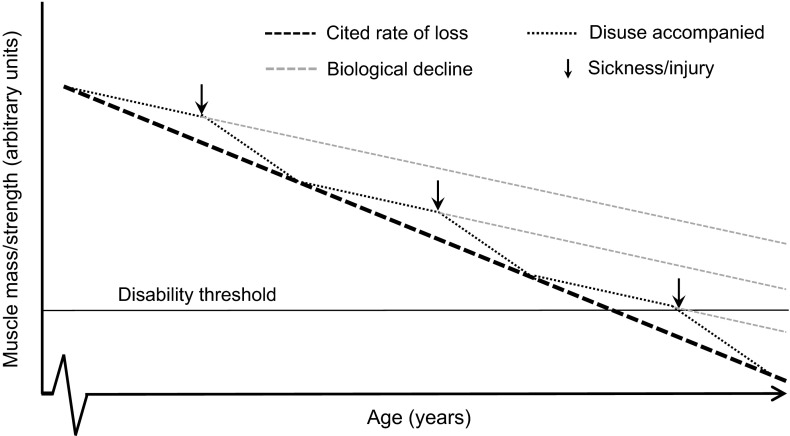
The preservation of skeletal muscle mass and strength with advancing age are, we propose, critical aspects of ageing with health and vitality. Physical inactivity and poor nutrition are known to accelerate the gradual age-related decline in muscle mass and strength-sarcopenia-however, both are subject to modification. The main purpose of this review is to present the latest, evidence-based recommendations for physical activity and exercise, as well as diet for older adults that would help in preserving muscle mass and strength. We take the position that future physical activity/exercise guidelines need to make specific reference to resistance exercise and highlight the benefits of higher-intensity aerobic exercise training, alongside advocating older adults perform aerobic-based physical activity and household tasks (e.g., carrying groceries). In terms of dietary recommendations, greater emphasis should be placed on optimal rather than minimum protein intakes for older adults. Indeed, guidelines that endorse a daily protein intake of 1.2-1.5 g/kg BM/day, which are levels 50-90 % greater than the current protein Recommendation Dietary Allowance (0.8 g/kg BM/day), are likely to help preserve muscle mass and strength and are safe for healthy older adults. Being cognisant of factors (e.g., reduced appetite) that may preclude older adults from increasing their total daily protein intake, we echo the viewpoint of other active researchers in advocating that protein recommendations for older adults be based on a per meal approach in order to maximize muscle protein synthesis (MPS). On this basis, assuming three meals are consumed daily, a protein dose of 0.4-0.5 g/kg BM should be contained in each meal. We are beginning to understand ways in which to increase the utilization of ingested protein for the stimulation of MPS, namely by increasing the proportion of leucine contained in a given dose of protein, co-ingesting other nutrients (e.g., carbohydrate and fat or supplementation with n-3 polyunsaturated fatty acids) or being physically active prior to protein intake. Clearly, developing simple lifestyle interventions targeted at preserving muscle mass and strength with advancing age is crucial for facilitating longer, healthier lives into older age.
Overview
The claims and statistics of this paper haven’t been checked yet.
Free: it reads the open-access text and checks the first 5 claims that cite a source we can check. Create a free account to check every claim.
Integrity signals
Registry
Cites
Statistics
Figures
Verification
Claims the paper makes
The claims and statistics of this paper haven’t been checked yet.
Free: it reads the open-access text and checks the first 5 claims that cite a source we can check. Create a free account to check every claim.
Claims other papers make about this one
Each is checked against this paper’s own text: does it say what the citing paper says it does?
The source backs part of the claim, not all of it — or backs it for a different population, condition or comparison.
In the citing paper
“For instance, leucine-rich protein can activate metabolic pathways involved in testosterone and IGF1 homeostasis348–351.”
From Sarcopenic obesity in older adults: aetiology, epidemiology and treatment strategies (2018) · cites this paper as [348]
Experimental — accuracy not yet measured
Self-check
Percentages, sums and reported differences re-computed from the paper’s own numbers.
The self-check needs the paper’s full text.
Citations
Cites
Sarcopenia: European consensus on definition and diagnosis
Cruz-Jentoft, A. J., Baeyens, J. P., Bauer, J. M., Boirie, Y., Cederholm, T., Landi, F., Martin, F. C., Michel, J.-P., Rolland, Y., Schneider, S. M., et al. (2010) · Age and Ageing · doi:10.1093/ageing/afq034 · Cited by 11,601
Janssen, I., Heymsfield, S. B., & Ross, R. (2002) · Journal of the American Geriatrics Society · doi:10.1046/j.1532-5415.2002.50216.x · Cited by 3,139 · cited 3×
“difficulty performing activities of daily living, increased risk of falls) (Janssen et al. 2002), increased risk of cardiovascular and metabolic disease (e.”
InfluentialSkeletal muscle mass and distribution in 468 men and women aged 18–88 yr
Janssen, I., Heymsfield, S. B., Wang, Z., & Ross, R. (2000) · Journal of Applied Physiology · doi:10.1152/jappl.2000.89.1.81 · Cited by 3,087 · cited 1×
“The onset of muscle mass loss typically begins by the fourth decade of life (Janssen et al. 2000), having peaked between 20 and 30 years of age.”
Goodpaster, B. H., Park, S. W., Harris, T. B., Kritchevsky, S. B., Nevitt, M., Schwartz, A. V., Simonsick, E. M., Tylavsky, F. A., Visser, M., Newman, A. B., et al. (2006) · The Journals of Gerontology Series A: Biological Sciences and Medical Sciences · doi:10.1093/gerona/61.10.1059 · Cited by 3,083 · cited 2×
“Alarmingly, compared to muscle mass loss, the trajectory of strength loss is even more precipitous, with annual declines of 3–4 % reported in men and 2.5–3 % in women (Goodpaster et al. 2006).”
InfluentialBauer, J., Biolo, G., Cederholm, T., Cesari, M., Cruz-Jentoft, A. J., Morley, J. E., Phillips, S., Sieber, C., Stehle, P., Teta, D., et al. (2013) · Journal of the American Medical Directors Association · doi:10.1016/j.jamda.2013.05.021 · Cited by 2,553 · cited 8×
“However, the application of the protein RDA to informing the protein requirement of older adults has been criticised for several reasons other than the well documented methodological limitations associated with accurately quantifying all routes of nitrogen input and output (Bauer et al. 2013).”
Self-citationLeong, D. P., Teo, K. K., Rangarajan, S., Lopez-Jaramillo, P., Avezum, A., Orlandini, A., Seron, P., Ahmed, S. H., Rosengren, A., Kelishadi, R., et al. (2015) · The Lancet · doi:10.1016/s0140-6736(14)62000-6 · Cited by 1,876 · cited 2×
“For instance, coingesting leucine with a ‘leucine-rich’ whey protein plus carbohydrate mixture failed to potentiate the response of MPS during exercise recovery (Koopman et al. 2005) and no chronic change in muscle mass was observed after 12 weeks of supplementing a moderate protein diet (*1.0 g/kg…”
InfluentialPhysiological adaptations to low-volume, high-intensity interval training in health and disease
Gibala, M. J., Little, J. P., MacDonald, M. J., & Hawley, J. A. (2012) · The Journal of Physiology · doi:10.1113/jphysiol.2011.224725 · Cited by 1,744 · cited 2×
“2003), glycemic control (Lukacs and Barkai 2015) and cardiovascular fitness (Gibala et al. 2012).”
Deutz, N. E. P., Bauer, J. M., Barazzoni, R., Biolo, G., Boirie, Y., Bosy-Westphal, A., Cederholm, T., Cruz-Jentoft, A., Krznariç, Z., Nair, K. S., et al. (2014) · Clinical Nutrition · doi:10.1016/j.clnu.2014.04.007 · Cited by 1,738 · cited 9×
“The mechanism by which n-3 PUFA consumption confers this positive influence is proposed to be attributed to increases in the n-3 PUFA composition of muscle.”
InfluentialThe Effects of Climate Change on Cardiac Health
De Blois, J., Kjellstrom, T., Agewall, S., Ezekowitz, J. A., Armstrong, P. W., & Atar, D. (2015) · Cardiology · doi:10.1159/000398787 · Cited by 1,697
Longitudinal study of muscle strength, quality, and adipose tissue infiltration
Delmonico, M. J., Harris, T. B., Visser, M., Park, S. W., Conroy, M. B., Velasquez-Mieyer, P., Boudreau, R., Manini, T. M., Nevitt, M., Newman, A. B., et al. (2009) · The American Journal of Clinical Nutrition · doi:10.3945/ajcn.2009.28047 · Cited by 1,446
Research works printed but not linked: 1
- National Institute for Health and Clinical Excellence (2009) Rehabilitation after critical illness: NICE guidelines. Ref Type: Internet Communication 20704055
Cited by
Sarcopenic obesity in older adults: aetiology, epidemiology and treatment strategies
Batsis, J. A., & Villareal, D. T. (2018) · Nature Reviews Endocrinology · doi:10.1038/s41574-018-0062-9 · Cited by 1,382
Gorissen, S. H. M., & Witard, O. C. (2018) · Proceedings of the Nutrition Society · doi:10.1017/s002966511700194x · Cited by 221
“Total dietary protein intake plays a critical role in maintaining skeletal muscle mass with advancing age((87)).”
BackgroundSelf-citationDietary Patterns, Skeletal Muscle Health, and Sarcopenia in Older Adults
Granic, A., Sayer, A. A., & Robinson, S. M. (2019) · Nutrients · doi:10.3390/nu11040745 · Cited by 211
Female hormones: do they influence muscle and tendon protein metabolism?
Hansen, M. (2018) · Proceedings of the Nutrition Society · doi:10.1017/s0029665117001951 · Cited by 168
“…to follow evidence-based guidelines for diet and regular resistance training (with or without use of HRT/ERT), since these are well-documented strategies for counteracting age-related loss of muscle mass and function, but also other age-related degenerative changes in men and women (109 – 111) .”
Theodorakopoulos, C., Jones, J., Bannerman, E., & Greig, C. A. (2017) · Nutrition Research · doi:10.1016/j.nutres.2017.05.002 · Cited by 86
“This is in agreement with previous reports supporting the benefits of resistance exercise training on clinically important outcomes, even in the absence of increased muscle mass [8,31,57].”
InfluentialDoyle, M., Indraratna, P., Tardo, D. T., Peeceeyen, S., & Peoples, G. E. (2018) · European Journal of Preventive Cardiology · doi:10.1177/2047487318798924 · Cited by 83
“These summative mechanisms contribute to the early fatigue experienced by chronically ill and deconditioned patients, which can be modified somewhat through the application of skeletal muscle loading performed during walking and cycling.(39,47) The inability of cardiovascular physiologic mechanisms to respond to an in…”
BackgroundCleland, C., Reis, R. S., Hino, A. A. F., Hunter, R. F., Fermino, R. C., de Paiva, H. K., Czestschuk, B., & Ellis, G. (2019) · Health & Place · doi:10.1016/j.healthplace.2019.05.007 · Cited by 81
Schoufour, J. D., Tieland, M., Barazzoni, R., Ben Allouch, S., Bie, J. V. D., Boirie, Y., Cruz-Jentoft, A. J., Eglseer, D., Topinková, E., Visser, B., et al. (2021) · Frontiers in Nutrition · doi:10.3389/fnut.2021.661449 · Cited by 62
Prokopidis, K., & Witard, O. C. (2021) · Nutrition Research Reviews · doi:10.1017/s0954422421000135 · Cited by 74
“style interventions to promotemusculoskeletal health in our ageing population(6); however, the impact of smoking and/or chronic”
Self-citationYaghubi, E., Carboni, S., Snipe, R. M. J., Shaw, C. S., Fyfe, J. J., Smith, C. M., Kaur, G., Tan, S., & Hamilton, D. L. (2021) · Nutrients · doi:10.3390/nu13041124 · Cited by 74
“Recent evidence supports a role for omega-3 in muscle health [29] in addition to cardiovascular, cognitive and bone health [38–41].”
BackgroundSelf-citationPhillips, S. M., & Martinson, W. (2018) · Nutrition Reviews · doi:10.1093/nutrit/nuy062 · Cited by 59
Self-citationPapaioannou, T., Voinescu, A., Petrini, K., & Fraser, D. S. (2022) · Journal of Alzheimer s Disease · doi:10.3233/jad-210672 · Cited by 74
“Additionally, the movement component of exergames may promote physical activity similar to traditional physical activities [112], which in turn may increase vitality [113], as well as other mental and physical domains of QOL measures [114].”
Evidence-Based Strategies for the Prehabilitation of the Abdominal Wall Reconstruction Patient
Joslyn, N. A., Esmonde, N. O., Martindale, R. G., Hansen, J., Khansa, I., & Janis, J. E. (2018) · Plastic & Reconstructive Surgery · doi:10.1097/prs.0000000000004835 · Cited by 65
Sarcopenia, Aging and Prospective Interventional Strategies
Waltz, T. B., Fivenson, E. M., Morevati, M., Li, C., Becker, K. G., Bohr, V. A., & Fang, E. F. (2017) · Current Medicinal Chemistry · doi:10.2174/0929867324666170801095850 · Cited by 59
Nutrient sensing pathways as therapeutic targets for healthy ageing
Aiello, A., Accardi, G., Candore, G., Gambino, C. M., Mirisola, M., Taormina, G., Virruso, C., & Caruso, C. (2017) · Expert Opinion on Therapeutic Targets · doi:10.1080/14728222.2017.1294684 · Cited by 52
Valdés-Badilla, P. A., García, C. G., Gutiérrez, M. P., Vargas-Vitoria, R., & López‐Fuenzalida, A. (2018) · Journal of Aging and Physical Activity · doi:10.1123/japa.2017-0396 · Cited by 61
Amasene, M., Besga, A., Echeverria, I., Urquiza, M., Ruiz, J. R., Rodriguez-Larrad, A., Aldamiz, M., Anaut, P., Irazusta, J., & Labayen, I. (2019) · Nutrients · doi:10.3390/nu11102337 · Cited by 50
“Acute periods of inactivity, such as a hospital stay, accentuates age-related muscle mass loss [6].”
BackgroundLi, C.-Y., Fang, A.-P., Ma, W.-J., Wu, S.-L., Li, C.-L., Chen, Y.-M., & Zhu, H.-L. (2019) · Journal of the Academy of Nutrition and Dietetics · doi:10.1016/j.jand.2019.03.010 · Cited by 44
Effects of Olympic Combat Sports on Older Adults’ Health Status: A Systematic Review
Valdés-Badilla, P. A., Herrera-Valenzuela, T., Ramírez‐Campillo, R., Aedo–Muñoz, E., Martín, E. B.-S., Ojeda-Aravena, A., & Branco, B. H. M. (2021) · International Journal of Environmental Research and Public Health · doi:10.3390/ijerph18147381 · Cited by 57
“Improving or maintaining cardiorespiratory capacity, agility, and gait components are essential elements for cardiovascular health and muscle strengthening [6,11], which reduce the impact of sarcopenia.”
BackgroundMuellmann, S., Bragina, I., Voelcker‐Rehage, C., Rost, E., Lippke, S., Meyer, J., Schnauber, J., Wasmann, M., Toborg, M., Koppelin, F., et al. (2017) · BMC Public Health · doi:10.1186/s12889-017-4446-x · Cited by 38
Implication of diet and exercise on the management of age‐related sarcopenic obesity in Asians
Kim, Y. J., Moon, S., Yu, J. M., & Chung, H. S. (2022) · Geriatrics and gerontology international/Geriatrics & gerontology international · doi:10.1111/ggi.14442 · Cited by 39
Fernandes, R. R., Nabuco, H. C. G., Sugihara, P., Cavalcante, E. F., Fabro, P., Tomeleri, C. M., Ribeiro, A. S., Barbosa, D. S., Venturini, D., Schoenfeld, B. J., et al. (2018) · Experimental Gerontology · doi:10.1016/j.exger.2018.05.003 · Cited by 35
Proteomic strategies to unravel age-related redox signalling defects in skeletal muscle
Cobley, J. N., Sakellariou, G. K., Husi, H., & McDonagh, B. (2018) · Free Radical Biology and Medicine · doi:10.1016/j.freeradbiomed.2018.09.012 · Cited by 33
Nygård, L. K., Dahl, L., Mundal, I. P., Benth, J. Š., & Rokstad, A. M. M. (2020) · Geriatrics · doi:10.3390/geriatrics5040100 · Cited by 26
“Previous research has shown that the protein dose needed to stimulate MPS is about 20 g protein per meal, or 35–40 g for older people, as older muscle has an attenuated ability to transduce signals to MPS [49].”
BackgroundAmasene, M., Besga, A., Medrano, M., Urquiza, M., Rodriguez‐Larrad, A., Tobalina, I., Barroso, J., Irazusta, J., & Labayen, I. (2021) · Clinical Nutrition · doi:10.1016/j.clnu.2021.09.034 · Cited by 28
“One of the most critical outcomes of malnutrition is the loss of muscle mass [6], which is exacerbated within hospitalized older patients due to inactivity [7] and the associated acute and/or chronic conditions [8].”
BackgroundAmasene, M., Cadenas‐Sánchez, C., Echeverria, I., Sanz, B., Alonso, C., Tobalina, I., Irazusta, J., Labayen, I., & Besga, A. (2021) · Journal of Clinical Medicine · doi:10.3390/jcm11010097 · Cited by 27
“This can be further accelerated by physical inactivity [5].”
BackgroundFirman, S. J., Witard, O. C., O'Keeffe, M. M., & Ramachandran, R. (2020) · Clinical Nutrition · doi:10.1016/j.clnu.2020.11.003 · Cited by 27
Self-citationDulac, M., Hajj‐Boutros, G., Sonjak, V., Faust, A., Hussain, S. N. A., Chevalier, S., Dionne, I. J., Morais, J. A., & Gouspillou, G. (2024) · The Journal of Physiology · doi:10.1113/jp285897 · Cited by 25
“The progressive loss of muscle mass and strength that occurs with ageing can be accelerated during periods of muscle disuse such as forced bed rest, secondary illness or injury (English & Paddon-Jones, 2010; Witard et al., 2016).”
Elderly Profile of Quality of Life Using WHOQOL-BREF Indonesian Version: A Community-Dwelling
Hidayati, A. R., Gondodiputro, S., & Rahmiati, L. (2018) · Althea Medical Journal · doi:10.15850/amj.v5n2.1417 · Cited by 20
Radak, Z. O., & Taylor, A. W. (2018) · Elsevier eBooks · doi:10.1016/b978-0-12-814253-0.00005-x · Cited by 25
Ellis, G., Hunter, R. F., Hino, A. A. F., Cleland, C., Ferguson, S., Murtagh, B., Rodríguez-Añez, C. R., Melo, S., Tully, M. A., Kee, F., et al. (2018) · BMC Public Health · doi:10.1186/s12889-018-6018-0 · Cited by 23
Gwin, J. A., Carbone, J. W., Rodriguez, N. R., & Pasiakos, S. M. (2021) · Journal of Nutrition · doi:10.1093/jn/nxab262 · Cited by 24
Witard, O. C., Bath, S. C., Dineva, M., Sellem, L., Mulet-Cabero, A.-I., Dongen, L. H. V., Zheng, J.-S., Valenzuela, C., & Smeuninx, B. (2022) · Frontiers in Nutrition · doi:10.3389/fnut.2022.800559 · Cited by 15
Self-citationMoreira, O. C., Lopes, G. S., de Matos, D. G., Filho, M. L. M., Aidar, F. J., da Silva, S. F., & Oliveira, C. E. D. (2018) · The Journal of Sports Medicine and Physical Fitness · doi:10.23736/s0022-4707.17.07872-0 · Cited by 20
Nygård, L. K., Mundal, I. P., Dahl, L., Benth, J. Š., & Rokstad, A. M. M. (2018) · BMJ Open · doi:10.1136/bmjopen-2018-023845 · Cited by 17
Valdés-Badilla, P. A., Guzmán-Muñoz, E., Ramírez‐Campillo, R., Godoy-Cumillaf, A. E. R., Concha‐Cisternas, Y., Ortega-Spuler, J., Herrera-Valenzuela, T., Durán‐Agüero, S., Vitoria, R. V., & Branco, B. H. M. (2020) · Revista de la Facultad de Medicina · doi:10.15446/revfacmed.v68n3.75817 · Cited by 21
Zhao, Y.-J., Zhang, S.-F., Li, W., Zhang, L., Guo, T., Cheung, T. C. C., Jackson, T., Yang, B. X., & Xiang, Y. (2022) · Journal of Affective Disorders · doi:10.1016/j.jad.2022.08.104 · Cited by 17
“It has been broadly verified that participating in exercise can elevate physical energy (Gebhart et al., 2011; Jakobsen et al., 2017; Witard et al., 2016) and improve QOL (Courneya and Friedenreich, 1999; Dauwan et al.”
BackgroundXie, C., Yan, R., & Tao, R. (2026) · BMC Musculoskeletal Disorders · doi:10.1186/s12891-025-09436-8 · Cited by 15
“Collectively, these findings emphasize that, beyond increasing total protein intake, the leucine content and overall amino acid profile of dietary protein sources are critical for maintaining muscle health in the elderly [52].”
Hopkins, M., Casanova, N., Finlayson, G., Stubbs, R. J., & Blundell, J. E. (2021) · Journal of Nutrition · doi:10.1093/jn/nxab434 · Cited by 13
Latham, C. M., Wagner, A. L., & Urschel, K. L. (2018) · Journal of Animal Physiology and Animal Nutrition · doi:10.1111/jpn.12992 · Cited by 15
The interaction between nutrition and exercise for promoting health and performance
Witard, O. C., & Ball, D. R. (2017) · Proceedings of The Nutrition Society · doi:10.1017/s0029665117001100 · Cited by 18
“Next, Dr Stefan Gorissen (McMaster University, Canada) focused on the importance of dietary protein intake for healthy ageing((7)).”
BackgroundSelf-citationMoreira, O. C., Oliveira, C. E. P. D., Maroto-Izquierdo, S., Cuevas, M. J., & De Paz, J. A. (2019) · Bioscience Journal · doi:10.14393/bj-v35n6a2019-42775 · Cited by 11
Yamamoto, K., Tsuji, T., Yamasaki, K., Momoki, C., Yasui, Y., & Habu, D. (2020) · International Journal of Older People Nursing · doi:10.1111/opn.12301 · Cited by 11
O’Leary, M. F., Barreto, M., & Bowtell, J. L. (2019) · Journal of Nutrition in Gerontology and Geriatrics · doi:10.1080/21551197.2019.1684417 · Cited by 13
Launay, T., Momken, I., Carreira, S., Mougenot, N., Zhou, X., de Koning, L., Niel, R., Riou, B., Billat, V. L., & BESSE, S. (2017) · Experimental Gerontology · doi:10.1016/j.exger.2017.05.002 · Cited by 11
“, 1998), which has been shown to be involved in senescence-induced skeletal muscle sarcopenia (Witard et al., 2016).”
BackgroundInfluentialFeasibility and Effects on Muscle Function of an Exercise Program for Older Adults
Minett, M., Binkley, T. L., Holm, R. P., RUNGE, M., & SPECKER, B. L. (2020) · Medicine & Science in Sports & Exercise · doi:10.1249/mss.0000000000002152 · Cited by 13
“Aerobic exercise, such as walking, can increase endurance, and in some cases, muscle mass and strength, whereas resistance training has been shown to increase muscle strength, mass, and improve sit-to-stand time (16).”
BackgroundAbdominal wall procedures: the benefits of prehabilitation
Knapp, N., Jedrzejewski, B., & Martindale, R. G. (2020) · Plastic and Aesthetic Research · doi:10.20517/2347-9264.2019.69 · Cited by 9
“5 g/kg/day optimizes preservation of muscle mass and functional status([72-77]).”
BackgroundFish Oil for Healthy Aging: Potential Application to Master Athletes
Murphy, C. H., & McGlory, C. (2021) · Sports Medicine · doi:10.1007/s40279-021-01509-7 · Cited by 11
Self-citationAiello, A., Caruso, C., & Accardi, G. (2019) · Encyclopedia of Gerontology and Population Aging · doi:10.1007/978-3-319-69892-2_134-1 · Cited by 8
Aerobic exercises are safe and effective in early rehabilitation following cardiac surgery
Taran, I. N., Pomeshkina, S. A., Argunova, Y. A., & Барбараш, О. Л. (2020) · Complex Issues of Cardiovascular Diseases · doi:10.17802/2306-1278-2020-9-3-30-39 · Cited by 9
Upping the ante: working harder to address physical inactivity in older adults
Taylor, D., Binns, E. E., & Signal, N. (2017) · Current Opinion in Psychiatry · doi:10.1097/yco.0000000000000349 · Cited by 12
Role of protein in healthy ageing
Donaldson, A. I. C., Johnstone, A. M., de Roos, B., & Myint, P. K. (2018) · European Journal of Integrative Medicine · doi:10.1016/j.eujim.2018.09.002 · Cited by 13
Geng, D., Li, X., & Shi, Y. (2025) · PeerJ · doi:10.7717/peerj.18889 · Cited by 10
“According to prior research, physical exercise significantly improved sleep, energy levels, and reduced negative emotions, despair and anxiety for a substantial number of middle-aged and older people ( Myers et al., 1999 ; Witard et al., 2016 ).”
Storoschuk, K. L., Gharios, R., Potter, G. D., Galpin, A. J., House, B. T., & Wood, T. R. (2023) · Lifestyle Medicine · doi:10.1002/lim2.90 · Cited by 9
Yang, J., & Chen, M. (2022) · Journal of Healthcare Engineering · doi:10.1155/2022/4372406 · Cited by 7
Retractedten Haaf, D. S. M., Bongers, C. C. W. G., Hulshof, H. G., Eijsvogels, T. M. H., & Hopman, M. T. E. (2020) · Nutrients · doi:10.3390/nu12061806 · Cited by 11
Swales, B., Ryde, G. C., & Phillips, A. C. (2024) · Journal of Aging and Physical Activity · doi:10.1123/japa.2022-0170 · Cited by 6
“…by the positive impact of physical activity on muscle and bone strength, balance, and its role in maintaining and promoting functional capacity and quality of life and reducing the risk of falls, fractures, and frailty (Marzetti et al., 2017; Skelton & Mavroeidi, 2018a; Witard et al., 2016).”
Lyles, A. A., Loomis, C., Mama, S. K., Siddiqi, S. M., & Lee, R. E. (2016) · Journal of Health Psychology · doi:10.1177/1359105316667794 · Cited by 5
“…need for innovative strategies that support positive health behaviors, improving quality of life, and extending life expectancy (Centers for Disease Control and Prevention, 2015b; National Physical Activity Plan Alliance, 2016; Witard et al., 2016), as well as reducing demand for medical services.”
BackgroundEl‐Sayed, M. M., Hawash, M. M., Khedr, M. A., Hafez, S. A., Salem, E. S. A. E. H. E. S., Khaled, A. M. S., Amin, S. M., & El‐Ashry, A. M. (2024) · Archives of Psychiatric Nursing · doi:10.1016/j.apnu.2024.07.004 · Cited by 5
Yamada, T., Matsuzaki, M., & Tanaka, A. (2018) · Clinica Chimica Acta · doi:10.1016/j.cca.2018.05.017 · Cited by 7
Ispoglou, T., Norton, C., & McCullough, D. (2025) · Frontiers in Sports and Active Living · doi:10.3389/fspor.2025.1601326 · Cited by 6
Cárcamo-Regla, R., Zapata‐Lamana, R., Ochoa‐Rosales, C., Martorell, M., Carrasco‐Marín, F., & Molina‐Recio, G. (2024) · Nutrients · doi:10.3390/nu16152539 · Cited by 5
Whole-Body Vibration in Geriatric Rehabilitation
Runge, M., & Rittweger, J. (2020) · Springer eBooks · doi:10.1007/978-3-030-43985-9_18 · Cited by 6
Nutritional Approaches for Attenuating Muscle Atrophy
Shimizu, M., & Sakuma, K. (2021) · IntechOpen eBooks · doi:10.5772/intechopen.94009 · Cited by 5
Konlan, K. D., Nukpezah, R. N., Anaman, M. F. N. A., Dartey, A. F., Kale, E. R., & Anaman-Torgbor, J. A. (2025) · PLoS ONE · doi:10.1371/journal.pone.0337053 · Cited by 2
Eating Disorders in Midlife and in the Elderly
Manzato, E., & Roncarati, E. (2021) · Springer eBooks · doi:10.1007/978-3-030-81174-7_4 · Cited by 3
Rodrigues, J. A. L., CUNHA, T. S. L., Ferezin, L. P., & Júnior, C. R. B. (2020) · Anais da Academia Brasileira de Ciências · doi:10.1590/0001-3765202020200988 · Cited by 2
Sun, Y., Tian, X., Hu, X., & Liu, H. (2025) · BMC Geriatrics · doi:10.1186/s12877-025-06440-4 · Cited by 3
Mazzini, L. R., & Leandro‐Merhi, V. A. (2026) · ABCD Arquivos Brasileiros de Cirurgia Digestiva (São Paulo) · doi:10.1590/0102-67202026000005e1934 · Cited by 1
“The loss of muscle mass 12 is a critical malnutrition finding observed in patients with acute and chronic diseases 32,33 and in hospitalized elderly patients 41 .”
Paoli, A. (2017) · Practical issues in geriatrics · doi:10.1007/978-3-319-57406-6_5 · Cited by 1
The Quality of Life in Hypertention Patients’ Before and After E-Discharge Planning Intervention
Arofiati, F., & Ramadhani, F. (2021) · International Conference on Health and Medical Sciences (AHMS) · doi:10.2991/ahsr.k.210127.041 · Cited by 1
“The level of vitality is seen from the level of fatigue in doing so [14].”
BackgroundBackground and Management of Muscular Atrophy
Cseri, J. (2020) · IntechOpen eBooks · doi:10.5772/intechopen.90959 · Cited by 2
The harder you run, the longer (and smoother) the road: exercise, muscle and ageing
Close, G. L., & Brown, J. E. P. (2016) · Biogerontology · doi:10.1007/s10522-016-9649-5
PHYSICAL ACTIVITY AND EXERCISE AS A KEY FACTOR IN SUCCESSFUL AGING
Passaro, A., Capatti, E., & Nora, E. D. (2018) · Annales Kinesiologiae · doi:10.35469/ak.2017.137
Moreira, O. C. (2018) · Buleria (Universidad de León) · doi:10.18002/10612/8008
de Oliveira, C. E. P. (2018) · Buleria (Universidad de León) · doi:10.18002/10612/7958
Dietary habit and exercise during adulthood
Yamada, T. (2018) · Journal for the Integrated Study of Dietary Habits · doi:10.2740/jisdh.29.3_131
Efeito do volume de treinamento de força sobre a variabilidade da hipertrofia muscular em idosos
Lixandrão, M. E. (2020) · Digital Library of Theses and Dissertations (Universidade de São Paulo) · doi:10.11606/t.39.2020.tde-13052021-150429
Aiello, A., Caruso, C., & Accardi, G. (2021) · Springer eBooks · doi:10.1007/978-3-030-22009-9_134
(2018) · De Boeck Supérieur eBooks · doi:10.3917/dbu.billa.2018.01.0185
Wilson, O. J., & Wagenmakers, A. J. M. (2020) · Springer eBooks · doi:10.1007/978-3-030-39903-0_490
Wilson, O. J., & Wagenmakers, A. J. M. (2016) · Springer eBooks · doi:10.1007/978-1-4614-6439-6_490-2
ten Haaf, D. S. M., Bongers, C. C. W. G., Hulshof, H. G., Eijsvogels, T. M. H., & Hopman, M. T. E. (2019) · doi:10.21203/rs.2.19249/v1 · Cited by 1
The Backbone of Mobility: Interconnected Musculoskeletal Health
EMJ (2023) · European Medical Journal · doi:10.33590/emj/10306291
Ganzkörpervibration in der geriatrischen Rehabilitation
Runge, M., & Rittweger, J. (2023) · Springer eBooks · doi:10.1007/978-3-031-13621-4_18
Investigation and description of the New Brain and New Mind hypotheses
Klinedinst, B. S. (2021) · doi:10.31274/td-20240329-457
Rose, G. L., Boytar, A. N., King, I. N., Farley, M. J., Maugham, M., Skinner, T. L., Bolam, K. A., & Schaumberg, M. A. (2024) · Journal of Clinical Densitometry · doi:10.1016/j.jocd.2024.101522
Chainikova, M. A., Kurmaev, D. P., Bulgakova, S. V., & Treneva, E. V. (2025) · Экспериментальная и клиническая гастроэнтерология · doi:10.31146/1682-8658-ecg-228-8-76-88 · Cited by 3
Neuner, J. H., Mitchell, M. K., Orbeta, L., Mulcahey, M. K., & Wong, S. E. (2025) · Arthroplasty Today · doi:10.1016/j.artd.2025.101891
“Increased protein intake during the perioperative period is thus important for providing essential amino acids to maintain muscle mass [7,8].”
Yufei, C., & Ningning, W. (2026) · Acta Psychologica · doi:10.1016/j.actpsy.2026.106269
Integrating physical activity into the workplace: opportunities for enhancing employee health
Signorini, G., Scurati, R., Bosio, A., Pagano, A., Magaldi, E., Invernizzi, P. L., & Rigon, M. (2026) · Frontiers in Psychology · doi:10.3389/fpsyg.2026.1812858
Metadata
- Authors
- Witard, O. C., McGlory, C., Hamilton, D. L., & Phillips, S. M.
- Affiliations
- University of Stirling (GB)
- McMaster University (CA)
- Corresponding author
- Witard, Oliver C.
- Venue
- Biogerontology
- Published
- 2016-02-15
- Volume
- 17
- Issue
- 3
- Pages
- 529-546
- ISSN
- 1389-5729 (ISSN-L)
- 1573-6768
- PMC
- PMC4889705
- OpenAlex
- W2275629615
- Cited by
- 91
- References
- 149
- Citations by year
- 2026: 4 · 2025: 6 · 2024: 5 · 2023: 3 · 2022: 5 · 2021: 13 · 2020: 14 · 2019: 8 · 2018: 20 · 2017: 10 · 2016: 3
- FWCI
- 1.60
- Type
- journal article
- Language
- en
- Open access
- hybrid
- doi.org
- Locations
- Biogerontology (publishedVersion, cc-by)
- PubMed Central (publishedVersion, cc-by)
- PubMed (publishedVersion)
- Deakin Research Online (Deakin University) (submittedVersion)
- Stirling Online Research Repository (University of Stirling) (submittedVersion, cc-by)
- Figshare (submittedVersion, cc-by)
- Topics
- Health Sciences › Medicine › Physiology (medical) › Nutrition and Health in Aging
- Health Sciences › Nursing › Nutrition and Dietetics › Muscle metabolism and nutrition
- Health Sciences › Medicine › Public Health, Environmental and Occupational Health › Physical Activity and Health
- Keywords
- sarcopenia, muscle mass, muscle strength, aging, older adults, resistance training, aerobic exercise, physical activity guidelines, protein intake, dietary recommendations, muscle protein synthesis, leucine, omega-3 fatty acids, physical inactivity, nutrition
- MeSH terms
- Healthy Lifestyle, Aged, Aged, 80 and over, Combined Modality Therapy, Diet Therapy, Humans, Practice Guidelines as Topic, Evidence-Based Medicine, Sarcopenia, Physical Conditioning, Human
About these checks
Registry, retraction, Cites and statistics results are computed, not judged, with one exception: a printed reference that no index lists is read once by a model before it counts as a citation error. Claims are extracted by a model and kept only when their quote appears verbatim in the text; each cited source is then checked, with a model’s help, for whether it says what the claim relies on. Those verdicts can be wrong — read the claim’s quote and the cited source before relying on one.
Statistics and arithmetic are recomputed, not judged.
Confidence bands are shown only for fields calibrated on our annotated test set. None is calibrated yet, so no band is shown.
What counts as a claim ›How we measure confidence ›How we check this ›
Are you an author, or do you see a problem with this page? Request a review
Data sources
Bibliographic data: Semantic Scholar, OpenAlex, Crossref.
Contains information from the Semantic Scholar Academic Graph Datasets, made available under the ODC Attribution License (ODC-BY 1.0).
Semantic Scholar’s data is described in: Kinney, R., et al. (2023). The Semantic Scholar Open Data Platform. arXiv:2301.10140.
