

BDNF: A Key Factor with Multipotent Impact on Brain Signaling and Synaptic Plasticity
Open accessThe DOI matches its Crossref record; 151 of the 151 references it cites were found in a registry or an index.
Abstract
Brain-derived neurotrophic factor (BDNF) is one of the most widely distributed and extensively studied neurotrophins in the mammalian brain. Among its prominent functions, one can mention control of neuronal and glial development, neuroprotection, and modulation of both short- and long-lasting synaptic interactions, which are critical for cognition and memory. A wide spectrum of processes are controlled by BDNF, and the sometimes contradictory effects of its action can be explained based on its specific pattern of synthesis, comprising several intermediate biologically active isoforms that bind to different types of receptor, triggering several signaling pathways. The functions of BDNF must be discussed in close relation to the stage of brain development, the different cellular components of nervous tissue, as well as the molecular mechanisms of signal transduction activated under physiological and pathological conditions. In this review, we briefly summarize the current state of knowledge regarding the impact of BDNF on regulation of neurophysiological processes. The importance of BDNF for future studies aimed at disclosing mechanisms of activation of signaling pathways, neuro- and gliogenesis, as well as synaptic plasticity is highlighted.
Overview
The claims and statistics of this paper haven’t been checked yet.
Free: it reads the open-access text and checks the first 5 claims that cite a source we can check. Create a free account to check every claim.
Integrity signals
Registry
Cites
Statistics
Figures
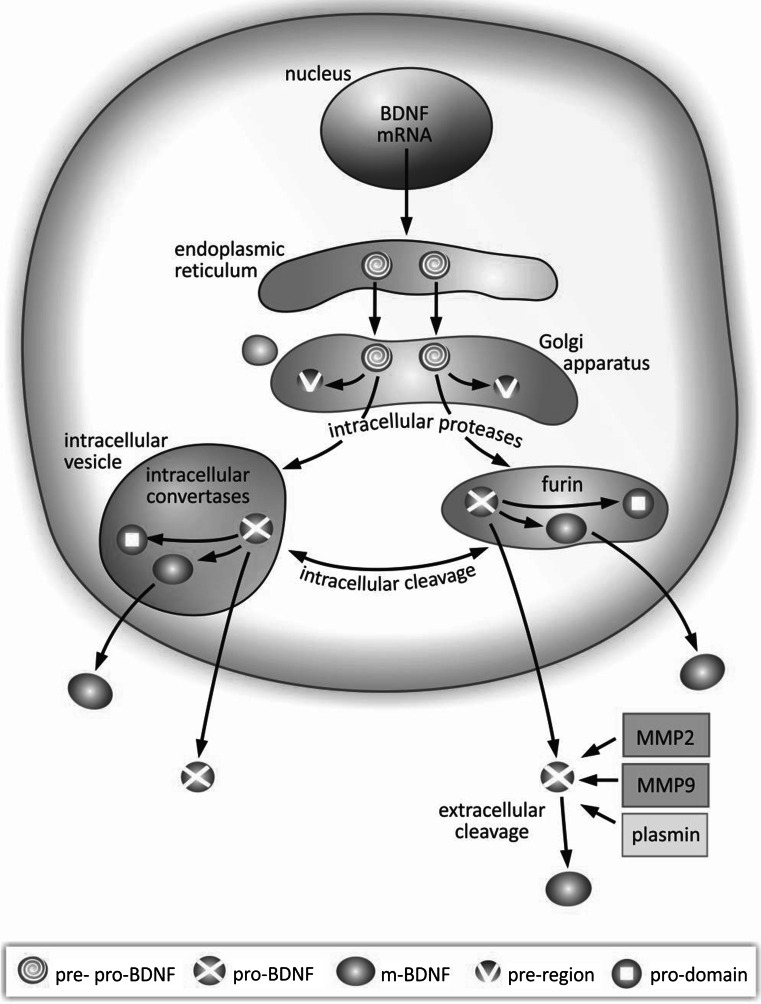
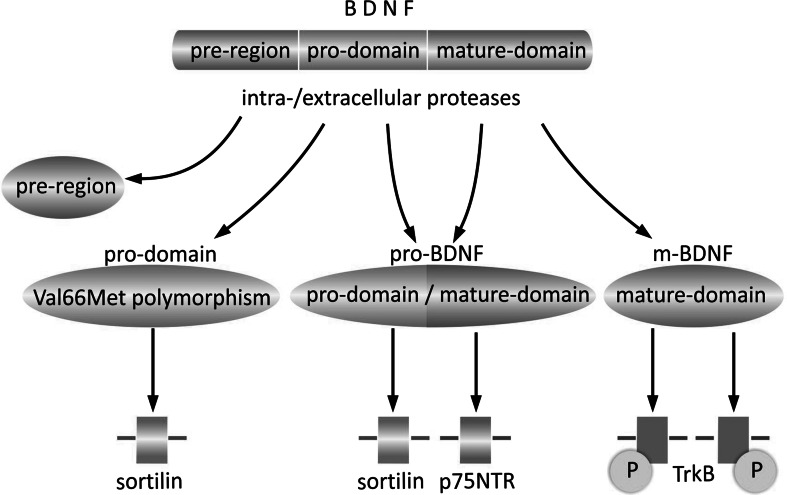
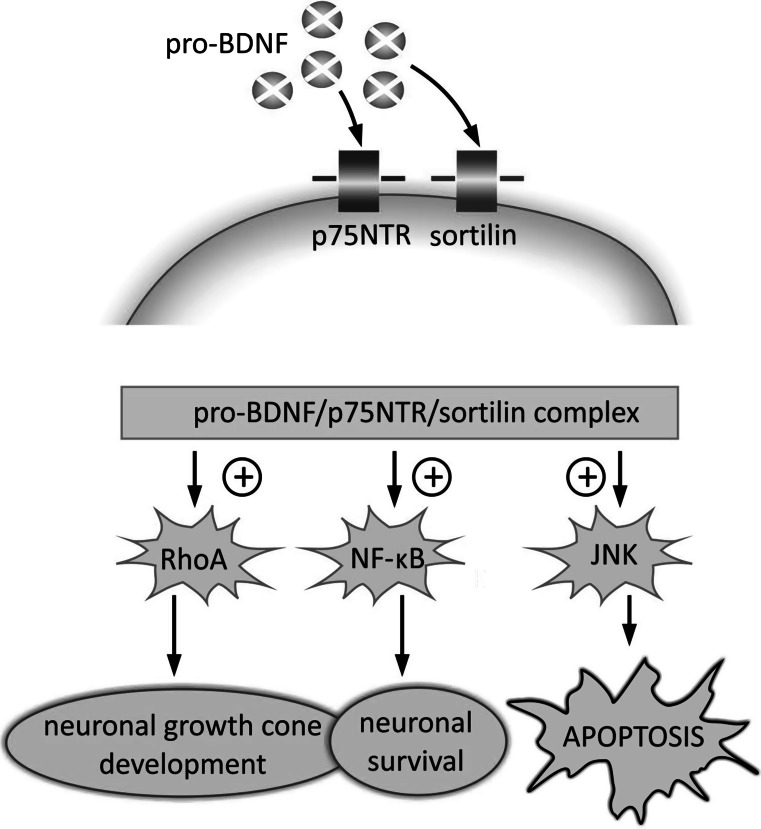
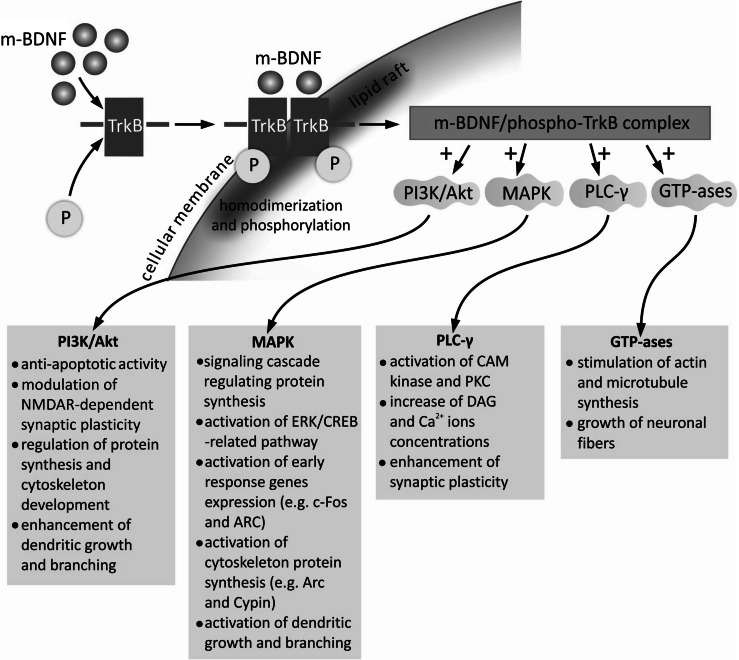
Verification
Claims the paper makes
The claims and statistics of this paper haven’t been checked yet.
Free: it reads the open-access text and checks the first 5 claims that cite a source we can check. Create a free account to check every claim.
Claims other papers make about this one
Each is checked against this paper’s own text: does it say what the citing paper says it does?
The cited source says what the claim attributes to it.
In the citing paper
“BDNF is involved in multiple levels of neuroplasticity like synaptic modulation, adult neurogenesis, and dendritic growth (29–32).”
From Psychedelics and Neuroplasticity: A Systematic Review Unraveling the Biological Underpinnings of Psychedelics. (2021) · cites this paper as [32]
In the citing paper
“Developmental processes invoked by bGRNs provide a way for environmental changes to impact brain morphology and NNs (71), which in turn bear upon future behavior.”
From Behavior-related gene regulatory networks: A new level of organization in the brain (2020) · cites this paper as [71]
Self-check
Percentages, sums and reported differences re-computed from the paper’s own numbers.
The self-check needs the paper’s full text.
Citations
Cites
Requirement of hippocampal neurogenesis for the behavioral effects of antidepressants
Santarelli, L., Saxe, M., Gross, C., Surget, A., Battaglia, F., Dulawa, S., Weisstaub, N., Lee, J., Duman, R., Arancio, O., et al. (2003) · Science · doi:10.1126/science.1083328 · Cited by 4,321 · cited 1×
“…in neuronal proliferation has been reported after administration of serotonin agonists of several receptors, e.g., 5-HT1A (Banasr et al. 2004; San- tarelli et al. 2003), 5-HT2B (Diaz et al. 2012), and 5-HT4 (Mendez-David et al. 2014), which may be related to their binding to the BDNF/TrkB…”
BackgroundDomingos da Silveira da Luz, A. C., Pereira Dias, G., do Nascimento Bevilaqua, M. C., Cocks, G., Gardino, P. F., Thuret, S., & Nardi, A. E. (2013) · Neuropsychobiology · doi:10.1159/000353269 · Cited by 3,995
The molecular biology of memory storage: a dialogue between genes and synapses
Kandel, E. R. (2001) · Science · doi:10.1126/science.1067020 · Cited by 3,917
Egan, M. F., Kojima, M., Callicott, J. H., Goldberg, T. E., Kolachana, B. S., Bertolino, A., Zaitsev, E., Gold, B., Goldman, D., Dean, M., et al. (2003) · Cell · doi:10.1016/s0092-8674(03)00035-7 · Cited by 3,888 · cited 4×
“Apart from the two above-mentioned isoforms, the functioning of BDNF is significantly affected by the single- nucleotide polymorphism of methionine (Met) to valine (Val) substitution at position 66 within the BDNF gene in the pro-domain encoding region (Egan et al. 2003).”
BackgroundInfluentialMore hippocampal neurons in adult mice living in an enriched environment
Kempermann, G., Kuhn, H. G., & Gage, F. H. (1997) · Nature · doi:10.1038/386493a0 · Cited by 3,511
AMPA Receptor Trafficking and Synaptic Plasticity
Malinow, R., & Malenka, R. C. (2002) · Annual Review of Neuroscience · doi:10.1146/annurev.neuro.25.112701.142758 · Cited by 2,588 · cited 2×
“On the contrary, postsynaptic action of NO increases the number of AMPARs, which results in LTP (Malinow and Malenka 2002).”
BackgroundTrk Receptors: Roles in Neuronal Signal Transduction
Huang, E. J., & Reichardt, L. F. (2003) · Annual Review of Biochemistry · doi:10.1146/annurev.biochem.72.121801.161629 · Cited by 2,537 · cited 2×
“…66 within the BDNF gene in the pro-domain encoding region 3-kinase (PI3K), mitogen-activated protein kinase (MAPK), phospholipase C-c (PLC-c), and guanosine triphosphate hydrolases (GTP-ases) of the Ras homolog (Rho) gene family (Gonzalez et al. 2016; Huang and Reichardt 2003; Minichiello 2009).”
BackgroundExercise builds brain health: key roles of growth factor cascades and inflammation
Cotman, C. W., Berchtold, N. C., & Christie, L.-A. (2007) · Trends in Neurosciences · doi:10.1016/j.tins.2007.06.011 · Cited by 2,268 · cited 1×
“…interesting issue that remains to be elucidated is the modulating effect of environmental factors and neu- ronal activity on the course of BDNF-regulated neurogenesis, which has been documented in numerous publications (Berchtold et al. 2005; Cotman et al. 2007; Vaynman and Gomez-Pinilla 2005).”
BackgroundNeurotrophin-regulated signalling pathways
Reichardt, L. F. (2006) · Philosophical Transactions of the Royal Society B: Biological Sciences · doi:10.1098/rstb.2006.1894 · Cited by 2,195
Neurotrophin regulation of neural circuit development and function
Park, H., & Poo, M.-M. (2013) · Nature Reviews Neuroscience · doi:10.1038/nrn3379 · Cited by 2,060 · cited 16×
“The BDNF- controlled long-lasting effects of LTP and alterations in the synaptic proteome may result from modulation of micro- RNA (miRNA) expression (Jaitner et al. 2016; Leal et al. 2014; Smalheiser et al. 2010).”
BackgroundInfluential
Cited by
Items 901–1,000 of 1,000
Volf, N. V., & Privodnova, E. Y. (2023) · Neuroscience and Behavioral Physiology · doi:10.1007/s11055-023-01540-3 · Cited by 4
Kiuchi, M., Uno, T., Hasegawa, T., Koyama, K., & Horiuchi, M. (2024) · Frontiers in Behavioral Neuroscience · doi:10.3389/fnbeh.2024.1330596 · Cited by 5
“The roles of BDNF have been identified, including modulation of neural activity, synaptic transmission, and plasticity (Kowianski et al., 2018), which play important roles in cognitive function (Buchman et al., 2016), learning performance (Deveci et al., 2020) and memory (Hariri et al., 2003;…”
BackgroundAnand, R., Anand, L. K., Rashid, N., Painuli, R., Malik, F. A., & Singh, P. P. (2024) · Journal of Natural Products · doi:10.1021/acs.jnatprod.3c00172 · Cited by 4
Ma, M., Hua, X., Chen, J., Xiao, N., Zhang, L., Wei, L., & Jiao, H. (2024) · Journal of Integrative Neuroscience · doi:10.31083/j.jin2303061 · Cited by 7
“BDNF is involved in an assortment of neurophysiological processes, including developmental processes, modulation of neurons, glia and synaptogenesis, neuroprotection, and control of short-and long-term synaptic interactions that affect cognitive and memory mechanisms [35].”
BackgroundFursa, G. A., Andretsova, S. S., Shishkina, V. S., Voronova, A. D., Karsuntseva, E. K., Chadin, A. V., Reshetov, I. V., Stepanova, O. V., & Chekhonin, V. P. (2024) · Bulletin of Experimental Biology and Medicine · doi:10.1007/s10517-024-06218-5 · Cited by 5
Zhao, Z., Chen, J., Zhan, H., Fang, C.-R., Hua, L., Deng, H.-Y., Xiang, Z., Yang, Y., Huang, L., & Liu, Y. (2024) · NeuroMolecular Medicine · doi:10.1007/s12017-024-08818-w · Cited by 5
“Furthermore, ketones can directly enhance the expression of brain-derived neurotrophic factor (BDNF) (Sleiman et al., 2016; Stapel et al., 2022), which promotes neuronal plasticity (Kowiański et al., 2018; Lu et al., 2014; Wang et al., 2022) and has been linked to improved active coping behaviors.”
Krishnamurthy, R., Schultz, D. H., Wang, Y., Natarajan, S. K., Barlow, S. M., & Dietsch, A. M. (2025) · Journal of Speech Language and Hearing Research · doi:10.1044/2024_jslhr-24-00294 · Cited by 6
Vera-Juárez, G., Vázquez-Martínez, E. R., Gómez‐Pliego, R., Margarita, L.-M., & Espinosa‐Raya, J. (2025) · Brain Sciences · doi:10.3390/brainsci15020210 · Cited by 4
Ginelli, E., Sanna, L., Paribello, P., Isayeva, U., Corona, G., Zai, C. C. H., Manca, D., Iaselli, M. N., Collu, R., Pinna, F., et al. (2025) · Frontiers in Psychiatry · doi:10.3389/fpsyt.2025.1584673 · Cited by 8
“Furthermore, another limitation of our study is the inability of ELISA kits we used to differentiate between pro-BDNF and mature BDNF. Unlike mature BDNF, pro-BDNF is involved in processes such as inducing apoptosis and reducing dendritic spines, which can contribute to long-term depression (49).”
Bermudo-Gallaguet, A., Ariza, M., Agudelo, D., Camins-Vila, N., Boldo, M., Peters, S., Sawicka, A. K., Dacosta‐Aguayo, R., Soriano-Raya, J. J., Vía, M., et al. (2025) · Journal of Clinical Medicine · doi:10.3390/jcm14082580 · Cited by 4
“A key hypothesized pathway involves the upregulation of brain-derived neurotrophic factor (BDNF) [21], a neurotrophin that is abundantly expressed in the cerebral cortex and hippocampus, playing a critical role in synaptic plasticity, neuronal development, and neuroprotection [22].”
Wright, S. L., Chiocchia, V., Elugbadebo, O. O., Ouma, S., Furukawa, T. A., Friedrich, C., Austin, C., Dehdarirad, H., Gilbert, D., Kennett, J., et al. (2025) · Wellcome Open Research · doi:10.12688/wellcomeopenres.23033.4 · Cited by 8
Li, F., Hu, F., Liang, Y., Liang, F., Tan, H., & Xing, S. (2025) · Frontiers in Neurology · doi:10.3389/fneur.2025.1608639 · Cited by 5
Yang, S., Lo, C.-Y., Tseng, H.-M., & Chao, C.-C. (2019) · The Chinese Journal of Physiology · doi:10.4103/cjp.cjp_1_19 · Cited by 4
BDNF Val66Met Polymorphism, the Allele-Specific Analysis by qRT-PCR - a Novel Protocol
de Assis, G. G., Hoffman, J. R., & Gasanov, E. V. (2020) · International Journal of Medical Sciences · doi:10.7150/ijms.50643 · Cited by 4
“Predominantly expressed in neural and skeletal muscle cells as a protein signaler [7], BDNF synthesis results in the formation of several precursor isoforms in a multistage process involving cleavage and storage [2,8].”
BackgroundMild acute stress prevents the memory impairment induced by long-term isoflurane anesthesia
Liu, T., Dai, Y., Xu, M., Chen, Y., Xia, T., & Zhao, X. (2022) · Translational Neuroscience · doi:10.1515/tnsci-2022-0261 · Cited by 5
Scotti-Muzzi, E., Chile, T., Vallada, H., Otaduy, M. C. G., & Soeiro‐de‐Souza, M. G. (2023) · Brain Imaging and Behavior · doi:10.1007/s11682-023-00757-7 · Cited by 5
“Consequently, BDNF has been extensively studied in both healthy controls (HC) and in psychiatric disorders such as BD, in relation to cognition (Kowiaoski et al., 2017; Mandolini et al., 2019) as well as brain morphology and function (Egan et al.”
BackgroundInfluentialErdoğan, M. A., & Erbaş, O. (2023) · Biochemistry · doi:10.5772/intechopen.112471 · Cited by 8
Multifactorial Causation of Alzheimer’s Disease Due to COVID-19
Monllor, P., Kumar, P., Lloret, M.-Á., Ftara, A., Leon, J.-L., Lopez, B., Cervera‐Ferri, A., & Lloret, A. (2023) · Journal of Alzheimer s Disease · doi:10.3233/jad-230396 · Cited by 4
Hu, R.-D., Zhu, W., Lin, W.-Y., Qiu, Y.-H., Wu, G., Ding, X.-Y., Yang, Z., Feng, Q., Zhang, R., Qiao, L., et al. (2024) · Aging · doi:10.18632/aging.205486 · Cited by 7
Desbonnet, L., O’Tuathaigh, C. M. P., O’Leary, C., Cox, R. F., Tighe, O., Petit, E., Wilson, S., & Waddington, J. L. (2019) · Journal of Psychopharmacology · doi:10.1177/0269881119875465 · Cited by 4
“DTNBP1 has been shown to modulate excitatory neuronal release of BDNF (Yuan et al., 2016), a neurotrophic factor associated with synaptic plasticity and memory (Kowiański et al., 2017).”
BackgroundGhafouri‐Fard, S., Mazdeh, M., Nicknafs, F., Nazer, N., Sayad, A., & Taheri, M. N. (2020) · Multiple Sclerosis and Related Disorders · doi:10.1016/j.msard.2020.102613 · Cited by 4
Vaselbehagh, M., Sadegh, M., Karami, H., Babaie, S., & Sakhaie, M. H. (2021) · PubMed Central · doi:10.22074/cellj.2021.7384 · Cited by 6
“Bdnf is a member of the neurotrophic factor family, which plays a role in regulating survival and differentiation of neurons in the central and peripheral nervous system (4).”
BackgroundThe role of peripheral brain-derived neurotrophic factor in chronic osteoarthritic joint pain
Orhurhu, V., Chu, R., Ogunsola, S., Akpala, L., Orhurhu, M. S., Urits, I., Ngo, A. L., Viswanath, O., & Kaye, A. D. (2020) · Annals of Palliative Medicine · doi:10.21037/apm-20-888 · Cited by 4
“Thus, proBDNF plays an important role in long-term depression, as well as neuronal development and remodeling (4,11).”
BackgroundTang, B.-L., Jiang, J.-X., Wang, L., Misrani, A., Huo, Q.-W., Han, Y.-Y., Long, C., & Yang, L. (2020) · bioRxiv · doi:10.1101/2020.06.13.149906 · Cited by 2
Clukay, C. J., Matarazzo, A., Dajani, R. B., Hadfield, K., Panter‐Brick, C., & Mulligan, C. J. (2019) · bioRxiv (Cold Spring Harbor Laboratory) · doi:10.1101/685636 · Cited by 4
“Finally, the brain-derived neurotrophic factor gene (BDNF) encodes an enzyme which acts on a wide variety of neurological systems, including regulation of neural growth and plasticity, as well as interaction with dopamine (Kowiański et al., 2018).”
BackgroundYoo, M. H., Kim, T.-Y., Kim, H.-K., Yoo, J., Lee, B., & Koh, J. (2025) · Ecotoxicology and Environmental Safety · doi:10.1016/j.ecoenv.2025.118031 · Cited by 5
Yang, Y., Zhang, Y., Chen, L., Li, Z., & Zhao, Q. (2025) · Frontiers in Pharmacology · doi:10.3389/fphar.2025.1598053 · Cited by 6
Peripheral BDNF Levels in Individuals at Ultra-High Risk for Psychosis: A Systematic Review
Contreras, O., Rivera, C., Villaseca, C., Mas, F., Cartes, B., Castillo-Passi, R. I., & Nieto, R. R. (2025) · Brain Sciences · doi:10.3390/brainsci15090928 · Cited by 3
Ohta, K., Ujihara, H., Kumei, H., Suzuki, S., Otabi, H., Warita, K., & Miki, T. (2025) · Behavioural Brain Research · doi:10.1016/j.bbr.2025.115790 · Cited by 4
Zhao, J., Liu, H., & Badehnoosh, B. (2025) · Antonie van Leeuwenhoek · doi:10.1007/s10482-025-02162-0 · Cited by 5
“The culmination of these effects is the enhancement of adult hippocampal neurogenesis and improved cognitive flexibility differentiation in the hippocampus, making it indispensable for effective learning and memory (Kumar et al. 2024b; Cunha et al. 2010; Kowiański et al. 2018).”
Gatto, E., Samorì, E., Frigato, E., Bertolucci, C., & Lucon‐Xiccato, T. (2025) · Neurobiology of Learning and Memory · doi:10.1016/j.nlm.2025.108106 · Cited by 6
Fereshetyan, K., Danielyan, M., & Yenkoyan, K. B. (2025) · Cellular and Molecular Neurobiology · doi:10.1007/s10571-025-01623-4 · Cited by 4
“The above-mentioned changes in the developing rat brain after VPA administration may be caused by epigenetic effects.”
Chen, J., Wang, X., Zhang, X., Xiao, W., Kabachkova, A. V., & Tan, Y. (2025) · Frontiers in Sports and Active Living · doi:10.3389/fspor.2025.1646327 · Cited by 6
Çomaklı, S., Aydın, Ş., Dalkılınç, E., Küçükler, S., Özdemir, S., & Bolat, İ. (2025) · Molecular Neurobiology · doi:10.1007/s12035-025-05521-0 · Cited by 4
“BDNF is a key neurotrophin involved in growth, neuron survival, and plasticity [32].”
Boras, M. M., Krulj, V., Karahmet, A., Omerbasic, K., Nawaz, A., Pavković, D., & Sher, E. K. (2025) · Brain Research · doi:10.1016/j.brainres.2025.150111 · Cited by 7
Pansera, L., Pagliari, S., Mhalhel, K., Aragona, M., Sicari, M., Galeano, M., Colonna, M. R., Levanti, M. B., Laurà, R., Abbate, F., et al. (2026) · International Journal of Molecular Sciences · doi:10.3390/ijms27041687 · Cited by 3
“It supports neuronal survival, development, and synaptic plasticity [17,97,100–103] and is involved in axonal regeneration and functional restoration in zebrafish after SCI [104,105].”
Zhu, W., Jin, L., Zhang, Q., Cui, Y., Zou, Y., Chen, P., Ye, J., Xiong, Y., Lin, M., Zhou, Y., et al. (2026) · Nature Communications · doi:10.1038/s41467-026-69541-7 · Cited by 9
“Through these pathways, BDNF plays a therapeutic role in brain development, neuroprotection, and resistance to neurodegenerative changes 22 .”
Unravelling the novel insights between miR-7 and Parkinson’s disease (PD)
Kushwaha, S., Lakhanpal, V., Elangovan, A., Iyer, M., Kinoshita, M., Narayanasamy, A., HariKrishnaReddy, D., Siama, Z., Yadav, M. K., & Vellingiri, B. (2026) · Neurological Sciences · doi:10.1007/s10072-026-08834-7 · Cited by 4
Moreau, D., & Lange, B. T. C.-D. (2026) · Brain Research · doi:10.1016/j.brainres.2026.150428 · Cited by 3
Wiley, E., Noguchi, K. S., Moncion, K., D’Isabella, N. T., Shkredova, D. A., Fang, H., Richardson, J. A., MacDermid, J. C., Rodrigues, L., Roig, M., et al. (2022) · Frontiers in Rehabilitation Sciences · doi:10.3389/fresc.2022.960437 · Cited by 4
Jacob, M. (2023) · Biosystems · doi:10.1016/j.biosystems.2023.104939 · Cited by 7
Possamai‐Della, T., Peper‐Nascimento, J., Varela, R. B., Daminelli, T., Fries, G. R., Ceretta, L. B., Juruena, M. F., Quevedo, J., & Valvassori, S. S. (2024) · European Archives of Psychiatry and Clinical Neuroscience · doi:10.1007/s00406-024-01917-6 · Cited by 3
“BDNF is a neurotrophin widely distributed through the brain, with important roles in neuroprotection, memory, cognitive mechanisms, and synaptogenesis [37–39].”
Anxiety-like behavior and altered hippocampal activity in a transgenic mouse model of Fabry disease
Kummer, K. K., Choconta, J. L., Edenhofer, M.-L., Bajpai, A., Dharmalingam, G., Kalpachidou, T., Collier, D. A., & Kress, M. (2025) · Neurobiology of Disease · doi:10.1016/j.nbd.2025.106797 · Cited by 3
Lin, C., Kao, S., Hung, C., Tsai, C., Huang, C., Chang, Y., & HUNG, T.-M. (2025) · Medicine & Science in Sports & Exercise · doi:10.1249/mss.0000000000003648 · Cited by 4
Wright, S. L., Chiocchia, V., Elugbadebo, O. O., Ouma, S., Furukawa, T. A., Friedrich, C., Austin, C., Dehdarirad, H., Gilbert, D., Kennett, J., et al. (2025) · Wellcome Open Research · doi:10.12688/wellcomeopenres.23033.2 · Cited by 3
Elazab, S. T., & Hsu, W. H. (2025) · Frontiers in Pharmacology · doi:10.3389/fphar.2025.1549009 · Cited by 5
Xu, S., Ma, X., Xiao, Y., Zhang, T., Ma, C., & Ma, Z. (2025) · Animals · doi:10.3390/ani15101463 · Cited by 3
Potential role of FNDC5 in exercise-induced improvement of cognitive function
Zhao, R., Zhou, X., Wang, D., Tang, H., & Ni, G. (2025) · Journal of Zhejiang University SCIENCE B · doi:10.1631/jzus.b2400016 · Cited by 3
“It can promote the expression of synaptophysin (SYN) and postsynaptic density protein 95 (PSD95), increase synaptic density and complexity, and enhance synaptic transmission efficiency, which plays a crucial regulatory role in cognitive processes in the brain (Kowiański et al., 2018).”
Sirevåg, K., Stavestrand, S. H., Specht, K., Nordhus, I. H., Mohlman, J., Molde, H., Hammar, Å., Halmøy, A., Endal, T. B., Andersson, E. A., et al. (2025) · Journal of Affective Disorders · doi:10.1016/j.jad.2025.119621 · Cited by 3
Heydarpour, H., Ashtiani, M. N., Bahrpeyma, F., Tafakhori, A., & Jaberzadeh, S. (2025) · Neurorehabilitation and neural repair · doi:10.1177/15459683251363242 · Cited by 5
“47,48 This is particularly relevant following enhancements in neurogenesis and cell survival, which support sustained excitability and facilitate the growth of dendrites and axons.”
Zeng, X., Long, Y., Li, G., Zhang, D., Deng, Y., Zhi, X., Wan, Y., Wang, L., & Li, X. (2025) · Journal of Cellular Physiology · doi:10.1002/jcp.70088 · Cited by 3
Amin, S. N., Abdalgeleel, S. A., Al‐Gahtany, M., Shaltout, S. A., Gazzar, W. B. E., & Elberry, D. A. (2021) · Brain Sciences · doi:10.3390/brainsci11050644 · Cited by 3
“BDNF the neurotrophic factor that controls synaptic plasticity [52,53].”
BackgroundAlcohol and Brain-Derived Neurotrophic Factor (BDNF)
Martín‐González, C., González‐Arnay, E., Fernández-Rodríguez, C. M., Rodríguez, A. G., & González‐Reimers, E. (2021) · Springer eBooks · doi:10.1007/978-3-030-67928-6_182-1 · Cited by 4
Khan, Z. U., Masmudi‐Martín, M., & Navarro‐Lobato, I. (2022) · Neural Regeneration Research · doi:10.4103/1673-5374.335817 · Cited by 3
Engin, M. Ç., Toy, S., & Turgut, M. (2022) · Annals of Medical Research · doi:10.5455/annalsmedres.2021.10.595 · Cited by 4
Roysommuti, S., & Wyss, J. M. (2022) · Advances in experimental medicine and biology · doi:10.1007/978-3-030-93337-1_35 · Cited by 4
Zeng, B., Yue, Y., Liu, T., Ahn, H. B., & Li, C. (2022) · Clinical Nursing Research · doi:10.1177/10547738221119343 · Cited by 3
“BDNF is widely expressed in the brain, and it is an essential protein in the process of neural growth, differentiation, survival, and plasticity (Kowianski et al., 2018).”
BackgroundLi, Z., Ding, L., Mu, C., Zhu, W., & Hang, S. (2022) · Food & Function · doi:10.1039/d2fo02314h · Cited by 3
The role of neurotrophic factors in the rehabilitation of children with cerebral palsy
Ларина, Н. В., Гордиенко, А. И., Korsunskaya, L. L., & Химич, Н. В. (2022) · Neurology neuropsychiatry Psychosomatics · doi:10.14412/2074-2711-2022-6-12-19 · Cited by 23
Chen, C., Li, Q., Lin, G., Opara, E. C., & Zhang, Y. (2023) · PubMed Central · Cited by 9
Harpham, C., Gunn, H., Marsden, J. F., Bescós, R., & Connolly, L. J. (2024) · Health Science Reports · doi:10.1002/hsr2.1800 · Cited by 5
“5 6 – 8 However, despite these benefits, PwP may not adhere to extended HIIT programs.”
BackgroundTakamatsu, Y., Inoue, T., Nishio, T., Soma, K., Kondo, Y., Mishima, T., Takamura, H., Okamura, M., & Maejima, H. (2024) · Neuroscience Letters · doi:10.1016/j.neulet.2024.137670 · Cited by 3
García, J. C. P., Li, R., Kikura‐Hanajiri, R., Tanaka, Y., & Ishii, Y. (2024) · International Journal of Molecular Sciences · doi:10.3390/ijms25063083 · Cited by 3
Volf, N. V., & Privodnova, E. Y. (2023) · Журнал высшей нервной деятельности им И П Павлова · doi:10.31857/s0044467723030139 · Cited by 3
Tomás-Sanchez, C., Blanco-Álvarez, V. M., González-Barrios, J. A., Martínez‐Fong, D., Soto-Rodríguez, G., Brambila, E., Gonzalez-Vazquez, A., Aguilar-Peralta, A. K., Limón, I. D., Vargas-Castro, V., et al. (2024) · Heliyon · doi:10.1016/j.heliyon.2024.e30017 · Cited by 4
“The proposed mechanisms underpinning such an improvement are increased antiapoptotic activity and cell proliferation, synaptic plasticity, neurogenesis, and long-term Zn potentiation [55,75 – 77].”
BackgroundDrug repurposing in Rett and Rett-like syndromes: a promising yet underrated opportunity?
Fuchs, C., Hoen, P. A. C. ’., Müller, A. R., Ehrhart, F., & van Karnebeek, C. (2024) · Frontiers in Medicine · doi:10.3389/fmed.2024.1425038 · Cited by 4
Macedonia, M., Mathias, B., Rodella, C., Andrä, C., Sedaghatgoftar, N., & Repetto, C. (2024) · Acta Psychologica · doi:10.1016/j.actpsy.2024.104472 · Cited by 3
Stress‐Induced Tinnitus in a Rat Model: Transcriptomics of the Prefrontal Cortex and Hippocampus
Han, J. S., Park, J., Kim, Y. L., Park, S. Y., Kim, D., Zhang, S., Chung, Y., & Park, S. N. (2024) · The Laryngoscope · doi:10.1002/lary.31784 · Cited by 3
“16 BDNF is decreased in patients with depression 17 and severe tinnitus.”
Wang, L., Ji, Y., Mei, H., Gong, X., Miao, H., Zhu, Z., & Ding, J. (2024) · Experimental Eye Research · doi:10.1016/j.exer.2024.110169 · Cited by 3
Benítez-Marín, M. J., Alonso, M. B., de Fonseca, F. R., López, J. S. J., Rivera, P., & González‐Mesa, E. (2024) · Acta Paediatrica · doi:10.1111/apa.17521 · Cited by 4
“10,11 Regarding FGR, few studies related neonatal plasma alterations and neurodevelopmental outcomes in later stages of life.”
Ahmed, A., Ahmed, A. M., Zahra, Z., Alnefeesi, Y., Hanif, A., Ali, M., Jawad, Y., & Shad, M. U. (2024) · Physiology & Behavior · doi:10.1016/j.physbeh.2024.114777 · Cited by 3
Ferdousi, F., Furuya, K., Sasaki, K., Zheng, Y., Oda, T., & Isoda, H. (2021) · Biomedicines · doi:10.3390/biomedicines10010048 · Cited by 3
BDNF expression in cat striate cortex is regulated by binocular pattern deprivation
Laskowska-Macios, K., Arckens, L., Kossut, M. M., & Burnat, K. (2017) · Acta Neurobiologiae Experimentalis · doi:10.21307/ane-2017-053 · Cited by 3
“…on the role of potentially different biologically active isoforms of BDNF that interact via different receptors expressed by neurons and glia (Saiepour et al. 2015, Kowiański et al. 2017) to de‑ cipher the exact contribution of BDNF signaling to visual cortex maturation upon restoration of vision.”
BackgroundBırıncı, Y. Z., ŞAHİN, Ş., Vatansever, Ş., & Pancar, S. (2019) · Turkish Journal of Sports Medicine · doi:10.5152/tjsm.2019.142 · Cited by 14
Ribeiro, J. T., Thieme, S., Zettermann, P. H., Leite, A. A., Zanella, V. G., Pilar, E. F. S., Fonseca, F. P., Mesquita, R. A., Vargas, P. A., dos Santos, J. N., et al. (2020) · Journal of Oral Pathology and Medicine · doi:10.1111/jop.13145 · Cited by 3
The neural substrates of different depression symptoms: Animal and human studies
Ünal, G., & Moustafa, A. A. (2020) · Elsevier eBooks · doi:10.1016/b978-0-12-817676-4.00004-3 · Cited by 4
Stress-primed secretory autophagy drives extracellular BDNF maturationPreprint
Martinelli, S., Anderzhanova, E. A., Wiechmann, S., Dethloff, F., Weckmann, K., Bajaj, T., Hartmann, J., Hafner, K., Pöhlmann, M. L., Jollans, L., et al. (2020) · bioRxiv (Cold Spring Harbor Laboratory) · doi:10.1101/2020.05.13.090514 · Cited by 3
Serrao, J. M., & Goodchild, C. S. (2020) · bioRxiv (Cold Spring Harbor Laboratory) · doi:10.1101/2020.09.05.284075 · Cited by 4
Distinct neuroinflammatory signatures exist across genetic and sporadic ALS cohortsPreprint
Rifai, O. M., O’Shaughnessy, J., Dando, O., Munro, A. F., Sewell, M. D. E., Abrahams, S., Waldron, F. M., Sibley, C. R., & Gregory, J. M. (2023) · bioRxiv (Cold Spring Harbor Laboratory) · doi:10.1101/2023.01.19.524561 · Cited by 3
“BDNF signalling has been previously demonstrated to have either neuroprotective 62 or indirectly excitotoxic effects 63 .”
BackgroundLiu, Z., Huang, H., & Zhao, L. (2023) · Metabolic Brain Disease · doi:10.1007/s11011-023-01324-1 · Cited by 2
“…neurotrophic factor family, plays a key role in cognition and memory because of its important effects on neurogenesis, synaptic structure, regulation of neurotransmission, and maintenance and consolidation of long-term potentiation (Failla et al. 2016 ; Kowiański et al. 2018; Miranda et al. 2019).”
Tomczak, T., & Rogalski, J. K. (2024) · Current Problems of Psychiatry · doi:10.12923/2353-8627/2024-0009 · Cited by 2
Stringfield, S. J., Kirschmann, E. K., & Torregrossa, M. M. (2024) · The International Journal of Neuropsychopharmacology · doi:10.1093/ijnp/pyae048 · Cited by 2
“BDNF is a growth factor that is involved in neuronal development and synaptic plasticity (Park and Poo, 2012; Kowia ń ski et al., 2018).”
Psilocin fosters neuroplasticity in iPSC-derived human cortical neurons
Schmidt, M., Hoffrichter, A., Davoudi, M., Horschitz, S., Lau, T., Meinhardt, M. W., Spanagel, R., Ladewig, J., Köhr, G., & Koch, P. (2026) · eLife · doi:10.7554/elife.104006.3 · Cited by 10
Sheng, C., & Yue, R. (2025) · Journal of Ethnopharmacology · doi:10.1016/j.jep.2025.119338 · Cited by 2
Gutiérrez, M. C., Mutis, R. C., Perondi, M. C., Calfa, G. D., & Valdomero, A. (2025) · Hippocampus · doi:10.1002/hipo.70003 · Cited by 2
“…circuitry (Russo and Nestler 2013), and BDNF modulates structural and functional features of synaptic plasticity in this region (Huang et al. 2021; Kowianski et al. 2018), we considered CA1 a critical area to explore how BDNF–TrkB signaling may influence both reward processing and anhedonic-like…”
Qi, F., Liao, Y., Ge, C., Yang, Y., Zhu, J., Zhu, J., Zhou, Y., Xie, H., & Yin, L. (2025) · Advanced Functional Materials · doi:10.1002/adfm.202505499 · Cited by 3
de Luis, D. A., Primo, D., Izaola, O., & Gómez, J. J. L. (2025) · Annals of Nutrition and Metabolism · doi:10.1159/000546418 · Cited by 4
“Additionally, BDNF supports synaptic enhancement at neuromuscular junctions [18], aids motor neuron survival [19], and contributes to muscle growth and metabolic processes [20].”
Exercise Suppresses Appetite in Obesity: A Biochemical, Metabolic, and Molecular Approach
Razi, O., Zamani, N., de Moraes, C., Laher, I., & Hadjicharalambous, M. (2025) · Applied Sciences · doi:10.3390/app15116191 · Cited by 6
From plant to brain: flavonoids in the management of obesity-associated cognitive dysfunction
Berilli, P., Berni, P. R. D. A., Zandoná, L. R., Bellinazzi, L. N., & Maróstica, M. R. (2025) · Nutrition Research Reviews · doi:10.1017/s0954422425100085 · Cited by 2
Ishizaki, Y., Shimizu, S., Kusaka, A., Yoshida, A., Kunisawa, N., & Ohno, Y. (2025) · Journal of Pharmacological Sciences · doi:10.1016/j.jphs.2025.07.002 · Cited by 2
Epigenetic changes and neurogenesis associated with socio-sexual behaviors
Rivera-Bautista, G. D., Arzate, D. M., Ávila‐González, D., Castro, A. E., Vázquez-Martínez, E. R., Díaz, N. F., & Portillo, W. (2025) · Neuroscience & Biobehavioral Reviews · doi:10.1016/j.neubiorev.2025.106359 · Cited by 3
Hentilä, J., Tuisku, J., Ojala, R., Sun, L., Lietzén, M. S., Virtanen, H., Läutamaki, R., Koskensalo, K., Nummenmaa, L., Löyttyniemi, E., et al. (2025) · Diabetes Obesity and Metabolism · doi:10.1111/dom.70109 · Cited by 2
Neuronal FSTL4 negatively regulates BDNF-mediated neuron-glioma interaction
Sun, Y., Xiao, M., Wang, X., Xu, Y., Chen, A., Li, B., Feng, B., & Tao, B. (2025) · Neurochemistry International · doi:10.1016/j.neuint.2025.106072 · Cited by 4
Zhou, Y., Guo, X., Dong, S., Wang, C., Wu, L. M., & Liu, W.-T. (2025) · Medicine · doi:10.1097/md.0000000000045718 · Cited by 4
“[24] Elevated concentrations of pro-inflammatory cytokines, such as interleukin-6 and tumor necrosis factor-alpha, commonly observed in individuals with SA may contribute to neuroinflammation and subsequent cognitive decline.”
Dogani, M., Askari, N., & Vaez‐Mahdavi, M. (2025) · Brain and Behavior · doi:10.1002/brb3.71073 · Cited by 2
“Decreased expression of BDNF may decrease synaptic plasticity and dendritic arborization (Kowiański et al. 2018).”
Kamishikiryo, T., Itai, E., Mitsuyama, Y., Masuda, Y., yamamoto, O., Tamura, T., Jitsuiki, H., Mantani, A., yokota, N., & Okada, G. (2025) · Translational Psychiatry · doi:10.1038/s41398-025-03796-4 · Cited by 2
“SSRIs are thought to promote neurogenesis and alter hippocampal volume through neurotrophic factors such as brain-derived neurotrophic factor (BDNF) [24]; however, this has not been demonstrated clearly in humans [25 – 27], and the involvement of other mechanisms, such as increased synaptic density…”
Taheri, A. T., Dadgostar, E., Ferdosi, F., Rahmati‐Dehkordi, F., Karimi, Z., Aschner, M., Zahedi, E., Mirzaei, H., Nabavizadeh, F., & Tamtaji, O. R. (2026) · Neurochemical Research · doi:10.1007/s11064-025-04639-w · Cited by 3
“BDNF is essential for neuronal survival, growth, and synaptic plasticity [ 62].”
Wang, X. (2026) · Frontiers in Psychology · doi:10.3389/fpsyg.2026.1621897 · Cited by 2
“…it binds to the receptors on the surface of neurons, activates downstream signaling molecules, promotes the proliferation, survival, and differentiation of neurons, enhances synaptic plasticity, and thus promotes the development of executive function (Kowiański et al., 2018; Lu et al., 2023).”
Nautiyal, H., Roy, K. K., & Dwivedi, S. (2026) · ACS Chemical Neuroscience · doi:10.1021/acschemneuro.5c00574 · Cited by 4
Chronic Pain and Cognitive Dysfunction: Clinical Implement, Mechanism, and Therapeutic Strategy
Hu, J., Gao, P.-Y., Di, R., Chen, O., & Tang, Y. (2026) · Journal of Neuroscience · doi:10.1523/jneurosci.1251-25.2026 · Cited by 3
Metadata
- Authors
- Kowiański, P., Lietzau, G., Czuba, E., Waśkow, M., Steliga, A., & Moryś, J.
- Affiliations
- Uniwersytet Pomorski w Słupsku (PL)
- Gdańsk Medical University (PL)
- Corresponding author
- Kowiański, Przemysław
- ORCID
- Venue
- Cellular and Molecular Neurobiology
- Published
- 2017-06-16
- Volume
- 38
- Issue
- 3
- Pages
- 579-593
- ISSN
- 0272-4340 (ISSN-L)
- 1573-6830
- PMC
- PMC5835061
- OpenAlex
- W2624853583
- Cited by
- 1,359
- References
- 151
- Citations by year
- 2026: 122 · 2025: 200 · 2024: 181 · 2023: 190 · 2022: 203 · 2021: 189 · 2020: 152 · 2019: 84 · 2018: 34 · 2017: 3
- FWCI
- 9.16
- Type
- journal article
- Language
- en
- Open access
- hybrid
- doi.org
- Locations
- Cellular and Molecular Neurobiology (publishedVersion, cc-by)
- PubMed Central (publishedVersion, cc-by)
- PubMed (publishedVersion)
- Topics
- Life Sciences › Neuroscience › Cellular and Molecular Neuroscience › Nerve injury and regeneration
- Life Sciences › Neuroscience › Cellular and Molecular Neuroscience › Neuroscience and Neuropharmacology Research
- Life Sciences › Neuroscience › Developmental Neuroscience › Neurogenesis and neuroplasticity mechanisms
- Keywords
- brain-derived neurotrophic factor, neurotrophins, BDNF isoforms, BDNF receptor, synaptic plasticity, neurogenesis, gliogenesis, neuroprotection, signal transduction, memory, brain development
- MeSH terms
- Animals, Brain, Humans, Neuronal Plasticity, Synapses, Signal Transduction, Brain-Derived Neurotrophic Factor, Receptor, trkB
About these checks
Registry, retraction, Cites and statistics results are computed, not judged, with one exception: a printed reference that no index lists is read once by a model before it counts as a citation error. Claims are extracted by a model and kept only when their quote appears verbatim in the text; each cited source is then checked, with a model’s help, for whether it says what the claim relies on. Those verdicts can be wrong — read the claim’s quote and the cited source before relying on one.
Statistics and arithmetic are recomputed, not judged.
Confidence bands are shown only for fields calibrated on our annotated test set. None is calibrated yet, so no band is shown.
What counts as a claim ›How we measure confidence ›How we check this ›
Are you an author, or do you see a problem with this page? Request a review
Data sources
Bibliographic data: Semantic Scholar, OpenAlex, Crossref.
Contains information from the Semantic Scholar Academic Graph Datasets, made available under the ODC Attribution License (ODC-BY 1.0).
Semantic Scholar’s data is described in: Kinney, R., et al. (2023). The Semantic Scholar Open Data Platform. arXiv:2301.10140.
