

BDNF: A Key Factor with Multipotent Impact on Brain Signaling and Synaptic Plasticity
Open accessThe DOI matches its Crossref record; 151 of the 151 references it cites were found in a registry or an index.
Abstract
Brain-derived neurotrophic factor (BDNF) is one of the most widely distributed and extensively studied neurotrophins in the mammalian brain. Among its prominent functions, one can mention control of neuronal and glial development, neuroprotection, and modulation of both short- and long-lasting synaptic interactions, which are critical for cognition and memory. A wide spectrum of processes are controlled by BDNF, and the sometimes contradictory effects of its action can be explained based on its specific pattern of synthesis, comprising several intermediate biologically active isoforms that bind to different types of receptor, triggering several signaling pathways. The functions of BDNF must be discussed in close relation to the stage of brain development, the different cellular components of nervous tissue, as well as the molecular mechanisms of signal transduction activated under physiological and pathological conditions. In this review, we briefly summarize the current state of knowledge regarding the impact of BDNF on regulation of neurophysiological processes. The importance of BDNF for future studies aimed at disclosing mechanisms of activation of signaling pathways, neuro- and gliogenesis, as well as synaptic plasticity is highlighted.
Overview
The claims and statistics of this paper haven’t been checked yet.
Free: it reads the open-access text and checks the first 5 claims that cite a source we can check. Create a free account to check every claim.
Integrity signals
Registry
Cites
Statistics
Figures
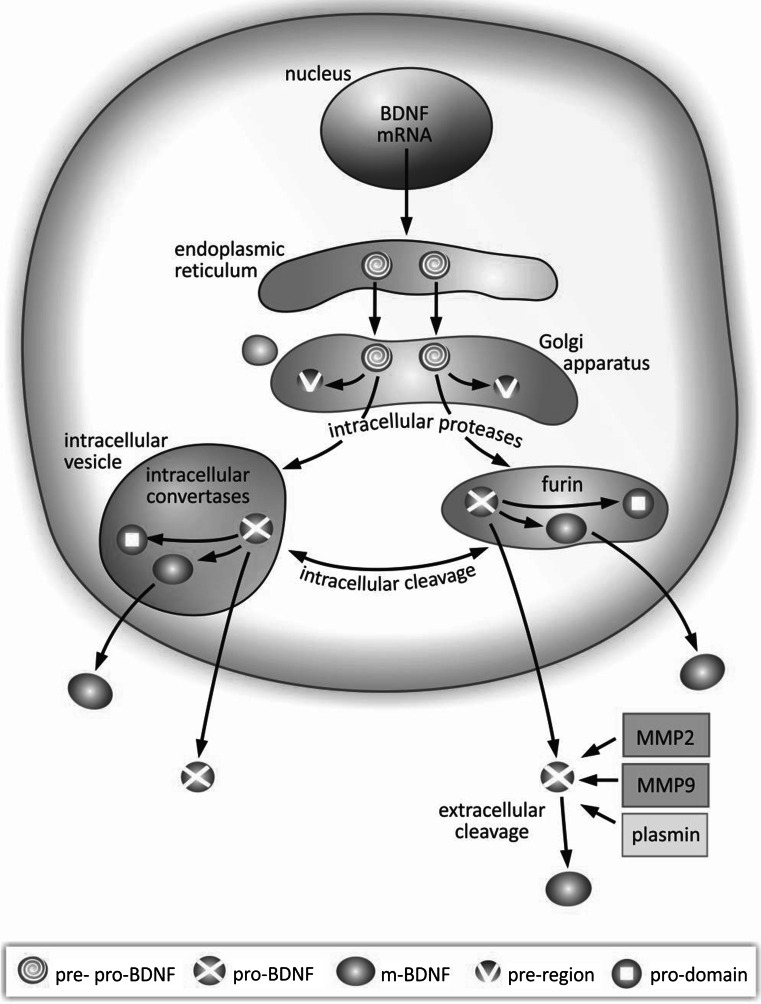
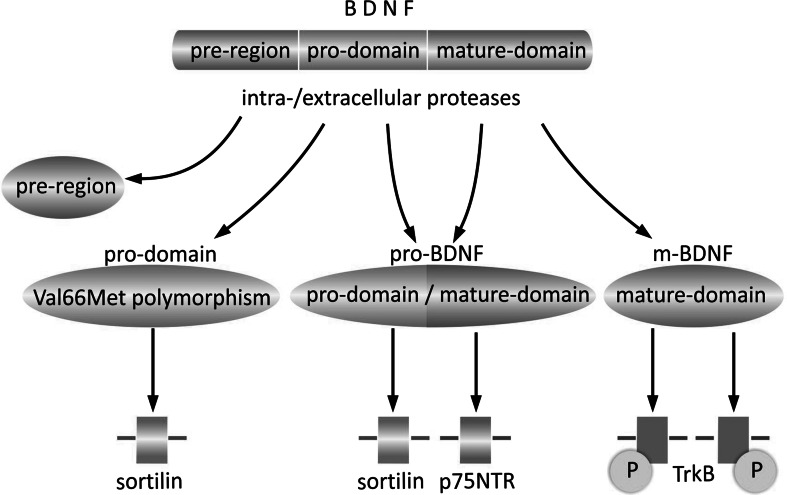
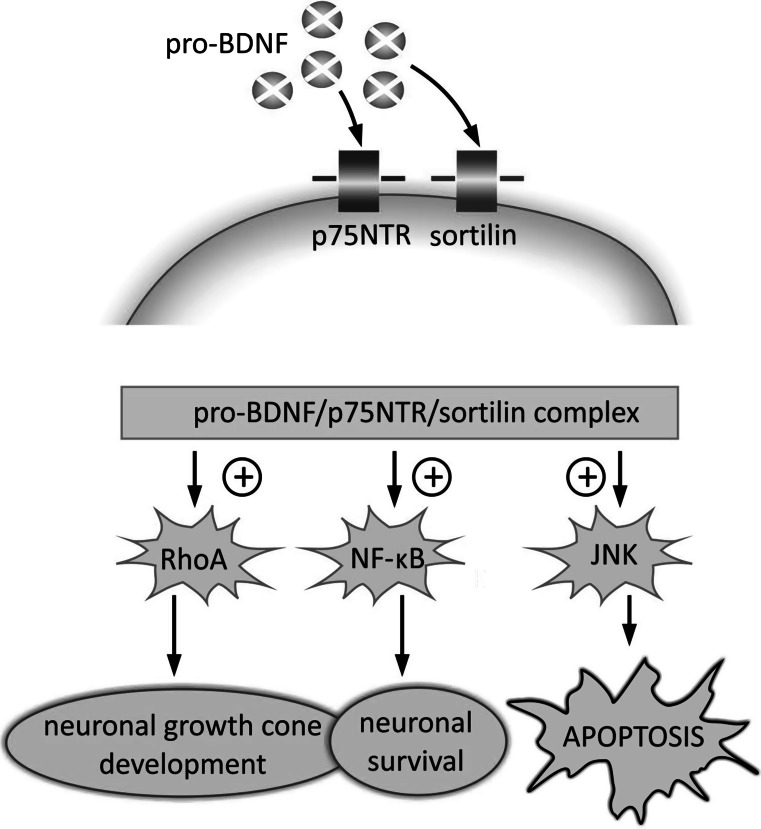
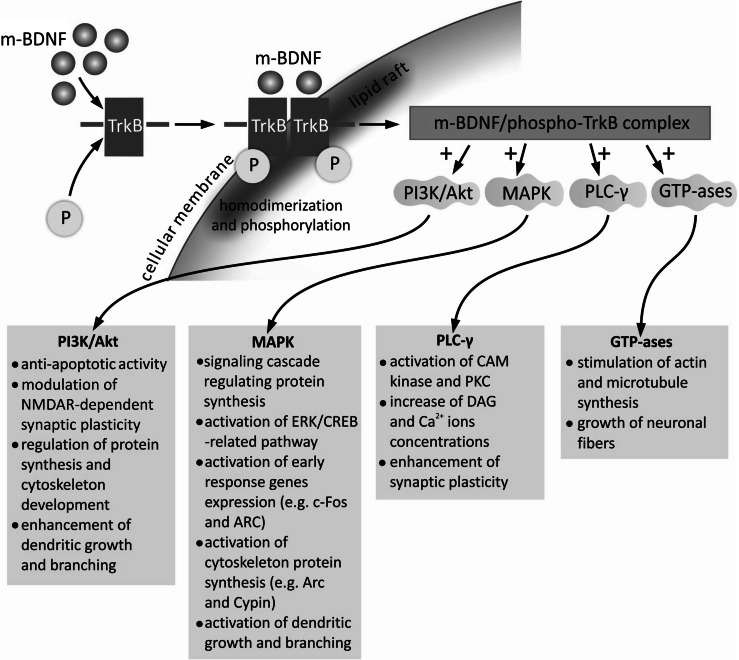
Verification
Claims the paper makes
The claims and statistics of this paper haven’t been checked yet.
Free: it reads the open-access text and checks the first 5 claims that cite a source we can check. Create a free account to check every claim.
Claims other papers make about this one
Each is checked against this paper’s own text: does it say what the citing paper says it does?
The cited source says what the claim attributes to it.
In the citing paper
“BDNF is involved in multiple levels of neuroplasticity like synaptic modulation, adult neurogenesis, and dendritic growth (29–32).”
From Psychedelics and Neuroplasticity: A Systematic Review Unraveling the Biological Underpinnings of Psychedelics. (2021) · cites this paper as [32]
In the citing paper
“Developmental processes invoked by bGRNs provide a way for environmental changes to impact brain morphology and NNs (71), which in turn bear upon future behavior.”
From Behavior-related gene regulatory networks: A new level of organization in the brain (2020) · cites this paper as [71]
Self-check
Percentages, sums and reported differences re-computed from the paper’s own numbers.
The self-check needs the paper’s full text.
Citations
Cites
Requirement of hippocampal neurogenesis for the behavioral effects of antidepressants
Santarelli, L., Saxe, M., Gross, C., Surget, A., Battaglia, F., Dulawa, S., Weisstaub, N., Lee, J., Duman, R., Arancio, O., et al. (2003) · Science · doi:10.1126/science.1083328 · Cited by 4,321 · cited 1×
“…in neuronal proliferation has been reported after administration of serotonin agonists of several receptors, e.g., 5-HT1A (Banasr et al. 2004; San- tarelli et al. 2003), 5-HT2B (Diaz et al. 2012), and 5-HT4 (Mendez-David et al. 2014), which may be related to their binding to the BDNF/TrkB…”
BackgroundDomingos da Silveira da Luz, A. C., Pereira Dias, G., do Nascimento Bevilaqua, M. C., Cocks, G., Gardino, P. F., Thuret, S., & Nardi, A. E. (2013) · Neuropsychobiology · doi:10.1159/000353269 · Cited by 3,995
The molecular biology of memory storage: a dialogue between genes and synapses
Kandel, E. R. (2001) · Science · doi:10.1126/science.1067020 · Cited by 3,917
Egan, M. F., Kojima, M., Callicott, J. H., Goldberg, T. E., Kolachana, B. S., Bertolino, A., Zaitsev, E., Gold, B., Goldman, D., Dean, M., et al. (2003) · Cell · doi:10.1016/s0092-8674(03)00035-7 · Cited by 3,888 · cited 4×
“Apart from the two above-mentioned isoforms, the functioning of BDNF is significantly affected by the single- nucleotide polymorphism of methionine (Met) to valine (Val) substitution at position 66 within the BDNF gene in the pro-domain encoding region (Egan et al. 2003).”
BackgroundInfluentialMore hippocampal neurons in adult mice living in an enriched environment
Kempermann, G., Kuhn, H. G., & Gage, F. H. (1997) · Nature · doi:10.1038/386493a0 · Cited by 3,511
AMPA Receptor Trafficking and Synaptic Plasticity
Malinow, R., & Malenka, R. C. (2002) · Annual Review of Neuroscience · doi:10.1146/annurev.neuro.25.112701.142758 · Cited by 2,588 · cited 2×
“On the contrary, postsynaptic action of NO increases the number of AMPARs, which results in LTP (Malinow and Malenka 2002).”
BackgroundTrk Receptors: Roles in Neuronal Signal Transduction
Huang, E. J., & Reichardt, L. F. (2003) · Annual Review of Biochemistry · doi:10.1146/annurev.biochem.72.121801.161629 · Cited by 2,537 · cited 2×
“…66 within the BDNF gene in the pro-domain encoding region 3-kinase (PI3K), mitogen-activated protein kinase (MAPK), phospholipase C-c (PLC-c), and guanosine triphosphate hydrolases (GTP-ases) of the Ras homolog (Rho) gene family (Gonzalez et al. 2016; Huang and Reichardt 2003; Minichiello 2009).”
BackgroundExercise builds brain health: key roles of growth factor cascades and inflammation
Cotman, C. W., Berchtold, N. C., & Christie, L.-A. (2007) · Trends in Neurosciences · doi:10.1016/j.tins.2007.06.011 · Cited by 2,268 · cited 1×
“…interesting issue that remains to be elucidated is the modulating effect of environmental factors and neu- ronal activity on the course of BDNF-regulated neurogenesis, which has been documented in numerous publications (Berchtold et al. 2005; Cotman et al. 2007; Vaynman and Gomez-Pinilla 2005).”
BackgroundNeurotrophin-regulated signalling pathways
Reichardt, L. F. (2006) · Philosophical Transactions of the Royal Society B: Biological Sciences · doi:10.1098/rstb.2006.1894 · Cited by 2,195
Neurotrophin regulation of neural circuit development and function
Park, H., & Poo, M.-M. (2013) · Nature Reviews Neuroscience · doi:10.1038/nrn3379 · Cited by 2,060 · cited 16×
“The BDNF- controlled long-lasting effects of LTP and alterations in the synaptic proteome may result from modulation of micro- RNA (miRNA) expression (Jaitner et al. 2016; Leal et al. 2014; Smalheiser et al. 2010).”
BackgroundInfluential
Cited by
Items 801–900 of 1,000
Nosratiyan, N., Hamzeh, O., & Ghasemi‐Kasman, M. (2025) · Neurochemical Research · doi:10.1007/s11064-025-04425-8 · Cited by 6
“BDNF is essential for neuronal survival, morphology, differentiation, and synaptic strength [39].”
He, Y., Houtenbos, S. P., & Wippert, P. (2025) · BMC Psychiatry · doi:10.1186/s12888-025-07054-1 · Cited by 11
“For example, brain-derived neurotrophic factor (BDNF), a secretory protein in the neurotrophic family, controls a series of spectrums involved in neuroplasticity processes [63].”
Li, P., Yue, X., Li, C., Yao, L., & Su, Y. (2025) · Frontiers in Neurology · doi:10.3389/fneur.2025.1596940 · Cited by 8
“This cascade of events enables BDNF to perform a variety of critical biological functions, including enhancing synaptic plasticity, promoting neurogenesis, and supporting cell survival (43).”
Chen, X., Jia, Y., Hong, P., Sun, T., Dong, X., Qian, J., Qian, J., & Hou, X. (2025) · Behavioral Sciences · doi:10.3390/bs15091272 · Cited by 10
“Furthermore, brain-derived neurotrophic factor (BDNF) plays a pivotal role in modulating brain signaling and synaptic plasticity (Kowia´nski et al., 2018).”
Liu, M., Liu, D.-N., Shang, Y.-F., Zhang, W.-F., Feng, W.-D., Fang, L., Du, G., & Wang, Y. (2025) · Phytomedicine · doi:10.1016/j.phymed.2025.157354 · Cited by 9
Wang, H., Qiao, Y., Lu, H., Xiao, L., & Cheng, Q. (2025) · Neuroscience · doi:10.1016/j.neuroscience.2025.10.036 · Cited by 7
Brammanathan, S., Jain, R., Sarkar, S., Raghav, R., & Sagar, R. (2023) · Journal of Psychoactive Drugs · doi:10.1080/02791072.2023.2192985 · Cited by 7
“BDNF is the most prevalent growth factor in the central nervous system and plays a crucial role in development and plasticity of the brain (Kowiański et al. 2018).”
BackgroundTan, L., Zhang, H., Li, H., Sun, S., Lyu, Q., & Jiang, Y. (2023) · Nutritional Neuroscience · doi:10.1080/1028415x.2023.2252640 · Cited by 6
“As part of the neurotrophin family related to protein architecture, BDNF is pivotal for neuron survival, di ff erentiation, growth, and development during CNS evolution [29].”
BackgroundSeo, J. S., Lee, S., Won, H., Yang, M., Nahm, S., & Nam, S. M. (2023) · Nutrients · doi:10.3390/nu15204325 · Cited by 10
Qi, X., Yu, X., Long, W., Jiang, H., Dong, J., Li, H., Wei, Y., Zhao, L., Deng, W., Guo, W., et al. (2024) · CNS Neuroscience & Therapeutics · doi:10.1111/cns.14713 · Cited by 5
“50 Research consis - tently indicates that peripheral BDNF levels are significantly lower in individuals with schizophrenia.”
BackgroundWang, W., Gao, R., Yan, X., Shu, W., Zhang, X., Zhang, W., & Zhang, L. (2024) · Heliyon · doi:10.1016/j.heliyon.2024.e30415 · Cited by 7
Investigation of the relationship between neuroplasticity and grapheme-color synesthesia
Eckardt, N., Sinke, C., Bleich, S., Lichtinghagen, R., & Zedler, M. (2024) · Frontiers in Neuroscience · doi:10.3389/fnins.2024.1434309 · Cited by 10
Neuron and astrocyte specific 5mC and 5hmC signatures of BDNF’s receptor, TrkB
Wei, X., Browning, J. L., & Olsen, M. L. (2024) · Frontiers in Molecular Neuroscience · doi:10.3389/fnmol.2024.1463437 · Cited by 6
“…pathway plays a critical role in brain development processes, including, neuronal differentiation and survival, synaptogenesis, synaptic transmission, synaptic plasticity (Kowianski et al., 2018; Enkavi et al., 2024) as well as learning and memory (Minichiello, 2009; Bathina and Das, 2015).”
BackgroundQuincozes‐Santos, A., Bobermin, L. D., Tramontina, A. C., Wartchow, K. M., Silva, V.-F. D., Gayger-Dias, V., Thomaz, N. K., de Moraes, A. D. M., da Costa, D. S., Nardin, P., et al. (2025) · Neurotoxicity Research · doi:10.1007/s12640-025-00730-w · Cited by 8
“Glu, glutamate; RSV, resveratrol differentiation and survival (Kowiański et al. 2018; Gayger-Dias et al. 2023 ).”
hegab, D. M., El-Sharkawy, N. I., Moustafa, G. G., Abd‐Elhakim, Y. M., Said, E. N., Metwally, M. M. M., & Saber, T. M. (2025) · Tissue and Cell · doi:10.1016/j.tice.2025.102792 · Cited by 6
Robins, M. T., Blaine, A. T., Ha, J. E., Brewster, A. L., & van Rijn, R. M. (2019) · Frontiers in Neuroscience · doi:10.3389/fnins.2019.00124 · Cited by 6
Batko‐Szwaczka, A., Francuz, T., Kosowska, A., Cogiel, A., Dudziňska-Griszek, J., Wilczyński, K., Hornik, B., Janusz-Jenczeń, M., Włodarczyk, I., Wnuk, B. R., et al. (2022) · Clinical Interventions in Aging · doi:10.2147/cia.s363881 · Cited by 7
Yeşilkaya, Ü. H., Gıca, Ş., Menekseoglu, P. O., Taşdemir, B. G., Cirakli, Z. L., & Karamustafalıoğlu, N. (2022) · Molecular Neurobiology · doi:10.1007/s12035-022-03054-4 · Cited by 7
“1 3 A balance is maintained between the levels of m-BDNF and pro-BDNF, which can differ in different developmental stages of the brain [30].”
BackgroundLópez‐Arnau, R., Camarasa, J., Carbó, M., Nadal‐Gratacós, N., Puigseslloses, P., Espinosa‐Velasco, M., Urquizu, E., Escubedo, E., & Pubill, D. (2022) · Frontiers in Psychiatry · doi:10.3389/fpsyt.2022.990405 · Cited by 7
Neurotoxic and cytoprotective mechanisms in the ischemic neocortex
Kalinichenko, S. G., Pushchin, I. I., & Matveeva, N. Y. (2023) · Journal of Chemical Neuroanatomy · doi:10.1016/j.jchemneu.2022.102230 · Cited by 10
Hosseini, E., & Kianifard, D. (2023) · Brain and Behavior · doi:10.1002/brb3.2949 · Cited by 7
Efficacy of Baishao Luoshi decoction on synaptic plasticity in rats with post stroke spasticity.
Xie, L., Mao, G., Yao, X., Sijia, C., Shen, Z., Jiang, J., Yao, T. S., Fan, J., Dong, L., Kang, F., et al. (2023) · PubMed Central · doi:10.19852/j.cnki.jtcm.20221108.002 · Cited by 8
Bozkurt, S., Lannin, N. A., Mychasiuk, R., & Semple, B. D. (2023) · Neuroscience & Biobehavioral Reviews · doi:10.1016/j.neubiorev.2023.105278 · Cited by 8
Roles of Trk receptors, tyrosine kinase receptors for neurotrophins, in the developing CNS
Numakawa, T., & Odaka, H. (2023) · Elsevier eBooks · doi:10.1016/b978-0-443-18677-6.00008-7 · Cited by 10
Ikenouchi, A., Okamoto, N., Hamada, S., Chibaatar, E., Fujii, R., Konishi, Y., Igata, R., Tesen, H., & Yoshimura, R. (2023) · Brain and Behavior · doi:10.1002/brb3.3278 · Cited by 4
“…attention from clinicians and researchers due to its essential role in physiological brain functions, encompassing neurogenesis, synaptic plasticity, learning, and memory abilities (Egan et al., 2003; Hall et al., 2000; Kowiański et al., 2018; Lommatzsch et al., 2005; McAllister et al., 1999).”
BackgroundTuwar, M. N., Chen, W., Yeh, H., & Bai, C. (2024) · International Journal of Molecular Sciences · doi:10.3390/ijms25042380 · Cited by 8
Valle, A., Castillo, P., García-Rodríguez, A., Palou, A., Palou, M., & Picó, C. (2024) · Nutrients · doi:10.3390/nu16070980 · Cited by 7
“Brain-derived neurotrophic factor (BDNF) is a multifaceted neurotrophin that is involved in the regulation of nerve growth and synaptic plasticity [18].”
BackgroundMyokines: A central point in managing redox homeostasis and quality of life
Rathor, R., & Suryakumar, G. (2024) · BioFactors · doi:10.1002/biof.2054 · Cited by 9
“180 Interestingly, exercise increased BDNF (mRNA and protein expression) in human skeletal muscle; however, muscle-derived BDNF appeared not to be released into the circulation.”
Zhu, X., Chen, W., & Thirupathi, A. (2024) · Biology · doi:10.3390/biology13080562 · Cited by 6
“For example, pro-BDNF interacts with the p75 receptor for apoptosis and neuronal shrinkage [80], while mature BDNF interacts with TrkB for neural plasticity [80].”
BackgroundShao, X., He, L., & Liu, Y. (2024) · Neural Regeneration Research · doi:10.4103/nrr.nrr-d-23-01296 · Cited by 9
RetractedTsuneki, H., Yoshida, H., Okamoto, K., Yamaguchi, M., Endo, K., Nakano, A., Tsuda, M., Toyooka, N., Wada, T., & Sasaoka, T. (2019) · European Journal of Pharmacology · doi:10.1016/j.ejphar.2019.02.003 · Cited by 6
Miller, K. E., Wood, W. E., Brenowitz, E. A., & Perkel, D. J. (2019) · Journal of Neuroscience · doi:10.1523/jneurosci.2375-19.2019 · Cited by 7
“In mammals, BDNF is involved in neuronal survival, axonal and dendritic outgrowth, synaptic plasticity, and the regulation of electrical properties (Leal et al., 2014; Kowiański et al., 2018).”
BackgroundHuang, Y., Wang, Y., Gao, Y., Liu, Q., Ye, F.-F., Guo, B., Wu, Y.-C., & Xue, L. (2020) · Nano LIFE · doi:10.1142/s1793984420400073 · Cited by 6
Neuronal chloride transporters in neurodegenerative diseases
Yang, L., & Justice, N. J. (2020) · Elsevier eBooks · doi:10.1016/b978-0-12-815318-5.00023-6 · Cited by 6
Tobacco use modify exon IV BDNF gene methylation levels in depression
Quaioto, B. R., Borçoi, A. R., Mendes, S. O., Doblas, P. C., Vieira, T. D. S., Moreno, I. A. A., dos Santos, J. G., Hollais, A. W., Olinda, A. S., de Souza, M. L. M., et al. (2023) · Journal of Psychiatric Research · doi:10.1016/j.jpsychires.2023.01.038 · Cited by 8
Exercise-induced BDNF production by mononuclear cells of sedentary and physically active obese men
Elsner, V. R., Dorneles, G. P., Santos, M. A., da Silva, I. M., Romão, P. R. T., & Peres, A. (2020) · The Journal of Sports Medicine and Physical Fitness · doi:10.23736/s0022-4707.19.10113-2 · Cited by 6
Serum BDNF Levels are Not Associated with the Antidepressant Effects of Nonconvulsive Electrotherapy
Zheng, W., Jiang, M., He, H., Li, R., Li, Q., Zhang, C., Zhou, S., Yan, S., Ning, Y., & Huang, X. (2020) · Neuropsychiatric Disease and Treatment · doi:10.2147/ndt.s256278 · Cited by 8
Molbay, M., Göksu, E. Ö., Kipmen‐Korgun, D., Unal, A. U., Ozekinci, M., Cebeci, E., Maltepe, E., & Korgun, E. T. (2020) · International Journal of Neuroscience · doi:10.1080/00207454.2020.1807978 · Cited by 6
Maladaptive Myelination Promotes Epileptogenesis in Absence EpilepsyPreprint
Knowles, J. K., Soane, C., Frost, E., Tam, L. T., Fraga, D. A., Xu, H., Batra, A., Ni, L., Villar, K., Saucedo, T., et al. (2020) · SSRN Electronic Journal · doi:10.1101/2020.08.20.260083 · Cited by 7
Altered GABAergic inhibition in CA1 pyramidal neurons modifies despair-like behavior in micePreprint
Yoon, S. H., Chung, G., Song, W. S., Oh, S. P., Kim, J.-J., Kim, S. J., & Kim, M. (2020) · bioRxiv (Cold Spring Harbor Laboratory) · doi:10.1101/2020.02.18.953786 · Cited by 7
“…for the tyrosine kinase B (TrkB) receptor than the p75 neurotropin receptor, and cellular effects of m-BDNF are mainly mediated by the TrkB receptor (Huang and Reichardt, 2001; Kowianski et al., 2018), we analyzed the effect of TrkB receptor inhibition on antidepressant effects of ketamine.”
BackgroundGao, F., Jia, S., Yin, S., Yin, Z., Guan, W., Ding, F., Wang, X., & Wan, P. (2025) · BMC Psychiatry · doi:10.1186/s12888-025-07310-4 · Cited by 5
Mruczyk, K., Molska, M., Wójciak, R. W., Śliwicka, E., & Cisek-Woźniak, A. (2024) · Experimental Gerontology · doi:10.1016/j.exger.2024.112449 · Cited by 5
“Early in life, the effects of BDNF on the development and addition of neurons were noted, while during the course of life, involvement in processes such as synaptic transmission and synaptic plasticity that occurred in the course of cognitive functions was considered (Kowia ´ nski et al., 2018b).”
BackgroundHorill, S., Zhou, X., & Jin, W. (2025) · Journal of Clinical Anesthesia · doi:10.1016/j.jclinane.2025.111801 · Cited by 7
Role of sacubitril/valsartan in modulating diabetes mediated cognitive and neuronal impairment
Al-Ashram, M. M., Nader, M. A., & El‐Sheakh, A. R. (2025) · International Immunopharmacology · doi:10.1016/j.intimp.2025.114431 · Cited by 5
Zhang, X., Zeng, R., Zhang, W., Xie, F., Zhu, A., Chen, L., Zhu, K., Fan, T., Wu, Y., Xu, L., et al. (2025) · Aging Clinical and Experimental Research · doi:10.1007/s40520-025-02947-3 · Cited by 5
Wang, Y., Zhang, S., Jia, H., Ji, F., & Jiao, J. (2025) · Advanced Science · doi:10.1002/advs.202414890 · Cited by 9
Oxytocin seals the blood–brain barrier, improving 22q11.2 deletion syndrome trajectories
Castellani, G., Ciampoli, M., Benedetti, A., Ferretti, V., Trigilio, G., Barcik, W., Busnelli, M., Contarini, G., Paolini, C., Devroye, C., et al. (2025) · Brain · doi:10.1093/brain/awaf112 · Cited by 8
Navarro, M. L., Breum, A. W., Ozenne, B., Nasser, A., Aripaka, S. S., Armand, S., Jørgensen, M. B., Frøkjær, V. G., & Knudsen, G. M. (2025) · Progress in Neuro-Psychopharmacology and Biological Psychiatry · doi:10.1016/j.pnpbp.2025.111470 · Cited by 6
“Brain-derived neurotrophic factor (BDNF), in particular, has attracted growing interest due to its well-established role in regulating neurogenesis, synaptogenesis, and long-term potentiation via TrkB signalling(Kowiański et al., 2018; Yang et al., 2020).”
Ēvelis, K., Koļesovs, A., Rostoka, E., & Plakane, L. (2025) · Scientific Reports · doi:10.1038/s41598-025-22209-6 · Cited by 7
Yoon, J. H., Lim, S. H., Lee, I.-S., Jang, Y. K., Park, S. J., Lee, S. J., Im, S., Park, J. H., Park, H., Maeng, S., et al. (2026) · Current Issues in Molecular Biology · doi:10.3390/cimb48040390 · Cited by 5
“Because BDNF contributes to synaptic plasticity and memory, whereas JNK is associated with stress-related neuronal responses [4,23,24], the observed molecular changes may be related to the electrophysiological and behavioral effects of SSP.”
Xie, W.-S., Shehzadi, K., Ma, H.-L., & Liang, J. (2022) · Current Medicinal Chemistry · doi:10.2174/0929867329666220509114232 · Cited by 5
Prados-Pardo, Á., Martín-González, E., Mora, S., Martín, C., Olmedo-Córdoba, M., Pérez-Fernández, C., Sánchez-Santed, F., & Moreno, M. (2023) · Molecular Neurobiology · doi:10.1007/s12035-023-03506-5 · Cited by 7
Bang-Kittilsen, G., Egeland, J., Ueland, T., Andersen, E., Bigseth, T. T., Holmen, T. L., Mordal, J., Holst, R., & Engh, J. A. (2023) · Psychoneuroendocrinology · doi:10.1016/j.psyneuen.2023.106356 · Cited by 8
Miranda‐Lourenço, C., Rosa, J., Rei, N., Belo, R. F., Lopes, A. L., Silva, D., Vieira, C., Magalhães-Cardoso, M. T., Viais, R., Correia‐de‐Sá, P., et al. (2023) · International Journal of Molecular Sciences · doi:10.3390/ijms242216249 · Cited by 5
Gui, J., Xie, M., Wang, L., Tian, B., Liu, B., Chen, H., Cheng, L., Huang, D., Han, Z., Yang, X., et al. (2024) · Naunyn-Schmiedeberg s Archives of Pharmacology · doi:10.1007/s00210-024-03028-4 · Cited by 6
“In the current study, DHA enhanced the CREB/BDNF signaling pathway in the hippocampus, as demonstrated by higher levels of pCREB and BDNF in the DHA intervention group than in the PM2.”
InfluentialNeves, C. A. M., Dorneles, G. P., Teixeira, P. C., Filho, P. S., Peres, A., Boeck, C. R., Rotta, L. N., Thompson, C. E., & Romão, P. R. T. (2024) · Molecular Neurobiology · doi:10.1007/s12035-024-04551-4 · Cited by 6
“BDNF is a peptide produced during development, cognitive process, and in some injury events as a protective compound [6, 7].”
Colín-Martínez, E., & Arias, C. (2024) · Reviews in the Neurosciences · doi:10.1515/revneuro-2024-0110 · Cited by 7
The Role of Lactate in Ischemic Stroke: As an Energy Source and Signaling Molecule
Zhang, R., Li, X., Liu, K., Yang, M., Dong, P., & Han, H. (2025) · Current Protein and Peptide Science · doi:10.2174/0113892037335945241029111720 · Cited by 6
Vanrusselt, D., Sleurs, C., Ermengem, N. V., Torrekens, A., Lemiere, J., Verschueren, S., & Uyttebroeck, A. (2025) · Journal of Cancer Survivorship · doi:10.1007/s11764-024-01741-w · Cited by 8
“As BDNF plays a key role in promoting neurogenesis and enhancing synaptic plasticity, such mechanisms could assist in the recovery of healthy brain functioning [65].”
Rák, T., Patkó, E., Szabó, E., Váczy, A., Molitor, D., Reglődi, D., Csutak, A., & Atlasz, T. (2025) · Antioxidants · doi:10.3390/antiox14050549 · Cited by 9
Neurotrophins and their role in axonal outgrowth following spinal cord injury
Dravid, A., O’Carroll, S. J., & Svirskis, D. M. (2022) · Elsevier eBooks · doi:10.1016/b978-0-12-822427-4.00018-6 · Cited by 6
Huang, Q., Zhou, Y., He, H., Lin, S., & Chen, X. (2022) · Neurochemical Research · doi:10.1007/s11064-022-03785-9 · Cited by 5
Interference of neuronal TrkB signaling by the cannabis-derived flavonoids cannflavins A and B
Holborn, J., Mooradally, A. W., Perrin, C. J., Alural, B., Aitchison, C., Borenstein, A., Jones, N., Khokhar, J. Y., Akhtar, T. A., & Lalonde, J. (2023) · Phytomedicine Plus · doi:10.1016/j.phyplu.2023.100410 · Cited by 7
Natsuyama, T., Okamoto, N., Watanabe, K., Chibaatar, E., Tesen, H., Hayasaki, G., Ikenouchi, A., Kakeda, S., & Yoshimura, R. (2023) · Frontiers in Psychiatry · doi:10.3389/fpsyt.2022.1031386 · Cited by 6
Wang, Y., Kuang, Y., Luo, J., Zeng, M., He, Z., Shen, Q. W., Chen, J., Li, M., & Quan, W. (2023) · Food & Function · doi:10.1039/d2fo03722j · Cited by 5
Pimavanserin treatment increases plasma brain-derived neurotrophic factor levels in rats
Tripathi, A., Nasrallah, H. A., & Pillai, A. (2023) · Frontiers in Neuroscience · doi:10.3389/fnins.2023.1237726 · Cited by 6
“On the other hand, proBDNF shows a high affinity for p75 neurotrophic receptor (p75NTR), which results in long-term depression (LTD) facilitation, and spine loss (Teng et al., 2005; Pillai, 2008; Kowianski et al., 2018).”
BackgroundPattern detection in the TGFβ cascade controls the induction of long-term synaptic plasticity
Miranda, P., Mirisis, A. A., Kukushkin, N. V., & Carew, T. J. (2023) · Proceedings of the National Academy of Sciences · doi:10.1073/pnas.2300595120 · Cited by 5
Su, S., Wang, R., Chen, Z., & Zhou, F. (2023) · Archives of Gerontology and Geriatrics · doi:10.1016/j.archger.2023.105302 · Cited by 5
Sturgill, B. S., Hernandez-Reynoso, A. G., Druschel, L. N., Smith, T. J., Boucher, P., Hoeferlin, G. F., Thai, T. T. D., Jiang, M. S., Hess, J. L., Alam, N. N., et al. (2024) · ACS Applied Bio Materials · doi:10.1021/acsabm.3c01014 · Cited by 6
Wang, L., Bian, X., Liu, L., He, Q., Xu, J., Chen, X., Ye, H., Yang, J., & Jiang, L. (2024) · Frontiers in Endocrinology · doi:10.3389/fendo.2024.1324867 · Cited by 8
“The human BDNF gene consists of 11 exons, and differential splicing allows the formation of different transcripts that are speci fi c to different tissues and respond to different stimuli (23).”
BackgroundNing, Y., Feng, S., Zheng, S., Wu, Z., Liu, X., Dong, L., & Jia, H. (2024) · Sleep Medicine · doi:10.1016/j.sleep.2024.03.027 · Cited by 5
Bakırhan, E. G., Yanılmaz, E. M. B., Tüfekci, K. K., Bakırhan, F., & Susam, S. (2025) · Journal of Molecular Histology · doi:10.1007/s10735-025-10471-x · Cited by 6
“Brain-derived neurotrophic factor (BDNF) is a neu - rotrophin produced in the ER with important functions in terms of long-term memory, assisting in the survival of various types of neurons, and in the growth and differentiation of new neurons and synapses (Kowiański et al. 2017 ).”
Kotloski, R. J., Rutecki, P. A., & Sutula, T. P. (2020) · Frontiers in Neurology · doi:10.3389/fneur.2019.01286 · Cited by 5
Navarro‐Lobato, I., Masmudi‐Martín, M., Quirós-Ortega, M. E., Gaona‐Romero, C., Carretero‐Rey, M., Blanes, C. R., & Khan, Z. U. (2021) · Journal of Neuroscience Research · doi:10.1002/jnr.24894 · Cited by 7
“BDNF has been shown to play a crucial role in the formation of synaptic connections, and it is essential for learning and memory (Kowiański et al., 2018; Lu et al., 2013; Waterhouse & Xu, 2009).”
BackgroundLiu, T., Hettish, L., Lo, W., Gray, M., & Li, C. (2021) · Research in Nursing & Health · doi:10.1002/nur.22174 · Cited by 6
Navarro‐Lobato, I., Masmudi‐Martín, M., López‐Aranda, M. F., Quirós-Ortega, M. E., Carretero‐Rey, M., Garrido, M. G., Gallardo-Martínez, C., Martín‐Montañez, E., Gaona‐Romero, C., Delgado, G., et al. (2021) · Cerebral Cortex · doi:10.1093/cercor/bhab322 · Cited by 6
BDNF and Senile Cognitive Decline
Semenov, D. G., & Belyakov, A. V. (2022) · Neuroscience and Behavioral Physiology · doi:10.1007/s11055-022-01236-0 · Cited by 4
“The best studied are the three cascades PI3K/Akt, Ras/MAPK, and PLCγ [Gupta et al., 2013; Kowianski et al., 2018].”
BackgroundInfluentialCarbonell-Hernández, L., Ballester-Ferrer, J. A., Maciá, E. S., Bonete-López, B., Roldán, A., Cervelló, E. M., & Pastor, D. (2022) · International Journal of Environmental Research and Public Health · doi:10.3390/ijerph19159748 · Cited by 6
“During development, BDNF functions are concerned with neuronal growth and the survival and differentiation of neurons [22,23].”
BackgroundRazeghi, E., Mashayekhi, F., Ghasemian, F., & Salehi, Z. (2022) · Research in Veterinary Science · doi:10.1016/j.rvsc.2022.11.010 · Cited by 6
Psilocin fosters neuroplasticity in iPSC-derived human cortical neuronsPreprint
Schmidt, M., Hoffrichter, A., Davoudi, M., Horschitz, S., Lau, T., Meinhardt, M. W., Spanagel, R., Ladewig, J., Köhr, G., & Koch, P. (2024) · Research Square · doi:10.21203/rs.3.rs-4242829/v1 · Cited by 5
Psilocin fosters neuroplasticity in iPSC-derived human cortical neuronsPreprint
Schmidt, M., Hoffrichter, A., Davoudi, M., Horschitz, S., Lau, T., Meinhardt, M. W., Spanagel, R., Ladewig, J., Köhr, G., & Koch, P. (2026) · eLife · doi:10.7554/elife.104006 · Cited by 14
“…that is, the restoration of neuronal and synaptic dysfunction associated with the pathophysiology of mental disorders ( Bhattacharyya et al., 2002 ; Kowia ń ski et al., 2018 ; Moliner et al., 2023 ; de la Fuente Revenga et al., 2021 ; Wojtas et al., 2022 ), could be achieved by stimulating…”
Zheng, N., Luo, S., Zhang, X., Hu, L., Huang, M., Li, M., McCaig, C., Ding, Y., & Lang, B. (2024) · Journal of Advanced Research · doi:10.1016/j.jare.2024.08.041 · Cited by 4
Exercise benefits yourself and your offspring: a mini-review
Wang, K., Zhao, J., Wang, Y., & Liu, M. (2025) · Frontiers in Cell and Developmental Biology · doi:10.3389/fcell.2025.1606790 · Cited by 9
“…exercise increases brain-derived neurotrophic factor (BDNF) expression (Sleiman et al., 2016; Adlard et al., 2005), which supports synapse formation, plasticity, and cognitive enhancement (Hempstead, 2015; Casarotto et al., 2021; Fang et al., 2003; Anastasia et al., 2013; Kowianski et al., 2018).”
Luo, Y., Ali, T., Hu, Y., Gong, Q., Zheng, C., Li, L., Li, S., & Hao, L. (2025) · Journal of Neuroimmune Pharmacology · doi:10.1007/s11481-025-10233-2 · Cited by 6
“Notably, EPO also restored the expression of BDNF, which is crucial for synaptic plasticity, neurogenesis, and mood regulation (Kowiański et al. 2018; Bi et al. 2024).”
TAOK2 controls synaptic plasticity and anxiety via ERK and calcium signaling
Ma, W., Warnhoff, I., Stephan, M., Ma, X., Dehne, K., Volkmann, P., Kannaiyan, N. R., Brankatschk, B., Jensen, N., Rossner, M. J., et al. (2025) · iScience · doi:10.1016/j.isci.2025.113712 · Cited by 4
Ding, T., Zhang, L., Xu, J., Liu, M., Ouyang, Y., & Liu, S. (2025) · Brain Research Bulletin · doi:10.1016/j.brainresbull.2025.111625 · Cited by 4
Irisin-mediated hepatic autophagy remodels nutritional metabolism to prevent cognitive dysfunction
Zhang, X., Yang, Y., Song, H., Hu, X., Wang, X., & Yu, Y. (2025) · Ageing Research Reviews · doi:10.1016/j.arr.2025.102936 · Cited by 4
Hassanzadeh, A., Rahbarghazi, R., Verdi, J., Mahmoudi, J., Moghadam, M. H., Mousakhani, A., Vousooghi, N., & Karimipour, M. (2025) · Molecular Neurobiology · doi:10.1007/s12035-025-05291-9 · Cited by 7
“Mechanistically, induction of BNDF in the preconditioned cells led to increase in PI3K activity, one of three enzymes besides phospholipase Cγ (PLC-γ) and MAPK, involved in Akt/mTOR signaling [327].”
Duarte-Ruiz, M., Moreno-Castillo, A., Yousfi, Y. E., Moreno‐Castro, C., Martínez-Martínez, N., Jiménez-Lozano, S., Kennel, M., Ruiz-Rodríguez, C., Rodríguez-Caparrós, A., López-Ros, J., et al. (2025) · Cell Death and Disease · doi:10.1038/s41419-025-08301-9 · Cited by 4
“Upon BDNF binding, TRKB undergoes dimerization and autophosphorylation on its intracellular tyrosine residues, activating down-stream signaling pathways, including PLC γ , MAPK/ERK, and PI3K/ AKT to promote neuronal differentiation and synaptic plasticity [2].”
Depression: epigenetics and epitranscriptomic modifications
Banerjee, S., Shrilaxmi, M. S., Banerjee, S., Prajwal, B. G., Smith, C., D’Mello, S. R., & Dastidar, S. G. (2025) · The World Journal of Biological Psychiatry · doi:10.1080/15622975.2025.2602171 · Cited by 5
“…their promoter regions, chief among them the gene encoding Brain-Derived Neurotrophic Factor (BDNF), a multi-functional neurotrophic factor (Januar et al. 2015; Kang et al. 2015) with well-established roles in brain development, function, and dysfunction (Kowiański et al. 2018; Wang et al. 2022a).”
Criscio, A. D., Rosso, P., Fico, E., Iannetta, D., Marenco, M. T. R., Lambiase, A., & Tirassa, P. (2026) · Pharmaceutical Research · doi:10.1007/s11095-026-04032-4 · Cited by 5
The Psychological Impact of Amblyopia Treatment: A Systematic Literature Review
Haine, L. A., Taylor, I., & Vaughan, M. (2025) · British and Irish Orthoptic Journal · doi:10.22599/bioj.426 · Cited by 8
Yang, Y., Zhang, Y., Hou, X., Li, H., Ma, H., & Li, Y. (2025) · Pharmaceuticals · doi:10.3390/ph18040455 · Cited by 4
de Souza, D. C., Marchini, K. B., Nunhes, P. M., Domingues, W. J. R., Bertolini, D. A., Oliveira, V., Mazzardo, O., & Avelar, A. (2025) · AIDS and Behavior · doi:10.1007/s10461-025-04824-6 · Cited by 6
“Recently, growing attention has been directed toward the role of neurotrophins in cognitive decline, with Brain-Derived Neurotrophic Factor (BDNF) emerging as a key molecule of interest [7– 11 ].”
Bayrakdaroğlu, S., Topsakal, N., & Eken, Ö. (2022) · Gümüşhane Üniversitesi Sağlık Bilimleri Dergisi · doi:10.37989/gumussagbil.1052230 · Cited by 7
Kumaran, K. R., Wahab, H. A., & Hassan, Z. (2022) · Oriental Pharmacy and Experimental Medicine · doi:10.1007/s13596-022-00653-3 · Cited by 5
Brain‐derived neurotrophic factor in degenerative retinal diseases: Update and novel perspective
Zhang, Q., & Qu, Y. (2023) · Journal of Neuroscience Research · doi:10.1002/jnr.25226 · Cited by 6
Thompson, D., Odufuwa, A. E., Brissette, C. A., & Watt, J. A. (2023) · Frontiers in Aging Neuroscience · doi:10.3389/fnagi.2023.1223273 · Cited by 5
“BDNF has been shown to exert neuroprotective and regenerative sprouting effects on neuronal populations following injury in a variety of model systems in both the CNS and PNS (Deng et al., 1999; Mamounas et al., 2000; Almeida et al., 2005; Liao et al., 2015; Kowiański et al., 2018; McGregor and English, 2019; Gustafs…”
BackgroundZhang, J., Wang, Z., Cong, K., Qi, J., & Sun, L. (2023) · Aging · doi:10.18632/aging.205177 · Cited by 4
Sudesh, R., Vashishth, R., Rajesh, K. M., Batra, D. R., Venkatesan, S., Sultania, A., & Ahmad, F. (2023) · Biochemia Medica · doi:10.11613/bm.2024.010503 · Cited by 6
“Brain-derived neurotrophic factor signaling through its TrkB receptor has multifunctional consequences for neuronal pathophysiology, including for synaptic signaling and plasticity, neuronal survival, astrogliosis and neuroinflammation, and neurogenesis (Figure 1) (13).”
Background
Metadata
- Authors
- Kowiański, P., Lietzau, G., Czuba, E., Waśkow, M., Steliga, A., & Moryś, J.
- Affiliations
- Uniwersytet Pomorski w Słupsku (PL)
- Gdańsk Medical University (PL)
- Corresponding author
- Kowiański, Przemysław
- ORCID
- Venue
- Cellular and Molecular Neurobiology
- Published
- 2017-06-16
- Volume
- 38
- Issue
- 3
- Pages
- 579-593
- ISSN
- 0272-4340 (ISSN-L)
- 1573-6830
- PMC
- PMC5835061
- OpenAlex
- W2624853583
- Cited by
- 1,359
- References
- 151
- Citations by year
- 2026: 122 · 2025: 200 · 2024: 181 · 2023: 190 · 2022: 203 · 2021: 189 · 2020: 152 · 2019: 84 · 2018: 34 · 2017: 3
- FWCI
- 9.16
- Type
- journal article
- Language
- en
- Open access
- hybrid
- doi.org
- Locations
- Cellular and Molecular Neurobiology (publishedVersion, cc-by)
- PubMed Central (publishedVersion, cc-by)
- PubMed (publishedVersion)
- Topics
- Life Sciences › Neuroscience › Cellular and Molecular Neuroscience › Nerve injury and regeneration
- Life Sciences › Neuroscience › Cellular and Molecular Neuroscience › Neuroscience and Neuropharmacology Research
- Life Sciences › Neuroscience › Developmental Neuroscience › Neurogenesis and neuroplasticity mechanisms
- Keywords
- brain-derived neurotrophic factor, neurotrophins, BDNF isoforms, BDNF receptor, synaptic plasticity, neurogenesis, gliogenesis, neuroprotection, signal transduction, memory, brain development
- MeSH terms
- Animals, Brain, Humans, Neuronal Plasticity, Synapses, Signal Transduction, Brain-Derived Neurotrophic Factor, Receptor, trkB
About these checks
Registry, retraction, Cites and statistics results are computed, not judged, with one exception: a printed reference that no index lists is read once by a model before it counts as a citation error. Claims are extracted by a model and kept only when their quote appears verbatim in the text; each cited source is then checked, with a model’s help, for whether it says what the claim relies on. Those verdicts can be wrong — read the claim’s quote and the cited source before relying on one.
Statistics and arithmetic are recomputed, not judged.
Confidence bands are shown only for fields calibrated on our annotated test set. None is calibrated yet, so no band is shown.
What counts as a claim ›How we measure confidence ›How we check this ›
Are you an author, or do you see a problem with this page? Request a review
Data sources
Bibliographic data: Semantic Scholar, OpenAlex, Crossref.
Contains information from the Semantic Scholar Academic Graph Datasets, made available under the ODC Attribution License (ODC-BY 1.0).
Semantic Scholar’s data is described in: Kinney, R., et al. (2023). The Semantic Scholar Open Data Platform. arXiv:2301.10140.
