

BDNF: A Key Factor with Multipotent Impact on Brain Signaling and Synaptic Plasticity
Open accessThe DOI matches its Crossref record; 151 of the 151 references it cites were found in a registry or an index.
Abstract
Brain-derived neurotrophic factor (BDNF) is one of the most widely distributed and extensively studied neurotrophins in the mammalian brain. Among its prominent functions, one can mention control of neuronal and glial development, neuroprotection, and modulation of both short- and long-lasting synaptic interactions, which are critical for cognition and memory. A wide spectrum of processes are controlled by BDNF, and the sometimes contradictory effects of its action can be explained based on its specific pattern of synthesis, comprising several intermediate biologically active isoforms that bind to different types of receptor, triggering several signaling pathways. The functions of BDNF must be discussed in close relation to the stage of brain development, the different cellular components of nervous tissue, as well as the molecular mechanisms of signal transduction activated under physiological and pathological conditions. In this review, we briefly summarize the current state of knowledge regarding the impact of BDNF on regulation of neurophysiological processes. The importance of BDNF for future studies aimed at disclosing mechanisms of activation of signaling pathways, neuro- and gliogenesis, as well as synaptic plasticity is highlighted.
Overview
The claims and statistics of this paper haven’t been checked yet.
Free: it reads the open-access text and checks the first 5 claims that cite a source we can check. Create a free account to check every claim.
Integrity signals
Registry
Cites
Statistics
Figures
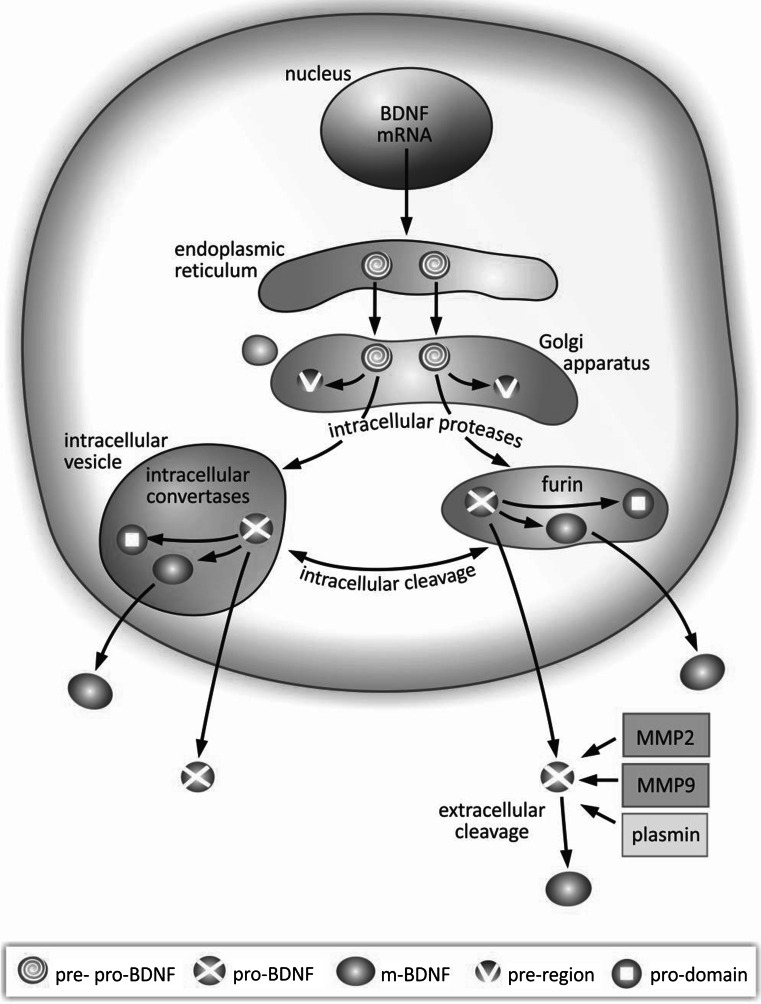
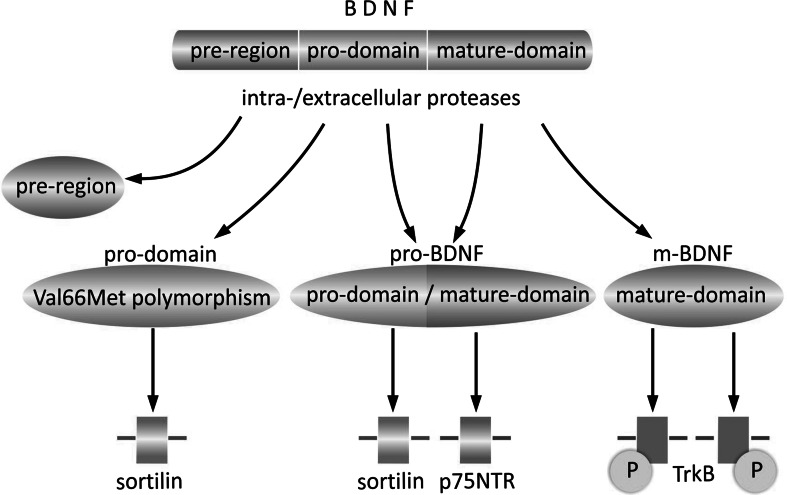
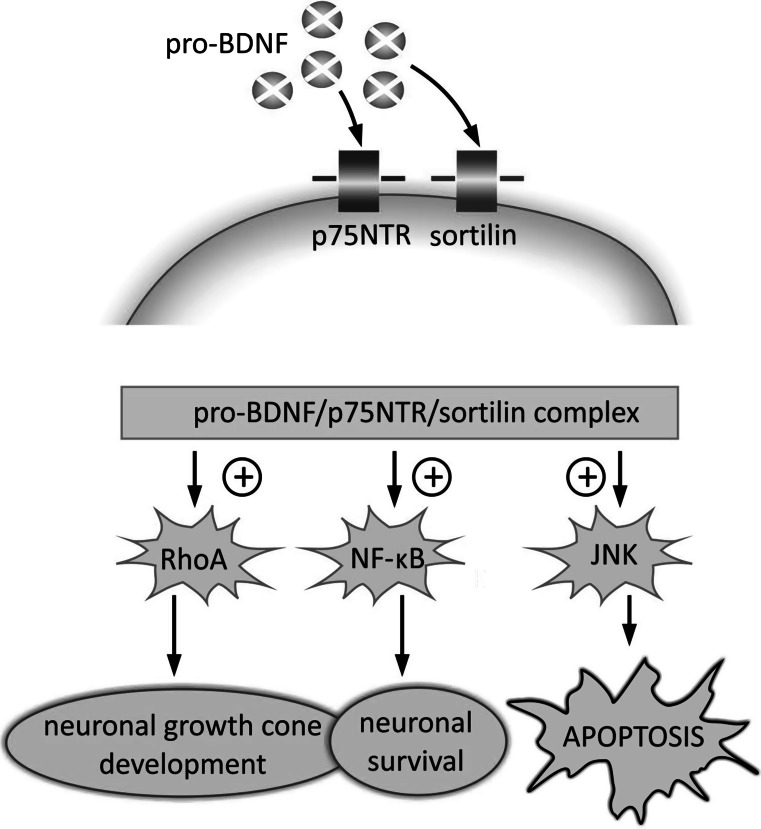
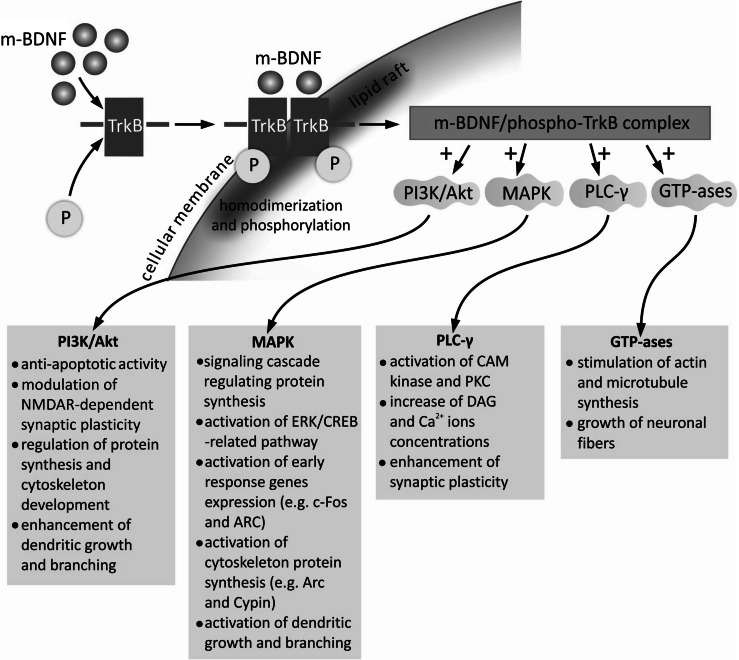
Verification
Claims the paper makes
The claims and statistics of this paper haven’t been checked yet.
Free: it reads the open-access text and checks the first 5 claims that cite a source we can check. Create a free account to check every claim.
Claims other papers make about this one
Each is checked against this paper’s own text: does it say what the citing paper says it does?
The cited source says what the claim attributes to it.
In the citing paper
“BDNF is involved in multiple levels of neuroplasticity like synaptic modulation, adult neurogenesis, and dendritic growth (29–32).”
From Psychedelics and Neuroplasticity: A Systematic Review Unraveling the Biological Underpinnings of Psychedelics. (2021) · cites this paper as [32]
In the citing paper
“Developmental processes invoked by bGRNs provide a way for environmental changes to impact brain morphology and NNs (71), which in turn bear upon future behavior.”
From Behavior-related gene regulatory networks: A new level of organization in the brain (2020) · cites this paper as [71]
Self-check
Percentages, sums and reported differences re-computed from the paper’s own numbers.
The self-check needs the paper’s full text.
Citations
Cites
Requirement of hippocampal neurogenesis for the behavioral effects of antidepressants
Santarelli, L., Saxe, M., Gross, C., Surget, A., Battaglia, F., Dulawa, S., Weisstaub, N., Lee, J., Duman, R., Arancio, O., et al. (2003) · Science · doi:10.1126/science.1083328 · Cited by 4,321 · cited 1×
“…in neuronal proliferation has been reported after administration of serotonin agonists of several receptors, e.g., 5-HT1A (Banasr et al. 2004; San- tarelli et al. 2003), 5-HT2B (Diaz et al. 2012), and 5-HT4 (Mendez-David et al. 2014), which may be related to their binding to the BDNF/TrkB…”
BackgroundDomingos da Silveira da Luz, A. C., Pereira Dias, G., do Nascimento Bevilaqua, M. C., Cocks, G., Gardino, P. F., Thuret, S., & Nardi, A. E. (2013) · Neuropsychobiology · doi:10.1159/000353269 · Cited by 3,995
The molecular biology of memory storage: a dialogue between genes and synapses
Kandel, E. R. (2001) · Science · doi:10.1126/science.1067020 · Cited by 3,917
Egan, M. F., Kojima, M., Callicott, J. H., Goldberg, T. E., Kolachana, B. S., Bertolino, A., Zaitsev, E., Gold, B., Goldman, D., Dean, M., et al. (2003) · Cell · doi:10.1016/s0092-8674(03)00035-7 · Cited by 3,888 · cited 4×
“Apart from the two above-mentioned isoforms, the functioning of BDNF is significantly affected by the single- nucleotide polymorphism of methionine (Met) to valine (Val) substitution at position 66 within the BDNF gene in the pro-domain encoding region (Egan et al. 2003).”
BackgroundInfluentialMore hippocampal neurons in adult mice living in an enriched environment
Kempermann, G., Kuhn, H. G., & Gage, F. H. (1997) · Nature · doi:10.1038/386493a0 · Cited by 3,511
AMPA Receptor Trafficking and Synaptic Plasticity
Malinow, R., & Malenka, R. C. (2002) · Annual Review of Neuroscience · doi:10.1146/annurev.neuro.25.112701.142758 · Cited by 2,588 · cited 2×
“On the contrary, postsynaptic action of NO increases the number of AMPARs, which results in LTP (Malinow and Malenka 2002).”
BackgroundTrk Receptors: Roles in Neuronal Signal Transduction
Huang, E. J., & Reichardt, L. F. (2003) · Annual Review of Biochemistry · doi:10.1146/annurev.biochem.72.121801.161629 · Cited by 2,537 · cited 2×
“…66 within the BDNF gene in the pro-domain encoding region 3-kinase (PI3K), mitogen-activated protein kinase (MAPK), phospholipase C-c (PLC-c), and guanosine triphosphate hydrolases (GTP-ases) of the Ras homolog (Rho) gene family (Gonzalez et al. 2016; Huang and Reichardt 2003; Minichiello 2009).”
BackgroundExercise builds brain health: key roles of growth factor cascades and inflammation
Cotman, C. W., Berchtold, N. C., & Christie, L.-A. (2007) · Trends in Neurosciences · doi:10.1016/j.tins.2007.06.011 · Cited by 2,268 · cited 1×
“…interesting issue that remains to be elucidated is the modulating effect of environmental factors and neu- ronal activity on the course of BDNF-regulated neurogenesis, which has been documented in numerous publications (Berchtold et al. 2005; Cotman et al. 2007; Vaynman and Gomez-Pinilla 2005).”
BackgroundNeurotrophin-regulated signalling pathways
Reichardt, L. F. (2006) · Philosophical Transactions of the Royal Society B: Biological Sciences · doi:10.1098/rstb.2006.1894 · Cited by 2,195
Neurotrophin regulation of neural circuit development and function
Park, H., & Poo, M.-M. (2013) · Nature Reviews Neuroscience · doi:10.1038/nrn3379 · Cited by 2,060 · cited 16×
“The BDNF- controlled long-lasting effects of LTP and alterations in the synaptic proteome may result from modulation of micro- RNA (miRNA) expression (Jaitner et al. 2016; Leal et al. 2014; Smalheiser et al. 2010).”
BackgroundInfluential
Cited by
Items 301–400 of 1,000
de Carvalho, C. R., Lopes, M. W., Constantino, L. C., Hoeller, A. A., Melo, H. M., Guarnieri, R., Linhares, M. N., Bortolotto, Z. A., Prediger, R. D., Latini, A., et al. (2021) · Molecular Psychiatry · doi:10.1038/s41380-021-01203-0 · Cited by 34
Exploring the relationship between metal exposure, BDNF, and behavior in adolescent males
Rodríguez‐Carrillo, A., Mustieles, V., D’Cruz, S. C., Legoff, L., Gil, F., Olmedo, P., Reina-Pérez, I., Mundo, A., Molina, M., Smagulova, F. O., et al. (2021) · International Journal of Hygiene and Environmental Health · doi:10.1016/j.ijheh.2021.113877 · Cited by 33
Asgarzadeh, A., Fouladi, N., Asghariazar, V., Fooladi, S., khiavi, H. A., Mahmoudi, M., & Safarzadeh, E. (2022) · Journal of Molecular Neuroscience · doi:10.1007/s12031-022-02039-1 · Cited by 31
Inflammation-activated C/EBPβ mediates high-fat diet-induced depression-like behaviors in mice
Li, Y., Chen, H., Wang, J., Wang, J., Niu, X., Wang, C., Qin, D., Li, F., Wang, Y., Xiong, J., et al. (2022) · Frontiers in Molecular Neuroscience · doi:10.3389/fnmol.2022.1068164 · Cited by 29
“It plays a pleiotropic role in central nervous system and is essential for neuronal genesis, differentiation, survival and growth, and acts as a mediator of synaptic plasticity (Kowiański et al., 2018).”
BackgroundInfluence of BDNF genetic polymorphisms in the pathophysiology of aging-related diseases
Urbina-Varela, R., Soto-Espinoza, M. I., Vargas, R., Quiñones, L., & del Campo, A. (2020) · Aging and disease · doi:10.14336/ad.2020.0310 · Cited by 27
“important factor that modulates brain function, especially in development, whereas m-BDNF reveals its importance in processes that occur in adulthood, such as neuroprotection and synaptic plasticity [54] .”
BackgroundInfluentialHe, S.-C., Wu, S., Wang, C., Du, X.-D., Yin, G., Jia, Q., Zhang, Y., Wang, L., Soares, J. C., & Zhang, X. Y. (2018) · Journal of Affective Disorders · doi:10.1016/j.jad.2018.04.089 · Cited by 28
The relevance of BDNF for neuroprotection and neuroplasticity in multiple sclerosis
Maiworm, M. (2024) · Frontiers in Neurology · doi:10.3389/fneur.2024.1385042 · Cited by 27
Microglial intervention in ischemic stroke: Roles and intervention strategies
Ji, C., Sheng, L., Han, K., Yuan, P., Li, W., Chen, L., & Gao, Y. (2025) · Neural Regeneration Research · doi:10.4103/nrr.nrr-d-24-01166 · Cited by 32
“Particularly, it plays a significant role in promoting neuronal survival, differentiation, growth, and development, as well as synaptic plasticity (Kasemeier-Kulesa et al., 2015; Kowiański et al., 2017).”
BDNF levels are associated with autistic traits in the general population
Brondino, N., Fusar‐Poli, L., Rocchetti, M., Bertoglio, F., Bloise, N., Visai, L., & Politi, P. (2018) · Psychoneuroendocrinology · doi:10.1016/j.psyneuen.2018.01.008 · Cited by 29
Spatial memory in Huntington’s disease: A comparative review of human and animal data
Glikmann‐Johnston, Y., Fink, K. D., Deng, P., Torrest, A., & Stout, J. C. (2019) · Neuroscience & Biobehavioral Reviews · doi:10.1016/j.neubiorev.2019.01.015 · Cited by 34
Dhavamani, S., Yalagala, P. C. R., & Subbaiah, P. V. (2020) · Scientific Reports · doi:10.1038/s41598-020-67868-9 · Cited by 28
Zhang, X., Li, H., Sun, H., Jiang, Y., Wang, A., Kong, Y., Sun, X., Zhu, G., Li, Q., Du, Z., et al. (2020) · Frontiers in Psychiatry · doi:10.3389/fpsyt.2020.00709 · Cited by 36
Ramezani, M., Ruskey, J. A., Martens, K., Kibreab, M., Javer, Z., Kathol, I., Hammer, T., Cheetham, J., Léveillé, E., Martino, D., et al. (2021) · Frontiers in Neurology · doi:10.3389/fneur.2020.587992 · Cited by 30
Гудашева, Т. А., Таллерова, А. В., Межлумян, А. Г., Антипова, Т. А., Логвинов, И. О., Firsova, Y. N., Povarnina, P. Y., & Середенин, С. Б. (2021) · Biomolecules · doi:10.3390/biom11020252 · Cited by 29
“BDNF is a key regulator of synaptogenesis, neuro/gliogenesis, and synaptic plasticity—the processes underlying neuroplasticity [2,3].”
BackgroundUnveiling the pathogenesis of perineural invasion from the perspective of neuroactive molecules
da Rosa, M. M., Sampaio, M. C. P. D., Santos, R. V. C., Sharjeel, M., Araújo, C., Pitta, M. G. D. R., Pereira, M. C., & Rêgo, M. J. B. D. M. (2021) · Biochemical Pharmacology · doi:10.1016/j.bcp.2021.114547 · Cited by 26
Bhat, A., Tan, V. X., Heng, B., Chow, S., Basappa, B., Essa, M. M., Chidambaram, S. B., & Guillemin, G. J. (2021) · Neurotoxicity Research · doi:10.1007/s12640-021-00368-4 · Cited by 30
“cAMP activates protein kinase A (PKA), resulting in the phosphorylation of the transcription factor cAMP response element binding protein (CREB) which in turn induces the protein expression of brainderived neurotrophic factor (BDNF) and put together these protein regulate a wide range of biological functions, such as…”
BackgroundA subthreshold synaptic mechanism regulating BDNF expression and resting synaptic strength
Horvath, P. M., Chanaday, N. L., Alten, B., Kavalali, E. T., & Monteggia, L. M. (2021) · Cell Reports · doi:10.1016/j.celrep.2021.109467 · Cited by 27
“BDNF and NPAS4 have known roles in synapse remodeling (Zagrebelsky and Korte, 2014; Fu et al., 2020; Park and Poo, 2013; Kowiański et al., 2018).”
BackgroundFish, n-3 fatty acids, cognition and dementia risk: not just a fishy tale
Saleh, R. N. M., & Minihane, A. M. (2021) · Proceedings of The Nutrition Society · doi:10.1017/s0029665121003700 · Cited by 34
“Loss of synaptic plasticity is a major contributor to the pathogenesis of cognitive decline, mediated in part through reduced levels of brain-derived neurotrophic factor and its related signalling pathways((68)).”
BackgroundLi, W., Lu, L., Zhu, D., Liu, J., Shi, Y., Zeng, H., Xi, Y., Guo, J., Wei, B., Cai, Y., et al. (2022) · Ecotoxicology and Environmental Safety · doi:10.1016/j.ecoenv.2022.113682 · Cited by 28
Zhou, T., He, S., Ye, X., Wei, Z., Wan, J., Zhang, H., & Ding, S. (2022) · The Science of The Total Environment · doi:10.1016/j.scitotenv.2022.158319 · Cited by 28
Long-lasting cognitive effects of COVID-19: is there a role of BDNF?
Demir, B., Beyazyüz, E., Beyazyüz, M., Çelikkol, A., & Albayrak, Y. (2022) · European Archives of Psychiatry and Clinical Neuroscience · doi:10.1007/s00406-022-01514-5 · Cited by 30
“BDNF participates in many neurophysiological processes [10].”
Circadian rhythms as modulators of brain health during development and throughout aging
Drunen, R. V., & Eckel‐Mahan, K. L. (2023) · Frontiers in Neural Circuits · doi:10.3389/fncir.2022.1059229 · Cited by 34
“The circadian regulated hormone Brainderived neurotrophic factor (BDNF) is critical in synaptic formation for shaping learning and memory (Schaaf et al., 2000; Messaoudi et al., 2002; Kowiański et al., 2018).”
BackgroundSignaling Pathways Involved in the Neuroprotective Effect of Osthole: Evidence and Mechanisms
Singh, L., & Bhatti, R. (2023) · Molecular Neurobiology · doi:10.1007/s12035-023-03580-9 · Cited by 32
“Besides this, BDNF also regulates cognition, learning, and memory by modulating synaptic plasticity [19, 20].”
Li, F., Liu, B. B., Cai, M., Li, J. J., & Lou, S. (2018) · Brain Research Bulletin · doi:10.1016/j.brainresbull.2018.04.003 · Cited by 29
Lukkahatai, N., Ong, I. L., Benjasirisan, C., & Saligan, L. N. (2025) · Biomedicines · doi:10.3390/biomedicines13020332 · Cited by 37
“Coded by the BDNF gene, this neurotrophin is highly expressed in the brain glutamatergic neurons, glial cells, and microglia [2].”
The BDNF Val66Met Polymorphism, Regular Exercise, and Cognition: A Systematic Review
Liu, T., Li, H., Colton, J. P., Song, G., & Li, C. (2020) · Western Journal of Nursing Research · doi:10.1177/0193945920907308 · Cited by 29
“BDNF is a member of the neurotrophin family of small, secreted proteins that are responsible for the growth and survival of nerve cells during development, and for the maintenance of adult nerve cells (Kowianski et al., 2018).”
BackgroundEffect of Different Frequencies of Electroacupuncture on Post-Stroke Dysphagia in Mice
Yao, S., Liu, Y., Cui, S., Li, H., Ji, C., Yuan, S., Ye, Q., Zhang, Y., & Xu, N. (2020) · Journal of Molecular Neuroscience · doi:10.1007/s12031-020-01580-1 · Cited by 27
“It is involved in complex signaling pathways that are critical for maintaining a dynamic balance between the stimulating and inhibitory effects exerted upon the processes of brain development, synaptic plasticity, and brain regeneration after damage has occurred (Kowianski et al. 2018).”
BackgroundAlbeely, A. M. (2022) · The Atrium (University of Guelph) · doi:10.1007/s10571-020-01020-z · Cited by 2
Wang, F., Wei, X., Chang, L., Dong, L., Wang, Y., & Li, N. (2021) · Frontiers in Pharmacology · doi:10.3389/fphar.2021.615104 · Cited by 31
Criss‐crossing autism spectrum disorder and adult neurogenesis
Bicker, F., Nardi, L., Maier, J., Vasić, V., & Schmeißer, M. J. (2021) · Journal of Neurochemistry · doi:10.1111/jnc.15501 · Cited by 28
Tyrtyshnaia, A. A., Konovalova, S. P., Bondar, A., Ermolenko, E. V., Sultanov, R. M., & Manzhulo, I. (2021) · International Journal of Molecular Sciences · doi:10.3390/ijms221910728 · Cited by 28
“Brain-derived neurotrophic factor (BDNF) is one of the most significant regulators of brain synaptic and neurotransmitter processes [35].”
BackgroundBanerjee, M., & Shenoy, R. R. (2021) · Journal of Basic and Clinical Physiology and Pharmacology · doi:10.1515/jbcpp-2021-0182 · Cited by 35
Neurotrophin Signaling Impairment by Viral Infections in the Central Nervous System
Böhmwald, K., Andrade, C. A., Mora, V. P., Muñóz, J. T., Ramírez, R. A., Rojas, M. F., & Kalergis, A. M. (2022) · International Journal of Molecular Sciences · doi:10.3390/ijms23105817 · Cited by 30
Dhaliwal, J., Dhaliwal, N., Akhtar, A., Kuhad, A., & Chopra, K. (2022) · Neurochemical Research · doi:10.1007/s11064-022-03640-x · Cited by 26
“Brain-derived neurotrophic factor (BDNF) is known to support cell survival, growth, and differentiation in the mammalian brain [51, 52].”
BackgroundRole of BDNF in Neuroplasticity Associated with Alcohol Dependence
Peregud, D., Baronets, V. Y., Terebilina, N. N., & Gulyaeva, N. V. (2023) · Biochemistry (Moscow) · doi:10.1134/s0006297923030094 · Cited by 32
“Interaction of mature BDNF with the tyrosine kinase receptor TrkB induces its homodimerization, autophosphorylation, and activation of intracellular signaling pathways [20-23].”
BackgroundYu, W., Zhu, M., Fang, H., Zhou, J., Ye, L., Bian, W., Wang, Y., Zhu, H., Xiao, J., Zhu, H., et al. (2019) · Frontiers in Behavioral Neuroscience · doi:10.3389/fnbeh.2019.00163 · Cited by 28
“various signaling molecules including mitogen-activated protein kinase (MAPK), phosphatidylinositol 3-kinase, phospholipase C-γ, and guanosine triphosphate hydrolases (GTPases) of the Ras homolog (Rho) family (Kowiański et al., 2018) that modify the function of local synaptic targets and also have long-term effects on…”
BackgroundTrkB agonists prevent postischemic emergence of refractory neonatal seizures in mice
Kipnis, P. A., Sullivan, B. J., Carter, B. M., & Kadam, S. D. (2020) · JCI Insight · doi:10.1172/jci.insight.136007 · Cited by 27
“kinase), and the phosphatidylinositol 3-kinase/Akt (4).”
Luca, P. D., Mele, M., Tanqueiro, S. R., Napoli, F., Butkevičiūtė, U., Souto, A. C., Costa, R. O., Schwarz, A. P., Drexel, M., Sebastião, A. M., et al. (2025) · Journal of Biomedical Science · doi:10.1186/s12929-025-01164-4 · Cited by 32
“Moreover, several pieces of evidence point to a fundamental role for endogenous BDNF in LTP of hippocampal glutamatergic synapses [34, 37, 52, 54].”
Mishchenko, T. A., Mitroshina, Е. V., Usenko, A. V., Voronova, N. V., Astrakhanova, T. A., Shirokova, O. M., Kastalskiy, I. A., & Vedunova, M. V. (2019) · Frontiers in Physiology · doi:10.3389/fphys.2018.01925 · Cited by 32
“BDNF is involved in the regulation of neurogenesis, neuronal development and survival (Martin and Finsterwald, 2011; Park and Poo, 2013; Skaper, 2018); it also plays a crucial role in early neuronal differentiation, synaptic development, neural outgrowth, mature neuron survival, and synaptic plasticity (Douglas-Escoba…”
BackgroundMontagud‐Romero, S., Cantacorps, L., & Valverde, O. (2019) · Journal of Psychopharmacology · doi:10.1177/0269881119857208 · Cited by 28
“BDNF is one of the most important neurotrophins, activating a range of second messenger pathways that support cell survival, differentiation, synaptic strength and plasticity and dendritic outgrowth (Jia et al., 2008; Kowiański et al., 2018; Minichiello, 2009; Park and Poo, 2013).”
BackgroundGaydukov, A. E., Bogacheva, P. O., Tarasova, E., Molchanova, А. I., Miteva, A. S., Pravdivceva, E., & Balezina, O. P. (2019) · Cells · doi:10.3390/cells8070762 · Cited by 29
“Such variability and ambiguity of the effects triggered by exogenous versus endogenous (thrombin-initiated) neurotrophin action may be due to many factors, including the differences in effective concentrations of endogenously released BDNF and proBDNF in comparison to exogenously applied mature form of neurothrophin […”
BackgroundWu, C., Lü, J., Lu, S., Huang, M., & Xu, Y. (2020) · Journal of Psychiatric Research · doi:10.1016/j.jpsychires.2020.05.010 · Cited by 26
Effect of Electroacupuncture at GV20 on Sleep Deprivation‐Induced Depression‐Like Behavior in Mice
Xu, X., Zheng, P., Zhao, H., Song, B., & Wang, F. (2020) · Evidence-based Complementary and Alternative Medicine · doi:10.1155/2020/7481813 · Cited by 26
“BDNF needs to bind to its high-affinity protein kinase receptor, TrkB, to exhibit its biological effect [6].”
BackgroundLim, J., Kim, H. I., Bang, Y., & Choi, H. J. (2021) · Archives of Pharmacal Research · doi:10.1007/s12272-021-01333-7 · Cited by 27
Trophic factors as potential therapies for treatment of major mental disorders
Dremencov, E., Ježová, D., Barak, S., Gaburjáková, J., Gaburjáková, M., Kútna, V., & Ovsepian, S. V. (2021) · Neuroscience Letters · doi:10.1016/j.neulet.2021.136194 · Cited by 29
Lactate Threshold Training Program on Patients with Multiple Sclerosis: A Multidisciplinary Approach
Amato, A., Ragonese, P., Ingoglia, S., Schiera, G., Schirò, G., Liegro, C. M. D., Salemi, G., Liegro, I. D., & Proia, P. (2021) · Nutrients · doi:10.3390/nu13124284 · Cited by 28
“BDNF is indeed a neurotrophin with a wide range of functions in the nervous system, among which are neuroprotection, the regulation of synaptogenesis and the control of complex cell-to-cell interactions involved in learning and memory [54,55].”
BackgroundYu, H.-C., Huang, H., Tseng, H.-Y. H., & Lu, M. (2022) · International Journal of Molecular Sciences · doi:10.3390/ijms23010570 · Cited by 28
“BDNF is involved in the pathogenesis of many neuropsychiatric diseases [1,2] and serum levels of BDNF are altered in many neuropsychiatric diseases, such as depression [3].”
BackgroundPathophysiology of Depression: Stingless Bee Honey Promising as an Antidepressant
Zakaria, F. H., Ismail, S., Mustafa, M. Z., & Shafin, N. (2022) · Molecules · doi:10.3390/molecules27165091 · Cited by 34
Cariati, I., Bonanni, R., Pallone, G., Romagnoli, C., Rinaldi, A. M., Annino, G., D’Arcangelo, G., & Tancredi, V. (2022) · International Journal of Molecular Sciences · doi:10.3390/ijms231810388 · Cited by 26
“Thus, a high BDNF content could enhance synaptic potentiation and modulate axodendritic morphology, thus positively influencing neuronal activity [27].”
BackgroundNeuroinflammation: Molecular Mechanisms And Therapeutic Perspectives
Meccariello, R., Marino, M., Mele, E., Pastorino, G. M. G., Operto, F. F., Santoro, A., & Viggiano, A. (2022) · Central Nervous System Agents in Medicinal Chemistry · doi:10.2174/1871524922666220929153215 · Cited by 30
Single-cell transcriptomic profile of satellite glial cells in trigeminal ganglion
Chu, Y., Jia, S., Xu, K., Liu, Q., Mai, L., Liu, J., Fan, W., & Huang, F. P. (2023) · Frontiers in Molecular Neuroscience · doi:10.3389/fnmol.2023.1117065 · Cited by 28
“The BDNF–TrkB signaling is associated with normal brain function and some diseases such as Alzheimer’s disease (Colucci-D’Amato et al., 2020), depression, and pain (Cappoli et al., 2020).”
BackgroundInfluentialReyes-Lizaola, S., Luna-Zarate, U., Tendilla‐Beltrán, H., Morales‐Medina, J. C., & Flores, G. (2023) · Progress in Neuro-Psychopharmacology and Biological Psychiatry · doi:10.1016/j.pnpbp.2023.110876 · Cited by 28
Blood Markers Show Neural Consequences of LongCOVID-19
Tang, N., Kido, T., Shi, J., McCafferty, E., Ford, J. M., Bon, K. D., & Pulliam, L. (2024) · Cells · doi:10.3390/cells13060478 · Cited by 27
Prolonged febrile seizures induce inheritable memory deficits in rats through DNA methylation
Dai, Y., Wu, D., Feng, B., Chen, B., Tang, Y., Jin, M., Zhao, H., Dai, H., Wang, Y., & Chen, Z. (2019) · CNS Neuroscience & Therapeutics · doi:10.1111/cns.13088 · Cited by 25
Kim, J.-H., Irfan, M., Hossain, M. A., George, A., & Chung, S. (2023) · Cells · doi:10.3390/cells12141851 · Cited by 24
Kazmi, I. A., Afzal, M., Imam, F., Alzarea, S. I., Patil, S., Mhaiskar, A., Shah, U. A., & Almalki, W. H. (2024) · ACS Omega · doi:10.1021/acsomega.3c08791 · Cited by 31
Ortega, J. A., de Aguiar, G. P. S., Chandravanshi, P., Levy, N., Engel, E., & Álvarez, Z. (2024) · Wiley Interdisciplinary Reviews Nanomedicine and Nanobiotechnology · doi:10.1002/wnan.1962 · Cited by 28
Thirupathi, A., Marqueze, L. F., Outeiro, T. F., Radak, Z. O., & Pinho, R. A. (2024) · Neurochemical Research · doi:10.1007/s11064-024-04152-6 · Cited by 32
“Although brain cells can produce BDNF because of mod - erate-to-intense exercise [ 107], it has been suggested that the increase in blood BDNF levels following exercise may arise partially from contracting muscle cells that reach the brain [ 108].”
Deciphering Depression: Epigenetic Mechanisms and Treatment Strategies
Aljabali, A. A. A., Alkaraki, A. K., Gammoh, O., Tambuwala, M. M., Mishra, V. K., Mishra, Y., Hassan, S. S., & El‐Tanani, M. (2024) · Biology · doi:10.3390/biology13080638 · Cited by 33
de Oliveira, B. H., Lins, E. F., Kunde, N. F., Salgado, A. S. I., Martins, L. M., Bobinski, F., Vieira, W. F., Cassano, P., Quialheiro, A., & Martins, D. F. (2024) · Journal of Photochemistry and Photobiology B Biology · doi:10.1016/j.jphotobiol.2024.113041 · Cited by 26
Metformin activates the PI3K/AKT/BDNF axis to attenuate postoperative cognitive dysfunction
Wu, Q., Jia, X.-Y., Zhang, S.-H., Wu, Y.-Z., Xu, L., Han, J., Yu, W., & Zhou, Q. (2024) · Neuropharmacology · doi:10.1016/j.neuropharm.2024.110262 · Cited by 25
Consequences of diabetes mellitus on neuronal connectivity in limbic regions
Flores‐Gómez, A. A., Gómez-Villalobos, M. D. J., & Flores, G. (2018) · Synapse · doi:10.1002/syn.22082 · Cited by 28
Jørgensen, M. L. K., Kjølhede, T., Dalgas, U., & Hvid, L. G. (2019) · Multiple Sclerosis and Related Disorders · doi:10.1016/j.msard.2019.03.029 · Cited by 28
Guo, L., Gao, T., Gao, C., Jia, X., Ni, J., Han, C., & Wang, Y. (2021) · Behavioural Brain Research · doi:10.1016/j.bbr.2021.113344 · Cited by 27
Peptides Derived from Growth Factors to Treat Alzheimer’s Disease
Gascon, S., Jann, J., Langlois-Blais, C., Plourde, M., Lavoie, C. L., & Faucheux, N. (2021) · International Journal of Molecular Sciences · doi:10.3390/ijms22116071 · Cited by 25
“Binding of pro‐neurotrophin to p75NTR activates the JNK‐caspase‐3 mediated pathway, NF‐κB pathway, and RhoA pathway [85,86].”
BackgroundSang, I. W. F., Schroer, J., Halbhuber, L., Warm, D., Yang, J., Luhmann, H. J., Kilb, W., & Sinning, A. (2021) · International Journal of Molecular Sciences · doi:10.3390/ijms22126575 · Cited by 27
“Using this protocol, we analyzed the relative expression of the transcription factors c-Fos and Arc [38], classical markers for neuronal activity, the brain-derived neurotrophic factor (BDNF [39], as well as Bax and BCL-2, important regulators of apoptosis [40].”
MethodRequena-Ocaña, N., Araos, P. F., Flores, M., García‐Marchena, N., Silva‐Peña, D., Aranda, J., Rivera, P., Ruiz, J. J., Serrano, A., Pavón, F. J., et al. (2021) · Scientific Reports · doi:10.1038/s41598-021-95131-2 · Cited by 29
Fernández‐Teruel, A., Oliveras, I., Cañete, T., Río-Álamos, C., Tapias-Espinosa, C., Sampedro-Viana, D., Sánchez-González, A., Sanna, F., Torrúbia, R., González‐Maeso, J., et al. (2021) · Neuroscience & Biobehavioral Reviews · doi:10.1016/j.neubiorev.2021.09.042 · Cited by 29
Enhanced pro-BDNF-p75NTR pathway activity in denervated skeletal muscle
Aby, K., Antony, R. M., Eichholz, M., Srinivasan, R., & Li, Y. (2021) · Life Sciences · doi:10.1016/j.lfs.2021.120067 · Cited by 30
Tomeh, A., Khan, A. H. K. Y., Mat, L. N. I., Basri, H., & Sulaiman, W. A. W. (2022) · Brain Sciences · doi:10.3390/brainsci12060761 · Cited by 28
“BDNF is one of the most studied neurotrophins, a family of polypeptides that promote neuronal survival and synaptic transmission and plasticity [87].”
BackgroundBrain-derived neurotrophic factor in main neurodegenerative diseases
Camuso, S., & Canterini, S. (2022) · Neural Regeneration Research · doi:10.4103/1673-5374.350199 · Cited by 26
“The rodent BDNF gene shares the human structure but consists of eight untranslated 5’ UTR sequences and one 3’ end region encoding mature BDNFs (Kowiański et al., 2018).”
BackgroundHalaris, A. E., & Cook, J. T. (2023) · Advances in experimental medicine and biology · doi:10.1007/978-981-19-7376-5_21 · Cited by 34
Li, Q., Hu, Y.-Z., Gao, S., Wang, P., Hu, Z., & Dai, R. (2023) · Frontiers in Immunology · doi:10.3389/fimmu.2023.1155333 · Cited by 31
You, S., Ma, Z., Zhang, P., Xu, W., Zhan, C., Sang, N., Xu, J., Wang, F., & Zhang, J. (2024) · Biomedicine & Pharmacotherapy · doi:10.1016/j.biopha.2024.116460 · Cited by 28
Li, Z., Jia, Y., Wang, Y., Qi, J., & Han, X.-P. (2018) · Molecular Medicine Reports · doi:10.3892/mmr.2018.8597 · Cited by 26
“BDNF belongs to a class of proteins that are synthesized by brain tissues and are widely expressed in the central nervous system (CNS); it serves a significant role in CNS development and neuronal growth and differentiation (7).”
Adult trkB Signaling in Parvalbumin Interneurons is Essential to Prefrontal Network Dynamics
Guyon, N., Zacharias, L. R., van Lunteren, J. A., Immenschuh, J., Fuzik, J., Märtin, A., Xuan, Y., Zilberter, M. Y., Kim, H., Meletis, K., et al. (2021) · Journal of Neuroscience · doi:10.1523/jneurosci.1848-20.2021 · Cited by 28
“Of relevance, GABA is synthesized (by the enzymes GAD65 and GAD67, respectively) within different (sub)cellular compartments and with different functional purposes (Lee et al., 2019), and the GABA levels in the cell body provide limited insight into GABA transmission at the synapse.”
BackgroundBertollo, A. G., Galvan, A. C. L., Dallagnol, C., Cortez, A. D., & Ignácio, Z. M. (2024) · Molecular Neurobiology · doi:10.1007/s12035-024-03983-2 · Cited by 28
“According to Kowiański et al. [59], BDNF significantly interferes with neural and glial development, neuroprotection, and synapses.”
Singh, M., Krishnamoorthy, V. R., Kim, S., Khurana, S., & LaPorte, H. M. (2024) · Frontiers in Endocrinology · doi:10.3389/fendo.2024.1286066 · Cited by 31
Post-traumatic stress disorder, dyssomnias, and metabolic syndrome
Serhiyenko, V. A., Sehin, V. B., Pankiv, V. І., & Serhiyenko, A. A. (2024) · INTERNATIONAL JOURNAL OF ENDOCRINOLOGY (Ukraine) · doi:10.22141/2224-0721.20.1.2024.1359 · Cited by 26
Nolvi, S., Tuulari, J. J., Lavonius, T. I., Scheinin, N. M., Lehtola, S. J., Lavonius, M., Merisaari, H., Saunavaara, J. P., Korja, R., Kataja, E., et al. (2020) · Social Cognitive and Affective Neuroscience · doi:10.1093/scan/nsaa081 · Cited by 28
“This view is supported by studies linking neurotrophic factors to brain maturation and neuroplasticity in the postnatal period (Dyer et al., 2016; Kowiański et al., 2018), as well as a growing number of studies reporting that early adversity is associated with both accelerated brain maturation and a risk for later dev…”
BackgroundWang, W., Liu, X., Yang, Z., Shen, H., Liu, L., Yu, Y. H., & Zhang, T. (2020) · Frontiers in Neuroscience · doi:10.3389/fnins.2020.586321 · Cited by 23
“, 2011), thereby improving learning and memory functions (Kowianski et al., 2018).”
BackgroundYagi, A., Nouchi, R., Butler, L. T., & Kawashima, R. (2021) · Nutrients · doi:10.3390/nu13061746 · Cited by 25
“The anti-inflammatory properties of lutein increase the production of brain-derived neurotrophic factor in the brain [40], which facilitates neural plasticity [41].”
BackgroundPadmakumar, S., Jones, G., Khorkova, O., Hsiao, J. H., Kim, J., Bleier, B. S., & Amiji, M. M. (2021) · Biomaterials · doi:10.1016/j.biomaterials.2021.120989 · Cited by 24
Consorti, A., Marco, I. D., & Sansevero, G. (2021) · Frontiers in Molecular Neuroscience · doi:10.3389/fnmol.2021.710303 · Cited by 28
Chen, Z., Tang, Z., Zou, K., Huang, Z., Liu, L.-E., Yang, Y., & Wang, W. (2021) · Molecular Medicine · doi:10.1186/s10020-021-00389-x · Cited by 24
Tiwari, S., Qi, L., Wong, J. W., & Han, Z. (2022) · Brain and Behavior · doi:10.1002/brb3.2581 · Cited by 24
Saad, A. K., Akour, A. A., Mahboob, A. A., Aburuz, S., & Sadek, B. S. (2022) · Pharmaceuticals · doi:10.3390/ph15050612 · Cited by 29
“At the functional and molecular levels, both LTP and LTD represent changes in synaptic strength and participate in neurodevelopment, synaptic plasticity, learning, and memory [29,30].”
BackgroundInfluentialTravica, N., Aslam, H., O'Neil, A. E., Lane, M. M., Berk, M., Gamage, E., Walder, K. R., Liu, Z. S.-J., Segasby, T., & Marx, W. (2022) · Neurobiology of Learning and Memory · doi:10.1016/j.nlm.2022.107656 · Cited by 27
Güijosa, A., Freyria, A., Fernández, J. R. E., Estrada-Mena, F. J., Armenta‐Quiroga, A. S., Ortega‐Treviño, M. F., Catalán, R., Antonio‐Aguirre, B., Villarreal-Garza, C. M., & Perez-Ortiz, A. C. (2022) · Clinical and Translational Science · doi:10.1111/cts.13370 · Cited by 27
Kamaruzzaman, M. A., Romli, M. H., Abas, R., Vidyadaran, S., Baharuldin, M. T. H., Nasaruddin, M. L., Vishnumukkala, T., Sura, S., Warsito, K., Nor, N. H. M., et al. (2023) · Frontiers in Pharmacology · doi:10.3389/fphar.2023.1053680 · Cited by 26
Li, C., Gao, F., Qu, Y. D., Zhao, P., Wang, X., & Zhu, G. (2023) · Phytotherapy Research · doi:10.1002/ptr.7930 · Cited by 24
“…and AD shared 310 common targets, which had a variety of pharmacological properties, involving neuron transmission and synaptic plasticity In the adult brain, BDNF promotes the increase of long-term potentiation (LTP) and the formation of dendritic spines (Kowia (cid:2) nski et al., 2018).”
BackgroundHashemi, P., & Ahmadi, S. (2023) · Frontiers in Molecular Neuroscience · doi:10.3389/fnmol.2023.1202232 · Cited by 29
Anastasiou, K., Morris, M. A., Akam, E. C., & Mastana, S. S. (2024) · International Journal of Environmental Research and Public Health · doi:10.3390/ijerph21081019 · Cited by 33
Zavvari, F., & Nahavandi, A. (2020) · Physiology & Behavior · doi:10.1016/j.physbeh.2020.113140 · Cited by 27
The Effect of Aerobic Exercise in Neuroplasticity, Learning, and Cognition: A Systematic Review
Revelo Herrera, S. G., & Leon-Rojas, J. E. (2024) · Cureus · doi:10.7759/cureus.54021 · Cited by 22
“Additionally, BDNF facilitates synaptic development, the formation of connections between neurons, and enhances neuronal survival; the enhanced plasticity is essential for acquiring knowledge, retaining information, and adjusting to novel encounters [21,22].”
BackgroundZhang, Z., Yuan, Y., Yuan, Y., Wang, S., Wang, S., Li, H., Hao, L., Ma, J., Li, Z., Zhang, Z., et al. (2023) · Molecular Neurobiology · doi:10.1007/s12035-023-03388-7 · Cited by 24
A new perspective on hippocampal synaptic plasticity and post‐stroke depression
Sun, N., Cui, W., Min, X., Zhang, G., Liu, J., & Wu, H. (2023) · European Journal of Neuroscience · doi:10.1111/ejn.16093 · Cited by 25
“The mechanism related to mood regulation by BDNF in the hippocampus is mainly accomplished by acting on different receptors to regulate hippocampal synaptic plasticity (Kowianski et al., 2018; Nutt, 2008).”
Zhuang, T.-T., Pan, C., Chen, J., Han, F., Zhu, X.-L., Xu, H., & Lu, Y.-P. (2018) · Brain Research Bulletin · doi:10.1016/j.brainresbull.2018.09.006 · Cited by 26
Bagnato, S., Galardi, G., Ribaudo, F., Boccagni, C., Fiorilla, T., Rubino, F., D’Ippolito, M. E., & Andriolo, M. (2020) · Neural Plasticity · doi:10.1155/2020/5608145 · Cited by 22
Maguire, D. G., Ruddock, M. W., Milanak, M. E., Moore, T., Cobice, D., & Armour, C. (2020) · Nature and Science of Sleep · doi:10.2147/nss.s260734 · Cited by 31
Metadata
- Authors
- Kowiański, P., Lietzau, G., Czuba, E., Waśkow, M., Steliga, A., & Moryś, J.
- Affiliations
- Uniwersytet Pomorski w Słupsku (PL)
- Gdańsk Medical University (PL)
- Corresponding author
- Kowiański, Przemysław
- ORCID
- Venue
- Cellular and Molecular Neurobiology
- Published
- 2017-06-16
- Volume
- 38
- Issue
- 3
- Pages
- 579-593
- ISSN
- 0272-4340 (ISSN-L)
- 1573-6830
- PMC
- PMC5835061
- OpenAlex
- W2624853583
- Cited by
- 1,359
- References
- 151
- Citations by year
- 2026: 122 · 2025: 200 · 2024: 181 · 2023: 190 · 2022: 203 · 2021: 189 · 2020: 152 · 2019: 84 · 2018: 34 · 2017: 3
- FWCI
- 9.16
- Type
- journal article
- Language
- en
- Open access
- hybrid
- doi.org
- Locations
- Cellular and Molecular Neurobiology (publishedVersion, cc-by)
- PubMed Central (publishedVersion, cc-by)
- PubMed (publishedVersion)
- Topics
- Life Sciences › Neuroscience › Cellular and Molecular Neuroscience › Nerve injury and regeneration
- Life Sciences › Neuroscience › Cellular and Molecular Neuroscience › Neuroscience and Neuropharmacology Research
- Life Sciences › Neuroscience › Developmental Neuroscience › Neurogenesis and neuroplasticity mechanisms
- Keywords
- brain-derived neurotrophic factor, neurotrophins, BDNF isoforms, BDNF receptor, synaptic plasticity, neurogenesis, gliogenesis, neuroprotection, signal transduction, memory, brain development
- MeSH terms
- Animals, Brain, Humans, Neuronal Plasticity, Synapses, Signal Transduction, Brain-Derived Neurotrophic Factor, Receptor, trkB
About these checks
Registry, retraction, Cites and statistics results are computed, not judged, with one exception: a printed reference that no index lists is read once by a model before it counts as a citation error. Claims are extracted by a model and kept only when their quote appears verbatim in the text; each cited source is then checked, with a model’s help, for whether it says what the claim relies on. Those verdicts can be wrong — read the claim’s quote and the cited source before relying on one.
Statistics and arithmetic are recomputed, not judged.
Confidence bands are shown only for fields calibrated on our annotated test set. None is calibrated yet, so no band is shown.
What counts as a claim ›How we measure confidence ›How we check this ›
Are you an author, or do you see a problem with this page? Request a review
Data sources
Bibliographic data: Semantic Scholar, OpenAlex, Crossref.
Contains information from the Semantic Scholar Academic Graph Datasets, made available under the ODC Attribution License (ODC-BY 1.0).
Semantic Scholar’s data is described in: Kinney, R., et al. (2023). The Semantic Scholar Open Data Platform. arXiv:2301.10140.
