

BDNF: A Key Factor with Multipotent Impact on Brain Signaling and Synaptic Plasticity
Open accessThe DOI matches its Crossref record; 151 of the 151 references it cites were found in a registry or an index.
Abstract
Brain-derived neurotrophic factor (BDNF) is one of the most widely distributed and extensively studied neurotrophins in the mammalian brain. Among its prominent functions, one can mention control of neuronal and glial development, neuroprotection, and modulation of both short- and long-lasting synaptic interactions, which are critical for cognition and memory. A wide spectrum of processes are controlled by BDNF, and the sometimes contradictory effects of its action can be explained based on its specific pattern of synthesis, comprising several intermediate biologically active isoforms that bind to different types of receptor, triggering several signaling pathways. The functions of BDNF must be discussed in close relation to the stage of brain development, the different cellular components of nervous tissue, as well as the molecular mechanisms of signal transduction activated under physiological and pathological conditions. In this review, we briefly summarize the current state of knowledge regarding the impact of BDNF on regulation of neurophysiological processes. The importance of BDNF for future studies aimed at disclosing mechanisms of activation of signaling pathways, neuro- and gliogenesis, as well as synaptic plasticity is highlighted.
Overview
The claims and statistics of this paper haven’t been checked yet.
Free: it reads the open-access text and checks the first 5 claims that cite a source we can check. Create a free account to check every claim.
Integrity signals
Registry
Cites
Statistics
Figures
Verification
Claims the paper makes
The claims and statistics of this paper haven’t been checked yet.
Free: it reads the open-access text and checks the first 5 claims that cite a source we can check. Create a free account to check every claim.
Claims other papers make about this one
Each is checked against this paper’s own text: does it say what the citing paper says it does?
The cited source says what the claim attributes to it.
In the citing paper
“BDNF is involved in multiple levels of neuroplasticity like synaptic modulation, adult neurogenesis, and dendritic growth (29–32).”
From Psychedelics and Neuroplasticity: A Systematic Review Unraveling the Biological Underpinnings of Psychedelics. (2021) · cites this paper as [32]
In the citing paper
“Developmental processes invoked by bGRNs provide a way for environmental changes to impact brain morphology and NNs (71), which in turn bear upon future behavior.”
From Behavior-related gene regulatory networks: A new level of organization in the brain (2020) · cites this paper as [71]
Self-check
Percentages, sums and reported differences re-computed from the paper’s own numbers.
The self-check needs the paper’s full text.
Citations
Cites
Requirement of hippocampal neurogenesis for the behavioral effects of antidepressants
Santarelli, L., Saxe, M., Gross, C., Surget, A., Battaglia, F., Dulawa, S., Weisstaub, N., Lee, J., Duman, R., Arancio, O., et al. (2003) · Science · doi:10.1126/science.1083328 · Cited by 4,321 · cited 1×
“…in neuronal proliferation has been reported after administration of serotonin agonists of several receptors, e.g., 5-HT1A (Banasr et al. 2004; San- tarelli et al. 2003), 5-HT2B (Diaz et al. 2012), and 5-HT4 (Mendez-David et al. 2014), which may be related to their binding to the BDNF/TrkB…”
BackgroundDomingos da Silveira da Luz, A. C., Pereira Dias, G., do Nascimento Bevilaqua, M. C., Cocks, G., Gardino, P. F., Thuret, S., & Nardi, A. E. (2013) · Neuropsychobiology · doi:10.1159/000353269 · Cited by 3,995
The molecular biology of memory storage: a dialogue between genes and synapses
Kandel, E. R. (2001) · Science · doi:10.1126/science.1067020 · Cited by 3,917
Egan, M. F., Kojima, M., Callicott, J. H., Goldberg, T. E., Kolachana, B. S., Bertolino, A., Zaitsev, E., Gold, B., Goldman, D., Dean, M., et al. (2003) · Cell · doi:10.1016/s0092-8674(03)00035-7 · Cited by 3,888 · cited 4×
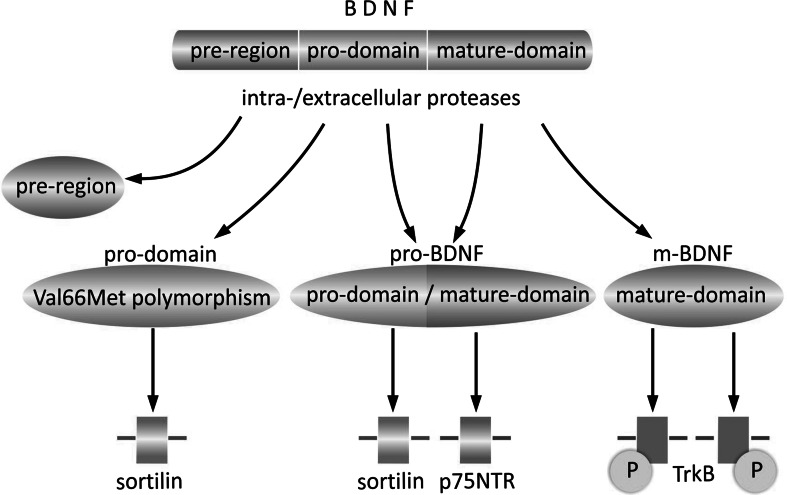
“Apart from the two above-mentioned isoforms, the functioning of BDNF is significantly affected by the single- nucleotide polymorphism of methionine (Met) to valine (Val) substitution at position 66 within the BDNF gene in the pro-domain encoding region (Egan et al. 2003).”
BackgroundInfluentialMore hippocampal neurons in adult mice living in an enriched environment
Kempermann, G., Kuhn, H. G., & Gage, F. H. (1997) · Nature · doi:10.1038/386493a0 · Cited by 3,511
AMPA Receptor Trafficking and Synaptic Plasticity
Malinow, R., & Malenka, R. C. (2002) · Annual Review of Neuroscience · doi:10.1146/annurev.neuro.25.112701.142758 · Cited by 2,588 · cited 2×
“On the contrary, postsynaptic action of NO increases the number of AMPARs, which results in LTP (Malinow and Malenka 2002).”
BackgroundTrk Receptors: Roles in Neuronal Signal Transduction
Huang, E. J., & Reichardt, L. F. (2003) · Annual Review of Biochemistry · doi:10.1146/annurev.biochem.72.121801.161629 · Cited by 2,537 · cited 2×
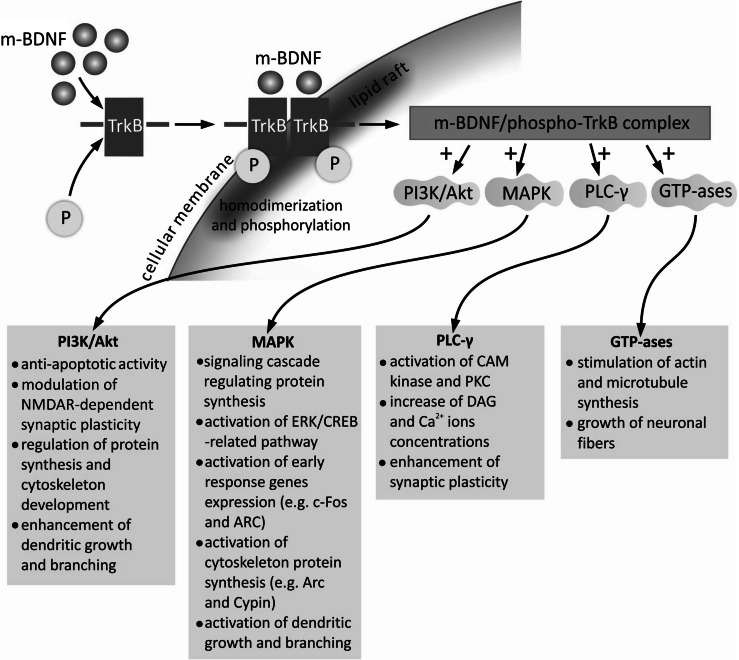
“…66 within the BDNF gene in the pro-domain encoding region 3-kinase (PI3K), mitogen-activated protein kinase (MAPK), phospholipase C-c (PLC-c), and guanosine triphosphate hydrolases (GTP-ases) of the Ras homolog (Rho) gene family (Gonzalez et al. 2016; Huang and Reichardt 2003; Minichiello 2009).”
BackgroundExercise builds brain health: key roles of growth factor cascades and inflammation
Cotman, C. W., Berchtold, N. C., & Christie, L.-A. (2007) · Trends in Neurosciences · doi:10.1016/j.tins.2007.06.011 · Cited by 2,268 · cited 1×
“…interesting issue that remains to be elucidated is the modulating effect of environmental factors and neu- ronal activity on the course of BDNF-regulated neurogenesis, which has been documented in numerous publications (Berchtold et al. 2005; Cotman et al. 2007; Vaynman and Gomez-Pinilla 2005).”
BackgroundNeurotrophin-regulated signalling pathways
Reichardt, L. F. (2006) · Philosophical Transactions of the Royal Society B: Biological Sciences · doi:10.1098/rstb.2006.1894 · Cited by 2,195
Neurotrophin regulation of neural circuit development and function
Park, H., & Poo, M.-M. (2013) · Nature Reviews Neuroscience · doi:10.1038/nrn3379 · Cited by 2,060 · cited 16×
“The BDNF- controlled long-lasting effects of LTP and alterations in the synaptic proteome may result from modulation of micro- RNA (miRNA) expression (Jaitner et al. 2016; Leal et al. 2014; Smalheiser et al. 2010).”
BackgroundInfluential
Cited by
Colucci-D’Amato, L., Speranza, L., & Volpicelli, F. (2020) · International Journal of Molecular Sciences · doi:10.3390/ijms21207777 · Cited by 991
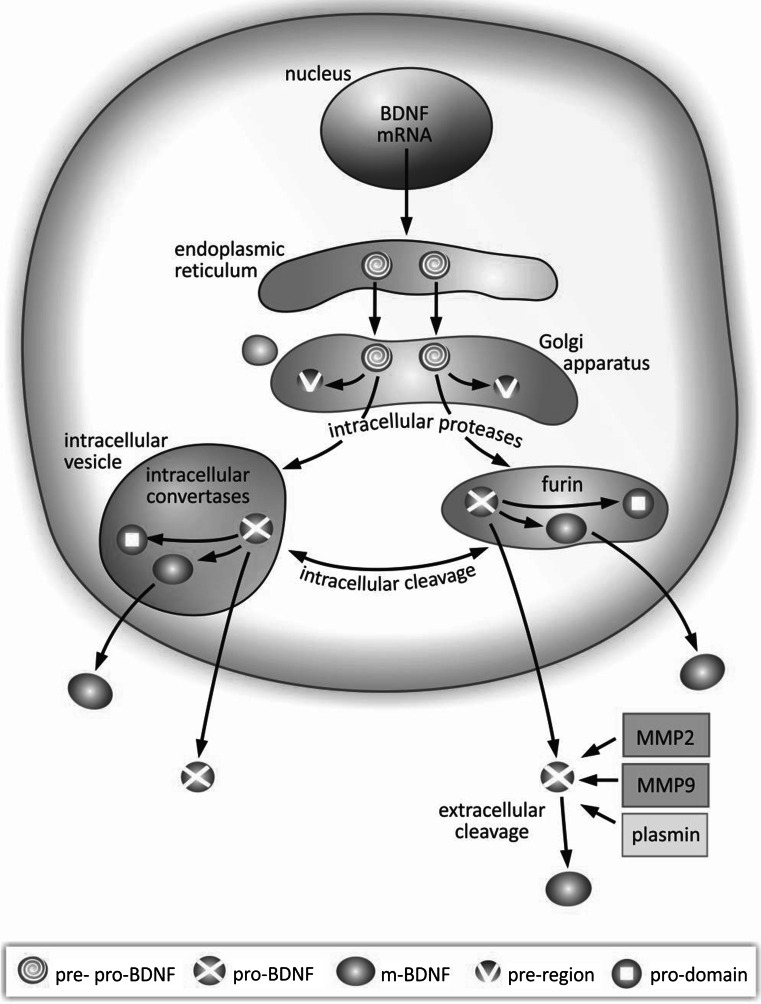
“Intracellular proteolytic cleavage of proBDNF may occur by the subtilisin-kexin family of endoproteases such as furin, or in intracellular vesicles by convertases [69,70] (Figure 1).”
BackgroundBDNF signaling in context: From synaptic regulation to psychiatric disorders
Wang, C. S., Kavalali, E. T., & Monteggia, L. M. (2022) · Cell · doi:10.1016/j.cell.2021.12.003 · Cited by 607
Effect of High-Fat Diets on Oxidative Stress, Cellular Inflammatory Response and Cognitive Function
Tan, B. L., & Norhaizan, M. E. (2019) · Nutrients · doi:10.3390/nu11112579 · Cited by 511
BDNF as a Promising Therapeutic Agent in Parkinson’s Disease
Palasz, E., Wysocka, A., Gasiorowska, A., Chalimoniuk, M., Niewiadomski, W., & Niewiadomska, G. (2020) · International Journal of Molecular Sciences · doi:10.3390/ijms21031170 · Cited by 504
“The broad spectrum of processes controlled by BDNF can be explained by the specificity of its multistage synthesis, progressing through several intermediate biologically active isoforms that bind to different types of receptors, and can trigger several signaling pathways [14].”
BackgroundDominguez, L. J., Veronese, N., Vernuccio, L., Catanese, G., Inzerillo, F., Salemi, G., & Barbagallo, M. (2021) · Nutrients · doi:10.3390/nu13114080 · Cited by 433
“(6) BDNF is involved in synaptic and structural plasticity, learning, and memory, and it has been associated with the pathophysiology and treatment of several neurological diseases [493].”
BackgroundThe potential mechanism of postoperative cognitive dysfunction in older people
Lin, X., Chen, Y., Zhang, P., Chen, G., Zhou, Y., & Yu, X. (2020) · Experimental Gerontology · doi:10.1016/j.exger.2019.110791 · Cited by 320
Neuroinflammation, memory, and depression: new approaches to hippocampal neurogenesis
Wu, A., & Zhang, J. (2023) · Journal of Neuroinflammation · doi:10.1186/s12974-023-02964-x · Cited by 306
“Then, pro-BDNF is further cleaved to form mature BDNF (mBDNF), which has full physiological functions [91].”
BackgroundExercise-Induced Neuroplasticity: A Mechanistic Model and Prospects for Promoting Plasticity
El-Sayes, J., Harasym, D., Turco, C. V., Locke, M. B., & Nelson, A. J. (2019) · The Neuroscientist · doi:10.1177/1073858418771538 · Cited by 302
Sexual dimorphism in predisposition to Alzheimer's disease
Fisher, D. W., Bennett, D. A., & Dong, H. (2018) · Neurobiology of Aging · doi:10.1016/j.neurobiolaging.2018.04.004 · Cited by 270
“The neurotrophin BDNF is an important factor controlling synaptic plasticity in the CNS (Kowia!nski et al., 2017), and many neuropsychiatric diseases have demonstrated changes in BDNF in their pathogenesis or treatment, especially mood disorders (Yeh et al., 2015).”
de Vos, C. M. H., Mason, N. L., & Kuypers, K. P. C. (2021) · Frontiers in Psychiatry · doi:10.3389/fpsyt.2021.724606 · Cited by 269
Mustieles, V., D'Cruz, S. C., Couderq, S., Rodríguez-Carrillo, A., Fini, J.-B., Hofer, T., Steffensen, I.-L., Dirven, H., Barouki, R., Olea, N., et al. (2020) · Environment International · doi:10.1016/j.envint.2020.105811 · Cited by 260
Albert-Gascó, H., Ros-Bernal, F., Castillo-Gómez, E., & Olucha-Bordonau, F. E. (2020) · International Journal of Molecular Sciences · doi:10.3390/ijms21124471 · Cited by 238
Jamwal, S., Blackburn, J. K., & Elsworth, J. D. (2021) · Pharmacology & Therapeutics · doi:10.1016/j.pharmthera.2020.107705 · Cited by 236
“Brain derived neurotrophic factor (BDNF) is involved in learning and memory processes, and in neuronal differentiation, survival and maintenance (Kowiański et al., 2018) and it is activated by PGC1α.”
BackgroundHannan, M. A., Dash, R., Sohag, A. A. M., Haque, M. N., & Moon, I. S. (2020) · Frontiers in Molecular Neuroscience · doi:10.3389/fnmol.2020.00116 · Cited by 211
NLRP1 inflammasome contributes to chronic stress-induced depressive-like behaviors in mice
Song, A.-Q., Gao, B., Fan, J.-J., Zhu, Y.-J., Zhou, J., Wang, Y.-L., Xu, L.-Z., & Wu, W.-N. (2020) · Journal of Neuroinflammation · doi:10.1186/s12974-020-01848-8 · Cited by 204
Zhang, Y., Lu, Q., Ye, Y., Huang, K., Liu, W., Wu, Y., Zhong, X., Li, B., Yu, Z., Travers, B. G., et al. (2021) · Genome Biology · doi:10.1186/s13059-021-02478-w · Cited by 201
The Role of BDNF in the Neuroimmune Axis Regulation of Mood Disorders
Jin, Y., Sun, L. H., Yang, W., Cui, R. J., & Xu, S. B. (2019) · Frontiers in Neurology · doi:10.3389/fneur.2019.00515 · Cited by 198
Sales, A. J., Fogaça, M. V., Sartim, A. G., Pereira, V. S., Wegener, G., Guimarães, F. S., & Joca, S. R. L. (2019) · Molecular Neurobiology · doi:10.1007/s12035-018-1143-4 · Cited by 198
Targeting autophagy, oxidative stress, and ER stress for neurodegenerative disease treatment
Esmaeili, Y., Yarjanli, Z., Pakniya, F., Bidram, E., Łos, M. J., Eshraghi, M., Klionsky, D. J., Ghavami, S., & Zarrabi, A. (2022) · Journal of Controlled Release · doi:10.1016/j.jconrel.2022.03.001 · Cited by 179
Almeida, R. N. D., Galvão, A. C. D. M., da Silva, F. S., Silva, E. A. D. S., Palhano-Fontes, F., Maia-de-Oliveira, J. P., de Araújo, L.-S. B., Lobão-Soares, B., & Galvão-Coelho, N. L. (2019) · Frontiers in Psychology · doi:10.3389/fpsyg.2019.01234 · Cited by 177
Astrocyte morphogenesis is dependent on BDNF signaling via astrocytic TrkB.T1
Holt, L. M., Hernandez, R. D., Pacheco, N. L., Torres Ceja, B., Hossain, M., & Olsen, M. L. (2019) · eLife · doi:10.7554/elife.44667 · Cited by 172
“…mediators, including phosphorylation of CREB, ERK, and Akt (Cunha et al., 2009; Jia et al., 2007; Mamounas et al., 2000), leading to alterations in neuronal cell survival, axonal sprouting, and enhancement or deficits to learning and memory behaviors (for review see Kowiański et al., 2018).”
BackgroundZarneshan, S. N., Fakhri, S., & Khan, H. (2022) · Pharmacological Research · doi:10.1016/j.phrs.2022.106099 · Cited by 172
Molecular mechanisms of exercise contributing to tissue regeneration
Chen, J., Zhou, R., Feng, Y., & Cheng, L. (2022) · Signal Transduction and Targeted Therapy · doi:10.1038/s41392-022-01233-2 · Cited by 167
Roles of myokines in exercise-induced improvement of neuropsychiatric function
Kim, S., Choi, J.-Y., Moon, S., Park, D.-H., Kwak, H.-B., & Kang, J.-H. (2019) · Pflügers Archiv - European Journal of Physiology · doi:10.1007/s00424-019-02253-8 · Cited by 160
Chronic Stress Weakens Connectivity in the Prefrontal Cortex: Architectural and Molecular Changes.
Woo, E., Sansing, L. H., Arnsten, A. F. T., & Datta, D. (2021) · Chronic Stress · doi:10.1177/24705470211029254 · Cited by 159
Innovative Therapy for Alzheimer’s Disease-With Focus on Biodelivery of NGF
Mitra, S., Behbahani, H., & Eriksdotter, M. (2019) · Frontiers in Neuroscience · doi:10.3389/fnins.2019.00038 · Cited by 159
“Moreover, various function of BDNF, neuronal and glial development and control of short- and long-lasting synaptic interactions that influence memory and cognition are included (Sasi et al., 2017; Kowianski et al., 2018).”
BackgroundFlores-Dorantes, M. T., Díaz-López, Y. E., & Gutiérrez-Aguilar, R. (2020) · Frontiers in Neuroscience · doi:10.3389/fnins.2020.00863 · Cited by 156
Exercise mimetics: harnessing the therapeutic effects of physical activity
Gubert, C., & Hannan, A. J. (2021) · Nature Reviews Drug Discovery · doi:10.1038/s41573-021-00217-1 · Cited by 172
Sarcopenia and Cognitive Function: Role of Myokines in Muscle Brain Cross-Talk
Scisciola, L., Fontanella, R. A., Surina, S., Cataldo, V., Paolisso, G., & Barbieri, M. (2021) · Life · doi:10.3390/life11020173 · Cited by 179
“BDNF influences cognitive function activating (Phosphoinositide phospholipase -γ) PLCγ, Phosphoinositide 3-kinase (PI3K), and ERK pathways that together affect synaptic plasticity [91].”
BackgroundThe role of brain derived neurotrophic factor in central nervous system
Li, Y., Li, F., Qin, D., Chen, H., Wang, J., Wang, J., Song, S., Wang, C., Wang, Y., Liu, S., et al. (2022) · Frontiers in Aging Neuroscience · doi:10.3389/fnagi.2022.986443 · Cited by 186
Gundacker, C., Forsthuber, M., Szigeti, T., Kakucs, R., Mustieles, V., Fernandez, M. F., Bengtsen, E., Vogel, U., Hougaard, K. S., & Saber, A. T. (2021) · International Journal of Hygiene and Environmental Health · doi:10.1016/j.ijheh.2021.113855 · Cited by 135
Zebrafish as a model organism for neurodegenerative disease
Chia, K., Klingseisen, A., Sieger, D., & Priller, J. (2022) · Frontiers in Molecular Neuroscience · doi:10.3389/fnmol.2022.940484 · Cited by 158
“Brain-derived neurotrophic factor (BDNF) is a major contributor in neural development including formation, differentiation, and survival of neurons (Cohen-Cory et al., 2010; Kowiański et al., 2018).”
BackgroundAstrocytes and brain-derived neurotrophic factor (BDNF)
Albini, M., Krawczun-Rygmaczewska, A., & Cesca, F. (2023) · Neuroscience Research · doi:10.1016/j.neures.2023.02.001 · Cited by 155
BDNF Impact on Biological Markers of Depression—Role of Physical Exercise and Training
Murawska‐Ciałowicz, E., Wiatr, M., Ciałowicz, M., de Assis, G. G., Borowicz, W., Rocha‐Rodrigues, S., Paprocka‐Borowicz, M., & Marques, A. (2021) · International Journal of Environmental Research and Public Health · doi:10.3390/ijerph18147553 · Cited by 176
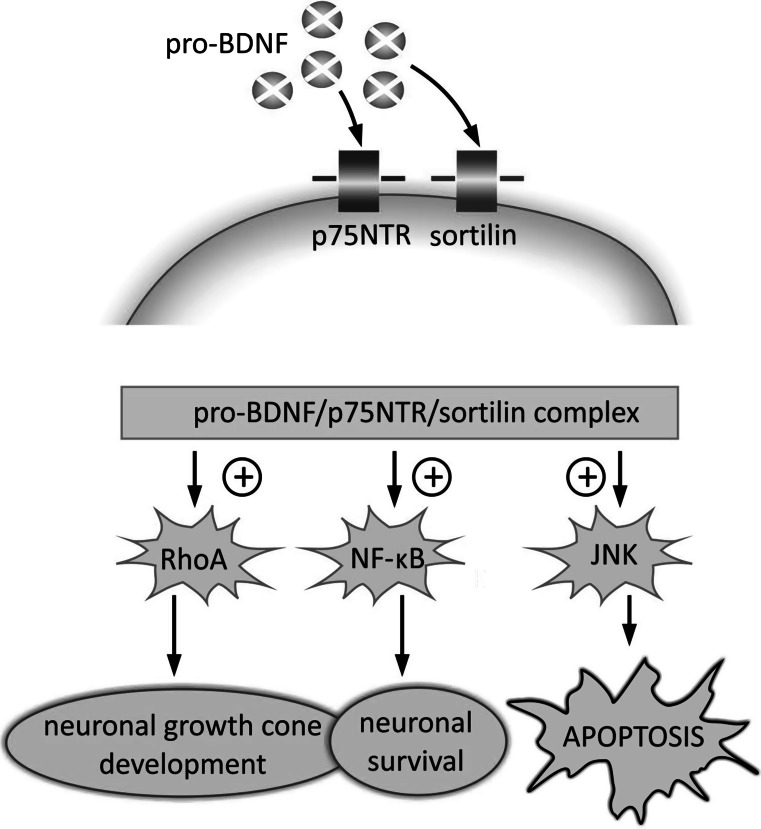
“BDNF has a much greater affinity for the TrkB receptor than pro-BDNF, which, in turn, has a greater affinity for p75NTR [46,47].”
BackgroundHosseini, S. M., Borys, B., & Karimi‐Abdolrezaee, S. (2023) · Brain · doi:10.1093/brain/awad392 · Cited by 144
Tan, C., Lu, N.-N., Wang, C.-K., Chen, D.-Y., Sun, N.-H., Lyu, H., Körbelin, J., Shi, W.-X., Fukunaga, K., Lu, Y.-M., et al. (2019) · Neuron · doi:10.1016/j.neuron.2018.12.036 · Cited by 125
The Role of Altered BDNF/TrkB Signaling in Amyotrophic Lateral Sclerosis
Pradhan, J., Noakes, P. G., & Bellingham, M. C. (2019) · Frontiers in Cellular Neuroscience · doi:10.3389/fncel.2019.00368 · Cited by 146
Stress-primed secretory autophagy promotes extracellular BDNF maturation by enhancing MMP9 secretion
Martinelli, S., Anderzhanova, E. A., Bajaj, T., Wiechmann, S., Dethloff, F., Weckmann, K., Heinz, D. E., Ebert, T., Hartmann, J., Geiger, T. M., et al. (2021) · Nature Communications · doi:10.1038/s41467-021-24810-5 · Cited by 126
Disconnecting multicellular networks in brain tumours
Venkataramani, V., Schneider, M. B., Giordano, F. A., Kuner, T., Wick, W., Herrlinger, U., & Winkler, F. (2022) · Nature reviews. Cancer · doi:10.1038/s41568-022-00475-0 · Cited by 134
Gangliosides: Treatment Avenues in Neurodegenerative Disease
Magistretti, P. J., Geisler, F. H., Schneider, J. S., Li, P. A., Fiumelli, H., & Sipione, S. (2019) · Frontiers in Neurology · doi:10.3389/fneur.2019.00859 · Cited by 126
Ahuja, P., Ng, C. F., Pang, B. P. S., Chan, W. S., Tse, M. C. L., Bi, X., Kwan, H.-L. R., Brobst, D., Herlea-Pana, O., Yang, X., et al. (2022) · Autophagy · doi:10.1080/15548627.2021.1985257 · Cited by 116
The emerging role of the BDNF-TrkB signaling pathway in the modulation of pain perception
Cappoli, N., Tabolacci, E., Aceto, P., & Russo, C. D. (2020) · Journal of Neuroimmunology · doi:10.1016/j.jneuroim.2020.577406 · Cited by 116
Fudalej, E., Justyniarska, M., Kasarełło, K., Dziedziak, J., Szaflik, J. P., & Cudnoch‐Jędrzejewska, A. (2021) · Ophthalmic Research · doi:10.1159/000514441 · Cited by 135
Reckweg, J. T., Uthaug, M. V., Szabo, A., Davis, A. K., Lancelotta, R., Mason, N. L., & Ramaekers, J. G. (2022) · Journal of Neurochemistry · doi:10.1111/jnc.15587 · Cited by 110
Can we ‘seize’ the gut microbiota to treat epilepsy?
De Caro, C., Iannone, L. F., Citraro, R., Striano, P., De Sarro, G., Constanti, A., Cryan, J. F., & Russo, E. (2019) · Neuroscience & Biobehavioral Reviews · doi:10.1016/j.neubiorev.2019.10.002 · Cited by 110
The Role of BDNF as a Biomarker in Cognitive and Sensory Neurodegeneration
Pisani, A., Paciello, F., VECCHIO, V. D., Malesci, R., Corso, E. D., Cantone, E., & Fetoni, A. R. (2023) · Journal of Personalized Medicine · doi:10.3390/jpm13040652 · Cited by 139
“Among all neurotrophins, the alteration of BDNF, one of the most diffuse and extensively studied in the mammalian brain, has been proposed as a biomarker of several neurodegenerative conditions affecting both the peripheral and central nervous system (CNS) [6–8].”
BackgroundInfluentialXiong, H.-Y., Hendrix, J., Schabrun, S. M., Wyns, A., Campenhout, J. V., Nijs, J., & Polli, A. (2024) · Biomolecules · doi:10.3390/biom14010071 · Cited by 130
“Recognized for its robust protective actions promoting brain homeostasis, neuronal survival, synaptogenesis, plasticity, and cognitive function [16,19–21], BDNF exhibits activity throughout all stages of development and aging [22,23].”
BackgroundVinuesa, Á., Pomilio, C. J., Gregosa, A., Bentivegna, M., Presa, J., Bellotto, M., Saravia, F., & Beauquis, J. (2021) · Frontiers in Neuroscience · doi:10.3389/fnins.2021.653651 · Cited by 122
Cellular signaling pathways modulated by low-intensity extracorporeal shock wave therapy
Liu, T., Shindel, A. W., Lin, G., & Lue, T. F. (2019) · International Journal of Impotence Research · doi:10.1038/s41443-019-0113-3 · Cited by 106
Madhu, L. N., Kodali, M., Attaluri, S., Shuai, B., Melissari, L., Rao, X., & Shetty, A. K. (2021) · Redox Biology · doi:10.1016/j.redox.2021.101973 · Cited by 113
Viel, T., Toricelli, M., Pereira, A. R., Souza Abrao, G., Malerba, H., Maia, J., & Buck, H. (2021) · Neural Regeneration Research · doi:10.4103/1673-5374.286952 · Cited by 102
“As discussed above, an increased BDNF level is a sign of neuroprotection, as the activation of tropomyosin receptor kinase B receptors leads to the activation of the PI3K/ Akt neuroprotective antiapoptotic pathway (Kowianski et al., 2018).”
Gao, K., Pi, Y., Mu, C., Farzi, A., Liu, Z., & Zhu, W. (2019) · Journal of Neurochemistry · doi:10.1111/jnc.14709 · Cited by 98
Does Psychedelic Therapy Have a Transdiagnostic Action and Prophylactic Potential?
Kočárová, R., Horáček, J., & Carhart-Harris, R. (2021) · Frontiers in Psychiatry · doi:10.3389/fpsyt.2021.661233 · Cited by 96
Acute tau knockdown in the hippocampus of adult mice causes learning and memory deficits
Velazquez, R., Ferreira, E., Tran, A., Turner, E. C., Belfiore, R., Branca, C., & Oddo, S. (2018) · Aging Cell · doi:10.1111/acel.12775 · Cited by 97
“BDNF is a secreted growth factor that binds to tropomyosin receptor kinase B (TrkB) receptor to initiate trophic retrograde signaling, which is critical for neuronal survival and synaptic plasticity (Kowia nski et al., 2017).”
BackgroundInfluentialTau Reduction Prevents Key Features of Autism in Mouse Models
Tai, C., Chang, C.-W., Yu, G.-Q., Lopez, I., Yu, X., Wang, X., Guo, W., & Mucke, L. (2020) · Neuron · doi:10.1016/j.neuron.2020.01.038 · Cited by 96
“After a 10-min incubation in the HEPES buffer, cultures were exposed to BDNF (100 ng/ mL), insulin (5 μg/mL), or vehicle (water, 1:100) for 10 minutes and then fixed with 4% paraformaldehyde in PBS for 20 minutes at RT, washed with PBS (3 × 5 minutes), permeabilized with 0.25% Triton ×−100 in PBS for 15 minutes, block…”
MethodInfluentialNeuroprotective Properties of Green Tea (Camellia sinensis) in Parkinson’s Disease: A Review
Malar, D. S., Prasanth, M. I., Brimson, J. M., Sharika, R., Sivamaruthi, B. S., Chaiyasut, C., & Tencomnao, T. (2020) · Molecules · doi:10.3390/molecules25173926 · Cited by 107
Effects of nutritional interventions on BDNF concentrations in humans: a systematic review
Gravesteijn, E., Mensink, R. P., & Plat, J. (2021) · Nutritional Neuroscience · doi:10.1080/1028415x.2020.1865758 · Cited by 109
“between precursor BDNF (proBDNF) and mature BDNF (mBDNF; [94]), despite the fact that the two variants are functionally different [2].”
BackgroundSchwitzer, E., Schwab, K. E., Brinkman, L., DeFrancia, L., VanVleet, J., Baqi, E., Aysola, R., & Qadir, N. (2023) · CHEST Critical Care · doi:10.1016/j.chstcc.2023.100003 · Cited by 117
Proteolytic cleavage of proBDNF to mBDNF in neuropsychiatric and neurodegenerative diseases
Wang, M., Xie, Y., & Qin, D. (2020) · Brain Research Bulletin · doi:10.1016/j.brainresbull.2020.11.005 · Cited by 99
Li, C., Sui, C., Wang, W., Yan, J., Deng, N., Du, X., Cheng, F., Ma, X., Wang, X., & Wang, Q. (2021) · Frontiers in Pharmacology · doi:10.3389/fphar.2021.599543 · Cited by 105
“BDNF binding to high-affinity TrkB triggers its dimerization and autophosphorylation of intracellular tyrosine residues, leading to downstream PI3K/Akt signaling activation (Kowianski et al., 2018).”
BackgroundInvestigation of the Molecular Role of Brain-Derived Neurotrophic Factor in Alzheimer’s Disease
Girotra, P., Behl, T., Sehgal, A., Singh, S., & BUNGAU, S. G. (2021) · Journal of Molecular Neuroscience · doi:10.1007/s12031-021-01824-8 · Cited by 92
BDNF Therapeutic Mechanisms in Neuropsychiatric Disorders
Bazzari, A. H., & Bazzari, F. H. (2022) · International Journal of Molecular Sciences · doi:10.3390/ijms23158417 · Cited by 106
“Additional neurophysiological roles for BDNF have been identified, including the modulation of neural activity, synaptic transmission, and plasticity [4] with key roles in cognition [5], sensory function [6,7], motor learning [8], and memory performance [9,10].”
BackgroundEzzdine, L. B., Dhahbi, W., Dergaa, I., Ceylan, H. İ., Guelmami, N., Saad, H. B., Chamari, K., Ștefănică, V., & Omri, A. E. (2025) · Frontiers in Neuroscience · doi:10.3389/fnins.2025.1502417 · Cited by 121
“…et al., 2016) BDNF promotes neuronal survival, growth, and synaptic plasticity, with effects lasting up to 24 h post-exercise (Sleiman et al., 2016; Kowianski et al., 2018) Consistent PA enhances baseline BDNF levels by 20–30% after 12 weeks (Sleiman et al., 2016; Kowianski et al., 2018) Nerve…”
InfluentialSteliga, A., Kowiański, P., Czuba, E., Waśkow, M., Moryś, J., & Lietzau, G. (2019) · Translational Stroke Research · doi:10.1007/s12975-019-00744-5 · Cited by 95
“Apart from neurons, it is also detected in astrocytes and microglial and ependymal cells, as well as in the endothelial cells of cerebral vessels, which reflects its important regulatory function [204, 205].”
BackgroundSelf-citationIn Pursuit of Healthy Aging: Effects of Nutrition on Brain Function
Melzer, T. M., Manosso, L. M., Yau, S.-Y., Gil-Mohapel, J., & Brocardo, P. S. (2021) · International Journal of Molecular Sciences · doi:10.3390/ijms22095026 · Cited by 83
“Moreover, BDNF is associated with the pathophysiology and treatment of several neurological diseases [115,116].”
BackgroundSweet but Bitter: Focus on Fructose Impact on Brain Function in Rodent Models
Spagnuolo, M. S., Iossa, S., & Cigliano, L. (2020) · Nutrients · doi:10.3390/nu13010001 · Cited by 94
“Similar results were obtained by measuring BDNF, another marker of synaptic plasticity that is critical for the positive regulation of hippocampal functions [101].”
ResultEmili, M., Guidi, S., Uguagliati, B., Giacomini, A., Bartesaghi, R., & Stagni, F. (2020) · Critical Reviews in Food Science and Nutrition · doi:10.1080/10408398.2020.1810625 · Cited by 86
Seidler, K., & Barrow, M. (2021) · Frontiers in Neuroendocrinology · doi:10.1016/j.yfrne.2021.100971 · Cited by 97
Behavior-related gene regulatory networks: A new level of organization in the brain
Sinha, S., Jones, B. M., Traniello, I. M., Bukhari, S. A., Halfon, M. S., Hofmann, H. A., Huang, S., Katz, P. S., Keagy, J., Lynch, V. J., et al. (2020) · Proceedings of the National Academy of Sciences · doi:10.1073/pnas.1921625117 · Cited by 85
Liu, X.-Q., Huang, J., Song, C., Zhang, T., Liu, Y., & Yu, L. S. (2023) · Human & Experimental Toxicology · doi:10.1177/09603271231191436 · Cited by 99
Effect of Various Exercise Regimens on Selected Exercise-Induced Cytokines in Healthy People
Domin, R., Dadej, D., Pytka, M., Zybek-Kocik, A., Ruchała, M., & Guzik, P. (2021) · International Journal of Environmental Research and Public Health · doi:10.3390/ijerph18031261 · Cited by 79
“, processes critical for memory and cognition [52].”
BackgroundCrispino, M., Trinchese, G., Penna, E., Cimmino, F., Catapano, A., Villano, I., Perrone‐Capano, C., & Mollica, M. P. (2020) · International Journal of Molecular Sciences · doi:10.3390/ijms21175964 · Cited by 87
“This neurotrophin plays a key role in the physiology and pathology of the brain [91], and it is involved in different aspects of neuronal plasticity, such as synaptogenesis, dendritic growth and branching, and modulation of excitatory and inhibitory neurotransmission [92,93].”
BackgroundSocial isolation in rats: effects on animal welfare and molecular markers for neuroplasticity
Begni, V., Sanson, A., Pfeiffer, N., Brandwein, C., Inta, D., Talbot, S. R., Riva, M. A., Gass, P., & Mallien, A. S. (2020) · PLOS ONE · doi:10.1371/journal.pone.0240439 · Cited by 78
“Bdnf is an important player for neuronal development and function, neuroprotection and neuronal plasticity [68, 69].”
BackgroundEffects of propofol on ischemia-reperfusion and traumatic brain injury
Hausburg, M. A., Banton, K. L., Roman, P. E., Salgado, F., Baek, P., Waxman, M., Tanner, A. H., Yoder, J., & Bar‐Or, D. (2019) · Journal of Critical Care · doi:10.1016/j.jcrc.2019.12.021 · Cited by 85
Role of neurotrophins in pregnancy and offspring brain development
Sahay, A. S., Kale, A. A., & Joshi, S. (2020) · Neuropeptides · doi:10.1016/j.npep.2020.102075 · Cited by 86
The Role of Neurotrophin Signaling in Age-Related Cognitive Decline and Cognitive Diseases
Numakawa, T., & Odaka, H. (2022) · International Journal of Molecular Sciences · doi:10.3390/ijms23147726 · Cited by 107
The Role of BDNF in Multiple Sclerosis Neuroinflammation
Nociti, V., & Romozzi, M. (2023) · International Journal of Molecular Sciences · doi:10.3390/ijms24098447 · Cited by 84
Gabrych, D. R., Lau, V. Z., Niwa, S., & Silverman, M. A. (2019) · Frontiers in Cellular Neuroscience · doi:10.3389/fncel.2019.00419 · Cited by 81
High Fat Rodent Models of Type 2 Diabetes: From Rodent to Human
Stott, N. L., & Marino, J. S. (2020) · Nutrients · doi:10.3390/nu12123650 · Cited by 87
Yang, A. J. T., Bagit, A., & MacPherson, R. E. K. (2021) · International Journal of Molecular Sciences · doi:10.3390/ijms22094628 · Cited by 83
Liu, J., Liu, B., Yuan, P., Cheng, L., Sun, H. B., Gui, J., Pan, Y., Huang, D., Chen, H., & Jiang, L. (2021) · Ecotoxicology and Environmental Safety · doi:10.1016/j.ecoenv.2021.112005 · Cited by 77
Hrelia, P., Sita, G., Ziche, M., Ristori, E., Marino, A., Cordaro, M., Molteni, R., Spero, V., Malaguti, M., Morroni, F., et al. (2020) · Oxidative Medicine and Cellular Longevity · doi:10.1155/2020/8363245 · Cited by 75
“Specifically, Cortese et al. exposed aged rats to E. coli i.p. administration to induce a peripheral inflammatory response finding reduced levels of mature BDNF and TrkB activation in comparison to aged rats treated with vehicle as well as to young rats exposed to E. coli [157].”
BackgroundInfluentialThe Impact of Physical Exercise on the Circulating Levels of BDNF and NT 4/5: A Review
Ribeiro, D., Petrigna, L., Pereira, F. C., Muscella, A., Bianco, A., & Tavares, P. (2021) · International Journal of Molecular Sciences · doi:10.3390/ijms22168814 · Cited by 93
“Synthesis and maturation of BDNF consists of a multistage process, involving the sequential formation of numerous precursor isoforms [98].”
BackgroundInfluentialEmerging Roles of Astrocyte Kir4.1 Channels in the Pathogenesis and Treatment of Brain Diseases
Ohno, Y., Kunisawa, N., & Shimizu, S. (2021) · International Journal of Molecular Sciences · doi:10.3390/ijms221910236 · Cited by 86
Advances in polysaccharides of natural source of the anti-Alzheimer's disease effect and mechanism
Zhang, Z., Wang, S., Tan, H., Yang, P., Li, Y., Xu, L., Duan, B., & Liu, Y. (2022) · Carbohydrate Polymers · doi:10.1016/j.carbpol.2022.119961 · Cited by 76
Liu, J., Chen, Y., Yang, J., Song, X., Han, W., Xie, M., Cheng, L., Xie, L., Chen, H., & Jiang, L. (2019) · Brain and Behavior · doi:10.1002/brb3.1453 · Cited by 70
Clayton, D. F., Anreiter, I., Aristizabal, M., Frankland, P. W., Binder, E. B., & Citri, A. (2020) · Proceedings of the National Academy of Sciences · doi:10.1073/pnas.1820837116 · Cited by 56
Miyazaki, S., Iino, N., Koda, R., Narita, I., & Kaneko, Y. (2020) · Geriatrics and gerontology international/Geriatrics & gerontology international · doi:10.1111/ggi.14089 · Cited by 75
Arora, S., Kanekiyo, T., & Singh, J. (2022) · International Journal of Biological Macromolecules · doi:10.1016/j.ijbiomac.2022.03.203 · Cited by 67
Physiological significance of elevated levels of lactate by exercise training in the brain and body
Lee, S., Choi, Y., Jeong, E., Park, J., Kim, J., Tanaka, M., & Choi, J. (2023) · Journal of Bioscience and Bioengineering · doi:10.1016/j.jbiosc.2022.12.001 · Cited by 67
Coelho-Júnior, H. J., Oliveira Gonçalves, I. D., Sampaio, R. A. C., Sampaio, P. Y. S., Lusa Cadore, E., Calvani, R., Picca, A., Izquierdo, M., Marzetti, E., & Uchida, M. C. (2020) · International Journal of Environmental Research and Public Health · doi:10.3390/ijerph17103435 · Cited by 64
“It may be hypothesized that factors other than RT prescription, such as specific comorbidities, lifestyle habits, and even genetic variations may be associated with changes in systemic BDNF levels after RT [73].”
BackgroundProwse, N. A., & Hayley, S. P. (2021) · Neuroscience & Biobehavioral Reviews · doi:10.1016/j.neubiorev.2021.09.018 · Cited by 78
BDNF and its signaling in cancer
Malekan, M., Nezamabadi, S. S., Samami, E., Mohebalizadeh, M., Saghazadeh, A., & Rezaei, N. (2022) · Journal of Cancer Research and Clinical Oncology · doi:10.1007/s00432-022-04365-8 · Cited by 77
Protective effect of BMSCs-derived exosomes mediated by BDNF on TBI via miR-216a-5p
Xu, H., Jia, Z., Ma, K., Zhang, J., Dai, C., Yao, Z., Deng, W., Su, J., Wang, R., & Chen, X. (2020) · Medical Science Monitor · doi:10.12659/msm.920855 · Cited by 67
Platelets Selectively Regulate the Release of BDNF, But Not That of Its Precursor Protein, proBDNF
Blanc, J. L., Fleury, S., Boukhatem, I., Bélanger, J.-C., Welman, M., & Lordkipanidzé, M. (2020) · Frontiers in Immunology · doi:10.3389/fimmu.2020.575607 · Cited by 78
Chronic Pain and Psychiatric Conditions
Johnston, K. J. A., & Huckins, L. M. (2022) · Complex Psychiatry · doi:10.1159/000527041 · Cited by 88
“BDNF is also involved in neuroglial proliferation in response to injury and as part of normal development [216, 219, 221].”
BackgroundThe impact of BDNF Val66Met polymorphism on cognition in Bipolar Disorder: A review
Mandolini, G. M., Lazzaretti, M., Pigoni, A., Delvecchio, G., Soares, J. C., & Brambilla, P. (2019) · Journal of Affective Disorders · doi:10.1016/j.jad.2018.07.054 · Cited by 64
See, W. Z. C., Naidu, R., & Tang, K. S. (2022) · Molecular Neurobiology · doi:10.1007/s12035-022-02799-2 · Cited by 86
“Mature BDNF has been known to augment neuronal synaptogenesis and dendritogenesis and to improve synaptic plasticity upon binding with TrkB receptors, resulting in neuronal development and survival [94].”
BackgroundIrisin: A Multifaceted Hormone Bridging Exercise and Disease Pathophysiology
Paoletti, I., & Coccurello, R. (2024) · International Journal of Molecular Sciences · doi:10.3390/ijms252413480 · Cited by 90
Dou, S.-H., Cui, Y., Huang, S.-M., & Zhang, B. (2022) · Frontiers in Human Neuroscience · doi:10.3389/fnhum.2022.924155 · Cited by 71
Metadata
- Authors
- Kowiański, P., Lietzau, G., Czuba, E., Waśkow, M., Steliga, A., & Moryś, J.
- Affiliations
- Uniwersytet Pomorski w Słupsku (PL)
- Gdańsk Medical University (PL)
- Corresponding author
- Kowiański, Przemysław
- ORCID
- Venue
- Cellular and Molecular Neurobiology
- Published
- 2017-06-16
- Volume
- 38
- Issue
- 3
- Pages
- 579-593
- ISSN
- 0272-4340 (ISSN-L)
- 1573-6830
- PMC
- PMC5835061
- OpenAlex
- W2624853583
- Cited by
- 1,359
- References
- 151
- Citations by year
- 2026: 122 · 2025: 200 · 2024: 181 · 2023: 190 · 2022: 203 · 2021: 189 · 2020: 152 · 2019: 84 · 2018: 34 · 2017: 3
- FWCI
- 9.16
- Type
- journal article
- Language
- en
- Open access
- hybrid
- doi.org
- Locations
- Cellular and Molecular Neurobiology (publishedVersion, cc-by)
- PubMed Central (publishedVersion, cc-by)
- PubMed (publishedVersion)
- Topics
- Life Sciences › Neuroscience › Cellular and Molecular Neuroscience › Nerve injury and regeneration
- Life Sciences › Neuroscience › Cellular and Molecular Neuroscience › Neuroscience and Neuropharmacology Research
- Life Sciences › Neuroscience › Developmental Neuroscience › Neurogenesis and neuroplasticity mechanisms
- Keywords
- brain-derived neurotrophic factor, neurotrophins, BDNF isoforms, BDNF receptor, synaptic plasticity, neurogenesis, gliogenesis, neuroprotection, signal transduction, memory, brain development
- MeSH terms
- Animals, Brain, Humans, Neuronal Plasticity, Synapses, Signal Transduction, Brain-Derived Neurotrophic Factor, Receptor, trkB
About these checks
Registry, retraction, Cites and statistics results are computed, not judged, with one exception: a printed reference that no index lists is read once by a model before it counts as a citation error. Claims are extracted by a model and kept only when their quote appears verbatim in the text; each cited source is then checked, with a model’s help, for whether it says what the claim relies on. Those verdicts can be wrong — read the claim’s quote and the cited source before relying on one.
Statistics and arithmetic are recomputed, not judged.
Confidence bands are shown only for fields calibrated on our annotated test set. None is calibrated yet, so no band is shown.
What counts as a claim ›How we measure confidence ›How we check this ›
Are you an author, or do you see a problem with this page? Request a review
Data sources
Bibliographic data: Semantic Scholar, OpenAlex, Crossref.
Contains information from the Semantic Scholar Academic Graph Datasets, made available under the ODC Attribution License (ODC-BY 1.0).
Semantic Scholar’s data is described in: Kinney, R., et al. (2023). The Semantic Scholar Open Data Platform. arXiv:2301.10140.
