

BDNF: A Key Factor with Multipotent Impact on Brain Signaling and Synaptic Plasticity
Open accessThe DOI matches its Crossref record; 151 of the 151 references it cites were found in a registry or an index.
Abstract
Brain-derived neurotrophic factor (BDNF) is one of the most widely distributed and extensively studied neurotrophins in the mammalian brain. Among its prominent functions, one can mention control of neuronal and glial development, neuroprotection, and modulation of both short- and long-lasting synaptic interactions, which are critical for cognition and memory. A wide spectrum of processes are controlled by BDNF, and the sometimes contradictory effects of its action can be explained based on its specific pattern of synthesis, comprising several intermediate biologically active isoforms that bind to different types of receptor, triggering several signaling pathways. The functions of BDNF must be discussed in close relation to the stage of brain development, the different cellular components of nervous tissue, as well as the molecular mechanisms of signal transduction activated under physiological and pathological conditions. In this review, we briefly summarize the current state of knowledge regarding the impact of BDNF on regulation of neurophysiological processes. The importance of BDNF for future studies aimed at disclosing mechanisms of activation of signaling pathways, neuro- and gliogenesis, as well as synaptic plasticity is highlighted.
Overview
The claims and statistics of this paper haven’t been checked yet.
Free: it reads the open-access text and checks the first 5 claims that cite a source we can check. Create a free account to check every claim.
Integrity signals
Registry
Cites
Statistics
Figures
Verification
Claims the paper makes
The claims and statistics of this paper haven’t been checked yet.
Free: it reads the open-access text and checks the first 5 claims that cite a source we can check. Create a free account to check every claim.
Claims other papers make about this one
Each is checked against this paper’s own text: does it say what the citing paper says it does?
The cited source says what the claim attributes to it.
In the citing paper
“BDNF is involved in multiple levels of neuroplasticity like synaptic modulation, adult neurogenesis, and dendritic growth (29–32).”
From Psychedelics and Neuroplasticity: A Systematic Review Unraveling the Biological Underpinnings of Psychedelics. (2021) · cites this paper as [32]
In the citing paper
“Developmental processes invoked by bGRNs provide a way for environmental changes to impact brain morphology and NNs (71), which in turn bear upon future behavior.”
From Behavior-related gene regulatory networks: A new level of organization in the brain (2020) · cites this paper as [71]
Self-check
Percentages, sums and reported differences re-computed from the paper’s own numbers.
The self-check needs the paper’s full text.
Citations
Cites
Requirement of hippocampal neurogenesis for the behavioral effects of antidepressants
Santarelli, L., Saxe, M., Gross, C., Surget, A., Battaglia, F., Dulawa, S., Weisstaub, N., Lee, J., Duman, R., Arancio, O., et al. (2003) · Science · doi:10.1126/science.1083328 · Cited by 4,321 · cited 1×
“…in neuronal proliferation has been reported after administration of serotonin agonists of several receptors, e.g., 5-HT1A (Banasr et al. 2004; San- tarelli et al. 2003), 5-HT2B (Diaz et al. 2012), and 5-HT4 (Mendez-David et al. 2014), which may be related to their binding to the BDNF/TrkB…”
BackgroundDomingos da Silveira da Luz, A. C., Pereira Dias, G., do Nascimento Bevilaqua, M. C., Cocks, G., Gardino, P. F., Thuret, S., & Nardi, A. E. (2013) · Neuropsychobiology · doi:10.1159/000353269 · Cited by 3,995
The molecular biology of memory storage: a dialogue between genes and synapses
Kandel, E. R. (2001) · Science · doi:10.1126/science.1067020 · Cited by 3,917
Egan, M. F., Kojima, M., Callicott, J. H., Goldberg, T. E., Kolachana, B. S., Bertolino, A., Zaitsev, E., Gold, B., Goldman, D., Dean, M., et al. (2003) · Cell · doi:10.1016/s0092-8674(03)00035-7 · Cited by 3,888 · cited 4×
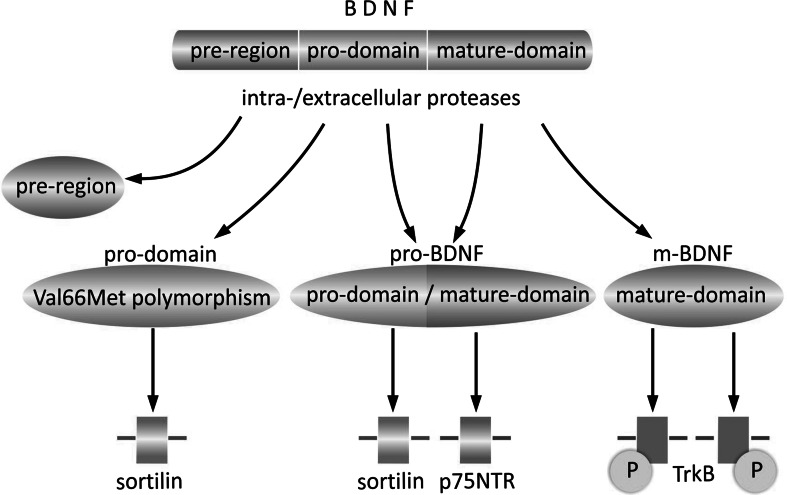
“Apart from the two above-mentioned isoforms, the functioning of BDNF is significantly affected by the single- nucleotide polymorphism of methionine (Met) to valine (Val) substitution at position 66 within the BDNF gene in the pro-domain encoding region (Egan et al. 2003).”
BackgroundInfluentialMore hippocampal neurons in adult mice living in an enriched environment
Kempermann, G., Kuhn, H. G., & Gage, F. H. (1997) · Nature · doi:10.1038/386493a0 · Cited by 3,511
AMPA Receptor Trafficking and Synaptic Plasticity
Malinow, R., & Malenka, R. C. (2002) · Annual Review of Neuroscience · doi:10.1146/annurev.neuro.25.112701.142758 · Cited by 2,588 · cited 2×
“On the contrary, postsynaptic action of NO increases the number of AMPARs, which results in LTP (Malinow and Malenka 2002).”
BackgroundTrk Receptors: Roles in Neuronal Signal Transduction
Huang, E. J., & Reichardt, L. F. (2003) · Annual Review of Biochemistry · doi:10.1146/annurev.biochem.72.121801.161629 · Cited by 2,537 · cited 2×
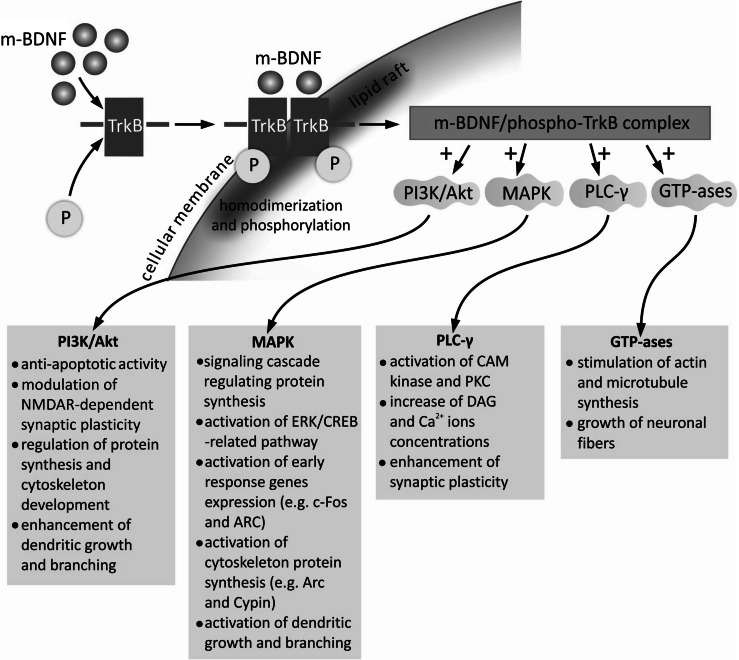
“…66 within the BDNF gene in the pro-domain encoding region 3-kinase (PI3K), mitogen-activated protein kinase (MAPK), phospholipase C-c (PLC-c), and guanosine triphosphate hydrolases (GTP-ases) of the Ras homolog (Rho) gene family (Gonzalez et al. 2016; Huang and Reichardt 2003; Minichiello 2009).”
BackgroundExercise builds brain health: key roles of growth factor cascades and inflammation
Cotman, C. W., Berchtold, N. C., & Christie, L.-A. (2007) · Trends in Neurosciences · doi:10.1016/j.tins.2007.06.011 · Cited by 2,268 · cited 1×
“…interesting issue that remains to be elucidated is the modulating effect of environmental factors and neu- ronal activity on the course of BDNF-regulated neurogenesis, which has been documented in numerous publications (Berchtold et al. 2005; Cotman et al. 2007; Vaynman and Gomez-Pinilla 2005).”
BackgroundNeurotrophin-regulated signalling pathways
Reichardt, L. F. (2006) · Philosophical Transactions of the Royal Society B: Biological Sciences · doi:10.1098/rstb.2006.1894 · Cited by 2,195
Neurotrophin regulation of neural circuit development and function
Park, H., & Poo, M.-M. (2013) · Nature Reviews Neuroscience · doi:10.1038/nrn3379 · Cited by 2,060 · cited 16×
“The BDNF- controlled long-lasting effects of LTP and alterations in the synaptic proteome may result from modulation of micro- RNA (miRNA) expression (Jaitner et al. 2016; Leal et al. 2014; Smalheiser et al. 2010).”
BackgroundInfluential
Cited by
Items 501–600 of 1,000
Ye, Y., Yan, X., Wang, L., Xu, J., & Li, T. (2023) · Neuroscience Letters · doi:10.1016/j.neulet.2023.137320 · Cited by 18
Anyachor, C. P., Orish, C. N., Ezejiofor, A. N., Ćirović, A., Ćirović, A., Ezealisiji, K. M., & Orisakwe, O. E. (2023) · Current Research in Toxicology · doi:10.1016/j.crtox.2023.100129 · Cited by 19
“, 2018) and the modulation of synaptic interactions and neuroimmune axis regulation (Kowiański et al., 2018).”
Protective Role of Electroacupuncture Against Cognitive Impairment in Neurological Diseases
Xin, Y., Zhou, S., Chu, T., Zhou, Y., & Xu, A. (2024) · Current Neuropharmacology · doi:10.2174/1570159x22999240209102116 · Cited by 19
Rajamanickam, G., Lee, A. T.-H., & Liao, P. (2024) · Neurochemical Research · doi:10.1007/s11064-024-04175-z · Cited by 19
Seasonal Hormone Fluctuations and Song Structure of Birds
Gahr, M. L. (2020) · Animal signals and communication · doi:10.1007/978-3-030-39200-0_7 · Cited by 18
Faye, P.-A., Védrenne, N., Miressi, F., Rassat, M., Romanenko, S., Richard, L., Bourthoumieu, S., Funalot, B., Sturtz, F. G., Favreau, F. D., et al. (2020) · Brain Sciences · doi:10.3390/brainsci10070407 · Cited by 19
“To increase the MN differentiation rate, we tried other factors, in addition to RA and Shh, such as Noggin, dorsomorphine, BDNF, IGF-1, GDNF, SB431542, and Y-27632, with the aim to activate different pathways involved in differentiation, as described in Figure 3.”
BackgroundInfluentialMicroglia, synaptic dynamics and forgetting
Wang, C., Wang, L., & Gu, Y. (2021) · Brain Research Bulletin · doi:10.1016/j.brainresbull.2021.06.005 · Cited by 20
The neuroprotective roles of Dietary Micronutrients on Parkinson’s disease: a review
Rahimmi, A., Tozandehjani, S., Daraei, M., & Khademerfan, M. (2022) · Molecular Biology Reports · doi:10.1007/s11033-022-07345-w · Cited by 18
“BDNF has significant roles in growth, differentiation, and survival of certain neurons in the central nervous system and the peripheral nervous system (11).”
BackgroundNatural Psychoplastogens As Antidepressant Agents
Benko, J., & Vranková, S. (2020) · Molecules · doi:10.3390/molecules25051172 · Cited by 19
“, phosphorylation, nitrosylation) of existing synaptic proteins, while the latter is characterized by expression of new synaptic proteins at both pre- and post-synaptic membranes [24,25].”
BackgroundDriesche, S. J. V., Sawicka, K., Zhang, C., Hung, K. Y. S., Park, C. Y., Fak, J. J., Yang, C., Darnell, R. B., & Darnell, J. C. (2019) · bioRxiv (Cold Spring Harbor Laboratory) · doi:10.1101/762500 · Cited by 17
Unraveling the AKT/ERK cascade and its role in Parkinson disease
Keshri, P. K., & Singh, S. P. (2024) · Archives of Toxicology · doi:10.1007/s00204-024-03829-9 · Cited by 21
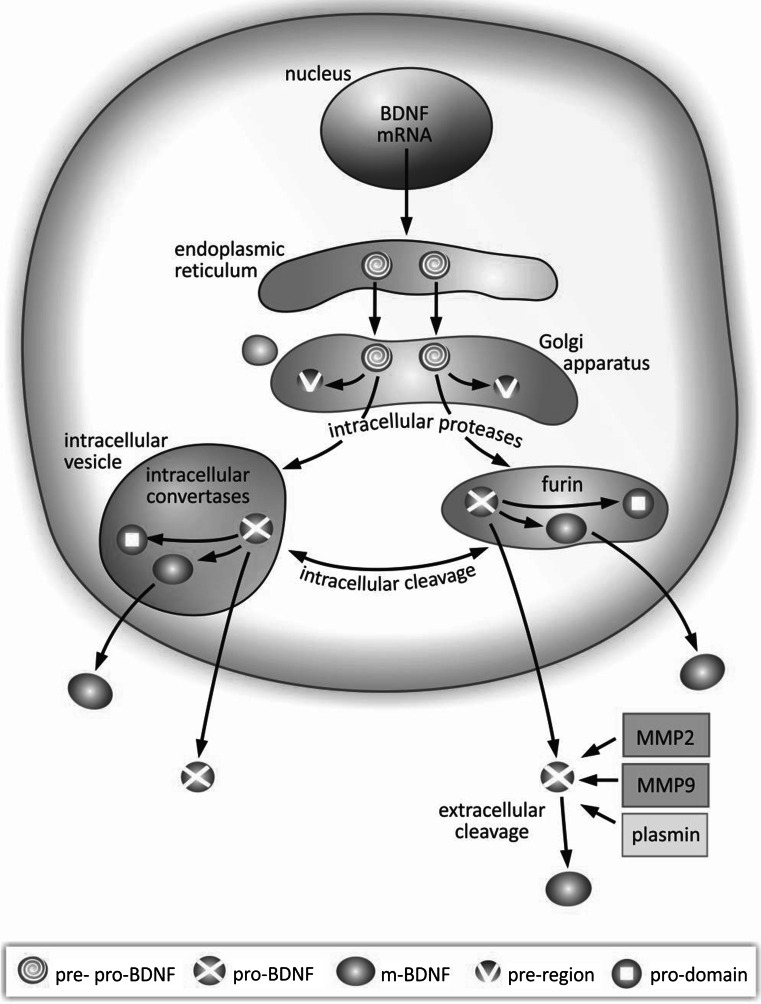
“Within the Golgi apparatus, the pre-region sequence is cleaved, leading to the generation of the proform, which matures either in the trans-Golgi network or within intracellular vesicles (Franco et al. 2020; Kowiański et al. 2018).”
Abdelaziz, H. A., Hamed, M. F., Ghoniem, H. A., Nader, M. A., & Suddek, G. M. (2025) · Journal of Neuroimmune Pharmacology · doi:10.1007/s11481-024-10162-6 · Cited by 18
Mohandas, K., Rishikesh, R., Balan, Y. M., Deepti, A., Hosseini, S., Körte, M., & Sasidharan, B. C. P. (2025) · Molecular Neurobiology · doi:10.1007/s12035-025-05238-0 · Cited by 19
Deland, L., Keane, S., Bontell, T. O., Sjögren, H., Fagman, H., Øra, I., Cuesta, E. A. D. L., Tisell, M., Nilsson, J. A., Ejeskär, K., et al. (2021) · Cancer Biology & Therapy · doi:10.1080/15384047.2021.1899573 · Cited by 18
Tan, Z., Qiu, J. Y., Zhang, Y., Yang, Q., Yin, X., Li, J., Liu, G., Li, H., & Yang, G. (2021) · Frontiers in Neuroscience · doi:10.3389/fnins.2021.646537 · Cited by 16
Carotenoids from Marine Sources as a New Approach in Neuroplasticity Enhancement
Pietrasik, S., Cichoń, N., Bijak, M., Gorniak, L., & Saluk, J. (2022) · International Journal of Molecular Sciences · doi:10.3390/ijms23041990 · Cited by 16
Brain-derived Neurotrophic Factor and Its Applications through Nanosystem Delivery.
Xia, M., Zhao, T., Wang, X., Yang, L., Li, Y., Zheng, T., Li, J., Yu, F., Wei, Y., & Sun, P. (2021) · PubMed Central · doi:10.22037/ijpr.2021.115705.15484 · Cited by 22
Bosco, G., Giacon, T. A., Paolocci, N., Vezzoli, A., Noce, C. D., Paganini, M., Agrimi, J., Garetto, G., Cialoni, D., D’Alessandro, N., et al. (2022) · European Journal of Applied Physiology · doi:10.1007/s00421-022-05055-6 · Cited by 21
“BDNF is essential for the survival and differentiation of neurons in the peripheral and central nervous systems (CNS) (Binder et al. 2004; Kowianski et al. 2018).”
BackgroundInfluentialSerrao, J. M., & Goodchild, C. S. (2022) · BMC Anesthesiology · doi:10.1186/s12871-022-01940-x · Cited by 20
“PXR activation causes effects on the regulation and secretion of a signal trophic factor involved in neurogenesis and synaptogenesis; brain derived neurotrophic factor (BDNF) [8].”
BackgroundRequena-Ocaña, N., Araos, P. F., Serrano-Castro, P. J., Flores-López, M., García‐Marchena, N., Oliver‐Martos, B., Ruiz, J. J., Gavito, A., Pavón, F. J., Serrano, A., et al. (2023) · International Journal of Molecular Sciences · doi:10.3390/ijms24021183 · Cited by 19
“In addition, Brain-Derived Neurotrophic factor (BDNF), a member of the neurotrophin family of growth factors, participates in the maintenance and growth of neurons through synaptogenesis, neurogenesis, gliogenesis, and axodendritic arborization, among others [42].”
BackgroundAstrocyte-Neuronal Communication and Its Role in Stroke
Yao, Z., Sun, X., Huang, J., Chen, L., & Dong, S. (2023) · Neurochemical Research · doi:10.1007/s11064-023-03966-0 · Cited by 20
“TrkB can additonally activate its downstream classical signaling pathway, such as PI3K/AKT and MAPK, and promote neuronal survival [96].”
BackgroundAhad, M. A., Chear, N. J., Keat, L. G., Has, A. T. C., Murugaiyah, V., & Hassan, Z. (2023) · Ageing Research Reviews · doi:10.1016/j.arr.2023.101990 · Cited by 19
Farmer, A. L., & Lewis, M. H. (2023) · Neuroscience & Biobehavioral Reviews · doi:10.1016/j.neubiorev.2023.105291 · Cited by 18
Zeng, C., & Tsai, H. (2023) · International Journal of Molecular Sciences · doi:10.3390/ijms241813938 · Cited by 17
Keeler, J. L., Bahnsen, K., Wronski, M., Bernardoni, F., Tam, F. I., Arold, D., King, J. A., Kolb, T., Poitz, D. M., Roessner, V., et al. (2024) · Psychological Medicine · doi:10.1017/s0033291724000394 · Cited by 20
He, W.-L., Chang, F.-X., Wang, T., Sun, B.-X., Chen, R., & Zhao, L.-P. (2024) · PLoS ONE · doi:10.1371/journal.pone.0297785 · Cited by 20
“The Hippocampal perhaps regulates BDNF to provide neuroprotection and control of synaptic interactions [53–56].”
BackgroundZhang, Z., He, Z., Pan, J., Yuan, M., Lang, Y., Wei, X., & Zhang, C. (2024) · Frontiers in Endocrinology · doi:10.3389/fendo.2024.1384159 · Cited by 19
Feltham, B. A., Louis, X. L., Eskin, M., & Suh, M. (2019) · Advances in Nutrition · doi:10.1093/advances/nmz135 · Cited by 24
“This timing is of vital importance, and exposure to toxins or stress during gastrulation and neurulation could influence the expression of these neurotrophins in a timing-dependent manner (20, 43, 45).”
BackgroundInfluentialSteardo, L., Manchia, M., Carpiniello, B., Pisanu, C., Steardo, L., & Squassina, A. (2020) · Expert Review of Molecular Diagnostics · doi:10.1080/14737159.2020.1727743 · Cited by 16
Сергеевна, К. П., Rubina, K. A., Sysoeva, V., & Semina, E. V. (2020) · Biomedicines · doi:10.3390/biomedicines8030049 · Cited by 21
“In adults, BDNF is expressed ubiquitously throughout the brain [38].”
BackgroundGrigoruţă, M., Dagda, R. K., Díaz‐Sánchez, Á. G., & Martínez-Martínez, A. (2020) · Scientific Reports · doi:10.1038/s41598-020-66745-9 · Cited by 17
Brain Long Noncoding RNAs: Multitask Regulators of Neuronal Differentiation and Function
Keihani, S., Kluever, V., & Fornasiero, E. F. (2021) · Molecules · doi:10.3390/molecules26133951 · Cited by 19
PTSD as an Endothelial Disease: Insights From COVID-19
Sfera, A., Osorio, C. P., Rahman, L., del Campo, C. M. Z.-M., Maldonado, J. C., Jafri, N., Cummings, M. A., Maurer, S., & Kozlakidis, Z. (2021) · Frontiers in Cellular Neuroscience · doi:10.3389/fncel.2021.770387 · Cited by 16
Yuan, Q., Wang, F., Jia, Z., Zhang, T., Sun, J., Du, X., Wang, S., Chai, L., & Hu, L. (2022) · Brain Research · doi:10.1016/j.brainres.2022.147923 · Cited by 16
Calvo, P. M., Hernández, R. G., de la Cruz, R. R., & Pastor, Á. M. (2022) · Neural Regeneration Research · doi:10.4103/1673-5374.363194 · Cited by 21
“VEGF has a heparin-binding domain, which can interact with the heparin-sulfaterich extracellular matrix and thus remains for a long period in the tissue, prolonging its biological activity (Robinson and Stringer, 2001; Tokunaga et al., 2005; Krilleke et al., 2009).”
Zou, Y., Guo, Q., Chang, Y., Zhong, Y., Cheng, L., & Wei, W. (2023) · International Journal of Molecular Sciences · doi:10.3390/ijms24054460 · Cited by 18
Caloric restriction ameliorates acrolein-induced neurotoxicity in rats
Huang, Y., Zhang, L., Shi, L.-Y., Wang, Y. Y., Yang, Y., Ke, B., Zhang, T., & Qin, J. (2018) · NeuroToxicology · doi:10.1016/j.neuro.2018.01.003 · Cited by 18
Torres-Cruz, F. M., Mendoza, E., Vivar‐Cortés, I. C., García‐Sierra, F., & Hernández, E. (2019) · Journal of Neuroscience Research · doi:10.1002/jnr.24507 · Cited by 16
“Dendritic changes, spine loss, and syn‐ aptic dysfunction observed in HD models are associated with altered TrkB signaling (Kowianski et al., 2018; Spires et al., 2004; Zuccato & Cattaneo, 2007).”
BackgroundWang, T., Liu, X., Wu, X., Fan, Y., Lv, Y., & Chen, B. (2023) · Clinical Neurophysiology · doi:10.1016/j.clinph.2023.11.019 · Cited by 17
Haberstroh, C., Sujan, M. A. J., Stunes, A. K., Tari, A. R., Aagård, N., Brobakken, C. L., Brevig, M. S., Syversen, U., Wang, E., & Mosti, M. P. (2025) · Journal of Translational Medicine · doi:10.1186/s12967-025-06685-y · Cited by 19
“Importantly, as our study demonstrated, acute exercise effectively increased serum levels of Klotho, BDNF, and GPLD1, which have been associated with healthy brain function and neurocognition [11, 16, 83].”
Hermann, R. M., Schaller, A., Lay, D., Bloch, W., Albus, C., & Petrowski, K. (2020) · Stress · doi:10.1080/10253890.2020.1854218 · Cited by 15
“…to neuronal activity (Thoenen, 1991), and signaling pathways are associated with several biologically active isoforms that interact with receptors (Kowia nski et al., 2018) like the BDNF-Tropomyosin receptor kinase B (TrkB) which can be activated by glucocorticoids (Jeanneteau et al., 2008).”
BackgroundGoikolea-Vives, A., & Stolp, H. B. (2021) · International Journal of Molecular Sciences · doi:10.3390/ijms22158220 · Cited by 17
“BDNF, for instance, is well established to alter dendritic arborisation via PI3K/Akt, cAMP response-binding protein (CREB), and other early response genes such as Arc and Rho-GTPases (reviewed in [79]).”
BackgroundTapia, J. L., Taberner-Bonastre, M. T., Collado-Martínez, D., Pouptsis, A., Abad, M. N., & Duñabeitia, J. A. (2023) · International Journal of Environmental Research and Public Health · doi:10.3390/ijerph20064953 · Cited by 16
Antonosante, A., Castelli, V., Sette, M., Alfonsetti, M., Catanesi, M., Benedetti, E., Ardini, M., Cimini, A., & d’Angelo, M. (2023) · Biological Research · doi:10.1186/s40659-023-00438-1 · Cited by 18
“A reduced ratio between mature brain-derived neurotrophic factor (mBDNF) and its immature form (pro-BDNF) was detected during normal aging and neurodegenerative disorders [8, 9].”
BackgroundKhanal, S., Bok, E., Kim, J., Park, G. H., & Choi, D. (2023) · Neuropharmacology · doi:10.1016/j.neuropharm.2023.109652 · Cited by 18
Brain-derived neurotrophic factor – a key player in the gastrointestinal system
Singh, A. (2023) · Gastroenterology Review · doi:10.5114/pg.2023.132957 · Cited by 17
“In vivo , mice with intestinal epithelial cell-specific deletion of BDNF exhibit reduced barrier function associated with diminished occludin and ZO-1 levels [67].”
BackgroundFei, X., Wang, L. S., Dou, Y., Fei, F., Zhang, Y., Lv, W., He, X., Wu, X., Chao, W., Chen, H., et al. (2024) · Journal of Neuroinflammation · doi:10.1186/s12974-024-03088-6 · Cited by 15
“The gene expression of many neurotrophic factors in A2 type reactive astrocytes is up regulated, such as TGM1, CLCF1, S100A10, PTX3, CD109 and SPHK1, to promote the survival, growth, and differentiation of neurons [18, 42].”
BackgroundTelles‐Longui, M., Mourelle, D., Schöwe, N. M., Cipolli, G. C., Malerba, H. N., Buck, H. S., & Viel, T. A. (2019) · British Journal of Pharmacology · doi:10.1111/bph.14744 · Cited by 16
“ated in brain areas related to memory, once BDNF is well known to influence structural and functional aspects of synaptic transmission (Kowianski et al., 2018).”
Chen, H., Dang, Y., Liu, X., Ren, J., & Wang, H. (2019) · Experimental and Therapeutic Medicine · doi:10.3892/etm.2019.8029 · Cited by 15
“Brain-derived neurotrophic factor (BDNF) plays a key role in neuronal survival, synaptogenesis, neuronal differentiation and synaptic plasticity in the central nervous system (3-5).”
Li, X., Yuan, X., Kang, Y., Pang, L., Liu, Y., Zhu, Q., Lv, L., Huang, X., & Song, X. (2020) · Journal of Psychiatric Research · doi:10.1016/j.jpsychires.2020.04.009 · Cited by 18
Fatemi, I., Saeed-Askari, P., Hakimizadeh, E., Kaeidi, A., Moghaddam, S. E., Pak‐Hashemi, M., & Allahtavakoli, M. (2020) · Brain Research Bulletin · doi:10.1016/j.brainresbull.2020.07.015 · Cited by 15
Portelli, J., Farokhnia, M., Deschaine, S. L., Battista, J. T., Lee, M. R., Li, X., Ron, D., & Leggio, L. (2020) · Alcohol · doi:10.1016/j.alcohol.2020.07.009 · Cited by 14
“BDNF, a widely expressed neurotrophin in the developing and adult brain, signals through its binding to the tropomyosin receptor kinase B (TrkB), also known as the tyrosine kinase receptor B, and participates in a wide range of neurophysiological processes including synaptic plasticity, learning, memory, and neurogene…”
BackgroundLiu, T., Canon, M. D., Shen, L., Marples, B. A., Colton, J. P., Lo, W.-J., Gray, M., & Li, C. (2020) · Biological Research For Nursing · doi:10.1177/1099800420966648 · Cited by 17
“As a major member of the neurotrophin family of small, secreted proteins, BDNF is widely expressed in the brain and is important to the growth, survival, and differentiation of the developing nervous system (Kowianski et al., 2018).”
BackgroundGrowth and Differentiation of Circulating Stem Cells After Extensive Ex Vivo Expansion
Barbon, S., Rajendran, S., Bertalot, T., Piccione, M., Gasparella, M., Parnigotto, P. P., Liddo, R. D., & Conconi, M. T. (2021) · Tissue Engineering and Regenerative Medicine · doi:10.1007/s13770-021-00330-7 · Cited by 16
“It is also involved in nerve regeneration and maintains the structural integrity and neuronal plasticity in the adult brain, regulating the synthesis of neurotransmitters [31].”
BackgroundRunning and Swimming Differently Adapt the BDNF/TrkB Pathway to a Slow Molecular Pattern at the NMJ
Just‐Borràs, L., Cilleros‐Mañé, V., Hurtado, E., Biondi, O., Charbonnier, F., Tomàs, M., García, N., Tomàs, J. M., & Lanuza, M. A. (2021) · International Journal of Molecular Sciences · doi:10.3390/ijms22094577 · Cited by 17
ID4 predicts poor prognosis and promotes BDNF-mediated oncogenesis of colorectal cancer
Ha, C.-T., Cheng, C., Zheng, M., Hsu, T.-H., Miao, C., Lee, C.-J., Wang, H., Pan, S., & Chou, Y. (2021) · Carcinogenesis · doi:10.1093/carcin/bgab037 · Cited by 15
Cleaved PINK1 induces neuronal plasticity through PKA‐mediated BDNF functional regulation
Soman, S. K., Tingle, D., Dagda, R. Y., Torres, M., Dagda, M., & Dagda, R. K. (2021) · Journal of Neuroscience Research · doi:10.1002/jnr.24854 · Cited by 17
The relationship between job stress and job burnout moderated by BDNF rs6265 polymorphism
Jia, H., He, M., Zhang, X., Li, Y., He, S., & Zhang, X. (2021) · Psychopharmacology · doi:10.1007/s00213-021-05911-x · Cited by 21
Ren, Y., Ma, X., Wang, T., Cheng, B., Ren, L., Dong, Z., & Liu, H. (2021) · Neuropsychiatric Disease and Treatment · doi:10.2147/ndt.s313807 · Cited by 16
Annamneedi, A., del Ángel, M., Gundelfinger, E. D., Stork, O., & Çalışkan, G. (2021) · International Journal of Molecular Sciences · doi:10.3390/ijms22157944 · Cited by 18
Abdelkhalek, K., Rhein, M., Deest, M., Buchholz, V., Bleich, S., Lichtinghagen, R., Vyssoki, B., Frieling, H., Muschler, M. A. N., Proskynitopoulos, P. J., et al. (2022) · Frontiers in Psychiatry · doi:10.3389/fpsyt.2022.897801 · Cited by 17
“Brain-derived neurotrophic factor also modulates diverse neurotransmitter systems like glutamatergic, dopaminergic, and serotonergic systems (10).”
BackgroundHe, Z., Yu, H., Wu, H., Su, L., Shi, K., Zhao, Y., Zong, Y., Chen, W., & Du, R. (2022) · Pharmaceutical Biology · doi:10.1080/13880209.2022.2099429 · Cited by 15
Gill, W. D., Shelton, H. W., Burgess, K. C., & Brown, R. W. (2019) · Journal of Psychopharmacology · doi:10.1177/0269881119885917 · Cited by 17
“BDNF is expressed ubiquitously in the brain and plays an important role in neuroplasticity and has been implicated in the development of addiction (Kowiański et al., 2018).”
BackgroundSong, H.-D., Kim, S. N., Saha, A., Ahn, S.-Y., Akindehin, S., Son, Y., Cho, Y. K., Kim, M., Park, J.-H., Jung, Y.-S., et al. (2020) · Aging and disease · doi:10.14336/ad.2019.0810 · Cited by 14
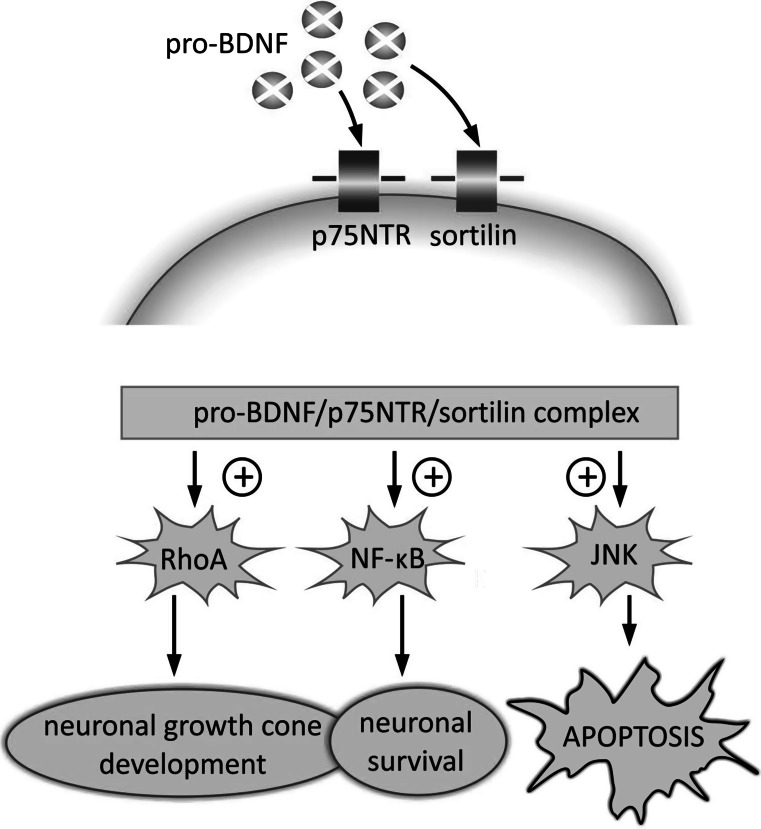
“The pro-forms of BDNF (proBDNF) can inhibit innervation, partly by inducing neuronal apoptosis through activation of p75 and sortilin [13, 19, 20].”
BackgroundSurendran, G., Saye, J., Jalil, S. B. M., Spreadborough, J., Duong, K., Shatwan, I. M., Lilley, D., Heinrich, M., Dodd, G. F., & Surendran, S. (2025) · Frontiers in Nutrition · doi:10.3389/fnut.2025.1405796 · Cited by 18
Is Serum BDNF Altered in Acute, Short- and Long-Term Recovered Restrictive Type Anorexia Nervosa?
Steinhäuser, J. L., King, J. A., Tam, F. I., Seidel, M., Biemann, R., Wronski, M., Geisler, D., Roessner, V., & Ehrlich, S. (2021) · Nutrients · doi:10.3390/nu13020432 · Cited by 14
“Although we cannot rule out that BDNF might still be altered centrally in AN and may have important implications on other levels [8,106], our findings seem to suggest that BDNF may have comparatively little clinical relevance compared to other (neuro)endocrine markers, including but not limited to…”
Zhang, W., Ge, M.-M., Zhang, L.-Q., Yuan, X., Han, S.-Y., Manyande, A., Tian, Y.-K., & Tian, X. (2022) · Neuroscience · doi:10.1016/j.neuroscience.2022.10.003 · Cited by 17
Li, X., Xu, S., Liu, J., Zhao, Y., Han, H., Li, X., & Wang, Y. (2022) · Inflammation · doi:10.1007/s10753-022-01755-5 · Cited by 15
Isayeva, U., Manchia, M., Collu, R., Primavera, D., Deriu, L., Caboni, E., Iaselli, M. N., Sundas, D., Tusconi, M., Pinna, F., et al. (2022) · European Psychiatry · doi:10.1192/j.eurpsy.2022.2333 · Cited by 13
“Unlike mature BDNF, pro-BDNF plays role in inducing apoptosis, reducing dendritic spines, and other processes that may contribute to long-time depression [66].”
BackgroundSpagnuolo, M. S., Mazzoli, A., Nazzaro, M., Troise, A. D., Gatto, C., Tonini, C., Colardo, M., Segatto, M., Scaloni, A., Pallottini, V., et al. (2022) · Molecular Neurobiology · doi:10.1007/s12035-022-03115-8 · Cited by 15
Wu, Y., Jin, K.-Y., Wang, D., Qi, L., Sun, J., Su, S., & Hai, J. (2022) · Nanomedicine Nanotechnology Biology and Medicine · doi:10.1016/j.nano.2022.102639 · Cited by 18
Bagnato, S., & Boccagni, C. (2023) · Brain Sciences · doi:10.3390/brainsci13020364 · Cited by 14
Zhou, Q., Chen, Y., Tang, H., Zhang, L., Ma, Y., Bai, D., & Kong, Y. (2023) · Heliyon · doi:10.1016/j.heliyon.2023.e14946 · Cited by 18
Chen, X., Xiu, H., Hou, Y., Chen, X., Liu, F., & Tu, S. (2023) · American Journal of Physical Medicine & Rehabilitation · doi:10.1097/phm.0000000000002377 · Cited by 15
He, L., Guo, X.-J., Zhao, C., & Rao, J. (2023) · Biomedicines · doi:10.3390/biomedicines12010041 · Cited by 18
“It promotes the survival, differentiation, and growth of neurons and glial cells [19].”
BackgroundHomberg, J. R., Brivio, P., Greven, C. U., & Calabrese, F. (2024) · Neuroscience & Biobehavioral Reviews · doi:10.1016/j.neubiorev.2024.105605 · Cited by 15
“Depending on the cell type, BDNF can be release in a constitutive or activity-dependent manner (Mowla et al., 2001) and the ratio between the two forms of the BDNF proteins (pro and mature) can change according to particular stages of brain development (Kowianski et al., 2018).”
Lactobacillus rhamnosus GG improves cognitive impairments in mice with sepsis
Wang, L., Zhao, R., Li, X., Shao, P. L., Xie, J., Su, X., Xu, S., Huang, Y., & Hu, S. (2024) · PeerJ · doi:10.7717/peerj.17427 · Cited by 22
Kopalli, S. R., Behl, T., Kyada, A., Rekha, M. M., Kundlas, M., Rani, P., Nathiya, D., Naidu, K. S., Gulati, M., Bhise, M. R., et al. (2025) · Neuroscience · doi:10.1016/j.neuroscience.2025.02.007 · Cited by 19
Veire, J. L., Lucas, M. J., Bond, L. G., Tripu, D. R., Tessier, P. M., & Greineder, C. F. (2025) · ACS Chemical Neuroscience · doi:10.1021/acschemneuro.4c00552 · Cited by 16
Voluntary exercise promotes neurotrophic factor and suppresses apoptosis in hippocampal ischemia
Zhang, Z., Li, R., Zhang, X., Wei, Y., Ma, H.-Y., Zhu, L., & Yin, R. L. (2019) · Journal of Integrative Neuroscience · doi:10.31083/j.jin.2019.01.118 · Cited by 17
“, 2006) and regulate synaptic plasticity such as LTP (Leal et al., 2017; Kowianski et al., 2018).”
BackgroundAnti-apoptotic effects of BDNF-TrkB signaling in the treatment of hemorrhagic stroke
Hasegawa, Y., Cheng, C., Hayashi, K., Takemoto, Y., & Kim‐Mitsuyama, S. (2020) · Brain Hemorrhages · doi:10.1016/j.hest.2020.04.003 · Cited by 15
Dolcetti, E., Bruno, A., Azzolini, F., Gilio, L., Moscatelli, A., Vito, F. D., Pavone, L., Iezzi, E., Gambardella, S., Giardina, E., et al. (2022) · Genes · doi:10.3390/genes13020332 · Cited by 19
“Accordingly, BDNF released in response to neuronal activity critically regulates glutamatergic transmission and synaptic plasticity [18,19].”
BackgroundZou, Y., Guo, Q., Chang, Y., Jia, L., Zhai, L., Bai, Y., Sun, Q., & Wei, W. (2022) · Food and Chemical Toxicology · doi:10.1016/j.fct.2022.113394 · Cited by 16
Rodrigues, L., Wartchow, K. M., Suardi, L. Z., Federhen, B. C., Selistre, N. G., & Gonçalves, C. (2019) · Neurochemistry International · doi:10.1016/j.neuint.2019.04.013 · Cited by 17
Metformin as a potential antidepressant: Mechanisms and therapeutic insights in depression
Cheng, Y., Yao, Q. Z., Miao, Y., & Guan, W. (2025) · Biochemical Pharmacology · doi:10.1016/j.bcp.2025.116773 · Cited by 16
Cutuli, D., & Sampedro-Piquero, P. (2022) · Current Neuropharmacology · doi:10.2174/1570159x20666220624111855 · Cited by 16
Tan, Y., Zhang, J., Ge, Q., Fang, X., Song, F., Yu, T., Jiang, L., Wei, Y., & Wang, P. (2022) · Oxidative Medicine and Cellular Longevity · doi:10.1155/2022/7736416 · Cited by 15
“Moreover, it has been proved to be the most abundant neurotropic growth factor of the hippocampus and is responsible for learning and memory [22].”
Fatma, R., Chauhan, W., Shahi, M. H., & Afzal, M. (2023) · Frontiers in Neurology · doi:10.3389/fneur.2022.1035885 · Cited by 18
“Predominantly, it participates in cognition and memory, including neuroprotection, neuronal and glial growth regulation, and modulation of both short- and longterm synaptic connections (4).”
BackgroundZong, W., Lu, X., Dong, G., Zhang, L., & Li, K. (2023) · Frontiers in Psychiatry · doi:10.3389/fpsyt.2023.1096503 · Cited by 21
“thereby regulating the progress of growth and survival of neurons, spine formation, and synaptic plasticity (30).”
BackgroundNing, B., Ge, T., Wu, Y., Wang, Y., & Zhao, M. (2023) · Molecular Neurobiology · doi:10.1007/s12035-023-03758-1 · Cited by 13
“…is the basis of adaptive learning and memory formation in the nervous system, while BDNF can increase the strength of connections between presynaptic and postsynaptic neurons, promote the enhancement of synaptic transmission, and improve the efficiency of communication between neurons [78, 79].”
Hamze, M., Brier, C., Buhler, E., Zhang, J., Medina, I., & Porcher, C. (2024) · International Journal of Molecular Sciences · doi:10.3390/ijms25116253 · Cited by 19
Tarassova, O., Jiang, Y., Wallin, H., Jensen‐Urstad, M., Drca, N., Röja, J., Pontén, M., Katz, A., Nilsson, J., Ekblom, M., et al. (2025) · The Journal of Physiology · doi:10.1113/jp288409 · Cited by 15
Zhu, S. Y., Min, D., Zeng, J., Ju, Y., Liu, Y., & Chen, X. (2020) · Stem Cells International · doi:10.1155/2020/6393075 · Cited by 16
“Passing times in 60s Average synaptic plasticity in the developmental process of the brain [35].”
Mohseni, F., Khaksari, M., Rafaiee, R., Rahimi, K., Norouzi, P., & Garmabi, B. (2021) · International Journal of Peptide Research and Therapeutics · doi:10.1007/s10989-021-10173-4 · Cited by 18
Molecular Biomarkers for Pediatric Depressive Disorders: A Narrative Review
Lee, J., Chi, S., & Lee, M. (2021) · International Journal of Molecular Sciences · doi:10.3390/ijms221810051 · Cited by 13
Brain Volume Loss, Astrocyte Reduction, and Inflammation in Anorexia Nervosa
Seitz, J., Trinh, S., Kogel, V., & Beyer, C. (2021) · Advances in neurobiology · doi:10.1007/978-3-030-77375-5_12 · Cited by 18
Fatemi, I., Saeed-Askari, P., Hakimizadeh, E., Kaeidi, A., Moghaddam, S. E., Pak‐Hashemi, M., & Allahtavakoli, M. (2022) · PubMed Central · doi:10.22038/ijbms.2022.57630.12865 · Cited by 14
“BDNF has an important role in cognitive functions via direct and/or indirect activities such as neuroprotective effects via reducing neuronal apoptosis and atrophy as well as modulating synaptic plasticity (38, 39).”
BackgroundSUMOylation and Major Depressive Disorder
Jeoung, S.-W., Park, H.-S., Ryoo, Z. Y., Cho, D., Lee, H., & Ryu, H. (2022) · International Journal of Molecular Sciences · doi:10.3390/ijms23148023 · Cited by 15
“In addition to the above-mentioned effects, CREB SUMOylation also increases the transcription levels of brain-derived neurotrophic factor (BDNF), which we will discuss in greater detail in the next section of this review.”
BackgroundInfluentialSun, C., Zheng, W., Wang, L., & Du, Q. (2023) · Frontiers in Bioscience-Landmark · doi:10.31083/j.fbl2805093 · Cited by 13
“Moreover, BDNF, as a neurotrophin, has been confirmed as a vital cytokine involved in synaptic transmission and long-term potentiation (LTP) in the hippocampus and other brain regions [38], and it also protects neurons from apoptosis in acute brain injury [39–41].”
BackgroundRGS14 414 treatment induces memory enhancement and rescues episodic memory deficits
Masmudi‐Martín, M., Navarro‐Lobato, I., López‐Aranda, M. F., Delgado, G., Martín‐Montañez, E., Quirós-Ortega, M. E., Carretero‐Rey, M., Narváez, L., Garrido, M. G., Posadas, S. J., et al. (2019) · The FASEB Journal · doi:10.1096/fj.201900429rr · Cited by 14
Metadata
- Authors
- Kowiański, P., Lietzau, G., Czuba, E., Waśkow, M., Steliga, A., & Moryś, J.
- Affiliations
- Uniwersytet Pomorski w Słupsku (PL)
- Gdańsk Medical University (PL)
- Corresponding author
- Kowiański, Przemysław
- ORCID
- Venue
- Cellular and Molecular Neurobiology
- Published
- 2017-06-16
- Volume
- 38
- Issue
- 3
- Pages
- 579-593
- ISSN
- 0272-4340 (ISSN-L)
- 1573-6830
- PMC
- PMC5835061
- OpenAlex
- W2624853583
- Cited by
- 1,359
- References
- 151
- Citations by year
- 2026: 122 · 2025: 200 · 2024: 181 · 2023: 190 · 2022: 203 · 2021: 189 · 2020: 152 · 2019: 84 · 2018: 34 · 2017: 3
- FWCI
- 9.16
- Type
- journal article
- Language
- en
- Open access
- hybrid
- doi.org
- Locations
- Cellular and Molecular Neurobiology (publishedVersion, cc-by)
- PubMed Central (publishedVersion, cc-by)
- PubMed (publishedVersion)
- Topics
- Life Sciences › Neuroscience › Cellular and Molecular Neuroscience › Nerve injury and regeneration
- Life Sciences › Neuroscience › Cellular and Molecular Neuroscience › Neuroscience and Neuropharmacology Research
- Life Sciences › Neuroscience › Developmental Neuroscience › Neurogenesis and neuroplasticity mechanisms
- Keywords
- brain-derived neurotrophic factor, neurotrophins, BDNF isoforms, BDNF receptor, synaptic plasticity, neurogenesis, gliogenesis, neuroprotection, signal transduction, memory, brain development
- MeSH terms
- Animals, Brain, Humans, Neuronal Plasticity, Synapses, Signal Transduction, Brain-Derived Neurotrophic Factor, Receptor, trkB
About these checks
Registry, retraction, Cites and statistics results are computed, not judged, with one exception: a printed reference that no index lists is read once by a model before it counts as a citation error. Claims are extracted by a model and kept only when their quote appears verbatim in the text; each cited source is then checked, with a model’s help, for whether it says what the claim relies on. Those verdicts can be wrong — read the claim’s quote and the cited source before relying on one.
Statistics and arithmetic are recomputed, not judged.
Confidence bands are shown only for fields calibrated on our annotated test set. None is calibrated yet, so no band is shown.
What counts as a claim ›How we measure confidence ›How we check this ›
Are you an author, or do you see a problem with this page? Request a review
Data sources
Bibliographic data: Semantic Scholar, OpenAlex, Crossref.
Contains information from the Semantic Scholar Academic Graph Datasets, made available under the ODC Attribution License (ODC-BY 1.0).
Semantic Scholar’s data is described in: Kinney, R., et al. (2023). The Semantic Scholar Open Data Platform. arXiv:2301.10140.
