

BDNF: A Key Factor with Multipotent Impact on Brain Signaling and Synaptic Plasticity
Open accessThe DOI matches its Crossref record; 151 of the 151 references it cites were found in a registry or an index.
Abstract
Brain-derived neurotrophic factor (BDNF) is one of the most widely distributed and extensively studied neurotrophins in the mammalian brain. Among its prominent functions, one can mention control of neuronal and glial development, neuroprotection, and modulation of both short- and long-lasting synaptic interactions, which are critical for cognition and memory. A wide spectrum of processes are controlled by BDNF, and the sometimes contradictory effects of its action can be explained based on its specific pattern of synthesis, comprising several intermediate biologically active isoforms that bind to different types of receptor, triggering several signaling pathways. The functions of BDNF must be discussed in close relation to the stage of brain development, the different cellular components of nervous tissue, as well as the molecular mechanisms of signal transduction activated under physiological and pathological conditions. In this review, we briefly summarize the current state of knowledge regarding the impact of BDNF on regulation of neurophysiological processes. The importance of BDNF for future studies aimed at disclosing mechanisms of activation of signaling pathways, neuro- and gliogenesis, as well as synaptic plasticity is highlighted.
Overview
The claims and statistics of this paper haven’t been checked yet.
Free: it reads the open-access text and checks the first 5 claims that cite a source we can check. Create a free account to check every claim.
Integrity signals
Registry
Cites
Statistics
Figures
Verification
Claims the paper makes
The claims and statistics of this paper haven’t been checked yet.
Free: it reads the open-access text and checks the first 5 claims that cite a source we can check. Create a free account to check every claim.
Claims other papers make about this one
Each is checked against this paper’s own text: does it say what the citing paper says it does?
The cited source says what the claim attributes to it.
In the citing paper
“BDNF is involved in multiple levels of neuroplasticity like synaptic modulation, adult neurogenesis, and dendritic growth (29–32).”
From Psychedelics and Neuroplasticity: A Systematic Review Unraveling the Biological Underpinnings of Psychedelics. (2021) · cites this paper as [32]
In the citing paper
“Developmental processes invoked by bGRNs provide a way for environmental changes to impact brain morphology and NNs (71), which in turn bear upon future behavior.”
From Behavior-related gene regulatory networks: A new level of organization in the brain (2020) · cites this paper as [71]
Self-check
Percentages, sums and reported differences re-computed from the paper’s own numbers.
The self-check needs the paper’s full text.
Citations
Cites
Requirement of hippocampal neurogenesis for the behavioral effects of antidepressants
Santarelli, L., Saxe, M., Gross, C., Surget, A., Battaglia, F., Dulawa, S., Weisstaub, N., Lee, J., Duman, R., Arancio, O., et al. (2003) · Science · doi:10.1126/science.1083328 · Cited by 4,321 · cited 1×
“…in neuronal proliferation has been reported after administration of serotonin agonists of several receptors, e.g., 5-HT1A (Banasr et al. 2004; San- tarelli et al. 2003), 5-HT2B (Diaz et al. 2012), and 5-HT4 (Mendez-David et al. 2014), which may be related to their binding to the BDNF/TrkB…”
BackgroundDomingos da Silveira da Luz, A. C., Pereira Dias, G., do Nascimento Bevilaqua, M. C., Cocks, G., Gardino, P. F., Thuret, S., & Nardi, A. E. (2013) · Neuropsychobiology · doi:10.1159/000353269 · Cited by 3,995
The molecular biology of memory storage: a dialogue between genes and synapses
Kandel, E. R. (2001) · Science · doi:10.1126/science.1067020 · Cited by 3,917
Egan, M. F., Kojima, M., Callicott, J. H., Goldberg, T. E., Kolachana, B. S., Bertolino, A., Zaitsev, E., Gold, B., Goldman, D., Dean, M., et al. (2003) · Cell · doi:10.1016/s0092-8674(03)00035-7 · Cited by 3,888 · cited 4×
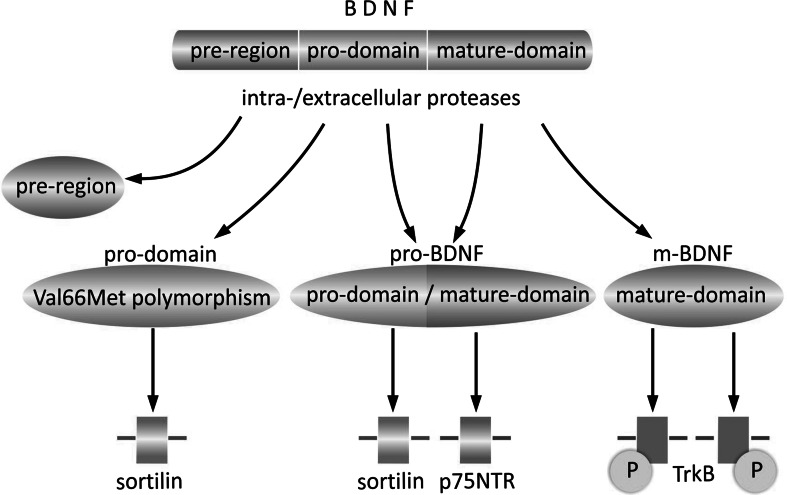
“Apart from the two above-mentioned isoforms, the functioning of BDNF is significantly affected by the single- nucleotide polymorphism of methionine (Met) to valine (Val) substitution at position 66 within the BDNF gene in the pro-domain encoding region (Egan et al. 2003).”
BackgroundInfluentialMore hippocampal neurons in adult mice living in an enriched environment
Kempermann, G., Kuhn, H. G., & Gage, F. H. (1997) · Nature · doi:10.1038/386493a0 · Cited by 3,511
AMPA Receptor Trafficking and Synaptic Plasticity
Malinow, R., & Malenka, R. C. (2002) · Annual Review of Neuroscience · doi:10.1146/annurev.neuro.25.112701.142758 · Cited by 2,588 · cited 2×
“On the contrary, postsynaptic action of NO increases the number of AMPARs, which results in LTP (Malinow and Malenka 2002).”
BackgroundTrk Receptors: Roles in Neuronal Signal Transduction
Huang, E. J., & Reichardt, L. F. (2003) · Annual Review of Biochemistry · doi:10.1146/annurev.biochem.72.121801.161629 · Cited by 2,537 · cited 2×
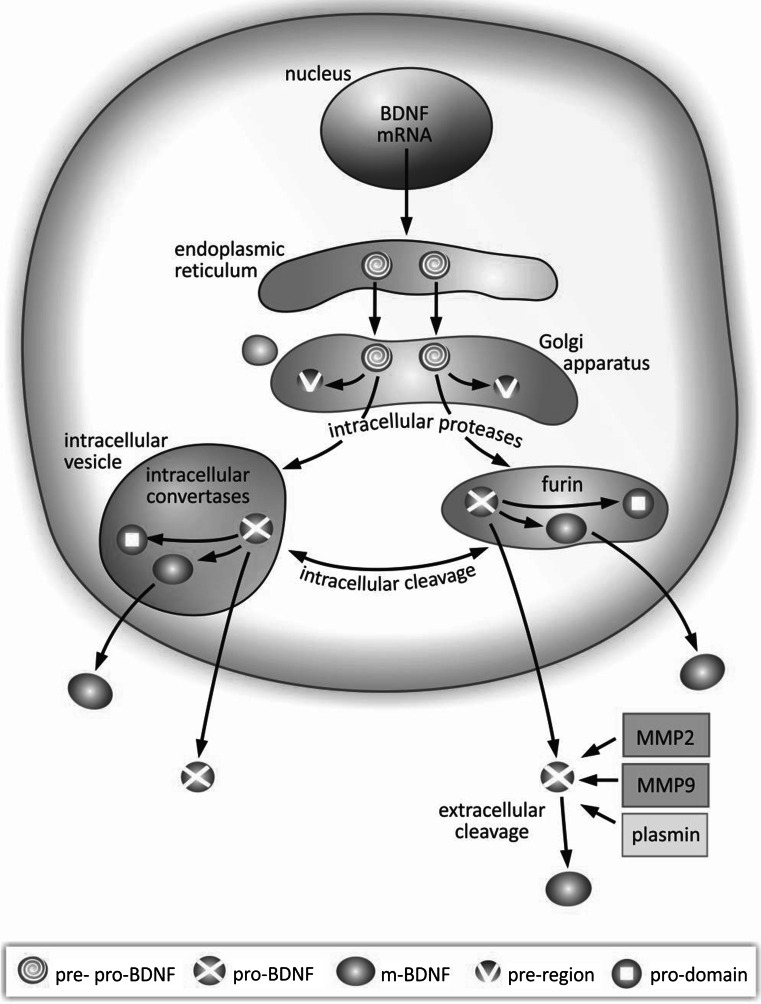
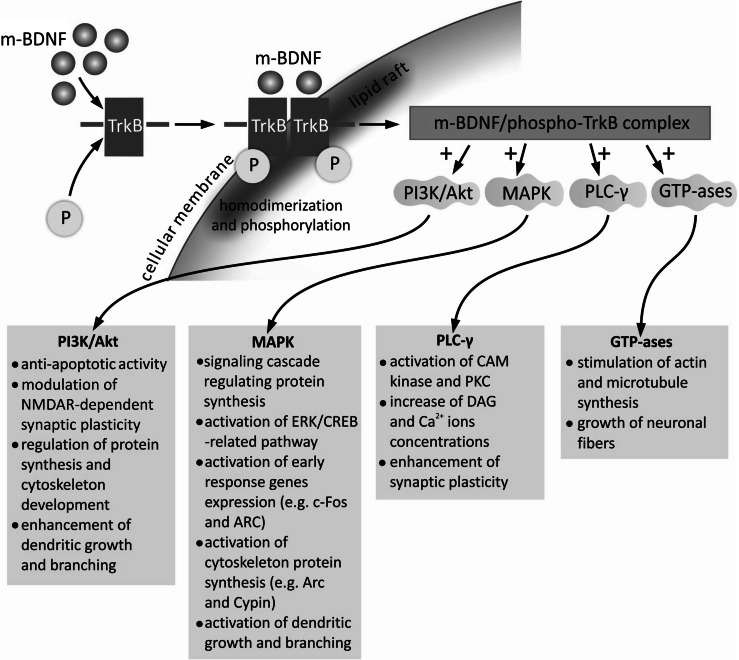
“…66 within the BDNF gene in the pro-domain encoding region 3-kinase (PI3K), mitogen-activated protein kinase (MAPK), phospholipase C-c (PLC-c), and guanosine triphosphate hydrolases (GTP-ases) of the Ras homolog (Rho) gene family (Gonzalez et al. 2016; Huang and Reichardt 2003; Minichiello 2009).”
BackgroundExercise builds brain health: key roles of growth factor cascades and inflammation
Cotman, C. W., Berchtold, N. C., & Christie, L.-A. (2007) · Trends in Neurosciences · doi:10.1016/j.tins.2007.06.011 · Cited by 2,268 · cited 1×
“…interesting issue that remains to be elucidated is the modulating effect of environmental factors and neu- ronal activity on the course of BDNF-regulated neurogenesis, which has been documented in numerous publications (Berchtold et al. 2005; Cotman et al. 2007; Vaynman and Gomez-Pinilla 2005).”
BackgroundNeurotrophin-regulated signalling pathways
Reichardt, L. F. (2006) · Philosophical Transactions of the Royal Society B: Biological Sciences · doi:10.1098/rstb.2006.1894 · Cited by 2,195
Neurotrophin regulation of neural circuit development and function
Park, H., & Poo, M.-M. (2013) · Nature Reviews Neuroscience · doi:10.1038/nrn3379 · Cited by 2,060 · cited 16×
“The BDNF- controlled long-lasting effects of LTP and alterations in the synaptic proteome may result from modulation of micro- RNA (miRNA) expression (Jaitner et al. 2016; Leal et al. 2014; Smalheiser et al. 2010).”
BackgroundInfluential
Cited by
Items 601–700 of 1,000
Prowse, N. A., Dwyer, Z., Thompson, A., Fortin, T., Elson, K. I., Robeson, H., Fenner, B. M., & Hayley, S. P. (2019) · Behavioural Brain Research · doi:10.1016/j.bbr.2019.112260 · Cited by 14
Ang, M. J., Kang, S., & Moon, C. (2020) · Journal of Neuroscience Research · doi:10.1002/jnr.24708 · Cited by 13
Vidal‐Villegas, B., Pierdomenico, J. D., Gallego‐Ortega, A., Galindo‐Romero, C., Martínez-de-la-Casa, J. M., García-Feijoo, J., Villegas‐Pérez, M. P., & Vidal‐Sanz, M. (2021) · Experimental Eye Research · doi:10.1016/j.exer.2021.108694 · Cited by 14
Khashali, H. A., Ray, R., Coleman, K.-L., Atali, S., Haddad, B., Wareham, J., Guthrie, J. W., Heyl, D., & Evans, H. G. (2022) · International Journal of Molecular Sciences · doi:10.3390/ijms231810746 · Cited by 13
“While numerous studies on neurodegenerative disorders have highlighted the role of mBDNF in the survival of neurons and synapses [25,26], emerging roles of neurotrophins in a wide range of cancers, are being increasingly recognized [25,27,28].”
BackgroundMuratori, B. G., Zamberlam, C. R., Mendes, T. B., Nozima, B. H. N., Cerutti, J. M., & Cerutti, S. M. (2021) · Molecules · doi:10.3390/molecules26113326 · Cited by 12
“A growing body of evidence has shown that BDNF overexpression and activity modulate the differentiation, maturation, survival and maintenance of different populations of neurons and glial cells and has identified the main effects of BDNF on short- and long-term memory-related processes [44,45] and neurogenesis [46].”
BackgroundBesnier, F., Boidin, M., Grégoire, C., Gagnon, C., Thorin‐Trescases, N., Thorin, É., Nigam, A., Juneau, M., Tremblay, J., Gayda, M., et al. (2022) · Brain Research · doi:10.1016/j.brainres.2022.148019 · Cited by 12
Mohamadzadeh, O., Hajinouri, M., Moammer, F., Zadeh, S. S. T., Shafiei, G. O., Jafari, A., Ostadian, A., Talaei, S. A., Hamblin, M. R., Yazdi, A. J., et al. (2023) · Molecular Neurobiology · doi:10.1007/s12035-023-03321-y · Cited by 12
Li, B., Wang, Y., Xin, Y., Liu, G., Diao, Y., & Liu, J. (2023) · Molecular Nutrition & Food Research · doi:10.1002/mnfr.202200773 · Cited by 15
Identification of Novel BDNF-Specific Corticostriatal Circuitries
Ehinger, Y., Soneja, D., Phamluong, K., Salvi, A., & Ron, D. (2023) · eNeuro · doi:10.1523/eneuro.0238-21.2023 · Cited by 11
Sohouli, M. H., Rohani, P., Nasehi, M. M., & Hekmatdoost, A. (2023) · Clinical Nutrition ESPEN · doi:10.1016/j.clnesp.2023.05.019 · Cited by 16
Li, J., Li, R., Li, D., Zhang, J., Luο, X., & Zhang, Y. (2023) · Frontiers in Psychiatry · doi:10.3389/fpsyt.2023.1168771 · Cited by 16
“Brain-derived neurotrophic factor (BDNF) played a vital role in neuronal growth, differentiation, survival, and synaptic plasticity (10), which was associated with the pathogenesis of various psychiatric diseases (11).”
BackgroundZhong, H., Xing, C., Zhou, M., Jia, Z., Liu, S., Zhu, S., Li, B., Yang, H., Ma, H., Wang, L., et al. (2023) · Acta Biochimica et Biophysica Sinica · doi:10.3724/abbs.2023238 · Cited by 23
Biomarker Responses to Acute Exercise and Relationship with Brain Blood Flow
Morris, J. K., Kueck, P. J., Kemna, R. E., Green, Z. D., John, C. S., Winter, M. K., Billinger, S. A., & Vidoni, E. D. (2023) · Journal of Alzheimer s Disease · doi:10.3233/jad-230766 · Cited by 12
Pettorruso, M., Miuli, A., Clemente, K., Mancusi, G., Migliara, G., Carlo, F. D., Pernaci, G., Crosta, T. D., Santorelli, M., d’Andrea, G., et al. (2024) · Molecular Psychiatry · doi:10.1038/s41380-023-02367-7 · Cited by 13
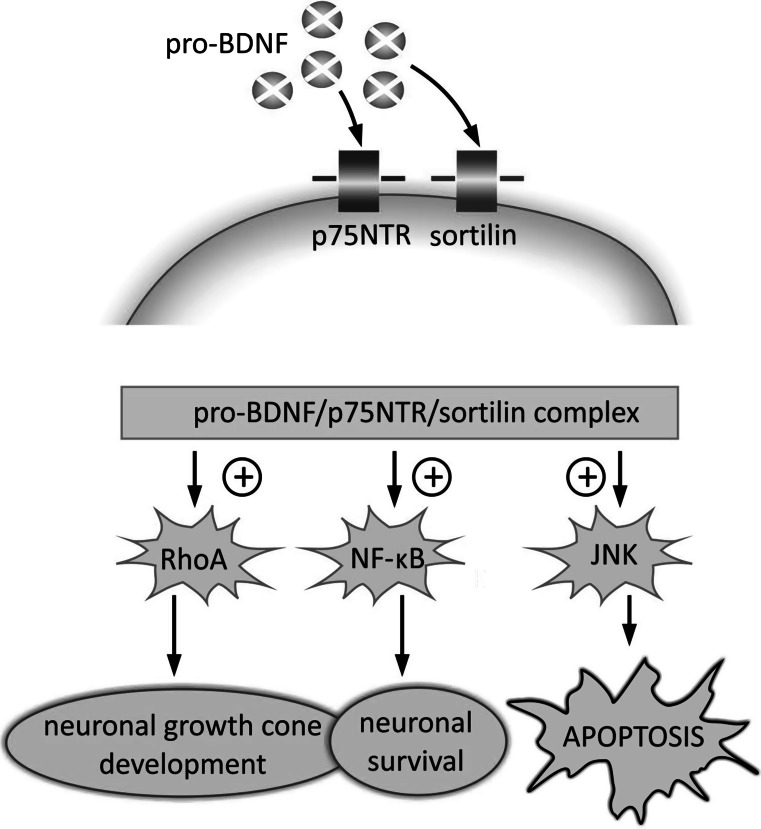
“By binding p75NTR, it contributes to brain plasticity and neuronal remodeling, activating apoptosis and the elimination of damaged, malfunctioning, or ineffective synapses [9].”
BackgroundAhmadi, S., Majidi, M., Koraei, M., & Vasef, S. (2024) · Molecular Neurobiology · doi:10.1007/s12035-024-03993-0 · Cited by 14
“It plays a significant role in the cellular and molecular mechanisms responsible for creating and sustaining memory [20].”
Atractylenolide I Suppresses A1 Astrocyte Activation to Improve Depression in Mice
Zhai, L., Sheng, Y., Wang, J., Zhou, X., Li, W., Wu, S., & Yang, Y. (2024) · Molecular Neurobiology · doi:10.1007/s12035-024-04025-7 · Cited by 14
Exertional heat stroke-induced changes in gut microbiota cause cognitive impairment in mice
Xie, J., Wang, L., Xu, Y., Ma, Y., Zhang, L., Yin, W., & Huang, Y. (2024) · BMC Microbiology · doi:10.1186/s12866-024-03276-7 · Cited by 13
“BDNF, along with its receptors, is implicated in the pathophysiology of neurodegenerative disorders such as Alzheimer’s disease, amyotrophic lateral sclerosis, and Rett syndrome, positioning it as a potential therapeutic target [35, 36].”
BackgroundZheng, Y., Yu, X., Wei, L., Chen, Q., Xu, Y., Ni, P., Deng, W., Guo, W., Hu, X., Qi, X., et al. (2024) · Journal of Affective Disorders · doi:10.1016/j.jad.2024.08.176 · Cited by 12
Davri, A. S., Katsenos, A. P., Tulyaganova, G. K., Tzavellas, N. P., Simos, Y. V., Kanellos, F. S., Konitsiotis, S., Dounousi, E. C., Niaka, K., Bellou, S., et al. (2024) · Metabolic Brain Disease · doi:10.1007/s11011-024-01478-6 · Cited by 14
“Activation of the PI3K/mTOR pathway has been to promote neuronal survival, while the MAPK signaling cascade supports synaptic plasticity and neuronal function (Kowiański et al. 2018; Wang et al. 2022 ).”
Rivera-Maya, O. B., Ortiz-Robles, C. D., Palacios-Valladares, J. R., & Calderon-Aranda, E. S. (2024) · Neurochemical Research · doi:10.1007/s11064-024-04293-8 · Cited by 16
Diego-Santiago, M. D. P., González, M. U., Sánchez, E. G., Cortes-Carrillo, N., Dotti, C. G., Guix, F. X., & Mobini, S. (2025) · Scientific Reports · doi:10.1038/s41598-025-89330-4 · Cited by 14
Laio, T.-Y., Chen, C.-C., Tsou, H., Liu, T.-Y., & Wang, H. (2019) · Neurotoxicity Research · doi:10.1007/s12640-019-00024-y · Cited by 14
Sheikholeslami, M. A., Ghafghazi, S., Pouriran, R., Mortazavi, S. E., & Parvardeh, S. (2020) · European Journal of Pharmacology · doi:10.1016/j.ejphar.2020.173821 · Cited by 13
Faraji, J., Lotfi, H., Moharrerie, A., Jafari, S. Y., Soltanpour, N., Tamannaiee, R., Marjani, K., Roudaki, S., Naseri, F., Moeeini, R., et al. (2022) · Cerebral Cortex · doi:10.1093/cercor/bhab395 · Cited by 14
Non-invasive brain neuromodulation techniques for chronic low back pain
Chang, T.-T., Chang, Y., Du, S.-H., Chen, P., & Wang, X. (2022) · Frontiers in Molecular Neuroscience · doi:10.3389/fnmol.2022.1032617 · Cited by 15
“In addition, brain-derived neurotrophic factor (BDNF) is believed to be an important driving force behind synaptic plasticity (Kowiański et al., 2018; Zhou et al., 2019b).”
BackgroundГудашева, Т. А., Povarnina, P. Y., Антипова, Т. А., Логвинов, И. О., & Середенин, С. Б. (2023) · Current Pharmaceutical Design · doi:10.2174/1381612829666230103161824 · Cited by 12
Munni, Y. A., Dash, R., Mitra, S., Dash, N., Shima, M., & Moon, I. S. (2023) · Journal of Ethnopharmacology · doi:10.1016/j.jep.2023.116165 · Cited by 14
Yoshimura, R., Okamoto, N., Chibaatar, E., Natsuyama, T., & Ikenouchi, A. (2023) · Biomedicines · doi:10.3390/biomedicines11020584 · Cited by 15
D1R-5-HT2AR Uncoupling Reduces Depressive Behaviours via HDAC Signalling
Li, W., Ali, T., Mou, S., Gong, Q., Li, N., Hao, L., Yu, Z., & Li, S. (2023) · Neurotherapeutics · doi:10.1007/s13311-023-01436-7 · Cited by 12
“Studies have shown a key association and effect of BDNF on synapses and synaptic signalling [40].”
BackgroundZhang, H., Yang, X., Zhang, H., Li, X., Zhang, Z., Hou, L., Wang, Z., Niu, Q. L., & Wang, T. (2018) · Toxicology Letters · doi:10.1016/j.toxlet.2018.03.033 · Cited by 13
Martínez-Moreno, A., Rivera-Olvera, A., & Escobar, M. L. (2019) · Neurobiology of Learning and Memory · doi:10.1016/j.nlm.2019.107125 · Cited by 14
Suchanek-Raif, R., Raif, P., Kowalczyk, M., Paul-Samojedny, M., Zielińska, A., Kucia, K. A., Merk, W., & Kowalski, J. (2020) · Disease Markers · doi:10.1155/2020/4789806 · Cited by 15
“It worth stressing that while on the one hand, the BDNF is a trophic factor for the dopaminergic, GABAergic, serotoninergic, cholinergic, or noradrenergic neurons [34], on the other, the effect of the estrogens and the glucocorticoids on the BDNF gene expression has been documented [35, 36].”
BackgroundMartens, L., Herrmann, L., Colic, L., Li, M., Richter, A., Behnisch, G., Stork, O., Seidenbecher, C., Schott, B. H., & Walter, M. (2021) · Scientific Reports · doi:10.1038/s41598-021-86220-3 · Cited by 12
Lu, H., Wang, W., Liu, X., Yang, Z., & Wang, Y.-Z. (2021) · Neural Regeneration Research · doi:10.4103/1673-5374.322468 · Cited by 13
“Moreover, increased hippocampal BDNF expression can improve learning and memory (Kowiański et al., 2018).”
Tacke, C., DiStefano, P. S., Lindsay, R. M., Metzdorf, K., Zagrebelsky, M., & Körte, M. (2022) · Frontiers in Molecular Neuroscience · doi:10.3389/fnmol.2022.945348 · Cited by 12
Chronic Neuroplasticity Changes Following Neurotropic Viral Infection: Mechanisms and Implications
Mohabbat, A., & Baghi, H. B. (2025) · Cellular and Molecular Neurobiology · doi:10.1007/s10571-025-01622-5 · Cited by 12
“Its activity is evident throughout all stages of development and aging (Huang and Reichardt 2001, Teixeira et al. 2010, Park and Poo 2013, Kowiański et al. 2018, Lima Giacobbo et al. 2019, Notaras and van den Buuse 2020, Xiong et al. 2024a, b).”
Can Brain-derived Neurotrophic Factor (BDNF) Mimetics be a Way Out for Neurodegenerative Diseases?
Korkmaz, O. T. (2023) · Current Pharmaceutical Design · doi:10.2174/1381612829666230127142414 · Cited by 12
Ray, R., Goel, S., Khashali, H. A., Darweesh, B., Haddad, B., Wozniak, C., Ranzenberger, R., Khalil, J., Guthrie, J. W., Heyl, D., et al. (2023) · Biomedicines · doi:10.3390/biomedicines11092555 · Cited by 15
“Acting via its primary receptor, tropomyosin receptor kinase B (TrkB), brain-derived neurotrophic factor (BDNF), a member of the neurotrophin family of growth factors, is widely known for neuronal survival and the maintenance of synapses [29].”
Yi, L., Ma, H., Yang, X., Qi, Z., Zhong, J., Ye, S., Li, X., Chen, D., Li, C., & Li, C. (2023) · Journal of Ethnopharmacology · doi:10.1016/j.jep.2023.117292 · Cited by 16
A pathogenic role for brain-derived neurotrophic factor (BDNF) in fibrous dysplasia of bone
Palmisano, B., Farinacci, G., Campolo, F., Tavanti, C., Stefano, A., Donsante, S., Ippolito, E., Giannicola, G., Venneri, M. A., Corsi, A., et al. (2024) · Bone · doi:10.1016/j.bone.2024.117047 · Cited by 13
Advancements in the study of synaptic plasticity and mitochondrial autophagy relationship
Zhu, Y., Hui, Q., Zhang, Z., Fu, H., Qin, Y., Zhao, Q., Li, Q., Zhang, J., Guo, L., He, W., et al. (2024) · Journal of Neuroscience Research · doi:10.1002/jnr.25309 · Cited by 13
Morin improves learning and memory in healthy adult mice
Martínez‐Coria, H., Serrano‐García, N., López-Valdés, H. E., López‐Chávez, G. S., Alvarez, J. R., Romero‐Hernández, Á., Valverde, F. F., Orozco‐Ibarra, M., & Torres-Ramos, M. (2024) · Brain and Behavior · doi:10.1002/brb3.3444 · Cited by 10
“…participates in another relevant process of plasticity as crucial as LTD, through which there is a refinement of connections by eliminating those abnormalities that are ineffective for the formation of synaptic plasticity, memory, and cognition (Borodinova & Salozhin, 2017; Kowiański et al., 2018).”
BackgroundLi, J. Z., Ramalingam, N., & Li, S. (2024) · Neural Regeneration Research · doi:10.4103/nrr.nrr-d-23-01827 · Cited by 17
“BDNF binds with high affinity to the tropomyosin-related kinase B receptor, exerting tropic effects on the central nervous system, promoting synaptic plasticity, neurite outgrowth, neuronal survival, and LTP (Kowiański et al., 2018).”
BackgroundSreedharan, S., Pande, A., Pande, A., Majeed, M. A., Villela-Castrejon, J., & Cisneros‐Zevallos, L. (2024) · Nutrients · doi:10.3390/nu16121887 · Cited by 12
Singh, L., Wani, A. W., Shaifali, Sadawarti, R. K., Kaur, H., Bashir, O., Majeed, J., Mirza, A. A., Sharma, J., Ali, S., et al. (2024) · Journal of Berry Research · doi:10.1177/18785093241301881 · Cited by 14
“18 Similar to this, TrkB activation may have increased intracellular Ca 2 + concentration, which is how BDNF has trig-geredglutamatereleaseincorticalastrocytes.”
Neurotrophomodulatory effect of TNF-α through NF-κB in rat cortical astrocytes
Langhnoja, J., Lipi, B., & Prakash, P. (2025) · Cytotechnology · doi:10.1007/s10616-024-00698-z · Cited by 18
“Both the neurotrophins, NGF and BDNF, are the most widely distributed and engaged in many of the essential functions of the brain (Kowiański et al. 2018; Langhnoja et al. 2018b) by binding with their specific receptors-TrkA for NGF and TrkB for BDNF-and further activate the downstream signaling…”
Li, Q., Cao, M., Stein, D. J., Sahakian, B. J., Jia, T., Langley, C., Gu, Z., Hou, W., Han, L., Cao, L., et al. (2025) · Molecular Psychiatry · doi:10.1038/s41380-025-02912-6 · Cited by 12
“Notably, a genome-wide association study (GWAS) of fl uid intelligence identi fi ed genome-wide signi fi cant associations with genes such as BDNF [29], that are involved in biological processes such as neurotransmission and synaptic plasticity [30].”
Shi, L., Wang, M., Yu, R., An, Y., Wang, X., Zhang, Y., Shi, Y., Han, C., & Liu, J. (2025) · Behavioural Brain Research · doi:10.1016/j.bbr.2025.115493 · Cited by 15
Fanibunda, S. E., Kukkemane, K., Ghai, U., Kolthur‐Seetharam, U., Hingorani, L., Vaidya, A. D. B., & Vaidya, V. A. (2025) · Molecular Neurobiology · doi:10.1007/s12035-025-04920-7 · Cited by 18
Gomes, F. T. D. S., de Andrade, A. V. D., Melo, P. K. M., Júnior, R. R. D. S., de Souza, D. L. S., Tavares, É. A. F., de Sena, I. G., Fernandes, T. A. A. D. M., Morais, P. L. A. D. G., Fonseca, I. A. T., et al. (2025) · Life · doi:10.3390/life15060945 · Cited by 13
The role of BDNF on food intake and overweight: Linking neuroplasticity and obesity
Sequeira‐Cordero, A., Brenes, J. C., & Vindas-Smith, R. (2025) · Progress in Neuro-Psychopharmacology and Biological Psychiatry · doi:10.1016/j.pnpbp.2025.111457 · Cited by 16
Calvo, P. M., de la Cruz, R. R., & Pastor, Á. M. (2020) · eNeuro · doi:10.1523/eneuro.0467-19.2020 · Cited by 11
“…are also involved in the formation and stabilization of synapses (Vicario-Abejón et al., 2002), and in the structural and functional changes that operate during synaptic plasticity (McAllister et al., 1999; Poo, 2001; Tyler and Pozzo-Miller, 2001; Elmariah et al., 2004; Kowia nski et al., 2018).”
BackgroundStandardized Extract (HemoHIM) Protects against Scopolamine-Induced Amnesia in a Murine Model
Kim, S.-K., Kwon, D., Kim, Y. S., Lee, H. S., Kim, H. K., & Kim, W.-K. (2021) · Evidence-based Complementary and Alternative Medicine · doi:10.1155/2021/8884243 · Cited by 14
“Especially, BDNF is a member of the neurotrophin family of growth factors and appears essential for molecular mechanisms of synaptic transmission and synapse plasticity in the central nervous system [47].”
Cellular Effects of Rhynchophylline and Relevance to Sleep Regulation
Roig, M. N. B., Leduc, T., Areal, C. C., & Mongrain, V. (2021) · Clocks & Sleep · doi:10.3390/clockssleep3020020 · Cited by 16
“It generally acts on p75 neurotrophin receptor (p75NTR) and tropomyosin or tyrosine receptor kinase B (TrkB) [162], and TrkB can activate other signaling pathways including PI3K and ERK/MAPK [160,163–166].”
BackgroundZhan, F., Wang, Y.-C., Quan-mei, L., Guo, M.-J., Zhu, H., Zhang, C., Xu, D., & Meng, X. (2021) · Ecotoxicology and Environmental Safety · doi:10.1016/j.ecoenv.2021.112565 · Cited by 11
Aleksic, M., Brkic, Z., Petrovic, Z., Francija, E., Lukić, I., & Adžić, M. (2022) · Journal of Neuroscience Research · doi:10.1002/jnr.25032 · Cited by 11
“Namely, BDNF has an important role during neural development as well as in synaptic plasticity of the adult brain (Kowianski et al., 2017) and could mediate longterm detrimental effects of adolescent stress on synaptic density in the hippocampus and the PFC along with altered behavior (Eiland et…”
BackgroundPsychological Treatment Effects Unrelated to Hair-Cortisol and Hair-BDNF Levels in Chronic Tinnitus
Basso, L., Boecking, B., Neff, P. K. A., Brüeggemann, P., Mazurek, B., & Peters, E. M. J. (2022) · Frontiers in Psychiatry · doi:10.3389/fpsyt.2022.764368 · Cited by 13
Dietary vitamin B6 restriction aggravates neurodegeneration in mice fed a high-fat diet
Ko, J. W., Jeon, S., & Kwon, Y. H. (2022) · Life Sciences · doi:10.1016/j.lfs.2022.121041 · Cited by 11
Rett and Rett-related disorders: Common mechanisms for shared symptoms?
D’Mello, S. R. (2023) · Experimental Biology and Medicine · doi:10.1177/15353702231209419 · Cited by 16
“232,233 Some of these effects are mediated through PSD-95 and AKT stimulation.”
BackgroundTranscriptional control of synaptic components by the clock machinery
Hannou, L., Roy, P., Roig, M. N. B., & Mongrain, V. (2019) · European Journal of Neuroscience · doi:10.1111/ejn.14294 · Cited by 14
“BDNF has multiple implications in learning and in modulating synaptic transmission (Kang & Schuman, 1995; Kowianski et al., 2018).”
BackgroundDehydration Impairs Physical Growth and Cognitive Development in Young Mice
Kim, C.-S., Chun, W. Y., & Shin, D.-M. (2020) · Nutrients · doi:10.3390/nu12030670 · Cited by 14
“A growing body of evidence indicates that reducing BDNF levels decreases the number of maturing neurons [18], reduces neurotransmission, and alters LTP in the hippocampus [15,16,19].”
Aisa, M. C., Barbati, A., Cappuccini, B., Rosa, F., Gerli, S., Clerici, G., Kaptilnyy, V. A., Ishenko, A. I., & Renzo, G. C. D. (2020) · Neuroscience Letters · doi:10.1016/j.neulet.2020.135459 · Cited by 13
BDNF polymorphism and interhemispheric balance of motor cortex excitability: a preliminary study
Dubbioso, R., Pellegrino, G., Ranieri, F., Pino, G. D., Capone, F., Dileone, M., Iodice, R., Ruggiero, L., Tozza, S., Uncini, A., et al. (2021) · Journal of Neurophysiology · doi:10.1152/jn.00268.2021 · Cited by 14
Brain-derived neurotrophic factor and physical activity: A review
Владимировна, С. Н. (2022) · Comprehensive Child Studies · doi:10.33910/2687-0223-2022-4-2-124-133 · Cited by 13
From BDNF to reading: Neural activation and phonological processing as multiple mediators
Mascheretti, S., Perdue, M. V., Feng, B., Andreola, C., Dionne, G., Jasińska, K. K., Pugh, K. R., Grigorenko, E. L., & Landi, N. (2020) · Behavioural Brain Research · doi:10.1016/j.bbr.2020.112859 · Cited by 12
Multiplexed analysis of neural cytokine signaling by a novel neural cell–cell interaction microchip
Abdullah, M. A. A., Amini, N., Yang, L., Paluh, J. L., & Wang, J. (2020) · Lab on a Chip · doi:10.1039/d0lc00401d · Cited by 11
Maneenet, J., Monthakantirat, O., Daodee, S., Boonyarat, C., Chotritthirong, Y., Kwankhao, P., Pitiporn, S., Awale, S., & Chulikhit, Y. (2021) · Pharmaceuticals · doi:10.3390/ph14070659 · Cited by 10
“BDNF, a member of the neurotrophin family, is a growth factor important for cell survival, neurogenesis, synaptogenesis, and neuroplasticity, with inadequate levels associated with cell atrophy in the hippocampus and prefrontal areas of the brain that have, in turn, been implicated in vulnerability to depression [32,3…”
BackgroundTargeting HINT1 to improve synaptic plasticity: toward loganin as a new antidepressant strategy
Xia, C., Zuo, G., Wang, M., Wang, Y., Guo, Y., Han, Y., Xiang, H., Cheng, Y., Xu, J., He, J., et al. (2025) · Molecular Psychiatry · doi:10.1038/s41380-025-02959-5 · Cited by 11
“After binding with TrkB, BDNF subsequently activates ERK1/2 and AKT to regulate protein synthesis during neuronal differentiation and modulate synaptic plasticity [36].”
Behroozi, Z., Askarpour, H., & Baghcheghi, Y. (2026) · Journal of Alzheimer s Disease Reports · doi:10.1177/25424823261415807 · Cited by 12
Production of brain-derived neurotrophic factor gates plasticity in developing visual cortex
Kaneko, M., & Stryker, M. P. (2023) · Proceedings of the National Academy of Sciences · doi:10.1073/pnas.2214833120 · Cited by 12
“Discussion In nearly pure neuronal cultures studied in vitro, the formation of new synapses and the activity-dependent strengthening of existing ones requires signaling by brain derived neurotrophic factor (BDNF) on its principal receptor, TrkB (Meyer-Franke et al., 1995, 1998; Gottmann et al., 2009; Park and Poo, 201…”
BackgroundDˈAmbrosio, C., Cigliano, L., Mazzoli, A., Matuozzo, M., Nazzaro, M., Scaloni, A., Iossa, S., & Spagnuolo, M. S. (2023) · Nutrients · doi:10.3390/nu15020475 · Cited by 12
Exploring the Vital Link Between Glioma, Neuron, and Neural Activity in the Context of Invasion
Miyai, M., Iwama, T., Hara, A., & Tomita, H. (2023) · American Journal Of Pathology · doi:10.1016/j.ajpath.2023.02.018 · Cited by 13
Fu, L., Ren, J., Lei, X., Wang, Y., Chen, X., Zhang, R., Li, Q., Teng, X., Guo, C., Wu, Z., et al. (2024) · Progress in Neuro-Psychopharmacology and Biological Psychiatry · doi:10.1016/j.pnpbp.2024.111023 · Cited by 12
Malange, K. F., de Souza, D. M., Lemes, J. B. P., Fagundes, C. C., Oliveira, A. L. L., Pagliusi, M., Carvalho, N. S., Nishijima, C. M., da Silva, C. R. R., Consonni, S. R., et al. (2024) · Inflammation · doi:10.1007/s10753-024-02072-9 · Cited by 12
“Although not directly linked with OA pathogenesis, BDNF via TrkB receptor have potential therapeutic activities through its anti-inflammatory [15], anti-apoptotic [63], antioxidant and modulation of autophagy [69] actions that could induce healing cascades in OA affected joints.”
The Effect of Tissue Inhibitor of Metalloproteinases on Scar Formation after Spinal Cord Injury
Mishra, R. R., Nielsen, B. E., Trudrung, M. A., Lee, S. C. K., Bolstad, L. J., Hellenbrand, D. J., & Hanna, A. S. (2024) · Cells · doi:10.3390/cells13181547 · Cited by 14
Chiu, Y.-S., Wu, K.-J., Yu, S.-J., Wu, K.-L., Hsieh, C.-Y., Chou, Y.-S., Chen, K.-Y., Wang, Y.-S., Bae, E.-K., Hung, T.-W., et al. (2024) · Cell Transplantation · doi:10.1177/09636897241296366 · Cited by 10
Pu, Y., Dai, X., Wang, Y., Chen, Y., Wu, C., Zhou, X., Chen, M., Chen, Y., Shuai, X., Jin, R., et al. (2025) · Advanced Materials · doi:10.1002/adma.202418560 · Cited by 11
Smoliński, A., Gotowiec, M., Frankowska, A., Paskal, W., Wlodarski, P. K., & Koczoń, P. (2025) · International Journal of Biological Macromolecules · doi:10.1016/j.ijbiomac.2025.144551 · Cited by 12
Enhancing link prediction in biomedical knowledge graphs with BioPathNet
Hu, E. Y., Oleshko, S., Firmani, S., Cheng, H. G., Zhu, Z., Wörheide, M. A., Arnold, M., Colomé‐Tatché, M., Tang, J., Xhonneux, S., et al. (2026) · Nature Biomedical Engineering · doi:10.1038/s41551-025-01598-z · Cited by 30
“These predictions were linked to BDNF , a gene crucial for synaptic maintenance and plasticity 88 , with both drugs shown to elevate BDNF protein levels 89,90 .”
Role of Hippocampal Wnt Signaling Pathways on Contextual Fear Memory Reconsolidation
Nachtigall, E. G., de Freitas, J. D. R., Myskiw, J. D. C., & Furini, C. R. G. (2023) · Neuroscience · doi:10.1016/j.neuroscience.2023.05.028 · Cited by 10
Munni, Y. A., Dash, R., Choi, H. J., Mitra, S., Hannan, M. A., Mazumder, K., Timalsina, B., & Moon, I. S. (2023) · International Journal of Molecular Sciences · doi:10.3390/ijms241713386 · Cited by 11
Carter, J. K., Quach, B. C., Willis, C., Minto, M. S., Hancock, D. B., Montalvo‐Ortiz, J. L., Corradin, O., Logan, R. W., Walss‐Bass, C., Maher, B. S., et al. (2026) · Translational Psychiatry · doi:10.1038/s41398-026-03977-9 · Cited by 10
“Single-cell sequencing data would potentially offer more biologically informative insight within speci fi c cell types.”
Early movement restriction affects the acquisition of neurodevelopmental reflexes in rat pups
Dupuis, O., Gaever, M. V., Montel, V., Dereumetz, J., Coq, J., Canu, M., & Dupont, E. (2024) · Brain Research · doi:10.1016/j.brainres.2024.148773 · Cited by 11
“In the hippocampus, irisin induces the expression of the Brain-Derived Neurotrophic Factor (BDNF) (Wrann et al., 2013), a pivotal neurotrophin for brain development (Kowia ´ nski et al., 2018).”
BackgroundPenadés, R., Almodóvar-Payá, C., García‐Rizo, C., Ruíz, V., Catalán, R., Valero, S., Wykes, T., Fatjó‐Vilas, M., & Arias, B. (2024) · Journal of Psychiatric Research · doi:10.1016/j.jpsychires.2024.03.014 · Cited by 14
Discovery of Biomarker Panels for Neural Dysfunction in Inborn Errors of Amino Acid Metabolism
Castells, A. A., Gueraldi, D., Balada, R., Tristán‐Noguero, A., Cortès‐Saladelafont, E., Ramos, F. J., Meavilla, S. M., Santos, M. D. L., García‐Volpe, C., Roura, R. C., et al. (2019) · Scientific Reports · doi:10.1038/s41598-019-45674-2 · Cited by 11
Sun, N., Chu, L., Yuan, L., & Qi, Z. (2019) · Folia Neuropathologica · doi:10.5114/fn.2019.86295 · Cited by 11
“BDNF activates the p75 receptor, tropomyosin receptor kinase B (TrkB) and receptors on the cell surface, which demonstrates its neuroprotective effect [12].”
BackgroundRezola‐Pardo, C., Hervás, G., Arrieta, H., Diego, A. H.-D., Ruiz‐Litago, F., Gil, S. M., Rodriguez‐Larrad, A., & Irazusta, J. (2020) · Experimental Gerontology · doi:10.1016/j.exger.2020.111024 · Cited by 15
Negaresh, R., Gharakhanlou, R., Sahraian, M. A., Abolhasani, M., Motl, R. W., & Zimmer, P. (2021) · Journal of Neuroimaging · doi:10.1111/jon.12869 · Cited by 13
Liu, T., Li, H., Conley, Y. P., Primack, B. A., Wang, J., & Li, C. (2022) · Biological Research For Nursing · doi:10.1177/10998004211065151 · Cited by 11
Developmental administration of valproic acid alters DNA methylation and maternal behavior
Collins, N. J., Zimmerman, C. W., Phillips, N. L. H., Fern, S., Doherty, T. S., & Roth, T. L. (2022) · Developmental Psychobiology · doi:10.1002/dev.22231 · Cited by 11
Lipid profile in Parkinson's disease: The potential role of brain-derived neurotrophic factor
Alomari, M. A., Khalil, H. W., Khabour, O. F., & Alzoubi, K. H. (2022) · Life Sciences · doi:10.1016/j.lfs.2022.121144 · Cited by 11
Agosto‐Marlin, I. M., Nikodémová, M., Dale, E. A., & Mitchell, G. S. (2023) · Journal of Neurophysiology · doi:10.1152/jn.00345.2022 · Cited by 11
Di‐Bonaventura, S., Fernández‐Carnero, J., Matesanz-García, L., Arribas‐Romano, A., Polli, A., & Peña, R. F. (2023) · Life · doi:10.3390/life13010163 · Cited by 11
“In fact, BDNF plays a fundamental role in the initiation and/or maintenance of central nervous system hyperexcitability [9].”
BackgroundYin, F., Liu, Z., Zhang, D., Shen, Z., Niu, Z., & Guo, L. (2023) · Biomedicine & Pharmacotherapy · doi:10.1016/j.biopha.2023.114293 · Cited by 14
Bregman-Yemini, N., Nitzan, K., Franko, M., & Doron, R. (2024) · Ageing Research Reviews · doi:10.1016/j.arr.2024.102349 · Cited by 10
Zhang, Y., Wei, X., Zhang, W., Jin, F., Cao, W., Yue, M., & Mo, S. (2024) · AIMS neuroscience · doi:10.3934/neuroscience.2024012 · Cited by 10
“Deviations in BDNF expression are linked to the pathogenesis and therapeutic responses of various mental, behavioral, and neurodevelopmental disorders, such as schizophrenia, eating disorders, depression, substance addiction, as well as other forms of mental and cognitive impairment [1].”
BackgroundMagrì, A. L., Tomasello, B., Николаевна, Н. И., Tabbì, G., Cairns, W. R. L., Greco, V., Sciuto, S., Mendola, D. L., & Rizzarelli, E. (2024) · Biomolecules · doi:10.3390/biom14091104 · Cited by 10
Ye, C., Chen, G., Huang, W., & Liu, Y. (2024) · Journal of Affective Disorders · doi:10.1016/j.jad.2024.12.041 · Cited by 11
Bogard, A. T., Hembree, T. G., Pollet, A. K., Smith, A. C., Ryder, S. C., Marzloff, G. E., & Tan, A. Q. (2025) · Scientific Reports · doi:10.1038/s41598-025-90890-8 · Cited by 11
Guo, M., Ye, Y., Li, X.-Z., Luo, S., Cai, H., Hong, X., Zhang, X., Zhang, Y.-Q., Xu, W., & Li, H. (2025) · Phytomedicine · doi:10.1016/j.phymed.2025.156605 · Cited by 9
Metadata
- Authors
- Kowiański, P., Lietzau, G., Czuba, E., Waśkow, M., Steliga, A., & Moryś, J.
- Affiliations
- Uniwersytet Pomorski w Słupsku (PL)
- Gdańsk Medical University (PL)
- Corresponding author
- Kowiański, Przemysław
- ORCID
- Venue
- Cellular and Molecular Neurobiology
- Published
- 2017-06-16
- Volume
- 38
- Issue
- 3
- Pages
- 579-593
- ISSN
- 0272-4340 (ISSN-L)
- 1573-6830
- PMC
- PMC5835061
- OpenAlex
- W2624853583
- Cited by
- 1,359
- References
- 151
- Citations by year
- 2026: 122 · 2025: 200 · 2024: 181 · 2023: 190 · 2022: 203 · 2021: 189 · 2020: 152 · 2019: 84 · 2018: 34 · 2017: 3
- FWCI
- 9.16
- Type
- journal article
- Language
- en
- Open access
- hybrid
- doi.org
- Locations
- Cellular and Molecular Neurobiology (publishedVersion, cc-by)
- PubMed Central (publishedVersion, cc-by)
- PubMed (publishedVersion)
- Topics
- Life Sciences › Neuroscience › Cellular and Molecular Neuroscience › Nerve injury and regeneration
- Life Sciences › Neuroscience › Cellular and Molecular Neuroscience › Neuroscience and Neuropharmacology Research
- Life Sciences › Neuroscience › Developmental Neuroscience › Neurogenesis and neuroplasticity mechanisms
- Keywords
- brain-derived neurotrophic factor, neurotrophins, BDNF isoforms, BDNF receptor, synaptic plasticity, neurogenesis, gliogenesis, neuroprotection, signal transduction, memory, brain development
- MeSH terms
- Animals, Brain, Humans, Neuronal Plasticity, Synapses, Signal Transduction, Brain-Derived Neurotrophic Factor, Receptor, trkB
About these checks
Registry, retraction, Cites and statistics results are computed, not judged, with one exception: a printed reference that no index lists is read once by a model before it counts as a citation error. Claims are extracted by a model and kept only when their quote appears verbatim in the text; each cited source is then checked, with a model’s help, for whether it says what the claim relies on. Those verdicts can be wrong — read the claim’s quote and the cited source before relying on one.
Statistics and arithmetic are recomputed, not judged.
Confidence bands are shown only for fields calibrated on our annotated test set. None is calibrated yet, so no band is shown.
What counts as a claim ›How we measure confidence ›How we check this ›
Are you an author, or do you see a problem with this page? Request a review
Data sources
Bibliographic data: Semantic Scholar, OpenAlex, Crossref.
Contains information from the Semantic Scholar Academic Graph Datasets, made available under the ODC Attribution License (ODC-BY 1.0).
Semantic Scholar’s data is described in: Kinney, R., et al. (2023). The Semantic Scholar Open Data Platform. arXiv:2301.10140.
