

Understanding the Reasons, Contexts and Costs of Camouflaging for Autistic Adults
Open accessThe DOI matches its Crossref record; 61 of the 64 references it cites were found in a registry or an index.
Abstract
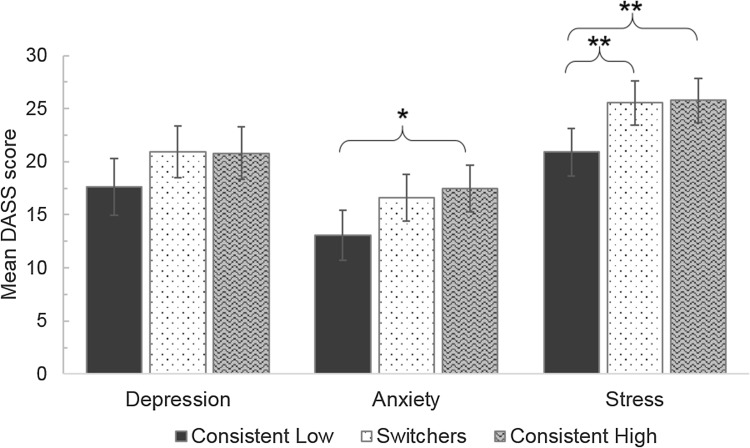
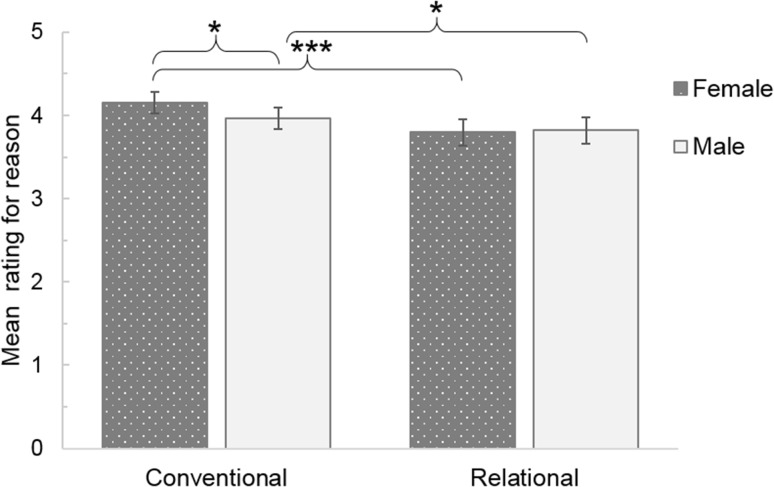
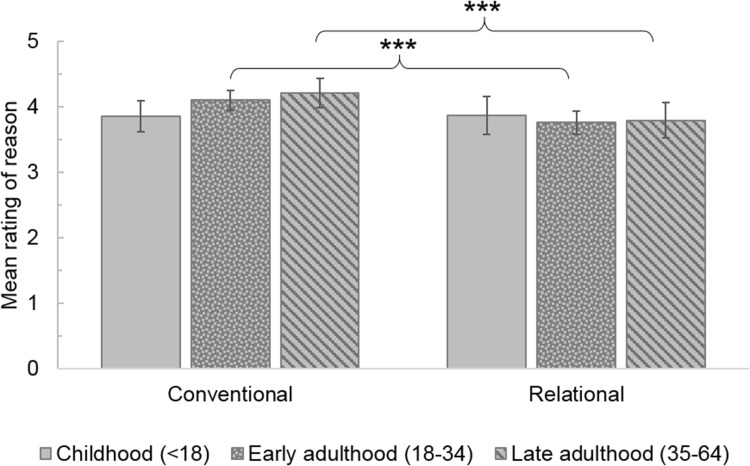
Camouflaging entails 'masking' in or 'passing' social situations. Research suggests camouflaging behaviours are common in autistic people, and may negatively impact mental health. To enhance understanding of camouflaging, this study examined reasons, contexts and costs of camouflaging. 262 autistic people completed measures of camouflaging behaviours, camouflaging contexts (e.g. work vs. family), camouflaging reasons (e.g. to make friends) and mental health symptoms. Findings indicated a gender difference in reasons for camouflaging, with autistic women more likely to endorse "conventional" reasons (e.g. getting by in formal settings such as work). Both camouflaging highly across contexts and 'switching' between camouflaging in some contexts but not in others, related to poorer mental health. These findings have implications for understanding camouflaging in autistic adults.
Overview
The claims and statistics of this paper haven’t been checked yet.
Free: it reads the open-access text and checks the first 5 claims that cite a source we can check. Create a free account to check every claim.
Integrity signals
Registry
Cites
Statistics
Figures
Verification
Claims the paper makes
The claims and statistics of this paper haven’t been checked yet.
Free: it reads the open-access text and checks the first 5 claims that cite a source we can check. Create a free account to check every claim.
Claims other papers make about this one
Each is checked against this paper’s own text: does it say what the citing paper says it does?
The source backs part of the claim, not all of it — or backs it for a different population, condition or comparison.
In the citing paper
“In this way, camouflaging may be thought of as a form of stigma management that is available to autistic individuals with more ‘concealable’ autism (Cage & Troxell-Whitman, 2019).”
From Camouflaging in an everyday social context: An interpersonal recall study (2021) · cites this paper as Cage & Troxell-Whitman, 2019
Experimental — accuracy not yet measuredThe source backs part of the claim, not all of it — or backs it for a different population, condition or comparison.
In the citing paper
“Furthermore , evidence remains inconclusive on whether the wellbeing of autistic individuals is directly related to the severity of their core traits.Instead, well-being appears to depend more significantly on the extent to which autistic individuals feel understood, accepted, and supported within an inclusive social environment (Cage & Troxell-Whitman, 2019; Pantazakos, 2023).”
From Rethinking psychological interventions in autism: Toward a neurodiversity‐affirming approach. (2025) · cites this paper as Cage & Troxell-Whitman, 2019
Experimental — accuracy not yet measuredThe cited source says what the claim attributes to it.
In the citing paper
“Cage and Troxel-Whitman (2019) found no gender differences on the Total CAT-Q score between autistic men or women.”
From Camouflaging in autism: A systematic review (2021) · cites this paper as Cage and Troxel-Whitman, 2019
The cited source says what the claim attributes to it.
In the citing paper
“Additionally, many Autistic adults report negative subjective outcomes as a result of having to meet inappropriate and unrealistic benchmarks, such as feeling they have to “pass” as neurotypical and mask or “camouflage” their Autistic behaviors (Bargiela et al., 2016; Cage & Troxell-Whitman, 2019; Cook et al., 2021; Hull et al., 2017; Livingston et al., 2019).”
From Neurodiversity and Autism Intervention: Reconciling Perspectives Through a Naturalistic Developmental Behavioral Intervention Framework (2022) · cites this paper as Cage & Troxell-Whitman, 2019
The cited source says what the claim attributes to it.
In the citing paper
“Emerging quantitative research examining associations between camouflaging and anxiety (e.g. Cage & Troxell-Whitman, 2019; Lai et al., 2017; Schuck et al., 2019) have yielded inconsistent results.”
From Camouflaging in an everyday social context: An interpersonal recall study (2021) · cites this paper as Cage & Troxell-Whitman, 2019
5 more claims about this paper
Create a free account to see every claim other papers make about this one.
Self-check
Percentages, sums and reported differences re-computed from the paper’s own numbers.
The self-check needs the paper’s full text.
Citations
Cites
Diagnostic and Statistical Manual of Mental Disorders
American Psychiatric Association (2013) · doi:10.1176/appi.books.9780890425596 · Cited by 116,369
Diagnostic and Statistical Manual of Mental Disorders
Williams, J. B. W., & First, M. (2013) · Encyclopedia of Social Work · doi:10.1093/acrefore/9780199975839.013.104 · Cited by 109,519
(2017) · Cited by 16,319
Lovibond, P. F., & Lovibond, S. H. (1995) · Behaviour Research and Therapy · doi:10.1016/0005-7967(94)00075-u · Cited by 14,523
(1943) · The Nervous child · Cited by 8,870
Lord, C., Risi, S., Lambrecht, L., Cook, E. H., Leventhal, B. L., DiLavore, P. C., Pickles, A., & Rutter, M. (2000) · Journal of Autism and Developmental Disorders · doi:10.1023/a:1005592401947 · Cited by 7,520
(1995) · Cited by 6,909
Henry, J. D., & Crawford, J. R. (2005) · British Journal of Clinical Psychology · doi:10.1348/014466505x29657 · Cited by 5,801
Autistic disturbances of affective contact.
Kanner, L. (1968) · PubMed · Cited by 3,143
What Is the Male-to-Female Ratio in Autism Spectrum Disorder? A Systematic Review and Meta-Analysis
Loomes, R., Hull, L., & Mandy, W. P. L. (2017) · Journal of the American Academy of Child & Adolescent Psychiatry · doi:10.1016/j.jaac.2017.03.013 · Cited by 2,804
Research works printed but not linked: 2
- Hudson, R. L. (2013). The effect of disability disclosure on the graduation rates of college students with disabilities (Unpublished doctoral dissertation). Virginia Tech, VA. Retrieved from https://vtechworks.lib.vt.edu/handle/10919/24072. Accessed Jan 18 2019.
- Smart J Challenges to the biomedical model of disability Advances in Medical Psychotherapy & Psychodiagnosis 2006 12 1 4
Cited by
Items 201–300 of 662
Riccio, A., Santos, J. D., Kapp, S. K., Jordan, A., DeNigris, D., & Gillespie‐Lynch, K. (2020) · Autism in Adulthood · doi:10.1089/aut.2019.0067 · Cited by 19
Social Anxiety in Autistic People: Does the Clark and Wells Model fit?
Wilson, A. C., & Gullon-Scott, F. (2023) · Journal of Autism and Developmental Disorders · doi:10.1007/s10803-023-06108-1 · Cited by 19
“There may also be a similarity between safety behaviours and camouflaging behaviours, which may be necessary adaptations to difficult social environments, with a range of purposes and consequences for autistic people, and not just reflect social anxi - ety (Cage & Troxell-Whitman, 2019).”
BackgroundLorenz, S., & Hull, L. (2024) · Trends in Psychology · doi:10.1007/s43076-024-00357-4 · Cited by 20
“Camouflaging in autistic individuals is associated with poor mental health outcomes and may lead to symptoms of anxiety, depression, low self-esteem, even loss of identity and suicidal ideation (Cage & Troxell-Whitman, 2019; Tubio-Fungueirino et al., 2020).”
Fox, J. (2025) · Autism in Adulthood · doi:10.1089/aut.2023.0100 · Cited by 17
Al-Qaysi, Z. T., Albahri, A. S., Ahmed, M. A., & Salih, M. M. (2024) · Neural Computing and Applications · doi:10.1007/s00521-024-09605-1 · Cited by 19
McKinnon, K., Bougoure, M., Zhuang, S., Tan, D. W., & Magiati, I. (2024) · Autism · doi:10.1177/13623613241287964 · Cited by 17
“Autistic people have reported that camouflaging may be driven by a fear of ostracism and bullying (Cage & Troxell-Whitman, 2019; Hull et al., 2017) and can be a way to avoid being negatively perceived (e.g. Bernardin et al., 2021; Chapman et al., 2022).”
InfluentialAtkinson, E., Wright, S., & Wood‐Downie, H. (2025) · Journal of Autism and Developmental Disorders · doi:10.1007/s10803-024-06668-w · Cited by 27
“Due to the high prevalence rates of anxiety in autistic secondary aged students (Costley et al., 2021 ), and inconsistent research find - ings about camouflaging and general well-being/depression (Cage & Troxell-Whitman, 2019; Perry et al., 2022), the current study will focus primarily on anxiety.”
InfluentialScheeren, A. M., Nieuwenhuis, S., Crane, L., Roke, Y., & Begeer, S. (2025) · Autism · doi:10.1177/13623613251353358 · Cited by 24
Williams, E. G., Smith, M. J., Sherwood, K. L., Lovelace, T. S., & Bishop, L. (2021) · Journal of Autism and Developmental Disorders · doi:10.1007/s10803-021-05242-y · Cited by 16
Beyond ‘bad’ behaviors: A call for occupational scientists to rethink autism
Taylor, E. E. (2022) · Journal of Occupational Science · doi:10.1080/14427591.2022.2136231 · Cited by 14
“(p. 2) Masking may thus facilitate receiving the opportunities, acceptance, and safety denied autistic people who cannot or choose not to mask (the ‘ visibly ’ autistic) (Cage & Troxell-Whitman, 2019; Hull et al., 2017; Pearson & Rose, 2021).”
BackgroundKhudiakova, V., & Chasteen, A. L. (2022) · Journal of Interpersonal Relations Intergroup Relations and Identity · doi:10.33921/isnu8742 · Cited by 16
Swimming with the Current But against the Tide: Reflections of an Autistic Social Worker
Guthrie, J. (2023) · The British Journal of Social Work · doi:10.1093/bjsw/bcad039 · Cited by 16
Westerberg, B., Holländare, F., & Bejerot, S. (2023) · Internet Interventions · doi:10.1016/j.invent.2023.100672 · Cited by 18
Grant, A. (2021) · International Breastfeeding Journal · doi:10.1186/s13006-021-00384-2 · Cited by 13
“Furthermore, she believes her observational skills are enhanced by being Autistic, as Autistic individuals who may commonly be believed to be “high functioning” (a label that is no longer viewed as appropriate) spend considerable time and effort studying others, in an effort to pass as neurotypical in ableist societie…”
BackgroundConsolidating a framework of autistic camouflaging strategies: An integrative systematic review
Nel, J., Spedding, M. F., & Malcolm‐Smith, S. (2025) · Autism · doi:10.1177/13623613251335472 · Cited by 20
Camouflaging and autism: Conceptualisation and methodological issues
Arnold, W. M., Bitsika, V., & Sharpley, C. F. (2026) · Autism · doi:10.1177/13623613261420085 · Cited by 17
“…females diagnosed during adulthood (Baldwin & Costley, 2016; Bargiela et al., 2016; L. Bradley et al., 2021; Brake, 2024; Cage et al., 2018; Cage & Troxell-Whitman, 2019; Cook, Crane, Hull et al., 2021; Cooper, 2024; Craddock, 2024; Hull et al., 2017, 2019; Leedham et al., 2020;…”
Friedman, S., Noble, R., Archer, S., Gibson, J. L., & Hughes, C. H. (2023) · Autism · doi:10.1177/13623613231166462 · Cited by 12
Autistic adults’ inclination to lie in everyday situations
Bagnall, R., Russell, A., Brosnan, M., & Maras, K. (2023) · Autism · doi:10.1177/13623613231183911 · Cited by 17
“…body of research relating to autistic adults’ ability to manage others’ expectations by selectively choosing when and how to disclose information (Cage & Troxell-Whitman, 2019; Hull et al., 2017; Livingston, Colvert, et al., 2019), as well as engage successfully in computerised deception tasks…”
Background"But the Bumpies Hurt!": Autism and the Importance of Identity-first Language
Pineo, E. (2022) · Including Disability · doi:10.51357/id.vi2.194 · Cited by 20
Celebrating Neurodivergence amid Social Injustice
Krazinski, M. (2023) · Hypatia · doi:10.1017/hyp.2023.79 · Cited by 14
Han, E. K. L., Scior, K., Grace, K., Heath, E., Dufresne, S., & Crane, L. (2024) · Autism · doi:10.1177/13623613231221685 · Cited by 15
“Conversely, concealment and camouflaging may offer some protection from public stigma, but have also been associated with internalised stigma, stress and anxiety among autistic adults (Botha & Frost, 2020; Cage & Troxell-Whitman, 2019; Cook et al., 2021).”
BackgroundKhudiakova, V., Forestier, J. M. L., & Chasteen, A. L. (2024) · Neurodiversity · doi:10.1177/27546330241255121 · Cited by 12
“However, it is worth noting that the average camou fl aging scores in our sample were lower than those in previous research (e.g. Cage & Troxell-Whitman, 2019; Hull et al., 2019), suggesting that our participants may have concealed less than previous autistic samples.”
Brake, J. (2024) · Disability & Society · doi:10.1080/09687599.2024.2374491 · Cited by 17
“In fact, this behavior has recently been reported in autism research as very common, especially among adults (cage and Troxell-Whitman 2019; Hull et al. 2017).”
InfluentialOates, M., Bean, A., Kickbusch, R., & Sauer, S. (2024) · American Journal of Speech-Language Pathology · doi:10.1044/2024_ajslp-23-00393 · Cited by 13
Meta-Synthesis of Autistic Adults’ First-Person Perspectives About Mental Health-Related Services
Andoni, L., Eisenhower, A., Gudknecht, J., & Levitt, H. M. (2026) · Autism in Adulthood · doi:10.1089/aut.2023.0167 · Cited by 11
“11,12 Moreover, autistic people are at greater risk for various adverse childhood events, such as bullying and income insuf fi ciency, which in turn increases the risk for co-occurring psychiatric health problems.”
Zaks, Z. (2025) · Neurodiversity · doi:10.1177/27546330241294138 · Cited by 19
“Masking and camou fl aging — strategies used by autistic people to appear more normal — have been correlated to suicide, depression, and autistic burnout (Cage & Troxell-Whitman, 2019; Cassidy et al., 2020; Hull et al., 2021; Raymaker et al., 2020).”
Synapse: A co-designed neurodivergent peer support programme for higher education settings
Coyle, A., O’Hare, L., & Ramey, D. (2025) · Autism · doi:10.1177/13623613251320448 · Cited by 23
“As a result, neurodivergent students may mask or camou-flage to fit in with a neuro-normative perspective and minimise visibility in social situations (Cage & Troxell-Whitman, 2019; Cassidy et al., 2020; Pryke-Hobbes et al., 2023; Sedgewick et al., 2022).”
Pérez-Arqueros, M., Jamett-Cuevas, V., Pulgar-Vera, V., Santander-Gonzalez, R., Pemau, A., & Álvarez-Cabrera, P. L. (2025) · Research in Autism · doi:10.1016/j.reia.2025.202540 · Cited by 18
Camouflaging in autism: A cause or a consequence of mental health difficulties?
van der Putten, W., Mol, A. J. J., Radhoe, T. A., Torenvliet, C., van Rentergem, J. A. A., Groenman, A. P., & Geurts, H. M. (2025) · Autism · doi:10.1177/13623613251347104 · Cited by 14
“While camouflaging can help some autistic people navigate through a non-autistic society, others have reported negative consequences of camouflaging (Cage & Troxell-Whitman, 2019; Libsack et al., 2021).”
Ni, P., Xue, L., Cai, J., Wen, M., & He, J. (2020) · Autism · doi:10.1177/1362361320949352 · Cited by 13
“In other words, interventions should view autistic traits in a more positive light, follow their lead, and be responsive to their cues and focus of attention (Caplan et al., 2019; Venker et al., 2012).”
BackgroundMcLinden, H., & Sedgewick, F. (2022) · British Journal of Special Education · doi:10.1111/1467-8578.12442 · Cited by 14
Tomas, V., Hsu, S., Kingsnorth, S., Anagnostou, E. A., Kirsh, B. H., & Lindsay, S. (2023) · JMIR Formative Research · doi:10.2196/44354 · Cited by 17
“Owing to autistic traits not being physically visible [14,15], autistic employees sometimes camouflaging their autistic traits in the workplace [16], or a lack of general knowledge about autistic features among workplaces [12,17], autism is often not immediately apparent, and thus, autistic persons have the choice of…”
BackgroundZane, E. R., & Grossman, R. B. (2024) · Autism & Developmental Language Impairments · doi:10.1177/23969415241283378 · Cited by 12
“Any or all of these factors may have led autistic participants to camou fl age certain behaviors indicative of their neurotype (Cage & Troxell-Whitman, 2019), a process that is described by autistic people as cognitively taxing (Cook et al., 2021).”
BackgroundMills, J., & Duffy, O. M. (2025) · JMIR Rehabilitation and Assistive Technologies · doi:10.2196/63235 · Cited by 17
“These studies are criticized for using deficit-based interventions that aim to reduce and normalize autistic social behaviors, potentially increasing the risk of masking, negative mental health outcomes, and in some cases, trauma [7].”
Self-compassion as an antidote to self-stigma and shame in autistic adults
Riebel, M., Bureau, R., Rohmer, O., Clément, C., & Weiner, L. (2025) · Autism · doi:10.1177/13623613251316965 · Cited by 18
“Unlike shame, camouflaging has been associated with self-stigma in autistic people (Cage & Troxell-Whitman, 2019; Perry et al., 2022).”
InfluentialHow much of my true self can i show? social adaptation in autistic women: a qualitative study
砂川, 芽. (2023) · BMC Psychology · doi:10.1186/s40359-023-01192-5 · Cited by 12
“Assumptions regarding social roles were not limited to work but included family and community, which was in line with previous studies indicating that this may be due to women’s diverse roles in social contexts and pressure regarding role expectations [7, 21, 33].”
ResultO’Loghlen, J., & Lang, C. P. (2024) · Autism in Adulthood · doi:10.1089/aut.2022.0094 · Cited by 13
Keates, N. (2022) · Journal of Speech Language and Hearing Research · doi:10.1044/2022_jslhr-22-00028 · Cited by 15
Albin, M., Chawrun, I., & Tint, A. (2024) · Autism in Adulthood · doi:10.1089/aut.2023.0181 · Cited by 11
Does Camouflaging Cause Reduced Quality of Life? A Co-Twin Control Study
Remnélius, K. L., Neufeld, J., Isaksson, J., & Bölte, S. (2024) · Journal of Autism and Developmental Disorders · doi:10.1007/s10803-024-06583-0 · Cited by 17
“The use of such strategies has been described as motivated by both internal and external factors, includ - ing social motivation and the desire to develop relationships, but also to avoid being targeted or bullied, and be accepted by others (Cage & Troxell-Whitman, 2019; Hull et al., 2017 ).”
“Very Misunderstood”: Self-Perceived Social Communication Experiences of Autistic Young Adults
Banks, A. L., Mainess, K. J., Javaherian-Dysinger, H., & Natsuaki, M. N. (2024) · Youth · doi:10.3390/youth4040104 · Cited by 12
Ezerins, M. E., Simon, L., & Rosen, C. C. (2025) · Journal of Management · doi:10.1177/01492063241308214 · Cited by 14
“This masking behavior, while perhaps beneficial in some circumstances (Cage & Troxell-Whitman, 2019), is not without costs.”
Kirby, A. V., Feldman, K. J. C., Himle, M. B., Diener, E., Wright, C., & Hoffman, J. M. (2021) · American Journal of Occupational Therapy · doi:10.5014/ajot.2021.045815 · Cited by 10
“This content seems to be a critical component of parent education for autistic youth, especially given emerging research that suppression of autistic traits may be associated with burnout and mental health struggles (Cage & Troxell-Whitman, 2019; Cassidy et al., 2020).”
BackgroundAutistic adults’ experiences of managing wellbeing and implications for social prescribing
Featherstone, C., Sharpe, R. A., Axford, N., Asthana, S., & Husk, K. (2023) · Disability & Society · doi:10.1080/09687599.2023.2263628 · Cited by 15
“These concepts are linked to well-being, impacting mental health, social interactions and daily activities (Bradley et al. 2021; Buckle et al. 2021; Cassidy et al. 2018; Cage and Troxell-Whitman 2019; Hull et al. 2017; Raymaker et al. 2020; Welch et al. 2021).”
BackgroundCrisci, G., Cardillo, R., & Mammarella, I. C. (2024) · Journal of Clinical Child & Adolescent Psychology · doi:10.1080/15374416.2024.2330479 · Cited by 14
“On the other hand, it may also stem from a sense of discomfort in engaging in social interactions, which could potentially make them vulnerable to bullying (Cage & Troxell-Whitman, 2019).”
BackgroundAi, W., Wang, Y. A., Cunningham, W. A., & Lai, M. (2025) · Scientific Reports · doi:10.1038/s41598-025-24899-4 · Cited by 11
“The construct of camouflaging, as measured by CAT-Q items derived from autistic people’s lived experiences 8,92,93 , converges with the general population’s intention to engage in IM.”
The Experiences of Autistic People When Facemask Wearing and Interacting with Masked Individuals
Clegg, A., Wood, J., Hobson, H., & Sedgewick, F. (2024) · Autism in Adulthood · doi:10.1089/aut.2022.0091 · Cited by 11
“29 32 Camouflaging is exhausting and stressful, 33,34 and higher levels of camou-flaging are associated with worse mental health.”
Autism and the Case Against Job Interviews
de Vries, B. (2024) · Neuroethics · doi:10.1007/s12152-024-09563-4 · Cited by 8
McCrossin, R. (2023) · Children · doi:10.3390/children10020272 · Cited by 9
Keates, N., Waldock, K. E., & Dewar, E. F. A. (2022) · Journal of Speech Language and Hearing Research · doi:10.1044/2022_jslhr-22-00331 · Cited by 14
“Camarata (2022) discusses that interventions must match abilities with social interactions.”
BackgroundAutism and emotion recognition technologies in the workplace
Katirai, A. (2024) · Autism · doi:10.1177/13623613241279704 · Cited by 10
“Pressures to mask among autistic individuals were reported in a study by Miller et al. (2021) to lead to detrimental effects on both physical and mental health, including through exhaustion or burnout, and leading to increased suicidality (Cage & Troxell-Whitman, 2019).”
Khudiakova, V., Levy, X., Sowden, S., & Surtees, A. D. R. (2025) · Autism in Adulthood · doi:10.1089/aut.2024.0288 · Cited by 10
Sutherland, H., Crompton, C. J., Long, J., & Fletcher‐Watson, S. (2025) · Neurodiversity · doi:10.1177/27546330251333919 · Cited by 8
“…et al., 2005); alexithymia (Poquérusse et al., 2018); dif fi culties with the energy, motivation, and capacity for socialising (Calder et al., 2013; McNair et al., 2024; Ryan & Räisänen, 2008); and masking (Bernardin et al., 2021; Cage & Troxell-Whitman, 2019; Cook et al., 2021; Hull et al., 2017).”
Camouflaging in autism and borderline personality disorder: Same or different?
Petrolini, V., & Schmidt, P. (2025) · Theory & Psychology · doi:10.1177/09593543251316832 · Cited by 8
“Significant correlations have also been established between autistic camouflaging, anxiety, and poor mental health (Cage & Troxell-Whitman, 2019).”
Nimbley, E., Buchan, K., Maloney, E., Kettley, S., Sader, M., Duffy, F., & Gillespie‐Smith, K. (2025) · Journal of Clinical Psychology · doi:10.1002/jclp.23802 · Cited by 8
“Research exploring this strategy should be wary of confusion around terminology, with the terms camouflaging and masking used interchangeably (e.g., Cage et al. 2018; Cage and Troxell ‐ Whitman 2019) and inconsistent terms used between the research and Autistic community.”
Walsh, Ó., Linehan, C., & Ryan, C. (2025) · Journal of Autism and Developmental Disorders · doi:10.1007/s10803-025-06869-x · Cited by 10
“…among autistic people, particularly among women (Hull et al., 2020; Lai et al., 2016 ; Schuck et al., 2019) and has been associated with heightened levels of stress and increased risks of suicidality (Cage & Troxell-Whitman, 2019; Cassidy et al., 2018) despite providing short-term social benefits.”
Roisenberg, B. B., Boulton, K., Thomas, E. E., & Guastella, A. J. (2025) · Autism Research · doi:10.1002/aur.70103 · Cited by 8
Putting on a disguise to fit in: A mixed methods study of experiences in autistic camouflaging
Jones, S., Sharpe, B. T., King, R., Waldeck, D., & Tyndall, I. T. (2025) · Research in Neurodiversity · doi:10.1016/j.rin.2025.100004 · Cited by 8
Newman, K., Snay, S., Endres, M., Parikh, M., & Begel, A. (2025) · International ACM SIGACCESS Conference on Computers and Accessibility (ASSETS) · doi:10.1145/3663547.3746334 · Cited by 12
Pinto, A., Quilter, E. E. V., Vasikaran, J., Koerner, S., Chimonas, T., Nielsen, E. E., Marshall, P., & O'Hara, K. P. (2025) · Australian Conference on Human-Computer Interaction (OzCHI) · doi:10.1145/3764687.3764713 · Cited by 9
Hull, L., & Mandy, W. (2019) · Frontiers for Young Minds · doi:10.3389/frym.2019.00129 · Cited by 9
“But for some autistic people, camouflaging happens every time they talk to someone and this takes a lot of effort [3].”
InfluentialBemmouna, D., Weibel, S., Kosel, M., Hasler, R., Weiner, L., & Perroud, N. A. (2022) · Psychiatry Research · doi:10.1016/j.psychres.2022.114580 · Cited by 10
Rosqvist, H. B., Hultman, L., & Hallqvist, J. (2022) · The British Journal of Social Work · doi:10.1093/bjsw/bcac138 · Cited by 11
Emotional Intelligence in Autistic Adults: A Review with Considerations for Employers
Howes, S. S. (2023) · Sustainability · doi:10.3390/su15097252 · Cited by 9
Bureau, R., & Clément, C. (2023) · Autism · doi:10.1177/13623613231183071 · Cited by 14
“…diagnostic procedures have been identified: (1) camou-flaging (a collection of behaviors to “hide” autistic characteristics and “pass” as non-autistic) (Cage & Troxell-Whitman, 2019), which can delay identification and referral (Rødgaard et al., 2021); (2) an increased difficulty to access health…”
MethodUnderstanding camouflaging, stigma, and mental health for autistic people in JapanPreprint
Tamura, M., Cage, E., Perry, E., Hongo, M., Takahashi, T., Seto, M., Shimizu, E., & Oshima, F. (2023) · Research Square · doi:10.21203/rs.3.rs-2614748/v2 · Cited by 7
Self-citationCardon, G. J., McQuarrie, M., Calton, S., & Gabrielsen, T. P. (2023) · Research in Autism · doi:10.1016/j.rasd.2023.102263 · Cited by 15
O’Reilly, M. J., Kiyimba, N., Tromans, S. J., & Drewett, A. (2025) · Policing An International Journal · doi:10.1108/pijpsm-03-2025-0047 · Cited by 7
Autistic Traits and Camouflaging: A Meta-Analysis
Greig, L., Coundouris, S. P., & Henry, J. D. (2026) · Autism · doi:10.1177/13623613261437500 · Cited by 8
“Some also suggest that they are motivated to achieve goals, and that camouflaging, and motivations for camouflaging, may change across contexts (Bernardin et al., 2021; Cage & Troxell-Whitman, 2019; Hull et al., 2017).”
Franklin, M. D., Taylor, E. E., Floríndez, D. C., Guzman, M., Lawson, T. L., Rios, J., & Angell, A. M. (2025) · Autism in Adulthood · doi:10.1089/aut.2023.0070 · Cited by 9
Blackhurst, T., Warmelink, L., Roestorf, A., & Hartley, C. (2024) · Frontiers in Psychology · doi:10.3389/fpsyg.2024.1388726 · Cited by 7
Timler, G. R., Zane, E. R., Decker, A. L., Ritter, R., & Stewart, A. L. (2024) · Perspectives of the ASHA Special Interest Groups · doi:10.1044/2024_persp-24-00088 · Cited by 10
Exploring music in the everyday lives of autistic women: An Interpretative Phenomenological Analysis
Shalit, L., Elefant, C., & Roginsky, E. (2024) · Nordic Journal of Music Therapy · doi:10.1080/08098131.2024.2396105 · Cited by 11
“…often include forcing the suppression of autistic traits, mental and social exhaustion, an unstable sense of self-identity, and increased feelings of alienation (Cage & Troxell-Whitman, 2019; Cassidy et al., 2019; Hull et al., 2017; Lai et al., 2020; Radulski, 2022; Schneid & Raz, 2020).”
Øverland, E., Andersen, P. N., Orm, S., Øie, M. G., Skogli, E. W., & Hauge, Å. L. (2024) · Autism in Adulthood · doi:10.1089/aut.2024.0156 · Cited by 8
Sazzed, S. (2025) · International Journal of Medical Informatics · doi:10.1016/j.ijmedinf.2025.106110 · Cited by 6
Anxiety in female adolescents with autism spectrum disorder: Lessons for healthcare professionals
Jackson, L., Keville, S., & Ludlow, A. (2022) · Qualitative Health Communication · doi:10.7146/qhc.v1i2.128871 · Cited by 7
Est-ce que Vous Compute? Code-Switching, Cultural Identity, and AI
Falbo, A., & LaCroix, T. (2022) · Feminist Philosophy Quarterly · doi:10.5206/fpq/2022.3/4.14264 · Cited by 14
McMaughan, D. J., Lewis, C., McGehee, A. L., Noreen, D., Parker, E., & Criss, M. M. (2023) · JMIR Research Protocols · doi:10.2196/52658 · Cited by 8
“Similar to bullying, masking is also associated with poorer mental well-being [16-19].”
BackgroundVideo Modeling to Support Social Communication Goals of Autistic Adults: A Tutorial
Wilson, K. P., Valazza, E., & Price, C. (2024) · American Journal of Speech-Language Pathology · doi:10.1044/2024_ajslp-23-00479 · Cited by 8
The consequences of social camouflaging in autistic adults: A systematic review
Summerill, J., & Summers, S. J. (. (2025) · Research in Autism · doi:10.1016/j.reia.2025.202556 · Cited by 17
Pyszkowska, A., Nowacki, A., & Stefanek, F. (2025) · Research in Autism · doi:10.1016/j.reia.2025.202597 · Cited by 7
Stakeholders’ perspectives on the inclusion of neurodiverse learners in the mainstream curricula
Ndou-Chikwena, N. N., & Sefotho, M. M. (2025) · South African Journal of Childhood Education · doi:10.4102/sajce.v15i1.1622 · Cited by 8
The relationship between autistic camouflaging and mental health: a scoping review
Hodge, E. K., & Meltzoff, K. (2026) · Frontiers in Psychiatry · doi:10.3389/fpsyt.2026.1701615 · Cited by 8
“Camou fl aging frequency and context predicted stress with those who camou fl age infrequently across contexts having lower stress than those who camou fl age frequently across contexts or switch frequency based on context (np 2 = .05; 24).”
InfluentialTomas, V., Kingsnorth, S., Anagnostou, E. A., Kirsh, B. H., & Lindsay, S. (2024) · Autism in Adulthood · doi:10.1089/aut.2023.0054 · Cited by 6
“14 This is due to autism’s lack of external/physical expression, 15,16 autistic people sometimes masking their autistic characteristics, 17 and minimal autism knowledge among employers.”
Trundle, G., Jones, K. A., Ropar, D., & Egan, V. (2022) · Advances in Autism · doi:10.1108/aia-02-2022-0006 · Cited by 11
Beyond the mask: The role of camouflaging in managing an autistic identity for girls and women
Burns, J., & Tierney, S. (2023) · Principles of Gender-Specific Medicine · doi:10.1016/b978-0-323-88534-8.00046-8 · Cited by 8
DeThorne, L. S., Pierce, K., Rang, M., Schafer, S., VanRyswyk, K., & Angulo-Jiménez, H. (2024) · Topics in Language Disorders · doi:10.1097/tld.0000000000000333 · Cited by 5
Longitudinal Follow-Up Study of Social Intervention Outcomes for Children on the Autism Spectrum
Lopata, C. J., Thomeer, M. L., Rodgers, J. D., Donnelly, J. P., & Lodi‐Smith, J. (2024) · Journal of Autism and Developmental Disorders · doi:10.1007/s10803-023-06221-1 · Cited by 10
“…potential influence of masking and consider how future studies can assess the degree of masking, its potential impacts, and/or how social interventions may buffer or contribute to its potential negative effects for children on the autism spectrum (Cage & Troxell-Whitman, 2019; Hull et al., 2017 ).”
Social Camouflage in Autism: An Analysis of Decision Making
Giroux, M., Courcy, I., & Nadig, A. (2024) · Autism in Adulthood · doi:10.1089/aut.2023.0077 · Cited by 11
“Given the established relationship between camou fl aging and poor mental health in autistics, 35,37,38 after careful consideration of whether it is safe for the individual to unmask in a particular context, re fl ecting on camou fl aging practices could be one factor to modify to improve or protect…”
InfluentialOxytocin in autism: Rethinking treatment and research through a neurodivergent perspective
Phan, J., Dwyer, P. S. R., Elsherif, M. M., Friedel, E., & Kapp, S. K. (2024) · Psychoneuroendocrinology · doi:10.1016/j.psyneuen.2024.107220 · Cited by 8
Seeing the unseen realities of autism
Parish‐Morris, J. (2019) · The Lancet Psychiatry · doi:10.1016/s2215-0366(19)30295-0 · Cited by 7
Vidal, V., & DeThorne, L. S. (2021) · Perspectives of the ASHA Special Interest Groups · doi:10.1044/2021_persp-20-00223 · Cited by 6
Frigaux, A., Vacant, C., & Évrard, R. (2022) · L Évolution Psychiatrique · doi:10.1016/j.evopsy.2022.06.001 · Cited by 14
Lu, M., Pang, F., Peng, T., Liu, Y., & Wang, R. (2023) · International Journal of Developmental Disabilities · doi:10.1080/20473869.2023.2181273 · Cited by 8
“Greater camouflaging of autistic characteristics is often driven by a stigma for or avoidance of the embarrassment and criticism towards one ’ s aberrant acts (Cage and Troxell-Whitman 2019, Crompton et al. 2020, Perry et al. 2022).”
Camouflaging Behaviours Used by Autistic Adults During Everyday Social Interactions
Cook, J., Crane, L., Hull, L., Bourne, L., & Mandy, W. (2020) · doi:10.21203/rs.3.rs-96362/v1 · Cited by 5
Durben, D. L. (2024) · Neurodiversity · doi:10.1177/27546330241266726 · Cited by 6
“Camou fl aging has highly detrimental effects on mental health, including exhaustion, anxiety, depression, and loss of identity (Bradley et al., 2021; Cage & Troxell-Whitman, 2019; Cage et al., 2018; Cassidy et al., 2020; Cook et al., 2021; Hull et al., 2020; Perry et al., 2022).”
Carpita, B., Nardi, B., Giovannoni, F., Felice, C. D., Tranchese, F., Bonelli, C., Massimetti, G., Cremone, I. M., Pini, S., Muscatello, M. R. A., et al. (2025) · Brain Sciences · doi:10.3390/brainsci15040340 · Cited by 6
Menstruation among autistic adults: An occupational perspective
Bowden, S. L., & Miller, P. K. (2025) · British Journal of Occupational Therapy · doi:10.1177/03080226251341730 · Cited by 6
“While this can delay or prevent recognition/diagnosis, it has also been noted to functionally become an occupation in itself (Cage and Troxell-Whitman, 2019; Franklin et al., 2024), somewhat inevitably at the cost of performance in others, and with routine detriments to mental health (Evans et al.,…”
Osborne, C., Barker, J., Cole, A., & Russell, R. (2026) · Research in Neurodiversity · doi:10.1016/j.rin.2026.100025 · Cited by 5
Social Life Influences on the Academic Success of Neurodiverse University Students
Shoko, R. (2024) · Journal of Education Society & Multiculturalism · doi:10.2478/jesm-2024-0007 · Cited by 4
Metadata
- Authors
- Cage, E., & Troxell-Whitman, Z.
- Affiliations
- Royal Holloway University of London (GB)
- Corresponding author
- Cage, Eilidh
- ORCID
- Cage, Eilidh
- Venue
- Journal of Autism and Developmental Disorders
- Published
- 2019-01-09
- Volume
- 49
- Issue
- 5
- Pages
- 1899-1911
- ISSN
- 0162-3257 (ISSN-L)
- 1573-3432
- PMC
- PMC6483965
- OpenAlex
- W2909219349
- Semantic Scholar
- 12cce267ca6d3c1855d17f3f5faf6a824ceed884
- Cited by
- 661
- References
- 64
- Citations by year
- 2026: 184 · 2025: 111 · 2024: 104 · 2023: 84 · 2022: 67 · 2021: 64 · 2020: 29 · 2019: 18
- FWCI
- 25.87
- Type
- journal article
- Language
- en
- Open access
- hybrid
- doi.org
- Licence
- cc-by
- creativecommons.org/licenses/by/4.0 (tdm)
- Locations
- Journal of Autism and Developmental Disorders (publishedVersion, cc-by)
- PubMed Central (publishedVersion, cc-by)
- PubMed (publishedVersion)
- Stirling Online Research Repository (University of Stirling) (submittedVersion, cc-by)
- Topics
- Life Sciences › Neuroscience › Cognitive Neuroscience › Autism Spectrum Disorder Research
- Social Sciences › Psychology › Clinical Psychology › Family and Disability Support Research
- Social Sciences › Psychology › Social Psychology › Social Robot Interaction and HRI
- Keywords
- camouflaging, autistic adults, masking, mental health, gender differences
- MeSH terms
- Adult, Autistic Disorder, Female, Humans, Male, Mental Health, Middle Aged, Sex Factors, Social Behavior
About these checks
Registry, retraction, Cites and statistics results are computed, not judged, with one exception: a printed reference that no index lists is read once by a model before it counts as a citation error. Claims are extracted by a model and kept only when their quote appears verbatim in the text; each cited source is then checked, with a model’s help, for whether it says what the claim relies on. Those verdicts can be wrong — read the claim’s quote and the cited source before relying on one.
Statistics and arithmetic are recomputed, not judged.
Confidence bands are shown only for fields calibrated on our annotated test set. None is calibrated yet, so no band is shown.
What counts as a claim ›How we measure confidence ›How we check this ›
Are you an author, or do you see a problem with this page? Request a review
Data sources
Bibliographic data: Semantic Scholar, OpenAlex, Crossref.
Contains information from the Semantic Scholar Academic Graph Datasets, made available under the ODC Attribution License (ODC-BY 1.0).
Semantic Scholar’s data is described in: Kinney, R., et al. (2023). The Semantic Scholar Open Data Platform. arXiv:2301.10140.
