

Understanding the Reasons, Contexts and Costs of Camouflaging for Autistic Adults
Open accessThe DOI matches its Crossref record; 61 of the 64 references it cites were found in a registry or an index.
Abstract
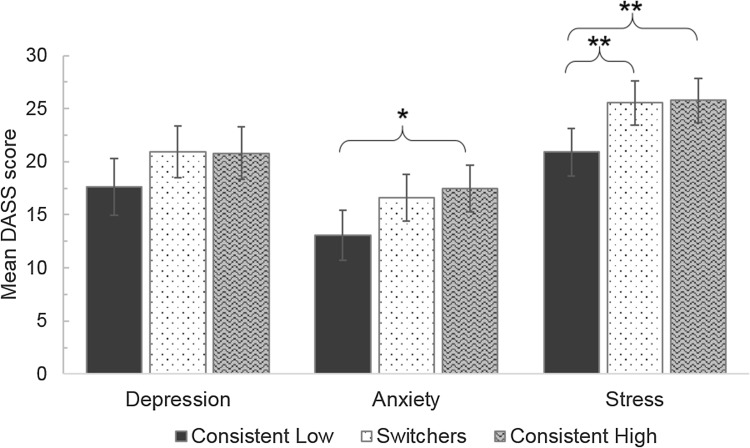
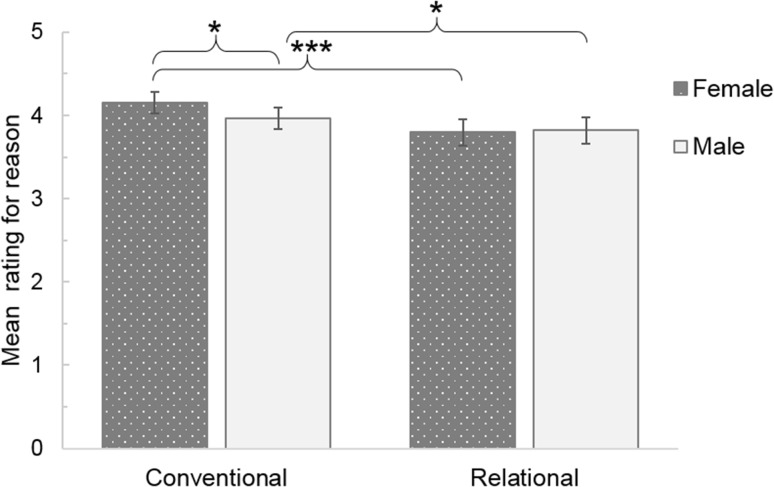
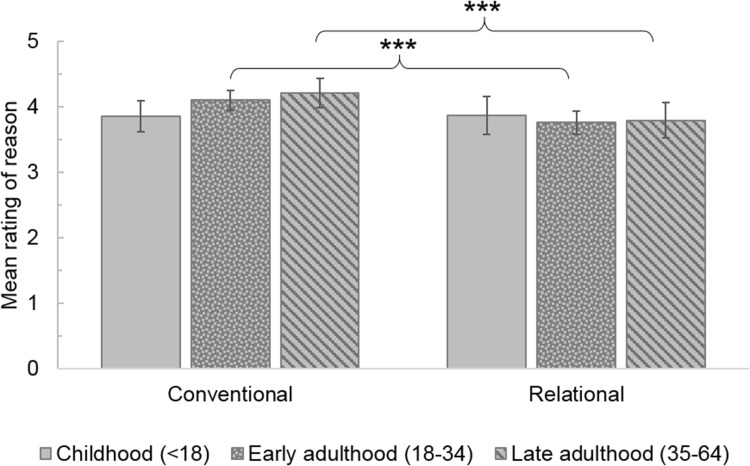
Camouflaging entails 'masking' in or 'passing' social situations. Research suggests camouflaging behaviours are common in autistic people, and may negatively impact mental health. To enhance understanding of camouflaging, this study examined reasons, contexts and costs of camouflaging. 262 autistic people completed measures of camouflaging behaviours, camouflaging contexts (e.g. work vs. family), camouflaging reasons (e.g. to make friends) and mental health symptoms. Findings indicated a gender difference in reasons for camouflaging, with autistic women more likely to endorse "conventional" reasons (e.g. getting by in formal settings such as work). Both camouflaging highly across contexts and 'switching' between camouflaging in some contexts but not in others, related to poorer mental health. These findings have implications for understanding camouflaging in autistic adults.
Overview
The claims and statistics of this paper haven’t been checked yet.
Free: it reads the open-access text and checks the first 5 claims that cite a source we can check. Create a free account to check every claim.
Integrity signals
Registry
Cites
Statistics
Figures
Verification
Claims the paper makes
The claims and statistics of this paper haven’t been checked yet.
Free: it reads the open-access text and checks the first 5 claims that cite a source we can check. Create a free account to check every claim.
Claims other papers make about this one
Each is checked against this paper’s own text: does it say what the citing paper says it does?
The source backs part of the claim, not all of it — or backs it for a different population, condition or comparison.
In the citing paper
“In this way, camouflaging may be thought of as a form of stigma management that is available to autistic individuals with more ‘concealable’ autism (Cage & Troxell-Whitman, 2019).”
From Camouflaging in an everyday social context: An interpersonal recall study (2021) · cites this paper as Cage & Troxell-Whitman, 2019
Experimental — accuracy not yet measuredThe source backs part of the claim, not all of it — or backs it for a different population, condition or comparison.
In the citing paper
“Furthermore , evidence remains inconclusive on whether the wellbeing of autistic individuals is directly related to the severity of their core traits.Instead, well-being appears to depend more significantly on the extent to which autistic individuals feel understood, accepted, and supported within an inclusive social environment (Cage & Troxell-Whitman, 2019; Pantazakos, 2023).”
From Rethinking psychological interventions in autism: Toward a neurodiversity‐affirming approach. (2025) · cites this paper as Cage & Troxell-Whitman, 2019
Experimental — accuracy not yet measuredThe cited source says what the claim attributes to it.
In the citing paper
“Cage and Troxel-Whitman (2019) found no gender differences on the Total CAT-Q score between autistic men or women.”
From Camouflaging in autism: A systematic review (2021) · cites this paper as Cage and Troxel-Whitman, 2019
The cited source says what the claim attributes to it.
In the citing paper
“Additionally, many Autistic adults report negative subjective outcomes as a result of having to meet inappropriate and unrealistic benchmarks, such as feeling they have to “pass” as neurotypical and mask or “camouflage” their Autistic behaviors (Bargiela et al., 2016; Cage & Troxell-Whitman, 2019; Cook et al., 2021; Hull et al., 2017; Livingston et al., 2019).”
From Neurodiversity and Autism Intervention: Reconciling Perspectives Through a Naturalistic Developmental Behavioral Intervention Framework (2022) · cites this paper as Cage & Troxell-Whitman, 2019
The cited source says what the claim attributes to it.
In the citing paper
“Emerging quantitative research examining associations between camouflaging and anxiety (e.g. Cage & Troxell-Whitman, 2019; Lai et al., 2017; Schuck et al., 2019) have yielded inconsistent results.”
From Camouflaging in an everyday social context: An interpersonal recall study (2021) · cites this paper as Cage & Troxell-Whitman, 2019
5 more claims about this paper
Create a free account to see every claim other papers make about this one.
Self-check
Percentages, sums and reported differences re-computed from the paper’s own numbers.
The self-check needs the paper’s full text.
Citations
Cites
Diagnostic and Statistical Manual of Mental Disorders
American Psychiatric Association (2013) · doi:10.1176/appi.books.9780890425596 · Cited by 116,369
Diagnostic and Statistical Manual of Mental Disorders
Williams, J. B. W., & First, M. (2013) · Encyclopedia of Social Work · doi:10.1093/acrefore/9780199975839.013.104 · Cited by 109,519
(2017) · Cited by 16,319
Lovibond, P. F., & Lovibond, S. H. (1995) · Behaviour Research and Therapy · doi:10.1016/0005-7967(94)00075-u · Cited by 14,523
(1943) · The Nervous child · Cited by 8,870
Lord, C., Risi, S., Lambrecht, L., Cook, E. H., Leventhal, B. L., DiLavore, P. C., Pickles, A., & Rutter, M. (2000) · Journal of Autism and Developmental Disorders · doi:10.1023/a:1005592401947 · Cited by 7,520
(1995) · Cited by 6,909
Henry, J. D., & Crawford, J. R. (2005) · British Journal of Clinical Psychology · doi:10.1348/014466505x29657 · Cited by 5,801
Autistic disturbances of affective contact.
Kanner, L. (1968) · PubMed · Cited by 3,130
What Is the Male-to-Female Ratio in Autism Spectrum Disorder? A Systematic Review and Meta-Analysis
Loomes, R., Hull, L., & Mandy, W. P. L. (2017) · Journal of the American Academy of Child & Adolescent Psychiatry · doi:10.1016/j.jaac.2017.03.013 · Cited by 2,804
Research works printed but not linked: 2
- Hudson, R. L. (2013). The effect of disability disclosure on the graduation rates of college students with disabilities (Unpublished doctoral dissertation). Virginia Tech, VA. Retrieved from https://vtechworks.lib.vt.edu/handle/10919/24072 . Accessed Jan 18 2019.
- Smart, J. (2006). Challenges to the biomedical model of disability. Advances in Medical Psychotherapy & Psychodiagnosis, 12, 1–4.
Cited by
Items 101–200 of 662
Autistic camouflaging across the spectrum
Petrolini, V., Rodríguez-Armendariz, E., & Vicente, A. (2022) · New Ideas in Psychology · doi:10.1016/j.newideapsych.2022.100992 · Cited by 55
Lewis, C. J., & Arday, J. (2023) · The Sociological Review · doi:10.1177/00380261231184357 · Cited by 54
“Crucially, this concealment of autistic traits for the benefit of non-autistic people has been linked with stress, mental illness and suicidality (Cage & Troxell-Whitman, 2019; Radulski, 2022).”
BackgroundLei, J., Leigh, E., Charman, T., Russell, A., & Hollocks, M. J. (2023) · Journal of Child Psychology and Psychiatry · doi:10.1111/jcpp.13884 · Cited by 51
Oshima, F., Takahashi, T., Tamura, M., Guan, S., Seto, M., Hull, L., Mandy, W., Tsuchiya, K. J., & Shimizu, E. (2024) · Molecular Autism · doi:10.1186/s13229-023-00579-w · Cited by 47
“Stigma can be found in various forms in society, and one’s perception of the social stigma of autism is a significant sociopsychologi-cal factor contributing to mental health deterioration in autistic adults [23].”
BackgroundForster, S., & Pearson, A. (2020) · Disability & Society · doi:10.1080/09687599.2019.1680347 · Cited by 39
Lundin, K., Mahdi, S., Isaksson, J., & Bölte, S. (2021) · Autism · doi:10.1177/1362361320975311 · Cited by 39
“In addition, our results are in line with previous research relating camouflaging to negative consequences for females on the autism spectrum (Bargiela et al., 2016; Cage & Troxell-Whitman, 2019; Hull et al., 2019), including exhaustion and experiences of presenting a nongenuine social persona.”
BackgroundResultRemnélius, K. L., & Bölte, S. (2023) · Journal of Autism and Developmental Disorders · doi:10.1007/s10803-023-05909-8 · Cited by 56
“…as a measure of camouflaging and not an autism diagnostic instrument or a measurement of autistic traits, and while camouflag - ing experiences are likely common among autistic people, not everyone on the autism spectrum camouflages exten - sively (Cage & Troxell-Whitman, 2019; Hull et al., 2017).”
BackgroundUnderstanding camouflaging and identity in autistic children and adolescents using photo-elicitation
Howe, S. J., Hull, L., Sedgewick, F., Hannon, B., & McMorris, C. A. (2023) · Research in Autism · doi:10.1016/j.rasd.2023.102232 · Cited by 121
A transdiagnostic approach to neurodiversity in a representative population sample: The N+ 4 model
Apperly, I. A., Lee, R., van der Kleij, S. W., & Devine, R. T. (2024) · JCPP Advances · doi:10.1002/jcv2.12219 · Cited by 37
“…largely neurotypical world may itself be a cause of at least some co ‐ occurrent psychiatric conditions (Alexander ‐ Passe, 2015; Cage et al., 2018; Cage & Troxell ‐ Whitman, 2019; Dwyer, 2022; Gallant & Good, 2023; Kiraz & Sertçelik, 2021; Mantzalas et al., 2022; Pryke ‐ Hobbes et al., 2023;…”
BackgroundCamouflaging, internalized stigma, and mental health in the general population
Ai, W., Cunningham, W. A., & Lai, M. (2024) · International Journal of Social Psychiatry · doi:10.1177/00207640241260020 · Cited by 50
“…mental health (Botha & Frost, 2020; Han et al., 2021; den Houting et al., 2021), yet mitigating the stigma, a key driver of autistic camouflaging (Cage & Troxell-Whitman, 2019; Pearson & Rose, 2021; Perry et al., 2022), is also associated with psychological repercussions, possibly elevating…”
BackgroundDeThorne, L. S., & Searsmith, K. (2020) · Perspectives of the ASHA Special Interest Groups · doi:10.1044/2020_persp-20-00188 · Cited by 45
Spaeth, E., & Pearson, A. (2023) · Journal of Perspectives in Applied Academic Practice · doi:10.56433/jpaap.v11i2.517 · Cited by 71
The Social Validity of Behavioral Interventions: Seeking Input from Autistic Adults
Baiden, K. M. P., Williams, Z. J., Schuck, R. K., Dwyer, P. S. R., & Wang, M. (2024) · Journal of Autism and Developmental Disorders · doi:10.1007/s10803-024-06297-3 · Cited by 47
The devil you know versus the devil you don’t: Disclosure versus masking in the workplace
Kidwell, K. E., Clancy, R. L., & Fisher, G. G. (2023) · Industrial and Organizational Psychology · doi:10.1017/iop.2022.101 · Cited by 58
Gender Differences in the First Impressions of Autistic Adults
Cage, E., & Burton, H. A. (2019) · Autism Research · doi:10.1002/aur.2191 · Cited by 42
Self-citationNeurodiversity in elite sport: a systematic scoping review
Hoare, E., Reyes, J., OLIVE, L. S., Willmott, C., Steer, E., Berk, M., & Hall, K. (2023) · BMJ Open Sport & Exercise Medicine · doi:10.1136/bmjsem-2023-001575 · Cited by 45
Tripathi, M. K., Ojha, S. K., Kartawy, M., Khaliulin, I., Hamoudi, W., & Amal, H. (2024) · Scientific Reports · doi:10.1038/s41598-023-50248-4 · Cited by 35
Exploring Lived Experiences of Receiving a Diagnosis of Autism in Adulthood: A Systematic Review
Nayyar, J. M., Stapleton, A., Guérin, S., & O’Connor, C. (2025) · Autism in Adulthood · doi:10.1089/aut.2023.0152 · Cited by 47
A systematic review of social camouflaging in autistic adults and youth: Implications and theory
Klein, J. L., Krahn, R., Howe, S. J., Lewis, J., McMorris, C. A., & Macoun, S. J. (2024) · Development and Psychopathology · doi:10.1017/s0954579424001159 · Cited by 48
“Finally, there is some evidence present in this review that SC may be inadvertently encouraged by teachers or peers (Cage & Troxell-Whitman, 2019; Halsall et al., 2021; Jedrzejewska & Dewey, 2022).”
InfluentialKaravidas, M., & de Visser, R. O. (2021) · Journal of Autism and Developmental Disorders · doi:10.1007/s10803-021-05010-y · Cited by 37
Rethinking psychological interventions in autism: Toward a neurodiversity‐affirming approach.
Graf‐Kurtulus, S., & Gelo, O. C. G. (2025) · Counselling and Psychotherapy Research · doi:10.1002/capr.12874 · Cited by 34
Thompson, G. A., Raine, M., Hayward, S. M., & Kilpatrick, H. (2020) · International Journal of Wellbeing · doi:10.5502/ijw.v10i5.1497 · Cited by 35
Autism and the ‘double empathy problem’
Milton, D. E. M., Waldock, K. E., & Keates, N. (2023) · Routledge eBooks · doi:10.4324/9781003189978-6 · Cited by 51
“…(Maras et al. 2021; Remington and Pellicano 2019), and even the daily dissonance of the autistic lived experience (e.g., impression management: Cage and Troxell-Whitman 2019; Cook et al. 2021; Schneid and Raz 2020; understanding the use of gaming: Pavlopoulou et al. 2022) that may include…”
Keating, C. T., Hickman, L., Geelhand, P., Takahashi, T., Leung, J., Monk, R., Schuster, B. A., Rybicki, A. J., Girolamo, T. M., Clin, É., et al. (2024) · PLoS ONE · doi:10.1371/journal.pone.0299824 · Cited by 47
Briot, K., Pizano, A., Bouvard, M. P., & Amestoy, A. (2021) · Frontiers in Psychiatry · doi:10.3389/fpsyt.2021.634756 · Cited by 37
“However, this requires significant effort, which could be at the origin of increased stress levels and higher levels of anxiety in subjects with ASD (97).”
BackgroundRocheleau, J. N., & Chiasson, S. (2022) · ACM Transactions on Computer-Human Interaction · doi:10.1145/3469859 · Cited by 35
Dell’Osso, L., Cremone, I. M., Muti, D., Massimetti, G., Lorenzi, P., Carmassi, C., & Carpita, B. (2022) · Comprehensive Psychiatry · doi:10.1016/j.comppsych.2022.152295 · Cited by 37
Dell’Osso, L., Cremone, I. M., Chiarantini, I., Arone, A., Massimetti, G., Carmassi, C., & Carpita, B. (2021) · CNS Spectrums · doi:10.1017/s1092852921000808 · Cited by 39
“Similar results were reported by a previous study, which did not find sex differences in CAT-Q scores with respect of sex, although highlighting that camouflaging behaviors may be used for different reasons by males and females.(28,36) Another study by Hull et al reported sex differences in CAT-Q scores only among ASD…”
BackgroundResultTsirgiotis, J. M., Young, R. L., & Weber, N. (2021) · Journal of Autism and Developmental Disorders · doi:10.1007/s10803-021-05300-5 · Cited by 44
“…behaviours have been associated with anxiety and other internalising concerns, such as depression and suicidal ideation (see Beck et al., 2020; Cage & Troxell-Witman, 2019; Cassidy et al., 2019) and were strongly endorsed by diagnosticians surveyed here as an important element of the female…”
BackgroundMosquera, M. L., Mandy, W., Pavlopoulou, G., & Dimitriou, D. (2021) · Research in Developmental Disabilities · doi:10.1016/j.ridd.2021.104057 · Cited by 30
“Other research has shown that navigating a social world can have a negative impact in autistic individuals’ mental health (Cage & Troxell-Whitman, 2019; Cassidy, Bradley, Shaw, & Baron-Cohen, 2018; Hull et al., 2017), and it has also been linked to trauma, family relationships, experiences at…”
Sullivan, J. (2021) · Disability & Society · doi:10.1080/09687599.2021.1983414 · Cited by 39
“Much research exists which examines the process and application of social camouflaging (Bolton and Happe 2018; Schuck, Flores, and Fung 2019; Cage and Troxell-Whitman 2019; Allely 2019).”
BackgroundAutism disclosure – The decisions autistic adults make
Farsinejad, A., Russell, A., & Butler, C. (2022) · Research in Autism · doi:10.1016/j.rasd.2022.101936 · Cited by 42
Ferenc, K., Płatos, M., Byrka, K., & Król, M. E. (2022) · Autism · doi:10.1177/13623613221135818 · Cited by 41
Chang, H.-Y., Saleh, M. C., Bruyère, S. M., & Vogus, T. J. (2023) · Journal of Vocational Rehabilitation · doi:10.3233/jvr-230031 · Cited by 40
“In fact, women on the autism spectrum are less likely than men to disclose because of work-related reasons (e.g., to get others to take their ideas and work seriously, to aid collaborative work with classmates or colleagues) (Cage & Troxell-Whitman, 2019).”
Hennekam, S., Kulkarni, M., & Beatty, J. E. (2024) · Work Employment and Society · doi:10.1177/09500170241255050 · Cited by 46
“However, passing has been associated with multiple negative outcomes including exhaustion, identity loss, burnout, depression and anxiety (Cage and Troxell-Whitman, 2019).”
Yau, N., Anderson, S., & Smith, I. (2023) · Research in Autism · doi:10.1016/j.rasd.2022.102101 · Cited by 35
Milner, V. L., Colvert, E., Mandy, W., & Happe, F. G. E. (2022) · Autism Research · doi:10.1002/aur.2873 · Cited by 35
McKinney, A., O’Brien, S., Maybin, J. A., Chan, S. W. Y., Richer, S., & Rhodes, S. (2024) · JCPP Advances · doi:10.1002/jcv2.12294 · Cited by 38
Autistic identity, culture, community, and space for well-being
Farahar, C. (2022) · Routledge eBooks · doi:10.4324/9781003056577-23 · Cited by 35
Treatment of anxiety in autistic adults: A systematic review
Menezes, M., Harkins, C., Robinson, M. F., Pappagianopoulos, J., Cross, R., Vasa, R. A., & Mazurek, M. O. (2022) · Research in Autism Spectrum Disorders · doi:10.1016/j.rasd.2022.102068 · Cited by 26
Predicting peer acceptance and peer rejection for autistic children
Feldman, M. S., Hamsho, N. F., Blacher, J., Carter, A. S., & Eisenhower, A. (2022) · Psychology in the Schools · doi:10.1002/pits.22739 · Cited by 41
“…is driven by students' own social goals and are affirming of neurodiversity, authenticity, and self ‐ determination (Bottema ‐ Beutel et al., 2018; Cage & Troxell ‐ Whitman, 2019) to avoid reinforcing stigma and ableism, inhibiting authenticity, or enforcing masking, which have negative mental…”
Cassidy, S., McLaughlin, E., McGranaghan, R., Pelton, M., O’Connor, R. C., & Rodgers, J. (2023) · Suicide and Life-Threatening Behavior · doi:10.1111/sltb.12965 · Cited by 34
Beck, K. B., MacKenzie, K. T., Kumar, T., Breitenfeldt, K. E., Chang, J. C., Conner, C. M., Mandell, D. L., White, S. W., & Mazefsky, C. A. (2024) · Autism in Adulthood · doi:10.1089/aut.2023.0214 · Cited by 49
Brosnan, M., & Gavin, J. (2021) · Journal of Autism and Developmental Disorders · doi:10.1007/s10803-020-04830-8 · Cited by 29
‘Most people have no idea what autism is’: Unpacking autism disclosure using social media analysis
Edwards, C., Love, A. M. A., Jones, S. C., Cai, R. Y., Nguyen, B. T. H., & Gibbs, V. (2023) · Autism · doi:10.1177/13623613231192133 · Cited by 34
“health difficulties (Cage & Troxell-Whitman, 2019; Cook et al., 2021; Han et al., 2021; Hull et al., 2017).”
BackgroundCrowson, S., Poole, D., Scargill, K., & Freeth, M. (2023) · Autism · doi:10.1177/13623613231196805 · Cited by 44
“…pressure to mask autistic traits, motivated by a desire to ‘fit in’, has been identified by autistic adults as one of the key causes of autistic fatigue (Hull et al., 2017), and masking has been linked to exacerbated mental health difficulties (Bargiela et al., 2016; Cage & Troxell-Whitman, 2019).”
BackgroundAutism spectrum disorder: reconceptualising support for neurodiverse students in higher education
Evans, D., Granson, M., Langford, D. R., & Hirsch, S. (2023) · Journal of Higher Education Policy and Management · doi:10.1080/1360080x.2023.2180168 · Cited by 41
“The current study supports prior research which demonstrates clear gender differences in socialisation among students with ASD (Cage & Troxell-Whitman, 2019; Lai & Baron-Cohen, 2015; Lundin, Mahdi, Isaksson, & Bölte, 2021; Tierney, Burns, & Kilbey, 2016; Uljarević, Richdale, Evans, Cai, & Leekam,…”
BackgroundResultAi, W., Cunningham, W. A., & Lai, M. (2023) · Comprehensive Psychiatry · doi:10.1016/j.comppsych.2023.152434 · Cited by 38
“A perfect storm”: Autistic experiences of menopause and midlife
Brady, M. J., Jenkins, C. A., Turner‐Cobb, J. M., Moseley, R. L., van Rensburg, M. J., & Matthews, R. J. (2024) · Autism · doi:10.1177/13623613241244548 · Cited by 32
“Research points to greater rates of emotional dysregulation and anxiety for autistic women, which may be associated with the camouflaging of emotional difficulties and autistic characteristics (Cage & Troxell-Whitman, 2019; Kirby et al., 2019; Mandy, 2019).”
BackgroundBreastfeeding Experiences of Autistic Women
Wilson, J. C., & Andrassy, B. (2021) · MCN The American Journal of Maternal/Child Nursing · doi:10.1097/nmc.0000000000000779 · Cited by 31
“One study found that 79% of autistic adults had diagnosable mental health conditions (Cage & Troxell-Whitman, 2019).”
BackgroundRosqvist, H. B., Hultman, L., & Hallqvist, J. (2022) · Autism · doi:10.1177/13623613221137428 · Cited by 33
Neurodiversity in Promoting the Well-Being of Children on the Autism Spectrum
Izuno‐Garcia, A. K., McNeel, M. M., & Fein, R. H. (2023) · Child Care in Practice · doi:10.1080/13575279.2022.2126436 · Cited by 33
“Specifically, those who camouflage often experience physical exhaustion, extreme anxiety, and depression (Beck et al., 2020; Cage & Troxell-Whitman, 2019).”
BackgroundLacroix, A., Dutheil, F., Logemann, A., Cserjesi, R., Peyrin, C., Biro, B., Gomot, M., & Mermillod, M. (2022) · Autism · doi:10.1177/13623613211062776 · Cited by 21
“As happy faces are recognized more accurately and faster than negative ones (for a review, see, Calvo & Nummenmaa, 2016), even by autistic participants (for review and meta-analysis, see Harms et al., 2010; Uljarevic & Hamilton, 2013), we expected to observe higher CR and shorter RT for positive…”
BackgroundResultResisting Ableism in School-Based Speech-Language Therapy: An Invitation to Change
DeThorne, L. S., & Gerlach-Houck, H. (2023) · Language Speech and Hearing Services in Schools · doi:10.1044/2022_lshss-22-00139 · Cited by 26
French Validation of the Camouflaging Autistic Traits Questionnaire (CAT-Q)
Bureau, R., Riebel, M., Weiner, L., Coutelle, R., Dachez, J., & Clément, C. (2023) · Journal of Autism and Developmental Disorders · doi:10.1007/s10803-023-06048-w · Cited by 31
“…develop a romantic relationship (Cage & Troxell-Whitman, 2019 ; Hull et al., 2017 ), one major difference is that they also report employing camouflaging strategies to “fit-in” and avoid ostracism, bullying and discrimination (Cage & Troxell-Whitman, 2019 ; Hull et al., 2017 ; Miller et al., 2021).”
InfluentialKeenan, E. G., Gurba, A. N., Mahaffey, B., Kappenberg, C. F., & Lerner, M. D. (2023) · Autism in Adulthood · doi:10.1089/aut.2022.0011 · Cited by 29
Social Knowledge & Performance in Autism: A Critical Review & Recommendations
Gates, J. A., McNair, M. L., Richards, J. K., & Lerner, M. D. (2023) · Clinical Child and Family Psychology Review · doi:10.1007/s10567-023-00449-0 · Cited by 34
Organizational benefits of neurodiversity: Preliminary findings on autism and the bystander effect
Hartman, L. M., Farahani, M., Moore, A. K., Rabbani, A., & Hartman, B. L. (2023) · Autism Research · doi:10.1002/aur.3012 · Cited by 29
Schuck, R. K., & Fung, L. K. (2024) · Frontiers in Psychiatry · doi:10.3389/fpsyt.2023.1250895 · Cited by 30
“Furthermore, masking has been linked with mental health issues in prior research (40, 89); if a program like SNP REACH is able to thus reduce masking and decrease social anxiety, there may be long-term benefits to mental health.”
BackgroundWijker, C., Kupper, N. H. M., Leontjevas, R., Spek, A. A., & Enders‐Slegers, M. (2021) · General Hospital Psychiatry · doi:10.1016/j.genhosppsych.2021.05.003 · Cited by 34
Autistic graduates: graduate capital and employability
Pesonen, H. V., Tuononen, T., Fabri, M., & Lahdelma, M. (2022) · Journal of Education and Work · doi:10.1080/13639080.2022.2059455 · Cited by 35
“Previous research has shown the link between masking autistic characteristics and poor mental health (Cage and Troxell-Whitman 2019; Hull et al. 2021; Mandy 2019).”
Heyworth, M., Brett, S., den Houting, J., Magiati, I., Steward, R., Urbanowicz, A., Stears, M., & Pellicano, E. (2022) · Autism in Adulthood · doi:10.1089/aut.2021.0097 · Cited by 30
Curnow, E., Utley, I., Rutherford, M., Johnston, L., & Maciver, D. (2023) · Frontiers in Psychiatry · doi:10.3389/fpsyt.2023.1258204 · Cited by 31
“Additionally, concepts such as masking (30) and alexithymia (31) may not be explicitly considered in current diagnostic tools including ADOS-2.”
BackgroundUsing Experience Sampling Methodology to Capture Disclosure Opportunities for Autistic Adults
Love, A. M. A., Edwards, C., Cai, R. Y., & Gibbs, V. (2023) · Autism in Adulthood · doi:10.1089/aut.2022.0090 · Cited by 24
Bemmouna, D., & Weiner, L. (2023) · Frontiers in Psychiatry · doi:10.3389/fpsyt.2023.1238116 · Cited by 32
“Fourth, both might be of adaptive value to avoid negative reactions such as violence and bullying (155).”
BackgroundHotez, E., Rava, J. A., Russ, S. A., Ware, A. N., & Halfon, N. (2023) · Current problems in pediatric and adolescent health care · doi:10.1016/j.cppeds.2023.101433 · Cited by 24
McQuaid, G. A., Sadowski, L. Y., Lee, N., & Wallace, G. L. (2024) · Autism in Adulthood · doi:10.1089/aut.2022.0121 · Cited by 26
Moore, H. L., Cassidy, S., & Rodgers, J. (2023) · Autism Research · doi:10.1002/aur.3073 · Cited by 30
“Interpreted within this power dynamic, even when assimilation leads to positive outputs, lack of power to choose to behave differently (given the consequences; Cage & Troxell-Whitman, 2019) may impact on wellbeing.”
Access Points: Understanding Special Interests Through Autistic Narratives
Long, R.-E. M. (2024) · Autism in Adulthood · doi:10.1089/aut.2023.0157 · Cited by 29
McMaughan, D. J., Imanpour, S., Mulcahy, A. C., Jones, J. L., & Criss, M. M. (2023) · Autism · doi:10.1177/13623613221143592 · Cited by 22
“Camouflaging, or masking, are strategies used by autistic people to hide autistic traits to appear less autistic and are associated with worse mental well-being (Cage & Troxell-Whitman, 2019; Cook et al., 2021; Mandy, 2019).”
BackgroundLoo, B. R. Y., Teo, T. J. Y., Liang, M. J., Leong, D.-J., Tan, D. W., Zhuang, S., Hull, L., Livingston, L. A., Mandy, W., Happe, F. G. E., et al. (2023) · Autism · doi:10.1177/13623613231180075 · Cited by 27
“…2019; Hull et al., 2017), whereas camouflaging for ‘conventional’ reasons (to serve mostly functional purposes and day-to-day interactions at work or in education) was reportedly more common in adulthood than in childhood (Bargiela et al., 2016; Cage & Troxell-Whitman, 2019; Hull et al., 2017).”
BackgroundResultInfluentialUnderstanding Camouflaging, Stigma, and Mental Health for Autistic People in Japan
Tamura, M., Cage, E., Perry, E., Hongo, M., Takahashi, T., Seto, M., Shimizu, E., & Oshima, F. (2025) · Autism in Adulthood · doi:10.1089/aut.2023.0035 · Cited by 29
“7,35 This finding aligns with that in Perry et al. 8 and previous discussions.”
Self-citationCamouflaging in autism: a systematic reviewPreprint
Cook, J. M., Hull, L., Crane, L., & Mandy, W. (2021) · OSF Preprints (OSF Preprints) · doi:10.31219/osf.io/u5b9e · Cited by 29
Bottema-Beutel, K., Crowley LaPoint, S., Kim, S. Y., Mohiuddin, S., Yu, Q., & McKinnon, R. (2024) · Exceptional Children · doi:10.1177/00144029231167183 · Cited by 18
“Central to these critiques are that many intervention goals aim to teach autistic youth to pass as nonautistic, which can have negative mental health implications (Cage & Troxell-Whitman, 2019).”
BackgroundSelf-Compassion, Camouflaging, and Mental Health in Autistic Adults
Galvin, J., Aguolu, P., Amos, A., Bayne, F., Hamza, F., & Alcock, L. (2024) · Autism in Adulthood · doi:10.1089/aut.2023.0110 · Cited by 24
“…camouflaging and self-compassion can be found in the camouflaging literature, and include participants talking about their camouflaging experiences as ‘‘keeping it inside,’’ 21 experiencing ‘‘feelings of shame,’’ 24 a loss of ‘‘acceptance of self,’’ 25 and ‘‘internal-izing’’ criticism from others.”
Camouflaging Autism in Pursuit of Friendship and Intimate Relationships: A Systematic Review
Ridgway, K., Cooke, K., Demmer, D. H., Hooley, M., Westrupp, E. M., & Stokes, M. A. (2025) · Autism in Adulthood · doi:10.1089/aut.2023.0160 · Cited by 29
“55 As such, at any given time, autistic individuals may experience varying degrees of social motivation, need for self-preservation, 62 or felt social pressure, which may be re fl ected in the type and intensity of camou-fl aging that is employed.”
Zhuang, S., Bougoure, M., Leong, D.-J., Dean, L., Reddrop, S., Naragon‐Gainey, K., Maybery, M. T., Tan, D. W., & Magiati, I. (2024) · Autism · doi:10.1177/13623613241262110 · Cited by 25
“Camouflaging involves consciously or unconsciously modifying autistic characteristics to ‘pass as normal’ to fit into non-autistic social environments (Cage & Troxell-Whitman, 2019; Hull et al., 2017).”
A qualitative interview study on quality of life and ageing experiences of autistic adults
Viner, H. E., Yuill, N., Costa, A. P., Radford, H., & Kornadt, A. E. (2024) · Communications Psychology · doi:10.1038/s44271-024-00142-0 · Cited by 24
Neuro-Normative Epistemic Injustice – Consequences for the UK Education Crisis and School Anxiety
Fisher, E., MacLennan, K., Mullally, S. L., & Rodgers, J. (2025) · Neurodiversity · doi:10.1177/27546330251353565 · Cited by 19
“In school, however, camou fl aging demands signi fi cant effort to conform or risk punishment, judgement, and social isolation (Cage & Troxell-Whitman, 2019; Howe et al., 2023; Hull et al., 2017; Kidwell et al., 2023; Poed & Fox, 2023).”
“I Was Like a Bird Without Wings”: Autistic Women’s Retrospective Experiences in General Schools
Zakai-Mashiach, M. (2022) · Journal of Autism and Developmental Disorders · doi:10.1007/s10803-022-05717-6 · Cited by 31
“Cage and Troxell-Whitman (2019) found that supporting autistic identity and disclosure may be one means of reducing camouflaging and improving wellbeing.”
BackgroundHersh, L., Dwyer, P., Kapp, S. K., Shevchuk-Hill, S., Gurba, A. N., Kilgallon, E., Mair, A. P. A., Chang, D. S., Rivera, S. M., & Gillespie‐Lynch, K. (2024) · Autism in Adulthood · doi:10.1089/aut.2023.0202 · Cited by 23
Clarke, E., Hull, L., Loomes, R., McCormick, C. E. B., Sheinkopf, S. J., & Mandy, W. (2021) · Research in Autism Spectrum Disorders · doi:10.1016/j.rasd.2021.101844 · Cited by 17
“Camouflaging as a coping strategy may in some cases be an effortful and not always successful process that, through chronic stress, could increase the risk for mental health problems (Bargiela et al., 2016; Cassidy et al., 2019; Lai et al., 2017).”
BackgroundCorporate governance and corporate carbon disclosures: The moderating role of earnings management
Khương, N. V., Tai, V. T. T., Thảo, N. T. P., Tuan, P. M., Dung, T. T., & Khanh, V. T. (2024) · Corporate Social Responsibility and Environmental Management · doi:10.1002/csr.2820 · Cited by 23
Rujeedawa, T., & Zaman, S. H. (2022) · International Journal of Environmental Research and Public Health · doi:10.3390/ijerph19031315 · Cited by 29
“Importantly, results from different studies using CAT-Q have been conflicting, with some studies arguing that camouflaging is not more prevalent in women [103] and others arguing it is [104].”
ResultWallace, D. M., Herbert, J. L., Hassrick, E. M., & Kabourek, S. E. (2022) · Policing An International Journal · doi:10.1108/pijpsm-10-2021-0141 · Cited by 24
Mahony, C., & O’Ryan, C. (2022) · Frontiers in Psychiatry · doi:10.3389/fpsyt.2022.985713 · Cited by 25
Cancino-Barros, I., Villacura-Herrera, C., & Castillo, R. D. (2025) · Scientific Reports · doi:10.1038/s41598-025-06137-z · Cited by 23
Compassion focused therapy for self-stigma and shame in autism: a single case pre-experimental study
Riebel, M., Krasny‐Pacini, A., Manolov, R., Rohmer, O., & Weiner, L. (2024) · Frontiers in Psychiatry · doi:10.3389/fpsyt.2023.1281428 · Cited by 28
“Such discriminative behaviors, probably linked to autism-related public stigma, can increase the likelihood of using camouflaging behaviors to pass as non-autistic (e.g., masking) (9), which is associated with poor mental health and increased isolation in in autistic people (10, 11).”
BackgroundDifferently different?: A commentary on the emerging social cognitive neuroscience of female autism
Rippon, G. (2024) · Biology of Sex Differences · doi:10.1186/s13293-024-00621-3 · Cited by 25
“Both qualitative and quantitative data indicate that a desire to fit in, to avoid the stigma of autism, is the main driving force behind cam-ouflaging behaviour [94, 107, 124–126].”
Tsirgiotis, J. M., Young, R. L., & Weber, N. (2022) · Journal of Autism and Developmental Disorders · doi:10.1007/s10803-021-05286-0 · Cited by 15
A Critical Review of Sexuality, Technology and Disability
Patel, D., Osipova, E., Spiel, K., & Barbareschi, G. (2025) · CHI Conference on Human Factors in Computing Systems · doi:10.1145/3706598.3713994 · Cited by 20
“Referring to the DSM-5, [27, 79, 100, 117, 123].”
Alford, C., Wallis, A., Hay, P., & Mitchison, D. (2025) · Journal of Eating Disorders · doi:10.1186/s40337-025-01331-w · Cited by 20
“Masking has been described as a trauma response [67] or a way to avoid ongoing stigmatisation [68, 69].”
Life Is a Stage: Autistic Perspectives on Neurotypicality
Angulo-Jiménez, H., Chan, M., & DeThorne, L. S. (2019) · Autism in Adulthood · doi:10.1089/aut.2019.0024 · Cited by 18
“22,23 When combined with prior literature, these narratives on neurotypicality offer at least three implications for professionals supporting autistic individuals and their families.”
A critical hit: Dungeons and Dragons as a buff for autistic people
Atherton, G., Hathaway, R., Visuri, I., & Cross, L. (2024) · Autism · doi:10.1177/13623613241275260 · Cited by 26
The Associations Between Camouflaging, Autistic Traits, and Mental Health in Nonautistic Adults
Somerville, M., MacPherson, S. E., & Fletcher‐Watson, S. (2024) · Autism in Adulthood · doi:10.1089/aut.2023.0018 · Cited by 28
“13,16,17 Many individuals also report that camouflaging has a significant negative effect on their self-image and can cause them to feel uncertain about their authentic identity.”
Game Changer: Exploring the Role of Board Games in the Lives of Autistic People
Cross, L., Belshaw, F., Piovesan, A., & Atherton, G. (2024) · Journal of Autism and Developmental Disorders · doi:10.1007/s10803-024-06408-0 · Cited by 23
“Masking is related to poor mental health outcomes (Bradley et al., 2021), including an increased risk for negative self-appraisal (Cage & Troxell-Whitman, 2019) and engaging in self-harm (Mour-net et al., 2023).”
The clinical characteristics of autistic women with restrictive eating disorders
Brede, J., Babb, C., Jones, C. R. G., Serpell, L., Hull, L., Adamson, J., Baker, H., Fox, J. R. E., & Mandy, W. (2024) · BJPsych Open · doi:10.1192/bjo.2024.65 · Cited by 20
“Nonetheless, future research should consider the role of camouflaging and associated distress, 40,41 as well as other autism-related factors not explored in this study (e.g. differences social relating and executive functioning) for REDs in autistic women.”
Dubreucq, M., & Dubreucq, J. (2021) · Frontiers in Psychiatry · doi:10.3389/fpsyt.2021.630029 · Cited by 22
“Reasons for camouflaging include the desire to fit in a non-autistic world, anticipated stigma, concerns about the impression made when not camouflaging, and self-stigma (53).”
BackgroundInfluentialSecci, I., Petigas, L., Cuenod, A., Klauser, P., Kapp, C., Novatti, A., & Armando, M. (2023) · Frontiers in Psychiatry · doi:10.3389/fpsyt.2023.1151293 · Cited by 17
Navigating neurodiversity in elite sport: lived experiences of neurodivergent athletes
Wood, S., Marshall, B., Kaiseler, M., & Wood, G. (2025) · Qualitative Research in Sport Exercise and Health · doi:10.1080/2159676x.2025.2534896 · Cited by 17
“Yet, findings among neurodivergent individuals in the education context suggest long-term use of this strategy can increase mental fatigue and negative mental health (Cage and Troxell-Whitman 2019; Klein et al. 2024).”
Metadata
- Authors
- Cage, E., & Troxell-Whitman, Z.
- Affiliations
- Royal Holloway University of London (GB)
- Corresponding author
- Cage, Eilidh
- ORCID
- Cage, Eilidh
- Venue
- Journal of Autism and Developmental Disorders
- Published
- 2019-01-09
- Volume
- 49
- Issue
- 5
- Pages
- 1899-1911
- ISSN
- 0162-3257 (ISSN-L)
- 1573-3432
- PMC
- PMC6483965
- OpenAlex
- W2909219349
- Cited by
- 661
- References
- 64
- Citations by year
- 2026: 184 · 2025: 111 · 2024: 104 · 2023: 84 · 2022: 67 · 2021: 64 · 2020: 29 · 2019: 18
- FWCI
- 25.87
- Type
- journal article
- Language
- en
- Open access
- hybrid
- doi.org
- Licence
- cc-by
- creativecommons.org/licenses/by/4.0 (tdm)
- Locations
- Journal of Autism and Developmental Disorders (publishedVersion, cc-by)
- PubMed Central (publishedVersion, cc-by)
- PubMed (publishedVersion)
- Stirling Online Research Repository (University of Stirling) (submittedVersion, cc-by)
- Topics
- Life Sciences › Neuroscience › Cognitive Neuroscience › Autism Spectrum Disorder Research
- Social Sciences › Psychology › Clinical Psychology › Family and Disability Support Research
- Social Sciences › Psychology › Social Psychology › Social Robot Interaction and HRI
- Keywords
- camouflaging, autistic adults, masking, mental health, gender differences
- MeSH terms
- Adult, Autistic Disorder, Female, Humans, Male, Mental Health, Middle Aged, Sex Factors, Social Behavior
About these checks
Registry, retraction, Cites and statistics results are computed, not judged, with one exception: a printed reference that no index lists is read once by a model before it counts as a citation error. Claims are extracted by a model and kept only when their quote appears verbatim in the text; each cited source is then checked, with a model’s help, for whether it says what the claim relies on. Those verdicts can be wrong — read the claim’s quote and the cited source before relying on one.
Statistics and arithmetic are recomputed, not judged.
Confidence bands are shown only for fields calibrated on our annotated test set. None is calibrated yet, so no band is shown.
What counts as a claim ›How we measure confidence ›How we check this ›
Are you an author, or do you see a problem with this page? Request a review
Data sources
Bibliographic data: Semantic Scholar, OpenAlex, Crossref.
Contains information from the Semantic Scholar Academic Graph Datasets, made available under the ODC Attribution License (ODC-BY 1.0).
Semantic Scholar’s data is described in: Kinney, R., et al. (2023). The Semantic Scholar Open Data Platform. arXiv:2301.10140.
