

Understanding the Reasons, Contexts and Costs of Camouflaging for Autistic Adults
Open accessThe DOI matches its Crossref record; 61 of the 64 references it cites were found in a registry or an index.
Abstract
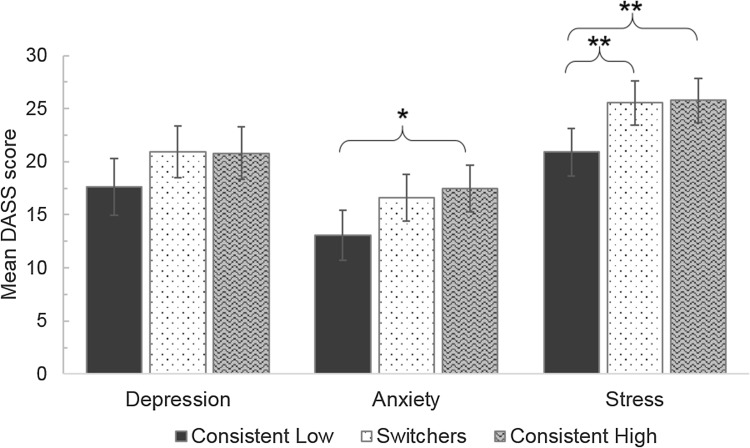
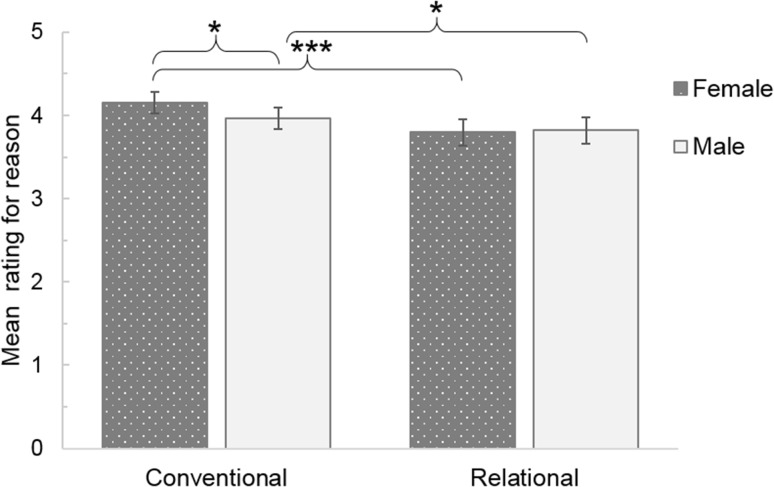
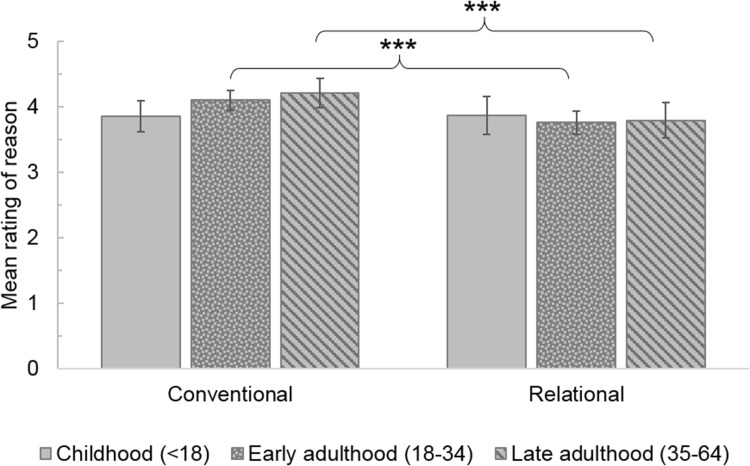
Camouflaging entails 'masking' in or 'passing' social situations. Research suggests camouflaging behaviours are common in autistic people, and may negatively impact mental health. To enhance understanding of camouflaging, this study examined reasons, contexts and costs of camouflaging. 262 autistic people completed measures of camouflaging behaviours, camouflaging contexts (e.g. work vs. family), camouflaging reasons (e.g. to make friends) and mental health symptoms. Findings indicated a gender difference in reasons for camouflaging, with autistic women more likely to endorse "conventional" reasons (e.g. getting by in formal settings such as work). Both camouflaging highly across contexts and 'switching' between camouflaging in some contexts but not in others, related to poorer mental health. These findings have implications for understanding camouflaging in autistic adults.
Overview
The claims and statistics of this paper haven’t been checked yet.
Free: it reads the open-access text and checks the first 5 claims that cite a source we can check. Create a free account to check every claim.
Integrity signals
Registry
Cites
Statistics
Figures
Verification
Claims the paper makes
The claims and statistics of this paper haven’t been checked yet.
Free: it reads the open-access text and checks the first 5 claims that cite a source we can check. Create a free account to check every claim.
Claims other papers make about this one
Each is checked against this paper’s own text: does it say what the citing paper says it does?
The source backs part of the claim, not all of it — or backs it for a different population, condition or comparison.
In the citing paper
“In this way, camouflaging may be thought of as a form of stigma management that is available to autistic individuals with more ‘concealable’ autism (Cage & Troxell-Whitman, 2019).”
From Camouflaging in an everyday social context: An interpersonal recall study (2021) · cites this paper as Cage & Troxell-Whitman, 2019
Experimental — accuracy not yet measuredThe source backs part of the claim, not all of it — or backs it for a different population, condition or comparison.
In the citing paper
“Furthermore , evidence remains inconclusive on whether the wellbeing of autistic individuals is directly related to the severity of their core traits.Instead, well-being appears to depend more significantly on the extent to which autistic individuals feel understood, accepted, and supported within an inclusive social environment (Cage & Troxell-Whitman, 2019; Pantazakos, 2023).”
From Rethinking psychological interventions in autism: Toward a neurodiversity‐affirming approach. (2025) · cites this paper as Cage & Troxell-Whitman, 2019
Experimental — accuracy not yet measuredThe cited source says what the claim attributes to it.
In the citing paper
“Cage and Troxel-Whitman (2019) found no gender differences on the Total CAT-Q score between autistic men or women.”
From Camouflaging in autism: A systematic review (2021) · cites this paper as Cage and Troxel-Whitman, 2019
The cited source says what the claim attributes to it.
In the citing paper
“Additionally, many Autistic adults report negative subjective outcomes as a result of having to meet inappropriate and unrealistic benchmarks, such as feeling they have to “pass” as neurotypical and mask or “camouflage” their Autistic behaviors (Bargiela et al., 2016; Cage & Troxell-Whitman, 2019; Cook et al., 2021; Hull et al., 2017; Livingston et al., 2019).”
From Neurodiversity and Autism Intervention: Reconciling Perspectives Through a Naturalistic Developmental Behavioral Intervention Framework (2022) · cites this paper as Cage & Troxell-Whitman, 2019
The cited source says what the claim attributes to it.
In the citing paper
“Emerging quantitative research examining associations between camouflaging and anxiety (e.g. Cage & Troxell-Whitman, 2019; Lai et al., 2017; Schuck et al., 2019) have yielded inconsistent results.”
From Camouflaging in an everyday social context: An interpersonal recall study (2021) · cites this paper as Cage & Troxell-Whitman, 2019
5 more claims about this paper
Create a free account to see every claim other papers make about this one.
Self-check
Percentages, sums and reported differences re-computed from the paper’s own numbers.
The self-check needs the paper’s full text.
Citations
Cites
Diagnostic and Statistical Manual of Mental Disorders
American Psychiatric Association (2013) · doi:10.1176/appi.books.9780890425596 · Cited by 116,369
Diagnostic and Statistical Manual of Mental Disorders
Williams, J. B. W., & First, M. (2013) · Encyclopedia of Social Work · doi:10.1093/acrefore/9780199975839.013.104 · Cited by 109,519
(2017) · Cited by 16,319
Lovibond, P. F., & Lovibond, S. H. (1995) · Behaviour Research and Therapy · doi:10.1016/0005-7967(94)00075-u · Cited by 14,523
(1943) · The Nervous child · Cited by 8,870
Lord, C., Risi, S., Lambrecht, L., Cook, E. H., Leventhal, B. L., DiLavore, P. C., Pickles, A., & Rutter, M. (2000) · Journal of Autism and Developmental Disorders · doi:10.1023/a:1005592401947 · Cited by 7,520
(1995) · Cited by 6,909
Henry, J. D., & Crawford, J. R. (2005) · British Journal of Clinical Psychology · doi:10.1348/014466505x29657 · Cited by 5,801
Autistic disturbances of affective contact.
Kanner, L. (1968) · PubMed · Cited by 3,130
What Is the Male-to-Female Ratio in Autism Spectrum Disorder? A Systematic Review and Meta-Analysis
Loomes, R., Hull, L., & Mandy, W. P. L. (2017) · Journal of the American Academy of Child & Adolescent Psychiatry · doi:10.1016/j.jaac.2017.03.013 · Cited by 2,804
Research works printed but not linked: 2
- Hudson, R. L. (2013). The effect of disability disclosure on the graduation rates of college students with disabilities (Unpublished doctoral dissertation). Virginia Tech, VA. Retrieved from https://vtechworks.lib.vt.edu/handle/10919/24072 . Accessed Jan 18 2019.
- Smart, J. (2006). Challenges to the biomedical model of disability. Advances in Medical Psychotherapy & Psychodiagnosis, 12, 1–4.
Cited by
The Neurodiversity Approach(es): What Are They and What Do They Mean for Researchers?
Dwyer, P. (2022) · Human Development · doi:10.1159/000523723 · Cited by 672
“…“camouflage” or “mask” their autism and appear more neurotypical are associated with exhaustion, burnout, anxiety, depression, stress, reduced well-being, and suicidality (Cage & Troxell-Whitman, 2019; Cassidy et al., 2018; Hull et al., 2017, 2019; Livingston et al., 2019; Raymaker et al., 2020).”
BackgroundThe Female Autism Phenotype and Camouflaging: a Narrative Review
Hull, L., Petrides, K. V., & Mandy, W. (2020) · Review Journal of Autism and Developmental Disorders · doi:10.1007/s40489-020-00197-9 · Cited by 614
Pearson, A., & Rose, K. (2021) · Autism in Adulthood · doi:10.1089/aut.2020.0043 · Cited by 596
“Although much of the current research into masking does not state that masking is limited to females, 9,34,64 others do suggest that females may be more likely to mask.”
InfluentialCamouflaging in autism: A systematic review
Cook, J., Hull, L., Crane, L., & Mandy, W. (2021) · Clinical Psychology Review · doi:10.1016/j.cpr.2021.102080 · Cited by 554
Raymaker, D. M., Teo, A. R., Steckler, N. A., Lentz, B., Scharer, M., Delos Santos, A., Kapp, S. K., Hunter, M., Joyce, A., & Nicolaidis, C. (2020) · Autism in Adulthood · doi:10.1089/aut.2019.0079 · Cited by 445
Understanding Stigma in Autism: A Narrative Review and Theoretical Model
Turnock, A., Langley, K., & Jones, C. R. G. (2022) · Autism in Adulthood · doi:10.1089/aut.2021.0005 · Cited by 407
“187,188 Therefore, although studies addressing stigma can bring positive change, the outcome measure is an important consideration.”
InfluentialLeedham, A., Thompson, A. R., Smith, R., & Freeth, M. (2020) · Autism · doi:10.1177/1362361319853442 · Cited by 353
“…cognitive and emotional effort and impact negatively on mental health (Bargiela et al., 2016) particularly if camouflaging is engaged in across multiple contexts or if an individual is engaged in switching between camouflaging in some contexts but not in others (Cage & Troxell-Whitman, 2019).”
BackgroundCrompton, C. J., Hallett, S., Ropar, D., Flynn, E., & Fletcher-Watson, S. (2020) · Autism · doi:10.1177/1362361320908976 · Cited by 351
“…is related to significant mental distress, including depression (Cage et al., 2018), and increased suicidality (Cassidy et al., 2018), with particularly high associations to mental health difficulties when switching between camouflaging in multiple contexts (Cage & Troxell-Whitman, 2019).”
BackgroundGender differences in self-reported camouflaging in autistic and non-autistic adults
Hull, L., Lai, M.-C., Baron-Cohen, S., Allison, C., Smith, P., Petrides, K., & Mandy, W. (2020) · Autism · doi:10.1177/1362361319864804 · Cited by 337
Is social camouflaging associated with anxiety and depression in autistic adults?
Hull, L., Levy, L., Lai, M.-C., Petrides, K. V., Baron-Cohen, S., Allison, C., Smith, P., & Mandy, W. (2021) · Molecular Autism · doi:10.1186/s13229-021-00421-1 · Cited by 337
“It is not possible to identify overall cut-off scores for clinically meaningful levels of camouflaging on the CAT-Q, as the impact of camouflaging appears to vary extensively depending on the individual and the situation in which they camouflage [34, 41].”
BackgroundResultCassidy, S. A., Gould, K., Townsend, E., Pelton, M., Robertson, A. E., & Rodgers, J. (2020) · Journal of Autism and Developmental Disorders · doi:10.1007/s10803-019-04323-3 · Cited by 315
‘Masking is life’: experiences of masking in autistic and nonautistic adults
Miller, D., Rees, J., & Pearson, A. (2021) · Autism in Adulthood · doi:10.1089/aut.2020.0083 · Cited by 321
Compensatory strategies below the behavioural surface in autism: a qualitative study
Livingston, L. A., Shah, P., & Happé, F. (2019) · The Lancet Psychiatry · doi:10.1016/s2215-0366(19)30224-x · Cited by 311
Understanding Camouflaging as a Response to Autism-Related Stigma: A Social Identity Theory Approach
Perry, E., Mandy, W., Hull, L., & Cage, E. (2022) · Journal of Autism and Developmental Disorders · doi:10.1007/s10803-021-04987-w · Cited by 274
Self-citationBenevides, T. W., Shore, S. M., Palmer, K., Duncan, P., Plank, A., Andresen, M.-L., Caplan, R., Cook, B., Gassner, D., Hector, B. L., et al. (2020) · Autism · doi:10.1177/1362361320908410 · Cited by 258
“The negative mental effects of “camouflaging” and “masking” in society are described in recent research, and support the need for considering societal approaches for promoting autistic identity (e.g. Cage et al., 2018; Cage & Troxell-Whitman, 2019).”
BackgroundA qualitative exploration of the female experience of autism spectrum disorder (ASD)
Milner, V., McIntosh, H., Colvert, E., & Happé, F. (2019) · Journal of Autism and Developmental Disorders · doi:10.1007/s10803-019-03906-4 · Cited by 262
Autism and the double empathy problem: Implications for development and mental health
Mitchell, P., Sheppard, E., & Cassidy, S. (2021) · British Journal of Developmental Psychology · doi:10.1111/bjdp.12350 · Cited by 253
“…identified that many autistic people try to mask or compensate for their autistic traits in social situations, in an attempt to ‘fit in’ better with neurotypical people and wider society (Allely, 2019; Cage & Troxell-Whitman, 2019; Hull et al, 2017; Lai et al, 2017; Livingston et al, 2019).”
BackgroundAutistic Adults' Experiences of Camouflaging and Its Perceived Impact on Mental Health
Bradley, L., Shaw, R., Baron-Cohen, S., & Cassidy, S. (2021) · Autism in Adulthood · doi:10.1089/aut.2020.0071 · Cited by 243
“These themes are largely consistent with previous qualitative studies of camouflaging in autistic adults(6,7) and resonate with previous research that shows that lack of autism acceptance is a strong motivator for camouflaging but with consequent negative impacts on mental health.(12) Although more damaging experience…”
ResultSex and gender impacts on the behavioural presentation and recognition of autism
Lai, M.-C., & Szatmari, P. (2020) · Current Opinion in Psychiatry · doi:10.1097/yco.0000000000000575 · Cited by 237
A capabilities approach to understanding and supporting autistic adulthood
Pellicano, E., Fatima, U., Hall, G., Heyworth, M., Lawson, W., Lilley, R., Mahony, J., & Stears, M. (2022) · Nature Reviews Psychology · doi:10.1038/s44159-022-00099-z · Cited by 237
Beck, J. S., Lundwall, R. A., Gabrielsen, T., Cox, J. C., & South, M. (2020) · Autism · doi:10.1177/1362361320912147 · Cited by 224
“Second, women who camouflage often report that they experience mental health concerns such as low self-esteem, stress, exhaustion, anxiety, and depression (Cage & Troxell-Whitman, 2019; Milner et al., 2019).”
BackgroundSchuck, R. K., Tagavi, D. M., Baiden, K. M. P., Dwyer, P., Williams, Z. J., Osuna, A., Ferguson, E. F., Jimenez Muñoz, M., Poyser, S. K., Johnson, J. F., et al. (2022) · Journal of Autism and Developmental Disorders · doi:10.1007/s10803-021-05316-x · Cited by 208
What Is Autistic Burnout? A Thematic Analysis of Posts on Two Online Platforms
Mantzalas, J., Richdale, A. L., Adikari, A., Lowe, J., & Dissanayake, C. (2022) · Autism in Adulthood · doi:10.1089/aut.2021.0021 · Cited by 183
“15,17 Masking can contribute to missed and delayed diagnosis, and qualitative studies show that prior awareness of being different without knowing why 18,19 and the lack of appropriate support after late diagnosis can contribute to poor mental health in autistic adults.”
Bernardin, C. J., Lewis, T., Bell, D., & Kanne, S. (2021) · Autism · doi:10.1177/1362361321997284 · Cited by 185
“However, findings in this area are mixed and others have reported no sex differences (e.g. Cage & Troxell-Whitman, 2019).”
BackgroundResultSocial Camouflaging in Females with Autism Spectrum Disorder: A Systematic Review
Tubío-Fungueiriño, M., Cruz, S., Sampaio, A., Carracedo, A., & Fernández-Prieto, M. (2021) · Journal of Autism and Developmental Disorders · doi:10.1007/s10803-020-04695-x · Cited by 168
Social camouflaging in autism: Is it time to lose the mask?
Mandy, W. (2019) · Autism · doi:10.1177/1362361319878559 · Cited by 160
“In one recent online study, 70% of autistic adult participants reported that they consistently camouflage (Cage & Troxell-Whitman, 2019).”
BackgroundQuantifying compensatory strategies in adults with and without diagnosed autism
Livingston, L. A., Shah, P., Milner, V., & Happé, F. (2020) · Molecular Autism · doi:10.1186/s13229-019-0308-y · Cited by 159
Radulski, E. M. (2022) · Human Development · doi:10.1159/000524122 · Cited by 150
“Many Autistic people remain “in the closet” in professional environments where they do find employment (Davidson & Henderson, 2010), as they are likely to be socially excluded when “coming out” as Autistic (Cage et al., 2018; Cage & Troxell-Whitman, 2019).”
BackgroundInfluentialCascio, M. A., Weiss, J. A., & Racine, É. (2020) · Review Journal of Autism and Developmental Disorders · doi:10.1007/s40489-020-00204-z · Cited by 193
“Many people, including many people with autism, identify with genders outside the man-woman binary, including genderqueer, genderfluid, and agender (Cage and Troxell-Whitman 2019; George and Stokes 2017).”
BackgroundHiggins, J. M., Arnold, S. R., Weise, J., Pellicano, E., & Trollor, J. N. (2021) · Autism · doi:10.1177/13623613211019858 · Cited by 147
“Third, masking and camouflaging, although being described as the ‘most prominent life stressor’ (p. 137, Raymaker et al., 2020), and recent literature highlighting its psychological impact (Cage & Troxell-Whitman, 2019; Hull et al., 2017), does not appear in their brief definition.”
BackgroundMcQuaid, G. A., Lee, N., & Wallace, G. L. (2021) · Autism · doi:10.1177/13623613211042131 · Cited by 239
Reconsidering autistic ‘camouflaging’ as transactional impression management
Ai, W., Cunningham, W. A., & Lai, M.-C. (2022) · Trends in Cognitive Sciences · doi:10.1016/j.tics.2022.05.002 · Cited by 140
Chapman, L., Rose, K., Hull, L., & Mandy, W. (2022) · Research in Autism Spectrum Disorders · doi:10.1016/j.rasd.2022.102069 · Cited by 135
Evans, J. A., Krumrei-Mancuso, E. J., & Rouse, S. V. (2023) · Autism in Adulthood · doi:10.1089/aut.2022.0115 · Cited by 180
Is There a Bias Towards Males in the Diagnosis of Autism? A Systematic Review and Meta-Analysis
Cruz, S., Zubizarreta, S. C.-P., Costa, A. D., Araújo, R., Martinho, J., Tubío-Fungueiriño, M., Sampaio, A., Cruz, R., Carracedo, Á., & Fernández‐Prieto, M. (2024) · Neuropsychology Review · doi:10.1007/s11065-023-09630-2 · Cited by 185
Camouflage and masking behavior in adult autism
Alaghband‐Rad, J., Hajikarim‐Hamedani, A., & Motamed, M. (2023) · Frontiers in Psychiatry · doi:10.3389/fpsyt.2023.1108110 · Cited by 204
“The effect of camouflage on anxiety and stress was replicated in the study of Cage and Troxell-Whitman (39).”
BackgroundInfluentialCorbett, B. A., Schwartzman, J. M., Libsack, E. J., Muscatello, R. A., Lerner, M. D., Simmons, G. L., & White, S. W. (2021) · Autism Research · doi:10.1002/aur.2440 · Cited by 113
“…behaviors may endorse more anxiety in these areas as an indication of the significant effort to both initiate and sustain sophisticated social interactions using less social cognition and perspective-taking skills, which may be associated with mental health costs (Cage & Troxell-Whitman, 2019).”
BackgroundResultSelf-reported camouflaging behaviours used by autistic adults during everyday social interactions
Cook, J., Crane, L., Hull, L., Bourne, L., & Mandy, W. (2022) · Autism · doi:10.1177/13623613211026754 · Cited by 105
“…complexity and/or psychological distress; and associated with increased mental health difficulties (Beck, Lundwall, Gabrielsen, Cox, & South, 2020; Cage & Troxell-Whitman, 2019; Cassidy et al., 2019; Hull et al., 2021; Lai et al., 2017; Livingston, Colvert, Social Relationships Study Team Bolton,…”
BackgroundMorrison, K. E., DeBrabander, K. M., Jones, D. R., Ackerman, R. A., & Sasson, N. J. (2020) · Frontiers in Psychology · doi:10.3389/fpsyg.2020.591100 · Cited by 105
“At the same time, lower or different social interest is not inherently negative (Dawson and Cowen, 2019; Fletcher-Watson and Crompton, 2019), and pressure to conform to normative expectations can be detrimental to autistic well-being (Cage and Troxell-Whitman, 2019).”
BackgroundAutism Spectrum Disorder: Focus on Glutamatergic Neurotransmission
Montanari, M., Martella, G., Bonsi, P., & Meringolo, M. (2022) · International Journal of Molecular Sciences · doi:10.3390/ijms23073861 · Cited by 126
Rivera, R. A., & Bennetto, L. (2023) · Frontiers in Psychiatry · doi:10.3389/fpsyt.2023.1243657 · Cited by 132
“Camouflaging in autism has additionally been linked to negative mental health and well-being outcomes including increased depression (36), suicidal thoughts and behaviors (52), increased stress and anxiety (53), and decreased sense of belongingness (54).”
BackgroundHalsall, J., Clarke, C., & Crane, L. (2021) · Autism · doi:10.1177/13623613211012819 · Cited by 96
“For many autistic people, these aspects are further exacerbated by uncertainty regarding the success of their camouflaging, alongside concerns about the impact of camouflaging upon their identity (Bargiela et al., 2016; Cage & Troxell-Whitman, 2019; Hull et al., 2017).”
Background“You Must Become a Chameleon to Survive”: Adolescent Experiences of Camouflaging
Bernardin, C. J., Mason, E. N., Lewis, T., & Kanne, S. M. (2021) · Journal of Autism and Developmental Disorders · doi:10.1007/s10803-021-04912-1 · Cited by 133
Horgan, F., Kenny, N., & Flynn, P. (2022) · Autism · doi:10.1177/13623613221105089 · Cited by 148
“It is also important for teachers and support staff to be aware of social camouflaging as it has been associated with mental health challenges such as anxiety, depression and higher rates of suicidality (Cage & Troxell-Whitman, 2019; Cassidy et al., 2018).”
BackgroundAdaptive morphing and coping with social threat in autism: an autistic perspective
Lawson, W. B. (2020) · Journal of Intellectual Disability - Diagnosis and Treatment · doi:10.6000/2292-2598.2020.08.03.29 · Cited by 98
“Cage and Troxell [11] demonstrate the negative impact such behaviour has on the mental health and wellbeing of those autistic adults by showing that their mental health was negatively impacted by camouflaging their autism.”
BackgroundCharlton, R. A., Entecott, T., Belova, E., & Nwaordu, G. (2021) · Research in Autism Spectrum Disorders · doi:10.1016/j.rasd.2021.101864 · Cited by 94
Romualdez, A. M., Walker, Z., & Remington, A. (2021) · Autism & Developmental Language Impairments · doi:10.1177/23969415211022955 · Cited by 92
“…their diagnosis involved the use of camouflaging as a coping mechanism, which previous studies have identified in everyday social situations (Cage & Troxell-Whitman, 2019; Hull et al., 2017; Schneid & Raz, 2020) and which we have identified as a strategy also employed by autistic…”
MethodCognitive Predictors of Self‐Reported Camouflaging in Autistic Adolescents
Hull, L., Petrides, K. V., & Mandy, W. (2021) · Autism Research · doi:10.1002/aur.2407 · Cited by 90
“However, some autistic individuals have said that camouflaging helps them to achieve certain aims, such as making friends [Cage & Troxell-Whitman, 2019].”
BackgroundZhuang, S., Tan, D. W., Reddrop, S., Dean, L., Maybery, M., & Magiati, I. (2023) · Clinical Psychology Review · doi:10.1016/j.cpr.2023.102335 · Cited by 90
Pryke-Hobbes, A., Davies, J., Heasman, B., Livesey, A., Walker, A., Pellicano, E., & Remington, A. (2023) · PLoS ONE · doi:10.1371/journal.pone.0290001 · Cited by 95
“While this finding could have been influenced by the given definition of masking (i.e., that it encompasses different strategies used to fit in), this finding is consistent with existing literature pertaining to the motivations for autistic and non-autistic masking (e.g., [28,29,33]).”
BackgroundResultInfluential‘When my autism broke’: A qualitative study spotlighting autistic voices on menopause
Moseley, R. L., Druce, T., & Turner‐Cobb, J. M. (2020) · Autism · doi:10.1177/1362361319901184 · Cited by 102
Keating, C. T., Hickman, L., Geelhand, P., Takahashi, T., Leung, J., Schuster, B. A., Rybicki, A. J., Girolamo, T. M., Clin, É., Papastamou, F., et al. (2021) · PLoS ONE · doi:10.1371/journal.pone.0261774 · Cited by 95
“Such cross-cultural differences may exist in both external acceptance (as experiencing stigma may result in autistic individuals feeling less accepted by others) and personal acceptance (as stigma can become internalised resulting in decreased personal acceptance or ‘selfstigma’; [54, 70, 71]).”
BackgroundSex Differences in Autism Spectrum Disorder: Focus on High Functioning Children and Adolescents
de Giambattista, C., Ventura, P., Trerotoli, P., Margari, F., & Margari, L. (2021) · Frontiers in Psychiatry · doi:10.3389/fpsyt.2021.539835 · Cited by 114
“developing their own identity, thus, could increase the risk of stress and unhealthy relationships, as seen from other studies (64, 78, 79).”
ResultCorden, K., Brewer, R., & Cage, E. (2021) · Frontiers in Psychology · doi:10.3389/fpsyg.2021.699335 · Cited by 140
Self-citationCamouflaging in an everyday social context: An interpersonal recall study
Cook, J., Crane, L., Bourne, L., Hull, L., & Mandy, W. (2021) · Autism · doi:10.1177/1362361321992641 · Cited by 78
“Emerging quantitative research examining associations between camouflaging and anxiety (e.g. Cage & Troxell-Whitman, 2019; Lai et al., 2017; Schuck et al., 2019) have yielded inconsistent results.”
Background(2022) · American Psychiatric Association Publishing eBooks · doi:10.1176/appi.books.9780890425787.x01_neurodevelopmental_disorders · Cited by 105
Jorgenson, C. D., Lewis, T., Rose, C. A., & Kanne, S. M. (2020) · Journal of Autism and Developmental Disorders · doi:10.1007/s10803-020-04491-7 · Cited by 103
Unrelenting Depression and Suicidality in Women with Autistic Traits
South, M., Beck, J. S., Lundwall, R. A., Christensen, M., Cutrer‐Párraga, E. A., Gabrielsen, T. P., Cox, J. C., & Lundwall, R. A. (2019) · Journal of Autism and Developmental Disorders · doi:10.1007/s10803-019-04324-2 · Cited by 90
Graham Holmes, L., Zampella, C. J., Clements, C., McCleery, J. P., Maddox, B. B., Parish‐Morris, J., Udhnani, M. D., Schultz, R. T., & Miller, J. S. (2020) · Autism Research · doi:10.1002/aur.2275 · Cited by 74
“Some research suggests that women spend more energy than men in “camouflaging” or concealing their social difficulties [Lai et al., 2016], a practice linked to stress and anxiety [Cage & Troxell-Whitman, 2019].”
BackgroundUnderstanding the Relationships Between Autistic Identity, Disclosure, and Camouflaging
Cage, E., & Troxell-Whitman, Z. (2020) · Autism in Adulthood · doi:10.1089/aut.2020.0016 · Cited by 74
“3,8 Accordingly, research should consider how the intersection of different identities (not limited to gender, but also including, for example, ethnicity or culture) may relate to camouflaging, autistic identity, and disclosure.”
Self-citationCorbett, B. A., Vandekar, S., Muscatello, R. A., & Tanguturi, Y. C. (2020) · Autism Research · doi:10.1002/aur.2406 · Cited by 97
“As a result, the diagnosis of ASD in females is often delayed, questioned, or nonexistent [Kopp & Gillberg, 1992; Ratto et al., 2018], and efforts to conceal their challenges are associated with increased mental health costs [Cage & Troxell-Whitman, 2019].”
BackgroundAutistic Adults May Be Erroneously Perceived as Deceptive and Lacking Credibility
Lim, A., Young, R. L., & Brewer, N. (2021) · Journal of Autism and Developmental Disorders · doi:10.1007/s10803-021-04963-4 · Cited by 102
Perceived misdiagnosis of psychiatric conditions in autistic adults
Kentrou, V., Livingston, L. A., Grove, R., Hoekstra, R. A., & Begeer, S. (2024) · EClinicalMedicine · doi:10.1016/j.eclinm.2024.102586 · Cited by 112
Lifetime and perceived stress, social support, loneliness, and health in autistic adults.
Moseley, R. L., Turner-Cobb, J. M., Spahr, C. M., Shields, G. S., & Slavich, G. M. (2021) · Health Psychology · doi:10.1037/hea0001108 · Cited by 71
“Given that camouflage is associated with deleterious health outcomes (Cage & Troxell-Whitman, 2019), its interaction with lifetime stress may be important to examine.”
BackgroundBig five model and trait emotional intelligence in camouflaging behaviours in autism
Robinson, E., Hull, L., & Petrides, K. V. (2020) · Personality and Individual Differences · doi:10.1016/j.paid.2019.109565 · Cited by 70
A Systematic Review of Passing as Non-autistic in Autism Spectrum Disorder
Libsack, E. J., Keenan, E. G., Freden, C. E., Mirmina, J., Iskhakov, N., Krishnathasan, D., & Lerner, M. D. (2021) · Clinical Child and Family Psychology Review · doi:10.1007/s10567-021-00365-1 · Cited by 68
A conceptual model of risk and protective factors for autistic burnout
Mantzalas, J., Richdale, A. L., & Dissanayake, C. (2022) · Autism Research · doi:10.1002/aur.2722 · Cited by 65
“It is well established that autistic people mask to avoid discrimination, stigma, and victimization (Cage & Troxell-Whitman, 2019; Hull et al., 2017), and to gain access to employment and social inclusion.”
BackgroundSex differences in the first impressions made by girls and boys with autism
Cola, M., Plate, S. N., Yankowitz, L. D., Petrulla, V., Bateman, L., Zampella, C., de Marchena, A. B., Pandey, J., Schultz, R. T., & Parish‐Morris, J. (2020) · Molecular Autism · doi:10.1186/s13229-020-00336-3 · Cited by 87
Crompton, C. J., Hallett, S., Axbey, H., McAuliffe, C., & Cebula, K. R. (2022) · Autism · doi:10.1177/13623613221081189 · Cited by 89
“…behaviour, as is implicitly encouraged by social skills training, requires a prolonged, exhausting effort for autistic people (Bargiela et al., 2016; Hull et al., 2017), causes anxiety and stress (Cage et al., 2018; Cage & Troxell-Whitman, 2019), and increases suicide risk (Cassidy et al., 2018).”
BackgroundMilner, V. L., Mandy, W., Happe, F. G. E., & Colvert, E. (2022) · Autism · doi:10.1177/13623613221098240 · Cited by 86
“Using the CAT-Q, researchers found autistic females scored significantly higher than autistic males (Hull et al., 2019); however, these sex differences have not been replicated across all studies using the CAT-Q (e.g. Cage & Troxell-Whitman, 2019).”
BackgroundMethodResultInfluentialHarmens, M., Sedgewick, F., & Hobson, H. (2021) · Autism in Adulthood · doi:10.1089/aut.2021.0016 · Cited by 82
“The consequences of camou-flaging include anxiety, stress, and exhaustion, with camou-flaging levels having been shown to positively correlate with mental health problems for autistic women 17 (though Cage and Troxell-Whitman 18 and Hull et al. 19 report associations between camouflaging and mental health that are not af…”
Oredipe, T., Kofner, B., Riccio, A., Cage, E., Vincent, J., Kapp, S. K., Dwyer, P. S. R., & Gillespie‐Lynch, K. (2022) · Autism · doi:10.1177/13623613221086700 · Cited by 72
Self-citationCamouflaging in Autistic and Non-autistic Adolescents in the Modern Context of Social Media
Jedrzejewska, A., & Dewey, J. (2021) · Journal of Autism and Developmental Disorders · doi:10.1007/s10803-021-04953-6 · Cited by 75
A comparison of methods for measuring camouflaging in autism
Hannon, B., Mandy, W., & Hull, L. (2022) · Autism Research · doi:10.1002/aur.2850 · Cited by 59
“Camouflaging reasons and contexts (Cage & Troxell-Whitman, 2019) The camouflaging reasons and contexts questionnaires are two separate self-report measure that do not seek to measure camouflaging directly, but instead investigate the places where camouflaging may occur, and what the reasons are for…”
BackgroundThe experiences of autistic medical students: A phenomenological study
Shaw, S. C. K., Doherty, M., & Anderson, J. L. (2023) · Medical Education · doi:10.1111/medu.15119 · Cited by 71
“Masking may have some positive benefits, including being hidden in clinical settings.(26) In health care, the emphasis on ‘professionalism’ may necessitate some degree of when interacting with patients.”
BackgroundStability of co-occurring psychiatric diagnoses in autistic men and women
Kentrou, V., Oostervink, M., Scheeren, A. M., & Begeer, S. (2021) · Research in Autism · doi:10.1016/j.rasd.2021.101736 · Cited by 65
“…research has shown that living with undiagnosed autism and having limited access to appropriate support can create multiple sources of distress (Camm-Crosbie et al., 2018; Leedham et al., 2019; Takara & Kondo, 2014) that may serve as precursors of mental health problems (Camm-Crosbie et al.,…”
BackgroundInfluentialTowards the measurement of autistic burnout
Arnold, S. R. C., Higgins, J. M., Weise, J. C., Desai, A., Pellicano, E., & Trollor, J. N. (2023) · Autism · doi:10.1177/13623613221147401 · Cited by 77
McQuaid, G. A., Weiss, C. H. H., Said, A. J., Pelphrey, K. A., Lee, N., & Wallace, G. L. (2022) · Autism Research · doi:10.1002/aur.2779 · Cited by 63
Rea, H. M., Øien, R. A., Shic, F., Webb, S. J., & Ratto, A. B. (2023) · Journal of Autism and Developmental Disorders · doi:10.1007/s10803-022-05566-3 · Cited by 50
Riccio, A., Kapp, S. K., Jordan, A., Dorelien, A. M., & Gillespie-Lynch, K. (2021) · Autism · doi:10.1177/1362361320958214 · Cited by 50
“Previous research has shown that autistic individuals often internalize a need to hide their autistic traits to appear normal (Cage & Troxell-Whitman, 2019 ; Hull et al., 2017), which mirrors parent sentiments surrounding interventions to ameliorate autism symptoms (Da Paz et al., 2018; Myers et…”
BackgroundMalli, M. A., Forrester‐Jones, R., & Triantafyllopoulou, P. (2019) · Journal of Developmental and Physical Disabilities · doi:10.1007/s10882-019-09676-2 · Cited by 63
Schwartzman, J. M., Williams, Z. J., & Corbett, B. A. (2022) · Autism · doi:10.1177/13623613211025895 · Cited by 48
“…et al., 2003), social expectations for females (Robinson et al., 2013; Rose & Rudolph, 2006), camouflaging and compensatory behaviors (Cage & Troxell-Whitman, 2019; Corbett et al., 2021; Livingston et al., 2019), and other factors yet uncovered (e.g. cultural influences,…”
BackgroundDow, D., Morgan, L., Hooker, J. L., Michaels, M. S., Joiner, T. E., Woods, J. J., & Wetherby, A. M. (2019) · Archives of Suicide Research · doi:10.1080/13811118.2019.1678537 · Cited by 55
“Similarly, social difficulty may result in “camouflaging” aspects of oneself from others in an attempt to fit in or mask differences, which has been found to increase risk for mental health concerns (Cage & Troxell-Whitman, 2019) and suicidality (Cassidy, Bradley, Shaw, & Baron-Cohen, 2018).”
BackgroundMonahan, J. L., Freedman, B. H., Pini, K., & Lloyd, R. (2021) · Review Journal of Autism and Developmental Disorders · doi:10.1007/s40489-021-00280-9 · Cited by 61
“This is consistent with the reported challenges among autistic people in masking or camouflaging, which requires considerable resources and is associated with an increase in mental health challenges and bullying (Cage & Troxell-Whitman, 2019; Hull et al., 2017; Mandy, 2019).”
BackgroundResultCresswell, L., & Cage, E. (2019) · Journal of Autism and Developmental Disorders · doi:10.1007/s10803-019-04016-x · Cited by 48
Self-citationMesa, S., & Hamilton, L. G. (2022) · Advances in Autism · doi:10.1108/aia-12-2020-0071 · Cited by 44
Field, S. L., Williams, M. O., Jones, C. R. G., & Fox, J. R. E. (2024) · Autism · doi:10.1177/13623613231223036 · Cited by 45
“Autistic people (1, 2, 3, 6, 7 and 9) described camouflaging to ‘protect [themselves] from violence, intimidation, bullying and harassment’ (Cage & Troxell-Whitman, 2019).”
BackgroundO’Connor, R., van den Bedem, N. P., Blijd-Hoogewys, E. M. A., Stockmann, L., & Rieffe, C. J. (2022) · Autism · doi:10.1177/13623613211073448 · Cited by 55
“…in a ‘neurotypical’ manner, which we know from self-reports is a stressful process for autistic people (Hull et al., 2017; Sumiya et al., 2018) and can be related to poorer mental health in autistic adolescents and adults (Bernardin et al., 2021; Cage & Troxell-Whitman, 2019; Cassidy et al., 2018).”
BackgroundMeasuring Social Camouflaging in Individuals with High Functioning Autism: A Literature Review
Cremone, I. M., Carpita, B., Nardi, B., Casagrande, D., Stagnari, R., Amatori, G., & Dell’Osso, L. (2023) · Brain Sciences · doi:10.3390/brainsci13030469 · Cited by 56
“[76] focused instead more generally on the consequences of protracting camouflaging strategies in a sample of 262 ASD participants using the CAT-Q and the DASS 21.”
BackgroundMethodInfluentialXygkou, A., Siriaraya, P., She, W. J., Covaci, A., & Ang, C. S. (2024) · International Journal of Human-Computer Interaction · doi:10.1080/10447318.2023.2292880 · Cited by 61
“As a result, their mental health and well-being often deteriorate (Cage & Troxell-Whitman, 2019).”
Cage, E., Cranney, R., & Botha, M. (2022) · Autism in Adulthood · doi:10.1089/aut.2021.0096 · Cited by 65
“…recent systematic review of the autism literature highlighted that masking relates to poorer mental health, 3 with higher rates of masking related to greater depression, 5,19,20 anxiety, 2,20 social anxiety, 20 suicidality, 21 and more broadly psychological distress 22 and poorer mental wellbeing.”
Self-citationSchuck, R. K., Dwyer, P. S. R., Baiden, K. M. P., Williams, Z. J., & Wang, M. (2022) · Journal of Autism and Developmental Disorders · doi:10.1007/s10803-022-05808-4 · Cited by 48
“…and harmful (Ne’eman, 2021); in fact, masking has been cross-sectionally associated with negative mental health outcomes, including suicidality (Cage & Troxell-Whitman, 2019; Cassidy et al., 2018; Hull et al., 2021), though more research is needed to establish causality and rule out various…”
BackgroundDropping the mask: It takes two
Cook, J. M., Crane, L., & Mandy, W. (2023) · Autism · doi:10.1177/13623613231183059 · Cited by 65
“Camouflaging is often framed as essential for achieving pragmatic and relational goals in some contexts but not others (e.g. Bradley et al., 2021; Cage & Troxell-Whitman, 2019; Hull et al., 2017; Livingston et al., 2019).”
Bal, V. H., Wilkinson, E. H., & Fok, M. (2021) · Autism · doi:10.1177/13623613211020618 · Cited by 55
“Such focus has negative implications for those children’s self-image/self-confidence, psychological well-being, and quality of life (Cage et al., 2018; Cage & Troxell-Whitman, 2019 ; Rai et al., 2018).”
BackgroundAlbahri, A. S., Zaidan, A. A., Alsattar, H. A., Hamid, R. A., Albahri, O. S., Qahtan, S., & Alamoodi, A. H. (2022) · Computational Intelligence · doi:10.1111/coin.12562 · Cited by 53
“The membership function of complex T-spherical fuzzy 71,93,94 is defined as in following Equation (1): , and 𝛾 ( x ) = 𝛾 ( x ) e i 2 𝜋𝜛 𝛾 ( x ) denote the membership grades The aggregation operator is shown in the following Equation (2): ( ) The following Equation (3) shows the complex T-spherical fuzzy division opera…”
MethodInfluentialCamouflaging Intent, First Impressions, and Age of ASC Diagnosis in Autistic Men and Women
Belcher, H., Morein‐Zamir, S., Mandy, W., & Ford, R. M. (2021) · Journal of Autism and Developmental Disorders · doi:10.1007/s10803-021-05221-3 · Cited by 70
Ali, M. A. M., Grabarski, M. K., & Baker, M. (2023) · Equality Diversity and Inclusion An International Journal · doi:10.1108/edi-03-2023-0092 · Cited by 62
Anderson, A. H., Stephenson, J. R., & Carter, M. (2020) · Journal of Autism and Developmental Disorders · doi:10.1007/s10803-020-04386-7 · Cited by 50
Self-reported service needs and barriers reported by autistic adults: Differences by gender identity
Miller, K. H. K., Cooper, D., Song, W., & Shea, L. (2022) · Research in Autism · doi:10.1016/j.rasd.2022.101916 · Cited by 55
McAuliffe, C., Walsh, R. J., & Cage, E. (2022) · Autism in Adulthood · doi:10.1089/aut.2021.0074 · Cited by 58
Self-citation
Metadata
- Authors
- Cage, E., & Troxell-Whitman, Z.
- Affiliations
- Royal Holloway University of London (GB)
- Corresponding author
- Cage, Eilidh
- ORCID
- Cage, Eilidh
- Venue
- Journal of Autism and Developmental Disorders
- Published
- 2019-01-09
- Volume
- 49
- Issue
- 5
- Pages
- 1899-1911
- ISSN
- 0162-3257 (ISSN-L)
- 1573-3432
- PMC
- PMC6483965
- OpenAlex
- W2909219349
- Cited by
- 661
- References
- 64
- Citations by year
- 2026: 184 · 2025: 111 · 2024: 104 · 2023: 84 · 2022: 67 · 2021: 64 · 2020: 29 · 2019: 18
- FWCI
- 25.87
- Type
- journal article
- Language
- en
- Open access
- hybrid
- doi.org
- Licence
- cc-by
- creativecommons.org/licenses/by/4.0 (tdm)
- Locations
- Journal of Autism and Developmental Disorders (publishedVersion, cc-by)
- PubMed Central (publishedVersion, cc-by)
- PubMed (publishedVersion)
- Stirling Online Research Repository (University of Stirling) (submittedVersion, cc-by)
- Topics
- Life Sciences › Neuroscience › Cognitive Neuroscience › Autism Spectrum Disorder Research
- Social Sciences › Psychology › Clinical Psychology › Family and Disability Support Research
- Social Sciences › Psychology › Social Psychology › Social Robot Interaction and HRI
- Keywords
- camouflaging, autistic adults, masking, mental health, gender differences
- MeSH terms
- Adult, Autistic Disorder, Female, Humans, Male, Mental Health, Middle Aged, Sex Factors, Social Behavior
About these checks
Registry, retraction, Cites and statistics results are computed, not judged, with one exception: a printed reference that no index lists is read once by a model before it counts as a citation error. Claims are extracted by a model and kept only when their quote appears verbatim in the text; each cited source is then checked, with a model’s help, for whether it says what the claim relies on. Those verdicts can be wrong — read the claim’s quote and the cited source before relying on one.
Statistics and arithmetic are recomputed, not judged.
Confidence bands are shown only for fields calibrated on our annotated test set. None is calibrated yet, so no band is shown.
What counts as a claim ›How we measure confidence ›How we check this ›
Are you an author, or do you see a problem with this page? Request a review
Data sources
Bibliographic data: Semantic Scholar, OpenAlex, Crossref.
Contains information from the Semantic Scholar Academic Graph Datasets, made available under the ODC Attribution License (ODC-BY 1.0).
Semantic Scholar’s data is described in: Kinney, R., et al. (2023). The Semantic Scholar Open Data Platform. arXiv:2301.10140.
