

Algae as nutritional and functional food sources: revisiting our understanding.
Open accessThe DOI matches its Crossref record; 435 of the 442 references it cites were found in a registry or an index; 23 of the 282 sources its claims cite were checked for support.
Abstract
Global demand for macroalgal and microalgal foods is growing, and algae are increasingly being consumed for functional benefits beyond the traditional considerations of nutrition and health. There is substantial evidence for the health benefits of algal-derived food products, but there remain considerable challenges in quantifying these benefits, as well as possible adverse effects. First, there is a limited understanding of nutritional composition across algal species, geographical regions, and seasons, all of which can substantially affect their dietary value. The second issue is quantifying which fractions of algal foods are bioavailable to humans, and which factors influence how food constituents are released, ranging from food preparation through genetic differentiation in the gut microbiome. Third is understanding how algal nutritional and functional constituents interact in human metabolism. Superimposed considerations are the effects of harvesting, storage, and food processing techniques that can dramatically influence the potential nutritive value of algal-derived foods. We highlight this rapidly advancing area of algal science with a particular focus on the key research required to assess better the health benefits of an alga or algal product. There are rich opportunities for phycologists in this emerging field, requiring exciting new experimental and collaborative approaches.
Overview
CoChat Summary
TL;DR
This review assesses algae as nutritional and functional foods, concluding that evidence for health benefits is substantial but quantification remains limited by compositional variability, uncertain bioavailability, and poorly understood metabolic interactions. It surveys proteins, lipids, polysaccharides, vitamins, antioxidants, inorganic elements, phytochemicals, and safety concerns while identifying key research needs.
Key findings
- Global seaweed harvest in 2013 was estimated at US$6.7 billion, with over 95% from mariculture and China and Indonesia as top producers; FAO estimated 38% of the 23.8 million t of seaweeds in the 2012 global harvest was eaten by humans as seaweeds. Japanese per capita macroalgae consumption in 2010–2014 ranged from 9.6 to 11.0 g day−1.
- Protein content can reach up to 70% dry wt in *Arthrospira platensis* (“spirulina”) and *Chlorella*, but the common nitrogen-to-protein conversion factor of 6.25 often overestimates protein; reported factors include 6.35 for walled *Chlorella vulgaris* vs. 5.96 from direct extracts, and averages of 4.59 (red), 5.13 (green), and 5.38 (brown) for tropical marine algae.
- Marine macrophytes typically contain only 2–4.5% dry wt lipids, though EPA can comprise up to 50% of total fatty acids in *Palmaria palmata*; DHA and EPA bioaccessibility from algal oils/extracts is reported at ∼50–100%, and 2 g algal DHA day−1 over 4.5 months altered plasma lipoproteins in humans.
- Edible macroalgae contain dietary fiber from 23.5% dry wt (*Codium reediae*) to 64.0% (*Gracilaria* spp.); soluble fiber is 52–56% of total fiber in green and red macroalgae and 67–85% in brown macroalgae. Safety concerns include hijiki inorganic arsenic at 60 µg g−1 dry wt (0.4–2.8 µg g−1 cooked), with cooking removing 88.7–91.5% of arsenic, and iodine from 15–30 g day−1 kombu exceeding the recommended upper daily intake by more than an order of magnitude.
Methods
- Design: narrative review and assessment of what is known about algal food components—proteins, polysaccharides, lipids, vitamins, minerals, antioxidants, potential toxicants—in relation to efficacy of algal foods.
- Data/sample: synthesis of cited literature and examples across macroalgae and microalgae, including analytical, in vitro, animal, and human studies; no new primary data are reported.
- Main analysis: qualitative synthesis organized by nutrient/functional component and safety category, with calls for improved experimental and collaborative approaches.
Limitations
- The paper states three broad limitations: (1) limited understanding of nutritional and functional composition across algal species, seasons, and coastal environments; (2) difficulty quantifying bioavailability—the fraction of components that actually has effect after digestion; and (3) poor understanding of how algal nutritional and functional constituents interact in human metabolism.
- The paper states that most published evaluations of algal food bioactivity are based on short-term in vitro tests using algal extracts that are frequently of ill-defined composition and purity, and that analytically determined concentrations can differ substantially from bioaccessible fractions.
- Evident from the text: this is a broad narrative review, not a systematic review or meta-analysis; the authors state that the breadth and depth of the literature “frustrates attempts for a fully comprehensive assessment of the field.”
Model-written summary. Check it against the paper before relying on it.
Integrity signals
Registry
Cites
Statistics
Figures
Verification
Claims the paper makes
23 Valid · 0 Not valid · 167 Not checked · 55 Own results and interpretations
Every source the paper cites for this claim was checked and supports it.
In the paper
“Fucoxanthin, a key algal carotenoid, may be better absorbed if other lipids are present (Peng et al. 2011).”
§ Algae as nutritional and functional food sources: revisiting our understanding > Digestion and bioavailability
What the sources say
- Supportedcites Peng et al. 2011 matched to “Fucoxanthin, a Marine Carotenoid Present in Brown Seaweeds and Diatoms: Metabolism and Bioactivities Relevant to Human Health” (2011) source
Section 2.1 states that combining fucoxanthin with edible oil or lipid could increase its absorption rate in KK-Ay mice and obese premenopausal women. The Conclusions repeat that dietary combination with oil or lipid could improve absorption, matching the citing sentence’s hedged claim. (LLM, conf=0.94)
hedgedstates a possible cause- Asserted: passes — The authors put it forward as true.
- Checkable: passes — It can be checked against evidence.
- Load-bearing: unclear — It is unclear whether the paper’s conclusions depend on it.
- Based: passes — The paper gives a reason why it holds.
- Supported
The cited sources support only part of this claim — read each source’s verdict below.
In the paper
“Similarly, a small cohort of Spaniards possesses gut microbiomes with apparently HGT-provided porphyranases and agarases (Hehemann et al. 2012).”
§ Algae as nutritional and functional food sources: revisiting our understanding > Digestion and bioavailability
What the sources say
- Partly supportedcites Hehemann et al. 2012 matched to “Bacteria of the human gut microbiome catabolize red seaweed glycans with carbohydrate-active enzyme updates from extrinsic microbes” (2012) sourceExperimental — accuracy not yet measured
The Abstract reports putative seaweed-degrading enzymes in Spanish gut microbiomes and describes the identified CAZymes as apparently acquired by horizontal gene transfer. It does not specify a small Spanish cohort or establish that the Spanish microbiomes contained both porphyranases and agarases; those enzymes are listed across Japanese, Spanish, and American microbiomes. (LLM, conf=0.78)
hedgedstates a possible cause- Asserted: passes — The authors put it forward as true.
- Checkable: passes — It can be checked against evidence.
- Load-bearing: unclear — It is unclear whether the paper’s conclusions depend on it.
- Based: passes — The paper gives a reason why it holds.
- Partly supported
The cited sources support only part of this claim — read each source’s verdict below.
In the paper
“Algal proteins and carbohydrates that escape complete digestion in the small intestine may benefit humans by stimulating immune response indirectly via promotion of microbial responses (Cian et al. 2015).”
§ Algae as nutritional and functional food sources: revisiting our understanding > Digestion and bioavailability
What the sources say
- Partly supportedcites Cian et al. 2015 matched to “Proteins and Carbohydrates from Red Seaweeds: Evidence for Beneficial Effects on Gut Function and Microbiota” (2015) sourceExperimental — accuracy not yet measured
Section 4.2 reports that red-seaweed proteins are not fully digestible, and section 5.2 says seaweed components can promote beneficial intestinal bacteria. Section 5.1 says microbiota can shape immune responses. Together these support a possible indirect benefit, but the paper does not establish that incompletely digested algal proteins and carbohydrates stimulate human immunity through that microbial pathway; much of the evidence discussed is from nonhuman or laboratory studies. (LLM, conf=0.83)
hedgedstates a possible cause- Asserted: passes — The authors put it forward as true.
- Checkable: passes — It can be checked against evidence.
- Load-bearing: unclear — It is unclear whether the paper’s conclusions depend on it.
- Based: passes — The paper gives a reason why it holds.
- Partly supported
The cited sources support only part of this claim — read each source’s verdict below.
In the paper
“Numerous epidemiological and controlled interventional trials (N.B., the excellent reviews of Conquer and Holub 1996; Holub 2009; Cottin et al. 2011) support the health benefits to humans of DHA and EPA long-chain omega-3 fatty acids from fish oils and algal sources (mainly extracts).”
§ Algae as nutritional and functional food sources: revisiting our understanding > Lipids > Long-chain PUFAs
What the sources say
- Not checked yetcites Conquer and Holub 1996 matched to “Supplementation with an Algae Source of Docosahexaenoic Acid Increases (n-3) Fatty Acid Status and Alters Selected Risk Factors for Heart Disease in Vegetarian Subjects” (1996) source
- Not checked yetcites Holub 2009 matched to “Docosahexaenoic acid (DHA) and cardiovascular disease risk factors” (2009) source
- Partly supportedcites Cottin et al. 2011 matched to “The differential effects of EPA and DHA on cardiovascular risk factors” (2011) sourceExperimental — accuracy not yet measured
The Abstract and Conclusion report human cardiovascular benefits from fish oils containing EPA and DHA, and the Conclusion notes studies of cardioprotective effects from algal DHA. They do not establish comparable human benefits from algal EPA; the Conclusion instead describes non-fish EPA sources as still under development and the effects of EPA as uncertain. The paper also addresses cardiovascular benefits rather than health benefits generally. (LLM, conf=0.85)
boostedstates a cause- Asserted: passes — The authors put it forward as true.
- Checkable: passes — It can be checked against evidence.
- Load-bearing: passes — The paper’s conclusions depend on it.
- Based: passes — The paper gives a reason why it holds.
The cited sources support only part of this claim — read each source’s verdict below.
In the paper
“and at realistic daily consumption levels (e.g., 8 g dry wt., Blouin et al. 2006), even red algae such as Porphyra umbilicalis (laver) and Palmaria palmata (dulse) (Fig. 5) that have a high proportion of their total fatty acids as EPA (Mishra et al. 1993; Graeve et al. 2002; Blouin et al. 2006; Schmid et al. 2014) will not meet dietary recommendations for daily EFA alone (Blouin et al. 2006)”
§ Algae as nutritional and functional food sources: revisiting our understanding > Lipids > Long-chain PUFAs
What the sources say
- Not checked yetcites Blouin et al. 2006 matched to “Sensory and fatty acid analyses of two Atlantic species of Porphyra (Rhodophyta)” (2006) source
- Not checked yetcites Mishra et al. 1993 matched to “Lipids of the Red Alga, Palmaria palmata” (1993) source
- Partly supportedcites Graeve et al. 2002 matched to “Fatty acid composition of Arctic and Antarctic macroalgae: indicator of phylogenetic and trophic relationships” (2002) sourceExperimental — accuracy not yet measured
Table 3 (p. 70) reports that EPA accounts for 67.3% of total fatty acids in Palmaria palmata, supporting the EPA-proportion claim for that species. The paper does not report a result for Porphyra umbilicalis. The consumption level and dietary-recommendation conclusion are attributed to Blouin et al. (2006), not to Graeve et al. (LLM, conf=0.85)
plain- Asserted: passes — The authors put it forward as true.
- Checkable: passes — It can be checked against evidence.
- Load-bearing: passes — The paper’s conclusions depend on it.
- Based: passes — The paper gives a reason why it holds.
130 more claims · 11 with their cited sources checked
Create a free account to see all 245 claims and to verify the 255 references still open.
- It may state two separate claims as one. 79
- Probably not a substantial claim. 42
Claims other papers make about this one
Each is checked against this paper’s own text: does it say what the citing paper says it does?
The source backs part of the claim, not all of it — or backs it for a different population, condition or comparison.
In the citing paper
“The nutritional properties of some seaweeds species make them an exciting feedstock as a source of food and food applications: the relatively high content in protein [generally higher in red and green algae (up to 44% of dry mass) than in brown algae (10-24% dry weight)] and dietary fibers (3362% dry weight) (Holdt and Kraan, 2011; Patarra et al., 2011; Wells et al., 2016), the high-quality”
From Current Status of the Algae Production Industry in Europe: An Emerging Sector of the Blue Bioeconomy (2021) · cites this paper as Wells et al., 2016
Experimental — accuracy not yet measuredThe source backs part of the claim, not all of it — or backs it for a different population, condition or comparison.
In the citing paper
“The major difficulty occurs during the extraction and downstream processing but is easier in comparison with the plant-derived product because of the absence of lignification of the cell wall (Wells et al. 2017).”
From Production of microalgae with high lipid content and their potential as sources of nutraceuticals (2023) · cites this paper as Wells et al. 2017
Experimental — accuracy not yet measuredThe source backs part of the claim, not all of it — or backs it for a different population, condition or comparison.
In the citing paper
“Carbohydrates are mainly present in cell membranes and vacuoles of microalgae and they can also be secreted to the exterior of the cell as exopolysaccharides (Wells et al. 2017).”
From Production of microalgae with high lipid content and their potential as sources of nutraceuticals (2023) · cites this paper as Wells et al. 2017
Experimental — accuracy not yet measuredThe cited source says what the claim attributes to it.
In the citing paper
“Additionally, the role of seasonal, environmental and geographical variation in the nutritional properties of seaweeds needs to be better documented to support nutritional claims (Wells et al., 2016).”
From Current Status of the Algae Production Industry in Europe: An Emerging Sector of the Blue Bioeconomy (2021) · cites this paper as Wells et al., 2016
The cited source says what the claim attributes to it.
In the citing paper
“The quantification of the beneficial claims and digestibility and bioavailability pathways of the use of these products (for macro and microalgae) still needs further evidence support (Wells et al., 2016).”
From Current Status of the Algae Production Industry in Europe: An Emerging Sector of the Blue Bioeconomy (2021) · cites this paper as Wells et al., 2016
3 more claims about this paper
Create a free account to see every claim other papers make about this one.
Self-check
Percentages, sums and reported differences re-computed from the paper’s own numbers.
Each contradiction between two passages listed here was confirmed by an independent check.
Rated minor: it would not touch a result — a value no result rests on, a p-value that stays on the same side of the significance level, or a conflict that is clerical, resolved elsewhere in the paper, or outside its own findings.
In the paper
§ Algae as nutritional and functional food sources: revisiting our understanding > Proteins
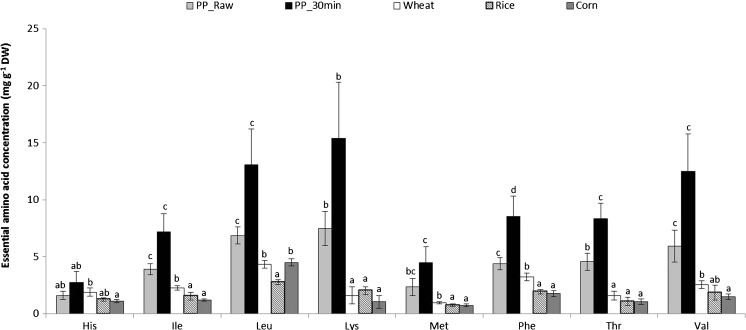
“Figure: Fig. 3 A comparison of essential fatty acids liberated from 1 g dry weight of Palmaria palmata (raw and boiled for 30 min) wheat, rice, and corn flours in simulated gastrointestinal digestion.”
§ Algae as nutritional and functional food sources: revisiting our understanding > Proteins
“Furthermore, Maehre et al. (2016) demonstrated that the apparent amino acid bioaccessibility from both raw and 30 min-boiled dulse was higher than from an equivalent dry weight of wheat, rice, or corn flour in a simulated in vitro gastrointestinal digestion model with analysis at each sequential digestive step (amylase/saliva buffer; pepsin/gastric buffer; pancreatin/duodenal buffer) (Fig. 3).”
Rated minor: it would not touch a result — a value no result rests on, a p-value that stays on the same side of the significance level, or a conflict that is clerical, resolved elsewhere in the paper, or outside its own findings.
In the paper
§ Algae as nutritional and functional food sources: revisiting our understanding > Polysaccharides > Sulfated galactans—carrageenans
“Carrageenan extracts generate proinflammatory agents in mice (Hansra et al. 2000)”
§ Algae as nutritional and functional food sources: revisiting our understanding > References
“Hansra P Moran EL Fornasier VL Bogoch ER Carrageenan-induced arthritis in the rat Inflammation 2000 24 141 155”
Citations
Cites
1 retracted
RETRACTED: Carrageenan: A natural seaweed polysaccharide and its applications
Prajapati, V. D., Maheriya, P. M., Jani, G. K., & Solanki, H. K. (2014) · Carbohydrate Polymers · doi:10.1016/j.carbpol.2014.01.067 · Cited by 383 · cited 1×
“Red algal polysaccharides include the nutritionally important floridean starch, and their sulfated galactans are known to initiate or modulate a large number of biological activities of significance to human health (Prajapati et al. 2014).”
RetractedFree radicals in biology and medicine
(1991) · General Pharmacology: The Vascular System · doi:10.1016/0306-3623(91)90478-o · Cited by 17,178
Free Radicals in Biology and Medicine
Halliwell, B., & Gutteridge, J. M. C. (2015) · doi:10.1093/acprof:oso/9780198717478.001.0001 · Cited by 8,990
Changes of Intestinal Functions in Liver Cirrhosis
Fukui, H., & Wiest, R. (2016) · Inflammatory Intestinal Diseases · doi:10.1159/000444436 · Cited by 6,808
Trumbo, P., Schlicker, S., Yates, A. A., & Poos, M. (2002) · Journal of the American Dietetic Association · doi:10.1016/s0002-8223(02)90346-9 · Cited by 5,993
Host-Bacterial Mutualism in the Human Intestine
Bäckhed, F., Ley, R. E., Sonnenburg, J. L., Peterson, D. A., & Gordon, J. I. (2005) · Science · doi:10.1126/science.1104816 · Cited by 5,277 · cited 1×
“Investigating the coupling of algal (and other) polysaccharides to the health of intestinal microbiomes and their animal and human hosts is an active and needed area of research (Bäckhed et al. 2005; Hehemann et al. 2010; Cantarel et al. 2012).”
Trumbo (2001) · doi:10.1016/s0002-8223(01)00078-5 · Cited by 4,852
Host-gut microbiota metabolic interactions
Nicholson, J. K., Holmes, E., Kinross, J., Burcelin, R., Gibson, G., Jia, W., & Pettersson, S. (2012) · Science · doi:10.1126/science.1223813 · Cited by 4,760 · cited 2×
“For example, acetate and propionate are transported in the blood to many organs where they are oxidized for energy or utilized in signaling to homeostasis and immune function (reviewed by Nicholson et al. 2012).”
(2001) · National Academies Press eBooks · doi:10.17226/10026 · Cited by 3,023 · cited 1×
“Sargassum , Ulva , and Porphyra spp. have high iron content, and 15 g day − 1 of Sargassum provided substantially higher amounts than daily recommended intakes ( ≤ 18 mg Fe day − 1 , Institute-of-Medicine 2001).”
Hydroxyl radical scavenging activity of compatible solutes
Smirnoff, N., & Cumbes, Q. J. (1989) · Phytochemistry · doi:10.1016/0031-9422(89)80182-7 · Cited by 2,152 · cited 10×
“HO · scavengers include glycerol (Smirnoff and Cumber 1989), mannitol (Smirnoff and Cumber 1989; Shen et al. 1997; Larson et al. 2002), L-proline (Smirnoff and Cumber 1989), dimethylsulfoniopropionate (Sunda et al. 2002), and floridoside and isofloridoside (Li et al. 2010), although glycine betaine (or betaine: trimet…”
Influential
Research works printed but not linked: 15
- Bourgougnon N Anti-HIV compounds from red seaweeds. Biomaterials and bioprocessing, Vol. 9. Recent advances in marine biotechnology 2003 Enfield Science Publishers 165 206
- FAO FAO Global Aquaculture Production database updated to 2013—Summary information 2015 Rome FAO
- IARC Arsenic, metals, fibres, and dusts Vol. 100C a review of human carcinogens 2012 Lyon IARC 1 99
- Jassby A Lembi CA Waaland JR Spirulina: a model for microalgae as food Algae and human affairs 1988 Cambridge Cambridge University Press 149 179
- Komiyama K Hirokawa Y Morota T Umezawa T An acidic polysaccharide Chlon A, from Chlorella pyrenoidosa. 2. Anti-tumor activity and immunological responses Chemotherapy (Tokyo) 1986 34 302 307
- Matloub AA El-Sherbini M Borai IH Ezz MK Rizk MZ Aly HF Fouad GI Assessment of anti-hyperlipidemic effect and physico-chemical characterization of water soluble polysaccharides from Ulva fasciata Delile J Appl Sci Res 2013 9 2983 2993
- Newton L Seaweed utilization 1951 London Sampson Low
- NRC Critical aspects of EPA’s IRIS assessment of inorganic arsenic: interim report 2013 Washington National Academy of Sciences
- Pereira L Ponin VH A review of the nutrient composition of selected edible seaweeds Seaweeds: ecology, nutrient composition and medicinal uses 2011 Hauppauge Nova Science Publishers 30
- Switzer L Spirulina: the whole food revolution 1980 2 Berkeley Proteus Corp
- Tseng CK Lobban CS Wynne MJ Commercial cultivation The biology of seaweeds 1981 Oxford Blackwell Science Publications 680 725
- Warrand J Healthy polysaccharides. The next chapter in food products Food Technol Biotechnol 2006 44 355 370
- Watanabe F Vitamin B12 from edible algae—from food science to molecular biology Vitamins (Kyoto) 2007 81 49 55
- Williams DL Lowman DW Ensley HE Young S-H Castranova V Introduction to the chemistry and immunobiology of β-glucans Toxicology of 1→3-beta glucans: glucans as a marker for fungal exposure 2005 Boca Raton CRC Press 65 93
- Yavorska N Sodium alginate—a potential tool for weight management: effect on subjective appetite, food intake, and glycemic and insulin regulation J Undergrad Life Sci 2012 6 66 69
Cited by
Items 901–1,000 of 1,000
Sutkowy, M., Lenarczyk, J., & Kłosowski, G. (2018) · Phycological Research · doi:10.1111/pre.12354 · Cited by 12
“tion of healthy food, dietary supplements, animal fodder (Wells et al. 2017), and cosmetics (Jahan et al.”
BackgroundPhycology: Algae for Food, Feed, Fuel and the Planet
Schenk, P. M. (2021) · Phycology · doi:10.3390/phycology1010005 · Cited by 9
“Many algae contain all that is needed for human nutrition (energy in the form of starch/lipids, protein with essential amino acids, dietary fibre, minerals, vitamins and antioxidants; [6,7]).”
BackgroundKaragülle, G., & Telli, M. (2024) · Biotechnology Progress · doi:10.1002/btpr.3462 · Cited by 8
Megarajan, S., Ranjan, R., Johnson, B., Xavier, B., Ghosh, S., Suresh, R., Raju, S. S., & Achamveetil, G. (2024) · Journal of Applied Phycology · doi:10.1007/s10811-024-03280-4 · Cited by 8
“Seaweed culture technologies have been dramatically developed over the last several decades across the world to meet the growing demand, but there are still challenges to overcome (Wells et al. 2016; Ganesan et al. 2019).”
García‐Márquez, J., Morcillo-Guillén, A., Álvarez‐Torres, D., Galafat, A., Moríñigo, M. Á., Abdala‐Díaz, R., Béjar, J., Vizcaíno, A. J., & Alarcón, F. J. (2025) · Animal Feed Science and Technology · doi:10.1016/j.anifeedsci.2025.116352 · Cited by 9
Probiotics and functional foods in metabolic disease: emerging solutions for obesity and diabetes
Maqsood, S., Asif, M., Alvi, T., Shakoor, S., & Zahir, A. (2025) · Journal of Diabetes & Metabolic Disorders · doi:10.1007/s40200-025-01694-6 · Cited by 11
“Wells et al. [128] examined how food technology is creating new formulation and processing techniques intended to advance the delivery of explicit chemicals.”
Kamble, M. T., Wongprasert, K., Chavan, B. R., Daunde, V. V. Y., Palekar, G. K. R., Tayade, S. H., Thompson, K. D., Gabriel, N. N., Medhe, S. V., & Pirarat, N. (2025) · Annals of Animal Science · doi:10.2478/aoas-2025-0092 · Cited by 8
Teronpi, H., Kalita, N., Baruah, P. P., & Sarma, D. (2025) · Food Bioscience · doi:10.1016/j.fbio.2025.107793 · Cited by 9
Commercial importance of seaweeds: an overview
Rath, S., Sahoo, S. S., Samantaray, A., Parhi, P., Sahoo, C. R., & Thatoi, H. (2025) · Bioresources and Bioprocessing · doi:10.1186/s40643-025-00944-y · Cited by 9
“The bioactive compounds present in seaweeds are pigments, fatty acids, sterols, proteins, lipids, fibres, and polysaccharides, which have been shown to have good impacts on human health (Shahnaz et al. 2009; Cherry et al. 2019; Ioannou et al. 2009; Wells et al. 2017).”
Simtoe, A. P., Luvanga, S. A., & Lugendo, B. R. (2022) · Aquaculture International · doi:10.1007/s10499-022-01029-9 · Cited by 8
“The presence of nutritional substances such as polysaccharides with the potential of improving shrimp immunity (Wells et al. 2017) may have contributed to the observed survival rate.”
BackgroundLak, M., Karimi, M., Akhgarjand, C., Mohammadi, S. G., Pam, P., Ashtary‐Larky, D., Pirzad, S., Amirkhan‐Dehkordi, M., Shahrbaf, M. A., Henselmans, M., et al. (2025) · Nutrition & Metabolism · doi:10.1186/s12986-025-00959-4 · Cited by 11
“Some types of blue-green algae, such as Spirulina and Chlorella, are used as dietary supplements and are marketed as super-foods due to their high nutrient content [50].”
Sáez, M. I., Galafat, A., Vizcaíno, A. J., Rodríguez, C., Hernández-de-Rojas, A., Alarcón, F. J., & Martínez, T. F. (2022) · Frontiers in Marine Science · doi:10.3389/fmars.2022.957217 · Cited by 9
“There is plenty of evidence in the literature pointing to the antioxidant effects of algae, attributed to compounds such as pigments, vitamins, and polyphenols (Halldorsdottir et al., 2014; Wells et al., 2017; Sáez et al., 2021).”
BackgroundDinpazhooh, Z., Niknezhad, S. V., Fadaei, F., Shaker, S., Najafpour, G. D., Ghasemi, Y., Mousavi, P., & Morowvat, M. H. (2022) · International Journal of Microbiology · doi:10.1155/2022/4386268 · Cited by 8
“DHA possesses a cardioprotective function; as a consequence, it is commonly used as a nutraceutical agent in nutritional products such as infant formula, dairy, and certain other food categories [21, 36].”
BackgroundMarine phenolics: Extractions at low pressure
Cotas, J., Pacheco, D., Monteiro, P., Gonçalves, A. M. M., & Pereira, L. (2023) · Elsevier eBooks · doi:10.1016/b978-0-12-823589-8.00015-7 · Cited by 8
Marcoval, M. A., Díaz, A. C., Espino, M. L., Arzoz, N. S., Velurtas, S. M., & Fenucci, J. L. (2019) · Aquaculture · doi:10.1016/j.aquaculture.2019.734564 · Cited by 9
Kumar, S., Gill, B. S., Verma, A., Verma, M. L., & Kushwaha, R. (2019) · Elsevier eBooks · doi:10.1016/b978-0-444-64323-0.00007-2 · Cited by 9
Reza, A. M., Tavakoli, J., Zhou, Y., Qin, J., & Tang, Y. (2020) · Science China Chemistry · doi:10.1007/s11426-019-9664-7 · Cited by 8
Furbellow (Brown Algae) Extract Increases Lifespan in Drosophila by Interfering with TOR-Signaling
Li, Y., Romey, R., Zadeh, N. T., von Frieling, J., Hoffmann, J. M., Huebbe, P., Bruchhaus, I., Rimbach, G. H., Fink, C., & Roeder, T. (2020) · Nutrients · doi:10.3390/nu12041172 · Cited by 8
“Algae are long known as important components of diets in coastal populations around the world [16].”
BackgroundAlgal Biorefinery: A Paradigm to Sustainable Circular Bioeconomy
Sangtani, R., Sonbhadra, S., Nogueira, R., & Bala, K. (2022) · Energy, environment, and sustainability · doi:10.1007/978-981-16-8682-5_11 · Cited by 9
Al-Khayri, J. M., Asghar, W., Khan, S., Akhtar, A., Ayub, H., Khalid, N., Alessa, F. M., Al-Mssallem, M. Q., Adel Abdel-Sabour, R. E. Z. K., & Shehata, W. F. (2022) · Marine Drugs · doi:10.3390/md20080477 · Cited by 12
“, kelps, laver/nori), and as hydrocolloidal food thickening additives (carrageenans, alginates, agars) in the food and beverage industries [123].”
BackgroundOlaniran, A. F., Folorunsho, J. O., Akinsanola, B. A., Taiwo, A. E., Iranloye, Y. M., Okonkwo, C. E., & Osemwegie, O. O. (2023) · Wiley eBooks · doi:10.1002/9781119857860.ch4 · Cited by 16
Introduction: Toward Algae-Based Products
Michalak, I., & Chojnacka, K. (2018) · Springer eBooks · doi:10.1007/978-3-319-74703-3_1 · Cited by 12
Lekshmi, V. S., Rauf, A. A., & Kurup, G. M. (2019) · Journal of Biologically Active Products from Nature · doi:10.1080/22311866.2019.1599730 · Cited by 11
Ortíz‐Ulloa, J., Astudillo, G., Castro, M., Castro, C., Astudillo, S., & Donoso, S. (2019) · Journal of Food Composition and Analysis · doi:10.1016/j.jfca.2019.103284 · Cited by 9
Akbary, P., & Aminikhoei, Z. (2018) · Iranian Journal of Aquatic Animal Health · doi:10.29252/ijaah.4.2.73 · Cited by 8
Plant Extracts in Skin Care Products
Oliveira, M. B. P. P., & Rodrigues, F. T. S. (2018) · MDPI eBooks · doi:10.3390/books978-3-03897-161-0 · Cited by 11
Spirulina- a marine miracle for sustainable food system
Pal, I., & Bose, C. (2025) · Marine Biology Research · doi:10.1080/17451000.2022.2101122 · Cited by 7
“In addition to standard nutrition and health considerations, macroalgae and microalgae are increasingly being ingested for their functional advantages (Wells et al. 2017, p. 949).”
Nitrate, Nitrite, and Iodine Concentrations in Commercial Edible Algae: An Observational Study
Casas‐Agustench, P., Hayter, J. M., Ng, O. S. B., Hallewell, L., Clark, N. J., & Bescós, R. (2024) · Foods · doi:10.3390/foods13162615 · Cited by 8
“Other factors that can affect the nutritional status of commercial edible algae include the origin, commercial status, and shelf life [28].”
BackgroundThe Unsung Heroes of Aquatic Ecosystems: The Vital Roles of Plankton
Pereira, L. (2025) · IntechOpen eBooks · doi:10.5772/intechopen.1009861 · Cited by 8
Shaari, N. E. M., Khandaker, M. M., Tajudin, M. T. F. M., Majrashi, A., Alenazi, M. M., Bakar, M. F. A., & Badaluddin, N. A. (2025) · Journal of Applied Phycology · doi:10.1007/s10811-025-03570-5 · Cited by 7
Harnessing microalgae for finfish nutrition: advances in biotechnology and aquafeed development
Tierney, J., Ralph, P. J., Pirozzi, I., & Pernice, M. (2025) · Frontiers in Marine Science · doi:10.3389/fmars.2025.1611271 · Cited by 7
Cortez, F., Nanetti, E., Chaves, G., Pereira, A. C., Mendes, M., Oliveira, I., Leuzzi, D., Abreu, H., Martins, M., Leite, R. B., et al. (2026) · Frontiers in Microbiology · doi:10.3389/fmicb.2025.1750184 · Cited by 9
Extrusion of λ‐carrageenan gum: Physical properties and in vitro bifidogenic effect
Oliveira, M. E. A. S., de Carvalho, C. W. P., do Nascimento, M. D. S., von Hertwig, A. M., Mellinger‐Silva, C., & Takeiti, C. Y. (2019) · Journal of Food Processing and Preservation · doi:10.1111/jfpp.14027 · Cited by 7
Moving Through the New Trends of the Novel Foods in the Agri-Food System: The Case of Algae
Zarbà, C., Chinnici, G., & D’Amico, M. (2022) · Elsevier eBooks · doi:10.1016/b978-0-12-823960-5.00037-8 · Cited by 7
Montoya, D. A. B., Armenta-Gutiérrez, M. Á., & Maytorena, V. M. (2023) · Energies · doi:10.3390/en16196819 · Cited by 7
Parrot Dietary Habits and Consumption of Alternate Foodstuffs
Voltura, E. V., Brightsmith, D. J., Cornejo, J., Tizard, I. R., Bailey, C. A., & Heatley, J. J. (2024) · Journal of Avian Medicine and Surgery · doi:10.1647/20-00028 · Cited by 8
Cheong, K., Li, G., Wang, M., Yang, Y., & Zhong, S. (2024) · Frontiers in Marine Science · doi:10.3389/fmars.2024.1360425 · Cited by 9
Mamat, H., Aziz, A. H. A., Zainol, M. K. M., Pindi, W., Ridhwan, N. M., Rovina, K., & Putra, N. R. (2024) · Journal of Aquatic Food Product Technology · doi:10.1080/10498850.2024.2381011 · Cited by 7
“Seaweed has a crucial role in both marine ecosystems and human consumption in multiple industries (Wells et al. 2017; Peñalver et al. 2020).”
Selvaraju, K., Mathur, M., Satheeshkanth, S. S. M., Sahu, J. K., Hariprasad, P., & Malik, A. (2024) · Algal Research · doi:10.1016/j.algal.2024.103683 · Cited by 7
Impact of low-dose X-ray radiation on the lipidome of Chlorella vulgaris
Casula, M., Fais, G., Dessì, D., Manis, C., Bernardini, A., Verseux, C., Fanti, V., Caboni, P., Cao, G., & Concas, A. (2024) · Algal Research · doi:10.1016/j.algal.2024.103783 · Cited by 7
Zhang, A., Shen, H., Zhang, X., Wang, T., Mei, F., Jeyakumar, D. T., Fang, F., Qin, W., & Xu, Z. (2025) · Aquaculture · doi:10.1016/j.aquaculture.2025.742397 · Cited by 8
THE NUTRACEUTICAL MARKET: INTELLECTUAL PROPERTY, CLINICAL RESEARCH, AND FUTURE INSIGHTS
ADHIKARI, B., & Venkatesh, D. N. (2025) · International Journal of Applied Pharmaceutics · doi:10.22159/ijap.2025v17i2.53278 · Cited by 9
“Enforcing IP rights will be more innovative, especially with research instructions collaborating with nutraceutical companies with licensing agreements [44, 45].”
Efendy, M., Amir, N. S., Nuzula, N. I., Syaifullah, M., Efendi, M. Y., & Gozan, M. (2025) · International Journal of Environmental Science and Technology · doi:10.1007/s13762-025-06449-7 · Cited by 7
“Sea salt, which is widely consumed, can become contaminated with microplastics (Wells et al. 2017; Koyande et al. 2019; Quitério et al. 2021).”
Changpasert, W., & Wong, S.-L. (2020) · Aquaculture International · doi:10.1007/s10499-020-00522-3 · Cited by 7
Marine Biomaterials: Resources, Categories, and Applications
Ibrahim, H. A. H., El-Sayed, W. M. M., & El-Sheekh, M. M. (2022) · Springer eBooks · doi:10.1007/978-981-16-5374-2_1 · Cited by 12
The Efficacy of Chlorella Supplementation on Multiple Indices of Cycling Performance
Gurney, T., Brouner, J., & Spendiff, O. (2023) · Journal of Dietary Supplements · doi:10.1080/19390211.2023.2186557 · Cited by 8
“They are a diverse and complex species that comprise an abundant breadth of micronutrients (multiple vitamins, minerals, fatty acids, and amino acids) that can promote human health (Wells et al. 2017), and possibly performance (Gurney and Spendiff 2022).”
BackgroundMicrobial protein manufacturing: The developing trend and challenge
Wang, G., Lin, Y., Wang, Q., Wu, X., Yin, Y., & Ma, Y. (2023) · Chinese Science Bulletin (Chinese Version) · doi:10.1360/tb-2023-0013 · Cited by 7
Optimization and Characterization of Spirulina and Chlorella Hydrolysates for Industrial Application
Lijassi, I., Arahou, F., Habacha, G. E., Wahby, A. S. M., Benaich, S., Rhazi, L., Arahou, M., & Wahby, I. (2023) · Applied Biochemistry and Biotechnology · doi:10.1007/s12010-023-04596-6 · Cited by 7
Lee, H.-G., Hyun, J., Jayawardhana, H. H. A. C. K., Liyanage, N. M., Nagahawatta, D. P., Kang, M., & Jeon, Y. (2023) · Journal of Functional Foods · doi:10.1016/j.jff.2023.105627 · Cited by 7
Gao, K., Zhang, M., Li, L., Yang, M., Zheng, Q., Liu, Q., Ning, R., Gao, Z., & Deng, X. (2023) · Algal Research · doi:10.1016/j.algal.2023.103244 · Cited by 7
Yaacob, I. H., Faujan, N. H., & MURYANY, M. Y. I. (2023) · Malaysian Applied Biology · doi:10.55230/mabjournal.v52i4.c146 · Cited by 8
“Functional foods are foods or food components that offer not only basic nutrition but may also play a role in lowering the risk of certain diseases and health conditions (Wells et al ., 2017), such as the presence of probiotics, which are commonly found in fermented foods (Bell et al ., 2017).”
BackgroundSen, A., Dewaker, V., Debnath, U., Jana, K., Rath, J., Joardar, N., & Babu, S. P. S. (2023) · Journal of Biomolecular Structure and Dynamics · doi:10.1080/07391102.2023.2283876 · Cited by 7
“Several biological properties of algae-derived chemical compounds are adequately reported (Alves et al., 2018; Bhatia et al., 2015; Kar et al., 2022; Wells et al., 2017).”
Terzo, S., Calvi, P., Giardina, M., Gallizzi, G., Carlo, M. D., Nuzzo, D., Picone, P., Puleio, R., Mulè, F., Scoglio, S., et al. (2023) · Cells · doi:10.3390/cells12232706 · Cited by 8
“An alternative font of functional foods and nutraceuticals is represented by microalgae which are a good option for developing foods that are useful in metabolic disorders management [9–11].”
BackgroundRousseau, C., Demoulinger, G., Rousvoal, S., Champeval, D., Dolly, M., Michel, G., Thomas, F., Markov, G. V., Potin, P., Dittami, S. M., et al. (2025) · Comptes Rendus Chimie · doi:10.5802/crchim.271 · Cited by 8
Self-citation“Planeterranean” diet: the new proposal for the Mediterranean-based food pyramid for Asia
Franchi, C., Orsini, F., Cantelli, F., Ardoino, I., Piscitelli, P., Shaji, S., Ran, T., Ainslie, N., Graziadio, C., Vetrani, C., et al. (2024) · Journal of Translational Medicine · doi:10.1186/s12967-024-05491-2 · Cited by 7
“Mushrooms and algae are important dietary sources of bioactive compounds, including dietary fibers, minerals, polysaccharides (e.g., β-glucans, chitin), vitamins, and antioxidants [24].”
BackgroundPerotti, O. N., Esparza, G. V., & Booth, D. S. (2025) · Current Biology · doi:10.1016/j.cub.2025.06.059 · Cited by 8
Effect of soaking and inositol phosphate content on in vitro mineral availability in edible seaweeds
Sánchez‐Moya, T., Martínez-Hernández, V. M., López‐Nicolás, R., González‐Bermúdez, C. A., Ros, G., & Frontela‐Saseta, C. (2018) · Journal of Applied Phycology · doi:10.1007/s10811-018-1677-x · Cited by 7
Tiền, H. V., & Phong, N. T. (2019) · Ocean & Coastal Management · doi:10.1016/j.ocecoaman.2019.104816 · Cited by 8
Diverse application and future prospects for commercial cultivation of microalgae species: A review
Sharma, R., Singh, A., Lalremruati, F., Vanlalmalsawmi, & Sharma, R. (2019) · Plant Science Today · doi:10.14719/pst.2019.6.4.581 · Cited by 7
Charles, C. N., Swai, H., Msagati, T. A. M., & Chacha, M. N. (2020) · Journal of the American College of Nutrition · doi:10.1080/07315724.2020.1727381 · Cited by 7
Extraction Technologies for Proteins and Peptides
Tremblay, A., & Beaulieu, L. (2021) · Wiley eBooks · doi:10.1002/9781119542650.ch6 · Cited by 8
Calcium carbonate prevents Botryococcus braunii growth inhibition caused by medium acidification
Miura, R., Furuhashi, K., Hasegawa, F., Kaizu, Y., & Imou, K. (2021) · Journal of Applied Phycology · doi:10.1007/s10811-021-02622-w · Cited by 7
In vitro human fecal fermentation of agarooligosaccharides from Gracilaria fisheri
Putri, D. A., Youravong, W., & Wichienchot, S. (2021) · Bioactive Carbohydrates and Dietary Fibre · doi:10.1016/j.bcdf.2021.100299 · Cited by 7
Prospects for food applications of products from microorganisms
Soto‐Reyes, N., Dávila-Rodríguez, M., Lorenzo‐Leal, A. C., Reyes, F., Mani‐López, E., Hernández‐Figueroa, R. H., Morales-Camacho, J. I., & López‐Malo, A. (2022) · Elsevier eBooks · doi:10.1016/b978-0-12-824369-5.00019-1 · Cited by 11
Rivas, J., Núñez, A., Erazo, F., Castañeda, F., Araya, M., Meynard, A. P., & Porcia, L. C. (2022) · Revista de biología marina y oceanografía · doi:10.22370/rbmo.2021.56.3.3180 · Cited by 7
Seaweeds in Ireland: Main Components, Applications, and Industrial Prospects
Zhu, X., Soro, A. B., Tiwari, B. K., & García‐Vaquero, M. (2022) · Springer eBooks · doi:10.1007/978-3-030-91955-9_10 · Cited by 7
Utilization of Algae in Crop Improvement and Crop Protection for a Better Agricultural System
Kumar, A., Chaurasiya, U., Elshobary, M. E., Kumari, S., Hussain, T., Bharti, A. P., Maurya, D. K., Samanta, L., & El-Sheekh, M. M. (2022) · Practice, progress, and proficiency in sustainability · doi:10.4018/978-1-6684-2438-4.ch018 · Cited by 7
Marine Microbes as a Resource for Novel Enzymes
Suganya, K., Sudha, B., Mishra, B., Sumithra, B., Mandal, S. K., & Sumathi, S. (2022) · Wiley eBooks · doi:10.1002/9781119901198.ch5 · Cited by 7
Nurkolis, F., Subali, D., Taslim, N. A., Mayulu, N., Hardinsyah, H., Tjandrawinata, R. R., & Kim, B. (2024) · Interdisciplinary cancer research · doi:10.1007/16833_2024_212 · Cited by 8
Le, A.-T., Prabhu, N., Almoallim, H. S. M., & Alahmadi, T. A. (2024) · Environmental Research · doi:10.1016/j.envres.2024.119487 · Cited by 7
Ecophysiological Features of Polar Soil Unicellular Microalgae1
Shukla, S. P., Kvíderová, J., Adamec, L., & Elster, J. (2020) · Journal of Phycology · doi:10.1111/jpy.12953 · Cited by 7
Chanu, N. K., Mandal, M. K., & Chaurasia, N. (2020) · Biologia · doi:10.2478/s11756-020-00568-x · Cited by 7
Maestrini, M., Molento, M. B., Mancini, S., della Cuna, F. S. R., Furnari, G., Serio, D., Cornara, L., & Perrucci, S. (2021) · Open Journal of Chemistry · doi:10.30538/psrp-ojc2021.0018 · Cited by 7
Aşıkkutlu, B., & Okudan, E. Ş. (2021) · Journal of Anatolian Environmental and Animal Sciences · doi:10.35229/jaes.950591 · Cited by 7
Gunathilaka, M. D. T. L., Dilrangi, K. H., Ranasinghe, P., Samarakoon, K. W., & Peiris, L. D. C. (2021) · Pharmaceuticals · doi:10.3390/ph14111154 · Cited by 7
“Therefore, lifestyle changes associated with the consumption of healthy foods and nutraceuticals should play a significant role in cancer prevention and management [10].”
BackgroundQin, Z., Surnido, W., Mizuta, H., & Uji, T. (2025) · BMC Plant Biology · doi:10.1186/s12870-025-07411-y · Cited by 6
“Macroalgae are ecologically and economically important marine organisms [1–3].”
Dehingia, R. K., Pankaj, P. P., Kakati, L. N., Gogoi, J., & Chakrabarty, S. (2025) · Aquaculture and Fisheries · doi:10.1016/j.aaf.2025.11.014 · Cited by 6
Application of high pressure processing in ensuring food safety
Özkan, G., Subaşı, B. G., Çapanoğlu, E., & Esatbeyoglu, T. (2022) · Elsevier eBooks · doi:10.1016/b978-0-12-818717-3.00008-1 · Cited by 7
Mushrooms and Algae– ‘Microorganisms as source Superfoods’: A Review
Bala, K., Negi, K. B., Singh, A., Lata, P., Kumar, G., Sengar, M., & Malhotra, J. (2023) · Microsphere · doi:10.59118/xaft4741 · Cited by 7
Patent data-driven analysis of literature associations with changing innovation trends
Geissler, A. S., Gorodkin, J., & Seemann, S. E. (2024) · Frontiers in Research Metrics and Analytics · doi:10.3389/frma.2024.1432673 · Cited by 6
Lafeuille, B., Tamigneaux, É., Rodriguez, M. P. R., Berger, K., Provencher, V., & Beaulieu, L. (2025) · Journal of Applied Phycology · doi:10.1007/s10811-025-03483-3 · Cited by 6
“…vitro antioxidant activity and hypotensive effects by inhibiting angiotensin converting enzyme (ACE) (Holdt and Kraan 2011; Bondu et al. 2014; Beaulieu et al. 2016; Parjikolaei et al. 2016; Rioux et al. 2017; Wells et al. 2017; Cherry et al. 2019; Vascon-celos et al. 2022; Lafeuille et al. 2023a).”
Solari, P., Sollai, G., Pasquini, V., Giglioli, A., Crnjar, R., & Addis, P. (2023) · Life · doi:10.3390/life13071510 · Cited by 6
“For these reasons, they have been extensively cultivated and commercialized in many countries for human consumption [58,59].”
BackgroundAlgal Extracts as Preventive Mechanism for Mycotoxins Development
Fraga‐Corral, M., Otero, P., Echave, J., Pereira, A. G., Garcia‐Oliveira, P., Perez-Vazquez, A., Donn, P., Cassani, L., Cao, H., Simal‐Gándara, J., et al. (2023) · doi:10.3390/iect2023-14814 · Cited by 7
“Indeed, algae matrixes are well-known to be rich in valuable compounds such as proteins, polysaccharides, fatty acids, minerals, vitamins and secondary metabolites, such as phenolic compounds or pigments among others [3].”
BackgroundMustafa, A., Athirah, A., Ratnawati, E., Paena, M., Kamariah, K., Asaad, A. I. J., Tarunamulia, T., Asaf, R., Syaichudin, M., & Taukhid, I. (2024) · Polish Journal of Environmental Studies · doi:10.15244/pjoes/178449 · Cited by 7
“Seaweed G. verrucosa is well known for its economic benefits in the production of agar, human food, pet food, pharmaceuticals, biofuels, cosmetics, and fertilizers [3-6].”
BackgroundNgAP2a Targets KCS Gene to Promote Lipid Accumulation in Nannochloropsis gaditana
Lin, Y., Li, Y., Wu, X., Xu, W., Zhang, Z., Zhu, H., & Zhou, H. (2024) · International Journal of Molecular Sciences · doi:10.3390/ijms251910305 · Cited by 7
Mohammadian, T., Mozanzadeh, M. T., Mousavi, P. S. S. M. M. S., Mesbah, M., & Khosravi, M. (2025) · Annals of Animal Science · doi:10.2478/aoas-2024-0099 · Cited by 6
Potential of Ecklonia maxima as a feed supplement in aquafeed: a review
Ngoepe, T. K., Okpeku, M., Mbokane, E. M., Madibana, M. J., Maulu, S., Mphalo, S. J., Nemakhavhani, R. L., & Ndlela, S. Z. (2024) · Cogent Food & Agriculture · doi:10.1080/23311932.2024.2435586 · Cited by 6
“…quality of fish, positively affecting both fish health and human nutrition (Premarathna et al., 2022; schmid et al., 2018; Van Ginneken et al., 2011; wells et al., 2017 (2023) and Hafezieh et al. (2017), indicated that some seaweeds had no beneficial effects on feed utilization (table 1).”
Sruthy, E. S., & Baiju, E. K. C. (2025) · Applied Phycology · doi:10.1080/26388081.2024.2441148 · Cited by 6
“The use of microalgae as an alternative medicinal resource ensures the sustainability of the environment in the future (Wells et al., 2017).”
Biobased fats and oils from microalgae
Uma, V. S., & Dineshbabu, G. (2020) · Elsevier eBooks · doi:10.1016/b978-0-12-819597-0.00014-3 · Cited by 7
Emerging Prebiotics: Nutritional and Technological Considerations
do Nascimento, R. D. P., & Maróstica, M. R. (2021) · Elsevier eBooks · doi:10.1016/b978-0-12-819662-5.00016-1 · Cited by 10
Vilo, C., Dong, Q., Galetović, A., & Gómez‐Silva, B. (2022) · Microorganisms · doi:10.3390/microorganisms10081517 · Cited by 6
“Dunaliella, Chlorella, Arthrospira, and Nostoc are documented sources of essential amino acids [4–6], vitamins [5–8], polyunsaturated fatty acids [5–7,9,10], carotenoids [2,11], phycobiliproteins [5,11,12], and secondary metabolites [5,7,8].”
BackgroundZaitsev, V. V., Petryakov, V. V., Zaitseva, L. M., & Makhimova, Z. N. (2022) · Samara Journal of Science · doi:10.55355/snv2022112107 · Cited by 7
Hidayah, E. N., Cahyonugroho, O. H., Sulistyo, E. N., & Karnaningroem, N. (2022) · Environmental Science and Pollution Research · doi:10.1007/s11356-022-22464-4 · Cited by 6
“The algae-bacteria biomass has been observed, and can be used as a source of food for humans (Wells et al. 2017), animal feed (Madeira et al.”
BackgroundKatni, N. H., Azmi, A. F. M., Abdullah, M. M., Rusli, M. U., Zakaria, Z., Azizan, T. R. P. T., Amat, A. C., Saad, M. Z., Yasin, I. S. M., Nazarudin, M. F., et al. (2022) · Frontiers in Marine Science · doi:10.3389/fmars.2022.948427 · Cited by 6
“Due to its nutritional value, algae has been described as a “functional food” that benefits human health (Wells et al., 2017).”
BackgroundShen, J., He, M., Lv, R., Huang, L., Yang, J., Wu, Y., Gu, Y., Rong, S., Yang, M., Yuan, C., et al. (2022) · Nutrients · doi:10.3390/nu14193891 · Cited by 6
Banožić, M., Čolnik, M., Škerget, M., Cikoš, A.-M., Aladić, K., & Jokić, S. (2022) · Applied Sciences · doi:10.3390/app122211496 · Cited by 6
Araghi, F. E., Nodushan, R. M., Jafarpour, A., & Moslehishad, M. (2023) · Food Science & Nutrition · doi:10.1002/fsn3.3191 · Cited by 6
Processing of seaweeds in industrial food application
Pasdar, N., Barba, F. J., Koubaa, M., Greiner, R., & Roohinejad, S. (2023) · Elsevier eBooks · doi:10.1016/b978-0-323-91803-9.00018-4 · Cited by 8
Advancements in Algae in Nutraceutical and Functional Food
Escalante, F. M. E., & Pérez‐Rico, D. A. (2021) · Wiley eBooks · doi:10.1002/9781119542650.ch18 · Cited by 7
Microalgae added to beverages, dairy, prebiotic, and probiotic products
Yousefi, M., Khorshidian, N., Khanniri, E., & Mortazavian, A. M. (2023) · Elsevier eBooks · doi:10.1016/b978-0-323-99196-4.00019-x · Cited by 9
Metadata
- Authors
- Wells, M. L., Potin, P., Craigie, J. S., Raven, J. A., Merchant, S. S., Helliwell, K. E., Smith, A. G., Camire, M. E., & Brawley, S. H.
- Affiliations
- University of Maine (US)
- Centre National de la Recherche Scientifique (FR)
- National Research Council Canada (CA)
- University of Technology Sydney (AU)
- University of California, Los Angeles (US)
- Marine Biological Association of the United Kingdom (GB)
- University of Cambridge (GB)
- Corresponding author
- Brawley, Susan H.
- ORCID
- Venue
- Journal of Applied Phycology
- Published
- 2016-11-21
- Volume
- 29
- Issue
- 2
- Pages
- 949-982
- ISSN
- 0921-8971 (ISSN-L)
- 1573-5176
- PMC
- PMC5387034
- OpenAlex
- W2557056564
- Semantic Scholar
- 2512f38e6681ae0b63668e9f995c62f0ef91e628
- Cited by
- 1,562
- References
- 442
- Citations by year
- 2026: 113 · 2025: 168 · 2024: 177 · 2023: 203 · 2022: 243 · 2021: 205 · 2020: 188 · 2019: 117 · 2018: 104 · 2017: 42
- FWCI
- 7.54
- Type
- journal article
- Language
- en
- Open access
- hybrid
- doi.org
- Locations
- Journal of Applied Phycology (publishedVersion, cc-by)
- Europe PMC (PubMed Central) (publishedVersion, cc-by)
- PubMed Central (publishedVersion, cc-by)
- PubMed (publishedVersion)
- Marine Biological Association (acceptedVersion)
- UWA Profiles and Research Repository (UWA) (submittedVersion, other-oa)
- NPARC (submittedVersion)
- Discovery Research Portal (University of Dundee) (submittedVersion, cc-by)
- eScholarship (California Digital Library) (submittedVersion)
- eScholarship (California Digital Library) (submittedVersion, cc-by)
- UTS ePRESS (University of Technology Sydney) (submittedVersion)
- Apollo (University of Cambridge) (submittedVersion, cc-by)
- Apollo (cc-by)
- Funders
- National Science Foundation (1355457, 1435021)
- University of Dundee (SC015096)
- Agence Nationale de la Recherche (ANR-10- BTBR-04, ANR‐10‐BTBR‐04‐02, 10‐BTBR‐04, ANR-10, ANR-10-BTBR)
- Ministerio de Economía y Competitividad
- Ministry of Health, Labour and Welfare
- Directorate for Biological Sciences
- National Oceanic and Atmospheric Administration
- Maine Sea Grant, University of Maine
- Biotechnology and Biological Sciences Research Council (BB/1013164/1)
- Office of Experimental Program to Stimulate Competitive Research (#1355457)
- Topics
- Life Sciences › Agricultural and Biological Sciences › Aquatic Science › Seaweed-derived Bioactive Compounds
- Life Sciences › Agricultural and Biological Sciences › Food Science › Food Industry and Aquatic Biology
- Health Sciences › Nursing › Nutrition and Dietetics › Fatty Acid Research and Health
- Keywords
- seaweed, microalgae, functional foods, nutritional composition, bioavailability, gut microbiota, food processing, storage, health benefits, adverse effects, seasonal variation
About these checks
Registry, retraction, Cites and statistics results are computed, not judged, with one exception: a printed reference that no index lists is read once by a model before it counts as a citation error. Claims are extracted by a model and kept only when their quote appears verbatim in the text; each cited source is then checked, with a model’s help, for whether it says what the claim relies on. Those verdicts can be wrong — read the claim’s quote and the cited source before relying on one.
The claim verdicts this report counts are experimental: their accuracy is not yet measured.
A language model drew the claims from the paper on 2026-10-05, under version 3 of the claim definition (model deepseek-v4.1-flash, prompt extract-v3).
A second model labelled each claim on 2026-10-05 (model jev-1.13-20260917, definition revision gold-guideline-v0.2).
Cited sources are checked with a language model’s help (gpt-6-sol).
Statistics and arithmetic are recomputed, not judged.
Confidence bands are shown only for fields calibrated on our annotated test set. None is calibrated yet, so no band is shown.
What counts as a claim ›How we measure confidence ›How we check this ›
Are you an author, or do you see a problem with this page? Request a review
Data sources
Bibliographic data: Semantic Scholar, OpenAlex, Crossref.
Contains information from the Semantic Scholar Academic Graph Datasets, made available under the ODC Attribution License (ODC-BY 1.0).
Semantic Scholar’s data is described in: Kinney, R., et al. (2023). The Semantic Scholar Open Data Platform. arXiv:2301.10140.
