

Algae as nutritional and functional food sources: revisiting our understanding.
Open accessThe DOI matches its Crossref record; 437 of the 442 references it cites were found in a registry or an index; 23 of the 282 sources its claims cite were checked for support.
Abstract
Global demand for macroalgal and microalgal foods is growing, and algae are increasingly being consumed for functional benefits beyond the traditional considerations of nutrition and health. There is substantial evidence for the health benefits of algal-derived food products, but there remain considerable challenges in quantifying these benefits, as well as possible adverse effects. First, there is a limited understanding of nutritional composition across algal species, geographical regions, and seasons, all of which can substantially affect their dietary value. The second issue is quantifying which fractions of algal foods are bioavailable to humans, and which factors influence how food constituents are released, ranging from food preparation through genetic differentiation in the gut microbiome. Third is understanding how algal nutritional and functional constituents interact in human metabolism. Superimposed considerations are the effects of harvesting, storage, and food processing techniques that can dramatically influence the potential nutritive value of algal-derived foods. We highlight this rapidly advancing area of algal science with a particular focus on the key research required to assess better the health benefits of an alga or algal product. There are rich opportunities for phycologists in this emerging field, requiring exciting new experimental and collaborative approaches.
Overview
CoChat Summary
TL;DR
This review assesses algae as nutritional and functional foods, concluding that evidence for health benefits is substantial but quantification remains limited by compositional variability, uncertain bioavailability, and poorly understood metabolic interactions. It surveys proteins, lipids, polysaccharides, vitamins, antioxidants, inorganic elements, phytochemicals, and safety concerns while identifying key research needs.
Key findings
- Global seaweed harvest in 2013 was estimated at US$6.7 billion, with over 95% from mariculture and China and Indonesia as top producers; FAO estimated 38% of the 23.8 million t of seaweeds in the 2012 global harvest was eaten by humans as seaweeds. Japanese per capita macroalgae consumption in 2010–2014 ranged from 9.6 to 11.0 g day−1.
- Protein content can reach up to 70% dry wt in *Arthrospira platensis* (“spirulina”) and *Chlorella*, but the common nitrogen-to-protein conversion factor of 6.25 often overestimates protein; reported factors include 6.35 for walled *Chlorella vulgaris* vs. 5.96 from direct extracts, and averages of 4.59 (red), 5.13 (green), and 5.38 (brown) for tropical marine algae.
- Marine macrophytes typically contain only 2–4.5% dry wt lipids, though EPA can comprise up to 50% of total fatty acids in *Palmaria palmata*; DHA and EPA bioaccessibility from algal oils/extracts is reported at ∼50–100%, and 2 g algal DHA day−1 over 4.5 months altered plasma lipoproteins in humans.
- Edible macroalgae contain dietary fiber from 23.5% dry wt (*Codium reediae*) to 64.0% (*Gracilaria* spp.); soluble fiber is 52–56% of total fiber in green and red macroalgae and 67–85% in brown macroalgae. Safety concerns include hijiki inorganic arsenic at 60 µg g−1 dry wt (0.4–2.8 µg g−1 cooked), with cooking removing 88.7–91.5% of arsenic, and iodine from 15–30 g day−1 kombu exceeding the recommended upper daily intake by more than an order of magnitude.
Methods
- Design: narrative review and assessment of what is known about algal food components—proteins, polysaccharides, lipids, vitamins, minerals, antioxidants, potential toxicants—in relation to efficacy of algal foods.
- Data/sample: synthesis of cited literature and examples across macroalgae and microalgae, including analytical, in vitro, animal, and human studies; no new primary data are reported.
- Main analysis: qualitative synthesis organized by nutrient/functional component and safety category, with calls for improved experimental and collaborative approaches.
Limitations
- The paper states three broad limitations: (1) limited understanding of nutritional and functional composition across algal species, seasons, and coastal environments; (2) difficulty quantifying bioavailability—the fraction of components that actually has effect after digestion; and (3) poor understanding of how algal nutritional and functional constituents interact in human metabolism.
- The paper states that most published evaluations of algal food bioactivity are based on short-term in vitro tests using algal extracts that are frequently of ill-defined composition and purity, and that analytically determined concentrations can differ substantially from bioaccessible fractions.
- Evident from the text: this is a broad narrative review, not a systematic review or meta-analysis; the authors state that the breadth and depth of the literature “frustrates attempts for a fully comprehensive assessment of the field.”
Model-written summary. Check it against the paper before relying on it.
Integrity signals
Registry
Cites
Statistics
Figures
Verification
Claims the paper makes
23 Valid · 0 Not valid · 167 Not checked · 55 Own results and interpretations
Every source the paper cites for this claim was checked and supports it.
In the paper
“Fucoxanthin, a key algal carotenoid, may be better absorbed if other lipids are present (Peng et al. 2011).”
§ Algae as nutritional and functional food sources: revisiting our understanding > Digestion and bioavailability
What the sources say
- Supportedcites Peng et al. 2011 matched to “Fucoxanthin, a Marine Carotenoid Present in Brown Seaweeds and Diatoms: Metabolism and Bioactivities Relevant to Human Health” (2011) source
Section 2.1 states that combining fucoxanthin with edible oil or lipid could increase its absorption rate in KK-Ay mice and obese premenopausal women. The Conclusions repeat that dietary combination with oil or lipid could improve absorption, matching the citing sentence’s hedged claim. (LLM, conf=0.94)
hedgedstates a possible cause- Asserted: passes — The authors put it forward as true.
- Checkable: passes — It can be checked against evidence.
- Load-bearing: unclear — It is unclear whether the paper’s conclusions depend on it.
- Based: passes — The paper gives a reason why it holds.
- Supported
The cited sources support only part of this claim — read each source’s verdict below.
In the paper
“Similarly, a small cohort of Spaniards possesses gut microbiomes with apparently HGT-provided porphyranases and agarases (Hehemann et al. 2012).”
§ Algae as nutritional and functional food sources: revisiting our understanding > Digestion and bioavailability
What the sources say
- Partly supportedcites Hehemann et al. 2012 matched to “Bacteria of the human gut microbiome catabolize red seaweed glycans with carbohydrate-active enzyme updates from extrinsic microbes” (2012) sourceExperimental — accuracy not yet measured
The Abstract reports putative seaweed-degrading enzymes in Spanish gut microbiomes and describes the identified CAZymes as apparently acquired by horizontal gene transfer. It does not specify a small Spanish cohort or establish that the Spanish microbiomes contained both porphyranases and agarases; those enzymes are listed across Japanese, Spanish, and American microbiomes. (LLM, conf=0.78)
hedgedstates a possible cause- Asserted: passes — The authors put it forward as true.
- Checkable: passes — It can be checked against evidence.
- Load-bearing: unclear — It is unclear whether the paper’s conclusions depend on it.
- Based: passes — The paper gives a reason why it holds.
- Partly supported
The cited sources support only part of this claim — read each source’s verdict below.
In the paper
“Algal proteins and carbohydrates that escape complete digestion in the small intestine may benefit humans by stimulating immune response indirectly via promotion of microbial responses (Cian et al. 2015).”
§ Algae as nutritional and functional food sources: revisiting our understanding > Digestion and bioavailability
What the sources say
- Partly supportedcites Cian et al. 2015 matched to “Proteins and Carbohydrates from Red Seaweeds: Evidence for Beneficial Effects on Gut Function and Microbiota” (2015) sourceExperimental — accuracy not yet measured
Section 4.2 reports that red-seaweed proteins are not fully digestible, and section 5.2 says seaweed components can promote beneficial intestinal bacteria. Section 5.1 says microbiota can shape immune responses. Together these support a possible indirect benefit, but the paper does not establish that incompletely digested algal proteins and carbohydrates stimulate human immunity through that microbial pathway; much of the evidence discussed is from nonhuman or laboratory studies. (LLM, conf=0.83)
hedgedstates a possible cause- Asserted: passes — The authors put it forward as true.
- Checkable: passes — It can be checked against evidence.
- Load-bearing: unclear — It is unclear whether the paper’s conclusions depend on it.
- Based: passes — The paper gives a reason why it holds.
- Partly supported
The cited sources support only part of this claim — read each source’s verdict below.
In the paper
“Numerous epidemiological and controlled interventional trials (N.B., the excellent reviews of Conquer and Holub 1996; Holub 2009; Cottin et al. 2011) support the health benefits to humans of DHA and EPA long-chain omega-3 fatty acids from fish oils and algal sources (mainly extracts).”
§ Algae as nutritional and functional food sources: revisiting our understanding > Lipids > Long-chain PUFAs
What the sources say
- Not checked yetcites Conquer and Holub 1996 matched to “Supplementation with an Algae Source of Docosahexaenoic Acid Increases (n-3) Fatty Acid Status and Alters Selected Risk Factors for Heart Disease in Vegetarian Subjects” (1996) source
- Not checked yetcites Holub 2009 matched to “Docosahexaenoic acid (DHA) and cardiovascular disease risk factors” (2009) source
- Partly supportedcites Cottin et al. 2011 matched to “The differential effects of EPA and DHA on cardiovascular risk factors” (2011) sourceExperimental — accuracy not yet measured
The Abstract and Conclusion report human cardiovascular benefits from fish oils containing EPA and DHA, and the Conclusion notes studies of cardioprotective effects from algal DHA. They do not establish comparable human benefits from algal EPA; the Conclusion instead describes non-fish EPA sources as still under development and the effects of EPA as uncertain. The paper also addresses cardiovascular benefits rather than health benefits generally. (LLM, conf=0.85)
boostedstates a cause- Asserted: passes — The authors put it forward as true.
- Checkable: passes — It can be checked against evidence.
- Load-bearing: passes — The paper’s conclusions depend on it.
- Based: passes — The paper gives a reason why it holds.
The cited sources support only part of this claim — read each source’s verdict below.
In the paper
“and at realistic daily consumption levels (e.g., 8 g dry wt., Blouin et al. 2006), even red algae such as Porphyra umbilicalis (laver) and Palmaria palmata (dulse) (Fig. 5) that have a high proportion of their total fatty acids as EPA (Mishra et al. 1993; Graeve et al. 2002; Blouin et al. 2006; Schmid et al. 2014) will not meet dietary recommendations for daily EFA alone (Blouin et al. 2006)”
§ Algae as nutritional and functional food sources: revisiting our understanding > Lipids > Long-chain PUFAs
What the sources say
- Not checked yetcites Blouin et al. 2006 matched to “Sensory and fatty acid analyses of two Atlantic species of Porphyra (Rhodophyta)” (2006) source
- Not checked yetcites Mishra et al. 1993 matched to “Lipids of the Red Alga, Palmaria palmata” (1993) source
- Partly supportedcites Graeve et al. 2002 matched to “Fatty acid composition of Arctic and Antarctic macroalgae: indicator of phylogenetic and trophic relationships” (2002) sourceExperimental — accuracy not yet measured
Table 3 (p. 70) reports that EPA accounts for 67.3% of total fatty acids in Palmaria palmata, supporting the EPA-proportion claim for that species. The paper does not report a result for Porphyra umbilicalis. The consumption level and dietary-recommendation conclusion are attributed to Blouin et al. (2006), not to Graeve et al. (LLM, conf=0.85)
plain- Asserted: passes — The authors put it forward as true.
- Checkable: passes — It can be checked against evidence.
- Load-bearing: passes — The paper’s conclusions depend on it.
- Based: passes — The paper gives a reason why it holds.
130 more claims · 11 with their cited sources checked
Create a free account to see all 245 claims and to verify the 255 references still open.
- It may state two separate claims as one. 79
- Probably not a substantial claim. 42
Claims other papers make about this one
Each is checked against this paper’s own text: does it say what the citing paper says it does?
The source backs part of the claim, not all of it — or backs it for a different population, condition or comparison.
In the citing paper
“The nutritional properties of some seaweeds species make them an exciting feedstock as a source of food and food applications: the relatively high content in protein [generally higher in red and green algae (up to 44% of dry mass) than in brown algae (10-24% dry weight)] and dietary fibers (3362% dry weight) (Holdt and Kraan, 2011; Patarra et al., 2011; Wells et al., 2016), the high-quality”
From Current Status of the Algae Production Industry in Europe: An Emerging Sector of the Blue Bioeconomy (2021) · cites this paper as Wells et al., 2016
Experimental — accuracy not yet measuredThe source backs part of the claim, not all of it — or backs it for a different population, condition or comparison.
In the citing paper
“The major difficulty occurs during the extraction and downstream processing but is easier in comparison with the plant-derived product because of the absence of lignification of the cell wall (Wells et al. 2017).”
From Production of microalgae with high lipid content and their potential as sources of nutraceuticals (2023) · cites this paper as Wells et al. 2017
Experimental — accuracy not yet measuredThe source backs part of the claim, not all of it — or backs it for a different population, condition or comparison.
In the citing paper
“Carbohydrates are mainly present in cell membranes and vacuoles of microalgae and they can also be secreted to the exterior of the cell as exopolysaccharides (Wells et al. 2017).”
From Production of microalgae with high lipid content and their potential as sources of nutraceuticals (2023) · cites this paper as Wells et al. 2017
Experimental — accuracy not yet measuredThe cited source says what the claim attributes to it.
In the citing paper
“Additionally, the role of seasonal, environmental and geographical variation in the nutritional properties of seaweeds needs to be better documented to support nutritional claims (Wells et al., 2016).”
From Current Status of the Algae Production Industry in Europe: An Emerging Sector of the Blue Bioeconomy (2021) · cites this paper as Wells et al., 2016
The cited source says what the claim attributes to it.
In the citing paper
“The quantification of the beneficial claims and digestibility and bioavailability pathways of the use of these products (for macro and microalgae) still needs further evidence support (Wells et al., 2016).”
From Current Status of the Algae Production Industry in Europe: An Emerging Sector of the Blue Bioeconomy (2021) · cites this paper as Wells et al., 2016
3 more claims about this paper
Create a free account to see every claim other papers make about this one.
Self-check
Percentages, sums and reported differences re-computed from the paper’s own numbers.
Each contradiction between two passages listed here was confirmed by an independent check.
Rated minor: it would not touch a result — a value no result rests on, a p-value that stays on the same side of the significance level, or a conflict that is clerical, resolved elsewhere in the paper, or outside its own findings.
In the paper
§ Algae as nutritional and functional food sources: revisiting our understanding > Proteins
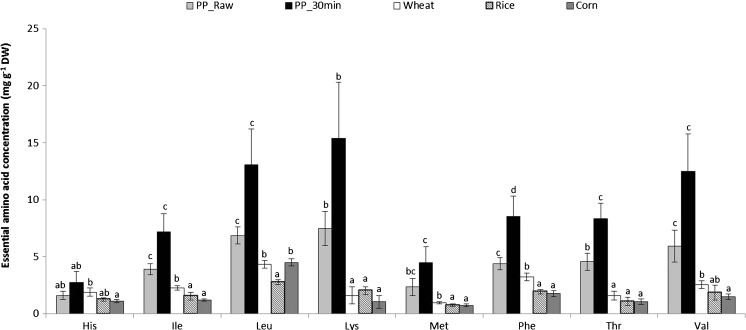
“Figure: Fig. 3 A comparison of essential fatty acids liberated from 1 g dry weight of Palmaria palmata (raw and boiled for 30 min) wheat, rice, and corn flours in simulated gastrointestinal digestion.”
§ Algae as nutritional and functional food sources: revisiting our understanding > Proteins
“Furthermore, Maehre et al. (2016) demonstrated that the apparent amino acid bioaccessibility from both raw and 30 min-boiled dulse was higher than from an equivalent dry weight of wheat, rice, or corn flour in a simulated in vitro gastrointestinal digestion model with analysis at each sequential digestive step (amylase/saliva buffer; pepsin/gastric buffer; pancreatin/duodenal buffer) (Fig. 3).”
Rated minor: it would not touch a result — a value no result rests on, a p-value that stays on the same side of the significance level, or a conflict that is clerical, resolved elsewhere in the paper, or outside its own findings.
In the paper
§ Algae as nutritional and functional food sources: revisiting our understanding > Polysaccharides > Sulfated galactans—carrageenans
“Carrageenan extracts generate proinflammatory agents in mice (Hansra et al. 2000)”
§ Algae as nutritional and functional food sources: revisiting our understanding > References
“Hansra P Moran EL Fornasier VL Bogoch ER Carrageenan-induced arthritis in the rat Inflammation 2000 24 141 155”
Citations
Cites
1 retracted
RETRACTED: Carrageenan: A natural seaweed polysaccharide and its applications
Prajapati, V. D., Maheriya, P. M., Jani, G. K., & Solanki, H. K. (2014) · Carbohydrate Polymers · doi:10.1016/j.carbpol.2014.01.067 · Cited by 383 · cited 1×
“Red algal polysaccharides include the nutritionally important floridean starch, and their sulfated galactans are known to initiate or modulate a large number of biological activities of significance to human health (Prajapati et al. 2014).”
RetractedFree radicals in biology and medicine
(1991) · General Pharmacology: The Vascular System · doi:10.1016/0306-3623(91)90478-o · Cited by 17,178
Free Radicals in Biology and Medicine
Halliwell, B., & Gutteridge, J. M. C. (2015) · doi:10.1093/acprof:oso/9780198717478.001.0001 · Cited by 8,990
Changes of Intestinal Functions in Liver Cirrhosis
Fukui, H., & Wiest, R. (2016) · Inflammatory Intestinal Diseases · doi:10.1159/000444436 · Cited by 6,808
Trumbo, P., Schlicker, S., Yates, A. A., & Poos, M. (2002) · Journal of the American Dietetic Association · doi:10.1016/s0002-8223(02)90346-9 · Cited by 5,993
Host-Bacterial Mutualism in the Human Intestine
Bäckhed, F., Ley, R. E., Sonnenburg, J. L., Peterson, D. A., & Gordon, J. I. (2005) · Science · doi:10.1126/science.1104816 · Cited by 5,277 · cited 1×
“Investigating the coupling of algal (and other) polysaccharides to the health of intestinal microbiomes and their animal and human hosts is an active and needed area of research (Bäckhed et al. 2005; Hehemann et al. 2010; Cantarel et al. 2012).”
Trumbo (2001) · doi:10.1016/s0002-8223(01)00078-5 · Cited by 4,852
Host-gut microbiota metabolic interactions
Nicholson, J. K., Holmes, E., Kinross, J., Burcelin, R., Gibson, G., Jia, W., & Pettersson, S. (2012) · Science · doi:10.1126/science.1223813 · Cited by 4,760 · cited 2×
“For example, acetate and propionate are transported in the blood to many organs where they are oxidized for energy or utilized in signaling to homeostasis and immune function (reviewed by Nicholson et al. 2012).”
(2001) · National Academies Press eBooks · doi:10.17226/10026 · Cited by 3,023 · cited 1×
“Sargassum , Ulva , and Porphyra spp. have high iron content, and 15 g day − 1 of Sargassum provided substantially higher amounts than daily recommended intakes ( ≤ 18 mg Fe day − 1 , Institute-of-Medicine 2001).”
Hydroxyl radical scavenging activity of compatible solutes
Smirnoff, N., & Cumbes, Q. J. (1989) · Phytochemistry · doi:10.1016/0031-9422(89)80182-7 · Cited by 2,152 · cited 10×
“HO · scavengers include glycerol (Smirnoff and Cumber 1989), mannitol (Smirnoff and Cumber 1989; Shen et al. 1997; Larson et al. 2002), L-proline (Smirnoff and Cumber 1989), dimethylsulfoniopropionate (Sunda et al. 2002), and floridoside and isofloridoside (Li et al. 2010), although glycine betaine (or betaine: trimet…”
InfluentialBioactive compounds in seaweed: functional food applications and legislation
Holdt, S. L., & Kraan, S. (2011) · Journal of Applied Phycology · doi:10.1007/s10811-010-9632-5 · Cited by 2,135 · cited 18×
“The widespread interest in algal foods and/or their functional food potential is evident in numerous recent reviews (Warrand 2006; MacArtain et al. 2007; Kulshreshtha et al. 2008; Bocanegra et al. 2009; Mendes et al. 2009; Cottin et al. 2011; Harnedy and FitzGerald 2011; Holdt and Kraan 2011; Lordan et al. 2011; Pange…”
InfluentialValuable Products from Biotechnology of Microalgae
Pulz, O., & Gross, W. (2004) · Applied Microbiology and Biotechnology · doi:10.1007/s00253-004-1647-x · Cited by 2,132 · cited 2×
“…more than 60 years ago, and an impressive number of biological processes are now reported to be influenced by ingestion of whole algae or polysaccharide extracts as food or supplements (Pulz and Gross 2004; Plaza et al. 2009; Chacón-Lee and González-Mariño 2010; Lordan et al. 2011; Vo et al. 2011).”
The State of World Fisheries and Aquaculture 2026
Alder, J., Ryder, J., Friedman, K., Beveridge, M., Barange, M., Taconet, M., Camilleri, M., Franz, N., Barros, P., Mannini, P., et al. (2013) · FAO eBooks · doi:10.4060/cd8357en · Cited by 2,052
A comprehensive classification system for lipids
Fahy, E., Subramaniam, S., Brown, H. A., Glass, C. K., Merrill, A. H., Murphy, R. C., Raetz, C. R. H., Russell, D. W., Seyama, Y., Shaw, W., et al. (2005) · Journal of Lipid Research · doi:10.1194/jlr.e400004-jlr200 · Cited by 1,699
High-value products from microalgae—their development and commercialisation
Borowitzka, M. A. (2013) · Journal of Applied Phycology · doi:10.1007/s10811-013-9983-9 · Cited by 1,585 · cited 4×
“Various strains of the green microalga Dunaliella salina can accumulate about 8 % of their dry weight as β -carotene, which has been marketed as a functional food (Ben-Amotz and Levy 1996; Borowitzka 2013b).”
InfluentialEvaluation of certain food additives and contaminants
Sharma, A. (2018) · Indian Journal of Medical Research · doi:10.4103/ijmr.ijmr_85_17 · Cited by 1,538
Algae acquire vitamin B12 through a symbiotic relationship with bacteria
Croft, M. T., Lawrence, A. D., Raux-Deery, E., Warren, M. J., & Smith, A. G. (2005) · Nature · doi:10.1038/nature04056 · Cited by 1,536 · cited 3×
“Cobalamin is not required or synthesized by higher plants (Croft et al. 2005) so fruits and vegetables are poor sources of vitamin B 12 , which explains why vitamin B 12 -deficiency is common among people following strict vegetarian or vegan diets (Haddad et al. 1999; Waldmann et al. 2004; Allen…”
Self-citationThe Application of Ecological Theory Toward an Understanding of the Human Microbiome
Costello, E. K., Stagaman, K., Dethlefsen, L., Bohannan, B. J. M., & Relman, D. A. (2012) · Science · doi:10.1126/science.1224203 · Cited by 1,437 · cited 1×
“Such striking differences emphasize the complex interactions among food customs, dietary history, and gut microbiomes that complicate study of the nutritional and functional benefits of algal foods (Paulsen and Barsett 2005; Costello et al. 2012; Gordon 2012; Nicholson et al. 2012).”
Fucoidan: Structure and bioactivity
Li, B., Lu, F., Wei, X., & Zhao, R. (2008) · Molecules · doi:10.3390/molecules13081671 · Cited by 1,383 · cited 2×
“Microalgae are the primary sources of DHA and EPA for zooplankton, fish, and other multicellular organisms, and these essential fatty acids (EFAs) become increasingly concentrated up the food web (e.g., Legezynska et al. 2014).”
Gadd, G. M. (2009) · Journal of Chemical Technology & Biotechnology · doi:10.1002/jctb.1999 · Cited by 1,287 · cited 1×
“Moreover, a substantial amount of metal associated with macroalgae can exist as colloidal-sized particles sorbed to algal surfaces (Gadd 2009; Turner et al. 2009), so surface chemistry and algal physical structures can affect metal content in addition to metabolic processes.”
Evaluation of certain food additives and contaminants
Emerson, J. L. (1989) · Journal of Food Composition and Analysis · doi:10.1016/0889-1575(89)90067-7 · Cited by 1,247
Zhao, F.-J., McGrath, S. P., & Meharg, A. A. (2010) · Annual Review of Plant Biology · doi:10.1146/annurev-arplant-042809-112152 · Cited by 1,246 · cited 1×
“All seafoods contain arsenic, which enters cells through phosphate transporters and aquaglyceroporins (Bhattacharjee et al. 2008; Cooney et al. 1978; Zhao et al. 2010).”
An antioxidant function for DMSP and DMS in marine algae
Sunda, W., Kieber, D. J., Kiene, R. P., & Huntsman, S. (2002) · Nature · doi:10.1038/nature00851 · Cited by 1,219 · cited 3×
“2002), L-proline (Smirnoff and Cumber 1989), dimethylsulfoniopropionate (Sunda et al. 2002), and floridoside and isofloridoside (Li et al.”
‘Morphology, composition, production, processing and applications of Chlorella vulgaris: a review’.
Safi, C., Zebib, B., Merah, O., Pontalier, P.-Y., & Vaca-Garcia, C. (2014) · Renewable and Sustainable Energy Reviews · doi:10.1016/j.rser.2014.04.007 · Cited by 1,127 · cited 3×
“…crops are added to many foods to increase their protein and other nutritional contents (e.g., salad dressings, beverages, baked goods), and/or sold as protein supplements (e.g., Lubitz 1963; Ciferri 1983; Jassby 1988; Belay 1997; Gantar and Svircev 2008; Szabo et al. 2013; Safi et al. 2014).”
Transfer of carbohydrate-active enzymes from marine bacteria to Japanese gut microbiota
Hehemann, J.-H., Correc, G., Barbeyron, T., Helbert, W., Czjzek, M., & Michel, G. (2010) · Nature · doi:10.1038/nature08937 · Cited by 1,117 · cited 2×
“Investigating the coupling of algal (and other) polysaccharides to the health of intestinal microbiomes and their animal and human hosts is an active and needed area of research (Bäckhed et al. 2005; Hehemann et al. 2010; Cantarel et al. 2012).”
Seaweed extract stimuli in plant science and agriculture
Craigie, J. S. (2011) · Journal of Applied Phycology · doi:10.1007/s10811-010-9560-4 · Cited by 1,111 · cited 4×
“Svircev 2008; Craigie 2010).”
InfluentialSelf-citationChemical structures and bioactivities of sulfated polysaccharides from marine algae
Jiao, G., Yu, G., Zhang, J., & Ewart, H. S. (2011) · Marine Drugs · doi:10.3390/md9020196 · Cited by 1,054 · cited 1×
“…attracting widespread interest (Shanmugam and Mody 2000; Berteau and Mulloy 2003; Kusaykin et al. 2008; Li et al. 2008; Pomin and Mourão 2008; Courtois 2009; Pomin 2009, 2012; Fitton 2011; Jiao et al. 2011; Kim and Li 2011; Kim and Wijesekara 2011; Wijesinghe et al. 2011; Wijesinghe and Jeon 2012).”
Cumashi, A., Ushakova, N. A., Preobrazhenskaya, M. E., D'Incecco, A., Piccoli, A., Totani, L., Tinari, N., Morozevich, G. E., Berman, A. E., Bilan, M. I., et al. (2007) · Glycobiology · doi:10.1093/glycob/cwm014 · Cited by 1,026 · cited 4×
“The highly sulfated nature and molecular weights of FCPs appear to be responsible for many demonstrated biological activities in vitro (Croci et al. 2011; Ustyuzhanina et al. 2014).”
InfluentialWijesekara, I., Pangestuti, R., & Kim, S.-K. (2011) · Carbohydrate Polymers · doi:10.1016/j.carbpol.2010.10.062 · Cited by 992
Wang, C., Harris, W. S., Chung, M., Lichtenstein, A. H., Balk, E. M., Kupelnick, B., Jordan, H. S., & Lau, J. (2006) · The American Journal of Clinical Nutrition · doi:10.1093/ajcn/84.1.5 · Cited by 980 · cited 1×
“While both EPA and DHA reduce TAG levels in humans (Wang et al. 2006; Bernstein et al. 2012), DHA appears responsible for the blood pressure and heart rate-lowering effect of fish oils (Valera et al. 2014).”
Nutritional Value of Edible Seaweeds
MacArtain, P., Gill, C. I. R., Brooks, M., Campbell, R., & Rowland, I. R. (2008) · Nutrition Reviews · doi:10.1111/j.1753-4887.2007.tb00278.x · Cited by 976 · cited 3×
“The widespread interest in algal foods and/or their functional food potential is evident in numerous recent reviews (Warrand 2006; MacArtain et al. 2007; Kulshreshtha et al. 2008; Bocanegra et al. 2009; Mendes et al. 2009; Cottin et al. 2011; Harnedy and FitzGerald 2011; Holdt and Kraan 2011;…”
Bacteria, Colonic Fermentation, and Gastrointestinal Health
Macfarlane, G. T., & Macfarlane, S. (2012) · Journal of AOAC INTERNATIONAL · doi:10.5740/jaoacint.sge_macfarlane · Cited by 970 · cited 1×
“…are not considered B digestion, ^ although the fermentation products can provide nutritional or functional benefits either by being absorbed and transported via the bloodstream or by shaping more healthful gut microbiomes and chemical conditions in the colon (MacFarlane and MacFarlane 2012).”
Fleurence, J. (1999) · Trends in Food Science & Technology · doi:10.1016/s0924-2244(99)00015-1 · Cited by 933 · cited 2×
“In most analyses of amino acid composition in marine algae, glutamic acid, and aspartic acid represent the highest proportions of amino acids (e.g., Fleurence 1999b; Lourenço et al. 2002; Online Resources 1, 2; Holdt and Kraan 2011).”
Bohn, J. A., & BeMiller, J. N. (1995) · Carbohydrate Polymers · doi:10.1016/0144-8617(95)00076-3 · Cited by 924 · cited 1×
“The biological responses elicited by algal β -glucans depend strongly on details of their primary structures (Bohn and BeMiller 1995; Mueller et al. 2000; Williams et al. 2005; Hofer and Pospí š il 2011).”
Scientific Opinion on Dietary Reference Values for carbohydrates and dietary fibre
EFSA Panel on Dietetic Products, N. (2010) · EFSA Journal · doi:10.2903/j.efsa.2010.1462 · Cited by 898 · cited 1×
“…Safety Authority, following the CODEX Alimentarius Commission definition of dietary fiber (Jones 2014), acknowledges that benefits beyond nutrition can occur but does not formally distinguish functional from dietary fiber because no analytical methods exist for this differentiation (EFSA 2010).”
Peng, J., Yuan, J.-P., Wu, C.-F., & Wang, J.-H. (2011) · Marine Drugs · doi:10.3390/md9101806 · Cited by 820 · cited 1×
“Fucoxanthin, a key algal carotenoid, may be better absorbed if other lipids are present (Peng et al. 2011).”
Berteau, O. (2003) · Glycobiology · doi:10.1093/glycob/cwg058 · Cited by 769 · cited 1×
“…fucose-containing poly-saccharides (FCPs) found in brown algae (Painter 1983) that are now attracting widespread interest (Shanmugam and Mody 2000; Berteau and Mulloy 2003; Kusaykin et al. 2008; Li et al. 2008; Pomin and Mourão 2008; Courtois 2009; Pomin 2009, 2012; Fitton 2011; Jiao et al. 2011;…”
Lordan, S., Ross, R. P., & Stanton, C. (2011) · Marine Drugs · doi:10.3390/md9061056 · Cited by 748 · cited 5×
“The widespread interest in algal foods and/or their functional food potential is evident in numerous recent reviews (Warrand 2006; MacArtain et al. 2007; Kulshreshtha et al. 2008; Bocanegra et al. 2009; Mendes et al. 2009; Cottin et al. 2011; Harnedy and FitzGerald 2011; Holdt and Kraan 2011; Lordan et al. 2011; Pange…”
InfluentialSpirulina, the edible microorganism.
Ciferri, O. (1983) · Microbiological Reviews · doi:10.1128/mmbr.47.4.551-578.1983 · Cited by 745 · cited 2×
“…crops are added to many foods to increase their protein and other nutritional contents (e.g., salad dressings, beverages, baked goods), and/or sold as protein supplements (e.g., Lubitz 1963; Ciferri 1983; Jassby 1988; Belay 1997; Gantar and Svircev 2008; Szabo et al. 2013; Safi et al. 2014).”
Evolution and Diversity of Plant Cell Walls: From Algae to Flowering Plants
Popper, Z. A., Michel, G., Hervé, C., Domozych, D. S., Willats, W. G. T., Tuohy, M. G., Kloareg, B., & Stengel, D. B. (2011) · Annual Review of Plant Biology · doi:10.1146/annurev-arplant-042110-103809 · Cited by 732 · cited 2×
“The predominant algal polysaccharides are the alginates in brown macroalgae, and the sulfate-esterified polysaccharides of macro- and microalgae that are widespread in red, brown, and green seaweeds (Aquino et al. 2005; Popper et al. 2011).”
Exploiting diversity and synthetic biology for the production of algal biofuels
Georgianna, D. R., & Mayfield, S. P. (2012) · Nature · doi:10.1038/nature11479 · Cited by 717 · cited 4×
“TAGs have attracted great attention in recent years as a source for biodiesel, with some microalgae accumulating up to 40 – 60 % of their dry weight as TAGs (Georgianna and Mayfield 2012).”
InfluentialMonte Verde: Seaweed, Food, Medicine, and the Peopling of South America
Dillehay, T. D., Ramírez, C., Pino, M., Collins, M. B., Rossen, J., & Pino-Navarro, J. D. (2008) · Science · doi:10.1126/science.1156533 · Cited by 695 · cited 3×
“Algae have been part of the human diet for thousands of years, based on archaeological evidence from 14,000 yBP in Chile (Dillehay et al. 2008) and early written accounts (e.g., in China, 300 A.D.; in Ireland, 600 A.D.; Newton 1951; Tseng 1981; Aaronson 1986; Turner 2003; Gantar and Electronic…”
InfluentialMarine Polysaccharides from Algae with Potential Biomedical Applications
De Jesus Raposo, M., De Morais, A., & De Morais, R. (2015) · Marine Drugs · doi:10.3390/md13052967 · Cited by 686 · cited 1×
“However, the complexity of interactions among functional and dietary fiber and the intestinal microbiome challenges efforts to demonstrate the functional food and biomedical benefits of algal polysaccharides (de Jesus Raposo et al. 2015; Dhargalkar 2015).”
Chemistry and enzymology of marine algal polysaccharides
Percival, E. E., & McDowell, R. H. (1967) · Cited by 686
Carbonell‐Capella, J. M., Buniowska, M., Barba, F. J., Esteve, M. J., & Frígola, A. (2014) · Comprehensive Reviews in Food Science and Food Safety · doi:10.1111/1541-4337.12049 · Cited by 656 · cited 1×
“In this article we use the term bioavailability, as defined by Carbonell-Capella et al. (2014) B as a combination of bioactivity and bioaccessibility, ^ where bioaccessibility refers to the release from the food matrix, transformations during digestion, and transport across the digestive…”
(2004) · doi:10.1007/978-3-0348-7836-4 · Cited by 652
Seaweeds for livestock diets: A review
Makkar, H. P. S., Tran, G., Heuzé, V., Giger-Reverdin, S., Lessire, M., Lebas, F., & Ankers, P. (2016) · Animal Feed Science and Technology · doi:10.1016/j.anifeedsci.2015.09.018 · Cited by 640 · cited 1×
“…benefits is wide ranging from invertebrates (nematodes, shrimp, abalone) and finfish (sea bream to salmon) to farm animals including poultry and mammals (both ruminants and monogastric species) (reviews: Craigie 2010; O ’ Sullivan et al. 2010; Rajauria 2015; Heuzé et al. 2016; Makkar et al. 2016).”
Seaweed in food products: biochemical and nutritional aspects
Mabeau, S., & Fleurence, J. (1993) · Trends in Food Science & Technology · doi:10.1016/0924-2244(93)90091-n · Cited by 623 · cited 1×
“…et al. 2008; Gupta and Abu-Ghannam 2011a, b; Griffin 2015) at levels generally deemed to be beneficial and safe by regulatory agencies (extensively reviewed in Mabeau and Fleurence 1993; MacArtain et al. 2007; Watson 2008; Holdt and Kraan 2011; Barlow et al. 2015; Fleurence and Levine 2016).”
Bioactive potential and possible health effects of edible brown seaweeds
Gupta, S., & Abu-Ghannam, N. (2011) · Trends in Food Science & Technology · doi:10.1016/j.tifs.2011.03.011 · Cited by 608 · cited 2×
“…seaweeds (Pereira et al. 2016), will be fundamental to understanding their potential effects in human diets. fillers (Cofrades et al. 2008; Gupta and Abu-Ghannam 2011a, b; Griffin 2015) at levels generally deemed to be beneficial and safe by regulatory agencies (extensively reviewed in…”
Role of polysaccharides in food, digestion, and health
Lovegrove, A., Edwards, C. H., De Noni, I., Patel, H., El, S. N., Grassby, T., Zielke, C., Ulmius, M., Nilsson, L., Butterworth, P. J., et al. (2017) · Critical Reviews in Food Science and Nutrition · doi:10.1080/10408398.2014.939263 · Cited by 606 · cited 2×
“The relative importance of salivary versus pancreatic amylase in starch digestion also is not clear (Lovegrove et al. 2015).”
Stengel, D. B., Connan, S., & Popper, Z. A. (2011) · Biotechnology Advances · doi:10.1016/j.biotechadv.2011.05.016 · Cited by 606 · cited 5×
“modified by environmental variables and the developmental status of the seaweed fronds, all of which can affect their bioactivities (Honya et al. 1999; Zvyagintseva et al. 2003; Rioux et al. 2009; Pielesz and Biniaś 2010; Skriptsova et al. 2010; Stengel et al. 2011; Anastyuk et al. 2012; Mak et al. 2013).”
InfluentialOrtiz, J., Romero, N., Robert, P., Araya, J., Lopez-Hernández, J., Bozzo, C., Navarrete, E., Osorio, A., & Rios, A. (2006) · Food Chemistry · doi:10.1016/j.foodchem.2005.07.027 · Cited by 572 · cited 1×
“Most studies on algae and vitamins often focus either on analysis of vitamin concentrations in algae (e.g., Ortiz et al. 2006, 2009; Hernandez-Carmona et al. 2009; Matanjun et al. 2009; Ferraces-Casais et al. 2012) or testing the value of an algal product as a functional food (e.g., Dagnelie et al.…”
Schiener, P., Black, K. D., Stanley, M. S., & Green, D. H. (2015) · Journal of Applied Phycology · doi:10.1007/s10811-014-0327-1 · Cited by 571 · cited 6×
“Schiener et al. (2015) found the concentrations of major metal salts of Ca and K and the trace element Fe to more than double during spring and summer months in the brown algae Laminaria digitata , Laminaria hyperborea , and Saccharina latissima , but concentrations of other trace metals did not…”
InfluentialBiological activities and health benefit effects of natural pigments derived from marine algae
Pangestuti, R., & Kim, S.-K. (2011) · Journal of Functional Foods · doi:10.1016/j.jff.2011.07.001 · Cited by 564 · cited 1×
“…et al. 2008; Bocanegra et al. 2009; Mendes et al. 2009; Cottin et al. 2011; Harnedy and FitzGerald 2011; Holdt and Kraan 2011; Lordan et al. 2011; Pangestuti and Kim 2011; Stengel et al. 2011; Cornish et al. 2015; Hafting et al. 2015) and books (Rhatigan 2009; Mouritsen 2013; Tiwari and Troy…”
Earth Abides Arsenic Biotransformations
Zhu, Y.-G., Yoshinaga, M., Zhao, F.-J., & Rosen, B. P. (2014) · Annual Review of Earth and Planetary Sciences · doi:10.1146/annurev-earth-060313-054942 · Cited by 550 · cited 1×
“Exposure to iAs occurs as humans drink water enriched in As by natural geochemical processes or poor agricultural/ manufacturing/mining practices and through the diet including from foods (e.g., rice) grown in contaminated soils (NRC 2013; Zhu et al. 2014; Li et al. 2016).”
Baba, M., Snoeck, R., Pauwels, R., & de Clercq, E. (1988) · Antimicrobial Agents and Chemotherapy · doi:10.1128/aac.32.11.1742 · Cited by 544 · cited 2×
“Anti-viral activities include those against herpes simplex, herpes zoster, dengue-2, vaccinia, rabies, and vesicular stomatitis virus with patents and some commercial projects resulting (Richards et al. 1978; Baba et al. 1988; Vedros 1993; Bourgougnon 2003; Eccles et al. 2010; Talarico et al. 2011; Levendosky et al. 2…”
VITAMIN B12 DEFICIENCY AS A WORLDWIDE PROBLEM
Stabler, S. P., & Allen, R. H. (2004) · Annual Review of Nutrition · doi:10.1146/annurev.nutr.24.012003.132440 · Cited by 538 · cited 1×
“Well-known human vitamin-deficiency diseases include beriberi (deficiency in thiamine, vitamin B 1 ), pellagra (niacin), pernicious anemia (cobalamin, vitamin B 12 ), and scurvy (ascorbic acid, vitamin C) (Stabler and Allen 2004; Martin et al.2011 ).”
Nutrients and phytochemicals: from bioavailability to bioefficacy beyond antioxidants
Holst, B., & Williamson, G. (2008) · Current Opinion in Biotechnology · doi:10.1016/j.copbio.2008.03.003 · Cited by 536 · cited 1×
“Because of the difficulties, both practical and ethical in terms of measuring bioactivity, the fraction of a given compound or its metabolite that reaches the systemic circulation (Holst and Williamson 2008) can be considered bioaccessible, but not necessarily bioactive.”
Matanjun, P., Mohamed, S., Mustapha, N. M., & Muhammad, K. (2009) · Journal of Applied Phycology · doi:10.1007/s10811-008-9326-4 · Cited by 528 · cited 2×
“…algae and vitamins often focus either on analysis of vitamin concentrations in algae (e.g., Ortiz et al. 2006, 2009; Hernandez-Carmona et al. 2009; Matanjun et al. 2009; Ferraces-Casais et al. 2012) or testing the value of an algal product as a functional food (e.g., Dagnelie et al. 1991; Rauma…”
Vitamin B 12 Sources and Bioavailability
Watanabe, F. (2007) · Experimental Biology and Medicine · doi:10.3181/0703-mr-67 · Cited by 519 · cited 3×
“An alternative radioiso-tope dilution assay (RIDA) is likely to better reflect the functional B 12 content (Watanabe 2007a).”
Sachindra, N. M., Sato, E., Maeda, H., Hosokawa, M., Niwano, Y., Kohno, M., & Miyashita, K. (2007) · Journal of Agricultural and Food Chemistry · doi:10.1021/jf071848a · Cited by 516 · cited 7×
“Selenium is an essential metal in metazoans and some algae for the production of Se-requiring glutathione peroxidase, used to metabolize hydrogen peroxide and lipid hydroperoxides (Halliwell and Gutteridge 2007; Perez et al. 2007; Gobler et al. 2011).”
InfluentialPan genome of the phytoplankton Emiliania underpins its global distribution
Emiliania huxleyi Annotation Consortium, Read, B. A., Kegel, J., Klute, M. J., Kuo, A., Lefebvre, S. C., Maumus, F., Mayer, C., Miller, J., Monier, A., et al. (2013) · Nature · doi:10.1038/nature12221 · Cited by 516 · cited 1×
“Additional putative genes for functionally redundant pathways for the synthesis of omega-3 EPA and DHA were also annotated in the E. huxleyi pan genome sequence (Read et al. 2013).”
Phlorotannins, brown algal polyphenols
Ragan, M. A., & Glombitza, K. (1986) · Medical Entomology and Zoology · Cited by 514
Innovative natural functional ingredients from microalgae
Plaza, M., Herrero, M., Cifuentes, A., & Ibáñez, E. (2009) · Journal of Agricultural and Food Chemistry · doi:10.1021/jf901070g · Cited by 509 · cited 2×
“…more than 60 years ago, and an impressive number of biological processes are now reported to be influenced by ingestion of whole algae or polysaccharide extracts as food or supplements (Pulz and Gross 2004; Plaza et al. 2009; Chacón-Lee and González-Mariño 2010; Lordan et al. 2011; Vo et al. 2011).”
PAINTER, T. J. (1983) · The Polysaccharides · doi:10.1016/b978-0-12-065602-8.50009-1 · Cited by 506 · cited 2×
“Although the extent of alginate dissociation from algal cell walls after ingestion is not well studied, there is little or no digestion of sodium alginate from Ascophyllum nodosum in humans (Percival and McDowell 1967; Painter 1983; Aarstad et al. 2012).”
Croft, M. T., Warren, M. J., & Smith, A. G. (2006) · Eukaryotic Cell · doi:10.1128/ec.00097-06 · Cited by 485 · cited 1×
“Vitamin production and metabolism can vary considerably across diverse algal lineages (Croft et al. 2006; Helliwell et al. 2011, 2013).”
Self-citationThe biosynthesis of adenosylcobalamin (vitamin B12)
Warren, M. J., Raux, E., Schubert, H. L., & Escalante-Semerena, J. C. (2002) · Natural Product Reports · doi:10.1039/b108967f · Cited by 483 · cited 1×
“Cobalamin is synthesized only by prokaryotes (Warren et al. 2002), and it has been shown that B 12 -synthesizing bacteria are closely associated with or reside on eukaryotic algal surfaces (Croft et al. 2005; Wagner-Döbler et al. 2010).”
Lourenco, S. O., Barbarino, E., De-Paula, J. C., Pereira, L. O. D. S., & Marquez, U. M. L. (2002) · Phycological Research · doi:10.1111/j.1440-1835.2002.tb00156.x · Cited by 476 · cited 5×
“This conversion factor, however, often over-estimates the protein content because of the presence of variable amounts of non-protein-N in the sample (Lourenço et al. 2002; Safi et al. 2013; Angell et al. 2016).”
InfluentialMycosporines and mycosporine-like amino acids: UV protectants or multipurpose secondary metabolites?
Oren, A., & Gunde-Cimerman, N. (2007) · FEMS Microbiology Letters · doi:10.1111/j.1574-6968.2007.00650.x · Cited by 461 · cited 1×
“Mycosporine-like amino acids, mainly considered as UV screening compounds, are also antioxidants (Oren and Gunde-Cimerman 2007) as are a range of other solutes that act as scavengers and quenchers of reactive oxygen species in algae (Cornish and Garbary 2010).”
Wijesinghe, W. A. J. P., & Jeon, Y.-J. (2012) · Carbohydrate Polymers · doi:10.1016/j.carbpol.2011.12.029 · Cited by 449 · cited 1×
“…attracting widespread interest (Shanmugam and Mody 2000; Berteau and Mulloy 2003; Kusaykin et al. 2008; Li et al. 2008; Pomin and Mourão 2008; Courtois 2009; Pomin 2009, 2012; Fitton 2011; Jiao et al. 2011; Kim and Li 2011; Kim and Wijesekara 2011; Wijesinghe et al. 2011; Wijesinghe and Jeon 2012).”
The protein content of seaweeds: a universal nitrogen-to-protein conversion factor of five
Angell, A. R., Mata, L., de Nys, R., & Paul, N. A. (2016) · Journal of Applied Phycology · doi:10.1007/s10811-015-0650-1 · Cited by 442 · cited 2×
“This conversion factor, however, often over-estimates the protein content because of the presence of variable amounts of non-protein-N in the sample (Lourenço et al. 2002; Safi et al. 2013; Angell et al. 2016).”
Rutherfurd, S. M., Fanning, A. C., Miller, B. J., & Moughan, P. J. (2015) · The Journal of Nutrition · doi:10.3945/jn.114.195438 · Cited by 433 · cited 2×
“Future research on microalgal and macroalgal protein bioavailability might incorporate measures such as the protein digestibility-corrected amino acid score (PDCAAS), which involves urinary and fecal determinations of N absorption in rats, as well as the FAO recommended replacement of PDCAAS by the digestible indispen…”
Microalgae for “Healthy” Foods-Possibilities and Challenges
Chacón‐Lee, T. L., & González‐Mariño, G. E. (2010) · Comprehensive Reviews in Food Science and Food Safety · doi:10.1111/j.1541-4337.2010.00132.x · Cited by 428 · cited 3×
“…more than 60 years ago, and an impressive number of biological processes are now reported to be influenced by ingestion of whole algae or polysaccharide extracts as food or supplements (Pulz and Gross 2004; Plaza et al. 2009; Chacón-Lee and González-Mariño 2010; Lordan et al. 2011; Vo et al. 2011).”
Mannitol Protects against Oxidation by Hydroxyl Radicals
Shen, B., Jensen, R. G., & Bohnert, H. J. (1997) · Plant Physiology · doi:10.1104/pp.115.2.527 · Cited by 422 · cited 4×
“2010), although glycine betaine (or betaine: trimethylglycine) does not have this property (Smirnoff and Cumber 1989; Shen et al. 1997).”
InfluentialCODEX-aligned dietary fiber definitions help to bridge the ‘fiber gap’
Jones, J. M. (2014) · Nutrition Journal · doi:10.1186/1475-2891-13-34 · Cited by 422 · cited 6×
“Regardless of these semantics, non- or partially fermented fiber that generates physiological benefits, through either physical or chemical pathways, meets the definition of dietary fiber (Jones 2014).”
InfluentialPrebiotics from marine macroalgae for human and animal health applications
O’Sullivan, L., Murphy, B., McLoughlin, P., Duggan, P., Lawlor, P. G., Hughes, H., & Gardiner, G. E. (2010) · Marine Drugs · doi:10.3390/md8072038 · Cited by 421 · cited 2×
“The fermentation process and SCFA products also nourish and modify the microbial consortia in the large intestine, thereby exerting prebiotic effects and influencing digestive outcomes (e.g., Fernando et al. 2008; O’Sullivan et al. 2010; Cian et al. 2015).”
Antioxidant activity of fresh and processed edible seaweeds
Jiménez‐Escrig, A., Jiménez‐Jiménez, I., Pulido, R., & Saura‐Calixto, F. (2001) · Journal of the Science of Food and Agriculture · doi:10.1002/jsfa.842 · Cited by 416 · cited 2×
“Other factors of particular importance to preserving vitamin content include washing methods, storage temperature, light, and moisture content (Online Resource 1, Brown1995 ; Jimenez-Escrig et al. 2001; Lage-Yusty et al. 2014).”
Microalgae as food and supplement
Kay, R. A., & Barton, L. L. (1991) · Critical Reviews in Food Science and Nutrition · doi:10.1080/10408399109527556 · Cited by 408 · cited 1×
“Processed seaweeds are widely used as mineral and metal nutritional supplements (e.g., Kay 1991), but the efficacy of these supplements is poorly quantified.”
Fatty acids from 28 marine microalgae
Viso, A.-C., & Marty, J.-C. (1993) · Phytochemistry · doi:10.1016/s0031-9422(00)90839-2 · Cited by 400 · cited 1×
“Therefore, fish oils are rich in both DHA and EPA because they represent the trophic integration of DHA-rich flagellates and EPA-rich diatoms in the food web (Viso and Marty 1993).”
Nutritional composition of edible seaweed Gracilaria changgi
Norziah, M. H., & Ching, C. Y. (2000) · Food Chemistry · doi:10.1016/s0308-8146(99)00161-2 · Cited by 399 · cited 3×
“…spaghetti ( Himanthalia elongata ), and Gracilaria changii — contain levels of vitamin C comparable to common vegetables such as tomatoes and lettuce (Norziah and Ching 2000; Ferraces-Casais et al. 2012), while the vitamin C content described for the brown seaweed Eisenia arborea (34.4 mg (100…”
InfluentialBIOACTIVE PROTEINS, PEPTIDES, AND AMINO ACIDS FROM MACROALGAE1: MACROALGAE: BIOACTIVE AGENT SOURCE
Harnedy, P. A., & FitzGerald, R. J. (2011) · Journal of Phycology · doi:10.1111/j.1529-8817.2011.00969.x · Cited by 393 · cited 2×
“…recent reviews (Warrand 2006; MacArtain et al. 2007; Kulshreshtha et al. 2008; Bocanegra et al. 2009; Mendes et al. 2009; Cottin et al. 2011; Harnedy and FitzGerald 2011; Holdt and Kraan 2011; Lordan et al. 2011; Pangestuti and Kim 2011; Stengel et al. 2011; Cornish et al. 2015; Hafting et…”
Extraction, structure and biofunctional activities of laminarin from brown algae
Kadam, S. U., Tiwari, B. K., & O'Donnell, C. P. (2015) · International Journal of Food Science & Technology · doi:10.1111/ijfs.12692 · Cited by 393 · cited 2×
“These and other biological effects of βglucans have been reviewed (Novak and Vetvica 2008; Ramberg et al. 2010; Lehtovaara and Gu 2011; Kadam et al. 2015), and certain cautions have been expressed about the functional effects of soluble and particulate forms of these compounds (Young andCastranova 2005; Hofer and Posp…”
Therapies from Fucoidan; Multifunctional Marine Polymers
Fitton, J. H. (2011) · Marine Drugs · doi:10.3390/md9101731 · Cited by 392 · cited 3×
“…attracting widespread interest (Shanmugam and Mody 2000; Berteau and Mulloy 2003; Kusaykin et al. 2008; Li et al. 2008; Pomin and Mourão 2008; Courtois 2009; Pomin 2009, 2012; Fitton 2011; Jiao et al. 2011; Kim and Li 2011; Kim and Wijesekara 2011; Wijesinghe et al. 2011; Wijesinghe and Jeon 2012).”
Albanes, D., Heinonen, O., Huttunen, J., Taylor, P., Virtamo, J., Edwards, B., Haapakoski, J., Rautalahti, M., Hartman, A., & Palmgren, J. (1995) · The American Journal of Clinical Nutrition · doi:10.1093/ajcn/62.6.1427s · Cited by 379 · cited 1×
“…increased lung cancer risk in smokers or people exposed to asbestos (Druesne-Pecollo et al. 2010), while earlier work showed no reduction in the incidence of lung cancer among male smokers after 5 to 8 years of dietary supplementation with alpha-tocopherol or β -carotene (Albanes et al. 1995).”
Complex Carbohydrate Utilization by the Healthy Human Microbiome
Cantarel, B. L., Lombard, V., & Henrissat, B. (2012) · PLoS ONE · doi:10.1371/journal.pone.0028742 · Cited by 378 · cited 3×
“Investigating the coupling of algal (and other) polysaccharides to the health of intestinal microbiomes and their animal and human hosts is an active and needed area of research (Bäckhed et al. 2005; Hehemann et al. 2010; Cantarel et al. 2012).”
Alginate as a Source of Dietary Fiber
Brownlee, I. A., Allen, A., Pearson, J. P., Dettmar, P. W., Havler, M. E., Atherton, M. R., & Onsøyen, E. (2005) · Critical Reviews in Food Science and Nutrition · doi:10.1080/10408390500285673 · Cited by 375 · cited 5×
“chelating abilities of alginates makes them valuable scavengers of toxic elements in the human gut, but this scavenging also may lead to nutritional deficiencies of essential di- or polyvalent trace metals (Hollriegl et al. 2004; Brownlee et al. 2005).”
InfluentialMæhre, H. K., Malde, M. K., Eilertsen, K., & Elvevoll, E. O. (2014) · Journal of the Science of Food and Agriculture · doi:10.1002/jsfa.6681 · Cited by 374 · cited 2×
“…macrophytes generally contain low total lipid contents, so their comparative value as a food energy source likely is small (Holdt and Kraan 2011; Maehre et al. 2014), and at realistic daily consumption levels (e.g., 8 g dry wt., Blouin et al. 2006), even red algae such as Porphyra umbilicalis…”
Nutritional value of proteins from edible seaweed Palmaria palmata (dulse)
Galland-Irmouli, A.-V., Fleurence, J., Lamghari, R., Luçon, M., Rouxel, C., Barbaroux, O., Bronowicki, J.-P., Villaume, C., & Guéant, J.-L. (1999) · The Journal of Nutritional Biochemistry · doi:10.1016/s0955-2863(99)00014-5 · Cited by 374 · cited 2×
“During periods of nutrient limitation such as during the summer stratification of coastal waters, however, macroalgal protein content decreases, and the relative proportions of amino acids change (Online Resource 2; Galland-Irmouli et al. 1999; Johnson et al. 2014; Schiener et al. 2015).”
A comprehensive classification system for lipids
Fahy, E., Subramaniam, S., Brown, H. A., Glass, C. K., Merrill, A. H., Murphy, R. C., Raetz, C. R. H., Russell, D. W., Seyama, Y., Shaw, W., et al. (2005) · European Journal of Lipid Science and Technology · doi:10.1002/ejlt.200405001 · Cited by 371
Review of harmful gastrointestinal effects of carrageenan in animal experiments.
Tobacman, J. K. (2001) · Environmental Health Perspectives · doi:10.1289/ehp.01109983 · Cited by 370 · cited 1×
“Carrageenans have the potential to be harmful (Tobacman 2001).”
Gupta, S., & Abu-Ghannam, N. (2011) · Innovative Food Science & Emerging Technologies · doi:10.1016/j.ifset.2011.07.004 · Cited by 367 · cited 1×
“…seaweeds (Pereira et al. 2016), will be fundamental to understanding their potential effects in human diets. fillers (Cofrades et al. 2008; Gupta and Abu-Ghannam 2011a, b; Griffin 2015) at levels generally deemed to be beneficial and safe by regulatory agencies (extensively reviewed in…”
Ursu, A.-V., Marcati, A., Sayd, T., Sante-Lhoutellier, V., Djelveh, G., & Michaud, P. (2014) · Bioresource Technology · doi:10.1016/j.biortech.2014.01.071 · Cited by 367 · cited 1×
“…steps such as freezing, milling, digestion of crude sample with polysaccharide-digesting enzymes, and/or osmotic rupture of cells to free intracellular compounds is an active area of research (e.g., Harnedy and FitzGerald 2013; Safi et al. 2014; Ursu et al. 2014; and references therein).”
Characteristics and Nutritional and Cardiovascular-Health Properties of Seaweeds
Bocanegra, A., Bastida, S., Benedí, J., Ródenas, S., & Sánchez-Muniz, F. J. (2009) · Journal of Medicinal Food · doi:10.1089/jmf.2008.0151 · Cited by 361 · cited 4×
“The widespread interest in algal foods and/or their functional food potential is evident in numerous recent reviews (Warrand 2006; MacArtain et al. 2007; Kulshreshtha et al. 2008; Bocanegra et al. 2009; Mendes et al. 2009; Cottin et al. 2011; Harnedy and FitzGerald 2011; Holdt and Kraan 2011; Lordan et al. 2011; Pange…”
InfluentialStructure, biology, evolution, and medical importance of sulfated fucans and galactans
Pomin, V. H., & Mourao, P. A. S. (2008) · Glycobiology · doi:10.1093/glycob/cwn085 · Cited by 356 · cited 1×
“…(Painter 1983) that are now attracting widespread interest (Shanmugam and Mody 2000; Berteau and Mulloy 2003; Kusaykin et al. 2008; Li et al. 2008; Pomin and Mourão 2008; Courtois 2009; Pomin 2009, 2012; Fitton 2011; Jiao et al. 2011; Kim and Li 2011; Kim and Wijesekara 2011; Wijesinghe et al.…”
Immunomodulatory dietary polysaccharides: a systematic review of the literature
Ramberg, J. E., Nelson, E. D., & Sinnott, R. A. (2010) · Nutrition Journal · doi:10.1186/1475-2891-9-54 · Cited by 354 · cited 3×
“These and other biological effects of βglucans have been reviewed (Novak and Vetvica 2008; Ramberg et al. 2010; Lehtovaara and Gu 2011; Kadam et al. 2015), and certain cautions have been expressed about the functional effects of soluble and particulate forms of these compounds (Young andCastranova 2005; Hofer and Posp…”
β-Glucans, History, and the Present: Immunomodulatory Aspects and Mechanisms of Action
Novak, M., & Vetvicka, V. (2008) · Journal of Immunotoxicology · doi:10.1080/15476910802019045 · Cited by 348 · cited 2×
“These and other biological effects of βglucans have been reviewed (Novak and Vetvica 2008; Ramberg et al. 2010; Lehtovaara and Gu 2011; Kadam et al. 2015), and certain cautions have been expressed about the functional effects of soluble and particulate forms of these compounds (Young andCastranova 2005; Hofer and Posp…”
Nutritional composition of edible Hawaiian seaweeds
McDermid, K. J., & Stuercke, B. (2003) · Journal of Applied Phycology · doi:10.1023/b:japh.0000004345.31686.7f · Cited by 345 · cited 2×
“Even so, variability between samples can make direct comparisons among studies difficult (e.g., Chan et al. 1997; McDermid and Stuercke 2003; Hernandez-Carmona et al. 2009).”
Causes of Vitamin B 12 and Folate Deficiency
Allen, L. H. (2008) · Food and Nutrition Bulletin · doi:10.1177/15648265080292s105 · Cited by 342 · cited 3×
“Svircev 2008; Craigie 2010).”
Zhou, G. (2004) · Pharmacological Research · doi:10.1016/j.phrs.2003.12.002 · Cited by 339
Hehemann, J.-H., Kelly, A. G., Pudlo, N. A., Martens, E. C., & Boraston, A. B. (2012) · Proceedings of the National Academy of Sciences · doi:10.1073/pnas.1211002109 · Cited by 338 · cited 2×
“Similarly, a small cohort of Spaniards possesses gut microbiomes with apparently HGT-provided porphyranases and agarases (Hehemann et al. 2012).”
Tropical marine macroalgae as potential sources of nutritionally important PUFAs
Kumari, P., Kumar, M., Gupta, V., Reddy, C. R. K., & Jha, B. (2010) · Food Chemistry · doi:10.1016/j.foodchem.2009.11.006 · Cited by 328 · cited 2×
“…macroalgae from polar (Graeve et al. 2002, 20 species), temperate (Schmid et al. 2014, 16 species; McCauley et al. 2015, 10 species), and tropical (Kumari et al. 2010, 27 species; Kumar et al. 2011, 22 species) habitats, and, despite some species variability, red (Rhodophyta) and brown…”
Dietary fibre and physicochemical properties of edible Spanish seaweeds
Rupérez, P., & Saura-Calixto, F. (2001) · European Food Research and Technology · doi:10.1007/s002170000264 · Cited by 324 · cited 1×
“Edible macroalgae contain unusually high amounts of dietary fiber, ranging from 23.5 % ( Codium reediae ) to 64.0 % of dry weight in Gracilaria spp., values that frequently exceed those for wheat bran (Ruperez and Saura-Calixto 2001; McDermid et al. 2005; Benjama and Masniyom 2012).”
InfluentialImmunomodulation and antitumor activity of κ-carrageenan oligosaccharides
YUAN, H., SONG, J., LI, X., LI, N., & DAI, J. (2006) · Cancer Letters · doi:10.1016/j.canlet.2005.11.032 · Cited by 324 · cited 1×
“Oligomers from acid hydrolyzed κ-carrageenan injected into mice increased macrophage phagocytosis and stimulated several immune-related markers while significantly inhibiting the growth of sarcoma S180 cells (Yuan et al. 2006).”
BackgroundSpirulina in Human Nutrition and Health
(2007) · doi:10.1201/9781420052572 · Cited by 322
Leiro, J. M., Castro, R., Arranz, J. A., & Lamas, J. (2007) · International Immunopharmacology · doi:10.1016/j.intimp.2007.02.007 · Cited by 316 · cited 1×
“…in vitro include antibacterial, anticoagulant, antioxidant, antiviral, anti-tumor, anti-hyperlipidemic, and immunoregulatory effects (Kaeffer et al. 1999; Yu et al. 2003; Mao et al. 2006, 2008; Leiro et al. 2007; Zhang et al. 2008, 2010; Lee et al. 2010; Holdt and Kraan 2011; Matloub et al. 2013).”
Lahaye, M. (1991) · Journal of the Science of Food and Agriculture · doi:10.1002/jsfa.2740540410 · Cited by 315 · cited 1×
“B Soluble fiber ^ comprises 52 – 56 % of total fiber in commonly used green and red macroalgae and 67 – 85 % in brown macroalgae (Lahaye 1991).”
Seaweed resources of the world
Critchley, A. T., & 大野, 正. (1998) · Medical Entomology and Zoology · Cited by 313
Nwosu, F., Morris, J., Lund, V. A., Stewart, D., Ross, H. A., & McDougall, G. J. (2011) · Food Chemistry · doi:10.1016/j.foodchem.2010.11.111 · Cited by 306
Singlet oxygen and photo‐oxidative stress management in plants and algae
LEDFORD, H. K., & NIYOGI, K. K. (2005) · Plant, Cell & Environment · doi:10.1111/j.1365-3040.2005.01374.x · Cited by 304 · cited 1×
“…B sacrificial ^ scavengers (of HO · ) and quenchers (of 1 O 2 ) often are the only recourse for limiting damage once the free radicals are produced (Smirnoff and Cumber 1989; Telfer et al. 1994a, b; Sunda et al. 2002; Ledford and Niyogi 2005; Halliwell and Gutteridge 2007; Ledford et al. 2007).”
Polyunsaturated fatty acids in various macroalgal species from north Atlantic and tropical seas
van Ginneken, V. J., Helsper, J. P., de Visser, W., van Keulen, H., & Brandenburg, W. A. (2011) · Lipids in Health and Disease · doi:10.1186/1476-511x-10-104 · Cited by 303 · cited 1×
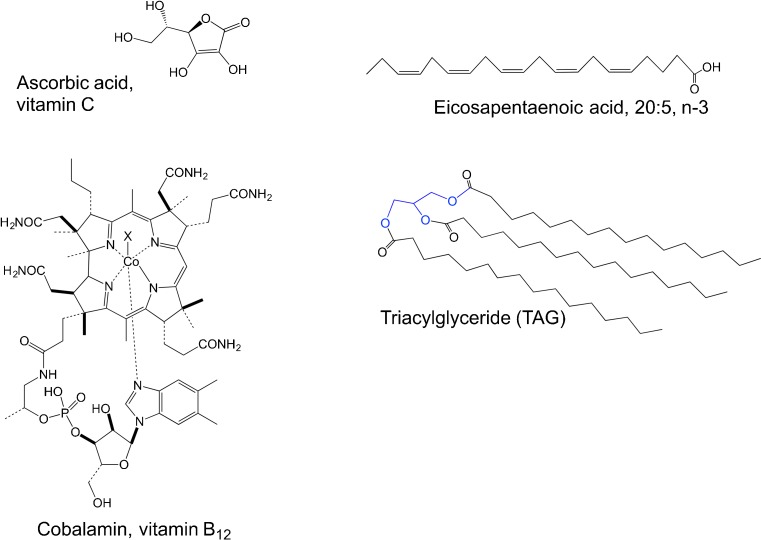
“4 Structures of some key vitamins and lipids mentioned in review et al. 2009) where EPA comprises up to 50 % of the total fatty acid content (e.g., Palmaria palmata , van Ginneken et al. 2011).”
Mueller, A., Raptis, J., Rice, P. J., Kalbfleisch, J. H., Stout, R. D., Ensley, H. E., Browder, W., & Williams, D. L. (2000) · Glycobiology · doi:10.1093/glycob/10.4.339 · Cited by 302 · cited 1×
“The biological responses elicited by algal β -glucans depend strongly on details of their primary structures (Bohn and BeMiller 1995; Mueller et al. 2000; Williams et al. 2005; Hofer and Pospí š il 2011).”
Arsenic and Environmental Health: State of the Science and Future Research Opportunities
Carlin, D. J., Naujokas, M. F., Bradham, K. D., Cowden, J., Heacock, M., Henry, H. F., Lee, J. S., Thomas, D. J., Thompson, C., Tokar, E. J., et al. (2016) · Environmental Health Perspectives · doi:10.1289/ehp.1510209 · Cited by 298 · cited 1×
“…the particular algal food matrix, and the gut microbiome modify arsenosugar bioaccessibility and then better definition of the interaction of other As species produced in the body with cellular metabolites and macromolecules before their excretion (NRC 2013; Molin et al 2015; Carlin et al 2016).”
Ocean Acidification-Induced Food Quality Deterioration Constrains Trophic Transfer
Rossoll, D., Bermúdez, R., Hauss, H., Schulz, K. G., Riebesell, U., Sommer, U., & Winder, M. (2012) · PLoS ONE · doi:10.1371/journal.pone.0034737 · Cited by 293 · cited 2×
“There is emerging evidence that ocean acidification, the result of changing coastal processes and increased atmospheric CO2, can negatively change the supply of these essential fatty acids to higher trophic levels (Rossoll et al. 2012).”
Schuchardt, J., Schneider, I., Meyer, H., Neubronner, J., von Schacky, C., & Hahn, A. (2011) · Lipids in Health and Disease · doi:10.1186/1476-511x-10-145 · Cited by 291 · cited 2×
“In contrast to most other algal food constituents, the bioaccessibility of DHA and EPA in algal-derived oils and extracts is well quantified for humans, ranging from ∼ 50 to 100 % depending on the matrix (Haug et al. 2011; Schuchardt et al. 2011).”
Antioxidants from macroalgae: potential applications in human health and nutrition
Cornish, M. L., & Garbary, D. J. (2010) · ALGAE · doi:10.4490/algae.2010.25.4.155 · Cited by 290 · cited 2×
“Mycosporine-like amino acids, mainly considered as UV screening compounds, are also antioxidants (Oren and Gunde-Cimerman 2007) as are a range of other solutes that act as scavengers and quenchers of reactive oxygen species in algae (Cornish and Garbary 2010).”
Antioxidant activities of phlorotannins isolated from Japanese Laminariaceae
Shibata, T., Ishimaru, K., Kawaguchi, S., Yoshikawa, H., & Hama, Y. (2008) · Journal of Applied Phycology · doi:10.1007/s10811-007-9254-8 · Cited by 289 · cited 2×
“Other algal components that scavenge free radicals are phenolic compounds (Ragan and Globitza 1986) including halophenols (Li et al. 2011) and phlorotannins (Shibata et al. 2007) and, as noted above, alginate (Zhao et al. 2012; Zhou et al. 2012) and sulfated polysaccharides (Barahona et al. 2012).”
Niche of harmful alga Aureococcus anophagefferens revealed through ecogenomics
Gobler, C. J., Berry, D. L., Dyhrman, S. T., Wilhelm, S. W., Salamov, A., Lobanov, A. V., Zhang, Y., Collier, J. L., Wurch, L. L., Kustka, A. B., et al. (2011) · Proceedings of the National Academy of Sciences · doi:10.1073/pnas.1016106108 · Cited by 285
Safi, C., Charton, M., Pignolet, O., Silvestre, F., Vaca-Garcia, C., & Pontalier, P.-Y. (2013) · Journal of Applied Phycology · doi:10.1007/s10811-012-9886-1 · Cited by 283 · cited 2×
“This conversion factor, however, often over-estimates the protein content because of the presence of variable amounts of non-protein-N in the sample (Lourenço et al. 2002; Safi et al. 2013; Angell et al. 2016).”
InfluentialDruesne‐Pecollo, N., Latino‐Martel, P., Norat, T., Barrandon, E., Bertrais, S., Galan, P., & Hercberg, S. (2010) · International Journal of Cancer · doi:10.1002/ijc.25008 · Cited by 283 · cited 2×
“Undefined β-carotene supplements increased lung cancer risk in smokers or people exposed to asbestos (Druesne-Pecollo et al. 2010), while earlier work showed no reduction in the incidence of lung cancer among male smokers after 5 to 8 years of dietary supplementation with alpha-tocopherol or β-carotene (Albanes et al.”
Arsenic species in seafood: Origin and human health implications
Francesconi, K. A. (2010) · Pure and Applied Chemistry · doi:10.1351/pac-con-09-07-01 · Cited by 283 · cited 3×
“Fish and crustaceans convert most iAs into arsenobetaine; humans excrete arsenobetaine, and it is not considered to be toxic (Francesconi 2010, Molin et al. 2015 [see their Table 1 for structures]).”
InfluentialProspects and challenges for industrial production of seaweed bioactives.
Hafting, J. T., Craigie, J. S., Stengel, D. B., Loureiro, R. R., Buschmann, A. H., Yarish, C., Edwards, M. D., & Critchley, A. T. (2015) · Journal of Phycology · doi:10.1111/jpy.12326 · Cited by 279 · cited 1×
“…2009; Mendes et al. 2009; Cottin et al. 2011; Harnedy and FitzGerald 2011; Holdt and Kraan 2011; Lordan et al. 2011; Pangestuti and Kim 2011; Stengel et al. 2011; Cornish et al. 2015; Hafting et al. 2015) and books (Rhatigan 2009; Mouritsen 2013; Tiwari and Troy 2015; Fleurence and Levine 2016).”
Self-citationVariability of Iodine Content in Common Commercially Available Edible Seaweeds
Teas, J., Pino, S., Critchley, A. T., & Braverman, L. E. (2004) · Thyroid · doi:10.1089/1050725042451293 · Cited by 278 · cited 3×
“…where other foods are deficient, but the iodine content of commercially available sea vegetables varies dramatically among species, the methods of preparation (many iodine compounds are water soluble), and the duration of storage (iodine may vaporize under humid conditions) (Teas et al. 2004a).”
Jensen, C. L., Voigt, R. G., Prager, T. C., Zou, Y., Fraley, J. K., Rozelle, J. C., Turcich, M. R., Llorente, A. M., Anderson, R. E., & Heird, W. C. (2005) · American Journal of Clinical Nutrition · doi:10.1093/ajcn.82.1.125 · Cited by 278 · cited 2×
“Algal oil capsules based on a patented commercial source (Martek) and cooked salmon are reported to represent nutritionally equivalent sources of DHA (see in Cottin et al. 2011).”
Seaweed sustainability – food and nonfood applications
Tiwari, B. K., & Troy, D. J. (2015) · Seaweed Sustainability · doi:10.1016/b978-0-12-418697-2.00001-5 · Cited by 276 · cited 1×
“…2009; Mendes et al. 2009; Cottin et al. 2011; Harnedy and FitzGerald 2011; Holdt and Kraan 2011; Lordan et al. 2011; Pangestuti and Kim 2011; Stengel et al. 2011; Cornish et al. 2015; Hafting et al. 2015) and books (Rhatigan 2009; Mouritsen 2013; Tiwari and Troy 2015; Fleurence and Levine 2016).”
Telfer, A., Bishop, S. M., Phillips, D., & Barber, J. (1994) · Journal of Biological Chemistry · doi:10.1016/s0021-9258(17)36825-4 · Cited by 274 · cited 1×
“…B sacrificial ^ scavengers (of HO · ) and quenchers (of 1 O 2 ) often are the only recourse for limiting damage once the free radicals are produced (Smirnoff and Cumber 1989; Telfer et al. 1994a, b; Sunda et al. 2002; Ledford and Niyogi 2005; Halliwell and Gutteridge 2007; Ledford et al. 2007).”
Doxorubicin-dependent lipid peroxidation at low partial pressures of O2
Winterbourn, C. C., Gutteridge, J. M. C., & Halliwell, B. (1985) · Journal of Free Radicals in Biology & Medicine · doi:10.1016/0748-5514(85)90028-5 · Cited by 272
Wagner-Döbler, I., Ballhausen, B., Berger, M., Brinkhoff, T., Buchholz, I., Bunk, B., Cypionka, H., Daniel, R., Drepper, T., Gerdts, G., et al. (2010) · The ISME Journal · doi:10.1038/ismej.2009.94 · Cited by 271 · cited 1×
“Cobalamin is synthesized only by prokaryotes (Warren et al. 2002), and it has been shown that B 12 -synthesizing bacteria are closely associated with or reside on eukaryotic algal surfaces (Croft et al. 2005; Wagner-Döbler et al. 2010).”
Seaweed in Health and Disease Prevention
(2016) · Elsevier eBooks · doi:10.1016/c2014-0-02206-x · Cited by 267 · cited 3×
“…et al. 2008; Gupta and Abu-Ghannam 2011a, b; Griffin 2015) at levels generally deemed to be beneficial and safe by regulatory agencies (extensively reviewed in Mabeau and Fleurence 1993; MacArtain et al. 2007; Watson 2008; Holdt and Kraan 2011; Barlow et al. 2015; Fleurence and Levine 2016).”
Bohn, T., McDougall, G. J., Alegría, A., Alminger, M., Arrigoni, E., Aura, A., Brito, C., Cilla, A., El, S. N., Karakaya, S., et al. (2015) · Molecular Nutrition & Food Research · doi:10.1002/mnfr.201400745 · Cited by 265 · cited 2×
“stand the uptake and systemic properties of phlorotannins, and to determine whether the in vitro effects occur in vivo and relate to their antioxidant properties (Bohn et al. 2015).”
Health habits and other characteristics of dietary supplement users: a review
Dickinson, A., & MacKay, D. (2014) · Nutrition Journal · doi:10.1186/1475-2891-13-14 · Cited by 264
Haddad, E. H., Berk, L. S., Kettering, J. D., Hubbard, R. W., & Peters, W. R. (1999) · The American Journal of Clinical Nutrition · doi:10.1093/ajcn/70.3.586s · Cited by 258 · cited 1×
“…is not required or synthesized by higher plants (Croft et al. 2005) so fruits and vegetables are poor sources of vitamin B 12 , which explains why vitamin B 12 -deficiency is common among people following strict vegetarian or vegan diets (Haddad et al. 1999; Waldmann et al. 2004; Allen 2008).”
Effects of Spirulina Biomass on the Technological and Nutritional Quality of Bread Wheat Pasta
Rodríguez De Marco, E., Steffolani, M. E., Martínez, C. S., & León, A. E. (2014) · LWT - Food Science and Technology · doi:10.1016/j.lwt.2014.02.054 · Cited by 257 · cited 1×
“…systems containing digestive enzymes such as pepsin, pronase, and pancreatin, with evidence that this is due especially to inhibitory soluble fibers (e.g., Fujiwara-Arasaki et al. 1984; Fleurence 1999a; Urbano and Goni 2002; Marrion et al. 2003, 2005; Wong and Cheung 2003; De Marco et al. 2014).”
Mak, W., Hamid, N., Liu, T., Lu, J., & White, W. L. (2013) · Carbohydrate Polymers · doi:10.1016/j.carbpol.2013.02.047 · Cited by 253 · cited 6×
“modified by environmental variables and the developmental status of the seaweed fronds, all of which can affect their bioactivities (Honya et al. 1999; Zvyagintseva et al. 2003; Rioux et al. 2009; Pielesz and Biniaś 2010; Skriptsova et al. 2010; Stengel et al. 2011; Anastyuk et al. 2012; Mak et al. 2013).”
InfluentialJiang, H., & Gao, K. (2004) · Journal of Phycology · doi:10.1111/j.1529-8817.2004.03112.x · Cited by 252 · cited 4×
“Phytoplankton contain more PUFA, as expected, when grown at low temperature (e.g., DHA in Crypthecodinium , Jiang and Chen 2000), and higher temperatures good for maximal biomass production can be lowered for as little as 12 h to induce maximal EPA content in the diatom Phaeodactylum (Jiang and Gao 2004).”
Influential(1989) · Choice Reviews Online · doi:10.5860/choice.26-6271 · Cited by 251
Cyanobacteria and eukaryotic algae use different chemical variants of vitamin B12
Helliwell, K. E., Lawrence, A. D., Holzer, A., Kudahl, U. J., Sasso, S., Kräutler, B., Scanlan, D. J., Warren, M. J., & Smith, A. G. (2016) · Current Biology · doi:10.1016/j.cub.2016.02.041 · Cited by 250 · cited 1×
“A recent study has established that the vast majority of cyanobacteria synthesize pseudocobalamin, whereas eukaryotic algae that are dependent on B 12 for growth are like animals in that they require cobalamin (Helliwell et al. 2016).”
Self-citationThe differential effects of EPA and DHA on cardiovascular risk factors
Cottin, S. C., Sanders, T. A., & Hall, W. L. (2011) · Proceedings of the Nutrition Society · doi:10.1017/s0029665111000061 · Cited by 247 · cited 15×
“While clinical research to date strongly supports a nutritional need for oils that are enriched in DHA and EPA, there is more understanding about the bioactivity of DHA than of EPA (Conquer and Holub 1996; Holub 2009; Cottin et al. 2011).”
InfluentialCofrades, S., López-López, I., Solas, M. T., Bravo, L., & Jiménez-Colmenero, F. (2008) · Meat Science · doi:10.1016/j.meatsci.2007.11.010 · Cited by 246 · cited 2×
“fillers (Cofrades et al. 2008; Gupta and Abu-Ghannam 2011a, b; Griffin 2015) at levels generally deemed to be beneficial and safe by regulatory agencies (extensively reviewed in Mabeau and Fleurence 1993; MacArtain et al.”
Insights into the Evolution of Vitamin B12 Auxotrophy from Sequenced Algal Genomes
Helliwell, K. E., Wheeler, G. L., Leptos, K. C., Goldstein, R. E., & Smith, A. G. (2011) · Molecular Biology and Evolution · doi:10.1093/molbev/msr124 · Cited by 244 · cited 2×
“Over half of microalgal species surveyed have a metabolic requirement for B 12 , and contain large amounts (Online Resource 4), but they cannot synthesize it (Croft et al. 2005; Helliwell et al. 2011).”
Self-citationTHE ROLE AND EVOLUTION OF SUPEROXIDE DISMUTASES IN ALGAE1
Wolfe‐Simon, F., Grzebyk, D., Schofield, O., & Falkowski, P. G. (2005) · Journal of Phycology · doi:10.1111/j.1529-8817.2005.00086.x · Cited by 239 · cited 2×
“Superoxide dismutases in cyanobacteria have Ni, or mixtures of Fe, Mn, and Ni, as the metal, whereas eukaryotic algae haveMn or Fe, or some combination of Fe, Mn, and Cu + Zn (Wolfe-Simon et al. 2005).”
Eyster, K. M. (2007) · Advances in Physiology Education · doi:10.1152/advan.00088.2006 · Cited by 239 · cited 1×
“Lipids are essential for all living organisms as components of membranes, energy storage compounds, and as cell signaling molecules (Eyster 2007).”
Cian, R., Drago, S., De Medina, F., & Martínez-Augustin, O. (2015) · Marine Drugs · doi:10.3390/md13085358 · Cited by 238 · cited 5×
“The fermentation process and SCFA products also nourish and modify the microbial consortia in the large intestine, thereby exerting prebiotic effects and influencing digestive outcomes (e.g., Fernando et al. 2008; O’Sullivan et al. 2010; Cian et al. 2015).”
InfluentialSpirulina in Health Care Management
Kulshreshtha, A., J., A., Jarouliya, U., Bhadauriya, P., Prasad, G., & Bisen, P. (2008) · Current Pharmaceutical Biotechnology · doi:10.2174/138920108785915111 · Cited by 238 · cited 2×
“…interest in algal foods and/or their functional food potential is evident in numerous recent reviews (Warrand 2006; MacArtain et al. 2007; Kulshreshtha et al. 2008; Bocanegra et al. 2009; Mendes et al. 2009; Cottin et al. 2011; Harnedy and FitzGerald 2011; Holdt and Kraan 2011; Lordan et…”
Minerals, PUFAs and antioxidant properties of some tropical seaweeds from Saurashtra coast of India
Kumar, M., Kumari, P., Trivedi, N., Shukla, M. K., Gupta, V., Reddy, C. R. K., & Jha, B. (2011) · Journal of Applied Phycology · doi:10.1007/s10811-010-9578-7 · Cited by 234 · cited 2×
“…al. 2002, 20 species), temperate (Schmid et al. 2014, 16 species; McCauley et al. 2015, 10 species), and tropical (Kumari et al. 2010, 27 species; Kumar et al. 2011, 22 species) habitats, and, despite some species variability, red (Rhodophyta) and brown (Phaeophyceae) macroalgae had a high…”
Extraction of the polysaccharides from five algae and their potential antioxidant activity in vitro
Zhang, Z., Wang, F., Wang, X., Liu, X., Hou, Y., & Zhang, Q. (2010) · Carbohydrate Polymers · doi:10.1016/j.carbpol.2010.04.031 · Cited by 233 · cited 1×
“…in vitro include antibacterial, anticoagulant, antioxidant, antiviral, anti-tumor, anti-hyperlipidemic, and immunoregulatory effects (Kaeffer et al. 1999; Yu et al. 2003; Mao et al. 2006, 2008; Leiro et al. 2007; Zhang et al. 2008, 2010; Lee et al. 2010; Holdt and Kraan 2011; Matloub et al. 2013).”
Shanmugam, M., & Mody, K. (2000) · Cited by 229
Molin, M., Ulven, S. M., Meltzer, H. M., & Alexander, J. (2015) · Journal of Trace Elements in Medicine and Biology · doi:10.1016/j.jtemb.2015.01.010 · Cited by 229 · cited 2×
“…the particular algal food matrix, and the gut microbiome modify arsenosugar bioaccessibility and then better definition of the interaction of other As species produced in the body with cellular metabolites and macromolecules before their excretion (NRC 2013; Molin et al 2015; Carlin et al 2016).”
On the human consumption of the red seaweed dulse (Palmaria palmata (L.) Weber & Mohr)
Mouritsen, O. G., Dawczynski, C., Duelund, L., Jahreis, G., Vetter, W., & Schröder, M. (2013) · Journal of Applied Phycology · doi:10.1007/s10811-013-0014-7 · Cited by 228 · cited 3×
“Concentrations of kainic acid that damage neurons are much higher than those consumed by eating dulse, but Mouritsen et al. (2013) report that no human safety standard has been established.”
Pengzhan, Y. (2003) · Pharmacological Research · doi:10.1016/s1043-6618(03)00215-9 · Cited by 228 · cited 2×
“The reported bioactivities of ulvan extracts in vitro include antibacterial, anticoagulant, antioxidant, antiviral, anti-tumor, antihyperlipidemic, and immunoregulatory effects (Kaeffer et al. 1999; Yu et al. 2003; Mao et al. 2006, 2008; Leiro et al. 2007; Zhang et al. 2008, 2010; Lee et al. 2010; Holdt and Kraan 2011…”
The seasonal variation in weight and chemical composition of the common British Laminariaceae
Black, W. A. P. (1950) · Journal of the Marine Biological Association of the United Kingdom · doi:10.1017/s0025315400056186 · Cited by 226 · cited 1×
“Historic harvesting times and current harvesting regimes usually occur at times when protein contents are favorable (e.g., Butler 1936; Black 1950; Turner 2003), but there is remarkably poor documentation of seasonal changes in protein content and amino acid profiles.”
The Importance of Dietary Carbohydrate in Human Evolution
Hardy, K., Brand-Miller, J., Brown, K. D., Thomas, M. G., & Copeland, L. (2015) · The Quarterly Review of Biology · doi:10.1086/682587 · Cited by 225 · cited 1×
“Hardy et al. (2015) hypothesized that cooking to increase digestibility and sensory quality of starch-rich foods helped drive human evolution by providing more glucose to growing brains.”
MICROALGAE AND CYANOBACTERIA: FOOD FOR THOUGHT1
Gantar, M., & Svirčev, Z. (2008) · Journal of Phycology · doi:10.1111/j.1529-8817.2008.00469.x · Cited by 223 · cited 7×
“Historically, Bspirulina^ was wild-harvested as a protein-rich whole food in many cultures outside Europe and North America (Gantar and Svircev 2008).”
InfluentialA practical perspective on ulvan extracted from green algae
Alves, A., Sousa, R. A., & Reis, R. L. (2013) · Journal of Applied Phycology · doi:10.1007/s10811-012-9875-4 · Cited by 223 · cited 1×
“in eutrophic coastal waters has sparked research for new uses of these algae (Alves et al. 2013).”
Extraction of protein from the macroalga Palmaria palmata
Harnedy, P. A., & FitzGerald, R. J. (2013) · LWT - Food Science and Technology · doi:10.1016/j.lwt.2012.09.023 · Cited by 221 · cited 2×
“Importantly, a recent study (Maehre et al. 2016) with excellent biological and technical replication shows the beneficial effect of cooking on amino acid availability from dried dulse (Online Resource 3); however, cooking did not significantly increase the total amino acids measured from Alaria…”
Zvyagintseva, T. N., Shevchenko, N. M., Chizhov, A. O., Krupnova, T. N., Sundukova, E. V., & Isakov, V. V. (2003) · Journal of Experimental Marine Biology and Ecology · doi:10.1016/s0022-0981(03)00244-2 · Cited by 221 · cited 2×
“modified by environmental variables and the developmental status of the seaweed fronds, all of which can affect their bioactivities (Honya et al. 1999; Zvyagintseva et al. 2003; Rioux et al. 2009; Pielesz and Biniaś 2010; Skriptsova et al. 2010; Stengel et al. 2011; Anastyuk et al. 2012; Mak et al. 2013).”
Iwai, K. (2008) · Plant Foods for Human Nutrition · doi:10.1007/s11130-008-0098-4 · Cited by 217 · cited 2×
“Iwai (2008) showed that oral administration of extracts inhibited lipid peroxidation in the plasma, red blood cells, liver, and kidney of KK-A y mice, indicating that the antioxidant activity of phlorotannins had beneficial properties for reducing diabetic oxidative stress.”
Rioux, L.-E., Turgeon, S. L., & Beaulieu, M. (2010) · Phytochemistry · doi:10.1016/j.phytochem.2010.05.021 · Cited by 216 · cited 1×
“The most studied β -glucans are those from cereals and fungi, but these differ significantly in structure from those of algal origin (Rioux et al. 2010).”
Rioux, L., & Turgeon, S. L. (2015) · Elsevier eBooks · doi:10.1016/b978-0-12-418697-2.00007-6 · Cited by 213
Sheng, J., Yu, F., Xin, Z., Zhao, L., Zhu, X., & Hu, Q. (2007) · Food Chemistry · doi:10.1016/j.foodchem.2007.04.018 · Cited by 210 · cited 2×
“This putative bioactivity includes anticancer properties, cytokine modulation, antiinflammatory effects, macrophage activation, and inhibition of protein tyrosine phosphatase (Hasegawa et al. 1997; Cheng et al. 2004; Kralovec et al. 2005; Sheng et al. 2007; Hsu et al. 2010).”
Arsenic in seaweed—Forms, concentration and dietary exposure
Rose, M., Lewis, J., Langford, N., Baxter, M., Origgi, S., Barber, M., MacBain, H., & Thomas, K. (2007) · Food and Chemical Toxicology · doi:10.1016/j.fct.2007.01.007 · Cited by 210 · cited 2×
“The sea vegetable hijiki ( Sargassum fusiforme ) contains unusually high levels of iAs (e.g., 60 µg g − 1 dry wt hijiki, 0.4 – 2.8 µg g − 1 cooked hijiki) in comparison to its arsenosugar content (Francesconi 2010; Nakamura et al. 2008; Rose et al. 2007).”
InfluentialTotal arsenic, inorganic arsenic, lead and cadmium contents in edible seaweed sold in Spain
Almela, C., Jesús Clemente, M., Vélez, D., & Montoro, R. (2006) · Food and Chemical Toxicology · doi:10.1016/j.fct.2006.06.011 · Cited by 208
Crypthecodinium cohnii with emphasis on DHA production: a review
Mendes, A., Reis, A., Vasconcelos, R., Guerra, P., & Lopes da Silva, T. (2009) · Journal of Applied Phycology · doi:10.1007/s10811-008-9351-3 · Cited by 206 · cited 15×
“The widespread interest in algal foods and/or their functional food potential is evident in numerous recent reviews (Warrand 2006; MacArtain et al. 2007; Kulshreshtha et al. 2008; Bocanegra et al. 2009; Mendes et al. 2009; Cottin et al. 2011; Harnedy and FitzGerald 2011; Holdt and Kraan 2011; Lordan et al. 2011; Pange…”
InfluentialThomas, F., Barbeyron, T., Tonon, T., Génicot, S., Czjzek, M., & Michel, G. (2012) · Environmental Microbiology · doi:10.1111/j.1462-2920.2012.02751.x · Cited by 205 · cited 2×
“HGTalso may explain the presence of a gene cluster in Japanese gut Bacteroides that enables fermentation of algi-nates in brown algal cell walls (Thomas et al. 2012).”
Clinical Potential of Spirulina as a Source of Phycocyanobilin
McCarty, M. F. (2007) · Journal of Medicinal Food · doi:10.1089/jmf.2007.621 · Cited by 199 · cited 1×
“…relat-ed bile pigment metabolites inhibits the generation by NADPH oxidase of O 2 − , which has a key role in numerous disease syndromes, e.g., antigen expression, angioplasty, cancers, glycemia and lipidemia, hypertension, immunostimulation, and age-related maculopathy (reviewed by McCarty 2007).”
Structure, biological activity, and enzymatic transformation of fucoidans from the brown seaweeds
Kusaykin, M., Bakunina, I., Sova, V., Ermakova, S., Kuznetsova, T., Besednova, N., Zaporozhets, T., & Zvyagintseva, T. (2008) · Biotechnology Journal · doi:10.1002/biot.200700054 · Cited by 197 · cited 2×
“…(FCPs) found in brown algae (Painter 1983) that are now attracting widespread interest (Shanmugam and Mody 2000; Berteau and Mulloy 2003; Kusaykin et al. 2008; Li et al. 2008; Pomin and Mourão 2008; Courtois 2009; Pomin 2009, 2012; Fitton 2011; Jiao et al. 2011; Kim and Li 2011; Kim and…”
Chan, J. C.-C., Cheung, P. C.-K., & Ang, P. O. (1997) · Journal of Agricultural and Food Chemistry · doi:10.1021/jf9701749 · Cited by 193 · cited 2×
“Part of the variability may lie in the sample processing methods (Skrovankova 2011) as observed for other phyto-chemicals (Ling et al. 2015); for example, analysis of freeze-dried and oven dried samples of Sargassum hemiphyllum yielded substantially different vitamin C contents (Chan et al. 1997).”
Stiger-Pouvreau, V., Bourgougnon, N., & Deslandes, E. (2016) · Seaweed in Health and Disease Prevention · doi:10.1016/b978-0-12-802772-1.00008-7 · Cited by 193 · cited 1×
“Algal cell walls differ from those of terrestrial plants as they contain uncommon polyuronides and polysaccharides that may be methylated, acetylated, pyruvylated, or sulfated (Paulsen and Barsett 2005; Pal et al. 2014; Rioux and Turgeon 2015; Stiger-Pouvreau et al. 2016).”
Food additive carrageenan: Part II: A critical review of carrageenan in vivo safety studies
Weiner, M. L. (2014) · Critical Reviews in Toxicology · doi:10.3109/10408444.2013.861798 · Cited by 192 · cited 1×
“More recent appraisals of carra-geenans as food additives could find no hazards to human health as they are currently used (McKim 2014; Weiner 2014; Barlow et al. 2015; Weiner et al. 2015).”
Inorganic arsenic levels in baby rice are of concern
Meharg, A. A., Sun, G., Williams, P. N., Adomako, E., Deacon, C., Zhu, Y.-G., Feldmann, J., & Raab, A. (2008) · Environmental Pollution · doi:10.1016/j.envpol.2008.01.043 · Cited by 192
Health benefit of fucosterol from marine algae: a review
Abdul, Q. A., Choi, R. J., Jung, H. A., & Choi, J. S. (2016) · Journal of the Science of Food and Agriculture · doi:10.1002/jsfa.7489 · Cited by 190 · cited 2×
“2016), and this compoundmay have value in treating complications of diabetes and hypertension, as well as other major health concerns (Abdul et al. 2016).”
ZHANG, H., MAO, W., FANG, F., LI, H., SUN, H., CHEN, Y., & QI, X. (2008) · Carbohydrate Polymers · doi:10.1016/j.carbpol.2007.06.012 · Cited by 189 · cited 1×
“…in vitro include antibacterial, anticoagulant, antioxidant, antiviral, anti-tumor, anti-hyperlipidemic, and immunoregulatory effects (Kaeffer et al. 1999; Yu et al. 2003; Mao et al. 2006, 2008; Leiro et al. 2007; Zhang et al. 2008, 2010; Lee et al. 2010; Holdt and Kraan 2011; Matloub et al. 2013).”
Ganesan, P., Noda, K., Manabe, Y., Ohkubo, T., Tanaka, Y., Maoka, T., Sugawara, T., & Hirata, T. (2011) · Biochimica et Biophysica Acta (BBA) - General Subjects · doi:10.1016/j.bbagen.2011.02.008 · Cited by 187 · cited 1×
“One specific keto-carot-enoid, siphonaxanthin, but not fucoxanthin, induced apoptosis in human leukemia cell lines, suggesting its potential as a chemopreventative or chemotherapeutic agent (Ganesan et al. 2011), although its efficacy remains to be determined in vivo.”
How Can Research on Plants Contribute to Promoting Human Health?
Martin, C., Butelli, E., Petroni, K., & Tonelli, C. (2011) · The Plant Cell · doi:10.1105/tpc.111.083279 · Cited by 186 · cited 1×
“Well-known human vitamin-deficiency diseases include beriberi (deficiency in thiamine, vitamin B 1 ), pellagra (niacin), pernicious anemia (cobalamin, vitamin B 12 ), and scurvy (ascorbic acid, vitamin C) (Stabler and Allen 2004; Martin et al.2011 ).”
Present and future needs for algae and algal products
Jensen, A. (1993) · Fourteenth International Seaweed Symposium · doi:10.1007/978-94-011-1998-6_2 · Cited by 183
Concentrations and concentration factors of heavy metals in brown algae
Foster, P. (1976) · Environmental Pollution (1970) · doi:10.1016/0013-9327(76)90094-x · Cited by 183 · cited 1×
“Metal content tends to differ among phylogenetic groups, with brown algae typically possessing higher levels of most metals in comparison with red or green algal species (Foster 1976; Munda and Hudnik 1991; Stengel and Dring 2000; Al-Masri et al. 2003; Benkdad et al. 2011).”
Moreda-Piñeiro, J., Moreda-Piñeiro, A., Romarís-Hortas, V., Moscoso-Pérez, C., López-Mahía, P., Muniategui-Lorenzo, S., Bermejo-Barrera, P., & Prada-Rodríguez, D. (2011) · TrAC Trends in Analytical Chemistry · doi:10.1016/j.trac.2010.09.008 · Cited by 182 · cited 1×
“Analytical methods such as simulated gastrointestinal digestion (Moreda-Pineiro et al. 2011; Maehre et al. 2014), xenobiotic animal models, and molecular biological and genetic techniques can provide a sound basis for improved assessment of bioavailability; however, their use is not yet widespread…”
Conquer, J. A., & Holub, B. J. (1996) · The Journal of Nutrition · doi:10.1093/jn/126.12.3032 · Cited by 181 · cited 3×
“is more understanding about the bioactivity of DHA than of EPA (Conquer and Holub 1996; Holub 2009; Cottin et al. 2011).”
Graeve, M., Kattner, G., Wiencke, C., & Karsten, U. (2002) · Marine Ecology Progress Series · doi:10.3354/meps231067 · Cited by 181 · cited 3×
“5) that have a high proportion of their total fatty acids as EPA (Mishra et al. 1993; Graeve et al. 2002; Blouin et al. 2006; Schmid et al. 2014) will not meet dietary recommendations for daily EFA alone (Blouin et al.”
Li, M. H., Robinson, E. H., Tucker, C. S., Manning, B. B., & Khoo, L. H. (2009) · Aquaculture · doi:10.1016/j.aquaculture.2009.04.033 · Cited by 179 · cited 2×
“Humans and other animals cannot convert ALA to EPA and DHA at required levels, so dietary sources of these EFAs are critically important for the health of humans (Cottin et al. 2011) and many animals (Li et al. 2009).”
Fatty acid contents and profiles of 16 macroalgae collected from the Irish Coast at two seasons
Schmid, M., Guihéneuf, F., & Stengel, D. B. (2014) · Journal of Applied Phycology · doi:10.1007/s10811-013-0132-2 · Cited by 178 · cited 3×
“…analyzed the constituent fatty acids of large numbers of red, brown, and green macroalgae from polar (Graeve et al. 2002, 20 species), temperate (Schmid et al. 2014, 16 species; McCauley et al. 2015, 10 species), and tropical (Kumari et al. 2010, 27 species; Kumar et al. 2011, 22 species)…”
Ortiz, J., Uquiche, E., Robert, P., Romero, N., Quitral, V., & Llantén, C. (2009) · European Journal of Lipid Science and Technology · doi:10.1002/ejlt.200800140 · Cited by 178 · cited 7×
“Most studies on algae and vitamins often focus either on analysis of vitamin concentrations in algae (e.g., Ortiz et al. 2006, 2009; Hernandez-Carmona et al. 2009; Matanjun et al. 2009; Ferraces-Casais et al. 2012) or testing the value of an algal product as a functional food (e.g., Dagnelie et al.…”
InfluentialCourtois, J. (2009) · Current Opinion in Microbiology · doi:10.1016/j.mib.2009.04.007 · Cited by 176 · cited 3×
“Most studies on algae and vitamins often focus either on analysis of vitamin concentrations in algae (e.g., Ortiz et al. 2006, 2009; Hernandez-Carmona et al. 2009; Matanjun et al. 2009; Ferraces-Casais et al. 2012) or testing the value of an algal product as a functional food (e.g., Dagnelie et al.…”
Stearidonic acid (18:4n‐3): Metabolism, nutritional importance, medical uses and natural sources
Guil‐Guerrero, J. L. (2007) · European Journal of Lipid Science and Technology · doi:10.1002/ejlt.200700207 · Cited by 175 · cited 2×
“The first product of ALA in the synthesis pathway to C20 – 22 PUFAs is stearidonic acid (SA, 18:4n-3), and this fatty acid can represent a significant portion of PUFAs in some edible macroalgae (sea vegetables) (Guil-Guerrero 2007).”
Rioux, L., Turgeon, S. L., & Beaulieu, M. (2009) · Phytochemistry · doi:10.1016/j.phytochem.2009.04.020 · Cited by 174 · cited 2×
“The concentrations and composition of the β -glucans vary substantially with season and growth rates (Rioux et al. 2009).”
Skriptsova, A. V., Shevchenko, N. M., Николаевна, З. Т., & Imbs, T. I. (2009) · Journal of Applied Phycology · doi:10.1007/s10811-009-9438-5 · Cited by 174 · cited 2×
“modified by environmental variables and the developmental status of the seaweed fronds, all of which can affect their bioactivities (Honya et al. 1999; Zvyagintseva et al. 2003; Rioux et al. 2009; Pielesz and Biniaś 2010; Skriptsova et al. 2010; Stengel et al. 2011; Anastyuk et al. 2012; Mak et al. 2013).”
.beta.-Carotene Quenches Singlet Oxygen Formed by Isolated Photosystem II Reaction Centers
Telfer, A., Dhami, S., Bishop, S. M., Phillips, D., & Barber, J. (1994) · Biochemistry · doi:10.1021/bi00252a013 · Cited by 172 · cited 1×
“…B sacrificial ^ scavengers (of HO · ) and quenchers (of 1 O 2 ) often are the only recourse for limiting damage once the free radicals are produced (Smirnoff and Cumber 1989; Telfer et al. 1994a, b; Sunda et al. 2002; Ledford and Niyogi 2005; Halliwell and Gutteridge 2007; Ledford et al. 2007).”
Gordon, J. I. (2012) · Science · doi:10.1126/science.1224686 · Cited by 172 · cited 2×
“While there exists a vast literature on the food content of microalgal and macroalgal foods and supplements, extrapolating these findings to assess their quantitative contribution to human health is more tenuous.”
Acclimation to Singlet Oxygen Stress in Chlamydomonas reinhardtii
Ledford, H. K., Chin, B. L., & Niyogi, K. K. (2007) · Eukaryotic Cell · doi:10.1128/ec.00207-06 · Cited by 171 · cited 1×
“…B sacrificial ^ scavengers (of HO · ) and quenchers (of 1 O 2 ) often are the only recourse for limiting damage once the free radicals are produced (Smirnoff and Cumber 1989; Telfer et al. 1994a, b; Sunda et al. 2002; Ledford and Niyogi 2005; Halliwell and Gutteridge 2007; Ledford et al. 2007).”
On-land cultivation of functional seaweed products for human usage.
Hafting, J. T., Critchley, A. T., Cornish, M. L., Hubley, S. A., & Archibald, A. F. (2012) · Journal of Applied Phycology · doi:10.1007/s10811-011-9720-1 · Cited by 168 · cited 1×
“…foods ^ or B nutraceuticals ^ ; these terms have no legal status in many nations but describe foods that contain bioactive compounds, or phytochemicals, that may benefit health beyond the role of basic nutrition (e.g., anti-inflammatories, disease prevention; Bagchi 2006; Hafting et al. 2012).”
Sulfated polysaccharides from marine green algae Ulva conglobata and their anticoagulant activity
Mao, W., Zang, X., Li, Y., & Zhang, H. (2006) · Journal of Applied Phycology · doi:10.1007/s10811-005-9008-4 · Cited by 168 · cited 1×
“…in vitro include antibacterial, anticoagulant, antioxidant, antiviral, anti-tumor, anti-hyperlipidemic, and immunoregulatory effects (Kaeffer et al. 1999; Yu et al. 2003; Mao et al. 2006, 2008; Leiro et al. 2007; Zhang et al. 2008, 2010; Lee et al. 2010; Holdt and Kraan 2011; Matloub et al. 2013).”
Zhou, C., Yu, X., Zhang, Y., He, R., & Ma, H. (2012) · Carbohydrate Polymers · doi:10.1016/j.carbpol.2011.10.026 · Cited by 165 · cited 2×
“Other algal components that scavenge free radicals are phenolic compounds (Ragan and Globitza 1986) including halophenols (Li et al. 2011) and phlorotannins (Shibata et al. 2007) and, as noted above, alginate (Zhao et al. 2012; Zhou et al. 2012) and sulfated polysaccharides (Barahona et al. 2012).”
Garnham, G. W., Codd, G. A., & Gadd, G. M. (1992) · Applied Microbiology and Biotechnology · doi:10.1007/bf00178183 · Cited by 164 · cited 1×
“Algal uptake of Cd, Cu, Co, Zn as well as Pb occurs via transporter-mediated processes, as indicated by their uptake kinetics (e.g., Garnham et al. 1992; Knauer et al. 1997; Mehta et al. 2002; Francois et al. 2007; Costa et al. 2011).”
Shuuluka, D., Bolton, J. J., & Anderson, R. J. (2012) · Journal of Applied Phycology · doi:10.1007/s10811-012-9902-5 · Cited by 163 · cited 1×
“There is a pressing need for better replication of protein and amino acid analyses, as for all nutritional components in macroalgal studies, as well as better definition of the natural intertidal or commercial sites from which analyzed samples were obtained (N.B. Shuuluka et al. 2013 as example).”
Vitamin content of four marine microalgae. Potential use as source of vitamins in nutrition
Fabregas, J., & Herrero, C. (1990) · Journal of Industrial Microbiology · doi:10.1007/bf01569683 · Cited by 161 · cited 3×
“The concentrations of several vitamins, including E, B 1 , and β -carotene, exceeded those in conventional foods considered to be rich sources of these compounds (Fabregas and Herrero 1990).”
InfluentialTibbetts, S. M., Milley, J. E., & Lall, S. P. (2016) · Journal of Applied Phycology · doi:10.1007/s10811-016-0863-y · Cited by 161 · cited 2×
“vesiculosus, Saccharina latissima) had 2–15 times the total phenolics (as mg gallic acid equivalents g dry matter) as red species (Chondrus crispus, Meristotheca papulosa, Palmaria palmata, Sarcodiotheca gaudichaudii) (Tibbetts et al. 2016).”
Taboada, C., Millán, R., & Míguez, I. (2012) · Journal of Applied Phycology · doi:10.1007/s10811-012-9951-9 · Cited by 156 · cited 1×
“…( B nori ^ ), Palmaria palmata ( B dulse ^ ), Ulva spp. ( B sea lettuce ^ )] often contain high levels of protein (as % dry wt) in contrast to lower levels in most brown algae (Online Resource 1; Dawczynski et al. 2007; Holdt and Kraan 2011; Pereira 2011; Taboada et al. 2013; A ngell et al.2016).”
Aarstad, O. A., Tøndervik, A., Sletta, H., & Skjåk-Bræk, G. (2012) · Biomacromolecules · doi:10.1021/bm2013026 · Cited by 156 · cited 1×
“Although the extent of alginate dissociation from algal cell walls after ingestion is not well studied, there is little or no digestion of sodium alginate from Ascophyllum nodosum in humans (Percival and McDowell 1967; Painter 1983; Aarstad et al. 2012).”
Seaweed Vitamins as Nutraceuticals
Škrovánková, S. (2011) · Advances in food and nutrition research · doi:10.1016/b978-0-12-387669-0.00028-4 · Cited by 155 · cited 1×
“…Bocanegra et al. 2009; Mendes et al. 2009; Cottin et al. 2011; Harnedy and FitzGerald 2011; Holdt and Kraan 2011; Lordan et al. 2011; Pangestuti and Kim 2011; Stengel et al. 2011; Cornish et al. 2015; Hafting et al. 2015) and books (Rhatigan 2009; Mouritsen 2013; Tiwari and Troy 2015; Fleurence…”
Effect of thermal treatments on arsenic species contents in food
Devesa, V., Vélez, D., & Montoro, R. (2007) · Food and Chemical Toxicology · doi:10.1016/j.fct.2007.08.021 · Cited by 155 · cited 2×
“Nevertheless, there are at least three issues that bear upon As toxicity to humans: the chemical speciation of As in the food item, the bioaccessibility after cooking (Devesa et al. 2008; Ichikawa et al. 2006), and the metabolism of As in the individual (Choi et al.”
Chrismadha, T., & Borowitzka, M. A. (1994) · Journal of Applied Phycology · doi:10.1007/bf02185906 · Cited by 155 · cited 3×
“This and other factors affecting EFA production in algal assemblages will be an important area of future research (Chrismadha and Borowitzka 1994; Pasquet et al. 2014).”
Research works printed but not linked: 15
- Bourgougnon N Anti-HIV compounds from red seaweeds. Biomaterials and bioprocessing, Vol. 9. Recent advances in marine biotechnology 2003 Enfield Science Publishers 165 206
- FAO FAO Global Aquaculture Production database updated to 2013—Summary information 2015 Rome FAO
- IARC Arsenic, metals, fibres, and dusts Vol. 100C a review of human carcinogens 2012 Lyon IARC 1 99
- Jassby A Lembi CA Waaland JR Spirulina: a model for microalgae as food Algae and human affairs 1988 Cambridge Cambridge University Press 149 179
- Komiyama K Hirokawa Y Morota T Umezawa T An acidic polysaccharide Chlon A, from Chlorella pyrenoidosa. 2. Anti-tumor activity and immunological responses Chemotherapy (Tokyo) 1986 34 302 307
- Matloub AA El-Sherbini M Borai IH Ezz MK Rizk MZ Aly HF Fouad GI Assessment of anti-hyperlipidemic effect and physico-chemical characterization of water soluble polysaccharides from Ulva fasciata Delile J Appl Sci Res 2013 9 2983 2993
- Newton L Seaweed utilization 1951 London Sampson Low
- NRC Critical aspects of EPA’s IRIS assessment of inorganic arsenic: interim report 2013 Washington National Academy of Sciences
- Pereira L Ponin VH A review of the nutrient composition of selected edible seaweeds Seaweeds: ecology, nutrient composition and medicinal uses 2011 Hauppauge Nova Science Publishers 30
- Switzer L Spirulina: the whole food revolution 1980 2 Berkeley Proteus Corp
- Tseng CK Lobban CS Wynne MJ Commercial cultivation The biology of seaweeds 1981 Oxford Blackwell Science Publications 680 725
- Warrand J Healthy polysaccharides. The next chapter in food products Food Technol Biotechnol 2006 44 355 370
- Watanabe F Vitamin B12 from edible algae—from food science to molecular biology Vitamins (Kyoto) 2007 81 49 55
- Williams DL Lowman DW Ensley HE Young S-H Castranova V Introduction to the chemistry and immunobiology of β-glucans Toxicology of 1→3-beta glucans: glucans as a marker for fungal exposure 2005 Boca Raton CRC Press 65 93
- Yavorska N Sodium alginate—a potential tool for weight management: effect on subjective appetite, food intake, and glycemic and insulin regulation J Undergrad Life Sci 2012 6 66 69
Cited by
A 20-year retrospective review of global aquaculture
Naylor, R. L., Hardy, R. W., Buschmann, A. H., Bush, S. R., Cao, L., Klinger, D. H., Little, D. C., Lubchenco, J., Shumway, S. E., & Troell, M. (2021) · Nature · doi:10.1038/s41586-021-03308-6 · Cited by 2,233
The Future of Aquatic Protein: Implications for Protein Sources in Aquaculture Diets
Hua, K., Cobcroft, J. M., Cole, A., Condon, K., Jerry, D. R., Mangott, A., Praeger, C., Vucko, M. J., Zeng, C., Zenger, K., et al. (2019) · One Earth · doi:10.1016/j.oneear.2019.10.018 · Cited by 851
Buschmann, A. H., Camus, C., Infante, J., Neori, A., Israel, Á., Hernández-González, M. C., Pereda, S. V., Gomez-Pinchetti, J. L., Golberg, A., Tadmor-Shalev, N., et al. (2017) · European Journal of Phycology · doi:10.1080/09670262.2017.1365175 · Cited by 767
“However, several basic questions remain unanswered, including the impacts of seasonal and geographical variation on the composition and nutritional value of algal biomass (Wells et al., 2016).”
BackgroundInfluentialCurrent Status of the Algae Production Industry in Europe: An Emerging Sector of the Blue Bioeconomy
Araújo, R., Vázquez Calderón, F., Sánchez López, J., Azevedo, I. C., Bruhn, A., Fluch, S., Garcia Tasende, M., Ghaderiardakani, F., Ilmjärv, T., Laurans, M., et al. (2021) · Frontiers in Marine Science · doi:10.3389/fmars.2020.626389 · Cited by 653
Trends in Microalgae Incorporation Into Innovative Food Products With Potential Health Benefits
Caporgno, M. P., & Mathys, A. (2018) · Frontiers in Nutrition · doi:10.3389/fnut.2018.00058 · Cited by 639
Metadata
- Authors
- Wells, M. L., Potin, P., Craigie, J. S., Raven, J. A., Merchant, S. S., Helliwell, K. E., Smith, A. G., Camire, M. E., & Brawley, S. H.
- Affiliations
- University of Maine (US)
- Centre National de la Recherche Scientifique (FR)
- National Research Council Canada (CA)
- University of Technology Sydney (AU)
- University of California, Los Angeles (US)
- Marine Biological Association of the United Kingdom (GB)
- University of Cambridge (GB)
- Corresponding author
- Brawley, Susan H.
- ORCID
- Venue
- Journal of Applied Phycology
- Published
- 2016-11-21
- Volume
- 29
- Issue
- 2
- Pages
- 949-982
- ISSN
- 0921-8971 (ISSN-L)
- 1573-5176
- PMC
- PMC5387034
- OpenAlex
- W2557056564
- Semantic Scholar
- 2512f38e6681ae0b63668e9f995c62f0ef91e628
- Cited by
- 1,562
- References
- 442
- Citations by year
- 2026: 113 · 2025: 168 · 2024: 177 · 2023: 203 · 2022: 243 · 2021: 205 · 2020: 188 · 2019: 117 · 2018: 104 · 2017: 42
- FWCI
- 7.54
- Type
- journal article
- Language
- en
- Open access
- hybrid
- doi.org
- Locations
- Journal of Applied Phycology (publishedVersion, cc-by)
- Europe PMC (PubMed Central) (publishedVersion, cc-by)
- PubMed Central (publishedVersion, cc-by)
- PubMed (publishedVersion)
- Marine Biological Association (acceptedVersion)
- UWA Profiles and Research Repository (UWA) (submittedVersion, other-oa)
- NPARC (submittedVersion)
- Discovery Research Portal (University of Dundee) (submittedVersion, cc-by)
- eScholarship (California Digital Library) (submittedVersion)
- eScholarship (California Digital Library) (submittedVersion, cc-by)
- UTS ePRESS (University of Technology Sydney) (submittedVersion)
- Apollo (University of Cambridge) (submittedVersion, cc-by)
- Apollo (cc-by)
- Funders
- National Science Foundation (1355457, 1435021)
- University of Dundee (SC015096)
- Agence Nationale de la Recherche (ANR-10- BTBR-04, ANR‐10‐BTBR‐04‐02, 10‐BTBR‐04, ANR-10, ANR-10-BTBR)
- Ministerio de Economía y Competitividad
- Ministry of Health, Labour and Welfare
- Directorate for Biological Sciences
- National Oceanic and Atmospheric Administration
- Maine Sea Grant, University of Maine
- Biotechnology and Biological Sciences Research Council (BB/1013164/1)
- Office of Experimental Program to Stimulate Competitive Research (#1355457)
- Topics
- Life Sciences › Agricultural and Biological Sciences › Aquatic Science › Seaweed-derived Bioactive Compounds
- Life Sciences › Agricultural and Biological Sciences › Food Science › Food Industry and Aquatic Biology
- Health Sciences › Nursing › Nutrition and Dietetics › Fatty Acid Research and Health
- Keywords
- seaweed, microalgae, functional foods, nutritional composition, bioavailability, gut microbiota, food processing, storage, health benefits, adverse effects, seasonal variation
About these checks
Registry, retraction, Cites and statistics results are computed, not judged, with one exception: a printed reference that no index lists is read once by a model before it counts as a citation error. Claims are extracted by a model and kept only when their quote appears verbatim in the text; each cited source is then checked, with a model’s help, for whether it says what the claim relies on. Those verdicts can be wrong — read the claim’s quote and the cited source before relying on one.
The claim verdicts this report counts are experimental: their accuracy is not yet measured.
A language model drew the claims from the paper on 2026-10-05, under version 3 of the claim definition (model deepseek-v4.1-flash, prompt extract-v3).
A second model labelled each claim on 2026-10-05 (model jev-1.13-20260917, definition revision gold-guideline-v0.2).
Cited sources are checked with a language model’s help (gpt-6-sol).
Statistics and arithmetic are recomputed, not judged.
Confidence bands are shown only for fields calibrated on our annotated test set. None is calibrated yet, so no band is shown.
What counts as a claim ›How we measure confidence ›How we check this ›
Are you an author, or do you see a problem with this page? Request a review
Data sources
Bibliographic data: Semantic Scholar, OpenAlex, Crossref.
Contains information from the Semantic Scholar Academic Graph Datasets, made available under the ODC Attribution License (ODC-BY 1.0).
Semantic Scholar’s data is described in: Kinney, R., et al. (2023). The Semantic Scholar Open Data Platform. arXiv:2301.10140.
