

Algae as nutritional and functional food sources: revisiting our understanding.
Open accessThe DOI matches its Crossref record; 435 of the 442 references it cites were found in a registry or an index; 23 of the 282 sources its claims cite were checked for support.
Abstract
Global demand for macroalgal and microalgal foods is growing, and algae are increasingly being consumed for functional benefits beyond the traditional considerations of nutrition and health. There is substantial evidence for the health benefits of algal-derived food products, but there remain considerable challenges in quantifying these benefits, as well as possible adverse effects. First, there is a limited understanding of nutritional composition across algal species, geographical regions, and seasons, all of which can substantially affect their dietary value. The second issue is quantifying which fractions of algal foods are bioavailable to humans, and which factors influence how food constituents are released, ranging from food preparation through genetic differentiation in the gut microbiome. Third is understanding how algal nutritional and functional constituents interact in human metabolism. Superimposed considerations are the effects of harvesting, storage, and food processing techniques that can dramatically influence the potential nutritive value of algal-derived foods. We highlight this rapidly advancing area of algal science with a particular focus on the key research required to assess better the health benefits of an alga or algal product. There are rich opportunities for phycologists in this emerging field, requiring exciting new experimental and collaborative approaches.
Overview
CoChat Summary
TL;DR
This review assesses algae as nutritional and functional foods, concluding that evidence for health benefits is substantial but quantification remains limited by compositional variability, uncertain bioavailability, and poorly understood metabolic interactions. It surveys proteins, lipids, polysaccharides, vitamins, antioxidants, inorganic elements, phytochemicals, and safety concerns while identifying key research needs.
Key findings
- Global seaweed harvest in 2013 was estimated at US$6.7 billion, with over 95% from mariculture and China and Indonesia as top producers; FAO estimated 38% of the 23.8 million t of seaweeds in the 2012 global harvest was eaten by humans as seaweeds. Japanese per capita macroalgae consumption in 2010–2014 ranged from 9.6 to 11.0 g day−1.
- Protein content can reach up to 70% dry wt in *Arthrospira platensis* (“spirulina”) and *Chlorella*, but the common nitrogen-to-protein conversion factor of 6.25 often overestimates protein; reported factors include 6.35 for walled *Chlorella vulgaris* vs. 5.96 from direct extracts, and averages of 4.59 (red), 5.13 (green), and 5.38 (brown) for tropical marine algae.
- Marine macrophytes typically contain only 2–4.5% dry wt lipids, though EPA can comprise up to 50% of total fatty acids in *Palmaria palmata*; DHA and EPA bioaccessibility from algal oils/extracts is reported at ∼50–100%, and 2 g algal DHA day−1 over 4.5 months altered plasma lipoproteins in humans.
- Edible macroalgae contain dietary fiber from 23.5% dry wt (*Codium reediae*) to 64.0% (*Gracilaria* spp.); soluble fiber is 52–56% of total fiber in green and red macroalgae and 67–85% in brown macroalgae. Safety concerns include hijiki inorganic arsenic at 60 µg g−1 dry wt (0.4–2.8 µg g−1 cooked), with cooking removing 88.7–91.5% of arsenic, and iodine from 15–30 g day−1 kombu exceeding the recommended upper daily intake by more than an order of magnitude.
Methods
- Design: narrative review and assessment of what is known about algal food components—proteins, polysaccharides, lipids, vitamins, minerals, antioxidants, potential toxicants—in relation to efficacy of algal foods.
- Data/sample: synthesis of cited literature and examples across macroalgae and microalgae, including analytical, in vitro, animal, and human studies; no new primary data are reported.
- Main analysis: qualitative synthesis organized by nutrient/functional component and safety category, with calls for improved experimental and collaborative approaches.
Limitations
- The paper states three broad limitations: (1) limited understanding of nutritional and functional composition across algal species, seasons, and coastal environments; (2) difficulty quantifying bioavailability—the fraction of components that actually has effect after digestion; and (3) poor understanding of how algal nutritional and functional constituents interact in human metabolism.
- The paper states that most published evaluations of algal food bioactivity are based on short-term in vitro tests using algal extracts that are frequently of ill-defined composition and purity, and that analytically determined concentrations can differ substantially from bioaccessible fractions.
- Evident from the text: this is a broad narrative review, not a systematic review or meta-analysis; the authors state that the breadth and depth of the literature “frustrates attempts for a fully comprehensive assessment of the field.”
Model-written summary. Check it against the paper before relying on it.
Integrity signals
Registry
Cites
Statistics
Figures
Verification
Claims the paper makes
23 Valid · 0 Not valid · 167 Not checked · 55 Own results and interpretations
Every source the paper cites for this claim was checked and supports it.
In the paper
“Fucoxanthin, a key algal carotenoid, may be better absorbed if other lipids are present (Peng et al. 2011).”
§ Algae as nutritional and functional food sources: revisiting our understanding > Digestion and bioavailability
What the sources say
- Supportedcites Peng et al. 2011 matched to “Fucoxanthin, a Marine Carotenoid Present in Brown Seaweeds and Diatoms: Metabolism and Bioactivities Relevant to Human Health” (2011) source
Section 2.1 states that combining fucoxanthin with edible oil or lipid could increase its absorption rate in KK-Ay mice and obese premenopausal women. The Conclusions repeat that dietary combination with oil or lipid could improve absorption, matching the citing sentence’s hedged claim. (LLM, conf=0.94)
hedgedstates a possible cause- Asserted: passes — The authors put it forward as true.
- Checkable: passes — It can be checked against evidence.
- Load-bearing: unclear — It is unclear whether the paper’s conclusions depend on it.
- Based: passes — The paper gives a reason why it holds.
- Supported
The cited sources support only part of this claim — read each source’s verdict below.
In the paper
“Similarly, a small cohort of Spaniards possesses gut microbiomes with apparently HGT-provided porphyranases and agarases (Hehemann et al. 2012).”
§ Algae as nutritional and functional food sources: revisiting our understanding > Digestion and bioavailability
What the sources say
- Partly supportedcites Hehemann et al. 2012 matched to “Bacteria of the human gut microbiome catabolize red seaweed glycans with carbohydrate-active enzyme updates from extrinsic microbes” (2012) sourceExperimental — accuracy not yet measured
The Abstract reports putative seaweed-degrading enzymes in Spanish gut microbiomes and describes the identified CAZymes as apparently acquired by horizontal gene transfer. It does not specify a small Spanish cohort or establish that the Spanish microbiomes contained both porphyranases and agarases; those enzymes are listed across Japanese, Spanish, and American microbiomes. (LLM, conf=0.78)
hedgedstates a possible cause- Asserted: passes — The authors put it forward as true.
- Checkable: passes — It can be checked against evidence.
- Load-bearing: unclear — It is unclear whether the paper’s conclusions depend on it.
- Based: passes — The paper gives a reason why it holds.
- Partly supported
The cited sources support only part of this claim — read each source’s verdict below.
In the paper
“Algal proteins and carbohydrates that escape complete digestion in the small intestine may benefit humans by stimulating immune response indirectly via promotion of microbial responses (Cian et al. 2015).”
§ Algae as nutritional and functional food sources: revisiting our understanding > Digestion and bioavailability
What the sources say
- Partly supportedcites Cian et al. 2015 matched to “Proteins and Carbohydrates from Red Seaweeds: Evidence for Beneficial Effects on Gut Function and Microbiota” (2015) sourceExperimental — accuracy not yet measured
Section 4.2 reports that red-seaweed proteins are not fully digestible, and section 5.2 says seaweed components can promote beneficial intestinal bacteria. Section 5.1 says microbiota can shape immune responses. Together these support a possible indirect benefit, but the paper does not establish that incompletely digested algal proteins and carbohydrates stimulate human immunity through that microbial pathway; much of the evidence discussed is from nonhuman or laboratory studies. (LLM, conf=0.83)
hedgedstates a possible cause- Asserted: passes — The authors put it forward as true.
- Checkable: passes — It can be checked against evidence.
- Load-bearing: unclear — It is unclear whether the paper’s conclusions depend on it.
- Based: passes — The paper gives a reason why it holds.
- Partly supported
The cited sources support only part of this claim — read each source’s verdict below.
In the paper
“Numerous epidemiological and controlled interventional trials (N.B., the excellent reviews of Conquer and Holub 1996; Holub 2009; Cottin et al. 2011) support the health benefits to humans of DHA and EPA long-chain omega-3 fatty acids from fish oils and algal sources (mainly extracts).”
§ Algae as nutritional and functional food sources: revisiting our understanding > Lipids > Long-chain PUFAs
What the sources say
- Not checked yetcites Conquer and Holub 1996 matched to “Supplementation with an Algae Source of Docosahexaenoic Acid Increases (n-3) Fatty Acid Status and Alters Selected Risk Factors for Heart Disease in Vegetarian Subjects” (1996) source
- Not checked yetcites Holub 2009 matched to “Docosahexaenoic acid (DHA) and cardiovascular disease risk factors” (2009) source
- Partly supportedcites Cottin et al. 2011 matched to “The differential effects of EPA and DHA on cardiovascular risk factors” (2011) sourceExperimental — accuracy not yet measured
The Abstract and Conclusion report human cardiovascular benefits from fish oils containing EPA and DHA, and the Conclusion notes studies of cardioprotective effects from algal DHA. They do not establish comparable human benefits from algal EPA; the Conclusion instead describes non-fish EPA sources as still under development and the effects of EPA as uncertain. The paper also addresses cardiovascular benefits rather than health benefits generally. (LLM, conf=0.85)
boostedstates a cause- Asserted: passes — The authors put it forward as true.
- Checkable: passes — It can be checked against evidence.
- Load-bearing: passes — The paper’s conclusions depend on it.
- Based: passes — The paper gives a reason why it holds.
The cited sources support only part of this claim — read each source’s verdict below.
In the paper
“and at realistic daily consumption levels (e.g., 8 g dry wt., Blouin et al. 2006), even red algae such as Porphyra umbilicalis (laver) and Palmaria palmata (dulse) (Fig. 5) that have a high proportion of their total fatty acids as EPA (Mishra et al. 1993; Graeve et al. 2002; Blouin et al. 2006; Schmid et al. 2014) will not meet dietary recommendations for daily EFA alone (Blouin et al. 2006)”
§ Algae as nutritional and functional food sources: revisiting our understanding > Lipids > Long-chain PUFAs
What the sources say
- Not checked yetcites Blouin et al. 2006 matched to “Sensory and fatty acid analyses of two Atlantic species of Porphyra (Rhodophyta)” (2006) source
- Not checked yetcites Mishra et al. 1993 matched to “Lipids of the Red Alga, Palmaria palmata” (1993) source
- Partly supportedcites Graeve et al. 2002 matched to “Fatty acid composition of Arctic and Antarctic macroalgae: indicator of phylogenetic and trophic relationships” (2002) sourceExperimental — accuracy not yet measured
Table 3 (p. 70) reports that EPA accounts for 67.3% of total fatty acids in Palmaria palmata, supporting the EPA-proportion claim for that species. The paper does not report a result for Porphyra umbilicalis. The consumption level and dietary-recommendation conclusion are attributed to Blouin et al. (2006), not to Graeve et al. (LLM, conf=0.85)
plain- Asserted: passes — The authors put it forward as true.
- Checkable: passes — It can be checked against evidence.
- Load-bearing: passes — The paper’s conclusions depend on it.
- Based: passes — The paper gives a reason why it holds.
130 more claims · 11 with their cited sources checked
Create a free account to see all 245 claims and to verify the 255 references still open.
- It may state two separate claims as one. 79
- Probably not a substantial claim. 42
Claims other papers make about this one
Each is checked against this paper’s own text: does it say what the citing paper says it does?
The source backs part of the claim, not all of it — or backs it for a different population, condition or comparison.
In the citing paper
“The nutritional properties of some seaweeds species make them an exciting feedstock as a source of food and food applications: the relatively high content in protein [generally higher in red and green algae (up to 44% of dry mass) than in brown algae (10-24% dry weight)] and dietary fibers (3362% dry weight) (Holdt and Kraan, 2011; Patarra et al., 2011; Wells et al., 2016), the high-quality”
From Current Status of the Algae Production Industry in Europe: An Emerging Sector of the Blue Bioeconomy (2021) · cites this paper as Wells et al., 2016
Experimental — accuracy not yet measuredThe source backs part of the claim, not all of it — or backs it for a different population, condition or comparison.
In the citing paper
“The major difficulty occurs during the extraction and downstream processing but is easier in comparison with the plant-derived product because of the absence of lignification of the cell wall (Wells et al. 2017).”
From Production of microalgae with high lipid content and their potential as sources of nutraceuticals (2023) · cites this paper as Wells et al. 2017
Experimental — accuracy not yet measuredThe source backs part of the claim, not all of it — or backs it for a different population, condition or comparison.
In the citing paper
“Carbohydrates are mainly present in cell membranes and vacuoles of microalgae and they can also be secreted to the exterior of the cell as exopolysaccharides (Wells et al. 2017).”
From Production of microalgae with high lipid content and their potential as sources of nutraceuticals (2023) · cites this paper as Wells et al. 2017
Experimental — accuracy not yet measuredThe cited source says what the claim attributes to it.
In the citing paper
“Additionally, the role of seasonal, environmental and geographical variation in the nutritional properties of seaweeds needs to be better documented to support nutritional claims (Wells et al., 2016).”
From Current Status of the Algae Production Industry in Europe: An Emerging Sector of the Blue Bioeconomy (2021) · cites this paper as Wells et al., 2016
The cited source says what the claim attributes to it.
In the citing paper
“The quantification of the beneficial claims and digestibility and bioavailability pathways of the use of these products (for macro and microalgae) still needs further evidence support (Wells et al., 2016).”
From Current Status of the Algae Production Industry in Europe: An Emerging Sector of the Blue Bioeconomy (2021) · cites this paper as Wells et al., 2016
3 more claims about this paper
Create a free account to see every claim other papers make about this one.
Self-check
Percentages, sums and reported differences re-computed from the paper’s own numbers.
Each contradiction between two passages listed here was confirmed by an independent check.
Rated minor: it would not touch a result — a value no result rests on, a p-value that stays on the same side of the significance level, or a conflict that is clerical, resolved elsewhere in the paper, or outside its own findings.
In the paper
§ Algae as nutritional and functional food sources: revisiting our understanding > Proteins
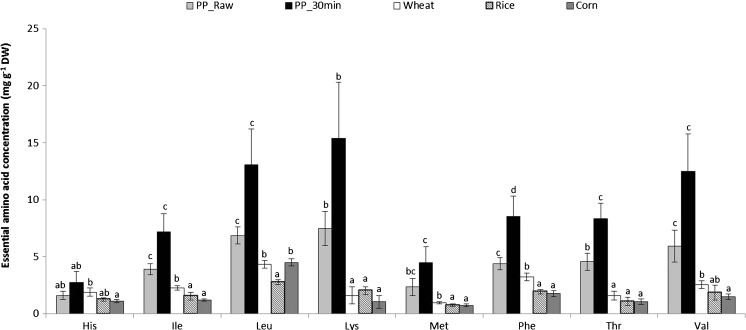
“Figure: Fig. 3 A comparison of essential fatty acids liberated from 1 g dry weight of Palmaria palmata (raw and boiled for 30 min) wheat, rice, and corn flours in simulated gastrointestinal digestion.”
§ Algae as nutritional and functional food sources: revisiting our understanding > Proteins
“Furthermore, Maehre et al. (2016) demonstrated that the apparent amino acid bioaccessibility from both raw and 30 min-boiled dulse was higher than from an equivalent dry weight of wheat, rice, or corn flour in a simulated in vitro gastrointestinal digestion model with analysis at each sequential digestive step (amylase/saliva buffer; pepsin/gastric buffer; pancreatin/duodenal buffer) (Fig. 3).”
Rated minor: it would not touch a result — a value no result rests on, a p-value that stays on the same side of the significance level, or a conflict that is clerical, resolved elsewhere in the paper, or outside its own findings.
In the paper
§ Algae as nutritional and functional food sources: revisiting our understanding > Polysaccharides > Sulfated galactans—carrageenans
“Carrageenan extracts generate proinflammatory agents in mice (Hansra et al. 2000)”
§ Algae as nutritional and functional food sources: revisiting our understanding > References
“Hansra P Moran EL Fornasier VL Bogoch ER Carrageenan-induced arthritis in the rat Inflammation 2000 24 141 155”
Citations
Cites
1 retracted
RETRACTED: Carrageenan: A natural seaweed polysaccharide and its applications
Prajapati, V. D., Maheriya, P. M., Jani, G. K., & Solanki, H. K. (2014) · Carbohydrate Polymers · doi:10.1016/j.carbpol.2014.01.067 · Cited by 383 · cited 1×
“Red algal polysaccharides include the nutritionally important floridean starch, and their sulfated galactans are known to initiate or modulate a large number of biological activities of significance to human health (Prajapati et al. 2014).”
RetractedFree radicals in biology and medicine
(1991) · General Pharmacology: The Vascular System · doi:10.1016/0306-3623(91)90478-o · Cited by 17,178
Free Radicals in Biology and Medicine
Halliwell, B., & Gutteridge, J. M. C. (2015) · doi:10.1093/acprof:oso/9780198717478.001.0001 · Cited by 8,990
Changes of Intestinal Functions in Liver Cirrhosis
Fukui, H., & Wiest, R. (2016) · Inflammatory Intestinal Diseases · doi:10.1159/000444436 · Cited by 6,808
Trumbo, P., Schlicker, S., Yates, A. A., & Poos, M. (2002) · Journal of the American Dietetic Association · doi:10.1016/s0002-8223(02)90346-9 · Cited by 5,993
Host-Bacterial Mutualism in the Human Intestine
Bäckhed, F., Ley, R. E., Sonnenburg, J. L., Peterson, D. A., & Gordon, J. I. (2005) · Science · doi:10.1126/science.1104816 · Cited by 5,277 · cited 1×
“Investigating the coupling of algal (and other) polysaccharides to the health of intestinal microbiomes and their animal and human hosts is an active and needed area of research (Bäckhed et al. 2005; Hehemann et al. 2010; Cantarel et al. 2012).”
Trumbo (2001) · doi:10.1016/s0002-8223(01)00078-5 · Cited by 4,852
Host-gut microbiota metabolic interactions
Nicholson, J. K., Holmes, E., Kinross, J., Burcelin, R., Gibson, G., Jia, W., & Pettersson, S. (2012) · Science · doi:10.1126/science.1223813 · Cited by 4,760 · cited 2×
“For example, acetate and propionate are transported in the blood to many organs where they are oxidized for energy or utilized in signaling to homeostasis and immune function (reviewed by Nicholson et al. 2012).”
(2001) · National Academies Press eBooks · doi:10.17226/10026 · Cited by 3,023 · cited 1×
“Sargassum , Ulva , and Porphyra spp. have high iron content, and 15 g day − 1 of Sargassum provided substantially higher amounts than daily recommended intakes ( ≤ 18 mg Fe day − 1 , Institute-of-Medicine 2001).”
Hydroxyl radical scavenging activity of compatible solutes
Smirnoff, N., & Cumbes, Q. J. (1989) · Phytochemistry · doi:10.1016/0031-9422(89)80182-7 · Cited by 2,152 · cited 10×
“HO · scavengers include glycerol (Smirnoff and Cumber 1989), mannitol (Smirnoff and Cumber 1989; Shen et al. 1997; Larson et al. 2002), L-proline (Smirnoff and Cumber 1989), dimethylsulfoniopropionate (Sunda et al. 2002), and floridoside and isofloridoside (Li et al. 2010), although glycine betaine (or betaine: trimet…”
Influential
Research works printed but not linked: 15
- Bourgougnon N Anti-HIV compounds from red seaweeds. Biomaterials and bioprocessing, Vol. 9. Recent advances in marine biotechnology 2003 Enfield Science Publishers 165 206
- FAO FAO Global Aquaculture Production database updated to 2013—Summary information 2015 Rome FAO
- IARC Arsenic, metals, fibres, and dusts Vol. 100C a review of human carcinogens 2012 Lyon IARC 1 99
- Jassby A Lembi CA Waaland JR Spirulina: a model for microalgae as food Algae and human affairs 1988 Cambridge Cambridge University Press 149 179
- Komiyama K Hirokawa Y Morota T Umezawa T An acidic polysaccharide Chlon A, from Chlorella pyrenoidosa. 2. Anti-tumor activity and immunological responses Chemotherapy (Tokyo) 1986 34 302 307
- Matloub AA El-Sherbini M Borai IH Ezz MK Rizk MZ Aly HF Fouad GI Assessment of anti-hyperlipidemic effect and physico-chemical characterization of water soluble polysaccharides from Ulva fasciata Delile J Appl Sci Res 2013 9 2983 2993
- Newton L Seaweed utilization 1951 London Sampson Low
- NRC Critical aspects of EPA’s IRIS assessment of inorganic arsenic: interim report 2013 Washington National Academy of Sciences
- Pereira L Ponin VH A review of the nutrient composition of selected edible seaweeds Seaweeds: ecology, nutrient composition and medicinal uses 2011 Hauppauge Nova Science Publishers 30
- Switzer L Spirulina: the whole food revolution 1980 2 Berkeley Proteus Corp
- Tseng CK Lobban CS Wynne MJ Commercial cultivation The biology of seaweeds 1981 Oxford Blackwell Science Publications 680 725
- Warrand J Healthy polysaccharides. The next chapter in food products Food Technol Biotechnol 2006 44 355 370
- Watanabe F Vitamin B12 from edible algae—from food science to molecular biology Vitamins (Kyoto) 2007 81 49 55
- Williams DL Lowman DW Ensley HE Young S-H Castranova V Introduction to the chemistry and immunobiology of β-glucans Toxicology of 1→3-beta glucans: glucans as a marker for fungal exposure 2005 Boca Raton CRC Press 65 93
- Yavorska N Sodium alginate—a potential tool for weight management: effect on subjective appetite, food intake, and glycemic and insulin regulation J Undergrad Life Sci 2012 6 66 69
Cited by
Items 201–300 of 1,000
Guo, Y., Lundebye, A., Li, N., Ergon, Å., Pang, S., Jiang, Y., Zhu, W., Zhao, Y., Li, X., Lin, Y., et al. (2023) · Trends in Food Science & Technology · doi:10.1016/j.tifs.2023.104204 · Cited by 84
Rydahl, M. G., Hansen, A. R., Kračun, S. K., & Mravec, J. (2018) · Frontiers in Plant Science · doi:10.3389/fpls.2018.00581 · Cited by 82
“Algal cell wall polysaccharides are also becoming increasingly important as pharmaceuticals, nutraceuticals and food additives (Wells et al., 2016).”
Backgrounddu Preez, R., Paul, N. A., Mouatt, P., Majzoub, M. E., Thomas, T., Panchal, S. K., & Brown, L. (2020) · Marine Drugs · doi:10.3390/md18020097 · Cited by 80
“The health benefits of red seaweeds include obesity reduction, decreased lipid absorption and modification of the binding of cholesterol in the gastrointestinal tract thereby reducing cardiovascular disease risk [1,6].”
BackgroundMashjoor, S., Yousefzadi, M., Zolgharnain, H., Kamrani, E., & Alishahi, M. (2018) · Environmental Pollution · doi:10.1016/j.envpol.2018.02.036 · Cited by 78
Gladyshev, M. I., & Sushchik, N. N. (2019) · Biomolecules · doi:10.3390/biom9090485 · Cited by 77
“50% of the total fatty acids, but because of their very low total lipid contents, at realistic daily consumption levels, they cannot satisfy the LC-PUFA requirements of humans [126].”
Abdelmoteleb, M., Zhang, C., Furey, B., Kozubal, M., Griffiths, H., Champeaud, M., & Goodman, R. E. (2021) · Food and Chemical Toxicology · doi:10.1016/j.fct.2020.111888 · Cited by 74
“In the US they are recognized as GRAS by the FDA as algae commonly consumed in foods in many countries (Wells et al., 2017).”
BackgroundInsight on Current Advances in Food Science and Technology for Feeding the World Population
Valoppi, F., Agustin, M. B., Abik, F., de Carvalho, D. M., Sithole, J., Bhattarai, M., Varis, J. J., Arzami, A. N., Pulkkinen, E., & Mikkonen, K. S. (2021) · Frontiers in Sustainable Food Systems · doi:10.3389/fsufs.2021.626227 · Cited by 80
“Algae and microalgae are a source of nutrients in various Asian countries (Priyadarshani and Rath, 2012; Wells et al., 2017; Sathasivam et al., 2019), that can be consumed as such (bulk material) or as an extract.”
BackgroundAquaculture sustainability through alternative dietary ingredients: Microalgal value-added products
Idenyi, J. N., Eya, J. C., Nwankwegu, A. S., & Nwoba, E. G. (2022) · Engineering Microbiology · doi:10.1016/j.engmic.2022.100049 · Cited by 83
Vega, J., Álvarez-Gómez, F., Güenaga, L., Figueroa, F. L., & Gómez-Pinchetti, J. L. (2020) · Aquaculture · doi:10.1016/j.aquaculture.2020.735088 · Cited by 74
The impact of functional food in prevention of malnutrition
Ahmed, M. H., Vasas, D., Hassan, A., & Molnár, J. (2022) · PharmaNutrition · doi:10.1016/j.phanu.2022.100288 · Cited by 82
Unravelling the aroma and flavour of algae for future food applications
Urlass, S., Wu, Y., Nguyen, T. L. T., Winberg, P. C., Turner, M. S., & Smyth, H. E. (2023) · Trends in Food Science & Technology · doi:10.1016/j.tifs.2023.06.018 · Cited by 78
Małecki, J., Tomasevic, I. B., Djekic, I. V., & Sołowiej, B. G. (2020) · Foods · doi:10.3390/foods9101467 · Cited by 87
“Currently, there is an increasing interest in proteins of this origin also due to their functional and health-promoting properties (anti-inflammatory or enriching agents) [13].”
BackgroundBatista de Oliveira, T. T., Miranda dos Reis, I., Bastos de Souza, M., da Silva Bispo, E., Fonseca Maciel, L., Druzian, J. I., Lordelo Guimarães Tavares, P. P., de Oliveira Cerqueira, A., dos Santos Boa Morte, E., Abreu Glória, M. B., et al. (2021) · LWT · doi:10.1016/j.lwt.2021.111674 · Cited by 74
Vitamin C from Seaweed: A Review Assessing Seaweed as Contributor to Daily Intake
Nielsen, C. W., Rustad, T., & Holdt, S. L. (2021) · Foods · doi:10.3390/foods10010198 · Cited by 79
“The chemical composition of seaweeds are therefore very different in regard to carbohydrates for cell walls and storage, amino acid profile, minerals and pigments, and most likely also when it comes to vitamins [13,20,21].”
BackgroundYogurt Enriched with Isochrysis galbana: An Innovative Functional Food
Matos, J., Afonso, C., Cardoso, C., Serralheiro, M. L., & Bandarra, N. M. (2021) · Foods · doi:10.3390/foods10071458 · Cited by 66
“LC-PUFAs constitute a large share of marine algal lipids, with planktonic algae being the source of most ω3FAs in fish [7].”
BackgroundKumar, A., Elavarasan, K., Hanjabam, M. D., Uchoi, D., Tejpal, C. S., Ninan, G., & Zynudheen, A. A. (2017) · Journal of Applied Phycology · doi:10.1007/s10811-017-1310-4 · Cited by 83
“The role of seaweeds in human health has been well reviewed by Brown et al. (2014) and Wells et al. (2017).”
BackgroundManagement of Enteric Methanogenesis in Ruminants by Algal-Derived Feed Additives
McCauley, J. I., Labeeuw, L., Jaramillo-Madrid, A. C., Nguyen, L. N., Nghiem, L. D., Chaves, A. V., & Ralph, P. J. (2020) · Current Pollution Reports · doi:10.1007/s40726-020-00151-7 · Cited by 78
Marine Health-Promoting Compounds: Recent Trends for Their Characterization and Human Applications
Quitério, E., Soares, C. M. D., Ferraz, R., Delerue-Matos, C. M., & Grosso, C. (2021) · Foods · doi:10.3390/foods10123100 · Cited by 75
Vázquez-Rodríguez, B., Gutierrez-Uribe, J. A., Antunes‐Ricardo, M., Santos‐Zea, L., & Cruz‐Suárez, L. E. (2020) · Journal of Applied Phycology · doi:10.1007/s10811-019-02013-2 · Cited by 72
“Seaweed cell walls differ from those of terrestrial plants; they contain uncommon polyuronides and polysaccharides that may be methylated, acetylated, pyruvylated, or sulfated (Wells et al. 2017).”
Nutritional and bioactive compounds of commercialized algae powders used as food supplements
Martínez–Hernández, G. B., Castillejo, N., Carrión–Monteagudo, M. D. M., Artés, F., & Artés-Hernández, F. (2018) · Food Science and Technology International · doi:10.1177/1082013217740000 · Cited by 64
Metabolic engineering for valorization of macroalgae biomass
Sasaki, Y., & Yoshikuni, Y. (2022) · Metabolic Engineering · doi:10.1016/j.ymben.2022.01.005 · Cited by 72
Gade, A., & Kumar, M. S. (2023) · Journal of Physiology and Biochemistry · doi:10.1007/s13105-023-00981-1 · Cited by 75
“They are the edible marine polyphenol sources along with the presence of other phytoconstituents such as carbohydrates, proteins, peptides, dietary fibers, vitamins, minerals, oils, fats, and fatty acid [25, 81, 149].”
BackgroundPonthier, E., Domínguez, H., & Torres, M. D. (2020) · Algal Research · doi:10.1016/j.algal.2020.102081 · Cited by 78
“Namely, the Rhodophyta are rich in bioactive compounds such as proteins, carotenoids, phenolics or vitamins [5] as well as an important source of gelling biopolymers like carrageenan or agar, which represents about 20% on dry basis [6].”
BackgroundThe One-Health approach in seaweed food production
Bizzaro, G., Vatland, A. K., & Pampanin, D. M. (2021) · Environment International · doi:10.1016/j.envint.2021.106948 · Cited by 75
Besednova, N. N., Andryukov, B. G., Zaporozhets, T. S., Kuznetsova, T. A., Kryzhanovsky, S. P., Ermakova, S. P., Galkina, I. V., & Shchelkanov, M. Y. (2022) · Marine Drugs · doi:10.3390/md20040243 · Cited by 75
The Potential of Marine Microalgae for the Production of Food, Feed, and Fuel (3F)
Mahata, C., Das, P., Khan, S., Thaher, M. I., Quadir, M. A., Nagappan, S., & Jabri, H. M. S. J. A. (2022) · Fermentation · doi:10.3390/fermentation8070316 · Cited by 74
Abdala‐Díaz, R., Casas-Arrojo, V., Agudo, M. A., Cárdenas, C., Dobretsov, S., & Figueroa, F. L. (2019) · Marine Biotechnology · doi:10.1007/s10126-019-09905-x · Cited by 72
de la Jara, A., Ruano-Rodriguez, C., Polifrone, M., Assunçao, P., Brito-Casillas, Y., Wägner, A. M., & Serra-Majem, L. (2018) · Journal of Applied Phycology · doi:10.1007/s10811-018-1468-4 · Cited by 69
“Clinical trials are isolated and sometimes lack scientific rigour, e.g., in the use of inappropriate model systems or non-rigorous experimental design (Wells et al. 2017).”
Backgrounddel Olmo, A., Picón, A., & Núñez, M. (2018) · International Dairy Journal · doi:10.1016/j.idairyj.2018.04.004 · Cited by 71
The Importance and Prospects of the Use of Algae in Agribusiness
Piwowar, A., & Harasym, J. (2020) · Sustainability · doi:10.3390/su12145669 · Cited by 73
“[91] tried to assess the global market for the most popular algae ingredients—carrageenans and alginates—returning the value of 6.”
BackgroundAir‐sea carbon dioxide equilibrium: Will it be possible to use seaweeds for carbon removal offsets?
Hurd, C. L., Gattuso, J., & Boyd, P. W. (2023) · Journal of Phycology · doi:10.1111/jpy.13405 · Cited by 69
“Seaweeds also have tremendous aquaculture potential for human food and animal feeds, novel nutraceuticals, and pharmaceuticals (e.g., Bleakley & Hayes, 2017; Wells et al., 2017: Yu et al., 2018).”
BackgroundAustralian native fruits: Potential uses as functional food ingredients
Richmond, R. C., Bowyer, M. C., & Vuong, Q. V. (2019) · Journal of Functional Foods · doi:10.1016/j.jff.2019.103547 · Cited by 68
Samarasinghe, M. B., van der Heide, M. E., Weisbjerg, M. R., Sehested, J., Sloth, J. J., Bruhn, A., Vestergaard, M., Nørgaard, J. V., & Hernández-Castellano, L. E. (2021) · Animal Feed Science and Technology · doi:10.1016/j.anifeedsci.2021.115005 · Cited by 72
Pereira, L., & Valado, A. (2023) · Life · doi:10.3390/life13091831 · Cited by 77
“While algae-derived natural products are generally considered safe, comprehensive safety evaluations are essential to determine the potential adverse effects and establish appropriate dosage guidelines [139].”
Torres, P. B., Osaki, S., Silveira, E. R., dos Santos, D. Y. A. C., & Chow, F. (2024) · Algal Research · doi:10.1016/j.algal.2024.103503 · Cited by 70
Tahir, F., Ashfaq, H., Khan, A. Z., Amin, M., Akbar, I., Malik, H. A., Abdullah, M., Alessa, A. H., Alsaigh, A. A., Ralph, P. J., et al. (2024) · Reviews in Environmental Science and Bio/Technology · doi:10.1007/s11157-024-09697-0 · Cited by 67
“Global demand for algae-based food is rising for several functional benefits (Table 1) besides traditional health and nutrition considerations (Wells et al. 2017).”
Ben Atitallah, A., Barkallah, M., Hentati, F., Dammak, M., Ben Hlima, H., Fendri, I., Attia, H., Michaud, P., & Abdelkafi, S. (2019) · Food Bioscience · doi:10.1016/j.fbio.2019.100417 · Cited by 65
Ojemaye, C. Y., & Petrik, L. F. (2021) · Environmental Toxicology and Chemistry · doi:10.1002/etc.5053 · Cited by 72
Algae Food Products as a Healthcare Solution
Tavares, J. O., Cotas, J., Valado, A., & Pereira, L. (2023) · Marine Drugs · doi:10.3390/md21110578 · Cited by 72
Antibacterial Use of Macroalgae Compounds against Foodborne Pathogens
Silva, A., Silva, S. A., Lourenço-Lopes, C., Jimenez-Lopez, C., Carpena, M., Gullón, P., Fraga‐Corral, M., Domingues, V. F., Barroso, M. F., Simal‐Gándara, J., et al. (2020) · Antibiotics · doi:10.3390/antibiotics9100712 · Cited by 72
“Nowadays, food safety, functional foods and non-traditional diets are very important issues and algae incorporation in food products is already a reality [191,192].”
Backgroundda Costa, E., Melo, T., Reis, M., Domingues, P., Calado, R., Abreu, M. H., & Domingues, M. R. (2021) · Marine Drugs · doi:10.3390/md19080414 · Cited by 66
“Low fat and high protein content make red seaweeds a promising alternative for non-animal proteins [48,49].”
BackgroundAdarshan, S., Sree, V. S. S., Muthuramalingam, P., Nambiar, K. S., Sevanan, M., Satish, L., Venkidasamy, B., Jeelani, P. G., & Shin, H. (2023) · Plants · doi:10.3390/plants13010113 · Cited by 73
The possible roles of algae in restricting the increase in atmospheric CO 2 and global temperature
Raven, J. A. (2017) · European Journal of Phycology · doi:10.1080/09670262.2017.1362593 · Cited by 72
“By contrast, low volume–high value dietary supplements (e.g. astaxanthin, β-carotene) can be produced economically from microalgal mass cultures (Borowitzka, 2013b; Wells et al., 2017).”
BackgroundSelf-citationChlorella vulgaris as a food substitute: Applications and benefits in the food industry
Wang, C., Onyeaka, H., Miri, T., & Soltani, F. (2024) · Journal of Food Science · doi:10.1111/1750-3841.17529 · Cited by 65
Micro-algae: Revolutionizing food production for a healthy and sustainable future
Naik, B., Mishra, R., Kumar, V., Mishra, S., Gupta, U., Rustagi, S., Gupta, A. K., Preet, M. S., Bhatt, S. C., & Rizwanuddin, S. (2024) · Journal of Agriculture and Food Research · doi:10.1016/j.jafr.2023.100939 · Cited by 65
Ho, K. K. H. Y., & Redan, B. W. (2020) · Critical Reviews in Food Science and Nutrition · doi:10.1080/10408398.2020.1821598 · Cited by 67
Camus, C., Infante, J., & Buschmann, A. H. (2018) · Aquaculture · doi:10.1016/j.aquaculture.2018.12.030 · Cited by 74
Governing Risks of Multi-Use: Seaweed Aquaculture at Offshore Wind Farms
van den Burg, S. W. K., Röckmann, C., Banach, J. L., & van Hoof, L. (2020) · Frontiers in Marine Science · doi:10.3389/fmars.2020.00060 · Cited by 73
Lamont, T., & McSweeney, M. B. (2020) · Journal of the Science of Food and Agriculture · doi:10.1002/jsfa.10765 · Cited by 71
Kholssi, R., Ramos, P. V., Marks, E. A. N., Montero, O., & Rad, C. (2021) · Biocatalysis and Agricultural Biotechnology · doi:10.1016/j.bcab.2021.102114 · Cited by 65
Wang, Y., Tibbetts, S. M., Berrue, F., McGinn, P. J., MacQuarrie, S. P., Puttaswamy, A., Patelakis, S., Schmidt, D., Melanson, R., & MacKenzie, S. E. (2020) · Foods · doi:10.3390/foods9111531 · Cited by 62
“In the past years, microalgae have been increasingly consumed mainly as whole cells for functional benefits beyond the traditional considerations of nutrition [59].”
BackgroundBirkemeyer, C., Osmolovskaya, N., Kuchaeva, L., & Tarakhovskaya, E. (2018) · Planta · doi:10.1007/s00425-018-3009-4 · Cited by 62
Piasecka, A., Nawrocka, A., Wiącek, D., & Krzemińska, I. (2020) · Scientific Reports · doi:10.1038/s41598-020-63184-4 · Cited by 59
Deep learning-based ResNeXt model in phycological studies for future
Yadav, D. P., Jalal, A. S., Garlapati, D., Hossain, K., Goyal, A., & Pant, G. (2020) · Algal Research · doi:10.1016/j.algal.2020.102018 · Cited by 61
Figueira, T. A., da Silva, A. J. R., Enrich‐Prast, A., Yoneshigue‐Valentin, Y., & de Oliveira, V. P. (2020) · Advances in Bioscience and Biotechnology · doi:10.4236/abb.2020.115016 · Cited by 64
“Ulva cultivation is increasing worldwide due to its potential as functional foods, feed and biofuel [3] [4].”
BackgroundHamouda, R. A., El‐Naggar, N. E., Doleib, N. M., & Saddiq, A. A. (2020) · Scientific Reports · doi:10.1038/s41598-020-70251-3 · Cited by 66
Pradhan, B., Patra, S., Dash, S. R., Nayak, R., Behera, C., & Jena, M. (2021) · Future Journal of Pharmaceutical Sciences · doi:10.1186/s43094-020-00172-5 · Cited by 69
“Algae are the most promising sources of proteins, vitamins, omega-3-fatty acids, and antioxidants [4, 5].”
BackgroundGuo, X. J., Wang, Q., Wu, Y., Liu, X., & Gong, Z. (2024) · Food Hydrocolloids · doi:10.1016/j.foodhyd.2024.110112 · Cited by 62
Shiau, J., Chuang, Y.-T., Yang, K., Chang, F., Sheu, J., Hou, M., Jeng, J., Tang, J., & Chang, H. (2022) · Antioxidants · doi:10.3390/antiox11050841 · Cited by 61
“Marine algae are popular dietary foods as nutritional and functional resources with non-cytotoxicity [3].”
BackgroundA REVIEW ON MARINE ALGAE AND ITS APPLICATIONS
Veluchamy, C., & Palaniswamy, R. (2020) · Asian Journal of Pharmaceutical and Clinical Research · doi:10.22159/ajpcr.2020.v13i3.36130 · Cited by 69
Microalgal lipids: biochemistry and biotechnology
Manning, S. R. (2021) · Current Opinion in Biotechnology · doi:10.1016/j.copbio.2021.10.018 · Cited by 65
Steinbruch, E., Wise, J., Levkov, K., Chemodanov, A., Israel, A. A., Livney, Y. D., & Golberg, A. (2022) · Innovative Food Science & Emerging Technologies · doi:10.1016/j.ifset.2022.103231 · Cited by 62
Foods of the Future: Challenges, Opportunities, Trends, and Expectations
Çakmakçı, S., Polatoğlu, B., & Çakmakçı, R. (2024) · Foods · doi:10.3390/foods13172663 · Cited by 68
“Algae: The use of algae, which are rich in proteins, minerals, vitamins, antioxidants, phytonutrients, and fatty acids, is increasing due to their functional benefits [92,93].”
BackgroundEnzymatic extraction of fucoxanthin from brown seaweeds
Shannon, E., & Abu‐Ghannam, N. (2018) · International Journal of Food Science & Technology · doi:10.1111/ijfs.13808 · Cited by 60
The seaweed resources of Ireland: a twenty-first century perspective.
Monagail, M. M., & Morrison, L. (2020) · Journal of Applied Phycology · doi:10.1007/s10811-020-02067-7 · Cited by 59
Beneficial impacts and health benefits of macroalgae phenolic molecules on fish production
Naiel, M. A. E., Alagawany, M. M., Patra, A. K., El-Kholy, A. I., Amer, M. S., & El-Hack, M. E. A. (2020) · Aquaculture · doi:10.1016/j.aquaculture.2020.736186 · Cited by 61
Bioactivity of Fucoidan as an Antimicrobial Agent in a New Functional Beverage
Poveda-Castillo, G. D. C., Rodrigo, D., Martínez, A., & Pina-Pérez, M. C. (2018) · Beverages · doi:10.3390/beverages4030064 · Cited by 63
“Brown algae have been consumed since ancient times in China, and their benefits have been associated with one of the highest ratios of longest-living people in the world (34 centenarians for every 100,000 inhabitants) [3].”
BackgroundBelkacemi, L., Belalia, M., Djendara, A. C., & Bouhadda, Y. (2020) · Asian Pacific Journal of Tropical Biomedicine · doi:10.4103/2221-1691.275423 · Cited by 59
“Antioxidant metabolites serve as sacrificial scavengers of reactive oxygen species (ROS)[7].”
BackgroundAlgae and cyanobacteria as a source of novel bioactive compounds for biomedical applications
Kini, S., Divyashree, M., Mani, M. K., & Mamatha, B. S. (2020) · Elsevier eBooks · doi:10.1016/b978-0-12-819311-2.00012-7 · Cited by 73
Okolie, C. L., Mason, B., Mohan, A., Pitts, N. L., & Udenigwe, C. C. (2020) · Food Bioscience · doi:10.1016/j.fbio.2020.100672 · Cited by 64
Sarker, A. (2022) · Journal of Food Processing and Preservation · doi:10.1111/jfpp.16800 · Cited by 61
Recent advances in microalgae, insects, and cultured meat as sustainable alternative protein sources
Fatima, N., Emmambux, M. N., Olaimat, A. N., Stratakos, A. C., Nawaz, A., Wahyono, A., Gul, K., Park, J., & Shahbaz, H. M. (2023) · Food and Humanity · doi:10.1016/j.foohum.2023.07.009 · Cited by 60
Rzymski, P., & Jaśkiewicz, M. (2017) · Journal of Applied Phycology · doi:10.1007/s10811-017-1079-5 · Cited by 55
“It is therefore plausible that the adverse events are mostly due to product contamination—avoidable by maintaining quality assurance and monitoring (Grobbelaar 2003; Rzymski et al. 2015; Wells et al. 2016).”
BackgroundResultInfluentialCook, J., Zhang, J. Y., Norrie, J., Blal, B., & Cheng, Z. (2018) · Marine Drugs · doi:10.3390/md16070221 · Cited by 62
“Scientists have also tapped into seaweeds and seaweed extracts for both animal and human health benefits [16,17].”
BackgroundHuo, S., Chen, X., Zhu, F., Zhang, W., Chen, D., Jin, N., Cobb, K., Cheng, Y., Wang, L., & Ruan, R. R. (2020) · Bioresource Technology · doi:10.1016/j.biortech.2020.122884 · Cited by 58
Woortman, D. V., Fuchs, T., Striegel, L., Fuchs, M., Weber, N., Brück, T. B., & Rychlik, M. (2020) · Frontiers in Bioengineering and Biotechnology · doi:10.3389/fbioe.2019.00481 · Cited by 53
“At present, there is little literature evidence of the nutritional value, specifically focused on folate production and vitamers with respect to halophilic algae strains (Kay and Barton, 1991; Brown et al., 1999; Fujii et al., 2010; Wells et al., 2017).”
BackgroundAbu‐Khudir, R., Ismail, G. A., & Diab, T. A. (2020) · Nutrition and Cancer · doi:10.1080/01635581.2020.1764069 · Cited by 65
Ibrahim, D., El-Hamid, M. I. A., Al-Zaban, M. I., ElHady, M., El-Azzouny, M. M., Feky, T. M. E., Sadik, G. M. A., Samy, O. M., Hamed, T. A., Albalwe, F. M., et al. (2022) · Antioxidants · doi:10.3390/antiox11112181 · Cited by 63
Polar lipid profile of Saccharina latissima, a functional food from the sea
Rey, F., Lopes, D., Maciel, E. A., Monteiro, J., Skjermo, J., Funderud, J., Raposo, D., Domingues, P. M., Calado, R., & Domingues, M. R. (2019) · Algal Research · doi:10.1016/j.algal.2019.101473 · Cited by 62
“In this sense, several studies have identified bioactive compounds in polar lipids isolated from macroalgae [8,13], as well as relevant health benefits associated to their consumption [6,13].”
BackgroundLi, X., Manuel, J., Slavens, S., Crunkleton, D. W., & Johannes, T. W. (2021) · Applied Microbiology and Biotechnology · doi:10.1007/s00253-020-11068-y · Cited by 60
Brown Algae Potential as a Functional Food against Hypercholesterolemia: Review
André, R., Pacheco, R., Bourbon, M., & Serralheiro, M. L. (2021) · Foods · doi:10.3390/foods10020234 · Cited by 58
“It has been recognized that the novel and potentially bioactive components that algae present make them a good source of healthy food [1,2].”
BackgroundInfluentialTseng, C., Yeh, H., Liao, Z.-H., Hung, S.-W., Chen, B., Lee, P., Nan, F., Shih, W., Chang, C., & Lee, M. (2021) · Journal of Functional Foods · doi:10.1016/j.jff.2021.104754 · Cited by 57
Zokm, G. M. E., Ismail, M. M., & El‐Said, G. F. (2020) · Environmental Science and Pollution Research · doi:10.1007/s11356-020-11596-0 · Cited by 58
The sea lettuce Ulva sensu lato: Future food with health-promoting bioactives
Harsha Mohan, E., Madhusudan, S., & Baskaran, R. (2023) · Algal Research · doi:10.1016/j.algal.2023.103069 · Cited by 71
Nair, V. K., Selvaraju, K., Samuchiwal, S., Naaz, F., Malik, A., & Ghosh, P. (2023) · Processes · doi:10.3390/pr11061793 · Cited by 59
Quantitative prediction of shrimp disease incidence via the profiles of gut eukaryotic microbiota
Xiong, J., Yu, W., Dai, W., Zhang, J., Qiu, Q., & Ou, C. (2018) · Applied Microbiology and Biotechnology · doi:10.1007/s00253-018-8874-z · Cited by 56
“Planktonic algae are major food sources, probiotics and potential immunomodulators to the host (Wells et al. 2017), thereby contributing beneficial effects on maintaining host health.”
BackgroundMagpusao, J., Giteru, S. G., Oey, I., & Kebede, B. (2021) · Algal Research · doi:10.1016/j.algal.2021.102327 · Cited by 58
Metabolism of a hybrid algal galactan by members of the human gut microbiome
Robb, C. S., Hobbs, J. K., Pluvinage, B., Reintjes, G., Klassen, L., Monteith, S. M., Giljan, G., Amundsen, C., Vickers, C. J., Hettle, A. G., et al. (2022) · Nature Chemical Biology · doi:10.1038/s41589-022-00983-y · Cited by 57
Microalgal drugs: A promising therapeutic reserve for the future
Ahirwar, A., Kesharwani, K., Deka, R., Muthukumar, S., Khan, M. J., Rai, A., Vinayak, V., Varjani, S., Joshi, K. B., & Morjaria, S. (2022) · Journal of Biotechnology · doi:10.1016/j.jbiotec.2022.03.012 · Cited by 56
Ashokkumar, V., Shanmugam, J., Kumar, G., Sharmili, S. A., Gopal, M., Dharmaraj, S., Chen, W., Kothari, R., Manasa, I., Park, J. H., et al. (2022) · Bioresource Technology · doi:10.1016/j.biortech.2022.127235 · Cited by 58
Recent Discoveries on Marine Organism Immunomodulatory Activities
Montuori, E., de Pascale, D., & Lauritano, C. (2022) · Marine Drugs · doi:10.3390/md20070422 · Cited by 60
del Olmo, A., Picón, A., & Núñez, M. (2020) · Algal Research · doi:10.1016/j.algal.2020.101938 · Cited by 54
Novel postharvest processing strategies for value‐added applications of marine algae
Zhu, X., Healy, L. E., Zhang, Z., Maguire, J., Sun, D., & Tiwari, B. K. (2021) · Journal of the Science of Food and Agriculture · doi:10.1002/jsfa.11166 · Cited by 56
Yang, N., Zhang, Q., Chen, J., Wu, S., Chen, R., Yao, L., Li, B., Liu, X., Zhang, R., & Zhang, Z. (2023) · Frontiers in Plant Science · doi:10.3389/fpls.2023.1144326 · Cited by 68
Bordoloi, A., & Goosen, N. J. (2020) · Journal of Applied Phycology · doi:10.1007/s10811-020-02043-1 · Cited by 56
“…2019), antidiabetic activity (Ren et al. 2017), dietary pre-biotics (TapiaSalazar et al. 2019), functional food supplements (Quitain et al. 2013b;Wells et al. 2017), feed and fertilizer supplements (Michalak et al. 2016) in the aquaculture and agriculture industry andmore recently for…”
BackgroundSoares, C. M. D., Švarc‐Gajić, J., Oliva-Teles, M. T., Pinto, E., Nastić, N. M., Savic, S. R., Almeida, A. A., & Delerue-Matos, C. M. (2020) · Journal of Marine Science and Engineering · doi:10.3390/jmse8040244 · Cited by 54
Li, X., Slavens, S., Crunkleton, D. W., & Johannes, T. W. (2020) · Algal Research · doi:10.1016/j.algal.2020.102127 · Cited by 56
Kumar, L., Anand, R., Shah, M. P., & Bharadvaja, N. (2022) · Journal of Hazardous Materials Advances · doi:10.1016/j.hazadv.2022.100145 · Cited by 60
du Preez, R., Majzoub, M. E., Thomas, T., Panchal, S. K., & Brown, L. (2020) · Metabolites · doi:10.3390/metabo10120500 · Cited by 53
“Seaweeds are an important source of macronutrients and micronutrients, especially in East and South-East Asia as a major part of the traditional diet [1,2].”
BackgroundAfonso, C., Correia, A. P., Freitas, M. V., Baptista, T., Neves, M., & Mouga, T. (2021) · Foods · doi:10.3390/foods10051145 · Cited by 58
“Many red seaweeds also contain high levels of ascorbic acid, comparable to terrestrial vegetables such as tomatoes and lettuce, on a wet weight basis [4].”
Background
Metadata
- Authors
- Wells, M. L., Potin, P., Craigie, J. S., Raven, J. A., Merchant, S. S., Helliwell, K. E., Smith, A. G., Camire, M. E., & Brawley, S. H.
- Affiliations
- University of Maine (US)
- Centre National de la Recherche Scientifique (FR)
- National Research Council Canada (CA)
- University of Technology Sydney (AU)
- University of California, Los Angeles (US)
- Marine Biological Association of the United Kingdom (GB)
- University of Cambridge (GB)
- Corresponding author
- Brawley, Susan H.
- ORCID
- Venue
- Journal of Applied Phycology
- Published
- 2016-11-21
- Volume
- 29
- Issue
- 2
- Pages
- 949-982
- ISSN
- 0921-8971 (ISSN-L)
- 1573-5176
- PMC
- PMC5387034
- OpenAlex
- W2557056564
- Semantic Scholar
- 2512f38e6681ae0b63668e9f995c62f0ef91e628
- Cited by
- 1,562
- References
- 442
- Citations by year
- 2026: 113 · 2025: 168 · 2024: 177 · 2023: 203 · 2022: 243 · 2021: 205 · 2020: 188 · 2019: 117 · 2018: 104 · 2017: 42
- FWCI
- 7.54
- Type
- journal article
- Language
- en
- Open access
- hybrid
- doi.org
- Locations
- Journal of Applied Phycology (publishedVersion, cc-by)
- Europe PMC (PubMed Central) (publishedVersion, cc-by)
- PubMed Central (publishedVersion, cc-by)
- PubMed (publishedVersion)
- Marine Biological Association (acceptedVersion)
- UWA Profiles and Research Repository (UWA) (submittedVersion, other-oa)
- NPARC (submittedVersion)
- Discovery Research Portal (University of Dundee) (submittedVersion, cc-by)
- eScholarship (California Digital Library) (submittedVersion)
- eScholarship (California Digital Library) (submittedVersion, cc-by)
- UTS ePRESS (University of Technology Sydney) (submittedVersion)
- Apollo (University of Cambridge) (submittedVersion, cc-by)
- Apollo (cc-by)
- Funders
- National Science Foundation (1355457, 1435021)
- University of Dundee (SC015096)
- Agence Nationale de la Recherche (ANR-10- BTBR-04, ANR‐10‐BTBR‐04‐02, 10‐BTBR‐04, ANR-10, ANR-10-BTBR)
- Ministerio de Economía y Competitividad
- Ministry of Health, Labour and Welfare
- Directorate for Biological Sciences
- National Oceanic and Atmospheric Administration
- Maine Sea Grant, University of Maine
- Biotechnology and Biological Sciences Research Council (BB/1013164/1)
- Office of Experimental Program to Stimulate Competitive Research (#1355457)
- Topics
- Life Sciences › Agricultural and Biological Sciences › Aquatic Science › Seaweed-derived Bioactive Compounds
- Life Sciences › Agricultural and Biological Sciences › Food Science › Food Industry and Aquatic Biology
- Health Sciences › Nursing › Nutrition and Dietetics › Fatty Acid Research and Health
- Keywords
- seaweed, microalgae, functional foods, nutritional composition, bioavailability, gut microbiota, food processing, storage, health benefits, adverse effects, seasonal variation
About these checks
Registry, retraction, Cites and statistics results are computed, not judged, with one exception: a printed reference that no index lists is read once by a model before it counts as a citation error. Claims are extracted by a model and kept only when their quote appears verbatim in the text; each cited source is then checked, with a model’s help, for whether it says what the claim relies on. Those verdicts can be wrong — read the claim’s quote and the cited source before relying on one.
The claim verdicts this report counts are experimental: their accuracy is not yet measured.
A language model drew the claims from the paper on 2026-10-05, under version 3 of the claim definition (model deepseek-v4.1-flash, prompt extract-v3).
A second model labelled each claim on 2026-10-05 (model jev-1.13-20260917, definition revision gold-guideline-v0.2).
Cited sources are checked with a language model’s help (gpt-6-sol).
Statistics and arithmetic are recomputed, not judged.
Confidence bands are shown only for fields calibrated on our annotated test set. None is calibrated yet, so no band is shown.
What counts as a claim ›How we measure confidence ›How we check this ›
Are you an author, or do you see a problem with this page? Request a review
Data sources
Bibliographic data: Semantic Scholar, OpenAlex, Crossref.
Contains information from the Semantic Scholar Academic Graph Datasets, made available under the ODC Attribution License (ODC-BY 1.0).
Semantic Scholar’s data is described in: Kinney, R., et al. (2023). The Semantic Scholar Open Data Platform. arXiv:2301.10140.
