

Algae as nutritional and functional food sources: revisiting our understanding.
Open accessThe DOI matches its Crossref record; 435 of the 442 references it cites were found in a registry or an index; 23 of the 282 sources its claims cite were checked for support.
Abstract
Global demand for macroalgal and microalgal foods is growing, and algae are increasingly being consumed for functional benefits beyond the traditional considerations of nutrition and health. There is substantial evidence for the health benefits of algal-derived food products, but there remain considerable challenges in quantifying these benefits, as well as possible adverse effects. First, there is a limited understanding of nutritional composition across algal species, geographical regions, and seasons, all of which can substantially affect their dietary value. The second issue is quantifying which fractions of algal foods are bioavailable to humans, and which factors influence how food constituents are released, ranging from food preparation through genetic differentiation in the gut microbiome. Third is understanding how algal nutritional and functional constituents interact in human metabolism. Superimposed considerations are the effects of harvesting, storage, and food processing techniques that can dramatically influence the potential nutritive value of algal-derived foods. We highlight this rapidly advancing area of algal science with a particular focus on the key research required to assess better the health benefits of an alga or algal product. There are rich opportunities for phycologists in this emerging field, requiring exciting new experimental and collaborative approaches.
Overview
CoChat Summary
TL;DR
This review assesses algae as nutritional and functional foods, concluding that evidence for health benefits is substantial but quantification remains limited by compositional variability, uncertain bioavailability, and poorly understood metabolic interactions. It surveys proteins, lipids, polysaccharides, vitamins, antioxidants, inorganic elements, phytochemicals, and safety concerns while identifying key research needs.
Key findings
- Global seaweed harvest in 2013 was estimated at US$6.7 billion, with over 95% from mariculture and China and Indonesia as top producers; FAO estimated 38% of the 23.8 million t of seaweeds in the 2012 global harvest was eaten by humans as seaweeds. Japanese per capita macroalgae consumption in 2010–2014 ranged from 9.6 to 11.0 g day−1.
- Protein content can reach up to 70% dry wt in *Arthrospira platensis* (“spirulina”) and *Chlorella*, but the common nitrogen-to-protein conversion factor of 6.25 often overestimates protein; reported factors include 6.35 for walled *Chlorella vulgaris* vs. 5.96 from direct extracts, and averages of 4.59 (red), 5.13 (green), and 5.38 (brown) for tropical marine algae.
- Marine macrophytes typically contain only 2–4.5% dry wt lipids, though EPA can comprise up to 50% of total fatty acids in *Palmaria palmata*; DHA and EPA bioaccessibility from algal oils/extracts is reported at ∼50–100%, and 2 g algal DHA day−1 over 4.5 months altered plasma lipoproteins in humans.
- Edible macroalgae contain dietary fiber from 23.5% dry wt (*Codium reediae*) to 64.0% (*Gracilaria* spp.); soluble fiber is 52–56% of total fiber in green and red macroalgae and 67–85% in brown macroalgae. Safety concerns include hijiki inorganic arsenic at 60 µg g−1 dry wt (0.4–2.8 µg g−1 cooked), with cooking removing 88.7–91.5% of arsenic, and iodine from 15–30 g day−1 kombu exceeding the recommended upper daily intake by more than an order of magnitude.
Methods
- Design: narrative review and assessment of what is known about algal food components—proteins, polysaccharides, lipids, vitamins, minerals, antioxidants, potential toxicants—in relation to efficacy of algal foods.
- Data/sample: synthesis of cited literature and examples across macroalgae and microalgae, including analytical, in vitro, animal, and human studies; no new primary data are reported.
- Main analysis: qualitative synthesis organized by nutrient/functional component and safety category, with calls for improved experimental and collaborative approaches.
Limitations
- The paper states three broad limitations: (1) limited understanding of nutritional and functional composition across algal species, seasons, and coastal environments; (2) difficulty quantifying bioavailability—the fraction of components that actually has effect after digestion; and (3) poor understanding of how algal nutritional and functional constituents interact in human metabolism.
- The paper states that most published evaluations of algal food bioactivity are based on short-term in vitro tests using algal extracts that are frequently of ill-defined composition and purity, and that analytically determined concentrations can differ substantially from bioaccessible fractions.
- Evident from the text: this is a broad narrative review, not a systematic review or meta-analysis; the authors state that the breadth and depth of the literature “frustrates attempts for a fully comprehensive assessment of the field.”
Model-written summary. Check it against the paper before relying on it.
Integrity signals
Registry
Cites
Statistics
Figures
Verification
Claims the paper makes
23 Valid · 0 Not valid · 167 Not checked · 55 Own results and interpretations
Every source the paper cites for this claim was checked and supports it.
In the paper
“Fucoxanthin, a key algal carotenoid, may be better absorbed if other lipids are present (Peng et al. 2011).”
§ Algae as nutritional and functional food sources: revisiting our understanding > Digestion and bioavailability
What the sources say
- Supportedcites Peng et al. 2011 matched to “Fucoxanthin, a Marine Carotenoid Present in Brown Seaweeds and Diatoms: Metabolism and Bioactivities Relevant to Human Health” (2011) source
Section 2.1 states that combining fucoxanthin with edible oil or lipid could increase its absorption rate in KK-Ay mice and obese premenopausal women. The Conclusions repeat that dietary combination with oil or lipid could improve absorption, matching the citing sentence’s hedged claim. (LLM, conf=0.94)
hedgedstates a possible cause- Asserted: passes — The authors put it forward as true.
- Checkable: passes — It can be checked against evidence.
- Load-bearing: unclear — It is unclear whether the paper’s conclusions depend on it.
- Based: passes — The paper gives a reason why it holds.
- Supported
The cited sources support only part of this claim — read each source’s verdict below.
In the paper
“Similarly, a small cohort of Spaniards possesses gut microbiomes with apparently HGT-provided porphyranases and agarases (Hehemann et al. 2012).”
§ Algae as nutritional and functional food sources: revisiting our understanding > Digestion and bioavailability
What the sources say
- Partly supportedcites Hehemann et al. 2012 matched to “Bacteria of the human gut microbiome catabolize red seaweed glycans with carbohydrate-active enzyme updates from extrinsic microbes” (2012) sourceExperimental — accuracy not yet measured
The Abstract reports putative seaweed-degrading enzymes in Spanish gut microbiomes and describes the identified CAZymes as apparently acquired by horizontal gene transfer. It does not specify a small Spanish cohort or establish that the Spanish microbiomes contained both porphyranases and agarases; those enzymes are listed across Japanese, Spanish, and American microbiomes. (LLM, conf=0.78)
hedgedstates a possible cause- Asserted: passes — The authors put it forward as true.
- Checkable: passes — It can be checked against evidence.
- Load-bearing: unclear — It is unclear whether the paper’s conclusions depend on it.
- Based: passes — The paper gives a reason why it holds.
- Partly supported
The cited sources support only part of this claim — read each source’s verdict below.
In the paper
“Algal proteins and carbohydrates that escape complete digestion in the small intestine may benefit humans by stimulating immune response indirectly via promotion of microbial responses (Cian et al. 2015).”
§ Algae as nutritional and functional food sources: revisiting our understanding > Digestion and bioavailability
What the sources say
- Partly supportedcites Cian et al. 2015 matched to “Proteins and Carbohydrates from Red Seaweeds: Evidence for Beneficial Effects on Gut Function and Microbiota” (2015) sourceExperimental — accuracy not yet measured
Section 4.2 reports that red-seaweed proteins are not fully digestible, and section 5.2 says seaweed components can promote beneficial intestinal bacteria. Section 5.1 says microbiota can shape immune responses. Together these support a possible indirect benefit, but the paper does not establish that incompletely digested algal proteins and carbohydrates stimulate human immunity through that microbial pathway; much of the evidence discussed is from nonhuman or laboratory studies. (LLM, conf=0.83)
hedgedstates a possible cause- Asserted: passes — The authors put it forward as true.
- Checkable: passes — It can be checked against evidence.
- Load-bearing: unclear — It is unclear whether the paper’s conclusions depend on it.
- Based: passes — The paper gives a reason why it holds.
- Partly supported
The cited sources support only part of this claim — read each source’s verdict below.
In the paper
“Numerous epidemiological and controlled interventional trials (N.B., the excellent reviews of Conquer and Holub 1996; Holub 2009; Cottin et al. 2011) support the health benefits to humans of DHA and EPA long-chain omega-3 fatty acids from fish oils and algal sources (mainly extracts).”
§ Algae as nutritional and functional food sources: revisiting our understanding > Lipids > Long-chain PUFAs
What the sources say
- Not checked yetcites Conquer and Holub 1996 matched to “Supplementation with an Algae Source of Docosahexaenoic Acid Increases (n-3) Fatty Acid Status and Alters Selected Risk Factors for Heart Disease in Vegetarian Subjects” (1996) source
- Not checked yetcites Holub 2009 matched to “Docosahexaenoic acid (DHA) and cardiovascular disease risk factors” (2009) source
- Partly supportedcites Cottin et al. 2011 matched to “The differential effects of EPA and DHA on cardiovascular risk factors” (2011) sourceExperimental — accuracy not yet measured
The Abstract and Conclusion report human cardiovascular benefits from fish oils containing EPA and DHA, and the Conclusion notes studies of cardioprotective effects from algal DHA. They do not establish comparable human benefits from algal EPA; the Conclusion instead describes non-fish EPA sources as still under development and the effects of EPA as uncertain. The paper also addresses cardiovascular benefits rather than health benefits generally. (LLM, conf=0.85)
boostedstates a cause- Asserted: passes — The authors put it forward as true.
- Checkable: passes — It can be checked against evidence.
- Load-bearing: passes — The paper’s conclusions depend on it.
- Based: passes — The paper gives a reason why it holds.
The cited sources support only part of this claim — read each source’s verdict below.
In the paper
“and at realistic daily consumption levels (e.g., 8 g dry wt., Blouin et al. 2006), even red algae such as Porphyra umbilicalis (laver) and Palmaria palmata (dulse) (Fig. 5) that have a high proportion of their total fatty acids as EPA (Mishra et al. 1993; Graeve et al. 2002; Blouin et al. 2006; Schmid et al. 2014) will not meet dietary recommendations for daily EFA alone (Blouin et al. 2006)”
§ Algae as nutritional and functional food sources: revisiting our understanding > Lipids > Long-chain PUFAs
What the sources say
- Not checked yetcites Blouin et al. 2006 matched to “Sensory and fatty acid analyses of two Atlantic species of Porphyra (Rhodophyta)” (2006) source
- Not checked yetcites Mishra et al. 1993 matched to “Lipids of the Red Alga, Palmaria palmata” (1993) source
- Partly supportedcites Graeve et al. 2002 matched to “Fatty acid composition of Arctic and Antarctic macroalgae: indicator of phylogenetic and trophic relationships” (2002) sourceExperimental — accuracy not yet measured
Table 3 (p. 70) reports that EPA accounts for 67.3% of total fatty acids in Palmaria palmata, supporting the EPA-proportion claim for that species. The paper does not report a result for Porphyra umbilicalis. The consumption level and dietary-recommendation conclusion are attributed to Blouin et al. (2006), not to Graeve et al. (LLM, conf=0.85)
plain- Asserted: passes — The authors put it forward as true.
- Checkable: passes — It can be checked against evidence.
- Load-bearing: passes — The paper’s conclusions depend on it.
- Based: passes — The paper gives a reason why it holds.
130 more claims · 11 with their cited sources checked
Create a free account to see all 245 claims and to verify the 255 references still open.
- It may state two separate claims as one. 79
- Probably not a substantial claim. 42
Claims other papers make about this one
Each is checked against this paper’s own text: does it say what the citing paper says it does?
The source backs part of the claim, not all of it — or backs it for a different population, condition or comparison.
In the citing paper
“The nutritional properties of some seaweeds species make them an exciting feedstock as a source of food and food applications: the relatively high content in protein [generally higher in red and green algae (up to 44% of dry mass) than in brown algae (10-24% dry weight)] and dietary fibers (3362% dry weight) (Holdt and Kraan, 2011; Patarra et al., 2011; Wells et al., 2016), the high-quality”
From Current Status of the Algae Production Industry in Europe: An Emerging Sector of the Blue Bioeconomy (2021) · cites this paper as Wells et al., 2016
Experimental — accuracy not yet measuredThe source backs part of the claim, not all of it — or backs it for a different population, condition or comparison.
In the citing paper
“The major difficulty occurs during the extraction and downstream processing but is easier in comparison with the plant-derived product because of the absence of lignification of the cell wall (Wells et al. 2017).”
From Production of microalgae with high lipid content and their potential as sources of nutraceuticals (2023) · cites this paper as Wells et al. 2017
Experimental — accuracy not yet measuredThe source backs part of the claim, not all of it — or backs it for a different population, condition or comparison.
In the citing paper
“Carbohydrates are mainly present in cell membranes and vacuoles of microalgae and they can also be secreted to the exterior of the cell as exopolysaccharides (Wells et al. 2017).”
From Production of microalgae with high lipid content and their potential as sources of nutraceuticals (2023) · cites this paper as Wells et al. 2017
Experimental — accuracy not yet measuredThe cited source says what the claim attributes to it.
In the citing paper
“Additionally, the role of seasonal, environmental and geographical variation in the nutritional properties of seaweeds needs to be better documented to support nutritional claims (Wells et al., 2016).”
From Current Status of the Algae Production Industry in Europe: An Emerging Sector of the Blue Bioeconomy (2021) · cites this paper as Wells et al., 2016
The cited source says what the claim attributes to it.
In the citing paper
“The quantification of the beneficial claims and digestibility and bioavailability pathways of the use of these products (for macro and microalgae) still needs further evidence support (Wells et al., 2016).”
From Current Status of the Algae Production Industry in Europe: An Emerging Sector of the Blue Bioeconomy (2021) · cites this paper as Wells et al., 2016
3 more claims about this paper
Create a free account to see every claim other papers make about this one.
Self-check
Percentages, sums and reported differences re-computed from the paper’s own numbers.
Each contradiction between two passages listed here was confirmed by an independent check.
Rated minor: it would not touch a result — a value no result rests on, a p-value that stays on the same side of the significance level, or a conflict that is clerical, resolved elsewhere in the paper, or outside its own findings.
In the paper
§ Algae as nutritional and functional food sources: revisiting our understanding > Proteins
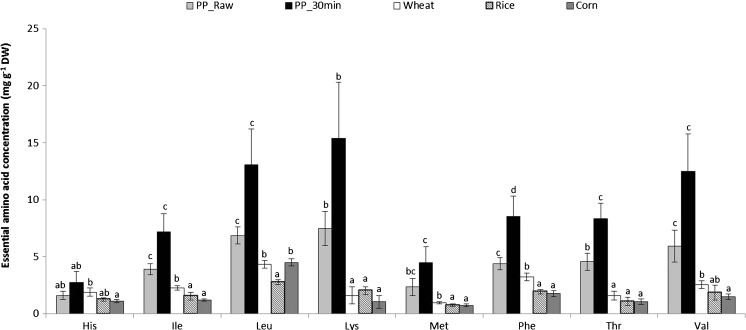
“Figure: Fig. 3 A comparison of essential fatty acids liberated from 1 g dry weight of Palmaria palmata (raw and boiled for 30 min) wheat, rice, and corn flours in simulated gastrointestinal digestion.”
§ Algae as nutritional and functional food sources: revisiting our understanding > Proteins
“Furthermore, Maehre et al. (2016) demonstrated that the apparent amino acid bioaccessibility from both raw and 30 min-boiled dulse was higher than from an equivalent dry weight of wheat, rice, or corn flour in a simulated in vitro gastrointestinal digestion model with analysis at each sequential digestive step (amylase/saliva buffer; pepsin/gastric buffer; pancreatin/duodenal buffer) (Fig. 3).”
Rated minor: it would not touch a result — a value no result rests on, a p-value that stays on the same side of the significance level, or a conflict that is clerical, resolved elsewhere in the paper, or outside its own findings.
In the paper
§ Algae as nutritional and functional food sources: revisiting our understanding > Polysaccharides > Sulfated galactans—carrageenans
“Carrageenan extracts generate proinflammatory agents in mice (Hansra et al. 2000)”
§ Algae as nutritional and functional food sources: revisiting our understanding > References
“Hansra P Moran EL Fornasier VL Bogoch ER Carrageenan-induced arthritis in the rat Inflammation 2000 24 141 155”
Citations
Cites
1 retracted
RETRACTED: Carrageenan: A natural seaweed polysaccharide and its applications
Prajapati, V. D., Maheriya, P. M., Jani, G. K., & Solanki, H. K. (2014) · Carbohydrate Polymers · doi:10.1016/j.carbpol.2014.01.067 · Cited by 383 · cited 1×
“Red algal polysaccharides include the nutritionally important floridean starch, and their sulfated galactans are known to initiate or modulate a large number of biological activities of significance to human health (Prajapati et al. 2014).”
RetractedFree radicals in biology and medicine
(1991) · General Pharmacology: The Vascular System · doi:10.1016/0306-3623(91)90478-o · Cited by 17,178
Free Radicals in Biology and Medicine
Halliwell, B., & Gutteridge, J. M. C. (2015) · doi:10.1093/acprof:oso/9780198717478.001.0001 · Cited by 8,990
Changes of Intestinal Functions in Liver Cirrhosis
Fukui, H., & Wiest, R. (2016) · Inflammatory Intestinal Diseases · doi:10.1159/000444436 · Cited by 6,808
Trumbo, P., Schlicker, S., Yates, A. A., & Poos, M. (2002) · Journal of the American Dietetic Association · doi:10.1016/s0002-8223(02)90346-9 · Cited by 5,993
Host-Bacterial Mutualism in the Human Intestine
Bäckhed, F., Ley, R. E., Sonnenburg, J. L., Peterson, D. A., & Gordon, J. I. (2005) · Science · doi:10.1126/science.1104816 · Cited by 5,277 · cited 1×
“Investigating the coupling of algal (and other) polysaccharides to the health of intestinal microbiomes and their animal and human hosts is an active and needed area of research (Bäckhed et al. 2005; Hehemann et al. 2010; Cantarel et al. 2012).”
Trumbo (2001) · doi:10.1016/s0002-8223(01)00078-5 · Cited by 4,852
Host-gut microbiota metabolic interactions
Nicholson, J. K., Holmes, E., Kinross, J., Burcelin, R., Gibson, G., Jia, W., & Pettersson, S. (2012) · Science · doi:10.1126/science.1223813 · Cited by 4,760 · cited 2×
“For example, acetate and propionate are transported in the blood to many organs where they are oxidized for energy or utilized in signaling to homeostasis and immune function (reviewed by Nicholson et al. 2012).”
(2001) · National Academies Press eBooks · doi:10.17226/10026 · Cited by 3,023 · cited 1×
“Sargassum , Ulva , and Porphyra spp. have high iron content, and 15 g day − 1 of Sargassum provided substantially higher amounts than daily recommended intakes ( ≤ 18 mg Fe day − 1 , Institute-of-Medicine 2001).”
Hydroxyl radical scavenging activity of compatible solutes
Smirnoff, N., & Cumbes, Q. J. (1989) · Phytochemistry · doi:10.1016/0031-9422(89)80182-7 · Cited by 2,152 · cited 10×
“HO · scavengers include glycerol (Smirnoff and Cumber 1989), mannitol (Smirnoff and Cumber 1989; Shen et al. 1997; Larson et al. 2002), L-proline (Smirnoff and Cumber 1989), dimethylsulfoniopropionate (Sunda et al. 2002), and floridoside and isofloridoside (Li et al. 2010), although glycine betaine (or betaine: trimet…”
Influential
Research works printed but not linked: 15
- Bourgougnon N Anti-HIV compounds from red seaweeds. Biomaterials and bioprocessing, Vol. 9. Recent advances in marine biotechnology 2003 Enfield Science Publishers 165 206
- FAO FAO Global Aquaculture Production database updated to 2013—Summary information 2015 Rome FAO
- IARC Arsenic, metals, fibres, and dusts Vol. 100C a review of human carcinogens 2012 Lyon IARC 1 99
- Jassby A Lembi CA Waaland JR Spirulina: a model for microalgae as food Algae and human affairs 1988 Cambridge Cambridge University Press 149 179
- Komiyama K Hirokawa Y Morota T Umezawa T An acidic polysaccharide Chlon A, from Chlorella pyrenoidosa. 2. Anti-tumor activity and immunological responses Chemotherapy (Tokyo) 1986 34 302 307
- Matloub AA El-Sherbini M Borai IH Ezz MK Rizk MZ Aly HF Fouad GI Assessment of anti-hyperlipidemic effect and physico-chemical characterization of water soluble polysaccharides from Ulva fasciata Delile J Appl Sci Res 2013 9 2983 2993
- Newton L Seaweed utilization 1951 London Sampson Low
- NRC Critical aspects of EPA’s IRIS assessment of inorganic arsenic: interim report 2013 Washington National Academy of Sciences
- Pereira L Ponin VH A review of the nutrient composition of selected edible seaweeds Seaweeds: ecology, nutrient composition and medicinal uses 2011 Hauppauge Nova Science Publishers 30
- Switzer L Spirulina: the whole food revolution 1980 2 Berkeley Proteus Corp
- Tseng CK Lobban CS Wynne MJ Commercial cultivation The biology of seaweeds 1981 Oxford Blackwell Science Publications 680 725
- Warrand J Healthy polysaccharides. The next chapter in food products Food Technol Biotechnol 2006 44 355 370
- Watanabe F Vitamin B12 from edible algae—from food science to molecular biology Vitamins (Kyoto) 2007 81 49 55
- Williams DL Lowman DW Ensley HE Young S-H Castranova V Introduction to the chemistry and immunobiology of β-glucans Toxicology of 1→3-beta glucans: glucans as a marker for fungal exposure 2005 Boca Raton CRC Press 65 93
- Yavorska N Sodium alginate—a potential tool for weight management: effect on subjective appetite, food intake, and glycemic and insulin regulation J Undergrad Life Sci 2012 6 66 69
Cited by
Items 701–800 of 1,000
Shazly, A. B., Khattab, M. S. A., Fouad, M. T., Tawab, A. M. A. E., Saudi, E. M., & El‐Aziz, M. A. (2022) · Annals of Microbiology · doi:10.1186/s13213-022-01686-4 · Cited by 16
The Effects of Spirulina Supplementation on Cardiometabolic Risk Factors: A Narrative Review
Sokary, S., Bawadi, H. A., Zakaria, Z. Z., & Al‐Asmakh, M. (2024) · Journal of Dietary Supplements · doi:10.1080/19390211.2023.2301366 · Cited by 18
“The nutrients spirulina offers to the human body after its ingestion is also highly absorbable, which is an efficient approach to restore deficient levels of nutrients in the body to its physiological levels (Wells et al. 2017).”
BackgroundHighly Oxygenated Cyclobutane Ring in Biomolecules: Insights into Structure and Activity
Dembitsky, V. M. (2024) · Oxygen · doi:10.3390/oxygen4020012 · Cited by 19
Galafat, A., Sáez, M. I., Rodríguez, C., Hernández-de-Rojas, A., Vizcaíno, A. J., Martínez, T. F., & Alarcón, F. J. (2024) · Aquaculture · doi:10.1016/j.aquaculture.2024.741208 · Cited by 15
Roles and mechanisms of fucoidan against dermatitis: A review
Jiang, Y., Yin, Z., Liu, Z., Fang, J. K., Lai, K. P., & Li, R. (2024) · International Journal of Biological Macromolecules · doi:10.1016/j.ijbiomac.2024.135268 · Cited by 15
The Invisible Threat of Antibiotic Resistance in Food
Kiskó, G., Bajramović, B., Elzhraa, F., Erdei-Tombor, P., Dobó, V., Mohácsi‐Farkas, C., Taczman-Brückner, A., & Belák, Á. (2025) · Antibiotics · doi:10.3390/antibiotics14030250 · Cited by 17
“The cyanobacterium Arthrospira platensis (also known as Spirulina) and the eucaryotic Chlorella species have been used as food sources or ingredients in several countries all over the world for a long time [323,324].”
Haroun, R. J., Gil‐Rodríguez, M. C., Neto, A. I., Machín‐Sánchez, M., & Viera-Rodríguez, M. A. (2019) · Journal of Applied Phycology · doi:10.1007/s10811-019-01889-4 · Cited by 17
Kirkholt, E. M., Dikiy, A., & Shumilina, E. (2019) · Foods · doi:10.3390/foods8120625 · Cited by 15
Aggarwal, M., & Remya, N. (2020) · Journal of Hazardous Toxic and Radioactive Waste · doi:10.1061/(asce)hz.2153-5515.0000582 · Cited by 15
Antiinflammatory natural products from marine algae
Mahmoud, A. M., Bin-Jumah, M. N., & Abukhalil, M. H. (2021) · Elsevier eBooks · doi:10.1016/b978-0-12-819218-4.00012-2 · Cited by 18
A review: bioactive compounds of macroalgae and their application as functional beverages
Widyaswari, S. G., Metusalach, M., Kasmiati, K., & Amir, N. (2021) · IOP Conference Series Earth and Environmental Science · doi:10.1088/1755-1315/679/1/012002 · Cited by 15
A Low-Cost Efficient System for Monitoring Microalgae Density Using Gaussian Process
Nguyen, D. K., Nguyen, L. V., & Le, D. V. (2021) · IEEE Transactions on Instrumentation and Measurement · doi:10.1109/tim.2021.3119142 · Cited by 16
Could microalgae offer promising options for climate action via their agri-food applications?
Siedenburg, J. (2022) · Frontiers in Sustainable Food Systems · doi:10.3389/fsufs.2022.976946 · Cited by 18
“These are defined as foods that contain bioactive compounds or phytochemicals that may benefit health beyond basic nutrition (Wells et al., 2017; Kholssi et al., 2021).”
BackgroundInfluentialMoniakowska, A., Zhang, D., Block, K., Olszewski, G., Zaborska, A., & Strumińska-Parulska, D. (2022) · Journal of Food Composition and Analysis · doi:10.1016/j.jfca.2022.104862 · Cited by 16
Schmitt, I., Meyer, F., Krahn, I., Henke, N. A., Peters-Wendisch, P. G., & Wendisch, V. F. (2023) · Molecules · doi:10.3390/molecules28041996 · Cited by 15
“The algal biomass may be used as natural fertilizer [15,16], an aquaculture feed [17,18], or food [19] ingredient.”
BackgroundTerriente-Palacios, C., Diaz, I., & Castellari, M. (2018) · Journal of Chromatography A · doi:10.1016/j.chroma.2018.12.058 · Cited by 15
In vivo anti-inflammatory effects of Prasiola japonica ethanol extract
Lee, C. Y., Park, S. H., Lim, H. Y., Jang, S. G., Park, K. J., Kim, D. S., Kim, J. H., & Cho, J. Y. (2021) · Journal of Functional Foods · doi:10.1016/j.jff.2021.104440 · Cited by 17
Salbitani, G., Carillo, P., Martino, C. D., Bolinesi, F., Mangoni, O., Loreto, F., & Carfagna, S. (2022) · Journal of Applied Phycology · doi:10.1007/s10811-022-02769-0 · Cited by 15
“have been “Generally Recognized As Safe” (GRAS) by the US Food and Drug Administration (FDA) and by the European Food Safety Authority (EFSA) (García et al. 2017; Wells et al. 2017; Caporgno et al. 2019).”
BackgroundInsects, Food Security, and Sustainable Aquaculture
Ameixa, O. M. C. C., Duarte, P. M., & Rodrigues, D. P. (2020) · Encyclopedia of the UN sustainable development goals · doi:10.1007/978-3-319-95675-6_111 · Cited by 19
Hagan, M., & Anyangwe, N. (2023) · Functional Food Science · doi:10.31989/ffs.v3i12.1273 · Cited by 20
Acid preservation of the brown seaweed Saccharina latissima for food applications
Krook, J. L., Riboldi, L., Birkeland, I. M., Stévant, P., Larssen, W. E., Rhein‐Knudsen, N., Skeie, S. B., & Horn, S. J. (2024) · Algal Research · doi:10.1016/j.algal.2024.103524 · Cited by 15
Abbasi, A., Issa, S. A. M., Mirekhtiary, F., Algethami, M., & Zakaly, H. M. H. (2024) · Marine Pollution Bulletin · doi:10.1016/j.marpolbul.2024.116610 · Cited by 15
Algae Protein Creates Sustainable Alternatives for Various Food Matrices: From Function to Nutrition
Wu, S., Menut, P., Miao, S., & Turchiuli, C. (2025) · Comprehensive Reviews in Food Science and Food Safety · doi:10.1111/1541-4337.70264 · Cited by 15
“Algae protein generally has a weaker digestion ability compared to animal protein, such as casein (Wells et al. 2017).”
Zhao, T., Echegaray, N., Lorenzo, J. M., Günal‐Köroğlu, D., Çapanoğlu, E., Ziora, Z. M., & Esatbeyoglu, T. (2025) · Food Control · doi:10.1016/j.foodcont.2025.111777 · Cited by 16
Advanced Applications of Biomaterials Based on Alginic Acid
Pavlatou, E. A. (2020) · American Journal of Biomedical Science & Research · doi:10.34297/ajbsr.2020.09.001350 · Cited by 15
“Depending on the algae species, the age, the type and the condition of the tissues, as well as the process of extraction, the quantity and quality of the alginates varies [17].”
BackgroundSulfated polysaccharides from green seaweed Caulerpa prolifera suppress fat accumulation
Filho, G. P. C., Oliveira, R. D. P., de Medeiros, S. R. B., Rocha, H. A. O., & Moreira, S. M. G. (2020) · Journal of Applied Phycology · doi:10.1007/s10811-020-02249-3 · Cited by 14
Chang, Y., Chu, T., Yu, P., Wang, E., Huang, C., Hu, T., Wen, Z., Ko, C., Chen, C. N., & Tai, M. (2021) · Phytotherapy Research · doi:10.1002/ptr.7111 · Cited by 14
“Microalgae have been part of human diets for thousands of years based on archaeological evidence from 14,000 years ago in Chile and early written accounts (Wells et al., 2017).”
BackgroundUnpacking gendered roles across the seaweed value chain in Samoa using photo elicitation methods
Anderson, C., Tiitii, U., Madar, L., Tanielu, E., Larson, S., & Swanepoel, L. (2022) · Ocean & Coastal Management · doi:10.1016/j.ocecoaman.2022.106420 · Cited by 14
Analysis of Microalgal Density Estimation by Using LASSO and Image Texture Features
Nguyen, L. V., Nguyen, D. K., Nguyen, T. T., Bình, N. T., & Nghiem, T. X. (2023) · Sensors · doi:10.3390/s23052543 · Cited by 15
“More specifically, it was shown that some microalgae can provide polysaccharides, vitamins, β-carotene, long-chain polyunsaturated fatty acids, and antioxidants [2,3].”
BackgroundUnis, R., Chemodanov, A., Gnayem, N., Gnaim, R., Israel, A. A., Palatnik, R. R., Zilberman, D., Gnaïm, J., & Golberg, A. (2023) · Journal of Applied Phycology · doi:10.1007/s10811-023-02958-5 · Cited by 14
“2021), and they are strongly influenced by temporal (Wells et al. 2017) and spatial variations (Roleda et al.”
BackgroundHughey, M. C., Warne, R. W., Dulmage, A., Reeve, R. E., Curtis, G. H., Whitfield, K., Schock, D. M., & Crespi, E. J. (2023) · Philosophical Transactions of the Royal Society B Biological Sciences · doi:10.1098/rstb.2022.0121 · Cited by 15
Ullah, M. R., Akhter, M., Khan, A. B. S., Yasmin, F., Hasan, M. M., Bosu, A., Haque, M. A., Islam, M. M., Islam, M. A., & Mahmud, Y. (2023) · Journal of Food Quality · doi:10.1155/2023/6623247 · Cited by 14
“According to Rodriguez et al. [29] and Wells et al. [30], the existence of this variance in lipid content after drying may be related to the heat input mechanisms of the various drying methods and a result of the extended time of drying that facilitated melting lipids to drip out from berries as a…”
BackgroundSeaweeds as a potential resource in diabetes management: a review
Vidyashree, J. S., Shetti, P. P., & Ghagane, S. C. (2024) · Future Journal of Pharmaceutical Sciences · doi:10.1186/s43094-024-00583-8 · Cited by 14
“They are often referred to as secondary metabolites [16].”
BackgroundKavale, M. G., Kazi, M. A., Sreenadhan, N., & Murgan, P. (2017) · Journal of Applied Phycology · doi:10.1007/s10811-017-1096-4 · Cited by 14
“Porphyra/Pyropia species have been reported to contain high amounts of proteins, amino acids, vitamins, polyunsaturated fatty acids (PUFA), minerals, and dietary fiber (Noda 1993; McDermid and Stuercke 2003; Wells et al. 2016).”
BackgroundAnti-complementary activity of a degraded sulfated heterogalactan from red alga Pyropia haitanensis
Zhang, Z., Wang, X., Lv, F., Xie, X., Zhang, S., Cai, C., Jia, R., Pan, Y., & Liu, F. (2020) · International Journal of Biological Macromolecules · doi:10.1016/j.ijbiomac.2020.01.045 · Cited by 14
Antioxidant assessment of wastewater-cultivated Chlorella sorokiniana in Drosophila melanogaster
Qiu, S., Shen, Y., Zhang, L., Ma, B., Amadu, A. A., & Ge, S. (2020) · Algal Research · doi:10.1016/j.algal.2020.101795 · Cited by 14
Henao, E., Murphy, P. J., Falfushynska, H., Horyn, O., Evans, D. M., Klimaszyk, P., & Rzymski, P. (2020) · Toxins · doi:10.3390/toxins12020111 · Cited by 14
The importance and availability of marine certified reference materials
Padariya, C., Rutkowska, M., & Konieczka, P. (2021) · Critical Reviews in Environmental Science and Technology · doi:10.1080/10643389.2021.1922254 · Cited by 15
“In addition, marine vegetation is commonly used in human diets as it is rich in minerals and antioxidants (Wells et al., 2017).”
BackgroundSajid, M., Stone, S. R., & Kaur, P. (2021) · Current Research in Biotechnology · doi:10.1016/j.crbiot.2021.07.002 · Cited by 15
Benhima (1962) · Présence Africaine · doi:10.3917/presa.042.0147 · Cited by 13
Sankar, P. M., Karthiba, L., Shreedevasena, S., Raju, P. A., Vanitha, S., Salama, E. A. A., Kamalakannan, A., & Jeyakumar, P. (2023) · Springer eBooks · doi:10.1007/978-981-19-5041-4_9 · Cited by 14
Cultivation of Algae: Techniques and Challenges
Kumar, C., Sharma, M., Kaur, M., Arya, S. K., & Khatri, M. (2024) · Springer eBooks · doi:10.1007/978-981-97-1662-3_3 · Cited by 14
Algal biorefinery: focus on cosmeceuticals
Parikh, H. S., Singh, P. K., & Tiwari, A. (2024) · Systems Microbiology and Biomanufacturing · doi:10.1007/s43393-024-00287-3 · Cited by 15
“Dating back as long as 14,000 years BP and with written reports from 600 AD, evidence supports the long historical path of human macroalgae consumption [10].”
Tzachor, A., van den Oever, S. P., Mayer, H. K., Asfur, M., Smidt-Jensen, A., Geirsdóttir, M., Jensen, S., & Smárason, B. Ö. (2024) · Discover Food · doi:10.1007/s44187-024-00152-1 · Cited by 13
“Furthermore, pseudo-B 12 cobamide in naturally occurring Spirulina is structurally akin to cobalamin, and therefore competes with cobalamin sources for absorption [31].”
Сombined food additive based on iron oxide nanoparticles and кombu in a rye-wheat bread technology
Tsykhanovska, I., Stabnikova, О., Олійник, С. Г., Лазарєва, Т., & Gubsky, S. (2024) · Ukrainian Food Journal · doi:10.24263/2304-974x-2024-13-3-10 · Cited by 15
“As is known, iodine is important for human health due to its fundamental role in the functioning of the thyroid gland and the associated production of thyroid hormones (Wells et al., 2017).”
Nutraceutical Insight into Vegetables and their Potential for Nutrition Mediated Healthcare
Saiwal, N., Dahiya, M., & Dureja, H. (2018) · Current Nutrition & Food Science · doi:10.2174/1573401314666180115151107 · Cited by 15
Wang, Y., Wang, J., Zhou, C. X., Ding, G., Chen, M., Zou, J., Wang, G., Kang, Y., & Pan, X. (2019) · Sensors · doi:10.3390/s19224940 · Cited by 13
“have high nutritional value and have been usually used as feed [5,6].”
BackgroundBenhniya, B., Lakhdar, F., Rezzoum, N., & Etahiri, S. (2022) · Egyptian Journal of Chemistry · doi:10.21608/ejchem.2022.117053.5301 · Cited by 20
Giwa, A., Abuhantash, F., Chalermthai, B., & Taher, H. (2022) · Sustainability · doi:10.3390/su141710759 · Cited by 13
Bioprospecting for fungal enzymes for applications in microalgal biomass biorefineries
Bader, A. N., Rizza, L. S., Consolo, V. F., & Curatti, L. (2022) · Applied Microbiology and Biotechnology · doi:10.1007/s00253-022-12328-9 · Cited by 13
“Some commercial species of Chlorella present a high protein content of up to 70% (w/w) and an amino acid profile that compares well with egg, containing all of the essential amino acids (Amorim et al. 2020; Becker 2007; Wells et al. 2017).”
BackgroundVasconcelos, M. A. D. S., Marson, G. V., Rioux, L., Tamigneaux, É., Turgeon, S. L., & Beaulieu, L. (2023) · Marine Drugs · doi:10.3390/md21020102 · Cited by 13
“), Palmaria palmata, known as “dulse”, has protein levels, higher than those found in high-protein pulses, such as soybeans [4,5].”
BackgroundPereira, G. D. V., Conceição, L. E. C., Soares, F., Petereit, J., Buck, B. H., Johansen, J., Dias, J. P., & Faccenda, F. (2023) · Journal of Marine Science and Engineering · doi:10.3390/jmse11061135 · Cited by 14
Nutricosmetics: role in health, nutrition, and cosmetics
Usman, R., & Bharadvaja, N. (2023) · Proceedings of the Indian National Science Academy · doi:10.1007/s43538-023-00181-x · Cited by 16
Tran, T., Le, T. D., Vo, T., & Bui, X. (2023) · Systems Microbiology and Biomanufacturing · doi:10.1007/s43393-023-00203-1 · Cited by 15
Galetović, A., Araya, J. E., & Gómez‐Silva, B. (2017) · Revista chilena de nutrición · doi:10.4067/s0717-75182017000400360 · Cited by 18
Sutapa, B. M., Avlani, D., Priyanka, G. E., & Biswas, G. R. (2018) · African Journal of Pharmacy and Pharmacology · doi:10.5897/ajpp2017.4869 · Cited by 15
“…of various edible species of brown seaweeds or macroalgae in the class of Phaeophyceae, such as Cladosiphono kamuranus, Saccharina japonica (as Laminaria japonica), and Undaria pinnatifida and also marine invertebrates like sea cucumber and sea urchin (Atashrazm et al., 2015; Wells et al., 2017).”
BackgroundInfluentialSagues, W. J., de Assis, C. A., Hah, P., Sanchez, D. L., Johnson, Z. I., Acharya, M., Jameel, H., & Park, S. (2019) · Bioresource Technology · doi:10.1016/j.biortech.2019.122493 · Cited by 14
The Animal Kingdom, Agriculture⋯ and Seaweeds
Cornish, M. L., Monagail, M. M., & Critchley, A. T. (2020) · Journal of Marine Science and Engineering · doi:10.3390/jmse8080574 · Cited by 15
Smith, B. N., Hannas, M. I., Orso, C., Martins, S. M. M. K., Wang, M., Donovan, S. M., & Dilger, R. N. (2020) · Journal of Animal Science · doi:10.1093/jas/skaa314 · Cited by 13
Ogbonna, J. C., Nweze, N. O., & Ogbonna, C. N. (2021) · Journal of Applied Biology & Biotechnology · doi:10.7324/jabb.2021.9215 · Cited by 18
“Microalgae are very good sources of proteins [1-3], carbohydrates [4], carotenoids [5-7], chlorophylls [8-10], and a variety of vitamins and pro-vitamins depending on the species and culture conditions [3,11-13].”
BackgroundShabaka, S. H., & Moawad, M. N. (2021) · Regional Studies in Marine Science · doi:10.1016/j.rsma.2021.101767 · Cited by 15
Antimicrobial Potential of Seaweeds: Critical Review
Noorjahan, A., Mahesh, S., Anantharaman, P., & Aiyamperumal, B. (2022) · Springer eBooks · doi:10.1007/978-3-030-91955-9_21 · Cited by 14
Cardoso, C. L., Almeida, J., Coelho, I., Delgado, I. M., Gomes, R., Quintã, R., Bandarra, N. M., & Afonso, C. M. (2022) · Aquaculture · doi:10.1016/j.aquaculture.2022.739217 · Cited by 13
Phull, A. R., & Kim, S. J. (2018) · Nutrition and Cancer · doi:10.1080/01635581.2018.1490449 · Cited by 15
“Chile showed the consumption of algae as food (1).”
BackgroundBruni, L., Secci, G., Mancini, S., Faccenda, F., & Parisi, G. (2020) · Italian Journal of Animal Science · doi:10.1080/1828051x.2020.1745097 · Cited by 13
“In this regard, the use of seaweeds, another marine source rich in PUFAn3 (Wells et al. 2017), could theoretically counteract the high MUFA and PUFAn6 content of vegetable sources contained in feed ingredients currently utilised.”
BackgroundInfluentialThe Bioeconomy of Production of Microalgal Pigments
Jeevanandam, J., Choudhary, V., Selvam, J. D., & Danquah, M. K. (2020) · Springer eBooks · doi:10.1007/978-3-030-50971-2_14 · Cited by 15
Castillo, A., Finimundy, T. C., Heleno, S. A., Rodrigues, P., Fernandes, F. A., Pereira, S., Lores, M., Barros, L., & García-Jares, C. (2023) · Food & Function · doi:10.1039/d3fo01028g · Cited by 12
Mirza, S., Akbar, S., Ijaz, M. U., Morowvat, M. H., Ishaque, A., & Fatima, K. (2024) · Recent Patents on Biotechnology · doi:10.2174/0118722083287672240321081428 · Cited by 15
Younker, I. T., Molnar, N., Scorza, K., Weed, R., Light, S. H., & Pfister, C. A. (2024) · Environmental Microbiology Reports · doi:10.1111/1758-2229.13270 · Cited by 12
“…most bacterial isolates grew best on asparagine and glutamine, the amino acids with two nitrogen atoms that are demonstrated to have the highest concentrations in seawater (Figure 3, Siezen & Mague, 1978) and seaweed (Wells et al., 2017), and also the amino acids with two nitrogen atoms.”
BackgroundUtilizing marine algal metabolites to fight neurodegenerative diseases
Naik, B., Richa, S., Bharadwaj, S., Mishra, S., Kumar, V., Kumar, V., Saris, P. E. J., Gupta, A. K., Mishra, R., Gupta, U., et al. (2024) · Frontiers in Marine Science · doi:10.3389/fmars.2024.1370839 · Cited by 14
Wong, A., Frommel, A. Y., Sumaila, U. R., & Cheung, W. W. L. (2024) · npj Ocean Sustainability · doi:10.1038/s44183-024-00065-7 · Cited by 14
“Though seaweeds are not currently known to contribute substantially to macro-nutrient requirements 81 , and only around 31% to 38% of farmed seaweed is currently consumed directly as food 63 , algae species score highly for food security potential due to their micronutrient content and potential…”
Knorr, D., & Augustin, M. A. (2024) · Sustainable Food Technology · doi:10.1039/d4fb00108g · Cited by 14
Gnayem, N., Unis, R., Gnaim, R., Chemodanov, A., Israel, A. A., Gnaïm, J., & Golberg, A. (2025) · Life · doi:10.3390/life15010057 · Cited by 12
“Green seaweeds have a lipid content that varies between species and is influenced by temporal conditions and the seasons [29–32].”
Nkurunziza, D., Coad, B. R., & Bulone, V. (2025) · Journal of Industrial and Engineering Chemistry · doi:10.1016/j.jiec.2025.03.047 · Cited by 12
Kim, J., Baek, W., Choi, B. J., Bayburt, H., Lee, J. K., Lee, S. C., & Jeon, C. O. (2025) · The Journal of Microbiology · doi:10.71150/jm.2503014 · Cited by 12
“In particular, macroalgae serve as crucial habitats for various marine organisms, including fish and microorganisms (Evans et al., 2014; Lee et al., 2024b), and are also commercially important as food sources (Wells et al., 2017).”
Biotechnological advances in algae-based foods: applications in nutrition and microbiome health
Yu, S., & Yoshikuni, Y. (2025) · Current Opinion in Biotechnology · doi:10.1016/j.copbio.2025.103335 · Cited by 13
Development, Production and Market Value of Microalgae Products
Gajar, A., cui, H., ji, C., Kubar, S., & Li, R. (2019) · Applied Microbiology open access · Cited by 14
Bui, H. T. H., Pham, T. T., Nguyen, H. T. T., Do, T. M., Nga, V. T., Bac, N. D., Huyen, V. T. B., Le, H. M., & Tran, Q. C. (2019) · Open Access Macedonian Journal of Medical Sciences · doi:10.3889/oamjms.2019.838 · Cited by 14
“production nutritional supplements, functional foods, cosmetics as well as other biomaterials [1], [2].”
BackgroundPotential Prebiotic and Anti-Obesity Effects of Codium fragile Extract
Oh, S. W., Kim, S., Jung, K.-J., Pham, T. N. A., Yang, S. H., & Ahn, B.-J. (2022) · Applied Sciences · doi:10.3390/app12030959 · Cited by 12
“Marine algae contain large amounts of sulfated polysaccharides that can be used as prebiotics [6].”
BackgroundBurey, P. P., Panchal, S. K., & Helwig, A. (2021) · Elsevier eBooks · doi:10.1016/b978-0-12-821292-9.00015-7 · Cited by 14
Yazdanabdad, T. E., Forghaniha, A., Emtyazjoo, M., & Ramezani, M. (2022) · Archives of Environmental Contamination and Toxicology · doi:10.1007/s00244-022-00949-0 · Cited by 12
Medicinal and Pharmaceutical Applications of Seaweeds
El-Sheekh, M. M., Fathy, A. A., Saber, H., & Saber, A. A. (2022) · Egyptian Journal of Botany · doi:10.21608/ejbo.2022.145631.2022 · Cited by 17
Li, C., Chen, G., Wei, M., Liu, H., Tan, B., Dong, X., Yang, Q., Chi, S., Zhang, S., & Yao, M. (2022) · Aquaculture Reports · doi:10.1016/j.aqrep.2022.101441 · Cited by 16
Desalination concentrate microalgae cultivation: biomass production and applications
Bazedi, G. A. A., Ismail, M. M., Mugwanya, M., & Sewilam, H. (2023) · Sustainable Water Resources Management · doi:10.1007/s40899-023-00887-2 · Cited by 12
Global market opportunities for food and feed products from microalgae
Rahman, K. M., & Melville, L. (2023) · Elsevier eBooks · doi:10.1016/b978-0-323-99196-4.00031-0 · Cited by 15
Pereira, L. (2023) · Elsevier eBooks · doi:10.1016/b978-0-323-98819-3.00016-x · Cited by 14
Mani, G., Rajendran, I., Jayakumar, T., Mani, A. K., Govindaraju, R., & Dhayalan, S. (2023) · Applied Biochemistry and Biotechnology · doi:10.1007/s12010-023-04767-5 · Cited by 12
RetractedStudy on the preparation and enzyme inhibitory activity of polyphenols from Sargassum pallidum
Jiang, H., Kong, L., Tang, H., Wang, Z., Liu, C., Zhang, J., Chen, Y., Shen, J., & Zhou, Y. (2024) · PLoS ONE · doi:10.1371/journal.pone.0297434 · Cited by 14
“Seaweed is one of the most important organisms in the ocean, including brown, red and green algae, and is a good source of proteins, lipids, carbohydrates and other bioactive compounds [1–6].”
BackgroundGoecke, F., Aránguiz‐Acuña, A., Palacios, M., Muñoz-Muga, P., Rucki, M., & Vítová, M. (2017) · Journal of Applied Phycology · doi:10.1007/s10811-017-1106-6 · Cited by 12
“Over the past 50 years, industrial uses of algae have increased considerably, with the consequent development of applied research in various related fields (Goecke et al. 2012; Wells et al. 2016).”
BackgroundGuan, X., Zhou, W., Hu, C., Miaoxian, Z., Yaping, D., Shanshan, G., Zheng, X., Zhu, J., & Lu, Q. (2017) · Journal of Applied Phycology · doi:10.1007/s10811-017-1272-6 · Cited by 12
“A study on the physiological changes during the growth of Pyropia dentata conchocelis suggests that temperature, light intensity, and photoperiod had a significant effect on the formation of conchosporangia, but salinity had no significant effect (Zhong et al. 2016).”
BackgroundHydroperoxides derived from marine sources: origin and biological activities
Андреевна, В. В., Gloriozova, T. A., Terent'ev, A. O., Savidov, N. A., & Dembitsky, V. M. (2019) · Applied Microbiology and Biotechnology · doi:10.1007/s00253-018-9560-x · Cited by 12
Shang, T., Lin, L., Chen, B., Wang, M., Qin, W., Dai, C., Yu, H., Li, J., Thring, R. W., Ma, Z., et al. (2020) · Harmful Algae · doi:10.1016/j.hal.2020.101842 · Cited by 12
Microalgae as sustainable food: incorporation as strategy in the formulation of functional food
Vieira, R. C., Medeiros, J. A., do Nascimento, M. A. A., Abud, A. K. D. S., Raymundo, A., & Silva, C. E. D. F. (2020) · Elsevier eBooks · doi:10.1016/b978-0-12-820528-0.00003-x · Cited by 14
Vlaisavljević, S., Rašeta, M., Berežni, S., Passamonti, S., & Tramer, F. (2021) · International Journal of Food Sciences and Nutrition · doi:10.1080/09637486.2020.1866503 · Cited by 12
“Dry plant has a shape of black threads characterised by a bitter taste that are prepared in various ways like salads or cooked (Wells et al. 2017).”
BackgroundWilkin, J. D., Ross, K., Alric, T., Hooper, M., Grigor, J., & Chu, B. (2021) · Journal of Aquatic Food Product Technology · doi:10.1080/10498850.2021.1958114 · Cited by 12
“2017), anti-inflammatory properties (Jaswir and Monsur 2011; Ramberg et al. 2010; Wells et al. 2017); high antioxidant activity (Pinteus et al.”
BackgroundSelvaraju, K., Hariprasad, P., & Malik, A. (2022) · Biomass Conversion and Biorefinery · doi:10.1007/s13399-022-02401-8 · Cited by 14
“In this context, the production of natural antioxidants from the plant and microalgae source is superior to the synthetic antioxidants owing to their non-toxic nature [6].”
Health benefits of bioactive compounds from microalgae
Singh, D. V., Upadhyay, A. K., Singh, R. P., & Singh, D. P. (2021) · Elsevier eBooks · doi:10.1016/b978-0-12-824109-7.00015-7 · Cited by 14
Fang, B., Xu, Y., Kawashima, H., Hata, T., & Kijima, M. (2021) · Algal Research · doi:10.1016/j.algal.2021.102502 · Cited by 13
Pan-utai, W., Satmalee, P., Saah, S., Paopun, Y., & Tamtin, M. (2023) · Life · doi:10.3390/life13112112 · Cited by 11
“This plant-based food fulfils a niche market and shows potential for expansion as a sustainable resource [2,3], with many seaweed products now produced and distributed for human consumption [4].”
BackgroundJabłońska‐Trypuć, A. (2024) · Agronomy · doi:10.3390/agronomy14050895 · Cited by 12
Metadata
- Authors
- Wells, M. L., Potin, P., Craigie, J. S., Raven, J. A., Merchant, S. S., Helliwell, K. E., Smith, A. G., Camire, M. E., & Brawley, S. H.
- Affiliations
- University of Maine (US)
- Centre National de la Recherche Scientifique (FR)
- National Research Council Canada (CA)
- University of Technology Sydney (AU)
- University of California, Los Angeles (US)
- Marine Biological Association of the United Kingdom (GB)
- University of Cambridge (GB)
- Corresponding author
- Brawley, Susan H.
- ORCID
- Venue
- Journal of Applied Phycology
- Published
- 2016-11-21
- Volume
- 29
- Issue
- 2
- Pages
- 949-982
- ISSN
- 0921-8971 (ISSN-L)
- 1573-5176
- PMC
- PMC5387034
- OpenAlex
- W2557056564
- Semantic Scholar
- 2512f38e6681ae0b63668e9f995c62f0ef91e628
- Cited by
- 1,562
- References
- 442
- Citations by year
- 2026: 113 · 2025: 168 · 2024: 177 · 2023: 203 · 2022: 243 · 2021: 205 · 2020: 188 · 2019: 117 · 2018: 104 · 2017: 42
- FWCI
- 7.54
- Type
- journal article
- Language
- en
- Open access
- hybrid
- doi.org
- Locations
- Journal of Applied Phycology (publishedVersion, cc-by)
- Europe PMC (PubMed Central) (publishedVersion, cc-by)
- PubMed Central (publishedVersion, cc-by)
- PubMed (publishedVersion)
- Marine Biological Association (acceptedVersion)
- UWA Profiles and Research Repository (UWA) (submittedVersion, other-oa)
- NPARC (submittedVersion)
- Discovery Research Portal (University of Dundee) (submittedVersion, cc-by)
- eScholarship (California Digital Library) (submittedVersion)
- eScholarship (California Digital Library) (submittedVersion, cc-by)
- UTS ePRESS (University of Technology Sydney) (submittedVersion)
- Apollo (University of Cambridge) (submittedVersion, cc-by)
- Apollo (cc-by)
- Funders
- National Science Foundation (1355457, 1435021)
- University of Dundee (SC015096)
- Agence Nationale de la Recherche (ANR-10- BTBR-04, ANR‐10‐BTBR‐04‐02, 10‐BTBR‐04, ANR-10, ANR-10-BTBR)
- Ministerio de Economía y Competitividad
- Ministry of Health, Labour and Welfare
- Directorate for Biological Sciences
- National Oceanic and Atmospheric Administration
- Maine Sea Grant, University of Maine
- Biotechnology and Biological Sciences Research Council (BB/1013164/1)
- Office of Experimental Program to Stimulate Competitive Research (#1355457)
- Topics
- Life Sciences › Agricultural and Biological Sciences › Aquatic Science › Seaweed-derived Bioactive Compounds
- Life Sciences › Agricultural and Biological Sciences › Food Science › Food Industry and Aquatic Biology
- Health Sciences › Nursing › Nutrition and Dietetics › Fatty Acid Research and Health
- Keywords
- seaweed, microalgae, functional foods, nutritional composition, bioavailability, gut microbiota, food processing, storage, health benefits, adverse effects, seasonal variation
About these checks
Registry, retraction, Cites and statistics results are computed, not judged, with one exception: a printed reference that no index lists is read once by a model before it counts as a citation error. Claims are extracted by a model and kept only when their quote appears verbatim in the text; each cited source is then checked, with a model’s help, for whether it says what the claim relies on. Those verdicts can be wrong — read the claim’s quote and the cited source before relying on one.
The claim verdicts this report counts are experimental: their accuracy is not yet measured.
A language model drew the claims from the paper on 2026-10-05, under version 3 of the claim definition (model deepseek-v4.1-flash, prompt extract-v3).
A second model labelled each claim on 2026-10-05 (model jev-1.13-20260917, definition revision gold-guideline-v0.2).
Cited sources are checked with a language model’s help (gpt-6-sol).
Statistics and arithmetic are recomputed, not judged.
Confidence bands are shown only for fields calibrated on our annotated test set. None is calibrated yet, so no band is shown.
What counts as a claim ›How we measure confidence ›How we check this ›
Are you an author, or do you see a problem with this page? Request a review
Data sources
Bibliographic data: Semantic Scholar, OpenAlex, Crossref.
Contains information from the Semantic Scholar Academic Graph Datasets, made available under the ODC Attribution License (ODC-BY 1.0).
Semantic Scholar’s data is described in: Kinney, R., et al. (2023). The Semantic Scholar Open Data Platform. arXiv:2301.10140.
