

Reciprocal Relationships between Trajectories of Depressive Symptoms and Screen Media Use during Adolescence
Open accessThe DOI matches its Crossref record; 60 of the 61 references it cites were found in a registry or an index.
Abstract
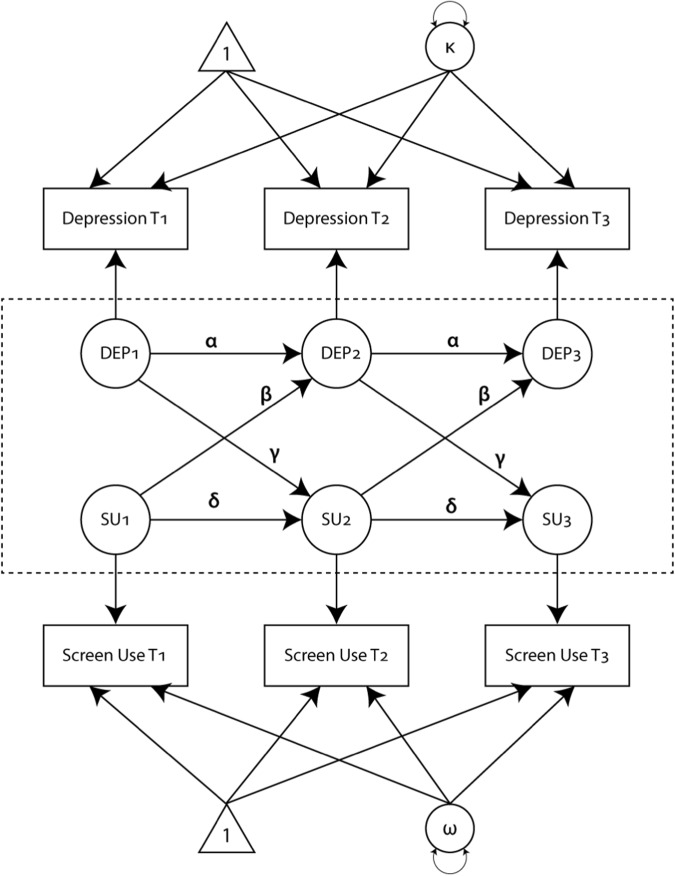
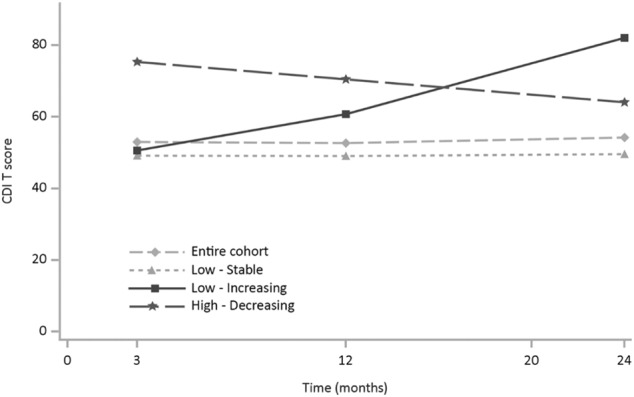
Adolescents are constantly connected with each other and the digital landscape through a myriad of screen media devices. Unprecedented access to the wider world and hence a variety of activities, particularly since the introduction of mobile technology, has given rise to questions regarding the impact of this changing media environment on the mental health of young people. Depressive symptoms are one of the most common disabling health issues in adolescence and although research has examined associations between screen use and symptoms of depression, longitudinal investigations are rare and fewer still consider trajectories of change in symptoms. Given the plethora of devices and normalisation of their use, understanding potential longitudinal associations with mental health is crucial. A sample of 1,749 (47% female) adolescents (10-17 years) participated in six waves of data collection over two years. Symptoms of depression, time spent on screens, and on separate screen activities (social networking, gaming, web browsing, TV/passive) were self-reported. Latent growth curve modelling revealed three trajectories of depressive symptoms (low-stable, high-decreasing, and low-increasing) and there were important differences across these groups on screen use. Some small, positive associations were evident between depressive symptoms and later screen use, and between screen use and later depressive symptoms. However, a Random Intercept Cross Lagged Panel Model revealed no consistent support for a longitudinal association. The study highlights the importance of considering differential trajectories of depressive symptoms and specific forms of screen activity to understand these relationships.
Overview
The claims and statistics of this paper haven’t been checked yet.
Free: it reads the open-access text and checks the first 5 claims that cite a source we can check. Create a free account to check every claim.
Integrity signals
Registry
Cites
Statistics
Figures
Verification
Claims the paper makes
The claims and statistics of this paper haven’t been checked yet.
Free: it reads the open-access text and checks the first 5 claims that cite a source we can check. Create a free account to check every claim.
Claims other papers make about this one
Each is checked against this paper’s own text: does it say what the citing paper says it does?
The source backs part of the claim, not all of it — or backs it for a different population, condition or comparison.
In the citing paper
“Several studies have found that children/adolescents with decreased sleep quality/quantity (Magee et al., 2014), lowered self-regulation/overall executive functioning (Cliff, Howard, Radesky, McNeill, & Vella, 2018), symptoms of depression, anxiety (Houghton et al., 2018), and loneliness (Kim et al., 2009), decreased self-esteem (Ehrenberg et al., 2008), interpersonal skills (Poulain et al., 2018)”
From Screen Media Overuse and Associated Physical, Cognitive, and Emotional/Behavioral Outcomes in Children and Adolescents: An Integrative Review (2022) · cites this paper as Houghton et al., 2018
Experimental — accuracy not yet measuredThe source backs part of the claim, not all of it — or backs it for a different population, condition or comparison.
In the citing paper
“Previous longitudinal studies have found bi-directional associations between screen-based sedentary behaviors, anxiety, and depression in adolescents (Gunnell et al., 2016; Houghton et al., 2018; Raudsepp, 2016).”
From Reciprocal associations between screen time and emotional disorder symptoms during adolescence (2019) · cites this paper as Houghton et al., 2018
Experimental — accuracy not yet measuredThe source backs part of the claim, not all of it — or backs it for a different population, condition or comparison.
In the citing paper
“A study that applied the RI-CLPM also found minimal effect sizes and no evidence for longitudinal associations between social media use and depressive symptoms [20].”
From Social Media and Mental Health Among Early Adolescents in Sweden: A Longitudinal Study With 2-Year Follow-Up (KUPOL Study). (2021) · cites this paper as [20]
Experimental — accuracy not yet measuredThe source backs part of the claim, not all of it — or backs it for a different population, condition or comparison.
In the citing paper
“Thus, there is increasing evidence that engaging in high SMU intensity by itself does not impose a risk to adolescents' mental health.”
From Social media use intensity, social media use problems, and mental health among adolescents: Investigating directionality and mediating processes (2021) · cites this paper as Houghton et al., 2018
Experimental — accuracy not yet measuredThe cited source says what the claim attributes to it.
In the citing paper
“A handful of studies that have approached questions around screen time using longitudinal methods observe either no or very small effects for the impact of screen time on experiences such as depressive symptoms [21,45]. This holds when exploring specific forms of screen activities such as video games [46], social media [5,6,47,48], and passive screen use [21].”
From The Conceptual and Methodological Mayhem of “Screen Time” (2020) · cites this paper as [21]
5 more claims about this paper
Create a free account to see every claim other papers make about this one.
Self-check
Percentages, sums and reported differences re-computed from the paper’s own numbers.
The self-check needs the paper’s full text.
Citations
Cites
Statistical Analysis With Missing Data
Lahiff, M., Little, R. J. A., & Rubin, D. B. (1989) · Journal of the American Statistical Association · doi:10.2307/2289883 · Cited by 17,265
Threshold effects in non-dynamic panels: Estimation, testing, and inference
Hansen, B. E. (1999) · Journal of Econometrics · doi:10.1016/s0304-4076(99)00025-1 · Cited by 5,260 · cited 2×
“Hansen (1999) proposes fitting this model by testing a large range of possible values for the threshold, and choosing the value that produces the best model fit.”
BackgroundMethodInternet paradox: A social technology that reduces social involvement and psychological well-being?
Kraut, R., Patterson, M., Lundmark, V., Kiesler, S., Mukophadhyay, T., & Scherlis, W. (1998) · American Psychologist · doi:10.1037/0003-066x.53.9.1017 · Cited by 4,793
Testing the number of components in a normal mixture
Lo, Y. (2001) · Biometrika · doi:10.1093/biomet/88.3.767 · Cited by 4,640
A critique of the cross-lagged panel model
Hamaker, E. L., Kuiper, R. M., & Grasman, R. P. P. P. (2015) · Psychological Methods · doi:10.1037/a0038889 · Cited by 4,005
Muthén, B., & Muthén, L. K. (2000) · Alcoholism: Clinical and Experimental Research · doi:10.1111/j.1530-0277.2000.tb02070.x · Cited by 3,149 · cited 1×
“Latent growth curve models allow for the dependence in measurements of the same person over time (Muthén and Muthén 2000).”
BackgroundTwenge, J. M., Joiner, T. E., Rogers, M. L., & Martin, G. N. (2018) · Clinical Psychological Science · doi:10.1177/2167702617723376 · Cited by 1,705 · cited 2×
“Since depression is a significant cause of morbidity in adolescents, and screen media use is highly pervasive, any longitudinal relationship would be significant in terms of widespread health risk (Jelenchick et al. 2013; Twenge et al. 2018).”
BackgroundResultWoods, H. C., & Scott, H. (2016) · Journal of Adolescence · doi:10.1016/j.adolescence.2016.05.008 · Cited by 1,302
Epidemiology of mental disorders in children and adolescents
Merikangas, K. R., Nakamura, E. F., & Kessler, R. C. (2009) · Dialogues in Clinical Neuroscience · doi:10.31887/dcns.2009.11.1/krmerikangas · Cited by 1,246
Is there an epidemic of child or adolescent depression?
Jane Costello, E., Erkanli, A., & Angold, A. (2006) · Journal of Child Psychology and Psychiatry · doi:10.1111/j.1469-7610.2006.01682.x · Cited by 983 · cited 4×
“12 34 56 78 90 () ;,: 12 34 56 78 90 (); ,: A meta-analysis of epidemiological studies (Costello et al. 2006) estimated the point prevalence rate of major depression among 13–18-years as 5.6%, while Bertha and Balázs (2013) reported 9–16% of 14–16 year olds experience sub-clinical levels of…”
BackgroundInfluential
Research works printed but not linked: 1
- Muthén LK Muthén BO Mplus User’s Guide 1998 Seventh Edition Los Angeles, CA Muthén & Muthén
Cited by
Does time spent using social media impact mental health?: An eight year longitudinal study
Coyne, S. M., Rogers, A. A., Zurcher, J. D., Stockdale, L., & Booth, M. (2020) · Computers in Human Behavior · doi:10.1016/j.chb.2019.106160 · Cited by 701
“Additionally, a number of studies have found bi-directional longitudinal relationships between social media and mental health (Frison & Eggermont, 2017; Houghton et al., 2018; Nesi, Miller, & Prinstein, 2017).”
The impact of digital technology use on adolescent well-being
Dienlin, T., & Johannes, N. (2020) · Dialogues in Clinical Neuroscience · doi:10.31887/dcns.2020.22.2/tdienlin · Cited by 393
Boer, M., Stevens, G. W. J. M., Finkenauer, C., de Looze, M. E., & van den Eijnden, R. J. J. M. (2021) · Computers in Human Behavior · doi:10.1016/j.chb.2020.106645 · Cited by 335
Viner, R. M., Gireesh, A., Stiglic, N., Hudson, L. D., Goddings, A.-L., Ward, J. L., & Nicholls, D. E. (2019) · The Lancet Child & Adolescent Health · doi:10.1016/s2352-4642(19)30186-5 · Cited by 295
The Conceptual and Methodological Mayhem of “Screen Time”
K. Kaye, L., Orben, A., A. Ellis, D., C. Hunter, S., & Houghton, S. (2020) · International Journal of Environmental Research and Public Health · doi:10.3390/ijerph17103661 · Cited by 304
“This holds when exploring specific forms of screen activities such as video games [46], social media [5,6,47,48], and passive screen use [21].”
BackgroundSelf-citationTang, S., Werner-Seidler, A., Torok, M., Mackinnon, A. J., & Christensen, H. (2021) · Clinical Psychology Review · doi:10.1016/j.cpr.2021.102021 · Cited by 284
Social media use and mental health and well-being among adolescents: a scoping review
Schønning, V., Hjetland, G. J., Aarø, L. E., & Skogen, J. C. (2020) · Frontiers in Psychology · doi:10.3389/fpsyg.2020.01949 · Cited by 288
Social media use and depression in adolescents: a scoping review
Vidal, C., Lhaksampa, T., Miller, L., & Platt, R. (2020) · International Review of Psychiatry · doi:10.1080/09540261.2020.1720623 · Cited by 259
“Conversely, Houghton et al. (2018) found small, positive bi-directional associations between depressive symptoms andTa bl e 2.”
BackgroundBelonging and loneliness in cyberspace: Impacts of social media on adolescents’ well-being
Smith, D., Leonis, T., & Anandavalli, S. (2021) · Australian Journal of Psychology · doi:10.1080/00049530.2021.1898914 · Cited by 211
“More recent studies, including one by Houghton et al. (2018), also suggest that broad conclusions on the negative effects of social media use and screen time on social relationships and mental health may not be justified.”
BackgroundResultInfluentialProblematic Social Media Use and Its Relationship with Depression or Anxiety: A Systematic Review
Lopes, L. S., Valentini, J. P., Monteiro, T. H., Costacurta, M. C. D. F., Soares, L. O. N., Telfar-Barnard, L., & Nunes, P. V. (2022) · Cyberpsychology, Behavior, and Social Networking · doi:10.1089/cyber.2021.0300 · Cited by 197
“1,96,97 103 Among the studies that support a bidirectional association, Li et al 98 is notable for having a large sample size: 4,237 Chinese participants were surveyed with a 9-month interval between assessments.”
Gutman, L. M., & Codiroli McMaster, N. (2020) · Journal of Abnormal Child Psychology · doi:10.1007/s10802-020-00623-w · Cited by 160
“…research showing that moderate social media use does not predict changes in depressive symptoms, but rather increasing, excessive screen and media use relates to increasing depressive symptoms, highlighting that this relationshipmay be bidirectional (Houghton et al. 2018; Raudsepp and Kais 2019).”
BackgroundSewall, C. J. R., Bear, T. M., Merranko, J., & Rosen, D. (2020) · Mobile Media & Communication · doi:10.1177/2050157920902830 · Cited by 139
“…2018), that higher levels of depression predict more time spent on digital technology (Zink, Belcher, Kechter, Stone, & Leventhal, 2019), that the two reciprocally influence each other (Houghton et al., 2018), or that there is no prospective relationship (George, Russell, Piontak, & Odgers, 2018).”
BackgroundLiu, J., Riesch, S., Tien, J., Lipman, T., Pinto-Martin, J., & O'Sullivan, A. (2022) · Journal of Pediatric Health Care · doi:10.1016/j.pedhc.2021.06.003 · Cited by 123
Time spent playing video games is unlikely to impact well-being
Vuorre, M., Johannes, N., Magnusson, K., & Przybylski, A. K. (2022) · Royal Society Open Science · doi:10.1098/rsos.220411 · Cited by 120
“Therefore, our second objective was to estimate the reciprocal effect: the extent to which wellbeing affects subsequent video game play [19,33].”
BackgroundSpiller, H. A., Ackerman, J. P., Spiller, N. E., & Casavant, M. J. (2019) · The Journal of Pediatrics · doi:10.1016/j.jpeds.2019.02.045 · Cited by 119
Raudsepp, L., & Kais, K. (2019) · Preventive Medicine Reports · doi:10.1016/j.pmedr.2019.100925 · Cited by 114
Zink, J., Belcher, B. R., Imm, K., & Leventhal, A. M. (2020) · BMC Public Health · doi:10.1186/s12889-020-08572-1 · Cited by 105
Beeres, D. T., Andersson, F., Vossen, H. G. M., & Galanti, M. R. (2021) · Journal of Adolescent Health · doi:10.1016/j.jadohealth.2020.07.042 · Cited by 102
Kim, S., Favotto, L., Halladay, J., Wang, L., Boyle, M. H., & Georgiades, K. (2020) · Social Psychiatry and Psychiatric Epidemiology · doi:10.1007/s00127-020-01833-9 · Cited by 100
Social Media Use and Depressive Symptoms-A Longitudinal Study from Early to Late Adolescence
Puukko, K., Hietajärvi, L., Maksniemi, E., Alho, K., & Salmela-Aro, K. (2020) · International Journal of Environmental Research and Public Health · doi:10.3390/ijerph17165921 · Cited by 99
“Other researchers have found a directional relationship from depressive symptoms to subsequent social media use [30] and some studies have reported bi-directional effects, suggesting that depressive symptoms can be both a result and a cause of the time adolescents spend on social media [31,32].”
BackgroundMu, H., Jiang, Q., Xu, J., & Chen, S. (2022) · International Journal of Environmental Research and Public Health · doi:10.3390/ijerph192114173 · Cited by 89
“However, some studies [44] did not find any associations between overall screen time and well-being across adolescents whose screen time was below or above certain thresholds.”
BackgroundZhang, J., Yang, S. X., Wang, L., Han, L. H., & Wu, X. (2022) · Journal of Affective Disorders · doi:10.1016/j.jad.2022.03.018 · Cited by 108
Dynamics of adolescents’ smartphone use and well-being are positive but ephemeral
Marciano, L., Driver, C. C., Schulz, P. J., & Camerini, A.-L. (2022) · Scientific Reports · doi:10.1038/s41598-022-05291-y · Cited by 70
Social Media Use and Depressive Symptoms During Early Adolescence
Nagata, J. M., Otmar, C. D., Shim, J., Balasubramanian, P., Cheng, C. M., Li, E. J., Al-Shoaibi, A. A. A., Shao, I. Y., Ganson, K. T., Testa, A., et al. (2025) · JAMA Network Open · doi:10.1001/jamanetworkopen.2025.11704 · Cited by 71
Trends in Adolescent Health: Successes and Challenges From 2010 to the Present
Beckwith, S., Chandra‐Mouli, V., & Blum, R. W. (2024) · Journal of Adolescent Health · doi:10.1016/j.jadohealth.2024.04.015 · Cited by 99
Mougharbel, F., & Goldfield, G. S. (2020) · Current Obesity Reports · doi:10.1007/s13679-020-00401-1 · Cited by 67
Paquin, V., Ferrari, M., Sekhon, H., & Rej, S. (2023) · JMIR Serious Games · doi:10.2196/43388 · Cited by 81
Hilty, D. M., Stubbe, D., McKean, A. J., Hoffman, P. E., Zalpuri, I., Myint, M. T., Joshi, S. V., Pakyurek, M., & Li, S.-T. T. (2023) · BJPsych Open · doi:10.1192/bjo.2023.523 · Cited by 64
Boer, M., Stevens, G. W. J. M., Finkenauer, C., & van den Eijnden, R. J. J. M. (2022) · Computers in Human Behavior · doi:10.1016/j.chb.2021.107084 · Cited by 65
Sewall, C. J. R., Goldstein, T. R., Wright, A. G. C., & Rosen, D. (2022) · Clinical Psychological Science · doi:10.1177/21677026221078309 · Cited by 64
“…found that digital-technology use predicted lower well-being but not vice versa, another (Puukko et al., 2020) found the opposite, two studies (Houghton et al., 2018; Orben et al., 2019) found evidence of a reciprocal effect, and three found no significant effects (Coyne et al., 2020; George…”
BackgroundResultReciprocal associations between screen time and emotional disorder symptoms during adolescence
Zink, J., Belcher, B. R., Kechter, A., Stone, M. D., & Leventhal, A. M. (2019) · Preventive Medicine Reports · doi:10.1016/j.pmedr.2019.01.014 · Cited by 62
“, 2015), and thus it is plausible that the associations are reciprocal (Gunnell et al., 2016; Houghton et al., 2018).”
BackgroundMcNamee, P., Mendolia, S., & Yerokhin, O. (2021) · Economics & Human Biology · doi:10.1016/j.ehb.2021.100992 · Cited by 62
Tham, S. M., Ellithorpe, M. E., & Meshi, D. (2020) · Addictive Behaviors · doi:10.1016/j.addbeh.2020.106377 · Cited by 78
“There is evidence suggesting mental health issues such as depression may have reciprocal relationships with screen media use, such that depression and media are mutually reinforcing (Houghton et al., 2018).”
BackgroundAnalysis of Social Media Use, Mental Health, and Gender Identity Among US Youths
Coyne, S. M., Weinstein, E., Sheppard, J. A., James, S. L., Gale, M., Alfen, M. V., Ririe, N., Monson, C., Ashby, S., Weston, A., et al. (2023) · JAMA Network Open · doi:10.1001/jamanetworkopen.2023.24389 · Cited by 83
Männikkö, N., Ruotsalainen, H., Miettunen, J., Marttila-Tornio, K., & Kääriäinen, M. (2020) · Heliyon · doi:10.1016/j.heliyon.2020.e03415 · Cited by 58
The roles of adolescents’ emotional problems and social media addiction on their self-esteem
Acar, I. H., Avcılar, G., Yazıcı, G., & Bostancı, S. (2022) · Current Psychology · doi:10.1007/s12144-020-01174-5 · Cited by 54
Johannes, N., Nguyen, T.-V., Weinstein, N., & Przybylski, A. K. (2021) · Technology, Mind, and Behavior · doi:10.1037/tmb0000035 · Cited by 53
Patte, K. A., Faulkner, G., Qian, W., Duncan, M. J., & Leatherdale, S. T. (2020) · BMC Public Health · doi:10.1186/s12889-020-08887-z · Cited by 53
Woodward, M. J., McGettrick, C. R., Dick, O. G., Ali, M., & Teeters, J. B. (2025) · Journal of Technology in Behavioral Science · doi:10.1007/s41347-024-00474-y · Cited by 49
“Although findings are mixed in this area, some studies have found stronger effects for women (Heffer et al., 2019; Svensson et al., 2022), while others have found stronger effects for men (Houghton et al., 2018).”
Stavrova, O., & Denissen, J. (2021) · Social Psychological and Personality Science · doi:10.1177/1948550620944304 · Cited by 49
“Finally, existing longitudinal research has predominantly relied on methods that conflate within- and between-person effects (Hamaker et al., 2015), and the few studies that took this issue into account (Aalbers et al., 2018; Houghton et al., 2018; Orben et al., 2019) produced mixed findings.”
BackgroundMethodLiu, H., Tao, T. J., Chan, S. K. Y., Him, J. C., Lau, A. Y. T., Yeung, E. T. F., Hobfoll, S. E., & Hou, W. K. (2024) · BMC Medicine · doi:10.1186/s12916-024-03253-x · Cited by 60
“Another six-wave longitudinal study of the reciprocal relationships between depressive symptoms and screen media use revealed no consistent support for the positive bidirectional associations [95].”
BackgroundJorm, A. F., & Kitchener, B. A. (2021) · Australian & New Zealand Journal of Psychiatry · doi:10.1177/0004867420976861 · Cited by 48
“However, longitudinal data from both Australia and the United States do not support an association of screen media use and depression in adolescents (Coyne et al., 2020; Houghton et al., 2018).”
BackgroundShah, H. A., & Househ, M. S. (2023) · Interactive Journal of Medical Research · doi:10.2196/45197 · Cited by 71
“Similarly, there is little support for the assertion that increased social media use can result in loneliness and depression [55].”
BackgroundSaleem, N., Young, P., & Yousuf, S. (2024) · Cyberpsychology Behavior and Social Networking · doi:10.1089/cyber.2023.0456 · Cited by 90
No effect of different types of media on well-being
Johannes, N., Dienlin, T., Bakhshi, H., & Przybylski, A. K. (2022) · Scientific Reports · doi:10.1038/s41598-021-03218-7 · Cited by 62
Social media ‘addiction’: The absence of an attentional bias to social media stimuli
Thomson, K., Hunter, S. C., Butler, S. H., & Robertson, D. J. (2021) · Journal of Behavioral Addictions · doi:10.1556/2006.2021.00011 · Cited by 40
“…et al., 2016; Shensa et al., 2017) and anxiety (Keles, McCrae, & Grealish, 2020), other studies, some using longitudinal methods, have failed to replicate these effects (e.g. Coyne, Rogers, Zurcher, Stockdale, & Booth, 2020; Heffer, Good, Daly, MacDonell, & Willoughby, 2019; Houghton et al., 2018).”
Self-citationPadilla-Walker, L. M., Stockdale, L. A., & McLean, R. D. (2020) · Psychology of Popular Media · doi:10.1037/ppm0000256 · Cited by 39
Sun, X., Haydel, K. F., Matheson, D., Desai, M., & Robinson, T. N. (2023) · Child Development · doi:10.1111/cdev.13851 · Cited by 38
“These null results add to prior findings in other samples identifying little evidence for the effects of digital technology on child adjustment (George et al., 2020; Jensen et al., 2019; Orben & Przybylski, 2019a, 2019b).”
BackgroundResultReciprocal Relationships between Trajectories of Loneliness and Screen Media Use during Adolescence
Lawrence, D. M., Hunter, S. C., Cunneen, R., Houghton, S. J., Zadow, C., Rosenberg, M., Wood, L. J., & Shilton, T. (2021) · Journal of Child and Family Studies · doi:10.1007/s10826-021-02066-3 · Cited by 52
Self-citationHopkins, A. G., Spiller, H. A., Kistamgari, S., Zhu, M., Michaels, N. L., Funk, A. R., & Smith, G. A. (2020) · Pharmacoepidemiology and Drug Safety · doi:10.1002/pds.4997 · Cited by 35
Internet Use and Resilience in Adolescents: A Systematic Review
Sage, M., Randolph, K. A., Fitch, D., & Sage, T. (2020) · Research on Social Work Practice · doi:10.1177/1049731520967409 · Cited by 40
“For instance, time spent on ICTs has been correlated with depression and anxiety, suicide ideation, negative body image, and bullying (Boer et al., 2020; Houghton et al., 2018).”
BackgroundMarciano, L., Schulz, P. J., & Camerini, A.-L. (2022) · Computers in Human Behavior · doi:10.1016/j.chb.2022.107390 · Cited by 43
Lai, L., Pan, Y., Xu, R., & Jiang, Y. (2025) · Frontiers in Public Health · doi:10.3389/fpubh.2025.1580826 · Cited by 34
Is adolescent internet use a risk factor for the development of depression symptoms or vice-versa?
Fitzpatrick, C., Lemieux, A., Smith, J., West, G. L., Bohbot, V. D., & Asbridge, M. (2023) · Psychological Medicine · doi:10.1017/s0033291723000284 · Cited by 37
“Some have found evidence for bidirectionality between screen use and later depression (Houghton et al., 2018).”
BackgroundLeung, C. Y., & Torres, R. (2021) · Sleep Medicine · doi:10.1016/j.sleep.2021.02.031 · Cited by 56
Zhu, X., Shek, D. T. L., & Chu, C. K. M. (2021) · Frontiers in Psychology · doi:10.3389/fpsyg.2021.781036 · Cited by 35
Paquin, V., Philippe, F. L., Shannon, H., Guimond, S., Ouellet‐Morin, I., & Geoffroy, M. (2023) · Social Psychiatry and Psychiatric Epidemiology · doi:10.1007/s00127-023-02537-6 · Cited by 29
“Studies on other mental health outcomes have generally found minimal or no within-person associations with digital media use in the general population [59–61].”
Zink, J., Ebrahimian, S., Belcher, B. R., & Leventhal, A. M. (2019) · Journal of Affective Disorders · doi:10.1016/j.jad.2019.11.130 · Cited by 35
“Moreover, emerging evidence suggests that screen-based sedentary behaviors and depressive symptoms may have reciprocal associations with one another—over time, depressive symptoms may increase the likelihood that one engages in screen-based sedentary behaviors and in turn, risk for depression continues to increase (Cu…”
BackgroundThe Strengths Use Scale: Psychometric Properties, Longitudinal Invariance and Criterion Validity
van Zyl, L. E., Arijs, D., Cole, M. L., Gliíska-Newes, A., Roll, L. C., Rothmann, S., Shankland, R., Stavros, J. M., & Verger, N. B. (2021) · Frontiers in Psychology · doi:10.3389/fpsyg.2021.676153 · Cited by 37
“The problem is exacerbated by intensive educational programmes, poor social relationships with peers (Houghton et al., 2018; Basson and Rothmann, 2019), drastic life changes, elevated levels of social comparison, peer pressure, and an imbalance between their studies and home life (Bergin and Pakenham, 2015).”
BackgroundHow should we investigate variation in the relation between social media and well-being?Preprint
Johannes, N., Masur, P. K., Vuorre, M., & Przybylski, A. (2021) · Meta-Psychology · doi:10.31234/osf.io/xahbg · Cited by 24
“…& Rei-necke, 2020; Orben, 2020b; Valkenburg et al., 2022; Whitlock & Masur, 2019)—both on the between-person and the within-person level (Coyne et al., 2019; Dienlin et al., 2017; Houghton et al., 2018; Orben et al., 2019; Orben & Przybylski, 2019; Schemer et al., 2020; Thoris-dottir et al., 2019).”
Zhang, M., Nie, Q., Ye, W., Wang, Y., Yang, Z., & Teng, Z. (2024) · Journal of Youth and Adolescence · doi:10.1007/s10964-024-02068-6 · Cited by 28
“Adolescence is a time when the incidence of depression rises dramatically (Rudolph et al., 2017), and depressive symptoms are more common in adolescence than in childhood (Houghton et al., 2018).”
Hong, J. S., Hunter, S. C., Kim, J., Piquero, A. R., & Narvey, C. S. (2019) · Deviant Behavior · doi:10.1080/01639625.2019.1680086 · Cited by 31
Self-citationBalanzá‐Martínez, V., & Cervera-Martínez, J. (2022) · International Journal of Environmental Research and Public Health · doi:10.3390/ijerph19095094 · Cited by 25
“Longitudinal studies suggest that the dynamic interplay between excessive ST and depressive symptoms appears to be complex and bidirectional in nature [74,75].”
BackgroundZhao, Y., Paulus, M. P., Tapert, S. F., Bagot, K. S., Constable, R. T., Yaggi, H. K., Redeker, N. S., & Potenza, M. N. (2024) · Journal of Behavioral Addictions · doi:10.1556/2006.2024.00016 · Cited by 33
“Links between increased total usage and mental health issues also exist (Houghton et al., 2018; Zhao et al., 2022).”
BackgroundAn experience sampling study on the association between social media use and self-esteem
Miljeteig, K., & von Soest, T. (2022) · Journal of Media Psychology · doi:10.1027/1864-1105/a000333 · Cited by 17
Fortunato, L., Lo Coco, G., Teti, A., Bonfanti, R. C., & Salerno, L. (2023) · International Journal of Environmental Research and Public Health · doi:10.3390/ijerph20156439 · Cited by 20
“Respondents’ social media activities were assessed based on four items [24,62] (e.”
BackgroundMethodLiu, Y., Zhang, E., Li, H., Ge, X., Hu, F., Cai, Y., & Xiang, M. (2024) · Child and Adolescent Psychiatry and Mental Health · doi:10.1186/s13034-024-00705-3 · Cited by 34
“Building upon pre-pandemic findings [44], the pres-ent study investigated the reciprocal effects of depressive symptoms and recreational screen time during different stages of the COVID-19 pandemic.”
BackgroundScherr, S. (2018) · Current Psychology · doi:10.1007/s12144-018-0020-7 · Cited by 22
Gender moderates the relationship between media use and sleep quality
McManus, B., Underhill, A. T., Mrug, S., Anthony, T., & Stavrinos, D. (2020) · Journal of Sleep Research · doi:10.1111/jsr.13243 · Cited by 26
“…by the CES-D-10 was also included as a covariate, because of depression’s relationship with both gender (Bluth et al., 2017; Lu, 2019; Salk et al., 2016) and media use (Carskadon, 2011; Gunnell et al., 2016; Houghton et al., 2018; Hrafnkelsdottir et al., 2018; Li et al., 2018; Maras et al., 2015).”
BackgroundUnpacking Associations between Mood Symptoms and Screen Time in Preadolescents: a Network Analysis
Lin, S.-Y., Eaton, N. R., & Schleider, J. L. (2020) · Journal of Abnormal Child Psychology · doi:10.1007/s10802-020-00703-x · Cited by 19
Samari, E., Chang, S. S. H., Seow, E., Chua, Y. C., Subramaniam, M., van Dam, R. M., Luo, N., Verma, S. K., & Vaingankar, J. A. (2022) · PLoS ONE · doi:10.1371/journal.pone.0277928 · Cited by 33
Yue, L., Cui, N., Li, J., & Cui, N. (2023) · Journal of Affective Disorders · doi:10.1016/j.jad.2023.02.049 · Cited by 25
Social and mental health pathways to institutional trust: A cohort study
Paquin, V., Miconi, D., Aversa, S., Johnson‐Lafleur, J., Côté, S. M., Geoffroy, M., & Gülöksüz, S. (2025) · Social Science & Medicine · doi:10.1016/j.socscimed.2025.118199 · Cited by 24
Ejaz, W., Altay, S., & Naeem, G. (2023) · Digital Health · doi:10.1177/20552076231186075 · Cited by 29
“The issue of causality is particularly tricky because while some forms of digital technology use are associated with negative outcomes such as depression,(13) these negative outcomes are in turn associated with higher use of these digital technologies,(14) and sometimes reciprocally influence each other.(15) Moreover,…”
BackgroundAl-Shoaibi, A. A. A., Shao, I. Y., Ganson, K. T., Lavender, J. M., Testa, A. M., Kiss, O., He, J., Glidden, D. V., Baker, F. C., & Nagata, J. M. (2024) · International Journal of Eating Disorders · doi:10.1002/eat.24169 · Cited by 23
Digital media use and suicidal behavior in U.S. adolescents, 2009–2017
Leventhal, A. M., Cho, J., Keyes, K. M., Zink, J., Riehm, K. E., Zhang, Y., & Ketema, E. (2021) · Preventive Medicine Reports · doi:10.1016/j.pmedr.2021.101497 · Cited by 23
Tibbs, M., Deschênes, S., van der Velden, P., & Fitzgerald, A. (2025) · Journal of Youth and Adolescence · doi:10.1007/s10964-024-02093-5 · Cited by 16
“Although some studies have reported mixed gender effects in cross-lagged models (Fitzpatrick et al., 2023; Houghton et al., 2018), the current disaggregation of social media behaviors into interactive communication and passive scrolling may explain these differing fi ndings, as it provides a more…”
Maftei, A., & Diaconu-Gherasim, L. R. (2023) · Journal of Children and Media · doi:10.1080/17482798.2023.2255304 · Cited by 15
“However, longitudinal investigations did not support this assumption (e.g., Houghton et al., 2018), and these mixed findings call for further investigations (Boer et al., 2022).”
ResultHökby, S., Westerlund, J., Alvarsson, J., Carli, V., & Hadlaczky, G. (2023) · International Journal of Environmental Research and Public Health · doi:10.3390/ijerph20043771 · Cited by 25
“For example, echo chambers have been hypothesized to amplify upward social comparisons, such as beauty ideals, and studies have indicated that social media use can affect people’s self-esteem and behaviors related to self-esteem, such as food choices [23,24].”
BackgroundLiang, Y., Jin, Q., Miao, J., Ni, X., Qian, X., Yi, X., Liu, Z., & Xue, H. (2024) · BMC Public Health · doi:10.1186/s12889-024-17722-8 · Cited by 26
“Contrastingly, in a follow-up study, Houghton et al. identified a significant association for males, but not for females [54].”
BackgroundSmartphones within Psychological Science
Ellis, D. A. (2020) · Cambridge University Press eBooks · doi:10.1017/9781108671408 · Cited by 15
Loneliness and screen time usage over a year
MacDonald, K. B., Patte, K. A., Leatherdale, S. T., & Schermer, J. A. (2022) · Journal of Adolescence · doi:10.1002/jad.12024 · Cited by 20
Ho, W. W. Y., Lau, Y. H. Y., Leung, L. Y. L., Li, E. K. L., & Reyna, K. K. (2024) · Frontiers in Psychology · doi:10.3389/fpsyg.2024.1448168 · Cited by 19
Baumgartner, S. E. (2025) · Communication Theory · doi:10.1093/ct/qtaf017 · Cited by 22
“…de-bated in the field (see for example, Godard & Holtzman, 2023; Haidt, 2024), and empirical evidence for effects is mixed with some studies showing positive, some negative and some null effects (e.g., Houghton et al., 2018; Kross et al., 2021; Valkenburg et al., 2022; Godard & Holtzman, 2023).”
García‐Manglano, J., López-Madrigal, C., Sádaba, C., Serrano, C., & López-Fernández, O. (2021) · International Journal of Environmental Research and Public Health · doi:10.3390/ijerph19010358 · Cited by 16
Männikkö, N., Ruotsalainen, H., Miettunen, J., & Kääriäinen, M. (2020) · Issues in Mental Health Nursing · doi:10.1080/01612840.2020.1725195 · Cited by 19
“One potential mechanism of this relationship is that among young people with preexisting some emotional (Houghton et al., 2018) or behavioral (George, Russell, Piontak, & Odgers, 2018) health symptoms, accumulated time spent using digital screens could exacerbate further those impairments over time.”
BackgroundInfluentialAleksandrova, I. E. (2020) · Health Risk Analysis · doi:10.21668/health.risk/2020.2.05.eng · Cited by 13
Zahedi, S., Jaffer, R., & Iyer, A. (2021) · International Journal of Educational Research Open · doi:10.1016/j.ijedro.2021.100094 · Cited by 13
Xie, L., Wang, Z., Yu, Z., & Fong, F. T. K. (2020) · Early Child Development and Care · doi:10.1080/03004430.2020.1838498 · Cited by 11
“Contrary to previous findings (e.g. Hosokawa, & Katsura, 2017a; Hosokawa, & Katsura, 2017b; Houghton et al., 2018; Muhtadie, Zhou, Eisenberg & Wang, 2013), lower level of SES was not linked to lower scores of preschoolers’ social adaptivity, peer relationship and emotional control in our study.”
BackgroundResultInfluentialAleksandrova, I. E. (2020) · Health Risk Analysis · doi:10.21668/health.risk/2020.2.05 · Cited by 16
Paluckaitė, U., & Žardeckaitė–Matulaitienė, K. (2021) · Cyberpsychology Journal of Psychosocial Research on Cyberspace · doi:10.5817/cp2021-2-1 · Cited by 11
“Besides, researchers state that there is no theoretical explanation of adolescents’ risky photo disclosure on social networking sites (Houghton et al., 2018; Malik et al., 2016; S. Mubarak & M. A. Mubarak, 2016).”
BackgroundThe Association Between Well-Being and Objectively Measured Versus Self-Reported Smartphone TimePreprint
Walsh, L. C., Okabe‐Miyamoto, K., Regan, A., Twenge, J. M., & Lyubomirsky, S. (2021) · PsyArXiv (OSF Preprints) · doi:10.31234/osf.io/zcwmv · Cited by 9
Shawon, M. S. R., Hossain, F. B., Thabrew, K. A. S., Kabir, S., Mahmood, S., & Islam, S. (2024) · Mental health and physical activity · doi:10.1016/j.mhpa.2024.100665 · Cited by 14
Salerno, L., Fortunato, L., Ostwald, V., Muscolino, A., & Coco, G. L. (2025) · PLoS ONE · doi:10.1371/journal.pone.0323320 · Cited by 15
“Although most concerns about problematic social media use have focused on screen time, there is still no scientific consensus on the impact of screen-based activities on young people’s mental health and well-being [15,16].”
The Use of Interactive Panels in the Classroom and Health of Schoolchildren
Олеговна, Б. Н., Aleksandrova, I. E., Ayzyatova, M., & Mirskaya, N. (2021) · ЗДОРОВЬЕ НАСЕЛЕНИЯ И СРЕДА ОБИТАНИЯ - ЗНиСО / PUBLIC HEALTH AND LIFE ENVIRONMENT · doi:10.35627/2219-5238/2021-29-10-22-26 · Cited by 9
Patterns of Objectively Measured Sedentary Time and Emotional Disorder Symptoms Among Youth
Zink, J., Yang, C., McAlister, K. L., Huh, J., Pentz, M. A., Page, K. A., Belcher, B. R., & Dunton, G. F. (2022) · Journal of Pediatric Psychology · doi:10.1093/jpepsy/jsac014 · Cited by 8
Cheng, L., & Cao, J. (2023) · Frontiers in Psychology · doi:10.3389/fpsyg.2023.1017772 · Cited by 14
Swiping Away Your Well-Being? Examining Well-Being Indicators Among TikTok Account Holders
Nienstedt, C., Smith, N. P., Braithwaite, H. E., Gilbert, B., & Wright, R. R. (2023) · Psi Chi Journal of Psychological Research · doi:10.24839/2325-7342.jn28.2.96 · Cited by 11
Layte, R., Brannigan, R., & Stanistreet, D. (2023) · Computers in Human Behavior Reports · doi:10.1016/j.chbr.2023.100293 · Cited by 11
US State Policies Regarding Social Media: Do Policies Match the Evidence?
Thimm-Kaiser, M., & Keyes, K. M. (2025) · Milbank Quarterly · doi:10.1111/1468-0009.70021 · Cited by 7
Metadata
- Authors
- Houghton, S., Lawrence, D., Hunter, S. C., Rosenberg, M., Zadow, C., Wood, L., & Shilton, T.
- Affiliations
- The University of Western Australia (AU)
- University of Strathclyde (GB)
- Corresponding author
- Houghton, Stephen
- Venue
- Journal of Youth and Adolescence
- Published
- 2018-07-25
- Volume
- 47
- Issue
- 11
- Pages
- 2453-2467
- ISSN
- 0047-2891 (ISSN-L)
- 1573-6601
- PMC
- PMC6208639
- OpenAlex
- W2884597901
- Cited by
- 162
- References
- 61
- Citations by year
- 2026: 16 · 2025: 21 · 2024: 19 · 2023: 19 · 2022: 17 · 2021: 18 · 2020: 42 · 2019: 8 · 2018: 2
- FWCI
- 39.81
- Type
- journal article
- Language
- en
- Open access
- hybrid
- doi.org
- Licence
- cc-by
- creativecommons.org/licenses/by/4.0 (tdm)
- Locations
- Journal of Youth and Adolescence (publishedVersion, cc-by)
- Europe PMC (PubMed Central) (publishedVersion, cc-by)
- PubMed Central (publishedVersion, cc-by)
- PubMed (publishedVersion)
- ResearchOnline (acceptedVersion, cc-by)
- Strathprints: The University of Strathclyde institutional repository (University of Strathclyde) (acceptedVersion, cc-by)
- ResearchOnline (Glasgow Caledonian University) (acceptedVersion, cc-by)
- UWA Profiles and Research Repository (UWA) (submittedVersion, cc-by)
- eSpace (Curtin University) (submittedVersion)
- Funders
- The Western Australian Health Promotion Foundation (22951)
- Topics
- Social Sciences › Sociology and Political Science › Impact of Technology on Adolescents
- Social Sciences › Education › Child Development and Digital Technology
- Social Sciences › Psychology › Clinical Psychology › Child and Adolescent Psychosocial and Emotional Development
- Keywords
- depressive symptoms, screen media use, adolescents, longitudinal trajectories, social networking, video gaming, web browsing, television viewing, mobile technology, adolescent mental health, bidirectional relationship
- MeSH terms
- Screen Time, Adolescent, Adolescent Behavior, Child, Communications Media, Depression, Female, Humans, Longitudinal Studies, Male, Mental Health
About these checks
Registry, retraction, Cites and statistics results are computed, not judged, with one exception: a printed reference that no index lists is read once by a model before it counts as a citation error. Claims are extracted by a model and kept only when their quote appears verbatim in the text; each cited source is then checked, with a model’s help, for whether it says what the claim relies on. Those verdicts can be wrong — read the claim’s quote and the cited source before relying on one.
Statistics and arithmetic are recomputed, not judged.
Confidence bands are shown only for fields calibrated on our annotated test set. None is calibrated yet, so no band is shown.
What counts as a claim ›How we measure confidence ›How we check this ›
Are you an author, or do you see a problem with this page? Request a review
Data sources
Bibliographic data: Semantic Scholar, OpenAlex, Crossref.
Contains information from the Semantic Scholar Academic Graph Datasets, made available under the ODC Attribution License (ODC-BY 1.0).
Semantic Scholar’s data is described in: Kinney, R., et al. (2023). The Semantic Scholar Open Data Platform. arXiv:2301.10140.
