

Biocontrol yeasts: mechanisms and applications
Open accessThe DOI matches its Crossref record; 299 of the 302 references it cites were found in a registry or an index, and 1 are not checked yet; 47 of the 201 sources its claims cite were checked for support.
Abstract
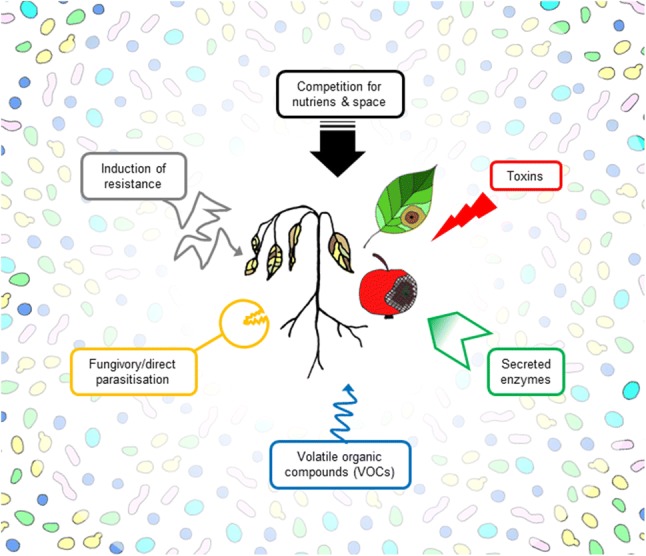
Yeasts occur in all environments and have been described as potent antagonists of various plant pathogens. Due to their antagonistic ability, undemanding cultivation requirements, and limited biosafety concerns, many of these unicellular fungi have been considered for biocontrol applications. Here, we review the fundamental research on the mechanisms (e.g., competition, enzyme secretion, toxin production, volatiles, mycoparasitism, induction of resistance) by which biocontrol yeasts exert their activity as plant protection agents. In a second part, we focus on five yeast species (Candida oleophila, Aureobasidium pullulans, Metschnikowia fructicola, Cryptococcus albidus, Saccharomyces cerevisiae) that are or have been registered for the application as biocontrol products. These examples demonstrate the potential of yeasts for commercial biocontrol usage, but this review also highlights the scarcity of fundamental studies on yeast biocontrol mechanisms and of registered yeast-based biocontrol products. Yeast biocontrol mechanisms thus represent a largely unexplored field of research and plentiful opportunities for the development of commercial, yeast-based applications for plant protection exist.
Verified 2026-11-22 · 1 reference not checked yet
Overview
CoChat Summary
## TL;DR
This review synthesizes how biocontrol yeasts suppress plant pathogens through competition, enzymes, toxins, volatile compounds, mycoparasitism, and resistance induction. It also shows that only a few yeast species have been registered as commercial plant protection products, despite many promising laboratory studies.
## Key findings
- The paper identifies multiple likely mechanisms of yeast biocontrol activity: competition for nutrients and space, enzyme secretion, toxin production, volatile organic compounds (VOCs), mycoparasitism, and induction of resistance.
- It highlights five registered or formerly registered species/products: *Candida oleophila*, *Aureobasidium pullulans*, *Metschnikowia fructicola*, *Cryptococcus albidus*, and *Saccharomyces cerevisiae*.
- For *A. pullulans* products, only DSM 14940 (CF 10) and DSM 14941 (CF 40) are registered, in mixture, and they were selected for strong inhibition of *Erwinia amylovora* at 25% synthetic nectar concentration.
- The review emphasizes a large gap between “the plethora” of biocontrol yeasts in publications and the “few” registered yeast-based products, attributing this partly to lack of mechanistic understanding and registration hurdles.
## Methods
- Narrative review of published fundamental and applied research on biocontrol yeasts and their mechanisms of action.
- The authors focus in detail on five yeast species with registered or formerly registered biocontrol products: *C. oleophila*, *A. pullulans*, *M. fructicola*, *C. albidus*, and *S. cerevisiae*.
- The analysis is qualitative and synthetic, drawing together examples from laboratory studies, field studies, and product/registration history.
## Limitations
- The paper states that many mechanisms “have not been fully proven by molecular analyses” and are often only proposed by analogy; it says this limitation applies to much of the field.
- It explicitly notes the “scarcity of fundamental studies on yeast biocontrol mechanisms” and the scarcity of registered yeast-based products.
- Evident from the text: this is a review, not an original experimental study, so its conclusions depend on the quality and scope of prior studies rather than new primary data.
Model-written summary. Check it against the paper before relying on it.
Integrity signals
Registry
Cites
Statistics
Figures
Verification
Claims the paper makes
33 Valid · 4 Not valid · 76 Not checked · 32 Own results and interpretations
Some cited sources support this claim and some don’t — read each source’s verdict below.
In the paper
“horizontal gene transfer, albeit occurring more frequently in fungi than thought earlier, is significantly less frequent in yeasts, as compared to their prokaryotic counterparts, due to their more complex genome organisation (Fitzpatrick 2012; Moriguchi et al. 2013; Richards et al. 2011).”
§ Biocontrol yeasts: mechanisms and applications > Advantageous yeast properties for potential biocontrol applications
What the sources say
- Partly supportedcites Fitzpatrick 2012 matched to “Horizontal gene transfer in fungi” (2012) sourceExperimental — accuracy not yet measured
Our copy supports the broad direction only: the Abstract (p. 1) says HGT 'is frequently observed in prokaryotes and until recently was assumed to be of limited importance to eukaryotes', and the Concluding remarks (p. 6) state 'Currently, the reported rate of fungal HGT is relatively low'. But the paper never singles out yeasts as lower-transfer than prokaryotes, and where it invokes genome complexity (In silico detection of HGT, p. 3) it is a DETECTION argument — eukaryote genomes are 'larger and more complex... making surrogate methods unsuitable for eukaryotic analysis' — with the same passage noting that some fungal (yeast) genomes are compact, intron-poor and prokaryote-like, which permits genome-wide HGT searches. The claim's causal 'due to their more complex genome organisation' as a biological rate-limiting factor, applied specifically to yeasts, is therefore not what the source says; its biological obstacles are framed as hedged barriers to eukaryote-to-eukaryote transfer (introns, membrane-bound nuclei, chromatin silencing, MSUD, alternative genetic code; pp. 4-5), not as a yeast-versus-prokaryote frequency difference. (LLM, conf=0.75)
- Disputedcites Moriguchi et al. 2013 matched to “Trans-Kingdom Horizontal DNA Transfer from Bacteria to Yeast Is Highly Plastic Due to Natural Polymorphisms in Auxiliary Nonessential Recipient Genes” (2013) sourceExperimental — accuracy not yet measured
The Introduction describes eukaryotic HGT as traditionally considered limited, but the paper's Discussion reports bacterial-to-yeast DNA and gene transfer frequencies similar to those measured between prokaryotes for certain recipients. The Results (Figure 4) likewise say transfer to some yeast strains can be comparable to transfer between bacteria. The paper does not attribute a lower frequency in yeast to more complex genome organisation. (LLM, conf=0.82)
Checked by a reasoning model — may be wrong.
- Not checked — no full text of the sourcecites Richards et al. 2011 matched to “Gene transfer into the fungi” (2011) source
plainstates a cause- Asserted: passes — The authors put it forward as true.
- Checkable: passes — It can be checked against evidence.
- Load-bearing: unclear — It is unclear whether the paper’s conclusions depend on it.
- Based: passes — The paper gives a reason why it holds.
- Partly supported
The cited sources support only part of this claim — read each source’s verdict below.
In the paper
“the single-celled morphology of yeasts also favours adhesion and biofilm formation, which directly influences environmental persistence, competitiveness and thereby improved biocontrol activity (Fanning and Mitchell 2012; Pandin et al. 2017; Rossouw et al. 2018; Verstrepen and Klis 2006).”
§ Biocontrol yeasts: mechanisms and applications > Advantageous yeast properties for potential biocontrol applications
What the sources say
- Partly supportedcites Fanning and Mitchell 2012 matched to “Fungal Biofilms” (2012) sourceExperimental — accuracy not yet measured
The Fungal Pathogen Biofilm Architecture section describes yeast-cell adherence and proliferation as stages of Candida albicans biofilm formation, while noting that both yeast-form and hyphal cells are required. The paper does not say that single-celled morphology favours adhesion or link biofilms to environmental persistence, competitiveness, or improved biocontrol activity; its focus is pathogenic fungal biofilms. (LLM, conf=0.87)
- Partly supportedcites Pandin et al. 2017 matched to “Should the biofilm mode of life be taken into consideration for microbial biocontrol agents?” (2017) sourceExperimental — accuracy not yet measured
The Introduction (page unavailable) reports that yeasts can form biofilms, and the section on molecular mechanisms of biofilm formation (page unavailable) says biofilm-associated tolerance boosts microbial persistence. The paper does not say that yeasts’ single-celled morphology favours adhesion or biofilm formation, nor does it establish that morphology as the cause of greater competitiveness and improved biocontrol activity. (LLM, conf=0.85)
- Partly supportedcites Rossouw et al. 2018 matched to “Modifying Saccharomyces cerevisiae Adhesion Properties Regulates Yeast Ecosystem Dynamics” (2018) sourceExperimental — accuracy not yet measured
The Discussion (page not available) reports that FLO-mediated adhesion affects yeast survival and competition in simplified fermentation ecosystems; it also notes a role for biofilms in microbial persistence. The paper does not say that yeasts’ single-celled morphology favours adhesion or biofilm formation, or that these properties improve biocontrol activity. (LLM, conf=0.87)
plainstates a cause- Asserted: passes — The authors put it forward as true.
- Checkable: passes — It can be checked against evidence.
- Load-bearing: unclear — It is unclear whether the paper’s conclusions depend on it.
- Based: passes — The paper gives a reason why it holds.
- Partly supported
The cited sources support only part of this claim — read each source’s verdict below.
In the paper
“Nonetheless, some yeasts, such as certain Candida or Cryptococcus species, are important fungal human pathogens (Butler et al. 2009; Miceli et al. 2011; Opulente et al. 2019).”
§ Biocontrol yeasts: mechanisms and applications > Advantageous yeast properties for potential biocontrol applications
What the sources say
- Supportedcites Butler et al. 2009 matched to “Evolution of pathogenicity and sexual reproduction in eight Candida genomes” (2009) source
The Abstract identifies Candida species as the most common cause of opportunistic fungal infection worldwide and names several major Candida pathogens. That supports the Candida example for which Butler et al. is cited; the sentence also cites other sources for its broader examples. (LLM, conf=0.93)
- Not checked — no full text of the sourcecites Miceli et al. 2011 matched to “Emerging opportunistic yeast infections” (2011) source
- Partly supportedcites Opulente et al. 2019 matched to “Pathogenic budding yeasts isolated outside of clinical settings” (2019) sourceExperimental — accuracy not yet measured
Our copy squarely supports the Candida half: the Observation (p. 2) states that C. albicans, C. glabrata, C. parapsilosis and C. tropicalis cause ~95% of candidiasis infections and that mortality remains high with candidiasis the fourth most common hospital-associated bloodstream infection, and the Abstract (p. 1) calls these budding yeasts opportunistic pathogens of importance to human health. The Cryptococcus half is not supported: searches for 'Cryptococcus' returned no passage of our copy mentioning the genus at all (the paper restricts itself to Saccharomycotina budding yeasts, Importance p. 1), so that part of the attributed claim rests on the other citations, not this source. (LLM, conf=0.82)
plain- Asserted: passes — The authors put it forward as true.
- Checkable: passes — It can be checked against evidence.
- Load-bearing: unclear — It is unclear whether the paper’s conclusions depend on it.
- Based: passes — The paper gives a reason why it holds.
- Supported
Every source the paper cites for this claim was checked and supports it.
In the paper
“Recently, it was shown that Saccharomycopsis schoenii lacks several components of the sulfur assimilation pathway and thus likely acquires methionine from its prey (Junker et al. 2019).”
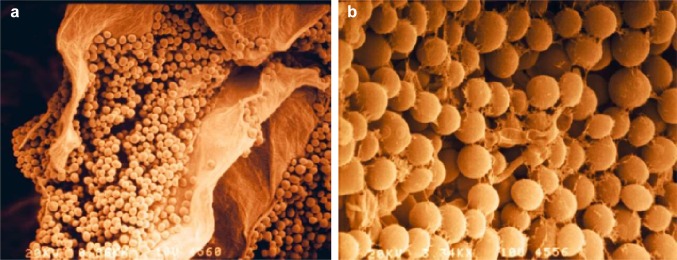
§ Biocontrol yeasts: mechanisms and applications > Mechanisms underlying the biocontrol activity of yeasts > Competition for nutrients and space All microorganisms compete with each other and their hosts for nutrients and space: this struggle is considered as the primary mode of action of biocontrol yeasts (Schaible and Kaufmann 2005; Spadaro and Droby 2016; Wisniewski et al. 2007). Competition is difficult to study mechanistically: it is likely more important in natural environments, where resources are limited and competitors plentiful. In community ecology, niche and nutrient competition have been intensely studied as determinants of species diversity. In nectar yeasts (e.g., Metschnikowia reukaufii), which are closely related to some biocontrol species, efficient resource depletion, due to the duplication of nitrogen transporter and metabolism genes, causes priority effects (i.e., order of species arrival determines community composition) and thus acts as a driver of competitiveness among different species (Dhami et al. 2016). With respect to competition for space, in vitro experiments performed on solid media seem to ascribe a minor role to a limitation in space. Although most yeasts grow well on agar plates, large differences in their antifungal activities were observed (Hilber-Bodmer et al. 2017). In addition, species-specific inhibition does not seem to occur, and a particular yeast is either strongly or weakly antagonistic against most fungi (Hilber-Bodmer et al. 2017). However, growing under field conditions activates diverse survival mechanisms and the competition for the physical niche might gain importance in such circumstances. Most organisms and cells, from humans to bacteria, synthesise iron binding molecules to deprive competing organisms, pathogens or intracellular parasites of this essential element (Barber and Elde 2015; Johnson 2008). Also for biocontrol yeasts, iron is one of the most sought after nutrients and the competition for iron is recognised as an important mode of action (Spadaro and Droby 2016). In Aureobasidium pullulans, a siderophore identified as fusarinine C (fusigen) was identified and shown to exhibit antibacterial activity (Wang et al. 2009a, b). The peculiar red color of M. pulcherrima colonies is due to the formation of a cyclic dipeptide, pulcherriminic acid, that complexes iron (Gore-Lloyd et al. 2019). Pigmentless M. pulcherrima mutants were shown to exhibit reduced antifungal activity and iron deprivation of the fungal pathogen was suggested as one of several mechanisms by which this yeast antagonises plant pathogenic fungi (Gore-Lloyd et al. 2019; Sipiczki 2006). However, mutants lacking the ability to synthesise pulcherriminic acid still inhibited filamentous fungi strongly, suggesting that the antifungal activity was not only due to iron deprivation (Gore-Lloyd et al. 2019). The exact contribution of iron chelators to yeast biocontrol activity thus remains to be elucidated in detail. Recently, it was shown that Saccharomycopsis schoenii lacks several components of the sulfur assimilation pathway and thus likely acquires methionine from its prey (Junker et al. 2019). Among yeasts, the inability to take up sulfur is specific to Saccharomycopsis, but some plant pathogenic fungi and Trichoderma species show a similar phenomenon, which may indicate that methionine is an important target for such organisms and highly competed over (Junker et al. 2019). Pioneering experiments aimed at evaluating the suitability of an easily transformable Pichia (Ogataea) angusta haploid strain to identify biocontrol-minus mutant clones: while the wild-type strain proved effective in reducing brown rot lesion caused by Monilinia fructicola on apple fruit, its derivate leucine-auxotrophic mutant L1 had no significant effect in controlling the pathogen. The addition of exogenous leucine fully restored the biocontrol capability of mutant L1, whereas a leucine stand-alone treatment showed no significant biocontrol effect (Fiori et al. 2008). Biofilm formation may also be considered a specific and highly successful strategy to compete for space. Biofilms are microbial communities that live and grow on surfaces and can be comprised of a single species or represent multi-species consortia (Costa-Orlandi et al. 2017). Biofilms may exhibit vastly different properties as compared to free-floating cells and are considered a virulence factor for pathogenic microbes (Costa-Orlandi et al. 2017; Davey and O’Toole 2000; Desai et al. 2014). The development of a yeast biofilm starts with the adhesion of individual cells to a surface and usually involves cell wall modifications, secretion of an extracellular matrix, and often the formation of hyphae or pseudohyphae (Cavalheiro and Teixeira 2018; Costa-Orlandi et al. 2017). The process has been studied in detail and at the molecular level in medically relevant and model yeasts (Cabral et al. 2014; Cavalheiro and Teixeira 2018; d’Enfert and Janbon 2016; Lohse et al. 2018; Reynolds and Fink 2001). In biocontrol yeasts, biofilm formation, mainly in the phyllo- and carposphere (i.e., in wounds), is now considered an important mode of action and has been widely studied. However, the molecular underpinnings of the process and the composition of different biofilms (e.g., cell differentiation, multispecies biofilms) have only been studied in detail for Pichia fermentans. This species proved particularly intriguing in this respect, because biofilm formation in apple wounds protects against postharvest diseases, while on peaches P. fermentans switches from the yeast-like to the hyphal growth form and causes rapid decay of inoculated fruits in the absence of a plant pathogen (Fiori et al. 2012; Giobbe et al. 2007; Maserti et al. 2015; Sanna et al. 2012, 2013). Based on this “Jekyll & Hyde” pathogenic behaviour of P. fermentans on peach fruit, the capability to differentiate hyphae and pseudohyphae under particular growth conditions (e.g., depending on the nitrogen source) has been proposed as a potential biohazard factor for biocontrol yeasts (Giobbe et al. 2007). Besides P. fermentans, biofilm formation has also been implicated in the protective and biocontrol activities of A. pullulans, Kloeckera apiculata, S. cerevisiae, Pichia kudriavzevii, W. anomalus, and M. pulcherrima (Supplementary Table 1) (Chi et al. 2015; Klein and Kupper 2018; Ortu et al. 2005; Pu et al. 2014; Wachowska et al. 2016). In a S. cerevisiae flor strain, biofilm cells were far more efficient than planktonic cells in colonising the inner surface of apple wounds, thereby controlling the development of blue mould caused by P. expansum (Ortu et al. 2005; Scherm et al. 2003) (Fig. 2).
What the sources say
- Supportedcites Junker et al. 2019 matched to “Multi-omics characterization of the necrotrophic mycoparasite Saccharomycopsis schoenii” (2019) source
The Results section ('S. schoenii probably acquires methionine from prey cells,' Fig. 5B) states that S. schoenii lacks all genes in the sulfate assimilation pathway. The Discussion says the findings suggest it acquires methionine and other sulfur compounds from prey cells, matching the claim's qualified inference. (LLM, conf=0.94)
hedgedstates a possible cause- Asserted: passes — The authors put it forward as true.
- Checkable: passes — It can be checked against evidence.
- Load-bearing: unclear — It is unclear whether the paper’s conclusions depend on it.
- Based: passes — The paper gives a reason why it holds.
- Supported
Every source the paper cites for this claim was checked and supports it.
In the paper
“The peculiar red color of M. pulcherrima colonies is due to the formation of a cyclic dipeptide, pulcherriminic acid, that complexes iron (Gore-Lloyd et al. 2019).”
§ Biocontrol yeasts: mechanisms and applications > Mechanisms underlying the biocontrol activity of yeasts > Competition for nutrients and space All microorganisms compete with each other and their hosts for nutrients and space: this struggle is considered as the primary mode of action of biocontrol yeasts (Schaible and Kaufmann 2005; Spadaro and Droby 2016; Wisniewski et al. 2007). Competition is difficult to study mechanistically: it is likely more important in natural environments, where resources are limited and competitors plentiful. In community ecology, niche and nutrient competition have been intensely studied as determinants of species diversity. In nectar yeasts (e.g., Metschnikowia reukaufii), which are closely related to some biocontrol species, efficient resource depletion, due to the duplication of nitrogen transporter and metabolism genes, causes priority effects (i.e., order of species arrival determines community composition) and thus acts as a driver of competitiveness among different species (Dhami et al. 2016). With respect to competition for space, in vitro experiments performed on solid media seem to ascribe a minor role to a limitation in space. Although most yeasts grow well on agar plates, large differences in their antifungal activities were observed (Hilber-Bodmer et al. 2017). In addition, species-specific inhibition does not seem to occur, and a particular yeast is either strongly or weakly antagonistic against most fungi (Hilber-Bodmer et al. 2017). However, growing under field conditions activates diverse survival mechanisms and the competition for the physical niche might gain importance in such circumstances. Most organisms and cells, from humans to bacteria, synthesise iron binding molecules to deprive competing organisms, pathogens or intracellular parasites of this essential element (Barber and Elde 2015; Johnson 2008). Also for biocontrol yeasts, iron is one of the most sought after nutrients and the competition for iron is recognised as an important mode of action (Spadaro and Droby 2016). In Aureobasidium pullulans, a siderophore identified as fusarinine C (fusigen) was identified and shown to exhibit antibacterial activity (Wang et al. 2009a, b). The peculiar red color of M. pulcherrima colonies is due to the formation of a cyclic dipeptide, pulcherriminic acid, that complexes iron (Gore-Lloyd et al. 2019). Pigmentless M. pulcherrima mutants were shown to exhibit reduced antifungal activity and iron deprivation of the fungal pathogen was suggested as one of several mechanisms by which this yeast antagonises plant pathogenic fungi (Gore-Lloyd et al. 2019; Sipiczki 2006). However, mutants lacking the ability to synthesise pulcherriminic acid still inhibited filamentous fungi strongly, suggesting that the antifungal activity was not only due to iron deprivation (Gore-Lloyd et al. 2019). The exact contribution of iron chelators to yeast biocontrol activity thus remains to be elucidated in detail. Recently, it was shown that Saccharomycopsis schoenii lacks several components of the sulfur assimilation pathway and thus likely acquires methionine from its prey (Junker et al. 2019). Among yeasts, the inability to take up sulfur is specific to Saccharomycopsis, but some plant pathogenic fungi and Trichoderma species show a similar phenomenon, which may indicate that methionine is an important target for such organisms and highly competed over (Junker et al. 2019). Pioneering experiments aimed at evaluating the suitability of an easily transformable Pichia (Ogataea) angusta haploid strain to identify biocontrol-minus mutant clones: while the wild-type strain proved effective in reducing brown rot lesion caused by Monilinia fructicola on apple fruit, its derivate leucine-auxotrophic mutant L1 had no significant effect in controlling the pathogen. The addition of exogenous leucine fully restored the biocontrol capability of mutant L1, whereas a leucine stand-alone treatment showed no significant biocontrol effect (Fiori et al. 2008). Biofilm formation may also be considered a specific and highly successful strategy to compete for space. Biofilms are microbial communities that live and grow on surfaces and can be comprised of a single species or represent multi-species consortia (Costa-Orlandi et al. 2017). Biofilms may exhibit vastly different properties as compared to free-floating cells and are considered a virulence factor for pathogenic microbes (Costa-Orlandi et al. 2017; Davey and O’Toole 2000; Desai et al. 2014). The development of a yeast biofilm starts with the adhesion of individual cells to a surface and usually involves cell wall modifications, secretion of an extracellular matrix, and often the formation of hyphae or pseudohyphae (Cavalheiro and Teixeira 2018; Costa-Orlandi et al. 2017). The process has been studied in detail and at the molecular level in medically relevant and model yeasts (Cabral et al. 2014; Cavalheiro and Teixeira 2018; d’Enfert and Janbon 2016; Lohse et al. 2018; Reynolds and Fink 2001). In biocontrol yeasts, biofilm formation, mainly in the phyllo- and carposphere (i.e., in wounds), is now considered an important mode of action and has been widely studied. However, the molecular underpinnings of the process and the composition of different biofilms (e.g., cell differentiation, multispecies biofilms) have only been studied in detail for Pichia fermentans. This species proved particularly intriguing in this respect, because biofilm formation in apple wounds protects against postharvest diseases, while on peaches P. fermentans switches from the yeast-like to the hyphal growth form and causes rapid decay of inoculated fruits in the absence of a plant pathogen (Fiori et al. 2012; Giobbe et al. 2007; Maserti et al. 2015; Sanna et al. 2012, 2013). Based on this “Jekyll & Hyde” pathogenic behaviour of P. fermentans on peach fruit, the capability to differentiate hyphae and pseudohyphae under particular growth conditions (e.g., depending on the nitrogen source) has been proposed as a potential biohazard factor for biocontrol yeasts (Giobbe et al. 2007). Besides P. fermentans, biofilm formation has also been implicated in the protective and biocontrol activities of A. pullulans, Kloeckera apiculata, S. cerevisiae, Pichia kudriavzevii, W. anomalus, and M. pulcherrima (Supplementary Table 1) (Chi et al. 2015; Klein and Kupper 2018; Ortu et al. 2005; Pu et al. 2014; Wachowska et al. 2016). In a S. cerevisiae flor strain, biofilm cells were far more efficient than planktonic cells in colonising the inner surface of apple wounds, thereby controlling the development of blue mould caused by P. expansum (Ortu et al. 2005; Scherm et al. 2003) (Fig. 2).
What the sources say
- Supportedcites Gore-Lloyd et al. 2019 matched to “Snf2 controls pulcherriminic acid biosynthesis and antifungal activity of the biocontrol yeast Metschnikowia pulcherrima” (2019) source
The Introduction describes the red pigment of M. pulcherrima colonies as pulcherrimin, an iron(III) complex of pulcherriminic acid. The Results place pulcherriminic acid among cyclo(Leu-Leu)-derived compounds. The claim correctly attributes the color to the acid’s formation and subsequent complexing with iron, though the pigment itself is the resulting complex. (LLM, conf=0.90)
plainstates a cause- Asserted: passes — The authors put it forward as true.
- Checkable: passes — It can be checked against evidence.
- Load-bearing: unclear — It is unclear whether the paper’s conclusions depend on it.
- Based: passes — The paper gives a reason why it holds.
- Supported
67 more claims · 11 with their cited sources checked
Create a free account to see all 145 claims and to verify the 24 references still open.
- It may state two separate claims as one. 52
- Probably not a substantial claim. 30
Citations
Cites
Jones, J. D. G., & Dangl, J. L. (2006) · Nature · doi:10.1038/nature05286 · Cited by 13,177 · cited 1×
“Plants feature an innate immune system that recognises and responds to the presence of microorganisms (Chisholm et al. 2006; Jones and Dangl 2006).”
BackgroundInduced systemic resistance by beneficial microbes
Pieterse, C. M. J., Zamioudis, C., Berendsen, R. L., Weller, D. M., Van Wees, S. C. M., & Bakker, P. A. H. M. (2014) · Annual Review of Phytopathology · doi:10.1146/annurev-phyto-082712-102340 · Cited by 3,272
Microbial Biofilms: from Ecology to Molecular Genetics
Davey, M. E., & O'toole, G. A. (2000) · Microbiology and Molecular Biology Reviews · doi:10.1128/mmbr.64.4.847-867.2000 · Cited by 3,086
Host-Microbe Interactions: Shaping the Evolution of the Plant Immune Response
Chisholm, S. T., Coaker, G., Day, B., & Staskawicz, B. J. (2006) · Cell · doi:10.1016/j.cell.2006.02.008 · Cited by 2,957
Candida albicans pathogenicity mechanisms
Mayer, F. L., Wilson, D., & Hube, B. (2013) · Virulence · doi:10.4161/viru.22913 · Cited by 1,848
Genome evolution across 1,011 Saccharomyces cerevisiae isolates
Peter, J., De Chiara, M., Friedrich, A., Yue, J.-X., Pflieger, D., Bergström, A., Sigwalt, A., Barre, B., Freel, K., Llored, A., et al. (2018) · Nature · doi:10.1038/s41586-018-0030-5 · Cited by 1,117
Evolution of pathogenicity and sexual reproduction in eight Candida genomes
Butler, G., Rasmussen, M. D., Lin, M. F., Santos, M. A. S., Sakthikumar, S., Munro, C. A., Rheinbay, E., Grabherr, M., Forche, A., Reedy, J. L., et al. (2009) · Nature · doi:10.1038/nature08064 · Cited by 1,065
Emerging opportunistic yeast infections
Miceli, M. H., Díaz, J. A., & Lee, S. A. (2011) · The Lancet Infectious Diseases · doi:10.1016/s1473-3099(10)70218-8 · Cited by 811
Twenty years of postharvest biocontrol research: Is it time for a new paradigm?
Droby, S., Wisniewski, M., Macarisin, D., & Wilson, C. (2009) · Postharvest Biology and Technology · doi:10.1016/j.postharvbio.2008.11.009 · Cited by 758
Spadaro, D., & Droby, S. (2016) · Trends in Food Science & Technology · doi:10.1016/j.tifs.2015.11.003 · Cited by 732
Research works printed but not linked: 4
- European Food Safety Authority (EFSA) Conclusion on the peer review of the pesticide risk assessment of the active substance Candida oleophila strain O EFSA J 2015 10 2944 10.2903/j.efsa.2015.4250 PMC11883094 40061606 · DOI · Paper page
- (ed) 12th International Conference on Cultivation Technique and Phytopathological Probelms in Organic Fruit-Growing, Weinsberg, 2006. Fördergemeinschaft ökologischer Obstbau, pp 113-117
- Ortu G Demontis MA Budroni M Goyard S d’Enfert C Migheli Q Study of biofilm formation in Candida albicans may help understanding the biocontrol capability of a flor strain of Saccharomyces cerevisiae against the phytopathogenic fungus Penicillium expansum J Plant Pathol 2005 87 300
- Schmitt MJ Schernikau G Construction of a cDNA-based K1/K2/K28 triple killer strain of Saccharomyces cerevisiae Food Technol Biotechnol 1997 35 281 285
Cited by
Biological Control of Plant Pathogens: A Global Perspective
Lahlali, R., Ezrari, S., Radouane, N., Kenfaoui, J., Esmaeel, Q., El Hamss, H., Belabess, Z., & Barka, E. A. (2022) · Microorganisms · doi:10.3390/microorganisms10030596 · Cited by 827
“The consumption of one fungus by another is called mycoparasitism [125].”
BackgroundProgress in Alternative Strategies to Combat Antimicrobial Resistance: Focus on Antibiotics
Murugaiyan, J., Kumar, P. A., Rao, G. S., Iskandar, K., Hawser, S., Hays, J. P., Mohsen, Y., Adukkadukkam, S., Awuah, W. A., Jose, R. A. M., et al. (2022) · Antibiotics · doi:10.3390/antibiotics11020200 · Cited by 567
Self-citationMajor Biological Control Strategies for Plant Pathogens
Pandit, M. A., Kumar, J., Gulati, S., Bhandari, N., Mehta, P., Katyal, R., Rawat, C. D., Mishra, V., & Kaur, J. (2022) · Pathogens · doi:10.3390/pathogens11020273 · Cited by 294
Zhang, X., Li, B., Zhang, Z., Chen, Y., & Tian, S. (2020) · Journal of Fungi · doi:10.3390/jof6030158 · Cited by 222
“The antagonistic yeasts are likely to function via multiple mechanisms, including competition for nutrients and space, mycoparasitism, induction of host resistance, production of volatile organic compounds (VOCs), and toxins [9,10,31].”
BackgroundInfluentialMechanisms of Action of Microbial Biocontrol Agents against Botrytis cinerea
Roca-Couso, R., Flores-Félix, J. D., & Rivas, R. (2021) · Journal of Fungi · doi:10.3390/jof7121045 · Cited by 174
Mesías, F. J., Martín, A., & Hernández, A. (2021) · Food Research International · doi:10.1016/j.foodres.2021.110749 · Cited by 165
Sipiczki, M. (2020) · Microorganisms · doi:10.3390/microorganisms8071029 · Cited by 202
Fadiji, A. E., Babalola, O. O., Santoyo, G., & Perazzolli, M. (2022) · Frontiers in Microbiology · doi:10.3389/fmicb.2021.829099 · Cited by 163
Wadhwa, K., Kapoor, N., Kaur, H., Abu-Seer, E. A., Tariq, M., Siddiqui, S., Yadav, V. K., Niazi, P., Kumar, P., & Alghamdi, S. A. (2024) · Mycobiology · doi:10.1080/12298093.2024.2416736 · Cited by 166
Galli, M., Feldmann, F., Vogler, U., & Kogel, K. (2024) · Journal of Plant Diseases and Protection · doi:10.1007/s41348-024-00878-1 · Cited by 177
“Freimoser et al. (2019), Moosavi and Zare (2020), Palm-ieri et al. (2022), Peng et al. (2021) and Thambugala et al. (2020) provide a thorough analysis of the subject matter.”
Exploring biotechnological and functional characteristics of probiotic yeasts: A review
Shruthi, B., Deepa, N., Somashekaraiah, R., Adithi, G., Divyashree, S., & Sreenivasa, M. Y. (2022) · Biotechnology Reports · doi:10.1016/j.btre.2022.e00716 · Cited by 133
Hernández-Fernández, M., Cordero-Bueso, G., Ruiz-Muñoz, M., & Cantoral, J. M. (2021) · Plants · doi:10.3390/plants10050822 · Cited by 111
“The modes of action usually involved include: (i) competition for nutrients and space; (ii) production of toxins; (iii) secreted enzymes; (iv) production of volatile organic compounds (VOCs); (v) parasitism; (vi) induced systemic resistance [12,35].”
BackgroundKonsue, W., Dethoup, T., & Limtong, S. (2020) · Microorganisms · doi:10.3390/microorganisms8030317 · Cited by 106
“Antagonistic yeasts can grow where nutrients or resources are limited and can use a broader range of substrates better than pathogens [40,41].”
BackgroundRhizospheric microorganisms: The gateway to a sustainable plant health
Dlamini, S. P., Akanmu, A. O., & Babalola, O. O. (2022) · Frontiers in Sustainable Food Systems · doi:10.3389/fsufs.2022.925802 · Cited by 126
Kowalska, J., Krzymińska, J., & Tyburski, J. (2022) · Agriculture · doi:10.3390/agriculture12091404 · Cited by 124
Millán, A. F., Larraya, L. M., Farrán, I., Ancín, M., & Veramendi, J. (2021) · Biological Control · doi:10.1016/j.biocontrol.2021.104683 · Cited by 116
Sellitto, V. M., Zara, S., Fracchetti, F., Capozzi, V., & Nardi, T. (2021) · Fermentation · doi:10.3390/fermentation7020060 · Cited by 109
“YieldPlus® Cryptococcus albidus Lallemand South Africa Pome Fruit, Citrus Botrytis, Penicillium, Mucor No [86,95]”
BackgroundInfluentialThe Role of Yeasts as Biocontrol Agents for Pathogenic Fungi on Postharvest Grapes: A Review
Canito, A. D., Mateo-Vargas, M. A., Mazzieri, M., Cantoral, J. M., Foschino, R. C., Cordero-Bueso, G. A., & Vigentini, I. (2021) · Foods · doi:10.3390/foods10071650 · Cited by 106
“Additionally, the secretion of lytic enzymes by BCAs, such as glucanases, chitinases, lipases, and proteases, is a common feature in all types of host–pathogen interactions and has been extensively studied [34,35].”
BackgroundInfluentialZhang, H., Du, H., & Xu, Y. (2021) · Applied and Environmental Microbiology · doi:10.1128/aem.02992-20 · Cited by 92
“required for them to function, VOCs are considered ideal antimicrobials (5, 6).”
BackgroundFernandez-San Millan, A., Farran, I., Larraya, L., Ancin, M., Arregui, L. M., & Veramendi, J. (2020) · Microbiological Research · doi:10.1016/j.micres.2020.126480 · Cited by 86
Microbial Consortia for Plant Protection against Diseases: More than the Sum of Its Parts
Maciąg, T., Kozieł, E., Rusin, P., Otulak-Kozieł, K., Jafra, S., & Czajkowski, R. (2023) · International Journal of Molecular Sciences · doi:10.3390/ijms241512227 · Cited by 110
Madbouly, A. K., Abo‐Elyousr, K. A. M., & Ismail, I. M. (2020) · Biological Control · doi:10.1016/j.biocontrol.2020.104239 · Cited by 89
Choińska, R., Piasecka-Jóźwiak, K., Chabłowska, B., Dumka, J., & Łukaszewicz, A. (2020) · Antonie van Leeuwenhoek · doi:10.1007/s10482-020-01420-7 · Cited by 77
Öztekin, S., Dikmetaş, D. N., Devecioğlu, D., Acar, E. G., & Karbancıoğlu‐Güler, F. (2023) · Journal of Agricultural and Food Chemistry · doi:10.1021/acs.jafc.3c00315 · Cited by 89
He, Y., Degraeve, P., & Oulahal, N. (2024) · Heliyon · doi:10.1016/j.heliyon.2024.e24929 · Cited by 116
“Additionally, it entails the elicitation of systemic resistance within host plant organisms [36].”
BackgroundWend, K., Zorrilla, L. M., Freimoser, F. M., & Gallet, A. (2024) · Environmental Health · doi:10.1186/s12940-024-01090-2 · Cited by 96
“Important biocontrol fungi comprise for example Aureoba-sidium pullulans , Candida oleophila, Coniothyrium minitans, Duddingtonia flagrans, Gliocladium and Clon-ostachys strains , Myrothecium verrucaria, as well as different species of the genus Trichoderma, and Ulocladium oudemansii [9, 59–66].”
BackgroundSelf-citationMillán, A. F., Gamir, J., Farrán, I., Larraya, L. M., & Veramendi, J. (2022) · Postharvest Biology and Technology · doi:10.1016/j.postharvbio.2022.111995 · Cited by 81
Lutz, S., Thuerig, B., Oberhänsli, T., Mayerhofer, J., Fuchs, J. G., Widmer, F., Freimoser, F. M., & Ahrens, C. H. (2020) · Frontiers in Microbiology · doi:10.3389/fmicb.2020.01810 · Cited by 86
Self-citationNgea, G. L. N., Qian, X., Yang, Q., Dhanasekaran, S., Ianiri, G., Ballester, A., Zhang, X., Castoria, R., & Zhang, H. (2021) · Comprehensive Reviews in Food Science and Food Safety · doi:10.1111/1541-4337.12729 · Cited by 77
Advances in Postharvest Diseases Management of Fruits and Vegetables: A Review
Moradinezhad, F., & Ranjbar, A. (2023) · Horticulturae · doi:10.3390/horticulturae9101099 · Cited by 89
Control of postharvest diseases in berries through edible coatings and bacterial probiotics
Romero, J., Albertos, I., Díez-Méndez, A., & Poveda, J. (2022) · Scientia Horticulturae · doi:10.1016/j.scienta.2022.111326 · Cited by 72
“Some of the yeasts registered as biological control agents in berries are A. pullulans, Metschnikowia fructicola or Cryptococcus albidus (Freimoser et al., 2019).”
BackgroundChen, O., Yi, L., Deng, L., Ruan, C., & Zeng, K. (2020) · Journal of the Science of Food and Agriculture · doi:10.1002/jsfa.10407 · Cited by 67
Classes and phyla of the kingdom Fungi
Wijayawardene, N. N., Hyde, K. D., Mikhailov, K. V., Péter, G., Aptroot, A., Pires‐Zottarelli, C. L. A., Goto, B. T., Tokarev, Y. S., Haelewaters, D., Karunarathna, S. C., et al. (2024) · Fungal Diversity · doi:10.1007/s13225-024-00540-z · Cited by 88
Dynamics of the Apple Fruit Microbiome after Harvest and Implications for Fruit Quality
Bösch, Y., Britt, E., Perren, S., Naef, A., Frey, J. E., & Bühlmann, A. (2021) · Microorganisms · doi:10.3390/microorganisms9020272 · Cited by 72
“…identified One can even speculate that some of them may serve as biocontrol organisms of postharvest fungal diseases or contribute other properties to be exploited in agriculture. as biocontrol Aureobasidium [39–41], other genera were found on apple skins, which described only at the DNA level.”
Bioprotection strategies in winemaking
Gianvito, P. D., Englezos, V., Rantsiou, K., & Cocolin, L. (2022) · International Journal of Food Microbiology · doi:10.1016/j.ijfoodmicro.2022.109532 · Cited by 78
Li, Y., Ji, N., Zuo, X., Hou, Y., Zhang, J., Zou, Y., Jin, P., & Zheng, Y. (2022) · Postharvest Biology and Technology · doi:10.1016/j.postharvbio.2022.112115 · Cited by 65
Ecology and functional potential of phyllosphere yeasts
Gouka, L., Raaijmakers, J. M., & Cordovez, V. (2022) · Trends in Plant Science · doi:10.1016/j.tplants.2022.06.007 · Cited by 61
Zeng, Q., Johnson, K. B., Mukhtar, S., Nason, S. L., Huntley, R. B., Millett, F., Yang, C., Hassani, M. A., Zuverza‐Mena, N., & Sundin, G. W. (2023) · Phytopathology · doi:10.1094/phyto-12-22-0452-r · Cited by 54
Zou, X., Wei, Y., Jiang, S., Cao, Z., Xu, F., Wang, H., Zhan, P., & Shao, X. (2021) · Postharvest Biology and Technology · doi:10.1016/j.postharvbio.2021.111751 · Cited by 53
Sustainable Management of Diseases in Horticulture: Conventional and New Options
Scortichini, M. (2022) · Horticulturae · doi:10.3390/horticulturae8060517 · Cited by 65
“The low production of toxic secondary metabolites by yeast is an important prerequisite that raises fewer biosafety concerns and increases their possibility of utilisation [83].”
BackgroundSoil mycobiome in sustainable agriculture
Frąc, M., Hannula, S. E., Bełka, M., Salles, J. F., & Jędryczka, M. (2022) · Frontiers in Microbiology · doi:10.3389/fmicb.2022.1033824 · Cited by 56
Aureobasidium spp.: Diversity, Versatility, and Agricultural Utility
Francesco, A. D., Zajc, J., & Stenberg, J. A. (2023) · Horticulturae · doi:10.3390/horticulturae9010059 · Cited by 61
“However, some lipases, phospholipases, proteases and β -lactamases are virulence factors that need careful consideration before application in planta [37,59].”
Iqbal, M., Jamshaid, M., Zahid, M. A., Andréasson, E., Vetukuri, R. R., & Stenberg, J. A. (2021) · BioControl · doi:10.1007/s10526-021-10083-w · Cited by 60
Noel, Z. A., Longley, R., Benucci, G. M. N., Trail, F., Chilvers, M. I., & Bonito, G. M. (2022) · ISME Communications · doi:10.1038/s43705-022-00103-w · Cited by 59
“Yeasts that inhabit the phyllosphere are well suited to oligotrophic and dynamic environmental conditions present on leaf surfaces and consequently have been applied for biocontrol of plant pathogens [24].”
BackgroundDhanasekaran, S., Yang, Q., Ngea, G. L. N., Routledge, M. N., & Zhang, H. (2021) · Trends in Food Science & Technology · doi:10.1016/j.tifs.2021.08.037 · Cited by 51
Oufensou, S., Hassan, Z. U., Balmas, V., Jaoua, S., & Migheli, Q. (2023) · Toxins · doi:10.3390/toxins15010045 · Cited by 62
“Yeasts offer many advantages when designing effective BCAs; their yeast-like morphology allows straightforward culturability in fermentors, effective formulation, and multipurpose application options [15].”
BackgroundSelf-citationBioethanol Production Based on Saccharomyces cerevisiae: Opportunities and Challenges
Zhang, H., Zhang, P., Wu, T., & Ruan, H. (2023) · Fermentation · doi:10.3390/fermentation9080709 · Cited by 63
Hamrouni, R., Regus, F., Farnet, A., Orsière, T. G., Boudenne, J., Laffont‐Schwob, I., Christen, P., & Dupuy, N. (2024) · Critical Reviews in Biotechnology · doi:10.1080/07388551.2024.2370370 · Cited by 53
“…studies demonstrate that the expression and secretion of these enzymes by different microorganisms cause localized lysis of cell walls of phytopathogenic microorganisms at points of contact between the antagonist and the host, directly resulting in the suppression of plant pathogen activities [63].”
Saleh, I., & Abu‐Dieyeh, M. H. (2021) · Food Control · doi:10.1016/j.foodcont.2021.108641 · Cited by 56
Maluleke, E., Jolly, N. P., Patterton, H., & Setati, M. E. (2022) · Frontiers in Microbiology · doi:10.3389/fmicb.2022.986229 · Cited by 54
“However, growing concerns over undesirable chemical residues in the environment have spurred the exploration of non-conventional yeasts as biological alternatives (Freimoser et al., 2019; Zhang et al., 2020; Agarbati et al., 2022).”
BackgroundExploring yeast‐based microbial interactions: The next frontier in postharvest biocontrol
Ağırman, B., Çarşanba, E., Settanni, L., & Erten, H. (2023) · Yeast · doi:10.1002/yea.3895 · Cited by 59
Sui, Y., Wisniewski, M., Droby, S., Piombo, E., Wu, X., & Yue, J. (2020) · Frontiers in Microbiology · doi:10.3389/fmicb.2020.00295 · Cited by 50
Deng, Q., Lei, X., Zhang, H., Deng, L., Yi, L., & Zeng, K. (2022) · Journal of Fungi · doi:10.3390/jof8121313 · Cited by 46
“Adhesion usually occurs during the formation of yeast biofilms, a specific mechanism by which yeast competes for space [8].”
BackgroundHaq, I. U., Rahim, K., Yahya, G., Ijaz, B., Maryam, S., & Paker, N. P. (2024) · Biotechnology Reports · doi:10.1016/j.btre.2024.e00859 · Cited by 68
“Fungal biocontrol agents employ various mechanisms to antagonize the effect of pathogens, including mycoparasitism, competition for nutrients and space, induction of plant systemic resistance, and production of anti-microbial compounds [69].”
BackgroundMa, Y., Wu, M., Qin, X., Dong, Q., & Li, Z. (2023) · Food Microbiology · doi:10.1016/j.fm.2023.104242 · Cited by 50
Biocontrol and Probiotic Function of Non-Saccharomyces Yeasts: New Insights in Agri-Food Industry
Comitini, F., Canonico, L., Agarbati, A., & Ciani, M. (2023) · Microorganisms · doi:10.3390/microorganisms11061450 · Cited by 50
“fermentans in apple wounds protects against post-harvest disease, while on peaches it changes from a yeast-like to hyphal growth form and causes rapid decay of inoculated fruit in the absence of a plant pathogen [44].”
BackgroundPan, H., Zhong, C., Wang, Z., Deng, L., Li, W., Zhao, J., Long, C.-A., & Li, L. (2022) · Microorganisms · doi:10.3390/microorganisms10112143 · Cited by 47
“Resistance induction has been considered another important mechanism of biocontrol yeasts for preventing postharvest diseases [13,15].”
BackgroundRovetto, E. I., Spada, F. L., Aloi, F., Riolo, M., Pane, A., Garbelotto, M. M., & Cacciola, S. O. (2024) · Journal of Plant Pathology · doi:10.1007/s42161-023-01543-6 · Cited by 56
“…competition for nutrients and space (Brown et al. 2000; Dukare et al. 2018; Freimoser et al. 2019; Zhang et al. 2020), production of lytic enzymes (Bar-Shimon et al. 2004) and induction of host systemic resistance (Droby et al. 2002; Dukare et al. 2018; Freimoser et al. 2019; Zhang et al. 2020).”
InfluentialZhou, Y., Zhao, L., Chen, Y., Dhanasekaran, S., Chen, X., Zhang, X., Yang, X., Wu, M., Song, Y., & Zhang, H. (2024) · International Journal of Food Microbiology · doi:10.1016/j.ijfoodmicro.2024.110575 · Cited by 45
Probiotic Yeasts: A Developing Reality?
Tullio, V. C. (2024) · Journal of Fungi · doi:10.3390/jof10070489 · Cited by 62
Recent advances in research on biocontrol of postharvest fungal decay in apples
Leng, J., Yu, L., Dai, Y. Q., Leng, Y., Wang, C., Chen, Z., Wisniewski, M., Wu, X., Liu, J., & Sui, Y. (2022) · Critical Reviews in Food Science and Nutrition · doi:10.1080/10408398.2022.2080638 · Cited by 49
“This product existed in the market for over 15 years, but it has now been withdrawn from the market (Freimoser et al. 2019).”
BackgroundBio-protection in oenology by Metschnikowia pulcherrima: from field results to scientific inquiry
Puyo, M., Simonin, S., Bach, B., Klein, G., Alexandre, H., & Tourdot‐Maréchal, R. (2023) · Frontiers in Microbiology · doi:10.3389/fmicb.2023.1252973 · Cited by 58
“Other studies have also reported chitinase (Banani et al., 2015; Pretscher et al., 2018; Freimoser et al., 2019; Morata et al., 2019) and β-1,3-glucanase productions (Oztekin and Karbancioglu-Guler, 2021) by yeasts belonging to the Metschnikowia genus, justifying their potential use as biocontrol agents on vegetables…”
ResultBeyari, E. A. (2024) · Journal of Plant Pathology · doi:10.1007/s42161-024-01808-8 · Cited by 46
“Various parasitic parasites, including Acrodontium cra-teriforme , Acremonium altenatum , Gliocladium virens , and Ampelomyces quisqualis , have been shown to fight pow - dery mildew infections (Cantoro et al. 2021 ; Freimoser et al. 2019 ; Rahmat and Kang 2020 ).”
Becker, R., Ulrich, K., Behrendt, U., Kube, M., & Ulrich, A. (2020) · Frontiers in Microbiology · doi:10.3389/fmicb.2020.590944 · Cited by 46
“In addition, several yeasts possess antifungal activities based on resource competition, antibiosis, biofilm formation or the production of volatile organic compounds (Liu et al., 2013; Freimoser et al., 2019).”
BackgroundZou, X., Wei, Y., Dai, K., Xu, F., Wang, H., & Shao, X. (2021) · Biological Control · doi:10.1016/j.biocontrol.2021.104612 · Cited by 42
Rueda-Mejia, M. P., Nägeli, L. G., Lutz, S., Hayes, R. D., Varadarajan, A. R., Grigoriev, I. V., Ahrens, C. H., & Freimoser, F. M. (2021) · Microbial Cell · doi:10.15698/mic2021.08.757 · Cited by 44
“pullulans is also known as an effective biocontrol agent that is thought to employ a range of mechanisms to suppress the growth of other microorganisms [9].”
BackgroundInfluentialSelf-citationBiological control of soil-borne pathogens in arid lands: a review
Sulaiman, M. A., & Bello, S. K. (2023) · Journal of Plant Diseases and Protection · doi:10.1007/s41348-023-00824-7 · Cited by 52
“However, more researches are necessary to fully elucidate their mechanisms of action and translate findings into commercial biocontrol products (Gross et al. 2018; Freimoser et al. 2019).”
Huang, C., Zhang, L., Johansen, P. G., Petersen, M. A., Arneborg, N., & Jespersen, L. (2021) · Frontiers in Microbiology · doi:10.3389/fmicb.2021.662785 · Cited by 24
Alasmar, R. M., Hassan, Z. U., Zeidan, R., Al-Thani, R. F., Al-Shamary, N., Alnaimi, H., Migheli, Q., & Jaoua, S. (2020) · ACS Omega · doi:10.1021/acsomega.0c02124 · Cited by 45
Self-citationSimone, N. D., Capozzi, V., Amodio, M. L., Colelli, G., Spano, G., & Russo, P. (2021) · Recent Patents on Food Nutrition & Agriculture · doi:10.2174/2212798412666210125141117 · Cited by 39
Godana, E. A., Edo, G. S., Yang, Q., Zhang, X., Zhao, L., Wang, K., Ngea, G. L. N., & Zhang, H. (2024) · Trends in Food Science & Technology · doi:10.1016/j.tifs.2024.104649 · Cited by 41
Ramudingana, P., Makhado, N. A., Kamutando, C. N., Thantsha, M. S., & Mamphogoro, T. P. (2025) · Journal of Fungi · doi:10.3390/jof11010082 · Cited by 47
Wang, S., Zhang, H., Qi, T., Deng, L., Yi, L., & Zeng, K. (2021) · Food Microbiology · doi:10.1016/j.fm.2021.103888 · Cited by 38
Biasi, A., Zhimo, V. Y., Kumar, A., Abdelfattah, A., Salim, S., Feygenberg, O., Wisniewski, M., & Droby, S. (2021) · Horticulturae · doi:10.3390/horticulturae7100360 · Cited by 50
do Nascimento, D. R., Tabernero, A., Albuquerque, E. C. D. M. C., & de Melo, S. A. B. V. (2021) · Molecules · doi:10.3390/molecules26134003 · Cited by 42
“Furthermore, properties such as biosafety, production requirements and conditions, and registration issues must be taken into account [5,6].”
BackgroundGorordo, M. F., Lucca, M. E., & Sangorrín, M. P. (2022) · Current Microbiology · doi:10.1007/s00284-022-02934-1 · Cited by 41
“It has been frequently reported the performance of the BCA under laboratory conditions, the achievement of BCAbased products has been narrow and only a few products have reached phase of commercialization [12, 35].”
BackgroundBrandl, M. T., Mammel, M. K., Šimko, I., et al. (2023) · Food Microbiology · doi:10.1016/j.fm.2023.104260 · Cited by 35
Into, P., Khunnamwong, P., Jindamoragot, S., Am-In, S., Intanoo, W., & Limtong, S. (2020) · Microorganisms · doi:10.3390/microorganisms8030362 · Cited by 41
Francesco, A. D., Foggia, M. D., Zajc, J., Gunde‐Cimerman, N., & Baraldi, E. (2020) · Annals of Applied Biology · doi:10.1111/aab.12627 · Cited by 39
Al-Maawali, S. S., Al-Sadi, A. M., Alsheriqi, S. A. K., Al-Sabahi, J. N., & Velazhahan, R. (2020) · All Life · doi:10.1080/26895293.2020.1858975 · Cited by 45
Settier-Ramírez, L., López‐Carballo, G., Hernández‐Muñoz, P., Fontana, A., Strub, C., & Schorr‐Galindo, S. (2021) · Postharvest Biology and Technology · doi:10.1016/j.postharvbio.2021.111805 · Cited by 42
Ezzouggari, R., Bahhou, J., Taoussi, M., Kallali, N. S., Aberkani, K., Barka, E. A., & Lahlali, R. (2024) · Agronomy · doi:10.3390/agronomy14020288 · Cited by 38
Millán, A. F., Gamir, J., Larraya, L. M., Farrán, I., & Veramendi, J. (2022) · Biological Control · doi:10.1016/j.biocontrol.2022.105033 · Cited by 41
Rolon, M. L., Tan, X., Chung, T., González‐Escalona, N., Chen, Y., Macarisin, D., LaBorde, L. F., & Kovač, J. (2023) · Microbiome · doi:10.1186/s40168-023-01544-8 · Cited by 35
Alimadadi, N., pourvali, Z., Nasr, S., & Fazeli, S. A. S. (2023) · Fungal Biology · doi:10.1016/j.funbio.2023.01.003 · Cited by 35
Zhao, L., Zhou, Y., Quan, S., Qiu, J.-E., Dhanasekaran, S., Li, B., Gu, X., Zhang, X., & Zhang, H. (2023) · Scientia Horticulturae · doi:10.1016/j.scienta.2023.112452 · Cited by 34
A New Approach to Producing High Yields of Pulcherrimin from Metschnikowia Yeasts
Pawlikowska, E., Kolesińska, B., Nowacka, M., & Kręgiel, D. (2020) · Fermentation · doi:10.3390/fermentation6040114 · Cited by 34
Awad-Allah, E. F. A., Shams, A. H. M., & Helaly, A. A. (2021) · Plants · doi:10.3390/plants10081689 · Cited by 31
“Yeasts occur in all environments and have been reported as effective antagonists of various plant pathogens [15].”
BackgroundInfluentialEsteves, M., Lage, P., Sousa, J., Centeno, F., Teixeira, M. D. F., Tenreiro, R. P., & Mendes‐Ferreira, A. (2023) · Frontiers in Microbiology · doi:10.3389/fmicb.2023.1146065 · Cited by 39
“Among these biocontrol agents, several yeasts have demonstrated antagonistic activity against different fungal phytopathogens of fruits and vegetables (reviewed in Ferraz et al., 2019; Freimoser et al., 2019; Di Canito et al., 2021).”
InfluentialGonzález‐Gutiérrez, K. N., Ragazzo‐Sánchez, J. A., Barros‐Castillo, J. C., Narváez-Zapata, J. A., & Calderón‐Santoyo, M. (2022) · European Journal of Plant Pathology · doi:10.1007/s10658-022-02625-4 · Cited by 36
“Then, secrete EPS, and may form hyphae or pseudohyphae (Freimoser et al., 2019).”
BackgroundPodgórska-Kryszczuk, I. (2023) · Plants · doi:10.3390/plants12020236 · Cited by 41
“pullulans has been shown to produce a variety of enzymes, polymers, lipids, volatile compounds, and secondary metabolites that give it specific antagonistic activity against bacteria and fungi [12].”
BackgroundVolatiles of antagonistic soil yeasts inhibit growth and aflatoxin production of Aspergillus flavus
Natarajan, S., Balachandar, D., Senthil, N., Velazhahan, R., & Paranidharan, V. (2022) · Microbiological Research · doi:10.1016/j.micres.2022.127150 · Cited by 40
Yeast-based solutions in controlling plant pathogens
Ali, A., Ölmez, F., Zeshan, M. A., Mubeen, M., Iftikhar, Y., Sajid, A., Abid, M. A., Kumar, A., Divvela, P. K., & Solanki, M. K. (2024) · Biocatalysis and Agricultural Biotechnology · doi:10.1016/j.bcab.2024.103199 · Cited by 36
Li, X., Lang, D., Wang, J., Zhang, W., & Zhang, X. (2023) · Environmental Science and Pollution Research · doi:10.1007/s11356-023-27362-x · Cited by 29
“2020), competition for space and resources, and siderophores (Freimoser et al. 2019; Millan et al. 2020) are possible processes underpinning biocontrol responses against fungi.”
BackgroundZou, X., Wei, Y., Zhu, J., Sun, J., & Shao, X. (2023) · Foods · doi:10.3390/foods12193619 · Cited by 34
“They primarily include competition for nutrition and space, parasitism, biofilm formation, production of diffusible or volatile antimicrobial substances, and induction of plant host resistance [1,2].”
BackgroundTorrellas, M., Rozés, N., Aranda, A., & Matallana, E. (2020) · Food Microbiology · doi:10.1016/j.fm.2020.103589 · Cited by 26
Wang, S., Zhang, H., Ruan, C., Yi, L., Deng, L., & Zeng, K. (2021) · International Journal of Food Microbiology · doi:10.1016/j.ijfoodmicro.2021.109384 · Cited by 32
Millán, A. F., Fernández‐Irigoyen, J., Santamaría, E., Larraya, L. M., Farrán, I., & Veramendi, J. (2023) · Biological Control · doi:10.1016/j.biocontrol.2023.105266 · Cited by 36
“…or liamocins), biofilms, and killer toxins, inhibit spore germination and mycelial growth of pathogens and may induce pathogen resistance in fruits (Freimoser et al., 2019; Hernandez-Montiel et al., 2021; Leng et al., 2022; Muccilli and Restuccia, 2015; Ruiz-Moyano et al., 2020; Spadaro and Droby,…”
Lukša, J., Vepštaitė‐Monstavičė, I., Apšegaitė, V., Blažytė‐Čereškienė, L., Stanevičienė, R., Strazdaitė‐Žielienė, Ž., Ravoitytė, B., Aleknavičius, D., Būda, V., Mozūraitis, R., et al. (2020) · Microorganisms · doi:10.3390/microorganisms8030456 · Cited by 32
“The chemical composition of each blend of volatiles may vary depending on the producing yeast and the ecological niche where the cross-talking species are growing [14,16].”
BackgroundMethodInfluentialWu, H., Wang, F., Yang, L., Chen, L., Tang, J., Liu, Y., Liu, D., Toktarbay, Z., Algadi, H., & Deng, J. (2024) · Advanced Composites and Hybrid Materials · doi:10.1007/s42114-023-00828-9 · Cited by 25
“At present, adhesion usually occurs during biofilm formation, which limits the growth of pathogens [63].”
Metadata
- Authors
- Freimoser, F. M., Rueda-Mejia, M. P., Tilocca, B., & Migheli, Q.
- Affiliations
- Agroscope (CH)
- University of Sassari (IT)
- Corresponding author
- Freimoser, Florian M.
- Venue
- World Journal of Microbiology and Biotechnology
- Published
- 2019-10
- Volume
- 35
- Issue
- 10
- Pages
- 154-154
- ISSN
- 0959-3993 (ISSN-L)
- 1573-0972
- PMC
- PMC6773674
- OpenAlex
- W2978213080
- Semantic Scholar
- a291c55a6a256d988a60e3352971e115547a55c2
- Cited by
- 462
- References
- 302
- Citations by year
- 2026: 59 · 2025: 73 · 2024: 90 · 2023: 80 · 2022: 60 · 2021: 62 · 2020: 37 · 2019: 1
- FWCI
- 3.57
- Type
- journal article
- Language
- en
- Open access
- hybrid
- doi.org
- Licence
- cc-by
- creativecommons.org/licenses/by/4.0 (tdm)
- creativecommons.org/licenses/by/4.0 (vor)
- Locations
- World Journal of Microbiology and Biotechnology (publishedVersion, cc-by)
- PubMed Central (publishedVersion, cc-by)
- PubMed (publishedVersion)
- UnissResearch (Università degli Studi di Sassari) (submittedVersion)
- Funders
- Schweizerischer Nationalfonds zur Förderung der Wissenschaftlichen Forschung (31003A_175665 / 1)
- Topics
- Life Sciences › Agricultural and Biological Sciences › Plant Science › Plant-Microbe Interactions and Immunity
- Life Sciences › Immunology and Microbiology › Microbiology › Yeasts and Rust Fungi Studies
- Life Sciences › Agricultural and Biological Sciences › Plant Science › Fungal Plant Pathogen Control
- Keywords
- biocontrol yeast, plant pathogen antagonism, competition (biology), enzyme secretion, toxin production, volatile compounds, mycoparasitism, induced resistance, Candida oleophila, Aureobasidium pullulans, Metschnikowia fructicola, Cryptococcus albidus, Saccharomyces cerevisiae, commercial biocontrol products, crop protection
- MeSH terms
- Plant Diseases, Yeasts, Biological Control Agents
About these checks
Registry, retraction, Cites and statistics results are computed, not judged, with one exception: a printed reference that no index lists is read once by a model before it counts as a citation error. Claims are extracted by a model and kept only when their quote appears verbatim in the text; each cited source is then checked, with a model’s help, for whether it says what the claim relies on. Those verdicts can be wrong — read the claim’s quote and the cited source before relying on one.
The claim verdicts this report counts are experimental: their accuracy is not yet measured.
A language model drew the claims from the paper on 2026-10-10, under version 3 of the claim definition (model deepseek-v4.1-flash, prompt extract-v3).
A second model labelled each claim on 2026-10-10 (model jev-1.13-20260917, definition revision gold-guideline-v0.2).
Cited sources are checked with a language model’s help (qwen3.8-omni-flash and gpt-6-sol).
Statistics and arithmetic are recomputed, not judged.
Confidence bands are shown only for fields calibrated on our annotated test set. None is calibrated yet, so no band is shown.
What counts as a claim ›How we measure confidence ›How we check this ›
Are you an author, or do you see a problem with this page? Request a review
Data sources
Bibliographic data: Semantic Scholar, OpenAlex, Crossref.
Contains information from the Semantic Scholar Academic Graph Datasets, made available under the ODC Attribution License (ODC-BY 1.0).
Semantic Scholar’s data is described in: Kinney, R., et al. (2023). The Semantic Scholar Open Data Platform. arXiv:2301.10140.
