

Biocontrol yeasts: mechanisms and applications
Open accessThe DOI matches its Crossref record; 299 of the 302 references it cites were found in a registry or an index, and 1 are not checked yet; 47 of the 201 sources its claims cite were checked for support.
Abstract
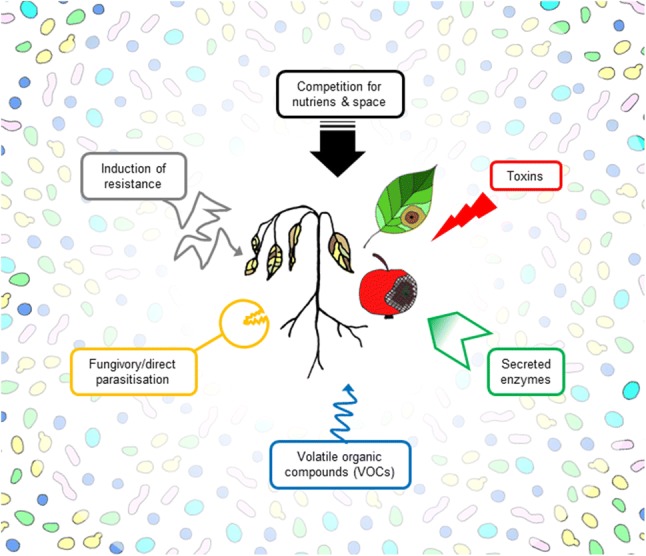
Yeasts occur in all environments and have been described as potent antagonists of various plant pathogens. Due to their antagonistic ability, undemanding cultivation requirements, and limited biosafety concerns, many of these unicellular fungi have been considered for biocontrol applications. Here, we review the fundamental research on the mechanisms (e.g., competition, enzyme secretion, toxin production, volatiles, mycoparasitism, induction of resistance) by which biocontrol yeasts exert their activity as plant protection agents. In a second part, we focus on five yeast species (Candida oleophila, Aureobasidium pullulans, Metschnikowia fructicola, Cryptococcus albidus, Saccharomyces cerevisiae) that are or have been registered for the application as biocontrol products. These examples demonstrate the potential of yeasts for commercial biocontrol usage, but this review also highlights the scarcity of fundamental studies on yeast biocontrol mechanisms and of registered yeast-based biocontrol products. Yeast biocontrol mechanisms thus represent a largely unexplored field of research and plentiful opportunities for the development of commercial, yeast-based applications for plant protection exist.
Verified 2026-11-22 · 1 reference not checked yet
Overview
CoChat Summary
## TL;DR
This review synthesizes how biocontrol yeasts suppress plant pathogens through competition, enzymes, toxins, volatile compounds, mycoparasitism, and resistance induction. It also shows that only a few yeast species have been registered as commercial plant protection products, despite many promising laboratory studies.
## Key findings
- The paper identifies multiple likely mechanisms of yeast biocontrol activity: competition for nutrients and space, enzyme secretion, toxin production, volatile organic compounds (VOCs), mycoparasitism, and induction of resistance.
- It highlights five registered or formerly registered species/products: *Candida oleophila*, *Aureobasidium pullulans*, *Metschnikowia fructicola*, *Cryptococcus albidus*, and *Saccharomyces cerevisiae*.
- For *A. pullulans* products, only DSM 14940 (CF 10) and DSM 14941 (CF 40) are registered, in mixture, and they were selected for strong inhibition of *Erwinia amylovora* at 25% synthetic nectar concentration.
- The review emphasizes a large gap between “the plethora” of biocontrol yeasts in publications and the “few” registered yeast-based products, attributing this partly to lack of mechanistic understanding and registration hurdles.
## Methods
- Narrative review of published fundamental and applied research on biocontrol yeasts and their mechanisms of action.
- The authors focus in detail on five yeast species with registered or formerly registered biocontrol products: *C. oleophila*, *A. pullulans*, *M. fructicola*, *C. albidus*, and *S. cerevisiae*.
- The analysis is qualitative and synthetic, drawing together examples from laboratory studies, field studies, and product/registration history.
## Limitations
- The paper states that many mechanisms “have not been fully proven by molecular analyses” and are often only proposed by analogy; it says this limitation applies to much of the field.
- It explicitly notes the “scarcity of fundamental studies on yeast biocontrol mechanisms” and the scarcity of registered yeast-based products.
- Evident from the text: this is a review, not an original experimental study, so its conclusions depend on the quality and scope of prior studies rather than new primary data.
Model-written summary. Check it against the paper before relying on it.
Integrity signals
Registry
Cites
Statistics
Figures
Verification
Claims the paper makes
33 Valid · 4 Not valid · 76 Not checked · 32 Own results and interpretations
Some cited sources support this claim and some don’t — read each source’s verdict below.
In the paper
“horizontal gene transfer, albeit occurring more frequently in fungi than thought earlier, is significantly less frequent in yeasts, as compared to their prokaryotic counterparts, due to their more complex genome organisation (Fitzpatrick 2012; Moriguchi et al. 2013; Richards et al. 2011).”
§ Biocontrol yeasts: mechanisms and applications > Advantageous yeast properties for potential biocontrol applications
What the sources say
- Partly supportedcites Fitzpatrick 2012 matched to “Horizontal gene transfer in fungi” (2012) sourceExperimental — accuracy not yet measured
Our copy supports the broad direction only: the Abstract (p. 1) says HGT 'is frequently observed in prokaryotes and until recently was assumed to be of limited importance to eukaryotes', and the Concluding remarks (p. 6) state 'Currently, the reported rate of fungal HGT is relatively low'. But the paper never singles out yeasts as lower-transfer than prokaryotes, and where it invokes genome complexity (In silico detection of HGT, p. 3) it is a DETECTION argument — eukaryote genomes are 'larger and more complex... making surrogate methods unsuitable for eukaryotic analysis' — with the same passage noting that some fungal (yeast) genomes are compact, intron-poor and prokaryote-like, which permits genome-wide HGT searches. The claim's causal 'due to their more complex genome organisation' as a biological rate-limiting factor, applied specifically to yeasts, is therefore not what the source says; its biological obstacles are framed as hedged barriers to eukaryote-to-eukaryote transfer (introns, membrane-bound nuclei, chromatin silencing, MSUD, alternative genetic code; pp. 4-5), not as a yeast-versus-prokaryote frequency difference. (LLM, conf=0.75)
- Disputedcites Moriguchi et al. 2013 matched to “Trans-Kingdom Horizontal DNA Transfer from Bacteria to Yeast Is Highly Plastic Due to Natural Polymorphisms in Auxiliary Nonessential Recipient Genes” (2013) sourceExperimental — accuracy not yet measured
The Introduction describes eukaryotic HGT as traditionally considered limited, but the paper's Discussion reports bacterial-to-yeast DNA and gene transfer frequencies similar to those measured between prokaryotes for certain recipients. The Results (Figure 4) likewise say transfer to some yeast strains can be comparable to transfer between bacteria. The paper does not attribute a lower frequency in yeast to more complex genome organisation. (LLM, conf=0.82)
Checked by a reasoning model — may be wrong.
- Not checked — no full text of the sourcecites Richards et al. 2011 matched to “Gene transfer into the fungi” (2011) source
plainstates a cause- Asserted: passes — The authors put it forward as true.
- Checkable: passes — It can be checked against evidence.
- Load-bearing: unclear — It is unclear whether the paper’s conclusions depend on it.
- Based: passes — The paper gives a reason why it holds.
- Partly supported
The cited sources support only part of this claim — read each source’s verdict below.
In the paper
“the single-celled morphology of yeasts also favours adhesion and biofilm formation, which directly influences environmental persistence, competitiveness and thereby improved biocontrol activity (Fanning and Mitchell 2012; Pandin et al. 2017; Rossouw et al. 2018; Verstrepen and Klis 2006).”
§ Biocontrol yeasts: mechanisms and applications > Advantageous yeast properties for potential biocontrol applications
What the sources say
- Partly supportedcites Fanning and Mitchell 2012 matched to “Fungal Biofilms” (2012) sourceExperimental — accuracy not yet measured
The Fungal Pathogen Biofilm Architecture section describes yeast-cell adherence and proliferation as stages of Candida albicans biofilm formation, while noting that both yeast-form and hyphal cells are required. The paper does not say that single-celled morphology favours adhesion or link biofilms to environmental persistence, competitiveness, or improved biocontrol activity; its focus is pathogenic fungal biofilms. (LLM, conf=0.87)
- Partly supportedcites Pandin et al. 2017 matched to “Should the biofilm mode of life be taken into consideration for microbial biocontrol agents?” (2017) sourceExperimental — accuracy not yet measured
The Introduction (page unavailable) reports that yeasts can form biofilms, and the section on molecular mechanisms of biofilm formation (page unavailable) says biofilm-associated tolerance boosts microbial persistence. The paper does not say that yeasts’ single-celled morphology favours adhesion or biofilm formation, nor does it establish that morphology as the cause of greater competitiveness and improved biocontrol activity. (LLM, conf=0.85)
- Partly supportedcites Rossouw et al. 2018 matched to “Modifying Saccharomyces cerevisiae Adhesion Properties Regulates Yeast Ecosystem Dynamics” (2018) sourceExperimental — accuracy not yet measured
The Discussion (page not available) reports that FLO-mediated adhesion affects yeast survival and competition in simplified fermentation ecosystems; it also notes a role for biofilms in microbial persistence. The paper does not say that yeasts’ single-celled morphology favours adhesion or biofilm formation, or that these properties improve biocontrol activity. (LLM, conf=0.87)
plainstates a cause- Asserted: passes — The authors put it forward as true.
- Checkable: passes — It can be checked against evidence.
- Load-bearing: unclear — It is unclear whether the paper’s conclusions depend on it.
- Based: passes — The paper gives a reason why it holds.
- Partly supported
The cited sources support only part of this claim — read each source’s verdict below.
In the paper
“Nonetheless, some yeasts, such as certain Candida or Cryptococcus species, are important fungal human pathogens (Butler et al. 2009; Miceli et al. 2011; Opulente et al. 2019).”
§ Biocontrol yeasts: mechanisms and applications > Advantageous yeast properties for potential biocontrol applications
What the sources say
- Supportedcites Butler et al. 2009 matched to “Evolution of pathogenicity and sexual reproduction in eight Candida genomes” (2009) source
The Abstract identifies Candida species as the most common cause of opportunistic fungal infection worldwide and names several major Candida pathogens. That supports the Candida example for which Butler et al. is cited; the sentence also cites other sources for its broader examples. (LLM, conf=0.93)
- Not checked — no full text of the sourcecites Miceli et al. 2011 matched to “Emerging opportunistic yeast infections” (2011) source
- Partly supportedcites Opulente et al. 2019 matched to “Pathogenic budding yeasts isolated outside of clinical settings” (2019) sourceExperimental — accuracy not yet measured
Our copy squarely supports the Candida half: the Observation (p. 2) states that C. albicans, C. glabrata, C. parapsilosis and C. tropicalis cause ~95% of candidiasis infections and that mortality remains high with candidiasis the fourth most common hospital-associated bloodstream infection, and the Abstract (p. 1) calls these budding yeasts opportunistic pathogens of importance to human health. The Cryptococcus half is not supported: searches for 'Cryptococcus' returned no passage of our copy mentioning the genus at all (the paper restricts itself to Saccharomycotina budding yeasts, Importance p. 1), so that part of the attributed claim rests on the other citations, not this source. (LLM, conf=0.82)
plain- Asserted: passes — The authors put it forward as true.
- Checkable: passes — It can be checked against evidence.
- Load-bearing: unclear — It is unclear whether the paper’s conclusions depend on it.
- Based: passes — The paper gives a reason why it holds.
- Supported
Every source the paper cites for this claim was checked and supports it.
In the paper
“Recently, it was shown that Saccharomycopsis schoenii lacks several components of the sulfur assimilation pathway and thus likely acquires methionine from its prey (Junker et al. 2019).”
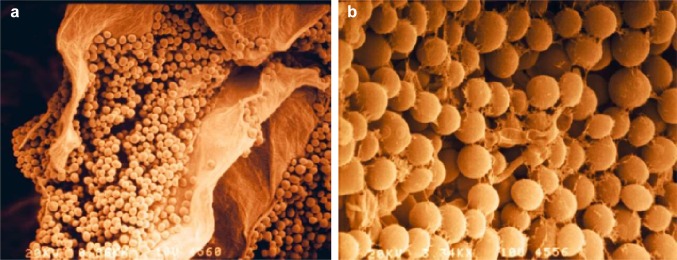
§ Biocontrol yeasts: mechanisms and applications > Mechanisms underlying the biocontrol activity of yeasts > Competition for nutrients and space All microorganisms compete with each other and their hosts for nutrients and space: this struggle is considered as the primary mode of action of biocontrol yeasts (Schaible and Kaufmann 2005; Spadaro and Droby 2016; Wisniewski et al. 2007). Competition is difficult to study mechanistically: it is likely more important in natural environments, where resources are limited and competitors plentiful. In community ecology, niche and nutrient competition have been intensely studied as determinants of species diversity. In nectar yeasts (e.g., Metschnikowia reukaufii), which are closely related to some biocontrol species, efficient resource depletion, due to the duplication of nitrogen transporter and metabolism genes, causes priority effects (i.e., order of species arrival determines community composition) and thus acts as a driver of competitiveness among different species (Dhami et al. 2016). With respect to competition for space, in vitro experiments performed on solid media seem to ascribe a minor role to a limitation in space. Although most yeasts grow well on agar plates, large differences in their antifungal activities were observed (Hilber-Bodmer et al. 2017). In addition, species-specific inhibition does not seem to occur, and a particular yeast is either strongly or weakly antagonistic against most fungi (Hilber-Bodmer et al. 2017). However, growing under field conditions activates diverse survival mechanisms and the competition for the physical niche might gain importance in such circumstances. Most organisms and cells, from humans to bacteria, synthesise iron binding molecules to deprive competing organisms, pathogens or intracellular parasites of this essential element (Barber and Elde 2015; Johnson 2008). Also for biocontrol yeasts, iron is one of the most sought after nutrients and the competition for iron is recognised as an important mode of action (Spadaro and Droby 2016). In Aureobasidium pullulans, a siderophore identified as fusarinine C (fusigen) was identified and shown to exhibit antibacterial activity (Wang et al. 2009a, b). The peculiar red color of M. pulcherrima colonies is due to the formation of a cyclic dipeptide, pulcherriminic acid, that complexes iron (Gore-Lloyd et al. 2019). Pigmentless M. pulcherrima mutants were shown to exhibit reduced antifungal activity and iron deprivation of the fungal pathogen was suggested as one of several mechanisms by which this yeast antagonises plant pathogenic fungi (Gore-Lloyd et al. 2019; Sipiczki 2006). However, mutants lacking the ability to synthesise pulcherriminic acid still inhibited filamentous fungi strongly, suggesting that the antifungal activity was not only due to iron deprivation (Gore-Lloyd et al. 2019). The exact contribution of iron chelators to yeast biocontrol activity thus remains to be elucidated in detail. Recently, it was shown that Saccharomycopsis schoenii lacks several components of the sulfur assimilation pathway and thus likely acquires methionine from its prey (Junker et al. 2019). Among yeasts, the inability to take up sulfur is specific to Saccharomycopsis, but some plant pathogenic fungi and Trichoderma species show a similar phenomenon, which may indicate that methionine is an important target for such organisms and highly competed over (Junker et al. 2019). Pioneering experiments aimed at evaluating the suitability of an easily transformable Pichia (Ogataea) angusta haploid strain to identify biocontrol-minus mutant clones: while the wild-type strain proved effective in reducing brown rot lesion caused by Monilinia fructicola on apple fruit, its derivate leucine-auxotrophic mutant L1 had no significant effect in controlling the pathogen. The addition of exogenous leucine fully restored the biocontrol capability of mutant L1, whereas a leucine stand-alone treatment showed no significant biocontrol effect (Fiori et al. 2008). Biofilm formation may also be considered a specific and highly successful strategy to compete for space. Biofilms are microbial communities that live and grow on surfaces and can be comprised of a single species or represent multi-species consortia (Costa-Orlandi et al. 2017). Biofilms may exhibit vastly different properties as compared to free-floating cells and are considered a virulence factor for pathogenic microbes (Costa-Orlandi et al. 2017; Davey and O’Toole 2000; Desai et al. 2014). The development of a yeast biofilm starts with the adhesion of individual cells to a surface and usually involves cell wall modifications, secretion of an extracellular matrix, and often the formation of hyphae or pseudohyphae (Cavalheiro and Teixeira 2018; Costa-Orlandi et al. 2017). The process has been studied in detail and at the molecular level in medically relevant and model yeasts (Cabral et al. 2014; Cavalheiro and Teixeira 2018; d’Enfert and Janbon 2016; Lohse et al. 2018; Reynolds and Fink 2001). In biocontrol yeasts, biofilm formation, mainly in the phyllo- and carposphere (i.e., in wounds), is now considered an important mode of action and has been widely studied. However, the molecular underpinnings of the process and the composition of different biofilms (e.g., cell differentiation, multispecies biofilms) have only been studied in detail for Pichia fermentans. This species proved particularly intriguing in this respect, because biofilm formation in apple wounds protects against postharvest diseases, while on peaches P. fermentans switches from the yeast-like to the hyphal growth form and causes rapid decay of inoculated fruits in the absence of a plant pathogen (Fiori et al. 2012; Giobbe et al. 2007; Maserti et al. 2015; Sanna et al. 2012, 2013). Based on this “Jekyll & Hyde” pathogenic behaviour of P. fermentans on peach fruit, the capability to differentiate hyphae and pseudohyphae under particular growth conditions (e.g., depending on the nitrogen source) has been proposed as a potential biohazard factor for biocontrol yeasts (Giobbe et al. 2007). Besides P. fermentans, biofilm formation has also been implicated in the protective and biocontrol activities of A. pullulans, Kloeckera apiculata, S. cerevisiae, Pichia kudriavzevii, W. anomalus, and M. pulcherrima (Supplementary Table 1) (Chi et al. 2015; Klein and Kupper 2018; Ortu et al. 2005; Pu et al. 2014; Wachowska et al. 2016). In a S. cerevisiae flor strain, biofilm cells were far more efficient than planktonic cells in colonising the inner surface of apple wounds, thereby controlling the development of blue mould caused by P. expansum (Ortu et al. 2005; Scherm et al. 2003) (Fig. 2).
What the sources say
- Supportedcites Junker et al. 2019 matched to “Multi-omics characterization of the necrotrophic mycoparasite Saccharomycopsis schoenii” (2019) source
The Results section ('S. schoenii probably acquires methionine from prey cells,' Fig. 5B) states that S. schoenii lacks all genes in the sulfate assimilation pathway. The Discussion says the findings suggest it acquires methionine and other sulfur compounds from prey cells, matching the claim's qualified inference. (LLM, conf=0.94)
hedgedstates a possible cause- Asserted: passes — The authors put it forward as true.
- Checkable: passes — It can be checked against evidence.
- Load-bearing: unclear — It is unclear whether the paper’s conclusions depend on it.
- Based: passes — The paper gives a reason why it holds.
- Supported
Every source the paper cites for this claim was checked and supports it.
In the paper
“The peculiar red color of M. pulcherrima colonies is due to the formation of a cyclic dipeptide, pulcherriminic acid, that complexes iron (Gore-Lloyd et al. 2019).”
§ Biocontrol yeasts: mechanisms and applications > Mechanisms underlying the biocontrol activity of yeasts > Competition for nutrients and space All microorganisms compete with each other and their hosts for nutrients and space: this struggle is considered as the primary mode of action of biocontrol yeasts (Schaible and Kaufmann 2005; Spadaro and Droby 2016; Wisniewski et al. 2007). Competition is difficult to study mechanistically: it is likely more important in natural environments, where resources are limited and competitors plentiful. In community ecology, niche and nutrient competition have been intensely studied as determinants of species diversity. In nectar yeasts (e.g., Metschnikowia reukaufii), which are closely related to some biocontrol species, efficient resource depletion, due to the duplication of nitrogen transporter and metabolism genes, causes priority effects (i.e., order of species arrival determines community composition) and thus acts as a driver of competitiveness among different species (Dhami et al. 2016). With respect to competition for space, in vitro experiments performed on solid media seem to ascribe a minor role to a limitation in space. Although most yeasts grow well on agar plates, large differences in their antifungal activities were observed (Hilber-Bodmer et al. 2017). In addition, species-specific inhibition does not seem to occur, and a particular yeast is either strongly or weakly antagonistic against most fungi (Hilber-Bodmer et al. 2017). However, growing under field conditions activates diverse survival mechanisms and the competition for the physical niche might gain importance in such circumstances. Most organisms and cells, from humans to bacteria, synthesise iron binding molecules to deprive competing organisms, pathogens or intracellular parasites of this essential element (Barber and Elde 2015; Johnson 2008). Also for biocontrol yeasts, iron is one of the most sought after nutrients and the competition for iron is recognised as an important mode of action (Spadaro and Droby 2016). In Aureobasidium pullulans, a siderophore identified as fusarinine C (fusigen) was identified and shown to exhibit antibacterial activity (Wang et al. 2009a, b). The peculiar red color of M. pulcherrima colonies is due to the formation of a cyclic dipeptide, pulcherriminic acid, that complexes iron (Gore-Lloyd et al. 2019). Pigmentless M. pulcherrima mutants were shown to exhibit reduced antifungal activity and iron deprivation of the fungal pathogen was suggested as one of several mechanisms by which this yeast antagonises plant pathogenic fungi (Gore-Lloyd et al. 2019; Sipiczki 2006). However, mutants lacking the ability to synthesise pulcherriminic acid still inhibited filamentous fungi strongly, suggesting that the antifungal activity was not only due to iron deprivation (Gore-Lloyd et al. 2019). The exact contribution of iron chelators to yeast biocontrol activity thus remains to be elucidated in detail. Recently, it was shown that Saccharomycopsis schoenii lacks several components of the sulfur assimilation pathway and thus likely acquires methionine from its prey (Junker et al. 2019). Among yeasts, the inability to take up sulfur is specific to Saccharomycopsis, but some plant pathogenic fungi and Trichoderma species show a similar phenomenon, which may indicate that methionine is an important target for such organisms and highly competed over (Junker et al. 2019). Pioneering experiments aimed at evaluating the suitability of an easily transformable Pichia (Ogataea) angusta haploid strain to identify biocontrol-minus mutant clones: while the wild-type strain proved effective in reducing brown rot lesion caused by Monilinia fructicola on apple fruit, its derivate leucine-auxotrophic mutant L1 had no significant effect in controlling the pathogen. The addition of exogenous leucine fully restored the biocontrol capability of mutant L1, whereas a leucine stand-alone treatment showed no significant biocontrol effect (Fiori et al. 2008). Biofilm formation may also be considered a specific and highly successful strategy to compete for space. Biofilms are microbial communities that live and grow on surfaces and can be comprised of a single species or represent multi-species consortia (Costa-Orlandi et al. 2017). Biofilms may exhibit vastly different properties as compared to free-floating cells and are considered a virulence factor for pathogenic microbes (Costa-Orlandi et al. 2017; Davey and O’Toole 2000; Desai et al. 2014). The development of a yeast biofilm starts with the adhesion of individual cells to a surface and usually involves cell wall modifications, secretion of an extracellular matrix, and often the formation of hyphae or pseudohyphae (Cavalheiro and Teixeira 2018; Costa-Orlandi et al. 2017). The process has been studied in detail and at the molecular level in medically relevant and model yeasts (Cabral et al. 2014; Cavalheiro and Teixeira 2018; d’Enfert and Janbon 2016; Lohse et al. 2018; Reynolds and Fink 2001). In biocontrol yeasts, biofilm formation, mainly in the phyllo- and carposphere (i.e., in wounds), is now considered an important mode of action and has been widely studied. However, the molecular underpinnings of the process and the composition of different biofilms (e.g., cell differentiation, multispecies biofilms) have only been studied in detail for Pichia fermentans. This species proved particularly intriguing in this respect, because biofilm formation in apple wounds protects against postharvest diseases, while on peaches P. fermentans switches from the yeast-like to the hyphal growth form and causes rapid decay of inoculated fruits in the absence of a plant pathogen (Fiori et al. 2012; Giobbe et al. 2007; Maserti et al. 2015; Sanna et al. 2012, 2013). Based on this “Jekyll & Hyde” pathogenic behaviour of P. fermentans on peach fruit, the capability to differentiate hyphae and pseudohyphae under particular growth conditions (e.g., depending on the nitrogen source) has been proposed as a potential biohazard factor for biocontrol yeasts (Giobbe et al. 2007). Besides P. fermentans, biofilm formation has also been implicated in the protective and biocontrol activities of A. pullulans, Kloeckera apiculata, S. cerevisiae, Pichia kudriavzevii, W. anomalus, and M. pulcherrima (Supplementary Table 1) (Chi et al. 2015; Klein and Kupper 2018; Ortu et al. 2005; Pu et al. 2014; Wachowska et al. 2016). In a S. cerevisiae flor strain, biofilm cells were far more efficient than planktonic cells in colonising the inner surface of apple wounds, thereby controlling the development of blue mould caused by P. expansum (Ortu et al. 2005; Scherm et al. 2003) (Fig. 2).
What the sources say
- Supportedcites Gore-Lloyd et al. 2019 matched to “Snf2 controls pulcherriminic acid biosynthesis and antifungal activity of the biocontrol yeast Metschnikowia pulcherrima” (2019) source
The Introduction describes the red pigment of M. pulcherrima colonies as pulcherrimin, an iron(III) complex of pulcherriminic acid. The Results place pulcherriminic acid among cyclo(Leu-Leu)-derived compounds. The claim correctly attributes the color to the acid’s formation and subsequent complexing with iron, though the pigment itself is the resulting complex. (LLM, conf=0.90)
plainstates a cause- Asserted: passes — The authors put it forward as true.
- Checkable: passes — It can be checked against evidence.
- Load-bearing: unclear — It is unclear whether the paper’s conclusions depend on it.
- Based: passes — The paper gives a reason why it holds.
- Supported
67 more claims · 11 with their cited sources checked
Create a free account to see all 145 claims and to verify the 24 references still open.
- It may state two separate claims as one. 52
- Probably not a substantial claim. 30
Citations
Cites
Jones, J. D. G., & Dangl, J. L. (2006) · Nature · doi:10.1038/nature05286 · Cited by 13,177 · cited 1×
“Plants feature an innate immune system that recognises and responds to the presence of microorganisms (Chisholm et al. 2006; Jones and Dangl 2006).”
BackgroundInduced systemic resistance by beneficial microbes
Pieterse, C. M. J., Zamioudis, C., Berendsen, R. L., Weller, D. M., Van Wees, S. C. M., & Bakker, P. A. H. M. (2014) · Annual Review of Phytopathology · doi:10.1146/annurev-phyto-082712-102340 · Cited by 3,272
Microbial Biofilms: from Ecology to Molecular Genetics
Davey, M. E., & O'toole, G. A. (2000) · Microbiology and Molecular Biology Reviews · doi:10.1128/mmbr.64.4.847-867.2000 · Cited by 3,086
Host-Microbe Interactions: Shaping the Evolution of the Plant Immune Response
Chisholm, S. T., Coaker, G., Day, B., & Staskawicz, B. J. (2006) · Cell · doi:10.1016/j.cell.2006.02.008 · Cited by 2,957
Candida albicans pathogenicity mechanisms
Mayer, F. L., Wilson, D., & Hube, B. (2013) · Virulence · doi:10.4161/viru.22913 · Cited by 1,848
Genome evolution across 1,011 Saccharomyces cerevisiae isolates
Peter, J., De Chiara, M., Friedrich, A., Yue, J.-X., Pflieger, D., Bergström, A., Sigwalt, A., Barre, B., Freel, K., Llored, A., et al. (2018) · Nature · doi:10.1038/s41586-018-0030-5 · Cited by 1,117
Evolution of pathogenicity and sexual reproduction in eight Candida genomes
Butler, G., Rasmussen, M. D., Lin, M. F., Santos, M. A. S., Sakthikumar, S., Munro, C. A., Rheinbay, E., Grabherr, M., Forche, A., Reedy, J. L., et al. (2009) · Nature · doi:10.1038/nature08064 · Cited by 1,065
Emerging opportunistic yeast infections
Miceli, M. H., Díaz, J. A., & Lee, S. A. (2011) · The Lancet Infectious Diseases · doi:10.1016/s1473-3099(10)70218-8 · Cited by 811
Twenty years of postharvest biocontrol research: Is it time for a new paradigm?
Droby, S., Wisniewski, M., Macarisin, D., & Wilson, C. (2009) · Postharvest Biology and Technology · doi:10.1016/j.postharvbio.2008.11.009 · Cited by 758
Spadaro, D., & Droby, S. (2016) · Trends in Food Science & Technology · doi:10.1016/j.tifs.2015.11.003 · Cited by 732
Research works printed but not linked: 4
- European Food Safety Authority (EFSA) Conclusion on the peer review of the pesticide risk assessment of the active substance Candida oleophila strain O EFSA J 2015 10 2944 10.2903/j.efsa.2015.4250 PMC11883094 40061606 · DOI · Paper page
- (ed) 12th International Conference on Cultivation Technique and Phytopathological Probelms in Organic Fruit-Growing, Weinsberg, 2006. Fördergemeinschaft ökologischer Obstbau, pp 113-117
- Ortu G Demontis MA Budroni M Goyard S d’Enfert C Migheli Q Study of biofilm formation in Candida albicans may help understanding the biocontrol capability of a flor strain of Saccharomyces cerevisiae against the phytopathogenic fungus Penicillium expansum J Plant Pathol 2005 87 300
- Schmitt MJ Schernikau G Construction of a cDNA-based K1/K2/K28 triple killer strain of Saccharomyces cerevisiae Food Technol Biotechnol 1997 35 281 285
Cited by
Items 101–200 of 458
Metschnikowia pulcherrima as a Biocontrol Agent against Potato (Solanum tuberosum) Pathogens
Steglińska, A., Kołtuniak, A., Berłowska, J., Czyżowska, A., Szulc, J., Cieciura-Włoch, W., Okrasa, M., Kręgiel, D., & Gutarowska, B. (2022) · Agronomy · doi:10.3390/agronomy12102546 · Cited by 29
“Iron sequestration is not the only antimicrobial mechanism of M. pulcherrima yeasts The secretion of enzymes that degrade cell walls, cell membranes, and other cellular components is often highlighted as the mode of action of yeast biocontrol [19,20] .”
Abdel-Kareem, M. M., Zohri, A.-N. A., & Nasr, S. A. E. E. (2021) · Journal of Plant Diseases and Protection · doi:10.1007/s41348-021-00461-y · Cited by 25
“Other mechanisms whereby plant growth-promoting yeasts facilitate plant growth is through direct competition with pathogenic fungal strain, with the production of fungal cell wall-degrading enzymes, competition for space and nutrients as well as siderophores (Fu et al. 2016; Medina et al. 2016; Grzegorczyk et al. 2017…”
BackgroundLiao, B., Chen, O., Zhang, H., Wang, W., Yi, L., Li, H., & Zeng, K. (2024) · Biological Control · doi:10.1016/j.biocontrol.2024.105667 · Cited by 26
Edo, G. S., Godana, E. A., Ngea, G. L. N., Wang, K., Yang, Q., & Zhang, H. (2025) · Foods · doi:10.3390/foods14173075 · Cited by 37
“Different studies have revealed that co-application significantly improves the efficiency and survival of yeast in many applications [108,123,151].”
Nie, X., Zhang, R., Cheng, L., Li, S., Zhao, X., & Chen, X. (2020) · Biological Control · doi:10.1016/j.biocontrol.2020.104327 · Cited by 24
Tobacco Plant Growth-Promoting and Antifungal Activities of Three Endophytic Yeast Strains
Petkova, M., Petrova, S. T., Спасова-Апостолова, В., & Naydenov, M. (2022) · Plants · doi:10.3390/plants11060751 · Cited by 30
“One of the foremost studied yeast species is Saccharomyces cerevisiae due to the growing interest in industrial processes [6,7].”
BackgroundMahmoud, M., BenRejeb, I., Punja, Z. K., Buirs, L., & Jabaji, S. (2023) · Botany · doi:10.1139/cjb-2022-0139 · Cited by 39
Root rot in medicinal plants: a review of extensive research progress
Han, Y., Sun, T., Tang, Y., Yang, M., Gao, W., Wang, L., & Sui, C. (2025) · Frontiers in Plant Science · doi:10.3389/fpls.2024.1504370 · Cited by 26
“These are biocontrol agents that have been effectively commercialized (Seitz et al., 2023; Umer et al., 2023; Freimoser et al., 2019; Wang Y. et al., 2023).”
Köhl, J., de Medeiros, F. H. V., der Plas, C. L.-V., et al. (2020) · Biological Control · doi:10.1016/j.biocontrol.2020.104375 · Cited by 23
Castoria, R., Miccoli, C., Barone, G., Palmieri, D., Curtis, F. D., Lima, G., Heitman, J., & Ianiri, G. (2021) · Applied and Environmental Microbiology · doi:10.1128/aem.02910-20 · Cited by 32
“While there are a number of molecular studies aiming at the elucidation of the molecular basis of biocontrol of filamentous fungi, such as Trichoderma (51–53), at the present, the knowledge of the mode of actions of biocontrol yeasts relies on biological investigations that have yet to be supported by molecular analys…”
BackgroundFungal control in foods through biopreservation
Hernández, A., Rodríguez, A., Córdoba, M. D. G., Martín, A., & Ruiz‐Moyano, S. (2022) · Current Opinion in Food Science · doi:10.1016/j.cofs.2022.100904 · Cited by 30
Current advances in Candida tropicalis : Yeast overview and biotechnological applications
Queiroz, S. D. S., Jofre, F. M., Bianchini, I. D. A., Boaes, T. D. S., Bordini, F. W., Chandel, A. K., & Felipe, M. D. G. D. A. (2023) · Biotechnology and Applied Biochemistry · doi:10.1002/bab.2510 · Cited by 27
Al-Rahbi, B. A. A., Al-Sadi, A. M., Al-Mahmooli, I. H., Al-Maawali, S. S., Al-Mahruqi, N. M. T., & Velazhahan, R. (2021) · Australasian Plant Pathology · doi:10.1007/s13313-021-00779-z · Cited by 25
Wu, Y., Chen, J., Jiang, Y., Hu, H., Yu, T., & Yan, F. (2024) · Postharvest Biology and Technology · doi:10.1016/j.postharvbio.2024.112797 · Cited by 23
Imran, M., Sun, Z., Abo‐Elyousr, K. A. M., Ali, H., Aldayel, M. F., & Li, C. (2024) · Journal of Hazardous Materials · doi:10.1016/j.jhazmat.2024.135084 · Cited by 26
Li, X., Chen, O., Wang, W., Deng, L., Yao, S., Ming, J., Zhang, H., & Zeng, K. (2025) · International Journal of Food Microbiology · doi:10.1016/j.ijfoodmicro.2025.111093 · Cited by 27
Bakr, R. A., Abdelmoteleb, A., Méndez-Trujillo, V., González-Mendoza, D., & Hewedy, O. A. (2025) · Microbiology Research · doi:10.3390/microbiolres16050105 · Cited by 34
Chen, O., Zhu, R., Xu, Y., Yao, S., Yi, L., & Zeng, K. (2023) · Postharvest Biology and Technology · doi:10.1016/j.postharvbio.2023.112435 · Cited by 22
Lombardo, M. F., Panebianco, S., Restuccia, C., & Cirvilleri, G. (2023) · Foods · doi:10.3390/foods12183508 · Cited by 29
“Among BCAs, several yeasts have demonstrated antagonistic activity against different fungal pathogens of fruits and vegetables [9,10], with several mechanisms of action [11–16].”
BackgroundPalková, Z., & Váchová, L. (2021) · Computational and Structural Biotechnology Journal · doi:10.1016/j.csbj.2021.10.012 · Cited by 22
“Biocompetition prevents a pathogen from invading a host, such as a plant, by competing for space and nutrients, producing a specific toxin, enzyme or certain volatiles, or inducing resistance [75].”
BackgroundInfluentialBioactive Compounds from and against Yeasts in the One Health Context: A Comprehensive Review
Tadioto, V., Giehl, A., Cadamuro, R. D., Guterres, I. Z., dos Santos, Â. A., Bressan, S. K., Werlang, L., Stambuk, B. U., Fongaro, G., Silva, I. T., et al. (2023) · Fermentation · doi:10.3390/fermentation9040363 · Cited by 28
Salerno, A., D’Amico, M., Bergamini, C., Maggiolini, F. A. M., Vendemia, M., Prencipe, A., Catacchio, C. R., Ventura, M., Cardone, M. F., & Marsico, A. D. (2024) · Microorganisms · doi:10.3390/microorganisms12020340 · Cited by 21
Youssef, R. A., Abbas, A. M., El‐Shehawi, A. M., Mabrouk, M. I., & Aboshanab, K. M. (2021) · Antibiotics · doi:10.3390/antibiotics10050493 · Cited by 19
“For example: yeasts can be found in all environments and have been described as effective antagonists of a variety of plant pathogens [21].”
BackgroundOlivieri, L., Saville, R. J., Gange, A. C., & Xu, X. (2021) · FEMS Microbiology Ecology · doi:10.1093/femsec/fiab131 · Cited by 25
Sabaghian, S., Braschi, G., Vannini, L., Patrignani, F., Samsulrizal, N. H., & Lanciotti, R. (2021) · Microorganisms · doi:10.3390/microorganisms9122582 · Cited by 24
“Furthermore, they have an impact on fruits through different mechanisms, including nutrient/space competition [17], iron deficiency [18,19], enzymes related to cell wall degradation [19], tolerance to reactive oxygen species [19,20], biofilm production [18] as well as host resistance induction against phytopathogen by…”
BackgroundTaheri, P. (2025) · Plant Stress · doi:10.1016/j.stress.2025.100978 · Cited by 22
Ullah, Q., Waqar, M., Sajjad, N., Awlqadr, F. H., Arshad, M. T., Maqsood, S., Sağlam, K., Maqsood, N., Hossain, M. S., Ikram, A., et al. (2025) · Food Science & Nutrition · doi:10.1002/fsn3.70850 · Cited by 31
“The effectiveness of these VOCs is boosted by the fact that ethyl acetate is among the VOCs that are released; the in vitro tests revealed that B. cinerea spore germination was inhibited by 90% (Freimoser et al. 2019).”
Antimicrobial mechanisms and applications of yeasts
Gil-Rodríguez, A. M., & García-Gutiérrez, E. (2020) · Advances in applied microbiology · doi:10.1016/bs.aambs.2020.11.002 · Cited by 25
Stanevičienė, R., Lukša, J., Strazdaitė‐Žielienė, Ž., Ravoitytė, B., Losinska, R., Mozūraitis, R., & Servienė, E. (2021) · Microorganisms · doi:10.3390/microorganisms9071423 · Cited by 23
“These ubiquitous fungi enclose species producing biocontrol agents against many pathogens [13,64], while particular species can be dangerous for humans [31].”
BackgroundGenetic, Phenotypic and Metabolic Diversity of Yeasts From Wheat Flag Leaves
Gouka, L., Vogels, C., Hansen, L. H., Raaijmakers, J. M., & Cordovez, V. (2022) · Frontiers in Plant Science · doi:10.3389/fpls.2022.908628 · Cited by 19
Drenker, C., Mazouar, D. E., Bücker, G., Weißhaupt, S., Wienke, E., Koch, E., Kunz, S., Reineke, A., Rondot, Y., & Linkies, A. (2023) · Plants · doi:10.3390/plants12030682 · Cited by 21
“The antagonistic potential of bacterial biocontrol agents can be affected by their enzymatic activities [26,27].”
BackgroundRamos-Garza, J., Aguirre‐Noyola, J. L., Bustamante‐Brito, R., Zelaya-Molina, L. X., Maldonado-Hernández, J., Morales-Estrada, A. I., Resendiz-Venado, Z., Palacios-Olvera, J., Angeles-Gallegos, T., Terreros-Moysen, P., et al. (2023) · Plants · doi:10.3390/plants12061328 · Cited by 28
“cinerea, Penicillium expansum, Sphaerotheca fuliginea, and Podosphaera xanthii [17,47].”
BackgroundAwadeen, N. A., Eltarahony, M. M., Zaki, S. A. E. F., Yousef, A., El-Assar, S. A., & El-Shall, H. S. (2024) · Microbial Cell Factories · doi:10.1186/s12934-024-02499-7 · Cited by 21
Ferraz, P., Brandão, R. L., Cássio, F., & Lucas, C. (2021) · Frontiers in Microbiology · doi:10.3389/fmicb.2021.706675 · Cited by 23
Li, M., Yang, S., Peng, L., et al. (2022) · Postharvest Biology and Technology · doi:10.1016/j.postharvbio.2022.111983 · Cited by 18
Wu, Y., Gao, Y., Zheng, X., Yu, T., & Yan, F. (2022) · Food Chemistry · doi:10.1016/j.foodchem.2022.134658 · Cited by 21
Kunz, S., Zeng, Q., & Johnson, K. B. (2023) · Journal of Plant Pathology · doi:10.1007/s42161-023-01448-4 · Cited by 19
“…- sion of postharvest fruit rots with preemptive treatments of various yeast species, mostly within the genera Aureoba-sidium , Candida , Metschnikowia , Cryptococcus , many of which provide a high level of protection (Freimoser et al. 2019; Janisiewicz and Korsten 2002 ; Schlisler et al. 2011 ).”
Biocontrol and Enzymatic Activity of Non-Saccharomyces Wine Yeasts: Improvements in Winemaking
Martín, M. C., Prendes, L. P., de Ambrosini, V. I. M., & Merín, M. G. (2024) · Fermentation · doi:10.3390/fermentation10040218 · Cited by 28
“The biocontrol mechanisms employed by antagonistic yeasts against fungal pathogens include nutrient and space competition, mycoparasitism, and the induction of host resistance, which have been extensively reviewed by several authors [31,34,77–79].”
BackgroundInsight into Yeast–Mycotoxin Relations
Papp, L. A., Horváth, E., Peles, F., Pócsi, I., & Miklós, I. (2021) · Agriculture · doi:10.3390/agriculture11121291 · Cited by 21
“The Kloeckera apiculata competes with the phytopathogens for nutrients and vitamins [58], while the Saccharomyces cerevisiae is able to produce killer toxin and chitinase [101,103].”
BackgroundThe Potential of Fermented Food from Southeast Asia as Biofertiliser
Zaini, N. S. M., Idris, H. B., Yaacob, J. S., Wan‐Mohtar, W. A. A. Q. I., Samsudin, N. I. P., Sukor, A. S. A., Lim, E. J., & Rahim, M. H. A. (2022) · Horticulturae · doi:10.3390/horticulturae8020102 · Cited by 23
Alqahtani, F. S. (2025) · Journal of Plant Pathology · doi:10.1007/s42161-025-01984-1 · Cited by 25
“It is established that yeasts employ phage-based competition, enzyme secretion, toxin production, volatile emissions, mycoparasitism, and induction of resistance to exert their biocontrol effects (Freimoser et al. 2019).”
Fast and efficient CRISPR-mediated genome editing in Aureobasidium using Cas9 ribonucleoproteins
Kreuter, J., Stark, G., Mach, R. L., Mach-Aigner, A. R., & Zimmermann, C. (2022) · Journal of Biotechnology · doi:10.1016/j.jbiotec.2022.03.017 · Cited by 22
Giehl, A., dos Santos, Â. A., Cadamuro, R. D., Tadioto, V., Guterres, I. Z., Prá, I. D., Minussi, G. D. A., Fongaro, G., Silva, I. T., & Júnior, S. L. A. (2023) · Plants · doi:10.3390/plants12142688 · Cited by 26
Ianiri, G., Barone, G., Palmieri, D., Quiquero, M., Gaeta, I., Curtis, F. D., & Castoria, R. (2024) · Communications Biology · doi:10.1038/s42003-024-06031-w · Cited by 26
Biocontrol of post-harvest tomato rot caused by Alternaria arborescens using Torulaspora indica
Bosqueiro, A. S., Bizarria, R., & Rosa-Magri, M. M. (2023) · Biocontrol Science and Technology · doi:10.1080/09583157.2022.2163982 · Cited by 21
“Biological control agents have been reported as alternatives to fungicides, mainly with respect to postharvest products such as fruits and vegetables, which are consumed ‘in natura’ (Droby et al., 2009; Dukare et al., 2019; Freimoser et al., 2019; Sellitto et al., 2021; Wang et al., 2010b).”
BackgroundFournier, P., Pellan, L., Jaswa, A., Cambon, M. C., Chataigner, A., Bonnard, O., Raynal, M., Debord, C., Poeydebat, C., Labarthe, S., et al. (2025) · Environmental Microbiome · doi:10.1186/s40793-025-00691-9 · Cited by 18
Zepeda-Giraud, L. F., Olicón-Hernández, D. R., Pardo, J. P., Araiza-Villanueva, M. G., & Guerra‐Sánchez, G. (2020) · Agriculture · doi:10.3390/agriculture10080325 · Cited by 22
“To prevent host infection, yeast antagonism uses different synergistic mechanisms: mycoparasitism, competition for space and nutrients, induction of host resistance mechanisms, secretion of metabolites, toxin production, the release of volatile substances, and the generation of extracellular hydrolytic enzymes, especi…”
BackgroundDourou, M., & Porta, C. A. M. L. (2023) · Journal of Fungi · doi:10.3390/jof9040461 · Cited by 16
“Biocontrol, including the application of microbial agents, is gaining much attention globally as an alternative solution to conventional fungicides in agriculture [7,8].”
BackgroundSiegieda, D., Panek, J., & Frąc, M. (2023) · Applied Soil Ecology · doi:10.1016/j.apsoil.2023.104925 · Cited by 19
Li, Y., Zhang, J., Ji, N., Zuo, X., Ru, X., Jin, P., Wang, K., & Zheng, Y. (2023) · Postharvest Biology and Technology · doi:10.1016/j.postharvbio.2023.112395 · Cited by 18
Biocontrol of Botrytis cinerea as Influenced by Grapevine Growth Stages and Environmental Conditions
Altieri, V., Rossi, V., & Fedele, G. (2023) · Plants · doi:10.3390/plants12193430 · Cited by 21
“As for APD, the primary MoA of the yeast Metschnikowia fructicola NRRL Y-27328 (MFN) is competition for nutrients and space via biofilm formation [46,47].”
BackgroundBinati, R. L., Maule, M., Luzzini, G., Martelli, F., Felis, G. E., Ugliano, M., & Torriani, S. (2023) · Food Research International · doi:10.1016/j.foodres.2023.113550 · Cited by 22
Exploring the Biocontrol Potential of Phanerochaete chrysosporium against Wheat Crown Rot
Liu, L., Jin, Y., Lian, H., Yin, Q., & Wang, H. (2024) · Journal of Fungi · doi:10.3390/jof10090641 · Cited by 18
“It has been reported that mycotoxins such as gliotoxin and flocculosin can inhibit the growth of pathogens during fungal parasitism processes [54,55].”
BackgroundScreening and characterization of a novel Antibiofilm polypeptide derived from filamentous Fungi
Yazıcı, A., Örtücü, S., & Taşkın, M. (2020) · Journal of Proteomics · doi:10.1016/j.jprot.2020.104075 · Cited by 15
Hassan, Z. U., Oufensou, S., Zeidan, R., Migheli, Q., & Jaoua, S. (2023) · Biocontrol Science and Technology · doi:10.1080/09583157.2023.2205616 · Cited by 20
“The synthesis of these volatiles involves catabolic processes (Figure 1) such as glycolysis, lipolysis and proteolysis (Freimoser et al., 2019; Veselova et al., 2019).”
BackgroundInfluentialSelf-citationHosseini, A., Saba, M. K., & Ashengroph, M. (2023) · Scientia Horticulturae · doi:10.1016/j.scienta.2023.112503 · Cited by 17
Bühlmann, A., Kammerecker, S., Müller, L., Hilber-Bodmer, M., Perren, S., & Freimoser, F. M. (2021) · Horticulturae · doi:10.3390/horticulturae7110459 · Cited by 18
“properties for potential biocontrol products [1,33].”
BackgroundInfluentialSelf-citationFeng, M., Lv, Y., Li, T., Li, X., Liu, J., Chen, X., Zhang, Y., Chen, X., & Wang, A. (2021) · Foods · doi:10.3390/foods10112736 · Cited by 17
Rakhalaru, P., Mampholo, B. M., Mamphogoro, T. P., & Thantsha, M. S. (2025) · Molecules · doi:10.3390/molecules30183816 · Cited by 21
“These microorganisms may exhibit antagonistic activity against plant pathogens, often through the synthesis of bioactive metabolites and enzymes that inhibit pathogen growth [13].”
Wang, B., Guo, L., Ye, K., & Wang, L. (2020) · Molecular Plant-Microbe Interactions · doi:10.1094/mpmi-06-20-0163-a · Cited by 14
Characterization of kefir yeasts with antifungal capacity against Aspergillus species
Moure, M. C., Pérez‐Torrado, R., Garmendia, G., Vero, S., Querol, A., Alconada, T. M., & Peláez, Á. M. L. (2022) · International Microbiology · doi:10.1007/s10123-022-00296-z · Cited by 15
“The use of yeasts as biocontrol agents presents advantages over other microorganisms such as filamentous fungi and bacteria, since their nutritional requirements are simple, allowing the colonization of a wide range of substrates, and in turn do not produce allergenic spores, mycotoxins, or antibiotics (Chanchaichaovi…”
BackgroundInfluentialAspects of Microorganisms in the Food Industry
Izah, S. C., Odubo, T. C., Ogwu, M. C., & Hait, M. (2024) · Springer eBooks · doi:10.1007/978-981-97-2428-4_13 · Cited by 18
Unforeseen current and future benefits of uncommon yeast: the Metschnikowia genus
Haniffadli, A., Ban, Y., Rahmat, E., Kang, C. H., & Kang, Y. (2024) · Applied Microbiology and Biotechnology · doi:10.1007/s00253-024-13369-y · Cited by 26
“The mechanisms underlying yeast biocontrol include increasing reactive oxygen species (ROS) activity, secreting lytic enzymes, forming a biofilm layer, and producing volatile compounds (Freimoser et al. 2019; Sipiczki 2020).”
Li, Q., Wang, D., Liu, X., Li, A., & Chandran, K. (2021) · International Biodeterioration & Biodegradation · doi:10.1016/j.ibiod.2021.105256 · Cited by 17
Potential probiotic yeast isolated from an Indonesian indigenous fermented fish (Ikan Budu)
Marlida, Y., Huda, N., Harnentis, Nur, Y. S., Lestari, N. M., Adzitey, F., & Sulaiman, M. R. (2021) · Potravinarstvo Slovak Journal of Food Sciences · doi:10.5219/1544 · Cited by 19
“Freimoser et al. (2019) studied the antagonistic activity of Kloeckera and Kluyveromyces species against bacteria and found that they produce intracellular and extracellular antimicrobial compounds that inhibit the growth of gramnegative and gram-positive bacteria.”
BackgroundOrtiz-Tirado, A., Medina-Ganem, L. F., Bandala, E. R., Conejo-Dávila, A. S., Vega-Rios, A., Goonetilleke, A., & Rodriguez-Narvaez, O. M. (2025) · Journal of environmental chemical engineering · doi:10.1016/j.jece.2025.117730 · Cited by 17
O’Donnell, S., Rezende, G. D., Vernadet, J., Snirc, A., & Ropars, J. (2025) · Genome Biology and Evolution · doi:10.1093/gbe/evaf125 · Cited by 21
“Ethanol resistance and utilization may be in response to early colonizing yeast that can rapidly produce volatile ethanol in order to deter competition (Freimoser et al. 2019).”
Ju, M., Zhang, J., Mai, T., Li, L., Gu, T., Liu, Y., & Gao, M. (2023) · LWT · doi:10.1016/j.lwt.2023.114949 · Cited by 14
Ayogu, P., Martins, V., & Gerós, H. (2024) · OENO One · doi:10.20870/oeno-one.2024.58.1.7678 · Cited by 19
“The use of yeast isolates from wine grape microbiota for developing biofungicides is favored by their environmental friendliness, ease of manipulation and GRAS status (Freimoser et al ., 2019; Gonzalez and Morales, 2022).”
BackgroundOlive Fungal Epiphytic Communities Are Affected by Their Maturation Stage
Castro, J., Costa, D., Tavares, R. M., Baptista, P. C., & Lino‐Neto, T. (2022) · Microorganisms · doi:10.3390/microorganisms10020376 · Cited by 15
“The most abundant order, Saccharomycetales, has been described as containing potent antagonists of various plant pathogens [48].”
BackgroundInfluentialZhu, Y., Zong, Y., Gong, D., Zhang, X., Oyom, W., Yu, L., Wang, X., Bi, Y., & Prusky, D. (2022) · Biological Control · doi:10.1016/j.biocontrol.2022.104898 · Cited by 15
Ramos-Bell, S., Hernández-Montiel, L. G., Velázquez-Estrada, R. M., Herrera-González, J. A., & Gutiérrez–Martínez, P. (2022) · Horticulturae · doi:10.3390/horticulturae8121125 · Cited by 16
“Recent research suggests that one of the mechanisms of action of yeast is mycoparasitism, and it has been demonstrated that their adhesion to fungal structures can cause their collapse, which is also mediated by the secretion of hydrolytic enzymes, such as glucanase and chitinase [22].”
BackgroundMelvydas, V., Švedienė, J., Skridlaitė, G., Vaičiūnienė, J., & Garjonytė, R. (2020) · Brazilian Journal of Microbiology · doi:10.1007/s42770-020-00357-3 · Cited by 16
Ballet, N., Renaud, S., Roume, H., George, F., Vandekerckove, P., Boyer, M., & Durand‐Dubief, M. (2023) · Encyclopedia · doi:10.3390/encyclopedia3020043 · Cited by 27
“Antagonistic yeast species, particularly SC, are becoming increasingly popular as an effective alternative to harmful fungicides [15,17].”
BackgroundDygas, D., Liszkowska, W., Steglińska, A., Sulyok, M., Kręgiel, D., & Berłowska, J. (2023) · Processes · doi:10.3390/pr11051556 · Cited by 12
Cryptococcus neoformans: plant–microbe interactions and ecology
Hallas-Møller, M., Burow, M., Henrissat, B., & Johansen, K. S. (2024) · Trends in Microbiology · doi:10.1016/j.tim.2024.03.002 · Cited by 15
Vepštaitė‐Monstavičė, I., Lukša, J., Apšegaitė, V., Mozūraitis, R., Lisicinas, R., Stanevičienė, R., Blažytė‐Čereškienė, L., Serva, S., & Servienė, E. (2025) · Foods · doi:10.3390/foods14020288 · Cited by 14
“Residing yeasts act as biological control agents by emitting antimicrobial compounds, such as proteinaceous toxins, volatile organic compounds (VOCs), secondary metabolites, and others [4–6].”
InfluentialMicrobial formulation approaches in postharvest disease management
Kumari, M., Kamat, S., Dixit, R., Pandey, S., Giri, V. P., & Mishra, A. (2021) · Elsevier eBooks · doi:10.1016/b978-0-12-821843-3.00007-6 · Cited by 22
Estrela, A. D. S., Solís, K., Neto, A. A. P., Vera, D., Garzón, I., Peñaherrera, S., Diorato, V. S., Gramacho, K. P., & Laranjeira, D. (2022) · Biological Control · doi:10.1016/j.biocontrol.2022.104956 · Cited by 16
Daaboub, A., Radouane, N., Tahiri, A., Belabess, Z., Amiri, S., Kowalska, J., & Lahlali, R. (2022) · Potato Research · doi:10.1007/s11540-022-09555-y · Cited by 14
“pullulans is commonly isolated from soil samples, leaves, or flowers, is found worldwide, and has a polymorphic appearance (Freimoser et al. 2019).”
BackgroundNatarajan, S., Balachandar, D., & Paranidharan, V. (2023) · International Journal of Food Microbiology · doi:10.1016/j.ijfoodmicro.2023.110368 · Cited by 12
Freimoser, F. M., Mahler, M., McCullough, M., Brachmann, A. O., Nägeli, L. G., Hilber-Bodmer, M., Piel, J., Hoffmann, S. A., & Cai, Y. (2023) · FEMS Yeast Research · doi:10.1093/femsyr/foad053 · Cited by 13
“Other factors that are independent of pul-c herrimin, for example secr eted enzymes or volatiles, ar e likel y also involved in mediating antagonistic activity (Freimoser et al. 2019 ).”
BackgroundSelf-citationLi, N., Wang, B., Cui, X., Hou, J., & Zhang, N. (2024) · Journal of Plant Diseases and Protection · doi:10.1007/s41348-024-00920-2 · Cited by 14
“In recent years, most research on yeast-mediated control of fruit decay has focussed on the induction of defence enzymes against fungal pathogens (Bar-Shimon et al. 2004; Chan and Tian 2005; Freimoser et al. 2019; Segal et al. 2002); (VII) Emission of volatile organic compounds (VOCs).”
InfluentialLi, Z., Yang, B., Junbo, L., Jiamin, J., Chen, D., Ding, Y., Feng, D., & Ye, S. (2024) · Food and Bioprocess Technology · doi:10.1007/s11947-024-03467-0 · Cited by 12
“…edible films (Wang et al., 2023), and ozone (Jaramillo-Sánchez et al., 2019), antagonistic yeast occupies a prominent position due to its simple nutritional requirements, excellent biocontrol efficacy against pathogens, and non-production of harmful metabolites to humans (Freimoser et al., 2019).”
Yeasts as Biofertilizers and Biocontrol Agents: Mechanisms and Applications
Dmytruk, O. V., Yemets, A. I., & Dmytruk, K. V. (2025) · Biotechnology and Applied Biochemistry · doi:10.1002/bab.70029 · Cited by 20
Furmanczyk, E. M., Parveaud, C.-E., Jacquot, M., Warlop, F., Kienzle, J., Kelderer, M., Alfredo, M. V., Friedli, M., Boutry, C., Tartanus, M., et al. (2022) · Agriculture · doi:10.3390/agriculture12122136 · Cited by 17
Wachowska, U., Sulyok, M., Wiwart, M., Suchowilska, E., Giedrojć, W., Gontarz, D., Kandler, W., & Krska, R. (2023) · Agronomy · doi:10.3390/agronomy13030721 · Cited by 11
Kheireddine, A., Palmieri, D., Vitullo, D., Barberio, A., Zouaoui, M., Curtis, F. D., Sadfi‐Zouaoui, N., & Lima, G. (2021) · Journal of Plant Pathology · doi:10.1007/s42161-021-00921-2 · Cited by 15
Azeez, A. A., Wen, Z., & Asiegbu, F. O. (2025) · Physiological and Molecular Plant Pathology · doi:10.1016/j.pmpp.2025.103034 · Cited by 11
Miché, L., Dries, A., Ammar, I. B., Davidson, S., Cagnacci, L., Combet-Blanc, Y., Abecassis, V., Fernández, G. P., & Christen, P. (2024) · Environmental Science and Pollution Research · doi:10.1007/s11356-024-33629-8 · Cited by 10
“Although several yeast species are registered as biocontrol agents, fundamental studies on yeast biocontrol mechanisms are scarce, and their use in plant protection is still underexploited (Freimoser et al. 2019).”
Botanical-microbial Synergy—Fundaments of Untapped Potential of Sustainable Agriculture
Basaid, K., & Furze, J. N. (2024) · Journal of Plant Diseases and Protection · doi:10.1007/s10343-024-01008-5 · Cited by 15
“Parasitism against pathogenic fungi is manifested by penetration of fungal hyphae and conidia, cytological damage and protuberances in the cell wall, degeneration of the cytoplasm and distortion of metabolism leading to death (Freimoser et al. 2019).”
Karimi, F., Saba, M. K., & Ashengroph, M. (2024) · Physiological and Molecular Plant Pathology · doi:10.1016/j.pmpp.2024.102525 · Cited by 14
Cai, S.-T., Chiu, M., & Chou, J. (2020) · Mycobiology · doi:10.1080/12298093.2020.1857042 · Cited by 11
“The mechanisms of these microbial antagonists underlying the biocontrol activity, including competition for nutrients and space, enzyme secretion, toxin production, mycoparasitism, volatile organic compound (VOC) release, and resistance induction in plants, are likely to be involved in the antagonistic function [3].”
BackgroundPantothenate Auxotrophy in a Naturally Occurring Biocontrol Yeast
Rueda-Mejia, M. P., Bühlmann, A., Ortiz‐Merino, R. A., Lutz, S., Ahrens, C. H., Künzler, M., & Freimoser, F. M. (2023) · Applied and Environmental Microbiology · doi:10.1128/aem.00884-23 · Cited by 11
“However, few studies describe this phenomenon in detail or at a molecular level (9).”
BackgroundInfluentialSelf-citationMagoye, E., Hilber-Bodmer, M., Pfister, M., & Freimoser, F. M. (2020) · Antibiotics · doi:10.3390/antibiotics9090602 · Cited by 9
“pullulans, Candida oleophila, Metschnikowia fructicola, Saccharomyces cerevisiae, and Cryptococcus albidus are or have been registered in different biocontrol products [25].”
BackgroundSelf-citationSyrokou, M. K., Paramithiotis, S., Kanakis, C. D., Papadopoulos, G. K., Tarantilis, P. Α., Skandamis, P. N., Bosnea, L. A., Mataragas, M., & Drosinos, E. H. (2022) · Applied Sciences · doi:10.3390/app12094506 · Cited by 12
“Several possible mechanisms have been reported for the biocontrol activity exerted by yeasts, among which are competition for space and nutrients, biofilm formation and secretion of killer toxins, volatile organic compounds (VOCs) and hydrolytic enzymes [1].”
BackgroundLi, X., Ghanizadeh, H., Han, Z., Li, T., Li, Y., Dou, Z., Qiu, Y., Chen, X., Zhang, Y., Liu, J., et al. (2022) · Postharvest Biology and Technology · doi:10.1016/j.postharvbio.2022.112215 · Cited by 11
Biofungicides: An Eco-Friendly Approach for Plant Disease Management
Gomes, A. C. D. S., da Silva, R. R., Moreira, S. I., Vicentini, S. N. C., & Ceresini, P. C. (2021) · Elsevier eBooks · doi:10.1016/b978-0-12-819990-9.00036-6 · Cited by 16
El-Wahed, M. H. A., Almasoudi, N. M., Abo‐Elyousr, K. A. M., & Bagy, H. M. M. K. (2023) · Journal of Plant Pathology · doi:10.1007/s42161-023-01528-5 · Cited by 10
“Yeast is easily produced to very large quantities and cheaply (Freimoser et al. 2019; Zhang et al. 2018 ).”
Gao, J.-L., Zhang, M., Liang, J., Wen, D., Liu, T., Sun, Y., Zhang, X., & Du, Y. (2024) · Agriculture Communications · doi:10.1016/j.agrcom.2024.100025 · Cited by 11
Metadata
- Authors
- Freimoser, F. M., Rueda-Mejia, M. P., Tilocca, B., & Migheli, Q.
- Affiliations
- Agroscope (CH)
- University of Sassari (IT)
- Corresponding author
- Freimoser, Florian M.
- Venue
- World Journal of Microbiology and Biotechnology
- Published
- 2019-10
- Volume
- 35
- Issue
- 10
- Pages
- 154-154
- ISSN
- 0959-3993 (ISSN-L)
- 1573-0972
- PMC
- PMC6773674
- OpenAlex
- W2978213080
- Semantic Scholar
- a291c55a6a256d988a60e3352971e115547a55c2
- Cited by
- 462
- References
- 302
- Citations by year
- 2026: 59 · 2025: 73 · 2024: 90 · 2023: 80 · 2022: 60 · 2021: 62 · 2020: 37 · 2019: 1
- FWCI
- 3.57
- Type
- journal article
- Language
- en
- Open access
- hybrid
- doi.org
- Licence
- cc-by
- creativecommons.org/licenses/by/4.0 (tdm)
- creativecommons.org/licenses/by/4.0 (vor)
- Locations
- World Journal of Microbiology and Biotechnology (publishedVersion, cc-by)
- PubMed Central (publishedVersion, cc-by)
- PubMed (publishedVersion)
- UnissResearch (Università degli Studi di Sassari) (submittedVersion)
- Funders
- Schweizerischer Nationalfonds zur Förderung der Wissenschaftlichen Forschung (31003A_175665 / 1)
- Topics
- Life Sciences › Agricultural and Biological Sciences › Plant Science › Plant-Microbe Interactions and Immunity
- Life Sciences › Immunology and Microbiology › Microbiology › Yeasts and Rust Fungi Studies
- Life Sciences › Agricultural and Biological Sciences › Plant Science › Fungal Plant Pathogen Control
- Keywords
- biocontrol yeast, plant pathogen antagonism, competition (biology), enzyme secretion, toxin production, volatile compounds, mycoparasitism, induced resistance, Candida oleophila, Aureobasidium pullulans, Metschnikowia fructicola, Cryptococcus albidus, Saccharomyces cerevisiae, commercial biocontrol products, crop protection
- MeSH terms
- Plant Diseases, Yeasts, Biological Control Agents
About these checks
Registry, retraction, Cites and statistics results are computed, not judged, with one exception: a printed reference that no index lists is read once by a model before it counts as a citation error. Claims are extracted by a model and kept only when their quote appears verbatim in the text; each cited source is then checked, with a model’s help, for whether it says what the claim relies on. Those verdicts can be wrong — read the claim’s quote and the cited source before relying on one.
The claim verdicts this report counts are experimental: their accuracy is not yet measured.
A language model drew the claims from the paper on 2026-10-10, under version 3 of the claim definition (model deepseek-v4.1-flash, prompt extract-v3).
A second model labelled each claim on 2026-10-10 (model jev-1.13-20260917, definition revision gold-guideline-v0.2).
Cited sources are checked with a language model’s help (qwen3.8-omni-flash and gpt-6-sol).
Statistics and arithmetic are recomputed, not judged.
Confidence bands are shown only for fields calibrated on our annotated test set. None is calibrated yet, so no band is shown.
What counts as a claim ›How we measure confidence ›How we check this ›
Are you an author, or do you see a problem with this page? Request a review
Data sources
Bibliographic data: Semantic Scholar, OpenAlex, Crossref.
Contains information from the Semantic Scholar Academic Graph Datasets, made available under the ODC Attribution License (ODC-BY 1.0).
Semantic Scholar’s data is described in: Kinney, R., et al. (2023). The Semantic Scholar Open Data Platform. arXiv:2301.10140.
