

Recommendation of short tandem repeat profiling for authenticating human cell lines, stem cells, and tissues
Open accessThe DOI matches its Crossref record; 11 of the 13 references it cites were found in a registry or an index.
Abstract
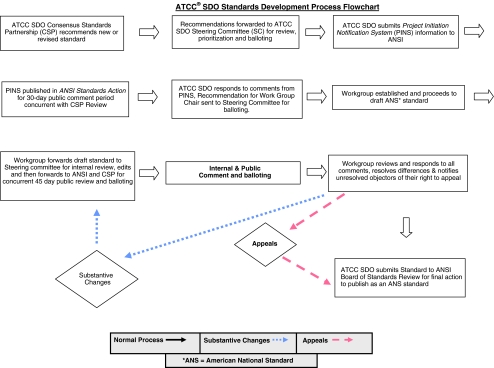
Cell misidentification and cross-contamination have plagued biomedical research for as long as cells have been employed as research tools. Examples of misidentified cell lines continue to surface to this day. Efforts to eradicate the problem by raising awareness of the issue and by asking scientists voluntarily to take appropriate actions have not been successful. Unambiguous cell authentication is an essential step in the scientific process and should be an inherent consideration during peer review of papers submitted for publication or during review of grants submitted for funding. In order to facilitate proper identity testing, accurate, reliable, inexpensive, and standardized methods for authentication of cells and cell lines must be made available. To this end, an international team of scientists is, at this time, preparing a consensus standard on the authentication of human cells using short tandem repeat (STR) profiling. This standard, which will be submitted for review and approval as an American National Standard by the American National Standards Institute, will provide investigators guidance on the use of STR profiling for authenticating human cell lines. Such guidance will include methodological detail on the preparation of the DNA sample, the appropriate numbers and types of loci to be evaluated, and the interpretation and quality control of the results. Associated with the standard itself will be the establishment and maintenance of a public STR profile database under the auspices of the National Center for Biotechnology Information. The consensus standard is anticipated to be adopted by granting agencies and scientific journals as appropriate methodology for authenticating human cell lines, stem cells, and tissues.
Overview
The claims and statistics of this paper haven’t been checked yet.
Free: it reads the open-access text and checks the first 5 claims that cite a source we can check. Create a free account to check every claim.
Integrity signals
Registry
Cites
Statistics
Figures
Verification
Claims the paper makes
The claims and statistics of this paper haven’t been checked yet.
Free: it reads the open-access text and checks the first 5 claims that cite a source we can check. Create a free account to check every claim.
Claims other papers make about this one
Each is checked against this paper’s own text: does it say what the citing paper says it does?
The source backs part of the claim, not all of it — or backs it for a different population, condition or comparison.
In the citing paper
“A variety of methods exist for authentication testing, but short tandem repeat (STR) profiling has been recommended as the most widely used method currently available for human cell lines.7,8”
From Match criteria for human cell line authentication: Where do we draw the line? (2013) · cites this paper as [8]
Experimental — accuracy not yet measuredThe source backs part of the claim, not all of it — or backs it for a different population, condition or comparison.
In the citing paper
“This mishap, later confirmed by Dr. Nelson-Rees, a cell culture expert and early proponent of cell line authentication [51], was significant enough that, had the same oversight occurred today, the polio vaccine would not meet FDA approval standards [14,52].”
From The history, landscape, and outlook of human cell line authentication and security (2024) · cites this paper as [52]
Experimental — accuracy not yet measuredThe cited source says what the claim attributes to it.
In the citing paper
“It was recently recommended by the American Type Culture Collection Standards Development Organization (ATCC SDO) Workgroup ASN-0002 as the best method currently available for human cell line authentication.8,11”
From Match criteria for human cell line authentication: Where do we draw the line? (2013) · cites this paper as [8]
The cited source says what the claim attributes to it.
In the citing paper
“STR profiling is the gold standard for human identity testing (Butler, 2007) and cell line authentication (Barallon et al., 2010), given the uniqueness of each individual and relatively easy PCR-based assay.”
From Short tandem repeat profiling via next-generation sequencing for cell line authentication (2023) · cites this paper as Barallon et al., 2010
Self-check
Percentages, sums and reported differences re-computed from the paper’s own numbers.
The self-check needs the paper’s full text.
Citations
Cites
Schweppe, R. E., Klopper, J. P., Korch, C., Pugazhenthi, U., Benezra, M., Knauf, J. A., Fagin, J. A., Marlow, L. A., Copland, J. A., Smallridge, R. C., et al. (2008) · The Journal of Clinical Endocrinology & Metabolism · doi:10.1210/jc.2008-1102 · Cited by 563 · cited 1×
“Schweppe et al. (2008) evaluated 40 human thyroid cancer cell lines and found that only 23 of these actually had unique genetic profiles, as determined using short tandem repeat (STR) profiling and single nucleotide polymorphism analysis.”
BackgroundCheck your cultures! A list of cross‐contaminated or misidentified cell lines
Capes‐Davis, A., Theodosopoulos, G., Atkin, I., Drexler, H. G., Kohara, A., MacLeod, R. A. F., Masters, J. R., Nakamura, Y., Reid, Y. A., Reddel, R. R., et al. (2010) · International Journal of Cancer · doi:10.1002/ijc.25242 · Cited by 520 · cited 1×
“More extensive lists of misidentified cells are available from a number of sources (e.g., ATCC SDO Workgroup ASN-0002 2010; Capes-Davis et al. 2010).”
BackgroundSelf-citationShort tandem repeat profiling provides an international reference standard for human cell lines
Masters, J. R., Thomson, J. A., Daly-Burns, B., Reid, Y. A., Dirks, W. G., Packer, P., Toji, L. H., Ohno, T., Tanabe, H., Arlett, C. F., et al. (2001) · Proceedings of the National Academy of Sciences · doi:10.1073/pnas.121616198 · Cited by 478
Self-citationCell line misidentification: the beginning of the end
American Type Culture Collection Standards Development Organization Workgroup ASN-0002 (2010) · Nature Reviews Cancer · doi:10.1038/nrc2852 · Cited by 266
Banded Marker Chromosomes as Indicators of Intraspecies Cellular Contamination
Nelson-Rees, W. A., Flandermeyer, R. R., & Hawthorne, P. K. (1974) · Science · doi:10.1126/science.184.4141.1093 · Cited by 210 · cited 1×
“Gartler (e.g., Gartler 1967) and Nelson-Rees (e.g., Nelson-Rees et al. 1974) were among the first and most vocal of those attempting to convince the scientific community of the seriousness of the issue.”
BackgroundSpecies identification in cell culture: a two-pronged molecular approach
Cooper, J. K., Sykes, G., King, S., Cottrill, K., Ivanova, N. V., Hanner, R., & Ikonomi, P. (2007) · In Vitro Cellular & Developmental Biology - Animal · doi:10.1007/s11626-007-9060-2 · Cited by 174 · cited 1×
“For feeder layer-dependent human stem cell preparations, DNA amplification and barcoding (e.g., Cooper et al. 2007), an isoenzyme analysis assay or an alternative species identification method may need to be performed to demonstrate that there are no crosscontaminating mouse feeder cells in the…”
MethodSelf-citationGenetic markers as tracers in cell culture.
Sm, G. (1967) · PubMed · Cited by 141
Eradication of cross-contaminated cell lines: A call for action
Nardone, R. M. (2007) · Cell Biology and Toxicology · doi:10.1007/s10565-007-9019-9 · Cited by 134
Self-citationVerification and Unmasking of Widely Used Human Esophageal Adenocarcinoma Cell Lines
Boonstra, J. J., van Marion, R., Beer, D. G., Lin, L., Chaves, P., Ribeiro, C., Pereira, A. D., Roque, L., Darnton, S. J., Altorki, N. K., et al. (2010) · JNCI: Journal of the National Cancer Institute · doi:10.1093/jnci/djp499 · Cited by 127
Berglind, H., Pawitan, Y., Kato, S., Ishioka, C., & Soussi, T. (2008) · Cancer Biology & Therapy · doi:10.4161/cbt.7.5.5712 · Cited by 102 · cited 1×
“For instance, Berglind et al. (2008) evaluated the p53 status of 1,211 cell lines published between 1989 and 2007 and found discrepancies in the p53 status for 23% of the cell lines.”
Method
Research works printed but not linked: 1
- Nims RW Herbstritt CJ Cell line authentication using isoenzyme analysis: strategies for accurate speciation and case studies for detection of cell line cross-contamination using a commercial kit BioPharm Int. 2005 18 76 82
Cited by
The Clinical Relevance of Cancer Cell Lines
Gillet, J.-P., Varma, S., & Gottesman, M. M. (2013) · JNCI Journal of the National Cancer Institute · doi:10.1093/jnci/djt007 · Cited by 599
Fetal Bovine Serum (FBS): past ‐ present ‐ future
van der Valk, J. (2018) · ALTEX · doi:10.14573/altex.1705101 · Cited by 481
Korch, C., Spillman, M. A., Jackson, T. A., Jacobsen, B. M., Murphy, S. K., Lessey, B. A., Jordan, V. C., & Bradford, A. P. (2012) · Gynecologic Oncology · doi:10.1016/j.ygyno.2012.06.017 · Cited by 251
“STR profiling is a simple, widely available and relatively inexpensive method to document and authenticate cell lines, and has been recommended as an internationally accepted standard for human cells [22,63,97,98].”
MethodA resource for cell line authentication, annotation and quality control
Yu, M., Selvaraj, S. K., Liang-Chu, M. M. Y., Aghajani, S., Busse, M., Yuan, J., Lee, G., Peale, F., Klijn, C., Bourgon, R., et al. (2015) · Nature · doi:10.1038/nature14397 · Cited by 225
“15), although there are acknowledged drawbacks to using STR profiling 16 .”
BackgroundMatch criteria for human cell line authentication: Where do we draw the line?
Capes‐Davis, A., Reid, Y. A., Kline, M. C., Storts, D. R., Strauss, E., Dirks, W. G., Drexler, H. G., MacLeod, R. A. F., Sykes, G., Kohara, A., et al. (2013) · International Journal of Cancer · doi:10.1002/ijc.27931 · Cited by 180
“8,11 Some laboratories have undertaken STR profiling of large cell line panels that would fit well with a combined database approach.”
BackgroundMethodInfluentialSelf-citationCell culture‐derived extracellular vesicles: Considerations for reporting cell culturing parameters
Shekari, F., Alibhai, F. J., Baharvand, H., Börger, V., Bruno, S., Davies, O. G., Giebel, B., Gimona, M., Salekdeh, G. H., Jaular, L. M., et al. (2023) · Journal of Extracellular Biology · doi:10.1002/jex2.115 · Cited by 107
“For cell lines, regular short tandem repeat (STR) profiling can confirm identity of cells and detect cellular cross-contamination (American Type Culture Collection Standards Development Organization Workgroup ASN-000, 2010; Barallon et al., 2010; Masters et al., 2001; Reid et al., 2004).”
BackgroundNiepel, M., Hafner, M., Duan, Q., Wang, Z., Paull, E. O., Chung, M., Lu, X., Stuart, J. M., Golub, T. R., Subramanian, A., et al. (2017) · Nature Communications · doi:10.1038/s41467-017-01383-w · Cited by 97
Sources of error in the retracted scientific literature
Casadevall, A., Steen, R. G., & Fang, F. C. (2014) · The FASEB Journal · doi:10.1096/fj.14-256735 · Cited by 89
“Errors involving the inadvertent use of incorrect cell lines might be reduced by the generation of validated bar-coded cell lines that can be easily verified before carrying out experimental work, a step that has been formally proposed by an international panel of scientists (25).”
BackgroundBest practices in cell culture: an overview
Baust, J. M., Buehring, G. C., Campbell, L. H., Elmore, E. L., Harbell, J. W., Nims, R. W., Price, P. J., Reid, Y. A., & Simione, F. P. (2017) · In Vitro Cellular & Developmental Biology - Animal · doi:10.1007/s11626-017-0177-7 · Cited by 83
Self-citationGenetic Characteristics of the Human Hepatic Stellate Cell Line LX-2
Weiskirchen, R., Weimer, J., Meurer, S. K., Kron, A., Seipel, B., Vater, I., Arnold, N., Siebert, R., Xu, L., Friedman, S. L., et al. (2013) · PLoS ONE · doi:10.1371/journal.pone.0075692 · Cited by 76
“This approach provides a simple method for rapid and cheap cell line identification [35] and further enables the establishment of a public STR profile database under the auspices of the National Center for Biotechnology information [30].”
Mouse cell line authentication
Almeida, J. L., Hill, C. R., & Cole, K. D. (2014) · Cytotechnology · doi:10.1007/s10616-013-9545-7 · Cited by 75
Nims, R. W., Sykes, G., Cottrill, K., Ikonomi, P., & Elmore, E. L. (2010) · In Vitro Cellular & Developmental Biology - Animal · doi:10.1007/s11626-010-9352-9 · Cited by 78
“Cell lines isolated from xenografts would therefore be prone to cross-contamination.”
BackgroundMethodInfluentialSelf-citationHuman Biosample Authentication Using the High-Throughput, Cost-Effective SNPtraceTM System
Liang-Chu, M. M. Y., Yu, M., Haverty, P. M., Koeman, J., Ziegle, J., Lee, M., Bourgon, R., & Neve, R. M. (2015) · PLOS ONE · doi:10.1371/journal.pone.0116218 · Cited by 62
“STR analysis is the ANSI standard for profiling cell lines.”
BackgroundMethodInfluentialBreast cancer biomarker measurements and standards
Cole, K. D., He, H., & Wang, L. (2013) · PROTEOMICS - CLINICAL APPLICATIONS · doi:10.1002/prca.201200075 · Cited by 66
“The American Type Culture Collection (ATCC) Standards Development Organization formed a working group to develop the consensus standard “ASN-0002: Authentication of Human Cell Lines: Standardization of STR” [87].”
MethodInfluentialO'Shea, O., Steeg, R., Chapman, C., Mackintosh, P., & Stacey, G. N. (2020) · Stem Cell Research · doi:10.1016/j.scr.2020.101773 · Cited by 59
“…of sites for biosample sourcing and iPSC generation throughout the EBiSC project, the frequency of cell line identity issues is far below the estimated 10–20% of mis-identifications reported elsewhere for cell lines in general (Barallon et al., 2010; Bian et al., 2017; Cabrera et al., 2006).”
BackgroundUlengin-Talkish, I., Parson, M. A. H., Jenkins, M. L., Roy, J., Shih, A. Z. L., St-Denis, N., Gulyas, G., Balla, T., Gingras, A.-C., Várnai, P., et al. (2021) · Nature Communications · doi:10.1038/s41467-021-26326-4 · Cited by 46
“DNAs encoding the human CNAβ1(1-496), CNAβ2(1-524) were subcloned into a pcDNA5 expression vector which encodes an N-terminal FLAG tag or GFP tag.”
MethodAssessment of Cancer Cell Line Representativeness Using Microarrays for Merkel Cell Carcinoma
Daily, K., Coxon, A. B., Williams, J. S., Lee, C. R., Coit, D. G., BUSAM, K. J., & Brownell, I. (2014) · Journal of Investigative Dermatology · doi:10.1038/jid.2014.518 · Cited by 49
“…can arise due to the evolution of atypical subclones that possess in vitro growth advantages, genomic instability associated with repeated passaging, alterations secondary to microbial infections in culture, and contamination from other cell lines (Barallon et al., 2010; Capes-Davis et al., 2010).”
BackgroundBrinkmann, C., Hoffmann, M., Lübke, A., Nehlmeier, I., Krämer-Kühl, A., Winkler, M., & Pöhlmann, S. (2017) · PLOS ONE · doi:10.1371/journal.pone.0189073 · Cited by 48
“Division of AIDS, NIAID, NIH and their identity was confirmed by STR DNA typing employing a published protocol [30,31].”
MethodModulation of the cancer cell transcriptome by culture media formulations and cell density
Kim, S. W., KIM, S.-J., Langley, R. R., & Fidler, I. J. (2015) · International Journal of Oncology · doi:10.3892/ijo.2015.2930 · Cited by 52
Makena, M. R., Koneru, B., Nguyen, T. H., Kang, M. H., & Reynolds, C. P. (2017) · Molecular Cancer Therapeutics · doi:10.1158/1535-7163.mct-16-0749 · Cited by 45
Authentication of African green monkey cell lines using human short tandem repeat markers
Almeida, J. L., Hill, C. R., & Cole, K. D. (2011) · BMC Biotechnology · doi:10.1186/1472-6750-11-102 · Cited by 42
“In 2009, a working group was formed to develop a standard for authentication of human cells along with a database of short tandem repeat (STR) profiles for human cell lines [14].”
BackgroundNam, S., Chang, H. R., Jung, H. R., Gim, Y., Kim, N. Y., Grailhe, R., Seo, H. R., Park, H. S., Balch, C., Lee, J., et al. (2014) · Cancer Letters · doi:10.1016/j.canlet.2014.10.038 · Cited by 39
Functional characterization of EMSY gene amplification in human cancers
Wilkerson, P. M., Dedes, K. J., Wetterskog, D., Mackay, A. G., Lambros, M. B. K., Mansour, M. B., Frankum, J. R., Lord, C. J., Natrajan, R., Ashworth, A., et al. (2011) · The Journal of Pathology · doi:10.1002/path.2944 · Cited by 42
Generating and working with Drosophila cell cultures: Current challenges and opportunities
Luhur, A., Klueg, K. M., & Zelhof, A. C. (2018) · Wiley Interdisciplinary Reviews Developmental Biology · doi:10.1002/wdev.339 · Cited by 40
“Short tandem repeat profiling Short tandem repeat (STR) profiling is a molecular technique applied routinely to authenticate mammalian cell cultures (Barallon et al., 2010; Masters et al., 2001).”
BackgroundToward Secure and Trustworthy Cyberphysical Microfluidic Biochips
Tang, J., Ibrahim, M., Chakrabarty, K., & Karri, R. (2018) · IEEE Transactions on Computer-Aided Design of Integrated Circuits and Systems · doi:10.1109/tcad.2018.2855132 · Cited by 30
“The standard technique for identification of cell lines is short tandem repeat (STR) DNA typing, which involves amplifying DNA through PCR and interpreting the result through electrophoresis [73], [74].”
MethodCheung, P. F., Yip, C. W., Ng, L. W. C., Lo, K. W., Wong, N., Choy, K. W., Chow, C., Chan, K. F., Cheung, T. T., Poon, R. T. P., et al. (2014) · Cancer Cell International · doi:10.1186/s12935-014-0103-y · Cited by 34
“Short tandem repeat (STR) profiling has been recommended by the American Type Culture Collection Standards Development Organization (ATCC SDO) Workgroup ASN-0002 as the best method currently available for human cell line authentication [14,15].”
Ross, C. K. C., Martinez, S. R., Woods‐Burnham, L., Durán, A. M., Roy, S., Basu, A., Ramirez, J., Ortiz-Hernández, G. L., Ríos-Colón, L., Chirshev, E., et al. (2018) · Oncotarget · doi:10.18632/oncotarget.25744 · Cited by 30
“Short tandem repeat (STR) profiling is a recommended and validated method for authentication of human cell lines and tissues [75].”
MethodLiu, K., Liu, B., Zhang, Y., Wu, Q.-N., Zhong, M., Shang, L., Wang, Y., Liang, P., Wang, W., Zhao, Q., et al. (2023) · Computational and Structural Biotechnology Journal · doi:10.1016/j.csbj.2022.12.050 · Cited by 29
“Institutes of Health (NIH) and other agencies have called on researchers to identify cells before experiments are performed [5].”
BackgroundEl‐Hoss, J., Jing, D., Evans, K., Toscan, C. E., Xie, J., Lee, H., Taylor, R. A., Lawrence, M. G., Risbridger, G. P., MacKenzie, K. L., et al. (2016) · Oncotarget · doi:10.18632/oncotarget.11125 · Cited by 27
A novel RNA sequencing data analysis method for cell line authentication
Fasterius, E., Raso, C., Kennedy, S., Rauch, N., Lundin, P., Kolch, W., Uhlén, M., & Al-Khalili Szigyarto, C. (2017) · PLoS ONE · doi:10.1371/journal.pone.0171435 · Cited by 26
Fundamental Principles of Stem Cell Banking
Sun, C., Yue, J., He, N., Liu, Y., Zhang, X., & Zhang, Y. (2016) · Advances in experimental medicine and biology · doi:10.1007/978-3-319-45457-3_3 · Cited by 27
An, Q., Fillmore, H. L., Vouri, M., & Pilkington, G. (2013) · Neuro-Oncology · doi:10.1093/neuonc/not202 · Cited by 24
“At present the widely proposed technology for human cell line authentication is DNA genotyping by short tandem repeat (STR)–PCR, and the standard method foranalyzing STR fragments (ie, fragment length analysis [FLA]) is capillary electrophoresis.(2) – 5 There are a number of commercially available STR kits commonly us…”
MethodCell Banking of hiPSCs: A Practical Guide to Cryopreservation and Quality Control in Basic Research
Shibamiya, A., Schulze, E., Krauß, D., Augustin, C., Reinsch, M. C., Schulze, M. L., Steuck, S., Mearini, G., Mannhardt, I., Schulze, T., et al. (2020) · Current Protocols in Stem Cell Biology · doi:10.1002/cpsc.127 · Cited by 24
“Here, we describe STR profiling, which is the standard for authentication of human samples (Barallon et al., 2010).”
Korch, C. T., & Capes-Davis, A. (2021) · SLAS Discovery · doi:10.1177/24725552211051963 · Cited by 23
Self-citationEnsuring the Quality of Stem Cell-Derived In Vitro Models for Toxicity Testing
Stacey, G. N., Coecke, S., Price, A., Healy, L. E., Jennings, P., Wilmes, A., Pinset, C., Ingelman‐Sundberg, M., Louisse, J., Haupt, S., et al. (2016) · Advances in experimental medicine and biology · doi:10.1007/978-3-319-33826-2_11 · Cited by 24
Fasterius, E., & Szigyarto, C. A. (2018) · Scientific Reports · doi:10.1038/s41598-018-29506-3 · Cited by 25
Han, S., Basting, P. J., Dias, G. B., Luhur, A., Zelhof, A. C., & Bergman, C. (2021) · Genetics · doi:10.1093/genetics/iyab113 · Cited by 26
Optimization of cell lines as tumour models by integrating multi-omics data
Zhao, N., Liu, Y., Wei, Y., Yan, Z., Zhang, Q., Wu, C., Chang, Z., & Xu, Y. (2016) · Briefings in Bioinformatics · doi:10.1093/bib/bbw082 · Cited by 21
Banking stem cells for research and clinical applications
Stacey, G. (2012) · Progress in brain research · doi:10.1016/b978-0-444-59575-1.00003-x · Cited by 20
Stabley, D. L., Holbrook, J., Harris, A. W., Swoboda, K. J., Crawford, T. O., Sol‐Church, K., & Butchbach, M. E. R. (2017) · Neuromuscular Disorders · doi:10.1016/j.nmd.2017.02.002 · Cited by 20
Schweppe, R. E., Pozdeyev, N. V., Pike, L. A., Korch, C. T., Zhou, Q., Sams, S. B., Sharma, V., Pugazhenthi, U., Raeburn, C. D., Albuja-Cruz, M. B., et al. (2019) · Molecular Cancer Research · doi:10.1158/1541-7786.mcr-18-1026 · Cited by 19
“In addition, these STR profiles provide an important resource for maintaining cell line integrity (19, 43, 44).”
BackgroundAn integratable microfluidic cartridge for forensic swab samples lysis
Yang, J., Brooks, C., Estes, M. D., Hurth, C., & Zenhausern, F. (2013) · Forensic Science International Genetics · doi:10.1016/j.fsigen.2013.08.012 · Cited by 18
Korch, C. T., & Varella‐Garcia, M. (2018) · Advances in Molecular Pathology · doi:10.1016/j.yamp.2018.07.003 · Cited by 20
Wang, L., Wang, Y., BIAN, H., Pu, Y., & Guo, C. (2013) · Oncology Reports · doi:10.3892/or.2013.2460 · Cited by 16
Calcineurin associates with centrosomes and regulates cilia length maintenance
Tsekitsidou, E., Wong, C. J., Ulengin-Talkish, I., Barth, A. I. M., Stearns, T., Gingras, A., Wang, J., & Cyert, M. (2023) · Journal of Cell Science · doi:10.1242/jcs.260353 · Cited by 15
Vorinostat and fenretinide synergize in preclinical models of T-cell lymphoid malignancies
Makena, M. R., Nguyen, T. H., Koneru, B., Hindle, A., Chen, W.-H., Verlekar, D. U., Kang, M. H., & Reynolds, C. P. (2020) · Anti-Cancer Drugs · doi:10.1097/cad.0000000000001008 · Cited by 15
The Art of Animal Cell Culture for Virus Isolation
John, A., & Diane, E. (2012) · InTech eBooks · doi:10.5772/51215 · Cited by 20
“Furthermore, cell lines obtained from the ATCC are currently confirmed for species identity using a Cytochrome C subunit I (COI) PCR assay, and Short Tandem Repeat profiling (STR) [3], a PCR-based DNA profiling method for intraspecies identification.”
MethodLewis, K., Harford‐Wright, E., Vink, R., & Ghabriel, M. N. (2013) · Cancer Cell International · doi:10.1186/1475-2867-13-5 · Cited by 16
“ATCC has been instrumental in the push to develop a standard method of cell line verification involving short tandem repeat profiling along with the development of a database of short tandem repeat profiles for commonly used cell lines [17,18].”
MethodDNA Fingerprinting: A Quality Control Case Study for Human Biospecimen Authentication
Kofanova, O. A., Mathieson, W., Thomas, G. A., & Betsou, F. (2014) · Biopreservation and Biobanking · doi:10.1089/bio.2013.0063 · Cited by 14
“A lot of discussions and publications pointed out and rehashed this old problem [4-6].”
Yang, M., He, J., Xia, S., Wang, Y., Xiong, J., Liao, C., Li, N., Qu, S., & Shen, C. (2023) · Human Cell · doi:10.1007/s13577-023-01011-4 · Cited by 14
“With the development of modern molecular biology, short tandem repeat (STR) loci were adopted as the basis for cell line authentication [9, 10].”
Detection algorithm for the validation of human cell lines
Eltonsy, N. H., Gabisi, V., Li, X., Russe, K. B., Mills, G. B., & Stemke‐Hale, K. (2012) · International Journal of Cancer · doi:10.1002/ijc.27533 · Cited by 16
Spontaneous Transformation of Stem Cells In Vitro and the Issue of Cross-Contamination
Torsvik, A., Røsland, G. V., & Bjerkvig, R. (2012) · International Journal of Biological Sciences · doi:10.7150/ijbs.3665 · Cited by 13
Quantitative methods to characterize morphological properties of cell lines
Mancia, A., Elliott, J. T., Halter, M. W., Bhadriraju, K., Tona, A., Spurlin, T. A., Middlebrooks, B. L., Baatz, J. E., Warr, G. W., & Plant, A. L. (2012) · Biotechnology Progress · doi:10.1002/btpr.1564 · Cited by 13
Song, M. M., Makena, M. R., Hindle, A., Koneru, B., Nguyen, T. H., Verlekar, D. U., Cho, H., Maurer, B. J., Kang, M. H., & Reynolds, C. P. (2018) · Anti-Cancer Drugs · doi:10.1097/cad.0000000000000696 · Cited by 13
IGRhCellID: integrated genomic resources of human cell lines for identification
Shiau, C.-K., Gu, D.-L., Chen, C., Lin, C.-H., & Jou, Y. (2010) · Nucleic Acids Research · doi:10.1093/nar/gkq1075 · Cited by 11
“Among these methods, STR profiling of human cell lines adopted from routing assays of paternity testing and forensic analysis is becoming the most recommended method for cell identification (4,10).”
MethodSkok, K., Gradišnik, L., Čelešnik, H., Milojević, M., Potočnik, U., Jezernik, G., Gorenjak, M., Sobočan, M., Takač, I., Kavalar, R., et al. (2021) · Cells · doi:10.3390/cells11010117 · Cited by 12
Simple Experimental and Spontaneous Metastasis Assays in Mice
Box, G., & Eccles, S. A. (2011) · Methods in molecular biology · doi:10.1007/978-1-61779-207-6_21 · Cited by 11
Short tandem repeat profiling via next-generation sequencing for cell line authentication
Chen, Y.-H., Connelly, J. P., Florian, C., Cui, X., & Pruett-Miller, S. M. (2023) · Disease Models & Mechanisms · doi:10.1242/dmm.050150 · Cited by 10
“STR profiling is the gold standard for human identity testing (Butler, 2007) and cell line authentication (Barallon et al., 2010), given the uniqueness of each individual and relatively easy PCR-based assay.”
Xia, J., Li, J., Wang, X., Li, Y., & Li, J. (2024) · Spectrochimica Acta Part A Molecular and Biomolecular Spectroscopy · doi:10.1016/j.saa.2024.125242 · Cited by 10
The Current State of Cell Contamination and Authentication—And What It Means for Biobanks
Reid, Y. A., & Mintzer, J. (2012) · Biopreservation and Biobanking · doi:10.1089/bio.2012.1039 · Cited by 10
Self-citationUchio‐Yamada, K., Kasai, F., Ozawa, M., & Kohara, A. (2016) · In Vitro Cellular & Developmental Biology - Animal · doi:10.1007/s11626-016-0104-3 · Cited by 11
“Human cell lines distributed through ATCC, DSMZ, RIKEN, and JCRB repositories are authenticated by STR analysis, and these cell banks have established comprehensive STR databases of human cell lines (Masters et al. 2001; Barallon et al. 2010; Dirks et al. 2010; Capes-Davis et al. 2013).”
BackgroundSelf-citationVirus Production Under Suspension Conditions
Merten, O., Bakker, W. A. M., Vorlop, J., Reiter, M., Visnovsky, G. A., Jäger, V., Merabishvili, M., & Reichl, U. (2014) · Wiley eBooks · doi:10.1002/9783527683321.ch14 · Cited by 12
The history, landscape, and outlook of human cell line authentication and security
Harbut, E., Makris, Y., Pertsemlidis, A., & Bleris, L. (2024) · SLAS Discovery · doi:10.1016/j.slasd.2024.100194 · Cited by 8
The bone marrow immune ecosystem shapes daratumumab acquired resistance in plasma cell myeloma
Wang, Y., Chen, S., Liang, Z., Gale, R. P., Liu, S., Chen, X., Chi, P., Song, Y., Zhang, Y., Wang, W., et al. (2025) · Leukemia · doi:10.1038/s41375-025-02712-5 · Cited by 9
“Fresh cord blood mononuclear cells were isolated using Ficoll density gradient centrifugation and cultured in serum-free medium (Cat# NC0102, Cat#AN0104, YOCON Biology, Beijing, China) for a maximum of 18 days.”
Parrish, R. S., Garafalo, A. V., Ndifor, V., Goetz, K., Reeves, M. J., Yim, A., Cooper, R. C., Iano-Fletcher, J., Wang, X., & Tumminia, S. J. (2016) · Biopreservation and Biobanking · doi:10.1089/bio.2015.0098 · Cited by 8
On the Ontology Based Representation of Cell Lines
Ganzinger, M., He, S., Breuhahn, K., & Knaup, P. (2012) · PLoS ONE · doi:10.1371/journal.pone.0048584 · Cited by 8
“Until a final standard for cell authentication is available [24], at least classes for markers used in forensic identification kits should be provided.”
BackgroundIdentity crisis—Rigor and reproducibility in human cell lines
Eckers, J. C., Swick, A. D., & Kimple, R. J. (2018) · Radiation Research · doi:10.1667/rr15086.1 · Cited by 7
“Short-tandem repeat (STR) testing (9) has become the de facto and recommended standard used for human cell line identification (10, 11).”
Are your results valid? Cellular authentication a need from the past, an emergency on the present
Cosme, B., Falagan-Lotsch, P., Ribeiro, M., Napoleão, K., Granjeiro, J. M., & Moura-Neto, R. S. (2017) · In Vitro Cellular & Developmental Biology - Animal · doi:10.1007/s11626-016-0124-z · Cited by 7
Eppelmann, U., Gottardo, F., Wistuba, J., Ehmcke, J., Kossack, N. J., Westernströer, B., Redmann, K., Wübbeling, F., Bürger, M., Tüttelmann, F., et al. (2013) · Cell and Tissue Research · doi:10.1007/s00441-013-1684-9 · Cited by 7
Valproic acid treatment response in vitro is determined by TP53 status in medulloblastoma
Mascaro-Cordeiro, B., Oliveira, I. D., Tesser‐Gamba, F., Pavon, L. F., Saba‐Silva, N., Cavalheiro, S., Dastoli, P. A., & de Toledo, S. R. C. (2018) · Child s Nervous System · doi:10.1007/s00381-018-3817-7 · Cited by 7
Justification of Methodological Approaches to Identification Testing of Biomedical Cell Products
Melnikova, E. V., Анатольевна, Р. О., Трусов, Г. А., Khorolskiy, M. D., Семенова, И. С., Tereshkina, N. V., & Меркулов, В. А. (2019) · Biological Products Prevention Diagnosis Treatment · doi:10.30895/2221-996x-2019-19-1-28-38 · Cited by 7
Eggleston, H., Njoya, K., Anderson, C. E., Holm, I., Eiglmeier, K., Liang, J., Sharakhov, I. V., Vernick, K. D., & Riehle, M. M. (2022) · Parasites & Vectors · doi:10.1186/s13071-022-05590-3 · Cited by 6
“Recommendations are in place for authentication of human cell lines in an effort to avoid misidentification and spurious results [21].”
BackgroundNishimori, T., Higuchi, T., Hashida, Y., Ujihara, T., Taniguchi, A., Ogasawara, F., Kitamura, N., Murakami, I., Kojima, K., & Daibata, M. (2021) · Cancer Medicine · doi:10.1002/cam4.4394 · Cited by 6
Deep learning‐based ultra‐fast identification of Raman spectra with low signal‐to‐noise ratio
Liu, K., Chen, F., Shang, L., Wang, Y., Peng, H., Liu, B., & Li, B. (2023) · Journal of Biophotonics · doi:10.1002/jbio.202300270 · Cited by 5
Hurst, J., Attrodt, G., Bartz‐Schmidt, K. U., Mau-Holzmann, U. A., Spitzer, M. S., & Schnichels, S. (2023) · International Journal of Molecular Sciences · doi:10.3390/ijms241813801 · Cited by 5
Authentication of Primary Murine Cell Lines by a Microfluidics-Based Lab-On-Chip System
Hong, Y., Singh, N., Bamopoulos, S. A., Gjerga, E., Schmalbrock, L. K., Balabanian, K., Schick, M., Keller, U. B., & Wirth, M. (2020) · Biomedicines · doi:10.3390/biomedicines8120590 · Cited by 5
“Currently, the most commonly used technology for the authentication of human cell lines is capillary electrophoresis, which is used to perform fragment length analysis from STR‐PCR [22].”
MethodInfluentialHuman Cell Line Authentication: The Critical First Step in Any Project Using Human Cell Lines
McLaren, R. S., Reid, Y. A., & Storts, D. R. (2012) · Methods in molecular biology · doi:10.1007/978-1-62703-230-8_21 · Cited by 5
Self-citationImmunophenotyping of Classic Murine Myeloma Cell Lines Used for Monoclonal Antibody Production
Rosa, E. A., Lanza, S. R., Zanetti, C. R., & Pinto, A. R. (2012) · Hybridoma · doi:10.1089/hyb.2011.0080 · Cited by 5
Optimization of cell lines as tumour models by integrating multi-omics data
Ning, Z., Yongjing, L., Yunzhen, W., Zichuang, Y., Qiang, Z., Wu, C., Chang, Z., & Xu, Y. L. (2016) · Briefings in Bioinformatics · doi:10.1093/bib/bbw121 · Cited by 5
Breast Cancer Cell Line Development and Authentication
Clements, J. A. (2011) · InTech eBooks · doi:10.5772/20348 · Cited by 4
“…Cell Line Development and Authentication 15 contamination, however this issue has rarely been adequately addressed (Alston-Roberts et al., 2010; Bartallon et al., 2010; Buehring et al., 2004; Capes-Davis et al., 2010; Freshney, 2008; MacLeod et al., 2008; MacLeod et al., 1999; SDO et al.,…”
BackgroundMethodPreparation of reference material for UGT1A1 (TA)n polymorphism genotyping
Mlakar, V., Mlakar, S. J., Marc, J., & Ostanek, B. (2014) · Clinica Chimica Acta · doi:10.1016/j.cca.2014.04.018 · Cited by 4
Cytotoxic activity of difluoromethylornithine compared with fenretinide in neuroblastoma cell lines
Makena, M. R., Cho, H. E., Nguyen, T. H., Koneru, B., Verlekar, D. U., Hindle, A., Kang, M. H., & Reynolds, C. P. (2018) · Pediatric Blood & Cancer · doi:10.1002/pbc.27447 · Cited by 5
West, F. L., & Algee-Hewitt, B. F. B. (2020) · Forensic Science International Synergy · doi:10.1016/j.fsisyn.2020.03.002 · Cited by 6
Metabolomics applied to cultured human and animal cells
Artati, A., & Tokarz, J. (2020) · Elsevier eBooks · doi:10.1016/b978-0-12-812784-1.00008-6 · Cited by 4
A 2-yr service report of cell line authentication
Wu, M.-L., Liao, L.-C., Chen, C.-Y., Lee, S.-Y., Yuan, G., & Hwang, S. (2013) · In Vitro Cellular & Developmental Biology - Animal · doi:10.1007/s11626-013-9669-2 · Cited by 4
Biobanks for Pluripotent Stem Cells
Luong, M. X., Smith, K. P., Crook, J. M., & Stacey, G. (2012) · Elsevier eBooks · doi:10.1016/b978-0-12-385473-5.00008-4 · Cited by 3
Ethical Challenges Using Human Tumor Cell Lines in Cancer Research
Dirks, W. G. (2021) · Recent results in cancer research/Recent Results in Cancer Research · doi:10.1007/978-3-030-63749-1_4 · Cited by 3
Self-citationHuman neural stem cells drug product: Microsatellite instability analysis
Grespi, V., Caprera, C., Ricciolini, C., Bicchi, I., Muzi, G., Corsi, M., Ascani, S., Vescovi, A. L., & Gelati, M. (2022) · PLoS ONE · doi:10.1371/journal.pone.0273679 · Cited by 3
“STRs selected for cell line authentication are chosen because they display the highest possible variation for discriminating among human cell lines [7].”
BackgroundWarner, K. A., Herzog, A. E., Sahara, S., Nör, F., CASTILHO, R. M., Demirci, H., Chepeha, D. B., Polverini, P. J., & Nor, J. E. (2024) · Oral Surgery Oral Medicine Oral Pathology and Oral Radiology · doi:10.1016/j.oooo.2024.06.005 · Cited by 3
Chai, Y., Wang, H., & Zhou, F. (2018) · Cancer Cell International · doi:10.1186/s12935-018-0630-z · Cited by 3
Zhou, J., Wu, H., Guo, C., Li, B., Zhou, L., Liang, A., & Fu, J. (2021) · Bioengineered · doi:10.1080/21655979.2021.2000226 · Cited by 2
“The human erythroleukemia cell line HEL, human immortalized myelogenous leukemia cell line K562, human Caucasian bone marrow acute myelogenous leukemia cell line KG1α, human myeloid leukemia cell lines U937, NB4, THP1, and MV411 were purchased from the Cell Bank, Chinese Academy of Sciences (Shanghai, China) and were…”
MethodApplication of RapidHIT™ ID for cell authentication by fast and convenient STR profiling
Koh, U. N., Lee, J. H., Kang, H. J., Joo, K. M., Lee, J. C., & Lim, S. (2023) · Genes & Genomics · doi:10.1007/s13258-023-01388-4 · Cited by 2
“The American National Standards Institute and the American Type Culture Collection (ATCC) recommend STR profiling as a cell line authentication method, according to “ASN-0002: Under the title of Authentication of Human Cell Lines: Standardization of STR Profiling” (Barallon et al. 2010; Organisation 2010; Korch et al.…”
MethodThe human ovarian cancer cell line CABA I: A peculiar genetic evolution
Giusti, I., Cervelli, C., D’Ascenzo, S., Francesco, M. D., Ligas, C., D'ALESSANDRO, E., Papola, F., & Dolo, V. (2016) · International Journal of Molecular Medicine · doi:10.3892/ijmm.2016.2501 · Cited by 2
“Even in research, the STR profiling of cells is highly recommended, most of all for cell identification (25); indeed, STR profiling has quickly become the international reference standard to identify cell lines and is currently the most widely used method (19-22,36).”
Biometrology in Tissue Engineering: Thoughts and Concepts
Baptista, L. S., Silva, K. R., Beatrici, A., Fontes, G. N., Granjeiro, J. M., & Boldrini, L. C. (2017) · Journal of Scientific and Industrial Metrology · doi:10.21767/2472-1948.100008 · Cited by 2
Essential Requirements for Setting Up a Stem Cell Laboratory
Schwartz, P. H., & Wesselschmidt, R. L. (2017) · Neuromethods · doi:10.1007/978-1-4939-7024-7_15 · Cited by 2
Bohm, M. S., Dame, M. K., Boyd, J. R., Su, K., Wu, A., Attili, D., Chu, V., Colacino, J. A., & Spence, J. R. (2020) · Frontiers in Cell and Developmental Biology · doi:10.3389/fcell.2020.587107 · Cited by 2
Wang, C., Hu, Z., Zhang, X., Xu, M., Shen, W., Du, L., Sun, M., & Gao, H. (2024) · Biopreservation and Biobanking · doi:10.1089/bio.2022.0187 · Cited by 1
A foundation for tomorrow’s discoveries in cell biology
Cheng, R., & Bradford, R. L. (2025) · Nature Cell Biology · doi:10.1038/s41556-025-01824-5 · Cited by 1
Folgueras-Flatschart, Á. V., Gomes, B. C., Leve, F., & Boldrini, L. D. C. (2018) · Vigilância Sanitária em Debate · doi:10.22239/2317-269x.01083 · Cited by 2
Cell Line Authentication and Characterisation
Masters, J. R., & Reid, Y. A. (2014) · Wiley eBooks · doi:10.1002/9780470015902.a0002559.pub2 · Cited by 1
Self-citation
Metadata
- Authors
- Barallon, R., Bauer, S. R., Butler, J., Capes-Davis, A., Dirks, W. G., Elmore, E., Furtado, M., Kline, M. C., Kohara, A., Los, G. V., MacLeod, R. A. F., Masters, J. R. W., Nardone, M., Nardone, R. M., Nims, R. W., Price, P. J., Reid, Y. A., Shewale, J., Sykes, G., Steuer, A. F., Storts, D. R., Thomson, J., Taraporewala, Z., Alston-Roberts, C., & Kerrigan, L.
- Affiliations
- LGC (GB)
- Center for Biologics Evaluation and Research (US)
- National Institute of Standards and Technology (US)
- Leibniz Institute DSMZ – German Collection of Microorganisms and Cell Cultures (DE)
- University of California, Irvine (US)
- National Institute of Biomedical Innovation (JP)
- University of Wisconsin–Madison (US)
- University College London (GB)
- National Institutes of Health (US)
- Catholic University of America (US)
- American Type Culture Collection (US)
- BioReliance (United States) (US)
- Promega (United States) (US)
- Corresponding author
- Elmore, Eugene
- ORCID
- Venue
- In Vitro Cellular & Developmental Biology - Animal
- Published
- 2010-07-08
- Volume
- 46
- Issue
- 9
- Pages
- 727-732
- ISSN
- 1071-2690 (ISSN-L)
- 1543-706X
- PMC
- PMC2965362
- OpenAlex
- W2135405268
- Cited by
- 116
- References
- 12
- Citations by year
- 2026: 2 · 2025: 3 · 2024: 3 · 2023: 9 · 2022: 3 · 2021: 8 · 2020: 7 · 2019: 3 · 2018: 14 · 2017: 10 · 2016: 8 · 2015: 5 · 2014: 9 · 2013: 11 · 2012: 13
- FWCI
- 4.17
- Type
- journal article
- Language
- en
- Open access
- hybrid
- doi.org
- Licence
- cc-by-nc
- Locations
- In Vitro Cellular & Developmental Biology - Animal (publishedVersion, cc-by-nc)
- Europe PMC (PubMed Central) (publishedVersion, cc-by-nc)
- PubMed Central (publishedVersion, cc-by-nc)
- PubMed (publishedVersion)
- UCL Discovery (University College London) (submittedVersion)
- eScholarship (California Digital Library) (submittedVersion)
- Topics
- Life Sciences › Biochemistry, Genetics and Molecular Biology › Molecular Biology › Identification and Quantification in Food
- Life Sciences › Biochemistry, Genetics and Molecular Biology › Molecular Biology › Molecular Biology Techniques and Applications
- Life Sciences › Biochemistry, Genetics and Molecular Biology › Genetics › Forensic and Genetic Research
- Keywords
- short tandem repeat profiling, cell line authentication, cross-contamination, DNA sample preparation
- MeSH terms
- Cell Line, Cell Biology, Humans, Specimen Handling, Stem Cells, Tissue Banks, United States, Microsatellite Repeats, Gene Expression Profiling
About these checks
Registry, retraction, Cites and statistics results are computed, not judged, with one exception: a printed reference that no index lists is read once by a model before it counts as a citation error. Claims are extracted by a model and kept only when their quote appears verbatim in the text; each cited source is then checked, with a model’s help, for whether it says what the claim relies on. Those verdicts can be wrong — read the claim’s quote and the cited source before relying on one.
Statistics and arithmetic are recomputed, not judged.
Confidence bands are shown only for fields calibrated on our annotated test set. None is calibrated yet, so no band is shown.
What counts as a claim ›How we measure confidence ›How we check this ›
Are you an author, or do you see a problem with this page? Request a review
Data sources
Bibliographic data: Semantic Scholar, OpenAlex, Crossref.
Contains information from the Semantic Scholar Academic Graph Datasets, made available under the ODC Attribution License (ODC-BY 1.0).
Semantic Scholar’s data is described in: Kinney, R., et al. (2023). The Semantic Scholar Open Data Platform. arXiv:2301.10140.
