

Targeting Triglycerides in Cardiovascular Disease Prevention: Evidence, Mechanisms, and Emerging Therapies
Open accessThe DOI matches its Crossref record; 97 of the 97 references it cites were found in a registry or an index; 102 of the 170 sources its claims cite were checked for support.
Abstract
PURPOSE OF REVIEW: The goal of this review is to evaluate the evolving role of triglycerides (TGs) and TG-rich lipoproteins (TRLs) in cardiovascular disease (CVD) risk and prevention. We examine the mechanistic rationale, genetic and epidemiological evidence, and therapeutic potential of targeting TGs in residual risk reduction, particularly in high-risk populations. RECENT FINDINGS: Emerging data from Mendelian randomization studies and large clinical cohorts support a causal link between elevated remnant lipoproteins and atherosclerotic CVD, in which apolipoprotein B may be the principal driver. Although traditional triglyceride-lowering agents have produced mixed results on cardiovascular outcomes, emerging therapies-such as ApoC-III and ANGPTL3 inhibitors-show robust lipid-lowering effects, while selective PPAR modulators have thus far not demonstrated cardiovascular benefit. However, outcome data remain limited. Residual CVD risk persists despite aggressive LDL-C reduction, especially in patients with diabetes, metabolic syndrome, or chronic kidney disease. Selective TG-lowering strategies targeting TRLs-especially those that decrease apolipoprotein B-may provide clinical benefit in high-risk phenotypes. Ongoing trials will clarify whether these promising agents confer meaningful cardiovascular protection and warrant integration into future guidelines.
Overview
CoChat Summary
TL;DR
This narrative review argues that triglycerides and triglyceride-rich lipoproteins are causally related to residual cardiovascular risk, especially when apoB-containing remnants remain elevated despite LDL-C lowering. It concludes that existing triglyceride-lowering drugs have mixed outcome data, while newer apoC-III and ANGPTL3-targeted therapies are promising but still need definitive cardiovascular outcomes evidence.
Key findings
- Mendelian randomization and large cohort data support a causal link between elevated remnant lipoproteins and atherosclerotic CVD; the paper states that apoB may be the principal driver of this risk.
- In genetic studies, APOC3 loss-of-function variants are associated with a 40–50% lower risk of ischemic cardiovascular events, and ANGPTL4 inactivating variants with up to a 19% lower risk of CAD.
- Volanesorsen lowered triglycerides by ~77% in the phase III APPROACH trial in familial chylomicronemia syndrome, and in COMPASS it reduced triglycerides by ~71%; olezarsen phase 2/3 and phase 3 data showed triglyceride reductions of ~60%.
- Pemafibrate in PROMINENT reduced triglycerides by –26.2% but did not reduce MACE; by contrast, REDUCE-IT with icosapent ethyl reported a 25% reduction in MACE and a 26% reduction in the key secondary endpoint over 4.9 years in over 8,000 high-risk patients.
Methods
- Narrative review of triglyceride metabolism, epidemiology, genetics, imaging, and therapies for cardiovascular disease prevention.
- Synthesizes evidence from Mendelian randomization studies, large observational cohorts, and randomized clinical trials across statins, omega-3 fatty acids, fibrates/PPAR-α modulators, apoC-III inhibitors, and ANGPTL3 inhibitors.
- Main analysis is qualitative and comparative, emphasizing mechanistic rationale and whether outcome benefits track triglyceride lowering versus apoB reduction.
Limitations
- The paper explicitly states that outcome data remain limited for emerging therapies and that ongoing trials are needed to clarify cardiovascular benefit.
- It notes that traditional triglyceride-lowering agents have produced mixed results on cardiovascular outcomes.
- Evident from the text: this is a review, not a new primary study, so it does not present a single original dataset or meta-analytic effect estimate (not stated in the paper).
Model-written summary. Check it against the paper before relying on it.
Integrity signals
Registry
Cites
Statistics
Figures
Verification
Claims the paper makes
62 Valid · 6 Not valid · 36 Not checked · 25 Own results and interpretations
Every source the paper cites for this claim was checked and supports it.
In the paper
“From this perspective, triglycerides chiefly index TRL particle burden rather than act as an independent atherogen, and causal inferences often attenuate when apoB is accounted for in multivariable genetic analyses [2].”
§ Targeting Triglycerides in Cardiovascular Disease Prevention: Evidence, Mechanisms, and Emerging Therapies > Introduction > TG Metabolism and Pathophysiology
What the sources say
- Supportedcites [2] Richardson TG, Sanderson E, Palmer TM, Ala-Korpela M, Ference BA, Davey Smith G, et al. Evaluating the relationship between circulating lipoprotein lipids and apolipoproteins with risk of coronary heart disease: a multivariable Mendelian randomisation analysis. PLoS Med. 2020;17:e1003062. 32203549 PMC7089422 source
The Results section (‘Appraisal of LDL cholesterol, triglycerides, and apolipoprotein B’; page unavailable) reports that, in multivariable MR accounting for apoB, the triglyceride estimate weakened substantially and the LDL-cholesterol estimate reversed; only apoB retained a robust effect. This supports the attributed point about attenuation, without implying that triglycerides had no residual association. (LLM, conf=0.93)
plainstates a possible cause- Asserted: passes — The authors put it forward as true.
- Checkable: passes — It can be checked against evidence.
- Load-bearing: passes — The paper’s conclusions depend on it.
- Based: passes — The paper gives a reason why it holds.
- Supported
The cited sources support only part of this claim — read each source’s verdict below.
In the paper
“At the same time, it is important to recognize that apoB remains the most informative single summary measure of atherogenic risk, as LDL apoB numerically dominates total apoB in most individuals; accordingly, the benefits of lipid-lowering therapy appear to correlate more closely with reductions in apoB (particle number) than with triglyceride lowering alone [2, 18, 19].”
§ Targeting Triglycerides in Cardiovascular Disease Prevention: Evidence, Mechanisms, and Emerging Therapies > Introduction > TG Metabolism and Pathophysiology
What the sources say
- Supportedcites [2] Richardson TG, Sanderson E, Palmer TM, Ala-Korpela M, Ference BA, Davey Smith G, et al. Evaluating the relationship between circulating lipoprotein lipids and apolipoproteins with risk of coronary heart disease: a multivariable Mendelian randomisation analysis. PLoS Med. 2020;17:e1003062. 32203549 PMC7089422 source
The Discussion (page not provided) says lipid-modifying therapies should focus on reducing atherogenic particle number, measured by apoB, rather than triglycerides. It also identifies apoB as a surrogate for predicting the expected reduction in coronary heart disease risk from a therapy, supporting the claim's qualified comparison. (LLM, conf=0.92)
- Supportedcites [18] Sniderman AD, Thanassoulis G, Glavinovic T, Navar AM, Pencina M, Catapano A, et al. Apolipoprotein B particles and cardiovascular disease: a narrative review. JAMA Cardiol. 2019;4:1287–95. 31642874 PMC7369156 source
The Introduction says fibrates can markedly lower triglycerides yet fail to consistently produce clinical benefit when they make only modest changes in total apoB. It concludes that the pattern of benefit is consistent with benefit depending on apoB reduction, supporting the citing sentence’s hedged comparison. (LLM, conf=0.90)
- Partly supportedcites [19] Hagström E, Steg PG, Szarek M, Bhatt DL, Bittner VA, Danchin N, et al. Apolipoprotein B, Residual Cardiovascular Risk After Acute Coronary Syndrome, and Effects of Alirocumab. Circulation. 2022;146:657–72. 35770629 PMC9422774 sourceExperimental — accuracy not yet measured
The Results (page not provided) report greater alirocumab treatment benefit at lower achieved apoB levels, and the Discussion links lower achieved apoB with lower cardiovascular risk after acute coronary syndrome. The paper does not compare that association with triglyceride lowering alone, and its analysis concerns achieved apoB levels rather than directly comparing reductions in the two measures. (LLM, conf=0.84)
hedgedstates an association- Asserted: passes — The authors put it forward as true.
- Checkable: passes — It can be checked against evidence.
- Load-bearing: passes — The paper’s conclusions depend on it.
- Based: passes — The paper gives a reason why it holds.
- Supported
The cited sources support only part of this claim — read each source’s verdict below.
In the paper
“These findings have been further corroborated in studies examining ANGPTL4 and LPL variants, all reinforcing the concept that enhanced clearance of TRLs and their remnants mitigates ASCVD risk [27].”
§ Targeting Triglycerides in Cardiovascular Disease Prevention: Evidence, Mechanisms, and Emerging Therapies > Introduction > Genetic and Population-Level Evidence
What the sources say
- Partly supportedcites [27] Do R, Willer CJ, Schmidt EM, Sengupta S, Gao C, Peloso GM, et al. Common variants associated with plasma triglycerides and risk for coronary artery disease. Nat Genet. 2013;45:1345–52. 24097064 PMC3904346 sourceExperimental — accuracy not yet measured
The discussion passage labelled Abstract (page not supplied) says that greater LPL activity lowers triglycerides and that an LPL gain-of-function variant is associated with lower CAD risk. It also describes remnant particles as potentially pro-atherogenic. The copy does not report ANGPTL4-variant findings or establish that enhanced clearance of TRLs and their remnants is the mechanism reducing risk. (LLM, conf=0.85)
boostedstates a cause- Asserted: passes — The authors put it forward as true.
- Checkable: passes — It can be checked against evidence.
- Load-bearing: passes — The paper’s conclusions depend on it.
- Based: passes — The paper gives a reason why it holds.
- Partly supported
The cited sources support only part of this claim — read each source’s verdict below.
In the paper
“EVAPORATE offered early mechanistic evidence suggesting that TG-lowering with icosapent ethyl may help stabilize high-risk plaque characteristics [36].”
§ Targeting Triglycerides in Cardiovascular Disease Prevention: Evidence, Mechanisms, and Emerging Therapies > Introduction > Coronary CT Angiography (CCTA)
What the sources say
- Partly supportedcites [36] Budoff MJ, Bhatt DL, Kinninger A, Lakshmanan S, Muhlestein JB, Le VT, et al. Effect of icosapent ethyl on progression of coronary atherosclerosis in patients with elevated triglycerides on statin therapy: final results of the EVAPORATE trial. Eur Heart J. 2020;41:3925–32. 32860032 PMC7654934 sourceExperimental — accuracy not yet measured
The Results report reduced low-attenuation plaque with icosapent ethyl, and the Discussion links that change to plaque stabilization. But the Discussion also says plaque progression slowed without a significant between-group difference in triglyceride changes, so EVAPORATE does not establish triglyceride lowering as the mechanism. (LLM, conf=0.88)
hedgedstates a possible cause- Asserted: passes — The authors put it forward as true.
- Checkable: passes — It can be checked against evidence.
- Load-bearing: passes — The paper’s conclusions depend on it.
- Based: passes — The paper gives a reason why it holds.
- Partly supported
The cited sources support only part of this claim — read each source’s verdict below.
In the paper
“Evidence from prospective longitudinal cohort studies and Mendelian randomization support a strong, dose-dependent relationship between LDL-C levels and ASCVD incidence [2, 3].”
§ Targeting Triglycerides in Cardiovascular Disease Prevention: Evidence, Mechanisms, and Emerging Therapies > Introduction
What the sources say
- Partly supportedcites [2] Richardson TG, Sanderson E, Palmer TM, Ala-Korpela M, Ference BA, Davey Smith G, et al. Evaluating the relationship between circulating lipoprotein lipids and apolipoproteins with risk of coronary heart disease: a multivariable Mendelian randomisation analysis. PLoS Med. 2020;17:e1003062. 32203549 PMC7089422 sourceExperimental — accuracy not yet measured
The Results section (page unavailable) reports a strong association in conventional Mendelian randomisation: a one-standard-deviation higher LDL-C level was associated with higher CHD risk (OR 1.66). It does not establish a dose-response across LDL-C levels or address the full range of ASCVD outcomes; after adjustment for apolipoprotein B and triglycerides, LDL-C did not retain a robust association with CHD. (LLM, conf=0.86)
- Partly supportedcites [3] Zhang Y, Pletcher MJ, Vittinghoff E, Clemons AM, Jacobs DRJ, Allen NB, et al. Association between cumulative low-density lipoprotein cholesterol exposure during young adulthood and middle age and risk of cardiovascular events. JAMA Cardiol. 2021;6:1406–13. 34550307 PMC8459309 sourceExperimental — accuracy not yet measured
The Discussion reports a dose-response association between cumulative LDL-C exposure and coronary heart disease (CHD) risk, and the Results show higher CHD risk across LDL-C exposure quartiles. The claim is broader than this paper’s finding: the Results report no association between the LDL-C measures and ischemic stroke, another ASCVD outcome. (LLM, conf=0.86)
boostedstates an association- Asserted: passes — The authors put it forward as true.
- Checkable: passes — It can be checked against evidence.
- Load-bearing: passes — The paper’s conclusions depend on it.
- Based: passes — The paper gives a reason why it holds.
- Partly supported
75 more claims · 36 with their cited sources checked
Create a free account to see all 129 claims and to verify the 9 references still open.
- It may state two separate claims as one. 47
- Probably not a substantial claim. 7
Citations
Cites
Mach, F., Baigent, C., Catapano, A. L., Koskinas, K. C., Casula, M., Badimon, L., Chapman, M. J., De Backer, G. G., Delgado, V., Ference, B. A., et al. (2020) · European Heart Journal · doi:10.1093/eurheartj/ehz455 · Cited by 8,961 · cited 3×
“…daily may be considered, while the 2019 ESC/EAS dyslipidemia management guidelines emphasize measurement of non– HDL-C and apoB after LDL-C and advocate the selective use of TG-lowering strategies—including icosapent ethyl— for patients with mixed dyslipidemia or high risk patients [66–69 , 72 ].”
2021 ESC Guidelines on cardiovascular disease prevention in clinical practice
Visseren, F. L. J., Mach, F., Smulders, Y. M., Carballo, D., Koskinas, K. C., Bäck, M., Benetos, A., Biffi, A., Boavida, J.-M., Capodanno, D., et al. (2021) · European Heart Journal · doi:10.1093/eurheartj/ehab484 · Cited by 6,485 · cited 1×
“…daily may be considered, while the 2019 ESC/EAS dyslipidemia management guidelines emphasize measurement of non– HDL-C and apoB after LDL-C and advocate the selective use of TG-lowering strategies—including icosapent ethyl— for patients with mixed dyslipidemia or high risk patients [66–69 , 72 ].”
Grundy, S. M., Stone, N. J., Bailey, A. L., Beam, C., Birtcher, K. K., Blumenthal, R. S., Braun, L. T., de Ferranti, S., Faiella-Tommasino, J., Forman, D. E., et al. (2019) · Circulation · doi:10.1161/cir.0000000000000625 · Cited by 6,185
Self-citationCardiovascular Risk Reduction with Icosapent Ethyl for Hypertriglyceridemia
Bhatt, D. L., Steg, P. G., Miller, M., Brinton, E. A., Jacobson, T. A., Ketchum, S. B., Doyle, R. T., Juliano, R. A., Jiao, L., Granowitz, C., et al. (2019) · New England Journal of Medicine · doi:10.1056/nejmoa1812792 · Cited by 3,317
Self-citationNiacin in Patients with Low HDL Cholesterol Levels Receiving Intensive Statin Therapy
The AIM-HIGH Investigators (2011) · New England Journal of Medicine · doi:10.1056/nejmoa1107579 · Cited by 2,911
Effects of Combination Lipid Therapy in Type 2 Diabetes Mellitus
(2010) · New England Journal of Medicine · doi:10.1056/nejmoa1001282 · Cited by 2,837 · cited 1×
“For example, the FIELD and ACCORD studies did not demon - strate significant reductions in major adverse CVD events (MACE) in the overall study populations, though subgroup analyses suggested potential benefit in patients with high TG and low HDL-C [61, 62 ].”
Yokoyama, M., Origasa, H., Matsuzaki, M., Matsuzawa, Y., Saito, Y., Ishikawa, Y., Oikawa, S., Sasaki, J., Hishida, H., Itakura, H., et al. (2007) · The Lancet · doi:10.1016/s0140-6736(07)60527-3 · Cited by 2,516
Fasting compared with nonfasting triglycerides and risk of cardiovascular events in women
Bansal, S., Buring, J. E., Rifai, N., Mora, S., Sacks, F. M., & Ridker, P. M. (2007) · JAMA · doi:10.1001/jama.298.3.309 · Cited by 1,619
Silverman, M. G., Ference, B. A., Im, K., Wiviott, S. D., Giugliano, R. P., Grundy, S. M., Braunwald, E., & Sabatine, M. S. (2016) · JAMA · doi:10.1001/jama.2016.13985 · Cited by 1,483 · cited 1×
“Lipid-lowering therapy has transformed the landscape of cardiovascular disease (CVD) prevention, with low density lipoprotein cholesterol (LDL-C) firmly established as a central driver of atherosclerotic CVD (ASCVD) risk [1 ].”
Nordestgaard, B. G. (2016) · Circulation Research · doi:10.1161/circresaha.115.306249 · Cited by 1,116
Remnant Cholesterol as a Causal Risk Factor for Ischemic Heart Disease
Varbo, A., Benn, M., Tybjærg-Hansen, A., Jørgensen, A. B., Frikke-Schmidt, R., & Nordestgaard, B. G. (2013) · Journal of the American College of Cardiology · doi:10.1016/j.jacc.2012.08.1026 · Cited by 1,115 · cited 1×
“In the Copenhagen City Heart Study and Copenhagen General Population Study, nonfasting TG levels were strongly and independently associated with myocardial infarction, ischemic heart disease, and all-cause mortality, even after adjusting for HDL-C and other covariates [ 10].”
Loss-of-Function Mutations in APOC3, Triglycerides, and Coronary Disease
The TG and HDL Working Group of the Exome Sequencing Project, N. H. (2014) · New England Journal of Medicine · doi:10.1056/nejmoa1307095 · Cited by 1,071
Ginsberg, H. N., Packard, C. J., Chapman, M. J., Borén, J., Aguilar-Salinas, C. A., Averna, M., Ference, B. A., Gaudet, D., Hegele, R. A., Kersten, S., et al. (2021) · European Heart Journal · doi:10.1093/eurheartj/ehab551 · Cited by 979 · cited 1×
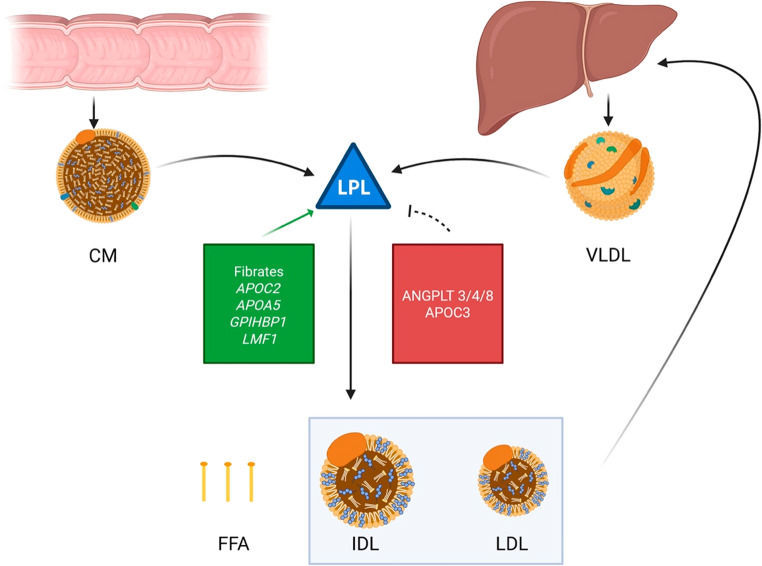
“…(LPL) and impairs hepatic rem - nant clearance—and angiopoietin-like proteins (ANG-PTL3/4/8)—which modulate LPL activity in fed versus fasting states—along with genetic factors and insulin resistance, play a critical role in determining triglyceride-rich lipoprotein (TRL) metabolism [ 13, 15–17 ].”
Marine n−3 Fatty Acids and Prevention of Cardiovascular Disease and Cancer
Manson, J. E., Cook, N. R., Lee, I.-M., Christen, W., Bassuk, S. S., Mora, S., Gibson, H., Albert, C. M., Gordon, D., Copeland, T., et al. (2019) · New England Journal of Medicine · doi:10.1056/nejmoa1811403 · Cited by 979
Common variants associated with plasma triglycerides and risk for coronary artery disease
Do, R., Willer, C. J., Schmidt, E. M., Sengupta, S., Gao, C., Peloso, G. M., Gustafsson, S., Kanoni, S., Ganna, A., Chen, J., et al. (2013) · Nature Genetics · doi:10.1038/ng.2795 · Cited by 862 · cited 1×
“These findings have been further corroborated in studies examining ANGPTL4 and LPL variants, all reinforcing the concept that enhanced clearance of TRLs and their remnants mitigates ASCVD risk [27 ].”
Richardson, T. G., Sanderson, E., Palmer, T. M., Ala-Korpela, M., Ference, B. A., Davey Smith, G., & Holmes, M. V. (2020) · PLOS Medicine · doi:10.1371/journal.pmed.1003062 · Cited by 843
Evinacumab for Homozygous Familial Hypercholesterolemia
Raal, F. J., Rosenson, R. S., Reeskamp, L. F., Hovingh, G. K., Kastelein, J. J. P., Rubba, P., Ali, S., Banerjee, P., Chan, K.-C., Gipe, D. A., et al. (2020) · New England Journal of Medicine · doi:10.1056/nejmoa2004215 · Cited by 793 · cited 1×
“…evinacumab significantly reduced LDL-C levels by 49% from baseline in patients with homozygous familial hypercholesterolemia (HoFH)—a population in whom standard lipid-lowering therapies (including statins and PCSK9 inhibitors) are often ineffective due to absent or defective LDL receptors [53 ].”
Triglyceride Lowering with Pemafibrate to Reduce Cardiovascular Risk
Das Pradhan, A., Glynn, R. J., Fruchart, J.-C., MacFadyen, J. G., Zaharris, E. S., Everett, B. M., Campbell, S. E., Oshima, R., Amarenco, P., Blom, D. J., et al. (2022) · New England Journal of Medicine · doi:10.1056/nejmoa2210645 · Cited by 749
Ference, B. A., Kastelein, J. J. P., Ray, K. K., Ginsberg, H. N., Chapman, M. J., Packard, C. J., Laufs, U., Oliver-Williams, C., Wood, A. M., Butterworth, A. S., et al. (2019) · JAMA · doi:10.1001/jama.2018.20045 · Cited by 703
Self-citationEffects of n−3 Fatty Acid Supplements in Diabetes Mellitus
The ASCEND Study Collaborative Group (2018) · New England Journal of Medicine · doi:10.1056/nejmoa1804989 · Cited by 698
Pollin, T. I., Damcott, C. M., Shen, H., Ott, S. H., Shelton, J., Horenstein, R. B., Post, W., McLenithan, J. C., Bielak, L. F., Peyser, P. A., et al. (2008) · Science · doi:10.1126/science.1161524 · Cited by 688 · cited 1×
“Individuals with genetic loss-of-function mutations in the APOC3 gene exhibit markedly lower TG levels and reduced incidence of CAD, highlighting apoC-III as a compelling therapeutic target for HTG and associated complications [25, 29, 43 ].”
HPS2-THRIVE Collaborative Group, Haynes, R., Jiang, L., Hopewell, J. C., Li, J., Chen, F., Parish, S., Landray, M. J., Collins, R., Armitage, J., et al. (2013) · European Heart Journal · doi:10.1093/eurheartj/eht055 · Cited by 676 · cited 1×
“Benefits in outcome studies appear limited to subgroups with high TG and low HDL-C, highlighting the complexity of translating TG reduction into ASCVD risk reduction [61, 74–77 ].”
Volanesorsen and Triglyceride Levels in Familial Chylomicronemia Syndrome
Witztum, J. L., Gaudet, D., Freedman, S. D., Alexander, V. J., Digenio, A., Williams, K. R., Yang, Q., Hughes, S. G., Geary, R. S., Arca, M., et al. (2019) · New England Journal of Medicine · doi:10.1056/nejmoa1715944 · Cited by 669 · cited 2×
“In the APPROACH trial, a phase III study that enrolled patients with FCS volanesorsen lowered TG levels by approximately 77% from baseline compared to placebo [ 44 ].”
Action to Control Cardiovascular Risk in Diabetes (ACCORD) Trial: Design and Methods
Buse, J. B. (2007) · The American Journal of Cardiology · doi:10.1016/j.amjcard.2007.03.003 · Cited by 661
Miller, M., Cannon, C. P., Murphy, S. A., Qin, J., Ray, K. K., & Braunwald, E. (2008) · Journal of the American College of Cardiology · doi:10.1016/j.jacc.2007.10.038 · Cited by 610
Apolipoprotein B Particles and Cardiovascular Disease: A Narrative Review
Sniderman, A. D., Thanassoulis, G., Glavinovic, T., Navar, A. M., Pencina, M., Catapano, A., & Ference, B. A. (2019) · JAMA Cardiology · doi:10.1001/jamacardio.2019.3780 · Cited by 593
Self-citationInactivating Variants in ANGPTL4 and Risk of Coronary Artery Disease
Dewey, F. E., Gusarova, V., O’Dushlaine, C., Gottesman, O., Trejos, J., Hunt, C., Van Hout, C. V., Habegger, L., Buckler, D., Lai, K.-M. V., et al. (2016) · New England Journal of Medicine · doi:10.1056/nejmoa1510926 · Cited by 497 · cited 2×
“Genetic studies have identified individuals with loss-of-function variants in ANGPTL3, who exhibit lifelong reductions in TGs, LDL-C, and HDL-C, and a lower risk of CAD—a finding that has catalyzed therapeutic efforts targeting this protein [26 ].”
Budoff, M. J., Bhatt, D. L., Kinninger, A., Lakshmanan, S., Muhlestein, J. B., Le, V. T., May, H. T., Shaikh, K., Shekar, C., Roy, S. K., et al. (2020) · European Heart Journal · doi:10.1093/eurheartj/ehaa652 · Cited by 446
Self-citationSampson, U. K., Fazio, S., & Linton, M. F. (2012) · Current Atherosclerosis Reports · doi:10.1007/s11883-011-0219-7 · Cited by 439 · cited 1×
“Residual risk persists in many individuals, especially those with features of metabolic syndrome (MetS) or diabetes mellitus (DM), suggest - ing the need to address additional lipoprotein abnormalities such as elevated triglycerides (TGs) and TG-rich lipoproteins (TRLs) [ 6, 7 ].”
Deedwania, P., Barter, P., Carmena, R., Fruchart, J.-C., Grundy, S. M., Haffner, S., Kastelein, J. J., LaRosa, J. C., Schachner, H., Shepherd, J., et al. (2006) · The Lancet · doi:10.1016/s0140-6736(06)69292-1 · Cited by 387
Salami, J. A., Warraich, H., Valero-Elizondo, J., Spatz, E. S., Desai, N. R., Rana, J. S., Virani, S. S., Blankstein, R., Khera, A., Blaha, M. J., et al. (2017) · JAMA Cardiology · doi:10.1001/jamacardio.2016.4700 · Cited by 370 · cited 1×
“Nevertheless, even with intensive LDL-C reduction using statins and adjunctive agents, CVD remains the leading cause of morbidity and mortality worldwide [4, 5 ].”
Self-citationVirani, S. S., Morris, P. B., Agarwala, A., Ballantyne, C. M., Birtcher, K. K., Kris-Etherton, P. M., Ladden-Stirling, A. B., Miller, M., Orringer, C. E., & Stone, N. J. (2021) · Journal of the American College of Cardiology · doi:10.1016/j.jacc.2021.06.011 · Cited by 341
Self-citationMetabolism of triglyceride-rich lipoproteins in health and dyslipidaemia
Borén, J., Taskinen, M.-R., Björnson, E., & Packard, C. J. (2022) · Nature Reviews Cardiology · doi:10.1038/s41569-022-00676-y · Cited by 315
Keech, A., Colquhoun, D., Best, J., Kirby, A., Simes, R. J., Hunt, D., Hague, W., Beller, E., Arulchelvam, M., Baker, J., et al. (2003) · Diabetes Care · doi:10.2337/diacare.26.10.2713 · Cited by 313 · cited 1×
“Subgroup data from the LIPID trial further showed significant benefit in patients with diabetes and mixed dys - lipidemia, many of whom had elevated TG levels [83 ].”
Effects of n-3 Fatty Acid Supplements in Elderly Patients After Myocardial Infarction
Kalstad, A. A., Myhre, P. L., Laake, K., Tveit, S. H., Schmidt, E. B., Smith, P., Nilsen, D. W. T., Tveit, A., Fagerland, M. W., Solheim, S., et al. (2021) · Circulation · doi:10.1161/circulationaha.120.052209 · Cited by 311
Nonfasting mild-to-moderate hypertriglyceridemia and risk of acute pancreatitis
Pedersen, S. B., Langsted, A., & Nordestgaard, B. G. (2016) · JAMA Internal Medicine · doi:10.1001/jamainternmed.2016.6875 · Cited by 270
Zhang, Y., Pletcher, M. J., Vittinghoff, E., Clemons, A. M., Jacobs, D. R., Allen, N. B., Alonso, A., Bellows, B. K., Oelsner, E. C., Zeki Al Hazzouri, A., et al. (2021) · JAMA Cardiology · doi:10.1001/jamacardio.2021.3508 · Cited by 257 · cited 1×
“Evidence from prospective longitudinal cohort studies and Mendelian randomization support a strong, dose-dependent relationship between LDL-C levels and ASCVD incidence [2, 3 ].”
Effect of Omega-3 Dosage on Cardiovascular Outcomes
Bernasconi, A. A., Wiest, M. M., Lavie, C. J., Milani, R. V., & Laukkanen, J. A. (2021) · Mayo Clinic Proceedings · doi:10.1016/j.mayocp.2020.08.034 · Cited by 237 · cited 1×
“Although lower doses may not produce marked improvements in TGs, meta-analysis of 42 trials of nearly 150,000 subjects, including STRENGTH and OMEMI, showed significant improvements in CVD outcomes [98– 100].”
Self-citationTriglyceride-rich lipoproteins as a causal factor for cardiovascular disease
Toth, P. (2016) · Vascular Health and Risk Management · doi:10.2147/vhrm.s104369 · Cited by 237
Self-citationGouni-Berthold, I., Alexander, V. J., Yang, Q., Hurh, E., Steinhagen-Thiessen, E., Moriarty, P. M., Hughes, S. G., Gaudet, D., Hegele, R. A., O'Dea, L. S. L., et al. (2021) · The Lancet Diabetes & Endocrinology · doi:10.1016/s2213-8587(21)00046-2 · Cited by 232 · cited 1×
“In addition to TG lowering, volane - sorsen has been shown to reduce apoC-III by ~ 80–88% and increase HDL-C by ~ 42% compared with placebo [ 45–47 ].”
Self-citationOlezarsen for Hypertriglyceridemia in Patients at High Cardiovascular Risk
Bergmark, B. A., Marston, N. A., Prohaska, T. A., Alexander, V. J., Zimerman, A., Moura, F. A., Murphy, S. A., Goodrich, E. L., Zhang, S., Gaudet, D., et al. (2024) · New England Journal of Medicine · doi:10.1056/nejmoa2402309 · Cited by 214
The Roles of ApoC-III on the Metabolism of Triglyceride-Rich Lipoproteins in Humans
Borén, J., Packard, C. J., & Taskinen, M.-R. (2020) · Frontiers in Endocrinology · doi:10.3389/fendo.2020.00474 · Cited by 196 · cited 1×
“…(LPL) and impairs hepatic rem - nant clearance—and angiopoietin-like proteins (ANG-PTL3/4/8)—which modulate LPL activity in fed versus fasting states—along with genetic factors and insulin resistance, play a critical role in determining triglyceride-rich lipoprotein (TRL) metabolism [ 13, 15–17 ].”
Vallejo-Vaz, A. J., Fayyad, R., Boekholdt, S. M., Hovingh, G. K., Kastelein, J. J., Melamed, S., Barter, P., Waters, D. D., & Ray, K. K. (2018) · Circulation · doi:10.1161/circulationaha.117.032318 · Cited by 187 · cited 2×
“Beyond their potent LDL-C lowering effect, statins also provide a modest 10–30% dose-dependent reduction in triglycerides, contributing to their utility in patients with mixed dyslipid - emia [85 ].”
InfluentialPlozasiran (ARO-APOC3) for Severe Hypertriglyceridemia
Gaudet, D., Pall, D., Watts, G. F., Nicholls, S. J., Rosenson, R. S., Modesto, K., San Martin, J., Hellawell, J., & Ballantyne, C. M. (2024) · JAMA Cardiology · doi:10.1001/jamacardio.2024.0959 · Cited by 172 · cited 1×
“While these measures are less a favorable safety profile and is anticipated to receive regu - latory approval within the next few months [51 ].”
Digenio, A., Dunbar, R. L., Alexander, V. J., Hompesch, M., Morrow, L., Lee, R. G., Graham, M. J., Hughes, S. G., Yu, R., Singleton, W., et al. (2016) · Diabetes Care · doi:10.2337/dc16-0126 · Cited by 170 · cited 1×
“In addition to TG lowering, volane - sorsen has been shown to reduce apoC-III by ~ 80–88% and increase HDL-C by ~ 42% compared with placebo [ 45–47 ].”
Nicholls, S. J., Lincoff, A. M., Bash, D., Ballantyne, C. M., Barter, P. J., Davidson, M. H., Kastelein, J. J. P., Koenig, W., McGuire, D. K., Mozaffarian, D., et al. (2018) · Clinical Cardiology · doi:10.1002/clc.23055 · Cited by 167 · cited 1×
“Conversely, the STRENGTH trial, which tested a 4 g/day dose of an EPA/DHA carboxylic acid formulation in patients with high TG and low HDL-C, was stopped early for futility and showed no CVD benefit [ 95 ].”
Miname, M. H., Bittencourt, M. S., Moraes, S. R., Alves, R. I. M., Silva, P. R. S., Jannes, C. E., Pereira, A. C., Krieger, J. E., Nasir, K., & Santos, R. D. (2019) · JACC: Cardiovascular Imaging · doi:10.1016/j.jcmg.2018.09.019 · Cited by 151
Puri, R., Nissen, S. E., Shao, M., Elshazly, M. B., Kataoka, Y., Kapadia, S. R., Tuzcu, E. M., & Nicholls, S. J. (2016) · Arteriosclerosis, Thrombosis, and Vascular Biology · doi:10.1161/atvbaha.116.307601 · Cited by 143
Rosenson, R. S., Gaudet, D., Ballantyne, C. M., Baum, S. J., Bergeron, J., Kershaw, E. E., Moriarty, P. M., Rubba, P., Whitcomb, D. C., Banerjee, P., et al. (2023) · Nature Medicine · doi:10.1038/s41591-023-02222-w · Cited by 140 · cited 3×
“Evinacumab also reduces triglyceride levels, with observed reductions ranging from 50 to 70% in early-phase trials involving patients with severe or refractory HTG [54–56 ].”
Ridker, P. M., Rifai, N., MacFadyen, J., Glynn, R. J., Jiao, L., Steg, P. G., Miller, M., Brinton, E. A., Jacobson, T. A., Tardif, J.-C., et al. (2022) · Circulation · doi:10.1161/circulationaha.122.059410 · Cited by 131 · cited 1×
“Notably, the study also observed that the rela - tionship between EPA levels and cardiovascular outcomes persisted even in patients who had only modest reductions in triglycerides, highlighting the importance of EPA concentration in achieving therapeutic benefit [ 94 ].”
Self-citationHagström, E., Steg, P. G., Szarek, M., Bhatt, D. L., Bittner, V. A., Danchin, N., Diaz, R., Goodman, S. G., Harrington, R. A., Jukema, J. W., et al. (2022) · Circulation · doi:10.1161/circulationaha.121.057807 · Cited by 118 · cited 1×
“…single summary measure of atherogenic risk, as LDL apoB numerically dominates total apoB in most individuals; accordingly, the benefits of lipid-lowering therapy appear to correlate more closely with reductions in apoB (particle number) than with triglyceride lowering alone [2, 18, 19 ].”
Self-citationMiyauchi, K., Iwata, H., Nishizaki, Y., Inoue, T., Hirayama, A., Kimura, K., Ozaki, Y., Murohara, T., Ueshima, K., Kuwabara, Y., et al. (2024) · Circulation · doi:10.1161/circulationaha.123.065520 · Cited by 114 · cited 1×
“These findings reinforced the hypothesis that the clinical benefit of EPA relates more to attained EPA concentrations than to triglyceride lowering per se [92 ].”
The genetics of familial combined hyperlipidaemia
Brouwers, M. C. G. J., van Greevenbroek, M. M. J., Stehouwer, C. D. A., de Graaf, J., & Stalenhoef, A. F. H. (2012) · Nature Reviews Endocrinology · doi:10.1038/nrendo.2012.15 · Cited by 109 · cited 1×
“The disorder has a complex polygenic basis, with genetic susceptibility involving variants that influence apoB production, hepatic VLDL secretion, and TG metabo - lism, rather than a single causative mutation [ 80].”
Reeskamp, L. F., Millar, J. S., Wu, L., Jansen, H., van Harskamp, D., Schierbeek, H., Gipe, D. A., Rader, D. J., Dallinga-Thie, G. M., Hovingh, G. K., et al. (2021) · Arteriosclerosis, Thrombosis, and Vascular Biology · doi:10.1161/atvbaha.120.315204 · Cited by 109 · cited 1×
“While the risk of pancreatitis increases substantially with severe and LDL apoB supports a clearance-driven mechanism of LDL reduction under ANGPTL3 blockade [ 58 ].”
Watts, G. F., Schwabe, C., Scott, R., Gladding, P. A., Sullivan, D., Baker, J., Clifton, P., Hamilton, J., Given, B., Melquist, S., et al. (2023) · Nature Medicine · doi:10.1038/s41591-023-02494-2 · Cited by 105 · cited 2×
“Treatment was well tolerated and demonstrated prolonged activity, supporting infrequent dosing intervals [59 ].”
Orringer, C. E., Jacobson, T. A., & Maki, K. C. (2019) · Journal of Clinical Lipidology · doi:10.1016/j.jacl.2019.10.014 · Cited by 103 · cited 1×
“…Lipid Association issued a strong recommendation for the use of icosapent ethyl in patients aged ≥ 45 years with ASCVD or ≥ 50 years with DM and at least one additional risk factor, who have fasting TG levels between 135 and 499 mg/dL despite being on maximally tolerated statin therapy [67 ].”
Yang, X., Lee, S.-R., Choi, Y.-S., Alexander, V. J., Digenio, A., Yang, Q., Miller, Y. I., Witztum, J. L., & Tsimikas, S. (2016) · Journal of Lipid Research · doi:10.1194/jlr.m066399 · Cited by 103
Elshazly, M. B., Mani, P., Nissen, S., Brennan, D. M., Clark, D., Martin, S., Jones, S. R., Quispe, R., Donnellan, E., Nicholls, S. J., et al. (2020) · European Journal of Preventive Cardiology · doi:10.1177/2047487319887578 · Cited by 103 · cited 2×
“Individuals with HTG demonstrate greater plaque volume and higher prevalence of lipid-rich, low-attenuation plaques—features associated with plaque vulnerability and higher risk of acute coronary syndromes [33–35 ].”
Olezarsen for Managing Severe Hypertriglyceridemia and Pancreatitis Risk
Marston, N. A., Bergmark, B. A., Alexander, V. J., Prohaska, T. A., Kang, Y. M., Moura, F. A., Zimerman, A., Waldman, E., Weinland, J., Murphy, S. A., et al. (2026) · New England Journal of Medicine · doi:10.1056/nejmoa2512761 · Cited by 88 · cited 1×
“A recent pooled analysis of two random - ized trials further demonstrated that olezarsen significantly reduced pancreatitis events in patients with FCS, providing the first evidence of a clinical outcome benefit beyond tri - glyceride lowering[ 50].”
Fasting, non-fasting and postprandial triglycerides for screening cardiometabolic risk
Keirns, B. H., Sciarrillo, C. M., Koemel, N. A., & Emerson, S. R. (2021) · Journal of Nutritional Science · doi:10.1017/jns.2021.73 · Cited by 86 · cited 1×
“Notably, nonfasting TG levels may better reflect the ath - erogenic burden of remnant particles, which are elevated in the postprandial state and contribute to endothelial dysfunction and plaque progression [21 ].”
Mach, F., van Lennep, J. E. R., & Koskinas, K. C. (2025) · European Heart Journal · doi:10.1093/eurheartj/ehaf919 · Cited by 83
Targeting APOC3 with Olezarsen in Moderate Hypertriglyceridemia
Bergmark, B. A., Marston, N. A., Prohaska, T. A., Alexander, V. J., Zimerman, A., Moura, F. A., Kang, Y. M., Weinland, J., Murphy, S. A., Goodrich, E. L., et al. (2025) · New England Journal of Medicine · doi:10.1056/nejmoa2507227 · Cited by 78 · cited 1×
“…that utilizes triantennary GalNAc-conjugation for liver-specific delivery, allowing for lower doses and improved tolerability, with phase 2/3 and now phase 3 data (including ESSENCE TIMI 73b) showing tri - glyceride reductions of ~ 60% and reduced platelet-related adverse events [48, 49 ].”
The burden of hypercholesterolemia and ischemic heart disease in an ageing world
Pirillo, A., & Norata, G. D. (2023) · Pharmacological Research · doi:10.1016/j.phrs.2023.106814 · Cited by 75 · cited 1×
“Nevertheless, even with intensive LDL-C reduction using statins and adjunctive agents, CVD remains the leading cause of morbidity and mortality worldwide [4, 5 ].”
Phase 1 Trial of CRISPR-Cas9 Gene Editing Targeting ANGPTL3
Laffin, L. J., Nicholls, S. J., Scott, R. S., Clifton, P. M., Baker, J., Sarraju, A., Singh, S., Wang, Q., Wolski, K., Xu, H., et al. (2025) · New England Journal of Medicine · doi:10.1056/nejmoa2511778 · Cited by 73 · cited 1×
“…gene-editing approaches are being explored; in a first-in-human phase 1 trial, a single intravenous dose of CTX310, a lipid-nanoparticle–encapsulated CRISPR–Cas9 therapy targeting hepatic ANGPTL3, produced dose-dependent reductions in ANGPTL3 levels with few short-term adverse events [ 60].”
Familial chylomicronemia syndrome: An expert clinical review from the National Lipid Association
Javed, F., Hegele, R. A., Garg, A., Patni, N., Gaudet, D., Williams, L., Khan, M., Li, Q., & Ahmad, Z. (2025) · Journal of Clinical Lipidology · doi:10.1016/j.jacl.2025.03.013 · Cited by 60
Target Populations for Novel Triglyceride-Lowering Therapies
Nordestgaard, A. T., Tybjærg-Hansen, A., Mansbach, H., Kersten, S., Nordestgaard, B. G., & Rosenson, R. S. (2025) · Journal of the American College of Cardiology · doi:10.1016/j.jacc.2025.02.035 · Cited by 54
Familial Combined Hyperlipidemia: Current Knowledge, Perspectives, and Controversies
Bello-Chavolla, O. Y., Kuri-García, A., Ríos-Ríos, M., Vargas-Vázquez, A., Cortés-Arroyo, J. E., Tapia-González, G., Cruz-Bautista, I., & Aguilar-Salinas, C. A. (2018) · Revista de Investigación Clínica · doi:10.24875/ric.18002575 · Cited by 53
Gene therapy and genome editing for lipoprotein disorders
Gurevitz, C., Bajaj, A., Khera, A. V., Do, R., Schunkert, H., Musunuru, K., & Rosenson, R. S. (2025) · European Heart Journal · doi:10.1093/eurheartj/ehaf411 · Cited by 51
Hao, Q.-Y., Gao, J.-W., Yuan, Z.-M., Gao, M., Wang, J.-F., Schiele, F., Zhang, S.-L., & Liu, P.-M. (2022) · Circulation: Cardiovascular Imaging · doi:10.1161/circimaging.122.014116 · Cited by 49 · cited 1×
“Moreover, higher remnant lipoprotein cholesterol is independently associated with CAC progression even when LDL-C is optimal, supporting a link between TRL remnants and cal - cific atherosclerosis [ 31 ].”
Ellims, A. H., Wong, G., Weir, J. M., Lew, P., Meikle, P. J., & Taylor, A. J. (2014) · European Heart Journal - Cardiovascular Imaging · doi:10.1093/ehjci/jeu033 · Cited by 41
Bashir, B., Schofield, J., Downie, P., France, M., Ashcroft, D. M., Wright, A. K., Romeo, S., Gouni-Berthold, I., Maan, A., Durrington, P. N., et al. (2024) · Frontiers in Cardiovascular Medicine · doi:10.3389/fcvm.2024.1389106 · Cited by 40 · cited 1×
“Benefits in outcome studies appear limited to subgroups with high TG and low HDL-C, highlighting the complexity of translating TG reduction into ASCVD risk reduction [61, 74–77 ].”
Yamaura, H., Otsuka, K., Ishikawa, H., Shirasawa, K., Fukuda, D., & Kasayuki, N. (2022) · Frontiers in Cardiovascular Medicine · doi:10.3389/fcvm.2022.824470 · Cited by 40 · cited 1×
“Individuals with HTG demonstrate greater plaque volume and higher prevalence of lipid-rich, low-attenuation plaques—features associated with plaque vulnerability and higher risk of acute coronary syndromes [33–35 ].”
The Fibrates Story — A Tepid End to a PROMINENT Drug
Virani, S. S. (2022) · New England Journal of Medicine · doi:10.1056/nejme2213208 · Cited by 40
Self-citationOmega-3 Benefits Remain Strong Post-STRENGTH
Bernasconi, A. A., Lavie, C. J., Milani, R. V., & Laukkanen, J. A. (2021) · Mayo Clinic Proceedings · doi:10.1016/j.mayocp.2021.03.004 · Cited by 37
Self-citationLeBlanc, S., Coulombe, F., Bertrand, O. F., Bibeau, K., Pibarot, P., Marette, A., Alméras, N., Lemieux, I., Després, J., & Larose, E. (2018) · Journal of the American Heart Association · doi:10.1161/jaha.117.008139 · Cited by 35 · cited 1×
“While primarily research-focused, early MRI studies have linked HTG with increased lipid burden in carotid and coronary plaques [40].”
Rabbat, M. G., Lakshmanan, S., Benjamin, M. M., Doros, G., Kinninger, A., Budoff, M. J., & Bhatt, D. L. (2023) · European Heart Journal - Cardiovascular Imaging · doi:10.1093/ehjci/jead063 · Cited by 34 · cited 1×
“This provides additional mechanistic insight into how icosa-pent ethyl confers cardiovascular benefit—not just altering plaque composition, but also improving functional coronary hemodynamics [37 ].”
Self-citationANGPLT3: A novel modulator of lipid metabolism
Hassan, M. S. (2017) · Global Cardiology Science and Practice · doi:10.21542/gcsp.2017.6 · Cited by 29
New approaches to triglyceride reduction: is there any hope left?
Filtz, A., Parihar, S., Greenberg, G. S., Park, C. M., Scotti, A., Lorenzatti, D., Badimon, J. J., Soffer, D. E., Toth, P. P., Lavie, C. J., et al. (2024) · American Journal of Preventive Cardiology · doi:10.1016/j.ajpc.2024.100648 · Cited by 26 · cited 1×
“The pivotal clinical trials across available treatment classes are high - lighted in Table 1 [78 ].”
Self-citationCainzos-Achirica, M., Quispe, R., Dudum, R., Greenland, P., Lloyd-Jones, D., Rana, J. S., Lima, J. A. C., Doria de Vasconcellos, H., Joshi, P. H., Khera, A., et al. (2022) · JACC: Cardiovascular Imaging · doi:10.1016/j.jcmg.2021.10.017 · Cited by 24 · cited 2×
“Therefore, CAC may also serve as a decision-making tool in borderline-or intermediate-risk patients with hypertriglyceridemia, refining statin initiation and intensification strategies [30 , 32 ].”
Self-citationEvinacumab: Mechanism of action, clinical, and translational science
Dingman, R., Bihorel, S., Gusarova, V., Mendell, J., & Pordy, R. (2024) · Clinical and Translational Science · doi:10.1111/cts.13836 · Cited by 23
Saadatagah, S., Larouche, M., Naderian, M., Nambi, V., Brisson, D., Kullo, I. J., Duell, P. B., Michos, E. D., Shapiro, M. D., Watts, G. F., et al. (2025) · American Journal of Preventive Cardiology · doi:10.1016/j.ajpc.2025.100978 · Cited by 22
Self-citationPan, B.-Y., Chen, C.-S., Chen, F.-Y., & Shen, M.-Y. (2024) · International Journal of Molecular Sciences · doi:10.3390/ijms252312759 · Cited by 19 · cited 1×
“Elevated triglycerides and apoC-III levels correlate with increased CIMT and greater carotid plaque prevalence, reinforcing the atherogenic potential of remnant lipoproteins [38, 39 ].”
Mszar, R., Bart, S., Sakers, A. P., Soffer, D. E., & Karalis, D. G. (2023) · Journal of Clinical Medicine · doi:10.3390/jcm12041382 · Cited by 17
Lessons from PROMINENT and prospects for pemafibrate
Fruchart, J.-C., Fruchart-Najib, J., Yamashita, S., Libby, P., Yokote, K., Kodama, T., Tomita, Y., Ridker, P. M., Hermans, M. P., & Zambon, A. (2024) · Cardiovascular Diabetology · doi:10.1186/s12933-024-02305-z · Cited by 16 · cited 1×
“Pemafibrate reduces serum TGs by 30–50%, lowers remnant cholesterol, and improves postprandial lipid metabolism, while minimizing off-target effects on kidney and liver function [ 63 ].”
Rosenson, R. S., Rader, D. J., Ali, S., Banerjee, P., McGinniss, J., & Pordy, R. (2025) · Cardiovascular Drugs and Therapy · doi:10.1007/s10557-024-07567-z · Cited by 13
Familial chylomicronemia syndrome: importance of diagnostic vigilance
Ueda, M. (2022) · Translational Pediatrics · doi:10.21037/tp-22-488 · Cited by 12
Hermel, M., Lieberman, M., Slipczuk, L. N., Rana, J. S., & Virani, S. S. (2023) · Pharmaceutics · doi:10.3390/pharmaceutics15020459 · Cited by 12
Self-citationRosenson, R. S., George, R. T., Sanchez, R. J., Zhao, X.-Q., Ponda, M. P., Waldron, A., & Pordy, R. (2025) · Journal of Clinical Lipidology · doi:10.1016/j.jacl.2025.07.005 · Cited by 11
Virani, S. S., Nambi, V., & Ballantyne, C. M. (2021) · European Heart Journal - Cardiovascular Pharmacotherapy · doi:10.1093/ehjcvp/pvab010 · Cited by 10
Self-citationFerrer, R., Mansilla, A., Tondo, M., & Blanco-Vaca, F. (2023) · Journal of Laboratory and Precision Medicine · doi:10.21037/jlpm-22-70 · Cited by 7
Predicting Risk of Cardiovascular Disease EVENTs (PREVENT) Equations: What Clinicians Need to Know?
Abdul Jabbar, A. B., Inam, M., Butt, N., Khan, S. S., Sheikh, S., Khoja, A., Perry, B., Gomez, G. Z., Slipczuk, L., & Virani, S. S. (2025) · Current Atherosclerosis Reports · doi:10.1007/s11883-025-01320-z · Cited by 7 · cited 1×
“…filtration rate (eGFR) and statin use, with optional inclusion of hemoglobin A1c, urine albumin-to-creatinine ratio, and social deprivation index, predicting both ASCVD and heart failure, while adjusting for the competing risk of non-CVD death and calibrated to estimate population risk [86 ].”
Self-citationMiller, M. (2024) · Current Opinion in Cardiology · doi:10.1097/hco.0000000000001136 · Cited by 7
Dietary recommendations for dysbetalipoproteinemia: A need for better evidence
Paquette, M., Blais, C., Fortin, A., Bernard, S., & Baass, A. W. (2023) · Journal of clinical lipidology · doi:10.1016/j.jacl.2023.05.101 · Cited by 6
Diabetes-Related Changes in Carotid Wall Properties: Role of Triglycerides
Kozakova, M., Morizzo, C., Penno, G., Chiappino, D., & Palombo, C. (2024) · Journal of Clinical Medicine · doi:10.3390/jcm13185654 · Cited by 4 · cited 1×
“PET imaging with tracers of inflammation (e.g., 18 F-FDG) has demonstrated that patients with elevated TGs exhibit higher intensity of arterial wall inflammation, potentially reflecting TRL-induced endothelial activation [ 41 ].”
APOC3 inhibition: The strongest case yet for triglyceride targeting
Shapiro, M. D., & Slipczuk, L. (2025) · Progress in Cardiovascular Diseases · doi:10.1016/j.pcad.2025.09.006 · Cited by 2 · cited 2×
“Individuals with genetic loss-of-function mutations in the APOC3 gene exhibit markedly lower TG levels and reduced incidence of CAD, highlighting apoC-III as a compelling therapeutic target for HTG and associated complications [25, 29, 43 ].”
Self-citation
Research works printed but not linked: 2
- 16. Meeusen J, Ueda M, Nordestgaard B RA. Lipids and lipoproteins in Tietz Textbook of Laboratory Medicine. Elsevier Inc.; 2021.
- Baigent C, Keech A, Kearney PM, Blackwell L, Buck G, Pollicino C, et al. Efficacy and safety of cholesterol-lowering treatment: prospective meta-analysis of data from 90,056 participants in 14 randomised trials of statins. Lancet (London, England). 2005;366:1267–78. 16214597
Cited by
Lipids and Disorders of Lipoprotein Metabolism
Kharb, S. (2026) · BENTHAM SCIENCE PUBLISHERS eBooks · doi:10.2174/9798898816513126010015
Casu, G., Idini, C., Santoru, A., Serra, G., Bilotta, F., Poddighe, C., Merella, P., Murtas, V. D., Rubbino, F., Micheluzzi, V., et al. (2026) · Nutrition Metabolism and Cardiovascular Diseases · doi:10.1016/j.numecd.2026.104820
Rehman, M. A., Oduoye, M. O., Ozoemena, D. J., Danso, E. A., Chukwuka, G., & Odelade, M. A. (2026) · Frontiers in Cardiovascular Medicine · doi:10.3389/fcvm.2026.1911458
Metadata
- Authors
- Alam, U., Mathai, S. V., Filtz, A., Kuno, T., Badimon, J. J., Sniderman, A. D., Virani, S. S., Toth, P. P., Shapiro, M. D., Lavie, C. J., Bhatt, D. L., & Slipczuk, L.
- Affiliations
- Albert Einstein College of Medicine (US)
- Beth Israel Deaconess Medical Center (US)
- McGill University Health Centre (CA)
- Aga Khan University (PK)
- Johns Hopkins University (US)
- Wake Forest University Health Sciences (US)
- The University of Queensland (AU)
- Icahn School of Medicine at Mount Sinai (US)
- Corresponding author
- Slipczuk, Leandro
- ORCID
- Venue
- Current Cardiology Reports
- Published
- 2026-01-03
- Volume
- 28
- Issue
- 1
- Pages
- 8-8
- ISSN
- 1523-3782 (ISSN-L)
- 1534-3170
- PMC
- PMC12764623
- OpenAlex
- W7118079725
- Semantic Scholar
- bf3717e8194ad040108a2697e4591ed574df9372
- Cited by
- 4
- References
- 94
- Citations by year
- 2026: 4
- FWCI
- 7.68
- Type
- journal article
- Language
- en
- Open access
- hybrid
- doi.org
- Licence
- cc-by
- creativecommons.org/licenses/by/4.0 (tdm)
- creativecommons.org/licenses/by/4.0 (vor)
- Locations
- Current Cardiology Reports (publishedVersion, cc-by)
- PubMed (publishedVersion)
- PubMed Central (publishedVersion, cc-by)
- eCommons - AKU (Aga Khan University) (submittedVersion)
- Topics
- Health Sciences › Medicine › Cardiology and Cardiovascular Medicine › Lipoproteins and Cardiovascular Health
- Health Sciences › Medicine › Cardiology and Cardiovascular Medicine › Lipid metabolism and disorders
- Health Sciences › Medicine › Endocrinology, Diabetes and Metabolism › Diabetes, Cardiovascular Risks, and Lipoproteins
- Keywords
- triglycerides, triglyceride-rich lipoproteins, remnant lipoproteins, cardiovascular disease prevention, atherosclerotic cardiovascular disease, residual cardiovascular risk, apolipoprotein B, ANGPTL3 inhibitors, triglyceride-lowering therapy, diabetes mellitus, metabolic syndrome, chronic kidney disease
- MeSH terms
- Hypolipidemic Agents, Cardiovascular Diseases, Humans, Lipoproteins, Triglycerides
About these checks
Registry, retraction, Cites and statistics results are computed, not judged, with one exception: a printed reference that no index lists is read once by a model before it counts as a citation error. Claims are extracted by a model and kept only when their quote appears verbatim in the text; each cited source is then checked, with a model’s help, for whether it says what the claim relies on. Those verdicts can be wrong — read the claim’s quote and the cited source before relying on one.
The claim verdicts this report counts are experimental: their accuracy is not yet measured.
A language model drew the claims from the paper on 2026-10-10, under version 3 of the claim definition (model deepseek-v4.1-flash, prompt extract-v3).
A second model labelled each claim on 2026-10-10 (model jev-1.13-20260917, definition revision gold-guideline-v0.2).
Cited sources are checked with a language model’s help (gpt-6-sol).
Statistics and arithmetic are recomputed, not judged.
Confidence bands are shown only for fields calibrated on our annotated test set. None is calibrated yet, so no band is shown.
What counts as a claim ›How we measure confidence ›How we check this ›
Are you an author, or do you see a problem with this page? Request a review
Data sources
Bibliographic data: Semantic Scholar, OpenAlex, Crossref.
Contains information from the Semantic Scholar Academic Graph Datasets, made available under the ODC Attribution License (ODC-BY 1.0).
Semantic Scholar’s data is described in: Kinney, R., et al. (2023). The Semantic Scholar Open Data Platform. arXiv:2301.10140.
