

The Ethics of Digital Well-Being: A Thematic Review
Open accessThe DOI matches its Crossref record; 138 of the 142 references it cites were found in a registry or an index.
Abstract
This article presents the first thematic review of the literature on the ethical issues concerning digital well-being. The term ‘digital well-being’ is used to refer to the impact of digital technologies on what it means to live a life that is good for a human being. The review explores the existing literature on the ethics of digital well-being, with the goal of mapping the current debate and identifying open questions for future research. The review identifies major issues related to several key social domains: healthcare, education, governance and social development, and media and entertainment. It also highlights three broader themes: positive computing, personalised human–computer interaction, and autonomy and self-determination. The review argues that three themes will be central to ongoing discussions and research by showing how they can be used to identify open questions related to the ethics of digital well-being.
Overview
The claims and statistics of this paper haven’t been checked yet.
Free: it reads the open-access text and checks the first 5 claims that cite a source we can check. Create a free account to check every claim.
Integrity signals
Registry
Cites
Statistics
Figures
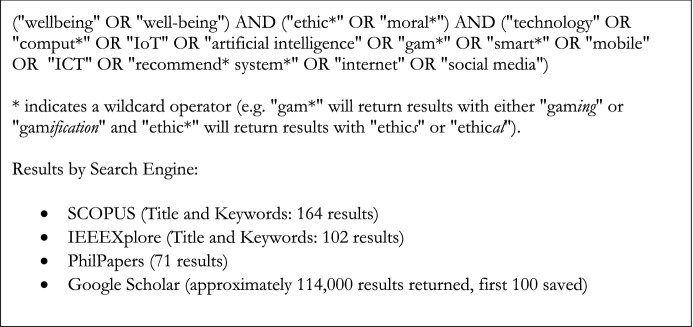
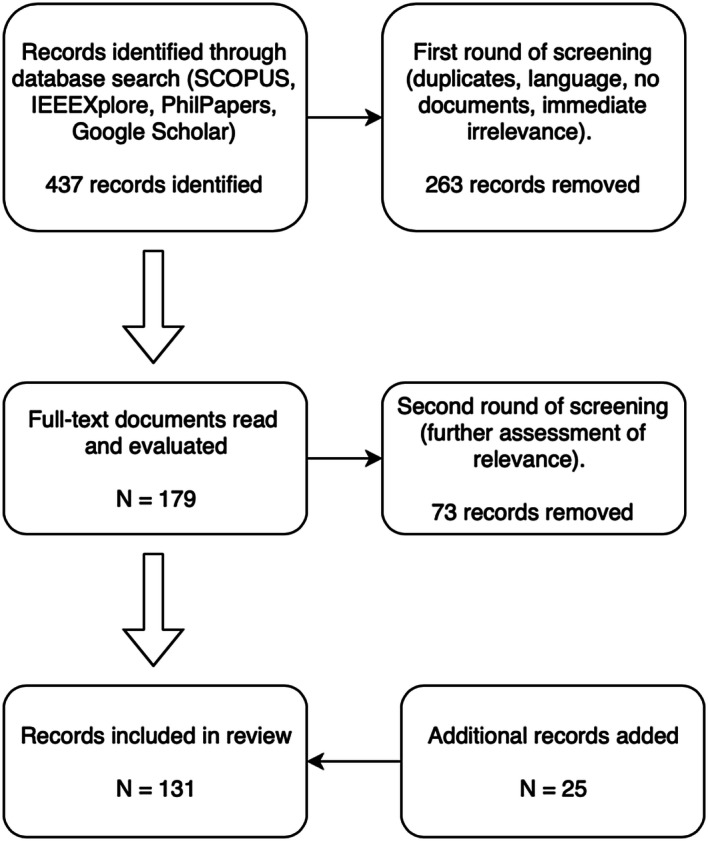
Verification
Claims the paper makes
The claims and statistics of this paper haven’t been checked yet.
Free: it reads the open-access text and checks the first 5 claims that cite a source we can check. Create a free account to check every claim.
Claims other papers make about this one
Each is checked against this paper’s own text: does it say what the citing paper says it does?
The check wasn’t confident either way, so it gives no verdict — never disputed.
In the citing paper
“On other occasions a false negative occurred when AI incorrectly fails to indicate the presence of a disease when in reality it is present.”
From Responsible AI for Digital Health: a Synthesis and a Research Agenda (2023) · cites this paper as Burr et al., 2020
Experimental — accuracy not yet measuredIn the citing paper
“decision making in health are untranslatable between different care settings, which challenges the scientific rigor of these methods (Burr et al., 2020).”
From Responsible AI for Digital Health: a Synthesis and a Research Agenda (2023) · cites this paper as Burr et al., 2020
Self-check
Percentages, sums and reported differences re-computed from the paper’s own numbers.
The self-check needs the paper’s full text.
Citations
Cites
Ryan, R. M., & Deci, E. L. (2000) · American Psychologist · doi:10.1037//0003-066x.55.1.68 · Cited by 54,599
Principles of Biomedical Ethics
(2012) · Thieves of Virtue · doi:10.7551/mitpress/9079.003.0009 · Cited by 13,453
The Need for a New Medical Model: A Challenge for Biomedicine
Engel, G. L. (1977) · Science · doi:10.1126/science.847460 · Cited by 12,887
Positive psychology: An introduction.
Seligman, M. E. P., & Csikszentmihalyi, M. (2000) · American Psychologist · doi:10.1037/0003-066x.55.1.5 · Cited by 11,351 · cited 2×
“Positive computing builds on research in positive psychology (Seligman & Csikszentmihalyi, 2000), by adopting an interdisciplinary perspective to study the individual and social factors that foster human flourishing in order to understand how to design digital interfaces that promote user s’…”
BackgroundThe future of employment: How susceptible are jobs to computerisation?
Frey, C. B., & Osborne, M. A. (2017) · Technological Forecasting and Social Change · doi:10.1016/j.techfore.2016.08.019 · Cited by 8,727 · cited 2×
“2018, Orben and Przybylski 2019) and a need for understanding the extent of disruption to labour markets and related well-being issues, which will be caused by increased automation (Frey and Osborne 2017).”
BackgroundThe global landscape of AI ethics guidelines
Jobin, A., Ienca, M., & Vayena, E. (2019) · Nature Machine Intelligence · doi:10.1038/s42256-019-0088-2 · Cited by 6,220 · cited 1×
“This type of analysis would be useful, especially given the recent focus on exploring the global landscape of AI ethics guidelines (e.g. Jobin, Ienca, and Vayena 2019; Floridi et al., 2018).”
Floridi, L., Cowls, J., Beltrametti, M., Chatila, R., Chazerand, P., Dignum, V., Luetge, C., Madelin, R., Pagallo, U., Rossi, F., et al. (2018) · Minds and Machines · doi:10.1007/s11023-018-9482-5 · Cited by 4,774 · cited 4×
“This type of analysis would be useful, especially given the recent focus on exploring the global landscape of AI ethics guidelines (e.g. Jobin, Ienca, and Vayena 2019; Floridi et al., 2018).”
BackgroundMethodInfluentialSelf-citationExperimental evidence of massive-scale emotional contagion through social networks
Kramer, A. D. I., Guillory, J. E., & Hancock, J. T. (2014) · Proceedings of the National Academy of Sciences · doi:10.1073/pnas.1320040111 · Cited by 3,687 · cited 1×
“, happiness), which in turn could be misused by social media companies experimenting with the manipulation of user’s emotional states (Kramer et al., 2014), or advertisers looking to target very specific audiences (Matz et al.”
BackgroundThe fourth industrial revolution
Schwab, K. (n.d.) · Cited by 2,997
Flourishing Across Europe: Application of a New Conceptual Framework for Defining Well-Being
Huppert, F. A., & So, T. T. C. (2013) · Social Indicators Research · doi:10.1007/s11205-011-9966-7 · Cited by 1,864 · cited 1×
“Many national governments have become interested in the sciences of well-being and their impact on policy (Huppert and So 2013; Stiglitz et al. 2008).”
BackgroundArtificial Intelligence in Architectural Design
Indonesia, U. K., Harapan, A., Indriani, D., Rizkiya, N. F., & Azbi, R. M. (2021) · International Journal of Design · doi:10.34010/injudes.v1i1.4824 · Cited by 1,633
(2021) · Encyclopedia of the UN Sustainable Development Goals · doi:10.1007/978-3-319-95963-4_300069 · Cited by 1,569
Friend networking sites and their relationship to adolescents’ well-being and social self-esteem
Valkenburg, P. M., Peter, J., & Schouten, A. P. (2006) · CyberPsychology & Behavior · doi:10.1089/cpb.2006.9.584 · Cited by 1,531 · cited 1×
“Valkenburg et al. (2006) discuss how social feedback could impact the development a user’s self -esteem; Verduyn et al. (2015) explore the differences between the impact of passive and active use of social media on the user’s emotional development of affective well-being; and Ahn (2011)…”
BackgroundThe association between adolescent well-being and digital technology use
Orben, A., & Przybylski, A. K. (2019) · Nature Human Behaviour · doi:10.1038/s41562-018-0506-1 · Cited by 1,500 · cited 5×
“…concern, but at present the existing empirical literature from the psychological sciences on social media’s impact on well-being is rather fragmented and much disagreement remains about the impact of digital technologies on subjective well-being (Orben & Przybylski, 2019; Twenge et al., 2018).”
BackgroundInfluentialJournal of Epidemiology and Community Health
(1982) · International Journal of Epidemiology · doi:10.1093/ije/11.2.201 · Cited by 1,255
Gamification for health and wellbeing: A systematic review of the literature
Johnson, D., Deterding, S., Kuhn, K.-A., Staneva, A., Stoyanov, S., & Hides, L. (2016) · Internet Interventions · doi:10.1016/j.invent.2016.10.002 · Cited by 1,237
Online communication, social media and adolescent wellbeing: A systematic narrative review
Best, P., Manktelow, R., & Taylor, B. (2014) · Children and Youth Services Review · doi:10.1016/j.childyouth.2014.03.001 · Cited by 1,067 · cited 2×
“…literature is both a consequence of the methodology of the studies (see Orben & Przybylski, 2019), which use differing assumptions regarding the choice of construct to measure, and of the nature of social media, which vary in scope, purpose, and demographics from site to site (Best et al., 2014).”
BackgroundResultPassive Facebook usage undermines affective well-being: Experimental and longitudinal evidence.
Verduyn, P., Lee, D. S., Park, J., Shablack, H., Orvell, A., Bayer, J., Ybarra, O., Jonides, J., & Kross, E. (2015) · Journal of Experimental Psychology: General · doi:10.1037/xge0000057 · Cited by 988 · cited 1×
“Valkenburg et al. (2006) discuss how social feedback could impact the development a user’s self -esteem; Verduyn et al. (2015) explore the differences between the impact of passive and active use of social media on the user’s emotional development of affective well-being; and Ahn (2011)…”
BackgroundTechnology and the Virtues: A Philosophical Guide to a Future Worth Wanting
Vallor, S. (2016) · doi:10.1093/acprof:oso/9780190498511.001.0001 · Cited by 910 · cited 9×
“2017), and propose a kind of reflective equilibrium between the ethical principles or guidelines and the target technology that was proposed (Mittelstadt 2017b; Vallor 2016).”
BackgroundInfluentialPsychological targeting as an effective approach to digital mass persuasion
Matz, S. C., Kosinski, M., Nave, G., & Stillwell, D. J. (2017) · Proceedings of the National Academy of Sciences · doi:10.1073/pnas.1710966114 · Cited by 892 · cited 1×
“…be used to infer information about a user’s mental state (e.g., happiness), which in turn could be misused by social media companies experimenting with the manipulation of user’s emotional states (Kramer et al., 2014), or advertisers looking to target very specific audiences (Matz et al., 2017).”
BackgroundDesigning for Motivation, Engagement and Wellbeing in Digital Experience
Peters, D., Calvo, R. A., & Ryan, R. M. (2018) · Frontiers in Psychology · doi:10.3389/fpsyg.2018.00797 · Cited by 888 · cited 8×
“The importance of intrinsic motivation for sustainable well-being has also been noted by advocates of positive computing (Peters et al., 2018), and is changing how features like gamification are being used to promote self-determination and user engagement (da Silva et al., 2013; Hall et al., 2013;…”
BackgroundInfluentialAdams, N., Little, T. D., & Ryan, R. M. (2017) · Development of Self-Determination Through the Life-Course · doi:10.1007/978-94-024-1042-6_4 · Cited by 886
How AI can be a force for good
Taddeo, M., & Floridi, L. (2018) · Science · doi:10.1126/science.aat5991 · Cited by 760 · cited 1×
“In some cases, this empowerment has been highlighted in connection with the enhancement of human capabilities (Earp et al., 2014; Klein et al., 2015), and in relation to the promotion of an individual’s self-determination (Bennett et al., 2017; Taddeo & Floridi, 2018; Thieme et al., 2015).”
Self-citationTwenge, J. M., Martin, G. N., & Campbell, W. K. (2018) · Emotion · doi:10.1037/emo0000403 · Cited by 750 · cited 1×
“For example, there has been a wide, and yet unsettled, discussion about the impact that screen time has on subjective well-being (Gonzalez, 2019; Orben & Przybylski, 2019; Twenge et al., 2018).”
BackgroundToward understanding the impact of artificial intelligence on labor
Frank, M. R., Autor, D., Bessen, J. E., Brynjolfsson, E., Cebrian, M., Deming, D. J., Feldman, M., Groh, M., Lobo, J., Moro, E., et al. (2019) · Proceedings of the National Academy of Sciences · doi:10.1073/pnas.1900949116 · Cited by 713 · cited 2×
“Second, technological developments are changing the nature of work, requiring a shift in terms of educational curricula to focus more on digital literacy, and also requiring employees to continuously adapt to a shifting landscape by learning new skills or refining existing ones (see World Economic Forum 2018; Frank et…”
A Deep Learning Model to Predict a Diagnosis of Alzheimer Disease by Using 18 F-FDG PET of the Brain
Ding, Y., Sohn, J. H., Kawczynski, M. G., Trivedi, H., Harnish, R., Jenkins, N. W., Lituiev, D., Copeland, T. P., Aboian, M. S., Mari Aparici, C., et al. (2019) · Radiology · doi:10.1148/radiol.2018180958 · Cited by 577 · cited 2×
“In addition, machine learning (ML) technologies are offering more reliable and efficient ways to diagnose illnesses such as Alzheimer’s (Ding et al., 2018), and developments in virtual reality/augmented reality (VR/AR) technology and brain-computer interfaces are providing new research avenues for…”
BackgroundSpike avalanches in vivo suggest a driven, slightly subcritical brain state
Priesemann, V. (2014) · Frontiers in Systems Neuroscience · doi:10.3389/fnsys.2014.00108 · Cited by 563
Edgework: The Sociology of Risk Taking
Laurendeau, J., & Lyng, S. (2006) · Canadian Journal of Sociology / Cahiers canadiens de sociologie · doi:10.2307/20058720 · Cited by 531 · cited 1×
“Starting with the positive discussions, Hart (2016) adopts a sociological perspective to argue that social media provide an opportunity for individuals to engage in ‘edgework’, purposeful engagement in risky behaviour because of its seductive character and the rewards it brings (Lyng 2005).”
BackgroundPsychological Language on Twitter Predicts County-Level Heart Disease Mortality
Eichstaedt, J. C., Schwartz, H. A., Kern, M. L., Park, G., Labarthe, D. R., Merchant, R. M., Jha, S., Agrawal, M., Dziurzynski, L. A., Sap, M., et al. (2015) · Psychological Science · doi:10.1177/0956797614557867 · Cited by 486 · cited 2×
“…for self-care, thanks to increased personalisation of information in online settings such as social media (Hamm et al., 2013), to population-scale insights about healthcare that can inform resource allocation at the policy level (Althoff, 2017; Eichstaedt et al., 2015; Khoury & Ioannidis, 2014).”
BackgroundA Philosophy for the Science of Well-Being
Alexandrova, A. (2017) · Oxford Scholarship Online · doi:10.1093/oso/9780199300518.001.0001 · Cited by 480 · cited 3×
“For example, a design tailored to the well-being of individuals suffering from dementia (Margot-Cattin & Nygård, 2009) is likely to be very different from the one of healthy and developing child (Alexandrova, 2017).”
BackgroundRecommendations for Good Scientific Practice and the Consumers of VR-Technology
Madary, M., & Metzinger, T. K. (2016) · Frontiers in Robotics and AI · doi:10.3389/frobt.2016.00003 · Cited by 435 · cited 1×
“In the case of VR/AR technologies, Madary & Metzinger (2016) discuss the ethical risks associated with long-term immersion in virtual environments, leveraging insights from philosophy of cognitive science.”
BackgroundRelational Autonomy, Normative Authority and Perfectionism
Mackenzie, C. (2008) · Journal of Social Philosophy · doi:10.1111/j.1467-9833.2008.00440.x · Cited by 397 · cited 2×
“(2015) make room for social relatedness within their five dimensions, defenders of substantive-relational accounts of autonomy may argue that it requires greater emphasis as a dimension in its own right (MacKenzie 2008).”
BackgroundKhoury, M. J., & Ioannidis, J. P. A. (2014) · Science · doi:10.1126/science.aaa2709 · Cited by 387 · cited 4×
“…for self-care, thanks to increased personalisation of information in online settings such as social media (Hamm et al., 2013), to population-scale insights about healthcare that can inform resource allocation at the policy level (Althoff, 2017; Eichstaedt et al., 2015; Khoury & Ioannidis, 2014).”
BackgroundInfluentialPositive Computing: Technology for Wellbeing and Human Potential
Calvo, R. A., & Peters, D. (2014) · doi:10.7551/mitpress/9764.001.0001 · Cited by 376 · cited 4×
“This interdisciplinarity is emphasised by Calvo and Peters (2014, chapter 3) when they acknowledge that understanding how to design digital technologies that enhance well-being requires expertise from diverse fields such as public health, bioethics, sociology, philosophy, psychology, public policy,…”
BackgroundMethodInfluentialSelf-Affirmation Underlies Facebook Use
Toma, C. L., & Hancock, J. T. (2013) · Personality and Social Psychology Bulletin · doi:10.1177/0146167212474694 · Cited by 362 · cited 1×
“Finally, Toma and Hancock (2013) suggest that social media sites can be used by individuals for the purpose of self-affirmation (i.e., validating social feedback), following a negative encounter in an offline setting (e.g., bullying) or a separate online setting (e.g., cyberbullying).”
BackgroundThe global landscape of AI ethics guidelines
Jobin, A., Ienca, M., & Vayena, E. (2019) · Repository for Publications and Research Data (ETH Zurich) · doi:10.3929/ethz-b-000375277 · Cited by 360
Ahn, J. (2011) · Journal of the American Society for Information Science and Technology · doi:10.1002/asi.21540 · Cited by 356 · cited 3×
“The ethical risks surrounding use of personal and sensitive data are widely addressed (Ahn 2011; Freitas et al. 2017; Lehavot et al. 2012; Sinche et al. 2017; Soraghan et al. 2015).”
BackgroundSocial media use among patients and caregivers: a scoping review
Hamm, M. P., Chisholm, A., Shulhan, J., Milne, A., Scott, S. D., Given, L. M., & Hartling, L. (2013) · BMJ Open · doi:10.1136/bmjopen-2013-002819 · Cited by 345 · cited 2×
“They range from enhanced capabilities for self-care, thanks to increased personalisation of information in online settings such as social media (Hamm et al. 2013), to population-scale insights about healthcare that can inform resource allocation at the policy level (Althoff 2017; Eichstaedt et al.”
Soft Ethics and the Governance of the Digital
Floridi, L. (2018) · Philosophy & Technology · doi:10.1007/s13347-018-0303-9 · Cited by 325 · cited 2×
“This concern is philosophical in nature, but it is suggestive of a gap that could be addressed through a greater appreciation of how ethics is necessary for the successful governance of digital technologies (Floridi 2018).”
BackgroundSelf-citationNew Mothers and Media Use: Associations Between Blogging, Social Networking, and Maternal Well-Being
McDaniel, B. T., Coyne, S. M., & Holmes, E. K. (2012) · Maternal and Child Health Journal · doi:10.1007/s10995-011-0918-2 · Cited by 318 · cited 1×
“For example, personalisation may allow for more focused consideration of fine-grained notions of well-being, such as ‘ maternal well-being ’ (see McDaniel et al., 2012).”
BackgroundPositive computing: technology for wellbeing and human potential
(2015) · Choice Reviews Online · doi:10.5860/choice.189530 · Cited by 283
Data, privacy, and the greater good
Horvitz, E., & Mulligan, D. (2015) · Science · doi:10.1126/science.aac4520 · Cited by 267 · cited 4×
“…risks that the exposure of health-related information may pose for an individual’s well -being due to real and perceived stigmatization (Mittelstadt 2017b), to concerns about the inference of sensitive information from seemingly benign (and in some cases public) datasets (Horvitz & Mulligan, 2015).”
InfluentialPot-Kolder, R. M. C. A., Geraets, C. N. W., Veling, W., van Beilen, M., Staring, A. B. P., Gijsman, H. J., Delespaul, P. A. E. G., & van der Gaag, M. (2018) · The Lancet Psychiatry · doi:10.1016/s2215-0366(18)30053-1 · Cited by 239 · cited 1×
“…announcement of a new range of robotics for assisted living (https://www.cnet.com/news/bot-care-leads-a-legion-of-new-samsung-robots-at-ces-2019/). rehabilitation (Folgieri & Lucchiari, 2017), while also offering novel treatment methods in cognitive behavioural therapy (Pot-Kolder et al., 2018).”
Valuing Health: Well-Being, Freedom, and Suffering
Hausman, D. M. (2015) · Cited by 235
Garcia-Ceja, E., Osmani, V., & Mayora, O. (2016) · IEEE Journal of Biomedical and Health Informatics · doi:10.1109/jbhi.2015.2446195 · Cited by 225 · cited 6×
“…the technical demand of data minimisation (Tollmar et al., 2012), and whether to avoid using more privacy-invasive monitoring (e.g. video recording technology) when alternatives are feasible and elicit greater trust in users (Feng et al., 2018; Garcia-Ceja et al., 2016; Kocielnik, et al., 2013).”
InfluentialManagerialism and teacher professional identity: impact on well-being among teachers in the UK
Skinner, B., Leavey, G., & Rothi, D. (2021) · Educational Review · doi:10.1080/00131911.2018.1556205 · Cited by 208 · cited 1×
“, increased anxiety, stress, and depression) (Skinner et al. 2018).”
Shahriari, K., & Shahriari, M. (2017) · 2017 IEEE Canada International Humanitarian Technology Conference (IHTC) · doi:10.1109/ihtc.2017.8058187 · Cited by 206 · cited 4×
“This problem is typically framed from a virtue ethics perspective (Shahriari and Shahriari 2017; Vallor 2016), and these authors emphasise the importance of conscious contemplation for the cultivation of human excellence.”
InfluentialPersuasive Technology for Human Well-Being: Setting the Scene
IJsselsteijn, W., de Kort, Y., Midden, C., Eggen, B., & van den Hoven, E. (2006) · Lecture Notes in Computer Science · doi:10.1007/11755494_1 · Cited by 190 · cited 1×
“Embedding ethics more closely into the design process of digital technologies is becoming more common (Brey, 2015; Calvo & Peters, 2013; Ijsselsteijn et al., 2006; Roeser, 2012; Shahriari & Shahriari, 2017; Vallor, 2016).”
An Analysis of the Interaction Between Intelligent Software Agents and Human Users
Burr, C., Cristianini, N., & Ladyman, J. (2018) · Minds and Machines · doi:10.1007/s11023-018-9479-0 · Cited by 183 · cited 2×
“…topic in relation to the interactions between human users and digital tech nologies, especially persuasive technologies that seek to learn about a user’s preferences and steer their behaviour towards pre-determined goals (e.g. maximising engagement) (see Burr et al., 2018 for a discussion).”
BackgroundSelf-citationFletcher, G. (2016) · Routledge eBooks · doi:10.4324/9781003534471 · Cited by 180
Emotional Engineers: Toward Morally Responsible Design
Roeser, S. (2010) · Science and Engineering Ethics · doi:10.1007/s11948-010-9236-0 · Cited by 175 · cited 3×
“Embedding ethics more closely into the design process of digital technologies is becoming more common (Brey, 2015; Calvo & Peters, 2013; Ijsselsteijn et al., 2006; Roeser, 2012; Shahriari & Shahriari, 2017; Vallor, 2016).”
Social networking technology and the virtues
Vallor, S. (2009) · Ethics and Information Technology · doi:10.1007/s10676-009-9202-1 · Cited by 157 · cited 3×
“She has also developed a virtue-theoretic or eudaimonic account of well-being in order to focus on ‘ communicative virtues ’ (patience, honesty, empathy, fidelity, reciprocity, and tolerance), which are affected by social media (Vallor, 2010; 2016).”
BackgroundSmart technologies for long-term stress monitoring at work
Kocielnik, R., Sidorova, N., Maggi, F. M., Ouwerkerk, M., & Westerink, J. H. D. M. (2013) · Proceedings of the 26th IEEE International Symposium on Computer-Based Medical Systems · doi:10.1109/cbms.2013.6627764 · Cited by 154
Ethics of the health-related internet of things: a narrative review
Mittelstadt, B. (2017) · Ethics and Information Technology · doi:10.1007/s10676-017-9426-4 · Cited by 154 · cited 3×
“…ethical demands of various domains (e.g. industrial IoT, smart homes, smart cities, health care) (Markendahl et al., 2017), and propose a kind of reflective equilibrium between the ethical principles or guidelines and the target technology that was proposed (Mittelstadt, 2017b; Vallor, 2016).”
BackgroundThe Artificial Moral Advisor. The “Ideal Observer” Meets Artificial Intelligence
Giubilini, A., & Savulescu, J. (2018) · Philosophy & Technology · doi:10.1007/s13347-017-0285-z · Cited by 135
When is diminishment a form of enhancement? Rethinking the enhancement debate in biomedical ethics
Earp, B. D., Sandberg, A., Kahane, G., & Savulescu, J. (2014) · Frontiers in Systems Neuroscience · doi:10.3389/fnsys.2014.00012 · Cited by 120 · cited 5×
“For instance, ‘health and healthcare’ was frequently identified as a specific domain for the intended use or application of relevant technologies, but also included bioethical considerations as well (Earp et al., 2014; Klein et al., 2015; Krutzinna, 2016).”
BackgroundInfluentialTolerant Paternalism: Pro-ethical Design as a Resolution of the Dilemma of Toleration
Floridi, L. (2015) · Science and Engineering Ethics · doi:10.1007/s11948-015-9733-2 · Cited by 117 · cited 2×
“…is understandable that designers may feel uncomfortable with some of the suggestions explored in this section, especially in light of the growing debates around paternalistic design choices (Floridi, 2016), or the possible risks of polarisation stemming from increasingly personalised data streams.”
Self-citationFloridi, L., & Magazine, T. T. P. (2012) · The Philosophers Magazine · doi:10.5840/tpm20125756 · Cited by 117 · cited 1×
“The expression ‘digital well-being’ refers in this article to the impact of digital technologies on what it means to live a life that is good for a human being in an information society (Floridi 2014a).”
BackgroundSelf-citationAssistive technologies for people with dementia: ethical considerations
Bennett, B., McDonald, F., Beattie, E., Carney, T., Freckelton, I. R., White, B. P., & Willmott, L. (2017) · Bulletin of the World Health Organization · doi:10.2471/blt.16.187484 · Cited by 111 · cited 3×
“…could support the independence of elderly individuals in their own home and support the challenges of residents in care homes (Asghar et al., 2015; Bennett et al., 2017; Bryant et al., 2017; Dasgupta et al., 2016; Devillier, 2017; Mahoney et al., 2007; Margot-Cattin & Nygård, 2009; Misselhorn et…”
BackgroundRethinking disability in Amartya Sen’s approach: ICT and equality of opportunity
Martín, M. T. (2010) · Ethics and Information Technology · doi:10.1007/s10676-010-9254-2 · Cited by 108
Moral disapproval and perceived addiction to internet pornography: a longitudinal examination
Grubbs, J. B., Wilt, J. A., Exline, J. J., Pargament, K. I., & Kraus, S. W. (2018) · Addiction · doi:10.1111/add.14007 · Cited by 101 · cited 2×
“At the same time, some articles argue that digital technologies may also cause harm to user’s mental health or , possibly, contribute to behavioural addiction (Grubbs et al., 2018; Szablewicz, 2010).”
Mahoney, D. F., Purtilo, R. B., Webbe, F. M., Alwan, M., Bharucha, A. J., Adlam, T. D., Jimison, H. B., Turner, B., Becker, S. A., & Working Group on Technology of the Alzheimer's Association (2007) · Alzheimer's & Dementia · doi:10.1016/j.jalz.2007.04.388 · Cited by 98 · cited 4×
“…the challenges of residents in care homes (Asghar et al., 2015; Bennett et al., 2017; Bryant et al., 2017; Dasgupta et al., 2016; Devillier, 2017; Mahoney et al., 2007; Margot-Cattin & Nygård, 2009; Misselhorn et al., 2013; Mulvenna et al., 2013; Palm, 2013; Reis et al., 2016; Sharkey & Sharkey,…”
BackgroundInfluentialSharkey, N., & Sharkey, A. (2012) · Gerontology · doi:10.1159/000329483 · Cited by 86 · cited 3×
“…in care homes (Asghar et al., 2015; Bennett et al., 2017; Bryant et al., 2017; Dasgupta et al., 2016; Devillier, 2017; Mahoney et al., 2007; Margot-Cattin & Nygård, 2009; Misselhorn et al., 2013; Mulvenna et al., 2013; Palm, 2013; Reis et al., 2016; Sharkey & Sharkey, 2012; Silva et al., 2015).”
BackgroundSzablewicz, M. (2010) · Chinese Journal of Communication · doi:10.1080/17544750.2010.516579 · Cited by 83 · cited 2×
“At the same time, some articles argue that digital technologies may also cause harm to user’s mental health or , possibly, contribute to behavioural addiction (Grubbs et al., 2018; Szablewicz, 2010).”
BackgroundContemplative Pedagogy and Mindfulness: Developing Creative Attention in an Age of Distraction
O'Donnell, A. (2015) · Journal of Philosophy of Education · doi:10.1111/1467-9752.12136 · Cited by 82
The Struggle Between Liberties and Authorities in the Information Age
Taddeo, M. (2014) · Science and Engineering Ethics · doi:10.1007/s11948-014-9586-0 · Cited by 79 · cited 2×
“Indeed, several contributions refer to Sen’s capability approach to show how some technologically-mediated interventions, which could initially be misconstrued as paternalistic, can in fact be treated as autonomy-enhancing, if one views autonomy as intimately connected to an individual’s social relations and environme…”
BackgroundSelf-citationEngineering the Brain: Ethical Issues and the Introduction of Neural Devices
Klein, E., Brown, T., Sample, M., Truitt, A. R., & Goering, S. (2015) · Hastings Center Report · doi:10.1002/hast.515 · Cited by 79 · cited 5×
“For instance, ‘health and healthcare’ was frequently identified as a specific domain for the intended use or application of relevant technologies, but also included bioethical considerations as well (Earp et al., 2014; Klein et al., 2015; Krutzinna, 2016).”
BackgroundInfluentialEthical Considerations Regarding the Use of Social Robots in the Fourth Age
Misselhorn, C., Pompe, U., & Stapleton, M. (2013) · GeroPsych · doi:10.1024/1662-9647/a000088 · Cited by 75 · cited 3×
“…in care homes (Asghar et al., 2015; Bennett et al., 2017; Bryant et al., 2017; Dasgupta et al., 2016; Devillier, 2017; Mahoney et al., 2007; Margot-Cattin & Nygård, 2009; Misselhorn et al., 2013; Mulvenna et al., 2013; Palm, 2013; Reis et al., 2016; Sharkey & Sharkey, 2012; Silva et al., 2015).”
BackgroundBurr, C., & Cristianini, N. (2019) · Minds and Machines · doi:10.1007/s11023-019-09497-4 · Cited by 75
Self-citationThe Philosophy of Well-Being: An Introduction
Fletcher, G. (2016) · Cited by 73
Hampshire, K., Porter, G., Mariwah, S., Munthali, A., Robson, E., Owusu, S. A., Abane, A., & Milner, J. (2017) · Health Policy and Planning · doi:10.1093/heapol/czw095 · Cited by 72 · cited 2×
“…assistive technologies for domestic use are placing excessive burdens on informal caregivers (e.g., parents or family members) by distancing patients from professional healthcare providers and possibly decreasing the accountability of national health services (Hampshire et al., 2016; Palm, 2013).”
Thieme, A., Wallace, J., Meyer, T. D., & Olivier, P. (2015) · Proceedings of the 2015 British HCI Conference · doi:10.1145/2783446.2783586 · Cited by 69 · cited 1×
“2015), and in relation to the promotion of an individual’s self-determination (Bennett et al. 2017; Taddeo and Floridi 2018; Thieme et al. 2015).”
BackgroundSilva, P. A., Holden, K., & Jordan, P. (2015) · 2015 48th Hawaii International Conference on System Sciences · doi:10.1109/hicss.2015.390 · Cited by 66 · cited 4×
“…in care homes (Asghar et al., 2015; Bennett et al., 2017; Bryant et al., 2017; Dasgupta et al., 2016; Devillier, 2017; Mahoney et al., 2007; Margot-Cattin & Nygård, 2009; Misselhorn et al., 2013; Mulvenna et al., 2013; Palm, 2013; Reis et al., 2016; Sharkey & Sharkey, 2012; Silva et al., 2015).”
InfluentialLevy, N. (2017) · Journal of Medical Ethics · doi:10.1136/medethics-2017-104153 · Cited by 66 · cited 2×
“For example, technologically-mediated nudges, often viewed as archetypal forms of paternalistic interventions, can sometimes be used to promote deliberative capacities (Levy 2017).”
BackgroundActitracker: A Smartphone-Based Activity Recognition System for Improving Health and Well-Being
Weiss, G. M., Lockhart, J. W., Pulickal, T. T., McHugh, P. T., Ronan, I. H., & Timko, J. L. (2016) · 2016 IEEE International Conference on Data Science and Advanced Analytics (DSAA) · doi:10.1109/dsaa.2016.89 · Cited by 62 · cited 2×
“…concerns in computer or systems engineering are considered when determining whether to process data client-side or server-side (Sinche et al., 2017; Weiss et al., 2016), how to meet the technical demand of data minimisation (Tollmar et al., 2012), and whether to avoid using more privacy-invasive…”
Designing the Health-related Internet of Things: Ethical Principles and Guidelines
Mittelstadt, B. (2017) · Information · doi:10.3390/info8030077 · Cited by 62 · cited 3×
“…ethical demands of various domains (e.g. industrial IoT, smart homes, smart cities, health care) (Markendahl et al., 2017), and propose a kind of reflective equilibrium between the ethical principles or guidelines and the target technology that was proposed (Mittelstadt, 2017b; Vallor, 2016).”
BackgroundTechnology, Wellbeing, and Freedom: The Legacy of Utopian Design
Dorrestijn, S., & Verbeek, P. (2013) · University of Twente Research Information · Cited by 59
Chou, V. P., & Tumminia, A. (2017) · The SAGE Encyclopedia of Industrial and Organizational Psychology, 2nd edition · doi:10.4135/9781483386874.n480 · Cited by 56
Edgework the sociology of risk taking
Lyng, S. G. (2004) · Cited by 54
Yang, C. C., Leroy, G., & Ananiadou, S. (2013) · ACM Transactions on Management Information Systems · doi:10.1145/2555810.2555811 · Cited by 53
Tollmar, K., Bentley, F. R., & Viedma, C. (2012) · International Conference on Pervasive Computing Technologies for Healthcare · doi:10.4108/icst.pervasivehealth.2012.248698 · Cited by 53
Initiative, T. O. (2014) · Springer eBooks · doi:10.1007/978-3-319-04093-6_2 · Cited by 52
Being naked on the internet: young people’s selfies as intimate edgework
Hart, M. (2016) · Journal of Youth Studies · doi:10.1080/13676261.2016.1212164 · Cited by 49 · cited 1×
“Unsurprisingly, therefore, the ethical issues related to autonomy are discussed across a wide-range of records, spanning fields such as psychology, philosophy, public health, and design studies (Calvo and Peters 2013; Desmet and Pohlmeyer 2013; Hart 2016; Lehavot et al. 2012; Rughiniş et al. 2015; Taddeo 2014; Vallor…”
BackgroundEthical Considerations and Social Media: A Case of Suicidal Postings on Facebook
Lehavot, K., Ben-Zeev, D., & Neville, R. E. (2012) · Journal of Dual Diagnosis · doi:10.1080/15504263.2012.718928 · Cited by 47 · cited 5×
“…to autonomy are discussed across a wide-range of records, spanning fields such as psychology, philosophy, public health, and design studies (Calvo & Peters, 2013; Desmet & Pohlmeyer, 2013; Hart, 2016; Lehavot et al., 2012; Rughiniş et al., 2015; Taddeo, 2014; Vallor, 2010; Van Hooren et al., 2007).”
BackgroundMethodInfluentialPromoting Psychological Wellbeing: Loftier Goals for New Technologies [Opinion]
Calvo, R. A., & Peters, D. (2013) · IEEE Technology and Society Magazine · doi:10.1109/mts.2013.2286429 · Cited by 45
Palm, E. (2013) · Health Care Analysis · doi:10.1007/s10728-011-0199-3 · Cited by 44 · cited 7×
“Going beyond the concepts of privacy and autonomy, Palm (2013) notes that, although assistive technology is often marketed as a form of care that promotes an individual’s independence or empowerment, the deployment of assistive technologies can often lead to a transfer of care from specialized…”
BackgroundInfluentialDesign for the Value of Human Well-Being
Brey, P. A. E. (2015) · Springer eBooks · doi:10.1007/978-94-007-6970-0_14 · Cited by 42 · cited 1×
“Embedding ethics more closely into the design process of digital technologies is becoming more common (Brey, 2015; Calvo & Peters, 2013; Ijsselsteijn et al., 2006; Roeser, 2012; Shahriari & Shahriari, 2017; Vallor, 2016).”
BackgroundHall, J. A., Gertz, R., Amato, J., & Pagliari, C. (2017) · European Journal of Human Genetics · doi:10.1038/ejhg.2017.75 · Cited by 40 · cited 4×
“This concern is raised particularly clearly in (Hall et al., 2017), with a review of the intelligibility (and transparency) of online direct-to-consumer genetic testing services offered in the UK.”
BackgroundMethodInfluentialThe People-Game-Play model for understanding videogames' impact on wellbeing
Johnson, D. M., Wyeth, P. A., & Sweetser, P. (2013) · IEEE International Games Innovation Conference (IGIC) · doi:10.1109/igic.2013.6659143 · Cited by 35 · cited 2×
“Johnson et al. (2013) focus on the theme of empowerment, using the psychological framework of self-determination theory (Ryan & Deci, 2017), to argue that online gaming can also satisfy the need for social relatedness through processes such as helping and chatting with others in order to pursue…”
Access technology and dementia care: Influences on residents’ everyday lives in a secure unit
Margot‐Cattin, I., & Nygård, L. (2006) · Scandinavian Journal of Occupational Therapy · doi:10.1080/11038120600673056 · Cited by 35 · cited 4×
“The risks are most prominent in relation to smart home technologies, either in a patient’s own home or in a care home setting, where expectations of privacy are often highest (Feng et al. 2018; Margot-Cattin and Nygård 2009; Mulvenna et al. 2017; Palm 2013; Tyrväinen et al. 2018).”
BackgroundInfluentialKibel, M., & Vanstone, M. G. (2017) · Social Science & Medicine · doi:10.1016/j.socscimed.2017.11.024 · Cited by 27 · cited 5×
“…which could initially be misconstrued as paternalistic, can in fact be treated as autonomy-enhancing, if one views autonomy as intimately connected to an individual’s social relations and environmental affordances (Kibel & Vanstone, 2017; Misselhorn et al., 2013; Taddeo, 2014; Toboso, 2011).”
BackgroundInfluentialdos Reis, A. M., Paredes, H., Barroso, I., Monteiro, M. J., Rodrigues, V. M. C. P., Khanal, S. R., & Barroso, J. (2016) · International Conference on Technology and Innovation in Sports, Health and Wellbeing (TISHW) · doi:10.1109/tishw.2016.7847773 · Cited by 26
Digital Health Devices for Everyone!
Meyer, J., & Boll, S. (2014) · IEEE Pervasive Computing · doi:10.1109/mprv.2014.25 · Cited by 26 · cited 1×
“However, as Meyer & Boll (2014) note, focusing too much on one usability requirement, such as unobtrusiveness (e.g., designing small sensors that can be embedded into smart textiles, or designing systems that attempt to automate and outsource some part of the decision-making process), can have a…”
BackgroundSetting the scene: Mobile and wearable technology for managing healthcare and wellbeing
Amor, J. D., & James, C. J. (2015) · Annual International Conference of the IEEE Engineering in Medicine and Biology Society (EMBC) · doi:10.1109/embc.2015.7320189 · Cited by 26 · cited 2×
“influenced by the empowering effects of digital technologies that help users monitor and track their physical and mental health (Amor and James 2015).”
Human Smart Cities: A Human-centric model aiming at the wellbeing and quality of life of citizens
Oliveira, A., Campolargo, M., & Martins, M. C. (2014) · eChallenges Conference · Cited by 26
Unified Health Gamification can significantly improve well-being in corporate environments
Shahrestani, A., Gorp, P. M. E. V., Blanc, P. M. L., Greidanus, F., Groot, K. D., & Leermakers, J. (2017) · Annual International Conference of the IEEE Engineering in Medicine and Biology Society (EMBC) · doi:10.1109/embc.2017.8037858 · Cited by 26 · cited 4×
“2018), and is changing how features like gamification are being used to promote self-determination and user engagement (da Silva et al. 2013; Hall et al. 2013; Shahrestani et al. 2017).”
InfluentialSmart health and wellbeing [Trends & Controversies]
Chen, H. (2011) · IEEE Intelligent Systems · doi:10.1109/mis.2011.91 · Cited by 25 · cited 3×
“In healthcare, well-being is typically conceived a s an individual’s quality of life (Q oL), and many studies explore how digital technologies could potentially improve QoL (Feng et al., 2018; Khayal & Farid, 2017; Kibel & Vanstone, 2017) 1 .”
BackgroundCan a Welfarist Approach be Used to Justify a Moral Duty to Cognitively Enhance Children?
Krutzinna, J. I. (2016) · Bioethics · doi:10.1111/bioe.12244 · Cited by 25 · cited 4×
“Krutzinna (2016) explores how emerging technologies, such as brain-computer interfaces, could potentially enhance our cognitive abilities and lead to greater levels of well-being, but also raise more immediate concerns about digital well-being.”
BackgroundInfluentialManaging and measuring employee health and wellbeing: a review and critique
Caicedo, M. H., Mårtensson, M., & Roslender, R. (2010) · Journal of Accounting & Organizational Change · doi:10.1108/18325911011091819 · Cited by 24
Rughiniş, C., Rughinis, R. V., & Matei, Ș. (2015) · Ethics and Information Technology · doi:10.1007/s10676-016-9385-1 · Cited by 24
IoT and smart city services to support independence and wellbeing of older people
Bryant, N., Spencer, N., King, A. C., Crooks, P., Deakin, J., & Young, S. (2017) · International Conference on Software, Telecommunications and Computer Networks (SoftCOM) · doi:10.23919/softcom.2017.8115553 · Cited by 24 · cited 1×
“…of elderly individuals in their own home and support the challenges of residents in care homes (Asghar et al., 2015; Bennett et al., 2017; Bryant et al., 2017; Dasgupta et al., 2016; Devillier, 2017; Mahoney et al., 2007; Margot-Cattin & Nygård, 2009; Misselhorn et al., 2013; Mulvenna et…”
Smart and Connected Health [Guest editors' introduction]
Leroy, G., Chen, H., & Rindflesch, T. C. (2014) · IEEE Intelligent Systems · doi:10.1109/mis.2014.52 · Cited by 23 · cited 3×
“However, the emphasis on how digital technologies empower individuals to look after their own health is more notable than the expanded understanding of what constitutes ‘health’ and ‘QoL’ (Chen, 2011; Khudair & Aloshan, 2015; Leroy et al., 2014).”
BackgroundHow Can Advanced Technologies Support the Contemporary Learning Approach?
Pedaste, M., & Leijen, Ä. (2018) · IEEE International Conference on Advanced Learning Technologies (ICALT) · doi:10.1109/icalt.2018.00011 · Cited by 23 · cited 1×
“For example, Pedaste and Leijen (2018) provide a brief discussion of how a variety of digital technologies, including VR/AR, could support lifelong learning, self-fulfilment and openness to new opportunities.”
BackgroundMe, My Game-Self, and Others: A Qualitative Exploration of the Game-Self
Kartsanis, N., & Murzyn, E. (2016) · International Conference on Interactive Technologies and Games (ITAG) · doi:10.1109/itag.2016.12 · Cited by 22 · cited 4×
“In addition, online gaming could help improve self-understanding and emotional well-being by providing an opportunity for players to engage with different narrative forms of self-expression through their in-game avatars (Fröding and Peterson 2013; Johnson et al. 2013, 2016; Kartsanis and Murzyn 2016).”
InfluentialA systematic mapping study on assitive technologies for people with dementia
Asghar, I., Cang, S., & Yu, H. (2015) · International Conference on Software, Knowledge, Information Management and Applications (SKIMA) · doi:10.1109/skima.2015.7399989 · Cited by 22 · cited 1×
“…technologies could support the independence of elderly individuals in their own home and support the challenges of residents in care homes (Asghar et al., 2015; Bennett et al., 2017; Bryant et al., 2017; Dasgupta et al., 2016; Devillier, 2017; Mahoney et al., 2007; Margot-Cattin & Nygård,…”
BackgroundPrototyping a Health and Wellbeing Platform: An Action Design Research Approach
Keijzer-Broers, W., Florez-Atehortua, L., & de Reuver, M. (2016) · Hawaii International Conference on System Sciences (HICSS) · doi:10.1109/hicss.2016.432 · Cited by 21
Measuring Your Best You: A Gamification Framework for Well-Being Measurement
Hall, M., Glanz, S., Caton, S. J., & Weinhardt, C. (2013) · International Conference on Cloud and Green Computing · doi:10.1109/cgc.2013.51 · Cited by 20 · cited 2×
“2018), and is changing how features like gamification are being used to promote self-determination and user engagement (da Silva et al. 2013; Hall et al. 2013; Shahrestani et al. 2017).”
Tyrväinen, P., Silvennoinen, M., Talvitie–Lamberg, K., Ala-Kitula, A., & Kuoremäki, R. (2018) · SeGAH ... IEEE ... International Conference on Serious Games and Applications for Health/IEEE International Conference on Serious Games and Applications for Health · doi:10.1109/segah.2018.8401381 · Cited by 19
MeMaPads: Enhancing children's well-being through a physically interactive memory and math games
Karime, A., Hafidh, B., Khaldi, A., Alja’am, J. M., & Saddik, A. E. (2012) · IEEE International Instrumentation and Measurement Technology Conference · doi:10.1109/i2mtc.2012.6229520 · Cited by 18
Population-Scale Pervasive Health
Althoff, T. (2017) · IEEE Pervasive Computing · doi:10.1109/mprv.2017.3971134 · Cited by 16
The health society: the need for a theory.
Kickbusch, I. (2006) · PubMed · Cited by 16
Vallée, T., Sedki, K., Desprès, S., Jaulent, M., Tabia, K., & Ugon, A. (2016) · International Conference on Computational Science and Computational Intelligence (CSCI) · doi:10.1109/csci.2016.0042 · Cited by 16
Engaging Mobile Data to Improve Human Well-being: the ADL Recognition Approach
Feng, Y., Chang, C. K., & Ming, H. (2017) · IT Professional · doi:10.1109/mitp.2017.265111034 · Cited by 16 · cited 4×
“However, the emphasis on how digital technologies empower individuals to look after their own health is more notable than the expanded understanding of what constitutes ‘health’ and ‘QoL’ (Chen, 2011; Khudair & Aloshan, 2015; Leroy et al., 2014).”
InfluentialMarkendahl, J. I., Lundberg, S., Kordas, O., & Movin, S. (2017) · Internet of Things Business Models, Users, and Networks · doi:10.1109/ctte.2017.8260988 · Cited by 16 · cited 1×
“…articles stress the need to consider the differing ethical demands of various domains (e.g. industrial IoT, smart homes, smart cities, health care) (Markendahl et al., 2017), and propose a kind of reflective equilibrium between the ethical principles or guidelines and the target technology that…”
BackgroundBarna, B., & Fodor, S. (2018) · International Conference on Future Internet of Things and Cloud Workshops (FiCloudW) · doi:10.1109/w-ficloud.2018.00039 · Cited by 16 · cited 1×
“Although some studies explore how techniques, like gamification, could be used to promote employee engagement and self-determination (Barna & Fodor, 2018; Shahrestani et al., 2017), they only partially address the problems posed by attempts to quantify the well-being of teachers and students.”
‘Smartphine': Supporting students' well-being according to their calendar and mood
Baras, K., Soares, L., Paulo, N. P., & Barros, R. (2016) · International Conference on Smart and Sustainable Technologies (SpliTech) · doi:10.1109/splitech.2016.7555919 · Cited by 15 · cited 2×
“And Baras et al. (2016) describe how smartphones could automatically detect a student’s mood and help with the management of workload through increased awareness of stress and emotional understanding.”
World Bank Group (2018) · World Bank, Washington, DC eBooks · doi:10.1596/29381 · Cited by 15
Kahn, P. H., Gary, H. E., & Shen, S. (2013) · Human Development · doi:10.1159/000345544 · Cited by 14 · cited 1×
“For example, Kahn et al. (2013) argue that social robotics could impede development of communicative virtues and moral reasoning.”
BackgroundeSeniorCare: Technology for Promoting Well-Being of Older Adults in Independent Living Facilities
Dasgupta, D., Reeves, K. G., Chaudhry, B. M., Duarte, M., & Chawla, N. V. (2016) · IEEE International Conference on Healthcare Informatics (ICHI) · doi:10.1109/ichi.2016.86 · Cited by 12 · cited 2×
“For instance, innovations in eHealth technologies enable new streams of data that can enhance a patient’s capabilities or help mitigate problems such as medication non-adherence (Dasgupta et al., 2016; Toboso, 2011).”
Unpacking Happiness: Lessons from Smartphone Photography Among College Students
Chen, Y. A., Mark, G. J., Ali, S., & Ma, X. (2017) · IEEE International Conference on Healthcare Informatics (ICHI) · doi:10.1109/ichi.2017.25 · Cited by 12 · cited 1×
“In contrast to the positive discussions, Chen et al. (2017) show how information shared by users (e.g., photographs) can be used to infer information about a user’s mental state (e.g., happiness), which in turn could be misused by social media companies experimenting with the manipulation of user’s…”
Designing Smart Cities for Citizen Health & Well-being
Khayal, I. S., & Farid, A. M. (2017) · IEEE Summer School on Smart Cities (S3C) · doi:10.1109/s3c.2017.8501366 · Cited by 12 · cited 6×
“In healthcare, well-being is typically conceived as an individual’s quality of life (QoL), and many studies explore how digital technologies could potentially improve QoL (Feng et al. 2018; Khayal and Farid 2017; Kibel and Vanstone 2017).”
InfluentialWhy computer games can be essential for human flourishing
Fröding, B. E. E., & Peterson, M. (2013) · Journal of Information Communication and Ethics in Society · doi:10.1108/jices-01-2013-0001 · Cited by 11
Overview of context-sensitive technologies for well-being
Freitas, A., de Brito, L. M. P. L., Baras, K., & Silva, J. L. (2017) · doi:10.1109/iotgc.2017.8008971 · Cited by 9
Caregivers of autistic children: Seeking information in social media
Khudair, A. A., & AlOshan, M. S. (2015) · International Conference on Information Society · doi:10.1109/i-society.2015.7366861 · Cited by 8 · cited 4×
“In healthcare, well-being is typically conceived a s an individual’s quality of life (Q oL), and many studies explore how digital technologies could potentially improve QoL (Feng et al., 2018; Khayal & Farid, 2017; Kibel & Vanstone, 2017) 1 .”
InfluentialMulvenna, M. D., Zheng, H., Bond, R., McAllister, P., Wang, H., & Riestra, R. (2017) · IEEE International Conference on Bioinformatics and Biomedicine (BIBM) · doi:10.1109/bibm.2017.8217972 · Cited by 8 · cited 2×
“The risks are most prominent in relation to smart home technologies, either in a patient’s own home or in a care home setting , where expectations of privacy are often highest (Feng et al., 2018; Margot-Cattin & Nygård, 2009; Mulvenna et al., 2017; Palm, 2013; Tyrväinen et al., 2018).”
Persuasive Technology for Healthy Aging and Wellbeing
Spanakis, E. G., Santana, S., Ben‐David, B. M., Kostas Marias, A., & Tziraki, C. (2014) · Wireless Mobile Communication and Healthcare · doi:10.4108/icst.mobihealth.2014.257499 · Cited by 6
Soraghan, C. J., Boyle, G., Dominguez-Villoria, L., Feighan, J., & Robinson, D. (2015) · IEEE International Symposium on Technology and Society (ISTAS) · doi:10.1109/istas.2015.7439434 · Cited by 6 · cited 2×
“The ethical risks surrounding use of personal and sensitive data are widely addressed (Ahn 2011; Freitas et al. 2017; Lehavot et al. 2012; Sinche et al. 2017; Soraghan et al. 2015).”
A role-playing-game approach to accomplishing daily tasks to improve health
da Silva, J. P. S., Schneider, D., de Souza, J. M., & Antelio, M. (2013) · International Conference on Computer Supported Cooperative Work in Design (CSCWD) · doi:10.1109/cscwd.2013.6580987 · Cited by 5 · cited 1×
“…motivation for sustainable well-being has also been noted by advocates of positive computing (Peters et al., 2018), and is changing how features like gamification are being used to promote self-determination and user engagement (da Silva et al., 2013; Hall et al., 2013; Shahrestani et al., 2017).”
Towards smart working spaces with enhanced well-being and safety of elderly staff
Andrushevich, A., Biallas, M., Kistler, R., Eusebi, L., Rónai, J. F., & Valla, M. (2017) · Global Internet of Things Summit (GIoTS) · doi:10.1109/giots.2017.8016261 · Cited by 5 · cited 1×
“Several human-computer interaction studies focus on the link between stress and individual well-being (Andrushevich et al., 2017; Baras et al., 2016; Freitas et al., 2017; Garcia-Ceja et al., 2016) and propose some form of automated measurement to infer an individual’s psychological state (e.g.,…”
Ethics of prevention: An interactive computer-tailored program
van Hooren, R. H., van den Borne, B. H. P., Curfs, L., & Widdershoven, G. A. M. (2007) · Scandinavian Journal of Public Health · doi:10.1080/14034940701271890 · Cited by 4
Proposal of a mobile application for mindfulness practice in elder people
Sánchez, A. M., Plaza, I., García‐Campayo, J., & Medrano, C. (2015) · IET International Conference on Technologies for Active and Assisted Living (TechAAL) · doi:10.1049/ic.2015.0143 · Cited by 4
Devillier, N. (2017) · IEEE Communications Standards Magazine · doi:10.1109/mcomstd.2017.1700001 · Cited by 4 · cited 1×
“…home and support the challenges of residents in care homes (Asghar et al., 2015; Bennett et al., 2017; Bryant et al., 2017; Dasgupta et al., 2016; Devillier, 2017; Mahoney et al., 2007; Margot-Cattin & Nygård, 2009; Misselhorn et al., 2013; Mulvenna et al., 2013; Palm, 2013; Reis et al., 2016;…”
BackgroundI-WISH: Integrated Well-Being IoT System for Healthiness
Mitrpanont, J. L., Sawangphol, W., Chankong, C., Jitsuphap, A., & Wongkhumsin, N. (2018) · International Joint Conference on Computer Science and Software Engineering · doi:10.1109/jcsse.2018.8457335 · Cited by 4 · cited 1×
“As one possible solution from software engineering, Mitrpanont et al. (2018) explore how a chatbot could be incorporated into a monitoring system that is designed to notify an individual about environmental information relevant to their health (e.g., air pollution or noise pollution), potentially…”
Fassbender, E., Wade, B., Carson, D. B., & Lea, T. (2010) · International Conference on Virtual Systems and Multimedia (VSMM) · doi:10.1109/vsmm.2010.5665934 · Cited by 3 · cited 1×
“For example, VR/AR could help widen access to public resources such as art galleries and museums, which are often viewed as intrinsic public goods (Fassbender et al., 2010).”
Folgieri, R., & Lucchiari, C. (2017) · IEEE Canada International Humanitarian Technology Conference · doi:10.1109/ihtc.2017.8058204 · Cited by 3 · cited 2×
“2018), and developments in virtual reality/augmented reality (VR/AR) technology and braincomputer interfaces are providing new research avenues for physical rehabilitation (Folgieri and Lucchiari 2017), while also offering novel treatment methods in cognitive behavioural therapy (Pot-Kolder et al.”
Wireless sensors and mobile phones for human well-being
Sinche, S., Barbosa, R. R., Nunes, D., Figueira, A., & Silva, J. S. (2017) · IEEE International Conference on Electronics, Electrical Engineering and Computing (INTERCON) · doi:10.1109/intercon.2017.8079641 · Cited by 3 · cited 4×
“The ethical risks surrounding use of personal and sensitive data are widely addressed (Ahn 2011; Freitas et al. 2017; Lehavot et al. 2012; Sinche et al. 2017; Soraghan et al. 2015).”
InfluentialMulvenna, M. D., McCann, A., O'Kane, M., Henderson, B., Kirby, K., & McCay, D. (2013) · International Conference on Data Communication Networking, e-Business and Optical Communication Systems (DCNET/ICE-B/OPTICS) · doi:10.5220/0004505803060311 · Cited by 2 · cited 2×
“…in care homes (Asghar et al., 2015; Bennett et al., 2017; Bryant et al., 2017; Dasgupta et al., 2016; Devillier, 2017; Mahoney et al., 2007; Margot-Cattin & Nygård, 2009; Misselhorn et al., 2013; Mulvenna et al., 2013; Palm, 2013; Reis et al., 2016; Sharkey & Sharkey, 2012; Silva et al., 2015).”
(2013) · International journal of design
Research works printed but not linked: 4
- Human Genetics Commission. (2010). A common framework of principles for direct-to-consumer genetic testing services (pp. 1–15). London: HGC.
- IEEE. (2017). Ethically aligned design, v2. The IEEE initiative on ethics of autonomous and intelligent systems. https://ethicsinaction.ieee.org. Date Accessed November 22, 2018 [*].
- Sen A The idea of justice 2010 London Penguin
- Thieme, A., Wallace, J., Meyer, T. D., & Olivier, P. (2015). Designing for mental wellbeing. In Presented at the the 2015 British HCI conference (pp. 1–10). New York, NY: ACM Press.
Cited by
The ethics of AI in health care: A mapping review
Morley, J., Machado, C. C. V., Burr, C., Cowls, J., Joshi, I., Taddeo, M., & Floridi, L. (2020) · Social Science & Medicine · doi:10.1016/j.socscimed.2020.113172 · Cited by 1,105
Self-citationLeveraging Artificial Intelligence in Marketing for Social Good—An Ethical Perspective
Hermann, E. (2022) · Journal of Business Ethics · doi:10.1007/s10551-021-04843-y · Cited by 403
Responsible AI for Digital Health: a Synthesis and a Research Agenda
Trocin, C., Mikalef, P., Papamitsiou, Z., & Conboy, K. (2023) · Information Systems Frontiers · doi:10.1007/s10796-021-10146-4 · Cited by 205
Porat, T., Nyrup, R., Calvo, R. A., Paudyal, P., & Ford, E. (2020) · Frontiers in Public Health · doi:10.3389/fpubh.2020.573397 · Cited by 171
Supporting Human Autonomy in AI Systems: A Framework for Ethical Enquiry
Calvo, R. A., Peters, D., Vold, K., & Ryan, R. M. (2020) · Philosophical Studies Series · doi:10.1007/978-3-030-50585-1_2 · Cited by 148
Metadata
- Authors
- Burr, C., Taddeo, M., & Floridi, L.
- Affiliations
- University of Oxford (GB)
- Corresponding author
- Burr, Christopher
- Venue
- Science and Engineering Ethics
- Published
- 2020-01-13
- Volume
- 26
- Issue
- 4
- Pages
- 2313-2343
- ISSN
- 1353-3452 (ISSN-L)
- 1471-5546
- PMC
- PMC7417400
- OpenAlex
- W2959327140
- Cited by
- 374
- References
- 142
- Citations by year
- 2026: 75 · 2025: 86 · 2024: 57 · 2023: 45 · 2022: 38 · 2021: 39 · 2020: 28
- FWCI
- 7.28
- Type
- journal article
- Language
- en
- Open access
- hybrid
- doi.org
- Licence
- cc-by
- creativecommons.org/licenses/by/4.0 (tdm)
- creativecommons.org/licenses/by/4.0 (vor)
- Locations
- Science and Engineering Ethics (publishedVersion, cc-by)
- SSRN Electronic Journal (acceptedVersion)
- PubMed Central (publishedVersion, cc-by)
- PubMed (publishedVersion)
- PhilPapers (PhilPapers Foundation) (submittedVersion)
- Funders
- Microsoft Research
- Topics
- Physical Sciences › Computer Science › Artificial Intelligence › Ethics and Social Impacts of AI
- Social Sciences › Communication › Digital Media and Philosophy
- Social Sciences › Arts and Humanities › Philosophy › Neuroethics, Human Enhancement, Biomedical Innovations
- Keywords
- digital well-being, digital ethics, positive computing, autonomy and self-determination, health care, governance, social development, media and entertainment industry
- MeSH terms
- Delivery of Health Care, Humans, Technology, Personal Autonomy
About these checks
Registry, retraction, Cites and statistics results are computed, not judged, with one exception: a printed reference that no index lists is read once by a model before it counts as a citation error. Claims are extracted by a model and kept only when their quote appears verbatim in the text; each cited source is then checked, with a model’s help, for whether it says what the claim relies on. Those verdicts can be wrong — read the claim’s quote and the cited source before relying on one.
Statistics and arithmetic are recomputed, not judged.
Confidence bands are shown only for fields calibrated on our annotated test set. None is calibrated yet, so no band is shown.
What counts as a claim ›How we measure confidence ›How we check this ›
Are you an author, or do you see a problem with this page? Request a review
Data sources
Bibliographic data: Semantic Scholar, OpenAlex, Crossref.
Contains information from the Semantic Scholar Academic Graph Datasets, made available under the ODC Attribution License (ODC-BY 1.0).
Semantic Scholar’s data is described in: Kinney, R., et al. (2023). The Semantic Scholar Open Data Platform. arXiv:2301.10140.
