

A call for immediate climate action in anesthesiology: routine use of minimal or metabolic fresh gas flow reduces our ecological footprint
Open accessThe DOI matches its Crossref record; 71 of the 72 references it cites were found in a registry or an index; 7 of the 39 sources its claims cite were checked for support.
Abstract
Climate change is a global threat, and inhalational anesthetics contribute to global warming by altering the photophysical properties of the atmosphere. On a global perspective, there is a fundamental need to reduce perioperative morbidity and mortality and to provide safe anesthesia. Thus, inhalational anesthetics will remain a significant source of emissions in the foreseeable future. It is, therefore, necessary to develop and implement strategies to minimize the consumption of inhalational anesthetics to reduce the ecological footprint of inhalational anesthesia. We have integrated recent findings concerning climate change, characteristics of established inhalational anesthetics, complex simulative calculations, and clinical expertise to propose a practical and safe strategy to practice ecologically responsible anesthesia using inhalational anesthetics. Comparing the global warming potential of inhalational anesthetics, desflurane is about 20 times more potent than sevoflurane and five times more potent than isoflurane. Balanced anesthesia using low or minimal fresh gas flow (≤ 1 L·min -1 ) during the wash-in period and metabolic fresh gas flow (0.35 L·min -1 ) during steady-state maintenance reduces CO 2 emissions and costs by approximately 50%. Total intravenous anesthesia and locoregional anesthesia represent further options for lowering greenhouse gas emissions. Responsible anesthetic management choices should prioritize patient safety and consider all available options. If inhalational anesthesia is chosen, the use of minimal or metabolic fresh gas flow reduces the consumption of inhalational anesthetics significantly. Nitrous oxide should be avoided entirely as it contributes to depletion of the ozone layer, and desflurane should only be used in justified exceptional cases.
Overview
CoChat Summary
## TL;DR
This review argues that inhalational anesthesia can be made substantially more climate-friendly without compromising safety by routinely using minimal or metabolic fresh gas flow, especially during maintenance. It also recommends avoiding nitrous oxide entirely and reserving desflurane for justified exceptional cases because of its disproportionately high global warming impact.
## Key findings
- Desflurane is reported to be about 20 times more potent than sevoflurane and five times more potent than isoflurane in global warming potential.
- Using low/minimal fresh gas flow (≤ 1 L·min-1) during wash-in and metabolic fresh gas flow (0.35 L·min-1) during steady-state maintenance is reported to reduce CO2 emissions and costs by approximately 50%.
- In steady state, decreasing fresh gas flow from 2 to 0.35 L·min-1 reduced consumption by 65% for sevoflurane and 71.4% for desflurane, saving about 20 EUR and 1.1 kg CO2e for a two-hour general anesthetic.
- For wash-in, decreasing fresh gas flow from 4 to 1 L·min-1 reduced consumption by 45.3% for desflurane and 51.8% for sevoflurane, with a corresponding reduction of about 45–50% in CO2e emissions and costs per minute of general anesthesia.
## Methods
- This is a narrative review/opinion piece, not an original empirical study; the authors state they integrated recent findings, characteristics of established inhalational anesthetics, simulative calculations, and clinical expertise.
- The paper draws on published studies, environmental surveys, and modeling/calculations of anesthetic consumption, CO2e emissions, and costs, including comparisons of fresh gas flow settings, inhalational agents, and alternative techniques such as TIVA and locoregional anesthesia.
- Main analysis is a qualitative synthesis supported by reported quantitative comparisons (for example, GWP ratios, consumption reductions, and emission/cost estimates).
## Limitations
- The paper does not report original patient-level data or a new controlled experiment; this is evident from the text and limits direct causal inference.
- The authors themselves note that some calculations, especially around nitrous oxide, lack the negative impact of its tropospheric ozone effects and ozone-depleting effect, so the estimates are incomplete.
- The text makes evident that some recommendations depend on clinical context, patient condition, surgery type, and regional energy grid mix, so the environmental comparisons may not generalize uniformly across settings.
Model-written summary. Check it against the paper before relying on it.
Integrity signals
Registry
Cites
Statistics
Figures
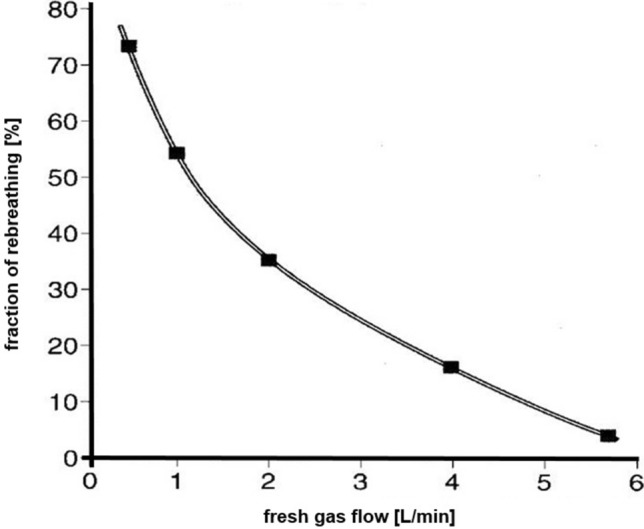
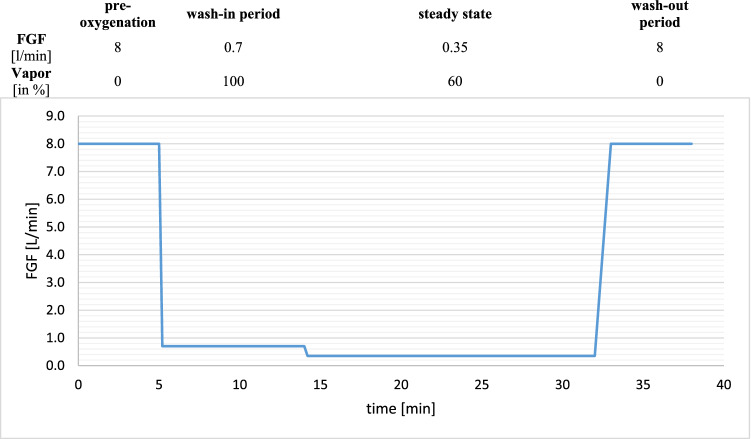
Verification
Claims the paper makes
5 Valid · 3 Not valid · 22 Not checked · 7 Own results and interpretations
Every source the paper cites for this claim was checked and supports it.
In the paper
“Among the inhalational anesthetics, desflurane has the largest negative ecological impact because of its substantial contribution to radiative forcing.”
§ A call for immediate climate action in anesthesiology: routine use of minimal or metabolic fresh gas flow reduces our ecological footprint > Strategies for “green” anesthesia > Responsible choice of inhalational anesthetics
What the sources say
- Supportedcites [18] Koch S Pecher S New challenges for anesthesia due to the climate change [German] Anaesthesist 2020 69 453 462 10.1007/s00101-020-00770-1 32346776 source
The section on volatile anesthetics as greenhouse gases (Der Anaesthesist 7 • 2020, p. 453) states outright that desflurane has by far the greatest influence on global warming of all volatile anesthetics, and attributes this partly to its higher radiative effectiveness (radiative efficiency 0.469 W m-2 ppb-1, the highest of the three halogenated agents in Tab. 1, p. 455) and partly to its longer atmospheric lifetime (14 years). The same passage notes that desflurane accounted for 80% of the 3 million tonnes CO2-eq caused worldwide by volatile anesthetics in 2014, supporting 'substantial contribution', and the abstract (English) repeats that 'especially desflurane has a major global warming potential'. The only nuance is that the source gives two co-drivers (radiative effectiveness plus atmospheric lifetime) where the citing sentence names only the radiative one; nothing in our copy contradicts the claim. (LLM, conf=0.88)
plainstates a cause- Asserted: passes — The authors put it forward as true.
- Checkable: passes — It can be checked against evidence.
- Load-bearing: passes — The paper’s conclusions depend on it.
- Based: passes — The paper gives a reason why it holds.
- Supported
The cited sources that could be checked couldn’t confirm or dispute this claim.
In the paper
“In 2014, inhalational anesthetics accounted for worldwide emission of approximately 3 Mt CO2e.”
§ A call for immediate climate action in anesthesiology: routine use of minimal or metabolic fresh gas flow reduces our ecological footprint > “Green” inhalational anesthesia > Inhalational anesthetics and their environmental impact
What the sources say
- Not checked — no full text of the sourcecites [20] Campbell M Pierce JM Atmospheric science, anaesthesia, and the environment BJA Educ 2015 15 173 179 10.1093/bjaceaccp/mku033 source
- Could not verifycites [34] Tian H Xu R Canadell JG A comprehensive quantification of global nitrous oxide sources and sinks Nature 2020 586 248 256 10.1038/s41586-020-2780-0 33028999 sourceExperimental — accuracy not yet measured
Our copy of Tian et al. (2020) quantifies global N2O sources and sinks in teragrams of nitrogen per year across 21 natural and human sectors for 1980-2016 (Abstract; 'Four decades of the global N2O budget'; 'Data synthesis'), and its anthropogenic categories are described as aligned with UNFCCC/IPCC 2006 reporting (Terminology). No passage mentions inhalational anaesthetics/anaesthetic use of N2O, a 2014 value for that sector, or any figure expressed in Mt CO2e (searched: 'inhalational anaesthetic/anaesthesia medical use', 'hospital', 'CO2 equivalent megatonnes GWP100 2014'). Since our copy neither states nor contradicts the attributed figure, the claim cannot be checked against it. (LLM, conf=0.70)
plainstates a cause- Asserted: passes — The authors put it forward as true.
- Checkable: passes — It can be checked against evidence.
- Load-bearing: passes — The paper’s conclusions depend on it.
- Based: passes — The paper gives a reason why it holds.
Every source the paper cites for this claim was checked and supports it.
In the paper
“Switching from the Australian grid (mix mainly dominated by fossil energies) to the European grid (with a larger proportion of renewable energies) decreases the carbon footprint of spinal anesthesia by 40%.76”
§ A call for immediate climate action in anesthesiology: routine use of minimal or metabolic fresh gas flow reduces our ecological footprint > “Green” inhalational anesthesia > Intraoperative consumption of inhalational anesthetics
What the sources say
- Supportedcites [76] McGain F Sheridan N Wickramarachchi K Yates S Chan B McAlister S Carbon footprint of general, regional, and combined anesthesia for total knee replacements Anesthesiology 2021 135 976 991 10.1097/aln.0000000000003967 34529033 source
In “Environmental Impacts: International Comparisons” (page not supplied), the paper reports that modeled spinal-anesthesia emissions using the European Union electricity mix were 9.9 kg CO₂e, versus 16.9 kg CO₂e for Australia—approximately 40% lower. It attributes the difference to the electricity mix used for cleaning reusable equipment. (LLM, conf=0.94)
plainstates a cause- Asserted: passes — The authors put it forward as true.
- Checkable: passes — It can be checked against evidence.
- Load-bearing: unclear — It is unclear whether the paper’s conclusions depend on it.
- Based: passes — The paper gives a reason why it holds.
- Supported
The cited sources that could be checked couldn’t confirm or dispute this claim.
In the paper
“In 2014, desflurane accounted for 80% of the CO2e emission related to inhalational anesthetics6.”
§ A call for immediate climate action in anesthesiology: routine use of minimal or metabolic fresh gas flow reduces our ecological footprint > “Green” inhalational anesthesia > Inhalational anesthetics and their environmental impact
What the sources say
- Could not verifycites [6] Kagoma YK Stall N Rubinstein E Naudie D People, planet and profits: the case for greening operating rooms CMAJ 2012 184 1905 1911 10.1503/cmaj.112139 22664760 PMC3503903 sourceExperimental — accuracy not yet measured
The Anesthetic gases section estimates total anesthetic-gas emissions for 2005 but gives no breakdown by gas. Searches for desflurane, 2014, and an 80% share found no passage supporting the claimed proportion; the paper was published in 2012. (LLM, conf=0.78)
plain- Asserted: passes — The authors put it forward as true.
- Checkable: passes — It can be checked against evidence.
- Load-bearing: passes — The paper’s conclusions depend on it.
- Based: passes — The paper gives a reason why it holds.
- Could not verify
Every source the paper cites for this claim was checked and supports it.
In the paper
“For spinal anesthesia, the emissions were mainly dominated by the electricity consumption for oxygen use and cleaning the reusable equipment.”
§ A call for immediate climate action in anesthesiology: routine use of minimal or metabolic fresh gas flow reduces our ecological footprint > “Green” inhalational anesthesia > Intraoperative consumption of inhalational anesthetics
What the sources say
- Supportedcites [76] McGain F Sheridan N Wickramarachchi K Yates S Chan B McAlister S Carbon footprint of general, regional, and combined anesthesia for total knee replacements Anesthesiology 2021 135 976 991 10.1097/aln.0000000000003967 34529033 source
The Carbon Footprint of Anesthesia section reports that washing and sterilizing reusable items contributed about 4.5 kg CO₂-equivalent emissions for spinal anesthesia, while oxygen use contributed 2.8 kg (16% of the total). The Discussion attributes the high footprint in part to cleaning reusable equipment and compressing liquid oxygen, with both elevated by Melbourne’s coal-heavy electricity mix. The paper describes these as major contributors, though not the only ones. (LLM, conf=0.88)
plainstates a cause- Asserted: passes — The authors put it forward as true.
- Checkable: passes — It can be checked against evidence.
- Load-bearing: unclear — It is unclear whether the paper’s conclusions depend on it.
- Based: passes — The paper gives a reason why it holds.
- Supported
11 more claims · 1 with their cited sources checked
Create a free account to see all 37 claims and to verify the 4 references still open.
- It may state two separate claims as one. 14
- Probably not a substantial claim. 8
Citations
Cites
The National Center for Biotechnology Information
Benson, D., Boguski, M., Lipman, D. J., & Ostell, J. (1990) · Genomics · doi:10.1016/0888-7543(90)90583-g · Cited by 5,126
Managing the health effects of climate change
Costello, A., Abbas, M., Allen, A., Ball, S., Bell, S., Bellamy, R., Friel, S., Groce, N., Johnson, A., Kett, M., et al. (2009) · The Lancet · doi:10.1016/s0140-6736(09)60935-1 · Cited by 3,102 · cited 1×
“Climate change is considered to be the greatest challenge to our society and is a global threat.(1) Global environmental changes such as climate change, extreme weather events, loss of biodiversity, and air pollution compromise the health and wellbeing of humans.”
BackgroundTHE WORLD METEOROLOGICAL ORGANIZATION
Ashford, O. M. (1966) · Weather · doi:10.1002/j.1477-8696.1966.tb02810.x · Cited by 2,083
A comprehensive quantification of global nitrous oxide sources and sinks
Tian, H., Xu, R., Canadell, J. G., Thompson, R. L., Winiwarter, W., Suntharalingam, P., Davidson, E. A., Ciais, P., Jackson, R. B., Janssens-Maenhout, G., et al. (2020) · Nature · doi:10.1038/s41586-020-2780-0 · Cited by 1,959 · cited 1×
“3 Tg per year, 1–4% of which originated from medical sources.(20,34) Currently, inhalational anesthetics are emitted directly and unchanged from anesthesia machine-scavenging systems into the atmosphere.”
BackgroundAmerican Society of Anesthesiologists
Marx, G. F. (1982) · Obstetric Anesthesia Digest · doi:10.1097/00132582-198203000-00028 · Cited by 1,899
Watts, N., Amann, M., Arnell, N., Ayeb-Karlsson, S., Belesova, K., Berry, H., Bouley, T., Boykoff, M., Byass, P., Cai, W., et al. (2018) · The Lancet · doi:10.1016/s0140-6736(18)32594-7 · Cited by 915
MacNeill, A. J., Lillywhite, R., & Brown, C. J. (2017) · The Lancet Planetary Health · doi:10.1016/s2542-5196(17)30162-6 · Cited by 820 · cited 1×
“As a significant source of emissions in the area of perioperative medicine, inhalational anesthetics contribute to the climate crisis by altering the photophysical properties of the atmosphere.(9,10) Thus, it is necessary to develop and implement strategies to minimize the ecological footprint of anesthesia.”
BackgroundLife cycle greenhouse gas emissions of anesthetic drugs
Sherman, J., Le, C., Lamers, V., & Eckelman, M. (2012) · Anesthesia & Analgesia · doi:10.1213/ane.0b013e31824f6940 · Cited by 496 · cited 6×
“Future analysis would benefit from datasets for medication synthesis provided by manufacturers.(17,39)”
BackgroundMethodInfluentialEnvironmental sustainability in anaesthesia and critical care
McGain, F., Muret, J., Lawson, C., & Sherman, J. D. (2020) · British Journal of Anaesthesia · doi:10.1016/j.bja.2020.06.055 · Cited by 455
Estimate of the carbon footprint of the US health care sector
Chung, J. W., & Meltzer, D. O. (2009) · JAMA · doi:10.1001/jama.2009.1610 · Cited by 415
Global operating theatre distribution and pulse oximetry supply: an estimation from reported data
Funk, L. M., Weiser, T. G., Berry, W. R., Lipsitz, S. R., Merry, A. F., Enright, A. C., Wilson, I. H., Dziekan, G., & Gawande, A. A. (2010) · The Lancet · doi:10.1016/s0140-6736(10)60392-3 · Cited by 397 · cited 1×
“Moreover, donated equipment cannot be readily maintained and used as expertise and material are missing.(78) Often, intramuscular application of ketamine or LRA are the only options to perform surgery.”
BackgroundBouillon, T. W., Bruhn, J., Radulescu, L., Andresen, C., Shafer, T. J., Cohane, C., & Shafer, S. L. (2004) · Anesthesiology · doi:10.1097/00000542-200406000-00006 · Cited by 375
Age, Minimum Alveolar Anesthetic Concentration, and Minimum Alveolar Anesthetic Concentration-Awake
Eger, E. I. (2001) · Anesthesia & Analgesia · doi:10.1097/00000539-200110000-00029 · Cited by 346 · cited 2×
“In view of global efforts to reduce the emission of greenhouse and ozone-depleting gases, it can be assumed that inhalational anesthetics will remain a significant source of emissions in the future.(7,37)”
BackgroundBioenergetics and growth with special reference to the efficiency complex in domestic animals
Oppermann, R. H. (1946) · Journal of the Franklin Institute · doi:10.1016/0016-0032(46)90626-6 · Cited by 341
Global Warming Potential of Inhaled Anesthetics: Application to Clinical Use
Ryan, S. M., & Nielsen, C. J. (2010) · Anesthesia & Analgesia · doi:10.1213/ane.0b013e3181e058d7 · Cited by 340 · cited 4×
“by using the latest GWP100 values of the inhalational anesthetics and for 1 MAC hour.(10,38) A correction factor of 5% was used for sevoflurane due to hepatic metabolism.”
BackgroundMethodInfluentialPrüss-Ustün, A., Wolf, J., Corvalán, C., Neville, T., Bos, R., & Neira, M. (2017) · Journal of Public Health · doi:10.1093/pubmed/fdw085 · Cited by 316 · cited 1×
“The implications on global health are already apparent.(3) According to the latest prediction by the World Health Organization, there will be an additional 25,000 deaths per year between 2030 and 2050.”
BackgroundStevens, W. C., Dolan, W. M., Gibbons, R. T., White, A., Eger, E. I., Miller, R. D., de Jong, R. H., & Elashoff, R. M. (1975) · Anesthesiology · doi:10.1097/00000542-197502000-00014 · Cited by 302 · cited 1×
“When N2O is used as carrier gas instead of oxygen, the end-tidal concentration of halogenated inhalational anesthetics can be decreased, reducing the consumption of inhalational anesthetics.(39,63) Nevertheless, Baum et al.”
BackgroundAdvances in Understanding the Actions of Nitrous Oxide
Emmanouil, D. E., & Quock, R. M. (2007) · Anesthesia Progress · doi:10.2344/0003-3006(2007)54[9:aiutao]2.0.co;2 · Cited by 258 · cited 1×
“Nitrous oxide, in turn, is a colorless nonflammable gas that stimulates cerebral GABA receptors and inhibits spinal NMDA receptors.(33)”
BackgroundGeneral Anesthetic Actions on GABAA Receptors
Garcia, P., Kolesky, S., & Jenkins, A. (2010) · Current Neuropharmacology · doi:10.2174/157015910790909502 · Cited by 241 · cited 1×
“For example, they amplify inhibitory postsynaptic potentials of c-gammaaminobutyric acid type A (GABAA) and glycine receptors, and decrease N-methyl-D-aspartate (NMDA) and a-amino-3-hydroxy-5-methyl-4-isoxazolepropionic acid (AMPA)-related excitatory postsynaptic potentials.(30,31) Furthermore, they bind to nicotinic…”
BackgroundAssessing the Impact on Global Climate from General Anesthetic Gases
Andersen, M. P. S., Nielsen, O. J., Wallington, T. J., Karpichev, B., & Sander, S. P. (2012) · Anesthesia & Analgesia · doi:10.1213/ane.0b013e31824d6150 · Cited by 230 · cited 7×
“above) contribute to ozone depletion in the stratosphere.(10) In contrast, desflurane and sevoflurane have no ozonedepleting effect because of their complete fluorination.”
BackgroundMethodInfluentialPeople, planet and profits: the case for greening operating rooms
Kagoma, Y., Stall, N., Rubinstein, E., & Naudie, D. (2012) · Canadian Medical Association Journal · doi:10.1503/cmaj.112139 · Cited by 229 · cited 1×
“In fact, they impede heat release back into space not only within but also outside the atmospheric window.(6) The extent of this detrimental effect largely depends on molecular weight, specific type of halogen, and its atmospheric lifetime (Table 1).”
BackgroundMyles, P. S., Leslie, K., Chan, M. T. V., Forbes, A., Peyton, P. J., Paech, M. J., Beattie, W. S., Sessler, D. I., Devereaux, P. J., Silbert, B., et al. (2014) · The Lancet · doi:10.1016/s0140-6736(14)60893-x · Cited by 227
Divatia, J. V., Vaidya, J. S., Badwe, R. A., & Hawaldar, R. W. (1996) · Anesthesiology · doi:10.1097/00000542-199611000-00014 · Cited by 216
Studies on the mechanism of general anesthesia
Pavel, M. A., Petersen, E. N., Wang, H., Lerner, R. A., & Hansen, S. B. (2020) · Proceedings of the National Academy of Sciences · doi:10.1073/pnas.2004259117 · Cited by 203 · cited 1×
“Consecutive activation of two-pore domain K channels causes reversible loss of consciousness.(32) Nitrous oxide, in turn, is a colorless nonflammable gas that stimulates cerebral GABA receptors and inhibits spinal NMDA receptors.”
BackgroundSchraag, S., Pradelli, L., Alsaleh, A. J. O., Bellone, M., Ghetti, G., Chung, T. L., Westphal, M., & Rehberg, S. (2018) · BMC Anesthesiology · doi:10.1186/s12871-018-0632-3 · Cited by 194 · cited 1×
“Compared with inhalational anesthesia, TIVA reduces the risk of postoperative nausea and vomiting, pain scores after extubation, and duration of in postoperative anesthesia care unit stay; on the other hand, it prolongs the time to respiratory recovery and tracheal extubation.(69) Nevertheless, performing TIVA instead…”
BackgroundModern inhalation anesthetics: Potent greenhouse gases in the global atmosphere
Vollmer, M. K., Rhee, T. S., Rigby, M., Hofstetter, D., Hill, M., Schoenenberger, F., & Reimann, S. (2015) · Geophysical Research Letters · doi:10.1002/2014gl062785 · Cited by 186 · cited 1×
“In view of global efforts to reduce the emission of greenhouse and ozone-depleting gases, it can be assumed that inhalational anesthetics will remain a significant source of emissions in the future.(7,37)”
BackgroundLangbein, T., Sonntag, H., Trapp, D., Hoffmann, A., Malms, W., Röth, E. P., Mörs, V, & Zellner, R. (1999) · British Journal of Anaesthesia · doi:10.1093/bja/82.1.66 · Cited by 153 · cited 1×
“In contrast, desflurane and sevoflurane have no ozonedepleting effect because of their complete fluorination.(36)”
BackgroundSulbaek Andersen, M. P., Nielsen, O. J., Karpichev, B., Wallington, T. J., & Sander, S. P. (2012) · The Journal of Physical Chemistry A · doi:10.1021/jp2077598 · Cited by 147 · cited 3×
“In addition to the radiative effectiveness, the atmospheric lifetime is a second important determinant that influences GWP.18,19 In the atmosphere, natural concentrations of GHGs, clouds, water vapor, and other compounds adsorb and reflect incoming solar radiation back to space as well as outgoing infrared (IR) radiat…”
BackgroundCarbon footprint of general, regional, and combined anesthesia for total knee replacements
McGain, F., Sheridan, N., Wickramarachchi, K., Yates, S., Chan, B., & McAlister, S. (2021) · Anesthesiology · doi:10.1097/aln.0000000000003967 · Cited by 144 · cited 1×
“to the European grid (with a larger proportion of renewable energies) decreases the carbon footprint of spinal anesthesia by 40%.(76) These continental differences stress the importance of defining full life-cycle assessments for different anesthetic approaches in different regions.”
BackgroundPropofol Wastage in Anesthesia
Mankes, R. F. (2012) · Anesthesia & Analgesia · doi:10.1213/ane.0b013e31824ea491 · Cited by 140 · cited 1×
“Nevertheless, performing TIVA instead of inhalational anesthesia has environmental costs of its own because of the increased disposable plastic waste, higher propofol consumption, and consecutively increased wastage rate.(70,71) Other environmental effects of TIVA are still uncertain.”
BackgroundA phase 2 trial of inhaled nitrous oxide for treatment-resistant major depression
Nagele, P., Palanca, B. J., Gott, B., Brown, F., Barnes, L., Nguyen, T., Xiong, W., Salloum, N. C., Espejo, G. D., Lessov-Schlaggar, C. N., et al. (2021) · Science Translational Medicine · doi:10.1126/scitranslmed.abe1376 · Cited by 133 · cited 1×
“, in children) or during labor, to address treatment-resistant depression, and as a strategy for preventing chronic postsurgical pain in particular populations.(39,56,57) Nevertheless, the overall clinical use of N2O has declined.”
BackgroundMetabolic Profiles of Propofol and Fospropofol: Clinical and Forensic Interpretative Aspects
Dinis‐Oliveira, R. J. (2018) · BioMed Research International · doi:10.1155/2018/6852857 · Cited by 127 · cited 1×
“Propofol is excreted almost entirely in its metabolized, inactive form.(74,75) Thus, it can be assumed that the detected propofol metabolites”
BackgroundDefining the role of NMDA receptors in anesthesia: Are we there yet?
Petrenko, A. B., Yamakura, T., Sakimura, K., & Baba, H. (2013) · European Journal of Pharmacology · doi:10.1016/j.ejphar.2013.11.039 · Cited by 117 · cited 1×
“For example, they amplify inhibitory postsynaptic potentials of c-gammaaminobutyric acid type A (GABAA) and glycine receptors, and decrease N-methyl-D-aspartate (NMDA) and a-amino-3-hydroxy-5-methyl-4-isoxazolepropionic acid (AMPA)-related excitatory postsynaptic potentials.(30,31) Furthermore, they bind to nicotinic…”
BackgroundStratospheric ozone depletion reduces ocean carbon uptake and enhances ocean acidification
Lenton, A., Codron, F., Bopp, L., Metzl, N., Cadule, P., Tagliabue, A., & Le Sommer, J. (2009) · Geophysical Research Letters · doi:10.1029/2009gl038227 · Cited by 112 · cited 1×
“This mechanism limits the oceans’ capacity to take up and store further CO2 emissions and, in addition, increases the acidification of oceans, which has a negative impact on marine biodiversity.(22)”
BackgroundBrief review: Theory and practice of minimal fresh gas flow anesthesia
Brattwall, M., Warrén‐Stomberg, M., Hesselvik, F., & Jakobsson, J. (2012) · Canadian Journal of Anesthesia/Journal canadien d anesthésie · doi:10.1007/s12630-012-9736-2 · Cited by 106 · cited 1×
“In this context, we review how the use of minimal and metabolic flow during general anesthesia (GA), subject of a Brief Review in the Journal a decade ago, reduces overall consumption of inhalational anesthetics, and contributes to lower emissions of greenhouse gases (GHGs).(15) In addition, we discuss alternative ane…”
BackgroundAtmospheric science, anaesthesia, and the environment
Campbell, M., & Pierce, J. M. T. (2015) · BJA Education · doi:10.1093/bjaceaccp/mku033 · Cited by 103 · cited 2×
“3 Tg per year, 1–4% of which originated from medical sources.(20,34) Currently, inhalational anesthetics are emitted directly and unchanged from anesthesia machine-scavenging systems into the atmosphere.”
BackgroundDrug Use Inefficiency: A Hidden Source of Wasted Health Care Dollars
Gillerman, R. G., & Browning, R. A. (2000) · Anesthesia & Analgesia · doi:10.1097/00000539-200010000-00028 · Cited by 103 · cited 2×
“Nevertheless, performing TIVA instead of inhalational anesthesia has environmental costs of its own because of the increased disposable plastic waste, higher propofol consumption, and consecutively increased wastage rate.(70,71) Other environmental effects of TIVA are still uncertain.”
BackgroundArd, J. L., Tobin, K., Huncke, T. K., Kline, R., Ryan, S. M., & Bell, C. (2016) · A & A Case Reports · doi:10.1213/xaa.0000000000000184 · Cited by 87
Kim, K.-M., Choi, B., Park, S.-W., Lee, S.-H., Christensen, L. V., Zhou, J., Yoo, B. H., Shin, H.-W., Bae, K., Kern, S. E., et al. (2007) · Anesthesiology · doi:10.1097/01.anes.0000265151.78943.af · Cited by 79 · cited 1×
“showed that after application of an iv induction dose of 2 mg kg of propofol, depth of anesthesia is maintained for approximately nine to 11 minutes for stand-alone administration of propofol.(51) Nevertheless, as GA is typically induced combining propofol with an intravenous analgesic drug (e.”
BackgroundTOTALLY CLOSED CIRCUIT NITROUS OXIDE\OXYGEN ANAESTHESIA
BARTON, F., & Nunn, J. F. (1975) · British Journal of Anaesthesia · doi:10.1093/bja/47.3.350 · Cited by 73
Financial and Environmental Costs of Manual versus Automated Control of End-Tidal Gas Concentrations
Tay, S., Weinberg, L., Peyton, P., Story, D., & Briedis, J. (2013) · Anaesthesia and Intensive Care · doi:10.1177/0310057x1304100116 · Cited by 73 · cited 1×
“KGaA, Lübeck, Germany), ‘‘end-tidal control’’ (Aisys CS(2) , General Electric Company, Boston, MA, USA), or ‘‘automated gas control’’ (FLOW-i , Maquet, Solna, Sweden) is associated with lower consumption of inhalational anesthetics, costs, and GHG emissions.(49)”
Minimal-flow Nitrous Oxide Anesthesia
VIRTUE, R. W. (1974) · Anesthesiology · doi:10.1097/00000542-197402000-00021 · Cited by 71
Noxious Stimulation Response Index
Luginbühl, M., Schumacher, P. M., Vuilleumier, P. H., Vereecke, H. E. M., Heyse, B., Bouillon, T. W., & Struys, M. M. R. F. (2010) · Anesthesiology · doi:10.1097/aln.0b013e3181d40368 · Cited by 70 · cited 1×
“The validated noxious stimulation response index (NSRI) can be used to predict the probability of responding to a noxious stimulus considering interactions between hypnotic and opioid.(52,53)”
MethodTHE ADMINISTRATION OF NITROUS OXIDE-OXYGEN ANESTHESIA IN CLOSED SYSTEMS
Foldes, F. F., Ceravolo, A. J., & Carpenter, S. L. (1952) · Annals of Surgery · doi:10.1097/00000658-195212000-00009 · Cited by 68
Future emission scenarios for chemicals that may deplete stratospheric ozone
(1987) · doi:10.1038/330711a0 · Cited by 66 · cited 1×
“The extent of this detrimental effect largely depends on molecular weight, specific type of halogen, and its atmospheric lifetime (Table 1).(35)”
BackgroundMcGain, F., Cy, S., Burrell, R., Percival, V. G., Roessler, P., Weatherall, A., Weber, I. A., & Kayak, E. A. (2019) · Anaesthesia and Intensive Care · doi:10.1177/0310057x19884075 · Cited by 55
Adverse Effects of Nitrous Oxide
Brodsky, J. B., & Cohen, E. N. (1986) · Medical Toxicology · doi:10.1007/bf03259849 · Cited by 55
Mullot, J., Karolak, S., Fontova, A., et al. (2010) · Water Science & Technology · doi:10.2166/wst.2010.986 · Cited by 52
Abandoning inhalational anaesthesia
White, S. M., & Shelton, C. L. (2020) · Anaesthesia · doi:10.1111/anae.14853 · Cited by 51 · cited 2×
“To assess the life-cycle GHG emissions of inhalational anesthetics, it is important to consider the waste anesthetic gas emissions as well as the upstream environmental impact including manufacturing, transportation, packing, and drug delivery.(16,39) Desflurane has not only the highest waste anesthetics gas emissions…”
BackgroundChan, M. T. V., Peyton, P. J., Myles, P. S., Leslie, K., Buckley, N., Kasza, J., Paech, M. J., Beattie, W. S., Sessler, D. I., Forbes, A. B., et al. (2016) · British Journal of Anaesthesia · doi:10.1093/bja/aew338 · Cited by 50 · cited 1×
“, in children) or during labor, to address treatment-resistant depression, and as a strategy for preventing chronic postsurgical pain in particular populations.(39,56,57) Nevertheless, the overall clinical use of N2O has declined.”
BackgroundSilica zeolite scavenging of exhaled isoflurane: A preliminary report
Doyle, D. J., Byrick, R. J., Filipovic, D., & Cashin, F. (2002) · Canadian Journal of Anesthesia/Journal canadien d anesthésie · doi:10.1007/bf03017411 · Cited by 48 · cited 1×
“showed an effective removal of 1% isoflurane from the exhaled air over a period of eight hours using a silica zeolite hydrophobic molecular sieve adsorbent.(67) Alternatively, inhalational anesthetics can be destroyed directly by UV light.”
MethodNitrous oxide in modern anaesthetic practice
(2015) · doi:10.1093/bjaceaccp/mkv019 · Cited by 47 · cited 1×
“Nevertheless, this calculation lacks the negative impact of additional N2O to the tropospheric nitrous oxide cycle and the resulting ozone-depleting effect.(39,58)”
BackgroundGARFIELD, J. M., PASKIN, S., & PHILIP, J. H. (1989) · Medical Education · doi:10.1111/j.1365-2923.1989.tb00902.x · Cited by 47 · cited 3×
“approximately 45–50% of CO2e emission and costs per minute GA (Table 3).(54)”
BackgroundMethodInfluentialNew Method of Destroying Waste Anesthetic Gases Using Gas-Phase Photochemistry
Rauchenwald, V., Rollins, M. D., Ryan, S. M., Voronov, A., Feiner, J., Šarka, K., & Johnson, M. S. (2019) · Anesthesia & Analgesia · doi:10.1213/ane.0000000000004119 · Cited by 42 · cited 2×
“Since these technologies are currently only used experimentally, further studies and technological development under consideration of ecological aspects are highly needed.(66) It must be stressed that the efficiency of all these technologies is decreased by the use of high FGFs.”
BackgroundMethodAllen, C., & Baxter, I. (2021) · Anaesthesia · doi:10.1111/anae.15356 · Cited by 40
Neue Herausforderungen für die Anästhesie durch den Klimawandel
Koch, S., & Pecher, S. (2020) · Der Anaesthesist · doi:10.1007/s00101-020-00770-1 · Cited by 39
The mechanisms of carbon monoxide production by inhalational agents
Coppens, M. J., Versichelen, L. F. M., Rolly, G., Mortier, E. P., & Struys, M. M. R. F. (2006) · Anaesthesia · doi:10.1111/j.1365-2044.2006.04536.x · Cited by 38 · cited 1×
“It is important to prevent accidental dry-out of the carbon dioxide absorber and to use it according to the manufacturers’ instructions and recommendations.(50)”
MethodThe Rate‐Limiting Step: The Provision of Safe Anesthesia in Low‐Income Countries
Hendel, S., Coonan, T., Thomas, S., & McQueen, K. (2015) · World Journal of Surgery · doi:10.1007/s00268-014-2775-9 · Cited by 37 · cited 1×
“This lack of resources and infrastructure includes qualified anesthesiologic staff, equipment, and medication as well as basic needs such as continuous medical oxygen, power supply, and clean water.(77) Moreover, donated equipment cannot be readily maintained and used as expertise and material are missing.”
BackgroundImproving Anesthesia Safety in Low-Income Regions of the World
Walker, I. A., Bashford, T., Fitzgerald, J. E., & Wilson, I. H. (2014) · Current Anesthesiology Reports · doi:10.1007/s40140-014-0056-7 · Cited by 32 · cited 1×
“Thus, the perioperative morbidity and mortality rate (PMOR) remains high.(80)”
BackgroundTHE CIRCLE SYSTEM AS A HUMIDIFIER
BENGTSON, J. P., BENGTSON, A., & STENQVIST, O. (1989) · British Journal of Anaesthesia · doi:10.1093/bja/63.4.453 · Cited by 30
Adsorbent comparisons for anesthetic gas capture in hospital air emissions
Mehrata, M., Moralejo, C., & Anderson, W. A. (2016) · Journal of Environmental Science and Health Part A · doi:10.1080/10934529.2016.1181438 · Cited by 27 · cited 4×
“This saves approximately 20 EURA and 1.1 kg of CO2e for a two-hour GA. Routinely reducing fresh gas flow saves inhalational anesthetics, reduces CO2e emission, and is cost-effective.”
BackgroundInfluentialJoshi, G. P., & Onajin-Obembe, B. (2016) · Anesthesia & Analgesia · doi:10.1213/ane.0000000000001104 · Cited by 25 · cited 1×
“Often, intramuscular application of ketamine or LRA are the only options to perform surgery.(79) Thus, the perioperative morbidity and mortality rate (PMOR) remains high.”
BackgroundAn Initial Evaluation of a Novel Anesthetic Scavenging Interface
Barwise, J. A., Lancaster, L. J., Michaels, D., Pope, J. E., & Berry, J. M. (2011) · Anesthesia & Analgesia · doi:10.1213/ane.0b013e31822c9a2c · Cited by 22 · cited 1×
“Thus, minimal or metabolic flow anesthesia is essential to use these technologies beneficially in the future.(68)”
BackgroundUse of volatile anaesthetic agents in anaesthesia: A survey of practice in France in 2012
Benhamou, D., Constant, I., Longrois, D., et al. (2015) · Anaesthesia Critical Care & Pain Medicine · doi:10.1016/j.accpm.2015.01.006 · Cited by 19 · cited 1×
“In 8% of cases, the induction technique was not specified, and in 2% of cases, an inhalational induction was performed.(23) In contrast, in a 2013 Scandinavian study, only 48.”
BackgroundCurrent use of nitrous oxide in public hospitals in S candinavian countries
Husum, B., Stenqvist, O., Alahuhta, S. M., et al. (2013) · Acta Anaesthesiologica Scandinavica · doi:10.1111/aas.12165 · Cited by 17 · cited 1×
“9% of these GAs, N2O was used as carrier gas or coanalgesic.(24)”
MethodNitrous oxide and perioperative outcomes
Ko, H., Kaye, A. D., & Urman, R. D. (2014) · Journal of Anesthesia · doi:10.1007/s00540-013-1729-y · Cited by 13 · cited 1×
“showed that expenses for the use of N2O—such as technical maintenance for the central gas piping system, antiemetic prophylaxis, and the inhalational anesthetic itself—exceed the additional costs for inhalational anesthetics and intravenous analgesics.(60,64) Therefore, the reduced consumption of inhalational anesthet…”
Background(2000) · PubMed · Cited by 11
Dawidowicz, A. L., Kalityński, R., Trocewicz, J., Nestorowicz, A., Fijałkowska, A., & Trela-Stachurska, K. (2002) · Biomedical Chromatography · doi:10.1002/bmc.183 · Cited by 11 · cited 1×
“Propofol is excreted almost entirely in its metabolized, inactive form.(74,75) Thus, it can be assumed that the detected propofol metabolites”
BackgroundHönemann, C., & Kim, S.-C. (2021) · Canadian Journal of Anesthesia/Journal canadien d anesthésie · doi:10.1007/s12630-021-02136-6 · Cited by 7 · cited 1×
“Therefore, N2O should be avoided entirely as a carrier gas.(81) The use of N2O as a procedural analgesic should be considered cautiously because of its unfavorable adverse effects, taking into account alternative management including LRA.”
BackgroundSelf-citationGreener Gases Starter Pack: a tool for transitioning to more sustainable anesthetic volatile agents
He, H. T., Ge, F. Z., Ly, O., et al. (2023) · Canadian Journal of Anesthesia/Journal canadien d anesthésie · doi:10.1007/s12630-022-02394-y · Cited by 6 · cited 1×
“report on a Greener Gases Starter Pack that the authors developed as part of the Greener Gases project at McMaster University (Hamilton, ON, Canada).(14) In the present article, we focus on inhalational anesthetics and their impact on global warming and climate change.”
MethodQuantitative closed circuit anaesthesia.
Lowe, H. J., & MOSTERT, J. W. (1974) · PubMed · Cited by 3
Research works printed but not linked: 8
- Schuster M, Richter H, Pecher S, Koch S, Coburn M. Positionspapier mit konkreten Handlungsempfehlungen* der DGAI und des BDA: Ökologische Nachhaltigkeit in der Anästhesiologie und Intensivmedizin. Anästhes Intensivmed 2020; 61: 329–39. 10.19224/ai2020.329 · doi:10.19224/ai2020.329
- National Center for Biotechnology Information. PubChem compound summary for CID 948, Nitrous oxide. Available from URL: https://pubchem.ncbi.nlm.nih.gov/compound/Nitrous-oxide (accessed November 2022).
- National Center for Biotechnology Information. PubChem compound summary for CID 5206, Sevoflurane. Available from URL: https://pubchem.ncbi.nlm.nih.gov/compound/Sevoflurane (accessed November 2022).
- National Center for Biotechnology Information. PubChem compound summary for CID 42113, Desflurane. Available from URL: https://pubchem.ncbi.nlm.nih.gov/compound/Desflurane (accessed November 2022).
- Richter H, Weixler S, Schuster M. Der CO2-Fußabdruck der Anästhesie. Wie die Wahl volatiler Anästhetika die CO2-Emissionen einer anästhesiologischen Klinik beeinflusst. Anästh Intensivmed 2020; 61: 154–61. 10.19224/ai2020.154 · doi:10.19224/ai2020.154
- Baum J Die Inhalationsnarkose mit niedrigem Frischgasfluss: Praxis der Low-Flow- und der Minimal-Flow-Anästhesie sowie der Narkose mit geschlossenem System 1998 3 Stuttgart Thieme
- Hoenemann C Mierke B Low-Flow-, Minimal-Flow- und Metabolic-Flow-Anästhesien: Klinische Techniken zur Nutzung von Rückatemsystemen 2015 Lübeck Drägerwerk AG & Co., KgaA
- Fick A Ueber die Messung dea Blutquantums in den Herzventrikela Sb Phys Med Ges Worzburg 1870 36 16 17
Cited by
Healthcare in the era of climate change and the need for environmental sustainability
Tee, N. C. H., Yeo, J.-A., Choolani, M. A., Poh, K. K., & Ang, T. L. (2024) · Singapore Medical Journal · doi:10.4103/singaporemedj.smj-2024-035 · Cited by 51
Talbot, A., Holländer, H. C., & Bentzer, P. (2025) · The Lancet Planetary Health · doi:10.1016/s2542-5196(25)00027-0 · Cited by 44
Moldovan, F., Moldovan, L., & Bățagă, T. (2023) · Sustainability · doi:10.3390/su151813402 · Cited by 36
Improving environmental sustainability of intensive care units: A mini-review
See, K. C. (2023) · World Journal of Critical Care Medicine · doi:10.5492/wjccm.v12.i4.217 · Cited by 35
The environmental effects of anesthetic agents and anesthesia practices
Khalil, R., Ma, Z., Lubarsky, D. A., Peng, K., Ji, F., & Liu, H. (2024) · Journal of Anesthesia and Translational Medicine · doi:10.1016/j.jatmed.2024.10.004 · Cited by 19
“Furthermore, actively increasing education to raise the awareness of the greenhouse effect caused by volatile anesthetics is a means of reducing the carbon footprint in this field.”
Influential
Metadata
- Authors
- Rübsam, M.-L., Kruse, P., Dietzler, Y., Kropf, M., Bette, B., Zarbock, A., Kim, S.-C., & Hönemann, C.
- Affiliations
- Universitätsmedizin Greifswald (DE)
- University of Bonn (DE)
- St. Marienhospital Vechta Lohne gemeinnützige GmbH (DE)
- BG Klinikum Hamburg (DE)
- University Hospital Münster (DE)
- Corresponding author
- Hönemann, Christian
- ORCID
- Hönemann, Christian
- Venue
- Canadian Journal of Anesthesia/Journal canadien d'anesthésie
- Published
- 2023-02-22
- Volume
- 70
- Issue
- 3
- Pages
- 301-312
- ISSN
- 0832-610X (ISSN-L)
- 1496-8975
- PMC
- PMC10066075
- OpenAlex
- W4321482395
- Cited by
- 39
- References
- 72
- Citations by year
- 2026: 11 · 2025: 9 · 2024: 10 · 2023: 10
- FWCI
- 4.82
- Type
- journal article
- Language
- en
- Open access
- hybrid
- doi.org
- Licence
- cc-by-nc
- creativecommons.org/licenses/by-nc/4.0 (tdm)
- creativecommons.org/licenses/by-nc/4.0 (vor)
- Locations
- Canadian Journal of Anesthesia/Journal canadien d anesthésie (publishedVersion, cc-by-nc)
- PubMed (publishedVersion)
- PubMed Central (submittedVersion, cc-by-nc)
- PUBLISSO (German National Library of Medicine) (submittedVersion, cc-by-nc)
- Funders
- Westfälische Wilhelms-Universität Münster
- Topics
- Physical Sciences › Environmental Science › Health, Toxicology and Mutagenesis › Climate Change and Health Impacts
- Health Sciences › Medicine › Public Health, Environmental and Occupational Health › Global Health and Surgery
- Health Sciences › Medicine › Radiology, Nuclear Medicine and Imaging › Optical Imaging and Spectroscopy Techniques
- Keywords
- climate change, inhalational anesthetics, greenhouse gas emissions, fresh gas flow, desflurane, sevoflurane, isoflurane, global warming potential
- MeSH terms
- Desflurane, Anesthesia, Inhalation, Anesthesiology, Humans, Isoflurane
About these checks
Registry, retraction, Cites and statistics results are computed, not judged, with one exception: a printed reference that no index lists is read once by a model before it counts as a citation error. Claims are extracted by a model and kept only when their quote appears verbatim in the text; each cited source is then checked, with a model’s help, for whether it says what the claim relies on. Those verdicts can be wrong — read the claim’s quote and the cited source before relying on one.
The claim verdicts this report counts are experimental: their accuracy is not yet measured.
A language model drew the claims from the paper on 2026-10-10, under version 3 of the claim definition (model deepseek-v4.1-flash, prompt extract-v3).
A second model labelled each claim on 2026-10-10 (model jev-1.13-20260917, definition revision gold-guideline-v0.2).
Cited sources are checked with a language model’s help (qwen3.8-omni-flash and gpt-6-sol).
Statistics and arithmetic are recomputed, not judged.
Confidence bands are shown only for fields calibrated on our annotated test set. None is calibrated yet, so no band is shown.
What counts as a claim ›How we measure confidence ›How we check this ›
Are you an author, or do you see a problem with this page? Request a review
Data sources
Bibliographic data: Semantic Scholar, OpenAlex, Crossref.
Contains information from the Semantic Scholar Academic Graph Datasets, made available under the ODC Attribution License (ODC-BY 1.0).
Semantic Scholar’s data is described in: Kinney, R., et al. (2023). The Semantic Scholar Open Data Platform. arXiv:2301.10140.
