

Established and Emerging Lipid-Lowering Drugs for Primary and Secondary Cardiovascular Prevention
Open accessThe DOI matches its Crossref record; 204 of the 207 references it cites were found in a registry or an index; 164 of the 253 sources its claims cite were checked for support.
Abstract
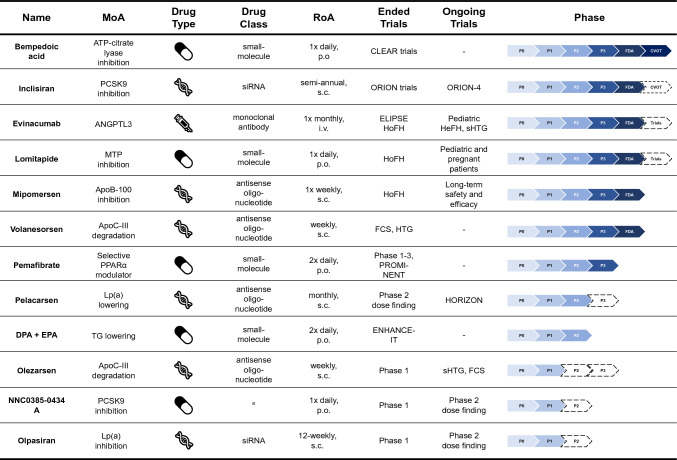
Despite treatment with statins, patients with elevated low-density lipoprotein cholesterol (LDL-C) and triglycerides remain at increased risk for adverse cardiovascular events. Consequently, novel pharmaceutical drugs have been developed to control and modify the composition of blood lipids to ultimately prevent fatal cardiovascular events in patients with dyslipidaemia. This article reviews established and emerging lipid-lowering drugs regarding their mechanism of action, development stage, ongoing clinical trials, side effects, effect on blood lipids and reduction in cardiovascular morbidity and mortality. We conducted a keyword search to identify studies on established and emerging lipid modifying drugs. Results were summarized in a narrative overview. Established pharmaceutical treatment options include the Niemann-Pick-C1 like-1 protein (NPC1L1) inhibitor ezetimibe, the protein convertase subtilisin-kexin type 9 (PCSK9) inhibitors alirocumab and evolocumab, fibrates as peroxisome proliferator receptor alpha (PPAR-α) activators, and the omega-3 fatty acid icosapent ethyl. Statins are recommended as the first-line therapy for primary and secondary cardiovascular prevention in patients with hypercholesterinaemia and hypertriglyceridemia. For secondary prevention in hypercholesterinaemia, second-line options such as statin add-on or statin-intolerant treatments are ezetimibe, alirocumab and evolocumab. For secondary prevention in hypertriglyceridemia, second-line options such as statin add-on or statin-intolerant treatments are icosapent ethyl and fenofibrate. Robust data for these add-on therapeutics in primary cardiovascular prevention remains scarce. Recent biotechnological advances have led to the development of innovative small molecules (bempedoic acid, lomitapide, pemafibrate, docosapentaenoic and eicosapentaenoic acid), antibodies (evinacumab), antisense oligonucleotides (mipomersen, volanesorsen, pelcarsen, olezarsen), small interfering RNA (inclisiran, olpasiran), and gene therapies for patients with dyslipidemia. These molecules specifically target new cellular pathways, such as the adenosine triphosphate-citrate lyase (bempedoic acid), PCSK9 (inclisiran), angiopoietin-like 3 (ANGPTL3: evinacumab), microsomal triglyceride transfer protein (MTP: lomitapide), apolipoprotein B-100 (ApoB-100: mipomersen), apolipoprotein C-III (ApoC-III: volanesorsen, olezarsen), and lipoprotein (a) (Lp(a): pelcarsen, olpasiran). The authors are hopeful that the development of new treatment modalities alongside new therapeutic targets will further reduce patients' risk of adverse cardiovascular events. Apart from statins, data on new drugs' use in primary cardiovascular prevention remain scarce. For their swift adoption into clinical routine, these treatments must demonstrate safety and efficacy as well as cost-effectiveness in randomized cardiovascular outcome trials.
Overview
CoChat Summary
TL;DR
This narrative review summarizes established and emerging lipid-lowering drugs for primary and secondary cardiovascular prevention, with emphasis on mechanisms, trial results, side effects, and guideline positioning. It concludes that statins remain first-line, while newer agents such as bempedoic acid, inclisiran, pelacarsen, and olpasiran may expand treatment options but still need stronger outcomes and cost-effectiveness data.
Key findings
- Statins are first-line therapy; a 1 mmol/L LDL-C reduction was associated with a 22% lower risk of MACE, and low-/moderate-intensity statins reduced MACE by 22% (95% CI 19–24), with an additional 15% reduction from intensification.
- Ezetimibe added to simvastatin in 18,144 post-ACS patients reduced MACE by 6% (95% CI 1–11, p = 0.016); in EWTOPIA 75, ezetimibe monotherapy in 3,796 patients aged ≥75 years reduced MACE by 34% (HR 0.66, 95% CI 0.50–0.86, p = 0.002).
- PCSK9 inhibitors reduced LDL-C by about 60% and lowered MACE by 15% in FOURIER and ODYSSEY; the trials randomized 27,564 and 18,924 patients, respectively.
- Bempedoic acid in CLEAR Outcomes randomized 13,970 statin-intolerant/high-risk patients and reduced MACE by 13% (HR 0.87, 95% CI 0.79–0.96, p = 0.004) with a 21.1% greater LDL-C reduction versus placebo; pemafibrate lowered triglycerides by 26% in PROMINENT but did not significantly reduce MACE (HR 1.03, 95% CI 0.91–1.15).
Methods
- Narrative review of established and emerging lipid-lowering drugs for primary and secondary cardiovascular prevention, covering mechanism of action, developmental stage, safety, lipid effects, and cardiovascular outcomes.
- The authors state they conducted a keyword search to identify studies on established and emerging lipid-modifying drugs and summarized results in a narrative overview.
- Evidence synthesized includes guidelines, randomized controlled trials, meta-analyses, and ongoing cardiovascular outcomes trials.
Limitations
- The paper states that robust data for add-on therapies in primary cardiovascular prevention remain scarce.
- It also states that many new drugs still need to demonstrate safety, efficacy, and cost-effectiveness in randomized cardiovascular outcome trials before routine adoption.
- Evident from the text: this is a narrative review, so conclusions depend on heterogeneous studies and many outcomes are reported across different populations and follow-up periods rather than from one uniform analysis.
Model-written summary. Check it against the paper before relying on it.
Integrity signals
Registry
Cites
Statistics
Figures
Verification
Claims the paper makes
85 Valid · 15 Not valid · 32 Not checked · 13 Own results and interpretations
Some cited sources support this claim and some don’t — read each source’s verdict below.
In the paper
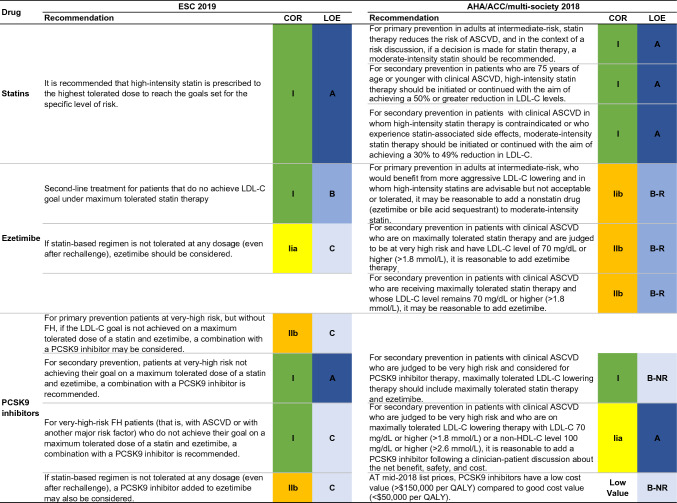
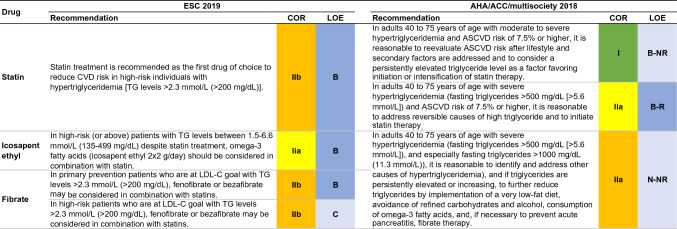
“For secondary prevention in hypertriglyceridemia, second-line options such as statin add-on or statin-intolerant treatments are icosapent ethyl and fenofibrate.”
§ Established and Emerging Lipid-Lowering Drugs for Primary and Secondary Cardiovascular Prevention > Abstract Despite treatment with statins, patients with elevated low-density lipoprotein cholesterol (LDL-C) and triglycerides remain at increased risk for adverse cardiovascular events. Consequently, novel pharmaceutical drugs have been developed to control and modify the composition of blood lipids to ultimately prevent fatal cardiovascular events in patients with dyslipidaemia. This article reviews established and emerging lipid-lowering drugs regarding their mechanism of action, development stage, ongoing clinical trials, side effects, effect on blood lipids and reduction in cardiovascular morbidity and mortality. We conducted a keyword search to identify studies on established and emerging lipid modifying drugs. Results were summarized in a narrative overview. Established pharmaceutical treatment options include the Niemann-Pick-C1 like-1 protein (NPC1L1) inhibitor ezetimibe, the protein convertase subtilisin-kexin type 9 (PCSK9) inhibitors alirocumab and evolocumab, fibrates as peroxisome proliferator receptor alpha (PPAR-α) activators, and the omega-3 fatty acid icosapent ethyl. Statins are recommended as the first-line therapy for primary and secondary cardiovascular prevention in patients with hypercholesterinaemia and hypertriglyceridemia. For secondary prevention in hypercholesterinaemia, second-line options such as statin add-on or statin-intolerant treatments are ezetimibe, alirocumab and evolocumab. For secondary prevention in hypertriglyceridemia, second-line options such as statin add-on or statin-intolerant treatments are icosapent ethyl and fenofibrate. Robust data for these add-on therapeutics in primary cardiovascular prevention remains scarce. Recent biotechnological advances have led to the development of innovative small molecules (bempedoic acid, lomitapide, pemafibrate, docosapentaenoic and eicosapentaenoic acid), antibodies (evinacumab), antisense oligonucleotides (mipomersen, volanesorsen, pelcarsen, olezarsen), small interfering RNA (inclisiran, olpasiran), and gene therapies for patients with dyslipidemia. These molecules specifically target new cellular pathways, such as the adenosine triphosphate-citrate lyase (bempedoic acid), PCSK9 (inclisiran), angiopoietin-like 3 (ANGPTL3: evinacumab), microsomal triglyceride transfer protein (MTP: lomitapide), apolipoprotein B-100 (ApoB-100: mipomersen), apolipoprotein C-III (ApoC-III: volanesorsen, olezarsen), and lipoprotein (a) (Lp(a): pelcarsen, olpasiran). The authors are hopeful that the development of new treatment modalities alongside new therapeutic targets will further reduce patients’ risk of adverse cardiovascular events. Apart from statins, data on new drugs’ use in primary cardiovascular prevention remain scarce. For their swift adoption into clinical routine, these treatments must demonstrate safety and efficacy as well as cost-effectiveness in randomized cardiovascular outcome trials.
What the sources say
- Partly supportedcites [19] Mach F Baigent C Catapano AL 2019 ESC/EAS Guidelines for the management of dyslipidaemias: lipid modification to reduce cardiovascular risk: the Task Force for the management of dyslipidaemias of the European Society of Cardiology (ESC) and European Atherosclerosis Society (EAS) Eur Heart J 2020 41 111 188 10.1093/eurheartj/ehz455 31504418 sourceExperimental — accuracy not yet measured
The drug-treatment recommendations for hypertriglyceridaemia consider icosapent ethyl with a statin for high-risk patients whose triglycerides remain elevated, and fenofibrate with a statin for certain patients who have reached their LDL-C goal. They do not present either drug as a statin-intolerance treatment; the statin-intolerance recommendations instead discuss ezetimibe and PCSK9 inhibitors. The claim also omits the conditions attached to the hypertriglyceridaemia recommendations. Page numbers were not available in our copy. (LLM, conf=0.88)
- Disputedcites [20] Grundy SM Stone NJ Bailey AL 2018 AHA/ACC/AACVPR/AAPA/ABC/ACPM/ADA/AGS/APhA/ASPC/NLA/PCNA Guideline on the management of blood cholesterol: a report of the American College of Cardiology/American Heart Association Task Force on Clinical Practice Guidelines Circulation 2019 139 e1082 e1143 10.1161/CIR.0000000000000625 30586774 PMC7403606 sourceExperimental — accuracy not yet measured
Section 3.1 (page unavailable) identifies fibrates as triglyceride-lowering drugs but says randomized trials do not support adding them to statin therapy—the opposite of presenting fenofibrate as a statin add-on for secondary prevention. The secondary-prevention guidance instead discusses ezetimibe and PCSK9 inhibitors as add-ons; the retrieved passages do not identify icosapent ethyl or fenofibrate as the claimed second-line options. (LLM, conf=0.86)
Checked by a reasoning model — may be wrong.
plain- Asserted: passes — The authors put it forward as true.
- Checkable: passes — It can be checked against evidence.
- Load-bearing: passes — The paper’s conclusions depend on it.
- Based: passes — The paper gives a reason why it holds.
- Partly supported
Some cited sources support this claim and some don’t — read each source’s verdict below.
In the paper
“For example, the recommended LDL-C level for very high-risk patients has been lowered from < 70 to < 55 mg/mL.”
§ Established and Emerging Lipid-Lowering Drugs for Primary and Secondary Cardiovascular Prevention > Introduction
What the sources say
- Not checked — no full text of the sourcecites [18] Wang N Fulcher J Abeysuriya N Intensive LDL cholesterol-lowering treatment beyond current recommendations for the prevention of major vascular events: a systematic review and meta-analysis of randomised trials including 327 037 participants Lancet Diabetes Endocrinol 2020 8 36 49 10.1016/S2213-8587(19)30388-2 31862150 source
- Partly supportedcites [19] Mach F Baigent C Catapano AL 2019 ESC/EAS Guidelines for the management of dyslipidaemias: lipid modification to reduce cardiovascular risk: the Task Force for the management of dyslipidaemias of the European Society of Cardiology (ESC) and European Atherosclerosis Society (EAS) Eur Heart J 2020 41 111 188 10.1093/eurheartj/ehz455 31504418 sourceExperimental — accuracy not yet measured
The LDL-C treatment-goals section recommends <55 mg/dL for very-high-risk patients. It does not establish that their previous goal was <70; it lists <70 mg/dL as the current goal for high-risk patients. The citing sentence also prints mg/mL, whereas the guideline uses mg/dL. (LLM, conf=0.88)
- Disputedcites [20] Grundy SM Stone NJ Bailey AL 2018 AHA/ACC/AACVPR/AAPA/ABC/ACPM/ADA/AGS/APhA/ASPC/NLA/PCNA Guideline on the management of blood cholesterol: a report of the American College of Cardiology/American Heart Association Task Force on Clinical Practice Guidelines Circulation 2019 139 e1082 e1143 10.1161/CIR.0000000000000625 30586774 PMC7403606 sourceExperimental — accuracy not yet measured
The guideline’s very-high-risk ASCVD recommendation (passage [1], page not specified) uses an LDL-C threshold of 70 mg/dL for considering additional treatment, not a lowered threshold of 55. Passage [7] likewise identifies ≥70 mg/dL as the trigger for adding nonstatin therapy. The guideline gives units in mg/dL, not mg/mL. (LLM, conf=0.90)
Checked by a reasoning model — may be wrong.
plainstates a cause- Asserted: passes — The authors put it forward as true.
- Checkable: passes — It can be checked against evidence.
- Load-bearing: unclear — It is unclear whether the paper’s conclusions depend on it.
- Based: passes — The paper gives a reason why it holds.
Some cited sources support this claim and some don’t — read each source’s verdict below.
In the paper
“These results were consistent across European countries [13–15].”
§ Established and Emerging Lipid-Lowering Drugs for Primary and Secondary Cardiovascular Prevention > Introduction
What the sources say
- Disputedcites [13] Vrablik M Seifert B Parkhomenko A Lipid-lowering therapy use in primary and secondary care in Central and Eastern Europe: DA VINCI observational study Atherosclerosis 2021 334 66 75 10.1016/j.atherosclerosis.2021.08.035 34482090 sourceExperimental — accuracy not yet measured
The Discussion (page unavailable) explicitly reports marked differences in LDL-C goal attainment among the Central and Eastern European countries studied. Section 3.7 (page unavailable) also reports lower attainment in Central and Eastern Europe than in Northern and Western Europe. The paper therefore does not describe its results as consistent across European countries. (LLM, conf=0.88)
Checked by a reasoning model — may be wrong.
- Partly supportedcites [14] Gouni-Berthold I Schaper F Schatz U Low-density lipoprotein cholesterol goal attainment in Germany: results from the DA VINCI study Atheroscler Plus 2022 50 10 16 10.1016/j.athplu.2022.07.024 36643801 PMC9833225 sourceExperimental — accuracy not yet measured
The Discussion (page not available) says the main conclusion—a gap between guidelines and clinical practice—was confirmed in all countries. It also says LDL-C goal-attainment results differed by country, so it does not support the broader claim that the results generally were consistent. (LLM, conf=0.86)
- Partly supportedcites [15] van de Borne P Peeters A Janssens L Lipid-lowering therapy and risk-based LDL-C goal attainment in Belgium: DA VINCI observational study Acta Cardiol 2022 10.1080/00015385.2022.2030568 35442151 sourceExperimental — accuracy not yet measured
The Discussion (p. 8) says Belgian LDL-C goal-attainment results were generally in line with those for the overall European DA VINCI population. That supports similarity between Belgium and the European aggregate, but the paper does not establish that results were consistent across individual European countries. (LLM, conf=0.85)
plainn = 5,888- Asserted: passes — The authors put it forward as true.
- Checkable: passes — It can be checked against evidence.
- Load-bearing: unclear — It is unclear whether the paper’s conclusions depend on it.
- Based: passes — The paper gives a reason why it holds.
- Disputed
Some cited sources support this claim and some don’t — read each source’s verdict below.
In the paper
“Despite the widespread availability of low-cost statins, the majority of patients with dyslipidaemia do not attain adequate LDL-C levels by existing lifestyle modifications and pharmacological treatment strategies [7–11].”
§ Established and Emerging Lipid-Lowering Drugs for Primary and Secondary Cardiovascular Prevention > Introduction
What the sources say
- Partly supportedcites [7] März W Dippel F-W Theobald K Utilization of lipid-modifying therapy and low-density lipoprotein cholesterol goal attainment in patients at high and very-high cardiovascular risk: real-world evidence from Germany Atherosclerosis 2018 268 99 107 10.1016/j.atherosclerosis.2017.11.020 29197254 sourceExperimental — accuracy not yet measured
The Results (p. 2) report that only 30% of the studied patients attained guideline-recommended LDL-C targets. But this was a German cohort selected for high or very-high cardiovascular risk, not patients with dyslipidaemia generally. The Discussion (p. 8) also reports that 63.7% received no current lipid-lowering therapy, so the study does not show that lifestyle modifications and pharmacological treatment failed for most patients. (LLM, conf=0.88)
- Disputedcites [8] Santos RD Waters DD Tarasenko L A comparison of non-HDL and LDL cholesterol goal attainment in a large, multinational patient population: the Lipid Treatment Assessment Project 2 Atherosclerosis 2012 224 150 153 10.1016/j.atherosclerosis.2012.06.052 22818564 sourceExperimental — accuracy not yet measured
The Results report that 73% of the 9,955 patients attained their LDL-C goals, contrary to the claim that a majority did not. The paper reports lower attainment in some high-risk subgroups, but not in the overall study population; it also does not evaluate lifestyle modifications as a treatment strategy. (LLM, conf=0.90)
Checked by a reasoning model — may be wrong.
- Partly supportedcites [9] Kuiper JG Sanchez RJ Houben E Use of lipid-modifying therapy and LDL-C goal attainment in a high-cardiovascular-risk population in the Netherlands Clin Ther 2017 39 819 827.e1 10.1016/j.clinthera.2017.03.001 28347514 sourceExperimental — accuracy not yet measured
The Discussion (page not provided) says only 19% of this Dutch high-cardiovascular-risk cohort met the stricter ESC/EAS LDL-C threshold, supporting substantial nonattainment. But the Results and Discussion say 55% met the Dutch guideline goal; the study does not establish that a majority of patients with dyslipidaemia generally fail to attain adequate levels, or assess lifestyle modifications. (LLM, conf=0.87)
- Not checked — no full text of the sourcecites [10] Chi MD Vansomphone SS Liu I-LA Adherence to statins and LDL-cholesterol goal attainment Am J Manag Care 2014 20 e105 112 24884955
- Partly supportedcites [11] Parris ES Lawrence DB Mohn LA Adherence to statin therapy and LDL cholesterol goal attainment by patients with diabetes and dyslipidemia Diabetes Care 2005 28 595 599 10.2337/diacare.28.3.595 15735194 sourceExperimental — accuracy not yet measured
The RESULTS section reports that only 44% of the study’s patients with diabetes and dyslipidemia reached their LDL-C goal. The MPR and LDL cholesterol goal attainment section also reports a survey in which 38% reached their targets. These passages support the majority-not-at-goal point, but they do not establish that lifestyle modifications were among the strategies used or assess the claim for all patients with dyslipidemia. (LLM, conf=0.84)
plain- Asserted: passes — The authors put it forward as true.
- Checkable: passes — It can be checked against evidence.
- Load-bearing: passes — The paper’s conclusions depend on it.
- Based: passes — The paper gives a reason why it holds.
- Partly supported
Some cited sources support this claim and some don’t — read each source’s verdict below.
In the paper
“The cardioprotective effects of PCSK9 inhibitors were subsequently confirmed in other clinical trials and meta-analyses [80–85].”
§ Established and Emerging Lipid-Lowering Drugs for Primary and Secondary Cardiovascular Prevention > Established Pharmaceutical Therapies > PCSK9 Inhibitors
What the sources say
- Not checked — no full text of the sourcecites [80] Schmidt AF Carter J-PL Pearce LS PCSK9 monoclonal antibodies for the primary and secondary prevention of cardiovascular disease Cochrane Database Syst Rev 2020 10 CD011748 10.1002/14651858.CD011748.pub3 33078867 PMC8094613 source
- Supportedcites [81] Karatasakis A Danek BA Karacsonyi J Effect of PCSK9 inhibitors on clinical outcomes in patients with hypercholesterolemia: a meta-analysis of 35 randomized controlled trials J Am Heart Assoc 2017 6 e006910 10.1161/JAHA.117.006910 29223954 PMC5779013 source
The Discussion reports that this meta-analysis of 35 randomized trials found significant reductions in myocardial infarction, stroke, and coronary revascularization with PCSK9 inhibitors. That supports the cited statement about cardioprotective effects, although the paper found no significant mortality benefit. (LLM, conf=0.93)
- Partly supportedcites [82] Sahebkar A Di Giosia P Stamerra CA Effect of monoclonal antibodies to PCSK9 on high-sensitivity C-reactive protein levels: a meta-analysis of 16 randomized controlled treatment arms Br J Clin Pharmacol 2016 81 1175 1190 10.1111/bcp.12905 26861255 PMC4876179 sourceExperimental — accuracy not yet measured
The Discussion (page unavailable) reports that preliminary data suggest PCSK9 inhibitors reduce cardiovascular events and says their effects on clinical outcomes have been established. But this meta-analysis measured hs-CRP, not cardiovascular outcomes; its own findings therefore do not confirm the cardioprotective effect attributed to it. (LLM, conf=0.86)
- Not checked — no full text of the sourcecites [83] Monami M Sesti G Mannucci E PCSK9 inhibitor therapy: a systematic review and meta-analysis of metabolic and cardiovascular outcomes in patients with diabetes Diabetes Obes Metab 2019 21 903 908 10.1111/dom.13599 30485622 source
- Disputedcites [84] Zhang X-L Zhu Q-Q Zhu L Safety and efficacy of anti-PCSK9 antibodies: a meta-analysis of 25 randomized, controlled trials BMC Med 2015 13 123 10.1186/s12916-015-0358-8 26099511 PMC4477483 sourceExperimental — accuracy not yet measured
The Discussion (page unavailable) says that whether anti-PCSK9 antibodies improve cardiovascular outcomes “remains to be confirmed.” It reports lower cardiovascular-event risk in exploratory trial analyses, but says longer-term outcome trials are needed for definite answers. Thus this meta-analysis does not confirm the cardioprotective effect attributed to it. (LLM, conf=0.87)
Checked by a reasoning model — may be wrong.
- Not checked — no full text of the sourcecites [85] Talasaz AH Ho A-CJ Bhatty F Meta-analysis of clinical outcomes of PCSK9 modulators in patients with established ASCVD Pharmacotherapy 2021 41 1009 1023 10.1002/phar.2635 34657313 source
plainstates a cause- Asserted: passes — The authors put it forward as true.
- Checkable: passes — It can be checked against evidence.
- Load-bearing: unclear — It is unclear whether the paper’s conclusions depend on it.
- Based: passes — The paper gives a reason why it holds.
80 more claims · 55 with their cited sources checked
Create a free account to see all 145 claims and to verify the 3 references still open.
- Probably not a substantial claim. 12
- It may state two separate claims as one. 48
- The quote only partly states this claim. 1
Self-check
Percentages, sums and reported differences re-computed from the paper’s own numbers.
Each contradiction between two passages listed here was confirmed by an independent check.
Rated major: it would touch a result — a value a result rests on, reported and recomputed p-values on opposite sides of the significance level, two passages that conflict with no sign which is right, or a cited work retracted before this paper was published.
In the paper
“For example, the recommended LDL-C level for very high-risk patients has been lowered from < 70 to < 55 mg/mL.”
§ Established and Emerging Lipid-Lowering Drugs for Primary and Secondary Cardiovascular Prevention > Introduction
Reported 55 · recomputed 0.785714
Rated minor: it would not touch a result — a value no result rests on, a p-value that stays on the same side of the significance level, or a conflict that is clerical, resolved elsewhere in the paper, or outside its own findings.
In the paper
§ Established and Emerging Lipid-Lowering Drugs for Primary and Secondary Cardiovascular Prevention > Abstract
“antisense oligonucleotides (mipomersen, volanesorsen, pelcarsen, olezarsen), small interfering RNA (inclisiran, olpasiran)”
§ Established and Emerging Lipid-Lowering Drugs for Primary and Secondary Cardiovascular Prevention > Emerging Pharmaceutical Therapies > Pelacarsen
“Pelacarsen is a second-generation hepatocyte-directed antisense oligonucleotide that lowers Lp(a) levels [181].”
Rated minor: it would not touch a result — a value no result rests on, a p-value that stays on the same side of the significance level, or a conflict that is clerical, resolved elsewhere in the paper, or outside its own findings.
In the paper
§ Established and Emerging Lipid-Lowering Drugs for Primary and Secondary Cardiovascular Prevention > Established Pharmaceutical Therapies
“AHA/ACC/multi-society guidelines specify that treatment with PSCK9 inhibitors should include a physician–patient discussion about the net benefit and cost, given that PCSK9 inhibitors were found to be of low value.”
§ Established and Emerging Lipid-Lowering Drugs for Primary and Secondary Cardiovascular Prevention > Established Pharmaceutical Therapies
“PCSK9 inhibitors are recommended by both guidelines for secondary cardiovascular prevention in very high-risk patients who do not reach their LDL-C goal with maximum tolerated statin therapy and ezetimibe.”
Citations
Cites
Ahmed, A., Jorna, T., & Bhandari, S. (2016) · Nephron · doi:10.1159/000447068 · Cited by 11,717
Global Burden of Cardiovascular Diseases and Risk Factors, 1990–2019
Roth, G. A., Mensah, G. A., Johnson, C. O., Addolorato, G., Ammirati, E., Baddour, L. M., Barengo, N. C., Beaton, A. Z., Benjamin, E. J., Benziger, C. P., et al. (2020) · Journal of the American College of Cardiology · doi:10.1016/j.jacc.2020.11.010 · Cited by 11,449
Mach, F., Baigent, C., Catapano, A. L., Koskinas, K. C., Casula, M., Badimon, L., Chapman, M. J., De Backer, G. G., Delgado, V., Ference, B. A., et al. (2020) · European Heart Journal · doi:10.1093/eurheartj/ehz455 · Cited by 8,961
Cholesterol Treatment Trialists' (CTT) Collaboration (2010) · The Lancet · doi:10.1016/s0140-6736(10)61350-5 · Cited by 6,550
Grundy, S. M., Stone, N. J., Bailey, A. L., Beam, C., Birtcher, K. K., Blumenthal, R. S., Braun, L. T., de Ferranti, S., Faiella-Tommasino, J., Forman, D. E., et al. (2019) · Circulation · doi:10.1161/cir.0000000000000625 · Cited by 6,185
Mach, F., Baigent, C., Catapano, A. L., Koskinas, K. C., Casula, M., Badimon, L., Chapman, M. J., De Backer, G. G., Delgado, V., Ference, B. A., et al. (2019) · Atherosclerosis · doi:10.1016/j.atherosclerosis.2019.08.014 · Cited by 4,854
Ezetimibe Added to Statin Therapy after Acute Coronary Syndromes
Cannon, C. P., Blazing, M. A., Giugliano, R. P., McCagg, A., White, J. A., Theroux, P., Darius, H., Lewis, B. S., Ophuis, T. O., Jukema, J. W., et al. (2015) · New England Journal of Medicine · doi:10.1056/nejmoa1410489 · Cited by 4,487
Rubins, H. B., Robins, S. J., Collins, D., Fye, C. L., Anderson, J. W., Elam, M. B., Faas, F. H., Linares, E., Schaefer, E. J., Schectman, G., et al. (1999) · New England Journal of Medicine · doi:10.1056/nejm199908053410604 · Cited by 3,439
Cardiovascular Risk Reduction with Icosapent Ethyl for Hypertriglyceridemia
Bhatt, D. L., Steg, P. G., Miller, M., Brinton, E. A., Jacobson, T. A., Ketchum, S. B., Doyle, R. T., Juliano, R. A., Jiao, L., Granowitz, C., et al. (2019) · New England Journal of Medicine · doi:10.1056/nejmoa1812792 · Cited by 3,317 · cited 4×
“011) lower risk for MACE, respectively [104, 105].”
BackgroundMethodInfluentialSequence Variations in PCSK9, Low LDL, and Protection against Coronary Heart Disease
Cohen, J. C., Boerwinkle, E., Mosley, T. H., & Hobbs, H. H. (2006) · New England Journal of Medicine · doi:10.1056/nejmoa054013 · Cited by 3,181
Mutations in PCSK9 cause autosomal dominant hypercholesterolemia
Abifadel, M., Varret, M., Rabès, J.-P., Allard, D., Ouguerram, K., Devillers, M., Cruaud, C., Benjannet, S., Wickham, L., Erlich, D., et al. (2003) · Nature Genetics · doi:10.1038/ng1161 · Cited by 2,985
Yusuf, S., Reddy, S., Ôunpuu, S., & Anand, S. (2001) · Circulation · doi:10.1161/hc4601.099487 · Cited by 2,972
Niacin in Patients with Low HDL Cholesterol Levels Receiving Intensive Statin Therapy
The AIM-HIGH Investigators (2011) · New England Journal of Medicine · doi:10.1056/nejmoa1107579 · Cited by 2,911
Effects of Combination Lipid Therapy in Type 2 Diabetes Mellitus
(2010) · New England Journal of Medicine · doi:10.1056/nejmoa1001282 · Cited by 2,837
Collaborators, C. T. T. (. (2012) · The Lancet · doi:10.1016/s0140-6736(12)60367-5 · Cited by 2,833
Yokoyama, M., Origasa, H., Matsuzaki, M., Matsuzawa, Y., Saito, Y., Ishikawa, Y., Oikawa, S., Sasaki, J., Hishida, H., Itakura, H., et al. (2007) · The Lancet · doi:10.1016/s0140-6736(07)60527-3 · Cited by 2,516
Universal Definition of Myocardial Infarction: Clinical Insights
Paiva, L., Providência, R., Barra, S., Dinis, P., Faustino, A. C., & Gonçalves, L. (2015) · Cardiology · doi:10.1159/000371739 · Cited by 2,513
Baigent, C., Landray, M. J., Reith, C., Emberson, J., Wheeler, D. C., Tomson, C., Wanner, C., Krane, V., Cass, A., Craig, J., et al. (2011) · The Lancet · doi:10.1016/s0140-6736(11)60739-3 · Cited by 2,479
Efficacy and Safety of Alirocumab in Reducing Lipids and Cardiovascular Events
Robinson, J. G., Farnier, M., Krempf, M., Bergeron, J., Luc, G., Averna, M., Stroes, E. S., Langslet, G., Raal, F. J., El Shahawy, M., et al. (2015) · New England Journal of Medicine · doi:10.1056/nejmoa1501031 · Cited by 2,296
(1999) · PubMed · Cited by 2,062
Statins for the primary prevention of cardiovascular disease
Taylor, F., Huffman, M. D., Macedo, A. F., Moore, T. H., Burke, M., Davey Smith, G., Ward, K., Ebrahim, S., & Gay, H. C. (2013) · Cochrane Database of Systematic Reviews · doi:10.1002/14651858.cd004816.pub5 · Cited by 1,934
Lipoprotein(a) as a cardiovascular risk factor: current status
Nordestgaard, B. G., Chapman, M. J., Ray, K., Borén, J., Andreotti, F., Watts, G. F., Ginsberg, H., Amarenco, P., Catapano, A., Descamps, O. S., et al. (2010) · European Heart Journal · doi:10.1093/eurheartj/ehq386 · Cited by 1,807 · cited 1×
“However, the risk increase was of lower magnitude than the one observed with LDL-C [186, 191, 192].”
Background(2009) · JAMA · doi:10.1001/jama.2009.1063 · Cited by 1,753
Genetic Variants Associated with Lp(a) Lipoprotein Level and Coronary Disease
Clarke, R., Peden, J. F., Hopewell, J. C., Kyriakou, T., Goel, A., Heath, S. C., Parish, S., Barlera, S., Franzosi, M. G., Rust, S., et al. (2009) · New England Journal of Medicine · doi:10.1056/nejmoa0902604 · Cited by 1,671
Effects of extended-release niacin with laropiprant in high-risk patients
The HPS2-THRIVE Collaborative Group (2014) · New England Journal of Medicine · doi:10.1056/nejmoa1300955 · Cited by 1,668 · cited 1×
“In the EU, treatment with niacin was stopped after the AIM-HIGH and HPS2-THRIVE trials showed no improvement in MACE and an increased occurrence of undesirable side effects [123, 124].”
MethodTwo Phase 3 Trials of Inclisiran in Patients with Elevated LDL Cholesterol
Ray, K. K., Wright, R. S., Kallend, D., Koenig, W., Leiter, L. A., Raal, F. J., Bisch, J. A., Richardson, T., Jaros, M., Wijngaard, P. L. J., et al. (2020) · New England Journal of Medicine · doi:10.1056/nejmoa1912387 · Cited by 1,665 · cited 1×
“• The phase 3 ORION-10 and ORION-11 trials evaluated inclisiran compared with placebo across a total of 1561 and 1617 patients with atherosclerosis or an atherosclerotic CVD risk-equivalent, respectively [137].”
BackgroundIntensive Lipid Lowering with Simvastatin and Ezetimibe in Aortic Stenosis
Rossebø, A. B., Pedersen, T. R., Boman, K., Brudi, P., Chambers, J. B., Egstrup, K., Gerdts, E., Gohlke-Bärwolf, C., Holme, I., Kesäniemi, Y. A., et al. (2008) · New England Journal of Medicine · doi:10.1056/nejmoa0804602 · Cited by 1,644
Triglycerides and cardiovascular disease
Nordestgaard, B. G., & Varbo, A. (2014) · The Lancet · doi:10.1016/s0140-6736(14)61177-6 · Cited by 1,419
Genetically Elevated Lipoprotein(a) and Increased Risk of Myocardial Infarction
Kamstrup, P. R. (2009) · JAMA · doi:10.1001/jama.2009.801 · Cited by 1,357
GISSI-HF investigators (2008) · The Lancet · doi:10.1016/s0140-6736(08)61239-8 · Cited by 1,350
Pleiotropic Effects of Statins on the Cardiovascular System
Oesterle, A., Laufs, U., & Liao, J. K. (2017) · Circulation Research · doi:10.1161/circresaha.116.308537 · Cited by 1,247 · cited 1×
“Beyond the modification of blood lipid levels, in vitro and in vivo studies showed that statins exert beneficial cardioprotective pleiotropic effects [35, 36].”
BackgroundEffect of Statins on Risk of Coronary Disease: A Meta-analysis of Randomized Controlled Trials
LaRosa, J. C., He, J., & Vupputuri, S. (1999) · JAMA · doi:10.1001/jama.282.24.2340 · Cited by 1,246
Simvastatin with or without Ezetimibe in Familial Hypercholesterolemia
Kastelein, J. J. P., Akdim, F., Stroes, E. S. G., Zwinderman, A. H., Bots, M. L., Stalenhoef, A. F. H., Visseren, F. L. J., Sijbrands, E. J. G., Trip, M. D., Stein, E. A., et al. (2008) · New England Journal of Medicine · doi:10.1056/nejmoa0800742 · Cited by 1,241
Nicholls, S. J., Puri, R., Anderson, T., Ballantyne, C. M., Cho, L., Kastelein, J. J. P., Koenig, W., Somaratne, R., Kassahun, H., Yang, J., et al. (2016) · JAMA · doi:10.1001/jama.2016.16951 · Cited by 1,178
Yusuf, S., Reddy, S., Ôunpuu, S., & Anand, S. (2001) · Circulation · doi:10.1161/hc4701.099488 · Cited by 1,141
European Society of Cardiology: cardiovascular disease statistics 2021
Timmis, A., Vardas, P., Townsend, N., Torbica, A., Katus, H., De Smedt, D., Gale, C. P., Maggioni, A. P., Petersen, S. E., Huculeci, R., et al. (2022) · European Heart Journal · doi:10.1093/eurheartj/ehab892 · Cited by 1,102
Lipoprotein(a) Reduction in Persons with Cardiovascular Disease
Tsimikas, S., Karwatowska-Prokopczuk, E., Gouni-Berthold, I., Tardif, J.-C., Baum, S. J., Steinhagen-Thiessen, E., Shapiro, M. D., Stroes, E. S., Moriarty, P. M., Nordestgaard, B. G., et al. (2020) · New England Journal of Medicine · doi:10.1056/nejmoa1905239 · Cited by 1,094 · cited 2×
“Consistently, in a randomized, double-blind, placebo-controlled phase 2 trial of 286 patients with elevated Lp(a) levels and established CVD, pelacarsen reduced Lp(a) in a dosedependent manner by up to − 80% from baseline [182].”
BackgroundLoss-of-Function Mutations in APOC3, Triglycerides, and Coronary Disease
The TG and HDL Working Group of the Exome Sequencing Project, N. H. (2014) · New England Journal of Medicine · doi:10.1056/nejmoa1307095 · Cited by 1,071
Nicholls, S. J., Lincoff, A. M., Garcia, M., Bash, D., Ballantyne, C. M., Barter, P. J., Davidson, M. H., Kastelein, J. J. P., Koenig, W., McGuire, D. K., et al. (2020) · JAMA · doi:10.1001/jama.2020.22258 · Cited by 1,028
European Society of Cardiology: Cardiovascular Disease Statistics 2019
Timmis, A., Townsend, N., Gale, C. P., Torbica, A., Lettino, M., Petersen, S. E., Mossialos, E. A., Maggioni, A. P., Kazakiewicz, D., May, H. T., et al. (2020) · European Heart Journal · doi:10.1093/eurheartj/ehz859 · Cited by 1,017
Bempedoic Acid and Cardiovascular Outcomes in Statin-Intolerant Patients
Nissen, S. E., Lincoff, A. M., Brennan, D., Ray, K. K., Mason, D., Kastelein, J. J. P., Thompson, P. D., Libby, P., Cho, L., Plutzky, J., et al. (2023) · New England Journal of Medicine · doi:10.1056/nejmoa2215024 · Cited by 988 · cited 2×
“1% greater reduction in LDL-C levels compared with placebo [133].”
BackgroundLipoprotein(a), PCSK9 Inhibition, and Cardiovascular Risk: Insights From the FOURIER Trial
O’Donoghue, M. L., Fazio, S., Giugliano, R. P., Stroes, E. S. G., Kanevsky, E., Gouni-Berthold, I., Im, K., Lira Pineda, A., Wasserman, S. M., Češka, R., et al. (2019) · Circulation · doi:10.1161/circulationaha.118.037184 · Cited by 984 · cited 1×
“In the FOURIER trial, greater MACE reductions were seen among patients whose highly elevated Lp(a) levels were reduced by evolocumab [193].”
BackgroundMarine n−3 Fatty Acids and Prevention of Cardiovascular Disease and Cancer
Manson, J. E., Cook, N. R., Lee, I.-M., Christen, W., Bassuk, S. S., Mora, S., Gibson, H., Albert, C. M., Gordon, D., Copeland, T., et al. (2019) · New England Journal of Medicine · doi:10.1056/nejmoa1811403 · Cited by 979
Rizos, E. C., Ntzani, E. E., Bika, E., Kostapanos, M. S., & Elisaf, M. S. (2012) · JAMA · doi:10.1001/2012.jama.11374 · Cited by 960
Beneficial Cardiovascular Pleiotropic Effects of Statins
Davignon, J. (2004) · Circulation · doi:10.1161/01.cir.0000131517.20177.5a · Cited by 955 · cited 2×
“Beyond the modification of blood lipid levels, in vitro and in vivo studies showed that statins exert beneficial cardioprotective pleiotropic effects [35, 36].”
Backgroundn–3 Fatty Acids and Cardiovascular Events after Myocardial Infarction
Kromhout, D., Giltay, E. J., & Geleijnse, J. M. (2010) · New England Journal of Medicine · doi:10.1056/nejmoa1003603 · Cited by 936
n–3 Fatty Acids and Cardiovascular Outcomes in Patients with Dysglycemia
The ORIGIN Trial Investigators (2012) · New England Journal of Medicine · doi:10.1056/nejmoa1203859 · Cited by 929
Effects of fibrates on cardiovascular outcomes: a systematic review and meta-analysis
Jun, M., Foote, C., Lv, J., Neal, B., Patel, A., Nicholls, S. J., Grobbee, D. E., Cass, A., Chalmers, J., & Perkovic, V. (2010) · The Lancet · doi:10.1016/s0140-6736(10)60656-3 · Cited by 927
Loss-of-Function Mutations in APOC3 and Risk of Ischemic Vascular Disease
Jørgensen, A. B., Frikke-Schmidt, R., Nordestgaard, B. G., & Tybjærg-Hansen, A. (2014) · New England Journal of Medicine · doi:10.1056/nejmoa1308027 · Cited by 919
Genetic and Pharmacologic Inactivation of ANGPTL3 and Cardiovascular Disease
Dewey, F. E., Gusarova, V., Dunbar, R. L., O’Dushlaine, C., Schurmann, C., Gottesman, O., McCarthy, S., Van Hout, C. V., Bruse, S., Dansky, H. M., et al. (2017) · New England Journal of Medicine · doi:10.1056/nejmoa1612790 · Cited by 885 · cited 1×
“Consequently, ANGPTL3 loss-of-function mutations result in lower triglycerides, LDL-C and a − 41% decreased risk of coronary heart diseases, despite reduced HDL-C levels [146, 147].”
BackgroundRay, K. K., Molemans, B., Schoonen, W. M., Giovas, P., Bray, S., Kiru, G., Murphy, J., Banach, M., De Servi, S., Gaita, D., et al. (2021) · European Journal of Preventive Cardiology · doi:10.1093/eurjpc/zwaa047 · Cited by 839
Reyes-Soffer, G., Ginsberg, H. N., Berglund, L., Duell, P. B., Heffron, S. P., Kamstrup, P. R., Lloyd-Jones, D. M., Marcovina, S. M., Yeang, C., Koschinsky, M. L., et al. (2022) · Arteriosclerosis, Thrombosis, and Vascular Biology · doi:10.1161/atv.0000000000000147 · Cited by 836 · cited 1×
“Patients’ serum Lp(a) levels are primarily (> 90%) genetically determined by the apo(a) gene [183].”
BackgroundInclisiran for the Treatment of Heterozygous Familial Hypercholesterolemia
Raal, F. J., Kallend, D., Ray, K. K., Turner, T., Koenig, W., Wright, R. S., Wijngaard, P. L. J., Curcio, D., Jaros, M. J., Leiter, L. A., et al. (2020) · New England Journal of Medicine · doi:10.1056/nejmoa1913805 · Cited by 818 · cited 7×
“Another phase 2 trial studied evinacumab in 272 patients with refractory hypercholesterinaemia (either HeFH or established atherosclerosis).”
ResultInfluentialStatin Safety: A Systematic Review
Law, M., & Rudnicka, A. R. (2006) · The American Journal of Cardiology · doi:10.1016/j.amjcard.2005.12.010 · Cited by 808 · cited 1×
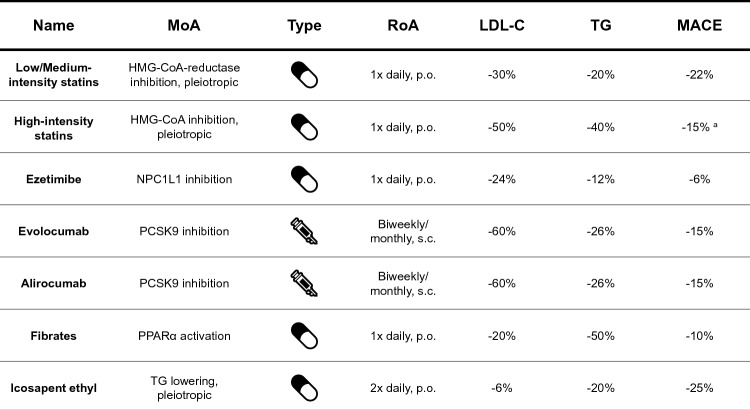
“The most clinically significant adverse effects of statin therapy are muscle-associated symptoms including myopathy (11 per 100,000 patient years) up to rhabdomyolysis (3 per 100,000 patient years) [52], an elevation of liver enzymes, hyperglycaemia [53], new onset of Name MoA RoA LDL-C TG MACE Type”
BackgroundSafety and Efficacy of Bempedoic Acid to Reduce LDL Cholesterol
Ray, K. K., Bays, H. E., Catapano, A. L., Lalwani, N. D., Bloedon, L. T., Sterling, L. R., Robinson, P. L., & Ballantyne, C. M. (2019) · New England Journal of Medicine · doi:10.1056/nejmoa1803917 · Cited by 807 · cited 1×
“• The CLEAR Harmony trial assessed bempedoic acid’s safety and efficacy in 2230 statin-treated patients with atherosclerosis or HeFH compared with placebo [130].”
Evinacumab for Homozygous Familial Hypercholesterolemia
Raal, F. J., Rosenson, R. S., Reeskamp, L. F., Hovingh, G. K., Kastelein, J. J. P., Rubba, P., Ali, S., Banerjee, P., Chan, K.-C., Gipe, D. A., et al. (2020) · New England Journal of Medicine · doi:10.1056/nejmoa2004215 · Cited by 793 · cited 1×
“After evinacumab’s proof of concept was established in a single-group phase 2 trial [149], the phase 3 ELIPSE trial was conducted [150].”
BackgroundRaal, F. J., Stein, E. A., Dufour, R., Turner, T., Civeira, F., Burgess, L., Langslet, G., Scott, R., Olsson, A. G., Sullivan, D., et al. (2015) · The Lancet · doi:10.1016/s0140-6736(14)61399-4 · Cited by 756
Viney, N. J., van Capelleveen, J. C., Geary, R. S., Xia, S., Tami, J. A., Yu, R. Z., Marcovina, S. M., Hughes, S. G., Graham, M. J., Crooke, R. M., et al. (2016) · The Lancet · doi:10.1016/s0140-6736(16)31009-1 · Cited by 754 · cited 1×
“Subsequently, phase 1 and 2 trials enrolling a total of 103 patients with elevated Lp(a) and CVD showed that treatment with antisense oligonucleotides reduced Lp(a) levels by up to − 80% [199, 200].”
BackgroundTriglyceride Lowering with Pemafibrate to Reduce Cardiovascular Risk
Das Pradhan, A., Glynn, R. J., Fruchart, J.-C., MacFadyen, J. G., Zaharris, E. S., Everett, B. M., Campbell, S. E., Oshima, R., Amarenco, P., Blom, D. J., et al. (2022) · New England Journal of Medicine · doi:10.1056/nejmoa2210645 · Cited by 749 · cited 1×
“On the basis of promising results from multiple phase 1, 2 and 3 trials [178], the double-blind, randomized, placebo-controlled trial PROMINENT investigated pemafibrate’s effect on MACE in 10,497 patients with diabetes mellitus type 2 and hypertriglyceridemia [179, 180].”
Cuchel, M., Meagher, E. A., du Toit Theron, H., Blom, D. J., Marais, A. D., Hegele, R. A., Averna, M. R., Sirtori, C. R., Shah, P. K., Gaudet, D., et al. (2013) · The Lancet · doi:10.1016/s0140-6736(12)61731-0 · Cited by 744 · cited 1×
“After conducting a successful dose-escalation study [157], a single-arm, open-label, phase 3 study of 29 patients with HoFH showed that lomitapide lowers LDL-C by − 50% and reduces the frequency of lipid apheresis [158].”
MethodA 52-Week Placebo-Controlled Trial of Evolocumab in Hyperlipidemia
Blom, D. J., Hala, T., Bolognese, M., Lillestol, M. J., Toth, P. D., Burgess, L., Ceska, R., Roth, E., Koren, M. J., Ballantyne, C. M., et al. (2014) · New England Journal of Medicine · doi:10.1056/nejmoa1316222 · Cited by 720
Effects of n−3 Fatty Acid Supplements in Diabetes Mellitus
The ASCEND Study Collaborative Group (2018) · New England Journal of Medicine · doi:10.1056/nejmoa1804989 · Cited by 698
Burgess, S., Ference, B. A., Staley, J. R., Freitag, D. F., Mason, A. M., Nielsen, S. F., Willeit, P., Young, R., Surendran, P., Karthikeyan, S., et al. (2018) · JAMA Cardiology · doi:10.1001/jamacardio.2018.1470 · Cited by 689
Pollin, T. I., Damcott, C. M., Shen, H., Ott, S. H., Shelton, J., Horenstein, R. B., Post, W., McLenithan, J. C., Bielak, L. F., Peyser, P. A., et al. (2008) · Science · doi:10.1126/science.1161524 · Cited by 688
Inhibition of Intestinal Cholesterol Absorption by Ezetimibe in Humans
Sudhop, T., Lütjohann, D., Kodal, A., Igel, M., Tribble, D. L., Shah, S., Perevozskaya, I., & von Bergmann, K. (2002) · Circulation · doi:10.1161/01.cir.0000034044.95911.dc · Cited by 682
Inhibition of microsomal triglyceride transfer protein in familial hypercholesterolemia
Cuchel, M., Bloedon, L. T., Szapary, P. O., Kolansky, D. M., Wolfe, M. L., Sarkis, A., Millar, J. S., Ikewaki, K., Siegelman, E. S., Gregg, R. E., et al. (2007) · New England Journal of Medicine · doi:10.1056/nejmoa061189 · Cited by 580 · cited 1×
“After conducting a successful dose-escalation study [157], a single-arm, open-label, phase 3 study of 29 patients with HoFH showed that lomitapide lowers LDL-C by − 50% and reduces the frequency of lipid apheresis [158].”
MethodPatel, A. P., Wang, M., Pirruccello, J. P., Ellinor, P. T., Ng, K., Kathiresan, S., & Khera, A. V. (2021) · Arteriosclerosis, Thrombosis, and Vascular Biology · doi:10.1161/atvbaha.120.315291 · Cited by 567
Hypertriglyceridemia as a Result of Human apo CII Gene Expression in Transgenic Mice
Ito, Y., Azrolan, N., O'Connell, A., Walsh, A., & Breslow, J. L. (1990) · Science · doi:10.1126/science.2167514 · Cited by 539
Antisense Inhibition of Apolipoprotein C-III in Patients with Hypertriglyceridemia
Gaudet, D., Alexander, V. J., Baker, B. F., Brisson, D., Tremblay, K., Singleton, W., Geary, R. S., Hughes, S. G., Viney, N. J., Graham, M. J., et al. (2015) · New England Journal of Medicine · doi:10.1056/nejmoa1400283 · Cited by 528
Anti-PCSK9 Antibody Effectively Lowers Cholesterol in Patients With Statin Intolerance
Stroes, E., Colquhoun, D., Sullivan, D., Civeira, F., Rosenson, R. S., Watts, G. F., Bruckert, E., Cho, L., Dent, R., Knusel, B., et al. (2014) · Journal of the American College of Cardiology · doi:10.1016/j.jacc.2014.03.019 · Cited by 526
Robinson, J. G., Nedergaard, B. S., Rogers, W. J., Fialkow, J., Neutel, J. M., Ramstad, D., Somaratne, R., Legg, J. C., Nelson, P., Scott, R., et al. (2014) · JAMA · doi:10.1001/jama.2014.4030 · Cited by 496
Targeting APOC3 in the familial chylomicronemia syndrome
Gaudet, D., Brisson, D., Tremblay, K., Alexander, V. J., Singleton, W., Hughes, S. G., Geary, R. S., Baker, B. F., Graham, M. J., Crooke, R. M., et al. (2014) · New England Journal of Medicine · doi:10.1056/nejmoa1400284 · Cited by 491 · cited 1×
“After a first proof-of-concept study [173], volanesorsen’s dose-dependent efficacy has been established in a phase 1 trial of three patients with familial chylomicronemia syndrome (FCS) and elevated triglycerides [174].”
BackgroundGoldberg, A. C., Leiter, L. A., Stroes, E. S. G., Baum, S. J., Hanselman, J. C., Bloedon, L. T., Lalwani, N. D., Patel, P. M., Zhao, X., & Duell, P. B. (2019) · JAMA · doi:10.1001/jama.2019.16585 · Cited by 481
Prevalence of statin intolerance: a meta-analysis
Bytyçi, I., Penson, P. E., Mikhailidis, D. P., Wong, N. D., Hernandez, A. V., Sahebkar, A., Thompson, P. D., Mazidi, M., Rysz, J., Pella, D., et al. (2022) · European Heart Journal · doi:10.1093/eurheartj/ehac015 · Cited by 481 · cited 2×
“1% of patients are intolerant to statins [25].”
BackgroundKhera, A. V., Everett, B. M., Caulfield, M. P., Hantash, F. M., Wohlgemuth, J., Ridker, P. M., & Mora, S. (2014) · Circulation · doi:10.1161/circulationaha.113.004406 · Cited by 461 · cited 1×
“Studies reported no or only a minor increase in lipoprotein (a) (Lp(a)) levels among patients treated with statins [33, 34].”
BackgroundTsimikas, S., Viney, N. J., Hughes, S. G., Singleton, W., Graham, M. J., Baker, B. F., Burkey, J. L., Yang, Q., Marcovina, S. M., Geary, R. S., et al. (2015) · The Lancet · doi:10.1016/s0140-6736(15)61252-1 · Cited by 460 · cited 1×
“Subsequently, phase 1 and 2 trials enrolling a total of 103 patients with elevated Lp(a) and CVD showed that treatment with antisense oligonucleotides reduced Lp(a) levels by up to − 80% [199, 200].”
BackgroundRay, K. K. (2010) · Archives of Internal Medicine · doi:10.1001/archinternmed.2010.182 · Cited by 446
Cholesterol Reduction Yields Clinical Benefit: Impact of Statin Trials
Gould, A. L., Rossouw, J. E., Santanello, N. C., Heyse, J. F., & Furberg, C. D. (1998) · Circulation · doi:10.1161/01.cir.97.10.946 · Cited by 442
Efficacy and Safety of Bempedoic Acid in Patients With Hypercholesterolemia and Statin Intolerance
Laufs, U., Banach, M., Mancini, G. B. J., Gaudet, D., Bloedon, L. T., Sterling, L. R., Kelly, S., & Stroes, E. S. G. (2019) · Journal of the American Heart Association · doi:10.1161/jaha.118.011662 · Cited by 432 · cited 1×
“In contrast to statins, a lower incidence of myopathy, rhabdomyolysis or other muscle-related side effects were observed in patients receiving bempedoic acid [127].”
ResultKöster, A., Chao, Y. B., Mosior, M., Ford, A., Gonzalez-DeWhitt, P. A., Hale, J. E., Li, D., Qiu, Y., Fraser, C. C., Yang, D. D., et al. (2005) · Endocrinology · doi:10.1210/en.2005-0476 · Cited by 427
Primary Prevention of Cardiovascular Mortality and Events With Statin Treatments
Mills, E. J., Rachlis, B., Wu, P., Devereaux, P. J., Arora, P., & Perri, D. (2008) · Journal of the American College of Cardiology · doi:10.1016/j.jacc.2008.08.039 · Cited by 423
Ballantyne, C. M., Banach, M., Mancini, G. B. J., Lepor, N. E., Hanselman, J. C., Zhao, X., & Leiter, L. A. (2018) · Atherosclerosis · doi:10.1016/j.atherosclerosis.2018.06.002 · Cited by 422
Inactivating Mutations in NPC1L1 and Protection from Coronary Heart Disease
The Myocardial Infarction Genetics Consortium Investigators (2014) · New England Journal of Medicine · doi:10.1056/nejmoa1405386 · Cited by 419
Anti-PCSK9 Monotherapy for Hypercholesterolemia
Koren, M. J., Lundqvist, P., Bolognese, M., Neutel, J. M., Monsalvo, M. L., Yang, J., Kim, J. B., Scott, R., Wasserman, S. M., & Bays, H. (2014) · Journal of the American College of Cardiology · doi:10.1016/j.jacc.2014.03.018 · Cited by 411
Effect of omega-3 fatty acids on cardiovascular outcomes: A systematic review and meta-analysis
Khan, S. U., Lone, A. N., Khan, M. S., Virani, S. S., Blumenthal, R. S., Nasir, K., Miller, M., Michos, E. D., Ballantyne, C. M., Boden, W. E., et al. (2021) · eClinicalMedicine · doi:10.1016/j.eclinm.2021.100997 · Cited by 411
Emerging Mechanisms of Cardiovascular Protection for the Omega-3 Fatty Acid Eicosapentaenoic Acid
Mason, R. P., Libby, P., & Bhatt, D. L. (2020) · Arteriosclerosis, Thrombosis, and Vascular Biology · doi:10.1161/atvbaha.119.313286 · Cited by 407 · cited 1×
“Albeit the exact MoA is unknown, scientists hypothesize that EPA exerts pleiotropic cardiovascular effects beyond lowering triglycerides: antiinflammatory, anti-thrombotic, membrane stabilizing, plaque stabilizing, anti-arrhythmic and anti-hypertensive [105, 106, 108, 109].”
BackgroundPCSK9 genetic variants and risk of type 2 diabetes: a mendelian randomisation study
Schmidt, A. F., Swerdlow, D. I., Holmes, M. V., Patel, R. S., Fairhurst-Hunter, Z., Lyall, D. M., Hartwig, F. P., Horta, B. L., Hyppönen, E., Power, C., et al. (2017) · The Lancet Diabetes & Endocrinology · doi:10.1016/s2213-8587(16)30396-5 · Cited by 380 · cited 1×
“PCSK9 inhibitors were also discussed to induce the expression of auto-antibodies and increase the risk of diabetes mellitus [89, 90].”
BackgroundGraham, M. J., Lee, R. G., Bell, T. A., Fu, W., Mullick, A. E., Alexander, V. J., Singleton, W., Viney, N., Geary, R., Su, J., et al. (2013) · Circulation Research · doi:10.1161/circresaha.111.300367 · Cited by 377 · cited 1×
“After a first proof-of-concept study [173], volanesorsen’s dose-dependent efficacy has been established in a phase 1 trial of three patients with familial chylomicronemia syndrome (FCS) and elevated triglycerides [174].”
BackgroundMach, F., Ray, K. K., Wiklund, O., Corsini, A., Catapano, A. L., Bruckert, E., De Backer, G., Hegele, R. A., Hovingh, G. K., Jacobson, T. A., et al. (2018) · European Heart Journal · doi:10.1093/eurheartj/ehy182 · Cited by 370 · cited 2×
“Evidence for an increased risk of haemorrhagic stroke remains inconclusive [38, 54, 55].”
BackgroundLipid-reduction variability and antidrug-antibody formation with bococizumab
Ridker, P. M., Tardif, J.-C., Amarenco, P., Duggan, W., Glynn, R. J., Jukema, J. W., Kastelein, J. J. P., Kim, A. M., Koenig, W., Nissen, S., et al. (2017) · New England Journal of Medicine · doi:10.1056/nejmoa1614062 · Cited by 369 · cited 1×
“PCSK9 inhibitors were also discussed to induce the expression of auto-antibodies and increase the risk of diabetes mellitus [89, 90].”
BackgroundKereiakes, D. J., Robinson, J. G., Cannon, C. P., Lorenzato, C., Pordy, R., Chaudhari, U., & Colhoun, H. M. (2015) · American Heart Journal · doi:10.1016/j.ahj.2015.03.004 · Cited by 349
Mills, E. J., WU, P., Chong, G., Ghement, I., Singh, S., Akl, E. A., Eyawo, O., Guyatt, G., Berwanger, O., & Briel, M. (2011) · QJM · doi:10.1093/qjmed/hcq165 · Cited by 338
(2016) · The Lancet Diabetes & Endocrinology · doi:10.1016/s2213-8587(16)30156-5 · Cited by 338
ANGPTL3 inhibition in homozygous familial hypercholesterolemia
Gaudet, D., Gipe, D. A., Pordy, R., Ahmad, Z., Cuchel, M., Shah, P. K., Chyu, K.-Y., Sasiela, W. J., Chan, K.-C., Brisson, D., et al. (2017) · New England Journal of Medicine · doi:10.1056/nejmc1705994 · Cited by 323 · cited 1×
“After evinacumab’s proof of concept was established in a single-group phase 2 trial [149], the phase 3 ELIPSE trial was conducted [150].”
BackgroundSHARP Collaborative Group (2010) · American Heart Journal · doi:10.1016/j.ahj.2010.08.012 · Cited by 319
Pradhan, A. D., Paynter, N. P., Everett, B. M., Glynn, R. J., Amarenco, P., Elam, M., Ginsberg, H., Hiatt, W. R., Ishibashi, S., Koenig, W., et al. (2018) · American Heart Journal · doi:10.1016/j.ahj.2018.09.011 · Cited by 319 · cited 1×
“On the basis of promising results from multiple phase 1, 2 and 3 trials [178], the double-blind, randomized, placebo-controlled trial PROMINENT investigated pemafibrate’s effect on MACE in 10,497 patients with diabetes mellitus type 2 and hypertriglyceridemia [179, 180].”
Evinacumab in Patients with Refractory Hypercholesterolemia
Rosenson, R. S., Burgess, L. J., Ebenbichler, C. F., Baum, S. J., Stroes, E. S. G., Ali, S., Khilla, N., Hamlin, R., Pordy, R., Dong, Y., et al. (2020) · New England Journal of Medicine · doi:10.1056/nejmoa2031049 · Cited by 302 · cited 1×
“At a dose of 450 mg per week, evinacumab reduced LDL-C levels by − 56% compared with baseline [151].”
BackgroundShimamura, M., Matsuda, M., Yasumo, H., Okazaki, M., Fujimoto, K., Kono, K., Shimizugawa, T., Ando, Y., Koishi, R., Kohama, T., et al. (2007) · Arteriosclerosis, Thrombosis, and Vascular Biology · doi:10.1161/01.atv.0000252827.51626.89 · Cited by 297
McKinney, J. S., & Kostis, W. J. (2012) · Stroke · doi:10.1161/strokeaha.112.655894 · Cited by 294
Apolipoprotein C-III: understanding an emerging cardiovascular risk factor
Ooi, E. M. M., Barrett, P. H. R., Chan, D. C., & Watts, G. F. (2008) · Clinical Science · doi:10.1042/cs20070308 · Cited by 282
Cholesterol Reduction Yields Clinical Benefit: A New Look at Old Data
Gould, A. L., Rossouw, J. E., Santanello, N. C., Heyse, J. F., & Furberg, C. D. (1995) · Circulation · doi:10.1161/01.cir.91.8.2274 · Cited by 272
Morrone, D., Weintraub, W. S., Toth, P. P., Hanson, M. E., Lowe, R. S., Lin, J., Shah, A. K., & Tershakovec, A. M. (2012) · Atherosclerosis · doi:10.1016/j.atherosclerosis.2012.02.016 · Cited by 263
Safety and efficacy of anti-PCSK9 antibodies: a meta-analysis of 25 randomized, controlled trials
Zhang, X.-L., Zhu, Q.-Q., Zhu, L., Chen, J.-Z., Chen, Q.-H., Li, G.-N., Xie, J., Kang, L.-N., & Xu, B. (2015) · BMC Medicine · doi:10.1186/s12916-015-0358-8 · Cited by 260
Barter, P. J., Brandrup-Wognsen, G., Palmer, M. K., & Nicholls, S. J. (2010) · Journal of Lipid Research · doi:10.1194/jlr.p002816 · Cited by 259 · cited 1×
“Statins also elevate high-density lipoprotein cholesterol (HDL-C) in a dose-dependent manner by up to + 10% [32].”
BackgroundVarbo, A., Benn, M., & Nordestgaard, B. G. (2014) · Pharmacology & Therapeutics · doi:10.1016/j.pharmthera.2013.11.008 · Cited by 251
Phenotypic Characterization of Genetically Lowered Human Lipoprotein(a) Levels
Emdin, C. A., Khera, A. V., Natarajan, P., Klarin, D., Won, H.-H., Peloso, G. M., Stitziel, N. O., Nomura, A., Zekavat, S. M., Bick, A. G., et al. (2016) · Journal of the American College of Cardiology · doi:10.1016/j.jacc.2016.10.033 · Cited by 244
Preclinical development and phase 1 trial of a novel siRNA targeting lipoprotein(a)
Koren, M. J., Moriarty, P. M., Baum, S. J., Neutel, J., Hernandez-Illas, M., Weintraub, H. S., Florio, M., Kassahun, H., Melquist, S., Varrieur, T., et al. (2022) · Nature Medicine · doi:10.1038/s41591-021-01634-w · Cited by 239 · cited 2×
“In a phase 1 trial of 64 patients, olpasiran reduced Lp(a) by − 71% to − 97% [213].”
BackgroundEffect of Omega-3 Dosage on Cardiovascular Outcomes
Bernasconi, A. A., Wiest, M. M., Lavie, C. J., Milani, R. V., & Laukkanen, J. A. (2021) · Mayo Clinic Proceedings · doi:10.1016/j.mayocp.2020.08.034 · Cited by 237
Gouni-Berthold, I., Alexander, V. J., Yang, Q., Hurh, E., Steinhagen-Thiessen, E., Moriarty, P. M., Hughes, S. G., Gaudet, D., Hegele, R. A., O'Dea, L. S. L., et al. (2021) · The Lancet Diabetes & Endocrinology · doi:10.1016/s2213-8587(21)00046-2 · Cited by 232 · cited 6×
“Consistently, volanesorsen reduced triglycerides by − 71% in a trial of 114 patients with severe hypertriglyceridemia or FCS [177].”
BackgroundInfluentialAlexander, V. J., Xia, S., Hurh, E., Hughes, S. G., O’Dea, L., Geary, R. S., Witztum, J. L., & Tsimikas, S. (2019) · European Heart Journal · doi:10.1093/eurheartj/ehz209 · Cited by 231
Ouchi, Y., Sasaki, J., Arai, H., Yokote, K., Harada, K., Katayama, Y., Urabe, T., Uchida, Y., Hayashi, M., Yokota, N., et al. (2019) · Circulation · doi:10.1161/circulationaha.118.039415 · Cited by 231
Wright, R. S., Ray, K. K., Raal, F. J., Kallend, D. G., Jaros, M., Koenig, W., Leiter, L. A., Landmesser, U., Schwartz, G. G., Friedman, A., et al. (2021) · Journal of the American College of Cardiology · doi:10.1016/j.jacc.2020.12.058 · Cited by 229 · cited 1×
“• Results of the ORION-9, ORION-10, and ORION-11 trials were consistent in pooled patient- and trial-level meta-analyses [140, 141].”
BackgroundPandor, A., Ara, R. M., Tumur, I., Wilkinson, A. J., Paisley, S., Duenas, A., Durrington, P. N., & Chilcott, J. (2009) · Journal of Internal Medicine · doi:10.1111/j.1365-2796.2008.02062.x · Cited by 228
Roeseler, E., Julius, U., Heigl, F., Spitthoever, R., Heutling, D., Breitenberger, P., Leebmann, J., Lehmacher, W., Kamstrup, P. R., Nordestgaard, B. G., et al. (2016) · Arteriosclerosis, Thrombosis, and Vascular Biology · doi:10.1161/atvbaha.116.307983 · Cited by 227 · cited 1×
“Two studies reported a significantly lower cardiovascular event rate in patients treated with lipid apheresis for Lp(a) [194, 195].”
BackgroundTsimikas, S., Witztum, J. L., Miller, E. R., Sasiela, W. J., Szarek, M., Olsson, A. G., & Schwartz, G. G. (2004) · Circulation · doi:10.1161/01.cir.0000141728.23033.b5 · Cited by 225 · cited 1×
“Studies reported no or only a minor increase in lipoprotein (a) (Lp(a)) levels among patients treated with statins [33, 34].”
BackgroundKaratasakis, A., Danek, B. A., Karacsonyi, J., Rangan, B. V., Roesle, M. K., Knickelbine, T., Miedema, M. D., Khalili, H., Ahmad, Z., Abdullah, S., et al. (2017) · Journal of the American Heart Association · doi:10.1161/jaha.117.006910 · Cited by 215
Tardif, J.-C., Karwatowska-Prokopczuk, E., Amour, E. S., Ballantyne, C. M., Shapiro, M. D., Moriarty, P. M., Baum, S. J., Hurh, E., Bartlett, V. J., Kingsbury, J., et al. (2022) · European Heart Journal · doi:10.1093/eurheartj/ehab820 · Cited by 210 · cited 1×
“A similar trial design enrolling 114 patients with established CVD and elevated triglycerides demonstrated an up to − 60% reduction in triglyceride levels [176].”
MethodBezafibrate in men with lower extremity arterial disease: randomised controlled trial
Meade, T., Zuhrie, R., Cook, C., & Cooper, J. (2002) · BMJ · doi:10.1136/bmj.325.7373.1139 · Cited by 208
PCSK9 monoclonal antibodies for the primary and secondary prevention of cardiovascular disease
Schmidt, A. F., Pearce, L. S., Wilkins, J. T., Overington, J. P., Hingorani, A. D., & Casas, J. P. (2017) · Cochrane Database of Systematic Reviews · doi:10.1002/14651858.cd011748.pub2 · Cited by 205 · cited 1×
“’s meta-analysis of PCSK9 inhibitors includes trials with primary and secondary prevention cohorts [80].”
MethodBallantyne, C. M., Blazing, M. A., King, T. R., Brady, W. E., & Palmisano, J. (2004) · The American Journal of Cardiology · doi:10.1016/j.amjcard.2004.02.060 · Cited by 202
Naci, H., Brugts, J. J., Fleurence, R., Tsoi, B., Toor, H., & Ades, A. (2013) · European Journal of Preventive Cardiology · doi:10.1177/2047487313480435 · Cited by 202 · cited 1×
“Results were consistent across primary and secondary prevention cohorts [40, 41, 48, 49, 51].”
ResultUnmet Need for Adjunctive Dyslipidemia Therapy in Hypertriglyceridemia Management
Ganda, O. P., Bhatt, D. L., Mason, R. P., Miller, M., & Boden, W. E. (2018) · Journal of the American College of Cardiology · doi:10.1016/j.jacc.2018.04.061 · Cited by 195
Wang, N., Fulcher, J., Abeysuriya, N., Park, L., Kumar, S., Di Tanna, G. L., Wilcox, I., Keech, A., Rodgers, A., & Lal, S. (2020) · The Lancet Diabetes & Endocrinology · doi:10.1016/s2213-8587(19)30388-2 · Cited by 187
A PCSK9 Missense Variant Associated with a Reduced Risk of Early-Onset Myocardial Infarction
Kathiresan, S. (2008) · New England Journal of Medicine · doi:10.1056/nejmc0707445 · Cited by 183
The dawn of a new era of targeted lipid-lowering therapies
Tokgözoğlu, L., & Libby, P. (2022) · European Heart Journal · doi:10.1093/eurheartj/ehab841 · Cited by 171
Sacks, F. M. (2015) · Current Opinion in Lipidology · doi:10.1097/mol.0000000000000146 · Cited by 168 · cited 1×
“ApoC-III serves as an independent risk marker for CVD due to its central role in lipid metabolism [164, 165].”
BackgroundMerki, E., Graham, M. J., Mullick, A. E., Miller, E. R., Crooke, R. M., Pitas, R. E., Witztum, J. L., & Tsimikas, S. (2008) · Circulation · doi:10.1161/circulationaha.108.786822 · Cited by 156 · cited 1×
“Pre-clinical studies confirmed the concept (proof of concept) that antisense oligonucleotides specifically lower Lp(a) levels [197, 198].”
BackgroundParris, E. S., Lawrence, D. B., Mohn, L. A., & Long, L. B. (2005) · Diabetes Care · doi:10.2337/diacare.28.3.595 · Cited by 155
Reiner, Ž. (2013) · Nutrition, Metabolism and Cardiovascular Diseases · doi:10.1016/j.numecd.2013.05.002 · Cited by 147 · cited 1×
“Low-/medium-intensity statins reduce LDL-C by − 30% to − 50% and triglycerides by − 20%, whilst high-intensity statins reduce LDL-C by more than − 50% and triglycerides by up to − 40% [19, 31].”
BackgroundFruchart, J.-C., Santos, R. D., Aguilar-Salinas, C., Aikawa, M., Al Rasadi, K., Amarenco, P., Barter, P. J., Ceska, R., Corsini, A., Després, J.-P., et al. (2019) · Cardiovascular Diabetology · doi:10.1186/s12933-019-0864-7 · Cited by 140
Nicholls, S., Lincoff, A. M., Bays, H. E., Cho, L., Grobbee, D. E., Kastelein, J. J., Libby, P., Moriarty, P. M., Plutzky, J., Ray, K. K., et al. (2021) · American Heart Journal · doi:10.1016/j.ahj.2020.10.060 · Cited by 136 · cited 1×
“• The CLEAR Outcomes trial randomized 13,970 patients with established or high risk for CVD, intolerance to statins, and LDL-C level ≥ 100 mg/dL to receive bempedoic acid (180 mg daily) or placebo [131].”
MethodFogacci, F., Ferri, N., Toth, P. P., Ruscica, M., Corsini, A., & Cicero, A. F. G. (2019) · Drugs · doi:10.1007/s40265-019-01114-z · Cited by 132 · cited 12×
“Bempedoic acid lowered LDL-C by − 21%, non-HDL-C by − 18%, total cholesterol by − 15%, ApoB-100 by − 15% and hsCRP by − 24%.”
BackgroundInfluentialEffect of Statins on Fasting Plasma Glucose in Diabetic and Nondiabetic Patients
Sukhija, R., Prayaga, S., Marashdeh, M., Bursac, Z., Kakar, P., Bansal, D., Sachdeva, R., Kesan, S. H., & Mehta, J. L. (2009) · Journal of Investigative Medicine · doi:10.2310/jim.0b013e318197ec8b · Cited by 126 · cited 1×
“The most clinically significant adverse effects of statin therapy are muscle-associated symptoms including myopathy (11 per 100,000 patient years) up to rhabdomyolysis (3 per 100,000 patient years) [52], an elevation of liver enzymes, hyperglycaemia [53], new onset of Name MoA RoA LDL-C TG MACE Type”
BackgroundMerki, E., Graham, M., Taleb, A., Leibundgut, G., Yang, X., Miller, E. R., Fu, W., Mullick, A. E., Lee, R., Willeit, P., et al. (2011) · Journal of the American College of Cardiology · doi:10.1016/j.jacc.2010.10.052 · Cited by 124 · cited 1×
“Pre-clinical studies confirmed the concept (proof of concept) that antisense oligonucleotides specifically lower Lp(a) levels [197, 198].”
BackgroundPCSK9 monoclonal antibodies for the primary and secondary prevention of cardiovascular disease
Schmidt, A. F., Carter, J.-P. L., Pearce, L. S., Wilkins, J. T., Overington, J. P., Hingorani, A. D., & Casas, J. (2020) · Cochrane Database of Systematic Reviews · doi:10.1002/14651858.cd011748.pub3 · Cited by 123
Zhang, X., Ritonja, J. A., Zhou, N., Chen, B. E., & Li, X. (2022) · Journal of the American Heart Association · doi:10.1161/jaha.121.025071 · Cited by 122 · cited 1×
“Albeit the exact MoA is unknown, scientists hypothesize that EPA exerts pleiotropic cardiovascular effects beyond lowering triglycerides: antiinflammatory, anti-thrombotic, membrane stabilizing, plaque stabilizing, anti-arrhythmic and anti-hypertensive [105, 106, 108, 109].”
BackgroundBempedoic Acid (ETC-1002): an Investigational Inhibitor of ATP Citrate Lyase
Bilen, O., & Ballantyne, C. M. (2016) · Current Atherosclerosis Reports · doi:10.1007/s11883-016-0611-4 · Cited by 119 · cited 1×
“Bempedoic acid inhibits adenosine triphosphate (ATP)-citrate lyase and thereby cholesterol biosynthesis [126].”
BackgroundKosoglou, T., Meyer, I., Veltri, E. P., Statkevich, P., Yang, B., Zhu, Y., Mellars, L., Maxwell, S. E., Patrick, J. E., Cutler, D. L., et al. (2002) · British Journal of Clinical Pharmacology · doi:10.1046/j.1365-2125.2002.01633.x · Cited by 117 · cited 1×
“Ezetimibe selectively inhibits the absorption of cholesterol in the small intestine [by interfering with the Niemann-Pick C1-like 1 protein (NPC1L1)] without modifying uptake of other nutrients and vitamins [56, 57].”
BackgroundSahebkar, A., Di Giosia, P., Stamerra, C. A., Grassi, D., Pedone, C., Ferretti, G., Bacchetti, T., Ferri, C., & Giorgini, P. (2016) · British Journal of Clinical Pharmacology · doi:10.1111/bcp.12905 · Cited by 116
Hovingh, G. K., Lepor, N. E., Kallend, D., Stoekenbroek, R. M., Wijngaard, P. L. J., & Raal, F. J. (2020) · Circulation · doi:10.1161/circulationaha.119.044431 · Cited by 113 · cited 1×
“• The ORION-2 pilot trial showed inclisiran could also be effective for patients with homozygous familial hypercholesterinaemia (HoFH) [139].”
BackgroundEzetimibe for the prevention of cardiovascular disease and all-cause mortality events
Zhan, S., Tang, M., Liu, F., Xia, P., Shu, M., & Wu, X. (2018) · Cochrane Database of Systematic Reviews · doi:10.1002/14651858.cd012502.pub2 · Cited by 109
O'Donoghue, M. L., G. López, J. A., Knusel, B., Gencer, B., Wang, H., Wu, Y., Kassahun, H., & Sabatine, M. S. (2022) · American Heart Journal · doi:10.1016/j.ahj.2022.05.004 · Cited by 109 · cited 1×
“A phase 2 dose-finding study of 281 patients with established CVD, OCEAN(a)-DOSE, is currently ongoing [214].”
BackgroundYu, M., Liang, C., Kong, Q., Wang, Y., & Li, M. (2020) · Lipids in Health and Disease · doi:10.1186/s12944-019-1182-5 · Cited by 107
Angptl3-null Mice Show Low Plasma Lipid Concentrations by Enhanced Lipoprotein Lipase Activity
FUJIMOTO, K., KOISHI, R., SHIMIZUGAWA, T., & ANDO, Y. (2006) · Experimental Animals · doi:10.1538/expanim.55.27 · Cited by 104
Bempedoic acid safety analysis: Pooled data from four phase 3 clinical trials
Bays, H. E., Banach, M., Catapano, A. L., Duell, P. B., Gotto, A. M., Laufs, U., Leiter, L. A., Mancini, G. B. J., Ray, K. K., Bloedon, L. T., et al. (2020) · Journal of Clinical Lipidology · doi:10.1016/j.jacl.2020.08.009 · Cited by 103 · cited 1×
“The most common side effects are increased uric acid levels and gout [128].”
BackgroundMeta-Analysis of Inclisiran for the Treatment of Hypercholesterolemia
Khan, S. A., Naz, A., Qamar Masood, M., & Shah, R. (2020) · The American Journal of Cardiology · doi:10.1016/j.amjcard.2020.08.018 · Cited by 98 · cited 1×
“• Results of the ORION-9, ORION-10, and ORION-11 trials were consistent in pooled patient- and trial-level meta-analyses [140, 141].”
BackgroundBanerjee, P., Chan, K.-C., Tarabocchia, M., Benito-Vicente, A., Alves, A. C., Uribe, K. B., Bourbon, M., Skiba, P. J., Pordy, R., Gipe, D. A., et al. (2019) · Arteriosclerosis, Thrombosis, and Vascular Biology · doi:10.1161/atvbaha.119.313051 · Cited by 97
Mipomersen and its use in familial hypercholesterolemia
Parham, J. S., & Goldberg, A. C. (2019) · Expert Opinion on Pharmacotherapy · doi:10.1080/14656566.2018.1550071 · Cited by 94 · cited 14×
“Ultimately, this results in lower serum LDL-C, ApoB-100 and triglyceride levels.”
BackgroundInfluentialImpact of Apolipoprotein(a) Isoform Size on Lipoprotein(a) Lowering in the HPS2-THRIVE Study
Parish, S., Hopewell, J. C., Hill, M. R., Marcovina, S., Valdes-Marquez, E., Haynes, R., Offer, A., Pedersen, T. R., Baigent, C., Collins, R., et al. (2018) · Circulation: Genomic and Precision Medicine · doi:10.1161/circgen.117.001696 · Cited by 93 · cited 1×
“However, substantial reductions in Lp(a) levels are necessary to provide a clinically meaningful effect on cardiovascular outcomes [186, 196].”
BackgroundRoss, S., D’Mello, M., Anand, S. S., Eikelboom, J., CARDIoGRAMplusC4D Consortium*, Stewart, A. F. R., Samani, N. J., Roberts, R., & Paré, G. (2015) · Circulation: Cardiovascular Genetics · doi:10.1161/circgenetics.114.000952 · Cited by 90 · cited 1×
“ated with a significant reduction in LDL-C and MACE, clinical trials supporting their efficacy were conducted before the introduction of statins, ezetimibe, PCSK9 inhibitors and icosapent ethyl [122].”
MethodUnmet Needs in LDL-C Lowering: When Statins Won’t Do!
Krähenbühl, S., Pavik-Mezzour, I., & von Eckardstein, A. (2016) · Drugs · doi:10.1007/s40265-016-0613-0 · Cited by 89
Safety and efficacy of ezetimibe: A meta-analysis
Savarese, G., De Ferrari, G. M., Rosano, G. M. C., & Perrone-Filardi, P. (2015) · International Journal of Cardiology · doi:10.1016/j.ijcard.2015.08.103 · Cited by 88
März, W., Dippel, F.-W., Theobald, K., Gorcyca, K., Iorga, Ş. R., & Ansell, D. (2018) · Atherosclerosis · doi:10.1016/j.atherosclerosis.2017.11.020 · Cited by 87
An ABC of apolipoprotein C-III: a clinically useful new cardiovascular risk factor?
Chan, D. C., Chen, M. M., Ooi, E. M. M., & Watts, G. F. (2008) · International Journal of Clinical Practice · doi:10.1111/j.1742-1241.2007.01678.x · Cited by 85 · cited 1×
“ApoC-III serves as an independent risk marker for CVD due to its central role in lipid metabolism [164, 165].”
BackgroundLandmesser, U., Haghikia, A., Leiter, L. A., Wright, R. S., Kallend, D., Wijngaard, P., Stoekenbroek, R., Kastelein, J. J., & Ray, K. K. (2021) · Cardiovascular Research · doi:10.1093/cvr/cvaa077 · Cited by 83 · cited 1×
“In contrast to the other PCSK9 inhibitors, inclisiran does not induce the expression of autoantibodies according to results from the ORION-1 trial [142].”
ResultVrablik, M., Seifert, B., Parkhomenko, A., Banach, M., Jóźwiak, J. J., Kiss, R. G., Gaita, D., Rašlová, K., Zachlederova, M., Bray, S., et al. (2021) · Atherosclerosis · doi:10.1016/j.atherosclerosis.2021.08.035 · Cited by 83
Lomitapide: a review of its clinical use, efficacy, and tolerability
Alonso, R., Cuevas, A., & Mata, P. (2019) · Core Evidence · doi:10.2147/ce.s174169 · Cited by 81 · cited 2×
“Lomitapide lowers cholesterol by inhibiting the microsomal triglyceride transfer protein (MTG) [155, 156].”
BackgroundBanach, M., Penson, P. E., Farnier, M., Fras, Z., Latkovskis, G., Laufs, U., Paneni, F., Parini, P., Pirro, M., Reiner, Ž., et al. (2023) · Progress in Cardiovascular Diseases · doi:10.1016/j.pcad.2023.03.001 · Cited by 76 · cited 1×
“Even though data for primary CVD prevention is missing, the International Lipid Expert Panel concludes that bempedoic acid’s ‘favourable effects on plasma glucose and inflammatory markers make this drug a rational choice in the patient-centred care of specific groups of primary prevention’ [134].”
BackgroundPleiotropic Effects of Statins: Evidence Against Benefits Beyond LDL-Cholesterol Lowering
Pedersen, T. R. (2010) · American Journal Cardiovascular Drugs · doi:10.2165/1158822-s0-000000000-00000 · Cited by 74
FISHing for the Miracle of Eicosapentaenoic Acid
Kastelein, J. J. P., & Stroes, E. S. G. (2019) · New England Journal of Medicine · doi:10.1056/nejme1814004 · Cited by 74 · cited 1×
“Although there has been significant public debate surrounding the comparator used in the REDUCE-IT trial (mineral oil) [112, 113], experts in both regulatory agencies in the USA and the European Union (EU)—from the US Food and Drug Administration (FDA) and the European Medicines Agency (EMA)—approved highly purified E…”
BackgroundLow lipoprotein(a) levels and risk of disease in a large, contemporary, general population study
Langsted, A., Nordestgaard, B. G., & Kamstrup, P. R. (2021) · European Heart Journal · doi:10.1093/eurheartj/ehaa1085 · Cited by 72
Low density lipoprotein cholesterol, statins and cardiovascular events: a meta-analysis
Genser, B., & März, W. (2006) · Clinical Research in Cardiology · doi:10.1007/s00392-006-0403-x · Cited by 68
Gaba, P., Bhatt, D. L., Steg, P. G., Miller, M., Brinton, E. A., Jacobson, T. A., Ketchum, S. B., Juliano, R. A., Jiao, L., Doyle, R. T., et al. (2022) · Journal of the American College of Cardiology · doi:10.1016/j.jacc.2022.02.035 · Cited by 61
Monami, M., Sesti, G., & Mannucci, E. (2019) · Diabetes, Obesity and Metabolism · doi:10.1111/dom.13599 · Cited by 58
Kuiper, J. G., Sanchez, R. J., Houben, E., Heintjes, E. M., Penning-van Beest, F. J. A., Khan, I., van Riemsdijk, M., & Herings, R. M. C. (2017) · Clinical Therapeutics · doi:10.1016/j.clinthera.2017.03.001 · Cited by 48
Meta‐analysis of clinical outcomes of PCSK9 modulators in patients with established ASCVD
Talasaz, A. H., Ho, A. (., Bhatty, F., Koenig, R. A., Dixon, D. L., Baker, W. L., & Van Tassell, B. W. (2021) · Pharmacotherapy: The Journal of Human Pharmacology and Drug Therapy · doi:10.1002/phar.2635 · Cited by 48
Klimchak, A. C., Patel, M. Y., Iorga, Ş. R., Kulkarni, N., & Wong, N. D. (2020) · American Journal of Preventive Cardiology · doi:10.1016/j.ajpc.2020.100010 · Cited by 43 · cited 1×
“use claims data from 44 million US inhabitants to estimate that only 36% of high-risk patients with atherosclerotic CVD attain the recommended LDL-C level of < 70 mg/dL [17].”
BackgroundMitchell, S., Roso, S., Samuel, M., & Pladevall-Vila, M. (2016) · BMC Cardiovascular Disorders · doi:10.1186/s12872-016-0241-3 · Cited by 40
Satterfield, B. A., Dikilitas, O., Safarova, M. S., Clarke, S. L., Tcheandjieu, C., Zhu, X., Bastarache, L., Larson, E. B., Justice, A. E., Shang, N., et al. (2021) · Circulation: Genomic and Precision Medicine · doi:10.1161/circgen.120.003354 · Cited by 40
Global Burden of Disease Study 2019 (GBD 2019) Reference Life Table
Global Burden of Disease Collaborative Network (2021) · University of Washington Libraries · doi:10.6069/1d4y-yq37 · Cited by 40
Santos, R. D., Waters, D. D., Tarasenko, L., Messig, M., Jukema, J. W., Chiang, C.-W., Ferrieres, J., & Foody, J. M. (2012) · Atherosclerosis · doi:10.1016/j.atherosclerosis.2012.06.052 · Cited by 39
(2014) · PubMed · Cited by 38
Lipoprotein apheresis is an optimal therapeutic option to reduce increased Lp(a) levels
Scientific Board of GLAR for the German Apheresis Working Group, Schettler, V. J. J., Neumann, C. L., Peter, C., Zimmermann, T., Julius, U., Hohenstein, B., Roeseler, E., Heigl, F., Grützmacher, P., et al. (2019) · Clinical Research in Cardiology Supplements · doi:10.1007/s11789-019-00094-4 · Cited by 37 · cited 1×
“Two studies reported a significantly lower cardiovascular event rate in patients treated with lipid apheresis for Lp(a) [194, 195].”
BackgroundNew Therapeutic Approaches in Treatment of Dyslipidaemia—A Narrative Review
Merćep, I., Strikić, D., Slišković, A. M., & Reiner, Ž. (2022) · Pharmaceuticals · doi:10.3390/ph15070839 · Cited by 36 · cited 1×
“Recently, several novel pharmaceutical therapies with innovative MoA have been approved by the FDA and/or EMA to treat patients with dyslipidaemia [125], many of which are currently being investigated in cardiovascular outcome trials (CVOT).”
BackgroundUnmet needs in the diagnosis and treatment of dyslipidemia in the primary care setting in Germany
Böhler, S., Scharnagl, H., Freisinger, F., Stojakovic, T., Glaesmer, H., Klotsche, J., Pieper, L., Pittrow, D., Kirch, W., Schneider, H., et al. (2007) · Atherosclerosis · doi:10.1016/j.atherosclerosis.2006.02.025 · Cited by 34
Marquina, C., Zomer, E., Vargas-Torres, S., Zoungas, S., Ofori-Asenso, R., Liew, D., & Ademi, Z. (2020) · PharmacoEconomics · doi:10.1007/s40273-020-00936-0 · Cited by 34
Ademi, Z., Ofori-Asenso, R., Zomer, E., Owen, A., & Liew, D. (2021) · European Journal of Preventive Cardiology · doi:10.1177/2047487319896648 · Cited by 30
Goulooze, S. C., Cohen, A. F., & Rissmann, R. (2015) · British Journal of Clinical Pharmacology · doi:10.1111/bcp.12612 · Cited by 29
Karwatowska-Prokopczuk, E., Clouet-Foraison, N., Xia, S., Viney, N. J., Witztum, J. L., Marcovina, S. M., & Tsimikas, S. (2021) · Atherosclerosis · doi:10.1016/j.atherosclerosis.2021.03.036 · Cited by 27
Zimmer, R., Riemer, T., Rauch, B., Schneider, S., Schiele, R., Gohlke, H., Diller, F., Steinbeck, G., Katus, H., Senges, J., et al. (2013) · The Journal of Clinical Psychiatry · doi:10.4088/jcp.13m08453 · Cited by 25
Cost-Effectiveness of Lipid-Lowering Therapies for Cardiovascular Prevention in Germany
Michaeli, D. T., Michaeli, J. C., Boch, T., & Michaeli, T. (2023) · Cardiovascular Drugs and Therapy · doi:10.1007/s10557-021-07310-y · Cited by 23
Self-citationZhu, Y., Hu, H., Yang, J., Yao, Q., Xu, H., Yu, Y., Liu, T., & Lin, S. (2020) · Biomolecules and Biomedicine · doi:10.17305/bjbms.2019.4437 · Cited by 22
Talic, S., Marquina, C., Zomer, E., Ofori-Asenso, R., Petrova, M., Vargas-Torres, S., Abushanab, D., Wolfe, R., Lybrand, S., Thomson, D., et al. (2022) · Current Problems in Cardiology · doi:10.1016/j.cpcardiol.2021.101068 · Cited by 22 · cited 1×
“Accordingly, an Australian study of 61,407 patients reported that only 36% achieved their recommended LDL-C levels [16].”
BackgroundLipid-lowering therapy and risk-based LDL-C goal attainment in Belgium: DA VINCI observational study
van de Borne, P., Peeters, A., Janssens, L., Leone, A., Lemmens, R., Verhaegen, A., De Meulemeester, M., Balthazar, Y., Heijmans, S., Calozet, Y., et al. (2024) · Acta Cardiologica · doi:10.1080/00015385.2022.2030568 · Cited by 22
Mafham, M., Zayed, M., Collins, R., Sabatine, M. S., Armitage, J., Brittain, D. E. A., da Costa, B. R., Chen, F., Goonasekera, M. A., Hill, M., et al. (2026) · American Heart Journal · doi:10.1016/j.ahj.2026.107546 · Cited by 22
Kodera, S., Morita, H., Kiyosue, A., Ando, J., & Komuro, I. (2018) · Circulation Journal · doi:10.1253/circj.cj-17-0995 · Cited by 21
Maki, K. C., Bobotas, G., Dicklin, M. R., Huebner, M., & Keane, W. F. (2017) · Journal of Clinical Lipidology · doi:10.1016/j.jacl.2016.10.010 · Cited by 20 · cited 1×
“ethyl (4 g per day) in a phase 2 head-to-head crossover trial enrolling 42 patients with hypertriglyceridemia [204] MAT9001 achieved significantly greater reductions in triglycerides (− 33% versus −11%, p < 0.”
BackgroundMichaeli, D. T., Michaeli, J. C., Boch, T., & Michaeli, T. (2022) · Clinical Drug Investigation · doi:10.1007/s40261-022-01173-3 · Cited by 20
Self-citationSchleyer, T., Hui, S., Wang, J., Zhang, Z., Knapp, K., Baker, J., Chase, M., Boggs, R., & Simpson, R. J. (2019) · Journal of Managed Care & Specialty Pharmacy · doi:10.18553/jmcp.2019.25.5.544 · Cited by 19
Sarajlic, P., Artiach, G., Larsson, S. C., & Bäck, M. (2021) · Cardiovascular Drugs and Therapy · doi:10.1007/s10557-021-07212-z · Cited by 19
Low-density lipoprotein cholesterol goal attainment in Germany: Results from the DA VINCI study
Gouni-Berthold, I., Schaper, F., Schatz, U., Tabbert-Zitzler, A., Fraass, U., Sauer, S., & Ray, K. K. (2022) · Atherosclerosis Plus · doi:10.1016/j.athplu.2022.07.024 · Cited by 19
Effects of n-3 fatty acid treatment on monocyte phenotypes in humans with hypertriglyceridemia
Perrard, X. D., Lian, Z., Bobotas, G., Dicklin, M. R., Maki, K. C., & Wu, H. (2017) · Journal of clinical lipidology · doi:10.1016/j.jacl.2017.08.011 · Cited by 17
COST-EFFECTIVENESS OF ICOSAPENT ETHYL IN US REDUCE-IT PATIENTS
Weintraub, W. S., Bhatt, D., Zhang, Z., Zhang, C., Sarahfaye, D., Boden, W. E., Steg, P. G., Miller, M., Brinton, E., King, J., et al. (2020) · Journal of the American College of Cardiology · doi:10.1016/s0735-1097(20)32541-9 · Cited by 13
Athyros, V. G., Katsiki, N., Dimakopoulou, A., Patoulias, D., Alataki, S., & Doumas, M. (2019) · Current Pharmaceutical Design · doi:10.2174/1381612824666181009100517 · Cited by 12 · cited 1×
“Consequently, ANGPTL3 loss-of-function mutations result in lower triglycerides, LDL-C and a − 41% decreased risk of coronary heart diseases, despite reduced HDL-C levels [146, 147].”
BackgroundMaki, K. C., Bays, H. E., Ballantyne, C. M., Underberg, J. A., Kastelein, J. J. P., Johnson, J. B., Ferguson, J. J., Bays, H., Blomer, A., Kelley, K., et al. (2022) · Journal of the American Heart Association · doi:10.1161/jaha.121.024176 · Cited by 12 · cited 1×
“However, the ENHANCE-IT trial could not reproduce MAT9001’s superior efficacy to icosapent ethyl in patients undergoing a therapeutic lifestyle change diet [205].”
MethodBellosta, S., Rossi, C., Alieva, A. S., Catapano, A. L., Corsini, A., & Baragetti, A. (2023) · Cardiovascular Drugs and Therapy · doi:10.1007/s10557-021-07293-w · Cited by 10 · cited 1×
“Beyond the presented clinical development programs, there are a variety of innovative small molecules, monoclonal antibodies, vaccines and gene therapies currently in preclinical development [216]”
Background
Research works printed but not linked: 2
- Ollendorf DA, McQueen RB, Campbell JD, et al. Additive therapies for cardiovascular disease: effectiveness and value. 2019. http://icer-review.org/material/cvd-final-evidence-report/. Accessed 22 Mar 2021.
- Amgen. Amgen announces positive topline phase 2 data for investigational olpasiran in adults with elevated lipoprotein(a). 2022. https://www.amgen.com/newsroom/press-releases/2022/05/amgen-announces-positive-topline-phase-2-data-for-investigational-olpasiran-in-adults-with-elevated-lipoproteina. Accessed 21 Sep 2022.
Cited by
Lipid metabolism in homeostasis and disease
Li, Z., Deng, W., Yang, L., Tang, C., Yue, J.-M., Monteiro, O., Baptista‐Hon, D. T., & Li, T. (2026) · Signal Transduction and Targeted Therapy · doi:10.1038/s41392-025-02357-x · Cited by 74
“497 Pema fi brate is currently being explored for its potential in treating diabetic retinopathy, atrial fi brillation, and primary mitochondrial diseases.”
ApoB100 and Atherosclerosis: What’s New in the 21st Century?
Kounatidis, D. C., Vallianou, N. G., Poulaki, A., Evangelopoulos, A. A., Panagopoulos, F., Stratigou, T., Geladari, E. V., Karampela, Ι., & Dalamaga, Μ. (2024) · Metabolites · doi:10.3390/metabo14020123 · Cited by 56
“Bempedoic acid’s safety and efficacy in patients with statin intolerance have been investigated in phase 3 CLEAR trials, showing that BA may promote a 12–19% reduction in ApoB100 [150].”
BackgroundToma, L., Deleanu, M., Sanda, G. M., Barbălată, T., Niculescu, L. S., Sima, A. V., & Stancu, C. S. (2024) · International Journal of Molecular Sciences · doi:10.3390/ijms25084162 · Cited by 44
“Another class of drugs used for this purpose are Niemann-Pick C1-Like 1 (NPC1L1) inhibitors, such as ezetimibe, which inhibits the absorption of cholesterol in the intestine [143].”
BackgroundRegulatory effects of statins on Akt signaling for prevention of cancers
Hosseini, F. S., Ahmadi, A., Kesharwani, P., Hosseini, H., & Sahebkar, A. (2024) · Cellular Signalling · doi:10.1016/j.cellsig.2024.111213 · Cited by 30
Lee, G., Yang, J., Kim, S., Tran, T., Lee, S. Y., Park, K. H., Kwon, S., Chung, K., Koh, J., Huh, Y. H., et al. (2024) · Arthritis & Rheumatology · doi:10.1002/art.42984 · Cited by 31
Metadata
- Authors
- Michaeli, D. T., Michaeli, J. C., Albers, S., Boch, T., & Michaeli, T.
- Affiliations
- University Hospital Heidelberg (DE)
- LMU Klinikum (DE)
- TUM Klinikum (DE)
- German Cancer Research Center (DE)
- Corresponding author
- Michaeli, Daniel Tobias
- Venue
- American Journal of Cardiovascular Drugs
- Published
- 2023-07-24
- Volume
- 23
- Issue
- 5
- Pages
- 477-495
- ISSN
- 1175-3277 (ISSN-L)
- 1179-187X
- PMC
- PMC10462544
- OpenAlex
- W4385186774
- Cited by
- 109
- References
- 207
- Citations by year
- 2026: 31 · 2025: 40 · 2024: 35 · 2023: 3
- FWCI
- 29.07
- Type
- journal article
- Language
- en
- Open access
- hybrid
- doi.org
- Licence
- cc-by-nc
- creativecommons.org/licenses/by-nc/4.0 (tdm)
- creativecommons.org/licenses/by-nc/4.0 (vor)
- Locations
- American Journal of Cardiovascular Drugs (publishedVersion, cc-by-nc)
- PubMed Central (publishedVersion, cc-by-nc)
- PubMed (publishedVersion)
- Informationszentrum Lebenswissenschaften (ZB MED) (submittedVersion, cc-by-nc)
- Funders
- Universitätsklinikum Heidelberg
- Topics
- Health Sciences › Medicine › Cardiology and Cardiovascular Medicine › Lipoproteins and Cardiovascular Health
- Health Sciences › Medicine › Cardiology and Cardiovascular Medicine › Lipid metabolism and disorders
- Life Sciences › Biochemistry, Genetics and Molecular Biology › Biochemistry › Cholesterol and Lipid Metabolism
- Keywords
- lipid-lowering drugs, dyslipidemia, hypercholesterolemia, hypertriglyceridemia, cardiovascular disease prevention, statins, ezetimibe, PCSK9 inhibitors, fibrates, icosapent ethyl, fenofibrate, bempedoic acid, lomitapide, evinacumab, mipomersen, volanesorsen, olpasiran, inclisiran, olaparib, PCSK9, ANGPTL3, microsomal triglyceride transfer protein, LDL-C
- MeSH terms
- Ezetimibe, Proprotein Convertase 9, Angiopoietin-Like Protein 3, Anticholesteremic Agents, Hypolipidemic Agents, Cardiovascular Diseases, Dicarboxylic Acids, Pharmaceutical Preparations, Fatty Acids, Humans, Hypertriglyceridemia, Hydroxymethylglutaryl-CoA Reductase Inhibitors, RNA, Small Interfering, Secondary Prevention
About these checks
Registry, retraction, Cites and statistics results are computed, not judged, with one exception: a printed reference that no index lists is read once by a model before it counts as a citation error. Claims are extracted by a model and kept only when their quote appears verbatim in the text; each cited source is then checked, with a model’s help, for whether it says what the claim relies on. Those verdicts can be wrong — read the claim’s quote and the cited source before relying on one.
The claim verdicts this report counts are experimental: their accuracy is not yet measured.
A language model drew the claims from the paper on 2026-10-01, under version 3 of the claim definition (model deepseek-v4.1-flash, prompt extract-v3).
A second model labelled each claim on 2026-10-01 (model jev-1.13-20260917, definition revision gold-guideline-v0.2).
Cited sources are checked with a language model’s help (gpt-6-sol).
Statistics and arithmetic are recomputed, not judged.
Confidence bands are shown only for fields calibrated on our annotated test set. None is calibrated yet, so no band is shown.
What counts as a claim ›How we measure confidence ›How we check this ›
Are you an author, or do you see a problem with this page? Request a review
Data sources
Bibliographic data: Semantic Scholar, OpenAlex, Crossref.
Contains information from the Semantic Scholar Academic Graph Datasets, made available under the ODC Attribution License (ODC-BY 1.0).
Semantic Scholar’s data is described in: Kinney, R., et al. (2023). The Semantic Scholar Open Data Platform. arXiv:2301.10140.
