

The DOI matches its Crossref record; 130 of the 131 references it cites were found in a registry or an index.
The Anabolic Response to Plant-Based Protein Ingestion
Open accessAbstract
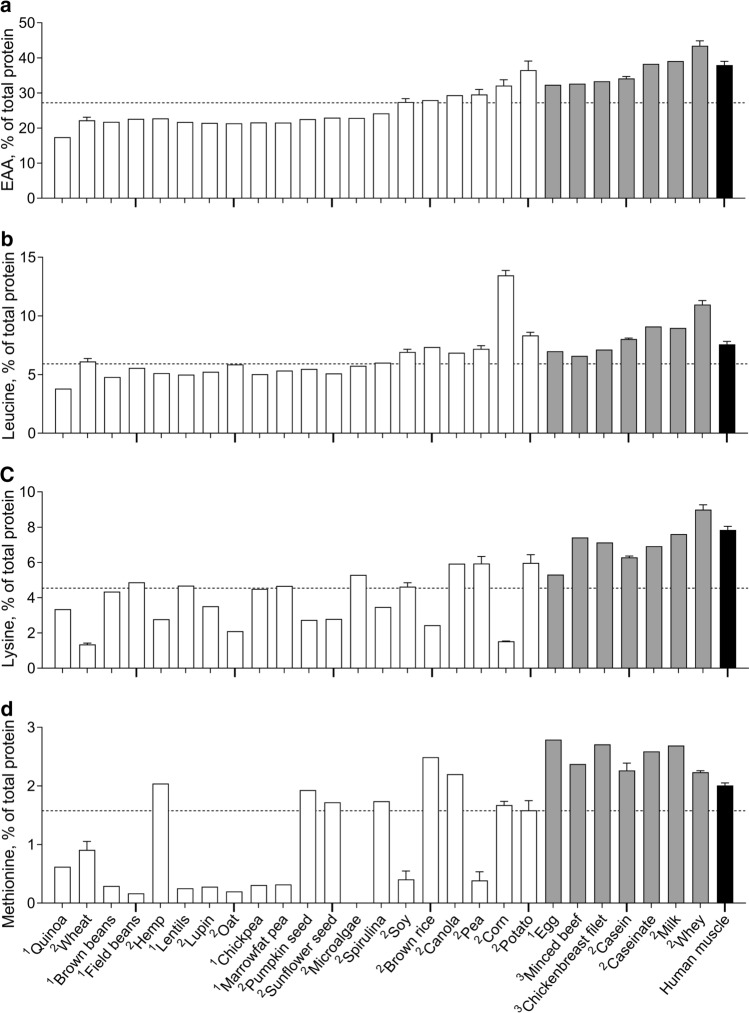
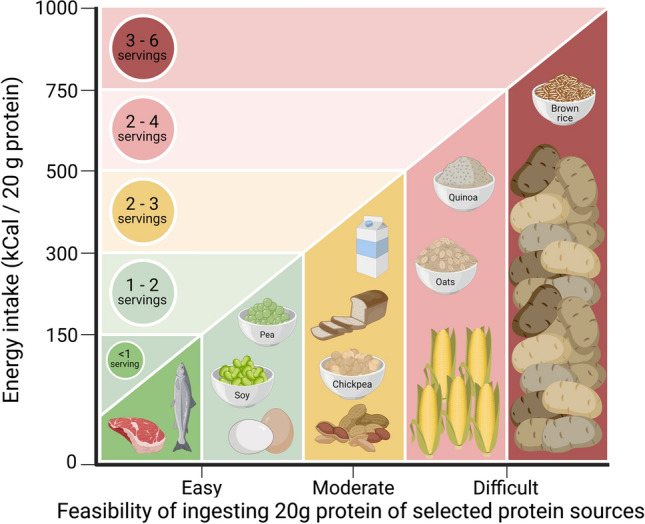
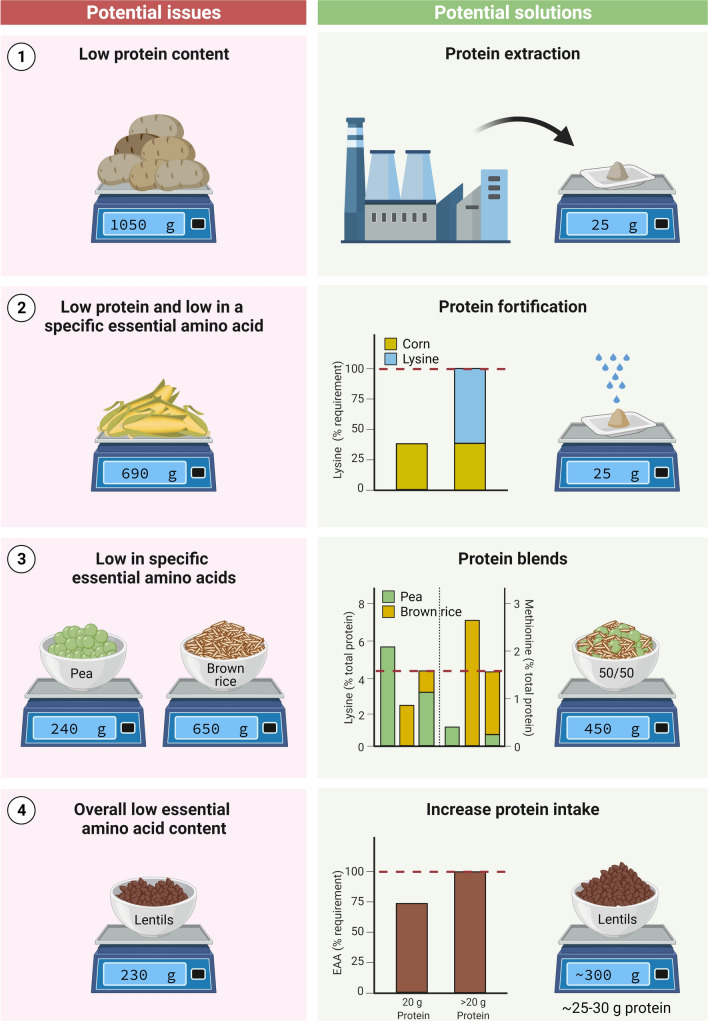
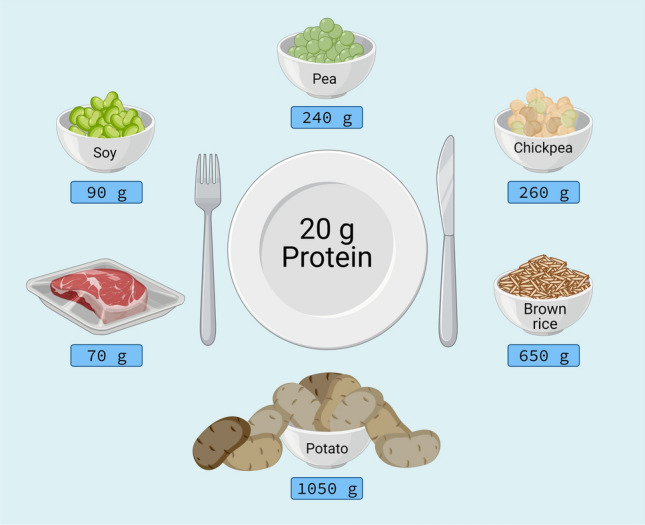
There is a global trend of an increased interest in plant-based diets. This includes an increase in the consumption of plant-based proteins at the expense of animal-based proteins. Plant-derived proteins are now also frequently applied in sports nutrition. So far, we have learned that the ingestion of plant-derived proteins, such as soy and wheat protein, result in lower post-prandial muscle protein synthesis responses when compared with the ingestion of an equivalent amount of animal-based protein. The lesser anabolic properties of plant-based versus animal-derived proteins may be attributed to differences in their protein digestion and amino acid absorption kinetics, as well as to differences in amino acid composition between these protein sources. Most plant-based proteins have a low essential amino acid content and are often deficient in one or more specific amino acids, such as lysine and methionine. However, there are large differences in amino acid composition between various plant-derived proteins or plant-based protein sources. So far, only a few studies have directly compared the muscle protein synthetic response following the ingestion of a plant-derived protein versus a high(er) quality animal-derived protein. The proposed lower anabolic properties of plant- versus animal-derived proteins may be compensated for by (i) consuming a greater amount of the plant-derived protein or plant-based protein source to compensate for the lesser quality; (ii) using specific blends of plant-based proteins to create a more balanced amino acid profile; (iii) fortifying the plant-based protein (source) with the specific free amino acid(s) that is (are) deficient. Clinical studies are warranted to assess the anabolic properties of the various plant-derived proteins and their protein sources in vivo in humans and to identify the factors that may or may not compromise the capacity to stimulate post-prandial muscle protein synthesis rates. Such work is needed to determine whether the transition towards a more plant-based diet is accompanied by a transition towards greater dietary protein intake requirements.
Overview
The claims and statistics of this paper haven’t been checked yet.
Run the check — free, no account needed. It reads the open-access text and checks the sources it cites.
Integrity signals
Registry
Cites
Statistics
Figures
Verification
Claims the paper makes
The claims and statistics of this paper haven’t been checked yet.
Run the check — free, no account needed. It reads the open-access text and checks the sources it cites.
Claims other papers make about this one
Each is checked against this paper’s own text: does it say what the citing paper says it does?
In the citing paper
“Although the protein found in non–animal-derived sources may be equally digestible, plant sources frequently have lower total EAA contents, and leucine, methionine, and/or lysine in particular, which have been suggested to provide limitations for MPS at either the molecular signaling or substrate availability levels [83].”
From Nutritional Considerations for the Vegan Athlete (2023) · cites this paper as [83]
In the citing paper
“Blending plant-based protein sources is a suggested method to obviate EAA deficiencies [71,83].”
From Nutritional Considerations for the Vegan Athlete (2023) · cites this paper as [83]
Self-check
Percentages, sums and reported differences re-computed from the paper’s own numbers.
The self-check needs the paper’s full text.
Citations
Cites
mTOR Signaling in Growth Control and Disease
Laplante, M., & Sabatini, D. M. (2012) · Cell · doi:10.1016/j.cell.2012.03.017 · Cited by 8,509
Protein and amino acid requirements in human nutrition.
(2007) · PubMed · Cited by 2,234
Edible insects: future prospects for food and feed security
van Huis, A., Itterbeeck, J. V., Klunder, H. C., Mertens, E., Halloran, A., Muir, G., & Vantomme, P. (2013) · Socio-Environmental Systems Modeling · Cited by 1,694
Slow and fast dietary proteins differently modulate postprandial protein accretion
Boirie, Y., Dangin, M., Gachon, P., Vasson, M.-P., Maubois, J.-L., & Beaufrère, B. (1997) · Proceedings of the National Academy of Sciences · doi:10.1073/pnas.94.26.14930 · Cited by 1,453
WHO technical report series 200 (1960).
Pittman, M. (1974) · PubMed · Cited by 1,447
Sestrin2 is a leucine sensor for the mTORC1 pathway
Wolfson, R. L., Chantranupong, L., Saxton, R. A., Shen, K., Scaria, S. M., Cantor, J. R., & Sabatini, D. M. (2016) · Science · doi:10.1126/science.aab2674 · Cited by 1,306
Morton, R. W., Murphy, K. T., McKellar, S. R., Schoenfeld, B. J., Henselmans, M., Helms, E., Aragon, A. A., Devries, M. C., Banfield, L., Krieger, J. W., et al. (2018) · British Journal of Sports Medicine · doi:10.1136/bjsports-2017-097608 · Cited by 1,269
Anabolic signaling deficits underlie amino acid resistance of wasting, aging muscle
Cuthbertson, D., Smith, K., Babraj, J., Leese, G., Waddell, T., Atherton, P., Wackerhage, H., Taylor, P. M., & Rennie, M. J. (2005) · The FASEB Journal · doi:10.1096/fj.04-2640fje · Cited by 1,211
Protein content and amino acid composition of commercially available plant-based protein isolates
Gorissen, S. H. M., Crombag, J. J. R., Senden, J. M. G., Waterval, W. A. H., Bierau, J., Verdijk, L. B., & van Loon, L. J. C. (2018) · Amino Acids · doi:10.1007/s00726-018-2640-5 · Cited by 1,169
Mixed muscle protein synthesis and breakdown after resistance exercise in humans
Phillips, S. M., Tipton, K. D., Aarsland, A., Wolf, S. E., & Wolfe, R. R. (1997) · American Journal of Physiology-Endocrinology and Metabolism · doi:10.1152/ajpendo.1997.273.1.e99 · Cited by 1,132
Cited by
Sorted by citations
The Safe and Effective Use of Plant-Based Diets with Guidelines for Health Professionals
Craig, W. J., Mangels, A. R., Fresán, U., Marsh, K. A., Miles, F. L., Saunders, A. V., Haddad, E. H., Heskey, C. E., JOHNSTON, P. K., Larson‐Meyer, E., et al. (2021) · Nutrients · doi:10.3390/nu13114144 · Cited by 379
Strategies to Prevent Sarcopenia in the Aging Process: Role of Protein Intake and Exercise
Rogeri, P. S., Zanella, R., Martins, G. L., Garcia, M. D. A., Leite, G., Lugaresi, R., Gasparini, S. O., Sperandio, G. A., Ferreira, L. H. B., Souza-Junior, T. P., et al. (2021) · Nutrients · doi:10.3390/nu14010052 · Cited by 181
Shaghaghian, S., McClements, D. J., Khalesi, M., García‐Vaquero, M., & Mirzapour‐Kouhdasht, A. (2022) · Trends in Food Science & Technology · doi:10.1016/j.tifs.2022.11.016 · Cited by 169
Advancements in plant based meat analogs enhancing sensory and nutritional attributes
Jang, J., & Lee, D. (2024) · npj Science of Food · doi:10.1038/s41538-024-00292-9 · Cited by 160
Protein digestion and absorption: the influence of food processing
Loveday, S. M. (2022) · Nutrition Research Reviews · doi:10.1017/s0954422422000245 · Cited by 163
Designing healthier plant-based foods: Fortification, digestion, and bioavailability
McClements, I. F., & McClements, D. J. (2023) · Food Research International · doi:10.1016/j.foodres.2023.112853 · Cited by 85
Su, T., Le, B., Zhang, W., Bak, K. H., Soladoye, O. P., Zhao, Z., Zhao, Y., Fu, Y., & Wu, W. (2024) · Food Research International · doi:10.1016/j.foodres.2024.114351 · Cited by 79
The importance of protein sources to support muscle anabolism in cancer: An expert group opinion
Ford, K. L., Arends, J., Atherton, P. J., ENGELEN, M. P. K. J., Gonçalves, T. J. M., Laviano, A., Lobo, D. N., Phillips, S. M., Ravasco, P., Deutz, N. E. P., et al. (2021) · Clinical Nutrition · doi:10.1016/j.clnu.2021.11.032 · Cited by 81
Benefits of a plant-based diet and considerations for the athlete
Shaw, K. A., Zello, G. A., Rodgers, C. D., Warkentin, T. D., Baerwald, A., & Chilibeck, P. D. (2022) · European Journal of Applied Physiology · doi:10.1007/s00421-022-04902-w · Cited by 85
Pinckaers, P. J., Kouw, I. W., Gorissen, S. H., Houben, L. H., Senden, J. M., Wodzig, W. K., de Groot, L. C., Verdijk, L. B., Snijders, T., & van Loon, L. J. (2022) · The Journal of Nutrition · doi:10.1093/jn/nxac222 · Cited by 70
Vegetarian Dietary Patterns for Adults: A Position Paper of the Academy of Nutrition and Dietetics
Raj, S., Guest, N. S., Landry, M. J., Mangels, A. R., Pawlak, R., & Rozga, M. (2025) · Journal of the Academy of Nutrition and Dietetics · doi:10.1016/j.jand.2025.02.002 · Cited by 77
Holt, R. R., Munafo, J. P., Salmen, J., Keen, C. L., Mistry, B. S., Whiteley, J. M., & Schmitz, H. H. (2023) · Journal of Agricultural and Food Chemistry · doi:10.1021/acs.jafc.3c03307 · Cited by 61
Pinckaers, P. J., Domić, J., Petrick, H. L., Holwerda, A. M., Trommelen, J., Hendriks, F. K., Houben, L. H. P., Goessens, J. P. B., van Kranenburg, J. M. X., Senden, J. M., et al. (2023) · Journal of Nutrition · doi:10.1016/j.tjnut.2023.11.004 · Cited by 63
Plant‐based foods as meat and fat substitutes
Munialo, C. D., & Vriesekoop, F. (2023) · Food Science & Nutrition · doi:10.1002/fsn3.3421 · Cited by 59
Pohl, A., Schünemann, F., Bersiner, K., & Gehlert, S. (2021) · Nutrients · doi:10.3390/nu13113884 · Cited by 67
Messina, M. J., Duncan, A. M., Glenn, A. J., & Mariotti, F. (2023) · Advances in Nutrition · doi:10.1016/j.advnut.2023.03.003 · Cited by 55
Protein quality, nutrition and health
Calvez, J., Azzout‐Marniche, D., & Tomé, D. (2024) · Frontiers in Nutrition · doi:10.3389/fnut.2024.1406618 · Cited by 55
McKendry, J., Lowisz, C. V., Nanthakumar, A., Macdonald, M. L., Lim, C., Currier, B. S., & Phillips, S. M. (2024) · American Journal of Clinical Nutrition · doi:10.1016/j.ajcnut.2024.05.009 · Cited by 56
Understanding Dietary Protein Quality: Digestible Indispensable Amino Acid Scores and Beyond
Matthews, J. J., Arentson‐Lantz, E. J., Moughan, P. J., Wolfe, R. R., Ferrando, A. A., & Church, D. D. (2025) · Journal of Nutrition · doi:10.1016/j.tjnut.2025.07.005 · Cited by 51
Solid-State Fermented Plant Foods as New Protein Sources
Canoy, T. S., Wiedenbein, E. S., Bredie, W. L. P., Meyer, A. S., Wösten, H. A. B., & Nielsen, D. S. (2023) · Annual Review of Food Science and Technology · doi:10.1146/annurev-food-060721-013526 · Cited by 49
Nutritional Considerations for the Vegan Athlete
West, S., Monteyne, A. J., van der Heijden, I., Stephens, F. B., & Wall, B. T. (2023) · Advances in Nutrition · doi:10.1016/j.advnut.2023.04.012 · Cited by 42
Food 2050 concept: the trends that shape the future of our food
Hamad, A. M. A., & Tayel, A. (2025) · Journal of Future Foods · doi:10.1016/j.jfutfo.2025.03.003 · Cited by 40
Shi, R., He, Y., Wang, Q., Cai, J., Gantumur, M., & Jiang, Z. (2023) · Food Chemistry · doi:10.1016/j.foodchem.2023.137070 · Cited by 38
Reese, I., Schäfer, C., Ballmer-Weber, B. K., Beyer, K., Dölle-Bierke, S., van Dullemen, S., Jappe, U., Müller, S., Schnadt, S., Treudler, R., et al. (2023) · Allergologie select · doi:10.5414/alx02400e · Cited by 41
West, S., Monteyne, A. J., Whelehan, G., Abdelrahman, D. R., Murton, A. J., Finnigan, T. J. A., Blackwell, J. R., Stephens, F. B., & Wall, B. T. (2022) · British Journal Of Nutrition · doi:10.1017/s0007114522003087 · Cited by 35
Dietary Plant-Based Protein Supplements: Sources, Processing, Nutritional Value, and Health Benefits
Sharma, K., Zhang, W., & Rawdkuen, S. (2025) · Foods · doi:10.3390/foods14183259 · Cited by 41
Achieving High Protein Quality Is a Challenge in Vegan Diets: A Narrative Review
Soh, B. X. P., Smith, N. W., von Hurst, P. R., & McNabb, W. C. (2024) · Nutrition Reviews · doi:10.1093/nutrit/nuae176 · Cited by 32
West, S., Monteyne, A. J., Whelehan, G., van der Heijden, I., Abdelrahman, D. R., Murton, A. J., Finnigan, T. J. A., Stephens, F. B., & Wall, B. T. (2023) · American Journal of Physiology-Endocrinology and Metabolism · doi:10.1152/ajpendo.00166.2023 · Cited by 33
Pinckaers, P. J., Smeets, J. S. J., Kouw, I. W. K., Goessens, J. P. B., Gijsen, A. P., de Groot, C. P. G. M., Verdijk, L. B., van Loon, L. J. C., & Snijders, T. (2024) · European Journal of Nutrition · doi:10.1007/s00394-023-03295-6 · Cited by 30
From molecular to physical function: The aging trajectory
Janssen, T., Lowisz, C. V., & Phillips, S. M. (2024) · Current Research in Physiology · doi:10.1016/j.crphys.2024.100138 · Cited by 31
Machado, M., Bautista-Hernández, I., Gómez‐García, R., Silva, S., & Costa, E. M. (2025) · Foods · doi:10.3390/foods14173035 · Cited by 27
van der Heijden, I., Monteyne, A. J., West, S., Morton, J. P., Langan‐Evans, C., Hearris, M. A., Abdelrahman, D. R., Murton, A. J., Stephens, F. B., & Wall, B. T. (2024) · Medicine & Science in Sports & Exercise · doi:10.1249/mss.0000000000003432 · Cited by 27
Peh, F. Z. W., Lin, Z., Chia, Y. Y., Ng, C. K. Z., & Du, J. (2024) · Current Research in Food Science · doi:10.1016/j.crfs.2024.100775 · Cited by 25
Morgan, P. T., Witard, O. C., Højfeldt, G. W., Church, D. D., & Breen, L. (2023) · Proceedings of The Nutrition Society · doi:10.1017/s0029665123003750 · Cited by 29
Nutritional strategies for improving sarcopenia outcomes in older adults: A narrative review
Góes-Santos, B. R., Carson, B. P., da Fonseca, G. W. P., & von Haehling, S. (2024) · Pharmacology Research & Perspectives · doi:10.1002/prp2.70019 · Cited by 25
Nutrition as a driver and outcome of agroecology
van Zutphen, K. G., van den Berg, S., Gavin-Smith, B., Imbo, E., Kraemer, K., Monroy-Gomez, J., Pannatier, M., Prytherch, H., Six, J., Thoennissen, C., et al. (2022) · Nature Food · doi:10.1038/s43016-022-00631-7 · Cited by 22
Effects of Peanut Protein Supplementation on Resistance Training Adaptations in Younger Adults
Sexton, C. L., Smith, M. A., Smith, K. S., Osburn, S. C., Godwin, J. S., Ruple, B. A., Hendricks, A. M., Mobley, C. B., Goodlett, M. D., Frugé, A. D., et al. (2021) · Nutrients · doi:10.3390/nu13113981 · Cited by 23
The role of dietary plant and animal protein intakes on mitigating sarcopenia risk
Carbone, J. W., & Pasiakos, S. M. (2022) · Current Opinion in Clinical Nutrition & Metabolic Care · doi:10.1097/mco.0000000000000855 · Cited by 22
Effect of increasing plant protein intake on protein quality and nutrient intake of US adults
Marinangeli, C. P. F., Miller, K. B., & Fulgoni, V. L. I. (2022) · Applied Physiology, Nutrition, and Metabolism · doi:10.1139/apnm-2022-0054 · Cited by 27
Protein content and amino acid composition in the diet of Danish vegans: a cross-sectional study
Aaslyng, M. D., Dam, A. B., Petersen, I. L., & Christoffersen, T. (2023) · BMC Nutrition · doi:10.1186/s40795-023-00793-y · Cited by 22
The role of different nutrients in the prevention and treatment of cardiovascular diseases
Tu, Z., Yang, J.-F., & Fan, C. (2024) · Frontiers in Immunology · doi:10.3389/fimmu.2024.1393378 · Cited by 26
The Impact of Plant-Based Proteins on Muscle Mass and Strength Performance: A Comprehensive Review
López‐Moreno, M., & Kraselnik, A. (2025) · Current Nutrition Reports · doi:10.1007/s13668-025-00628-1 · Cited by 18
Most promising alternative protein sources possible to use in sports nutrition – A review
Grdeń, A. S., & Sołowiej, B. G. (2022) · International Journal of Food Science & Technology · doi:10.1111/ijfs.15742 · Cited by 18
Zhang, L., Langlois, E., Williams, K., Tejera, N., Omieljaniuk, M., Finglas, P. M., & Τράκα, Μ. (2024) · Food Chemistry · doi:10.1016/j.foodchem.2024.139059 · Cited by 19
McCarron, R., Methven, L., Grahl, S., Elliott, R. M., & Lignou, S. (2024) · Foods · doi:10.3390/foods13132075 · Cited by 18
Murphy, C. H., McCarthy, S. N., & Roche, H. M. (2023) · Proceedings of The Nutrition Society · doi:10.1017/s0029665123003555 · Cited by 19
Proteins in Our Diet: Challenges in Feeding the Global Population
Nadathur, S., Wanasundara, J. P. D., Marinangeli, C. P. F., & Scanlin, L. (2024) · Elsevier eBooks · doi:10.1016/b978-0-323-91652-3.00026-5 · Cited by 18
Cereal proteins in the human diet: Reflecting on their contributions to daily protein intake
Marinangeli, C. P. F., Nosworthy, M. G., & Shoveller, A. (2024) · Journal of Cereal Science · doi:10.1016/j.jcs.2024.103908 · Cited by 19
Davies, R. W., Kozior, M., Lynch, A. E., Bass, J. J., Atherton, P. J., Smith, K., & Jakeman, P. M. (2022) · Nutrients · doi:10.3390/nu14183688 · Cited by 16
Association of Dietary Protein Intake with Muscle Mass in Elderly Chinese: A Cross-Sectional Study
Ouyang, Y., Huang, F., Zhang, X., Li, L., Zhang, B., Wang, Z., & Wang, H. (2022) · Nutrients · doi:10.3390/nu14235130 · Cited by 21
Kostrakiewicz-Gierałt, K. (2024) · Nutrients · doi:10.3390/nu16111706 · Cited by 16
Peptide bonds cleaved by pepsin are affected by the morphology of heat-induced ovalbumin aggregates
Suwareh, O., Causeur, D., Feunteun, S. L., Jardin, J., Briard‐Bion, V., Pezennec, S., & Nau, F. (2024) · Food Chemistry · doi:10.1016/j.foodchem.2024.140260 · Cited by 16
Morgan, P. T., Carson, B. P., & Witard, O. C. (2024) · BMC Musculoskeletal Disorders · doi:10.1186/s12891-024-07945-6 · Cited by 19
Derbyshire, E. J., Higgs, J., Feeney, M. J., & Carughi, A. (2023) · Nutrients · doi:10.3390/nu15092158 · Cited by 16
Zhao, S., Xu, Y., Liu, J., & Ning, Z. (2024) · Nutrients · doi:10.3390/nu16162748 · Cited by 20
Morton, J. P., Hearris, M. A., Fell, M. J., Owens, D. J., Halson, S. L., & Trommelen, J. (2025) · International Journal of Sport Nutrition and Exercise Metabolism · doi:10.1123/ijsnem.2025-0073 · Cited by 22
van der Heijden, I., West, S., Monteyne, A. J., Finnigan, T. J. A., Abdelrahman, D. R., Murton, A. J., Stephens, F. B., & Wall, B. T. (2024) · British Journal Of Nutrition · doi:10.1017/s0007114524000163 · Cited by 14
Koopmans, L., van Oppenraaij, S. L., Heijmans, M. W. F., Verlaan, S., Schoufour, J. D., ten Haaf, D. S. M., van der Avoort, C. M. T., van den Helder, J., Memelink, R. G., Verreijen, A. M., et al. (2025) · Clinical Nutrition · doi:10.1016/j.clnu.2025.02.022 · Cited by 13
Treatments of food and food by-products to enhance gut microbiota short-chain fatty acids production
Disca, V., Carrà, F., Stampini, M., Arlorio, M., & Locatelli, M. (2025) · Food Bioscience · doi:10.1016/j.fbio.2025.107435 · Cited by 14
Nutritional Analysis of Plant-Based Meat: Current Advances and Future Potential
Shankaran, P. I., & Kumari, P. (2024) · Applied Sciences · doi:10.3390/app14104154 · Cited by 13
The Impact Plant-Based Diets Have on Athletic Performance and Body Composition: A Systematic Review
Presti, N., Mansouri, T., Maloney, M. K., & Hostler, D. P. (2024) · Journal of the American Nutrition Association · doi:10.1080/27697061.2024.2365755 · Cited by 14
Roy, K., Vrba, J., Kuebutornye, F. K. A., Dvorak, P., Kajgrová, L., & Mráz, J. (2024) · The Science of The Total Environment · doi:10.1016/j.scitotenv.2024.173611 · Cited by 12
Evaluation of protein intake and protein quality in New Zealand vegans
Soh, B. X. P., Vignes, M., Smith, N. W., von Hurst, P. R., & McNabb, W. C. (2025) · PLoS ONE · doi:10.1371/journal.pone.0314889 · Cited by 14
Habitual low carbohydrate high fat diet compared with omnivorous, vegan, and vegetarian diets
Jontez, N. B., Kenig, S., Novak, K. Š., Petelin, A., Pražnikar, Z. J., & Mohorko, N. (2023) · Frontiers in Nutrition · doi:10.3389/fnut.2023.1106153 · Cited by 11
Rogers, L. M., Belfield, A. E., Korzepa, M., Gritsas, A., Churchward‐Venne, T. A., & Breen, L. (2024) · British Journal Of Nutrition · doi:10.1017/s0007114524001958 · Cited by 12
Underpowered studies in muscle metabolism research: Determinants and considerations
Houtvast, D. C. J., Betz, M. W., Hooren, B. V., Vanbelle, S., Verdijk, L. B., van Loon, L. J. C., & Trommelen, J. (2024) · Clinical Nutrition ESPEN · doi:10.1016/j.clnesp.2024.10.152 · Cited by 11
Du, H., Baek, I., Jang, Y., Said, N. S., & Lee, W. (2025) · Foods · doi:10.3390/foods14040601 · Cited by 11
Plant proteins and peptides as key contributors to good health: A focus on pulses
Luzardo‐Ocampo, I., & de Mejı́a, E. G. (2025) · Food Research International · doi:10.1016/j.foodres.2025.116346 · Cited by 12
López‐Moreno, M., Rossi, E. V., López‐Gil, J. F., Marrero‐Fernández, P., Roldán‐Ruiz, A., & Bertotti, G. (2025) · Sports Medicine - Open · doi:10.1186/s40798-025-00852-7 · Cited by 10
Lee, M., Chiu, C., Liao, Y.-C., Cheng, Y.-C., Lee, C., Ho, C.-S., Hsu, Y.-J., Chang, H.-Y., Lin, J., & Huang, C. (2024) · Current Research in Food Science · doi:10.1016/j.crfs.2024.100917 · Cited by 10
Yimam, M. A., Andreini, M., Carnevale, S., & Muscaritoli, M. (2025) · Nutrients · doi:10.3390/nu17020211 · Cited by 10
Goldman, D., Warbeck, C. B., & Karlsen, M. C. (2024) · Nutrients · doi:10.3390/nu16081122 · Cited by 12
The Impact of Protein in Post-Menopausal Women on Muscle Mass and Strength: A Narrative Review
Black, K. E., & Matkin-Hussey, P. A. (2024) · Physiologia · doi:10.3390/physiologia4030016 · Cited by 10
Magdum, A. B., Shinde, K. V., Jadhav, N. K., Jagtap, M., Patil, S. A., & Nimbalkar, M. S. (2026) · European Food Research and Technology · doi:10.1007/s00217-025-04933-5 · Cited by 10
Mycelium of mushroom-producing fungi as high-quality protein source
Zwinkels, J., van de Koolwijk, P., van der Wielen, N., van Mastrigt, O., & Smid, E. J. (2026) · Future Foods · doi:10.1016/j.fufo.2026.100965 · Cited by 8
Karwacka, M., Rybak, K., Świeca, M., Galus, S., & Janowicz, M. (2022) · Sustainability · doi:10.3390/su142013012 · Cited by 9
van Lieshout, G. A. A., Trommelen, J., Nyakayiru, J., van Kranenburg, J. M. X., Senden, J. M., Gijsen, A. P., Verdijk, L. B., Pellikaan, W. F., Bragt, M. C. E., & van Loon, L. J. C. (2025) · American Journal of Clinical Nutrition · doi:10.1016/j.ajcnut.2025.01.025 · Cited by 8
Lépine, G., Huneau, J., Rémond, D., Mathé, V., David, J., Hermier, D., Guérin‐Deremaux, L., Lefranc‐Millot, C., Poupin, N., Mariotti, F., et al. (2022) · Journal of Nutrition · doi:10.1016/j.tjnut.2022.12.029 · Cited by 9
Dijk, F. J., van Dijk, M., Roberts, J., van Helvoort, A., & Furber, M. (2024) · European Journal of Nutrition · doi:10.1007/s00394-024-03506-8 · Cited by 9
Fouque, D. P., Mafra, D., & Bellizzi, V. (2025) · Clinical Journal of the American Society of Nephrology · doi:10.2215/cjn.0000000777 · Cited by 7
Ashtary‐Larky, D. (2025) · Nutrition · doi:10.1016/j.nut.2025.112742 · Cited by 7
Malowany, J. M., van Lieshout, G. A. A., Verdijk, L. B., Moore, D. R., van Loon, L. J. C., & Trommelen, J. (2025) · Critical Reviews in Food Science and Nutrition · doi:10.1080/10408398.2025.2541895 · Cited by 8
Can dietary proteins selectively reduce either the visceral or subcutaneous adipose tissues?
Nilaweera, K. N., & Cotter, P. D. (2023) · Obesity Reviews · doi:10.1111/obr.13613 · Cited by 7
Kostrakiewicz-Gierałt, K. (2023) · Sports · doi:10.3390/sports11110211 · Cited by 6
Prosser, S., Fava, M., Rogers, L. M., Liaset, B., & Breen, L. (2024) · British Journal Of Nutrition · doi:10.1017/s0007114524000540 · Cited by 6
Horner, K. M., Mullen, B., Quinn, A., Scheufele, P., Gola, S., Gonnelli, F., Bozzato, M., Pratt, J., Sala, W., Mullin, S. M., et al. (2024) · British Journal Of Nutrition · doi:10.1017/s0007114524002125 · Cited by 7
van Bree, M. A., Schouten, B. C., Wolters, E. S., Soeters, M. R., & Kruizenga, H. M. (2025) · Clinical Nutrition ESPEN · doi:10.1016/j.clnesp.2025.07.024 · Cited by 5
Leong, Z. N., Mak, I. E. K., Chen, Y., Du, X., & Kim, J. E. (2026) · Trends in Food Science & Technology · doi:10.1016/j.tifs.2026.105725 · Cited by 5
Yin, H.-Y., You, Q.-H., Zhang, W.-J., Ji, G., & Dang, Y.-Q. (2026) · World Journal of Gastroenterology · doi:10.3748/wjg.v32.i6.113804 · Cited by 4
Williamson, E., Monteyne, A. J., van der Heijden, I., Abdelrahman, D. R., Murton, A. J., Hankamer, B. D., Stephens, F. B., & Wall, B. T. (2024) · Frontiers in Nutrition · doi:10.3389/fnut.2024.1487778 · Cited by 5
Martini, G. L., Pinto, R. S., Brusco, C. M., Franceschetto, B. F., Oliveira, M. L., Neske, R., Cadore, F. L., Teodoro, J. L., Wilhelm, E. N., & de Souza, C. G. (2023) · Applied Physiology, Nutrition, and Metabolism · doi:10.1139/apnm-2022-0258 · Cited by 7
Guanidine Acetic Acid Alters Tissue Bound Amino Acid Profiles and Oxidative Status in Finishing Pigs
Cui, Y., Yu, M., Li, Z., Song, M. J., Tian, Z., Deng, D., & Ma, X. (2023) · Animals · doi:10.3390/ani13101626 · Cited by 4
Tsumura, A., Yamanaka‐Okumura, H., Kawakami, H., Shiori, Y., Oura, M., Ohminami, H., Masuda, M., & Taketani, Y. (2023) · Human Nutrition & Metabolism · doi:10.1016/j.hnm.2023.200200 · Cited by 4
Ahmed, A., Afzaal, M., Ali, S. W., Muzammil, H. S., Masood, A., Saleem, M. A., Saeed, F., Hussain, M., Rasheed, A., & Jbawi, E. M. A. (2022) · International Journal of Food Properties · doi:10.1080/10942912.2022.2120495 · Cited by 4
RetractedAlternative protein sources in sustainable sports nutrition
Turnagöl, H. H., Aktitiz, S., Baltürk, Ş. İ., Yakışıklı, İ., & Erbaş, Z. (2022) · Turkish Journal of Sports Medicine · doi:10.47447/tjsm.0694 · Cited by 5
Vicente-Salar, N., Crespo, M., Pluim, B. M., Fernández-Fernández, J., Stroia, K. A., Ellenbecker, T. S., Rivas, D. S., Coso, J. D., Moreno-Pérez, V., Hainline, B. W., et al. (2025) · International Journal of Sport Nutrition and Exercise Metabolism · doi:10.1123/ijsnem.2025-0001 · Cited by 7
Can Dietary Supplements Support Muscle Function and Physical Activity? A Narrative Review
Brough, L., Rees, G., Drummond‐Clarke, L., McCallum, J. E., Taylor, E., Kozhevnikov, O., & Walker, S. (2025) · Nutrients · doi:10.3390/nu17213495 · Cited by 5
Emerging roles for methionine metabolism in immune cell fate and function
Liu, S., Tang, X., Huang, M., Tang, J., & Yang, Y. (2025) · Frontiers in Immunology · doi:10.3389/fimmu.2025.1701505 · Cited by 3
Vegetarian Dietary Patterns for Adults: A Position Paper of the Academy of Nutrition and Dietetics
Raj, S., Guest, N. S., Landry, M. J., Mangels, A. R., Pawlak, R., & Rozga, M. (2025) · Journal of the Academy of Nutrition and Dietetics · doi:10.1016/j.jand.2025.156227 · Cited by 4
Kurp, L., Jabłońska, M., & Sawicki, T. (2026) · Applied Sciences · doi:10.3390/app16020787 · Cited by 3
Metadata
- Authors
- Pinckaers, P. J. M., Trommelen, J., Snijders, T., & van Loon, L. J. C.
- Affiliations
- Maastricht University Medical Centre (NL)
- Venue
- Sports Medicine
- Published
- 2021-09
- Volume
- 51
- Issue
- S1
- Pages
- 59-74
- ISSN
- 0112-1642 (ISSN-L)
- 1179-2035
- PMC
- PMC8566416
- OpenAlex
- W3200956314
- Cited by
- 170
- References
- 131
- Citations by year
- 2026: 38 · 2025: 44 · 2024: 37 · 2023: 23 · 2022: 22 · 2021: 6
- FWCI
- 2.78
- Type
- journal article
- Language
- en
- Open access
- hybrid
- doi.org
- Licence
- Locations
- Sports Medicine (publishedVersion, cc-by)
- PubMed Central (publishedVersion, cc-by)
- PubMed (publishedVersion)
- Research Publications (Maastricht University) (publishedVersion, cc-by)
- VUBIR (Vrije Universiteit Brussel) (submittedVersion)
- Research Publications (Maastricht University) (submittedVersion, cc-by)
- Funders
- Gran Sasso Science Institute
- Topics
- Health Sciences › Nursing › Nutrition and Dietetics › Muscle metabolism and nutrition
- Life Sciences › Agricultural and Biological Sciences › Food Science › Proteins in Food Systems
- Life Sciences › Biochemistry, Genetics and Molecular Biology › Molecular Biology › Muscle Physiology and Disorders
- Keywords
- plant proteins, muscle protein synthesis, anabolic response, soy protein, wheat proteins, amino acid composition, essential amino acids, lysine, methionine, protein digestion, sports nutrition, protein requirements, plant-based diet
- MeSH terms
- Amino Acids, Essential, Animals, Dietary Proteins, Eating, Humans, Muscle Proteins, Muscle, Skeletal
About these checks
Registry, retraction, Cites and statistics results are computed, not judged, with one exception: a printed reference that no index lists is read once by a model before it counts as a citation error. Claims are extracted by a model and kept only when their quote appears verbatim in the text; each cited source is then checked, with a model’s help, for whether it says what the claim relies on. Those verdicts can be wrong — read the claim’s quote and the cited source before relying on one.
Statistics and arithmetic are recomputed, not judged.
Confidence bands are shown only for fields calibrated on our annotated test set. None is calibrated yet, so no band is shown.
What counts as a claim ›How we measure confidence ›How we check this ›
Are you an author, or do you see a problem with this page? Request a review
