

The DOI matches its Crossref record; 50 of the 51 references it cites were found in a registry or an index.
Crosstalk between Gut Microbiota and Dietary Lipids Aggravates WAT Inflammation through TLR Signaling
Open accessAbstract
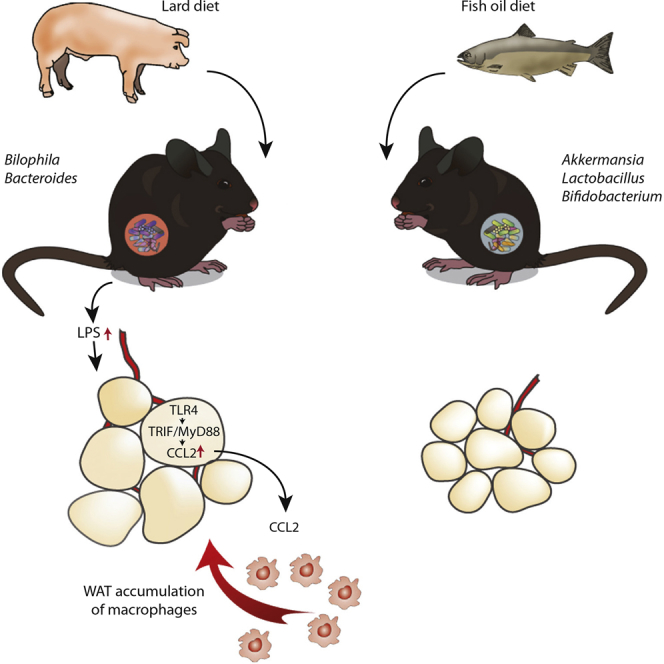
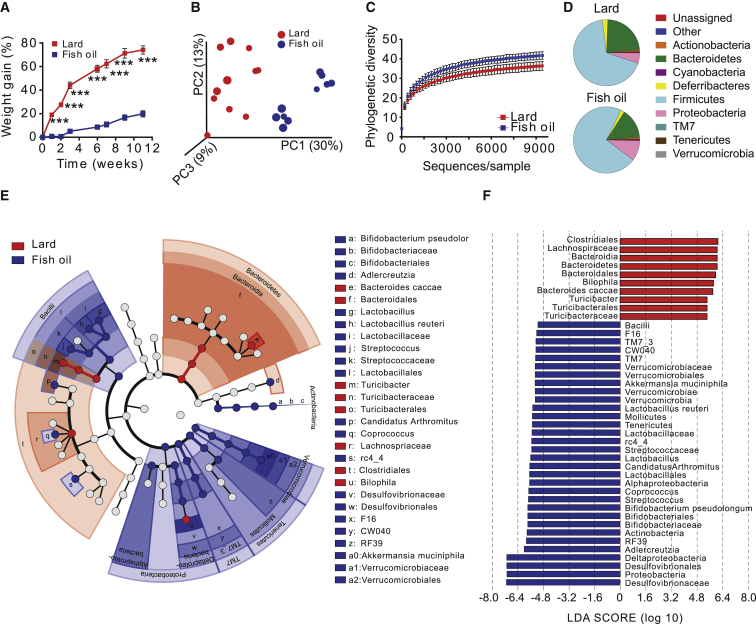
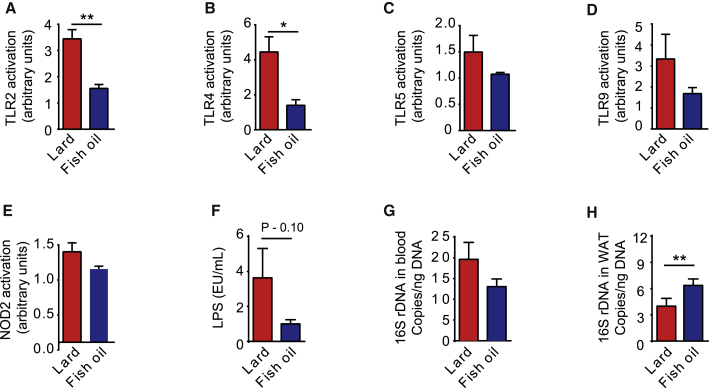
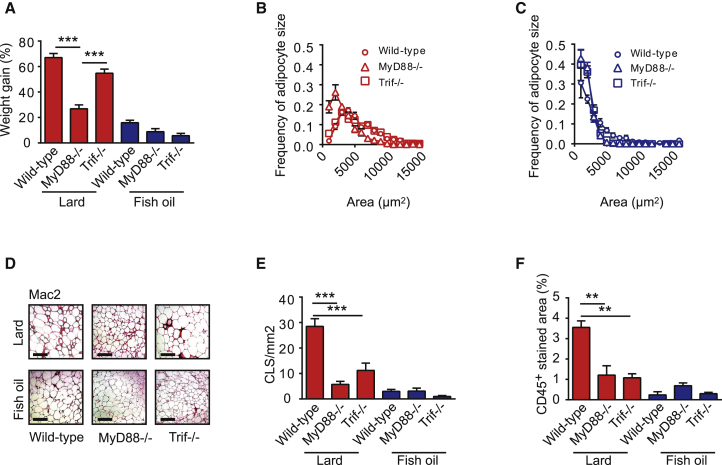
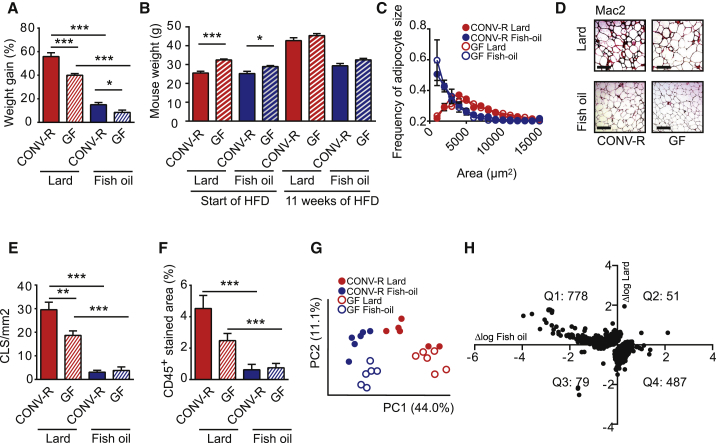
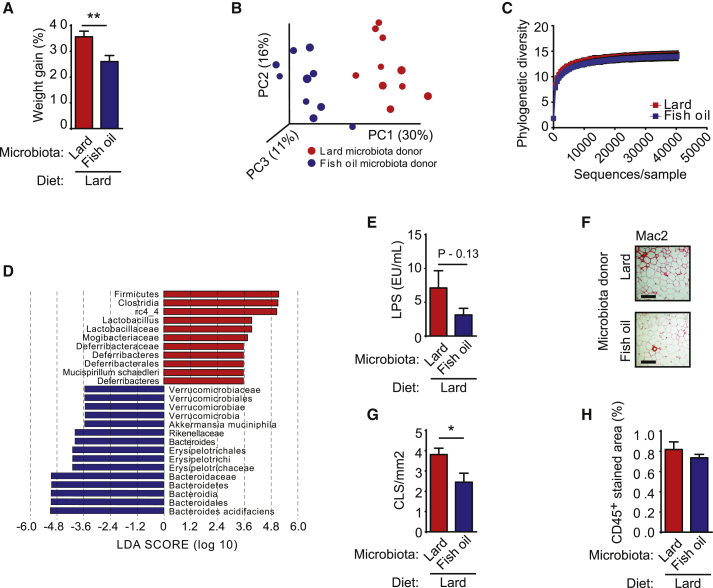
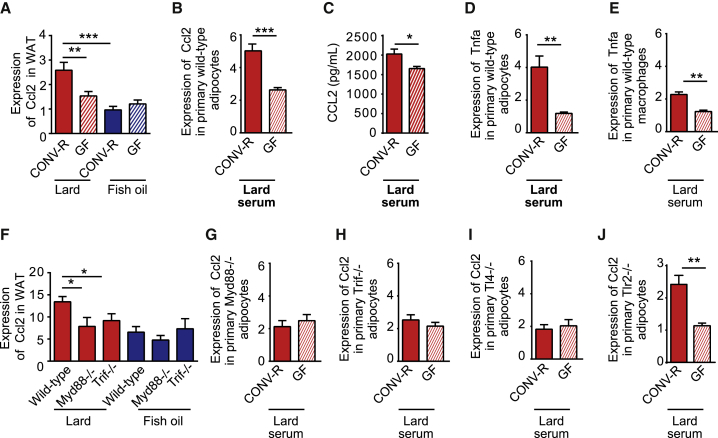
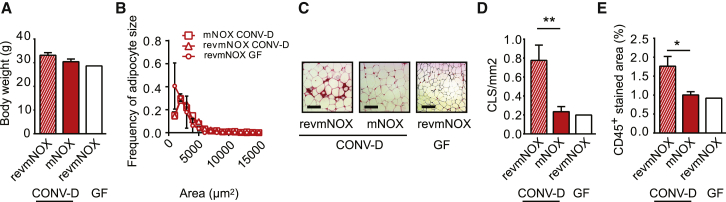
Dietary lipids may influence the abundance of circulating inflammatory microbial factors. Hence, inflammation in white adipose tissue (WAT) induced by dietary lipids may be partly dependent on their interaction with the gut microbiota. Here, we show that mice fed lard for 11 weeks have increased Toll-like receptor (TLR) activation and WAT inflammation and reduced insulin sensitivity compared with mice fed fish oil and that phenotypic differences between the dietary groups can be partly attributed to differences in microbiota composition. Trif(-/-) and Myd88(-/-) mice are protected against lard-induced WAT inflammation and impaired insulin sensitivity. Experiments in germ-free mice show that an interaction between gut microbiota and saturated lipids promotes WAT inflammation independent of adiposity. Finally, we demonstrate that the chemokine CCL2 contributes to microbiota-induced WAT inflammation in lard-fed mice. These results indicate that gut microbiota exacerbates metabolic inflammation through TLR signaling upon challenge with a diet rich in saturated lipids.
Overview
The claims and statistics of this paper haven’t been checked yet.
Run the check — free, no account needed. It reads the open-access text and checks the sources it cites.
Integrity signals
Registry
Cites
Statistics
Figures
Verification
Claims the paper makes
The claims and statistics of this paper haven’t been checked yet.
Run the check — free, no account needed. It reads the open-access text and checks the sources it cites.
Claims other papers make about this one
Each is checked against this paper’s own text: does it say what the citing paper says it does?
In the citing paper
“Saturated and unsaturated fats have profoundly different effects on the gut microbiota, and the altered microbiota that results from feeding unsaturated fats can offer protection from lard-induced weight gain44.”
From Diet–microbiota interactions as moderators of human metabolism (2016) · cites this paper as [44]
In the citing paper
“germ-free mice that are fed a high-fat diet with less sucrose are only partly protected against obesity44”
From Diet–microbiota interactions as moderators of human metabolism (2016) · cites this paper as [44]
In the citing paper
“A switch to a diet rich in saturated fatty acids shifts the composition of the microbiota44.”
From Diet–microbiota interactions as moderators of human metabolism (2016) · cites this paper as [44]
In the citing paper
“Similarly, increased levels of Bilophila and a reduced abundance of Desulfovibrio were observed in mice that were fed lard compared with fish oil as a source of fat44.”
From Diet–microbiota interactions as moderators of human metabolism (2016) · cites this paper as [44]
In the citing paper
“Latest data implied that omega-3 PUFAs modulate the intestinal microbiota composition and help normalize it after disrupting environmental stress [166,168].”
From The Role of Microbiota-Gut-Brain Axis in Neuropsychiatric and Neurological Disorders (2021) · cites this paper as [168]
In the citing paper
“In a rodent study, animals fed lard showed increases in Bacteroides and displayed signs of metabolic dysfunction.”
From The athletic gut microbiota (2020) · cites this paper as [229]
In the citing paper
“In contrast, animals fed fish oil showed increased levels of lactic acid bacteria and were protected from metabolic dysfunction [229].”
From The athletic gut microbiota (2020) · cites this paper as [229]
In the citing paper
“The gut microbiota has been shown to differ between mice fed diets that are high or low in fat and between diets that contain equal amounts of fat but from different sources [10–13] (Fig. 1).”
From Dietary lipids, gut microbiota and lipid metabolism (2019) · cites this paper as [10]
In the citing paper
“In another study where mice fed a high-fat diet containing lard, rich in saturated fat, were compared to mice fed a isocaloric high-fat diet containing fish oil, rich in n-3 PUFA, it was found that phylogenetic diversity and abundance of the beneficial bacteria Akkermansia muciniphila, Lactobacillus and Bifidobacterium were lower in mice on a lard diet [10].”
From Dietary lipids, gut microbiota and lipid metabolism (2019) · cites this paper as [10]
In the citing paper
“Transplantation of cecum microbiota into germ-free (GF) mice showed that the diet-induced differences in host phenotype were partly caused by the gut microbiota.”
From Dietary lipids, gut microbiota and lipid metabolism (2019) · cites this paper as [10]
In the citing paper
“The lard diet also reduced insulin sensitivity and increased inflammation in white adipose tissue (WAT) through activation of Toll-like receptor 4 (TLR4) signaling.”
From Dietary lipids, gut microbiota and lipid metabolism (2019) · cites this paper as [10]
Self-check
Percentages, sums and reported differences re-computed from the paper’s own numbers.
The self-check needs the paper’s full text.
Citations
Cites
Diet rapidly and reproducibly alters the human gut microbiome
David, L. A., Maurice, C. F., Carmody, R. N., Gootenberg, D. B., Button, J. E., Wolfe, B. E., Ling, A. V., Devlin, A. S., Varma, Y., Fischbach, M. A., et al. (2014) · Nature · doi:10.1038/nature12820 · Cited by 10,100
Obesity is associated with macrophage accumulation in adipose tissue
Weisberg, S. P., McCann, D., Desai, M., Rosenbaum, M., Leibel, R. L., & Ferrante, A. W. (2003) · Journal of Clinical Investigation · doi:10.1172/jci200319246 · Cited by 10,041
Metabolic Endotoxemia Initiates Obesity and Insulin Resistance
Cani, P. D., Amar, J., Iglesias, M. A., Poggi, M., Knauf, C., Bastelica, D., Neyrinck, A. M., Fava, F., Tuohy, K. M., Chabo, C., et al. (2007) · Diabetes · doi:10.2337/db06-1491 · Cited by 6,638
Self-citationInduction of Intestinal Th17 Cells by Segmented Filamentous Bacteria
Ivanov, I. I., Atarashi, K., Manel, N., Brodie, E. L., Shima, T., Karaoz, U., Wei, D., Goldfarb, K. C., Santee, C. A., Lynch, S. V., et al. (2009) · Cell · doi:10.1016/j.cell.2009.09.033 · Cited by 4,554
Cross-talk between Akkermansia muciniphila and intestinal epithelium controls diet-induced obesity
Everard, A., Belzer, C., Geurts, L., Ouwerkerk, J. P., Druart, C., Bindels, L. B., Guiot, Y., Derrien, M., Muccioli, G. G., Delzenne, N. M., et al. (2013) · Proceedings of the National Academy of Sciences · doi:10.1073/pnas.1219451110 · Cited by 4,511
Self-citationFunctional interactions between the gut microbiota and host metabolism
Tremaroli, V., & Bäckhed, F. (2012) · Nature · doi:10.1038/nature11552 · Cited by 4,387
Self-citationInteractions Between the Microbiota and the Immune System
Hooper, L. V., Littman, D. R., & Macpherson, A. J. (2012) · Science · doi:10.1126/science.1223490 · Cited by 4,173
TLR4 links innate immunity and fatty acid-induced insulin resistance
Shi, H., Kokoeva, M. V., Inouye, K., Tzameli, I., Yin, H., & Flier, J. S. (2006) · Journal of Clinical Investigation · doi:10.1172/jci28898 · Cited by 3,690
Kim, H. J., Park, S. Y., Choi, Y. J., Han, S. J., Lee, K. W., & Kim, D. J. (2013) · Hormone Research in Paediatrics · doi:10.1159/000348848 · Cited by 3,061
Kanda, H. (2006) · Journal of Clinical Investigation · doi:10.1172/jci26498 · Cited by 2,682
Cited by
Sorted by citations
Items 301–400 of 960
Synbiotic approaches to human health and well‐being
Gurry, T. (2017) · Microbial Biotechnology · doi:10.1111/1751-7915.12789 · Cited by 55
“Its abundance was found to increase in mice fed a diet enriched in fish oil (Caesar et al., 2015), suggesting a potential synbiotic strategy combining fish oil and A. muciniphila strains.”
Colorectal Cancer-Associated Microbiome Patterns and Signatures
Zhao, L., Cho, W. C. S., & Nicolls, M. R. (2021) · Frontiers in Genetics · doi:10.3389/fgene.2021.787176 · Cited by 56
“Diet, antibiotics, age, and environmental conditions have been shown to affect the composition of the gut microbiome (Claesson et al., 2012; Caesar et al., 2015; Langdon et al., 2016).”
The gut microbiota: a key regulator of metabolic diseases
Yang, J., & Kweon, M. (2016) · BMB Reports · doi:10.5483/bmbrep.2016.49.10.144 · Cited by 59
“chemokine ligand 2 (CCL2)-dependent macrophage infiltration in white adipose tissues through TLR signaling (51).”
de Sousa, A. R., Moreira, M. E. D. C., Grancieri, M., Toledo, R. C. L., Araújo, F. D. O., Mantovani, H. C., Queiróz, V. A. V., & Martino, H. S. D. (2019) · Journal of Functional Foods · doi:10.1016/j.jff.2019.05.009 · Cited by 54
Christofi, T., Panayidou, S., Dieronitou, I., Michael, C., & Apidianakis, Y. (2019) · Scientific Reports · doi:10.1038/s41598-019-51058-3 · Cited by 54
Anti-infective activities of long-chain fatty acids against foodborne pathogens
Borreby, C., Lillebæk, E. M. S., & Kallipolitis, B. H. (2023) · FEMS Microbiology Reviews · doi:10.1093/femsre/fuad037 · Cited by 53
“The dietary fat type is expected to affect the complex interplay between the host response, the gut microbiota, and the pathogen at the gastrointestinal stage of infection (Caesar et al. 2015 , Chadaideh and Carmody 2021 ).”
n-3 polyunsaturated fatty acid supplementation during cancer chemotherapy
Morland, S. L., Martins, K. J. B., & Mazurak, V. C. (2016) · Journal of Nutrition & Intermediary Metabolism · doi:10.1016/j.jnim.2016.05.001 · Cited by 53
Wahls, T. L., Chenard, C. A., & Snetselaar, L. (2019) · Nutrients · doi:10.3390/nu11020352 · Cited by 56
“Saturated fats also increase translocation of endotoxin into blood stream of mice and humans but the addition of fiber reduces this effect [163] and the addition of fish oil protects against the endotoxemia [187].”
Gastrointestinal Barrier Breakdown and Adipose Tissue Inflammation
Cheru, L., Saylor, C. F., & Lo, J. (2019) · Current Obesity Reports · doi:10.1007/s13679-019-00332-6 · Cited by 53
Payahoo, L., Khajebishak, Y., Alivand, M. R., Soleimanzade, H., Alipour, S., Barzegari, A., & Ostadrahimi, A. (2019) · Appetite · doi:10.1016/j.appet.2019.05.032 · Cited by 53
Yu, B., Liu, J., Cheng, J., Zhang, L., Song, C., Tian, X., Fan, Y., Lv, Y. M., & Zhang, X. (2021) · The Innovation · doi:10.1016/j.xinn.2021.100077 · Cited by 54
“In addition, HFD could cause gut inner mucus layer barrier deficiency and further leave the host confronting a high bacteria load and insulin resistance.(32,33) We found that the downward SMFtreated T2D mice have restored f_Muribaculaceae and g_Odoribacter, which are correlated with improved inner mucus layer barrier…”
MicroRNAs at the epicenter of intestinal homeostasis
Belcheva, A. (2017) · BioEssays · doi:10.1002/bies.201600200 · Cited by 56
Is There a Role for Bioactive Lipids in the Pathobiology of Diabetes Mellitus?
Das, U. N. (2017) · Frontiers in Endocrinology · doi:10.3389/fendo.2017.00182 · Cited by 53
Direct and indirect effects of lipids on microglia function
Leyrolle, Q., Layé, S., & Nadjar, A. (2019) · Neuroscience Letters · doi:10.1016/j.neulet.2019.134348 · Cited by 50
Kayser, B. D., Lhomme, M., Prifti, E., Cunha, C. D., Marquet, F., Chain, F., Naas, I., Pelloux, V., Dao, M. C., Kontush, A., et al. (2019) · The FASEB Journal · doi:10.1096/fj.201801897r · Cited by 57
Traumatic brain injury induces long-lasting changes in immune and regenerative signaling
Boone, D. R., Weisz, H. A., Willey, H. E., Torres, K. E. O., Falduto, M. T., Sinha, M., Spratt, H. M., Bolding, I. J., Johnson, K. M., Parsley, M. A., et al. (2019) · PLoS ONE · doi:10.1371/journal.pone.0214741 · Cited by 52
Interaction between microbiome and host genetics in psoriatic arthritis
Chimenti, M. S., Perricone, C., Novelli, L., Caso, F., Costa, L., Bogdanos, D. P., Conigliaro, P., Triggianese, P., Ciccacci, C., Borgiani, P., et al. (2018) · Autoimmunity Reviews · doi:10.1016/j.autrev.2018.01.002 · Cited by 53
Gao, D., Jiao, J., Wang, Z., Huang, X., Ni, X., Fang, S., Zhou, Q., Zhu, X., Sun, L., Yang, Z. R., et al. (2022) · Cytokine & Growth Factor Reviews · doi:10.1016/j.cytogfr.2022.04.002 · Cited by 52
Sonomoto, K., Song, R., Eriksson, D., Hahn, A. M., Meng, X., Lyu, P., Cao, S., Liu, N., Taudte, R. V., Wirtz, S. J., et al. (2023) · Cell Reports · doi:10.1016/j.celrep.2023.112713 · Cited by 55
Gut Microbiome Regulation of Gut Hormone Secretion
Chao, J. L., Coleman, R. A., Keating, D. J., & Martin, A. M. (2025) · Endocrinology · doi:10.1210/endocr/bqaf004 · Cited by 60
Rivero‐Gutiérrez, B., Gámez‐Belmonte, R., Suárez, M. D., Lavín, J. L., Aransay, A. M., Olivares, M. M., Martínez‐Augustin, O., de Medina, F. S., & Zarzuelo, A. (2017) · Molecular Nutrition & Food Research · doi:10.1002/mnfr.201600622 · Cited by 50
Alterations in Gut Microbiota and Immunity by Dietary Fat
Yang, B., Hur, K. Y., & Lee, M. (2017) · Yonsei Medical Journal · doi:10.3349/ymj.2017.58.6.1083 · Cited by 50
“Fish oil consumption has been found to increase the abundance of Akkermansia, which is associated with metabolic improvement.(33) These results suggest that decreased abundance of Akkermansia may contribute to the metabolic deteriorations associated with HFD.”
The gut microbiota as a versatile immunomodulator in obesity and associated metabolic disorders
Liébana-García, R., Olivares, M., Bullich‐Vilarrubias, C., López‐Almela, I., Romaní‐Pérez, M., & Sanz, Y. (2021) · Best Practice & Research Clinical Endocrinology & Metabolism · doi:10.1016/j.beem.2021.101542 · Cited by 51
Incretin Hormones, Obesity and Gut Microbiota
Angelini, G., Russo, S., & Mingrone, G. (2024) · Peptides · doi:10.1016/j.peptides.2024.171216 · Cited by 47
“Some studies showed that conventionalized mice develop obesity on a high-fat, high-sucrose diet, whereas GF mice are protected [61,65], while G. Angelini et al. others showed a dramatic weight increase when GF were fed a low-sucrose lard-based HFD [67 – 69].”
Patrone, V., Minuti, A., Lizier, M., Miragoli, F., Lucchini, F., Trevisi, E., Rossi, F., & Callegari, M. L. (2018) · BMC Genomics · doi:10.1186/s12864-018-5202-z · Cited by 47
Cancer Immunotherapy: Fecal Microbiota Transplantation Brings Light
Zhang, J., Wu, K.-H., Shi, C., & Li, G. (2022) · Current Treatment Options in Oncology · doi:10.1007/s11864-022-01027-2 · Cited by 50
Islam, T., Albracht‐Schulte, K., Ramalingam, L., Schlabritz‐Lutsevich, N., Park, O., Zabet‐Moghaddam, M., Kalupahana, N. S., & Moustaïd‐Moussa, N. (2022) · The Journal of Nutritional Biochemistry · doi:10.1016/j.jnutbio.2022.109242 · Cited by 51
The Influence of the Western Diet on Microbiota and Gastrointestinal Immunity
Heras, V. L., Melgar, S., MacSharry, J. A., & Gahan, C. G. M. (2022) · Annual Review of Food Science and Technology · doi:10.1146/annurev-food-052720-011032 · Cited by 53
Boer, A. A. D., Monk, J. M., Liddle, D. M., Hutchinson, A. L., Power, K. A., David, W. L., & Robinson, L. E. (2016) · The Journal of Nutritional Biochemistry · doi:10.1016/j.jnutbio.2016.04.004 · Cited by 48
“Indeed, a recent study using a murine in vivo obesity model found that dietary LC n-3 PUFA also play a role in decreasing circulating levels of LPS and subsequently decreasing AT macrophage recruitment, which highlights the role of LC n-3 PUFA in affecting adipocyte–macrophage cross-talk in vivo chronic inflammatory c…”
Microbial sensing in the intestine
Wan, T., Wang, Y., He, K., & Zhu, S. (2023) · Protein & Cell · doi:10.1093/procel/pwad028 · Cited by 50
Panasevich, M. R., Morris, E. M., Chintapalli, S. V., Wankhade, U. D., Shankar, K., Britton, S. L., Koch, L. G., Thyfault, J. P., & Rector, R. S. (2016) · American Journal of Physiology-Gastrointestinal and Liver Physiology · doi:10.1152/ajpgi.00065.2016 · Cited by 47
“More recently it was observed that mice fed a lard-based diet had an enrichment in Bacteroidetes compared with a fish oil-based diet (6).”
Martinez, K., Pierre, J. F., & Chang, E. B. (2016) · Gastroenterology Clinics of North America · doi:10.1016/j.gtc.2016.07.001 · Cited by 51
Gut microbiota: a promising target against cardiometabolic diseases
Warmbrunn, M. V., Herrema, H., Aron‐Wisnewsky, J., Soeters, M. R., van Raalte, D. H., & Nieuwdorp, M. (2020) · Expert Review of Endocrinology & Metabolism · doi:10.1080/17446651.2020.1720511 · Cited by 49
Eslami, M., Bahar, A., Hemati, M., Nejad, Z. R., Mehranfar, F., Karami, S., Kobyliak, N. M., & Yousefi, B. (2020) · Diabetic Medicine · doi:10.1111/dme.14415 · Cited by 49
Arora, T., Rudenko, O., Egerod, K. L., Husted, A. S., Kovatcheva‐Datchary, P., Akrami, R., Kristensen, M., Schwartz, T. W., & Bäckhed, F. (2018) · American Journal of Physiology-Endocrinology and Metabolism · doi:10.1152/ajpendo.00391.2018 · Cited by 45
Self-citationHoces, D., Lan, J., Sun, W., Geiser, T., Stäubli, M. L., Barazzone, E. C., Arnoldini, M., Challa, T. D., Klug, M., Kellenberger, A., et al. (2022) · PLoS Biology · doi:10.1371/journal.pbio.3001743 · Cited by 49
“These include endocrine regulation of food intake [7,8], additional energy liberated by the microbiota from dietary fibers [9], alterations in bile acid profiles [10,11], inflammatory responses induced by some members of the microbiota [12], and induction of thermogenesis in adipose tissue [13– 15].”
Saturated Fat: Part of a Healthy Diet
Gershuni, V. M. (2018) · Current Nutrition Reports · doi:10.1007/s13668-018-0238-x · Cited by 48
Perilla Oil Supplementation Improves Hypertriglyceridemia and Gut Dysbiosis in Diabetic KKAy Mice
Wang, F., Zhu, H., Hu, M., Wang, J., Xia, H., Yang, X., Yang, L., & Sun, G. (2018) · Molecular Nutrition & Food Research · doi:10.1002/mnfr.201800299 · Cited by 44
Horigome, A., Okubo, R., Hamazaki, K., Kinoshita, T., Katsumata, N., Uezono, Y., Xiao, J., & Matsuoka, Y. (2019) · Beneficial Microbes · doi:10.3920/bm2019.0034 · Cited by 46
Barley products of different fiber composition selectively change microbiota composition in rats
Teixeira, C., Prykhodko, O., Alminger, M., Fåk Hållenius, F., & Nyman, M. (2018) · Molecular Nutrition & Food Research · doi:10.1002/mnfr.201701023 · Cited by 44
Roussel, C., Guebara, S. A. B., Plante, P.-L., Desjardins, Y., Marzo, V. D., & Silvestri, C. (2022) · Gut Microbes · doi:10.1080/19490976.2022.2120344 · Cited by 44
“This observation was consistent with previous studies performed in human or mouse feces.(22,29,30) Because the growth of Akkermansia is extremely pH dependent, the bacterium more abundantly colonized the distal regions of the colon where the pH is between 6.”
Song, M., & Chan, A. T. (2017) · Current Colorectal Cancer Reports · doi:10.1007/s11888-017-0389-y · Cited by 50
Liddle, D. M., Hutchinson, A. L., Wellings, H. R., Power, K. A., Robinson, L. E., & Monk, J. M. (2017) · Nutrients · doi:10.3390/nu9121289 · Cited by 47
Adapted Immune Responses of Myeloid-Derived Cells in Fatty Liver Disease
Hundertmark, J., Krenkel, O., & Tacke, F. (2018) · Frontiers in Immunology · doi:10.3389/fimmu.2018.02418 · Cited by 46
“It was further demonstrated that gut-derived LPS induced inflammatory pathways in adipose tissue through TLR signaling and contributed to the recruitment of macrophages by increasing CCL2 expression in adipocytes (22).”
Chang, H.-H., & Eibl, G. (2019) · Cells · doi:10.3390/cells8070673 · Cited by 49
“These authors further demonstrated that lard-induced ATM accumulation was mediated by adipocyte-produced MCP-1, which was induced by microbial-derived factors through activation of TLR4 and the downstream adaptor molecules, MyD88 and TIR-domain-containing adapter-inducing interferon-β (TRIF) [53].”
Li, P., Huang, J., Xiao, N., Cai, X., Yang, Y., Deng, J., Zhang, L., & Du, B. (2020) · Food & Function · doi:10.1039/d0fo01178a · Cited by 49
Nutrients handling after bariatric surgery, the role of gastrointestinal adaptation
Camastra, S., Palumbo, M., & Santini, F. (2021) · Eating and Weight Disorders - Studies on Anorexia Bulimia and Obesity · doi:10.1007/s40519-021-01194-5 · Cited by 45
Ai, Z.-L., Zhang, X., Ge, W., Zhong, Y., Wang, H.-Y., Zuo, Z.-Y., & Liu, D. (2022) · World Journal of Gastroenterology · doi:10.3748/wjg.v28.i43.6131 · Cited by 45
Hamamah, S., Iatcu, O. C., & Covașă, M. (2024) · Nutrients · doi:10.3390/nu17010143 · Cited by 52
Macrophage Rewiring by Nutrient Associated PI3K Dependent Pathways
Sharif, O., Brunner, J. S., Vogel, A., & Schabbauer, G. (2019) · Frontiers in Immunology · doi:10.3389/fimmu.2019.02002 · Cited by 47
“Obesity alters the gut microbiome and is associated with increased circulating LPS, which initiates adipose tissue inflammation and macrophage activation in a manner dependent on intact TLR4 signaling, a phenomenon coined “metabolic endotoxemia” (80, 81).”
Xing, S.-C., Huang, C.-B., Mi, J., Wu, Y., & Liao, X. (2019) · Environmental Pollution · doi:10.1016/j.envpol.2019.113139 · Cited by 44
Sakurai, T., Sakurai, A., Chen, Y., Vaisman, B. L., Amar, M. J., Pryor, M., Thacker, S. G., Zhang, X., Wang, X., Zhang, Y., et al. (2017) · Molecular Nutrition & Food Research · doi:10.1002/mnfr.201600804 · Cited by 44
“In case of fish oil supplementation, it has recently been shown in mice that it promotes the cecal growth of Akkermansia muciniphila, which correlates with decreased weight gain and improvements in glucose metabolism [37].”
Study on the Effect of Capsaicin on the Intestinal Flora through High-Throughput Sequencing
Wang, F., Huang, X., Chen, Y., Zhang, D., Chen, D., Chen, L., & Lin, J. (2020) · ACS Omega · doi:10.1021/acsomega.9b03798 · Cited by 42
Nutrition, Microbiota and Role of Gut-Brain Axis in Subjects with Phenylketonuria (PKU): A Review
Verduci, E., Carbone, M. T., Borghi, E., Ottaviano, E., Burlina, A., & Biasucci, G. (2020) · Nutrients · doi:10.3390/nu12113319 · Cited by 41
The source of the fat significantly affects the results of high-fat diet intervention
An, J., Wang, Q., Yi, S., Liu, X., Jin, H., Xu, J., Wen, G., Zhu, J., & Tuo, B. (2022) · Scientific Reports · doi:10.1038/s41598-022-08249-2 · Cited by 45
Health and Disease:Akkermansia muciniphila, the Shining Star of the Gut Flora
Xue, C., Li, G., Gu, X., Su, Y., Zheng, Q., Yuan, X. H., Bao, Z., Lu, J., & Li, L. (2023) · Research · doi:10.34133/research.0107 · Cited by 43
Obesity, Type 2 Diabetes, and the Metabolic Syndrome
Genser, L., Mariolo, J. R. C., Castagneto‐Gissey, L., Panagiotopoulos, S., & Rubino, F. (2016) · Surgical Clinics of North America · doi:10.1016/j.suc.2016.03.013 · Cited by 47
Li, X., Yang, L., Xu, M. J., Qiao, G., Li, C., Lin, L., & Zheng, G. (2020) · Journal of Functional Foods · doi:10.1016/j.jff.2020.104332 · Cited by 42
Wellington, V. N. A., Sundaram, V. L., Singh, S., & Sundaram, U. (2021) · International Journal of Molecular Sciences · doi:10.3390/ijms23010206 · Cited by 43
“Mice fed fish oil had higher levels of Lactobacillus, Bifidobacterium, and Akkermansia muciniphila compared to mice on the lard diet [76].”
Goal-oriented Analysis of Regulations.
Darimont, R., & Lemoine, M. (2006) · Cited by 42
Microbial Impact on Host Metabolism: Opportunities for Novel Treatments of Nutritional Disorders?
Plovier, H., & Cani, P. D. (2017) · Microbiology Spectrum · doi:10.1128/microbiolspec.bad-0002-2016 · Cited by 44
“However, we recently demonstrated that the blood of HFD-fed mice activates several TLRs and not only TLR-4, suggesting that other microbe-associated molecular patterns might be involved in the chronic inflammation observed during obesity (58).”
Self-citationDietary Composition and Cardiovascular Risk: A Mediator or a Bystander?
Korakas, E., Dimitriadis, G., Raptis, A. E., & Lambadiari, V. (2018) · Nutrients · doi:10.3390/nu10121912 · Cited by 48
“Bilophila, which led to increased TLR activation, impaired insulin sensitivity, and white adipose tissue inflammation [216].”
Structural modulation of gut microbiota reveals Coix seed contributes to weight loss in mice
Liu, S., Li, F., & Zhang, X. (2019) · Applied Microbiology and Biotechnology · doi:10.1007/s00253-019-09786-z · Cited by 41
Ginger and avocado as nutraceuticals for obesity and its comorbidities
Tramontin, N. D. S., Luciano, T. F., Marques, S. D. O., de Souza, C. T., & Muller, A. P. (2020) · Phytotherapy Research · doi:10.1002/ptr.6619 · Cited by 41
Roshanravan, N., Bastani, S., Tutunchi, H., Kafil, B., Nikpayam, O., Alamdari, N. M., Hadi, A., Sotoudeh, S., Ghaffari, S., & Ostadrahimi, A. (2021) · Archives of Physiology and Biochemistry · doi:10.1080/13813455.2021.1871760 · Cited by 43
Iron Reshapes the Gut Microbiome and Host Metabolism
Botta, A. M., Barra, N. G., Lam, N. H., Chow, S., Pantopoulos, K., Schertzer, J. D., & Sweeney, G. (2021) · Journal of Lipid and Atherosclerosis · doi:10.12997/jla.2021.10.2.160 · Cited by 44
Xi, Y., & Xu, P. (2021) · World Journal of Diabetes · doi:10.4239/wjd.v12.i10.1693 · Cited by 46
The Many Faces of Microbiota-Gut-Brain Axis in Autism Spectrum Disorder
Gonçalves, C. L., Doifode, T., Rezende, V. L., Costa, M. A., Rhoads, J. M., & Soutullo, C. A. (2024) · Life Sciences · doi:10.1016/j.lfs.2023.122357 · Cited by 42
Landsiedel, R., Hahn, D., Ossig, R., Ritz, S., Sauer, L., Buesen, R., Rehm, S. R., Wohlleben, W., Groeters, S., Strauss, V., et al. (2022) · Particle and Fibre Toxicology · doi:10.1186/s12989-022-00459-w · Cited by 42
Neil, E. S., McGinley, J. N., Fitzgerald, V. K., Lauck, C. A., Tabke, J. A., Streeter-McDonald, M. R., Yao, L., Broeckling, C. D., Weir, T. L., Foster, M. T., et al. (2019) · Nutrients · doi:10.3390/nu11112780 · Cited by 44
Crosstalk Between the Gut Microbiome and Bioactive Lipids: Therapeutic Targets in Cognitive Frailty
Baptista, L. C. P., Sun, Y., Carter, C. S., & Buford, T. W. (2020) · Frontiers in Nutrition · doi:10.3389/fnut.2020.00017 · Cited by 46
“Collectively, these studies support the crosstalk between bioactive lipids, the brain, the gut, and the microbiome (16, 99).”
Microbiome response to diet: focus on obesity and related diseases
Delzenne, N. M., Rodriguez, J., Olivares, M., & Neyrinck, A. M. (2020) · Reviews in Endocrine and Metabolic Disorders · doi:10.1007/s11154-020-09572-7 · Cited by 40
“An elegant study assessed the impact of different fat sources on the gut microbiota composition by feeding mice isocaloric diets that differed in fat composition (lard or fish oil, enriched in saturated or polyunsaturated lipids, respectively) [68].”
Cai, S., Yang, Y., Kong, Y., Guo, Q. K., Xu, Y., Xing, P., Sun, Y., Qian, J., Xu, R., Xie, L., et al. (2022) · Frontiers in Public Health · doi:10.3389/fpubh.2022.862598 · Cited by 42
Peroumal, D., Sahu, S. R., Kumari, P., Utkalaja, B. G., & Acharya, N. (2022) · Microbiology Spectrum · doi:10.1128/spectrum.02462-22 · Cited by 40
“pooling the fecal samples of four groups of mice, the genome analyses obtained here were very similar to those reported earlier for individual mice or animal-specific metadata (17, 52, 53).”
Zou, B., Zhao, D., Zhou, S., Kang, J. X., & Wang, B. (2025) · Frontiers in Nutrition · doi:10.3389/fnut.2025.1575323 · Cited by 42
The role of dietary fat in obesity-induced insulin resistance
Lackey, D. E., Lazaro, R. G., Li, P., Johnson, A., Hernandez, A. M., Weber, N., Vorobyova, I., Tsukomoto, H., & Osborn, O. (2016) · American Journal of Physiology-Endocrinology and Metabolism · doi:10.1152/ajpendo.00323.2016 · Cited by 43
“Corn oil has a very high ratio of -6 to -3 fatty acids, which drive potent proinflammatory effects and the development of insulin resistance (2, 19).”
Monk, J. M., Liddle, D. M., Hutchinson, A. L., Wu, W., Lepp, D., David, W. L., Robinson, L. E., & Power, K. A. (2019) · The Journal of Nutritional Biochemistry · doi:10.1016/j.jnutbio.2019.07.007 · Cited by 43
Santos, L. R. B., & Fleming, I. (2019) · Prostaglandins & Other Lipid Mediators · doi:10.1016/j.prostaglandins.2019.106407 · Cited by 44
Nyavor, Y., Brands, C. R., May, G., Kuther, S., Nicholson, J. L., Tiger, K., Tesnohlidek, A., Yasuda, A., Starks, K., Litvinenko, D., et al. (2020) · Neurogastroenterology & Motility · doi:10.1111/nmo.13838 · Cited by 39
Nutritional Lipids and Mucosal Inflammation
Wawrzyniak, P., Noureddine, N., Wawrzyniak, M., Lucchinetti, E., Krämer, S. D., Rogler, G., Zaugg, M., & Hersberger, M. (2020) · Molecular Nutrition & Food Research · doi:10.1002/mnfr.201901269 · Cited by 39
Notarbartolo, V., Carta, M., Accomando, S., & Giuffrè, M. (2023) · Nutrients · doi:10.3390/nu15184014 · Cited by 46
“Contextually, in murine models, a saturated-lipid-rich diet has been demonstrated to induce the expression of pro-inflammatory genes’ patterns (i.e., Toll-like receptors, TLRs), associated with intestinal dysbiosis [28].”
Nayak, S., Al‐Ashhab, A., Zilberg, D., & Khozin‐Goldberg, I. (2020) · Biology · doi:10.3390/biology9060119 · Cited by 38
“Omega‐3 LC‐PUFA dietary intake was found to be associated with a higher abundance of genera such as Bifidobacterium and Lactobacillus [29,30], while another study reported an increase in butyrate‐producing genera such as Blautia, Bacteroides, Roseburia, and Coprococcus [31].”
Germ‐free mice are not protected against diet‐induced obesity and metabolic dysfunction
Moretti, C. H., Schiffer, T. A., Li, X., Weitzberg, E., Carlström, M., & Lundberg, J. O. (2020) · Acta Physiologica · doi:10.1111/apha.13581 · Cited by 38
Short-chain fatty acids as a link between diet and cardiometabolic risk: a narrative review
Birkeland, E., Gharagozlian, S., Valeur, J., & Aas, A. (2023) · Lipids in Health and Disease · doi:10.1186/s12944-023-01803-5 · Cited by 48
Xie, X., & Huang, C. X. (2024) · Ageing Research Reviews · doi:10.1016/j.arr.2024.102316 · Cited by 38
Obesity-Related Asthma: Immune Regulation and Potential Targeted Therapies
Yuan, Y., Ran, N., Xiong, L., Wang, G., Guan, X., Wang, Z., Guo, Y., Pang, Z., Fang, K., Lu, J., et al. (2018) · Journal of Immunology Research · doi:10.1155/2018/1943497 · Cited by 38
“Thus, this results in weight gain, systemic inflammation, insulin resistance, and asthma [86].”
Miller, C. A., Holm, H., Horstmann, L. A., George, J. C., Fredricks, H. F., Mooy, B. A. S. V., & Apprill, A. M. (2019) · The ISME Journal · doi:10.1038/s41396-019-0549-y · Cited by 39
He, M., Tan, C. P., Xu, Y., & Liu, Y. (2020) · Food Research International · doi:10.1016/j.foodres.2020.109812 · Cited by 37
Of 'junk food' and 'brain food': how parental diet influences offspring neurobiology and behaviour
Bodden, C., Hannan, A. J., & Reichelt, A. C. (2021) · Trends in Endocrinology & Metabolism · doi:10.1016/j.tem.2021.04.001 · Cited by 36
Morgan, H. L., Furse, S., Dias, I. H. K., Shabir, K., Castellanos, M., Khan, I., May, S. T., Holmes, N., Carlile, M., Sang, F., et al. (2022) · Communications Biology · doi:10.1038/s42003-022-03914-8 · Cited by 42
Telle‐Hansen, V. H., Gaundal, L., Bastani, N. E., Rud, I., Byfuglien, M. G., Gjøvaag, T. F., Retterstøl, K., Holven, K. B., Ulven, S. M., & Myhrstad, M. C. W. (2022) · Lipids in Health and Disease · doi:10.1186/s12944-022-01702-1 · Cited by 39
Gut microbial response to host metabolic phenotypes
Hou, J., Xiang, J., Li, D., Liu, X., & Pan, W. (2022) · Frontiers in Nutrition · doi:10.3389/fnut.2022.1019430 · Cited by 38
“(89) validated that pro-inflammatory Bilophila wadsworthia thrived on a lard-based diet, while Lactobacillus and Akkermansia muciniphila thrived on a fish oil-based diet; Feeding Auricularia auricula polysaccharid can increase the abundance of intestinal flora in rats, such as Parabacteroides (90), and Auricularia aur…”
Purdel, C. N., Margina, D. M., Adam-Dima, I., & Ungurianu, A. (2023) · Nutrients · doi:10.3390/nu15235005 · Cited by 37
The Impact of the Gut Microbiome, Environment, and Diet in Early-Onset Colorectal Cancer Development
Dai, R., Kelly, B. N., Ike, A., Berger, D. L., Chan, A. T., Drew, D. A., Ljungman, D., Mutiibwa, D., Ricciardi, R., Tumusiime, G., et al. (2024) · Cancers · doi:10.3390/cancers16030676 · Cited by 38
“CRC progression was accelerated after a transplantation of feces from obese to nonobese mice, which could be blocked by continuous treatment with a mix of antibiotics, including ampicillin, vancomycin, neomycin, and metronidazole [65].”
Has provoking microbiota aggression driven the obesity epidemic?
Chassaing, B., & Gewirtz, A. T. (2016) · BioEssays · doi:10.1002/bies.201500116 · Cited by 35
“Bioessays 38: 122–128, 2016 WILEY Pe includes the following: (i) microbiota composition, as determined by DNA sequencing (of 16S rRNA genes or whole microbiota genomes) is associated with adiposity such that knowing one’smicrobiota composition allows the prediction with90%accuracyofwhether one is lean orobese [8,9]; (…”
Cheru, L., Park, J., Saylor, C. F., Burdo, T. H., Fitch, K. V., Looby, S. E. D., Weiner, J., Robinson, J. A., Hubbard, J. L., Torriani, M., et al. (2018) · Open Forum Infectious Diseases · doi:10.1093/ofid/ofy288 · Cited by 39
“Indeed, recent key scientific studies have shown that local high-glucose concentrations can be a driver of intestinal epithelial damage [33] and that saturated fat [34] can induce damage to the intestinal mucosa.”
Gut Microbiota Reshaped by Pectin Treatment Improves Liver Steatosis in Obese Mice
Houron, C., Ciocan, D. M., Trainel, N., Mercier‐Nomé, F., Hugot, C., Spatz, M., Perlemuter, G., & Cassard, A. (2021) · Nutrients · doi:10.3390/nu13113725 · Cited by 36
“Moreover, targeting the IM can both improve metabolic disorders and decrease adipose tissue inflammation by favoring the browning of white adipose tissue (WAT) [12].”
Zheng, H. X., Ji, H., Fan, K. C., Xu, H., Huang, Y., Zheng, Y., Xu, Q., Li, C., Zhao, L., Li, Y., et al. (2022) · Molecular Nutrition & Food Research · doi:10.1002/mnfr.202100772 · Cited by 40
Stiefvatter, L., Neumann, U., Rings, A., Frick, K., Schmid‐Staiger, U., & Bischoff, S. C. (2022) · Nutrients · doi:10.3390/nu14122504 · Cited by 38
“[70], especially Akkermansia muciniphila [71].”
Hamamah, S., Iatcu, O. C., & Covașă, M. (2024) · Nutrients · doi:10.3390/nu16020269 · Cited by 41
“…in the abundance of Bifidobacterium , Adlercreutzia , Lactobacillus , Streptococcus , and Akkermansia muciniphila was shown in mice given fish oil and an increase in the abundance of Bacteroides and Bilophila was shown in mice given lard, which aggravates white adipose tissue inflammation [224].”
Metadata
- Authors
- Caesar, R., Tremaroli, V., Kovatcheva-Datchary, P., Cani, P. D., & Bäckhed, F.
- Affiliations
- University of Gothenburg (SE)
- Walloon Excellence in Lifesciences and Biotechnology (BE)
- University of Copenhagen (DK)
- Corresponding author
- Caesar, Robert
- Bäckhed, Fredrik
- Venue
- Cell Metabolism
- Publisher
- Elsevier BV
- Published
- 2015-10
- Volume
- 22
- Issue
- 4
- Pages
- 658-668
- ISSN
- 1550-4131 (ISSN-L)
- PMC
- PMC4598654
- OpenAlex
- W2096736123
- Cited by
- 960
- References
- 51
- Citations by year
- 2026: 43 · 2025: 52 · 2024: 76 · 2023: 89 · 2022: 124 · 2021: 109 · 2020: 114 · 2019: 105 · 2018: 88 · 2017: 85 · 2016: 59 · 2015: 12
- FWCI
- 35.30
- Type
- journal article
- Language
- en
- Open access
- hybrid
- doi.org
- Licence
- Locations
- Cell Metabolism (publishedVersion, cc-by-nc-nd)
- Europe PMC (PubMed Central) (publishedVersion, cc-by-nc-nd)
- PubMed Central (publishedVersion, cc-by-nc-nd)
- PubMed (publishedVersion)
- Research at the University of Copenhagen (University of Copenhagen) (publishedVersion, cc-by-nc-nd)
- Digital Access to Libraries (submittedVersion, other-oa)
- Funders
- Stiftelsen för Strategisk Forskning
- Fonds De La Recherche Scientifique - FNRS (WELBIO-CR-2012S-02R)
- Knut och Alice Wallenbergs Stiftelse
- Novo Nordisk
- Vetenskapsrådet
- Göteborgs Universitet
- Novo Nordisk Fonden (NNF13OC0008163)
- Walloon excellence in life sciences and biotechnology
- Wageningen University and Research
- Uppsala Multidisciplinary Center for Advanced Computational Science
- FP7 Food, Agriculture and Fisheries, Biotechnology
- Topics
- Life Sciences › Biochemistry, Genetics and Molecular Biology › Molecular Biology › Gut microbiota and health
- Health Sciences › Medicine › Endocrinology, Diabetes and Metabolism › Adipokines, Inflammation, and Metabolic Diseases
- Life Sciences › Immunology and Microbiology › Immunology › Immune Response and Inflammation
- Keywords
- gut microbiota, dietary fat, white adipose tissue inflammation, Toll-like receptor signaling, lard, fish oil, saturated fatty acids, insulin sensitivity, metabolic inflammation, CCL2 chemokine, MyD88, TRIF, germ-free mice
- MeSH terms
- Gastrointestinal Microbiome, Animals, Bacteria, Body Weight, DNA, Bacterial, Fish Oils, Inflammation, Male, Mice, Inbred C57BL, Phylogeny, Signal Transduction, Mice, Knockout, Chemokine CCL2, Adaptor Proteins, Vesicular Transport, Gastrointestinal Tract, Toll-Like Receptors, Mice, Adipose Tissue, White, Myeloid Differentiation Factor 88, Diet, High-Fat
About these checks
Registry, retraction, Cites and statistics results are computed, not judged, with one exception: a printed reference that no index lists is read once by a model before it counts as a citation error. Claims are extracted by a model and kept only when their quote appears verbatim in the text; each cited source is then checked, with a model’s help, for whether it says what the claim relies on. Those verdicts can be wrong — read the claim’s quote and the cited source before relying on one.
Statistics and arithmetic are recomputed, not judged.
Confidence bands are shown only for fields calibrated on our annotated test set. None is calibrated yet, so no band is shown.
What counts as a claim ›How we measure confidence ›How we check this ›
Are you an author, or do you see a problem with this page? Request a review
