

The DOI matches its Crossref record; 54 of the 54 references it cites were found in a registry or an index.
Risperidone-induced weight gain is mediated through shifts in the gut microbiome and suppression of energy expenditure
Open accessAbstract
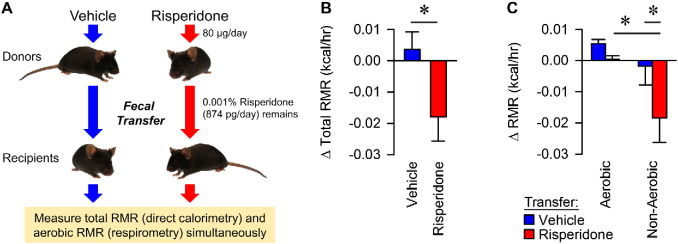
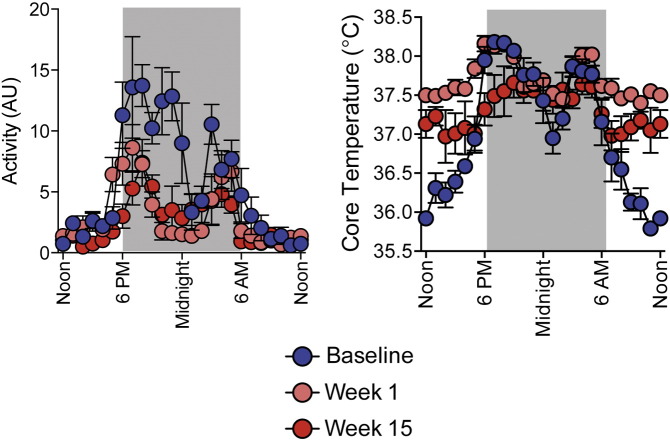
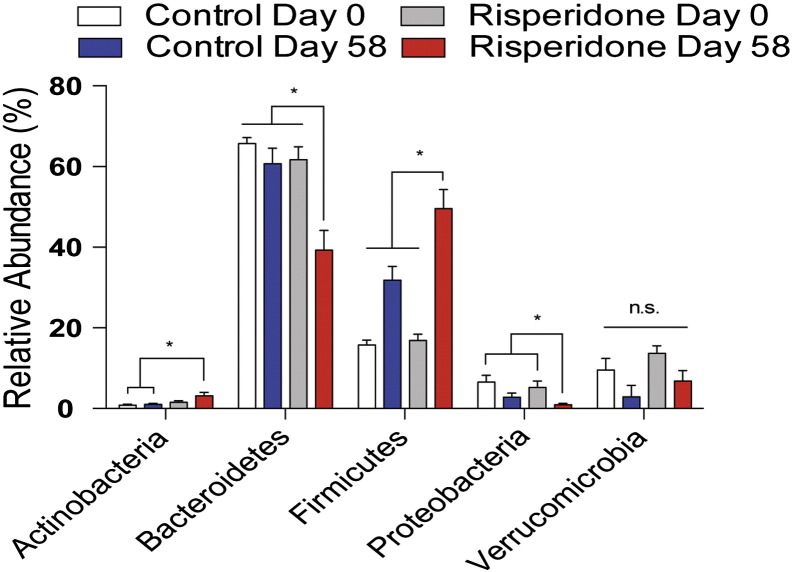
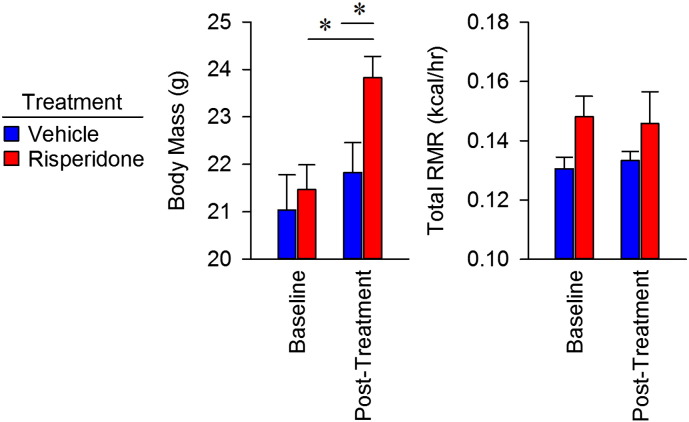
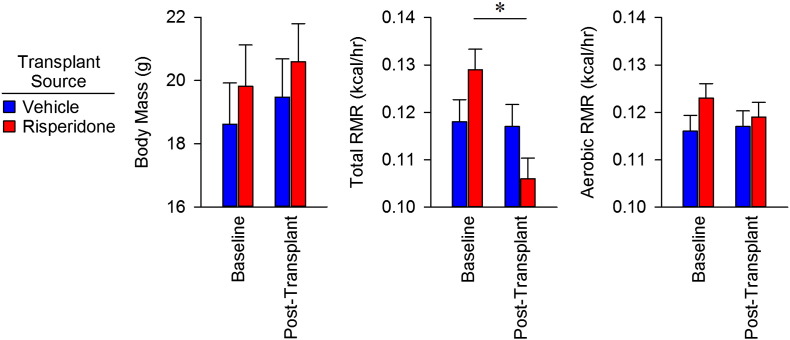
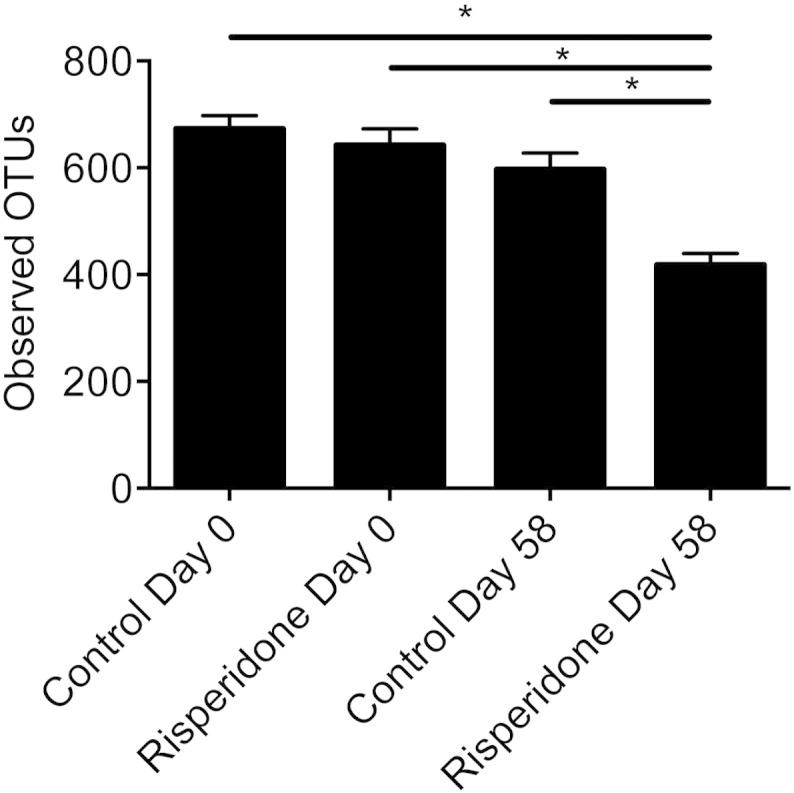
Risperidone is a second-generation antipsychotic that causes weight gain. We hypothesized that risperidone-induced shifts in the gut microbiome are mechanistically involved in its metabolic consequences. Wild-type female C57BL/6J mice treated with risperidone (80 μg/day) exhibited significant excess weight gain, due to reduced energy expenditure, which correlated with an altered gut microbiome. Fecal transplant from risperidone-treated mice caused a 16% reduction in total resting metabolic rate in naïve recipients, attributable to suppression of non-aerobic metabolism. Risperidone inhibited growth of cultured fecal bacteria grown anaerobically more than those grown aerobically. Finally, transplant of the fecal phage fraction from risperidone-treated mice was sufficient to cause excess weight gain in naïve recipients, again through reduced energy expenditure. Collectively, these data highlight a major role for the gut microbiome in weight gain following chronic use of risperidone, and specifically implicates the modulation of non-aerobic resting metabolism in this mechanism.
Overview
The claims and statistics of this paper haven’t been checked yet.
Run the check — free, no account needed. It reads the open-access text and checks the sources it cites.
Integrity signals
Registry
Cites
Statistics
Figures
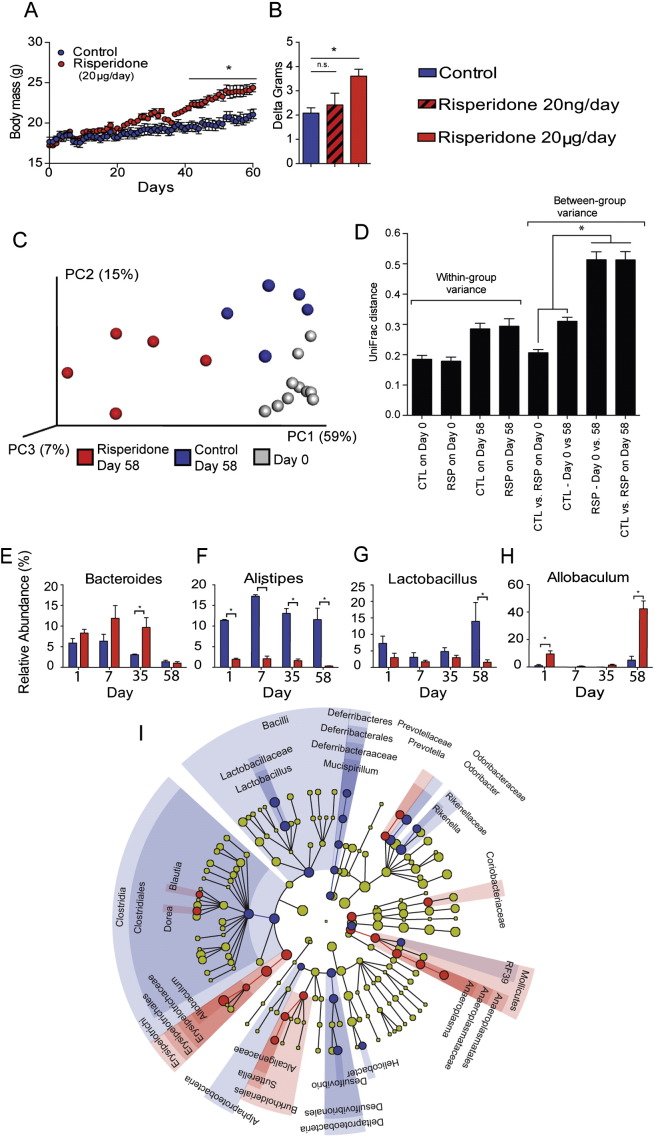
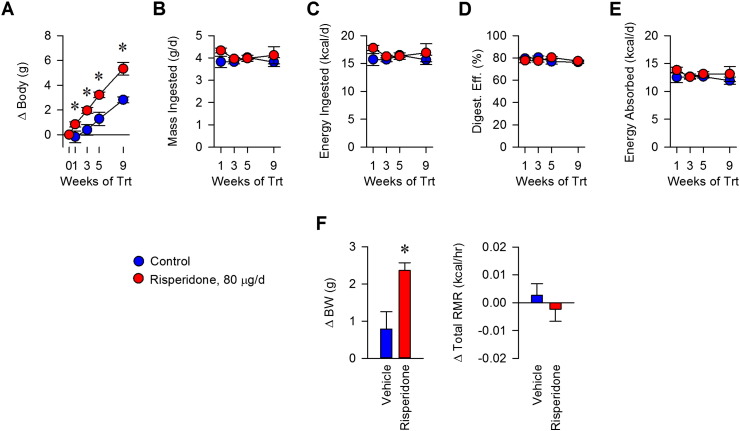
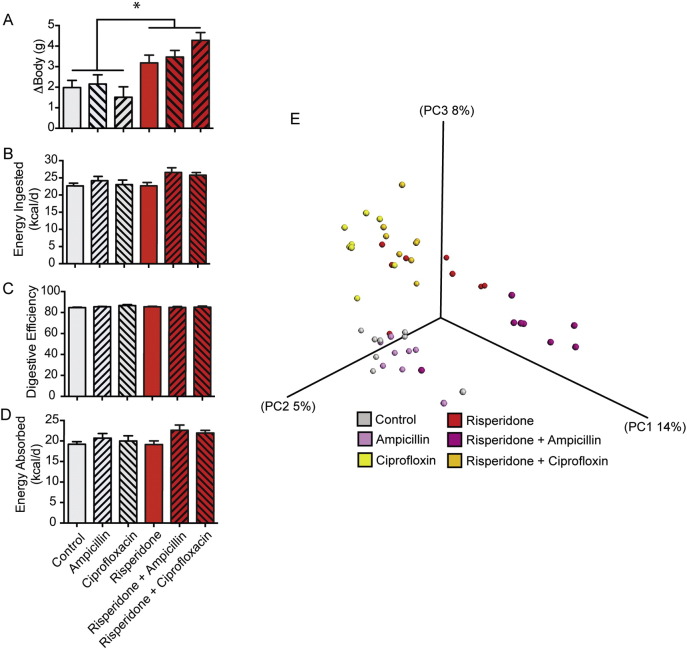
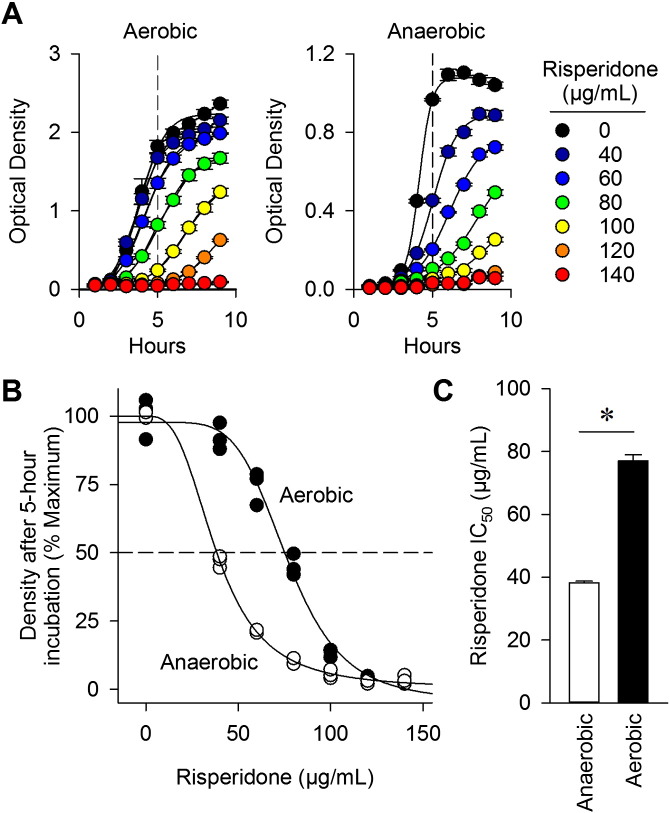

Verification
Claims the paper makes
The claims and statistics of this paper haven’t been checked yet.
Run the check — free, no account needed. It reads the open-access text and checks the sources it cites.
Claims other papers make about this one
Each is checked against this paper’s own text: does it say what the citing paper says it does?
In the citing paper
“Another antipsychotic, risperidone, also causes shifts in gut microbiome composition in mice (Bahra et al., 2015), and in children and adolescents (Bahr et al., 2015).”
From Gut reactions: Breaking down xenobiotic–microbiome interactions (2019) · cites this paper as Bahra et al., 2015
Self-check
Percentages, sums and reported differences re-computed from the paper’s own numbers.
The self-check needs the paper’s full text.
Citations
Cites
QIIME allows analysis of high-throughput community sequencing data
Caporaso, J. G., Kuczynski, J., Stombaugh, J., Bittinger, K., Bushman, F. D., Costello, E. K., Fierer, N., Peña, A. G., Goodrich, J. K., Gordon, J. I., et al. (2010) · Nature Methods · doi:10.1038/nmeth.f.303 · Cited by 34,887
Metagenomic biomarker discovery and explanation
Segata, N., Izard, J., Waldron, L., Gevers, D., Miropolsky, L., Garrett, W. S., & Huttenhower, C. (2011) · Genome Biology · doi:10.1186/gb-2011-12-6-r60 · Cited by 16,192
An obesity-associated gut microbiome with increased capacity for energy harvest
Turnbaugh, P. J., Ley, R. E., Mahowald, M. A., Magrini, V., Mardis, E. R., & Gordon, J. I. (2006) · Nature · doi:10.1038/nature05414 · Cited by 12,444
Structure, function and diversity of the healthy human microbiome
The Human Microbiome Project Consortium (2012) · Nature · doi:10.1038/nature11234 · Cited by 11,726
Greengenes, a Chimera-Checked 16S rRNA Gene Database and Workbench Compatible with ARB
DeSantis, T. Z., Hugenholtz, P., Larsen, N., Rojas, M., Brodie, E. L., Keller, K., Huber, T., Dalevi, D., Hu, P., & Andersen, G. L. (2006) · Applied and Environmental Microbiology · doi:10.1128/aem.03006-05 · Cited by 10,891
Ultra-high-throughput microbial community analysis on the Illumina HiSeq and MiSeq platforms
Caporaso, J. G., Lauber, C. L., Walters, W. A., Berg-Lyons, D., Huntley, J., Fierer, N., Owens, S. M., Betley, J., Fraser, L., Bauer, M., et al. (2012) · The ISME Journal · doi:10.1038/ismej.2012.8 · Cited by 8,839
The gut microbiota as an environmental factor that regulates fat storage
Bäckhed, F., Ding, H., Wang, T., Hooper, L. V., Koh, G. Y., Nagy, A., Semenkovich, C. F., & Gordon, J. I. (2004) · Proceedings of the National Academy of Sciences · doi:10.1073/pnas.0407076101 · Cited by 6,245
Gut flora metabolism of phosphatidylcholine promotes cardiovascular disease
Wang, Z., Klipfell, E., Bennett, B. J., Koeth, R., Levison, B. S., DuGar, B., Feldstein, A. E., Britt, E. B., Fu, X., Chung, Y.-M., et al. (2011) · Nature · doi:10.1038/nature09922 · Cited by 5,597
Cani, P. D., Bibiloni, R., Knauf, C., Waget, A., Neyrinck, A. M., Delzenne, N. M., & Burcelin, R. (2008) · Diabetes · doi:10.2337/db07-1403 · Cited by 4,819
Gut Microbiota from Twins Discordant for Obesity Modulate Metabolism in Mice
Ridaura, V. K., Faith, J. J., Rey, F. E., Cheng, J., Duncan, A. E., Kau, A. L., Griffin, N. W., Lombard, V., Henrissat, B., Bain, J. R., et al. (2013) · Science · doi:10.1126/science.1241214 · Cited by 3,788
Cited by
Sorted by citations
Cryan, J. F., O'Riordan, K. J., Cowan, C. S. M., Sandhu, K. V., Bastiaanssen, T. F. S., Boehme, M., Codagnone, M. G., Cussotto, S., Fulling, C., Golubeva, A. V., et al. (2019) · Physiological Reviews · doi:10.1152/physrev.00018.2018 · Cited by 5,286
The Role of Microbiota-Gut-Brain Axis in Neuropsychiatric and Neurological Disorders
Socała, K., Doboszewska, U., Szopa, A., Serefko, A., Włodarczyk, M., Zielińska, A., Poleszak, E., Fichna, J., & Wlaź, P. (2021) · Pharmacological Research · doi:10.1016/j.phrs.2021.105840 · Cited by 857
Systematic Review of Gut Microbiota and Major Depression
Cheung, S. G., Goldenthal, A. R., Uhlemann, A.-C., Mann, J. J., Miller, J. M., & Sublette, M. E. (2019) · Frontiers in Psychiatry · doi:10.3389/fpsyt.2019.00034 · Cited by 597
Microbiota-gut-brain axis: Modulator of host metabolism and appetite
van de Wouw, M., Schellekens, H., Dinan, T. G., & Cryan, J. F. (2017) · The Journal of Nutrition · doi:10.3945/jn.116.240481 · Cited by 461
Yu, E. W.-Y., Gao, L., Stastka, P., Cheney, M. C., Mahabamunuge, J., Soto, M. T., Ford, C. B., Bryant, J. A., Henn, M. R., & Hohmann, E. L. (2020) · PLoS Medicine · doi:10.1371/journal.pmed.1003051 · Cited by 346
Gut reactions: Breaking down xenobiotic–microbiome interactions
Clarke, G., Sandhu, K. V., Griffin, B. T., Dinan, T. G., Cryan, J. F., & Hyland, N. P. (2019) · Pharmacological Reviews · doi:10.1124/pr.118.015768 · Cited by 319
Cross talk: the microbiota and neurodevelopmental disorders
Kelly, J. R., Minuto, C., Cryan, J. F., Clarke, G., & Dinan, T. G. (2017) · Frontiers in Neuroscience · doi:10.3389/fnins.2017.00490 · Cited by 271
The microbiome, immunity, and schizophrenia and bipolar disorder.
Dickerson, F., Severance, E., & Yolken, R. (2017) · Brain, Behavior, and Immunity · doi:10.1016/j.bbi.2016.12.010 · Cited by 268
Differential effects of psychotropic drugs on microbiome composition and gastrointestinal function
Cussotto, S., Strain, C. R., Fouhy, F., Strain, R. G., Peterson, V. L., Clarke, G., Stanton, C., Dinan, T. G., & Cryan, J. F. (2019) · Psychopharmacology · doi:10.1007/s00213-018-5006-5 · Cited by 266
Systematic review: human gut dysbiosis induced by non-antibiotic prescription medications
Le Bastard, Q., Al‐Ghalith, G. A., Grégoire, M., Chapelet, G., Javaudin, F., Dailly, E., Batard, E., Knights, D., & Montassier, E. (2018) · Alimentary Pharmacology & Therapeutics · doi:10.1111/apt.14451 · Cited by 263
The Human Gut Phage Community and Its Implications for Health and Disease
Manrique, P., Dills, M., & Young, M. (2017) · Viruses · doi:10.3390/v9060141 · Cited by 262
Psychotropics and the Microbiome: a Chamber of Secrets…
Cussotto, S., Clarke, G. A., Dinan, T. G., & Cryan, J. F. (2019) · Psychopharmacology · doi:10.1007/s00213-019-5185-8 · Cited by 176
The gut microbiome and mental health: implications for anxiety- and trauma-related disorders
Malan-Muller, S., Valles-Colomer, M., Raes, J., Lowry, C. A., Seedat, S., & Hemmings, S. M. J. (2018) · OMICS: A Journal of Integrative Biology · doi:10.1089/omi.2017.0077 · Cited by 161
Drug–gut microbiota interactions: implications for neuropharmacology
Walsh, J., Griffin, B. T., Clarke, G. A., & Hyland, N. P. (2018) · British Journal of Pharmacology · doi:10.1111/bph.14366 · Cited by 155
Self-citationSkonieczna‐Żydecka, K., Marlicz, W. M., Misera, A., Koulaouzidis, A., & Łoniewski, I. (2018) · Journal of Clinical Medicine · doi:10.3390/jcm7120521 · Cited by 151
Mushroom polysaccharides from Ganoderma lucidum and Poria cocos reveal prebiotic functions
Khan, I., Huang, G.-X., Li, X.-A., Leong, W., Xia, W.-R., & Hsiao, W. W. W. (2018) · Journal of Functional Foods · doi:10.1016/j.jff.2017.12.046 · Cited by 123
Gao, M., Wang, J., Liu, P., Tu, H., Zhang, R., Zhang, Y., Sun, N., & Zhang, K. (2023) · Translational Psychiatry · doi:10.1038/s41398-023-02670-5 · Cited by 164
Kao, A. C.-C., Spitzer, S., Anthony, D. C., Lennox, B., & Burnet, P. W. J. (2018) · Translational Psychiatry · doi:10.1038/s41398-018-0116-8 · Cited by 128
Bicknell, B. T., Liebert, A. D., Borody, T. J., Herkes, G., McLachlan, C. S., & Kiat, H. (2023) · International Journal of Molecular Sciences · doi:10.3390/ijms24119577 · Cited by 135
The role of the gut microbiome in the development of schizophrenia
Kelly, J. R., Minuto, C., Cryan, J. F., Clarke, G. A., & Dinan, T. G. (2020) · Schizophrenia Research · doi:10.1016/j.schres.2020.02.010 · Cited by 121
Skonieczna‐Żydecka, K., Łoniewski, I., Misera, A., Stachowska, E., Maciejewska, D., Marlicz, W. M., & Galling, B. (2018) · Psychopharmacology · doi:10.1007/s00213-018-5102-6 · Cited by 103
The Burden of Antipsychotic-Induced Weight Gain and Metabolic Syndrome in Children
Libowitz, M. R., & Nurmi, E. L. (2021) · Frontiers in Psychiatry · doi:10.3389/fpsyt.2021.623681 · Cited by 99
The effects of antipsychotic medications on microbiome and weight gain in children and adolescents
Bretler, T., Weisberg, H., Koren, O., & Neuman, H. (2019) · BMC Medicine · doi:10.1186/s12916-019-1346-1 · Cited by 104
The connection between microbiome and schizophrenia
Golofast, B., & Vales, K. (2020) · Neuroscience & Biobehavioral Reviews · doi:10.1016/j.neubiorev.2019.12.011 · Cited by 92
Systematically investigating the impact of medication on the gut microbiome
Maier, L., & Typas, A. (2017) · Current Opinion in Microbiology · doi:10.1016/j.mib.2017.11.001 · Cited by 95
The Next Generation Fecal Microbiota Transplantation: To Transplant Bacteria or Virome
Yu, Y., Wang, W., & Zhang, F. (2023) · Advanced Science · doi:10.1002/advs.202301097 · Cited by 105
Singh, R., Bansal, Y., Medhi, B., & Kuhad, A. (2018) · European Journal of Pharmacology · doi:10.1016/j.ejphar.2018.12.003 · Cited by 92
The Microbiota–Gut–Brain Axis and Neurological Disorders: A Comprehensive Review
Nakhal, M. M., Yassin, L. K., Alyaqoubi, R., Saeed, S., Alderei, A., Alhammadi, A., Alshehhi, M., Almehairbi, A., Houqani, S. A., BaniYas, S., et al. (2024) · Life · doi:10.3390/life14101234 · Cited by 136
The gut microbiome influences the bioavailability of olanzapine in rats
Cussotto, S., Walsh, J., Golubeva, A. V., Zhdanov, A. V., Strain, C., Fouhy, F., Stanton, C., Dinan, T. G., Hyland, N. P., Clarke, G. A., et al. (2021) · EBioMedicine · doi:10.1016/j.ebiom.2021.103307 · Cited by 81
Self-citationRudzki, L., & Szulc, A. (2018) · Frontiers in Psychiatry · doi:10.3389/fpsyt.2018.00205 · Cited by 80
The microbiome-gut-brain axis: implications for schizophrenia and antipsychotic induced weight gain
Kanji, S., Fonseka, T. M., Marshe, V. S., Sriretnakumar, V., Hahn, M. K., & Müller, D. J. (2018) · European Archives of Psychiatry and Clinical Neuroscience · doi:10.1007/s00406-017-0820-z · Cited by 79
Angiotensin AT1A receptors on leptin receptor–expressing cells control resting metabolism
Claflin, K. E., Sandgren, J. A., Lambertz, A. M., Weidemann, B. J., Littlejohn, N. K., Burnett, C. M.-L., Pearson, N. A., Morgan, D. A., Gibson-Corley, K. N., Rahmouni, K., et al. (2017) · Journal of Clinical Investigation · doi:10.1172/jci88641 · Cited by 74
Self-citationObesity alters immune and metabolic profiles: New insight from obese‐resistant mice on high‐fat diet
Boi, S. K., Buchta, C. M., Pearson, N. A., Francis, M. B., Meyerholz, D. K., Grobe, J. L., & Norian, L. A. (2016) · Obesity · doi:10.1002/oby.21620 · Cited by 70
Self-citationBipolar disorder and the gut microbiome: A systematic review
Sublette, M. E., Cheung, S. G., Lieberman, E. E., Hu, S., Mann, J. J., Uhlemann, A., & Miller, J. M. (2021) · Bipolar Disorders · doi:10.1111/bdi.13049 · Cited by 70
Targeting the Microbiota in Pharmacology of Psychiatric Disorders
Pascale, A., Marchesi, N., Govoni, S., & Barbieri, A. (2020) · Pharmacological Research · doi:10.1016/j.phrs.2020.104856 · Cited by 67
Verhaegen, A. A., & Gaal, L. F. V. (2017) · Journal of Endocrinological Investigation · doi:10.1007/s40618-017-0719-6 · Cited by 75
Strategies to counter antipsychotic-associated weight gain in patients with schizophrenia
Marteene, W., Winckel, K., Hollingworth, S., Kisely, S. R., Gallagher, E., Hahn, M., Ebdrup, B. H., Firth, J., & Siskind, D. J. (2019) · Expert Opinion on Drug Safety · doi:10.1080/14740338.2019.1674809 · Cited by 62
The Gut Microbiome, Energy Homeostasis, and Implications for Hypertension
Riedl, R. A., Atkinson, S. N., Burnett, C. M. L., Grobe, J. L., & Kirby, J. R. (2017) · Current Hypertension Reports · doi:10.1007/s11906-017-0721-6 · Cited by 58
Self-citationThe Role of the Microbiome in Drug Response
Pryor, R. E., Martínez‐Martínez, D., Quintaneiro, L. M., & Cabreiro, F. (2019) · The Annual Review of Pharmacology and Toxicology · doi:10.1146/annurev-pharmtox-010919-023612 · Cited by 58
Vaghef‐Mehrabany, E., Ranjbar, F., Jafarabadi, M. A., Hosseinpour-Arjmand, S., & Ebrahimi‐Mameghani, M. (2019) · Nutritional Neuroscience · doi:10.1080/1028415x.2019.1630985 · Cited by 55
Castellani, L. N., Costa-Dookhan, K. A., McIntyre, W. B., Wright, D. C., Flowers, S. A., Hahn, M., & Ward, K. M. (2019) · Journal of Psychiatry and Brain Science · doi:10.20900/jpbs.20190013 · Cited by 53
Whole-Genome Shotgun Metagenomic Sequencing Reveals Distinct Gut Microbiome Signatures of Obese Cats
Ma, X., Brinker, E. J., Graff, E. C., Cao, W., Gross, A. L., Johnson, A. K., Zhang, C., Martin, D. R., & Wang, X. (2022) · Microbiology Spectrum · doi:10.1128/spectrum.00837-22 · Cited by 49
Huang, J., Kang, D., Zhang, F., Yang, Y., Liu, C., Xiao, J., Long, Y., Lang, B., Peng, X., Wang, W., et al. (2022) · Schizophrenia Bulletin · doi:10.1093/schbul/sbac044 · Cited by 52
Comprehensive Assessments of Energy Balance in Mice
Grobe, J. L. (2017) · Methods in molecular biology · doi:10.1007/978-1-4939-7030-8_10 · Cited by 49
Self-citationManrique, P., Zhu, Y., John van der, O. O. S. T., Herrema, H., Nieuwdorp, M., de Vos, W. M., & Young, M. (2021) · Gut Microbes · doi:10.1080/19490976.2021.1897217 · Cited by 49
Abais‐Battad, J. M., Saravia, F. L., Lund, H., Dasinger, J. H., Fehrenbach, D. J., Alsheikh, A. J., Zemaj, J., Kirby, J. R., & Mattson, D. L. (2021) · Acta Physiologica · doi:10.1111/apha.13662 · Cited by 49
Self-citationImmunoendocrine Peripheral Effects Induced by Atypical Antipsychotics
Álvarez-Herrera, S., Escamilla-Orozco, R. I., Contreras, O. M., Saracco, R., Flores-Medina, Y., Hurtado‐Alvarado, G., Maldonado-García, J. L., Becerril‐Villanueva, E., Pérez‐Sánchez, G., & Pavón, L. (2020) · Frontiers in Endocrinology · doi:10.3389/fendo.2020.00195 · Cited by 48
Gut microbiota: An intermediary between metabolic syndrome and cognitive deficits in schizophrenia
Zeng, C., Yang, P., Cao, T., Gu, Y., Li, N., Zhang, B., Xu, P., Liu, Y., Luo, Z., & Cai, H. (2020) · Progress in Neuro-Psychopharmacology and Biological Psychiatry · doi:10.1016/j.pnpbp.2020.110097 · Cited by 54
Hu, H., Zhang, Y., Zhao, F., Chen, K., Wu, T., Liu, Q., Huang, S., Zhang, A., & Jia, Z. (2021) · iScience · doi:10.1016/j.isci.2021.102077 · Cited by 47
Rotella, F., Cassioli, E., Calderani, E., Lazzeretti, L., Ragghianti, B., Ricca, V., & Mannucci, E. (2020) · European Neuropsychopharmacology · doi:10.1016/j.euroneuro.2019.12.118 · Cited by 48
Gut microbiome in schizophrenia and antipsychotic-induced metabolic alterations: a scoping review
Singh, R., Stogios, N., Smith, E., Lee, J., Maksyutynska, K., Au, E., Wright, D. C., Palma, G. D., Graff‐Guerrero, A., Gerretsen, P., et al. (2022) · Therapeutic Advances in Psychopharmacology · doi:10.1177/20451253221096525 · Cited by 44
The Many Faces of Microbiota-Gut-Brain Axis in Autism Spectrum Disorder
Gonçalves, C. L., Doifode, T., Rezende, V. L., Costa, M. A., Rhoads, J. M., & Soutullo, C. A. (2024) · Life Sciences · doi:10.1016/j.lfs.2023.122357 · Cited by 42
Viral Infections and Interferons in the Development of Obesity
Tian, Y., Jennings, J., Gong, Y., & Sang, Y. (2019) · Biomolecules · doi:10.3390/biom9110726 · Cited by 46
Ye, Y., Haija, M. A. E., Morgan, D. A., Guo, D., Song, Y., Frank, A. P., Tian, L., Riedl, R. A., Burnett, C. M.-L., Gao, Z., et al. (2020) · Cell Reports · doi:10.1016/j.celrep.2020.108270 · Cited by 43
Self-citationInflammation in Mental Disorders: Is the Microbiota the Missing Link?
Marin, S., Hé, Y., Butler, K., & Tsuang, M. T. (2020) · Neuroscience Bulletin · doi:10.1007/s12264-020-00535-1 · Cited by 44
Kraeuter, A.-K., Phillips, R., & Sarnyai, Z. (2020) · Frontiers in Psychiatry · doi:10.3389/fpsyt.2020.00799 · Cited by 43
Huang, J., Liu, C., Yang, Y., Kang, D., Xiao, J., Long, Y., Lang, B., Peng, X., Wang, W., Wang, X., et al. (2022) · Translational Psychiatry · doi:10.1038/s41398-022-01958-2 · Cited by 39
Yassin, L. K., Skrabulyte-Barbulescu, J., Alshamsi, S. H., Saeed, S., Alkuwaiti, S. H., Almazrouei, S., Alnuaimi, A., BaniYas, S., Aldhaheri, D., Alderei, M., et al. (2025) · Frontiers in Aging Neuroscience · doi:10.3389/fnagi.2025.1667448 · Cited by 48
Gut Microbial Dysbiosis and Cognitive Impairment in Bipolar Disorder: Current Evidence
Dai, W., Liu, J., Yan, Q., Teng, Z., Li, S., Yuan, H., Huang, J., Xiang, H., Tang, H., Wang, B., et al. (2022) · Frontiers in Pharmacology · doi:10.3389/fphar.2022.893567 · Cited by 42
Gubert, C., Kong, G., Uzungil, V., Zeleznikow-Johnston, A., Burrows, E. L., Renoir, T., & Hannan, A. J. (2020) · Frontiers in Cell and Developmental Biology · doi:10.3389/fcell.2020.582320 · Cited by 38
The Microbiota‐Gut‐Brain Connection: A New Horizon in Neurological and Neuropsychiatric Disorders
Faysal, M. F., Zehravi, M., Sutradhar, B., Amin, M. A., Shanmugarajan, T. S., Arjun, U. V. N. V., Ethiraj, S., Durairaj, A., Dayalan, G., Ahamad, S. K., et al. (2025) · CNS Neuroscience & Therapeutics · doi:10.1111/cns.70593 · Cited by 41
Soto, J. E., Burnett, C. M.-L., Eyck, P. T., Abel, E. D., & Grobe, J. L. (2019) · Obesity · doi:10.1002/oby.22441 · Cited by 33
Self-citationGut Microbiota Represent a Major Thermogenic Biomass
Riedl, R. A., Burnett, C. M.-L., Pearson, N. A., Reho, J. J., Mokadem, M., Edwards, R. A., Kindel, T. L., Kirby, J. R., & Grobe, J. L. (2021) · Function · doi:10.1093/function/zqab019 · Cited by 32
Self-citationReho, J. J., Nakagawa, P., Mouradian, G. C., Grobe, C. C., Saravia, F. L., Burnett, C. M.-L., Kwitek, A. E., Kirby, J. R., Segar, J. L., Hodges, M. R., et al. (2022) · Frontiers in Physiology · doi:10.3389/fphys.2022.855054 · Cited by 32
Self-citationVoss, J. D., & Dhurandhar, N. V. (2017) · Current Obesity Reports · doi:10.1007/s13679-017-0251-1 · Cited by 34
Tsai, H.-P., Hou, P., Mao, F. C., Chang, C., Yang, W., Wu, C., Liao, H.-J., Lin, T.-C., Chou, L.-S., Hsiao, L., et al. (2021) · International Journal of Molecular Sciences · doi:10.3390/ijms22010409 · Cited by 31
Luo, C., Wang, X., Huang, H., Mao, X., Zhou, H., & Liu, Z. (2019) · Frontiers in Pharmacology · doi:10.3389/fphar.2019.00371 · Cited by 30
Kamath, S., Hunter, A., Collins, K., Wignall, A. D., & Joyce, P. (2024) · British Journal of Pharmacology · doi:10.1111/bph.16507 · Cited by 30
Misera, A., Łoniewski, I., Palma, J., Kulaszyńska, M., Czarnecka, W., Kaczmarczyk, M., Liśkiewicz, P., Samochowiec, J., & Skonieczna‐Żydecka, K. (2023) · Frontiers in Microbiology · doi:10.3389/fmicb.2023.1125022 · Cited by 28
Meola, T. R., Elz, A. S., Wignall, A. D., Paxton, K., Hunter, A., Ariaee, A., Kamath, S., Reuter, S. E., Prestidge, C. A., & Joyce, P. (2024) · Advanced Functional Materials · doi:10.1002/adfm.202403914 · Cited by 26
IUPHAR themed review: The gut microbiome in schizophrenia
Kamath, S., Sokolenko, E., Collins, K., Chan, N. S. L., Mills, N. T., Clark, S. R., Marques, F. Z., & Joyce, P. (2024) · Pharmacological Research · doi:10.1016/j.phrs.2024.107561 · Cited by 26
Potential relationship between Tourette syndrome and gut microbiome
Geng, J., Liu, C., Xu, J., Wang, X., & Li, X. (2022) · Jornal de Pediatria · doi:10.1016/j.jped.2022.06.002 · Cited by 26
Gokulakrishnan, K., Nikhil, J., Viswanath, B., Thirumoorthy, C., Narasimhan, S., Devarajan, B., Joseph, E., David, A. K. D., Sharma, S., Vasudevan, K., et al. (2023) · Journal of Psychiatric Research · doi:10.1016/j.jpsychires.2023.05.021 · Cited by 27
Sex differences in zonulin in affective disorders and associations with current mood symptoms
Maget, A., Dalkner, N., Hamm, C., Bengesser, S., Fellendorf, F. T., Platzer, M., Queissner, R., Birner, A., Lenger, M., Mörkl, S., et al. (2021) · Journal of Affective Disorders · doi:10.1016/j.jad.2021.07.021 · Cited by 28
Nicotinamide Riboside-Conditioned Microbiota Deflects High-Fat Diet-Induced Weight Gain in Mice
Lozada-Fernández, V. V., deLeon, O., Kellogg, S. L., Saravia, F. L., Hadiono, M. A., Atkinson, S. N., Grobe, J. L., & Kirby, J. R. (2022) · mSystems · doi:10.1128/msystems.00230-21 · Cited by 23
Self-citationGut microbiome-based medical methodologies for early-stage disease prevention
Wang, J.-Z., Du, W.-T., Xu, Y., Cheng, S.-Z., & Liu, Z. (2017) · Microbial Pathogenesis · doi:10.1016/j.micpath.2017.02.024 · Cited by 25
Corbin, K. D., Krajmalnik‐Brown, R., Carnero, E. Á., Bock, C., Emerson, R., Rittmann, B. E., Marcus, A. K., Davis, T. L., Dirks, B., Ilhan, Z. E., et al. (2020) · Contemporary Clinical Trials Communications · doi:10.1016/j.conctc.2020.100646 · Cited by 21
Chait, Y. A., Mottawea, W., Tompkins, T. A., & Hammami, R. (2020) · Progress in Neuro-Psychopharmacology and Biological Psychiatry · doi:10.1016/j.pnpbp.2020.110182 · Cited by 22
Zhou, R., He, M. X., Fan, J., Li, R., Zuo, Y.-F., Li, B., Gao, G., & Sun, T. (2022) · Frontiers in Neuroscience · doi:10.3389/fnins.2022.947295 · Cited by 23
Goud, A. C., Mohan, A., Shewade, D. G., Rajkumar, R. P., Adithan, C., & Subramanian, K. (2017) · Journal of Pharmacology and Pharmacotherapeutics · doi:10.4103/jpp.jpp_197_16 · Cited by 22
Does the gut microbiome mediate antipsychotic-induced metabolic side effects in schizophrenia?
Vasileva, S. S., Tucker, J., Siskind, D. J., & Eyles, D. W. (2022) · Expert Opinion on Drug Safety · doi:10.1080/14740338.2022.2042251 · Cited by 20
Chen, H., Cao, T., Zhang, B., & Cai, H. (2023) · Frontiers in Pharmacology · doi:10.3389/fphar.2023.1097284 · Cited by 18
The Obesity–Impulsivity Axis: Potential Metabolic Interventions in Chronic Psychiatric Patients
Sfera, A., Osorio, C. P., Inderias, L., Parker, V., Price, A. I., & Cummings, M. A. (2017) · Frontiers in Psychiatry · doi:10.3389/fpsyt.2017.00020 · Cited by 19
Ono‐Moore, K. D., Rutkowsky, J. M., Pearson, N. A., Williams, D. K., Grobe, J. L., Tolentino, T., Lloyd, K. C. K., & Adams, S. H. (2020) · American Journal of Physiology-Endocrinology and Metabolism · doi:10.1152/ajpendo.00041.2020 · Cited by 17
Self-citationMichaelis, L., Berg, L., & Maier, L. (2023) · Biological Psychiatry · doi:10.1016/j.biopsych.2023.06.004 · Cited by 20
Nguyen, H. D., Jo, W. H., Hoang, N. H. M., & Kim, M. (2023) · International Immunopharmacology · doi:10.1016/j.intimp.2023.109726 · Cited by 17
Alameda, L., Levier, A., Gholam‐Rezaee, M., Golay, P., Vandenberghe, F., Delacrétaz, A., Baumann, P., Glatard, A., Dubath, C., Herane-Vives, A., et al. (2020) · PLoS ONE · doi:10.1371/journal.pone.0242569 · Cited by 15
[Characteristics of gut virome and microbiome in patients with stroke].
Wang, Z., Xu, K., & Zhou, H. (2021) · PubMed Central · doi:10.12122/j.issn.1673-4254.2021.06.08 · Cited by 15
Patil, C. N., Ritter, M. L., Wackman, K. K., Oliveira, V., Balapattabi, K., Grobe, C. C., Brozoski, D., Reho, J. J., Nakagawa, P., Mouradian, G. C., et al. (2022) · American Journal of Physiology-Regulatory, Integrative and Comparative Physiology · doi:10.1152/ajpregu.00017.2022 · Cited by 15
Self-citationBioengineered human gut-on-a-chip for advancing non-clinical pharmaco-toxicology
Shin, Y. C., Than, N., Park, S. J., & Kim, H. J. (2024) · Expert Opinion on Drug Metabolism & Toxicology · doi:10.1080/17425255.2024.2365254 · Cited by 13
Bui, T. A., O’Croinin, B. R., Dennett, L., Winship, I. R., & Greenshaw, A. J. (2025) · Microbiology · doi:10.1099/mic.0.001568 · Cited by 14
Wu, D., Zhang, C., Liu, Y., Yao, J., Yang, X., Wu, S., Du, J., & Yang, X. (2023) · Journal of Microbiology Immunology and Infection · doi:10.1016/j.jmii.2023.02.005 · Cited by 14
Cardiac and metabolic safety profile of antipsychotics in youths: A WHO safety database analysis
Merino, D., Gérard, A. O., Destère, A., Saidessalam, H., Askenazy-Gittard, F., Montastruc, F., Drici, M., & Thümmler, S. (2024) · Psychiatry Research · doi:10.1016/j.psychres.2024.115786 · Cited by 10
Metabolic Syndrome Reversal With Cariprazine
Halaris, A. E., & Wuest, J. (2019) · Journal of Clinical Psychopharmacology · doi:10.1097/jcp.0000000000001074 · Cited by 10
Microbiome and Diseases: Neurological Disorders
Slingerland, A. E., & Stein‐Thoeringer, C. K. (2018) · Springer eBooks · doi:10.1007/978-3-319-90545-7_18 · Cited by 9
Metformin acts on the gut-brain axis to ameliorate antipsychotic-induced metabolic dysfunction
Wang, X., Huang, H., Zhu, Y., Li, S., Zhang, P., Jiang, J., Xi, C., Wu, L., Gao, X., Fu, Y., et al. (2021) · BioScience Trends · doi:10.5582/bst.2021.01317 · Cited by 9
Multi-omic analysis of host-microbial interactions central to the gut-brain axis
Simpson, J. B., & Redinbo, M. R. (2022) · Molecular Omics · doi:10.1039/d2mo00205a · Cited by 9
Haija, M. A. E., Ye, Y., Chu, Y., Herz, H., Linden, B., Shahi, S. K., Zarei, K., Mangalam, A. K., McElroy, S. J., & Mokadem, M. (2021) · Surgery for Obesity and Related Diseases · doi:10.1016/j.soard.2021.07.019 · Cited by 10
The 3 Ds: Depression, Dysbiosis, and Clostridiodes difficile
Boustany, A., Feuerstadt, P., & Tillotson, G. (2024) · Advances in Therapy · doi:10.1007/s12325-024-02972-0 · Cited by 7
Tartaglione, A. M., Pazienza, V., Calamandrei, G., & Ricceri, L. (2023) · Neuroscience & Biobehavioral Reviews · doi:10.1016/j.neubiorev.2023.105105 · Cited by 8
Metadata
- Authors
- Bahr, S. M., Weidemann, B. J., Castro, A. N., Walsh, J. W., deLeon, O., Burnett, C. M. L., Pearson, N. A., Murry, D. J., Grobe, J. L., & Kirby, J. R.
- Affiliations
- University of Iowa (US)
- Corresponding author
- Kirby, John R.
- ORCID
- Venue
- EBioMedicine
- Publisher
- Elsevier BV
- Published
- 2015-11
- Volume
- 2
- Issue
- 11
- Pages
- 1725-1734
- ISSN
- 2352-3964 (ISSN-L)
- PMC
- PMC4740326
- OpenAlex
- W1781074272
- Cited by
- 143
- References
- 54
- Citations by year
- 2026: 12 · 2025: 12 · 2024: 11 · 2023: 16 · 2022: 14 · 2021: 16 · 2020: 15 · 2019: 17 · 2018: 10 · 2017: 17 · 2016: 2 · 2015: 1
- FWCI
- 4.34
- Type
- journal article
- Language
- en
- Open access
- gold
- doi.org
- Licence
- Locations
- EBioMedicine (publishedVersion, cc-by-nc-nd)
- PubMed Central (publishedVersion, cc-by-nc-nd)
- PubMed (publishedVersion)
- DOAJ (DOAJ: Directory of Open Access Journals) (submittedVersion, cc-by-sa)
- Funders
- National Science Foundation (1244021)
- American Diabetes Association (1-14-BS-079)
- Alfred P. Sloan Foundation
- American Heart Association (HL084207, 15SFRN23730000)
- National Institutes of Health (HL098276, HL-084207)
- National Heart, Lung, and Blood Institute (HL098276, HL-084207, P01HL084207, R00HL098276)
- National Institute of Allergy and Infectious Diseases (R01AI108255)
- National Institute of Diabetes and Digestive and Kidney Diseases (U24DK100469)
- Topics
- Life Sciences › Biochemistry, Genetics and Molecular Biology › Molecular Biology › Gut microbiota and health
- Life Sciences › Neuroscience › Endocrine and Autonomic Systems › Regulation of Appetite and Obesity
- Health Sciences › Medicine › Gastroenterology › Gastrointestinal motility and disorders
- Keywords
- risperidone, antipsychotic-induced weight gain, gut microbiota, energy expenditure, resting metabolic rate, fecal microbiota transplantation, bacteriophages, anaerobic metabolism, atypical antipsychotics, metabolic side effects
- MeSH terms
- Gastrointestinal Microbiome, Fecal Microbiota Transplantation, Animals, Energy Metabolism, Female, Antipsychotic Agents, Xenobiotics, Weight Gain, Risperidone, Mice, Metagenome, Metagenomics
About these checks
Registry, retraction, Cites and statistics results are computed, not judged, with one exception: a printed reference that no index lists is read once by a model before it counts as a citation error. Claims are extracted by a model and kept only when their quote appears verbatim in the text; each cited source is then checked, with a model’s help, for whether it says what the claim relies on. Those verdicts can be wrong — read the claim’s quote and the cited source before relying on one.
Statistics and arithmetic are recomputed, not judged.
Confidence bands are shown only for fields calibrated on our annotated test set. None is calibrated yet, so no band is shown.
What counts as a claim ›How we measure confidence ›How we check this ›
Are you an author, or do you see a problem with this page? Request a review
