

The DOI matches its Crossref record; 84 of the 85 references it cites were found in a registry or an index; none of the 74 sources its claims cite is checked for support yet.
An update on the novel and approved drugs for Alzheimer disease
Open accessAbstract
Given the severity of the condition and the increasing number of patients, developing effective therapies for Alzheimer's disease has become a significant necessity. Aggregation of Amyloid-Beta (Aβ) plaques and Tau Protein Tangles in the brain's nerve tissue are two of the most histopathological/pathophysiological symptoms. Another important element involved in the etiology of Alzheimer's disease is the reduction in acetylcholine (ACh) levels in the brain. Currently available medications for Alzheimer's disease treatment, such as cholinesterase inhibitors and an antagonist of the N-methyl-d-aspartate receptor, can temporarily reduce dementia symptoms but not stop or reverse disease development. In addition, several medicinal plants have been shown to diminish the degenerative characteristics associated with Alzheimer's disease, either in its crude form or as isolated chemicals. This review summarises the results from previous studies that reflect an array of novel therapies underway in various phases of clinical trials. Many are discontinued due to non-adherence to the designed endpoints or the surfacing of unavoidable side effects. The present piece of article focuses on the approved drugs for the treatment of Alzheimer's disease and their related mode of action as well as the promising therapies for the treatment of the said disease. Special attention has been placed on the researched herbal drugs, with the pipeline of novel therapies underway in various phases of clinical trials. The current article includes a list of approved pharmaceuticals for treating Alzheimer's disease, prospective therapies for the illness's treatment, and a pipeline of novel therapies in various stages of clinical trials. The results suggest that the drugs under clinical trials may open new pathways for the effective treatment of patients with Alzheimer's disease while improving their quality of life.
Overview
AI snapshot
Written from the paper’s full text.
TL;DR
This narrative review summarizes FDA-approved Alzheimer disease drugs—acetylcholinesterase inhibitors, memantine, and aducanumab—alongside investigational anti-amyloid, chelation, natural-product, and clinical-trial pipeline therapies. It concludes that approved drugs mainly provide symptomatic or temporary benefit, while many trial agents have failed or been discontinued, though ongoing trials may open new treatment pathways.
Key findings
- Approved therapies include donepezil and rivastigmine for mild, moderate, and severe AD; galantamine for mild to moderate AD; and memantine, an NMDA antagonist, for moderate to severe AD. Aducanumab received FDA accelerated approval on June 7, 2021 as an anti-amyloid monoclonal antibody.
- Anti-amyloid pipeline setbacks are prominent: BACE inhibitor trials with lanabecestat, verubecestat, and atabecestat were terminated due to lack of efficacy or safety concerns; γ-secretase inhibitors are no longer regarded as a suitable target because of major safety concerns.
- In active immunization, ABvac40 generated Aβ40-specific antibodies in 92% of injected participants in a phase 1 trial; GV-971 was reported in a phase 3 study to have significant cognitive benefits in mild to severe AD.
- The review states that 40 million individuals are expected to suffer from dementia globally, with this figure predicted to double every 2 decades until around 2050. Table 1 lists herbal compounds such as berberine, curcumin, epigallocatechin-3-gallate, ginsenoside Rg1, catalpol, genistein, crocin, and huperzine A, with proposed antioxidant, anti-inflammatory, anti-amyloid, or cholinesterase-inhibitory effects.
Methods
- Narrative review; no systematic search strategy, inclusion/exclusion criteria, quality appraisal, or meta-analysis is stated.
- The paper summarizes prior studies and clinical trials, including Table 1 of herbal compounds for AD treatment and Table 2 of novel drugs in various clinical-trial phases with NCT numbers and statuses.
- Main analysis is a narrative synthesis of approved drug mechanisms, potential therapeutic approaches (anti-amyloid therapy, chelation therapy, natural drugs), and novel agents in clinical trials.
Limitations
- The paper states that many AD trials are discontinued due to non-adherence to designed endpoints or unavoidable side effects, and it notes a high percentage of failed AD clinical trials; it does not state limitations of the review itself.
- Evident from the text: as a narrative review, it lacks a systematic search and risk-of-bias assessment, relies on selected cited studies, and includes incomplete table entries (for example, IIdalopirdine phase 3 lacks trial number and status).
Model-written summary. Check it against the paper before relying on it.
Integrity signals
Registry
Cites
Statistics
Figures
Verification
Claims the paper makes
71 Not checked yet · 3 Own interpretation · 1 No basis given
The paper states this without a source or data behind it here, so there is nothing to check it against. The quote shows it is in the paper.
In the paper
“An array of novel therapies is underway in various phases of clinical trials (Table 2).”
§ An update on the novel and approved drugs for Alzheimer disease > Clinical trials of novel drugs for AD
plain- Asserted: passes — The authors put it forward as true.
- Checkable: passes — It can be checked against evidence.
- Load-bearing: unclear — It is unclear whether the paper’s conclusions depend on it.
- Based: passes — The paper gives a reason why it holds.
In the paper
“In most patients, these classes of drugs were noted to be well tolerated (Tabet, 2006).”
§ An update on the novel and approved drugs for Alzheimer disease > FDA approved drugs for AD and their MOA > Conventional pharmacotherapy for AD
What the sources say
- Not checked yetcites Tabet, 2006 source
plain- Asserted: passes — The authors put it forward as true.
- Checkable: passes — It can be checked against evidence.
- Load-bearing: unclear — It is unclear whether the paper’s conclusions depend on it.
- Based: passes — The paper gives a reason why it holds.
In the paper
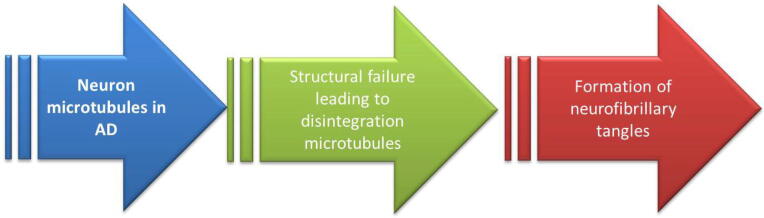
“In addition, the enzyme plays a role in the production of amyloid plaques and neurofibrillary tangles.”
§ An update on the novel and approved drugs for Alzheimer disease > FDA approved drugs for AD and their MOA > Conventional pharmacotherapy for AD
What the sources say
- Not checked yetcites Singh et al., 2013 source
plaindirect- Asserted: passes — The authors put it forward as true.
- Checkable: passes — It can be checked against evidence.
- Load-bearing: unclear — It is unclear whether the paper’s conclusions depend on it.
- Based: passes — The paper gives a reason why it holds.
In the paper
“AChEIs action on the gastro-intestinal tract (git) causes the most common side effects, which include diarrhea, nausea, and vomiting (Yiannopoulou et al., 2020).”
§ An update on the novel and approved drugs for Alzheimer disease > FDA approved drugs for AD and their MOA > Conventional pharmacotherapy for AD
What the sources say
- Not checked yetcites Yiannopoulou et al., 2020
plaindirect- Asserted: passes — The authors put it forward as true.
- Checkable: passes — It can be checked against evidence.
- Load-bearing: unclear — It is unclear whether the paper’s conclusions depend on it.
- Based: passes — The paper gives a reason why it holds.
In the paper
“On June 7, 2021, the FDA gave Aducanumab expedited approval [FDA Approved Drug Products: Aduhelm (Aducanumab-avwa) Intravenous Injection].”
§ An update on the novel and approved drugs for Alzheimer disease > FDA approved drugs for AD and their MOA > Drugs that may decrease the evolution of Alzheimer's disease
What the sources say
- Not checked yetcites FDA Approved Drug Products: Aduhelm (Aducanumab-avwa) Intravenous Injection
plain- Asserted: passes — The authors put it forward as true.
- Checkable: passes — It can be checked against evidence.
- Load-bearing: unclear — It is unclear whether the paper’s conclusions depend on it.
- Based: passes — The paper gives a reason why it holds.
In the paper
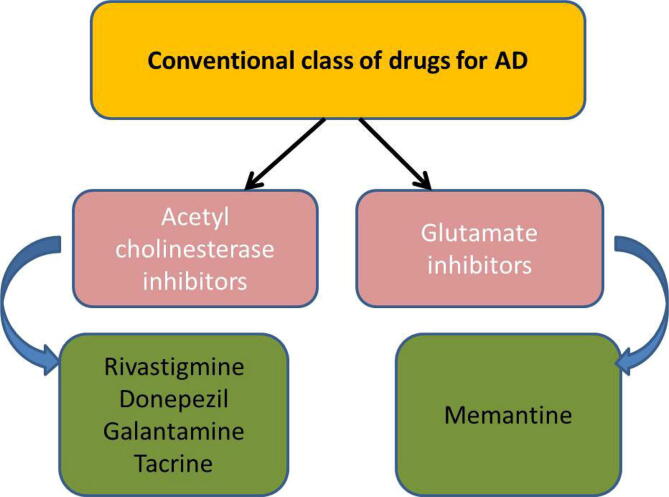
“Currently, symptomatic treatments for AD include acetylcholinesterase inhibitors such as donepezil, rivastigmine, and metrifonate and NMDA receptor blockers such as memantine [Reisberg et al., 2003].”
§ An update on the novel and approved drugs for Alzheimer disease > Introduction
What the sources say
- Not checked yetcites Reisberg et al., 2003
plain- Asserted: passes — The authors put it forward as true.
- Checkable: passes — It can be checked against evidence.
- Load-bearing: unclear — It is unclear whether the paper’s conclusions depend on it.
- Based: passes — The paper gives a reason why it holds.
In the paper
“Overstimulation of NMDA receptors by glutamate, on the other hand, can induce neuronal injury owing to excitotoxicity in some cases (Francis, 2005).”
§ An update on the novel and approved drugs for Alzheimer disease > Introduction
What the sources say
- Not checked yetcites Francis, 2005 source
plainconditional- Asserted: passes — The authors put it forward as true.
- Checkable: passes — It can be checked against evidence.
- Load-bearing: unclear — It is unclear whether the paper’s conclusions depend on it.
- Based: passes — The paper gives a reason why it holds.
In the paper
“These medications work by blocking the enzyme acetylcholinesterase, which is crucial for the metabolic breakdown of acetylcholine, which results in boosting its level in the brains of individuals with mild to moderate AD.”
§ An update on the novel and approved drugs for Alzheimer disease > FDA approved drugs for AD and their MOA > Conventional pharmacotherapy for AD
What the sources say
- Not checked yetcites Tabet, 2006 source
plaindirect- Asserted: passes — The authors put it forward as true.
- Checkable: passes — It can be checked against evidence.
- Load-bearing: passes — The paper’s conclusions depend on it.
- Based: passes — The paper gives a reason why it holds.
In the paper
“Passive and active immunization are the 2 key immunotherapeutic methods for promoting Aβ clearance that are presently under investigation in various phases of analyses (Wisniewski et al., 2015).”
§ An update on the novel and approved drugs for Alzheimer disease > Potential therapeutic approach for the treatment of AD > Anti-amyloid therapy
What the sources say
- Not checked yetcites Wisniewski et al., 2015 source
plaindirect- Asserted: passes — The authors put it forward as true.
- Checkable: passes — It can be checked against evidence.
- Load-bearing: unclear — It is unclear whether the paper’s conclusions depend on it.
- Based: passes — The paper gives a reason why it holds.
In the paper
“Dizziness, agitation, hallucinations, headache, and exhaustion were the most common symptoms that arose in clinical trials.”
§ An update on the novel and approved drugs for Alzheimer disease > FDA approved drugs for AD and their MOA > Conventional pharmacotherapy for AD
What the sources say
- Not checked yetcites Molinuevo et al., 2005 source
plain- Asserted: passes — The authors put it forward as true.
- Checkable: passes — It can be checked against evidence.
- Load-bearing: unclear — It is unclear whether the paper’s conclusions depend on it.
- Based: passes — The paper gives a reason why it holds.
- Probably not a substantial claim. 5
- It may state two separate claims as one. 36
In the paper
“After the sequential breakdown of the big precursor protein amyloid precursor protein (APP) by the β- and γ-e -secretase, Aβ peptides with A38, A40, and A42 being the most prevalent forms are generated (Yiannopoulou et al., 2013).”
§ An update on the novel and approved drugs for Alzheimer disease > Introduction
What the sources say
- Not checked yetcites Yiannopoulou et al., 2013 source
plaindirect- Asserted: passes — The authors put it forward as true.
- Checkable: passes — It can be checked against evidence.
- Load-bearing: fails — The paper’s conclusions may not depend on it.
- Based: passes — The paper gives a reason why it holds.
Probably not a substantial claim. The paper’s conclusions may not depend on it.
In the paper
“the mitochondrial dysfunction hypothesis for AD pathogenesis posits that amyloidosis, cell cycle re-entry, and tau phosphorylation are all caused by mitochondrial failure in the AD brain (Swerdlow et al., 2014).”
§ An update on the novel and approved drugs for Alzheimer disease > Introduction
What the sources say
- Not checked yetcites Swerdlow et al., 2014 source
plaindirect- Asserted: passes — The authors put it forward as true.
- Checkable: passes — It can be checked against evidence.
- Load-bearing: fails — The paper’s conclusions may not depend on it.
- Based: passes — The paper gives a reason why it holds.
Probably not a substantial claim. The paper’s conclusions may not depend on it.
In the paper
“According to the “amyloid hypothesis,” Aβ production in the brain sets off a chain of events that leads to the clinical symptoms of AD.”
§ An update on the novel and approved drugs for Alzheimer disease > Introduction
What the sources say
- Not checked yetcites Anand et al., 2017 source
plaindirect- Asserted: passes — The authors put it forward as true.
- Checkable: passes — It can be checked against evidence.
- Load-bearing: fails — The paper’s conclusions may not depend on it.
- Based: passes — The paper gives a reason why it holds.
Probably not a substantial claim. The paper’s conclusions may not depend on it.
In the paper
“The amyloid cascade theory is highly corroborated by pathology, genetics, and biochemistry; therefore, exploration of these therapies has been mostly designed to target A peptide or clumps in AD (Hardy and Selkoe., 2002).”
§ An update on the novel and approved drugs for Alzheimer disease > Introduction
What the sources say
- Not checked yetcites Hardy and Selkoe., 2002 source
boosteddirect- Asserted: passes — The authors put it forward as true.
- Checkable: passes — It can be checked against evidence.
- Load-bearing: unclear — It is unclear whether the paper’s conclusions depend on it.
- Based: passes — The paper gives a reason why it holds.
It may state two separate claims as one.
In the paper
“The predominant route of elimination for donepezil and galantamine is reported to be hepatic metabolism, whereas those for rivastigmine is both hepatic and intestinal metabolism.”
§ An update on the novel and approved drugs for Alzheimer disease > FDA approved drugs for AD and their MOA > Conventional pharmacotherapy for AD
What the sources say
- Not checked yetcites Atri 2019 source
hedged- Asserted: passes — The authors put it forward as true.
- Checkable: passes — It can be checked against evidence.
- Load-bearing: unclear — It is unclear whether the paper’s conclusions depend on it.
- Based: passes — The paper gives a reason why it holds.
It may state two separate claims as one.
In the paper
“Acurenumab treatment lowers amyloid-, according to reports from animals and while human trials revealed no substantial improvements in amyloid-40 and amyloid-42 (Ferrero et al., 2016).”
§ An update on the novel and approved drugs for Alzheimer disease > FDA approved drugs for AD and their MOA > Drugs that may decrease the evolution of Alzheimer's disease
What the sources say
- Not checked yetcites Ferrero et al., 2016 source
plaindirect- Asserted: passes — The authors put it forward as true.
- Checkable: passes — It can be checked against evidence.
- Load-bearing: unclear — It is unclear whether the paper’s conclusions depend on it.
- Based: passes — The paper gives a reason why it holds.
It may state two separate claims as one.
In the paper
“Intraperitoneal injection of aducanumab into Tg2576 mice was reported to demonstrate parenchymal plaques and facilitate in their clearance without generating microhemorrhages (Dunstan et al., 2011).”
§ An update on the novel and approved drugs for Alzheimer disease > FDA approved drugs for AD and their MOA > Drugs that may decrease the evolution of Alzheimer's disease
What the sources say
- Not checked yetcites Dunstan et al., 2011
boosteddirect- Asserted: passes — The authors put it forward as true.
- Checkable: passes — It can be checked against evidence.
- Load-bearing: unclear — It is unclear whether the paper’s conclusions depend on it.
- Based: passes — The paper gives a reason why it holds.
It may state two separate claims as one.
In the paper
“Local inflammation, oxidation, production of excess glutamate known as exitootoxicity, and tau hyperphosphorylation are all components of the cascade [Anand et al., 2017].”
§ An update on the novel and approved drugs for Alzheimer disease > Introduction
What the sources say
- Not checked yetcites Anand et al., 2017 source
plaincorrelational- Asserted: passes — The authors put it forward as true.
- Checkable: passes — It can be checked against evidence.
- Load-bearing: unclear — It is unclear whether the paper’s conclusions depend on it.
- Based: passes — The paper gives a reason why it holds.
It may state two separate claims as one.
In the paper
“The FDA has approved donepezil and rivastigmine for mild, moderate, and severe AD, respectively, while galantamine has been approved for mild and moderate AD (Rountree et al., 2013).”
§ An update on the novel and approved drugs for Alzheimer disease > FDA approved drugs for AD and their MOA > Conventional pharmacotherapy for AD
What the sources say
- Not checked yetcites Rountree et al., 2013 source
plain- Asserted: passes — The authors put it forward as true.
- Checkable: passes — It can be checked against evidence.
- Load-bearing: unclear — It is unclear whether the paper’s conclusions depend on it.
- Based: passes — The paper gives a reason why it holds.
It may state two separate claims as one.
In the paper
“The formation of amyloid oligomers is primarily responsible for neurotoxicity and commences the amyloid cascade.”
§ An update on the novel and approved drugs for Alzheimer disease > Introduction
What the sources say
- Not checked yetcites Anand et al., 2017 source
plaindirect- Asserted: passes — The authors put it forward as true.
- Checkable: passes — It can be checked against evidence.
- Load-bearing: unclear — It is unclear whether the paper’s conclusions depend on it.
- Based: passes — The paper gives a reason why it holds.
It may state two separate claims as one.
None of the sources cited for this claim have been checked yet.
In the paper
“All the treatments reduced cerebrospinal fluid (CSF) Aβ42 in a dose-dependent manner, but without providing any cognitive or functional benefits, and several of them were inadequately tolerated and ineffective in subjects with prodromal AD.”
§ An update on the novel and approved drugs for Alzheimer disease > Potential therapeutic approach for the treatment of AD > Anti-amyloid therapy
What the sources say
plaindirect- Asserted: passes — The authors put it forward as true.
- Checkable: passes — It can be checked against evidence.
- Load-bearing: passes — The paper’s conclusions depend on it.
- Based: passes — The paper gives a reason why it holds.
It may state two separate claims as one.
In the paper
“Galantamine has a t1/2 of 6 to 8 h, while donepezil has a 70-hour elimination half-life. Rivastigmine has a short elimination half-life, but it has a prolonged duration of effect (Atri 2019).”
§ An update on the novel and approved drugs for Alzheimer disease > FDA approved drugs for AD and their MOA > Conventional pharmacotherapy for AD
What the sources say
- Not checked yetcites Atri 2019 source
plain- Asserted: passes — The authors put it forward as true.
- Checkable: passes — It can be checked against evidence.
- Load-bearing: unclear — It is unclear whether the paper’s conclusions depend on it.
- Based: passes — The paper gives a reason why it holds.
It may state two separate claims as one.
In the paper
“A phase 2 research using UB-311, a synthetic peptide utilized as an Aβ vaccine, is now underway in individuals who are experiencing mild or moderate episodes of AD. It produced a total response rate in AD patients during the phase 1 of clinical trial. Swelling at the injection site and agitation were the most common side effects. Patients with mild AD had a slower rate of cognitive decline (Hull”
§ An update on the novel and approved drugs for Alzheimer disease > Potential therapeutic approach for the treatment of AD > Anti-amyloid therapy
What the sources say
- Not checked yetcites Hull et al., 2017 source
plaindirect- Asserted: passes — The authors put it forward as true.
- Checkable: passes — It can be checked against evidence.
- Load-bearing: unclear — It is unclear whether the paper’s conclusions depend on it.
- Based: passes — The paper gives a reason why it holds.
It may state two separate claims as one.
In the paper
“Donepezil and galantamine are known to block acetylcholinesterase specifically and reversibly, but rivastigmine is a “pseudo-irreversible” acetylcholinesterase and butyrylcholinesterase inhibitor.”
§ An update on the novel and approved drugs for Alzheimer disease > FDA approved drugs for AD and their MOA > Conventional pharmacotherapy for AD
What the sources say
- Not checked yetcites Atri 2019 source
boosteddirect- Asserted: passes — The authors put it forward as true.
- Checkable: passes — It can be checked against evidence.
- Load-bearing: unclear — It is unclear whether the paper’s conclusions depend on it.
- Based: passes — The paper gives a reason why it holds.
It may state two separate claims as one.
In the paper
“Another promising treatment is KLVFF, a peptide sequence that mimics the hydrophobic center region of the Aβ and eventually replaces natural polypeptides. The KLVFF compound, which is resistant to proteolytic degradation and can also break down oligomerics to a limited level, is the final compound, can also break down oligomerics to a minor amount. (Stark et al., 2017).”
§ An update on the novel and approved drugs for Alzheimer disease > Potential therapeutic approach for the treatment of AD > Anti-amyloid therapy
What the sources say
- Not checked yetcites Stark et al., 2017 source
plaindirect- Asserted: passes — The authors put it forward as true.
- Checkable: passes — It can be checked against evidence.
- Load-bearing: unclear — It is unclear whether the paper’s conclusions depend on it.
- Based: passes — The paper gives a reason why it holds.
It may state two separate claims as one.
In the paper
“Metal ions can be chelated with CQ, decreasing Aβ aggregation. It also has the capability to chelate metal ions from metal–Aβ species into CQ–Cu(II) or CQ–Zn(II) complexes in a 2:1 ratio, preventing metal ions from adhering to Ab and dispersing brain aggregates in vitro [Ferrada et al., 2007].”
§ An update on the novel and approved drugs for Alzheimer disease > Potential therapeutic approach for the treatment of AD > Chelation therapy
What the sources say
- Not checked yetcites Ferrada et al., 2007
plaindirect- Asserted: passes — The authors put it forward as true.
- Checkable: passes — It can be checked against evidence.
- Load-bearing: passes — The paper’s conclusions depend on it.
- Based: passes — The paper gives a reason why it holds.
It may state two separate claims as one.
In the paper
“Memantine is known to be a non-competitive NMDA receptor antagonist that counteracts the negative effects of high glutamate concentrations in the brain (Yiannopoulou et al., 2013).”
§ An update on the novel and approved drugs for Alzheimer disease > FDA approved drugs for AD and their MOA > Conventional pharmacotherapy for AD
What the sources say
- Not checked yetcites Yiannopoulou et al., 2013 source
boosteddirect- Asserted: passes — The authors put it forward as true.
- Checkable: passes — It can be checked against evidence.
- Load-bearing: passes — The paper’s conclusions depend on it.
- Based: passes — The paper gives a reason why it holds.
It may state two separate claims as one.
In the paper
“Elenbecestat (E2609) and umibecestat (CNP520) are the two agents which are in different phases of clinical trials (Cummings et al., 2019).”
§ An update on the novel and approved drugs for Alzheimer disease > Potential therapeutic approach for the treatment of AD > Anti-amyloid therapy
What the sources say
- Not checked yetcites Cummings et al., 2019
plain- Asserted: passes — The authors put it forward as true.
- Checkable: passes — It can be checked against evidence.
- Load-bearing: unclear — It is unclear whether the paper’s conclusions depend on it.
- Based: passes — The paper gives a reason why it holds.
It may state two separate claims as one.
None of the sources cited for this claim have been checked yet.
In the paper
“The lanabecestat phase 3 investigation was halted due to a lack of efficacy, and the verubecestat and atabecestat trials were halted as well owing to inefficacy and safety concerns, respectively.”
§ An update on the novel and approved drugs for Alzheimer disease > Potential therapeutic approach for the treatment of AD > Anti-amyloid therapy
What the sources say
plaindirect- Asserted: passes — The authors put it forward as true.
- Checkable: passes — It can be checked against evidence.
- Load-bearing: passes — The paper’s conclusions depend on it.
- Based: passes — The paper gives a reason why it holds.
It may state two separate claims as one.
In the paper
“The iron chelator deferiprone (DFP, 3-hydroxy-1,2-dimethylpyridin-4(1H)-one) is known to treat thalassaemia (Telpoukhovskaia et al., 2013).”
§ An update on the novel and approved drugs for Alzheimer disease > Potential therapeutic approach for the treatment of AD > Chelation therapy
What the sources say
- Not checked yetcites Telpoukhovskaia et al., 2013
boosteddirect- Asserted: passes — The authors put it forward as true.
- Checkable: passes — It can be checked against evidence.
- Load-bearing: fails — The paper’s conclusions may not depend on it.
- Based: passes — The paper gives a reason why it holds.
Probably not a substantial claim. The paper’s conclusions may not depend on it.
In the paper
“Crenezumab, gantenerumab, and solanezumab are the major therapies that are enrolled for preclinical studies or for at-risk populations, while crenezumab, gantenerumab, and solanezumab are the drugs that are for studies in prodromal and very mild AD patients (Yang et al., 2019).”
§ An update on the novel and approved drugs for Alzheimer disease > Potential therapeutic approach for the treatment of AD > Anti-amyloid therapy
What the sources say
- Not checked yetcites Yang et al., 2019 source
plain- Asserted: passes — The authors put it forward as true.
- Checkable: passes — It can be checked against evidence.
- Load-bearing: unclear — It is unclear whether the paper’s conclusions depend on it.
- Based: passes — The paper gives a reason why it holds.
It may state two separate claims as one.
In the paper
“A metal chelator as an ideal drug for AD should meet essential qualities including moderate binding for metals, effective transit through biological membranes (particularly the BBB) and thereby lower toxicity (Bendova et al., 2010).”
§ An update on the novel and approved drugs for Alzheimer disease > Potential therapeutic approach for the treatment of AD > Chelation therapy
What the sources say
- Not checked yetcites Bendova et al., 2010 source
plaindirect- Asserted: passes — The authors put it forward as true.
- Checkable: passes — It can be checked against evidence.
- Load-bearing: unclear — It is unclear whether the paper’s conclusions depend on it.
- Based: passes — The paper gives a reason why it holds.
It may state two separate claims as one.
In the paper
“CQ indicated promising results in a phase IIa clinical trial in Alzheimer's patients and slowing cognitive decline [Ritchie et al., 2003].”
§ An update on the novel and approved drugs for Alzheimer disease > Potential therapeutic approach for the treatment of AD > Chelation therapy
What the sources say
- Not checked yetcites Ritchie et al., 2003
hedgeddirect- Asserted: passes — The authors put it forward as true.
- Checkable: passes — It can be checked against evidence.
- Load-bearing: unclear — It is unclear whether the paper’s conclusions depend on it.
- Based: passes — The paper gives a reason why it holds.
It may state two separate claims as one.
In the paper
“The oral drug, scyllo-inositol is a Aβ42 aggregation inhibitor that was studied in AD subjects (ELND005). A clinical study (phase 2) in patients with AD found no confirmation of ELND005′s clinical benefit, and the study was stopped due to severe toxicity concerns (Salloway et al., 2011).”
§ An update on the novel and approved drugs for Alzheimer disease > Potential therapeutic approach for the treatment of AD > Anti-amyloid therapy
What the sources say
- Not checked yetcites Salloway et al., 2011 source
plaindirect- Asserted: passes — The authors put it forward as true.
- Checkable: passes — It can be checked against evidence.
- Load-bearing: unclear — It is unclear whether the paper’s conclusions depend on it.
- Based: passes — The paper gives a reason why it holds.
It may state two separate claims as one.
In the paper
“Memantine can be used in conjunction with an AChEI because their modes of action are complimentary. The said combinatorial therapy is usually beneficial to patients, with cumulative results and no rise in side effects (Kishita et al., 2020).”
§ An update on the novel and approved drugs for Alzheimer disease > FDA approved drugs for AD and their MOA > Conventional pharmacotherapy for AD
What the sources say
- Not checked yetcites Kishita et al., 2020 source
plaindirect- Asserted: passes — The authors put it forward as true.
- Checkable: passes — It can be checked against evidence.
- Load-bearing: unclear — It is unclear whether the paper’s conclusions depend on it.
- Based: passes — The paper gives a reason why it holds.
It may state two separate claims as one.
In the paper
“APH-1105 is an intranasal therapy for mild to moderate AD while ID1201 also activates α -secretase and is studied in subjects with mild AD (Cho et al., 2014).”
§ An update on the novel and approved drugs for Alzheimer disease > Potential therapeutic approach for the treatment of AD > Anti-amyloid therapy
What the sources say
- Not checked yetcites Cho et al., 2014 source
plaindirect- Asserted: passes — The authors put it forward as true.
- Checkable: passes — It can be checked against evidence.
- Load-bearing: unclear — It is unclear whether the paper’s conclusions depend on it.
- Based: passes — The paper gives a reason why it holds.
It may state two separate claims as one.
In the paper
“The most efficient and prospective class is passive Ab immunotherapy using mAbs. The chief disadvantages of this class of medicines are cerebral microhemorrhages and vasogenic edema (Yiannopoulou et al., 2013).”
§ An update on the novel and approved drugs for Alzheimer disease > Potential therapeutic approach for the treatment of AD > Anti-amyloid therapy
What the sources say
- Not checked yetcites Yiannopoulou et al., 2013 source
plaindirect- Asserted: passes — The authors put it forward as true.
- Checkable: passes — It can be checked against evidence.
- Load-bearing: unclear — It is unclear whether the paper’s conclusions depend on it.
- Based: passes — The paper gives a reason why it holds.
It may state two separate claims as one.
In the paper
“ABvac40 is being assessed as the first active vaccine. AD Patients with aged 50 to 85 years old participated in a phase one trial. There was no evidence of incident vasogenic edema or microhemorrhages. Antibodies specific to Aβ40 were generated in 92 % who had ABvac40 injections (Lopez et al., 2019).”
§ An update on the novel and approved drugs for Alzheimer disease > Potential therapeutic approach for the treatment of AD > Anti-amyloid therapy
What the sources say
- Not checked yetcites Lopez et al., 2019 source
plain- Asserted: passes — The authors put it forward as true.
- Checkable: passes — It can be checked against evidence.
- Load-bearing: unclear — It is unclear whether the paper’s conclusions depend on it.
- Based: passes — The paper gives a reason why it holds.
It may state two separate claims as one.
In the paper
“Etazolate (EHT0202) is listed as another α-secretase modulators which acts as a selective GABA receptor modulator. The agent was reported to have a safety profile with a good tolerance in AD patients (Vellas et al., 2011).”
§ An update on the novel and approved drugs for Alzheimer disease > Potential therapeutic approach for the treatment of AD > Anti-amyloid therapy
What the sources say
- Not checked yetcites Vellas et al., 2011 source
plaindirect- Asserted: passes — The authors put it forward as true.
- Checkable: passes — It can be checked against evidence.
- Load-bearing: unclear — It is unclear whether the paper’s conclusions depend on it.
- Based: passes — The paper gives a reason why it holds.
It may state two separate claims as one.
In the paper
“The preliminary results from the BAN2401 studies revealed a treatment-afflicted effect of a reduction in cerebral amyloid load in AD patients, together with a slowing of cognitive deterioration (Panza et al., 2018).”
§ An update on the novel and approved drugs for Alzheimer disease > Potential therapeutic approach for the treatment of AD > Anti-amyloid therapy
What the sources say
- Not checked yetcites Panza et al., 2018 source
plaindirect- Asserted: passes — The authors put it forward as true.
- Checkable: passes — It can be checked against evidence.
- Load-bearing: unclear — It is unclear whether the paper’s conclusions depend on it.
- Based: passes — The paper gives a reason why it holds.
It may state two separate claims as one.
In the paper
“To circumvent the said condition, anti-amyloid therapy acts by two major mechanisms either by reducing of Aβ42 production and Aβ-plaque burden or by promoting Aβ clearance (Atri 2019).”
§ An update on the novel and approved drugs for Alzheimer disease > Potential therapeutic approach for the treatment of AD > Anti-amyloid therapy
What the sources say
- Not checked yetcites Atri 2019 source
plaindirect- Asserted: passes — The authors put it forward as true.
- Checkable: passes — It can be checked against evidence.
- Load-bearing: unclear — It is unclear whether the paper’s conclusions depend on it.
- Based: passes — The paper gives a reason why it holds.
It may state two separate claims as one.
In the paper
“The “pseudo irreversible” acetylcholinesterase activity of rivastigmine refers to the fact that it forms a covalent carbamoyl-AChE complex after reacting with the crucial active site serine, preventing it from catalyzing the synthesis of acetylcholine.”
§ An update on the novel and approved drugs for Alzheimer disease > FDA approved drugs for AD and their MOA > Conventional pharmacotherapy for AD
What the sources say
- Not checked yetcites Atri 2019 source
plaindirect- Asserted: passes — The authors put it forward as true.
- Checkable: passes — It can be checked against evidence.
- Load-bearing: unclear — It is unclear whether the paper’s conclusions depend on it.
- Based: passes — The paper gives a reason why it holds.
It may state two separate claims as one.
In the paper
“Free radicals can also be scavenged by the Zn (II)–curcumin complex and the Cu(II)–curcumin complex. Furthermore, as compared to curcumin and Zn (II)–curcumin combination, Cu(II)–curcumin complex had a better potential to scavenge free radicals. The findings could help researchers better understand the role of curcumin in the treatment of AD (Krishnankutty et al., 2003).”
§ An update on the novel and approved drugs for Alzheimer disease > Potential therapeutic approach for the treatment of AD > Chelation therapy
What the sources say
- Not checked yetcites Krishnankutty et al., 2003
plaindirect- Asserted: passes — The authors put it forward as true.
- Checkable: passes — It can be checked against evidence.
- Load-bearing: unclear — It is unclear whether the paper’s conclusions depend on it.
- Based: passes — The paper gives a reason why it holds.
It may state two separate claims as one.
In the paper
“Even though DFP has a C log P value of 1.4, which is too negligible to cross the BBB, its low molecular weight as well as its suitable structure render it relatively easy to optimize, and it has been used as a lead compound in the development of multi-target directed ligands (MTDL) for the treatment of AD (Santos 2008).”
§ An update on the novel and approved drugs for Alzheimer disease > Potential therapeutic approach for the treatment of AD > Chelation therapy
What the sources say
- Not checked yetcites Santos 2008 source
plaindirect- Asserted: passes — The authors put it forward as true.
- Checkable: passes — It can be checked against evidence.
- Load-bearing: unclear — It is unclear whether the paper’s conclusions depend on it.
- Based: passes — The paper gives a reason why it holds.
It may state two separate claims as one.
A conclusion the paper draws from its own results — it cites no other source for it, so there is none to check. The quote shows it is in the paper.
In the paper
“It enhances cholinergic neurotransmission, which increases cognitive abilities.”
§ An update on the novel and approved drugs for Alzheimer disease > Clinical trials of novel drugs for AD
plaindirect- Asserted: passes — The authors put it forward as true.
- Checkable: passes — It can be checked against evidence.
- Load-bearing: unclear — It is unclear whether the paper’s conclusions depend on it.
- Based: passes — The paper gives a reason why it holds.
It may state two separate claims as one.
In the paper
“Researchers have developed and tested a variety of therapies, including anti-amyloid and anti-tau interventions, neurotransmitter mutations, anti- neuroinflammation and neuroprotection interventions, cognitive enhancement, and behavioral submission (Huang et al., 2020)”
§ An update on the novel and approved drugs for Alzheimer disease > Clinical trials of novel drugs for AD
What the sources say
- Not checked yetcites Huang et al., 2020 source
plain- Asserted: passes — The authors put it forward as true.
- Checkable: passes — It can be checked against evidence.
- Load-bearing: unclear — It is unclear whether the paper’s conclusions depend on it.
- Based: passes — The paper gives a reason why it holds.
It may state two separate claims as one.
In the paper
“GV-971 (sodium oligo-mannurarate) binds to several amyloid sites, further destabilizes, and prevents Aβ synthesis, and increases the elimination of Aβ (Wang et al., 2019).”
§ An update on the novel and approved drugs for Alzheimer disease > Clinical trials of novel drugs for AD
What the sources say
- Not checked yetcites Wang et al., 2019 source
plaindirect- Asserted: passes — The authors put it forward as true.
- Checkable: passes — It can be checked against evidence.
- Load-bearing: unclear — It is unclear whether the paper’s conclusions depend on it.
- Based: passes — The paper gives a reason why it holds.
It may state two separate claims as one.
In the paper
“EVP-6124, an antagonist of 5-HT3 receptor and a agonist of 7 nicotinic acetylcholine receptor a has a central role in regulating the release of various neurotransmitters (Ahmed et al., 2019).”
§ An update on the novel and approved drugs for Alzheimer disease > Clinical trials of novel drugs for AD
What the sources say
- Not checked yetcites Ahmed et al., 2019 source
plaindirect- Asserted: passes — The authors put it forward as true.
- Checkable: passes — It can be checked against evidence.
- Load-bearing: unclear — It is unclear whether the paper’s conclusions depend on it.
- Based: passes — The paper gives a reason why it holds.
It may state two separate claims as one.
A conclusion the paper draws from its own results — it cites no other source for it, so there is none to check. The quote shows it is in the paper.
In the paper
“The results suggest that the drugs under clinical trials may open new pathways for the effective treatment of patients with Alzheimer's disease while improving their quality of life.”
§ An update on the novel and approved drugs for Alzheimer disease > Abstract > Conclusion
hedgedconditional- Asserted: passes — The authors put it forward as true.
- Checkable: fails — It may be too vague to check against evidence.
- Load-bearing: passes — The paper’s conclusions depend on it.
- Based: fails — The paper may give no reason why it holds.
Probably not a substantial claim. It may be too vague to check against evidence. The paper may give no reason why it holds. It may state two separate claims as one.
In the paper
“The dihydropyridine calcium channel blocker nilvadipine with a capacity of lowering Aβ production and increasing clearance Aβ was evaluated for neuroprotective and anti-inflammatory properties (Lawlor et al., 2018).”
§ An update on the novel and approved drugs for Alzheimer disease > Clinical trials of novel drugs for AD
What the sources say
- Not checked yetcites Lawlor et al., 2018 source
plaindirect- Asserted: passes — The authors put it forward as true.
- Checkable: passes — It can be checked against evidence.
- Load-bearing: unclear — It is unclear whether the paper’s conclusions depend on it.
- Based: passes — The paper gives a reason why it holds.
It may state two separate claims as one.
The paper relies on this without support.
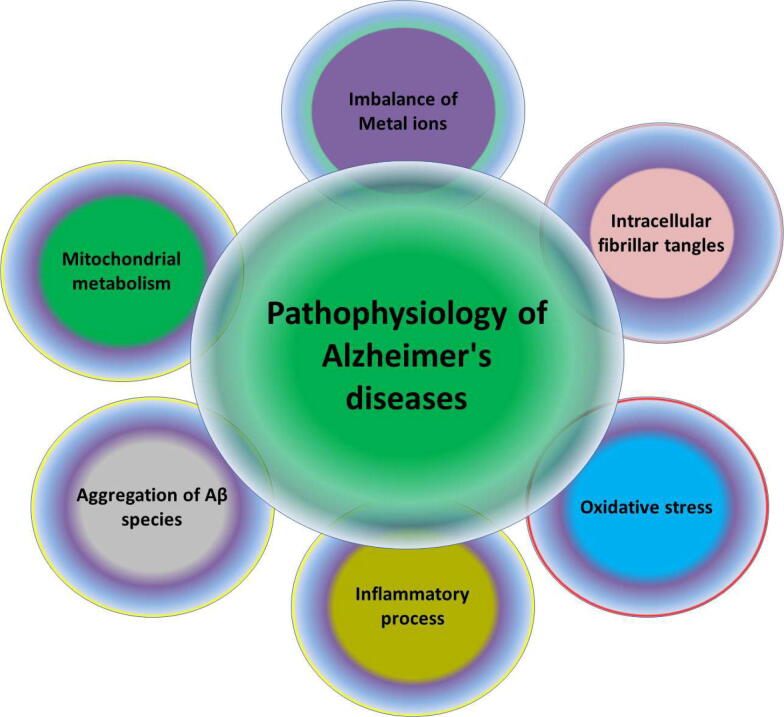
Extracellular amyloid plaques and intracellular Tau neurofibrillary tangles are the most common histopathologic lesions in Alzheimer's disease.
“Extracellular amyloid plaques and intracellular Tau neurofibrillary tangles are the most common histopathologic lesions in AD.”
The paper relies on this without support.
Both cholinergic and glutamatergic neurochemical systems are involved in the genesis of Alzheimer's disease.
“There is pertinent evidence to support the fact that that both cholinergic and glutamatergic neurochemical systems are involved in the genesis of AD.”
The paper relies on this without support.
Acetylcholine concentration and function are reduced in the brains of Alzheimer's disease sufferers.
“Both concentration and function are reduced in brains of AD sufferers.”
The paper relies on this without support.
The cholinergic theory of Alzheimer's disease is supported by impairment and other presynaptic cholinergic limitations, such as loss of cholinergic neural network and diminished acetylcholinesterase activity.
“The cholinergic theory of AD is supported by this impairment and other presynaptic cholinergic limitations, such as loss of cholinergic neural network and diminished acetylcholinesterase activity.”
The paper relies on this without support.
Acetylcholinesterase action is enhanced in Alzheimer's disease patients, which contributes to higher acetylcholine breakdown and decreased acetylcholine concentrations in the brain.
“The action of acetylcholinesterase is enhanced in AD patients, which contributes to higher acetylcholine breakdown and decreased acetylcholine concentrations in the brain.”
The paper relies on this without support.
Currently available medications for Alzheimer's disease treatment, such as cholinesterase inhibitors and an antagonist of the N-methyl-d-aspartate receptor, can temporarily reduce dementia symptoms but not stop or reverse disease development.
“Currently available medications for Alzheimer's disease treatment, such as cholinesterase inhibitors and an antagonist of the N-methyl-d-aspartate receptor, can temporarily reduce dementia symptoms but not stop or reverse disease development.”
The paper relies on this without support.
Currently available treatments for Alzheimer's disease, such as cholinesterase inhibitors and the N-methyl-d-aspartate receptor antagonist, can temporarily reduce psychiatric symptoms but cannot stop or cure the progression of the disease.
“Currently available treatments for AD, such as cholinesterase inhibitors and the N-methyl-d-aspartate receptor antagonist, can temporarily reduce psychiatric symptoms but not stop or cure the progression of the disease.”
The paper relies on this without support.
Many international pharmaceutical companies have conducted numerous clinical trials of amyloid-cleansing treatments for Alzheimer's disease, but none have been successful.
“From an amyloid perspective, many international pharmaceutical companies have conducted numerous clinical trials in the treatment based on amyloid cleansing, but none have been successful.”
The paper relies on this without support.
A high percentage of Alzheimer's disease clinical trials on therapeutics have failed.
“Considering the recent knowledge of a high percentage of failed AD clinical trials on therapeutics, more recent trials appear to be bolstered by the convergence of advances in AD biomarkers, the positioning of a single primary outcome and fabrication of novel trial designs.”
Claims other papers make about this one
Each is checked against this paper’s own text: does it say what the citing paper says it does?
The source backs part of the claim, not all of it — or backs it for a different population, condition or comparison.
In the citing paper
“Current treatments for AD, including cholinesterase inhibitors and memantine, offer limited symptom relief, especially in the early to moderate stages, but do not halt disease progression or address the underlying neurodegeneration.”
From Cholinesterase Inhibitors from Plants and Their Potential in Alzheimer’s Treatment: Systematic Review (2025) · cites this paper as [8]
Experimental — accuracy not yet measuredThe source backs part of the claim, not all of it — or backs it for a different population, condition or comparison.
In the citing paper
“Several drugs focus on symptom management such as cholinesterase inhibitors (ChEIs): rivastigmine, donepezil, galantamine, and tacrine work by increasing ACh levels, improving cognition and memory, though they do not alter the disease’s progression.”
From Cholinesterase Inhibitors from Plants and Their Potential in Alzheimer’s Treatment: Systematic Review (2025) · cites this paper as [8]
Experimental — accuracy not yet measured
Self-check
Percentages, sums and reported differences re-computed from the paper’s own numbers.
Each contradiction between two passages listed here was confirmed by an independent check.
Rated major: it would touch a result — a value a result rests on, reported and recomputed p-values on opposite sides of the significance level, two passages that conflict with no sign which is right, or a cited work retracted before this paper was published.
In the paper
§ An update on the novel and approved drugs for Alzheimer disease > Introduction
“The cholinergic theory of AD is supported by this impairment and other presynaptic cholinergic limitations, such as loss of cholinergic neural network and diminished acetylcholinesterase activity.”
§ An update on the novel and approved drugs for Alzheimer disease > FDA approved drugs for AD and their MOA > Conventional pharmacotherapy for AD
“The action of acetylcholinesterase is enhanced in AD patients, which contributes to higher acetylcholine breakdown and decreased acetylcholine concentrations in the brain.”
Rated minor: it would not touch a result — a value no result rests on, a p-value that stays on the same side of the significance level, or a conflict that is clerical, resolved elsewhere in the paper, or outside its own findings.
In the paper
§ An update on the novel and approved drugs for Alzheimer disease > Clinical trials of novel drugs for AD
“The NILVAD trial, which took place in 2013, examined the effectiveness of nilvadipine in people with AD. ADAS-Cog was the main outcome measure, but there was no difference in the primary or secondary end point measures according to a published report (Bishop et al., 2004).”
§ An update on the novel and approved drugs for Alzheimer disease > References
“Bishop G.M. Robinson S.R. Physiological roles of amyloid-beta and implications for its removal in Alzheimer's disease Drugs Aging 21 10 2004 621 630”
Rated minor: it would not touch a result — a value no result rests on, a p-value that stays on the same side of the significance level, or a conflict that is clerical, resolved elsewhere in the paper, or outside its own findings.
In the paper
§ An update on the novel and approved drugs for Alzheimer disease > Clinical trials of novel drugs for AD
“| Elenbecestat (E2609)/Phase 3 | NCT02956486 | “A 24-Month Study to Evaluate the Efficacy and Safety of Elenbecestat (E2609) in Participants With Early Alzheimer's Disease” | BACE inhibitor | Terminated |”
§ An update on the novel and approved drugs for Alzheimer disease > Clinical trials of novel drugs for AD
“The said trials are expected to run until December 2023.”
Citations
Cites
The Amyloid Hypothesis of Alzheimer’s Disease: Progress and Problems on the Road to Therapeutics
Hardy, J., & Selkoe, D. J. (2002) · Science · doi:10.1126/science.1072994 · Cited by 13,864
Amyloid oligomers exacerbate tau pathology in a mouse model of tauopathy
Selenica, M.-L. B., Brownlow, M., Jimenez, J. P., Lee, D. C., Pena, G., Dickey, C. A., Gordon, M. N., & Morgan, D. (2013) · Neurodegenerative Diseases · doi:10.1159/000337230 · Cited by 10,359
The global prevalence of dementia: a systematic review and metaanalysis.
Prince, M., Bryce, R., Albanese, E., Wimo, A., Ribeiro, W., & Ferri, C. P. (2013) · Alzheimer's & Dementia · doi:10.1016/j.jalz.2012.11.007 · Cited by 4,941 · cited 1×
“In summary, 40 million individuals are expected to suffer from dementia globally, and this figure is predicted to double in every 2 decades until around 2050 (Prince et al., 2013).”
Yang, F., Lim, G. P., Begum, A. N., Ubeda, O. J., Simmons, M. R., Ambegaokar, S. S., Chen, P. P., Kayed, R., Glabe, C. G., Frautschy, S. A., et al. (2005) · Journal of Biological Chemistry · doi:10.1074/jbc.m404751200 · Cited by 2,336
Memantine in Moderate-to-Severe Alzheimer's Disease
Reisberg, B., Doody, R., Stöffler, A., Schmitt, F., Ferris, S., & Möbius, H. J. (2003) · New England Journal of Medicine · doi:10.1056/nejmoa013128 · Cited by 2,043
Two Phase 3 Trials of Bapineuzumab in Mild-to-Moderate Alzheimer's Disease
Salloway, S., Sperling, R., Fox, N. C., Blennow, K., Klunk, W., Raskind, M., Sabbagh, M., Honig, L. S., Porsteinsson, A. P., Ferris, S., et al. (2014) · New England Journal of Medicine · doi:10.1056/nejmoa1304839 · Cited by 1,960 · cited 1×
“the completion of the first two studies, which revealed no treatment efficacy on either cognitive or functional outcomes, further trials were halted (Salloway et al., 2014).”
Lim, G. P., Chu, T., Yang, F., Beech, W., Frautschy, S. A., & Cole, G. M. (2001) · The Journal of Neuroscience · doi:10.1523/jneurosci.21-21-08370.2001 · Cited by 1,530
A Phase 3 Trial of Semagacestat for Treatment of Alzheimer's Disease
Doody, R. S., Raman, R., Farlow, M., Iwatsubo, T., Vellas, B., Joffe, S., Kieburtz, K., He, F., Sun, X., Thomas, R. G., et al. (2013) · New England Journal of Medicine · doi:10.1056/nejmoa1210951 · Cited by 1,224 · cited 1×
“…of skin cancer, while avagacestat was linked to a higher percentage of cognitive decline as well as adverse dose-limiting effects such as the incidence of skin cancer while tarenflurbil had little blood–brain barrier penetration (Doody et al., 2013; Coric et al., 2015; Muntimadugu et al., 2016).”
Wang, X., Sun, G., Feng, T., Zhang, J., Huang, X., Wang, T., Xie, Z., Chu, X., Yang, J., Wang, H., et al. (2019) · Cell Research · doi:10.1038/s41422-019-0216-x · Cited by 1,144
Ritchie, C. W., Bush, A. I., Mackinnon, A., Macfarlane, S., Mastwyk, M., MacGregor, L., Kiers, L., Cherny, R., Li, Q.-X., Tammer, A., et al. (2003) · Archives of Neurology · doi:10.1001/archneur.60.12.1685 · Cited by 988 · cited 1×
“CQ indicated promising results in a phase IIa clinical trial in Alzheimer’s patients and slowing cognitive decline [Ritchie et al., 2003].”
Cited by
Sorted by citations
Hossain, M. S., & Hussain, M. H. (2025) · Pharmacology Research & Perspectives · doi:10.1002/prp2.70131 · Cited by 105
“While there is no cure for AD, many drugs can help enhance cognitive function, reduce clinical deterioration, and relieve symptoms like memory loss [98–100].”
Nagori, K., Nakhate, K. T., Yadav, K., Ajazuddin, & Pradhan, M. (2023) · Future Pharmacology · doi:10.3390/futurepharmacol3040053 · Cited by 61
Alkhalifa, A. E., Mokhlf, A. A., Ali, H., Al-Ghraiybah, N. F., & Syropoulou, V. (2025) · Journal of Personalized Medicine · doi:10.3390/jpm15090437 · Cited by 68
“These include acetylcholinesterase inhibitors (donepezil, rivastigmine, galantamine) and the NMDA receptor antagonist memantine [19].”
Pirhaghi, M., Mamashli, F., Moosavi-Movahedi, F., Arghavani, P., Amiri, A., Davaeil, B., Mohammad-Zaheri, M., Mousavi-Jarrahi, Z., Sharma, D., Langel, Ü., et al. (2024) · Molecular Pharmaceutics · doi:10.1021/acs.molpharmaceut.3c01167 · Cited by 47
Puranik, N., & Song, M. (2025) · Neurology International · doi:10.3390/neurolint17020026 · Cited by 49
“Pharmaceuticals that may slow down the clinical decline of AD patients and treatments that may temporarily relieve some of the disease’s related symptoms are the two types of medications approved by the US Food and Drug Administration (FDA) [71].”
Unveiling the impact of aging on BBB and Alzheimer's disease: Factors and therapeutic implications
Jha, N. K., Jha, N. K., Nuli, M. V., Gupta, S. K., Kanna, S., Gahtani, R. M., Hani, U., Singh, A. K., Abomughaid, M. M., Abomughayedh, A. M., et al. (2024) · Ageing Research Reviews · doi:10.1016/j.arr.2024.102224 · Cited by 43
Newer Therapeutic Approaches in Treating Alzheimer’s Disease: A Comprehensive Review
Sree, R. R., Kalyan, M., Anand, N., Mani, S., Gorantla, V. R., Sakharkar, M. K., Song, B., & Chidambaram, S. B. (2025) · ACS Omega · doi:10.1021/acsomega.4c05527 · Cited by 45
Research progress of PROTACs for neurodegenerative diseases therapy
Cai, Z., Yang, Z., Li, H., & Fang, Y. (2024) · Bioorganic Chemistry · doi:10.1016/j.bioorg.2024.107386 · Cited by 38
Harnessing the potential of mesenchymal stem cells–derived exosomes in degenerative diseases
Liao, H., Yang, Y., Liu, Y., Tseng, H., Huo, T., Chiou, S., & Chang, C.-H. (2024) · Regenerative Therapy · doi:10.1016/j.reth.2024.08.001 · Cited by 32
“The FDA has approved several medications for AD treatment, including cholinesterase inhibitors (donepezil, rivastigmine, and galantamine) and mem-antine, an NMDA receptor modulator [109].”
BackgroundAcetylcholinesterase: Structure, dynamics, and interactions with organophosphorus compounds
Hung, L., Sanbonmatsu, K. Y., Williams, R. F., et al. (2025) · Protein Science · doi:10.1002/pro.70297 · Cited by 30
“Several FDA-approved drugs target AChE in a reversible manner, as a therapeutic for Alzheimer ’ s disease (Alhazmi & Albratty, 2022), including donepezil (Aricept), rivastigmine (Exelon), galantamine (Razadyne), and as of July 2024, Zunveyl, which is a prodrug of galantamine (Baakman et al., 2016;…”
Class balancing diversity multimodal ensemble for Alzheimer’s disease diagnosis and early detection
Francesconi, A., di Biase, L., Cappetta, D., Rebecchi, F., Soda, P., Sicilia, R., & Guarrasi, V. (2025) · Computerized Medical Imaging and Graphics · doi:10.1016/j.compmedimag.2025.102529 · Cited by 30
“Thus, developing strategies for detection of AD at early stages, prior to the manifestation of clinical symptoms, is crucial for timely treatment and progression delay [6].”
ALNasser, M. N., Alboraiy, G. M., Alsowig, E. M., & Alqattan, F. M. (2025) · Brain Sciences · doi:10.3390/brainsci15020215 · Cited by 35
Exploring Alzheimer's disease treatment: Established therapies and novel strategies for future care
Soni, U., Singh, K., Jain, D., & Pujari, R. (2025) · European Journal of Pharmacology · doi:10.1016/j.ejphar.2025.177520 · Cited by 28
Neuroprotective Effect of α-Lipoic Acid against Aβ25–35-Induced Damage in BV2 Cells
Pei, X., Hu, F., Hu, Z., Luo, F., Li, X., Xing, S., Sun, L., & Long, D. (2023) · Molecules · doi:10.3390/molecules28031168 · Cited by 26
“Alzheimer’s disease (AD) is the most common neurodegenerative disease and seems to be one of the major healthcare challenges of the present century [1].”
BackgroundComputational investigation of quinazoline derivatives as Keap1 inhibitors for Alzheimer's disease
Gote, S. A., Thapa, S., Dubey, S., Nargund, S. L., & Biradar, M. S. (2023) · Informatics in Medicine Unlocked · doi:10.1016/j.imu.2023.101334 · Cited by 22
Research Progress on the Pathogenesis, Diagnosis, and Drug Therapy of Alzheimer’s Disease
Yang, Y., & Qiu, L. (2024) · Brain Sciences · doi:10.3390/brainsci14060590 · Cited by 22
“…level of interaction between these hypotheses [17,18]. noninvasive neuroimaging positron invasive high distinguish been a AD or methods that can completely reverse AD, and the main , antibodies Aducanumab and Lecanemab have been approved by the FDA for marketing through clinical trials [24,25].”
BackgroundHussain, F., Tahir, A., Rehman, H. M., et al. (2025) · European Journal of Medicinal Chemistry · doi:10.1016/j.ejmech.2025.117327 · Cited by 21
Gut instincts: Unveiling the connection between gut microbiota and Alzheimer's disease
Peddinti, V., Avaghade, M. M., Suthar, S. U., Rout, B., Gomte, S. S., Agnihotri, T. G., & Jain, A. (2024) · Clinical Nutrition ESPEN · doi:10.1016/j.clnesp.2024.02.019 · Cited by 24
Protein aggregation and neurodegenerative disease: Structural outlook for the novel therapeutics
Arar, S. H., Haque, M. A., & Kayed, R. (2023) · Proteins Structure Function and Bioinformatics · doi:10.1002/prot.26561 · Cited by 20
Ribeiro, J., Lopes, I., & Gomes, A. C. (2023) · Molecules · doi:10.3390/molecules28166015 · Cited by 21
Zellmer, J. C., Tarantino, M. B., Kim, M. M., Lomoio, S., Maesako, M., Hajnóczky, G., & Bhattacharyya, R. (2024) · Alzheimer s & Dementia · doi:10.1002/alz.14417 · Cited by 20
“47,48 Rivastigmine modulates MAM stabilization by regulating the levels of MAM-anchoring mitofusin-2 (MFN2).”
Antisense therapy: a potential breakthrough in the treatment of neurodegenerative diseases
Romanò, R., & Bucci, C. (2023) · Neural Regeneration Research · doi:10.4103/1673-5374.385285 · Cited by 21
“Another example is AD, for which the FDA approved two categories of drugs: those that slow down the clinical decline in patients and those that may alleviate some of the symptoms (Alhazmi and Albratty, 2022).”
BackgroundBhatt, A., Bhardwaj, H., & Srivastava, P. (2024) · Neuroscience · doi:10.1016/j.neuroscience.2024.07.019 · Cited by 19
Ghallab, D. S., & Ghareeb, D. A. (2024) · Scientia Horticulturae · doi:10.1016/j.scienta.2024.113563 · Cited by 16
Drugs repurposing in the experimental models of Alzheimer’s disease
Joodi, S. A., Ibrahim, W. W., & Khattab, M. M. (2025) · Inflammopharmacology · doi:10.1007/s10787-024-01608-7 · Cited by 14
Alzheimer’s disease and immunotherapy
Qin, W., Pang, Y., Nie, S., Quan, M., & Jia, J. (2024) · Current Medicine · doi:10.1007/s44194-024-00035-8 · Cited by 15
“The third-generation agents also prompted safety concerns (Alhazmi and Albratty 2022).”
Shoukat, S., Zia, M. A., Uzair, M., Alsubki, R. A., Sajid, K., Shoukat, S., Attia, K. A., Fiaz, S., Ali, G. M., Kimiko, I., et al. (2023) · Molecular Biology Reports · doi:10.1007/s11033-023-08674-0 · Cited by 13
Therapeutic potential of fucoidan in central nervous system disorders: A systematic review
Yang, J., Zhao, H., & Qu, S. (2024) · International Journal of Biological Macromolecules · doi:10.1016/j.ijbiomac.2024.134397 · Cited by 14
Kushwaha, N., Panjwani, D., Patel, S., Ahlawat, P., Yadav, M. R., & Patel, A. (2024) · Journal of drug targeting · doi:10.1080/1061186x.2024.2417012 · Cited by 16
“…potential therapeutic agents. these nanoplatforms may protect therapeutic agents from degradation, enhance their blood-brain barrier permeability, and enable precise accumulation in affected brain areas [3,4]. chimeric antigen receptor therapy, first proposed in 1989, has been FDA-approved in 2017.”
Ramírez-Cruz, A., Gómez‐González, B., Baiza-Gutman, L. A., Manuel‐Apolinar, L., Mejía, S. Á., López-Cervantes, S. P., Ortega‐Camarillo, C., Cruz, M., Gómez‐Olivares, J. L., & Díaz-Flores, M. (2023) · European Journal of Pharmacology · doi:10.1016/j.ejphar.2023.176068 · Cited by 12
A review of pomegranate supplementation: A promising remedial avenue for Alzheimer's disease
Ullah, A., Khan, A., Ahmed, S., Irfan, H. M., Hafiz, A. A., Jabeen, K., Alruwaili, M., Alotaibi, M., Naeem, W. A., Khan, A., et al. (2023) · Heliyon · doi:10.1016/j.heliyon.2023.e22483 · Cited by 13
“…(2) acetylcholinesterase inhibitors (Rivastigmine, Donepezil, Galantamine, and Tacrine); (3) glutamate inhibitors (Memantine); (4) chelating agents (Clioquinol and deferiprone); and (5) natural substances (berberine, curcumin, epigallocatechin-3-gallate, ginsenoside Rg1, genistein etc [119].”
BackgroundKanuri, S. H., & Sirrkay, P. J. (2024) · Brain Circulation · doi:10.4103/bc.bc_113_23 · Cited by 13
A Narrative Review on the Neuroprotective Potential of Brown Macroalgae in Alzheimer’s Disease
Cokdinleyen, M., dos Santos, L. C., de Andrade, C. J., Kara, H., Colás‐Ruiz, N. R., Ibáñez, E., & Cifuentes, A. (2024) · Nutrients · doi:10.3390/nu16244394 · Cited by 13
Microorganism-Derived Molecules as Enzyme Inhibitors to Target Alzheimer’s Diseases Pathways
Nguyen, T. H., Wang, S., & Nguyen, V. B. (2023) · Pharmaceuticals · doi:10.3390/ph16040580 · Cited by 12
“In 2021, the FDA expedited the approval of an intravenous injection: aducanumab (AduhelmTM) [61].”
BackgroundInfluentialRecent Updates on the Development of Therapeutics for the Targeted Treatment of Alzheimer’s Disease
Rajput, S., Malviya, R., Bahadur, S., & Puri, D. (2023) · Current Pharmaceutical Design · doi:10.2174/0113816128274618231105173031 · Cited by 12
Buck, A., Rezaei, K., Quazi, A., Goldmeier, G., Silverglate, B., & Grossberg, G. T. (2024) · Expert Review of Neurotherapeutics · doi:10.1080/14737175.2024.2355981 · Cited by 10
“Galantamine is approved for mild and moderate AD, and donepezil and rivastigmine are for all levels of severity [4].”
BackgroundHayden, M. R., & Tyagi, N. (2024) · Pharmaceuticals · doi:10.3390/ph17121741 · Cited by 11
Zhang, Y., Zhao, X., Gong, L., Lai, C., Liu, J., & Xie, J. (2025) · Phytomedicine · doi:10.1016/j.phymed.2025.156876 · Cited by 14
Mumtaz, Unnithan, D., Bano, A., Chauhan, A. P. S., Ali, J., & Khan, M. A. (2025) · Expert Opinion on Drug Delivery · doi:10.1080/17425247.2025.2513440 · Cited by 14
“These findings suggest that bilobalide promotes neurogenesis and synaptogenesis via a common route requiring CREB phosphorylation [35].”
Jerom, J. P., Jalal, A., Sajan, A. L., Soman, R., Nair, R. H., & Narayanan, S. P. (2024) · Heliyon · doi:10.1016/j.heliyon.2024.e38127 · Cited by 9
“These enzyme inhibitors, include acetylcholinesterase inhibitors, glutamate inhibitors, α -secretase modulators, and β -site amyloid precursor protein cleaving enzyme (BACE) inhibitors [34].”
BackgroundMin, J.-H., Sarlus, H., & Harris, R. A. (2024) · Frontiers in Neuroscience · doi:10.3389/fnins.2024.1467333 · Cited by 11
Cokdinleyen, M., Valdés, A., Kara, H., et al. (2025) · Pharmaceuticals · doi:10.3390/ph18050629 · Cited by 9
“However, current treatments are aimed at relieving symptoms rather than correcting the underlying pathological mechanisms [3].”
Functionalized Nanoparticles: A Promising Approach for Effective Management of Alzheimer’s Disease
Bogadi, S., Bhaskaran, M., Ravichandran, V., Nesamony, J., Selvam, C., Kuppusamy, G., Prakash, G., Karri, V. V. S. R., Mallick, S., Farahim, F., et al. (2025) · Molecular Neurobiology · doi:10.1007/s12035-025-04917-2 · Cited by 10
“By overcoming present constraints and advancing towards more individualized and effective therapeutic strategies, the search for these cutting-edge solutions has the potential to transform AD management completely [131].”
Computer-aided discovery of dual-target compounds for Alzheimer’s from ayurvedic medicinal plants
Shah, M., Pervaiz, S., Ahmad, I., Ansari, S. H., de Paula, V. F., Ahmed, S., Khan, M. U., Fawy, K. F., Nishan, U., Dib, H., et al. (2025) · PLoS ONE · doi:10.1371/journal.pone.0325441 · Cited by 10
“They have serious side effects and provide symptomatic relief rather than a permanent cure [5].”
Kumar, N., Jangid, K., Kumar, V., et al. (2024) · RSC Medicinal Chemistry · doi:10.1039/d4md00550c · Cited by 8
Exploring the therapeutic potential of steroidal alkaloids in managing Alzheimer’s disease
Pandey, P. P., & Kumar, M. S. (2024) · Steroids · doi:10.1016/j.steroids.2024.109468 · Cited by 7
Sobha, A., Krishnan, L., Vijayakumar, S., Shaik, S., Pai, A., Jayamurthy, P., & Somappa, S. B. (2025) · ACS Chemical Neuroscience · doi:10.1021/acschemneuro.5c00602 · Cited by 7
Lotlikar, M. S., Zellmer, J. C., & Bhattacharyya, R. (2025) · Frontiers in Neuroscience · doi:10.3389/fnins.2025.1733659 · Cited by 7
Jerom, J. P., Madhukumar, S., Nair, R. H., & Narayanan, S. P. (2023) · Drug Discovery Today · doi:10.1016/j.drudis.2023.103802 · Cited by 8
Goswami, S., Исаев, Н. К., Salmin, V. V., Rana, S. V. S., Illarioshkin, S. N., & Verma, Y. (2024) · Brain Disorders · doi:10.1016/j.dscb.2024.100162 · Cited by 7
Takomthong, P., Waiwut, P., Yenjai, C., Wangboonskul, J., Plekratoke, K., Arsito, P. N., Ballatore, C., & Boonyarat, C. (2025) · PLoS ONE · doi:10.1371/journal.pone.0316888 · Cited by 6
A Ginsenoside Composition Ameliorated Aβ and Tau Aggregation via Autophagy Lysosome Pathway
Zhao, C., Yue, J., Xie, Y., Liu, B., Xu, S., Zhi, D., & Wang, D. (2025) · Molecular Neurobiology · doi:10.1007/s12035-025-05017-x · Cited by 7
Targeting the redox neuroinflammatory nexus: insights into Alzheimer’s and Parkinson’s diseases
Dharshini, L. C. P., Sakthivel, K. M., Rex, K., & Rasmi, R. R. (2025) · Inflammopharmacology · doi:10.1007/s10787-025-01831-w · Cited by 8
Rajamani, G., Naqvi, S. N. H., & Sharma, A. (2025) · RSC Medicinal Chemistry · doi:10.1039/d5md00211g · Cited by 7
Shah, M., Singh, C., Yadav, M. R., et al. (2025) · Journal of Saudi Chemical Society · doi:10.1007/s44442-025-00036-8 · Cited by 6
Alzheimer’s Disease: The Current and Emerging Treatment Approaches
Pang, R., Jia, Q., Ma, C., Li, T., Bi, W., Wang, H. P., Liu, R., Chen, P., Lee, E., & Jiang, H. B. (2025) · Behavioural Neurology · doi:10.1155/bn/9627699 · Cited by 6
Pharmacogenomic Strategies in Alzheimer’s Disease: An In-Depth Review
Zhou, Y., Peng, S., Wang, H., Cai, X., & Wang, Q. (2024) · Journal of Medical Sciences and Interdisciplinary Research · doi:10.51847/q8jx01pn0m · Cited by 6
Photodynamic and Photothermal Therapies using Nanotechnology Approach in Alzheimer's Disease
Ozturk, B., Demir, H., Silindir‐Gunay, M., Akdağ, Y., Şahin, S., & Gülsün, T. (2025) · Current Neuropharmacology · doi:10.2174/011570159x370790250317045223 · Cited by 5
“In the US, drugs that may slow the clinical decline of AD patients, as well as treatments that may temporarily relieve some of the symptoms associated with the disease, have been approved by the Food and Drug Administration (FDA) (Table 1 ) [27].”
Khalifa, M. K. A., Abdel-Sattar, S. A., Amin, O. M., Kohaf, N. A., Zaky, H. S., El-Fattah, M. A. A., Mohammed, K. H. A., Badawi, N. M., Mansoor, I., & Eassa, H. A. (2023) · DARU Journal of Pharmaceutical Sciences · doi:10.1007/s40199-023-00494-8 · Cited by 8
“In addition, they are accompanied by multiple adverse effects [10].”
de Oliveira, B. A., de Oliveira, F. G., Cruz, O. D. A., de Assis, P. M., Glanzmann, N., da Silva, A. D., Raposo, N. R. B., & Goliatt, P. V. Z. C. (2024) · Chemistry & Biodiversity · doi:10.1002/cbdv.202401629 · Cited by 5
Ma, Y., Xue, L., & Wang, Y. (2026) · BioNanoScience · doi:10.1007/s12668-026-02564-y · Cited by 4
“This synergistic co-delivery strategy provides a new direction to overcome the limitations of single-drug therapy for AD [16 , 17 ].”
Mutation of TRPML1 Channel and Pathogenesis of Neurodegeneration in Haimeria
Gao, J., Li, H., Lv, H., & Cheng, X. (2023) · Molecular Neurobiology · doi:10.1007/s12035-023-03874-y · Cited by 5
“Currently, only two classes of FDA-approved drugs, memantine and acetylcholinesterase inhibitors, are used to manage AD symptoms [32].”
Novel Pitolisant-Derived Sulfonyl Compounds for Alzheimer Disease
Pérez‐Silanes, S., Martišová, E., Moreno, E., Solas, M., Plano, D., Sanmartín, C., & Ramírez, M. J. (2024) · International Journal of Molecular Sciences · doi:10.3390/ijms25020799 · Cited by 5
“Currently, symptomatic treatments for AD include acetylcholinesterase inhibitors (AChEI) such as donepezil, rivastigmine, galantamine, tacrine, and NMDA receptor blockers such as memantine [18].”
BackgroundMishra, A. K., Mishra, A., Kamal, Y. T., Kumar, A., Singh, H., Verma, S., & Khan, G. (2025) · Phytomedicine Plus · doi:10.1016/j.phyplu.2025.100877 · Cited by 4
Dietary Supplements and Phytopharmaceuticals for the Management of Cognitive Disorders
Nagori, K., Pradhan, M., Nakhate, K. T., Thakur, A., Patle, K., & Thakur, A. (2024) · Springer eBooks · doi:10.1007/978-3-031-63677-6_9 · Cited by 6
Yehualashet, A. S., Melaku, E. E., Shenkute, D., Wassie, T. A., & Yitayew, B. (2025) · Discover Medicine · doi:10.1007/s44337-025-00220-0 · Cited by 6
“…is highly influenced by the brain function and behaviour through neural, endocrine, and immune pathways, modulating of the gut microbiota with the use of probiotics, prebiotics, and synbiotics produces preventive or therapeutic benefit for AD and other neurological disorders [18, 98, 99].”
Nar, K., Erdağı, S. İ., & Ozbagci, D. I. (2025) · Bioorganic Chemistry · doi:10.1016/j.bioorg.2025.108901 · Cited by 4
Nguyen, H. T., Giang, N. T. Q., Hà, N. V., Phương, H. T., Giang, L. N. T., Anh, N. T., Cham, B. T., Huy, L. D., Anh, D. T. T., Kiệm, P. V., et al. (2023) · Natural Product Communications · doi:10.1177/1934578x231201037 · Cited by 3
Transdermal drugs and delivery strategies: History, advances and future prospects
Wang, Y., Wu, S., Chen, J., Yang, S., Wu, C., Zhao, Q., Zhang, H., Wei, K., Zhang, J., Zhang, R., et al. (2025) · Chinese Chemical Letters · doi:10.1016/j.cclet.2025.112170 · Cited by 3
Emam, N. E., Refaey, R. H., El-Ashrey, M. K., Mahmoud, W. R., Nissan, Y. M., & Seif, E. M. (2026) · Bioorganic Chemistry · doi:10.1016/j.bioorg.2026.109630 · Cited by 4
Usta, B., Seyhan, G., Akkaya, D., Barut, B., Bıyıklıoğlu, Z., & Özel, A. (2024) · Applied Organometallic Chemistry · doi:10.1002/aoc.7643 · Cited by 3
Nanotechnological advancement for the treatment of neurodegenerative disorders
Rai, G., Sharma, S., Singh, A., Chandekar, V., Rastogi, A., Gauba, P., Chaudhary, V., & Dang, S. (2024) · Journal of Dispersion Science and Technology · doi:10.1080/01932691.2024.2431086 · Cited by 4
“[45] AD remains the most common cause of dementia.”
Li, J., Leung, V. I. K., Xu, Z., Zhang, T., Du, J., Zhang, Y., & Li, H. (2025) · International Journal of Molecular Sciences · doi:10.3390/ijms26073169 · Cited by 3
“While available treatments offer temporary symptom relief, there remains no cure for AD [2].”
Pharmacogenomic Approaches in Alzheimer's Disease: A Comprehensive Review
Bhat, R., Varshini, V., Himasvi, H., & Shabaraya, R. (2023) · International Journal of Pharmaceutical and Phytopharmacological Research · doi:10.51847/qdmsgl63u7 · Cited by 3
Joshi, N., & Alavala, R. R. (2024) · Molecular Diversity · doi:10.1007/s11030-023-10792-7 · Cited by 3
The Use of Natural Products for Preventing Cognitive Decline/Providing Neuroprotection
Tabatabaei‐Malazy, O., Azizi, B., & Abdollahi, M. R. (2024) · Handbook of experimental pharmacology · doi:10.1007/164_2024_732 · Cited by 3
Alzheimer's Disease Protein Targets: Comprehensive Review and Future Directions
Kumar, B. S. H., Dinesh, B. G. H., Shajan, S. R. O., Sadashivappa, N. M., Ammunje, D. N., Kunjiappan, S., Theivendren, P., & Pavadai, P. (2024) · Current Pharmaceutical Design · doi:10.2174/0113816128334916241006195142 · Cited by 3
Kaviyarasu, S., Padmanaban, N., Khute, S., Zengin, G., & Subash, P. (2025) · Frontiers in Chemistry · doi:10.3389/fchem.2025.1586728 · Cited by 3
Gao, F., Xu, W., Xiao, Y., Jiang, W., Chen, M., Liu, Z., Zhang, P., Yang, T., Qian, Z., & Gao, K. (2024) · Chemical Engineering Journal · doi:10.1016/j.cej.2024.157496 · Cited by 2
Sharmah, H., Ahmed, L. A., Kemisetti, D., Kumar, S., Samanthula, K. S., Panigrahy, U. P., & Ghosh, N. S. (2026) · Molecular Diversity · doi:10.1007/s11030-026-11503-8 · Cited by 2
“However, these medications offer symptomatic relief without halting disease progression [16].”
InfluentialZhang, J., Zhang, J., Ding, J., Zhang, X., Wang, Y., Wei, W., Chai, Y., Zhang, S., & Chen, X. (2026) · Alzheimer s & Dementia · doi:10.1002/alz.71451 · Cited by 3
“51 The concomitant dysfunction of cholinergic receptors further compromises neural signaling critical for learning and memory.”
Kanuri, S. H. (2024) · The Egyptian Journal of Neurology Psychiatry and Neurosurgery · doi:10.1186/s41983-024-00853-5 · Cited by 2
“Therapeutic interventions that promote efferocytosis in the neuronal niche can at least be applied as an adjunctive therapy to currently FDA-approved anti-amyloid medications to lessen the pile of neuronal cellular debris [192, 193].”
BackgroundNovel Emerging Targets Identification in Reducing Risk of Alzheimer’s Disease
Sharma, S., Rahate, K., & Kumar, R. (2024) · Central Nervous System Agents in Medicinal Chemistry · doi:10.2174/0118715249333381241012073557 · Cited by 2
Overview and Applications of Nanocarrier-Based Drug Delivery for Alleviating Alzheimer’s Disease
Khan, S. A., Haider, M. F., & Naseem, N. (2025) · Journal of Bio-X Research · doi:10.34133/jbioxresearch.0042 · Cited by 2
Therapeutic approaches in proteinopathies
Nabi‐Afjadi, M., Dabirmanesh, B., & Uversky, V. N. (2024) · Progress in molecular biology and translational science · doi:10.1016/bs.pmbts.2024.03.008 · Cited by 2
Current Drugs Used: Classification and Pharmacology
Swain, S. S., Mude, L., Roychowdhury, P., Karri, V. V. S. R., Kuppusamy, G., Gobinath, M., & Subramaniyan, V. (2024) · Springer eBooks · doi:10.1007/978-981-96-0259-9_8 · Cited by 1
Agarwal, U., Paliwal, S., Yadav, V., Pannu, A. S., Tonk, R. K., & Verma, S. K. (2025) · CNS & Neurological Disorders - Drug Targets · doi:10.2174/0118715273402657250905055635 · Cited by 2
Exploring the applications of molecularly imprinted polymers in drug delivery to the nervous system
Pourbala, H., Peyvand, F., Izadi, S., Ashtiani, S. J., Rabbanian, D., Pouyanfar, N., Banan, K., Shahbazi, M., Faizi, M., & Ghorbani‐Bidkorbeh, F. (2025) · Journal of Drug Delivery Science and Technology · doi:10.1016/j.jddst.2025.107718 · Cited by 2
Akca, S., Erdağı, S. İ., & İnci, D. (2025) · Archiv der Pharmazie · doi:10.1002/ardp.70140 · Cited by 1
Exploring cannabinoid modulation on autophagy mechanisms in Alzheimer’s disease: a review
Ntsapi, C., Weyers, M., Chinheya, R. M., Jim, T., & Matsabisa, M. G. (2026) · Frontiers in Pharmacology · doi:10.3389/fphar.2025.1748368 · Cited by 2
“Despite these mechanisms, MEM only provides modest symptomatic benefit, may cause side effects, and does not alter disease progression (Reisberg et al., 2003; Alhazmi and Albratty, 2022).”
Kynurenic acid derivatives in treatment for Alzheimer's disease
Pavílek, B., Hajduová, D., Bortňák, D., & Milata, V. (2026) · Bioorganic & Medicinal Chemistry · doi:10.1016/j.bmc.2026.118601 · Cited by 1
Wang, B., Cheng, K., Chen, Z., Chen, Y., Wang, Z., & Ni, J. (2026) · Brain Research Bulletin · doi:10.1016/j.brainresbull.2026.111837 · Cited by 1
Advances in the treatment of Alzheimer’s disease
Goceroglu, R. T., & Hacımüftüoğlu, A. (2026) · Frontiers in Pharmacology · doi:10.3389/fphar.2026.1819165 · Cited by 1
“Clioquinol, a hydroxyquinoline ionophore, is a representative example of this therapeutic strategy, as it can sequester metal ions and reduce A β aggregation (Alhazmi and Albratty, 2022).”
Early-stage research and new pharmacological targets in Alzhei-mer's dementia
Grecu, M., Romila, A., Moldovanu, S., Condratovici-Plesa, A., Anghel, L., Oprea, V. D., & Bocancia, L. A. (2026) · Balneo and PRM Research Journal · doi:10.12680/balneo.2026.1024 · Cited by 2
Kashif, S., Feroze, S. A., & Sethi, A. A. (2024) · International Journal of Biology and Chemistry · doi:10.26577/ijbch2024v17i1-a15 · Cited by 1
Lecanemab in Alzheimer’s disease: a profile of its use
Blair, H. A. (2024) · Drugs & Therapy Perspectives · doi:10.1007/s40267-024-01108-2 · Cited by 1
“Conventional approved treatments are symptomatic agents with no effect on disease progression [1, 2], including acetylcholinesterase inhibitors (rivastigmine, donepezil, galantamine) and memantine, an N -methyl- d -aspartate receptor antagonist [2, 3, 5].”
Antioxidants and their possible benefits in neurodegeneration
Jha, K. T., Chawla, V., Roy, G. S., & Chawla, P. A. (2024) · Elsevier eBooks · doi:10.1016/b978-0-443-13474-6.00024-x · Cited by 1
Nanocrystals: a new herald for the management of Alzheimer’s disease
Patel, V. F., Rajput, M. S., Patel, A. K., Patel, M., & Patel, R. J. (2024) · Journal of Dispersion Science and Technology · doi:10.1080/01932691.2024.2409443 · Cited by 1
“New drugs in pipeline to manifested treat AD [40] .”
Tavana, A. A., Fateminia, M., & Khalili, M. (2024) · International Journal of Human-Computer Interaction · doi:10.1080/10447318.2024.2414095 · Cited by 1
“…the specific manifestations of dementia may vary depending on the type, common symptoms generally include gradual memory loss, impaired concentration and alertness, confusion, motor skills problems, speech disorders, and visual-spatial deficits (Alhazmi & Albratty, 2022; Rabinovici & Miller, 2010).”
Haque, A., Alenezi, K. M., Rasheed, M. S. M. A., Rahman, M. A., Anwar, S., Ahamad, S., & Gupta, D. K. (2025) · Frontiers in Medicine · doi:10.3389/fmed.2025.1529845 · Cited by 2
Metadata
- Authors
- Alhazmi, H. A., & Albratty, M.
- Affiliations
- Jazan University (SA)
- Corresponding author
- Albratty, Mohammed
- Venue
- Saudi Pharmaceutical Journal
- Published
- 2022-12
- Volume
- 30
- Issue
- 12
- Pages
- 1755-1764
- ISSN
- 1319-0164 (ISSN-L)
- PMC
- PMC9805975
- OpenAlex
- W4304687787
- Semantic Scholar
- ecd3ae74331775e127cc9a0b44d808f840c5e8d4
- Cited by
- 122
- References
- 85
- Citations by year
- 2026: 24 · 2025: 38 · 2024: 43 · 2023: 17
- FWCI
- 3.37
- Type
- journal article
- Language
- en
- Open access
- hybrid
- doi.org
- Licence
- Locations
- Saudi Pharmaceutical Journal (publishedVersion, cc-by-nc-nd)
- PubMed Central (publishedVersion, cc-by-nc-nd)
- PubMed (publishedVersion)
- DOAJ (DOAJ: Directory of Open Access Journals) (submittedVersion, cc-by-sa)
- Topics
- Life Sciences › Neuroscience › Cellular and Molecular Neuroscience › Alzheimer's disease research and treatments
- Health Sciences › Medicine › Pharmacology (medical) › Cholinesterase and Neurodegenerative Diseases
- Health Sciences › Medicine › Psychiatry and Mental health › Dementia and Cognitive Impairment Research
- Keywords
- Alzheimer's disease, approved drugs, new drugs, amyloid plaques, acetylcholine deficiency, cholinesterase inhibitors, NMDA receptor antagonists, herbal drugs, medicinal plants, drug development pipeline, clinical trials, mechanism of action
About these checks
Registry, retraction, Cites and statistics results are computed, not judged, with one exception: a printed reference that no index lists is read once by a model before it counts as a citation error. Claims are extracted by a model and kept only when their quote appears verbatim in the text; each cited source is then checked, with a model’s help, for whether it says what the claim relies on. Those verdicts can be wrong — read the claim’s quote and the cited source before relying on one.
A language model drew the claims from the paper on 2026-10-10, under version 3 of the claim definition (model deepseek-v4.1-flash, prompt extract-v3).
A second model labelled each claim on 2026-10-10 (model jev-1.13-20260917, definition revision gold-guideline-v0.2).
Statistics and arithmetic are recomputed, not judged.
Confidence bands are shown only for fields calibrated on our annotated test set. None is calibrated yet, so no band is shown.
What counts as a claim ›How we measure confidence ›How we check this ›
Are you an author, or do you see a problem with this page? Request a review
