

The DOI matches its Crossref record; 65 of the 66 references it cites were found in a registry or an index.
Dietary fat and gut microbiota interactions determine diet-induced obesity in mice
Open accessAbstract
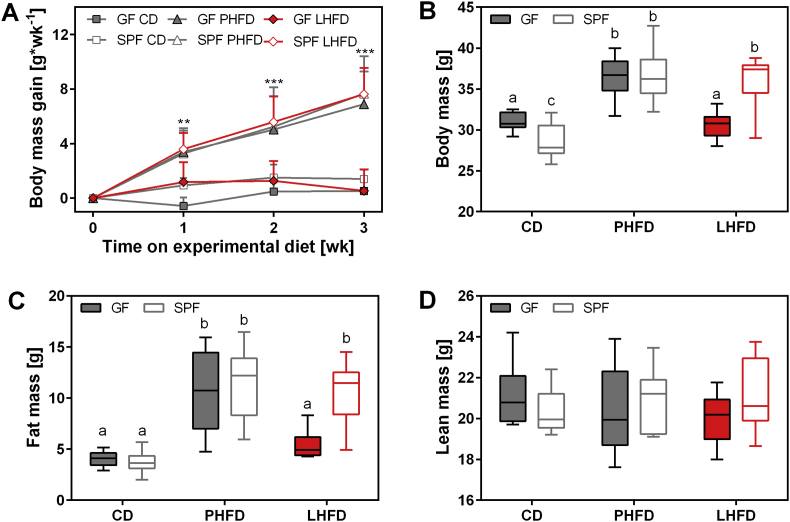
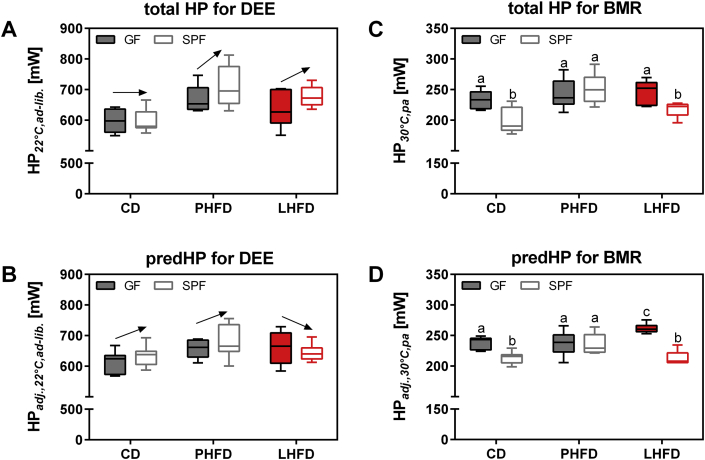
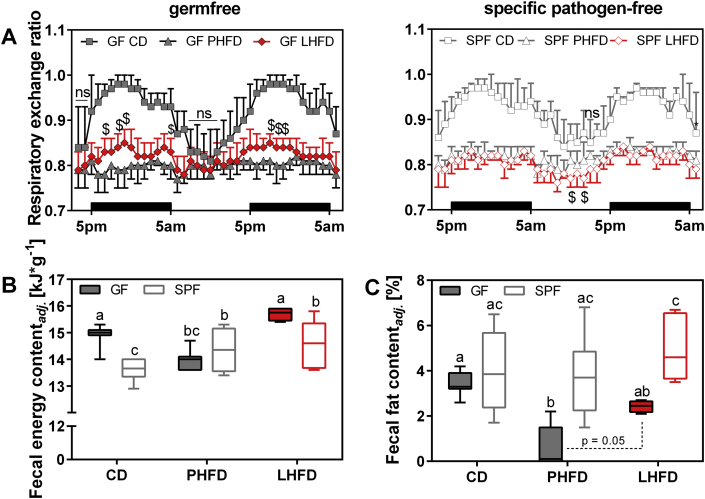
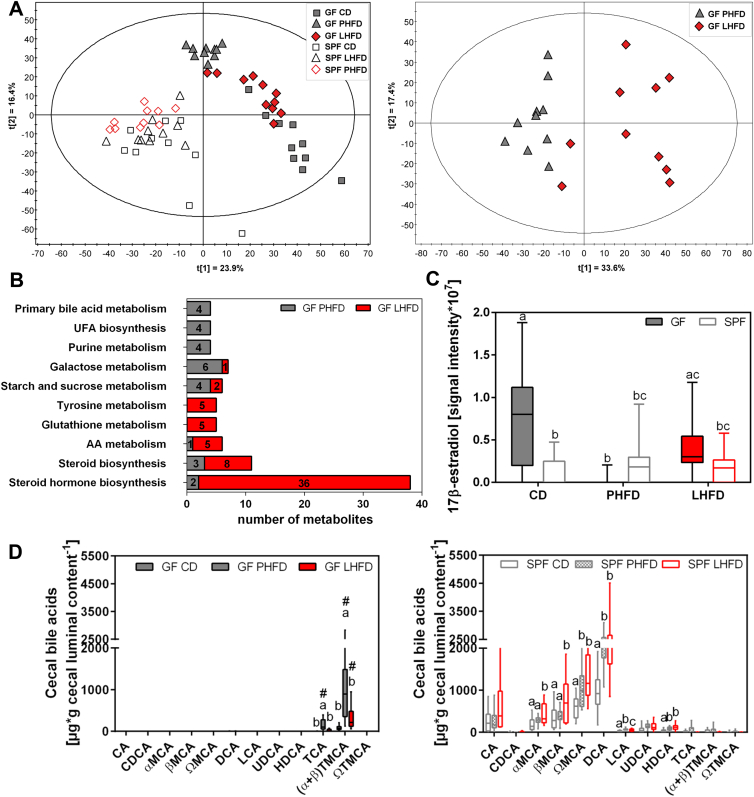
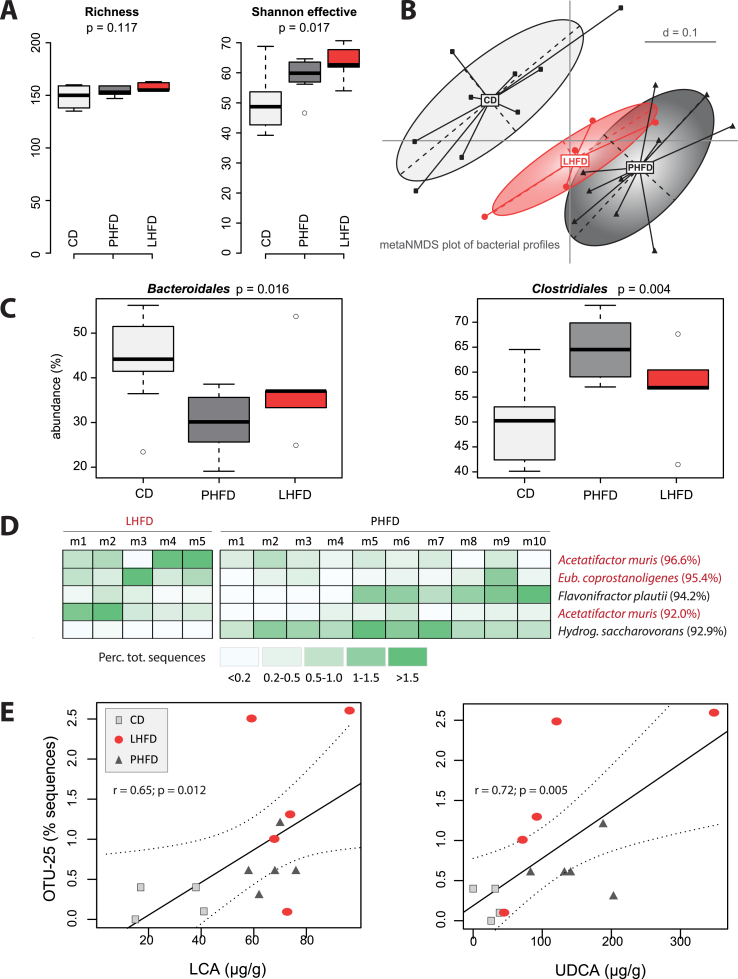
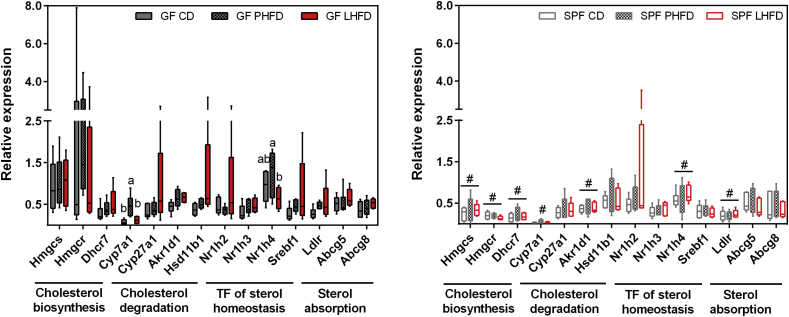
Objective Gut microbiota may promote positive energy balance; however, germfree mice can be either resistant or susceptible to diet-induced obesity (DIO) depending on the type of dietary intervention. We here sought to identify the dietary constituents that determine the susceptibility to body fat accretion in germfree (GF) mice. Methods GF and specific pathogen free (SPF) male C57BL/6N mice were fed high-fat diets either based on lard or palm oil for 4 wks. Mice were metabolically characterized at the end of the feeding trial. FT-ICR-MS and UPLC-TOF-MS were used for cecal as well as hepatic metabolite profiling and cecal bile acids quantification, respectively. Hepatic gene expression was examined by qRT-PCR and cecal gut microbiota of SPF mice was analyzed by high-throughput 16S rRNA gene sequencing. Results GF mice, but not SPF mice, were completely DIO resistant when fed a cholesterol-rich lard-based high-fat diet, whereas on a cholesterol-free palm oil-based high-fat diet, DIO was independent of gut microbiota. In GF lard-fed mice, DIO resistance was conveyed by increased energy expenditure, preferential carbohydrate oxidation, and increased fecal fat and energy excretion. Cecal metabolite profiling revealed a shift in bile acid and steroid metabolites in these lean mice, with a significant rise in 17β-estradiol, which is known to stimulate energy expenditure and interfere with bile acid metabolism. Decreased cecal bile acid levels were associated with decreased hepatic expression of genes involved in bile acid synthesis. These metabolic adaptations were largely attenuated in GF mice fed the palm-oil based high-fat diet. We propose that an interaction of gut microbiota and cholesterol metabolism is essential for fat accretion in normal SPF mice fed cholesterol-rich lard as the main dietary fat source. This is supported by a positive correlation between bile acid levels and specific bacteria of the order Clostridiales (phylum Firmicutes ) as a characteristic feature of normal SPF mice fed lard. Conclusions In conclusion, our study identified dietary cholesterol as a candidate ingredient affecting the crosstalk between gut microbiota and host metabolism.
Overview
The claims and statistics of this paper haven’t been checked yet.
Run the check — free, no account needed. It reads the open-access text and checks the sources it cites.
Integrity signals
Registry
Cites
Statistics
Figures
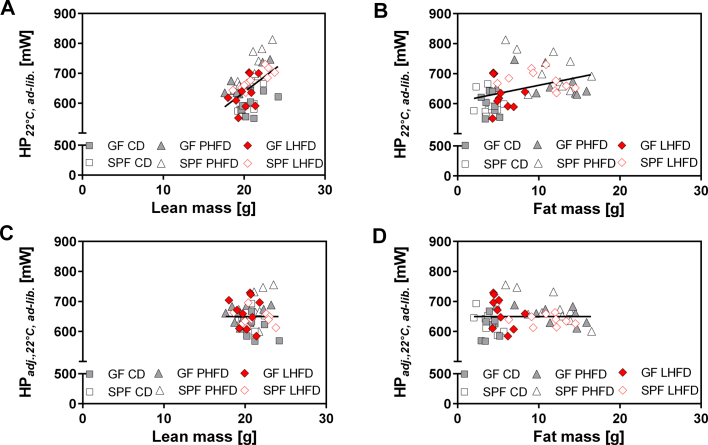
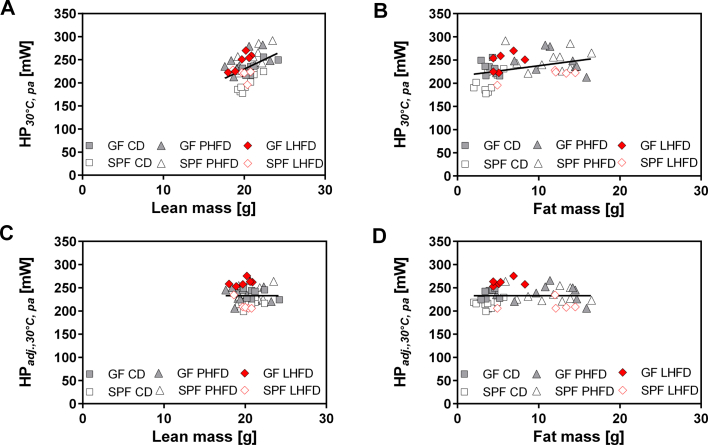
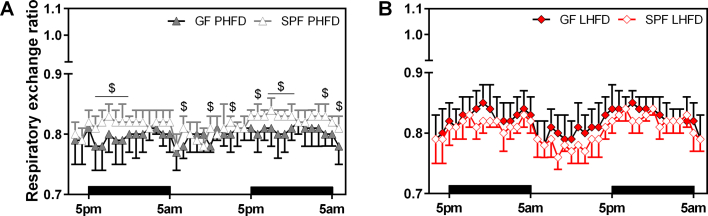
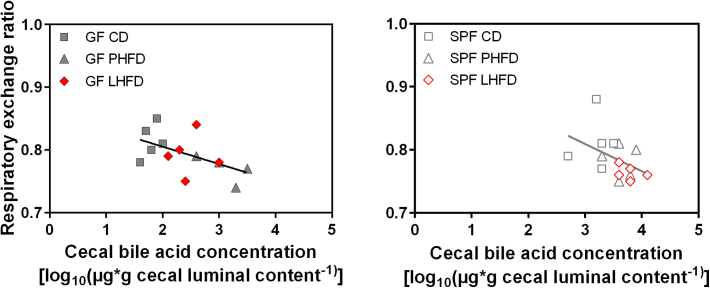
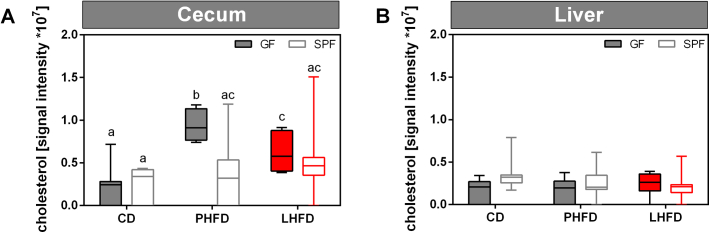
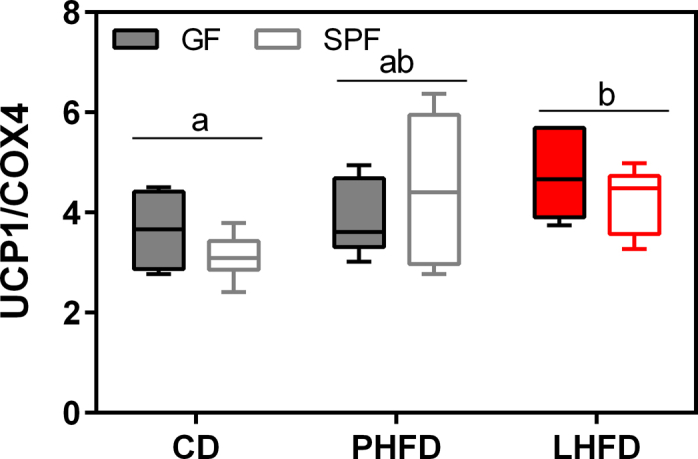
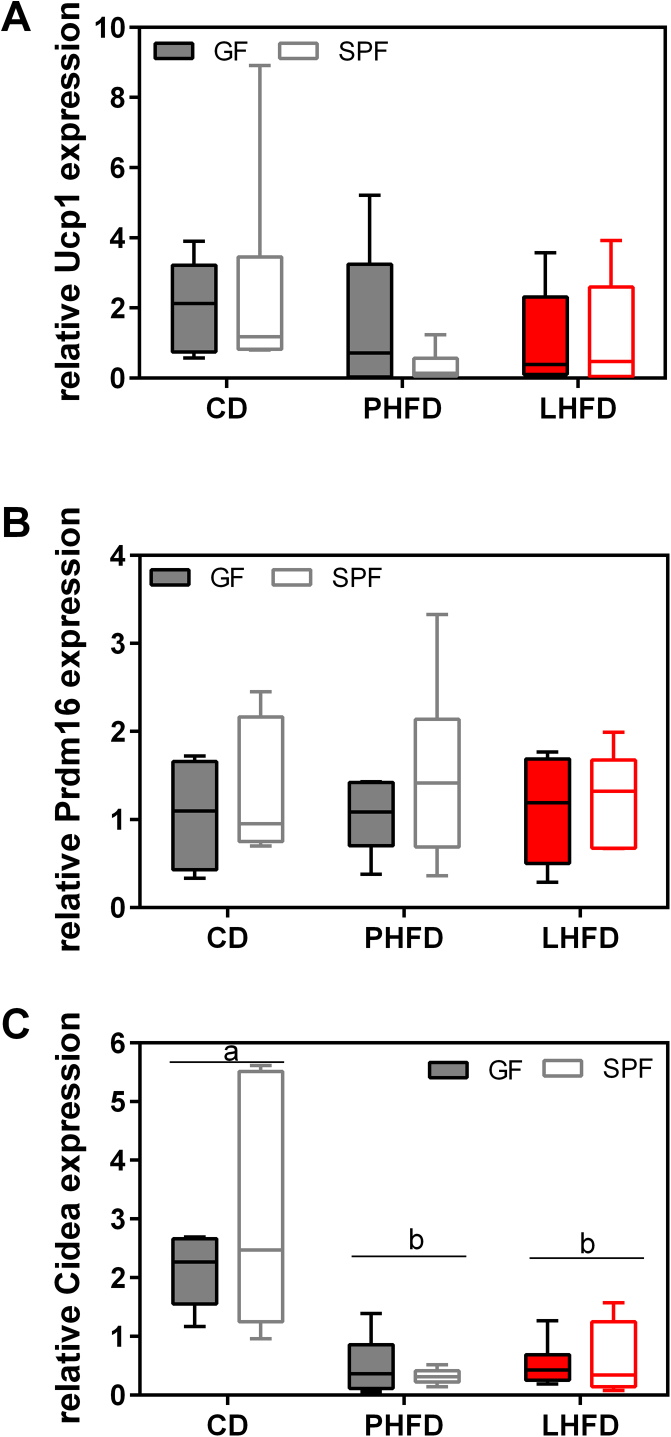
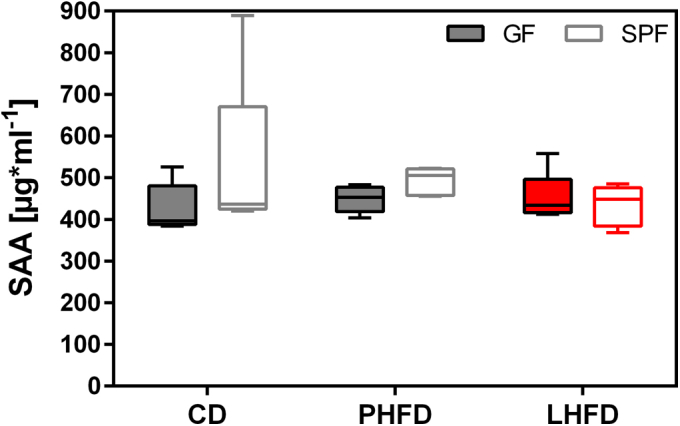
Verification
Claims the paper makes
The claims and statistics of this paper haven’t been checked yet.
Run the check — free, no account needed. It reads the open-access text and checks the sources it cites.
Self-check
Percentages, sums and reported differences re-computed from the paper’s own numbers.
The self-check needs the paper’s full text.
Citations
Cites
An obesity-associated gut microbiome with increased capacity for energy harvest
Turnbaugh, P. J., Ley, R. E., Mahowald, M. A., Magrini, V., Mardis, E. R., & Gordon, J. I. (2006) · Nature · doi:10.1038/nature05414 · Cited by 12,444
Primer3—new capabilities and interfaces
Untergasser, A., Cutcutache, I., Kõressaar, T., Ye, J., Faircloth, B., Remm, M., & Rozen, S. (2012) · Nucleic Acids Research · doi:10.1093/nar/gks596 · Cited by 9,165
Changes of Intestinal Functions in Liver Cirrhosis
Fukui, H., & Wiest, R. (2016) · Inflammatory Intestinal Diseases · doi:10.1159/000444436 · Cited by 6,820
The gut microbiota as an environmental factor that regulates fat storage
Bäckhed, F., Ding, H., Wang, T., Hooper, L. V., Koh, G. Y., Nagy, A., Semenkovich, C. F., & Gordon, J. I. (2004) · Proceedings of the National Academy of Sciences · doi:10.1073/pnas.0407076101 · Cited by 6,245
Host-Bacterial Mutualism in the Human Intestine
Bäckhed, F., Ley, R. E., Sonnenburg, J. L., Peterson, D. A., & Gordon, J. I. (2005) · Science · doi:10.1126/science.1104816 · Cited by 5,277
Cani, P. D., Bibiloni, R., Knauf, C., Waget, A., Neyrinck, A. M., Delzenne, N. M., & Burcelin, R. (2008) · Diabetes · doi:10.2337/db07-1403 · Cited by 4,819
Functional interactions between the gut microbiota and host metabolism
Tremaroli, V., & Bäckhed, F. (2012) · Nature · doi:10.1038/nature11552 · Cited by 4,387
Mechanisms underlying the resistance to diet-induced obesity in germ-free mice
Bäckhed, F., Manchester, J. K., Semenkovich, C. F., & Gordon, J. I. (2007) · Proceedings of the National Academy of Sciences · doi:10.1073/pnas.0605374104 · Cited by 2,615
Sayin, S. I., Wahlström, A., Felin, J., Jäntti, S., Marschall, H.-U., Bamberg, K., Angelin, B., Hyötyläinen, T., Orešič, M., & Bäckhed, F. (2013) · Cell Metabolism · doi:10.1016/j.cmet.2013.01.003 · Cited by 2,331
Bile acids induce energy expenditure by promoting intracellular thyroid hormone activation
Watanabe, M., Houten, S. M., Mataki, C., Christoffolete, M. A., Kim, B. W., Sato, H., Messaddeq, N., Harney, J. W., Ezaki, O., Kodama, T., et al. (2006) · Nature · doi:10.1038/nature04330 · Cited by 2,220
Chun, J., Lee, J., Jung, Y., Kim, M., Kim, S., Kim, B. K., & Lim, Y. (2007) · INTERNATIONAL JOURNAL OF SYSTEMATIC AND EVOLUTIONARY MICROBIOLOGY · doi:10.1099/ijs.0.64915-0 · Cited by 2,096
Changes in Energy Expenditure Resulting from Altered Body Weight
Leibel, R. L., Rosenbaum, M., & Hirsch, J. (1995) · New England Journal of Medicine · doi:10.1056/nejm199503093321001 · Cited by 2,012
Increased adipose tissue in male and female estrogen receptor-α knockout mice
Heine, P. A., Taylor, J. A., Iwamoto, G. A., Lubahn, D. B., & Cooke, P. S. (2000) · Proceedings of the National Academy of Sciences · doi:10.1073/pnas.97.23.12729 · Cited by 1,282
Kim, K., Gu, W., Lee, I., Joh, E., & Kim, D. (2012) · PLoS ONE · doi:10.1371/journal.pone.0047713 · Cited by 1,228
Intestinal microbiota determines development of non-alcoholic fatty liver disease in mice
Le Roy, T., Llopis, M., Lepage, P., Bruneau, A., Rabot, S., Bevilacqua, C., Martin, P., Philippe, C., Walker, F., Bado, A., et al. (2013) · Gut · doi:10.1136/gutjnl-2012-303816 · Cited by 1,001
Caesar, R., Tremaroli, V., Kovatcheva-Datchary, P., Cani, P. D., & Bäckhed, F. (2015) · Cell Metabolism · doi:10.1016/j.cmet.2015.07.026 · Cited by 960 · cited 1×
“This is supported by a positive correlation between bile acid levels and specific bacteria of the order Clostridiales (phylum Firmicutes) as a characteristic feature of normal SPF mice fed lard.”
A guide to analysis of mouse energy metabolism
Tschöp, M. H., Speakman, J. R., Arch, J. R. S., Auwerx, J., Brüning, J. C., Chan, L., Eckel, R. H., Farese, R. V., Galgani, J. E., Hambly, C., et al. (2012) · Nature Methods · doi:10.1038/nmeth.1806 · Cited by 813
High-fat diet alters gut microbiota physiology in mice
Daniel, H., Gholami, A. M., Berry, D., Desmarchelier, C., Hahne, H., Loh, G., Mondot, S., Lepage, P., Rothballer, M., Walker, A., et al. (2013) · The ISME Journal · doi:10.1038/ismej.2013.155 · Cited by 704
Self-citationRelationship of genetics, age, and physical fitness to daily energy expenditure and fuel utilization
Ravussin, É., & Bogardus, C. (1989) · American Journal of Clinical Nutrition · doi:10.1093/ajcn/49.5.968 · Cited by 615
Rabot, S., Membrez, M., Bruneau, A., Gérard, P., Harach, T., Moser, M., Raymond, F., Mansourian, R., & Chou, C. J. (2010) · The FASEB Journal · doi:10.1096/fj.10.164921 · Cited by 610
Distinct Hypothalamic Neurons Mediate Estrogenic Effects on Energy Homeostasis and Reproduction
Xu, Y., Nedungadi, T. P., Zhu, L., Sobhani, N., Irani, B. G., Davis, K. E., Zhang, X., Zou, F., Gent, L. M., Hahner, L. D., et al. (2011) · Cell Metabolism · doi:10.1016/j.cmet.2011.08.009 · Cited by 597
Parks, B. W., Nam, E., Org, E., Kostem, E., Norheim, F., Hui, S. T., Pan, C., Civelek, M., Rau, C. D., Bennett, B. J., et al. (2013) · Cell Metabolism · doi:10.1016/j.cmet.2012.12.007 · Cited by 544
Structural resilience of the gut microbiota in adult mice under high-fat dietary perturbations
Zhang, C., Zhang, M. H., Pang, X., Zhao, Y., Wang, L., & Zhao, L. (2012) · The ISME Journal · doi:10.1038/ismej.2012.27 · Cited by 504
Microbiota-induced obesity requires farnesoid X receptor
Parséus, A., Sommer, N., Sommer, F., Caesar, R., Molinaro, A., Ståhlman, M., Greiner, T. U., Perkins, R., & Bäckhed, F. (2016) · Gut · doi:10.1136/gutjnl-2015-310283 · Cited by 492
Assessing the Human Gut Microbiota in Metabolic Diseases
Karlsson, F. H., Tremaroli, V., Nielsen, J., & Bäckhed, F. (2013) · Diabetes · doi:10.2337/db13-0844 · Cited by 468
Packard, G. C., & Boardman, T. J. (1999) · Comparative Biochemistry and Physiology Part A: Molecular & Integrative Physiology · doi:10.1016/s1095-6433(98)10170-8 · Cited by 439
Absence of intestinal microbiota does not protect mice from diet-induced obesity
Fleissner, C. K., Huebel, N., Abd El-Bary, M. M., Loh, G., Klaus, S., & Blaut, M. (2010) · British Journal of Nutrition · doi:10.1017/s0007114510001303 · Cited by 436
de Wit, N., Derrien, M., Bosch-Vermeulen, H., Oosterink, E., Keshtkar, S., Duval, C., de Vogel-van den Bosch, J., Kleerebezem, M., Müller, M., & van der Meer, R. (2012) · American Journal of Physiology-Gastrointestinal and Liver Physiology · doi:10.1152/ajpgi.00488.2011 · Cited by 428
Role of the Microbiome in Energy Regulation and Metabolism
Nieuwdorp, M., Gilijamse, P. W., Pai, N., & Kaplan, L. M. (2014) · Gastroenterology · doi:10.1053/j.gastro.2014.02.008 · Cited by 421
Gao, Q., Mezei, G., Nie, Y., Rao, Y., Choi, C. S., Bechmann, I., Leranth, C., Toran-Allerand, D., Priest, C. A., Roberts, J. L., et al. (2007) · Nature Medicine · doi:10.1038/nm1525 · Cited by 416
The gut microbiome: the role of a virtual organ in the endocrinology of the host
Evans, J. M., Morris, L. S., & Marchesi, J. R. (2013) · Journal of Endocrinology · doi:10.1530/joe-13-0131 · Cited by 273
Programming of Host Metabolism by the Gut Microbiota
Bäckhed, F. (2011) · Annals of Nutrition and Metabolism · doi:10.1159/000328042 · Cited by 267
渡辺, 光., Horai, Y., Houten, S. M., Morimoto, K., Sugizaki, T., Arita, E., Mataki, C., Sato, H., Tanigawara, Y., Schoonjans, K., et al. (2011) · Journal of Biological Chemistry · doi:10.1074/jbc.m111.248203 · Cited by 266
History of the discovery of vitamin D and its active metabolites
DeLuca, H. F. (2014) · BoneKEy Reports · doi:10.1038/bonekey.2013.213 · Cited by 249
Even, P. C., & Nadkarni, N. A. (2012) · American Journal of Physiology-Regulatory, Integrative and Comparative Physiology · doi:10.1152/ajpregu.00137.2012 · Cited by 246
Dietary intake, energy metabolism, and excretory losses of adult male germfree Wistar rats.
Wöstmann, B. S. J., Larkin, C. J., Moriarty, A., & Bruckner-Kardoss, E. (1983) · PubMed · Cited by 228
Chen, J.-Q., Brown, T. R., & Russo, J. (2009) · Biochimica et Biophysica Acta (BBA) - Molecular Cell Research · doi:10.1016/j.bbamcr.2009.03.009 · Cited by 190
THE GERMFREE ANIMAL IN NUTRITIONAL STUDIES
Wostmann, B. S. (1981) · Annual Review of Nutrition · doi:10.1146/annurev.nu.01.070181.001353 · Cited by 188
Duparc, T., Plovier, H., Marrachelli, V. G., Hul, M. V., Essaghir, A., Ståhlman, M., Matamoros, S., Geurts, L., Pardo-Tendero, M., Druart, C., et al. (2016) · Gut · doi:10.1136/gutjnl-2015-310904 · Cited by 180
Intestinal bile acid physiology and pathophysiology
Martínez‐Augustin, O., & de Medina, F. S. (2008) · World Journal of Gastroenterology · doi:10.3748/wjg.14.5630 · Cited by 167
Characterization of Eubacterium coprostanoligenes sp. nov., a Cholesterol-Reducing Anaerobe
Freier, T. A., Beitz, D. C., Li, L., & HARTMAN, P. A. (1994) · International Journal of Systematic Bacteriology · doi:10.1099/00207713-44-1-137 · Cited by 165
Gut microbiome and metabolic diseases
Fukuda, S., & Ohno, H. (2013) · Seminars in Immunopathology · doi:10.1007/s00281-013-0399-z · Cited by 156
The role of estrogen and estrogen receptor-α in male adipose tissue
Cooke, P. S., Heine, P. A., Taylor, J. A., & Lubahn, D. B. (2001) · Molecular and Cellular Endocrinology · doi:10.1016/s0303-7207(01)00414-2 · Cited by 154
Nuclear Receptors HNF4α and LRH-1 Cooperate in Regulating Cyp7a1 in Vivo
Kır, S., Zhang, Y., Gerard, R. D., Kliewer, S. A., & Mangelsdorf, D. J. (2012) · Journal of Biological Chemistry · doi:10.1074/jbc.m112.421834 · Cited by 142
Walker, A., Pfitzner, B., Neschen, S., Kahle, M., Harir, M., Lucio, M., Moritz, F., Tziotis, D., Witting, M. A., Rothballer, M., et al. (2014) · The ISME Journal · doi:10.1038/ismej.2014.79 · Cited by 130
Self-citationLagkouvardos, I., Kläring, K., Heinzmann, S. S., Platz, S., Scholz, B., Engel, K., Schmitt‐Kopplin, P., Haller, D., Rohn, S., Skurk, T., et al. (2015) · Molecular Nutrition & Food Research · doi:10.1002/mnfr.201500125 · Cited by 127
Self-citationPfeiffer, N., Desmarchelier, C., Blaut, M., Daniel, H., Haller, D., & Clavel, T. (2012) · Archives of Microbiology · doi:10.1007/s00203-012-0822-1 · Cited by 105
Self-citationEstrogens protect male mice from obesity complications and influence glucocorticoid metabolism
Dakin, R. S., Walker, B. R., Seckl, J. R., Hadoke, P. W. F., & Drake, A. J. (2015) · International Journal of Obesity · doi:10.1038/ijo.2015.102 · Cited by 95
Interaction between dietary lipids and gut microbiota regulates hepatic cholesterol metabolism
Caesar, R., Nygrén, H., Orešič, M., & Bäckhed, F. (2016) · Journal of Lipid Research · doi:10.1194/jlr.m065847 · Cited by 94
Plasma Bile Acids Are Associated with Energy Expenditure and Thyroid Function in Humans
Ockenga, J., Valentini, L., Schuetz, T., Wohlgemuth, F., Glaeser, S., Omar, A., Kasim, E., DuPlessis, D., Featherstone, K., Davis, J. R., et al. (2011) · The Journal of Clinical Endocrinology & Metabolism · doi:10.1210/jc.2011-2329 · Cited by 74
Guillemot‐Legris, O., Mutemberezi, V., Cani, P. D., & Muccioli, G. G. (2016) · Scientific Reports · doi:10.1038/srep19694 · Cited by 69
The role of signalling in cellular cholesterol homeostasis
Luu, W., Sharpe, L. J., Gelissen, I. C., & Brown, A. J. (2013) · IUBMB Life · doi:10.1002/iub.1182 · Cited by 55
Plant sterols and stanols: Their role in health and disease
Patel, S. B. (2008) · Journal of clinical lipidology · doi:10.1016/j.jacl.2008.01.007 · Cited by 54
Ramesha, C. S., Paul, R., & Ganguly, J. (1980) · Journal of Nutrition · doi:10.1093/jn/110.11.2149 · Cited by 54
Berr, F., Goetz, A. E., Schreiber, E., & Paumgartner, G. (1993) · Journal of Lipid Research · doi:10.1016/s0022-2275(20)36958-3 · Cited by 48
Direct regulation of bile secretion by prostaglandins in perfused rat liver
Beckh, K., Kneip, S., & Arnold, R. (1994) · Hepatology · doi:10.1002/hep.1840190519 · Cited by 47
da‐Silva, W. S., Ribich, S. A., Drigo, R. A. E., Castillo, M., Patti, M., & Bianco, A. C. (2011) · FEBS Letters · doi:10.1016/j.febslet.2010.12.044 · Cited by 46
Weigt, C., Hertrampf, T., Flenker, U., Hülsemann, F., Kurnaz, P., Fritzemeier, K. H., & Diel, P. R. (2015) · The Journal of Steroid Biochemistry and Molecular Biology · doi:10.1016/j.jsbmb.2015.06.002 · Cited by 38
Diet‐induced obesity causes metabolic impairment independent of alterations in gut barrier integrity
Kleß, C., Müller, V. M., Schüppel, V. L., Lichtenegger, M., Rychlik, M., Daniel, H., Klingenspor, M., & Haller, D. (2015) · Molecular Nutrition & Food Research · doi:10.1002/mnfr.201400840 · Cited by 36
Self-citationFarnesoid X receptor alpha: a molecular link between bile acids and steroid signaling
Baptissart, M., Vega, A., Martinot, E., Baron, S., Lobaccaro, J.-M. A., & Volle, D. H. (2013) · Cellular and Molecular Life Sciences · doi:10.1007/s00018-013-1387-0 · Cited by 32
Hesse, D., Dunn, M. T., Heldmaier, G., Klingenspor, M., & Rozman, J. (2009) · Physiology & Behavior · doi:10.1016/j.physbeh.2009.12.001 · Cited by 24
Self-citationLevenson, S. Μ., Doft, F. S., Lev, M., & Kan, D. (1969) · Journal of Nutrition · doi:10.1093/jn/97.4.542 · Cited by 22
Oxygen Consumption and Thyroid Hormones in Germfree Mice Fed Glucose-Amino Acid Liquid Diet
Wostmann, B. S., Bruckner-Kardoss, E., & Pleasants, J. R. (1982) · Journal of Nutrition · doi:10.1093/jn/112.3.552 · Cited by 20
The development of diet-induced obesity and associated metabolic impairments in Dj-1 deficient mice
Seyfarth, K., Poschmann, G., Rozman, J., Fromme, T., Rink, N., Hofmann, A., Wurst, W., Stühler, K., & Klingenspor, M. (2014) · The Journal of Nutritional Biochemistry · doi:10.1016/j.jnutbio.2014.09.002 · Cited by 10
Self-citationOxygen consumption of germfree and conventional mice.
Bruckner-Kardoss, E., & Wöstmann, B. S. J. (1978) · PubMed · Cited by 9
Cited by
Sorted by citations
The gut microbiota at the intersection of diet and human health
Gentile, C. L., & Weir, T. L. (2018) · Science · doi:10.1126/science.aau5812 · Cited by 1,049
Animal models of obesity and diabetes mellitus
Kleinert, M., Clemmensen, C., Hofmann, S. M., Moore, M. C., Renner, S., Woods, S. C., Huypens, P., Beckers, J., de Angelis, M. H., Schürmann, A., et al. (2018) · Nature Reviews Endocrinology · doi:10.1038/nrendo.2017.161 · Cited by 893
Self-citationXu, X., Poulsen, K. L., Wu, L., Liu, S., Miyata, T., Song, Q., Wei, Q., Zhao, C., Lin, C., & Yang, J. B. (2022) · Signal Transduction and Targeted Therapy · doi:10.1038/s41392-022-01119-3 · Cited by 387
Gut Microbiota-Dependent Modulation of Energy Metabolism
Heiss, C. N., & Olofsson, L. E. (2018) · Journal of Innate Immunity · doi:10.1159/000481519 · Cited by 310
The gut microbiota drives the impact of bile acids and fat source in diet on mouse metabolism
Just, S., Mondot, S., Ecker, J., Wegner, K., Rath, E., Gau, L., Streidl, T., Hery-Arnaud, G., Schmidt, S., Lesker, T. R., et al. (2018) · Microbiome · doi:10.1186/s40168-018-0510-8 · Cited by 269
Self-citation
Metadata
- Authors
- Kübeck, R., Bonet-Ripoll, C., Hoffmann, C., Walker, A., Müller, V. M., Schüppel, V. L., Lagkouvardos, I., Scholz, B., Engel, K.-H., Daniel, H., Schmitt-Kopplin, P., Haller, D., Clavel, T., & Klingenspor, M.
- Affiliations
- Else Kröner Fresenius Zentrum für Ernährungsmedizin (DE)
- Helmholtz Munich (DE)
- Technical University of Munich (DE)
- Corresponding author
- Klingenspor, Martin
- ORCID
- Venue
- Molecular Metabolism
- Publisher
- Elsevier BV
- Published
- 2016-12
- Volume
- 5
- Issue
- 12
- Pages
- 1162-1174
- ISSN
- 2212-8778 (ISSN-L)
- PMC
- PMC5123202
- OpenAlex
- W2530535683
- Cited by
- 211
- References
- 66
- Citations by year
- 2026: 11 · 2025: 16 · 2024: 18 · 2023: 22 · 2022: 32 · 2021: 35 · 2020: 30 · 2019: 19 · 2018: 17 · 2017: 11
- FWCI
- 8.14
- Type
- journal article
- Language
- en
- Open access
- gold
- doi.org
- Licence
- Locations
- Molecular Metabolism (publishedVersion, cc-by-nc-nd)
- PubMed Central (publishedVersion, cc-by-nc-nd)
- PubMed (publishedVersion)
- PuSH - Publication Server of Helmholtz Zentrum München (submittedVersion, cc-by-nc-nd)
- DOAJ (DOAJ: Directory of Open Access Journals) (submittedVersion, cc-by-sa)
- mediaTUM (Technical University of Munich) (submittedVersion, other-oa)
- mediaTUM – the media and publications repository of the Technical University Munich (Technical University Munich) (submittedVersion, other-oa)
- mediaTUM – the media and publications repository of the Technical University Munich (Technical University Munich) (submittedVersion)
- Site cant be reached (submittedVersion, cc-by-nc-nd)
- Funders
- ZIEL – Institute for Food and Health
- Else-Kröner-Fresenius-Stiftung
- German Research Foundation
- Topics
- Life Sciences › Biochemistry, Genetics and Molecular Biology › Molecular Biology › Gut microbiota and health
- Health Sciences › Medicine › Endocrinology, Diabetes and Metabolism › Diet, Metabolism, and Disease
- Health Sciences › Medicine › Endocrinology, Diabetes and Metabolism › Adipokines, Inflammation, and Metabolic Diseases
- Keywords
- diet-induced obesity, gut microbiota, germ-free mice, dietary cholesterol, lard, palm oil, bile acids, estradiol, energy expenditure, cecal metabolites, hepatic bile acid synthesis, Clostridiales, host-microbe interactions, high-fat diet
- MeSH terms
- Gastrointestinal Microbiome, Adipose Tissue, Animals, Cholesterol, Cholesterol, Dietary, Dietary Fats, Liver, Male, Mice, Inbred C57BL, Obesity, Lipid Metabolism, Mice, Diet, High-Fat
About these checks
Registry, retraction, Cites and statistics results are computed, not judged, with one exception: a printed reference that no index lists is read once by a model before it counts as a citation error. Claims are extracted by a model and kept only when their quote appears verbatim in the text; each cited source is then checked, with a model’s help, for whether it says what the claim relies on. Those verdicts can be wrong — read the claim’s quote and the cited source before relying on one.
Statistics and arithmetic are recomputed, not judged.
Confidence bands are shown only for fields calibrated on our annotated test set. None is calibrated yet, so no band is shown.
What counts as a claim ›How we measure confidence ›How we check this ›
Are you an author, or do you see a problem with this page? Request a review
