

The DOI matches its Crossref record; 246 of the 251 references it cites were found in a registry or an index; 7 of the 132 sources its claims cite were checked for support.
Mitochondrial dysfunction and tissue injury by alcohol, high fat, nonalcoholic substances and pathological conditions through post-translational protein modifications
Open accessAbstract
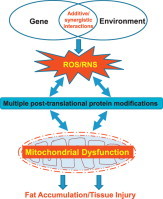
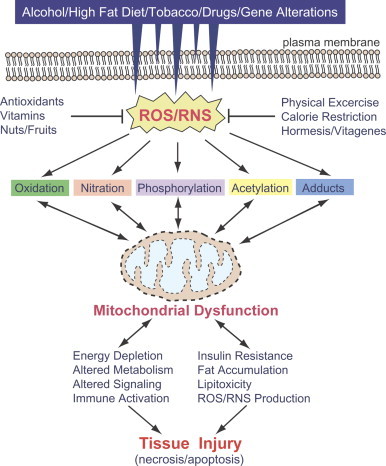
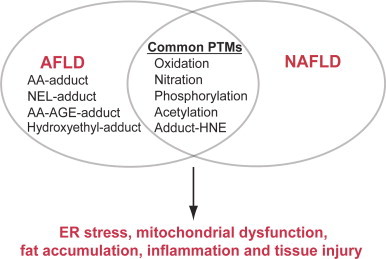
Mitochondria are critically important in providing cellular energy ATP as well as their involvement in anti-oxidant defense, fat oxidation, intermediary metabolism and cell death processes. It is well-established that mitochondrial functions are suppressed when living cells or organisms are exposed to potentially toxic agents including alcohol, high fat diets, smoking and certain drugs or in many pathophysiological states through increased levels of oxidative/nitrative stress. Under elevated nitroxidative stress, cellular macromolecules proteins, DNA, and lipids can undergo different oxidative modifications, leading to disruption of their normal, sometimes critical, physiological functions. Recent reports also indicated that many mitochondrial proteins are modified via various post-translation modifications (PTMs) and primarily inactivated. Because of the recently-emerging information, in this review, we specifically focus on the mechanisms and roles of five major PTMs (namely oxidation, nitration, phosphorylation, acetylation, and adduct formation with lipid-peroxides, reactive metabolites, or advanced glycation end products) in experimental models of alcoholic and nonalcoholic fatty liver disease as well as acute hepatic injury caused by toxic compounds. We also highlight the role of the ethanol-inducible cytochrome P450-2E1 (CYP2E1) in some of these PTM changes. Finally, we discuss translational research opportunities with natural and/or synthetic anti-oxidants, which can prevent or delay the onset of mitochondrial dysfunction, fat accumulation and tissue injury.
Overview
AI snapshot
Written from the paper’s full text.
TL;DR
This review argues that five major post-translational modifications (oxidation, nitration, phosphorylation, acetylation, and electrophilic adduct formation) of mitochondrial proteins drive mitochondrial dysfunction, fat accumulation, inflammation, and tissue injury in alcoholic and nonalcoholic fatty liver disease and acute drug-induced liver injury. It highlights the ethanol-inducible CYP2E1 as a recurring contributor and discusses mitochondria-targeted antioxidants as translational opportunities.
Key findings
- Mass-spectral analyses cited in the review identified more than 87 mitochondrial and 60 cytosolic proteins oxidatively modified in alcohol-exposed rodents, and more than 70 mitochondrial and 30 cytosolic proteins nitrated in acetaminophen (APAP)-exposed mice; the authors note these may represent a small fraction of the estimated 1100–1400 total mitochondrial proteins.
- Oxidative/S-nitrosylation modification of active-site Cys residues inactivates key enzymes including ALDH2, thiolase, Prx1, and NADP+-ICDH; ALDH2 activity suppressed in ethanol-exposed rats was fully restored by DTT treatment.
- In APAP-treated mice, N-acetyl-cysteine completely protected the liver from necrotic injury and prevented Tyr nitration and inactivation of five selected enzymes (SOD2, Gpx, ATP synthase, ALDH2, thiolase).
- Acetylation studies identified 91 acetylated mitochondrial proteins in alcohol-exposed mice (including ALDH2, ATP synthase, Gpx, thiolase); approximately 20% of mitochondrial proteins and 44% of NAD+-dependent mitochondrial dehydrogenases are acetylated under physiological conditions.
- In 50 alcoholic cirrhosis patients, average MDA- and HNE-protein adduct levels were significantly higher than in nonalcoholic cirrhosis or healthy individuals, while ACR- and MGO-adducts did not differ; MDA/HNE adducts were also higher in 51 alcoholic patients with advanced fibrosis/cirrhosis than in 23 fatty liver or 30 healthy controls.
Methods
- Narrative review of the literature on five major PTMs of mitochondrial proteins in experimental models of alcoholic fatty liver disease (AFLD), nonalcoholic fatty liver disease (NAFLD), and acute liver injury, with emphasis on CYP2E1.
- Synthesizes cited experimental evidence including rodent and cell-culture models (e.g., binge/chronic alcohol, high-fat diets, APAP, MDMA, ischemia-reperfusion, LPS), mass-spectrometry-based proteomic identification of modified proteins, and human patient adduct measurements.
- Concludes with a discussion of natural and synthetic antioxidants and mitochondria-targeted compounds (SS-peptides, MitoQ, Mito-CP).
Limitations
- Stated by the paper: it is difficult to clearly demonstrate the deleterious effect of each single PTM or which PTM plays a critical role, since many proteins may be modified by multiple PTMs simultaneously; identifying modified amino acids and their roles in activity changes is challenging; it remains unknown which low-abundance proteins are modified; other PTM types (methylation, glycosylation, sumoylation, ubiquitination) and extra-hepatic tissues (brain, heart, pancreas, adipose, intestine) need further study.
- Stated by the paper: technical limitations in identification and purification of oxidized proteins and detection methods, especially for low-abundance proteins, mean the actual number of oxidized proteins could be significantly higher than reported.
- Evident from the text: as a review, it presents no new primary data, and several cited mechanistic conclusions (e.g., that HNE-modified proteins are functionally suppressed) are described as assumptions rather than measured outcomes.
Model-written summary. Check it against the paper before relying on it.
Integrity signals
Registry
Cites
Statistics
Figures
Verification
Claims the paper makes
71 Not checked yet · 13 Own interpretation · 3 Partly supported · 3 No basis given · 1 Supported so far · accuracy not yet measured
The cited sources support only part of this claim — read each source’s verdict below.
In the paper
“The number of oxidatively-modified mitochondrial proteins we characterized may represent a small fraction of the estimated number of 1100–1400 total mitochondrial proteins [40], [41].”
§ Mitochondrial dysfunction and tissue injury by alcohol, high fat, nonalcoholic substances and pathological conditions through post-translational protein modifications > Post-translational modifications of mitochondrial proteins > Oxidation of mitochondrial proteins
What the sources say
- Partly supportedcites [40] Pagliarini, 2008, A mitochondrial protein compendium elucidates complex I disease biology, Cell sourceExperimental — accuracy not yet measured
The MitoCarta section reports a compendium of 1,098 mitochondrial genes estimated to be over 85% complete, supporting an estimated total on the order of the claimed range. The paper does not give the specific 1,100–1,400 estimate; its Introduction instead says there may be as many as 1,500 nuclear-encoded mitochondrial proteins. The oxidatively modified proteins are the citing authors’ own characterization, not a finding attributed to this source. (LLM, conf=0.83)
- Supportedcites [41] Calvo, 2010, The mitochondrial proteome and human disease, Annual Review of Genomics and Human Genetics source
The 'Size and Dynamic Range' section estimates that 1100–1400 distinct gene loci encode mitochondrial proteins. The citing authors' statement about the small fraction they characterized is their own inference; the cited paper supports the total used for that comparison. (LLM, conf=0.92)
hedged- Asserted: passes — The authors put it forward as true.
- Checkable: passes — It can be checked against evidence.
- Load-bearing: unclear — It is unclear whether the paper’s conclusions depend on it.
- Based: passes — The paper gives a reason why it holds.
- Partly supported
The sources with a verdict support this claim; the rest weren’t checked yet, have no full text we could read, or their verdicts aren’t rated yet.
In the paper
“In fact, these phenomena could explain the decreased levels of ALDH2 activity in alcoholic individuals, as discussed [34], [42].”
§ Mitochondrial dysfunction and tissue injury by alcohol, high fat, nonalcoholic substances and pathological conditions through post-translational protein modifications > Post-translational modifications of mitochondrial proteins > Oxidation of mitochondrial proteins
What the sources say
- Not checked yetcites [34] Moon, 2006, Inactivation of oxidized and S-nitrosylated mitochondrial proteins in alcoholic fatty liver of rats, Hepatology (Baltimore, Md.) source
- Supportedcites [42] Song, 2011, Post-translational modifications of mitochondrial aldehyde dehydrogenase and biomedical implications, Journal of Proteomics source
Section 2A reports suppressed ALDH2 activity in alcoholic individuals and proposes oxidative modification of critical cysteine residues as an explanation. Section 2G likewise says chronic alcohol intake inhibits ALDH2, most likely through oxidative or nitrosative modification. The claim’s tentative wording matches that explanation; page numbers were not provided in our copy. (LLM, conf=0.92)
hedgedconditional- Asserted: passes — The authors put it forward as true.
- Checkable: passes — It can be checked against evidence.
- Load-bearing: unclear — It is unclear whether the paper’s conclusions depend on it.
- Based: passes — The paper gives a reason why it holds.
- Rests on an assumption: The experimental models used in the cited and own studies are adequate to infer mechanisms of human alcoholic/nonalcoholic fatty liver disease and acute liver injury.
The cited sources support only part of this claim — read each source’s verdict below.
In the paper
“Treatment with NAC completely protected the liver from the APAP-induced necrotic injury measured by increased serum transaminase activities and liver histology.”
§ Mitochondrial dysfunction and tissue injury by alcohol, high fat, nonalcoholic substances and pathological conditions through post-translational protein modifications > Post-translational modifications of mitochondrial proteins > Nitration of many mitochondrial proteins
What the sources say
- Partly supportedcites [94] Abdelmegeed, 2013, Robust protein nitration contributes to acetaminophen-induced mitochondrial dysfunction and acute liver injury, Free Radical Biology and Medicine sourceExperimental — accuracy not yet measured
The Results section reports that NAC co-treatment completely blocked the rise in serum ALT at 2 and 24 hours, but says liver histology improved rather than that necrotic injury was completely prevented. The paper reports ALT specifically, not multiple serum transaminases. (LLM, conf=0.88)
plaindirect- Asserted: passes — The authors put it forward as true.
- Checkable: passes — It can be checked against evidence.
- Load-bearing: passes — The paper’s conclusions depend on it.
- Based: passes — The paper gives a reason why it holds.
- Partly supported
The cited sources support only part of this claim — read each source’s verdict below.
In the paper
“In addition to lipid peroxide-related protein adducts, recent data suggest that sugar moiety-related protein adduct such as advanced glycation end products (AGEs) can be produced by high fat or excessive alcohol exposure or under pathological states such as diabetes, cardiovascular diseases and Alzheimer's disease, as recently reviewed [190], [191], [192], [193].”
§ Mitochondrial dysfunction and tissue injury by alcohol, high fat, nonalcoholic substances and pathological conditions through post-translational protein modifications > Post-translational modifications of mitochondrial proteins > Electrophilic adduct formation of mitochondrial proteins
What the sources say
- Partly supportedcites [190] Daffu, 2013, Radical roles for RAGE in the pathogenesis of oxidative stress in cardiovascular diseases and beyond, International Journal of Molecular Sciences sourceExperimental — accuracy not yet measured
The RAGE overview (page not provided) identifies AGEs as products of protein and lipid glycation and oxidation, and the Liver section says chronic oxidative stress generates AGEs. The Cardiac Endothelial Cells section says AGEs accumulate in diabetes or aging, but the copy does not link AGE production to high-fat or excessive alcohol exposure. Its Alzheimer’s discussion concerns amyloid–RAGE signaling, not AGE production in Alzheimer’s disease. (LLM, conf=0.85)
- Partly supportedcites [191] Ott, 2014, Role of advanced glycation end products in cellular signaling, Redox Biology sourceExperimental — accuracy not yet measured
The Formation of advanced glycation end products section (page unavailable) explains how reducing sugars react with proteins to form AGEs and how elevated glucose and lipid oxidation contribute to their formation. The Introduction (page unavailable) discusses high glucose and fat intake and chronic diseases, but does not establish that high-fat exposure itself produces AGEs. The retrieved passages do not support AGE production from excessive alcohol exposure or specifically under Alzheimer's disease. (LLM, conf=0.85)
- Partly supportedcites [192] Niforou, 2014, Molecular chaperones and proteostasis regulation during redox imbalance, Redox Biology sourceExperimental — accuracy not yet measured
The Introduction (page not provided) says AGEs are protein modifications formed mainly from reducing sugars and reactive aldehydes. It does not say that high-fat intake, excessive alcohol exposure, diabetes, cardiovascular disease, or Alzheimer’s disease produces AGEs. Its discussion of cardiovascular disorders and neurodegeneration concerns proteome oxidation more broadly, not AGE production. (LLM, conf=0.88)
hedgedconditional- Asserted: passes — The authors put it forward as true.
- Checkable: passes — It can be checked against evidence.
- Load-bearing: passes — The paper’s conclusions depend on it.
- Based: passes — The paper gives a reason why it holds.
- Partly supported
None of the sources cited for this claim have been checked yet.
In the paper
“Similar numbers of oxidatively-modified mitochondrial proteins were also identified by mass-spectral analysis in mice with I/R injury [38] and rats exposed to 3,4-methylenedioxymethamphetamine (MDMA) [39].”
§ Mitochondrial dysfunction and tissue injury by alcohol, high fat, nonalcoholic substances and pathological conditions through post-translational protein modifications > Post-translational modifications of mitochondrial proteins > Oxidation of mitochondrial proteins
What the sources say
- Not checked yetcites [38] Moon, 2008, Oxidative inactivation of key mitochondrial proteins leads to dysfunction and injury in hepatic ischemia reperfusion, Gastroenterology source
- Not checked yetcites [39] Moon, 2008, Mechanism of 3,4-methylenedioxymethamphetamine (MDMA, ecstasy)-mediated mitochondrial dysfunction in rat liver, Proteomics source
plain- Asserted: passes — The authors put it forward as true.
- Checkable: passes — It can be checked against evidence.
- Load-bearing: unclear — It is unclear whether the paper’s conclusions depend on it.
- Based: passes — The paper gives a reason why it holds.
In the paper
“The rates of protein oxidation in CYP2E1-containing E47-HepG2 hepatoma cells [36] exhibited a dose- and time- dependent pattern in response to alcohol as well as the presence of CYP2E1 [37].”
§ Mitochondrial dysfunction and tissue injury by alcohol, high fat, nonalcoholic substances and pathological conditions through post-translational protein modifications > Post-translational modifications of mitochondrial proteins > Oxidation of mitochondrial proteins
What the sources say
- Not checked yetcites [37] Suh, 2004, Identification of oxidized mitochondrial proteins in alcohol-exposed human hepatoma cells and mouse liver, Proteomics source
plaincorrelational- Asserted: passes — The authors put it forward as true.
- Checkable: passes — It can be checked against evidence.
- Load-bearing: unclear — It is unclear whether the paper’s conclusions depend on it.
- Based: passes — The paper gives a reason why it holds.
None of the sources cited for this claim have been checked yet.
In the paper
“In fact, mass-spectral analysis revealed that more than 87 mitochondrial and 60 cytosolic proteins were oxidatively-modified in alcohol-exposed rodents [34], [35].”
§ Mitochondrial dysfunction and tissue injury by alcohol, high fat, nonalcoholic substances and pathological conditions through post-translational protein modifications > Post-translational modifications of mitochondrial proteins > Oxidation of mitochondrial proteins
What the sources say
- Not checked yetcites [34] Moon, 2006, Inactivation of oxidized and S-nitrosylated mitochondrial proteins in alcoholic fatty liver of rats, Hepatology (Baltimore, Md.) source
- Not checked yetcites [35] Kim, 2006, Increased oxidation and degradation of cytosolic proteins in alcohol-exposed mouse liver and hepatoma cells, Proteomics source
plaincorrelational- Asserted: passes — The authors put it forward as true.
- Checkable: passes — It can be checked against evidence.
- Load-bearing: unclear — It is unclear whether the paper’s conclusions depend on it.
- Based: passes — The paper gives a reason why it holds.
In the paper
“Furthermore, NAC ameliorated the inactivation of the five critical enzymes via preventing Tyr nitration, as evidenced by immunoprecipitation with a specific antibody to each protein followed by immunoblot with anti-3-NT antibody.”
§ Mitochondrial dysfunction and tissue injury by alcohol, high fat, nonalcoholic substances and pathological conditions through post-translational protein modifications > Post-translational modifications of mitochondrial proteins > Nitration of many mitochondrial proteins
What the sources say
- Not checked yetcites [94] Abdelmegeed, 2013, Robust protein nitration contributes to acetaminophen-induced mitochondrial dysfunction and acute liver injury, Free Radical Biology and Medicine source
plaindirect- Asserted: passes — The authors put it forward as true.
- Checkable: passes — It can be checked against evidence.
- Load-bearing: passes — The paper’s conclusions depend on it.
- Based: passes — The paper gives a reason why it holds.
In the paper
“Furthermore, oxidative modification of the active site Cys residue of peroxiredoxin 1 (Prx1) and inactivation was observed in alcohol-exposed mice [47].”
§ Mitochondrial dysfunction and tissue injury by alcohol, high fat, nonalcoholic substances and pathological conditions through post-translational protein modifications > Post-translational modifications of mitochondrial proteins > Oxidation of mitochondrial proteins
What the sources say
- Not checked yetcites [47] Bae, 2011, Concerted action of sulfiredoxin and peroxiredoxin I protects against alcohol-induced oxidative injury in mouse liver, Hepatology (Baltimore, Md.) source
plaincorrelational- Asserted: passes — The authors put it forward as true.
- Checkable: passes — It can be checked against evidence.
- Load-bearing: passes — The paper’s conclusions depend on it.
- Based: passes — The paper gives a reason why it holds.
In the paper
“In fact, after immunoaffinity purification followed by mass-spectral analysis, we demonstrated that more than 70 mitochondrial proteins and 30 cytosolic proteins were nitrated in APAP-exposed mice [94].”
§ Mitochondrial dysfunction and tissue injury by alcohol, high fat, nonalcoholic substances and pathological conditions through post-translational protein modifications > Post-translational modifications of mitochondrial proteins > Nitration of many mitochondrial proteins
What the sources say
- Not checked yetcites [94] Abdelmegeed, 2013, Robust protein nitration contributes to acetaminophen-induced mitochondrial dysfunction and acute liver injury, Free Radical Biology and Medicine source
boosted- Asserted: passes — The authors put it forward as true.
- Checkable: passes — It can be checked against evidence.
- Load-bearing: passes — The paper’s conclusions depend on it.
- Based: passes — The paper gives a reason why it holds.
- It may state two separate claims as one. 24
- Probably not a substantial claim. 3
None of the sources cited for this claim have been checked yet.
In the paper
“Oxidative modification and inactivation of ALDH2 were also observed after exposure to MDMA [39] or I/R injury [38], resulting in the accumulation of lipid peroxidation products, which are metabolized by ALDH2 [46].”
§ Mitochondrial dysfunction and tissue injury by alcohol, high fat, nonalcoholic substances and pathological conditions through post-translational protein modifications > Post-translational modifications of mitochondrial proteins > Oxidation of mitochondrial proteins
What the sources say
- Not checked yetcites [39] Moon, 2008, Mechanism of 3,4-methylenedioxymethamphetamine (MDMA, ecstasy)-mediated mitochondrial dysfunction in rat liver, Proteomics source
- Not checked yetcites [38] Moon, 2008, Oxidative inactivation of key mitochondrial proteins leads to dysfunction and injury in hepatic ischemia reperfusion, Gastroenterology source
- Not checked yetcites [46] Hartley, 1995, The hepatocellular metabolism of 4-hydroxynonenal by alcohol dehydrogenase, aldehyde dehydrogenase, and glutathione S-transferase, Archives of Biochemistry and Biophysics source
plaindirect- Asserted: passes — The authors put it forward as true.
- Checkable: passes — It can be checked against evidence.
- Load-bearing: passes — The paper’s conclusions depend on it.
- Based: passes — The paper gives a reason why it holds.
It may state two separate claims as one.
In the paper
“Mass-spectral analysis confirmed that Cys305 and Cys387 of NADP+-ICDH were S-nitrosylated, resulting in its inactivation in alcohol-exposed animals [53].”
§ Mitochondrial dysfunction and tissue injury by alcohol, high fat, nonalcoholic substances and pathological conditions through post-translational protein modifications > Post-translational modifications of mitochondrial proteins > Oxidation of mitochondrial proteins
What the sources say
- Not checked yetcites [53] Lee, 2003, Inactivation of NADP+-dependent isocitrate dehydrogenase by peroxynitrite. Implications for cytotoxicity and alcohol-induced liver injury, Journal of Biological Chemistry source
boosteddirect- Asserted: passes — The authors put it forward as true.
- Checkable: passes — It can be checked against evidence.
- Load-bearing: passes — The paper’s conclusions depend on it.
- Based: passes — The paper gives a reason why it holds.
It may state two separate claims as one.
In the paper
“The identified nitrated proteins are involved in cellular energy production, fat metabolism, intermediary metabolism, urea cycle, chaperone activity, and anti-oxidant defense.”
§ Mitochondrial dysfunction and tissue injury by alcohol, high fat, nonalcoholic substances and pathological conditions through post-translational protein modifications > Post-translational modifications of mitochondrial proteins > Nitration of many mitochondrial proteins
What the sources say
- Not checked yetcites [94] Abdelmegeed, 2013, Robust protein nitration contributes to acetaminophen-induced mitochondrial dysfunction and acute liver injury, Free Radical Biology and Medicine source
plaincorrelational- Asserted: passes — The authors put it forward as true.
- Checkable: passes — It can be checked against evidence.
- Load-bearing: passes — The paper’s conclusions depend on it.
- Based: passes — The paper gives a reason why it holds.
It may state two separate claims as one.
In the paper
“Furthermore, AA-AGE but not N-ethyllysine (NEL) caused apoptosis of rat hepatocytes, suggesting an important role of AA-AGE in alcohol-induced hepatotoxicity and fatty liver injury [193].”
§ Mitochondrial dysfunction and tissue injury by alcohol, high fat, nonalcoholic substances and pathological conditions through post-translational protein modifications > Post-translational modifications of mitochondrial proteins > Electrophilic adduct formation of mitochondrial proteins
What the sources say
- Not checked yetcites [193] Hayashi, 2013, Acetaldehyde-derived advanced glycation end-products promote alcoholic liver disease, PloS One source
hedgeddirect- Asserted: passes — The authors put it forward as true.
- Checkable: passes — It can be checked against evidence.
- Load-bearing: passes — The paper’s conclusions depend on it.
- Based: passes — The paper gives a reason why it holds.
It may state two separate claims as one.
The paper states this without a source or data behind it here, so there is nothing to check it against. The quote shows it is in the paper.
In the paper
“It is well-established that mitochondrial functions are suppressed when living cells or organisms are exposed to potentially toxic agents including alcohol, high fat diets, smoking and certain drugs or in many pathophysiological states through increased levels of oxidative/nitrative stress.”
§ Mitochondrial dysfunction and tissue injury by alcohol, high fat, nonalcoholic substances and pathological conditions through post-translational protein modifications > Abstract
boosteddirect- Asserted: passes — The authors put it forward as true.
- Checkable: passes — It can be checked against evidence.
- Load-bearing: passes — The paper’s conclusions depend on it.
- Based: fails — The paper may give no reason why it holds.
Probably not a substantial claim. The paper may give no reason why it holds.
None of the sources cited for this claim have been checked yet.
In the paper
“Although increased nitroxidative stress can oxidatively damage mitochondrial DNA and lipids, the majority of insults can also take place at the protein levels through different forms of post-translational modification (PTM) [26], [27].”
§ Mitochondrial dysfunction and tissue injury by alcohol, high fat, nonalcoholic substances and pathological conditions through post-translational protein modifications > Introduction
What the sources say
- Not checked yetcites [26] Song, 2013, Increased nitroxidative stress promotes mitochondrial dysfunction in alcoholic and nonalcoholic fatty liver disease, Oxidative Medicine and Cellular Longevity source
- Not checked yetcites [27] Abdelmegeed, 2014, Functional roles of protein nitration in acute and chronic liver diseases, Oxidative Medicine and Cellular Longevity source
plaindirect- Asserted: passes — The authors put it forward as true.
- Checkable: passes — It can be checked against evidence.
- Load-bearing: passes — The paper’s conclusions depend on it.
- Based: passes — The paper gives a reason why it holds.
It may state two separate claims as one.
None of the sources cited for this claim have been checked yet.
In the paper
“Recent reports also indicated that many mitochondrial proteins are modified via various post-translation modifications (PTMs) and primarily inactivated.”
§ Mitochondrial dysfunction and tissue injury by alcohol, high fat, nonalcoholic substances and pathological conditions through post-translational protein modifications > Abstract
hedgeddirect- Asserted: passes — The authors put it forward as true.
- Checkable: passes — It can be checked against evidence.
- Load-bearing: passes — The paper’s conclusions depend on it.
- Based: unclear — It is unclear why the paper says it holds.
It may state two separate claims as one.
None of the sources cited for this claim have been checked yet.
In the paper
“Continued mitochondrial dysfunction with increased oxidative stress also sensitizes the hepatocytes to subsequent necrosis and/or apoptosis of hepatocytes, which likely lead to activation of resident liver macrophage (i.e., Kupffer cells) and recruitment of infiltrating immune cells into the liver with elevated levels of hepatic inflammation (steatohepatitis) and pro-inflammatory cytokines/chemok”
§ Mitochondrial dysfunction and tissue injury by alcohol, high fat, nonalcoholic substances and pathological conditions through post-translational protein modifications > Introduction
What the sources say
- Not checked yetcites [13] Purohit, 2009, Molecular mechanisms of alcoholic fatty liver, Alcoholism, Clinical and Experimental Research source
- Not checked yetcites [14] Gao, 2011, Alcoholic liver disease: pathogenesis and new therapeutic targets, Gastroenterology source
- Not checked yetcites [15] Barnes, 2014, Innate immunity and cell death in alcoholic liver disease: role of cytochrome P4502E1, Redox Biology source
hedgedconditional- Asserted: passes — The authors put it forward as true.
- Checkable: passes — It can be checked against evidence.
- Load-bearing: passes — The paper’s conclusions depend on it.
- Based: passes — The paper gives a reason why it holds.
It may state two separate claims as one.
The paper states this without a source or data behind it here, so there is nothing to check it against. The quote shows it is in the paper.
In the paper
“Under elevated nitroxidative stress, cellular macromolecules proteins, DNA, and lipids can undergo different oxidative modifications, leading to disruption of their normal, sometimes critical, physiological functions.”
§ Mitochondrial dysfunction and tissue injury by alcohol, high fat, nonalcoholic substances and pathological conditions through post-translational protein modifications > Abstract
plaindirect- Asserted: passes — The authors put it forward as true.
- Checkable: passes — It can be checked against evidence.
- Load-bearing: passes — The paper’s conclusions depend on it.
- Based: passes — The paper gives a reason why it holds.
Probably not a substantial claim.
A conclusion the paper draws from its own results — it cites no other source for it, so there is none to check. The quote shows it is in the paper.
In the paper
“Consequently, hepatic stellate cells can be activated and transformed into myofibroblast-like cells, producing pro-fibrotic cytokines such as transforming growth factor-beta and platelet derived growth factor, leading to hepatic fibrosis/cirrhosis and cancer.”
§ Mitochondrial dysfunction and tissue injury by alcohol, high fat, nonalcoholic substances and pathological conditions through post-translational protein modifications > Introduction
plaindirect- Asserted: passes — The authors put it forward as true.
- Checkable: passes — It can be checked against evidence.
- Load-bearing: unclear — It is unclear whether the paper’s conclusions depend on it.
- Based: passes — The paper gives a reason why it holds.
It may state two separate claims as one.
None of the sources cited for this claim have been checked yet.
In the paper
“However, many toxic agents such as alcohol, APAP and LPS can induce iNOS, which produces greater amounts of NO, likely leading to nitrosative/nitrative stress [27], [75], [76], [77].”
§ Mitochondrial dysfunction and tissue injury by alcohol, high fat, nonalcoholic substances and pathological conditions through post-translational protein modifications > Post-translational modifications of mitochondrial proteins > Nitration of many mitochondrial proteins
What the sources say
- Not checked yetcites [27] Abdelmegeed, 2014, Functional roles of protein nitration in acute and chronic liver diseases, Oxidative Medicine and Cellular Longevity source
- Not checked yetcites [75] Calcerrada, 2011, Nitric oxide-derived oxidants with a focus on peroxynitrite: molecular targets, cellular responses and therapeutic implications, Current Pharmaceutical Design source
- Not checked yetcites [76] Brenner, 2013, Decoding cell death signals in liver inflammation, Journal of Hepatology source
hedgedconditional- Asserted: passes — The authors put it forward as true.
- Checkable: passes — It can be checked against evidence.
- Load-bearing: passes — The paper’s conclusions depend on it.
- Based: passes — The paper gives a reason why it holds.
It may state two separate claims as one.
In the paper
“APAP was first shown to induce and promote mitochondrial protein nitration and that peroxynitrite can cause mitochondrial DNA damage by Cover et al. [18].”
§ Mitochondrial dysfunction and tissue injury by alcohol, high fat, nonalcoholic substances and pathological conditions through post-translational protein modifications > Post-translational modifications of mitochondrial proteins > Nitration of many mitochondrial proteins
What the sources say
- Not checked yetcites [18] Cover, 2005, Peroxynitrite-induced mitochondrial and endonuclease-mediated nuclear DNA damage in acetaminophen hepatotoxicity, Journal of Pharmacology and Experimental Therapeutics source
plaindirect- Asserted: passes — The authors put it forward as true.
- Checkable: passes — It can be checked against evidence.
- Load-bearing: passes — The paper’s conclusions depend on it.
- Based: passes — The paper gives a reason why it holds.
It may state two separate claims as one.
In the paper
“In this case, NO can interact with ROS to produce a potently toxic peroxynitrite, which can nitrate Tyr residues to generate 3-nitroTyr (3-NT) or S-nitrosylate Cys residues of many proteins [77].”
§ Mitochondrial dysfunction and tissue injury by alcohol, high fat, nonalcoholic substances and pathological conditions through post-translational protein modifications > Post-translational modifications of mitochondrial proteins > Nitration of many mitochondrial proteins
What the sources say
- Not checked yetcites [77] Radi, 1991, Peroxynitrite oxidation of sulfhydryls. The cytotoxic potential of superoxide and nitric oxide, Journal of Biological Chemistry source
plaindirect- Asserted: passes — The authors put it forward as true.
- Checkable: passes — It can be checked against evidence.
- Load-bearing: passes — The paper’s conclusions depend on it.
- Based: passes — The paper gives a reason why it holds.
It may state two separate claims as one.
In the paper
“Regulatory mechanism of AMP-dependent protein kinase (AMPK) by alcohol and other non-alcoholic substances, including high fat diet has become an important research topic, since AMPK serves as a key sensor and/regulator of metabolic syndrome and many cellular processes [136].”
§ Mitochondrial dysfunction and tissue injury by alcohol, high fat, nonalcoholic substances and pathological conditions through post-translational protein modifications > Post-translational modifications of mitochondrial proteins > Phosphorylation of mitochondrial proteins
What the sources say
- Not checked yetcites [136] Hardie, 2014, AMP-activated protein kinase: maintaining energy homeostasis at the cellular and whole-body levels, Annual Review of Nutrition source
plaindirect- Asserted: passes — The authors put it forward as true.
- Checkable: passes — It can be checked against evidence.
- Load-bearing: unclear — It is unclear whether the paper’s conclusions depend on it.
- Based: passes — The paper gives a reason why it holds.
It may state two separate claims as one.
None of the sources cited for this claim have been checked yet.
In the paper
“Pretreatment with a specific inhibitor of CYP2E1 blocked metabolic activation of some hepatotoxic agents, which are CYP2E1 substrates [110], [111], [112], [113], [114], [115], [116], [117], [118], and prevented JNK activation.”
§ Mitochondrial dysfunction and tissue injury by alcohol, high fat, nonalcoholic substances and pathological conditions through post-translational protein modifications > Post-translational modifications of mitochondrial proteins > Phosphorylation of mitochondrial proteins
What the sources say
- Not checked yetcites [110] Lee, 2005, Pro- and anti-apoptotic roles of c-Jun N-terminal kinase (JNK) in ethanol and acetaldehyde exposed rat hepatocytes, European Journal of Pharmacology source
- Not checked yetcites [111] Yang, 2012, Cytochrome P4502E1, oxidative stress, JNK, and autophagy in acute alcohol-induced fatty liver, Free Radical Biology and Medicine source
- Not checked yetcites [112] Bae, 2001, Acetaminophen induces apoptosis of C6 glioma cells by activating the c-Jun NH(2)-terminal protein kinase-related cell death pathway, Molecular Pharmacology source
plaindirect- Asserted: passes — The authors put it forward as true.
- Checkable: passes — It can be checked against evidence.
- Load-bearing: passes — The paper’s conclusions depend on it.
- Based: passes — The paper gives a reason why it holds.
It may state two separate claims as one.
A conclusion the paper draws from its own results — it cites no other source for it, so there is none to check. The quote shows it is in the paper.
In the paper
“Suppressed ATP synthase activity would lead to decreased ATP production, interfering with vital cell functions and ultimately causing necrosis.”
§ Mitochondrial dysfunction and tissue injury by alcohol, high fat, nonalcoholic substances and pathological conditions through post-translational protein modifications > Post-translational modifications of mitochondrial proteins > Nitration of many mitochondrial proteins
hedgeddirect- Asserted: passes — The authors put it forward as true.
- Checkable: passes — It can be checked against evidence.
- Load-bearing: passes — The paper’s conclusions depend on it.
- Based: unclear — It is unclear why the paper says it holds.
It may state two separate claims as one.
In the paper
“However, it would be prudent to double-check the function of each nitrated protein, since nitration can also increase the activity of some proteins such as glutathions S-transferase (GST), heat shock protein 90 (HSP90), and protein phosphatase type 2 [PP2], or exert no effects at all as reported with transferrin [27].”
§ Mitochondrial dysfunction and tissue injury by alcohol, high fat, nonalcoholic substances and pathological conditions through post-translational protein modifications > Post-translational modifications of mitochondrial proteins > Nitration of many mitochondrial proteins
What the sources say
- Not checked yetcites [27] Abdelmegeed, 2014, Functional roles of protein nitration in acute and chronic liver diseases, Oxidative Medicine and Cellular Longevity source
plaindirect- Asserted: passes — The authors put it forward as true.
- Checkable: passes — It can be checked against evidence.
- Load-bearing: unclear — It is unclear whether the paper’s conclusions depend on it.
- Based: passes — The paper gives a reason why it holds.
It may state two separate claims as one.
In the paper
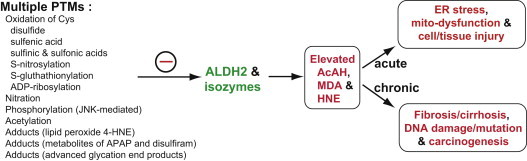
“Furthermore, suppressed ALDH2 would lead to the accumulation of toxic, reactive aldehydes and lipid peroxidation, as previously mentioned in the oxidation section [42].”
§ Mitochondrial dysfunction and tissue injury by alcohol, high fat, nonalcoholic substances and pathological conditions through post-translational protein modifications > Post-translational modifications of mitochondrial proteins > Nitration of many mitochondrial proteins
What the sources say
- Not checked yetcites [42] Song, 2011, Post-translational modifications of mitochondrial aldehyde dehydrogenase and biomedical implications, Journal of Proteomics source
hedgeddirect- Asserted: passes — The authors put it forward as true.
- Checkable: passes — It can be checked against evidence.
- Load-bearing: unclear — It is unclear whether the paper’s conclusions depend on it.
- Based: passes — The paper gives a reason why it holds.
It may state two separate claims as one.
In the paper
“For instance, AMPK can be activated by hydrogen peroxide and mitochondria-derived ROS since its activation can be prevented by pretreatment with antioxidants such as NAC or GSH-ethyl ester [101].”
§ Mitochondrial dysfunction and tissue injury by alcohol, high fat, nonalcoholic substances and pathological conditions through post-translational protein modifications > Post-translational modifications of mitochondrial proteins > Phosphorylation of mitochondrial proteins
What the sources say
- Not checked yetcites [101] Sid, 2013, Role of AMPK activation in oxidative cell damage: Implications for alcohol-induced liver disease, Biochemical Pharmacology source
plaindirect- Asserted: passes — The authors put it forward as true.
- Checkable: passes — It can be checked against evidence.
- Load-bearing: unclear — It is unclear whether the paper’s conclusions depend on it.
- Based: passes — The paper gives a reason why it holds.
It may state two separate claims as one.
In the paper
“A recent study also showed that sustained JNK activation led to phosphorylation at Ser-46 of sirtuin 1, NAD+-dependent deacetylase in cytosol (described later), followed by ubiquitin-dependent degradation, contributing to fat accumulation in obese mice [124].”
§ Mitochondrial dysfunction and tissue injury by alcohol, high fat, nonalcoholic substances and pathological conditions through post-translational protein modifications > Post-translational modifications of mitochondrial proteins > Phosphorylation of mitochondrial proteins
What the sources say
- Not checked yetcites [124] Gao, 2011, Sirtuin 1 (SIRT1) protein degradation in response to persistent c-Jun N-terminal kinase 1 (JNK1) activation contributes to hepatic steatosis in obesity, Journal of Biological Chemistry source
plaindirect- Asserted: passes — The authors put it forward as true.
- Checkable: passes — It can be checked against evidence.
- Load-bearing: unclear — It is unclear whether the paper’s conclusions depend on it.
- Based: passes — The paper gives a reason why it holds.
It may state two separate claims as one.
None of the sources cited for this claim have been checked yet.
In the paper
“It is well-established that excessive alcohol intake and many potentially toxic compounds can suppress low Km mitochondrial ALDH2 activity in rodents and humans through various PTMs of the active site Cys residue and other redox-sensitive amino acids, as reviewed [26], [27], [42], resulting in the accumulation of toxic acetaldehyde and other lipid aldehydes.”
§ Mitochondrial dysfunction and tissue injury by alcohol, high fat, nonalcoholic substances and pathological conditions through post-translational protein modifications > Post-translational modifications of mitochondrial proteins > Electrophilic adduct formation of mitochondrial proteins
What the sources say
- Not checked yetcites [26] Song, 2013, Increased nitroxidative stress promotes mitochondrial dysfunction in alcoholic and nonalcoholic fatty liver disease, Oxidative Medicine and Cellular Longevity source
- Not checked yetcites [27] Abdelmegeed, 2014, Functional roles of protein nitration in acute and chronic liver diseases, Oxidative Medicine and Cellular Longevity source
- Not checked yetcites [42] Song, 2011, Post-translational modifications of mitochondrial aldehyde dehydrogenase and biomedical implications, Journal of Proteomics source
boosteddirect- Asserted: passes — The authors put it forward as true.
- Checkable: passes — It can be checked against evidence.
- Load-bearing: passes — The paper’s conclusions depend on it.
- Based: passes — The paper gives a reason why it holds.
It may state two separate claims as one.
None of the sources cited for this claim have been checked yet.
In the paper
“The number of acetylated proteins can be significantly increased in experimental models of pathological conditions or following exposure to hepatotoxic agents, possibly resulting from redox-mediated suppression of deacetylases, as shown in alcohol-exposed [142], [143], [144], [145] or high-fat exposed rodents [146], [147], [148].”
§ Mitochondrial dysfunction and tissue injury by alcohol, high fat, nonalcoholic substances and pathological conditions through post-translational protein modifications > Post-translational modifications of mitochondrial proteins > Acetylation of mitochondrial proteins
What the sources say
- Not checked yetcites [142] You, 2008, Involvement of mammalian sirtuin 1 in the action of ethanol in the liver, American Journal of Physiology: Gastrointestinal and Liver Physiology
- Not checked yetcites [143] Lieber, 2008, Effect of chronic alcohol consumption on hepatic SIRT1 and PGC-1alpha in rats, Biochemical and Biophysical Research Communications source
- Not checked yetcites [144] Picklo, 2008, Ethanol intoxication increases hepatic N-lysyl protein acetylation, Biochemical and Biophysical Research Communications source
hedgedconditional- Asserted: passes — The authors put it forward as true.
- Checkable: passes — It can be checked against evidence.
- Load-bearing: passes — The paper’s conclusions depend on it.
- Based: passes — The paper gives a reason why it holds.
It may state two separate claims as one.
In the paper
“In addition, Cyp2e1-null mice were resistant to alcohol-mediated gut leakiness, which was clearly observed in the corresponding wild-type mice [238].”
§ Mitochondrial dysfunction and tissue injury by alcohol, high fat, nonalcoholic substances and pathological conditions through post-translational protein modifications > Conclusion and future research opportunities
What the sources say
- Not checked yetcites [238] Abdelmegeed, 2013, CYP2E1 potentiates binge alcohol-induced gut leakiness, steatohepatitis, and apoptosis, Free Radical Biology and Medicine source
boosteddirect- Asserted: passes — The authors put it forward as true.
- Checkable: passes — It can be checked against evidence.
- Load-bearing: passes — The paper’s conclusions depend on it.
- Based: passes — The paper gives a reason why it holds.
It may state two separate claims as one.
In the paper
“A large scale proteomics study revealed that approximately 20% of mitochondrial proteins and 44% of NAD+-dependent mitochondrial dehydrogenases are acetylated under physiological conditions [141].”
§ Mitochondrial dysfunction and tissue injury by alcohol, high fat, nonalcoholic substances and pathological conditions through post-translational protein modifications > Post-translational modifications of mitochondrial proteins > Acetylation of mitochondrial proteins
What the sources say
- Not checked yetcites [141] Kim, 2006, Substrate and functional diversity of lysine acetylation revealed by a proteomics survey, Molecular Cell source
plain- Asserted: passes — The authors put it forward as true.
- Checkable: passes — It can be checked against evidence.
- Load-bearing: unclear — It is unclear whether the paper’s conclusions depend on it.
- Based: passes — The paper gives a reason why it holds.
It may state two separate claims as one.
None of the sources cited for this claim have been checked yet.
In the paper
“Elevated levels of cross-linked AGEs in many tissues can up-regulate the expression of the receptor for AGEs (RAGE), which activates NADPH oxidase, leading to increased oxidative stress, insulin resistance, and inflammation with disruption of normal cell signaling pathways.”
§ Mitochondrial dysfunction and tissue injury by alcohol, high fat, nonalcoholic substances and pathological conditions through post-translational protein modifications > Post-translational modifications of mitochondrial proteins > Electrophilic adduct formation of mitochondrial proteins
plaindirect- Asserted: passes — The authors put it forward as true.
- Checkable: passes — It can be checked against evidence.
- Load-bearing: passes — The paper’s conclusions depend on it.
- Based: passes — The paper gives a reason why it holds.
It may state two separate claims as one.
A conclusion the paper draws from its own results — it cites no other source for it, so there is none to check. The quote shows it is in the paper.
In the paper
“Although several PTMs in many mitochondrial proteins were identified in different disease states or under increased nitroxidative stress, it is quite possible that many proteins can be modified by multiple PTMs simultaneously.”
§ Mitochondrial dysfunction and tissue injury by alcohol, high fat, nonalcoholic substances and pathological conditions through post-translational protein modifications > Conclusion and future research opportunities
hedgedcorrelational- Asserted: passes — The authors put it forward as true.
- Checkable: passes — It can be checked against evidence.
- Load-bearing: passes — The paper’s conclusions depend on it.
- Based: fails — The paper may give no reason why it holds.
Probably not a substantial claim. The paper may give no reason why it holds.
None of the sources cited for this claim have been checked yet.
In the paper
“In contrast, activation of sirtuins by small molecule polyphenols including resveratrol [156] and green tea extracts [157] can reduce the number of acetylated proteins, including PGC-1α, which contributes to increased fat oxidation and insulin sensitivity with improved outcome against metabolic syndrome.”
§ Mitochondrial dysfunction and tissue injury by alcohol, high fat, nonalcoholic substances and pathological conditions through post-translational protein modifications > Post-translational modifications of mitochondrial proteins > Acetylation of mitochondrial proteins
What the sources say
- Not checked yetcites [156] Yang, 2014, Resveratrol ameliorates hepatic metaflammation and inhibits NLRP3 inflammasome activation, Metabolism: Clinical and Experimental source
- Not checked yetcites [157] Wang, 2014, Novel insights of dietary polyphenols and obesity, Journal of Nutritional Biochemistry source
plaindirect- Asserted: passes — The authors put it forward as true.
- Checkable: passes — It can be checked against evidence.
- Load-bearing: passes — The paper’s conclusions depend on it.
- Based: passes — The paper gives a reason why it holds.
It may state two separate claims as one.
The paper relies on this without support.
The experimental models used in the cited and own studies are adequate to infer mechanisms of human alcoholic/nonalcoholic fatty liver disease and acute liver injury.
“We used APAP as a well-established model agent for acute drug-induced liver injury (DILI) to study the functional role of nitrated mitochondrial proteins and the mechanisms of mitochondrial dysfunction and hepatotoxicity.”
The authors state this as an assumption.
The functional activities of some of the HNE-modified mitochondrial proteins could be suppressed.
“Although the activities of each HNE-modified protein were not determined in this study, it is reasonable to assume that the functional activities of some of the modified proteins could be suppressed.”
The paper relies on this without support.
Treatment with the antioxidant NAC or the CYP2E1 inhibitor chlormethiazole significantly prevents gut leakiness and liver injury in binge alcohol-induced gut leakiness.
“since treatment with an antioxidant NAC or a CYP2E1 inhibitor chlormethiazole significantly prevented gut leakiness and liver injury.”
The paper relies on this without support.
The functional roles of redox-regulated PTMs on many intestinal proteins are still poorly understood.
“Despite numerous reports on gut leakiness caused by alcohol and fructose [232], [233], [234], [235], [236], [237], [238], [239], [240], [241], [242], the functional roles of redox-regulated PTMs on many intestinal proteins are still poorly understood.”
Claims other papers make about this one
Each is checked against this paper’s own text: does it say what the citing paper says it does?
In the citing paper
“AGEs also stimulate mitochondrial ROS production and c-Jun N-terminal protein kinase (JNK) and NADPH oxidase activity to induce mitochondrial dysfunction and oxidative stress51–53.”
From Advanced glycation end products (AGEs) and other adducts in aging-related diseases and alcohol-mediated tissue injury (2021) · cites this paper as [53]
In the citing paper
“Dietary AGEs have been found to disrupt and downregulate sirtuin1 (SIRT1) expression, resulting in the acetylation and inactivation of peroxisome proliferator-activated receptor γ coactivator-1α (PGC1α), a master regulator of mitochondrial metabolism.”
From Advanced glycation end products (AGEs) and other adducts in aging-related diseases and alcohol-mediated tissue injury (2021) · cites this paper as [53]
In the citing paper
“The presence of acetaldehyde in the brain also alters DNA integrity and neuronal viability.”
From Advanced glycation end products (AGEs) and other adducts in aging-related diseases and alcohol-mediated tissue injury (2021) · cites this paper as [53]
In the citing paper
“Excessive alcohol exposure increases oxidative stress and the levels of reactive acetaldehyde and lipid aldehydes with a simultaneous decrease in defensive molecules and detoxification enzymes, including GSH and ALDH253,172,177.”
From Advanced glycation end products (AGEs) and other adducts in aging-related diseases and alcohol-mediated tissue injury (2021) · cites this paper as [53]
In the citing paper
“can prevent alcohol-induced oxidative stress and the formation of various adducts, including AA adducts137 and AA-MAA adducts53,285”
From Advanced glycation end products (AGEs) and other adducts in aging-related diseases and alcohol-mediated tissue injury (2021) · cites this paper as [53]
Self-check
Percentages, sums and reported differences re-computed from the paper’s own numbers.
Each contradiction between two passages listed here was confirmed by an independent check.
Rated minor: it would not touch a result — a value no result rests on, a p-value that stays on the same side of the significance level, or a conflict that is clerical, resolved elsewhere in the paper, or outside its own findings.
In the paper
§ Mitochondrial dysfunction and tissue injury by alcohol, high fat, nonalcoholic substances and pathological conditions through post-translational protein modifications > Post-translational modifications of mitochondrial proteins > Oxidation of mitochondrial proteins
“Furthermore, the significantly decreased ALDH2 activity in ethanol-exposed rats was fully restored by DDT treatment [34].”
§ Mitochondrial dysfunction and tissue injury by alcohol, high fat, nonalcoholic substances and pathological conditions through post-translational protein modifications > Post-translational modifications of mitochondrial proteins > Oxidation of mitochondrial proteins
“dithiothreitol (DTT)-treated mitochondria from alcohol-exposed rats”
Citations
Cites
2 retracted
Doser, T. A., Turdi, S., Thomas, D. P., Epstein, P. N., Li, S., & Ren, J. T. (2009) · Circulation · doi:10.1161/circulationaha.108.823799 · Cited by 196
RetractedShulga, N., & Pastorino, J. G. (2010) · Journal of Cell Science · doi:10.1242/jcs.073502 · Cited by 76 · cited 2×
“As mentioned earlier, key mitochondrial proteins in regulating the fatty acid metabolism are acetylated and that the number of acetylated proteins can be significantly increased through suppression of the mitochondrial deacetylase sirtuin 3 and other sirtuin isoforms by alcohol [142–145,149,150–153], high fat [148], a…”
BackgroundRetractedWallace, D. C. (2005) · Annual Review of Genetics · doi:10.1146/annurev.genet.39.110304.095751 · Cited by 3,185
Peroxynitrite oxidation of sulfhydryls.
Radí, R., Beckman, J. S., Bush, K., & Freeman, B. Α. (1991) · Journal of Biological Chemistry · doi:10.1016/s0021-9258(20)64313-7 · Cited by 2,492
H 2 O 2 , a Necessary Evil for Cell Signaling
Rhee, S. G. (2006) · Science · doi:10.1126/science.1130481 · Cited by 2,160
Nonalcoholic steatohepatitis: association of insulin resistance and mitochondrial abnormalities
Sanyal, A. J., Campbell–Sargent, C., Mirshahi, F., Rizzo, W. B., Contos, M. J., Sterling, R. K., Luketic, V. A., Shiffman, M. L., & Clore, J. N. (2001) · Gastroenterology · doi:10.1053/gast.2001.23256 · Cited by 2,078 · cited 2×
“Parkinson's disease [4–12], although etiological causes of each disease are different.”
BackgroundThe thioredoxin antioxidant system
Lu, J., & Holmgren, A. (2014) · Free Radical Biology and Medicine · doi:10.1016/j.freeradbiomed.2013.07.036 · Cited by 2,055 · cited 1×
“It is known that Cys-glutathionylation of mixed disulfide groups can create a functional cycle consisting of the forward reaction (glutathione S-transferase P) and the reverse reaction (glutaredoxin system) [67,73,74].”
BackgroundA Mitochondrial Protein Compendium Elucidates Complex I Disease Biology
Pagliarini, D. J., Calvo, S. E., Chang, B., Sheth, S. A., Vafai, S. B., Ong, S.-E., Walford, G. A., Sugiana, C., Boneh, A., Chen, W. K., et al. (2008) · Cell · doi:10.1016/j.cell.2008.06.016 · Cited by 1,994 · cited 1×
“The number of oxidatively-modified mitochondrial proteins we characterized may represent a small fraction of the estimated number of 1100– 1400 total mitochondrial proteins [40,41].”
BackgroundAlcoholic Liver Disease: Pathogenesis and New Therapeutic Targets
Gao, B., & Bataller, R. (2011) · Gastroenterology · doi:10.1053/j.gastro.2011.09.002 · Cited by 1,963 · cited 2×
“and pro-inflammatory cytokines/chemokines [13–15].”
BackgroundKamata, H., Honda, S.-I., Maeda, S., Chang, L., Hirata, H., & Karin, M. (2005) · Cell · doi:10.1016/j.cell.2004.12.041 · Cited by 1,792
Cited by
Sorted by citations
Mitochondrial Dysfunction and Signaling in Chronic Liver Diseases
Mansouri, A., Gattolliat, C., & Asselah, T. (2018) · Gastroenterology · doi:10.1053/j.gastro.2018.06.083 · Cited by 839
Rungratanawanich, W., Qu, Y., Wang, X., Essa, M. M., & Song, B.-J. (2021) · Experimental & Molecular Medicine · doi:10.1038/s12276-021-00561-7 · Cited by 411
Self-citationByun, K., Yoo, Y., Son, M., Lee, J., Jeong, G.-B., Park, Y. M., Salekdeh, G. H., & Lee, B. (2017) · Pharmacology & Therapeutics · doi:10.1016/j.pharmthera.2017.02.030 · Cited by 357
“, 2010), alcoholic fatty liver disease (AFLD) (Song et al., 2014), diabetes (Rolo & Palmeira, 2006), and chondrocyte degeneration (Blanco et al.”
Self-citationRepairing mitochondrial dysfunction in disease
Sorrentino, V., Menzies, K. J., & Auwerx, J. (2018) · Annual Review of Pharmacology and Toxicology · doi:10.1146/annurev-pharmtox-010716-104908 · Cited by 337
Cho, Y., Kim, D., Seo, W., Gao, B., Yoo, S., & Song, B. (2019) · Hepatology · doi:10.1002/hep.30652 · Cited by 266
“Increased hepatic CYP2E1 is known to directly cause fatty liver disease by elevating oxidative/nitrative stress and various forms of posttranslational modification of cellular proteins, contributing to endoplasmic reticulum stress, mitochondrial dysfunction, and apoptosis of hepatocytes.(32) Furthermore, intestinal CY…”
BackgroundSelf-citation
Metadata
- Authors
- Song, B.-J., Akbar, M., Abdelmegeed, M. A., Byun, K., Lee, B., Yoon, S. K., & Hardwick, J. P.
- Affiliations
- National Institutes of Health (US)
- Gachon University (KR)
- Catholic University of Korea (KR)
- Northeast Ohio Medical University (US)
- Corresponding author
- Song, Byoung-Joon
- ORCID
- Venue
- Redox Biology
- Publisher
- Elsevier BV
- Published
- 2014
- Volume
- 3
- Pages
- 109-123
- ISSN
- 2213-2317 (ISSN-L)
- PMC
- PMC4297931
- OpenAlex
- W2044394582
- Semantic Scholar
- 9ac8ad35c9150429a0fcab4a6ea86e3c3e4f9b88
- Cited by
- 123
- References
- 251
- Citations by year
- 2026: 5 · 2025: 11 · 2024: 14 · 2023: 13 · 2022: 13 · 2021: 6 · 2020: 6 · 2019: 9 · 2018: 13 · 2017: 14 · 2016: 11 · 2015: 8
- FWCI
- 4.51
- Type
- journal article
- Language
- en
- Open access
- gold
- doi.org
- Licence
- Locations
- Redox Biology (publishedVersion, cc-by-nc-nd)
- PubMed Central (publishedVersion, cc-by-nc-nd)
- PubMed (publishedVersion)
- DOAJ (DOAJ: Directory of Open Access Journals) (submittedVersion, cc-by-sa)
- Funders
- National Institute on Alcohol Abuse and Alcoholism
- Topics
- Life Sciences › Biochemistry, Genetics and Molecular Biology › Molecular Biology › Mitochondrial Function and Pathology
- Health Sciences › Medicine › Pathology and Forensic Medicine › Alcohol Consumption and Health Effects
- Life Sciences › Pharmacology, Toxicology and Pharmaceutics › Pharmacology › Drug-Induced Hepatotoxicity and Protection
- Keywords
- mitochondrial dysfunction, post-translational modification, oxidative stress, nitrosative stress, alcohol-induced liver injury, non-alcoholic fatty liver disease, high-fat diet, CYP2E1, protein oxidation, protein nitration, protein phosphorylation, protein acetylation, advanced glycation end products, antioxidants, tissue damage
- MeSH terms
- Ethanol, Animals, Antioxidants, Humans, Liver Diseases, Mitochondria, Oxidation-Reduction, Protein Processing, Post-Translational, Oxidative Stress, Translational Research, Biomedical, Diet, High-Fat
About these checks
Registry, retraction, Cites and statistics results are computed, not judged, with one exception: a printed reference that no index lists is read once by a model before it counts as a citation error. Claims are extracted by a model and kept only when their quote appears verbatim in the text; each cited source is then checked, with a model’s help, for whether it says what the claim relies on. Those verdicts can be wrong — read the claim’s quote and the cited source before relying on one.
A language model drew the claims from the paper on 2026-10-10, under version 3 of the claim definition (model deepseek-v4.1-flash, prompt extract-v3).
A second model labelled each claim on 2026-10-10 (model jev-1.13-20260917, definition revision gold-guideline-v0.2).
Cited sources are checked with a language model’s help (gpt-6-sol).
Statistics and arithmetic are recomputed, not judged.
Confidence bands are shown only for fields calibrated on our annotated test set. None is calibrated yet, so no band is shown.
What counts as a claim ›How we measure confidence ›How we check this ›
Are you an author, or do you see a problem with this page? Request a review
