

The DOI matches its Crossref record; 11 of the 11 references it cites were found in a registry or an index.
Extracellular vesicle-based delivery of silencing sequences for the treatment of Machado-Joseph disease/spinocerebellar ataxia type 3
Overview
The claims and statistics of this paper haven’t been checked yet.
Run the check — free, no account needed. It reads the open-access text and checks the sources it cites.
Integrity signals
Registry
Cites
Statistics
Figures
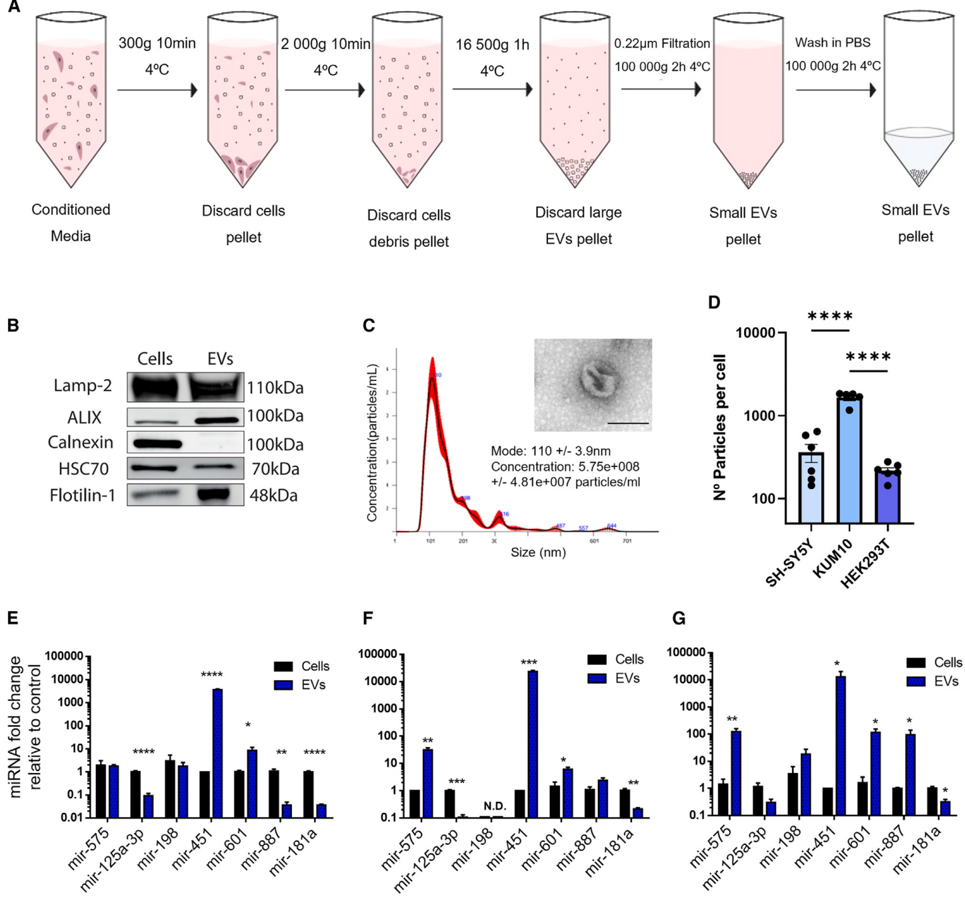
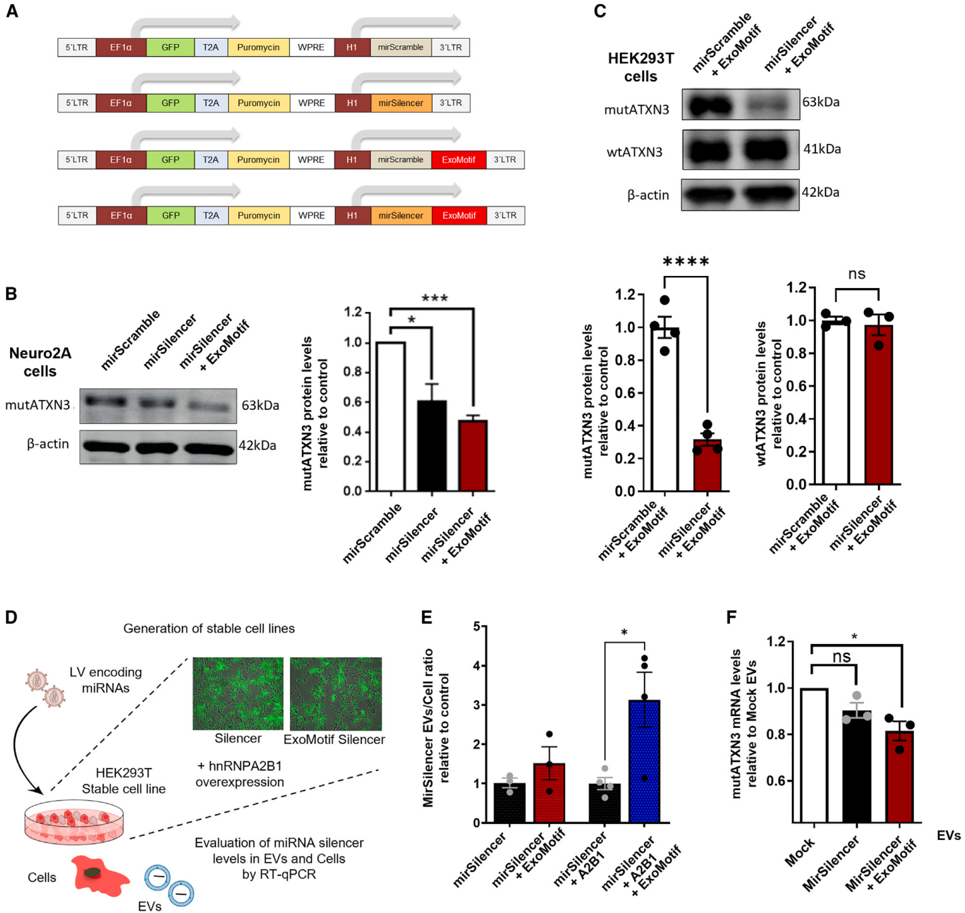
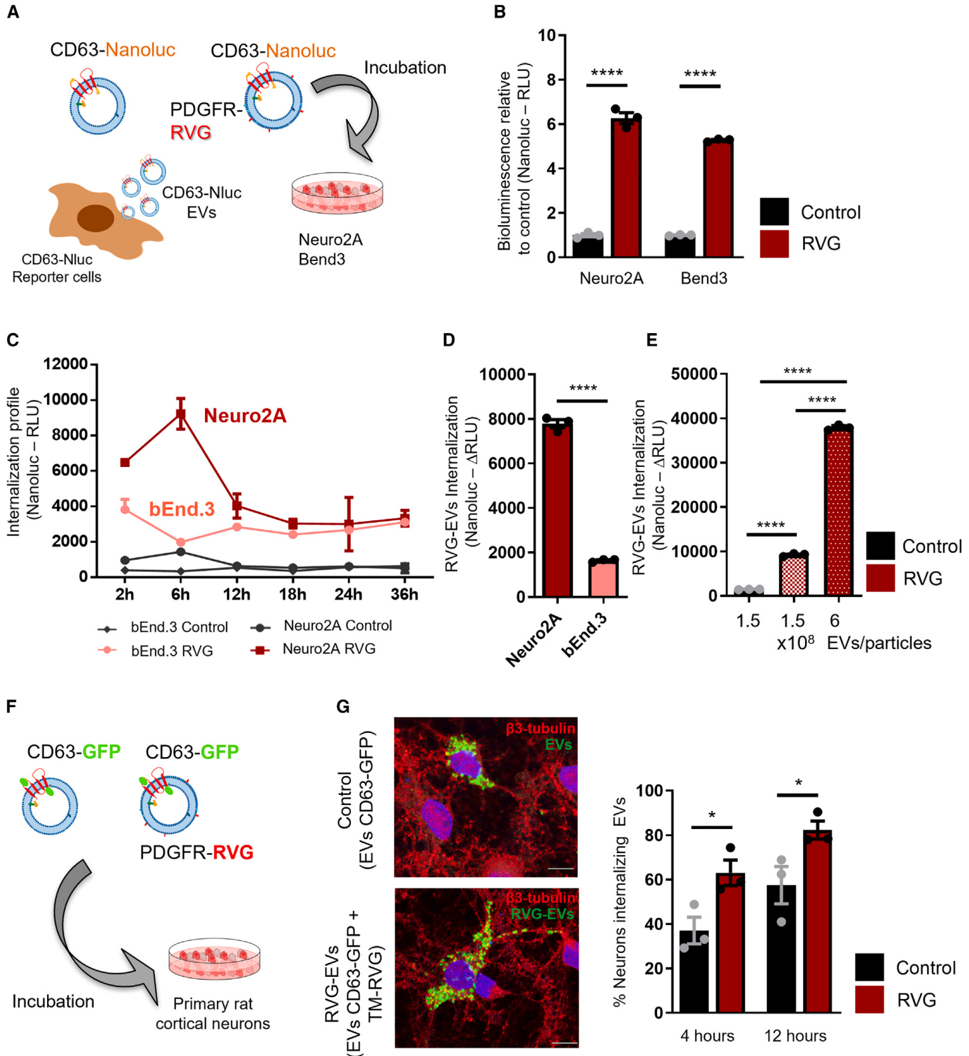
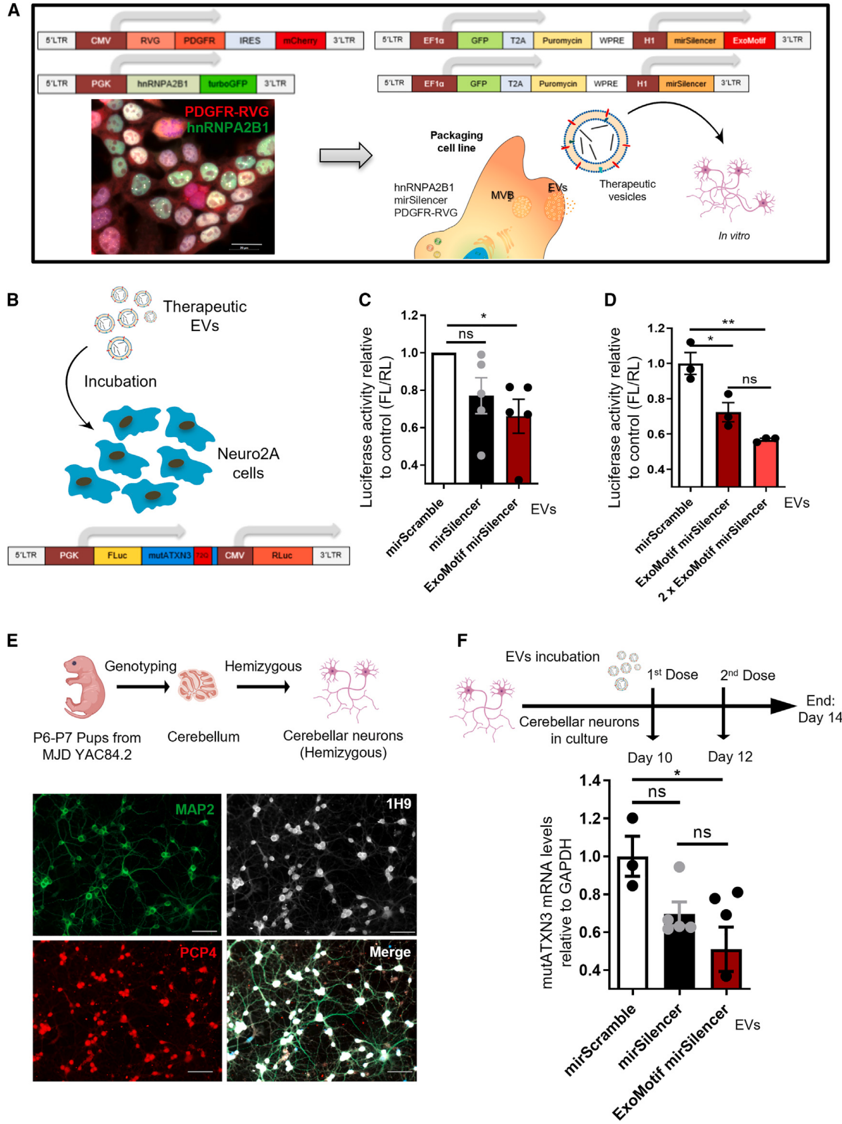
Verification
Claims the paper makes
The claims and statistics of this paper haven’t been checked yet.
Run the check — free, no account needed. It reads the open-access text and checks the sources it cites.
Claims other papers make about this one
Each is checked against this paper’s own text: does it say what the citing paper says it does?
The cited source says what the claim attributes to it.
In the citing paper
“Accumulating research findings have illustrated that altering the microRNA expression in EVs has therapeutic benefits in mouse models [35–37].”
From Engineered Extracellular Vesicles Loaded with MiR-100-5p Antagonist Selectively Target the Lesioned Region to Promote Recovery from Brain Damage (2025) · cites this paper as [37]
Self-check
Percentages, sums and reported differences re-computed from the paper’s own numbers.
The self-check needs the paper’s full text.
Citations
Cites
RNA delivery by extracellular vesicles in mammalian cells and its applications
O’Brien, K., Breyne, K., Ughetto, S., Laurent, L. C., & Breakefield, X. O. (2020) · Nature Reviews Molecular Cell Biology · doi:10.1038/s41580-020-0251-y · Cited by 1,811
Transvascular delivery of small interfering RNA to the central nervous system
Kumar, P., Wu, H., McBride, J. L., Jung, K.-E., Hee Kim, M., Davidson, B. L., Kyung Lee, S., Shankar, P., & Manjunath, N. (2007) · Nature · doi:10.1038/nature05901 · Cited by 1,246
Anchor peptide captures, targets, and loads exosomes of diverse origins for diagnostics and therapy
Gao, X., Ran, N., Dong, X., Zuo, B., Yang, R., Zhou, Q., Moulton, H. M., Seow, Y., & Yin, H. (2018) · Science Translational Medicine · doi:10.1126/scitranslmed.aat0195 · Cited by 426
Perets, N., Betzer, O., Shapira, R., Brenstein, S., Angel, A., Sadan, T., Ashery, U., Popovtzer, R., & Offen, D. (2019) · Nano Letters · doi:10.1021/acs.nanolett.8b04148 · Cited by 382
Li, Z., Zhou, X., Wei, M., Gao, X., Zhao, L., Shi, R., Sun, W., Duan, Y., Yang, G., & Yuan, L. (2019) · Nano Letters · doi:10.1021/acs.nanolett.8b02689 · Cited by 318
Microvesicle-associated AAV Vector as a Novel Gene Delivery System
Maguire, C. A., Balaj, L., Sivaraman, S., Crommentuijn, M. H., Ericsson, M., Mincheva-Nilsson, L., Baranov, V., Gianni, D., Tannous, B. A., Sena-Esteves, M., et al. (2012) · Molecular Therapy · doi:10.1038/mt.2011.303 · Cited by 283
Arora, S., Layek, B., & Singh, J. (2021) · Molecular Pharmaceutics · doi:10.1021/acs.molpharmaceut.0c00461 · Cited by 149
Dar, G. H., Mendes, C. C., Kuan, W.-L., Speciale, A. A., Conceição, M., Görgens, A., Uliyakina, I., Lobo, M. J., Lim, W. F., EL Andaloussi, S., et al. (2021) · Nature Communications · doi:10.1038/s41467-021-27056-3 · Cited by 100
Therapeutic reversal of Huntington’s disease by in vivo self-assembled siRNAs
Zhang, L., Wu, T., Shan, Y., Li, G., Ni, X., Chen, X., Hu, X., Lin, L., Li, Y., Guan, Y., et al. (2021) · Brain · doi:10.1093/brain/awab354 · Cited by 97
Pulford, B., Reim, N., Bell, A., Veatch, J., Forster, G., Bender, H., Meyerett, C., Hafeman, S., Michel, B., Johnson, T., et al. (2010) · PLoS ONE · doi:10.1371/journal.pone.0011085 · Cited by 85
Engineered extracellular vesicles as brain therapeutics
Lino, M. M., Simões, S., Tomatis, F., Albino, I., Barrera, A., Vivien, D., Sobrino, T., & Ferreira, L. (2021) · Journal of Controlled Release · doi:10.1016/j.jconrel.2021.08.037 · Cited by 68
Research works printed but not linked: 77
- Kawaguchi, 1994, CAG expansions in a novel gene for Machado-Joseph disease at chromosome 14q32.1, Nat. Genet., 8, 221, 10.1038/ng1194-221 · DOI
- Takiyama, 1993, The gene for Machado–Joseph disease maps to human chromosome 14q, Nat. Genet., 4, 300, 10.1038/ng0793-300 · DOI
- Sequeiros, 1994, Genetic linkage studies of Machado-Joseph disease with chromosome 14q STRPs in 16 Portuguese-Azorean kindreds, Genomics, 21, 645, 10.1006/geno.1994.1327 · DOI
- Klockgether, 1998, Autosomal dominant cerebellar ataxia type I. MRI-based volumetry of posterior fossa structures and basal ganglia in spinocerebellar ataxia types 1, 2 and 3, Brain., 121, 1687, 10.1093/brain/121.9.1687 · DOI
- Evers, 2014, Ataxin-3 protein and RNA toxicity in spinocerebellar ataxia type 3: current insights and emerging therapeutic strategies, Mol. Neurobiol., 49, 1513
- Schöls, 2004, Autosomal dominant cerebellar ataxias: clinical features, genetics, and pathogenesis, Lancet Neurol., 3, 291, 10.1016/S1474-4422(04)00737-9 · DOI
- Maruyama, 1995, Molecular features of the CAG repeats and clinical manifestation of Machado-Joseph disease, Hum. Mol. Genet., 4, 807, 10.1093/hmg/4.5.807 · DOI
- Nóbrega, 2019, RNA interference therapy for machado-joseph disease: long-term safety profile of lentiviral vectors encoding short hairpin RNAs targeting mutant ataxin-3, Hum. Gene Ther., 30, 841, 10.1089/hum.2018.157 · DOI
- Nóbrega, 2014, RNA interference mitigates motor and neuropathological deficits in a cerebellar mouse model of Machado-Joseph disease, PLoS One, 9, 10.1371/journal.pone.0100086 · DOI
- Nóbrega, 2013, Silencing mutant ataxin-3 rescues motor deficits and neuropathology in Machado-Joseph disease transgenic mice, PLoS One, 8, 10.1371/journal.pone.0052396 · DOI
- Alves, 2010, Silencing ataxin-3 mitigates degeneration in a rat model of Machado – joseph disease : no role for, Hum. Mol. Genet., 19, 2380, 10.1093/hmg/ddq111 · DOI
- Alves, 2008, Allele-specific RNA silencing of mutant ataxin-3 mediates neuroprotection in a rat model of Machado- joseph disease, PLoS One, 3, e3341, 10.1371/journal.pone.0003341 · DOI
- Henriques, 2022, MiRNA-mediated knockdown of ATXN3 alleviates, Nucleic Acid Ther., 32, 194
- Alves, 2008, Striatal and nigral pathology in a lentiviral rat model of Machado-Joseph disease, Hum. Mol. Genet., 17, 2071, 10.1093/hmg/ddn106 · DOI
- Martier, 2019, Development of an AAV-based MicroRNA gene therapy to treat machado-joseph disease, Mol. Ther. Methods Clin. Dev., 15, 343, 10.1016/j.omtm.2019.10.008 · DOI
- Moore, 2017, Evaluation of antisense oligonucleotides targeting ATXN3 in SCA3 mouse models, Mol. Ther. Nucleic Acids, 7, 200, 10.1016/j.omtn.2017.04.005 · DOI
- Parr-Brownlie, 2015, Lentiviral vectors as tools to understand central nervous system biology in mammalian model organisms, Front. Mol. Neurosci., 8, 14, 10.3389/fnmol.2015.00014 · DOI
- Klockgether, 2019, Spinocerebellar ataxia, Nat. Rev. Dis. Prim., 5, 24, 10.1038/s41572-019-0074-3 · DOI
- Conceição, 2016, Biomaterials Intravenous administration of brain-targeted stable nucleic acid lipid particles alleviates, Machado-Joseph Dis. Neurol. phenotype, 82, 124
- Alvarez-Erviti, 2011, Delivery of siRNA to the mouse brain by systemic injection of targeted exosomes, Nat. Biotechnol., 29, 341, 10.1038/nbt.1807 · DOI · Paper page
- van Niel, 2022, Challenges and directions in studying cell–cell communication by extracellular vesicles, Nat. Rev. Mol. Cell Biol., 23, 369, 10.1038/s41580-022-00460-3 · DOI · Paper page
- Théry, 2018, Minimal information for studies of extracellular vesicles 2018 (MISEV2018): a position statement of the International Society for Extracellular Vesicles and update of the MISEV2014 guidelines, J. Extracell. Vesicles, 7, 1535750, 10.1080/20013078.2018.1535750 · DOI · Paper page
- Rufino-Ramos, 2017, Extracellular vesicles: novel promising delivery systems for therapy of brain diseases, J. Control Release, 262, 247, 10.1016/j.jconrel.2017.07.001 · DOI · Paper page
- Zhang, 2018, Identification of distinct nanoparticles and subsets of extracellular vesicles by asymmetric flow field-flow fractionation, Nat. Cell Biol., 20, 332, 10.1038/s41556-018-0040-4 · DOI
- Zhang, 2019, Transfer of functional cargo in exomeres, Cell Rep., 27, 940, 10.1016/j.celrep.2019.01.009 · DOI
- Zhang, 2021, Supermeres are functional extracellular nanoparticles replete with disease biomarkers and therapeutic targets, Nat. Cell Biol., 23, 1240, 10.1038/s41556-021-00805-8 · DOI
- Clancy, 2021, Profiling and promise of supermeres, Nat. Cell Biol., 23, 1217, 10.1038/s41556-021-00808-5 · DOI
- Mahjoum, 2021, Living proof of activity of extracellular vesicles in the central nervous system, Int. J. Mol. Sci., 22, 7294, 10.3390/ijms22147294 · DOI
- Pegtel, 2014, Extracellular vesicles as modulators of cell-to-cell communication in the healthy and diseased brain, Philos. Trans. R. Soc. B Biol. Sci., 369, 10.1098/rstb.2013.0516 · DOI · Paper page
- Bartel, 2009, MicroRNAs: target recognition and regulatory functions, Cell, 136, 215, 10.1016/j.cell.2009.01.002 · DOI · Paper page
- Carmona, 2017, Unravelling endogenous MicroRNA system dysfunction as a new pathophysiological mechanism in machado-joseph disease, Mol. Ther., 25, 1038, 10.1016/j.ymthe.2017.01.021 · DOI
- Villarroya-Beltri, 2013, Sumoylated hnRNPA2B1 controls the sorting of miRNAs into exosomes through binding to specific motifs, Nat. Commun., 4, 2980, 10.1038/ncomms3980 · DOI · Paper page
- Battistelli, 2016, The RNA-binding protein SYNCRIP is a component of the hepatocyte exosomal machinery controlling MicroRNA sorting article the RNA-binding protein SYNCRIP is a component of the hepatocyte exosomal machinery controlling MicroRNA sorting, Cell Rep., 17, 799, 10.1016/j.celrep.2016.09.031 · DOI · Paper page
- Garcia-Martin, 2022, MicroRNA sequence codes for small extracellular vesicle release and cellular retention, Nature, 601, 446, 10.1038/s41586-021-04234-3 · DOI
- Shurtleff, 2016, Y-Box Protein 1 Is Required to Sort microRNAs into Exosomes in Cells and in a Cell-free Reaction, Elife, 5, 10.7554/eLife.19276 · DOI · Paper page
- Shurtleff, 2017, Broad role for YBX1 in defining the small noncoding RNA composition of exosomes, Proc. Natl. Acad. Sci. USA, 114, E8987, 10.1073/pnas.1712108114 · DOI
- Kamerkar, 2017, Exosomes facilitate therapeutic targeting of oncogenic KRAS in pancreatic cancer, HHS Public Access, 546, 498
- Kooijmans, 2013, Electroporation-induced siRNA precipitation obscures the ef fi ciency of siRNA loading into extracellular vesicles, J. Control Release, 172, 229, 10.1016/j.jconrel.2013.08.014 · DOI · Paper page
- Reshke, 2020, RNA by packaging it in extracellular vesicles via a pre-microRNA backbone, Nat. Biomed. Eng., 4, 52, 10.1038/s41551-019-0502-4 · DOI
- El-Andaloussi, 2012, Exosome-mediated delivery of siRNA in vitro and in vivo, Nat. Protoc., 7, 2112, 10.1038/nprot.2012.131 · DOI
- Kojima, 2018, Designer exosomes produced by implanted cells intracerebrally deliver therapeutic cargo for Parkinson’s disease treatment, Nat. Commun., 9, 1305, 10.1038/s41467-018-03733-8 · DOI · Paper page
- Patel, 2022, In vivo tracking of [ 89 Zr ] Zr-labeled engineered extracellular vesicles by PET reveals organ-specific biodistribution based upon the route of administration, Nucl. Med. Biol., 112–113, 20, 10.1016/j.nucmedbio.2022.06.004 · DOI
- Losurdo, 2020, Intranasal delivery of mesenchymal stem cell-derived extracellular vesicles exerts immunomodulatory and neuroprotective effects in a 3xTg model of Alzheimer ’ s disease, Stem Cells Transl Med., 9, 1068, 10.1002/sctm.19-0327 · DOI
- Hung, 2015, Stabilization of exosome-targeting peptides via engineered glycosylation, J. Biol. Chem., 290, 8166, 10.1074/jbc.M114.621383 · DOI
- György, 2014, Naturally enveloped AAV vectors for shielding neutralizing antibodies and robust gene delivery invivo, Biomaterials, 35, 7598, 10.1016/j.biomaterials.2014.05.032 · DOI · Paper page
- Cemal, 2002, YAC transgenic mice carrying pathological alleles of the MJD1 locus exhibit a mild and slowly progressive cerebellar deficit, Hum. Mol. Genet., 11, 1075, 10.1093/hmg/11.9.1075 · DOI
- Moore, 2019, Antisense oligonucleotide therapy rescues aggresome formation in a novel spinocerebellar ataxia type 3 human embryonic stem cell line, Stem Cell Res., 39, 10.1016/j.scr.2019.101504 · DOI
- Rodríguez-Lebrón, 2013, Silencing mutant ATXN3 expression resolves molecular phenotypes in SCA3 transgenic mice, Mol. Ther., 21, 1909, 10.1038/mt.2013.152 · DOI
- Sui, 2002, A DNA vector-based RNAi technology to suppress gene expression in mammalian cells, Proc. Natl. Acad. Sci. USA, 99, 5515, 10.1073/pnas.082117599 · DOI
- dos Santos Rodrigues, 2020, Efficient neuronal targeting and transfection using RVG and transferrin-conjugated liposomes, Brain Res., 1734, 10.1016/j.brainres.2020.146738 · DOI
- You, 2020, Mesenchymal stem cell-derived exosomes improve motor function and attenuate neuropathology in a mouse model of Machado-Joseph disease, Stem Cell Res. Ther., 11, 222, 10.1186/s13287-020-01727-2 · DOI
- Chen Y shuan, Lin Y tung, C.P yu, C.P rong. miR-6780-5p-Enriched exosomes derived from butylidenephthalide-pre-conditioned human olfactory ensheathing cells via autophagy improve motor coordination and balance in a SCA3/MJD mouse Model. Research Square; 2021. DOI: 10.21203/rs.3.rs-820726/v · DOI
- Sogorb-gonzalez, 2021, B RAIN AIN COMMUNICATIONS Secreted therapeutics : monitoring durability of microRNA-based gene therapies in the central nervous system, Brain Commun., 3, 10.1093/braincomms/fcab054 · DOI
- O’Brien, 2022, Uptake, functionality, and re-release of extracellular vesicle-encapsulated cargo, Cell Rep., 39, 10.1016/j.celrep.2022.110651 · DOI
- Temoche-Diaz, 2019, Distinct mechanisms of microrna sorting into cancer cell-derived extracellular vesicle subtypes, Elife, 8, 475444, 10.7554/eLife.47544 · DOI · Paper page
- Song, 2022, microRNA-155-3p delivered by M2 macrophages-derived exosomes enhances the progression of medulloblastoma through regulation of WDR82, J. Transl. Med., 20, 13, 10.1186/s12967-021-03156-y · DOI
- Asadirad, 2022, Dendritic cell immunotherapy with miR-155 enriched tumor-derived exosome suppressed cancer growth and induced antitumor immune responses in murine model of colorectal cancer induced by CT26 cell line, Int. Immunopharmacol., 104, 10.1016/j.intimp.2021.108493 · DOI
- Vaillancourt, 2021, Velocity gradient separation reveals a new extracellular vesicle population enriched in miR-155 and mitochondrial DNA, Pathog (Basel, Switzerland), 10
- Zadran, 2013, RVG-mediated Calpain2 gene silencing in the brain impairs learning and memory, Neuromolecular Med., 15, 74, 10.1007/s12017-012-8196-8 · DOI
- Kim, 2010, Targeted delivery of sirna to macrophages for anti-inflammatory treatment, Mol. Ther., 18, 993, 10.1038/mt.2010.27 · DOI · Paper page
- Thorne, 2004, Delivery of insulin-like growth factor-I to the rat brain and spinal cord along olfactory and trigeminal pathways following intranasal administration, Neuroscience, 127, 481, 10.1016/j.neuroscience.2004.05.029 · DOI · Paper page
- Serralheiro, 2014, Intranasal administration of carbamazepine to mice: a direct delivery pathway for brain targeting, Eur. J. Pharm. Sci., 60, 32, 10.1016/j.ejps.2014.04.019 · DOI
- Gonçalves, 2019, Nose-to-brain delivery of levetiracetam after intranasal administration to mice, Int. J. Pharm., 564, 329, 10.1016/j.ijpharm.2019.04.047 · DOI
- Pinkham, 2019, Stearoyl CoA desaturase is essential for regulation of endoplasmic reticulum homeostasis and tumor growth in glioblastoma cancer stem cells, Stem Cell Rep., 12, 712, 10.1016/j.stemcr.2019.02.012 · DOI
- Carvalho, 2019, Olfactory ensheathing cells: a trojan horse for glioma gene therapy, J. Natl. Cancer Inst., 111, 283, 10.1093/jnci/djy138 · DOI
- Carvalho, 2019, Olfactory ensheathing cells travel their natural nasal pathway to deliver therapeutics to brain tumors, Oncotarget, 10, 4351, 10.18632/oncotarget.27043 · DOI
- Betzer, 2017, In Vivo neuroimaging of exosomes using gold nanoparticles, ACS Nano, 11, 10883, 10.1021/acsnano.7b04495 · DOI
- Zhuang, 2011, Treatment of brain inflammatory diseases by delivering exosome encapsulated anti-inflammatory drugs from the nasal region to the brain, Mol. Ther., 19, 1769, 10.1038/mt.2011.164 · DOI · Paper page
- Gabathuler, 2009, Blood-brain barrier transport of drugs for the treatment of brain diseases, CNS Neurol. Disord. Drug Targets, 8, 195, 10.2174/187152709788680652 · DOI
- Bicker, 2020, Nose-to-brain delivery of natural compounds for the treatment of central nervous system disorders, Curr. Pharm. Des., 26, 594, 10.2174/1381612826666200115101544 · DOI
- Bathla, 2013, The trigeminal nerve: an illustrated review of its imaging anatomy and pathology, Clin. Radiol., 68, 203, 10.1016/j.crad.2012.05.019 · DOI
- Liu, 1998, Neuronal nicotinic acetylcholine receptors in rat trigeminal ganglia, Brain Res., 809, 238, 10.1016/S0006-8993(98)00862-2 · DOI
- Alimohammadi, 2000, Evidence for nicotinic acetylcholine receptors on nasal trigeminal nerve endings of the rat, Chem. Senses, 25, 61, 10.1093/chemse/25.1.61 · DOI
- Chung, 2020, Targeting small molecule delivery to the brain and spinal cord via intranasal administration of rabies virus glycoprotein (RVG29)-modified PLGA nanoparticles, Pharmaceutics, 12, 93, 10.3390/pharmaceutics12020093 · DOI
- Driedonks, 2022, Pharmacokinetics and biodistribution of extracellular vesicles administered intravenously and intranasally to Macaca nemestrina, J Extracell Biol, 1
- Duarte-Neves, 2021, Intranasal delivery alleviates Machado–Joseph disease, Sci. Rep., 11, 3345, 10.1038/s41598-021-82339-5 · DOI
- de Almeida, 2001, Neuroprotective effect of a CNTF-expressing lentiviral vector in the quinolinic acid rat model of Huntington’s disease, Neurobiol. Dis., 8, 433, 10.1006/nbdi.2001.0388 · DOI
Cited by
Sorted by citations
Cheng, Y., Gai, C., Zhao, Y., Li, T., Song, Y., Luo, Q., Xin, D., Jiang, Z., Chen, W., Liu, D., et al. (2025) · Neuroscience Bulletin · doi:10.1007/s12264-025-01376-6 · Cited by 5
Metadata
- Authors
- Rufino-Ramos, D., Albuquerque, P. R., Leandro, K., Carmona, V., Martins, I. M., Fernandes, R., Henriques, C., Lobo, D., Faro, R., Perfeito, R., Mendonça, L. S., Pereira, D., Gomes, C. M., Nobre, R. J., & Pereira de Almeida, L.
- Venue
- Molecular Therapy
- Publisher
- Elsevier BV
- Published
- 2023-05
- Volume
- 31
- Issue
- 5
- Pages
- 1275-1292
- ISSN
- 1525-0016
- Cited by
- 39
- References
- 11
- Language
- en
- Licence
- Funders
- IMI
- Fundacao para a Ciencia e a Tecnologia
About these checks
Registry, retraction, Cites and statistics results are computed, not judged, with one exception: a printed reference that no index lists is read once by a model before it counts as a citation error. Claims are extracted by a model and kept only when their quote appears verbatim in the text; each cited source is then checked, with a model’s help, for whether it says what the claim relies on. Those verdicts can be wrong — read the claim’s quote and the cited source before relying on one.
Statistics and arithmetic are recomputed, not judged.
Confidence bands are shown only for fields calibrated on our annotated test set. None is calibrated yet, so no band is shown.
What counts as a claim ›How we measure confidence ›How we check this ›
Are you an author, or do you see a problem with this page? Request a review
