

A role for norepinephrine in stress-induced cognitive deficits: α-1-adrenoceptor mediation in the prefrontal cortex
Open accessThe DOI matches its Crossref record; 48 of the 49 references it cites were found in a registry or an index.
Abstract
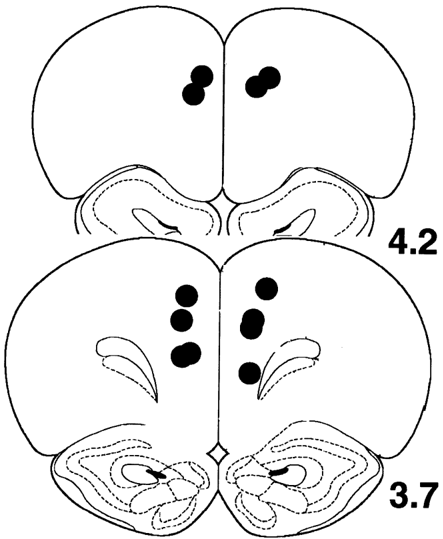
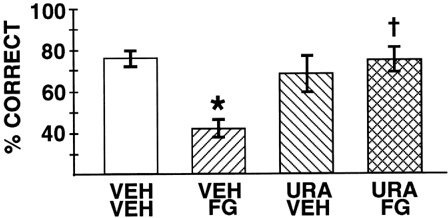
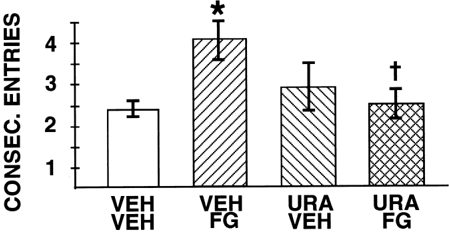
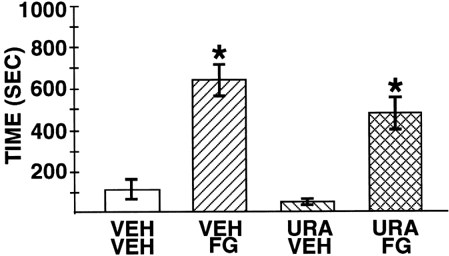
BACKGROUND: Stress exacerbates many neuropsychiatric disorders associated with prefrontal cortical (PFC) dysfunction. Stress also impairs the working memory functions of the PFC. Although stress research has focused on dopaminergic mechanisms, stress also increases norepinephrine (NE) release in PFC, and intra-PFC infusions of NE alpha-1-adrenoceptor agonists impair working memory. The current study examined whether NE alpha-1-adrenoceptor actions in PFC contribute to stress-induced deficits in working memory performance. METHODS: Rats were treated with a pharmacological stressor, FG7142 (30 mg/kg) or vehicle 30 min before testing on a test of spatial working memory, delayed alternation. The alpha-1-adrenoceptor antagonist, urapidil (0.1 microgram/0.5 microL), or saline vehicle, was infused into the PFC 15 min before delayed alternation testing. RESULTS: As observed previously, FG7142 significantly impaired the accuracy of delayed alternation performance, and induced a perseverative pattern of responding consistent with PFC dysfunction. FG7142 also slowed motor response times. Infusion of urapidil into the PFC completely reversed the FG7142-induced impairment in delayed alternation performance, but did not alter the slowed motor responding. CONCLUSIONS: These findings indicate that alpha-1-adrenoceptor stimulation in the PFC contributes to stress-induced impairments in PFC cognitive functions. These neurochemical actions may contribute to symptoms of working memory impairment, poor attention regulation, or disinhibited behaviors in neuropsychiatric disorders sensitive to stress exposure.
Overview
The claims and statistics of this paper haven’t been checked yet.
Free: it reads the open-access text and checks the first 5 claims that cite a source we can check. Create a free account to check every claim.
Integrity signals
Registry
Cites
Statistics
Figures
Verification
Claims the paper makes
The claims and statistics of this paper haven’t been checked yet.
Free: it reads the open-access text and checks the first 5 claims that cite a source we can check. Create a free account to check every claim.
Claims other papers make about this one
Each is checked against this paper’s own text: does it say what the citing paper says it does?
The source backs part of the claim, not all of it — or backs it for a different population, condition or comparison.
In the citing paper
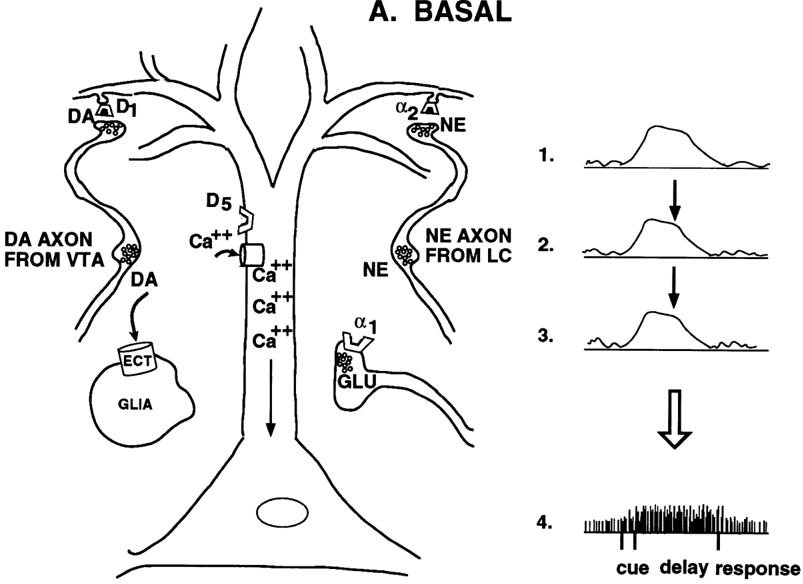
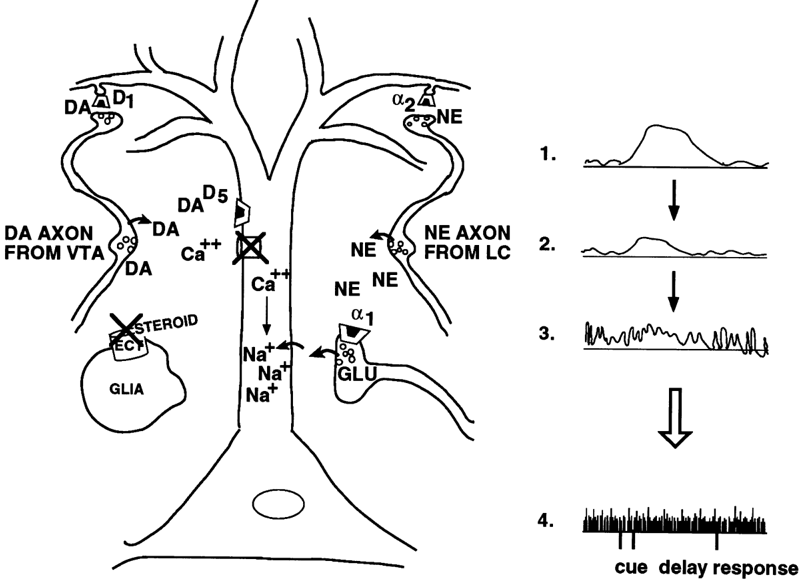
“As shown in FIG. 2, the levels of noradrenaline that are released during alert, non-stressed waking optimize working memory by engaging α2A-receptors52,53, whereas the high levels of noradrenaline that are released during stress impair PFC function by stimulating lower-affinity α1-receptors54 and β1-receptors55.”
From Stress signalling pathways that impair prefrontal cortex structure and function (2009) · cites this paper as [54]
Experimental — accuracy not yet measuredThe source backs part of the claim, not all of it — or backs it for a different population, condition or comparison.
In the citing paper
“Similarly, stress-induced cognitive deficits can be prevented by administration of α1-receptor antagonists in the PFC or systemically54.”
From Stress signalling pathways that impair prefrontal cortex structure and function (2009) · cites this paper as [54]
Experimental — accuracy not yet measuredThe source backs part of the claim, not all of it — or backs it for a different population, condition or comparison.
In the citing paper
“Systemic administration of an α1 agonist that crosses the blood brain barrier also impairs working memory performance, while administration of an α1 antagonist, e.g., prazosin, can protect working memory performance during stress (37,50,51).”
From Catecholamine Influences on Dorsolateral Prefrontal Cortical Networks (2011) · cites this paper as [37]
Experimental — accuracy not yet measuredThe source backs part of the claim, not all of it — or backs it for a different population, condition or comparison.
In the citing paper
“Data from studies of monkey dorsolateral PFC demonstrate an inverted-U dose-response: moderate levels of NE released during alert, nonstressed waking improve working memory performance by engaging postsynaptic, α2A receptors (35,36), whereas high levels of NE released during stress impair PFC function via stimulation of lower affinity α1 (37) and β1 receptors (38).”
From Catecholamine Influences on Dorsolateral Prefrontal Cortical Networks (2011) · cites this paper as [37]
Experimental — accuracy not yet measuredThe source backs part of the claim, not all of it — or backs it for a different population, condition or comparison.
In the citing paper
“In both rats and monkeys, stress-induced PFC dysfunction can be blocked by dopamine D1 receptor (D1R) or norepinephrine α1-adrenoceptor (AR) antagonists19,54, and conversely, it can be mimicked by high levels of D1R55 or α1-AR56,57 stimulation in PFC.”
From Stress weakens prefrontal networks: molecular insults to higher cognition (2015) · cites this paper as [54]
Experimental — accuracy not yet measured
1 more claim about this paper
Create a free account to see every claim other papers make about this one.
Self-check
Percentages, sums and reported differences re-computed from the paper’s own numbers.
The self-check needs the paper’s full text.
Citations
Cites
The role of the amygdala in fear and anxiety
Davis, M. (1992) · Annual Review of Neuroscience · doi:10.1146/annurev.ne.15.030192.002033 · Cited by 2,357 · cited 1×
“For example, freezing responses to stress are likely mediated by interactions between structures such as the amygdala and periaqueductal gray (Davis 1992).”
BackgroundModulation of memory fields by dopamine Dl receptors in prefrontal cortex
Williams, G. V., & Goldman-Rakic, P. S. (1995) · Nature · doi:10.1038/376572a0 · Cited by 1,593
Cognitive Deficit Caused by Regional Depletion of Dopamine in Prefrontal Cortex of Rhesus Monkey
Brozoski, T. J., Brown, R. M., Rosvold, H. E., & Goldman, P. S. (1979) · Science · doi:10.1126/science.112679 · Cited by 1,500
D1 Dopamine Receptors in Prefrontal Cortex: Involvement in Working Memory
Sawaguchi, T., & Goldman-Rakic, P. S. (1991) · Science · doi:10.1126/science.1825731 · Cited by 1,364
Selective activation of the mesocortical DA system by stress
THIERRY, A. M., TASSIN, J. P., BLANC, G., & GLOWINSKI, J. (1976) · Nature · doi:10.1038/263242a0 · Cited by 1,033
Zahrt, J., Taylor, J. R., Mathew, R. G., & Arnsten, A. F. T. (1997) · The Journal of Neuroscience · doi:10.1523/jneurosci.17-21-08528.1997 · Cited by 796
Self-citationMurphy, B. L., Arnsten, A. F., Goldman-Rakic, P. S., & Roth, R. H. (1996) · Proceedings of the National Academy of Sciences · doi:10.1073/pnas.93.3.1325 · Cited by 590
Self-citationBergson, C., Mrzljak, L., Smiley, J., Pappy, M., Levenson, R., & Goldman-Rakic, P. (1995) · The Journal of Neuroscience · doi:10.1523/jneurosci.15-12-07821.1995 · Cited by 488
Seamans, J. K., Floresco, S. B., & Phillips, A. G. (1998) · The Journal of Neuroscience · doi:10.1523/jneurosci.18-04-01613.1998 · Cited by 474
Arnsten, A. F. T. (1996) · Archives of General Psychiatry · doi:10.1001/archpsyc.1996.01830050084013 · Cited by 458
Self-citation
Research works printed but not linked: 2
- Li B-M, Mei Z-T (1994a): Alpha-2 adrenergic modulation of prefrontal neuronal activity related to working memory in monkeys. Abstracts of the 3rd Congress of Federation of Asian and Oceanian Physiological Societies 96. Stress Impairs PFC Function via ␣-1 NE Mechanism 1273 BIOL PSYCHIATRY 1999;46:1266 -1274
- Simon H (1981): Dopaminergic A10 neurons and the frontal system. J de Physiol 77:81-95.
Cited by
Items 101–200 of 291
Cubells, J. F., Price, L. H., Meyers, B. S., Anderson, G. M., Zabetian, C. P., Alexopoulos, G. S., Nelson, J. C., Sanacora, G., Kirwin, P. D., Carpenter, L. L., et al. (2002) · Biological Psychiatry · doi:10.1016/s0006-3223(01)01349-x · Cited by 65
Astrocytes in Post-traumatic Stress Disorder
Li, B., Zhang, D., & Verkhratsky, A. (2022) · Neuroscience Bulletin · doi:10.1007/s12264-022-00845-6 · Cited by 64
“The effects of a1-AR are specifically evident under stressful conditions of high NE release when they strengthen the effective functioning of the amygdala [122, 123] but weaken the cognitive abilities of the prefrontal cortex (PFC) [124].”
BackgroundInfluentialToledo, C., Andrade, D. C., Díaz, H. S., Inestrosa, N. C., & Rio, R. D. (2019) · Molecular Neurobiology · doi:10.1007/s12035-019-01655-0 · Cited by 62
Kaushal, R., Taylor, B. K., Jamal, A. B., Zhang, L., Ma, F., Donahue, R. R., & Westlund, K. N. (2016) · Neuroscience · doi:10.1016/j.neuroscience.2016.08.005 · Cited by 60
Santangelo, G., Baldassarre, I., Barbaro, A., Cavallo, N. D., Cropano, M., Maggi, G., Nappo, R., Trojano, L., & Raimo, S. (2021) · Neurological Sciences · doi:10.1007/s10072-021-05268-1 · Cited by 58
“In addition to the hippocampus, evidence indicates that stressinduced memory impairments can also be a consequence of alterations of dopaminergic or noradrenergic [41, 42] transmissions in brain structures such as the prefrontal cortex involved in high-order cognitive functions (e.”
BackgroundFarr, O. M., Zhang, S., Hu, S., Matuskey, D., Abdelghany, O., Malison, R. T., & Li, C.-S. R. (2014) · The International Journal of Neuropsychopharmacology · doi:10.1017/s1461145714000674 · Cited by 57
“Although speculative, this contrasting pattern of the effects of methylphenidate may reflect the inverted U relationship between level of catecholaminergic signalling and cognitive performance, as postulated earlier (Birnbaum et al., 1999; Arnsten, 2009; Berridge et al., 2012; Rajala et al., 2012).”
BackgroundTrauma exposure and sleep: using a rodent model to understand sleep function in PTSD
Vanderheyden, W. M., Poe, G. R., & Liberzon, I. (2014) · Experimental Brain Research · doi:10.1007/s00221-014-3890-4 · Cited by 62
Prazosin for treatment of post-traumatic stress disorder: a systematic review and meta-analysis
Reist, C., Streja, E., Tang, C. C., Shapiro, B., Mintz, J., & Hollifield, M. (2021) · CNS Spectrums · doi:10.1017/s1092852920001121 · Cited by 56
HCN Channel Targets for Novel Antidepressant Treatment
Ku, S. M., & Han, M.-H. (2017) · Neurotherapeutics · doi:10.1007/s13311-017-0538-7 · Cited by 54
Kobori, N., Hu, B., & Dash, P. K. (2011) · Neuroscience · doi:10.1016/j.neuroscience.2010.10.048 · Cited by 53
“For example, the WM dysfunction caused by chronic stress is associated with increased norepinephrine levels, and this deficit can be reversed by administration of the α1 antagonist urapidil (Birnbaum et al., 1999, Southwick et al., 1999).”
BackgroundArnsten, A. F. T., & Wang, M. (2016) · Annual Review of Pharmacology and Toxicology · doi:10.1146/annurev-pharmtox-010715-103617 · Cited by 50
Self-citationMalikowska‐Racia, N., & Sałat, K. (2019) · Pharmacological Research · doi:10.1016/j.phrs.2019.02.001 · Cited by 52
Riedel, M. J., Müller, N., Spellmann, I., Engel, R. R., Musil, R., Valdevit, R., Dehning, S., Douhet, A., Cerovecki, A., Strassnig, M., et al. (2007) · European Archives of Psychiatry and Clinical Neuroscience · doi:10.1007/s00406-007-0748-9 · Cited by 56
“could demonstrate that stress induced cognitive dysfunctions could have been improved by infusion of urapidil, an a1-antagonist [5].”
Oei, N. Y. L., Tollenaar, M. S., Elzinga, B. M., & Spinhoven, P. (2009) · Neurobiology of Learning and Memory · doi:10.1016/j.nlm.2009.12.005 · Cited by 56
Hupalo, S., Martin, A. J., Green, R. K., Devilbiss, D. M., & Berridge, C. W. (2019) · Journal of Neuroscience · doi:10.1523/jneurosci.2701-18.2019 · Cited by 54
“Beyond these clinical conditions, the cognitive and neurophysiological actions of PFC CRF neuronal activation are similar to those seen with stress and stress-related disorders (Birnbaum et al., 1999; Arnsten, 2009; Devilbiss et al., 2017).”
MethodSteckler, T. (2005) · Techniques in the behavioral and neural sciences · doi:10.1016/s0921-0709(05)80005-7 · Cited by 47
Protein kinase C activity is associated with prefrontal cortical decline in aging
Brennan, A. R., Yuan, P., Dickstein, D. L., Rocher, A. B., Hof, P. R., Manji, H. K., & Arnsten, A. F. T. (2007) · Neurobiology of Aging · doi:10.1016/j.neurobiolaging.2007.08.020 · Cited by 52
“Following habituation, cognitive performance was evaluated as described previously [12].”
MethodSelf-citationCatena, A., Muñoz-Machicao, J. A., Torres-Espínola, F. J., Martínez-Zaldívar, C., Diaz-Piedra, C., Gil, A., Haile, G., Györei, E., Molloy, A. M., Decsi, T., et al. (2016) · The American Journal of Clinical Nutrition · doi:10.3945/ajcn.115.109108 · Cited by 46
The long-lasting effects of cross-fostering on the emotional behavior in ICR mice
Lu, L., Mamiya, T., Lü, P., Niwa, M., Mouri, A., Zou, L.-B., Nagai, T., Hiramatsu, M., & Nabeshima, T. (2008) · Behavioural Brain Research · doi:10.1016/j.bbr.2008.10.031 · Cited by 47
Keller, P. S., El‐Sheikh, M., Granger, D. A., & Buckhalt, J. A. (2011) · Physiology & Behavior · doi:10.1016/j.physbeh.2011.11.005 · Cited by 50
“However, Birnbaum and colleagues [28] found that stimulation of norepinephrine receptors adversely affected memory performance in rats.”
BackgroundNoradrenergic α1-Adrenoceptor Actions in the Primate Dorsolateral Prefrontal Cortex
Datta, D., Yang, S.-T., Galvin, V. C., Solder, J., Luo, F., Morozov, Y. M., Arellano, J., Duque, A., Rakic, P., Arnsten, A. F. T., et al. (2019) · The Journal of Neuroscience · doi:10.1523/jneurosci.2472-18.2019 · Cited by 44
“1-AR actions are especially evident under stressful conditions of high NE release, when they strengthen the affective functioning of the amygdala (Ferry et al., 1999; Rajbhandari et al., 2015) but weaken the cognitive abilities of the prefrontal cortex (PFC) (Birnbaum et al., 1999).”
BackgroundSelf-citationKline, R. L., Zhang, S., Farr, O. M., Hu, S., Záborszky, L., Samanez-Larkin, G. R., & Li, C. R. (2016) · Frontiers in Human Neuroscience · doi:10.3389/fnhum.2016.00149 · Cited by 45
“NA α-1-adrenoceptor antagonist impairs working memory, particularly during induced stress (Birnbaum et al., 1999).”
BackgroundHuemer, J., Erhart, F., & Steiner, H. (2010) · Child Psychiatry & Human Development · doi:10.1007/s10578-010-0192-3 · Cited by 42
Woodcock, E. A., Greenwald, M. K., Khatib, D., Diwadkar, V. A., & Stanley, J. A. (2018) · NeuroImage · doi:10.1016/j.neuroimage.2018.11.017 · Cited by 42
“However, insufficient (e.g., fatigue) or elevated (e.g., acute stress) noradrenaline levels suppress dlPFC neural spiking and impair working memory response accuracy (Arnsten, 2009; Birnbaum et al., 1999, 2004; Ramos et al., 2005).”
BackgroundBehavioral and cognitive changes after early postnatal lesions of the rat mediodorsal thalamus
Ouhaz, Z., Ba-M’hamed, S., Mitchell, A. S., Idrissi, A. E., & Bennis, M. (2015) · Behavioural Brain Research · doi:10.1016/j.bbr.2015.06.017 · Cited by 44
Anxiogenic treatments do not increase fear-potentiated startle in mice
Risbrough, V. B., & Geyer, M. A. (2004) · Biological Psychiatry · doi:10.1016/j.biopsych.2004.10.006 · Cited by 42
Krishnamurthy, S., Garabadu, D., & Joy, K. P. (2013) · Neuropharmacology · doi:10.1016/j.neuropharm.2013.07.005 · Cited by 41
Bauer, C., Rimmele, T. R., Duclos, A., Prieto, N., Cejka, J., Carry, P.-Y., Grousson, S., Friggeri, A., Secco, J., Bui‐Xuan, B., et al. (2016) · Anaesthesia Critical Care & Pain Medicine · doi:10.1016/j.accpm.2016.01.004 · Cited by 46
Potential Noradrenergic Targets for Cognitive Enhancement in Schizophrenia
Friedman, J. I., Stewart, D. G., & Gorman, J. M. (2004) · CNS Spectrums · doi:10.1017/s1092852900009330 · Cited by 41
Clinton, S. M., Sucharski, I. L., & Finlay, J. M. (2005) · Psychopharmacology · doi:10.1007/s00213-005-0221-2 · Cited by 42
“Local application of 6-OHDA produces a rapid and persistent loss of brain catecholamines (Bell et al. 1970; Boyce and Finlay 2005).”
Is Methylphenidate Beneficial and Safe in Pharmacological Cognitive Enhancement?
Kapur, A. (2020) · CNS Drugs · doi:10.1007/s40263-020-00758-w · Cited by 38
Toriumi, K., Miyashita, M., Suzuki, K., Yamasaki, N., Yasumura, M., Horiuchi, Y., Yoshikawa, A., Asakura, M., Usui, N., Itokawa, M., et al. (2021) · Translational Psychiatry · doi:10.1038/s41398-021-01381-z · Cited by 40
Cellular mechanisms of long-term depression induced by noradrenaline in rat prefrontal neurons
Marzo, A., Bai, J., Caboche, J., Vanhoutte, P., & Otani, S. (2010) · Neuroscience · doi:10.1016/j.neuroscience.2010.04.046 · Cited by 36
Lee, M. L., Mueller, A. L., & Moore, T. (2020) · Frontiers in Neuroanatomy · doi:10.3389/fnana.2020.574130 · Cited by 35
“…2011; Thiele and Bellgrove, 2018). α1 and α2 adrenergic receptors exert opposing effects on PFC function and working memory, with α1 adrenergic receptors impairing PFC cognitive function and α2Rs improving PFC cognitive function (Arnsten, 1997; Birnbaum et al., 1999; Ramos and Arnsten, 2007).”
BackgroundSpivak, B., Strous, R. D., Shaked, G., Shabash, E., Kotler, M., & Weizman, A. (2006) · Journal of Clinical Psychopharmacology · doi:10.1097/01.jcp.0000203195.65710.f0 · Cited by 33
“– 15 Many of these studies have focused on hyperarousal systems operating under conditions of overwhelming stress.(16) Treatment strategies of PTSD have traditionally included the use of tricyclic antidepressants and monoamine oxidase inhibitors.”
BackgroundLuo, Y., Fernández, G., Hermans, E. J., Vogel, S., Zhang, Y., Li, H., & Klumpers, F. (2018) · NeuroImage · doi:10.1016/j.neuroimage.2018.01.010 · Cited by 34
“These opposing effects are potentially caused by different stress hormones receptor distributions (e.g., norepinephrine, dopamine, mineralocorticoid, and glucocorticoid receptors) in PFC and subcortical regions (Birnbaum et al., 1999).”
Effects of naturalistic stressors on cognitive flexibility and working memory task performance
Renner, K. H., & Beversdorf, D. Q. (2010) · Neurocase · doi:10.1080/13554790903463601 · Cited by 42
“Because it has been shown that stress impairs PFC functioning (Arnsten & GoldmanRakic, 1998; Birnbaum et al., 1999), performance on working memory tasks may be expected to be worse under stressful conditions.”
BackgroundTanibuchi, Y., Fujita, Y., Kohno, M., Ishima, T., Takatsu, Y., Iyo, M., & Hashimoto, K. (2009) · European Neuropsychopharmacology · doi:10.1016/j.euroneuro.2009.07.005 · Cited by 35
Association of Residents' Neural Signatures With Stress Resilience During Surgery
Modi, H., Singh, H., Fiorentino, F., Orihuela‐Espina, F., Athanasiou, T., Yang, G., Darzi, A. W., & Leff, D. R. (2019) · JAMA Surgery · doi:10.1001/jamasurg.2019.2552 · Cited by 33
Arnsten, A. F. T. (2008) · Psychopharmacology · doi:10.1007/s00213-008-1274-9 · Cited by 34
“…high affinity for NE (Arnsten 2000; Arnsten and GoldmanRakic 1985; Li and Mei 1994), while lower affinity alpha-1 (Arnsten et al. 1999; Mao et al. 1999) and beta receptors (Ramos et al. 2005) contribute to detrimental effects on PFC function, e.g., as observed during stress (Birnbaum et al. 1999).”
Self-citationDopamine Neurotransmission and Atypical Antipsychotics in Prefrontal Cortex: A Critical Review
Masana, M., Santana, N., Artigas, F., & Bortolozzi, A. A. (2012) · Current Topics in Medicinal Chemistry · doi:10.2174/156802612805289872 · Cited by 34
Early life stress causes FG-7142-induced corticolimbic dysfunction in adulthood
Stevenson, C. W., Marsden, C. A., & Mason, R. (2008) · Brain Research · doi:10.1016/j.brainres.2007.11.062 · Cited by 29
直, 松., 稔朗, 椋., Sunter, D. C., Marsden, C. A., & 雅代, 河. (2009) · Neuroscience · doi:10.1016/j.neuroscience.2009.08.046 · Cited by 31
Luo, F., Tang, H., Li, B., & Li, S. (2014) · European Journal of Neuroscience · doi:10.1111/ejn.12495 · Cited by 31
“These high NE levels stimulate a1-adrenoceptors (a1-ARs) and impair working memory (Birnbaum et al., 1999).”
BackgroundShansky, R., Bender, G., & Arnsten, A. (2009) · Stress · doi:10.1080/10253890802520988 · Cited by 29
“Accordingly, intra-PFC infusions of a D1 agonist produce working memory impairment (Bushnell and Levin 1993; Birnbaum et al. 1999), while D1 receptor antagonists, as well as cAMP inhibitors, have been shown to reverse stress-related working memory impairments when infused into the PFC (Arnsten 2007).”
Self-citationRole of KCNQ potassium channels in stress-induced deficit of working memory
Arnsten, A. F. T., Jin, L. E., Gamo, N. J., Ramos, B., Paspalas, C. D., Morozov, Y. M., Kata, A., Bamford, N. S., Yeckel, M. F., Kaczmarek, L. K., et al. (2019) · Neurobiology of Stress · doi:10.1016/j.ynstr.2019.100187 · Cited by 27
“…the cognitive deficits induced by environmental stressors or FG7142 can be reversed by dopamine D1R (A. F. T. Arnsten and Goldman-Rakic, 1998; Murphy et al., 1996) or norepinephrine alpha-1R (S. G. Birnbaum et al., 1999) blockade, or by blocking HCN channels in PFC (N.J. Gamo et al., 2015).”
BackgroundSelf-citationActividad física y cognición: inseparables en el aula
Doherty, A., & Miravalles, A. F. I. (2020) · Journal of Neuroeducation · doi:10.1344/joned.v1i1.31665 · Cited by 35
The Schizophrenia Spectrum Personality Disorders
Chemerinski, E., & Siever, L. J. (2010) · Wiley eBooks · doi:10.1002/9781444327298.ch5 · Cited by 27
Schwager, A., Haack, A. K., & Taha, S. A. (2014) · Psychopharmacology · doi:10.1007/s00213-014-3529-y · Cited by 26
“These effects may arise through activation of low affinity α1adrenergic receptors, which causes perseverative responding in tasks requiring working memory performance (Arnsten et al. 1999; Birnbaum et al. 1999).”
InfluentialStevenson, C. W., Halliday, D. M., Marsden, C. A., & Mason, R. (2007) · Synapse · doi:10.1002/syn.20414 · Cited by 27
“Pellow and File, 1986), impairs working memory (Birnbaum et al., 1999; Murphy et al., 1996), induces”
InfluentialAlpha 1 -adrenergic receptor blockade in the VTA modulates fear memories and stress responses
Solecki, W., Szklarczyk, K., Klasa, A., Pradel, K., Dobrzański, G., & Przewłocki, R. (2017) · European Neuropsychopharmacology · doi:10.1016/j.euroneuro.2017.05.008 · Cited by 23
“Consequently, α1-AR blocker prazosin proved to be effective in attenuating some symptoms of PTSD (Birnbaum et al., 1999; Germain et al., 2012; Koola et al., 2014; Raskind et al., 2013, 2007, 2003; Taylor et al., 2008, 2006); for review see: (Arnsten et al., 2015).”
InfluentialStimulation of α1‐adrenoceptors inhibits memory consolidation in the chick
Gibbs, M. E., & Summers, R. J. (2001) · European Journal of Neuroscience · doi:10.1046/j.0953-816x.2001.01742.x · Cited by 27
“memory by a1-AR agonists (Birnbaum et al., 1999) is that the role of noradrenaline is to increase the signal-to-noise ratio and enhance neural information processing (Waterhouse et al.”
BackgroundZhang, W., van Ast, V. A., Klumpers, F., Roelofs, K., & Hermans, E. J. (2018) · Journal of Cognitive Neuroscience · doi:10.1162/jocn_a_01218 · Cited by 21
Savransky, A., Chiappelli, J., Du, X. M., Carino, K., Kvarta, M. D., Bruce, H. A., Kochunov, P., Goldwaser, E. L., Tan, Y., Hare, S., et al. (2021) · Journal of Psychiatric Research · doi:10.1016/j.jpsychires.2021.02.005 · Cited by 23
Luo, F., Tang, H., & Cheng, Z. (2015) · Neuroscience · doi:10.1016/j.neuroscience.2015.04.070 · Cited by 22
Chaijale, N., Snyder, K., Arner, J., Curtis, A. L., & Valentino, R. J. (2014) · Neuropsychopharmacology · doi:10.1038/npp.2014.200 · Cited by 19
Nature and specificity of altered cognitive functioning in IBS
Wong, K. M., Mak, A. D. P., Yuen, S. Y., Leung, O. N. W., Ma, D. Y., Chan, Y., Cheong, P. K., Lui, R. N.-S., Wong, S. H., & Wu, J. C. (2019) · Neurogastroenterology & Motility · doi:10.1111/nmo.13696 · Cited by 20
“5) 12 (60) 9 (45) Part time 0 (0) 4 (10) 2 (10) 2 (10) Unemployed 1 (2.”
Perfil sociodemográfico y académico de estudiantes en deserción del sistema educativo
Moreira-Mora, T. E. (2011) · Actualidades en Psicología · doi:10.15517/ap.v21i108.31 · Cited by 42
Increased Cortisol after Stress is Associated with Variability in Response Time in ADHD Children
Lee, S. H., Shin, D., & Stein, M. A. (2010) · Yonsei Medical Journal · doi:10.3349/ymj.2010.51.2.206 · Cited by 21
Sex and the noradrenergic system
Joshi, N., & Chandler, D. J. (2020) · Handbook of clinical neurology · doi:10.1016/b978-0-444-64123-6.00012-6 · Cited by 19
Psychopharmacological possibilities in the acute disaster setting
Simon, A. B., & Gorman, J. M. (2004) · Psychiatric Clinics of North America · doi:10.1016/j.psc.2004.03.004 · Cited by 19
“This inhibition of the PFC by a1 has value for survival by allowing the organism to employ rapid habitual subcortical modes of responding to dangerous stimuli [43–45].”
BackgroundLuo, F., Li, S., Tang, H., Deng, W., Zhang, Y., & Liu, Y. (2014) · Journal of Neurochemistry · doi:10.1111/jnc.12941 · Cited by 20
“, as evoked by stress) impairs cognitive functions through activating a1-ARs (Birnbaum et al. 1999) and/or b1-ARs (Ramos et al.”
BackgroundAnpassungsstörung, akute und posttraumatische Belastungsstörung
Kapfhammer, H. (2003) · Springer eBooks · doi:10.1007/3-540-27386-7_54 · Cited by 22
Zeng, Y., Xiong, B., Gao, H., Liu, C., Chen, C., Wu, J., & Qin, S. (2024) · Proceedings of the National Academy of Sciences · doi:10.1073/pnas.2405850121 · Cited by 19
Wallace, T. L., Martin, W. J., & Arnsten, A. F. T. (2022) · Neurobiology of Stress · doi:10.1016/j.ynstr.2022.100493 · Cited by 15
Self-citationQuetiapine ameliorates stress-induced cognitive inflexibility in rats
Nikiforuk, A. (2012) · Neuropharmacology · doi:10.1016/j.neuropharm.2012.06.042 · Cited by 15
Post-pubertal adrenergic changes in rats with neonatal lesions of the ventral hippocampus
Bhardwaj, S. K., Quirion, R., & Srivastava, L. K. (2003) · Neuropharmacology · doi:10.1016/j.neuropharm.2003.08.001 · Cited by 22
Effects of FG7142 and immobilization stress on the gene expression in the neocortex of mice
Kurumaji, A., Ito, T., Ishii, S., & Nishikawa, T. (2008) · Neuroscience Research · doi:10.1016/j.neures.2008.08.001 · Cited by 15
The Locus Coeruleus-Noradrenergic System and Stress: Implications for Post-Traumatic Stress Disorder
Berridge, C. W. (2009) · Humana Press eBooks · doi:10.1007/978-1-60327-329-9_10 · Cited by 19
Sarapultsev, A., Чупахин, О. Н., Sarapultsev, P., Сидорова, Л. П., & Цейтлер, Т. А. (2016) · Pharmaceuticals · doi:10.3390/ph9020027 · Cited by 15
Jati, S., Muñoz-Mayorga, D., Shahabi, S., Tang, K., Tao, Y., Dickson, D. W., Litvan, I., Ghosh, G., Mahata, S. K., & Chen, X. (2025) · Nature Communications · doi:10.1038/s41467-025-59682-6 · Cited by 14
Igata, S., Hayashi, T., Itoh, M., Akasu, T., Takano, M., & Ishimatsu, M. (2013) · Journal of Neurophysiology · doi:10.1152/jn.01103.2012 · Cited by 14
“Activation of 2- ARs improves working memory performance in rats, whereas high levels of noradrenaline release impair cognitive function through actions at 1-ARs (Arnsten et al. 2007; Birnbaum et al. 1999).”
BackgroundThe Neurobiological Basis of Attention-Deficit/Hyperactivity Disorder
Arnsten, A. F. T., Berridge, C. W., & McCracken, J. T. (2009) · Primary psychiatry · Cited by 22
Self-citationPharmacologic Treatment of PTSD
Raskind, M. A. (2009) · Humana Press eBooks · doi:10.1007/978-1-60327-329-9_16 · Cited by 14
Gendle, M. H., Spaeth, A. M., Dollard, S. M., & Novak, C. A. (2008) · Nutritional Neuroscience · doi:10.1179/147683008x301469 · Cited by 13
de Galan, B. E., Rietjens, S. J., Tack, C. J., van der Werf, S. P., Sweep, C. G. J. (., W. M. Lenders, J., & Smits, P. (2003) · The Journal of Clinical Endocrinology & Metabolism · doi:10.1210/jc.2003-030407 · Cited by 12
Co-Occurring Mental and Substance Use Disorders: The Neurobiological Effects of Chronic Stress
Brady, K. T., & Sinha, R. (2007) · Focus · doi:10.1176/foc.5.2.foc229 · Cited by 12
The Neurobiological Links between Stress and Traumatic Brain Injury: A Review of Research to Date
Zheng, L., Pang, Q., Xu, H., Guo, H., Liu, R., & Wang, T. (2022) · International Journal of Molecular Sciences · doi:10.3390/ijms23179519 · Cited by 15
“A previous study showed that α1-adrenoceptor stimulation in the PFC contributes to stress-induced cognitive impairments [116].”
Backgroundvan Herk, L., Schilder, F. P. M., de Weijer, A. D., Bruinsma, B., & Geuze, E. (2024) · Neurobiology of Stress · doi:10.1016/j.ynstr.2024.100659 · Cited by 14
Prazosin for the Treatment of PTSD
Raskind, M. A. (2015) · Current Treatment Options in Psychiatry · doi:10.1007/s40501-015-0040-y · Cited by 14
Torkaman‐Boutorabi, A., Sheidadoust, H., Hashemi-Hezaveh, S.-M., & Zarrindast, M. (2015) · Pharmacology Biochemistry and Behavior · doi:10.1016/j.pbb.2015.03.018 · Cited by 12
McGaugh, J. L., & Roozendaal, B. (2008) · Elsevier eBooks · doi:10.1016/b978-012370509-9.00113-3 · Cited by 14
Dolcos, F., Denkova, E., Iordan, A. D., Shafer, A. T., Fernández, G., & Dolcos, S. M. (2025) · Frontiers in Psychology · doi:10.3389/fpsyg.2025.1483373 · Cited by 13
Stress: perspectives on its impact on cognition and pharmacological treatment
Sun, M., & Alkon, D. L. (2014) · Behavioural Pharmacology · doi:10.1097/fbp.0000000000000045 · Cited by 16
“Administration of α-1-receptor antagonists in the PFC or systemically can prevent stress-induced cognitive deficits (Birnbaum et al., 1999) and may be useful in treating PSTD (Taylor and Raskind, 2002; Raskind et al., 2003).”
BackgroundSáez‐Briones, P., Soto‐Moyano, R., Burgos, H., Castillo, A., Valladares, L., Morgan, C., Pérez, H., Barra, R., Constandil, L., Laurido, C., et al. (2014) · Neurobiology of Learning and Memory · doi:10.1016/j.nlm.2014.11.003 · Cited by 11
Time-Dependent Shifts in Neural Systems Supporting Decision-Making Under Stress
Hermans, E. J., Henckens, M. J. A. G., Joëls, M., & Fernández, G. (2016) · Elsevier eBooks · doi:10.1016/b978-0-12-805308-9.00030-0 · Cited by 13
Wu, Z. H., Zhang, Q., Du, C., Xi, Y., Li, W. J., Guo, F., Yu, S. Q., Yang, Y. X., & Liu, J. (2017) · Brain Research Bulletin · doi:10.1016/j.brainresbull.2017.07.011 · Cited by 12
Neurocognitive Characteristics of Individuals with Irritable Bowel Syndrome
Wong, K. M., Yuen, S. Y., & Mak, A. D. P. (2019) · East Asian Archives of Psychiatry · doi:10.12809/eaap1877 · Cited by 11
Nikiforuk, A., & Popik, P. (2013) · Pharmacological Reports · doi:10.1016/s1734-1140(13)71508-1 · Cited by 11
The locus coeruleus noradrenergic system gates deficits in visual attention induced by chronic pain
Moazen, P., Torabi, M., Azizi, H., Fathollahi, Y., Mirnajafi‐Zadeh, J., & Semnanian, S. (2020) · Behavioural Brain Research · doi:10.1016/j.bbr.2020.112600 · Cited by 10
Kawanabe, S., Mori, M., Harada, H., Murata, Y., Ohe, K., & Enjoji, M. (2023) · Neuroscience Letters · doi:10.1016/j.neulet.2023.137071 · Cited by 9
Raskind, M. A., Williams, T., Holmes, H. A., Hart, K. L., Crews, L., Poupore, E. L., Thomas, R. G., Darnell, J., Daniels, C., Goke, K., et al. (2023) · Alcoholism Clinical and Experimental Research · doi:10.1111/acer.14989 · Cited by 9
Cannabinoid Modulation of Object Recognition and Location Memory—A Preclinical Assessment
Chesworth, R., Watt, G., & Karl, T. (2018) · Handbook of behavioral neuroscience · doi:10.1016/b978-0-12-812012-5.00031-8 · Cited by 13
Neurobiology of Anxiety Disorders
Meaney, M. J., LeDoux, J. E., & Liebowitz, M. L. (2008) · Wiley eBooks · doi:10.1002/9780470515167.ch20 · Cited by 9
Rajkumar, R., Kumar, J. R., & Dawe, G. S. (2016) · Neurobiology of Learning and Memory · doi:10.1016/j.nlm.2016.07.003 · Cited by 9
“…affinity alpha-2 adrenoceptors but high levels of noradrenaline release during stress impair prefrontal cortical function via low affinity alpha-1 adrenoceptors and perhaps also beta-1 adrenoceptors (Birnbaum, Gobeske, Auerbach, Taylor, & Arnsten, 1999; Ramos & Arnsten, 2007; Wang et al., 2007).”
Bhatt, R. R., Zeltzer, L. K., Coloigner, J., Wood, J. C., Coates, T. D., & Labus, J. S. (2019) · NeuroImage Clinical · doi:10.1016/j.nicl.2019.101686 · Cited by 9
“Excessive alpha-1 noradrenaline activity in the PFC has been associated with stress-induced cognitive impairments, such as poor attention regulation and disinhibited behaviors (Birnbaum et al., 1999).”
Sánchez-Castillo, H., Paz-Trejo, D. B., Ramírez, J. V., González, P. Z., & Migliaro, M. (2014) · Actualidades en Psicología · doi:10.15517/ap.v28i117.14131 · Cited by 8
Paulose, C. S., & Balakrishnan, S. (2008) · Biogerontology · doi:10.1007/s10522-008-9183-1 · Cited by 8
“Birnbaum et al. (1999) reported an increased NE release on stress in the prefrontal cortex (PFC).”
BackgroundGhosh, A., Das, S., Behera, S. K., Ramakrishnan, K., Selvarajan, S., Kandasamy, P., & Nair, N. S. (2020) · Parkinson s Disease · doi:10.1155/2020/4853590 · Cited by 7
“An increased α1 adrenoceptor stimulation is known to impair PFC functioning [23, 56, 57], whereas in contrast, increased α2 adrenoceptor functioning improves PFC function [23, 58].”
BackgroundExcitation of prefrontal cortical neurons during conditioning enhances fear memory formation
Shibano, N., Yamazaki, M., Arima, T., Abe, K., Kuroda, M., Kobayashi, Y., Itohara, S., Furuichi, T., & Sano, Y. (2020) · Scientific Reports · doi:10.1038/s41598-020-65597-7 · Cited by 8
Metadata
- Authors
- Birnbaum, S., Gobeske, K. T., Auerbach, J., Taylor, J. R., & Arnsten, A. F. T.
- Affiliations
- Yale University (US)
- Corresponding author
- Arnsten, Amy F.T
- Venue
- Biological Psychiatry
- Publisher
- Elsevier BV
- Published
- 1999-11
- Volume
- 46
- Issue
- 9
- Pages
- 1266-1274
- ISSN
- 0006-3223 (ISSN-L)
- OpenAlex
- W2043803755
- Semantic Scholar
- b0cf1181d89aac9d141fcaa5d22e326d670dcffa
- Cited by
- 281
- References
- 49
- Citations by year
- 2026: 6 · 2025: 6 · 2024: 9 · 2023: 6 · 2022: 4 · 2021: 6 · 2020: 11 · 2019: 16 · 2018: 9 · 2017: 16 · 2016: 9 · 2015: 17 · 2014: 15 · 2013: 12 · 2012: 10
- FWCI
- 2.27
- Type
- journal article
- Language
- en
- Open access
- hybrid
- doi.org
- Licence
- cc-by-nc-nd
- www.elsevier.com/tdm/userlicense/1.0/ (tdm)
- www.elsevier.com/legal/tdmrep-license (tdm)
- creativecommons.org/licenses/by-nc-nd/4.0/ (vor, 394 d)
- Locations
- Biological Psychiatry (publishedVersion, cc-by-nc-nd)
- PubMed (publishedVersion)
- Funders
- U.S. Public Health Service
- National Institute on Aging (AG06036)
- Topics
- Life Sciences › Neuroscience › Cellular and Molecular Neuroscience › Neurotransmitter Receptor Influence on Behavior
- Life Sciences › Neuroscience › Behavioral Neuroscience › Stress Responses and Cortisol
- Life Sciences › Neuroscience › Cognitive Neuroscience › Neural and Behavioral Psychology Studies
- Keywords
- norepinephrine, alpha1-adrenoceptors, prefrontal cortex, stress, working memory, urapidil, FG 7142, delayed alternation, perseverative responding, motor reaction time, neuropsychiatric disorders
- MeSH terms
- Adrenergic alpha-Antagonists, Animals, Carbolines, Cognition, Male, Memory, Short-Term, Norepinephrine, Piperazines, Spatial Behavior, Stress, Psychological, Rats, Sprague-Dawley, Prefrontal Cortex, Receptors, Adrenergic, alpha-1, Rats
About these checks
Registry, retraction, Cites and statistics results are computed, not judged, with one exception: a printed reference that no index lists is read once by a model before it counts as a citation error. Claims are extracted by a model and kept only when their quote appears verbatim in the text; each cited source is then checked, with a model’s help, for whether it says what the claim relies on. Those verdicts can be wrong — read the claim’s quote and the cited source before relying on one.
Statistics and arithmetic are recomputed, not judged.
Confidence bands are shown only for fields calibrated on our annotated test set. None is calibrated yet, so no band is shown.
What counts as a claim ›How we measure confidence ›How we check this ›
Are you an author, or do you see a problem with this page? Request a review
Data sources
Bibliographic data: Semantic Scholar, OpenAlex, Crossref.
Contains information from the Semantic Scholar Academic Graph Datasets, made available under the ODC Attribution License (ODC-BY 1.0).
Semantic Scholar’s data is described in: Kinney, R., et al. (2023). The Semantic Scholar Open Data Platform. arXiv:2301.10140.
