

A role for norepinephrine in stress-induced cognitive deficits: α-1-adrenoceptor mediation in the prefrontal cortex
Open accessThe DOI matches its Crossref record; 48 of the 49 references it cites were found in a registry or an index.
Abstract
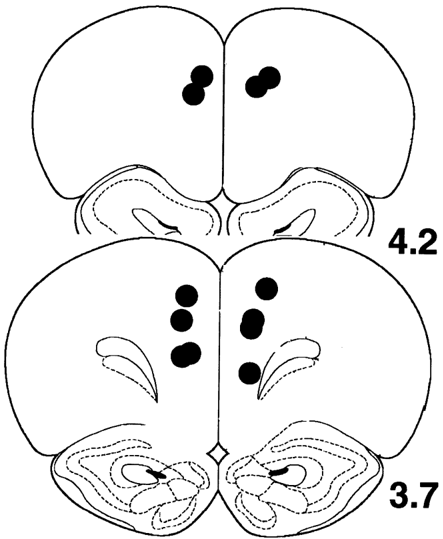
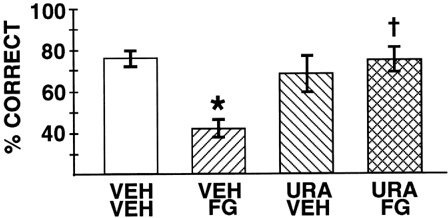
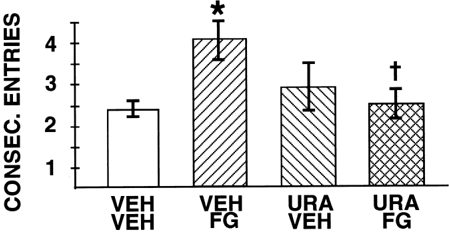
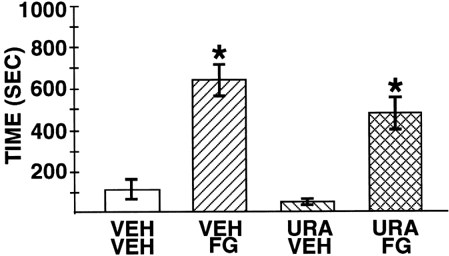
BACKGROUND: Stress exacerbates many neuropsychiatric disorders associated with prefrontal cortical (PFC) dysfunction. Stress also impairs the working memory functions of the PFC. Although stress research has focused on dopaminergic mechanisms, stress also increases norepinephrine (NE) release in PFC, and intra-PFC infusions of NE alpha-1-adrenoceptor agonists impair working memory. The current study examined whether NE alpha-1-adrenoceptor actions in PFC contribute to stress-induced deficits in working memory performance. METHODS: Rats were treated with a pharmacological stressor, FG7142 (30 mg/kg) or vehicle 30 min before testing on a test of spatial working memory, delayed alternation. The alpha-1-adrenoceptor antagonist, urapidil (0.1 microgram/0.5 microL), or saline vehicle, was infused into the PFC 15 min before delayed alternation testing. RESULTS: As observed previously, FG7142 significantly impaired the accuracy of delayed alternation performance, and induced a perseverative pattern of responding consistent with PFC dysfunction. FG7142 also slowed motor response times. Infusion of urapidil into the PFC completely reversed the FG7142-induced impairment in delayed alternation performance, but did not alter the slowed motor responding. CONCLUSIONS: These findings indicate that alpha-1-adrenoceptor stimulation in the PFC contributes to stress-induced impairments in PFC cognitive functions. These neurochemical actions may contribute to symptoms of working memory impairment, poor attention regulation, or disinhibited behaviors in neuropsychiatric disorders sensitive to stress exposure.
Overview
The claims and statistics of this paper haven’t been checked yet.
Free: it reads the open-access text and checks the first 5 claims that cite a source we can check. Create a free account to check every claim.
Integrity signals
Registry
Cites
Statistics
Figures
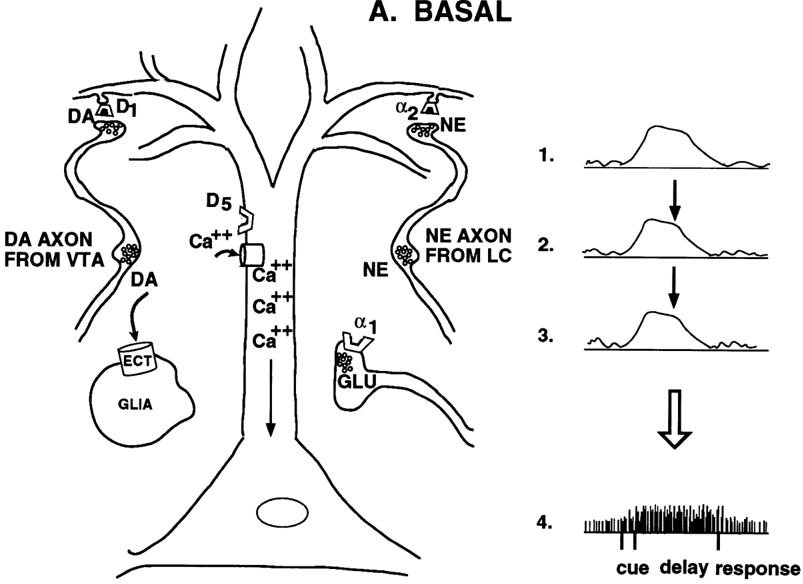
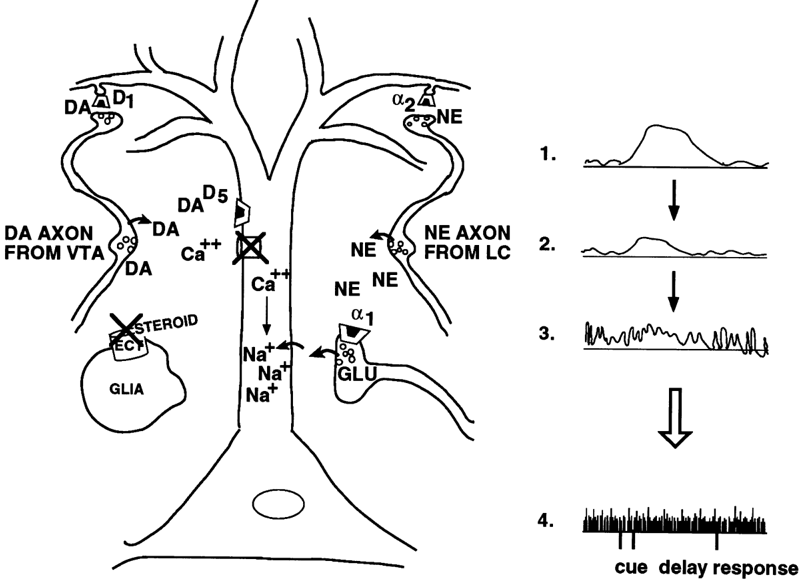
Verification
Claims the paper makes
The claims and statistics of this paper haven’t been checked yet.
Free: it reads the open-access text and checks the first 5 claims that cite a source we can check. Create a free account to check every claim.
Claims other papers make about this one
Each is checked against this paper’s own text: does it say what the citing paper says it does?
The source backs part of the claim, not all of it — or backs it for a different population, condition or comparison.
In the citing paper
“As shown in FIG. 2, the levels of noradrenaline that are released during alert, non-stressed waking optimize working memory by engaging α2A-receptors52,53, whereas the high levels of noradrenaline that are released during stress impair PFC function by stimulating lower-affinity α1-receptors54 and β1-receptors55.”
From Stress signalling pathways that impair prefrontal cortex structure and function (2009) · cites this paper as [54]
Experimental — accuracy not yet measuredThe source backs part of the claim, not all of it — or backs it for a different population, condition or comparison.
In the citing paper
“Similarly, stress-induced cognitive deficits can be prevented by administration of α1-receptor antagonists in the PFC or systemically54.”
From Stress signalling pathways that impair prefrontal cortex structure and function (2009) · cites this paper as [54]
Experimental — accuracy not yet measuredThe source backs part of the claim, not all of it — or backs it for a different population, condition or comparison.
In the citing paper
“Systemic administration of an α1 agonist that crosses the blood brain barrier also impairs working memory performance, while administration of an α1 antagonist, e.g., prazosin, can protect working memory performance during stress (37,50,51).”
From Catecholamine Influences on Dorsolateral Prefrontal Cortical Networks (2011) · cites this paper as [37]
Experimental — accuracy not yet measuredThe source backs part of the claim, not all of it — or backs it for a different population, condition or comparison.
In the citing paper
“Data from studies of monkey dorsolateral PFC demonstrate an inverted-U dose-response: moderate levels of NE released during alert, nonstressed waking improve working memory performance by engaging postsynaptic, α2A receptors (35,36), whereas high levels of NE released during stress impair PFC function via stimulation of lower affinity α1 (37) and β1 receptors (38).”
From Catecholamine Influences on Dorsolateral Prefrontal Cortical Networks (2011) · cites this paper as [37]
Experimental — accuracy not yet measuredThe source backs part of the claim, not all of it — or backs it for a different population, condition or comparison.
In the citing paper
“In both rats and monkeys, stress-induced PFC dysfunction can be blocked by dopamine D1 receptor (D1R) or norepinephrine α1-adrenoceptor (AR) antagonists19,54, and conversely, it can be mimicked by high levels of D1R55 or α1-AR56,57 stimulation in PFC.”
From Stress weakens prefrontal networks: molecular insults to higher cognition (2015) · cites this paper as [54]
Experimental — accuracy not yet measured
1 more claim about this paper
Create a free account to see every claim other papers make about this one.
Self-check
Percentages, sums and reported differences re-computed from the paper’s own numbers.
The self-check needs the paper’s full text.
Citations
Cites
The role of the amygdala in fear and anxiety
Davis, M. (1992) · Annual Review of Neuroscience · doi:10.1146/annurev.ne.15.030192.002033 · Cited by 2,357 · cited 1×
“For example, freezing responses to stress are likely mediated by interactions between structures such as the amygdala and periaqueductal gray (Davis 1992).”
BackgroundModulation of memory fields by dopamine Dl receptors in prefrontal cortex
Williams, G. V., & Goldman-Rakic, P. S. (1995) · Nature · doi:10.1038/376572a0 · Cited by 1,593
Cognitive Deficit Caused by Regional Depletion of Dopamine in Prefrontal Cortex of Rhesus Monkey
Brozoski, T. J., Brown, R. M., Rosvold, H. E., & Goldman, P. S. (1979) · Science · doi:10.1126/science.112679 · Cited by 1,500
D1 Dopamine Receptors in Prefrontal Cortex: Involvement in Working Memory
Sawaguchi, T., & Goldman-Rakic, P. S. (1991) · Science · doi:10.1126/science.1825731 · Cited by 1,364
Selective activation of the mesocortical DA system by stress
THIERRY, A. M., TASSIN, J. P., BLANC, G., & GLOWINSKI, J. (1976) · Nature · doi:10.1038/263242a0 · Cited by 1,033
Zahrt, J., Taylor, J. R., Mathew, R. G., & Arnsten, A. F. T. (1997) · The Journal of Neuroscience · doi:10.1523/jneurosci.17-21-08528.1997 · Cited by 796
Self-citationMurphy, B. L., Arnsten, A. F., Goldman-Rakic, P. S., & Roth, R. H. (1996) · Proceedings of the National Academy of Sciences · doi:10.1073/pnas.93.3.1325 · Cited by 590
Self-citationBergson, C., Mrzljak, L., Smiley, J., Pappy, M., Levenson, R., & Goldman-Rakic, P. (1995) · The Journal of Neuroscience · doi:10.1523/jneurosci.15-12-07821.1995 · Cited by 488
Seamans, J. K., Floresco, S. B., & Phillips, A. G. (1998) · The Journal of Neuroscience · doi:10.1523/jneurosci.18-04-01613.1998 · Cited by 474
Arnsten, A. F. T. (1996) · Archives of General Psychiatry · doi:10.1001/archpsyc.1996.01830050084013 · Cited by 458
Self-citation
Research works printed but not linked: 2
- Li B-M, Mei Z-T (1994a): Alpha-2 adrenergic modulation of prefrontal neuronal activity related to working memory in monkeys. Abstracts of the 3rd Congress of Federation of Asian and Oceanian Physiological Societies 96. Stress Impairs PFC Function via ␣-1 NE Mechanism 1273 BIOL PSYCHIATRY 1999;46:1266 -1274
- Simon H (1981): Dopaminergic A10 neurons and the frontal system. J de Physiol 77:81-95.
Cited by
Stress signalling pathways that impair prefrontal cortex structure and function
Arnsten, A. F. T. (2009) · Nature Reviews Neuroscience · doi:10.1038/nrn2648 · Cited by 3,299
“, whereas the high levels of noradrenaline that are released during stress impair PFC function by stimulating lower-affinity α 1 -receptor”
Self-citationBerridge, C. W., & Waterhouse, B. D. (2003) · Brain Research Reviews · doi:10.1016/s0165-0173(03)00143-7 · Cited by 2,529
The cognitive neuroscience of sustained attention: where top-down meets bottom-up.
Sarter, M., Givens, B., & Bruno, J. P. (2001) · Brain Research Reviews · doi:10.1016/s0165-0173(01)00044-3 · Cited by 1,194
Diamond, A., & Ling, D. S. (2016) · Developmental Cognitive Neuroscience · doi:10.1016/j.dcn.2015.11.005 · Cited by 1,177
“The norepinephrine system in prefrontal ortex (through heightened 1 adrenoceptor stimulation) also conributes to prefrontal cortex dysfunction when we are stressed Birnbaum et al., 1999).”
BackgroundDynamic adaptation of large-scale brain networks in response to acute stressors
Hermans, E. J., Henckens, M. J. A. G., Joëls, M., & Fernández, G. (2014) · Trends in Neurosciences · doi:10.1016/j.tins.2014.03.006 · Cited by 949
Neurobiology of Executive Functions: Catecholamine Influences on Prefrontal Cortical Functions
Arnsten, A. F. T., & Li, B.-M. (2005) · Biological Psychiatry · doi:10.1016/j.biopsych.2004.08.019 · Cited by 948
Self-citationStress weakens prefrontal networks: molecular insults to higher cognition
Arnsten, A. F. T. (2015) · Nature Neuroscience · doi:10.1038/nn.4087 · Cited by 752
Self-citationAdrenergic pharmacology and cognition: Focus on the prefrontal cortex
Ramos, B. P., & Arnsten, A. F. T. (2007) · Pharmacology & Therapeutics · doi:10.1016/j.pharmthera.2006.11.006 · Cited by 641
“Thus, stress-induced cognitive deficits were blocked by infusion of the α1 receptor antagonist, urapidil, into the PFC prior to cognitive testing (Birnbaum et al., 1999).”
InfluentialSelf-citationStress and Memory: Behavioral Effects and Neurobiological Mechanisms
Sandi, C., & Pinelo-Nava, M. T. (2007) · Neural Plasticity · doi:10.1155/2007/78970 · Cited by 612
“[124]) transmissions in other structures known to be involved in high-order (including working memory and executive function) processing, such as the prefrontal cortex.”
BackgroundRole of norepinephrine in the pathophysiology and treatment of posttraumatic stress disorder
Southwick, S. M., Bremner, J. D., Rasmusson, A., Morgan, C. A., Arnsten, A., & Charney, D. S. (1999) · Biological Psychiatry · doi:10.1016/s0006-3223(99)00219-x · Cited by 573
Self-citationCo-Occurring Mental and Substance Use Disorders: The Neurobiological Effects of Chronic Stress
Brady, K. T., & Sinha, R. (2005) · American Journal of Psychiatry · doi:10.1176/appi.ajp.162.8.1483 · Cited by 552
Raskind, M. A., Peskind, E. R., Hoff, D. J., Hart, K. L., Holmes, H. A., Warren, D., Shofer, J., O’Connell, J., Taylor, F., Gross, C., et al. (2007) · Biological Psychiatry · doi:10.1016/j.biopsych.2006.06.032 · Cited by 552
Paying attention to reading: The neurobiology of reading and dyslexia
Shaywitz, S. E., & Shaywitz, B. A. (2008) · Development and Psychopathology · doi:10.1017/s0954579408000631 · Cited by 545
Catecholamine Influences on Dorsolateral Prefrontal Cortical Networks
Arnsten, A. F. T. (2011) · Biological Psychiatry · doi:10.1016/j.biopsych.2011.01.027 · Cited by 493
Self-citationStimulants: Therapeutic Actions in ADHD
Arnsten, A. F. T. (2006) · Neuropsychopharmacology · doi:10.1038/sj.npp.1301164 · Cited by 473
“In contrast to these beneficial effects at moderate concentrations, high levels of norepinephrine release (eg during stress) impair prefrontal function through actions at a1 receptors (Birnbaum et al, 1999, 2004) and possibly b1 Neuropsychopharmacology receptors as well (Ramos et al, 2005).”
Self-citationRoozendaal, B., & McGaugh, J. L. (2011) · Behavioral Neuroscience · doi:10.1037/a0026187 · Cited by 445
O’Donnell, J., Zeppenfeld, D., McConnell, E., Pena, S., & Nedergaard, M. (2012) · Neurochemical Research · doi:10.1007/s11064-012-0818-x · Cited by 399
Arnsten, A. F. T., Raskind, M. A., Taylor, F. B., & Connor, D. F. (2015) · Neurobiology of Stress · doi:10.1016/j.ynstr.2014.10.002 · Cited by 381
“3A. Importantly, alpha-1 receptor antagonists such as prazosin, urapidil or HEAT, protect PFC function fromthedetrimental effects of stress exposure (Arnsten and Jentsch, 1997; Birnbaum et al., 1999).”
Self-citationArnsten, A. F., & Dudley, A. G. (2005) · Behavioral and Brain Functions · doi:10.1186/1744-9081-1-2 · Cited by 363
Self-citationRaskind, M. A., Peterson, K., Williams, T., Hoff, D. J., Hart, K., Holmes, H., Homas, D., Hill, J., Daniels, C., Calohan, J., et al. (2013) · American Journal of Psychiatry · doi:10.1176/appi.ajp.2013.12081133 · Cited by 355
Trial of prazosin for post-traumatic stress disorder in military veterans
Raskind, M. A., Peskind, E. R., Chow, B., Harris, C., Davis-Karim, A., Holmes, H. A., Hart, K. L., McFall, M., Mellman, T. A., Reist, C., et al. (2018) · New England Journal of Medicine · doi:10.1056/nejmoa1507598 · Cited by 342
Roozendaal, B., McReynolds, J. R., & McGaugh, J. L. (2004) · The Journal of Neuroscience · doi:10.1523/jneurosci.4664-03.2004 · Cited by 327
“After habituation, the rats were trained on a delayed alternation task that has been described previously (Murphy et al., 1996b; Birnbaum et al., 1999; Arnsten, 2000).”
MethodLapiz, M. D. S., & Morilak, D. A. (2006) · Neuroscience · doi:10.1016/j.neuroscience.2005.09.031 · Cited by 325
Protein kinase C overactivity impairs prefrontal cortical regulation of working memory
Birnbaum, S. G., Yuan, P. X., Wang, M., Vijayraghavan, S., Bloom, A. K., Davis, D. J., Gobeske, K. T., Sweatt, J. D., Manji, H. K., & Arnsten, A. F. T. (2004) · Science · doi:10.1126/science.1100021 · Cited by 318
Self-citationArnsten, A. F., Scahill, L., & Findling, R. L. (2007) · Journal of Child and Adolescent Psychopharmacology · doi:10.1089/cap.2006.0098 · Cited by 307
Self-citationBeta-adrenergic Modulation of Cognitive Flexibility during Stress
Alexander, J. K., Hillier, A., Smith, R. M., Tivarus, M. E., & Beversdorf, D. Q. (2007) · Journal of Cognitive Neuroscience · doi:10.1162/jocn.2007.19.3.468 · Cited by 306
“As a result of a similar pattern of stress and adrenergic effects found in working memory (Ramos et al., 2005; Birnbaum et al., 1999), one might speculate that the dorsolateral prefrontal cortex, which receives NE fibers from the LC (Lewis & Morrison, 1989), may be a target of the proposed NE…”
BackgroundCivantos Calzada, B., & Aleixandre de Artiñano, A. (2001) · Pharmacological Research · doi:10.1006/phrs.2001.0857 · Cited by 301
Brennan, A. R., & Arnsten, A. F. T. (2008) · Annals of the New York Academy of Sciences · doi:10.1196/annals.1417.007 · Cited by 267
Self-citationAlcohol, stress, and glucocorticoids: From risk to dependence and relapse in alcohol use disorders
Blaine, S. K., & Sinha, R. (2017) · Neuropharmacology · doi:10.1016/j.neuropharm.2017.01.037 · Cited by 257
“Chronic a1 receptor stimulation in the PFC is known to impair attentional processes by attenuating salient “signals” and increasing irrelevant “noise” (Birnbaum et al., 1999).”
A Neuroergonomics Approach to Mental Workload, Engagement and Human Performance
Dehais, F., Lafont, A., Roy, R., & Fairclough, S. (2020) · Frontiers in Neuroscience · doi:10.3389/fnins.2020.00268 · Cited by 251
“Conversely, excessive levels can also have a deleterious effect by suppressing PFC neuron firing rate (Birnbaum et al., 1999).”
BackgroundDissociation in human prefrontal cortex of affective influences on working memory-related activity
Perlstein, W. M., Elbert, T., & Stenger, V. A. (2002) · Proceedings of the National Academy of Sciences · doi:10.1073/pnas.241650598 · Cited by 246
ADHD and the Prefrontal Cortex
Arnsten, A. F. T. (2009) · The Journal of Pediatrics · doi:10.1016/j.jpeds.2009.01.018 · Cited by 220
Self-citationDysregulation of Protein Kinase A Signaling in the Aged Prefrontal Cortex
Ramos, B. P., Birnbaum, S. G., Lindenmayer, I., Newton, S. S., Duman, R. S., & Arnsten, A. F. T. (2003) · Neuron · doi:10.1016/s0896-6273(03)00694-9 · Cited by 218
“Thus, activation of intracellular signaling pathways that strengthen memory consolidation in hippocampus impair the working memory functions of the prefrontal cortex (Birnbaum et al., 1999; Taylor et al., 1999).”
Self-citationStress-induced cognitive dysfunction: hormone-neurotransmitter interactions in the prefrontal cortex
Shansky, R. M., & Lipps, J. (2013) · Frontiers in Human Neuroscience · doi:10.3389/fnhum.2013.00123 · Cited by 205
“As described above, α1 noradrenergic receptor stimulation during stress impairs PFC working memory through PKC intracellular signaling pathways (Birnbaum et al., 1999).”
BackgroundCools, R., & Arnsten, A. F. T. (2022) · Neuropsychopharmacology · doi:10.1038/s41386-021-01100-8 · Cited by 202
“The data suggest that α2A-AR, but not α1-AR or β-AR, are predominately engaged during nonstressed waking when there are moderate levels of NA release [148], while α1A-AR become engaged with higher levels of NA release during stress exposure [149].”
Self-citationMah, L., Szabuniewicz, C., & Fiocco, A. J. (2016) · Current Opinion in Psychiatry · doi:10.1097/yco.0000000000000223 · Cited by 201
Arnsten, A. F. T. (2007) · Cerebral Cortex · doi:10.1093/cercor/bhm033 · Cited by 200
“It is likely that high levels of NE act at a1 and b receptors to weaken PFC regulation of behavior, emotion, and thought (Birnbaum et al. 1999; Ramos et al. 2005), while strengthening the affective functions of the amygdala (Ferry et al. 1999).”
BackgroundSelf-citationGut memories: Towards a cognitive neurobiology of irritable bowel syndrome
Kennedy, P. J., Clarke, G., Quigley, E. M. M., Groeger, J. A., Dinan, T. G., & Cryan, J. F. (2012) · Neuroscience & Biobehavioral Reviews · doi:10.1016/j.neubiorev.2011.07.001 · Cited by 193
(2000) · Progress in Brain Research · doi:10.1016/s0079-6123(00)26014-7 · Cited by 193
Self-citationMorgan, C. A., Doran, A., Steffian, G., Hazlett, G., & Southwick, S. M. (2006) · Biological Psychiatry · doi:10.1016/j.biopsych.2006.04.021 · Cited by 187
Franowicz, J. S., Kessler, L. E., Borja, C. M. D., Kobilka, B. K., Limbird, L. E., & Arnsten, A. F. T. (2002) · The Journal of Neuroscience · doi:10.1523/jneurosci.22-19-08771.2002 · Cited by 185
“We have shown that such conditions during stress exposure impair working memory via stimulation of 1-AR (Birnbaum et al., 1999).”
Self-citationPrefrontal cortex executive processes affected by stress in health and disease
Girotti, M., Adler, S. M., Bulin, S. E., Fucich, E. A., Paredes, D., & Morilak, D. A. (2018) · Progress in Neuro-Psychopharmacology and Biological Psychiatry · doi:10.1016/j.pnpbp.2017.07.004 · Cited by 176
“…antagonist, did not prevent the FG7142- induced working memory deficit (Murphy et al 1996), the -1 receptor antagonist urapidil and the 2 autoreceptor agonists clonidine and guanfacine did restore working memory after pharmacological stress in rats (Birnbaum et al 1999, Birnbaum et al 2000).”
BackgroundShanmugan, S., & Epperson, C. N. (2014) · Human Brain Mapping · doi:10.1002/hbm.22218 · Cited by 173
“…rodents, nonhuman primates, and human subjects [Graybeal et al., 2012; Zahrt et al., 1997] through mechanisms such as modulation of noradrenergic [Birnbaum et al., 1999], dopaminergic [Zahrt et al., 1997], glutamatergic [Graybeal et al., 2012; Yuen et al., 2012], and serotonergic activity…”
BackgroundRole of adrenoceptor subtypes in memory consolidation
Gibbs, M. E., & Summers, R. J. (2002) · Progress in Neurobiology · doi:10.1016/s0301-0082(02)00023-0 · Cited by 173
Accessing traumatic memory through art making: An art therapy trauma protocol (ATTP)
Talwar, S. (2006) · The Arts in Psychotherapy · doi:10.1016/j.aip.2006.09.001 · Cited by 214
Molecular targets in the treatment of anxiety
Kent, J. M., Mathew, S. J., & Gorman, J. M. (2002) · Biological Psychiatry · doi:10.1016/s0006-3223(02)01672-4 · Cited by 167
Maletic, V., Eramo, A., Gwin, K., Offord, S. J., & Duffy, R. A. (2017) · Frontiers in Psychiatry · doi:10.3389/fpsyt.2017.00042 · Cited by 166
“High concentrations of NE have also been shown to reduce working memory function through actions at α1-ARs; indeed, stress-induced cognitive deficits have been shown to be blocked by infusion of an α1-AR antagonist into the prefrontal cortex of rats (71).”
BackgroundBerridge, C. W., & Devilbiss, D. M. (2011) · Biological Psychiatry · doi:10.1016/j.biopsych.2010.06.023 · Cited by 160
Acute Stress Induces Selective Alterations in Cost/Benefit Decision-Making
Shafiei, N., Gray, M., Viau, V., & Floresco, S. B. (2012) · Neuropsychopharmacology · doi:10.1038/npp.2012.69 · Cited by 160
Mao, Z.-M., Arnsten, A. F. T., & Li, B.-M. (1999) · Biological Psychiatry · doi:10.1016/s0006-3223(99)00139-0 · Cited by 156
Self-citationRadley, J. J., Williams, B., & Sawchenko, P. E. (2008) · The Journal of Neuroscience · doi:10.1523/jneurosci.0552-08.2008 · Cited by 148
“Although lesion effects on resting CRF mRNA levels were not examined here, we reported previously that these most clearly in the stress-induced impairment of prefrontaldependent behaviors, such as working memory and attentional set shifting (Birnbaum et al., 1999; Liston et al., 2006).”
BackgroundPhytochemistry and pharmacology of anti-depressant medicinal plants: A review
Martins, J., & Brijesh, S. (2018) · Biomedicine & Pharmacotherapy · doi:10.1016/j.biopha.2018.05.044 · Cited by 170
The beta-1 adrenergic antagonist, betaxolol, improves working memory performance in rats and monkeys
Ramos, B. P., Colgan, L., Nou, E., Ovadia, S., Wilson, S. R., & Arnsten, A. F. T. (2005) · Biological Psychiatry · doi:10.1016/j.biopsych.2005.05.022 · Cited by 147
Self-citationSnyder, K., Wang, W., Han, R., McFadden, K., & Valentino, R. J. (2011) · Neuropsychopharmacology · doi:10.1038/npp.2011.218 · Cited by 154
Stress-level cortisol treatment impairs inhibitory control of behavior in monkeys
Lyons, D. M., Lopez, J. M., Yang, C., & Schatzberg, A. F. (2000) · The Journal of Neuroscience · doi:10.1523/jneurosci.20-20-07816.2000 · Cited by 144
“Intracellular recordings from rodent prefrontal cortical slices are consistent with the possibility that these cognitive deficits arise from dopamine modulation of signal transfer to the soma from the dendritic tree (Zahrt et al., 1997; Birnbaum et al., 1999).”
Mcallister, T. W., Flashman, L. A., Sparling, M. B., & Saykin, A. J. (2004) · Brain Injury · doi:10.1080/02699050310001617370 · Cited by 143
“However, A1A agonists can impair WM function, suggesting (1) that different adrenergic receptors have opposing effects on cognitive function [21, 110] and (2) that it is important to clarify the different roles of these receptor families rather than simply administering broad-spectrum adrenergic agents such as stimula…”
BackgroundPharmacologic Reduction of CNS Noradrenergic Activity in PTSD: The Case for Clonidine and Prazosin
BOEHNLEIN, J. K., & KINZIE, J. D. (2007) · Journal of Psychiatric Practice · doi:10.1097/01.pra.0000265763.79753.c1 · Cited by 140
Stress shifts brain activation towards ventral ‘affective’ areas during emotional distraction
Oei, N. Y. L., Veer, I. M., Wolf, O. T., Spinhoven, P., Rombouts, S. A. R. B., & Elzinga, B. M. (2012) · Social Cognitive and Affective Neuroscience · doi:10.1093/scan/nsr024 · Cited by 119
“, 2009), and is also associated with impaired WM performance and PFC function (Arnsten et al., 1999; Birnbaum et al., 1999; Mao et al., 1999; Ramos et al., 2005; Ramos and Arnsten, 2007).”
BackgroundPrazosin Reduces Trauma-Related Nightmares in Older Men with Chronic Posttraumatic Stress Disorder
Peskind, E. R., Bonner, L. T., Hoff, D. J., & Raskind, M. A. (2003) · Journal of Geriatric Psychiatry and Neurology · doi:10.1177/0891988703256050 · Cited by 128
Dopamine D3 receptor antagonists improve the learning performance in memory-impaired rats
Laszy, J., Laszlovszky, I., & Gyertyán, I. (2004) · Psychopharmacology · doi:10.1007/s00213-004-2096-z · Cited by 136
“The behavioural effects of FG-7142 seem to be very complex in nature, involving activation of cholinergic (Sarter et al. 2001), glutamatergic (Karreman and Moghaddam 1996) and noradrenergic (Birnbaum et al. 1999) systems.”
BackgroundAdrenergic targets for the treatment of cognitive deficits in schizophrenia
Arnsten, A. F. T. (2003) · Psychopharmacology · doi:10.1007/s00213-003-1724-3 · Cited by 141
“Thus, infusion of a1 receptor antagonists into the PFC have little effect on working memory under non-stress conditions (Li and Mei 1994; Birnbaum et al. 1999), but protect working memory during stress (Birnbaum et al. 1999).”
BackgroundMethodSelf-citationGamo, N. J., & Arnsten, A. F. T. (2011) · Behavioral Neuroscience · doi:10.1037/a0023165 · Cited by 127
Self-citationHains, A. B., & Arnsten, A. F. T. (2008) · Learning & Memory · doi:10.1101/lm.921708 · Cited by 127
Self-citationThe influence of acute stress on the regulation of conditioned fear
Raio, C. M., & Phelps, E. A. (2015) · Neurobiology of Stress · doi:10.1016/j.ynstr.2014.11.004 · Cited by 121
“However, higher levels of noradrenaline release as seen during stress exposure is thought to engage lower affinity alpha-1 and beta-adrenergic receptor subtypes that impair prefrontal function (Birnbaum et al., 1999; Ramos et al., 2005) but strengthen activity in the amygdala (McGaugh, 2004).”
Devilbiss, D. M., & Berridge, C. W. (2008) · Biological Psychiatry · doi:10.1016/j.biopsych.2008.04.037 · Cited by 128
“Additional studies have demonstrated that noradrenergic α1-receptor stimulation and high levels of D1 receptor stimulation suppress delay-related discharge of PFC neurons (5,13).”
BackgroundOlver, J. S., Pinney, M., Maruff, P., & Norman, T. R. (2015) · Stress and Health · doi:10.1002/smi.2533 · Cited by 114
The role of prefrontal catecholamines in attention and working memory
Clark, K. L., & Noudoost, B. (2014) · Frontiers in Neural Circuits · doi:10.3389/fncir.2014.00033 · Cited by 100
“…with stress may impair PFC function through actions at the lower affinity alpha-1 receptors in the superficial layers (Arnsten et al., 1999; Birnbaum et al., 1999; Mao et al., 1999), and beta receptors localized on dendritic spines in the intermediate layers (Aoki et al., 1998; Ramos et…”
BackgroundMolecular activity underlying working memory
Dash, P. K., Moore, A. N., Kobori, N., & Runyan, J. D. (2007) · Learning & Memory · doi:10.1101/lm.558707 · Cited by 113
“…it has been proposed that excessive prefrontal norepinephrine levels may contribute to the working memory deficits observed following stress or conditions such as attention deficit hyperactivity disorder (ADHD) and schizophrenia (Birnbaum et al. 1999; Friedman et al. 1999; Russell et al. 2000).”
BackgroundCerovecki, A., Musil, R., Klimke, A., Seemüller, F., Haen, E., Schennach, R., Kühn, K.-U., Volz, H.-P., & Riedel, M. (2013) · CNS Drugs · doi:10.1007/s40263-013-0079-5 · Cited by 112
Reboxetine versus paroxetine versus placebo: effects on cognitive functioning in depressed patients
Ferguson, J. M., Wesnes, K. A., & Schwartz, G. E. (2003) · International Clinical Psychopharmacology · doi:10.1097/00004850-200301000-00002 · Cited by 112
“…and methylphenidate, in normal adults, children with attention deficit–hyperactivity disorder (ADHD), and elderly patients are suggestive of a role for norepinephrine and/or dopamine in attention, cognition, and memory (Birnbaum et al., 1999; Friedman et al., 1999; Ressler and Nemeroff, 1999).”
Berridge, C. W., & Spencer, R. C. (2016) · Brain Research · doi:10.1016/j.brainres.2015.11.024 · Cited by 112
“1; Arnsten and Castellanos, 2002; Birnbaum et al., 1999).”
Zhang, Z., Cordeiro Matos, S., Jego, S., Adamantidis, A., & Séguéla, P. (2013) · PLoS ONE · doi:10.1371/journal.pone.0066122 · Cited by 104
“At the behavioural level, activation of a1 adrenoceptors is associated with attentional set shifting and cognitive flexibility in rats [76,77], as well as with perseverative patterns of responses in stressed rats performing working memory tasks [28,78].”
BackgroundThe effects of sex and hormonal status on restraint-stress-induced working memory impairment
Shansky, R. M., Rubinow, K., Brennan, A., & Arnsten, A. F. (2006) · Behavioral and Brain Functions · doi:10.1186/1744-9081-2-8 · Cited by 107
Self-citationPhosphodiesterases in the Central Nervous System: Implications in Mood and Cognitive Disorders
Xu, Y., Zhang, H., & O’Donnell, J. M. (2011) · Handbook of experimental pharmacology · doi:10.1007/978-3-642-17969-3_19 · Cited by 114
Psychostimulants and motivated behavior: Arousal and cognition
Berridge, C. W., & Arnsten, A. F. T. (2013) · Neuroscience & Biobehavioral Reviews · doi:10.1016/j.neubiorev.2012.11.005 · Cited by 104
Self-citationChronic stress impairs prefrontal cortex-dependent response inhibition and spatial working memory.
Mika, A., Mazur, G. J., Hoffman, A. N., Talboom, J. S., Bimonte-Nelson, H. A., Sanabria, F., & Conrad, C. D. (2012) · Behavioral Neuroscience · doi:10.1037/a0029642 · Cited by 104
The neurobiology of the stress-resistant brain
Fleshner, M., Maier, S. F., Lyons, D. M., & Raskind, M. A. (2011) · Stress · doi:10.3109/10253890.2011.596865 · Cited by 98
“Such increased a1 AR responsiveness promotes release of the anxiogenic neuropeptide corticotropin releasing factor (CRF), disrupts rapid eye movement (REM) sleep, and enhances fight or flight cognition (Birnbaum et al. 1999).”
Watt, M. J., Weber, M. A., Davies, S. R., & Forster, G. L. (2017) · Progress in Neuro-Psychopharmacology and Biological Psychiatry · doi:10.1016/j.pnpbp.2017.06.015 · Cited by 93
Gamo, N. J., Lur, G., Higley, M. J., Wang, M., Paspalas, C. D., Vijayraghavan, S., Yang, Y., Ramos, B. P., Peng, K., Kata, A., et al. (2015) · Biological Psychiatry · doi:10.1016/j.biopsych.2015.01.009 · Cited by 97
Self-citationMARX, B. P., DORON-LAMARCA, S., PROCTOR, S. P., & VASTERLING, J. J. (2009) · Journal of the International Neuropsychological Society · doi:10.1017/s1355617709990488 · Cited by 93
Patterson, Z. R., Ducharme, R., Anisman, H., & Abizaid, A. (2010) · European Journal of Neuroscience · doi:10.1111/j.1460-9568.2010.07310.x · Cited by 95
“Nevertheless, although increased NE neurotransmission may lower the activity of the HPA axis, excess NE activity in the prefrontal cortex has been associated with impaired stress regulation and ultimately psychopathology (Birnbaum et al., 1999; Arnsten, 2000, 2009).”
BackgroundBeyond the talking cure: Somatic experience and subcortical imprints in the treatment of trauma.
van der Kolk, B. A. (2002) · American Psychological Association eBooks · doi:10.1037/10512-003 · Cited by 119
Johnson, S. L., Elliott, M. V., & Carver, C. S. (2020) · Biological Psychiatry · doi:10.1016/j.biopsych.2019.08.018 · Cited by 90
Prefrontal modulation of anxiety through a lens of noradrenergic signaling
Bouras, N. N., Mack, N. R., & Gao, W. (2023) · Frontiers in Systems Neuroscience · doi:10.3389/fnsys.2023.1173326 · Cited by 97
“This effect was rescued through administration of the α1 antagonist, urapidil (Arnsten et al., 1999; Birnbaum et al., 1999).”
Backgroundβ2 adrenergic agonist, clenbuterol, enhances working memory performance in aging animals
Ramos, B. P., Colgan, L. A., Nou, E., & Arnsten, A. F. T. (2007) · Neurobiology of Aging · doi:10.1016/j.neurobiolaging.2007.02.003 · Cited by 90
“In contrast, higher levels of NE release, as with stress, bind to α1 receptors and impair PFC function (Birnbaum et al., 1999).”
BackgroundSelf-citationZhou, H.-C., Sun, Y., Cai, W., He, X.-T., Yi, F., Li, B., & Zhang, X. (2013) · Learning & Memory · doi:10.1101/lm.030411.113 · Cited by 90
“as stress, activate a-1 adrenoceptors and impair PFC functions (Arnsten and Jentsch 1997; Birnbaum et al. 1999; Mao et al. 1999; Marzo et al. 2010).”
BackgroundBirnbaum, S. G., Podell, D. M., & Arnsten, A. F. T. (2000) · Pharmacology Biochemistry and Behavior · doi:10.1016/s0091-3057(00)00306-3 · Cited by 81
Self-citationLiu, W., Yuen, E. Y., Allen, P. B., Feng, J., Greengard, P., & Yan, Z. (2006) · Proceedings of the National Academy of Sciences · doi:10.1073/pnas.0604560103 · Cited by 79
Molecular mechanisms of working memory
Khan, Z. U., & Muly, E. C. (2011) · Behavioural Brain Research · doi:10.1016/j.bbr.2010.12.039 · Cited by 88
Datta, D., & Arnsten, A. (2019) · Brain Sciences · doi:10.3390/brainsci9050113 · Cited by 78
Self-citationMolecular Influences on Working Memory Circuits in Dorsolateral Prefrontal Cortex
Arnsten, A. F. T., & Jin, L. E. (2014) · Progress in Molecular Biology and Translational Science · doi:10.1016/b978-0-12-420170-5.00008-8 · Cited by 77
Self-citationNorepinephrine and impulsivity: effects of acute yohimbine
Swann, A. C., Lijffijt, M., Lane, S. D., Cox, B., Steinberg, J. L., & Moeller, F. G. (2013) · Psychopharmacology · doi:10.1007/s00213-013-3088-7 · Cited by 72
The Neural Mechanism Underlying Cognitive and Emotional Processes in Creativity
Gu, S., Gao, M., Yan, Y., Wang, F., Tang, Y., & Huang, J. H. (2018) · Frontiers in Psychology · doi:10.3389/fpsyg.2018.01924 · Cited by 83
“Following exposure to novel signals, norepinephrine is released from the LC to the brain cortex and to almost all other limbic areas, such as the hypothalamus (Birnbaum et al., 1999; Leonard, 2001; Morilak et al., 2005; Barbieri et al., 2015).”
BackgroundMcAllister, T. W., McDonald, B. C., Flashman, L. A., Ferrell, R. B., Tosteson, T. D., Yanofsky, N. N., Grove, M. R., & Saykin, A. J. (2011) · International Journal of Psychophysiology · doi:10.1016/j.ijpsycho.2011.06.022 · Cited by 70
“However, A1A agonists can impair WM function, suggesting that different adrenergic receptors have opposing effects on cognitive function (Arnsten, 1998; Birnbaum et al., 1999).”
BackgroundAlcohol Effects on Stress Pathways: Impact on Craving and Relapse Risk
Blaine, S. K., Milivojevic, V., Fox, H. C., & Sinha, R. (2016) · The Canadian Journal of Psychiatry · doi:10.1177/0706743716632512 · Cited by 77
Biologic models of traumatic memories and post-traumatic stress disorder
McFARLANE, A. C., Yehuda, R., & Clark, C. R. (2002) · Psychiatric Clinics of North America · doi:10.1016/s0193-953x(01)00008-9 · Cited by 86
Physical Activity and Cognition: Inseparable in the Classroom
Doherty, A., & Miravalles, A. F. I. (2019) · Frontiers in Education · doi:10.3389/feduc.2019.00105 · Cited by 76
Arnsten, A. F. T., Murphy, B., & Merchant, K. (2000) · Neuropsychopharmacology · doi:10.1016/s0893-133x(00)00133-0 · Cited by 70
“Our lab has shown that stress impairs working memory performance in rats and monkeys via excessive stimulation of catecholamine receptors (reviewed in Arnsten and Goldman-Rakic 1998; Birnbaum et al. 1999).”
BackgroundSelf-citationCarnovale, C., Perrotta, C., Baldelli, S., Cattaneo, D., Montrasio, C., Barbieri, S. S., Pompilio, G., Vantaggiato, C., Clementi, E., & Pozzi, M. (2022) · Cardiovascular Research · doi:10.1093/cvr/cvac110 · Cited by 71
“to look out for danger), while reducing the ability of the PFC to focus on specific tasks.(24) In this situation, corresponding to mild/acute stress, the CSTC engages memory formation, allowing emotional components to be included with the processing of sensory stimuli.”
BackgroundBrennan, A. R., Dolinsky, B., Vu, M.-A. T., Stanley, M., Yeckel, M. F., & Arnsten, A. F. T. (2008) · Learning & Memory · doi:10.1101/lm.767408 · Cited by 63
Self-citation
Metadata
- Authors
- Birnbaum, S., Gobeske, K. T., Auerbach, J., Taylor, J. R., & Arnsten, A. F. T.
- Affiliations
- Yale University (US)
- Corresponding author
- Arnsten, Amy F.T
- Venue
- Biological Psychiatry
- Publisher
- Elsevier BV
- Published
- 1999-11
- Volume
- 46
- Issue
- 9
- Pages
- 1266-1274
- ISSN
- 0006-3223 (ISSN-L)
- OpenAlex
- W2043803755
- Semantic Scholar
- b0cf1181d89aac9d141fcaa5d22e326d670dcffa
- Cited by
- 281
- References
- 49
- Citations by year
- 2026: 6 · 2025: 6 · 2024: 9 · 2023: 6 · 2022: 4 · 2021: 6 · 2020: 11 · 2019: 16 · 2018: 9 · 2017: 16 · 2016: 9 · 2015: 17 · 2014: 15 · 2013: 12 · 2012: 10
- FWCI
- 2.27
- Type
- journal article
- Language
- en
- Open access
- hybrid
- doi.org
- Licence
- cc-by-nc-nd
- www.elsevier.com/tdm/userlicense/1.0/ (tdm)
- www.elsevier.com/legal/tdmrep-license (tdm)
- creativecommons.org/licenses/by-nc-nd/4.0/ (vor, 394 d)
- Locations
- Biological Psychiatry (publishedVersion, cc-by-nc-nd)
- PubMed (publishedVersion)
- Funders
- U.S. Public Health Service
- National Institute on Aging (AG06036)
- Topics
- Life Sciences › Neuroscience › Cellular and Molecular Neuroscience › Neurotransmitter Receptor Influence on Behavior
- Life Sciences › Neuroscience › Behavioral Neuroscience › Stress Responses and Cortisol
- Life Sciences › Neuroscience › Cognitive Neuroscience › Neural and Behavioral Psychology Studies
- Keywords
- norepinephrine, alpha1-adrenoceptors, prefrontal cortex, stress, working memory, urapidil, FG 7142, delayed alternation, perseverative responding, motor reaction time, neuropsychiatric disorders
- MeSH terms
- Adrenergic alpha-Antagonists, Animals, Carbolines, Cognition, Male, Memory, Short-Term, Norepinephrine, Piperazines, Spatial Behavior, Stress, Psychological, Rats, Sprague-Dawley, Prefrontal Cortex, Receptors, Adrenergic, alpha-1, Rats
About these checks
Registry, retraction, Cites and statistics results are computed, not judged, with one exception: a printed reference that no index lists is read once by a model before it counts as a citation error. Claims are extracted by a model and kept only when their quote appears verbatim in the text; each cited source is then checked, with a model’s help, for whether it says what the claim relies on. Those verdicts can be wrong — read the claim’s quote and the cited source before relying on one.
Statistics and arithmetic are recomputed, not judged.
Confidence bands are shown only for fields calibrated on our annotated test set. None is calibrated yet, so no band is shown.
What counts as a claim ›How we measure confidence ›How we check this ›
Are you an author, or do you see a problem with this page? Request a review
Data sources
Bibliographic data: Semantic Scholar, OpenAlex, Crossref.
Contains information from the Semantic Scholar Academic Graph Datasets, made available under the ODC Attribution License (ODC-BY 1.0).
Semantic Scholar’s data is described in: Kinney, R., et al. (2023). The Semantic Scholar Open Data Platform. arXiv:2301.10140.
