

Transforming growth factor-beta stimulates the expression of fibronectin and collagen and their incorporation into the extracellular matrix.
Open accessThe DOI matches its Crossref record; 59 of the 59 references it cites were found in a registry or an index.
Abstract
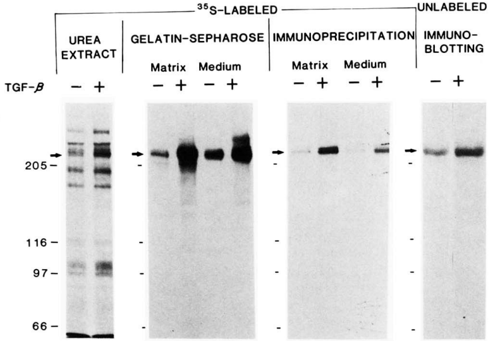
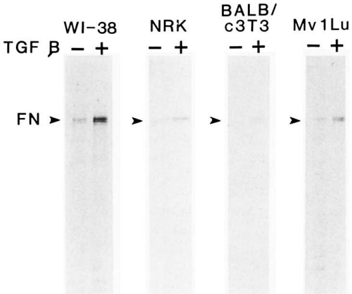
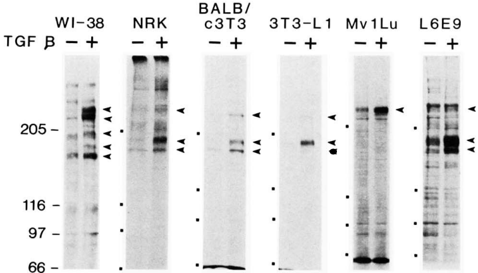
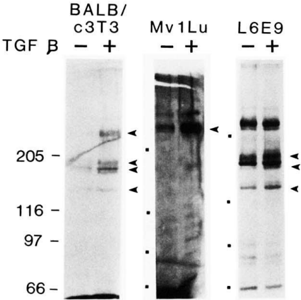
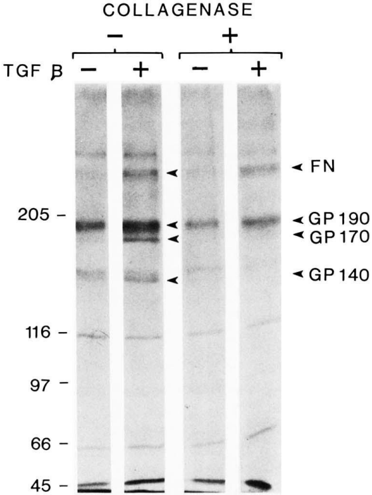
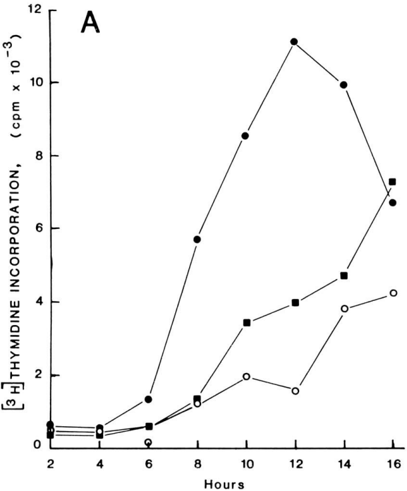
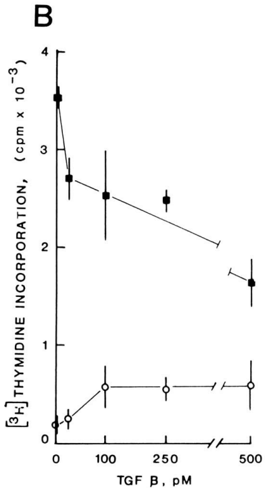
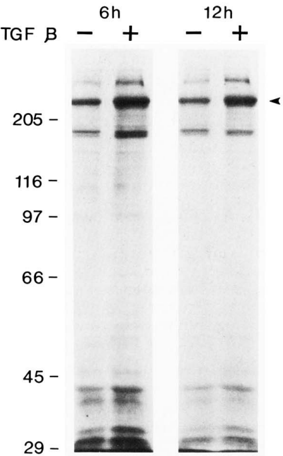
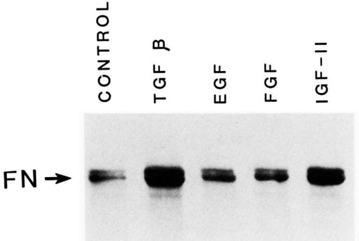
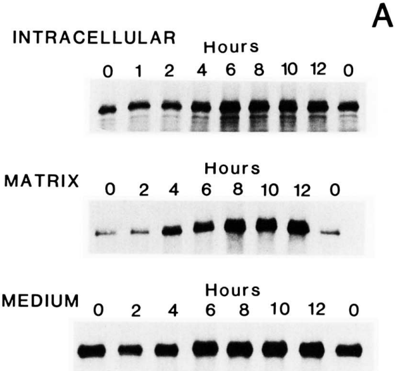
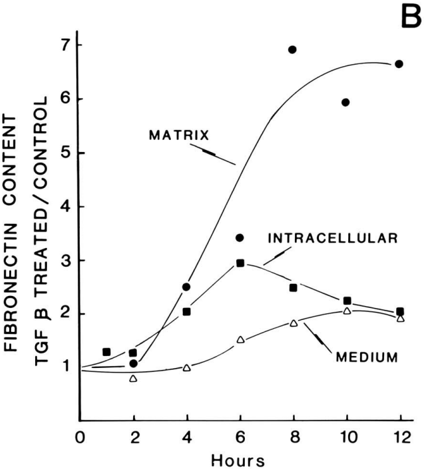
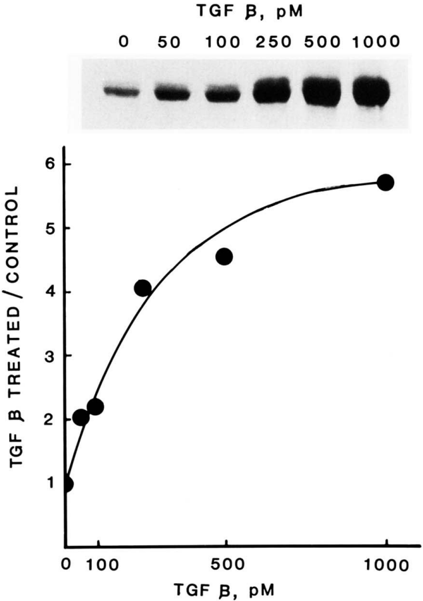
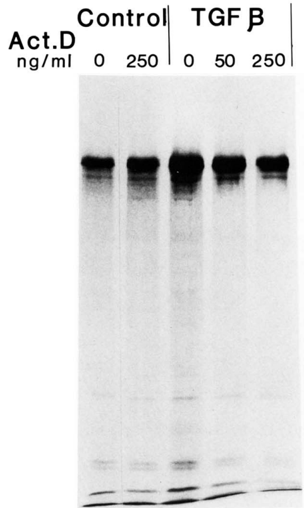
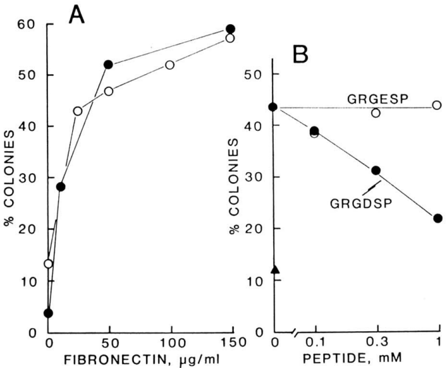
We have examined whether the extracellular matrix is a biochemical target for transforming growth factor-beta (TGFbeta). We find that TGFbeta increases the expression of the major extracellular matrix proteins, fibronectin and collagen. This effect is a general response to TGFbeta seen in primary cultures and established lines of cells from various types, normal and transformed. The relative incorporation of fibronectin and collagen into the matrix also increases in response to TGFbeta. The effect of TGFbeta on fibronectin levels as characterized in chick embryo fibroblasts is rapid, selective, persistent, and specific, and involves transcriptional events; it is not mimicked by other growth factors tested. The induction of anchorage-independent growth of normal fibroblasts by TGFbeta is mimicked by fibronectin and is specifically blocked by inhibitors of fibronectin binding to its cell surface receptor. The results demonstrate a functional involvement of fibronectin in mediating cellular responses to TGFbeta, and suggest a model for TGFbeta action based on the control of the extracellular matrix in target cells.
Overview
The claims and statistics of this paper haven’t been checked yet.
Free: it reads the open-access text and checks the first 5 claims that cite a source we can check. Create a free account to check every claim.
Integrity signals
Registry
Cites
Statistics
Figures
Verification
Claims the paper makes
The claims and statistics of this paper haven’t been checked yet.
Free: it reads the open-access text and checks the first 5 claims that cite a source we can check. Create a free account to check every claim.
Claims other papers make about this one
Each is checked against this paper’s own text: does it say what the citing paper says it does?
The source backs part of the claim, not all of it — or backs it for a different population, condition or comparison.
In the citing paper
“TGF-β released by these macrophages attracts local fibroblast populations, and induces their activation on arrival (Ignotz and Massagué, 1986).”
From Foreign Body Reaction to Implanted Biomaterials and Its Impact in Nerve Neuroprosthetics (2021) · cites this paper as Ignotz and Massagué, 1986
Experimental — accuracy not yet measuredThe source backs part of the claim, not all of it — or backs it for a different population, condition or comparison.
In the citing paper
“TGF-β lies at the heart of the fibrotic response in FBR, driving the activation of fibroblasts surrounding the implant into myofibroblasts (Ignotz and Massagué, 1986).”
From Foreign Body Reaction to Implanted Biomaterials and Its Impact in Nerve Neuroprosthetics (2021) · cites this paper as Ignotz and Massagué, 1986
Experimental — accuracy not yet measuredIn the citing paper
“TGF-b stimulates the synthesis of collagen and fibronectin in a variety of cell lines, 78,79 as well as many other ECM components including hyaluronic acid, TSP, tenascin, and others.”
From Interactions between extracellular matrix and growth factors in wound healing (2009) · cites this paper as [78]
Self-check
Percentages, sums and reported differences re-computed from the paper’s own numbers.
The self-check needs the paper’s full text.
Citations
Cites
Cleavage of Structural Proteins during the Assembly of the Head of Bacteriophage T4
LAEMMLI, U. K. (1970) · Nature · doi:10.1038/227680a0 · Cited by 249,961
Burnette, W. N. (1981) · Analytical Biochemistry · doi:10.1016/0003-2697(81)90281-5 · Cited by 8,429
Pierschbacher, M. D., & Ruoslahti, E. (1984) · Nature · doi:10.1038/309030a0 · Cited by 3,658
Binding of soluble form of fibroblast surface protein, fibronectin, to collagen
Engvall, E., & Ruoslahti, E. (1977) · International Journal of Cancer · doi:10.1002/ijc.2910200102 · Cited by 1,947
Derynck, R., Jarrett, J. A., Chen, E. Y., Eaton, D. H., Bell, J. R., Assoian, R. K., Roberts, A. B., Sporn, M. B., & Goeddel, D. V. (1985) · Nature · doi:10.1038/316701a0 · Cited by 1,667
Assoian, R. K., Komoriya, A., Meyers, C. A., Miller, D. M., & Sporn, M. B. (1983) · Journal of Biological Chemistry · doi:10.1016/s0021-9258(18)32345-7 · Cited by 1,598
Growth factors from murine sarcoma virus-transformed cells.
de Larco, J. E., & Todaro, G. J. (1978) · Proceedings of the National Academy of Sciences · doi:10.1073/pnas.75.8.4001 · Cited by 1,461
Autocrine growth factors and cancer
Sporn, M. B., & Roberts, A. B. (1985) · Nature · doi:10.1038/313745a0 · Cited by 1,438
Epidermal Growth Factor and a New Derivative
Savage, C. R., & Cohen, S. (1972) · Journal of Biological Chemistry · doi:10.1016/s0021-9258(19)44568-7 · Cited by 1,208
Pytela, R., Pierschbacher, M. D., & Ruoslahti, E. (1985) · Cell · doi:10.1016/0092-8674(85)90322-8 · Cited by 1,101
Research works printed but not linked: 7
- Assoian, R. K., Grotendorst, G. R., Miller, D. M., and Sporn, M. B. Assoian, R. K., Komoriya, A., Meyers, C. A., Miller, D. M., and Sporn, Balian, G., Click, E. M., Crouch, E., Davidson, J. M., and Bornstein, Boerner, P., Resnick, R. J., and Racker, E. (1985) Proc. Nutl. Acad.
- Hakomori, S., Fukuda, M., Sekiguchi, K., and Carter, W. G. (1984) in Biochemistry (Piez, K. A., and Reddi, A. H., eds) pp. 229-275, Elsevier/North-Holland, New York
- Iwata, K. K., Fryling, C. M., Knott, W. B., and Todaro, G. J. (1985)
- Krieg, T., Aumailley, M., Dessau, W., Wiestner, M., and Muller, P. Kurkinen, M., Vaheri, A., Roberts, P. J., and Stenman, S. (1980) Lab.
- Pytela, R., Pierschbacher, M. D., and Ruoslahti, E. (1985) Cell 4 0 , Roberts, A. B, Anzano, M. A,, Lamb, L. C., Smith, J. M., and Sporn, M. B. (1981) Proc. Natl. Acad. Sci. U. S. A. 7 8 , 5339-5343
- Shipley, G. D., Tucker, R. F., and Moses, H. L. (1985) Proc. Natl.
- Wagner, D. D., Ivatt, R., Destree, A. T., and Hynes, R. 0. (1981) J. Yamada, K. M. (1983) in Cell Interactions and Development (Yamada, Yamada, K. M., and Weston, J. A. (1974) Proc. Natl. Acad. Sci. U. S. Yamada, K. M., Yamada, S. S., and Pastan, I. (1976) Proc. Natl. 4551-4554 Sci. U. S. A. 81,5985-5988 191-198 119-123
Cited by
Items 501–600 of 1,012
Transcriptional control of cardiac fibroblast plasticity
Lighthouse, J. K., & Small, E. M. (2016) · Journal of Molecular and Cellular Cardiology · doi:10.1016/j.yjmcc.2015.12.016 · Cited by 129
“Myofibroblasts also possess mature focal adhesions consisting of vinculin, paxillin, integrin αvβ3, focal adhesion kinase, and actin [32, 33], allowing for a directed migration to the source of injury in MI. Finally, myofibroblasts express and secrete an abundance of ECM proteins, including collagen 1, collagen 3, fib…”
BackgroundCarcinoid Tumors and Fibrosis: An Association with No Explanation
Modlin, I. M., Shapiro, M. D., & Kidd, M. (2004) · The American Journal of Gastroenterology · doi:10.1111/j.1572-0241.2004.40507.x · Cited by 130
St-Jacques, S., Forte, M., Lye, S. J., & Letarte, M. (1994) · Biology of Reproduction · doi:10.1095/biolreprod51.3.405 · Cited by 128
Jiménez, S. A. (2013) · ISRN Rheumatology · doi:10.1155/2013/835948 · Cited by 142
Mierisch, C., Cohen, S. B., Jordan, L. C., Robertson, P. G., Balian, G., & Diduch, D. R. (2002) · Arthroscopy The Journal of Arthroscopic and Related Surgery · doi:10.1053/jars.2002.36117 · Cited by 145
Role of vitamin D in uterine fibroid biology
Brakta, S., Diamond, J. S., Al-Hendy, A. A., Diamond, M. P., & Halder, S. K. (2015) · Fertility and Sterility · doi:10.1016/j.fertnstert.2015.05.031 · Cited by 145
“TGF-β has been found to be significantly involved in the accumulation of ECM proteins in leiomyoma (82).”
JUNB governs a feed-forward network of TGFβ signaling that aggravates breast cancer invasion
Sundqvist, A., Morikawa, M., Ren, J., Vasilaki, E., Kawasaki, N., Kobayashi, M., Koinuma, D., Aburatani, H., Miyazono, K., Heldin, C., et al. (2017) · Nucleic Acids Research · doi:10.1093/nar/gkx1190 · Cited by 141
Extrinsic regulation of satellite cell specification
Bentzinger, C., von Maltzahn, J., & Rudnicki, M. A. (2010) · Stem Cell Research & Therapy · doi:10.1186/scrt27 · Cited by 129
Transforming growth factor beta 1 gene expression in human airways.
Aubert, J., Dalal, B. I., Bai, T. R., Roberts, C. R., Hayashi, S., & Hogg, J. C. (1994) · Thorax · doi:10.1136/thx.49.3.225 · Cited by 139
Rodríguez‐Fernández, J. L., & Ben‐Ze'ev, A. (1989) · Differentiation · doi:10.1111/j.1432-0436.1989.tb00608.x · Cited by 126
Rollins, B. J., & Stiles, C. D. (1989) · Advances in cancer research · doi:10.1016/s0065-230x(08)60277-8 · Cited by 133
Mechanisms of Growth Control in Normal and Malignant Breast Epithelium
Lippman, M. E., & Dickson, R. B. (1989) · Elsevier eBooks · doi:10.1016/b978-0-12-571145-6.50012-1 · Cited by 139
p38 Inhibitors Prevent TGF-β–Induced Myofibroblast Transdifferentiation in Human Tenon Fibroblasts
Meyer-ter-Vehn, T., Gebhardt, S., Sebald, W., Buttmann, M., Grehn, F., Schlunck, G., & Knaus, P. (2006) · Investigative Opthalmology & Visual Science · doi:10.1167/iovs.05-0361 · Cited by 125
“Another interpretation is that the inhibition of myofibroblast transdifferentiation reduces ECM production because -SMA–positive myofibroblasts are known as the main source of ECM proteins.(5,6) A mitogenic effect of TGF- on HTF has been reported.”
BackgroundBochaton‐Piallat, M., Kapetanios, A. D., Donati, G., Redard, M., Gabbiani, G., & Pournaras, C. J. (2000) · PubMed · Cited by 144
Exaggerated Radiation-Induced Fibrosis in Patients With Systemic Sclerosis
Varga, J., Haustein, U. F., Creech, R. H., Dwyer, J. P., & Jimenez, S. A. (1991) · JAMA · doi:10.1001/jama.1991.03460240088033 · Cited by 128
Davis, B. H. (1988) · Journal of Cellular Physiology · doi:10.1002/jcp.1041360323 · Cited by 127
Inductive effects of fibroblast growth factor and lithium ion on Xenopus blastula ectoderm
Slack, J. M. W., Isaacs, H. V., & Darlington, B. G. (1988) · Development · doi:10.1242/dev.103.3.581 · Cited by 126
Identification of a Gene Family Regulated by Transforming Growth Factor-β
Brunner, A., Chinn, J., Neubauer, M., & Purchio, A. F. (1991) · DNA and Cell Biology · doi:10.1089/dna.1991.10.293 · Cited by 124
MMP-9 signaling in the left ventricle following myocardial infarction
Iyer, R. P., Jung, M., & Lindsey, M. L. (2016) · American Journal of Physiology-Heart and Circulatory Physiology · doi:10.1152/ajpheart.00243.2016 · Cited by 130
“also capable of activating TGF- 1 to maintain matrix integrity and stability (39, 48).”
BackgroundGaissmaier, C., Fritz, J., Krackhardt, T., Flesch, I., Aicher, W. K., & Ashammakhi, N. A. (2004) · Biomaterials · doi:10.1016/j.biomaterials.2004.06.031 · Cited by 124
SCOTT, P. G., DODD, C. M., TREDGET, E. E., GHAHARY, A., & RAHEMTULLA, F. (1995) · Histopathology · doi:10.1111/j.1365-2559.1995.tb00249.x · Cited by 126
Transforming growth factor‐β regulates the splicing pattern of fibronectin messenger RNA precursor
Borsi, L., Castellani, P., Risso, A. M., Leprini, A., & Zardi, L. (1990) · FEBS Letters · doi:10.1016/0014-5793(90)80664-5 · Cited by 125
Increased transforming growth factor-β1 gene expression in human liver disease
Annoni, G., Weiner, F. R., & Zern, M. Α. (1992) · Journal of Hepatology · doi:10.1016/0168-8278(92)90168-o · Cited by 124
Danielpour, D., Kim, K.-Y., Dart, L. L., Watanabe, S., Roberts, A. B., & Sporn, M. B. (1989) · Growth Factors · doi:10.3109/08977198909069082 · Cited by 126
Bachem, M. G., Sell, K.-M., Melchior, R., Kropf, J., Eller, T., & Gressner, A. M. (1993) · Virchows Archiv B Cell Pathology Including Molecular Pathology · doi:10.1007/bf02899251 · Cited by 140
Larson, R. C., Ignotz, G. G., & Currie, W. B. (1992) · Molecular Reproduction and Development · doi:10.1002/mrd.1080330409 · Cited by 123
The Transforming Growth Factor‐Betas: Past, Present, and Future
Sporn, M. B., & Roberts, A. B. (1990) · Annals of the New York Academy of Sciences · doi:10.1111/j.1749-6632.1990.tb16095.x · Cited by 123
Review of Peptide Growth Factors in Benign Prostatic Hyperplasia and Urological Malignancy
Steiner, M. S. (1995) · The Journal of Urology · doi:10.1016/s0022-5347(01)67516-5 · Cited by 141
Expression of connective tissue growth factor mRNA in the fibrous stroma of mammary tumors
Frazier, K. S., & Grotendorst, G. R. (1997) · The International Journal of Biochemistry & Cell Biology · doi:10.1016/s1357-2725(96)00127-6 · Cited by 124
Renal extracellular matrix accumulation in acute puromycin aminonucleoside nephrosis in rats.
Jones, C. L., Buch, S. J., Post, M., McCulloch, L., Liu, E., & Eddy, A. A. (1992) · PubMed Central · Cited by 129
Liu, Y., Sun, X., Yu, J., Wang, J., Zhai, P., Chen, S., Liu, M., & Zhou, Y. (2019) · BioMed Research International · doi:10.1155/2019/3295756 · Cited by 122
“TGF-β1 may promote new bone formation by stimulating collagen and fibronectin synthesis [15].”
BackgroundTGF-β1 Accelerates Wound Healing: Reversal of Steroid-Impaired Healing in Rats and Rabbits
Beck, L. S., Deguzman, L., Lee, W. P., Xu, Y., McFatridge, L. A., & Amento, E. P. (1991) · Growth Factors · doi:10.3109/08977199109000293 · Cited by 122
WRANA, J. L., OVERALL, C. M., & SODEK, J. (1991) · European Journal of Biochemistry · doi:10.1111/j.1432-1033.1991.tb15940.x · Cited by 123
Coimbra, T. M., Wiggins, R. C., Noh, J., Merritt, S. E., & Phan, S. H. (1991) · PubMed Central · Cited by 131
Gomm, J., Smith, J., Ryall, G., Baillie, R., Turnbull, L., & Coombes, R. C. (1991) · PubMed · Cited by 128
Localization and early time course of TGF‐β1 mRNA expression in dystrophic muscle
Gosselin, L. E., Williams, J. E., Deering, M. A., Brazeau, D. A., Koury, S. T., & Martinez, D. A. (2004) · Muscle & Nerve · doi:10.1002/mus.20150 · Cited by 128
Interactions between retinoids and TGF β s in mouse morphogenesis
Mahmood, R., Flanders, K. C., & Morriss-Kay, G. M. (1992) · Development · doi:10.1242/dev.115.1.67 · Cited by 122
Kimura, R. H., Wang, L., Shen, B., Huo, L., Tummers, W., Filipp, F. V., Guo, H. H., Haywood, T., Abou-Elkacem, L., Baratto, L., et al. (2019) · Nature Communications · doi:10.1038/s41467-019-11863-w · Cited by 118
Logan, A., Green, J., Hunter, A., Jackson, R., & Berry, M. (1999) · European Journal of Neuroscience · doi:10.1046/j.1460-9568.1999.00654.x · Cited by 119
Role of Stromal Myofibroblasts Infiltrating Colon Cancer in Tumor Invasion
Martín, M., Pujuguet, P., & Martin, F. (1996) · Pathology - Research and Practice · doi:10.1016/s0344-0338(96)80093-8 · Cited by 120
Davidson, J. M., Zoia, O., & Liu, J. (1993) · Journal of Cellular Physiology · doi:10.1002/jcp.1041550119 · Cited by 122
Hyaluronan Synthase 3 Regulates Hyaluronan Synthesis in Cultured Human Keratinocytes
Sayo, T., Sugiyama, Y., Takahashi, Y., Ozawa, N., Sakai, S., Inoue, S., Ishikawa, O., & Tamura, M. (2002) · Journal of Investigative Dermatology · doi:10.1046/j.0022-202x.2001.01613.x · Cited by 139
The Aqueous Levels of TGF-β2 in Patients with Glaucoma
Özcan, A. A., Özdemir, N., & Canataroğlu, A. (2004) · International Ophthalmology · doi:10.1023/b:inte.0000018524.48581.79 · Cited by 119
Clark, R. A. F. (1988) · Springer eBooks · doi:10.1007/978-1-4899-0185-9_1 · Cited by 135
Chronic Blockade of NO Synthase Activity Induces a Proinflammatory Phenotype in the Arterial Wall
Luvarà, G., Pueyo, M. E., Philippe, M., Mandet, C., Savoie, F., Henrion, D., & Michel, J. (1998) · Arteriosclerosis Thrombosis and Vascular Biology · doi:10.1161/01.atv.18.9.1408 · Cited by 119
The role of fibroblasts in tumor behavior
Gr�goire, M., & Lieubeau, B. (1995) · Cancer and Metastasis Reviews · doi:10.1007/bf00690602 · Cited by 128
Phillips, A. O., Steadman, R., Topley, N., & Jd, W. (1995) · Europe PMC (PubMed Central) · Cited by 127
Wang, J., Zhang, J., Xiao, M., Wang, S., Wang, J., Guo, Y., Tang, Y., & Gu, J. (2021) · Cellular and Molecular Life Sciences · doi:10.1007/s00018-020-03729-y · Cited by 128
Oishi, Y., Fu, Z., OHNUKI, Y., Kato, H., & Noguchi, T. (2002) · British Journal of Dermatology · doi:10.1046/j.1365-2133.2002.04949.x · Cited by 118
Strøm, E. H., Banfi, G., Krapf, R., Abt, A. B., Mazzucco, G., Monga, G., Gloor, F. J., Neuweiler, J., Riess, R. H., Stosiek, P., et al. (1995) · Kidney International · doi:10.1038/ki.1995.280 · Cited by 118
Tsushima, H., Kawata, S., Tamura, S., Ito, N., Shirai, Y., Kiso, S., Doi, Y., Yamada, A., Oshikawa, O., & Matsuzawa, Y. (1999) · Journal of Hepatology · doi:10.1016/s0168-8278(99)80001-4 · Cited by 124
Reduced growth-factor requirement of keloid-derived fibroblasts may account for tumor growth.
Russell, S. B., Trupin, K. M., Rodríguez-Eaton, S., Russell, J. D., & Trupin, J. S. (1988) · Proceedings of the National Academy of Sciences · doi:10.1073/pnas.85.2.587 · Cited by 119
Regulation of expression of the type I collagen genes
Slack, J. L., Liska, D. J., & BORNSTEIN, P. K. (1993) · American Journal of Medical Genetics · doi:10.1002/ajmg.1320450203 · Cited by 131
Current understanding of the immune mechanisms of food protein-induced enterocolitis syndrome
Caubet, J., & Nowak-Wegrzyn, A. H. (2011) · Expert Review of Clinical Immunology · doi:10.1586/eci.11.13 · Cited by 117
Frazer, A., Bunning, R. A. D., Thavarajah, M., Seid, J. M., & Russell, R. G. G. (1994) · Osteoarthritis and Cartilage · doi:10.1016/s1063-4584(05)80075-5 · Cited by 137
Whitelaw, A., Pople, I. K., Cherian, S., Evans, D., & Thoresen, M. (2003) · PEDIATRICS · doi:10.1542/peds.111.4.759 · Cited by 117
Berman, B., & Duncan, M. R. (1989) · Journal of Investigative Dermatology · doi:10.1111/1523-1747.ep12712140 · Cited by 117
Weiner, F. R., Shah, A., Smith, P. J., Rubin, C. S., & Zern, M. A. (1989) · Biochemistry · doi:10.1021/bi00435a070 · Cited by 117
Kang, D., Hong, Y.-S., Lim, H. J., Choi, J.-H., Han, D. S., & Yoon, K.-I. (1999) · Peritoneal Dialysis International · doi:10.1177/089686089901900307 · Cited by 117
Keski‐Oja, J., Blasi, F., Leof, E., & Moses, H. L. (1988) · The Journal of Cell Biology · doi:10.1083/jcb.106.2.451 · Cited by 117
Hintze, V., Miron, A., Moeller, S. J., Schnabelrauch, M., Wiesmann, H., Worch, H., & Scharnweber, D. (2012) · Acta Biomaterialia · doi:10.1016/j.actbio.2012.03.021 · Cited by 128
Alameddine, H. S., & Morgan, J. E. (2016) · Journal of Neuromuscular Diseases · doi:10.3233/jnd-160183 · Cited by 130
Yamamoto, T., Takagawa, S., Katayama, I., & Nishioka, K. (1999) · Clinical Immunology · doi:10.1006/clim.1999.4720 · Cited by 126
Release of TGF-ß1 and VEGF in tears following photorefractive keratectomy
Vesaluoma, M. H., Teppo, A., Grönhagen‐Riska, C., & Tervo, T. (1997) · Current Eye Research · doi:10.1076/ceyr.16.1.19.5119 · Cited by 117
Stimulation of Bone Formation by Dietary Boron in an Orthopedically Expanded Suture in Rabbits
Uysal, T., Ustdal, A., Sönmez, M. F., & Öztürk, F. (2009) · The Angle Orthodontist · doi:10.2319/112708-604.1 · Cited by 116
Jaffer, F., Saunders, C., Shultz, P. J., Throckmorton, D. C., Weinshell, E., & Abboud, H. E. (1989) · PubMed Central · Cited by 117
Zheng, S., & Chen, A. (2004) · Biochemical Journal · doi:10.1042/bj20040928 · Cited by 123
Kimura, A., Katoh, O., Hyodo, H., & Kuramoto, A. (1989) · British Journal of Haematology · doi:10.1111/j.1365-2141.1989.tb04310.x · Cited by 115
Smith, J. C., Symes, K., Hynes, R. O., & DeSimone, D. W. (1990) · Development · doi:10.1242/dev.108.2.229 · Cited by 115
A review of the influence of growth factors and cytokines in in vitro human keratinocyte migration
Peplow, P. V., & Chatterjee, M. (2013) · Cytokine · doi:10.1016/j.cyto.2013.02.015 · Cited by 133
“They induce proliferation and migration of cells within the wound environment, and also regulate the ECM by stimulating the synthesis of collagen and fibronectin in a variety of cell lines [13] as well as many other ECM components [14].”
BackgroundOxidative Stress and Human Skin Connective Tissue Aging
Tu, Y., & Quan, T. (2016) · Cosmetics · doi:10.3390/cosmetics3030028 · Cited by 113
Hill, C., Flyvbjerg, A., Grønbæk, H., Petrik, J., Hill, D. J., Thomas, C. R., Sheppard, M. C., & Logan, A. (2000) · Endocrinology · doi:10.1210/endo.141.3.7359 · Cited by 114
“It is well known that matrix continues to accumulate during the chronic phase but at a lower rate, until the glomerulus is unable to function and kidney failure results (21).”
BackgroundMyofibroblasts and lung fibrosis induced by carbon nanotube exposure
Dong, J., & Ma, Q. (2016) · Particle and Fibre Toxicology · doi:10.1186/s12989-016-0172-2 · Cited by 119
TGF‐βs: their role in testicular function and Sertoli cell tight junction dynamics
Lui, W., Lee, W. M., & Cheng, C. Y. (2003) · International Journal of Andrology · doi:10.1046/j.1365-2605.2003.00410.x · Cited by 130
The role of the dystrophin glycoprotein complex in muscle cell mechanotransduction
Wilson, D. G. S., Tinker, A., & Iskratsch, T. (2022) · Communications Biology · doi:10.1038/s42003-022-03980-y · Cited by 139
Riikonen, T., Koivisto, L., Vihinen, P., & Heino, J. (1995) · Journal of Biological Chemistry · doi:10.1074/jbc.270.1.376 · Cited by 112
Autocrine secretion of transforming growth factor-β in cultured rat mesangial cells
Kaname, S., Uchida, S., Ogata, E., & Kurokawa, K. (1992) · Kidney International · doi:10.1038/ki.1992.423 · Cited by 115
Transforming Growth Factor-β Signaling in Epithelial Cells
Hartsough, M. T., & Mulder, K. M. (1997) · Pharmacology & Therapeutics · doi:10.1016/s0163-7258(97)00020-x · Cited by 136
Developmental expression of tissue inhibitor of metalloproteinase (TIMP) RNA
Nomura, S., Hogan, B. L. M., Wills, A. J., Heath, J. K., & Edwards, D. R. (1989) · Development · doi:10.1242/dev.105.3.575 · Cited by 129
Bohnsack, B. L., Lai, L., Dolle, P., & Hirschi, K. K. (2004) · Genes & Development · doi:10.1101/gad.1184904 · Cited by 113
“Subsequent TGF- 1 regulation of Fn has been described in numerous cell types (Ignotz and Massague 1986; Ignotz et al. 1987), including endothelial cells.”
BackgroundLiu, C., Yao, J., de Belle, I., Huang, R.-P., Adamson, E., & Mercola, D. (1999) · Journal of Biological Chemistry · doi:10.1074/jbc.274.7.4400 · Cited by 111
Activation of Latent Transforming Growth Factor ß
Flaumenhaft, R. C., Kojima, S., Abé, M., & Rifkin, D. B. (1993) · Advances in pharmacology · doi:10.1016/s1054-3589(08)60933-3 · Cited by 123
New Advances in the Understanding of the Pathophysiology of Chronic Venous Insufficiency
Schmid-Schönbein, G. W., Takase, S., & Bergan, J. J. (2001) · Angiology · doi:10.1177/0003319701052001s04 · Cited by 122
Li, H., Hicks, J. J., Wang, L., Oyster, N., Philippon, M. J., Hurwitz, S. R., Hogan, M. V., & Huard, J. (2016) · Biomaterials · doi:10.1016/j.biomaterials.2016.02.017 · Cited by 122
“In addition, TGF-b1 has the ability to stimulate collagen synthesis, fibroblast proliferation, and angiogenesis [9].”
BackgroundImazato, S., Imai, T., Russell, R. R. B., Torii, M., & Ebisu, S. (1998) · Journal of Biomedical Materials Research · doi:10.1002/(sici)1097-4636(19980315)39:4<511::aid-jbm1>3.0.co;2-m · Cited by 115
Decorin Attenuates Gliotic Scar Formation in the Rat Cerebral Hemisphere
Logan, A., Baird, A., & Berry, M. (1999) · Experimental Neurology · doi:10.1006/exnr.1999.7180 · Cited by 122
Basement Membrane Gene Expression by Sertoli and Peritubular Myoid Cells in Vitro in the Rat1
Richardson, L. L., Kleinman, H. K., & Dym, M. (1995) · Biology of Reproduction · doi:10.1095/biolreprod52.2.320 · Cited by 110
Rudnicka, L., Varga, J., Christiano, A. M., Iozzo, R. V., Jimenez, S. A., & Uitto, J. (1994) · Journal of Clinical Investigation · doi:10.1172/jci117154 · Cited by 111
Keratinocyte Growth Factor and Embryonic Rat Lung Morphogenesis
Shiratori, M., Oshika, E., Ung, L. P., Singh, G., Shinozuka, H., Warburton, D., Michalopoulos, G. K., & Katyal, S. L. (1996) · American Journal of Respiratory Cell and Molecular Biology · doi:10.1165/ajrcmb.15.3.8810636 · Cited by 109
Noncanonical TGF-β Signaling During Mammary Tumorigenesis
Parvani, J. G., Taylor, M. A., & Schiemann, W. P. (2011) · Journal of Mammary Gland Biology and Neoplasia · doi:10.1007/s10911-011-9207-3 · Cited by 109
“In the presence of degraded ECM fragments, the scaffolding functions of FAK enable the formation of complexes comprised of β1 integrins and TGF-β receptors, which initiate oncogenic TGF-β signaling in a ligand-independent manner [101].”
InfluentialSaitō, H., Papaconstantinou, J., Sato, H., & Goldstein, S. (1997) · Journal of Biological Chemistry · doi:10.1074/jbc.272.13.8157 · Cited by 109
Mediation of Transforming Growth Factor-β1-Stimulated Matrix Contraction by Fibroblasts
Daniels, J. T., Schultz, G. S., Blalock, T. D., Garrett, Q., Grotendorst, G. R., Dean, N. M., & Khaw, P. T. (2003) · American Journal Of Pathology · doi:10.1016/s0002-9440(10)63562-6 · Cited by 108
Transforming Growth Factor-β1: A Possible Signal Molecule for Posthemorrhagic Hydrocephalus?
Whitelaw, A., Christie, S., & Pople, I. K. (1999) · Pediatric Research · doi:10.1203/00006450-199911000-00014 · Cited by 108
Bergeron, C., Hauber, H. P., Gotfried, M. H., Newman, K., Dhanda, R. K., Servi, R. J., Ludwig, M. S., & Hamid, Q. A. (2005) · Journal of Allergy and Clinical Immunology · doi:10.1016/j.jaci.2005.07.029 · Cited by 118
Sulaiman, O. A. R., & Gordon, T. (2002) · Glia · doi:10.1002/glia.10022 · Cited by 108
“TGF- enhances the formation of extracellular matrix, upregulates the expression of collagen type IV mRNA in Schwann cells, and prevents disintegration of the basal lamina (Ignotz and Massague, 1986; Roberts et al., 1986; Rogister et al., 1993).”
BackgroundHwang, K.-A., Yi, B.-R., & Choi, K.-C. (2011) · Laboratory Animal Research · doi:10.5625/lar.2011.27.1.1 · Cited by 106
“The ability of TGF-β to stimulate the synthesis of extracelluar matrix components in cultured fibroblasts is well-documented (Ignotz and Massague, 1986; Raghow et al, 1987; Bitzer et al, 2000).”
BackgroundFine, A., Poliks, C. F., Donahue, L. P., Smith, B. D., & Goldstein, R. H. (1989) · Journal of Biological Chemistry · doi:10.1016/s0021-9258(18)71448-8 · Cited by 110
The pathogenesis of pulmonary fibrosis: Is there a fibrosis gene?
Marshall, R. P., McAnulty, R. J., & Laurent, G. J. (1997) · The International Journal of Biochemistry & Cell Biology · doi:10.1016/s1357-2725(96)00141-0 · Cited by 120
Miyazawa, K., Kikuchi, S., Fukuyama, J., Hamano, S., & Ujiie, A. (1995) · Atherosclerosis · doi:10.1016/0021-9150(95)05607-6 · Cited by 108
Khanna, A. K., Cairns, V. R., Becker, C. G., & Hosenpud, J. D. (1999) · Transplantation · doi:10.1097/00007890-199903270-00016 · Cited by 108
Metadata
- Authors
- Ignotz, R. A., & Massagué, J.
- Affiliations
- University of Massachusetts Chan Medical School (US)
- ORCID
- Massagué, J
- Venue
- Journal of Biological Chemistry
- Publisher
- Elsevier BV
- Published
- 1986-03
- Volume
- 261
- Issue
- 9
- Pages
- 4337-4345
- ISSN
- 0021-9258 (ISSN-L)
- OpenAlex
- W1505978562
- Cited by
- 2,492
- References
- 59
- Citations by year
- 2026: 16 · 2025: 18 · 2024: 43 · 2023: 22 · 2022: 24 · 2021: 33 · 2020: 43 · 2019: 43 · 2018: 39 · 2017: 39 · 2016: 52 · 2015: 33 · 2014: 31 · 2013: 42 · 2012: 40
- FWCI
- 42.28
- Type
- journal article
- Language
- en
- Open access
- hybrid
- doi.org
- Licence
- cc-by
- www.elsevier.com/tdm/userlicense/1.0/ (tdm)
- www.elsevier.com/legal/tdmrep-license (tdm)
- creativecommons.org/licenses/by/4.0/ (vor, 12662 d)
- Locations
- Journal of Biological Chemistry (publishedVersion, cc-by)
- PubMed (publishedVersion)
- Funders
- National Cancer Institute (CA34610)
- Topics
- Life Sciences › Biochemistry, Genetics and Molecular Biology › Molecular Biology › TGF-β signaling in diseases
- Health Sciences › Medicine › Immunology and Allergy › Cell Adhesion Molecules Research
- Health Sciences › Medicine › Hepatology › Liver physiology and pathology
- Keywords
- TGF-beta, fibronectin, collagen, extracellular matrix, gene expression regulation, transcriptional regulation, chicken embryo fibroblasts, anchorage-independent growth, alpha5beta1 integrin, cell surface receptors, growth factor signaling
- MeSH terms
- Animals, Cell Line, Chick Embryo, Collagen, Dactinomycin, DNA Replication, Dose-Response Relationship, Drug, Extracellular Matrix, Fibroblasts, Fibronectins, Humans, Mice, Inbred BALB C, Mink, Peptides, Transforming Growth Factors, Mice, Rats
About these checks
Registry, retraction, Cites and statistics results are computed, not judged, with one exception: a printed reference that no index lists is read once by a model before it counts as a citation error. Claims are extracted by a model and kept only when their quote appears verbatim in the text; each cited source is then checked, with a model’s help, for whether it says what the claim relies on. Those verdicts can be wrong — read the claim’s quote and the cited source before relying on one.
Statistics and arithmetic are recomputed, not judged.
Confidence bands are shown only for fields calibrated on our annotated test set. None is calibrated yet, so no band is shown.
What counts as a claim ›How we measure confidence ›How we check this ›
Are you an author, or do you see a problem with this page? Request a review
Data sources
Bibliographic data: Semantic Scholar, OpenAlex, Crossref.
Contains information from the Semantic Scholar Academic Graph Datasets, made available under the ODC Attribution License (ODC-BY 1.0).
Semantic Scholar’s data is described in: Kinney, R., et al. (2023). The Semantic Scholar Open Data Platform. arXiv:2301.10140.
