

Transforming growth factor-beta stimulates the expression of fibronectin and collagen and their incorporation into the extracellular matrix.
Open accessThe DOI matches its Crossref record; 59 of the 59 references it cites were found in a registry or an index.
Abstract
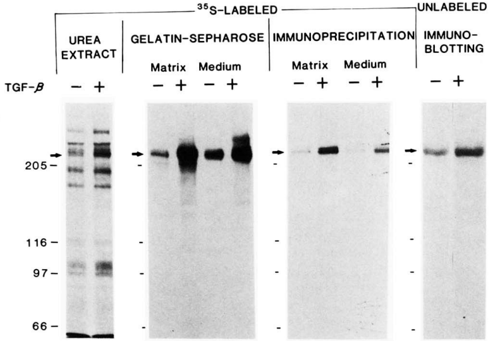
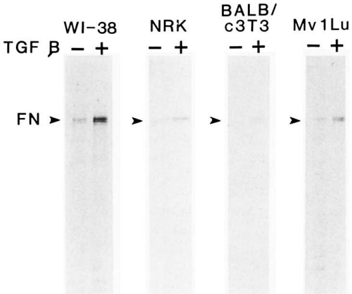
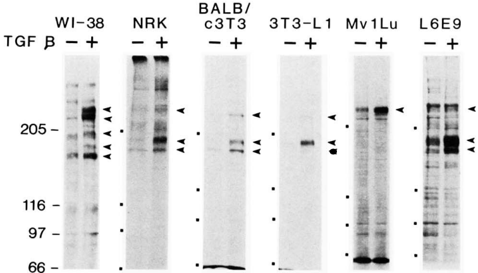
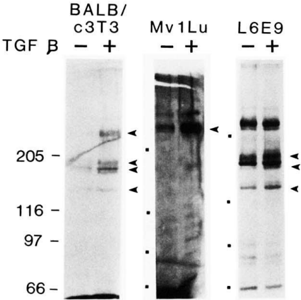
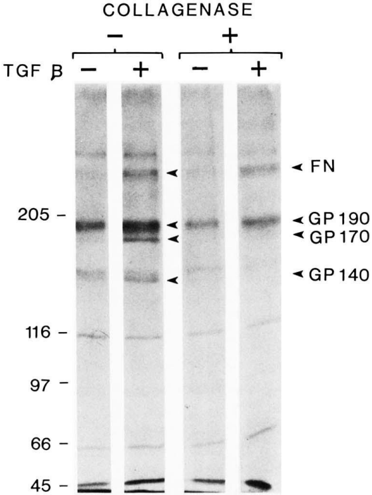
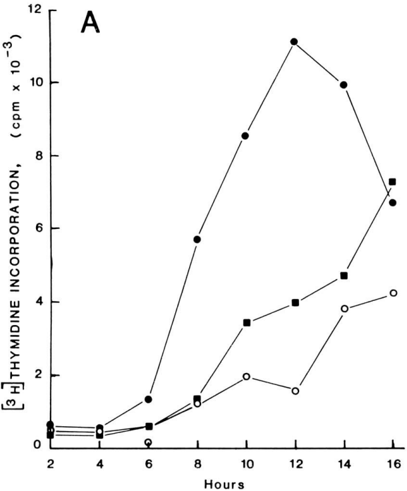
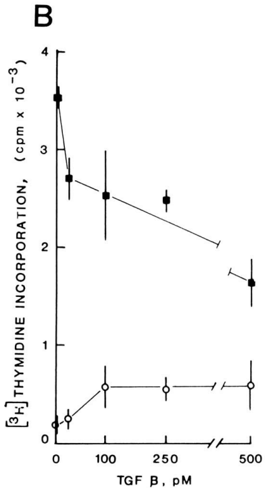
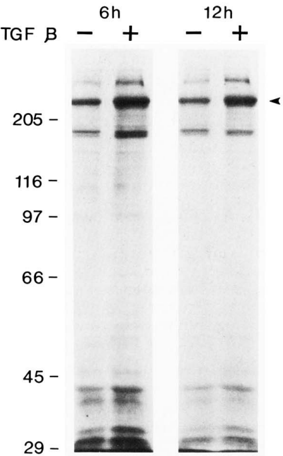
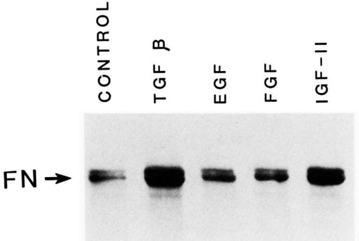
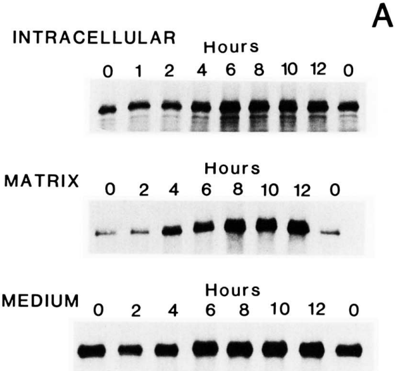
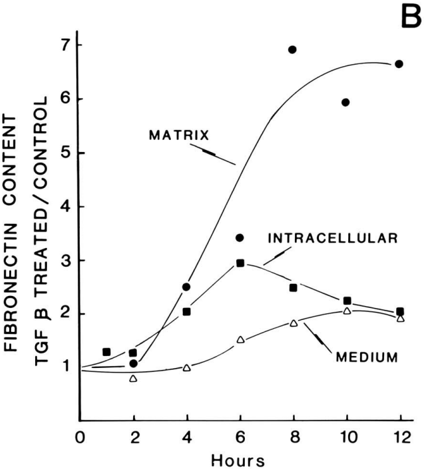
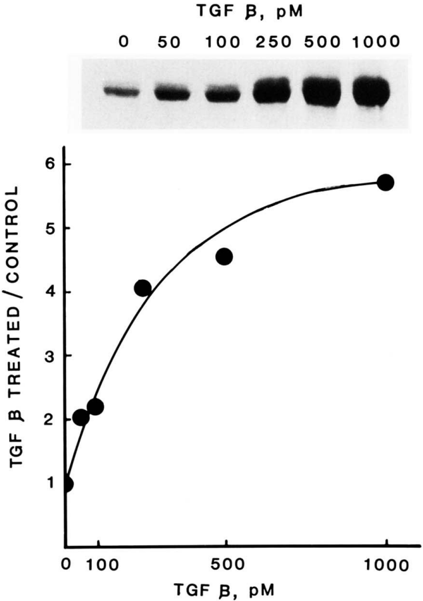
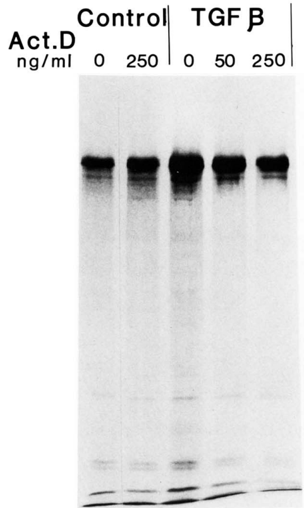
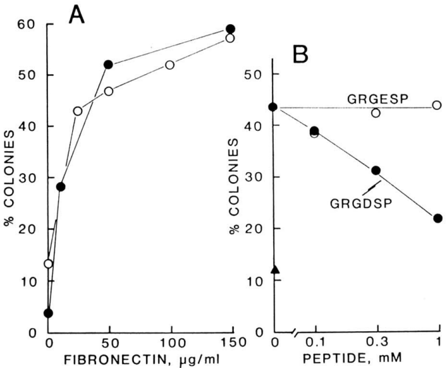
We have examined whether the extracellular matrix is a biochemical target for transforming growth factor-beta (TGFbeta). We find that TGFbeta increases the expression of the major extracellular matrix proteins, fibronectin and collagen. This effect is a general response to TGFbeta seen in primary cultures and established lines of cells from various types, normal and transformed. The relative incorporation of fibronectin and collagen into the matrix also increases in response to TGFbeta. The effect of TGFbeta on fibronectin levels as characterized in chick embryo fibroblasts is rapid, selective, persistent, and specific, and involves transcriptional events; it is not mimicked by other growth factors tested. The induction of anchorage-independent growth of normal fibroblasts by TGFbeta is mimicked by fibronectin and is specifically blocked by inhibitors of fibronectin binding to its cell surface receptor. The results demonstrate a functional involvement of fibronectin in mediating cellular responses to TGFbeta, and suggest a model for TGFbeta action based on the control of the extracellular matrix in target cells.
Overview
The claims and statistics of this paper haven’t been checked yet.
Free: it reads the open-access text and checks the first 5 claims that cite a source we can check. Create a free account to check every claim.
Integrity signals
Registry
Cites
Statistics
Figures
Verification
Claims the paper makes
The claims and statistics of this paper haven’t been checked yet.
Free: it reads the open-access text and checks the first 5 claims that cite a source we can check. Create a free account to check every claim.
Claims other papers make about this one
Each is checked against this paper’s own text: does it say what the citing paper says it does?
The source backs part of the claim, not all of it — or backs it for a different population, condition or comparison.
In the citing paper
“TGF-β released by these macrophages attracts local fibroblast populations, and induces their activation on arrival (Ignotz and Massagué, 1986).”
From Foreign Body Reaction to Implanted Biomaterials and Its Impact in Nerve Neuroprosthetics (2021) · cites this paper as Ignotz and Massagué, 1986
Experimental — accuracy not yet measuredThe source backs part of the claim, not all of it — or backs it for a different population, condition or comparison.
In the citing paper
“TGF-β lies at the heart of the fibrotic response in FBR, driving the activation of fibroblasts surrounding the implant into myofibroblasts (Ignotz and Massagué, 1986).”
From Foreign Body Reaction to Implanted Biomaterials and Its Impact in Nerve Neuroprosthetics (2021) · cites this paper as Ignotz and Massagué, 1986
Experimental — accuracy not yet measuredIn the citing paper
“TGF-b stimulates the synthesis of collagen and fibronectin in a variety of cell lines, 78,79 as well as many other ECM components including hyaluronic acid, TSP, tenascin, and others.”
From Interactions between extracellular matrix and growth factors in wound healing (2009) · cites this paper as [78]
Self-check
Percentages, sums and reported differences re-computed from the paper’s own numbers.
The self-check needs the paper’s full text.
Citations
Cites
Cleavage of Structural Proteins during the Assembly of the Head of Bacteriophage T4
LAEMMLI, U. K. (1970) · Nature · doi:10.1038/227680a0 · Cited by 249,961
Burnette, W. N. (1981) · Analytical Biochemistry · doi:10.1016/0003-2697(81)90281-5 · Cited by 8,429
Pierschbacher, M. D., & Ruoslahti, E. (1984) · Nature · doi:10.1038/309030a0 · Cited by 3,658
Binding of soluble form of fibroblast surface protein, fibronectin, to collagen
Engvall, E., & Ruoslahti, E. (1977) · International Journal of Cancer · doi:10.1002/ijc.2910200102 · Cited by 1,947
Derynck, R., Jarrett, J. A., Chen, E. Y., Eaton, D. H., Bell, J. R., Assoian, R. K., Roberts, A. B., Sporn, M. B., & Goeddel, D. V. (1985) · Nature · doi:10.1038/316701a0 · Cited by 1,667
Assoian, R. K., Komoriya, A., Meyers, C. A., Miller, D. M., & Sporn, M. B. (1983) · Journal of Biological Chemistry · doi:10.1016/s0021-9258(18)32345-7 · Cited by 1,598
Growth factors from murine sarcoma virus-transformed cells.
de Larco, J. E., & Todaro, G. J. (1978) · Proceedings of the National Academy of Sciences · doi:10.1073/pnas.75.8.4001 · Cited by 1,461
Autocrine growth factors and cancer
Sporn, M. B., & Roberts, A. B. (1985) · Nature · doi:10.1038/313745a0 · Cited by 1,438
Epidermal Growth Factor and a New Derivative
Savage, C. R., & Cohen, S. (1972) · Journal of Biological Chemistry · doi:10.1016/s0021-9258(19)44568-7 · Cited by 1,208
Pytela, R., Pierschbacher, M. D., & Ruoslahti, E. (1985) · Cell · doi:10.1016/0092-8674(85)90322-8 · Cited by 1,101
Research works printed but not linked: 7
- Assoian, R. K., Grotendorst, G. R., Miller, D. M., and Sporn, M. B. Assoian, R. K., Komoriya, A., Meyers, C. A., Miller, D. M., and Sporn, Balian, G., Click, E. M., Crouch, E., Davidson, J. M., and Bornstein, Boerner, P., Resnick, R. J., and Racker, E. (1985) Proc. Nutl. Acad.
- Hakomori, S., Fukuda, M., Sekiguchi, K., and Carter, W. G. (1984) in Biochemistry (Piez, K. A., and Reddi, A. H., eds) pp. 229-275, Elsevier/North-Holland, New York
- Iwata, K. K., Fryling, C. M., Knott, W. B., and Todaro, G. J. (1985)
- Krieg, T., Aumailley, M., Dessau, W., Wiestner, M., and Muller, P. Kurkinen, M., Vaheri, A., Roberts, P. J., and Stenman, S. (1980) Lab.
- Pytela, R., Pierschbacher, M. D., and Ruoslahti, E. (1985) Cell 4 0 , Roberts, A. B, Anzano, M. A,, Lamb, L. C., Smith, J. M., and Sporn, M. B. (1981) Proc. Natl. Acad. Sci. U. S. A. 7 8 , 5339-5343
- Shipley, G. D., Tucker, R. F., and Moses, H. L. (1985) Proc. Natl.
- Wagner, D. D., Ivatt, R., Destree, A. T., and Hynes, R. 0. (1981) J. Yamada, K. M. (1983) in Cell Interactions and Development (Yamada, Yamada, K. M., and Weston, J. A. (1974) Proc. Natl. Acad. Sci. U. S. Yamada, K. M., Yamada, S. S., and Pastan, I. (1976) Proc. Natl. 4551-4554 Sci. U. S. A. 81,5985-5988 191-198 119-123
Cited by
Items 701–800 of 1,012
Spiekman, M., Przybyt, E., Plantinga, J. A., Gibbs, S., van der Lei, B., & Harmsen, M. C. (2014) · Plastic & Reconstructive Surgery · doi:10.1097/prs.0000000000000504 · Cited by 110
Role of endothelial cells in bovine mammary gland health and disease
Ryman, V. E., Packiriswamy, N., & Sordillo, L. M. (2015) · Animal Health Research Reviews · doi:10.1017/s1466252315000158 · Cited by 102
“Though the mechanism by which tissue repair is initiated remains unclear, TGF-β contributes substantially through activation of angiogenesis and induction of matrix component synthesis (Ignotz and Massague, 1986; Ferrari et al., 2009).”
BackgroundProfibrotic Activities for Matrix Metalloproteinase-8 during Bleomycin-Mediated Lung Injury
Craig, V. J., Quintero, P. A., Fyfe, S. E., Patel, A. S., Knolle, M. D., Kobzik, L., & Owen, C. A. (2013) · The Journal of Immunology · doi:10.4049/jimmunol.1201043 · Cited by 91
“and synthesize interstitial collagens and other ECM proteins (1).”
BackgroundTransforming growth factor‐β1 binds to immobilized fibronectin
Mooradian, D. L., Lucas, R., Weatherbee, J. A., & Furcht, L. T. (1989) · Journal of Cellular Biochemistry · doi:10.1002/jcb.240410404 · Cited by 103
TGF-β3-Induced Chondroitin Sulphate Proteoglycan Mediates Palatal Shelf Adhesion
Gato, A., Martinez, M. L., Tudela, C., Alonso, I., Moro, J. A., Formoso, M.-A., Ferguson, M. W. J., & Martínez‐Álvarez, C. (2002) · Developmental Biology · doi:10.1006/dbio.2002.0792 · Cited by 91
“In other systems, TGF- s regulate the synthesis of certain glycoconjugated components of the extracellular matrix (Ignotz and Massagué, 1986, 1987; Chimal-Monroy and Dı́az de León, 1999), and TGF- s have been shown to regulate the expression of chondroitin sulphate and dermatan sulphate…”
BackgroundTrippel, S. B., Coutts, R. D., Einhorn, T. A., Mundy, G. R., & Rosenfeld, R. G. (1996) · Journal of Bone and Joint Surgery · doi:10.2106/00004623-199608000-00020 · Cited by 92
Gaddy-Kurten, D., Hickey, G. J., Fey, G. H., Gauldie, J., & Richards, J. S. (1989) · Endocrinology · doi:10.1210/endo-125-6-2985 · Cited by 91
Factors involved in the regulation of proteoglycan metabolism in articular cartilage
Morales, T. I., & Hascall, V. (1989) · Arthritis & Rheumatism · doi:10.1002/anr.1780321003 · Cited by 91
Metabolic requirements of pulmonary fibrosis: role of fibroblast metabolism
Hamanaka, R. B., & Mutlu, G. M. (2021) · FEBS Journal · doi:10.1111/febs.15693 · Cited by 103
Histological and ultrastructural alterations in an animal model of Peyronie’s disease
El‐Sakka, Hassan, Nunes, Bhatnagar, Yen, & Lue (1998) · British Journal of Urology · doi:10.1046/j.1464-410x.1998.00529.x · Cited by 90
Shaw, R. J., Benedict, S. H., Clark, R. A. F., & King, T. E. (1991) · American Review of Respiratory Disease · doi:10.1164/ajrccm/143.1.167 · Cited by 92
Insogna, K. L., Stewart, A. F., Morris, C., Hough, L. M., & Milstone, L. M. (1989) · Journal of Clinical Investigation · doi:10.1172/jci113947 · Cited by 90
Expression of TGF-β1 and matrix proteins is elevated in rats with chronic rejection
Shihab, F. S., Tanner, A. M., Shao, Y., & Weffer, M. I. (1996) · Kidney International · doi:10.1038/ki.1996.512 · Cited by 94
., M. M. H., Infante, D., Winawer, S. J., & Friedman, E. D. (1990) · PubMed · Cited by 90
Growth factor and procollagen type I gene expression in human liver disease
Malizia, G., Brunt, E. M., Peters, M. G., Rizzo, A., Broekelmann, T. J., & McDonald, J. A. (1995) · Gastroenterology · doi:10.1016/0016-5085(95)90019-5 · Cited by 89
George, J., Wang, S.-S., Sevcsik, A.-M., Sanicola, M., Cate, R. L., Koteliansky, V., & Bissell, D. M. (2000) · American Journal Of Pathology · doi:10.1016/s0002-9440(10)64711-6 · Cited by 102
In vivo interactions of TGF-β and extracellular matrix
Noble, N. A., Harper, J. R., & Border, W. A. (1992) · Progress in Growth Factor Research · doi:10.1016/0955-2235(92)90017-c · Cited by 96
Galéra, P., Rédiní, F., Vivien, D., Bonaventure, J., Penfornis, H., Loyau, G., & Pujol, J.-P. (1992) · Experimental Cell Research · doi:10.1016/0014-4827(92)90186-c · Cited by 100
Li, L., Hu, J. S., & Olson, E. N. (1990) · Journal of Biological Chemistry · doi:10.1016/s0021-9258(19)40053-7 · Cited by 96
Signalling and regulation of collagen I synthesis by ET‐1 and TGF‐β1
Horstmeyer, A., Licht, C., Scherr, G., Eckes, B., & Krieg, T. (2005) · The FEBS Journal · doi:10.1111/j.1742-4658.2005.05016.x · Cited by 89
Conditional overexpression of TGF-β1 disrupts mouse salivary gland development and function
Hall, B. E., Zheng, C., Swaim, W. D., Cho, A., Nagineni, C. N., Eckhaus, M., Flanders, K. C., Ambudkar, I. S., Baum, B. J., & Kulkarni, A. B. (2010) · Laboratory Investigation · doi:10.1038/labinvest.2010.5 · Cited by 99
“The blue collagen staining suggests that these glands have increased TGF-b1induced ECM production.(1) The levels of smooth-muscle actin (Figure 5c and d) and CTGF (Figure 5e and f) were also elevated in the b1/MC salivary glands.”
Tzanakakis, G. N., Kavasi, R., Voudouri, K., Berdiaki, A., Spyridaki, I., Tsatsakis, A. M., & Nikitovic, D. (2017) · Developmental Dynamics · doi:10.1002/dvdy.24557 · Cited by 99
“Therefore, based on these reports, one can conclude that the increased expression of FN is a marker of tumor aggressiveness as well as being a well-established marker for the EMT process (Ignotz and Massague, 1986; Ioachim et al., 2002; Park and Schwarzbauer, 2014).”
BackgroundHigh lung inflation increases mRNA levels of ECM components and growth factors in lung parenchyma
Berg, J. T., Fu, Z., Breen, E. C., Tran, H.-C., Mathieu-Costello, O. A., & West, J. B. (1997) · Journal of Applied Physiology · doi:10.1152/jappl.1997.83.1.120 · Cited by 92
Fibronectin gene expression during limb cartilage differentiation
Kulyk, W. M., Upholt, W. B., & Kosher, R. A. (1989) · Development · doi:10.1242/dev.106.3.449 · Cited by 88
Duncan, M. R., & Berman, B. (1989) · Archives of Dermatological Research · doi:10.1007/bf00424266 · Cited by 92
Negative regulation of cell growth by TGFβ
Polyák, K. (1996) · Biochimica et Biophysica Acta (BBA) - Reviews on Cancer · doi:10.1016/0304-419x(95)00009-5 · Cited by 107
Kwiatkowska, S., Piasecka, G., Zieba, M., Piotrowski, W. J., & Nowak, D. (1999) · Respiratory Medicine · doi:10.1016/s0954-6111(99)90024-0 · Cited by 99
Changes in the extracellular matrix of the normal human breast during the menstrual cycle
Ferguson, J. E., Schor, A. M., Howell, A., & Ferguson, M. W. J. (1992) · Cell and Tissue Research · doi:10.1007/bf00338066 · Cited by 102
Stouffer, G. A., & Owens, G. K. (1994) · Journal of Clinical Investigation · doi:10.1172/jci117199 · Cited by 87
Gress, T. M., Müller-Pillasch, F., Elsässer, H. P., Bachem, M. G., Ferrara, C., Weidenbach, H., Lerch, M. M., & Adler, G. (1994) · European Journal of Clinical Investigation · doi:10.1111/j.1365-2362.1994.tb01060.x · Cited by 92
Hypoxia Regulates Osteoblast Gene Expression
Warren, S. M., Steinbrech, D. S., Mehrara, B. J., Saadeh, P. B., Greenwald, J. A., Spector, J. A., Bouletreau, P. J., & Longaker, M. T. (2001) · Journal of Surgical Research · doi:10.1006/jsre.2001.6128 · Cited by 95
Chavez-Munoz, C. I., Kilani, R. T., & Ghahary, A. (2009) · Journal of Cellular Physiology · doi:10.1002/jcp.21847 · Cited by 86
“This growth factor is a chemoattractant for fibroblasts (Postlethwaite et al., 1987), stimulating them to express collagen and other extracellular matrix (ECM) proteins (Ignotz and Massague, 1986).”
BackgroundHeino, J., & Massagué, J. (1990) · Journal of Biological Chemistry · doi:10.1016/s0021-9258(18)86925-3 · Cited by 86
Self-citationEstrogen and Progesterone Receptors
Sadick, N. S., & Urmacher, C. (1999) · Dermatologic Surgery · doi:10.1046/j.1524-4725.1999.99026.x · Cited by 86
LIMPER, A. H., Colby, T. V., Sanders, M. S., Asakura, S., Roche, P. C., & DeRemee, R. A. (1994) · American Journal of Respiratory and Critical Care Medicine · doi:10.1164/ajrccm.149.1.8111583 · Cited by 97
Effects of Transforming Growth Factor β1 on Astroglial Cells in Culture
Toru‐Delbauffe, D., Baghdassarian-Chalaye, D., Gavaret, J. M., Courtin, F., Pomérance, M., & Pierre, M. (1990) · Journal of Neurochemistry · doi:10.1111/j.1471-4159.1990.tb02357.x · Cited by 86
Rat mesangial cell hypertrophy in response to transforming growth factor-β1
Choi, M. E., Kim, E., Huang, Q. R., & Ballermann, B. J. (1993) · Kidney International · doi:10.1038/ki.1993.336 · Cited by 90
Poly-D,L-Lactic Acid Stimulates Angiogenesis and Collagen Synthesis in Aged Animal Skin
Oh, S., Seo, S. B., Kim, G., Batsukh, S., Son, K. H., & Byun, K. (2023) · International Journal of Molecular Sciences · doi:10.3390/ijms24097986 · Cited by 81
“M2 macrophages stimulate the migration of fibroblasts to the surface of the filler and induce the secretion of transforming growth factor-β (TGF-β), which activates fibroblasts and triggers the synthesis of collagen [14,15].”
BackgroundGaléra, P., Vivien, D., Pronost, S., Bonaventure, J., Rédiní, F., Loyau, G., & Pujol, J. ‐. (1992) · Journal of Cellular Physiology · doi:10.1002/jcp.1041530322 · Cited by 96
Functional Effects of Transforming Growth Factor β on Adhesive Properties of Porcine Trophectoderm
Jaeger, L. A., Spiegel, A. K., Ing, N. H., Johnson, G. A., Bazer, F. W., & Burghardt, R. C. (2005) · Endocrinology · doi:10.1210/en.2005-0090 · Cited by 97
Decoding the quantitative nature of TGF-β/Smad signaling
Clarke, D. C., & Liu, X. (2008) · Trends in Cell Biology · doi:10.1016/j.tcb.2008.06.006 · Cited by 88
Transforming Growth Factor-β Improves Healing of Radiation-Impaired Wounds
Bernstein, E. F., Harisiadis, L., SALOMON, G. D., Norton, J. A., Sollberg, S., Uitto, J., GLATSTEIN, E. J., Glass, J., Talbot, T., Russo, A., et al. (1991) · Journal of Investigative Dermatology · doi:10.1111/1523-1747.ep12481258 · Cited by 93
The role of growth factors in the embryogenesis and differentiation of the eye
Tripathi, B. J., Tripathi, R. C., Livingston, A. M., & Borisuth, N. S. C. (1991) · American Journal of Anatomy · doi:10.1002/aja.1001920411 · Cited by 85
Mäkelä, T. P., Alitalo, R., Paulsson, Y., Westermark, B., Heldin, C., & Alitalo, K. K. (1987) · Molecular and Cellular Biology · doi:10.1128/mcb.7.10.3656 · Cited by 92
Effect of Transforming Growth Factor Beta 1 on Wound Healing in Induced Diabetic Rats
Gazaerly, H. M. E., Elbardisey, D. M., Eltokhy, H. M., & Teaama, D. (2013) · International Journal of Health Sciences · doi:10.12816/0006040 · Cited by 105
“(39, 40) At the same time TGF-β1 decreases the secretion of proteases responsible for the breakdown of the matrix and it also stimulates the protease inhibitor, tissue inhibitor of metaloprotease.”
BackgroundSchluesener, H. J., & Lider, O. (1989) · Journal of Neuroimmunology · doi:10.1016/0165-5728(89)90123-9 · Cited by 84
Transforming Growth Factor‐β: A Family of Growth Regulatory Peptides
Miller, D. A., Pelton, R. W., Derynck, R., & Moses, H. L. (1990) · Annals of the New York Academy of Sciences · doi:10.1111/j.1749-6632.1990.tb16113.x · Cited by 92
Developmental expression of the endogenous TIMP gene and a TIMP-lacZ fusion gene in transgenic mice.
Flenniken, A. M., & Williams, B. R. G. (1990) · Genes & Development · doi:10.1101/gad.4.7.1094 · Cited by 98
Delayed appearance of decorin in healing burn scars
Sayani, Dodd, Nedelec, Shen, Ghahary, Tredget, & Scott (2000) · Histopathology · doi:10.1046/j.1365-2559.2000.00824.x · Cited by 84
Yan, W., Wang, P., Zhao, C. X., Tang, J., Xiao, X., & Wang, D. W. (2009) · Human Gene Therapy · doi:10.1089/hum.2008.204 · Cited by 85
“1190 (ECM) components (Ignotz and Massague, 1986; Eghbali et al., 1991a,b; Sigel et al., 1996).”
Chbinou, N., & Frenette, J. (2004) · American Journal of Physiology-Regulatory, Integrative and Comparative Physiology · doi:10.1152/ajpregu.00536.2003 · Cited by 89
“M s can secrete a myriad of cytokines that regulate chemotaxis, angiogenesis (25, 31), fibroblast proliferation (4), scar formation (29), extracellular matrix (ECM) synthesis, and remodeling (10), whereas M -depleted animals present defective wound repair (12).”
Bleomycin: A pharmacologic tool in the study of the pathogenesis of interstitial pulmonary fibrosis
Lazo, J. S., Hoyt, D. G., Sebti, S. M., & Pitt, B. R. (1990) · Pharmacology & Therapeutics · doi:10.1016/0163-7258(90)90061-6 · Cited by 89
Rodeck, U., & Herlyn, M. (1991) · Cancer and Metastasis Reviews · doi:10.1007/bf00049407 · Cited by 84
Nandan, D., Clarke, E. P., Ball, E. H., & Sanwal, B. D. (1990) · The Journal of Cell Biology · doi:10.1083/jcb.110.5.1673 · Cited by 83
Expression of Tumor Necrosis Factor-α and Transforming Growth Factor-β1 in Acute Liver Injury
Czaja, M. J., Flanders, K. C., Biempica, L., Klein, C., Zern, M. A., & Weiner, F. R. (1989) · Growth Factors · doi:10.3109/08977198908997998 · Cited by 83
Vivien, D., Galéra, P., Lebrun, E., Loyau, G., & Pujol, J. ‐. (1990) · Journal of Cellular Physiology · doi:10.1002/jcp.1041430319 · Cited by 83
Subversion of growth regulatory pathways in malignant transformation
Heldin, C., Betsholtz, C., Claesson, L., & Westermark, B. (1987) · Biochimica et Biophysica Acta (BBA) - Reviews on Cancer · doi:10.1016/0304-419x(87)90007-2 · Cited by 91
The Synergistic Cooperation between TGF-β and Hypoxia in Cancer and Fibrosis
Mallikarjuna, P., Zhou, Y., & Landström, M. (2022) · Biomolecules · doi:10.3390/biom12050635 · Cited by 90
Insights Into the Role of Elastin in Vocal Fold Health and Disease
Moore, J. E., & Thibeault, S. L. (2011) · Journal of Voice · doi:10.1016/j.jvoice.2011.05.003 · Cited by 102
Physiology and Cell Biology Update: Polypeptide Growth Factors and Their Relation to Renal Disease
Kujubu, D. A., & Fine, L. G. (1989) · American Journal of Kidney Diseases · doi:10.1016/s0272-6386(89)80096-4 · Cited by 82
McAnulty, R. J., Campa, J. S., Cambrey, A. D., & Laurent, G. J. (1991) · Biochimica et Biophysica Acta (BBA) - Molecular Cell Research · doi:10.1016/0167-4889(91)90066-7 · Cited by 92
Transforming Growth Factor-β1 Stimulates Protein Kinase A in Mesangial Cells
Wang, L., Zhu, Y., & Sharma, K. (1998) · Journal of Biological Chemistry · doi:10.1074/jbc.273.14.8522 · Cited by 82
Transforming Growth Factor-β Stimulates the Expression of Fibronectin by Human Keratinocytes
Wikner, N. E., Persichitte, K. A., Baskin, J. B., Nielsen, L. D., & Clark, R. A. F. (1988) · Journal of Investigative Dermatology · doi:10.1111/1523-1747.ep12464997 · Cited by 82
Williams, A. O., Flanders, K. C., & Saffiotti, U. (1993) · PubMed Central · Cited by 90
Wahab, N. A., HARPER, K., & Mason, R. M. (1996) · Biochemical Journal · doi:10.1042/bj3160985 · Cited by 86
TGF-β signaling and its role in the regulation of hematopoietic stem cells
Vaidya, A., & Kale, V. P. (2015) · Systems and Synthetic Biology · doi:10.1007/s11693-015-9161-2 · Cited by 94
Effects and regulation of osteopontin in rat hepatic stellate cells
Lee, S. H., Seo, G. S., Park, Y. N., Yoo, T. M., & Sohn, D. H. (2004) · Biochemical Pharmacology · doi:10.1016/j.bcp.2004.08.022 · Cited by 88
“The latter, in turn, phosphorylates Smad 2/3 proteins, which subsequently form a complex with Smad 4 and migrate to the nucleus to regulate the expression of target genes, including a1(I) collagen [52,53].”
BackgroundSutton, A. B., Canfield, A. E., Schor, S. L., Grant, M. E., & Schor, A. M. (1991) · Journal of Cell Science · doi:10.1242/jcs.99.4.777 · Cited by 88
PG490-88, a Derivative of Triptolide, Blocks Bleomycin-Induced Lung Fibrosis
Krishna, G., Liu, K., Shigemitsu, H., Gao, M., Raffin, T. A., & Rosen, G. (2001) · American Journal Of Pathology · doi:10.1016/s0002-9440(10)64046-1 · Cited by 82
CHEN, A. (2002) · Biochemical Journal · doi:10.1042/bj20020949 · Cited by 82
Chronic pancreatitis and cystic fibrosis
Witt, H. (2003) · Gut · doi:10.1136/gut.52.suppl_2.ii31 · Cited by 86
The regulatory region of the human plasminogen activator inhibitor type-1 (PAI-1) gene
Riccio, A., Lund, L. R., Sartorio, R., Lania, A., Anderasen, P. A., Danø, K., & Blasi, F. (1988) · Nucleic Acids Research · doi:10.1093/nar/16.7.2805 · Cited by 81
Fibronectin Interaction and Enhancement of Growth Factors: Importance for Wound Healing
Sawicka, K. M., Seeliger, M. A., Musaev, T., Macri, L. K., & Clark, R. A. F. (2015) · Advances in Wound Care · doi:10.1089/wound.2014.0616 · Cited by 87
“Increases production of protease inhibitors while reducing synthesis and secretion of proteases.(6,15,80) TGF-b1 and 2 promote scar formation, while TGF-b3 aids in matrix organization to limit scarring through improved neostromal architecture.”
BackgroundQuan, T., He, T., Kang, S., Voorhees, J. J., & Fisher, G. J. (2002) · Journal of Investigative Dermatology · doi:10.1046/j.0022-202x.2001.01678.x · Cited by 84
Bisson, M. A., McGrouther, D. A., Mudera, V., & Grobbelaar, A. O. (2003) · Journal of Hand Surgery (European Volume) · doi:10.1016/s0266-7681(03)00135-9 · Cited by 88
“It has been shown to upregulate myofibroblast differentiation in several cell types and culture conditions (Desmouli" ere et al., 1993; Desmouli" ere and Gabbiani, 1994; Ignotz and Massague, 1986; Serini and Gabbiani, 1999), including Dupuytren’s fibroblasts (Dugina et al.”
BackgroundInfluentialNatural aging, expression of fibrosis-related genes and collagen deposition in rat lung
Calabresi, C., Arosio, B., Galimberti, L., Scanziani, E., Bergottini, R., Annoni, G., & Vergani, C. (2007) · Experimental Gerontology · doi:10.1016/j.exger.2007.06.016 · Cited by 86
“TGF-b1 directly increases both the abundance and stability of COL-I and COL-III transcripts, but it also regulates the expression of several MMPs (Sporn et al., 1987; Ignotz and Massaguè, 1986).”
Cucina, A., Corvino, V., Sapienza, P., Borrelli, V., Lucarelli, M., Scarpa, S., Ström, R., Santoro-D'Angelo, L., & Cavallaro, A. (1999) · Biochemical and Biophysical Research Communications · doi:10.1006/bbrc.1999.0478 · Cited by 80
Gerritsma, J. S. J., van Kooten, C., Gerritsen, A. F., van Es, L. A., & Daha, M. R. (1998) · Kidney International · doi:10.1046/j.1523-1755.1998.00799.x · Cited by 80
Expression of Transforming Growth Factor-β1 in Mouse Skin During the Acute Phase of Radiation Damage
Randall, K., & Coggle, J. E. (1995) · International Journal of Radiation Biology · doi:10.1080/09553009514551231 · Cited by 89
Polypeptide growth factors and attachment proteins in periodontal wound healing and regeneration
Caffesse, R. G., & Quiñones, C. R. (1993) · Periodontology 2000 · doi:10.1111/j.1600-0757.1993.tb00208.x · Cited by 96
Cunningham, C., Boche, D., & Perry, V. H. (2002) · Neuropathology and Applied Neurobiology · doi:10.1046/j.1365-2990.2002.00383.x · Cited by 81
Ito, T., Williams, J. D., Fraser, D. J., & Phillips, A. O. (2004) · American Journal Of Pathology · doi:10.1016/s0002-9440(10)63758-3 · Cited by 79
Yamamoto, H., Teramoto, H., Uetani, K., IGAWA, K., & Shimizu, E. (2002) · Respirology · doi:10.1046/j.1440-1843.2002.00377.x · Cited by 86
Clark, J. G., Dedon, T. F., Wayner, E. A., & Carter, W. G. (1989) · Journal of Clinical Investigation · doi:10.1172/jci114045 · Cited by 79
Collagen gel contraction by fibroblasts requires cellular fibronectin but not plasma fibronectin
Asaga, H., Kikuchi, S., & Yoshizato, K. (1991) · Experimental Cell Research · doi:10.1016/0014-4827(91)90552-6 · Cited by 79
Lawrence, R., Hartmann, D. J., & Sonenshein, G. E. (1994) · Journal of Biological Chemistry · doi:10.1016/s0021-9258(17)36924-7 · Cited by 85
Lovastatin Inhibits TGF-β–Induced Myofibroblast Transdifferentiation in Human Tenon Fibroblasts
Meyer‐ter‐Vehn, T., Katzenberger, B., Han, H. J., Grehn, F. J., & Schlunck, G. ̈. (2008) · Investigative Ophthalmology & Visual Science · doi:10.1167/iovs.07-1610 · Cited by 82
TGF-β-regulated collagen type I accumulation: role of Src-based signals
Mishra, R., Zhu, L., Eckert, R. L., & Simonson, M. S. (2006) · American Journal of Physiology-Cell Physiology · doi:10.1152/ajpcell.00370.2006 · Cited by 78
Distribution of integrin subunits in human diabetic kidneys.
Jin, D., Fish, A. J., Wayner, E. A., Mauer, M. S., Setty, S., Tsilibary, E. C., & Kim, Y. (1996) · Journal of the American Society of Nephrology · doi:10.1681/asn.v7122636 · Cited by 80
Expression of endoglin in human mesangial cells: modulation of extracellular matrix synthesis
Díez-Marqués, L., Ortega-Velázquez, R., Langa, C., Rodríguez‐Barbero, A., López-Novoa, J. M., Lamas, S., & Bernabéu, C. (2002) · Biochimica et Biophysica Acta (BBA) - Molecular Basis of Disease · doi:10.1016/s0925-4439(02)00051-0 · Cited by 89
Tipton, D. A., Howell, K. J., & Dabbous, M. K. (1997) · Journal of Periodontology · doi:10.1902/jop.1997.68.6.524 · Cited by 88
Boland, S., Boisvieux‐Ulrich, E., Houcine, O., Baeza‐Squiban, A., Pouchelet, M., Schoëvaërt, D., & Marano, F. (1996) · Journal of Cell Science · doi:10.1242/jcs.109.9.2207 · Cited by 78
Experimental Induction of Odontoblast Differentiation and Stimulation During Preparative Processes
Lesot, H., Bègue‐Kirn, C., Kubler, M.-D., Meyer, J. M., Smith, A. J., Cassidy, N., & Ruch, J. V. (1993) · Cells and materials · Cited by 85
A MicroRNA Network Dysregulated in Asthma Controls IL-6 Production in Bronchial Epithelial Cells
Martínez-Nuñez, R. T., Bondanese, V. P., Louafi, F., Francisco-Garcia, A. S., Rupani, H., Bedke, N., Holgate, S. T., Howarth, P. H., Davies, D. E., & Sánchez-Elsner, T. (2014) · PLoS ONE · doi:10.1371/journal.pone.0111659 · Cited by 81
“We quantified the mRNA expression of two TGF-b dependent genes: COL1A2 (collagen type 1 alpha 2) and SERPINE1 (Plasminogen Activator Inhibitor Type 1) [44,45].”
MethodTsai, W., Pang, J. S., Hsu, C., Chu, N.-K., Lin, M., & Hu, C. (2006) · Journal of Orthopaedic Research® · doi:10.1002/jor.20130 · Cited by 96
Vanore, M., Chahory, S., Payen, G., & Clerc, B. (2007) · Veterinary Ophthalmology · doi:10.1111/j.1463-5224.2007.00515.x · Cited by 88
Temporal and spatial patterns of transforming growth factor-β1 expression in developing rat molars
D’Souza, R. N., Happonen, R. ‐., Ritter, N. M., & Butler, W. T. (1990) · Archives of Oral Biology · doi:10.1016/0003-9969(90)90015-3 · Cited by 84
The adipose conversion process: regulation by extracellular and intracellular factors
Boone, C., Mourot, J., Gregoire, F. M., & Remacle, C. (2000) · annales de biologie animale biochimie biophysique · doi:10.1051/rnd:2000103 · Cited by 96
Endothelial cell regulation by transforming growth factor‐beta
RayChaudhury, A., & D'Amore, P. A. (1991) · Journal of Cellular Biochemistry · doi:10.1002/jcb.240470307 · Cited by 85
Down-regulation of TGF-β receptors in human colorectal cancer: implications for cancer development
Matsushita, M., Matsuzaki, K., Date, M., Watanabe, T., Shibano, K., Nakagawa, T., Yanagitani, S., Amoh, Y., Takemoto, H., Ogata, N., et al. (1999) · British Journal of Cancer · doi:10.1038/sj.bjc.6690339 · Cited by 80
Metadata
- Authors
- Ignotz, R. A., & Massagué, J.
- Affiliations
- University of Massachusetts Chan Medical School (US)
- ORCID
- Massagué, J
- Venue
- Journal of Biological Chemistry
- Publisher
- Elsevier BV
- Published
- 1986-03
- Volume
- 261
- Issue
- 9
- Pages
- 4337-4345
- ISSN
- 0021-9258 (ISSN-L)
- OpenAlex
- W1505978562
- Cited by
- 2,492
- References
- 59
- Citations by year
- 2026: 16 · 2025: 18 · 2024: 43 · 2023: 22 · 2022: 24 · 2021: 33 · 2020: 43 · 2019: 43 · 2018: 39 · 2017: 39 · 2016: 52 · 2015: 33 · 2014: 31 · 2013: 42 · 2012: 40
- FWCI
- 42.28
- Type
- journal article
- Language
- en
- Open access
- hybrid
- doi.org
- Licence
- cc-by
- www.elsevier.com/tdm/userlicense/1.0/ (tdm)
- www.elsevier.com/legal/tdmrep-license (tdm)
- creativecommons.org/licenses/by/4.0/ (vor, 12662 d)
- Locations
- Journal of Biological Chemistry (publishedVersion, cc-by)
- PubMed (publishedVersion)
- Funders
- National Cancer Institute (CA34610)
- Topics
- Life Sciences › Biochemistry, Genetics and Molecular Biology › Molecular Biology › TGF-β signaling in diseases
- Health Sciences › Medicine › Immunology and Allergy › Cell Adhesion Molecules Research
- Health Sciences › Medicine › Hepatology › Liver physiology and pathology
- Keywords
- TGF-beta, fibronectin, collagen, extracellular matrix, gene expression regulation, transcriptional regulation, chicken embryo fibroblasts, anchorage-independent growth, alpha5beta1 integrin, cell surface receptors, growth factor signaling
- MeSH terms
- Animals, Cell Line, Chick Embryo, Collagen, Dactinomycin, DNA Replication, Dose-Response Relationship, Drug, Extracellular Matrix, Fibroblasts, Fibronectins, Humans, Mice, Inbred BALB C, Mink, Peptides, Transforming Growth Factors, Mice, Rats
About these checks
Registry, retraction, Cites and statistics results are computed, not judged, with one exception: a printed reference that no index lists is read once by a model before it counts as a citation error. Claims are extracted by a model and kept only when their quote appears verbatim in the text; each cited source is then checked, with a model’s help, for whether it says what the claim relies on. Those verdicts can be wrong — read the claim’s quote and the cited source before relying on one.
Statistics and arithmetic are recomputed, not judged.
Confidence bands are shown only for fields calibrated on our annotated test set. None is calibrated yet, so no band is shown.
What counts as a claim ›How we measure confidence ›How we check this ›
Are you an author, or do you see a problem with this page? Request a review
Data sources
Bibliographic data: Semantic Scholar, OpenAlex, Crossref.
Contains information from the Semantic Scholar Academic Graph Datasets, made available under the ODC Attribution License (ODC-BY 1.0).
Semantic Scholar’s data is described in: Kinney, R., et al. (2023). The Semantic Scholar Open Data Platform. arXiv:2301.10140.
