

Transforming growth factor-beta stimulates the expression of fibronectin and collagen and their incorporation into the extracellular matrix.
Open accessThe DOI matches its Crossref record; 59 of the 59 references it cites were found in a registry or an index.
Abstract
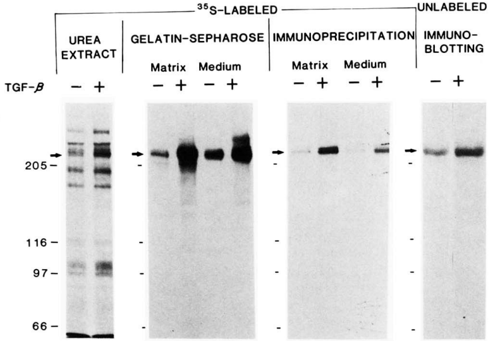
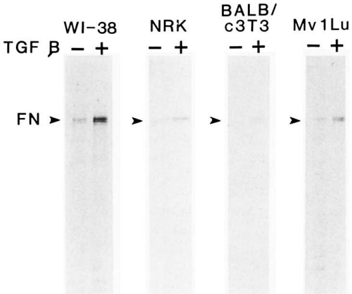
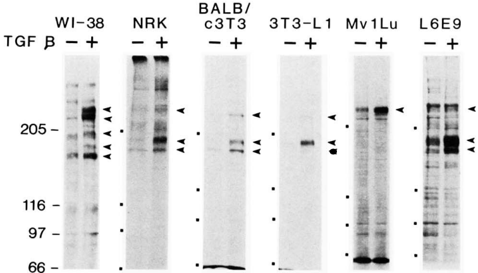
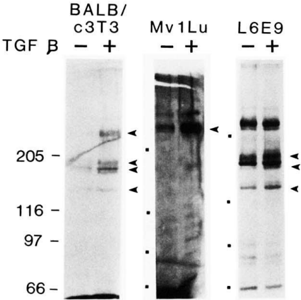
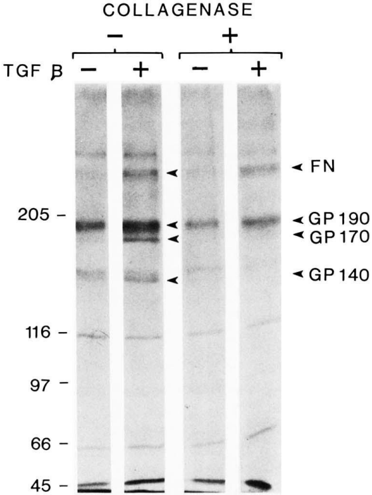
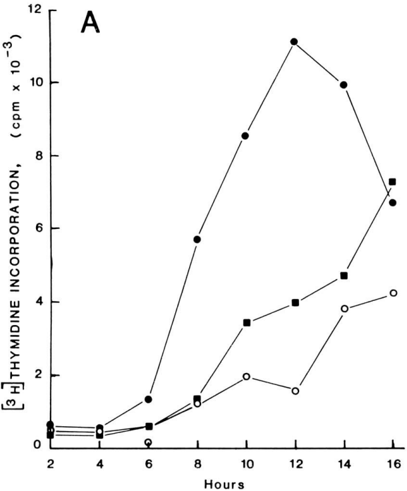
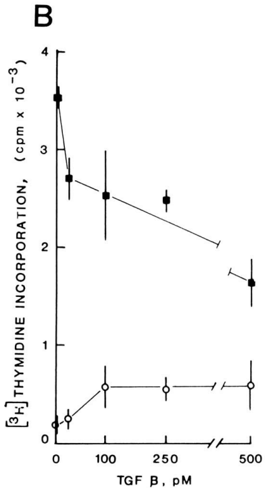
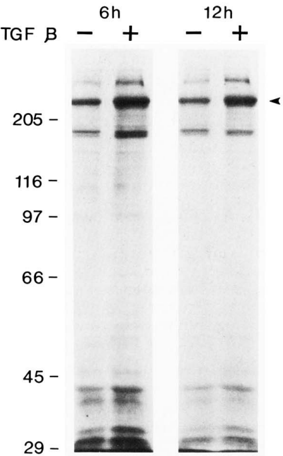
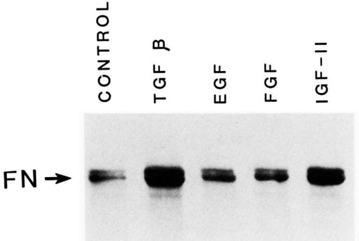
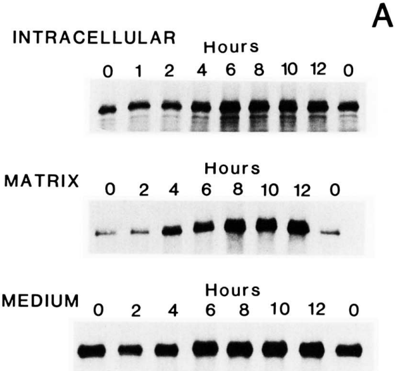
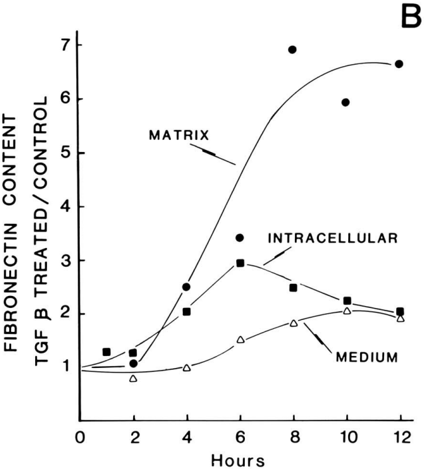
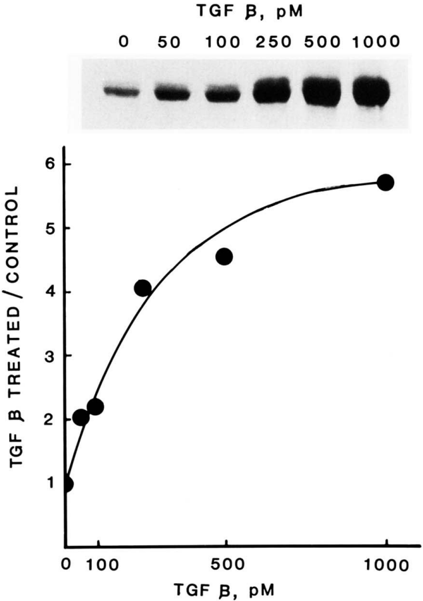
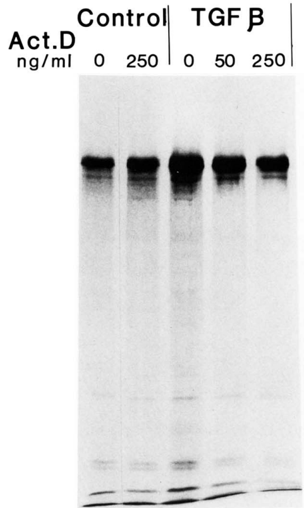
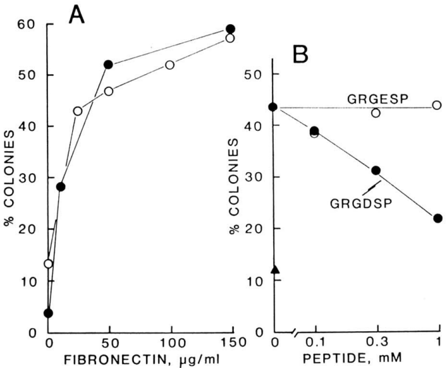
We have examined whether the extracellular matrix is a biochemical target for transforming growth factor-beta (TGFbeta). We find that TGFbeta increases the expression of the major extracellular matrix proteins, fibronectin and collagen. This effect is a general response to TGFbeta seen in primary cultures and established lines of cells from various types, normal and transformed. The relative incorporation of fibronectin and collagen into the matrix also increases in response to TGFbeta. The effect of TGFbeta on fibronectin levels as characterized in chick embryo fibroblasts is rapid, selective, persistent, and specific, and involves transcriptional events; it is not mimicked by other growth factors tested. The induction of anchorage-independent growth of normal fibroblasts by TGFbeta is mimicked by fibronectin and is specifically blocked by inhibitors of fibronectin binding to its cell surface receptor. The results demonstrate a functional involvement of fibronectin in mediating cellular responses to TGFbeta, and suggest a model for TGFbeta action based on the control of the extracellular matrix in target cells.
Overview
The claims and statistics of this paper haven’t been checked yet.
Free: it reads the open-access text and checks the first 5 claims that cite a source we can check. Create a free account to check every claim.
Integrity signals
Registry
Cites
Statistics
Figures
Verification
Claims the paper makes
The claims and statistics of this paper haven’t been checked yet.
Free: it reads the open-access text and checks the first 5 claims that cite a source we can check. Create a free account to check every claim.
Claims other papers make about this one
Each is checked against this paper’s own text: does it say what the citing paper says it does?
The source backs part of the claim, not all of it — or backs it for a different population, condition or comparison.
In the citing paper
“TGF-β released by these macrophages attracts local fibroblast populations, and induces their activation on arrival (Ignotz and Massagué, 1986).”
From Foreign Body Reaction to Implanted Biomaterials and Its Impact in Nerve Neuroprosthetics (2021) · cites this paper as Ignotz and Massagué, 1986
Experimental — accuracy not yet measuredThe source backs part of the claim, not all of it — or backs it for a different population, condition or comparison.
In the citing paper
“TGF-β lies at the heart of the fibrotic response in FBR, driving the activation of fibroblasts surrounding the implant into myofibroblasts (Ignotz and Massagué, 1986).”
From Foreign Body Reaction to Implanted Biomaterials and Its Impact in Nerve Neuroprosthetics (2021) · cites this paper as Ignotz and Massagué, 1986
Experimental — accuracy not yet measuredIn the citing paper
“TGF-b stimulates the synthesis of collagen and fibronectin in a variety of cell lines, 78,79 as well as many other ECM components including hyaluronic acid, TSP, tenascin, and others.”
From Interactions between extracellular matrix and growth factors in wound healing (2009) · cites this paper as [78]
Self-check
Percentages, sums and reported differences re-computed from the paper’s own numbers.
The self-check needs the paper’s full text.
Citations
Cites
Cleavage of Structural Proteins during the Assembly of the Head of Bacteriophage T4
LAEMMLI, U. K. (1970) · Nature · doi:10.1038/227680a0 · Cited by 249,961
Burnette, W. N. (1981) · Analytical Biochemistry · doi:10.1016/0003-2697(81)90281-5 · Cited by 8,429
Pierschbacher, M. D., & Ruoslahti, E. (1984) · Nature · doi:10.1038/309030a0 · Cited by 3,658
Binding of soluble form of fibroblast surface protein, fibronectin, to collagen
Engvall, E., & Ruoslahti, E. (1977) · International Journal of Cancer · doi:10.1002/ijc.2910200102 · Cited by 1,947
Derynck, R., Jarrett, J. A., Chen, E. Y., Eaton, D. H., Bell, J. R., Assoian, R. K., Roberts, A. B., Sporn, M. B., & Goeddel, D. V. (1985) · Nature · doi:10.1038/316701a0 · Cited by 1,667
Assoian, R. K., Komoriya, A., Meyers, C. A., Miller, D. M., & Sporn, M. B. (1983) · Journal of Biological Chemistry · doi:10.1016/s0021-9258(18)32345-7 · Cited by 1,598
Growth factors from murine sarcoma virus-transformed cells.
de Larco, J. E., & Todaro, G. J. (1978) · Proceedings of the National Academy of Sciences · doi:10.1073/pnas.75.8.4001 · Cited by 1,461
Autocrine growth factors and cancer
Sporn, M. B., & Roberts, A. B. (1985) · Nature · doi:10.1038/313745a0 · Cited by 1,438
Epidermal Growth Factor and a New Derivative
Savage, C. R., & Cohen, S. (1972) · Journal of Biological Chemistry · doi:10.1016/s0021-9258(19)44568-7 · Cited by 1,208
Pytela, R., Pierschbacher, M. D., & Ruoslahti, E. (1985) · Cell · doi:10.1016/0092-8674(85)90322-8 · Cited by 1,101
Research works printed but not linked: 7
- Assoian, R. K., Grotendorst, G. R., Miller, D. M., and Sporn, M. B. Assoian, R. K., Komoriya, A., Meyers, C. A., Miller, D. M., and Sporn, Balian, G., Click, E. M., Crouch, E., Davidson, J. M., and Bornstein, Boerner, P., Resnick, R. J., and Racker, E. (1985) Proc. Nutl. Acad.
- Hakomori, S., Fukuda, M., Sekiguchi, K., and Carter, W. G. (1984) in Biochemistry (Piez, K. A., and Reddi, A. H., eds) pp. 229-275, Elsevier/North-Holland, New York
- Iwata, K. K., Fryling, C. M., Knott, W. B., and Todaro, G. J. (1985)
- Krieg, T., Aumailley, M., Dessau, W., Wiestner, M., and Muller, P. Kurkinen, M., Vaheri, A., Roberts, P. J., and Stenman, S. (1980) Lab.
- Pytela, R., Pierschbacher, M. D., and Ruoslahti, E. (1985) Cell 4 0 , Roberts, A. B, Anzano, M. A,, Lamb, L. C., Smith, J. M., and Sporn, M. B. (1981) Proc. Natl. Acad. Sci. U. S. A. 7 8 , 5339-5343
- Shipley, G. D., Tucker, R. F., and Moses, H. L. (1985) Proc. Natl.
- Wagner, D. D., Ivatt, R., Destree, A. T., and Hynes, R. 0. (1981) J. Yamada, K. M. (1983) in Cell Interactions and Development (Yamada, Yamada, K. M., and Weston, J. A. (1974) Proc. Natl. Acad. Sci. U. S. Yamada, K. M., Yamada, S. S., and Pastan, I. (1976) Proc. Natl. 4551-4554 Sci. U. S. A. 81,5985-5988 191-198 119-123
Cited by
Inflammation and Alzheimer’s disease
Akiyama, H. (2000) · Neurobiology of Aging · doi:10.1016/s0197-4580(00)00124-x · Cited by 4,514
Novel Regulators of Bone Formation: Molecular Clones and Activities
Wozney, J. M., Rosen, V., Celeste, A. J., Mitsock, L. M., Whitters, M. J., Kriz, R. W., Hewick, R. M., & Wang, E. A. (1988) · Science · doi:10.1126/science.3201241 · Cited by 3,903
Stary, H. C., Chandler, A. B., Dinsmore, R. E., Fuster, V., Glagov, S., Insull, W., Rosenfeld, M. E., Schwartz, C. J., Wagner, W. D., & Wissler, R. W. (1995) · Circulation · doi:10.1161/01.cir.92.5.1355 · Cited by 3,533
Desmoulière, A., Geinoz, A., Gabbiani, F., & Gabbiani, G. (1993) · The Journal of cell biology · doi:10.1083/jcb.122.1.103 · Cited by 2,243
Carnitine—metabolism and functions
Bremer, J. (1983) · Physiological Reviews · doi:10.1152/physrev.1983.63.4.1420 · Cited by 1,666
Making sense of latent TGFβ activation
Annes, J. P., Munger, J. S., & Rifkin, D. B. (2003) · Journal of Cell Science · doi:10.1242/jcs.00229 · Cited by 1,628
“The ability of these enzymes to activate the latent TGFβ complex couples matrix turnover with the production of a molecule, TGFβ, that has a primary role in maintaining matrix integrity and stability (Ignotz and Massague, 1986; Verrecchia et al., 2001).”
BackgroundThe pathogenesis of cardiac fibrosis
Kong, P., Christia, P., & Frangogiannis, N. G. (2014) · Cellular and Molecular Life Sciences · doi:10.1007/s00018-013-1349-6 · Cited by 1,567
Rheumatoid Arthritis: Pathophysiology and Implications for Therapy
Epstein, F. H., & Harris, E. D. (1990) · New England Journal of Medicine · doi:10.1056/nejm199005033221805 · Cited by 1,551
TGF-β and the TGF-β family: context-dependent roles in cell and tissue physiology
Morikawa, M., Derynck, R., & Miyazono, K. (2016) · Cold Spring Harbor Perspectives in Biology · doi:10.1101/cshperspect.a021873 · Cited by 1,321
Some recent advances in the chemistry and biology of transforming growth factor-beta.
Sporn, M. B., Roberts, A. B., Wakefield, L. M., & de Crombrugghe, B. (1987) · The Journal of cell biology · doi:10.1083/jcb.105.3.1039 · Cited by 1,279
TGF-β signaling in health, disease and therapeutics
Deng, Z., Fan, T., Xiao, C., Tian, H., Zheng, Y., Li, C., & He, J. (2024) · Signal Transduction and Targeted Therapy · doi:10.1038/s41392-024-01764-w · Cited by 1,168
Frangogiannis, N. G. (2021) · Cardiovascular Research · doi:10.1093/cvr/cvaa324 · Cited by 1,229
Edwards, D. R., Murphy, G., Reynolds, J. J., Whitham, S. E., Docherty, A. J., Angel, P., & Heath, J. K. (1987) · The EMBO Journal · doi:10.1002/j.1460-2075.1987.tb02449.x · Cited by 1,221
Regulation of development and differentiation by the extracellular matrix
Adams, J. C., & Watt, F. M. (1993) · Development · doi:10.1242/dev.117.4.1183 · Cited by 1,208
Biernacka, A., Dobaczewski, M., & Frangogiannis, N. G. (2011) · Growth Factors · doi:10.3109/08977194.2011.595714 · Cited by 1,161
“Proteases including plasmin, matrix metalloproteinase (MMP)-2, and MMP-9 are known to cleave latent TGF-b, coupling matrix degradation with the activation of a molecule that has a primary role in preserving matrix integrity and stability (Ignotz and Massague 1986; Annes et al. 2003).”
BackgroundTransforming Growth Factor-β: Biological Function and Chemical Structure
Sporn, M. B., Roberts, A. B., Wakefield, L. M., & Assoian, R. K. (1986) · Science · doi:10.1126/science.3487831 · Cited by 1,182
Interactions between extracellular matrix and growth factors in wound healing
Schultz, G. S., & Wysocki, A. (2009) · Wound Repair and Regeneration · doi:10.1111/j.1524-475x.2009.00466.x · Cited by 1,126
Transforming growth factor-beta in disease: the dark side of tissue repair.
Border, W. A., & Ruoslahti, E. (1992) · Journal of Clinical Investigation · doi:10.1172/jci115821 · Cited by 1,105
A mechanism of repression of TGFbeta / Smad signaling by oncogenic Ras
Kretzschmar, M., Doody, J., Timokhina, I., & Massague, J. (1999) · Genes & Development · doi:10.1101/gad.13.7.804 · Cited by 1,004
Self-citationSuppression of experimental glomerulonephritis by antiserum against transforming growth factor β1
Border, W. A., Okuda, S., Languino, L. R., Sporn, M. B., & Ruoslahti, E. (1990) · Nature · doi:10.1038/346371a0 · Cited by 988
Extracellular matrix and its therapeutic potential for cancer treatment
Huang, J., Zhang, L., Wan, D., Zhou, L., Zheng, S., Lin, S., & Qiao, Y. (2021) · Signal Transduction and Targeted Therapy · doi:10.1038/s41392-021-00544-0 · Cited by 962
Stary, H. C., Chandler, A. B., Dinsmore, R. E., Fuster, V., Glagov, S., Insull, W., Rosenfeld, M. E., Schwartz, C. J., Wagner, W. D., & Wissler, R. W. (1995) · Arteriosclerosis, Thrombosis, and Vascular Biology · doi:10.1161/01.atv.15.9.1512 · Cited by 965
Expression and secretion of type beta transforming growth factor by activated human macrophages.
Assoian, R. K., Fleurdelys, B. E., Stevenson, H. C., Miller, P. J., Madtes, D. K., Raines, E. W., Ross, R., & Sporn, M. B. (1987) · Proceedings of the National Academy of Sciences · doi:10.1073/pnas.84.17.6020 · Cited by 970
Transforming growth factor (TGF)-β signaling in cardiac remodeling
Dobaczewski, M., Chen, W., & Frangogiannis, N. G. (2011) · Journal of Molecular and Cellular Cardiology · doi:10.1016/j.yjmcc.2010.10.033 · Cited by 934
“activation of a molecule that has a primary role in maintaining matrix integrity and stability [2,6,7].”
BackgroundAccelerated Healing of Incisional Wounds in Rats Induced by Transforming Growth Factor-β
Mustoe, T. A., Pierce, G. F., Thomason, A., Gramates, P., Sporn, M. B., & Deuel, T. F. (1987) · Science · doi:10.1126/science.2442813 · Cited by 941
The role of TGF-β signaling in myocardial infarction and cardiac remodeling
BUJAK, M., & FRANGOGIANNIS, N. (2007) · Cardiovascular Research · doi:10.1016/j.cardiores.2006.10.002 · Cited by 927
“/74 /2/184/28 Keywords: Fibrosis; Growth factors; Infarction; Remodeling; Cytokines 3885 by guest on 30 O ctober 2018”
TGF-β signaling in health and disease
Massagué, J., & Sheppard, D. (2023) · Cell · doi:10.1016/j.cell.2023.07.036 · Cited by 890
Self-citationKimelman, D., & Kirschner, M. (1987) · Cell · doi:10.1016/0092-8674(87)90110-3 · Cited by 874
The Transforming Growth Factor-βs
Roberts, A. B., & Sporn, M. B. (1991) · Peptide Growth Factors and Their Receptors I · doi:10.1007/978-1-4612-3210-0_8 · Cited by 861
Henderson, N. C., Arnold, T. D., Katamura, Y., Giacomini, M. M., Rodriguez, J. D., McCarty, J. H., Pellicoro, A., Raschperger, E., Betsholtz, C., Ruminski, P. G., et al. (2013) · Nature Medicine · doi:10.1038/nm.3282 · Cited by 866
Cardiac fibrosis: Cell biological mechanisms, molecular pathways and therapeutic opportunities
Frangogiannis, N. G. (2019) · Molecular Aspects of Medicine · doi:10.1016/j.mam.2018.07.001 · Cited by 841
Serini, G., Bochaton-Piallat, M.-L., Ropraz, P., Geinoz, A., Borsi, L., Zardi, L., & Gabbiani, G. (1998) · The Journal of Cell Biology · doi:10.1083/jcb.142.3.873 · Cited by 847
Yamamoto, T., Nakamura, T., Noble, N. A., Ruoslahti, E., & Border, W. A. (1993) · Proceedings of the National Academy of Sciences · doi:10.1073/pnas.90.5.1814 · Cited by 830
TGF-β1 Signaling and Tissue Fibrosis
Kim, K. K., Sheppard, D., & Chapman, H. A. (2018) · Cold Spring Harbor Perspectives in Biology · doi:10.1101/cshperspect.a022293 · Cited by 800
“TGF-b1 was found to promote fibronectin and collagen production by both epithelial and mesenchymal cells in culture, and to do so by transcriptional activation of the relevant genes (Ignotz and Massagué 1986).”
BackgroundGrowth inhibition by TGF-β linked to suppression of retinoblastoma protein phosphorylation.
Laiho, M., DeCaprio, J. A., Ludlow, J. W., Livingston, D. M., & Massague, J. (1990) · Cell · doi:10.1016/0092-8674(90)90251-9 · Cited by 797
Stimulation of the chemotactic migration of human fibroblasts by transforming growth factor beta.
Postlethwaite, A. E., Keski-Oja, J., Moses, H. L., & Kang, A. H. (1987) · The Journal of experimental medicine · doi:10.1084/jem.165.1.251 · Cited by 777
Connective tissue growth factor: a mediator of TGF-β action on fibroblasts
Grotendorst, G. R. (1997) · Cytokine & Growth Factor Reviews · doi:10.1016/s1359-6101(97)00010-5 · Cited by 761
Frazier, K., Williams, S., Kothapalli, D., Klapper, H., & Grotendorst, G. R. (1996) · Journal of Investigative Dermatology · doi:10.1111/1523-1747.ep12363389 · Cited by 757
The Transforming Growth Factor-βs
Roberts, A. B., & Sporn, M. B. (1990) · Handbook of Experimental Pharmacology · doi:10.1007/978-3-642-49295-2_8 · Cited by 746
Giancotti, F. G., & Ruoslahtl, E. (1990) · Cell · doi:10.1016/0092-8674(90)90098-y · Cited by 746
Role of transforming growth factor-beta in the development of the mouse embryo.
Heine, U., Munoz, E. F., Flanders, K. C., Ellingsworth, L. R., Lam, H. Y., Thompson, N. L., Roberts, A. B., & Sporn, M. B. (1987) · The Journal of cell biology · doi:10.1083/jcb.105.6.2861 · Cited by 745
Weeks, D. L., & Melton, D. A. (1987) · Cell · doi:10.1016/0092-8674(87)90109-7 · Cited by 743
Regulation of fibronectin and type I collagen mRNA levels by transforming growth factor-beta.
Ignotz, R. A., Endo, T., & Massagué, J. (1987) · Journal of Biological Chemistry · doi:10.1016/s0021-9258(18)48258-0 · Cited by 727
Self-citation92-kD type IV collagenase mediates invasion of human cytotrophoblasts.
Librach, C. L., Werb, Z., Fitzgerald, M. L., Chiu, K., Corwin, N. M., Esteves, R. A., Grobelny, D., Galardy, R., Damsky, C. H., & Fisher, S. J. (1991) · The Journal of cell biology · doi:10.1083/jcb.113.2.437 · Cited by 720
Inflammatory Mediators of Asthma: An Update
Barnes, P. J., Chung, K. F., & Page, C. P. (1998) · Pharmacological Reviews · doi:10.1016/s0031-6997(24)01381-4 · Cited by 717
The transforming growth factor-β system, a complex pattern of cross-reactive ligands and receptors
Cheifetz, S., Weatherbee, J. A., Tsang, M. L.-S., Anderson, J. K., Mole, J. E., Lucas, R., & Massagué, J. (1987) · Cell · doi:10.1016/0092-8674(87)90192-9 · Cited by 706
Self-citationIgarashi, A., Okochi, H., Bradham, D. M., & Grotendorst, G. R. (1993) · Molecular Biology of the Cell · doi:10.1091/mbc.4.6.637 · Cited by 706
Transforming Growth Factor‐β: Major Role in Regulation of Extracellular Matrix
ROBERTS, A. B., HEINE, U. I., FLANDERS, K. C., & SPORN, M. B. (1990) · Annals of the New York Academy of Sciences · doi:10.1111/j.1749-6632.1990.tb17931.x · Cited by 696
Rivera, C. A., Adegboyega, P., van Rooijen, N., Tagalicud, A., Allman, M., & Wallace, M. (2007) · Journal of Hepatology · doi:10.1016/j.jhep.2007.04.019 · Cited by 693
“TGF-b is one of the cytokines believed to be primarily responsible for these effects and also has been implicated in decreased degradation of matrix proteins [27].”
BackgroundWieser, R., Wrana, J. L., & Massagué, J. (1995) · The EMBO Journal · doi:10.1002/j.1460-2075.1995.tb07214.x · Cited by 699
Self-citationPDGF and FGF stimulate wound healing in the genetically diabetic mouse.
Greenhalgh, D. G., Sprugel, K. H., Murray, M. J., & Ross, R. (1990) · Europe PMC (PubMed Central) · Cited by 777
Hocevar, B. A. (1999) · The EMBO Journal · doi:10.1093/emboj/18.5.1345 · Cited by 675
Regulation of Cell Adhesion Receptors by Transforming Growth Factor-β
Heino, J., Ignotz, R. A., Hemler, M. E., Crouse, C., & Massagué, J. (1989) · Journal of Biological Chemistry · doi:10.1016/s0021-9258(17)31269-3 · Cited by 670
Self-citationChung, K. F., & Barnes, P. J. (1999) · Thorax · doi:10.1136/thx.54.9.825 · Cited by 638
The immune system and cardiac repair
FRANGOGIANNIS, N. (2008) · Pharmacological Research · doi:10.1016/j.phrs.2008.06.007 · Cited by 641
Transforming Growth Factors β1 and α in Chronic Liver Disease: Effects of Interferon Alfa Therapy
Castilla, A., Prieto, J., & Fausto, N. (1991) · New England Journal of Medicine · doi:10.1056/nejm199104043241401 · Cited by 655
Sottile, J., & Hocking, D. C. (2002) · Molecular Biology of the Cell · doi:10.1091/mbc.e02-01-0048 · Cited by 645
“The ability of cells to up- and downregulate fibronectin polymerization (Ignotz and Massague, 1986; Allen-Hoffmann et al., 1988; Sommers and Mosher, 1993; Zhang et al., 1994, 1999; Zhong, 1998) thus provides cells with a novel mechanism for selectively altering cell–matrix adhesion structures and cell matrix signaling…”
BackgroundChakir, J., Shannon, J., Molet, S., Fukakusa, M., Elias, J., Laviolette, M., Boulet, L.-P., & Hamid, Q. (2003) · Journal of Allergy and Clinical Immunology · doi:10.1067/mai.2003.1557 · Cited by 639
Overall, C. M., Wrana, J. L., & Sodek, J. (1989) · Journal of Biological Chemistry · doi:10.1016/s0021-9258(18)94267-5 · Cited by 636
Expression cloning and characterization of the TGF-β type III receptor
Wang, X.-F., Lin, H. Y., Ng-Eaton, E., Downward, J., Lodish, H. F., & Weinberg, R. A. (1991) · Cell · doi:10.1016/0092-8674(91)90074-9 · Cited by 637
Awad, M. R., El-Gamel, A., Hasleton, P., Turner, D. M., Sinnott, P. J., & Hutchinson, I. V. (1998) · Transplantation · doi:10.1097/00007890-199810270-00009 · Cited by 638
Duncan, M. R., Frazier, K. S., Abramson, S., Williams, S., Klapper, H., Huang, X., & Grotendorst, G. R. (1999) · The FASEB Journal · doi:10.1096/fasebj.13.13.1774 · Cited by 631
Role of platelet‐derived growth factor in wound healing
Pierce, G. F., Mustoe, T. A., Altrock, B. W., Deuel, T. F., & Thomason, A. (1991) · Journal of Cellular Biochemistry · doi:10.1002/jcb.240450403 · Cited by 618
Thannickal, V. J., Lee, D. Y., White, E. S., Cui, Z., Larios, J. M., Chacon, R., Horowitz, J. C., Day, R. M., & Thomas, P. E. (2003) · Journal of Biological Chemistry · doi:10.1074/jbc.m208544200 · Cited by 609
Centrella, M., McCarthy, T. L., & Canalis, E. (1987) · Journal of Biological Chemistry · doi:10.1016/s0021-9258(18)61587-x · Cited by 611
Rossi, P., Karsenty, G., Roberts, A. B., Roche, N. S., Sporn, M. B., & de Crombrugghe, B. (1988) · Cell · doi:10.1016/s0092-8674(88)80033-3 · Cited by 612
Pietenpol, J. A., Stein, R. W., Moran, E., Yaciuk, P., Schlegel, R., Lyons, R. M., Pittelkow, M. R., Münger, K., Howley, P. M., & Moses, H. L. (1990) · Cell · doi:10.1016/0092-8674(90)90188-k · Cited by 609
Van Obberghen-Schilling, E., Roche, N. S., Flanders, K. C., Sporn, M. B., & Roberts, A. B. (1988) · Journal of Biological Chemistry · doi:10.1016/s0021-9258(18)68561-8 · Cited by 601
Mechanisms of Myofibroblast Activity and Phenotypic Modulation
Serini, G., & Gabbiani, G. (1999) · Experimental Cell Research · doi:10.1006/excr.1999.4543 · Cited by 600
Varga, J., Rosenbloom, J., & Jimenez, S. A. (1987) · Biochemical Journal · doi:10.1042/bj2470597 · Cited by 591
Pierce, G. F., Mustoe, T. A., Lingelbach, J., Masakowski, V. R., Griffin, G. L., Senior, R. M., & Deuel, T. F. (1989) · The Journal of cell biology · doi:10.1083/jcb.109.1.429 · Cited by 598
Dedifferentiation and Proliferation of Surviving Epithelial Cells in Acute Renal Failure
Bonventre, J. V. (2003) · Journal of the American Society of Nephrology · doi:10.1097/01.asn.0000067652.51441.21 · Cited by 593
Fibrogenic cytokines: the role of immune mediators in the development of scar tissue
Kovacs, E. J. (1991) · Immunology Today · doi:10.1016/0167-5699(91)90107-5 · Cited by 590
Redox-mediated activation of latent transforming growth factor-beta 1
Barcellos-Hoff, M. H. (1996) · Molecular Endocrinology · doi:10.1210/me.10.9.1077 · Cited by 585
Madri, J. A., Pratt, B. M., & Tucker, A. M. (1988) · The Journal of cell biology · doi:10.1083/jcb.106.4.1375 · Cited by 573
Estrogenic Regulation of Growth and Polypeptide Growth Factor Secretion in Human Breast Carcinoma
DICKSON, R. B., & LIPPMAN, M. E. (1987) · Endocrine Reviews · doi:10.1210/edrv-8-1-29 · Cited by 568
Montesano, R., & Orci, L. (1988) · Proceedings of the National Academy of Sciences · doi:10.1073/pnas.85.13.4894 · Cited by 561
Forrester, J. S., Fishbein, M., Helfant, R., & Fagin, J. (1991) · Journal of the American College of Cardiology · doi:10.1016/s0735-1097(10)80196-2 · Cited by 557
Type beta transforming growth factor is an inhibitor of myogenic differentiation.
Massagué, J., Cheifetz, S., Endo, T., & Nadal-Ginard, B. (1986) · Proceedings of the National Academy of Sciences · doi:10.1073/pnas.83.21.8206 · Cited by 557
Self-citationOsteoblasts synthesize and respond to transforming growth factor-type beta (TGF-beta) in vitro.
Robey, P. G., Young, M. F., Flanders, K. C., Roche, N. S., Kondaiah, P., Reddi, A. H., Termine, J. D., Sporn, M. B., & Roberts, A. B. (1987) · The Journal of cell biology · doi:10.1083/jcb.105.1.457 · Cited by 557
Okuda, S., Languino, L. R., Ruoslahti, E., & Border, W. A. (1990) · Journal of Clinical Investigation · doi:10.1172/jci114731 · Cited by 546
Targeting TGF-β Mediated SMAD Signaling for the Prevention of Fibrosis
Walton, K. L., Johnson, K. E., & Harrison, C. A. (2017) · Frontiers in Pharmacology · doi:10.3389/fphar.2017.00461 · Cited by 543
“These cells represent activated fibroblasts, with a high synthetic capacity for ECM proteins (Ignotz and Massague, 1986).”
BackgroundWang, F., Garza, L. A., Kang, S., Varani, J., Orringer, J. S., Fisher, G. J., & Voorhees, J. J. (2007) · Archives of Dermatology · doi:10.1001/archderm.143.2.155 · Cited by 533
“To investigate potential mechanisms underlying collagen induction following NASHA injections, we measured gene expression of growth factors known to stimulate cutaneous collagen deposition.(16,23) Compared with controls, we found that expression for connective tissue growth factor and all 3 isoforms of transforming gr…”
BackgroundThe cell biology of transforming growth factor β
Barnard, J. (1990) · Biochimica et Biophysica Acta (BBA) - Reviews on Cancer · doi:10.1016/0304-419x(90)90013-q · Cited by 524
Savage, C., Das, P., Finelli, A. L., Townsend, S. R., Sun, C. Y., Baird, S. E., & Padgett, R. W. (1996) · Proceedings of the National Academy of Sciences · doi:10.1073/pnas.93.2.790 · Cited by 523
SKONIER, J., NEUBAUER, M., MADISEN, L., BENNETT, K., PLOWMAN, G. D., & PURCHIO, A. F. (1992) · DNA and Cell Biology · doi:10.1089/dna.1992.11.511 · Cited by 520
Khalil, N., O'Connor, R. N., Unruh, H. W., Warren, P. W., Flanders, K. C., Kemp, A., Bereznay, O. H., & Greenberg, A. H. (1991) · American Journal of Respiratory Cell and Molecular Biology · doi:10.1165/ajrcmb/5.2.155 · Cited by 521
Production of transforming growth factor beta 1 during repair of arterial injury.
Majesky, M. W., Lindner, V, Twardzik, D. R., Schwartz, S. M., & Reidy, M. A. (1991) · Journal of Clinical Investigation · doi:10.1172/jci115393 · Cited by 525
Khalil, N., Bereznay, O., Sporn, M., & Greenberg, A. H. (1989) · The Journal of experimental medicine · doi:10.1084/jem.170.3.727 · Cited by 505
Neutralising antibody to TGF-β1,2 reduces cutaneous scarring in adult rodents
Shah, M., Foreman, D. M., & Ferguson, M. W. J. (1994) · Journal of Cell Science · doi:10.1242/jcs.107.5.1137 · Cited by 498
Dynamic reciprocity in the wound microenvironment
Schultz, G. S., Davidson, J. M., Kirsner, R. S., Bornstein, P., & Herman, I. M. (2011) · Wound Repair and Regeneration · doi:10.1111/j.1524-475x.2011.00673.x · Cited by 490
The Role of Transforming Growth Factor β in Lung Development and Disease
Bartram, U., & Speer, C. P. (2004) · Chest · doi:10.1378/chest.125.2.754 · Cited by 495
Guise, T. A., & Mundy, G. R. (1998) · Endocrine Reviews · doi:10.1210/edrv.19.1.0323 · Cited by 472
Cell adhesion protein receptors as targets for transforming growth factor-$beta; action
IGNOTZ, R. (1987) · Cell · doi:10.1016/0092-8674(87)90146-2 · Cited by 485
Self-citationCorrelation of fibrosis and transforming growth factor-beta type 2 levels in the eye.
Connor, T. B., Roberts, A. B., Sporn, M. B., Danielpour, D., Dart, L. L., Michels, R. G., de Bustros, S., Enger, C., Kato, H., & Lansing, M. (1989) · Journal of Clinical Investigation · doi:10.1172/jci114065 · Cited by 481
Greaves, N. S., Ashcroft, K. J., Baguneid, M., & Bayat, A. (2013) · Journal of Dermatological Science · doi:10.1016/j.jdermsci.2013.07.008 · Cited by 478
“Collagens and FN are necessary to fill tissue defects, increase tissue tensile strength and prepare the matrix framework for new vessel formation [35,36].”
BackgroundOxidative damage and fibrogenesis
Poli, G., & Parola, M. (1997) · Free Radical Biology and Medicine · doi:10.1016/s0891-5849(96)00327-9 · Cited by 478
Vaughan, M. B., Howard, E. W., & Tomasek, J. J. (2000) · Experimental Cell Research · doi:10.1006/excr.2000.4869 · Cited by 476
Designing new treatment strategies in vital pulp therapy
Tziafas, D., Smith, A. J., & Lesot, H. (2000) · Journal of Dentistry · doi:10.1016/s0300-5712(99)00047-0 · Cited by 465
Yang, E. Y., & Moses, H. L. (1990) · The Journal of cell biology · doi:10.1083/jcb.111.2.731 · Cited by 464
Metadata
- Authors
- Ignotz, R. A., & Massagué, J.
- Affiliations
- University of Massachusetts Chan Medical School (US)
- ORCID
- Massagué, J
- Venue
- Journal of Biological Chemistry
- Publisher
- Elsevier BV
- Published
- 1986-03
- Volume
- 261
- Issue
- 9
- Pages
- 4337-4345
- ISSN
- 0021-9258 (ISSN-L)
- OpenAlex
- W1505978562
- Cited by
- 2,492
- References
- 59
- Citations by year
- 2026: 16 · 2025: 18 · 2024: 43 · 2023: 22 · 2022: 24 · 2021: 33 · 2020: 43 · 2019: 43 · 2018: 39 · 2017: 39 · 2016: 52 · 2015: 33 · 2014: 31 · 2013: 42 · 2012: 40
- FWCI
- 42.28
- Type
- journal article
- Language
- en
- Open access
- hybrid
- doi.org
- Licence
- cc-by
- www.elsevier.com/tdm/userlicense/1.0/ (tdm)
- www.elsevier.com/legal/tdmrep-license (tdm)
- creativecommons.org/licenses/by/4.0/ (vor, 12662 d)
- Locations
- Journal of Biological Chemistry (publishedVersion, cc-by)
- PubMed (publishedVersion)
- Funders
- National Cancer Institute (CA34610)
- Topics
- Life Sciences › Biochemistry, Genetics and Molecular Biology › Molecular Biology › TGF-β signaling in diseases
- Health Sciences › Medicine › Immunology and Allergy › Cell Adhesion Molecules Research
- Health Sciences › Medicine › Hepatology › Liver physiology and pathology
- Keywords
- TGF-beta, fibronectin, collagen, extracellular matrix, gene expression regulation, transcriptional regulation, chicken embryo fibroblasts, anchorage-independent growth, alpha5beta1 integrin, cell surface receptors, growth factor signaling
- MeSH terms
- Animals, Cell Line, Chick Embryo, Collagen, Dactinomycin, DNA Replication, Dose-Response Relationship, Drug, Extracellular Matrix, Fibroblasts, Fibronectins, Humans, Mice, Inbred BALB C, Mink, Peptides, Transforming Growth Factors, Mice, Rats
About these checks
Registry, retraction, Cites and statistics results are computed, not judged, with one exception: a printed reference that no index lists is read once by a model before it counts as a citation error. Claims are extracted by a model and kept only when their quote appears verbatim in the text; each cited source is then checked, with a model’s help, for whether it says what the claim relies on. Those verdicts can be wrong — read the claim’s quote and the cited source before relying on one.
Statistics and arithmetic are recomputed, not judged.
Confidence bands are shown only for fields calibrated on our annotated test set. None is calibrated yet, so no band is shown.
What counts as a claim ›How we measure confidence ›How we check this ›
Are you an author, or do you see a problem with this page? Request a review
Data sources
Bibliographic data: Semantic Scholar, OpenAlex, Crossref.
Contains information from the Semantic Scholar Academic Graph Datasets, made available under the ODC Attribution License (ODC-BY 1.0).
Semantic Scholar’s data is described in: Kinney, R., et al. (2023). The Semantic Scholar Open Data Platform. arXiv:2301.10140.
