

Estimates and 25-year trends of the global burden of disease attributable to ambient air pollution: an analysis of data from the Global Burden of Diseases Study 2015.
Open accessThe DOI matches its Crossref record; 31 of the 31 references it cites were found in a registry or an index.
Abstract
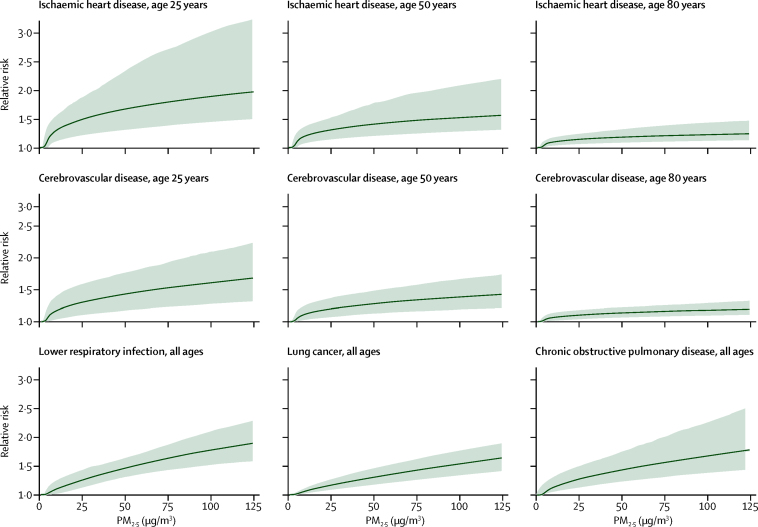
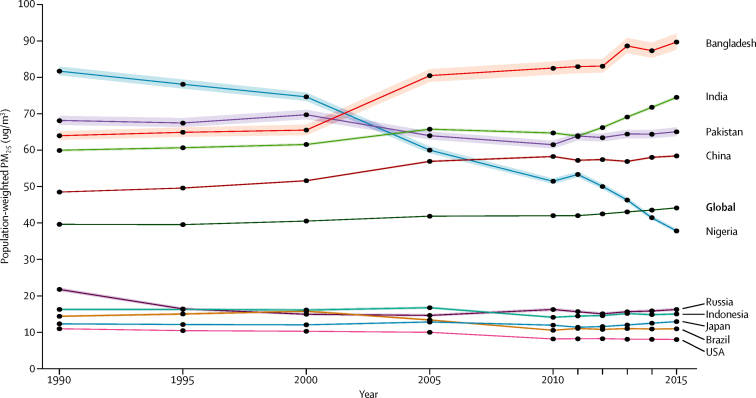
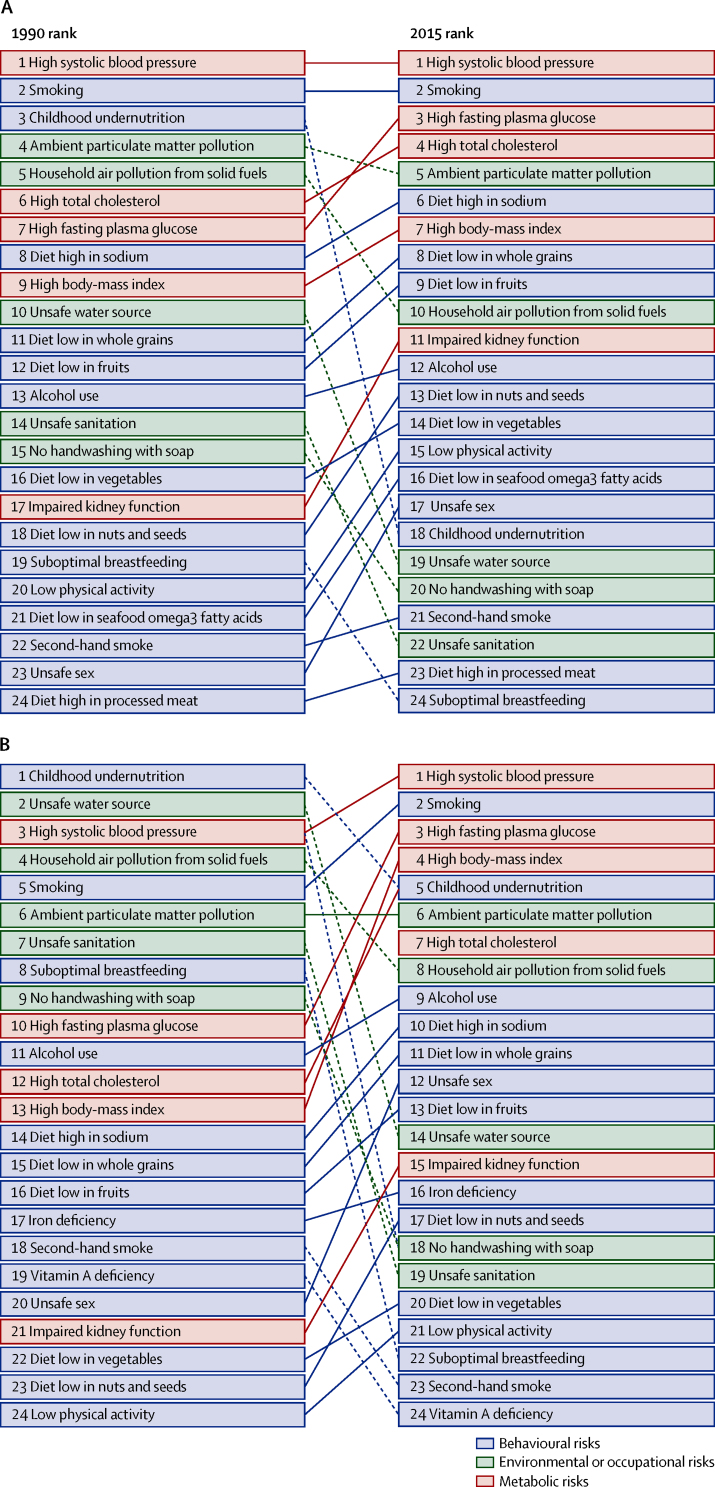
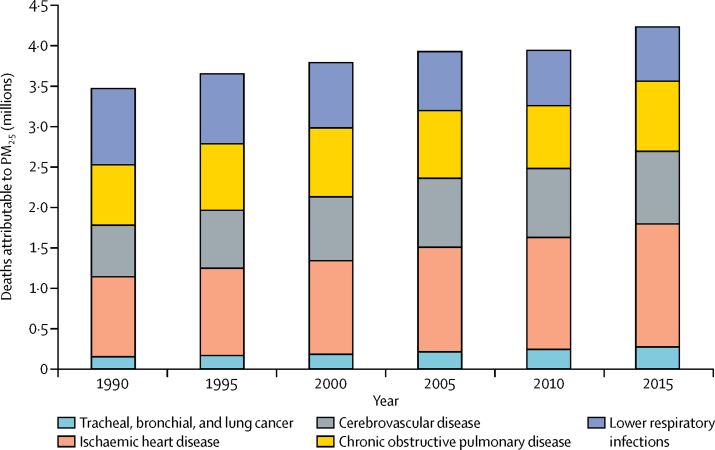
Background Exposure to ambient air pollution increases morbidity and mortality, and is a leading contributor to global disease burden. We explored spatial and temporal trends in mortality and burden of disease attributable to ambient air pollution from 1990 to 2015 at global, regional, and country levels. Methods We estimated global population-weighted mean concentrations of particle mass with aerodynamic diameter less than 2·5 μm (PM 2·5 ) and ozone at an approximate 11 km × 11 km resolution with satellite-based estimates, chemical transport models, and ground-level measurements. Using integrated exposure–response functions for each cause of death, we estimated the relative risk of mortality from ischaemic heart disease, cerebrovascular disease, chronic obstructive pulmonary disease, lung cancer, and lower respiratory infections from epidemiological studies using non-linear exposure–response functions spanning the global range of exposure. Findings Ambient PM 2·5 was the fifth-ranking mortality risk factor in 2015. Exposure to PM 2·5 caused 4·2 million (95% uncertainty interval [UI] 3·7 million to 4·8 million) deaths and 103·1 million (90·8 million 115·1 million) disability-adjusted life-years (DALYs) in 2015, representing 7·6% of total global deaths and 4·2% of global DALYs, 59% of these in east and south Asia. Deaths attributable to ambient PM 2·5 increased from 3·5 million (95% UI 3·0 million to 4·0 million) in 1990 to 4·2 million (3·7 million to 4·8 million) in 2015. Exposure to ozone caused an additional 254 000 (95% UI 97 000–422 000) deaths and a loss of 4·1 million (1·6 million to 6·8 million) DALYs from chronic obstructive pulmonary disease in 2015. Interpretation Ambient air pollution contributed substantially to the global burden of disease in 2015, which increased over the past 25 years, due to population ageing, changes in non-communicable disease rates, and increasing air pollution in low-income and middle-income countries. Modest reductions in burden will occur in the most polluted countries unless PM 2·5 values are decreased substantially, but there is potential for substantial health benefits from exposure reduction. Funding Bill & Melinda Gates Foundation and Health Effects Institute.
Overview
The claims and statistics of this paper haven’t been checked yet.
Free: it reads the open-access text and checks the first 5 claims that cite a source we can check. Create a free account to check every claim.
Integrity signals
Registry
Cites
Statistics
Figures
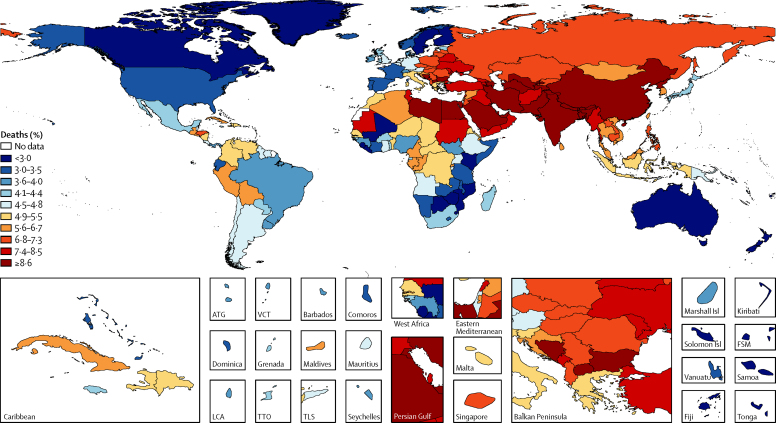
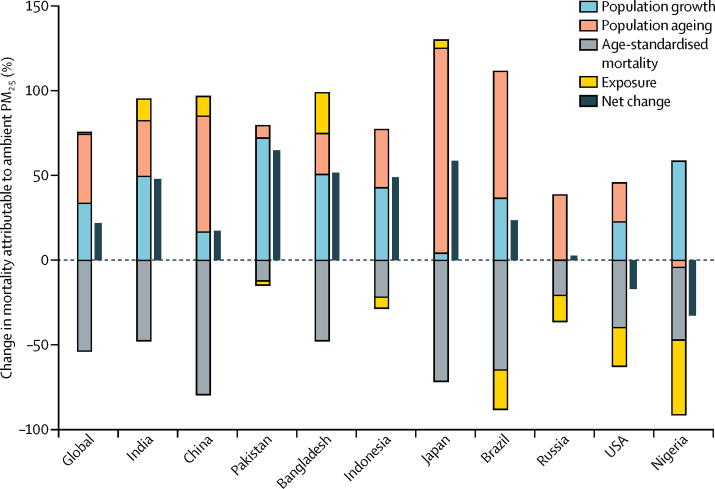
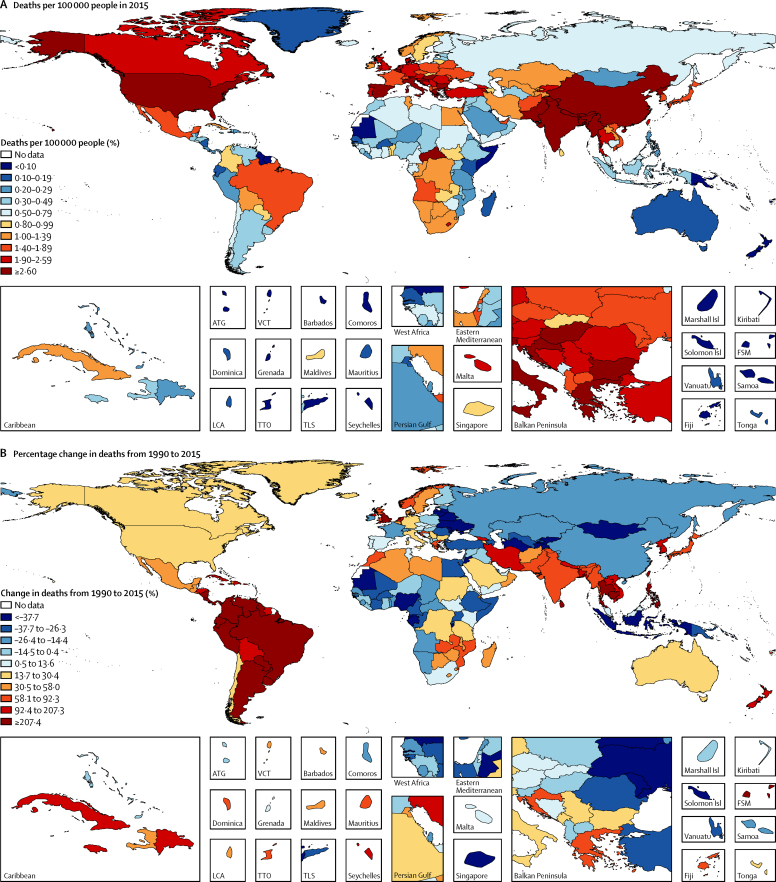
Verification
Claims the paper makes
The claims and statistics of this paper haven’t been checked yet.
Free: it reads the open-access text and checks the first 5 claims that cite a source we can check. Create a free account to check every claim.
Claims other papers make about this one
Each is checked against this paper’s own text: does it say what the citing paper says it does?
The cited source doesn’t support the claim as written.
In the citing paper
“In the western Arctic countries, premature mortality increased by a factor of 6 from 1990 to 2015, mostly due to population aging; while in Russia and Finland premature deaths decreased by up to 26.6% (Cohen et al., 2017).”
From Local Arctic Air Pollution: A Neglected but Serious Problem (2018) · cites this paper as Cohen et al., 2017
Checked by a reasoning model — may be wrong.
Experimental — accuracy not yet measuredThe cited source says what the claim attributes to it.
In the citing paper
“To overcome this limitation in availability of epidemiological concentration-response relationships in other parts of the world, the Global Burden of Disease study developed Integrated Exposure Response (IER) curves, which draw information from epidemiological studies globally on exposure to ambient air pollution, household air pollution, and smoking (Burnett et al., 2014; Cohen et al., 2017).”
From Local Arctic Air Pollution: A Neglected but Serious Problem (2018) · cites this paper as Cohen et al., 2017
The cited source says what the claim attributes to it.
In the citing paper
“Recent estimates of the global premature mortality due to ambient ozone range widely, from ca 140,000 [70] to 1,330,000 [71] per year, with the Global Burden of Disease estimate being 254,000 [72].”
In the citing paper
“and 4.1 (95% CI: 1·6–6·8) million years from COPD alone in 2015 (73).”
From Ozone pollution: A Major health hazard worldwide (2019) · cites this paper as [73]
In the citing paper
“In another study, exposure to ozone was responsible for 254,000 deaths from COPD alone in 2015 (73).”
From Ozone pollution: A Major health hazard worldwide (2019) · cites this paper as [73]
Self-check
Percentages, sums and reported differences re-computed from the paper’s own numbers.
The self-check needs the paper’s full text.
Citations
Cites
Lim, S. S., Vos, T., Flaxman, A. D., Danaei, G., Shibuya, K., Adair-Rohani, H., AlMazroa, M. A., Amann, M., Anderson, H. R., Andrews, K. G., et al. (2012) · The Lancet · doi:10.1016/s0140-6736(12)61766-8 · Cited by 11,805
Self-citationForouzanfar, M. H., Afshin, A., Alexander, L. T., Anderson, H. R., Bhutta, Z. A., Biryukov, S., Brauer, M., Burnett, R., Cercy, K., Charlson, F. J., et al. (2016) · The Lancet · doi:10.1016/s0140-6736(16)31679-8 · Cited by 7,698 · cited 4×
“3,14 Evidence linking these diseases with exposure to ambient air pollution was judged to be consistent with a causal relationship on the basis of criteria specified for GBD risk factors.”
InfluentialSelf-citationWang, H., Naghavi, M., Allen, C., Barber, R. M., Bhutta, Z. A., Carter, A., Casey, D. C., Charlson, F. J., Chen, A. Z., Coates, M. M., et al. (2016) · The Lancet · doi:10.1016/s0140-6736(16)31012-1 · Cited by 6,596
Self-citationThe contribution of outdoor air pollution sources to premature mortality on a global scale
Lelieveld, J., Evans, J. S., Fnais, M., Giannadaki, D., & Pozzer, A. (2015) · Nature · doi:10.1038/nature15371 · Cited by 5,977 · cited 1×
“Lelieveld and colleagues 25 analysed source sector contributions to air pollution and the resulting disease burden in 2010 and estimated the burden in 2050.”
Mortality in relation to smoking: 40 years' observations on male British doctors
Doll, R., Peto, R., Wheatley, K., Gray, R., & Sutherland, I. (1994) · BMJ · doi:10.1136/bmj.309.6959.901 · Cited by 5,932 · cited 3×
“Observed relative risks were related to the IER within a Bayesian framework using the STAN fitting algorithm, as described in the appendix (pp 15–17).”
Forouzanfar, M. H., Alexander, L., Anderson, H. R., Bachman, V. F., Biryukov, S., Brauer, M., Burnett, R., Casey, D., Coates, M. M., Cohen, A., et al. (2015) · The Lancet · doi:10.1016/s0140-6736(15)00128-2 · Cited by 2,701
Self-citationKassebaum, N. J., Arora, M., Barber, R. M., Bhutta, Z. A., Brown, J., Carter, A., Casey, D. C., Charlson, F. J., Coates, M. M., Coggeshall, M., et al. (2016) · The Lancet · doi:10.1016/s0140-6736(16)31460-x · Cited by 2,163
Self-citationBurnett, R. T., Pope, C. A., Ezzati, M., Olives, C., Lim, S. S., Mehta, S., Shin, H. H., Singh, G., Hubbell, B., Brauer, M., et al. (2014) · Environmental Health Perspectives · doi:10.1289/ehp.1307049 · Cited by 1,901 · cited 4×
“12,14 IERs assign concentrations of PM 2·5 to each type of exposure on an equivalent µg/m³ basis assuming that risk is determined by the 24-h PM 2·5 inhaled dose regardless of the exposure source, consistent with previous findings.”
InfluentialSelf-citationLong-term air pollution exposure and cardio- respiratory mortality: a review
Hoek, G., Krishnan, R. M., Beelen, R., Peters, A., Ostro, B., Brunekreef, B., & Kaufman, J. D. (2013) · Environmental Health · doi:10.1186/1476-069x-12-43 · Cited by 1,841 · cited 1×
“…for each cause of death to estimate the relative risk of mortality over the entire global range of ambient annual mean PM 2·5 concentrations using risk estimates from studies of ambient air pollution, household air pollution, and second-hand smoke exposure and active smoking (appendix pp 8–14).”
Self-citationLong-term ozone exposure and mortality
Jerrett, M., Burnett, R. T., Pope, C. A., Ito, K., Thurston, G., Krewski, D., Shi, Y., Calle, E., & Thun, M. (2009) · New England Journal of Medicine · doi:10.1056/nejmoa0803894 · Cited by 1,602
Self-citation
Research works printed but not linked: 1
- United States Environmental Protection Agency 2009 final report: integrated science assessment for particulate matter http://cfpub.epa.gov/ncea/risk/recordisplay.cfm?deid=216546 2009 (accessed Dec 22, 2015). 36630543
Cited by
Items 201–300 of 1,018
Assessing the accuracy of low-cost optical particle sensors using a physics-based approach
Hagan, D. H., & Kroll, J. H. (2020) · Atmospheric Measurement Techniques · doi:10.5194/amt-13-6343-2020 · Cited by 231
Yang, B.-Y., Qian, Z. (., Li, S., Chen, G., Bloom, M. S., Elliott, M., Syberg, K. W., Heinrich, J., Markevych, I., Wang, S.-Q., et al. (2018) · The Lancet Planetary Health · doi:10.1016/s2542-5196(18)30001-9 · Cited by 224
Self-citationSubstantial changes in air pollution across China during 2015–2017
Silver, B., Reddington, C. L., Arnold, S. R., & Spracklen, D. V. (2018) · Environmental Research Letters · doi:10.1088/1748-9326/aae718 · Cited by 220
Shah, V., Jaeglé, L., Thornton, J. A., Lopez-Hilfiker, F. D., Lee, B. H., Schroder, J. C., Campuzano-Jost, P., Jimenez, J. L., Guo, H., Sullivan, A. P., et al. (2018) · Proceedings of the National Academy of Sciences · doi:10.1073/pnas.1803295115 · Cited by 220
Ji, J. S., Zhu, A., Lv, Y., & Shi, X. (2020) · The Lancet Planetary Health · doi:10.1016/s2542-5196(20)30027-9 · Cited by 210
Obesity II: Establishing causal links between chemical exposures and obesity
Heindel, J. J., Howard, S., Agay-Shay, K., Arrebola, J. P., Audouze, K., Babin, P. J., Barouki, R., Bansal, A., Blanc, E., Cave, M. C., et al. (2022) · Biochemical Pharmacology · doi:10.1016/j.bcp.2022.115015 · Cited by 195
Kuntic, M., Oelze, M., Steven, S., Kröller-Schön, S., Stamm, P., Kalinovic, S., Frenis, K., Vujacic-Mirski, K., Bayo Jimenez, M. T., Kvandova, M., et al. (2020) · European Heart Journal · doi:10.1093/eurheartj/ehz772 · Cited by 215
“According to the results of the Global Burden of Disease (GBD) Study, tobacco smoking ranked second of all risk factors for global deaths, just after high blood pressure.(1) Electronic (e)-cigarettes have been marketed as a ‘healthy’ alternative to traditional cigarettes, and they are reported as an effective method o…”
ResultFederated Learning in the Sky: Aerial-Ground Air Quality Sensing Framework with UAV Swarms
Liu, Y., Nie, J., Li, X., Ahmed, S. H., Lim, W. Y. B., & Miao, C. (2020) · arXiv · doi:10.48550/arxiv.2007.12004 · Cited by 227
Self-citationFederated Learning in the Sky: Aerial-Ground Air Quality Sensing Framework With UAV Swarms
Liu, Y., Nie, J., Li, X., Ahmed, S. H., Lim, W. Y. B., & Miao, C. (2021) · IEEE Internet of Things Journal · doi:10.1109/jiot.2020.3021006 · Cited by 227
Self-citationHime, N. J., Marks, G. B., & Cowie, C. T. (2018) · International Journal of Environmental Research and Public Health · doi:10.3390/ijerph15061206 · Cited by 216
Human exposure to ozone in school and office indoor environments
Salonen, H., Salthammer, T., & Morawska, L. (2018) · Environment International · doi:10.1016/j.envint.2018.07.012 · Cited by 218
“Cohen et al. (2017) estimate that exposure to ozone caused an additional 254,000 deaths and a loss of 4.1 million DALYs (disability-adjusted life years) from chronic obstructive pulmonary disease in 2015.”
BackgroundInfluentialSelf-citationReducing global air pollution: the scope for further policy interventions
Amann, M., Kiesewetter, G., Schöpp, W., Klimont, Z., Winiwarter, W., Cofala, J., Rafaj, P., Höglund-Isaksson, L., Gomez-Sabriana, A., Heyes, C., et al. (2020) · Philosophical Transactions of the Royal Society A: Mathematical, Physical and Engineering Sciences · doi:10.1098/rsta.2019.0331 · Cited by 204
Influence of urban and transport planning and the city environment on cardiovascular disease
Nieuwenhuijsen, M. J. (2018) · Nature Reviews Cardiology · doi:10.1038/s41569-018-0003-2 · Cited by 215
Nitrate-driven urban haze pollution during summertime over the North China Plain
Li, H., Zhang, Q., Zheng, B., Chen, C., Wu, N., Guo, H., Zhang, Y., Zheng, Y., Li, X., & He, K. (2018) · Atmospheric Chemistry and Physics · doi:10.5194/acp-18-5293-2018 · Cited by 216
Indoor Particulate Matter during HOMEChem: Concentrations, Size Distributions, and Exposures
Patel, S., Sankhyan, S., Boedicker, E. K., DeCarlo, P. F., Farmer, D. K., Goldstein, A. H., Katz, E. F., Nazaroff, W. W., Tian, Y., Vanhanen, J., et al. (2020) · Environmental Science & Technology · doi:10.1021/acs.est.0c00740 · Cited by 214
Xing, J., Lu, X., Wang, S., Wang, T., Ding, D., Yu, S., Shindell, D., Ou, Y., Morawska, L., Li, S., et al. (2020) · Proceedings of the National Academy of Sciences · doi:10.1073/pnas.2013297117 · Cited by 220
Self-citationHokimoto, S., Kaikita, K., Yasuda, S., Tsujita, K., Ishihara, M., Matoba, T., Matsuzawa, Y., Mitsutake, Y., Mitani, Y., Murohara, T., et al. (2023) · Circulation Journal · doi:10.1253/circj.cj-22-0779 · Cited by 200
Ambient air pollution and thrombosis
Robertson, S., & Miller, M. R. (2018) · Particle and Fibre Toxicology · doi:10.1186/s12989-017-0237-x · Cited by 217
“Outdoor air pollution is estimated to be responsible for over 3 million premature deaths worldwide [1], and thus represents one of the leading risk factors for all cause disease [2, 3].”
BackgroundLee, K. K., Miller, M. R., & Shah, A. S. V. (2018) · Journal of Stroke · doi:10.5853/jos.2017.02894 · Cited by 209
External Environmental Pollution as a Risk Factor for Asthma
Chatkin, J., Correa, L., & Santos, U. (2022) · Clinical Reviews in Allergy & Immunology · doi:10.1007/s12016-020-08830-5 · Cited by 204
Sacks, J. D., Lloyd, J. M., Zhu, Y., Anderton, J., Jang, C. J., Hubbell, B., & Fann, N. (2018) · Environmental Modelling & Software · doi:10.1016/j.envsoft.2018.02.009 · Cited by 214
“In addition to conducting analyses using the full capabilities of BenMAPeCE, there is a module within the tool that relies on the underlying data from the Global Burden of Disease (GBD) study (Cohen et al., 2017).”
MethodSelf-citationClimate change and global issues in allergy and immunology
Pacheco, S. E., Guidos-Fogelbach, G., Annesi-Maesano, I., Pawankar, R., D' Amato, G., Latour-Staffeld, P., Urrutia-Pereira, M., Kesic, M. J., & Hernandez, M. L. (2021) · Journal of Allergy and Clinical Immunology · doi:10.1016/j.jaci.2021.10.011 · Cited by 204
Local Arctic Air Pollution: A Neglected but Serious Problem
Schmale, J., Arnold, S. R., Law, K. S., Thorp, T., Anenberg, S., Simpson, W. R., Mao, J., & Pratt, K. A. (2018) · Earth's Future · doi:10.1029/2018ef000952 · Cited by 221
“Indeed, these curves have been used to assess air pollution health impacts on a global scale covering all populations (Anenberg, Daven, et al., 2017; Anenberg, Miller, et al., 2017; Apte et al., 2015; Cohen et al., 2017), and in individual countries where no air pollution epidemiology has been carried out (e.”
BackgroundMethodInfluentialAnwar, M. N., Shabbir, M., Tahir, E., Iftikhar, M., Saif, H., Tahir, A., Murtaza, M. A., Khokhar, M. F., Rehan, M., Aghbashlo, M., et al. (2021) · Journal of Hazardous Materials · doi:10.1016/j.jhazmat.2021.125851 · Cited by 205
Health impacts of air pollution exposure from 1990 to 2019 in 43 European countries
Juginović, A., Vuković, M., Aranza, I., & Biloš, V. (2021) · Scientific Reports · doi:10.1038/s41598-021-01802-5 · Cited by 205
Nenes, A., Pandis, S. N., Weber, R. J., & Russell, A. (2020) · Atmospheric Chemistry and Physics · doi:10.5194/acp-20-3249-2020 · Cited by 193
Arshad, H., Saleem, K., Shafi, S., Ahmad, T., & Kanwal, S. (2020) · Polish Journal of Environmental Studies · doi:10.15244/pjoes/122617 · Cited by 189
“For instance, environmental pollution may cause ailment to lungs, kidney, liver, heart and several other health disorders [6-9].”
BackgroundThe COVID-19 lockdowns: a window into the Earth System
Diffenbaugh, N. S., Field, C. B., Appel, E. A., Azevedo, I. L., Baldocchi, D. D., Burke, M., Burney, J. A., Ciais, P., Davis, S. J., Fiore, A. M., et al. (2020) · Nature Reviews Earth & Environment · doi:10.1038/s43017-020-0079-1 · Cited by 212
An Air Particulate Pollutant Induces Neuroinflammation and Neurodegeneration in Human Brain Models
Kang, Y. J., Tan, H., Lee, C. Y., & Cho, H. (2021) · Advanced Science · doi:10.1002/advs.202101251 · Cited by 195
Iskandaryan, D., Ramos, F., & Trilles, S. (2020) · Applied Sciences · doi:10.3390/app10072401 · Cited by 206
The impact of COVID-19 as a necessary evil on air pollution in India during the lockdown
Shehzad, K., Sarfraz, M., & Shah, S. G. M. (2020) · Environmental Pollution · doi:10.1016/j.envpol.2020.115080 · Cited by 212
Ren, X., Mi, Z., & Georgopoulos, P. G. (2020) · Environment International · doi:10.1016/j.envint.2020.105827 · Cited by 206
Mortality Attributable to Ambient Air Pollution: A Review of Global Estimates
Pozzer, A., Anenberg, S. C., Dey, S., Haines, A., Lelieveld, J., & Chowdhury, S. (2023) · GeoHealth · doi:10.1029/2022gh000711 · Cited by 181
Air pollution and chronic obstructive pulmonary disease
Duan, R., Hao, K., & Yang, T. (2020) · Chronic Diseases and Translational Medicine · doi:10.1016/j.cdtm.2020.05.004 · Cited by 186
Inequality of household consumption and air pollution-related deaths in China
Zhao, H., Geng, G., Zhang, Q., Davis, S. J., Li, X., Liu, Y., Peng, L., Li, M., Zheng, B., Huo, H., et al. (2019) · Nature Communications · doi:10.1038/s41467-019-12254-x · Cited by 204
Self-citationTian, Y., Liu, H., Wu, Y., Si, Y., Song, J., Cao, Y., Li, M., Wu, Y., Wang, X., Chen, L., et al. (2019) · BMJ · doi:10.1136/bmj.l6572 · Cited by 207
Paital, B., & Agrawal, P. K. (2021) · Environmental Chemistry Letters · doi:10.1007/s10311-020-01091-w · Cited by 201
Non‐pharmacological management of hypertension
Verma, N., Rastogi, S., Chia, Y. C., Siddique, S., Turana, Y., Cheng, H., Sogunuru, G. P., Tay, J. C., Teo, B. W., Wang, T., et al. (2021) · Journal of Clinical Hypertension · doi:10.1111/jch.14236 · Cited by 260
Has Carbon Emissions Trading Reduced PM2.5 in China?
Liu, J.-Y., Woodward, R. T., & Zhang, Y.-J. (2021) · Environmental Science & Technology · doi:10.1021/acs.est.1c00248 · Cited by 204
Passage of exogeneous fine particles from the lung into the brain in humans and animals
Qi, Y., Wei, S., Xin, T., Huang, C., Pu, Y., Ma, J., Zhang, C., Liu, Y., Lynch, I., & Liu, S. (2022) · Proceedings of the National Academy of Sciences · doi:10.1073/pnas.2117083119 · Cited by 194
Self-citationAir pollution terrain nexus: A review considering energy generation and consumption
Wang, X.-C., Klemeš, J. J., Dong, X., Fan, W., Xu, Z., Wang, Y., & Varbanov, P. S. (2019) · Renewable and Sustainable Energy Reviews · doi:10.1016/j.rser.2019.01.049 · Cited by 204
Sustainable Development Goals: Their Impacts on Forests and People
(2019) · Cambridge University Press eBooks · doi:10.1017/9781108765015 · Cited by 185
Yu, W., Xu, R., Ye, T., Abramson, M. J., Morawska, L., Jalaludin, B., Johnston, F. H., Henderson, S. B., Knibbs, L. D., Morgan, G. G., et al. (2024) · The Lancet Planetary Health · doi:10.1016/s2542-5196(24)00003-2 · Cited by 184
Self-citationThe Effects of Air Pollution on COVID-19 Infection and Mortality—A Review on Recent Evidence
Ali, N., & Islam, F. (2020) · Frontiers in Public Health · doi:10.3389/fpubh.2020.580057 · Cited by 193
“Study evidence indicates that both short- and long-term exposures to air pollutants are associated with a wide range of adverse health effects (16, 17), such as higher fatality rates, increased hospital admissions and increased outpatient visits (18, 19).”
BackgroundChowdhury, S., Dey, S., & Smith, K. R. (2018) · Nature Communications · doi:10.1038/s41467-017-02755-y · Cited by 197
Air pollution and COPD: GOLD 2023 committee report
Sin, D. D., Doiron, D., Agusti, A., Anzueto, A., Barnes, P. J., Celli, B. R., Criner, G. J., Halpin, D., Han, M. K., Martinez, F. J., et al. (2023) · European Respiratory Journal · doi:10.1183/13993003.02469-2022 · Cited by 175
Nault, B. A., Jo, D. S., McDonald, B. C., Campuzano-Jost, P., Day, D. A., Hu, W., Schroder, J. C., Allan, J., Blake, D. R., Canagaratna, M. R., et al. (2021) · Atmospheric Chemistry and Physics · doi:10.5194/acp-21-11201-2021 · Cited by 179
Kim, H., Kim, J., Kim, S., Kang, S., Kim, H., Kim, H., Heo, J., Yi, S., Kim, K., Youn, T., et al. (2017) · Journal of the American Heart Association · doi:10.1161/jaha.117.007170 · Cited by 197
“7 lg/m3 in China and South Korea, respectively.(2) A report from the Environmental Performance Index estimated that >50% of the populations of these countries are exposed to unsafe levels of fine particulate matter.”
BackgroundBiodegradable, Efficient, and Breathable Multi‐Use Face Mask Filter
Choi, S., Jeon, H., Jang, M., Kim, H., Shin, G., Koo, J. M., Lee, M., Sung, H. K., Eom, Y., Yang, H., et al. (2021) · Advanced Science · doi:10.1002/advs.202003155 · Cited by 200
Elsaid, A. M., & Ahmed, M. S. (2021) · Environmental Research · doi:10.1016/j.envres.2021.111314 · Cited by 190
Nault, B. A., Campuzano-Jost, P., Day, D. A., Schroder, J. C., Anderson, B., Beyersdorf, A. J., Blake, D. R., Brune, W. H., Choi, Y., Corr, C. A., et al. (2018) · Atmospheric Chemistry and Physics · doi:10.5194/acp-18-17769-2018 · Cited by 184
Katoto, P. D. M. C., Byamungu, L., Brand, A. S., Mokaya, J., Strijdom, H., Goswami, N., De Boever, P., Nawrot, T. S., & Nemery, B. (2019) · Environmental Research · doi:10.1016/j.envres.2019.03.029 · Cited by 184
Kuerban, M., Waili, Y., Fan, F., Liu, Y., Qin, W., Dore, A. J., Peng, J., Xu, W., & Zhang, F. (2020) · Environmental Pollution · doi:10.1016/j.envpol.2019.113659 · Cited by 194
Self-citationCoal as an energy source and its impacts on human health
Gasparotto, J., & Da Boit Martinello, K. (2021) · Energy Geoscience · doi:10.1016/j.engeos.2020.07.003 · Cited by 178
Robust evidence for reversal of the trend in aerosol effective climate forcing
Quaas, J., Jia, H., Smith, C., Albright, A. L., Aas, W., Bellouin, N., Boucher, O., Doutriaux-Boucher, M., Forster, P. M., Grosvenor, D., et al. (2022) · Atmospheric Chemistry and Physics · doi:10.5194/acp-22-12221-2022 · Cited by 153
Pai, S. J., Carter, T. S., Heald, C. L., & Kroll, J. H. (2022) · Environmental Science & Technology Letters · doi:10.1021/acs.estlett.2c00203 · Cited by 174
Fine particulate matter (PM2.5): The culprit for chronic lung diseases in China
Li, T., Hu, R., Chen, Z., Li, Q., Huang, S., Zhu, Z., & Zhou, L. (2018) · Chronic Diseases and Translational Medicine · doi:10.1016/j.cdtm.2018.07.002 · Cited by 171
“5 have increased over the past 25 years.(11) The Pearl River Delta (PRD) region is a highly urbanized and developed region in China.”
Jin, L., Xie, J., Wong, C. K. C., Chan, S. K. Y., Abbaszade, G., Schnelle-Kreis, J., Zimmermann, R., Li, J., Zhang, G., Fu, P., et al. (2019) · Environmental Science & Technology · doi:10.1021/acs.est.9b00449 · Cited by 197
Holme, J. A., Brinchmann, B. C., Refsnes, M., Låg, M., & Øvrevik, J. (2019) · Environmental Health · doi:10.1186/s12940-019-0514-2 · Cited by 185
Ozone weekend effect in cities: Deep insights for urban air pollution control
Sicard, P., Paoletti, E., Agathokleous, E., Araminienė, V., Proietti, C., Coulibaly, F., & De Marco, A. (2020) · Environmental Research · doi:10.1016/j.envres.2020.110193 · Cited by 188
Global environmental change and noncommunicable disease risks
Frumkin, H., & Haines, A. (2019) · Annual Review of Public Health · doi:10.1146/annurev-publhealth-040218-043706 · Cited by 194
Gas sensors and factors influencing sensing mechanism with a special focus on MOS sensors
Nadargi, D. Y., Umar, A., Nadargi, J. D., Lokare, S. A., Akbar, S., Mulla, I. S., Suryavanshi, S. S., Bhandari, N. L., & Chaskar, M. G. (2023) · Journal of Materials Science · doi:10.1007/s10853-022-08072-0 · Cited by 173
“Since 2016, over 7 million fatalities were attributed to home and outdoor pollution, making it the fourth leading cause of mortality in the world [5].”
BackgroundNeira, M., Erguler, K., Ahmady-Birgani, H., AL-Hmoud, N. D., Fears, R., Gogos, C., Hobbhahn, N., Koliou, M., Kostrikis, L. G., Lelieveld, J., et al. (2023) · Environmental Research · doi:10.1016/j.envres.2022.114537 · Cited by 166
Radical chemistry in oxidation flow reactors for atmospheric chemistry research
Peng, Z., & Jimenez, J. L. (2020) · Chemical Society Reviews · doi:10.1039/c9cs00766k · Cited by 171
Reversal of trends in global fine particulate matter air pollution
Li, C., van Donkelaar, A., Hammer, M. S., McDuffie, E. E., Burnett, R. T., Spadaro, J. V., Chatterjee, D., Cohen, A. J., Apte, J. S., Southerland, V. A., et al. (2023) · Nature Communications · doi:10.1038/s41467-023-41086-z · Cited by 172
Self-citationIntelligent modeling strategies for forecasting air quality time series: A review
Liu, H., Yan, G., Duan, Z., & Chen, C. (2021) · Applied Soft Computing · doi:10.1016/j.asoc.2020.106957 · Cited by 177
Methods for Assessing Long-Term Exposures to Outdoor Air Pollutants
Hoek, G. (2017) · Current Environmental Health Reports · doi:10.1007/s40572-017-0169-5 · Cited by 181
Diner, D. J., Boland, S. W., Brauer, M., Bruegge, C., Burke, K. A., Chipman, R., Di Girolamo, L., Garay, M. J., Hasheminassab, S., & Hyer, E. (2018) · Journal of Applied Remote Sensing · doi:10.1117/1.jrs.12.042603 · Cited by 168
Self-citationThe Berlin principles on one health – Bridging global health and conservation
Gruetzmacher, K., Karesh, W. B., Amuasi, J. H., Arshad, A., Farlow, A., Gabrysch, S., Jetzkowitz, J., Lieberman, S., Palmer, C., Winkler, A. S., et al. (2021) · Science of The Total Environment · doi:10.1016/j.scitotenv.2020.142919 · Cited by 164
Yin, H., Brauer, M., Zhang, J. (., Cai, W., Navrud, S., Burnett, R., Howard, C., Deng, Z., Kammen, D. M., Schellnhuber, H. J., et al. (2021) · The Lancet Planetary Health · doi:10.1016/s2542-5196(21)00131-5 · Cited by 177
Self-citationHousehold air pollution and personal exposure to air pollutants in rural China – A review
Du, W., Li, X., Chen, Y., & Shen, G. (2018) · Environmental Pollution · doi:10.1016/j.envpol.2018.02.054 · Cited by 185
Monitoring particulate matter in India: recent trends and future outlook
Pant, P., Lal, R. M., Guttikunda, S. K., Russell, A. G., Nagpure, A. S., Ramaswami, A., & Peltier, R. E. (2019) · Air Quality, Atmosphere & Health · doi:10.1007/s11869-018-0629-6 · Cited by 174
The Epidemiological Importance of Subclinical Tuberculosis. A Critical Reappraisal
Kendall, E. A., Shrestha, S., & Dowdy, D. W. (2021) · American Journal of Respiratory and Critical Care Medicine · doi:10.1164/rccm.202006-2394pp · Cited by 185
Urban Form, Air Pollution, and Health
Hankey, S., & Marshall, J. D. (2017) · Current Environmental Health Reports · doi:10.1007/s40572-017-0167-7 · Cited by 175
Gu, J., Shi, Y., Zhu, Y., Chen, N., Wang, H., Zhang, Z., & Chen, T. (2020) · PLOS Medicine · doi:10.1371/journal.pmed.1003188 · Cited by 184
“…based on short-term associations between air pollution and daily hospital admissions, and thus are not comparable to estimates based on long-term associations, e.g., in the Global Burden of Disease Study [5]; however, our estimates can be compared with those from studies of the same design [31].”
Polyaromatic hydrocarbons in pollution: a heart‐breaking matter
Marris, C. R., Kompella, S. N., Miller, M. R., Incardona, J. P., Brette, F., Hancox, J. C., Sørhus, E., & Shiels, H. A. (2020) · The Journal of Physiology · doi:10.1113/jp278885 · Cited by 180
Beig, G., Sahu, S. K., Singh, V., Tikle, S., Sobhana, S. B., Gargeva, P., Ramakrishna, K., Rathod, A., & Murthy, B. S. (2020) · Science of The Total Environment · doi:10.1016/j.scitotenv.2019.136126 · Cited by 177
Possible environmental effects on the spread of COVID-19 in China
Xu, H., Yan, C., Fu, Q., Xiao, K., Yu, Y., Han, D., Wang, W., & Cheng, J. (2020) · Science of The Total Environment · doi:10.1016/j.scitotenv.2020.139211 · Cited by 183
Van Dingenen, R., Dentener, F., Crippa, M., Leitao, J., Marmer, E., Rao, S., Solazzo, E., & Valentini, L. (2018) · Atmospheric Chemistry and Physics · doi:10.5194/acp-18-16173-2018 · Cited by 167
“(Dentener et al., 2006a; Kanakidou et al., 2005), which parameterized BSOA formation from natural VOC emissions as a fixed fraction of the primary emissions. The relative fraction compared to the anthropogenic POM emissions varies spatially, with a higher contribution in regions where the emissions of terpene are high…”
Manojkumar, N., Srimuruganandam, B., & Shiva Nagendra, S. M. (2019) · Ecotoxicology and Environmental Safety · doi:10.1016/j.ecoenv.2018.10.091 · Cited by 170
Chu, C., Zhang, H., Cui, S., Han, B., Zhou, L., Zhang, N., Su, X., Niu, Y., Chen, W., Chen, R., et al. (2019) · Journal of Hazardous Materials · doi:10.1016/j.jhazmat.2019.02.026 · Cited by 175
Chen, G., Wang, Y., Li, S., Cao, W., Ren, H., Knibbs, L. D., Abramson, M. J., & Guo, Y. (2018) · Environmental Pollution · doi:10.1016/j.envpol.2018.07.012 · Cited by 178
Self-citationGeng, G., Xiao, Q., Zheng, Y., Tong, D., Zhang, Y., Zhang, X., Zhang, Q., He, K., & Liu, Y. (2019) · Science China Earth Sciences · doi:10.1007/s11430-018-9353-x · Cited by 170
Self-citationThe Role of Fossil Fuel Combustion Metals in PM2.5 Air Pollution Health Associations
Maciejczyk, P., Chen, L.-C., & Thurston, G. (2021) · Atmosphere · doi:10.3390/atmos12091086 · Cited by 165
Bacteria and Antibiotic Resistance Genes (ARGs) in PM2.5 from China: Implications for Human Exposure
Xie, J., Jin, L., He, T., Chen, B., Luo, X., Feng, B., Huang, W., Li, J., Fu, P., & Li, X. (2019) · Environmental Science & Technology · doi:10.1021/acs.est.8b04630 · Cited by 177
Emissions and health impacts from global shipping embodied in US–China bilateral trade
Liu, H., Meng, Z.-H., Lv, Z.-F., Wang, X.-T., Deng, F.-Y., Liu, Y., Zhang, Y.-N., Shi, M.-S., Zhang, Q., & He, K.-B. (2019) · Nature Sustainability · doi:10.1038/s41893-019-0414-z · Cited by 173
Self-citationEpidemiology of Chronic Obstructive Pulmonary Disease
Ruvuna, L., & Sood, A. (2020) · Clinics in Chest Medicine · doi:10.1016/j.ccm.2020.05.002 · Cited by 201
Winkler, A. S., Brux, C. M., Carabin, H., das Neves, C. G., Häsler, B., Zinsstag, J., Fèvre, E. M., Okello, A. L., Laing, G., Harrison, W. E., et al. (2025) · The Lancet · doi:10.1016/s0140-6736(25)00627-0 · Cited by 198
Gao, M., Beig, G., Song, S., Zhang, H., Hu, J., Ying, Q., Liang, F., Liu, Y., Wang, H., Lu, X., et al. (2018) · Environment International · doi:10.1016/j.envint.2018.09.015 · Cited by 174
Self-citationThe effect of pollution on crime: Evidence from data on particulate matter and ozone
Burkhardt, J., Bayham, J., Wilson, A., Carter, E., Berman, J. D., O'Dell, K., Ford, B., Fischer, E. V., & Pierce, J. R. (2019) · Journal of Environmental Economics and Management · doi:10.1016/j.jeem.2019.102267 · Cited by 168
Air pollution: the emergence of a major global health risk factor
Boogaard, H., Walker, K., & Cohen, A. J. (2019) · International Health · doi:10.1093/inthealth/ihz078 · Cited by 167
Self-citationYang, X., Zhang, T., Zhang, Y., Chen, H., & Sang, S. (2021) · Science of The Total Environment · doi:10.1016/j.scitotenv.2021.148819 · Cited by 166
Ma, Z., Dey, S., Christopher, S., Liu, R., Bi, J., Balyan, P., & Liu, Y. (2022) · Remote Sensing of Environment · doi:10.1016/j.rse.2021.112827 · Cited by 163
Self-citationBrunekreef, B., Strak, M., Chen, J., Andersen, Z. J., Atkinson, R. W., Bauwelinck, M., Bellander, T., Boutron‐Ruault, M., Brandt, J. G., Carey, I. M., et al. (2021) · PubMed · Cited by 298
Self-citationAir pollution aggravating COVID-19 lethality? Exploration in Asian cities using statistical models
Gupta, A., Bherwani, H., Gautam, S., Anjum, S., Musugu, K., Kumar, N., Anshul, A., & Kumar, R. (2021) · Environment, Development and Sustainability · doi:10.1007/s10668-020-00878-9 · Cited by 173
Sensors and systems for air quality assessment monitoring and management: A review
Singh, D., Dahiya, M., Kumar, R., & Nanda, C. (2021) · Journal of Environmental Management · doi:10.1016/j.jenvman.2021.112510 · Cited by 163
Sahoo, M., & Sethi, N. (2022) · Environment, Development and Sustainability · doi:10.1007/s10668-021-01614-7 · Cited by 162
“The data on exposure to ambient air pollution are taken from estimates of yearly concentrations of very fine particles provided by the Global Burden of Disease project, a worldwide research endeavor directed by the University of Washington’s Institute for Health Metrics and Evaluation (Cohen et al., 2017).”
MethodLiu, J., Bai, R., Chai, Z., Cooper, M. E., Zimmet, P. Z., & Zhang, L. (2022) · Diabetologia · doi:10.1007/s00125-022-05713-6 · Cited by 159
Lim, C. C., Hayes, R. B., Ahn, J., Shao, Y., Silverman, D. T., Jones, R. R., & Thurston, G. D. (2019) · Circulation · doi:10.1161/circulationaha.118.035742 · Cited by 169
“5 sulfate data in the Clean Air Status and Trends Network, and (3) visibility data across the Weather-Bureau-Army-Navy network.”
Chemical multi-fingerprinting of exogenous ultrafine particles in human serum and pleural effusion
Lu, D., Luo, Q., Chen, R., Zhuansun, Y., Jiang, J., Wang, W., Yang, X., Zhang, L., Liu, X., Li, F., et al. (2020) · Nature Communications · doi:10.1038/s41467-020-16427-x · Cited by 171
Metadata
- Authors
- Cohen, A. J., Brauer, M., Burnett, R., Anderson, H. R., Frostad, J., Estep, K., Balakrishnan, K., Brunekreef, B., Dandona, L., Dandona, R., Feigin, V., Freedman, G., Hubbell, B., Jobling, A., Kan, H., Knibbs, L., Liu, Y., Martin, R., Morawska, L., Pope, C. A., Shin, H., Straif, K., Shaddick, G., Thomas, M., van Dingenen, R., van Donkelaar, A., Vos, T., Murray, C. J. L., & Forouzanfar, M. H.
- Affiliations
- Health Effects Institute (US)
- University of British Columbia (CA)
- Health Canada (CA)
- St George's, University of London (GB)
- Institute for Health Metrics and Evaluation (US)
- Sri Ramachandra Institute of Higher Education and Research (IN)
- Utrecht University (NL)
- Public Health Foundation of India (IN)
- Auckland University of Technology (NZ)
- Environmental Protection Agency (US)
- University of Bath (GB)
- Fudan University (CN)
- The University of Queensland (AU)
- Emory University (US)
- Dalhousie University (CA)
- Brigham Young University (US)
- Centre international de recherche sur le cancer (FR)
- Corresponding author
- Cohen, Aaron J
- ORCID
- Venue
- The Lancet
- Publisher
- Elsevier BV
- Published
- 2017-05
- Volume
- 389
- Issue
- 10082
- Pages
- 1907-1918
- ISSN
- 0099-5355 (ISSN-L)
- 0140-6736
- PMC
- PMC5439030
- OpenAlex
- W2607350314
- Semantic Scholar
- 3d1530e016e349526e6830af922e001578873166
- Cited by
- 6,583
- References
- 29
- Citations by year
- 2026: 551 · 2025: 641 · 2024: 730 · 2023: 869 · 2022: 919 · 2021: 940 · 2020: 866 · 2019: 562 · 2018: 415 · 2017: 84
- FWCI
- 284.22
- Type
- journal article
- Language
- en
- Update notices
- erratum (2018-04-21)
- Open access
- hybrid
- doi.org
- Licence
- cc-by
- www.elsevier.com/tdm/userlicense/1.0/ (tdm)
- creativecommons.org/licenses/by/4.0/ (vor)
- Locations
- The Lancet (publishedVersion, cc-by)
- Europe PMC (PubMed Central) (publishedVersion, other-oa)
- PubMed Central (publishedVersion, cc-by)
- PubMed (publishedVersion)
- St George's Online Research Archive (St George's University of London) (acceptedVersion)
- QUT ePrints (Queensland University of Technology) (submittedVersion, cc-by)
- Tuwhera (Auckland University of Technology) (submittedVersion, cc-by)
- Utrecht University Repository (Utrecht University) (submittedVersion, other-oa)
- ORCA Online Research @Cardiff (Cardiff University) (submittedVersion)
- Joint Research Centre (European Commission) (submittedVersion)
- Research Explorer (The University of Manchester) (submittedVersion)
- Utrecht University Repository (Utrecht University) (submittedVersion, cc-by)
- The Lancet Global Health
- Funders
- Bill and Melinda Gates Foundation
- World Health Organization
- Engineering and Physical Sciences Research Council (1499934)
- Topics
- Physical Sciences › Environmental Science › Health, Toxicology and Mutagenesis › Air Quality and Health Impacts
- Physical Sciences › Earth and Planetary Sciences › Atmospheric Science › Atmospheric chemistry and aerosols
- Physical Sciences › Environmental Science › Pollution › Energy and Environment Impacts
- Keywords
- ambient air pollution, PM2.5, ozone, attributable mortality, disability-adjusted life years, global burden of disease, exposure-response functions, ischemic heart disease, cerebrovascular disease, chronic obstructive pulmonary disease, lung cancer, lower respiratory tract infection, chemical transport model, non-communicable diseases
- MeSH terms
- Global Burden of Disease, Adolescent, Adult, Aged, Aged, 80 and over, Air Pollution, Cerebrovascular Disorders, Child, Child, Preschool, Environmental Exposure, Female, Heart Diseases, Humans, Infant, Infant, Newborn, Male, Middle Aged, Respiratory Tract Diseases, Quality-Adjusted Life Years, Young Adult
About these checks
Registry, retraction, Cites and statistics results are computed, not judged, with one exception: a printed reference that no index lists is read once by a model before it counts as a citation error. Claims are extracted by a model and kept only when their quote appears verbatim in the text; each cited source is then checked, with a model’s help, for whether it says what the claim relies on. Those verdicts can be wrong — read the claim’s quote and the cited source before relying on one.
Statistics and arithmetic are recomputed, not judged.
Confidence bands are shown only for fields calibrated on our annotated test set. None is calibrated yet, so no band is shown.
What counts as a claim ›How we measure confidence ›How we check this ›
Are you an author, or do you see a problem with this page? Request a review
Data sources
Bibliographic data: Semantic Scholar, OpenAlex, Crossref.
Contains information from the Semantic Scholar Academic Graph Datasets, made available under the ODC Attribution License (ODC-BY 1.0).
Semantic Scholar’s data is described in: Kinney, R., et al. (2023). The Semantic Scholar Open Data Platform. arXiv:2301.10140.
