

Estimates and 25-year trends of the global burden of disease attributable to ambient air pollution: an analysis of data from the Global Burden of Diseases Study 2015.
Open accessThe DOI matches its Crossref record; 31 of the 31 references it cites were found in a registry or an index.
Abstract
Background Exposure to ambient air pollution increases morbidity and mortality, and is a leading contributor to global disease burden. We explored spatial and temporal trends in mortality and burden of disease attributable to ambient air pollution from 1990 to 2015 at global, regional, and country levels. Methods We estimated global population-weighted mean concentrations of particle mass with aerodynamic diameter less than 2·5 μm (PM 2·5 ) and ozone at an approximate 11 km × 11 km resolution with satellite-based estimates, chemical transport models, and ground-level measurements. Using integrated exposure–response functions for each cause of death, we estimated the relative risk of mortality from ischaemic heart disease, cerebrovascular disease, chronic obstructive pulmonary disease, lung cancer, and lower respiratory infections from epidemiological studies using non-linear exposure–response functions spanning the global range of exposure. Findings Ambient PM 2·5 was the fifth-ranking mortality risk factor in 2015. Exposure to PM 2·5 caused 4·2 million (95% uncertainty interval [UI] 3·7 million to 4·8 million) deaths and 103·1 million (90·8 million 115·1 million) disability-adjusted life-years (DALYs) in 2015, representing 7·6% of total global deaths and 4·2% of global DALYs, 59% of these in east and south Asia. Deaths attributable to ambient PM 2·5 increased from 3·5 million (95% UI 3·0 million to 4·0 million) in 1990 to 4·2 million (3·7 million to 4·8 million) in 2015. Exposure to ozone caused an additional 254 000 (95% UI 97 000–422 000) deaths and a loss of 4·1 million (1·6 million to 6·8 million) DALYs from chronic obstructive pulmonary disease in 2015. Interpretation Ambient air pollution contributed substantially to the global burden of disease in 2015, which increased over the past 25 years, due to population ageing, changes in non-communicable disease rates, and increasing air pollution in low-income and middle-income countries. Modest reductions in burden will occur in the most polluted countries unless PM 2·5 values are decreased substantially, but there is potential for substantial health benefits from exposure reduction. Funding Bill & Melinda Gates Foundation and Health Effects Institute.
Overview
The claims and statistics of this paper haven’t been checked yet.
Free: it reads the open-access text and checks the first 5 claims that cite a source we can check. Create a free account to check every claim.
Integrity signals
Registry
Cites
Statistics
Figures
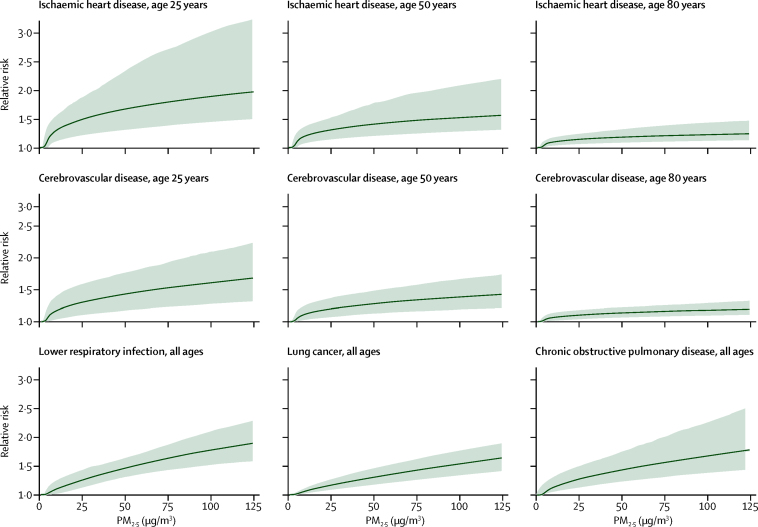
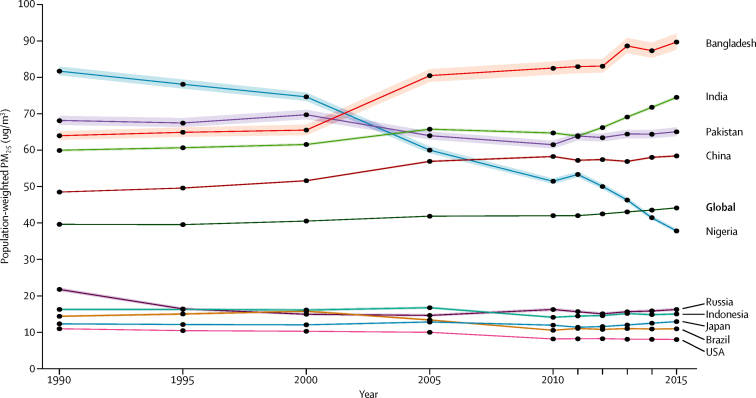
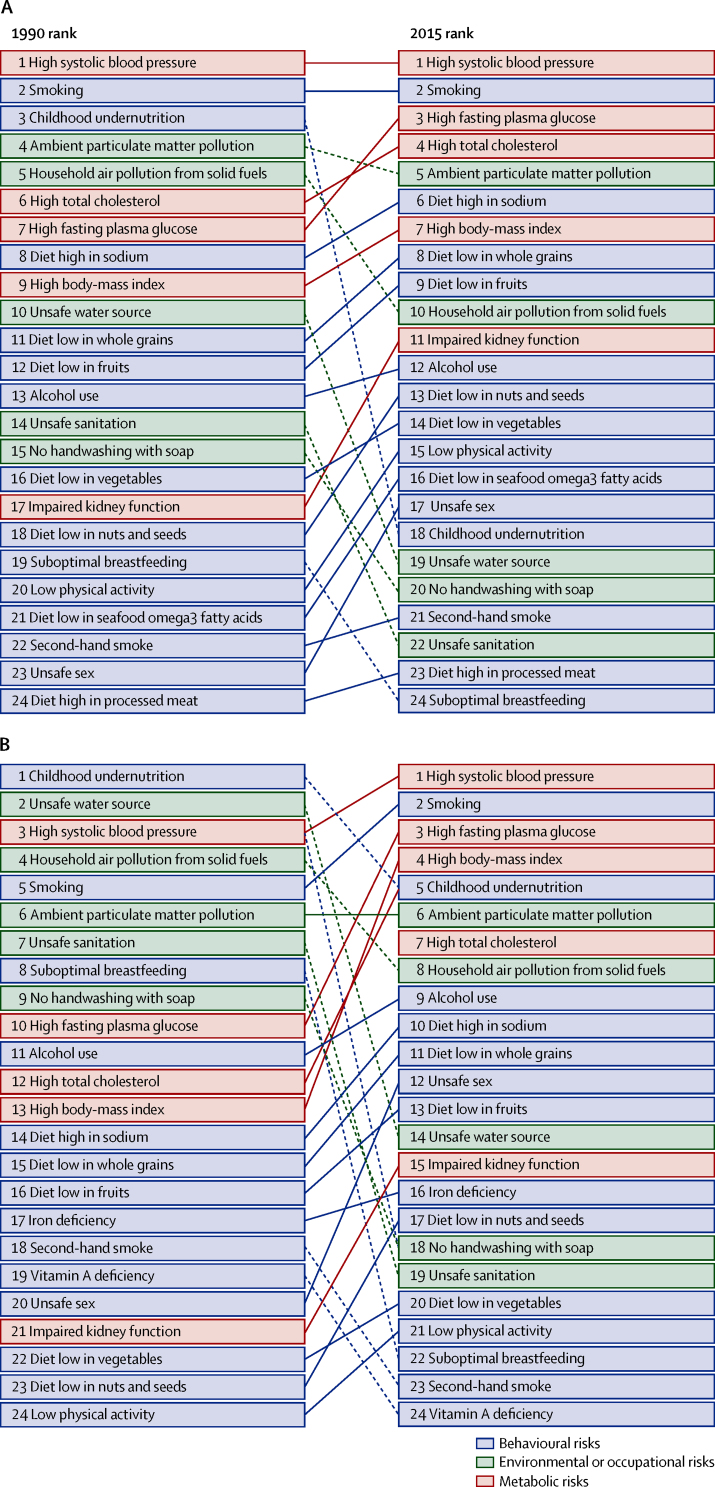
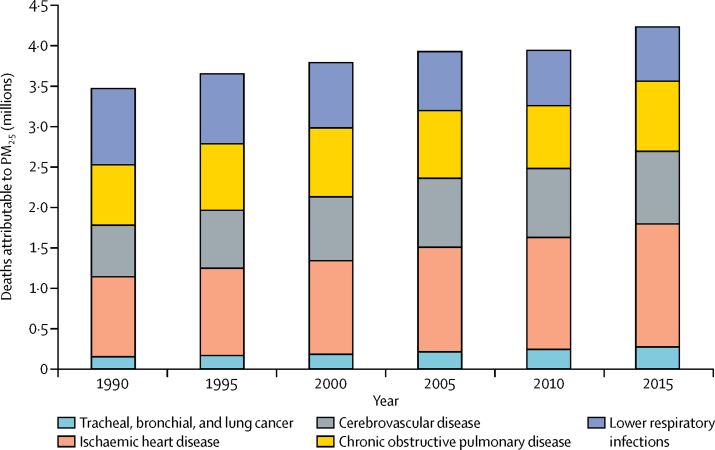
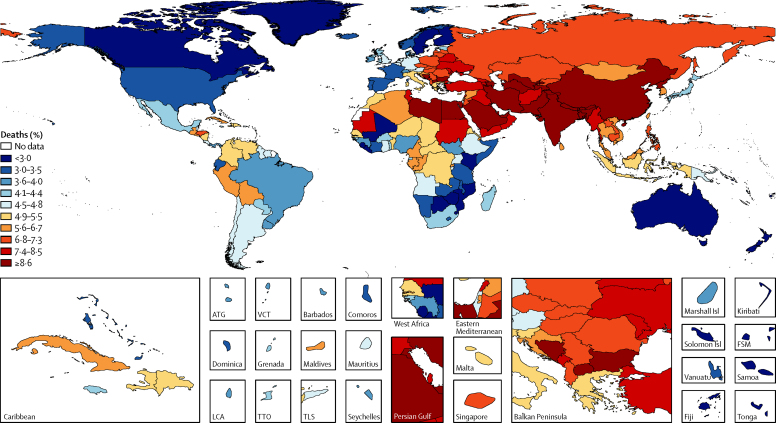
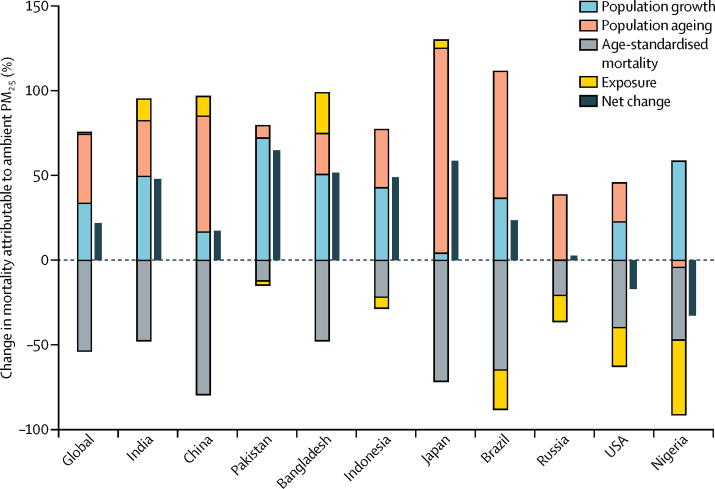
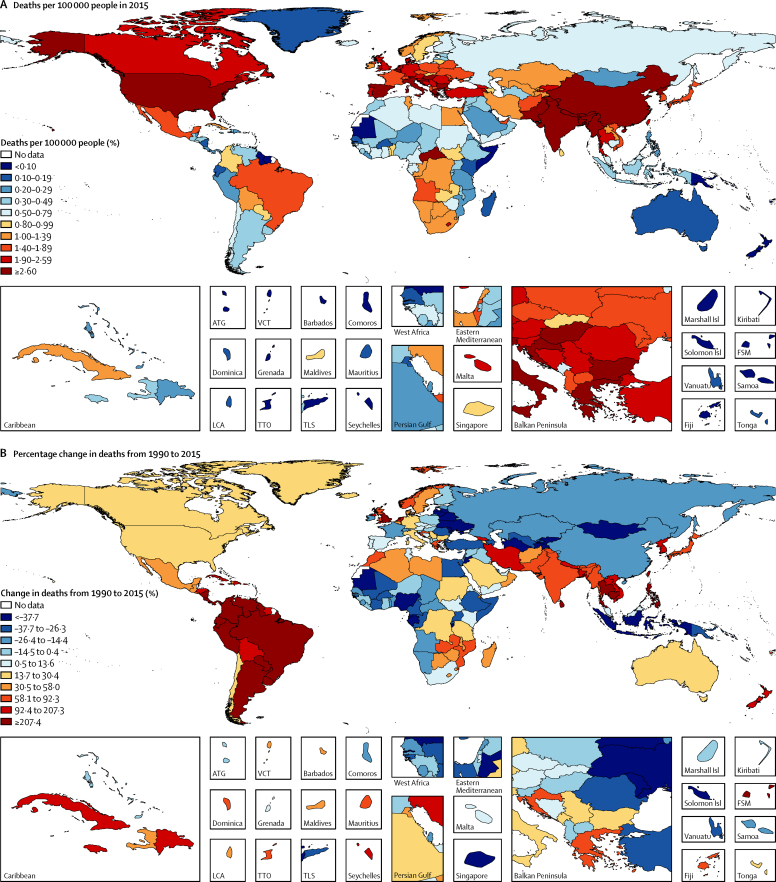
Verification
Claims the paper makes
The claims and statistics of this paper haven’t been checked yet.
Free: it reads the open-access text and checks the first 5 claims that cite a source we can check. Create a free account to check every claim.
Claims other papers make about this one
Each is checked against this paper’s own text: does it say what the citing paper says it does?
The cited source doesn’t support the claim as written.
In the citing paper
“In the western Arctic countries, premature mortality increased by a factor of 6 from 1990 to 2015, mostly due to population aging; while in Russia and Finland premature deaths decreased by up to 26.6% (Cohen et al., 2017).”
From Local Arctic Air Pollution: A Neglected but Serious Problem (2018) · cites this paper as Cohen et al., 2017
Checked by a reasoning model — may be wrong.
Experimental — accuracy not yet measuredThe cited source says what the claim attributes to it.
In the citing paper
“To overcome this limitation in availability of epidemiological concentration-response relationships in other parts of the world, the Global Burden of Disease study developed Integrated Exposure Response (IER) curves, which draw information from epidemiological studies globally on exposure to ambient air pollution, household air pollution, and smoking (Burnett et al., 2014; Cohen et al., 2017).”
From Local Arctic Air Pollution: A Neglected but Serious Problem (2018) · cites this paper as Cohen et al., 2017
The cited source says what the claim attributes to it.
In the citing paper
“Recent estimates of the global premature mortality due to ambient ozone range widely, from ca 140,000 [70] to 1,330,000 [71] per year, with the Global Burden of Disease estimate being 254,000 [72].”
In the citing paper
“and 4.1 (95% CI: 1·6–6·8) million years from COPD alone in 2015 (73).”
From Ozone pollution: A Major health hazard worldwide (2019) · cites this paper as [73]
In the citing paper
“In another study, exposure to ozone was responsible for 254,000 deaths from COPD alone in 2015 (73).”
From Ozone pollution: A Major health hazard worldwide (2019) · cites this paper as [73]
Self-check
Percentages, sums and reported differences re-computed from the paper’s own numbers.
The self-check needs the paper’s full text.
Citations
Cites
Lim, S. S., Vos, T., Flaxman, A. D., Danaei, G., Shibuya, K., Adair-Rohani, H., AlMazroa, M. A., Amann, M., Anderson, H. R., Andrews, K. G., et al. (2012) · The Lancet · doi:10.1016/s0140-6736(12)61766-8 · Cited by 11,805
Self-citationForouzanfar, M. H., Afshin, A., Alexander, L. T., Anderson, H. R., Bhutta, Z. A., Biryukov, S., Brauer, M., Burnett, R., Cercy, K., Charlson, F. J., et al. (2016) · The Lancet · doi:10.1016/s0140-6736(16)31679-8 · Cited by 7,698 · cited 4×
“3,14 Evidence linking these diseases with exposure to ambient air pollution was judged to be consistent with a causal relationship on the basis of criteria specified for GBD risk factors.”
InfluentialSelf-citationWang, H., Naghavi, M., Allen, C., Barber, R. M., Bhutta, Z. A., Carter, A., Casey, D. C., Charlson, F. J., Chen, A. Z., Coates, M. M., et al. (2016) · The Lancet · doi:10.1016/s0140-6736(16)31012-1 · Cited by 6,596
Self-citationThe contribution of outdoor air pollution sources to premature mortality on a global scale
Lelieveld, J., Evans, J. S., Fnais, M., Giannadaki, D., & Pozzer, A. (2015) · Nature · doi:10.1038/nature15371 · Cited by 5,977 · cited 1×
“Lelieveld and colleagues 25 analysed source sector contributions to air pollution and the resulting disease burden in 2010 and estimated the burden in 2050.”
Mortality in relation to smoking: 40 years' observations on male British doctors
Doll, R., Peto, R., Wheatley, K., Gray, R., & Sutherland, I. (1994) · BMJ · doi:10.1136/bmj.309.6959.901 · Cited by 5,932 · cited 3×
“Observed relative risks were related to the IER within a Bayesian framework using the STAN fitting algorithm, as described in the appendix (pp 15–17).”
Forouzanfar, M. H., Alexander, L., Anderson, H. R., Bachman, V. F., Biryukov, S., Brauer, M., Burnett, R., Casey, D., Coates, M. M., Cohen, A., et al. (2015) · The Lancet · doi:10.1016/s0140-6736(15)00128-2 · Cited by 2,701
Self-citationKassebaum, N. J., Arora, M., Barber, R. M., Bhutta, Z. A., Brown, J., Carter, A., Casey, D. C., Charlson, F. J., Coates, M. M., Coggeshall, M., et al. (2016) · The Lancet · doi:10.1016/s0140-6736(16)31460-x · Cited by 2,163
Self-citationBurnett, R. T., Pope, C. A., Ezzati, M., Olives, C., Lim, S. S., Mehta, S., Shin, H. H., Singh, G., Hubbell, B., Brauer, M., et al. (2014) · Environmental Health Perspectives · doi:10.1289/ehp.1307049 · Cited by 1,901 · cited 4×
“12,14 IERs assign concentrations of PM 2·5 to each type of exposure on an equivalent µg/m³ basis assuming that risk is determined by the 24-h PM 2·5 inhaled dose regardless of the exposure source, consistent with previous findings.”
InfluentialSelf-citationLong-term air pollution exposure and cardio- respiratory mortality: a review
Hoek, G., Krishnan, R. M., Beelen, R., Peters, A., Ostro, B., Brunekreef, B., & Kaufman, J. D. (2013) · Environmental Health · doi:10.1186/1476-069x-12-43 · Cited by 1,841 · cited 1×
“…for each cause of death to estimate the relative risk of mortality over the entire global range of ambient annual mean PM 2·5 concentrations using risk estimates from studies of ambient air pollution, household air pollution, and second-hand smoke exposure and active smoking (appendix pp 8–14).”
Self-citationLong-term ozone exposure and mortality
Jerrett, M., Burnett, R. T., Pope, C. A., Ito, K., Thurston, G., Krewski, D., Shi, Y., Calle, E., & Thun, M. (2009) · New England Journal of Medicine · doi:10.1056/nejmoa0803894 · Cited by 1,602
Self-citation
Research works printed but not linked: 1
- United States Environmental Protection Agency 2009 final report: integrated science assessment for particulate matter http://cfpub.epa.gov/ncea/risk/recordisplay.cfm?deid=216546 2009 (accessed Dec 22, 2015). 36630543
Cited by
The Lancet Commission on pollution and health
Landrigan, P. J., Fuller, R., Acosta, N. J. R., Adeyi, O., Arnold, R., Basu, N. (., Baldé, A. B., Bertollini, R., Bose-O'Reilly, S., Boufford, J. I., et al. (2018) · The Lancet · doi:10.1016/s0140-6736(17)32345-0 · Cited by 4,929
Self-citationForeman, K. J., Marquez, N., Dolgert, A., Fukutaki, K., Fullman, N., McGaughey, M., Pletcher, M. A., Smith, A. E., Tang, K., Yuan, C.-W., et al. (2018) · The Lancet · doi:10.1016/s0140-6736(18)31694-5 · Cited by 2,994
Self-citationGlobal estimates of mortality associated with long-term exposure to outdoor fine particulate matter
Burnett, R., Chen, H., Szyszkowicz, M., Fann, N., Hubbell, B., Pope, C. A., Apte, J. S., Brauer, M., Cohen, A., Weichenthal, S., et al. (2018) · Proceedings of the National Academy of Sciences · doi:10.1073/pnas.1803222115 · Cited by 2,504
“5 concentrations using only studies of outdoor air pollution using an alternative hazard ratio model and method of statistical inference (25) compared to that used for the IER (3,4).”
BackgroundMethodInfluentialSelf-citationBade, B. C., & Dela Cruz, C. S. (2020) · Clinics in Chest Medicine · doi:10.1016/j.ccm.2019.10.001 · Cited by 1,911
Safe and just Earth system boundaries
Rockström, J., Gupta, J., Qin, D., Lade, S. J., Abrams, J. F., Andersen, L. S., Armstrong McKay, D. I., Bai, X., Bala, G., Bunn, S. E., et al. (2023) · Nature · doi:10.1038/s41586-023-06083-8 · Cited by 1,400
Wei, J., Li, Z., Lyapustin, A., Sun, L., Peng, Y., Xue, W., Su, T., & Cribb, M. (2021) · Remote Sensing of Environment · doi:10.1016/j.rse.2020.112136 · Cited by 1,346
Air Pollution and Cardiovascular Disease
Rajagopalan, S., Al-Kindi, S. G., & Brook, R. D. (2018) · Journal of the American College of Cardiology · doi:10.1016/j.jacc.2018.07.099 · Cited by 1,299
Morgan, R. L., Whaley, P., Thayer, K. A., & Schünemann, H. J. (2018) · Environment International · doi:10.1016/j.envint.2018.07.015 · Cited by 1,282
Emission of trace gases and aerosols from biomass burning – an updated assessment
Andreae, M. O. (2019) · Atmospheric Chemistry and Physics · doi:10.5194/acp-19-8523-2019 · Cited by 1,091
“These recent estimates are all somewhat lower than those of A&M2001 (2.9 Tg a-1) and Yevich and Logan (2003) (3.”
MethodResultInfluentialCOVID-19 pandemic and environmental pollution: A blessing in disguise?
Muhammad, S., Long, X., & Salman, M. (2020) · Science of The Total Environment · doi:10.1016/j.scitotenv.2020.138820 · Cited by 1,078
Chen, J., & Hoek, G. (2020) · Environment International · doi:10.1016/j.envint.2020.105974 · Cited by 1,042
Severe haze in northern China: A synergy of anthropogenic emissions and atmospheric processes
An, Z., Huang, R.-J., Zhang, R., Tie, X., Li, G., Cao, J., Zhou, W., Shi, Z., Han, Y., Gu, Z., et al. (2019) · Proceedings of the National Academy of Sciences · doi:10.1073/pnas.1900125116 · Cited by 1,015
“There has been accumulating evidence that exposure to fine PM causes acute and chronic diseases (21, 22).”
BackgroundSources of particulate-matter air pollution and its oxidative potential in Europe
Daellenbach, K. R., Uzu, G., Jiang, J., Cassagnes, L.-E., Leni, Z., Vlachou, A., Stefenelli, G., Canonaco, F., Weber, S., Segers, A., et al. (2020) · Nature · doi:10.1038/s41586-020-2902-8 · Cited by 857
European Society of Cardiology: Cardiovascular Disease Statistics 2017
Timmis, A., Petersen, S. E., Belle, E. V., Townsend, N. P., Conrad, N., Kaplon-Cieslicka, A., Kazakiewicz, D., Kavousi, M., Cvijic, M., Ignatiuk, B., et al. (2017) · European Heart Journal · doi:10.1093/eurheartj/ehag345 · Cited by 945
Balakrishnan, K., Dey, S., Gupta, T., Dhaliwal, R. S., Brauer, M., Cohen, A. J., Stanaway, J. D., Beig, G., Joshi, T. K., Aggarwal, A. N., et al. (2019) · The Lancet Planetary Health · doi:10.1016/s2542-5196(18)30261-4 · Cited by 936
Self-citationWatts, N., Amann, M., Arnell, N., Ayeb-Karlsson, S., Belesova, K., Berry, H., Bouley, T., Boykoff, M., Byass, P., Cai, W., et al. (2018) · The Lancet · doi:10.1016/s0140-6736(18)32594-7 · Cited by 915
Effects of fossil fuel and total anthropogenic emission removal on public health and climate
Lelieveld, J., Klingmüller, K., Pozzer, A., Burnett, R. T., Haines, A., & Ramanathan, V. (2019) · Proceedings of the National Academy of Sciences · doi:10.1073/pnas.1819989116 · Cited by 902
Self-citationLelieveld, J., Klingmüller, K., Pozzer, A., Pöschl, U., Fnais, M., Daiber, A., & Münzel, T. (2019) · European Heart Journal · doi:10.1093/eurheartj/ehz135 · Cited by 898
Air Pollution and Noncommunicable Diseases
Schraufnagel, D. E., Balmes, J. R., Cowl, C. T., De Matteis, S., Jung, S.-H., Mortimer, K., Perez-Padilla, R., Rice, M. B., Riojas-Rodriguez, H., Sood, A., et al. (2019) · Chest · doi:10.1016/j.chest.2018.10.041 · Cited by 851
“Ambient air pollution is estimated to cause the death of > 800,000 persons from COPD and 280,000 persons from lung cancer.(85) Indoor air pollution is estimated to cause the death of > 750,000 persons from COPD and 300,000 persons from lung cancer,(86,87) making the toll for both forms of air pollution 1.”
BackgroundOzone pollution: A Major health hazard worldwide
Zhang, J. (., Wei, Y., & Fang, Z. (2019) · Frontiers in Immunology · doi:10.3389/fimmu.2019.02518 · Cited by 828
“In another study, exposure to ozone was responsible for 254,000 deaths from COPD alone in 2015 (73).”
Backgroundon behalf of the Council on Environment and Physical Activity (CEPA) – Older Adults working group, Barnett, D. W., Barnett, A., Nathan, A., Van Cauwenberg, J., & Cerin, E. (2017) · International Journal of Behavioral Nutrition and Physical Activity · doi:10.1186/s12966-017-0558-z · Cited by 828
“Beyond facilitating PA, it is plausible that there are synergistic benefits of streetscape trees and vegetation, for example, in reducing urban heat island effect [103] and air pollution [104] – environmental factors linked with premature mortality [105] and global disease burden [106].”
BackgroundVohra, K., Vodonos, A., Schwartz, J., Marais, E. A., Sulprizio, M. P., & Mickley, L. J. (2021) · Environmental Research · doi:10.1016/j.envres.2021.110754 · Cited by 817
Lung adenocarcinoma promotion by air pollutants
Hill, W., Lim, E. L., Weeden, C. E., Lee, C., Augustine, M., Chen, K., Kuan, F.-C., Marongiu, F., Evans, E. J., Moore, D. A., et al. (2023) · Nature · doi:10.1038/s41586-023-05874-3 · Cited by 808
Self-citationLoss of life expectancy from air pollution compared to other risk factors: a worldwide perspective
Lelieveld, J., Pozzer, A., Pöschl, U., Fnais, M., Haines, A., & Münzel, T. (2020) · Cardiovascular Research · doi:10.1093/cvr/cvaa025 · Cited by 802
Amplified ozone pollution in cities during the COVID-19 lockdown
Sicard, P., De Marco, A., Agathokleous, E., Feng, Z., Xu, X., Paoletti, E., Rodriguez, J. J. D., & Calatayud, V. (2020) · Science of The Total Environment · doi:10.1016/j.scitotenv.2020.139542 · Cited by 802
“5 and PM10), nitrogen dioxide (NO2) and tropospheric ozone (O3) are among the most threatening air pollutants in terms of harmful effects on human health associated with respiratory and cardiovascular diseases and mortality (Weinmayr et al., 2010; Pascal et al., 2013; Stafoggia et al., 2013; Cohen et al., 2017; Nuvolo…”
Metal-organic frameworks with photocatalytic bactericidal activity for integrated air cleaning
Li, P., Li, J., Feng, X., Li, J., Hao, Y., Zhang, J., Wang, H., Yin, A., Zhou, J., Ma, X., et al. (2019) · Nature Communications · doi:10.1038/s41467-019-10218-9 · Cited by 802
Orellano, P., Reynoso, J., Quaranta, N., Bardach, A., & Ciapponi, A. (2020) · Environment International · doi:10.1016/j.envint.2020.105876 · Cited by 792
Zhai, S., Jacob, D. J., Wang, X., Shen, L., Li, K., Zhang, Y., Gui, K., Zhao, T., & Liao, H. (2019) · Atmospheric Chemistry and Physics · doi:10.5194/acp-19-11031-2019 · Cited by 785
Environmental determinants of cardiovascular disease: lessons learned from air pollution
Al-Kindi, S. G., Brook, R. D., Biswal, S., & Rajagopalan, S. (2020) · Nature Reviews Cardiology · doi:10.1038/s41569-020-0371-2 · Cited by 782
Global Environment Outlook – GEO-6: Healthy Planet, Healthy People
(2019) · Cambridge University Press eBooks · doi:10.1017/9781108627146 · Cited by 642
Di, Q., Amini, H., Shi, L., Kloog, I., Silvern, R., Kelly, J., Sabath, M. B., Choirat, C., Koutrakis, P., Lyapustin, A., et al. (2019) · Environment International · doi:10.1016/j.envint.2019.104909 · Cited by 733
Pandey, A., Brauer, M., Cropper, M. L., Balakrishnan, K., Mathur, P., Dey, S., Turkgulu, B., Kumar, G. A., Khare, M., Beig, G., et al. (2021) · The Lancet Planetary Health · doi:10.1016/s2542-5196(20)30298-9 · Cited by 731
Self-citationvan Donkelaar, A., Martin, R. V., Li, C., & Burnett, R. T. (2019) · Environmental Science & Technology · doi:10.1021/acs.est.8b06392 · Cited by 715
Self-citationVascular Inflammation and Oxidative Stress: Major Triggers for Cardiovascular Disease
Steven, S., Frenis, K., Oelze, M., Kalinovic, S., Kuntic, M., Bayo Jimenez, M. T., Vujacic-Mirski, K., Helmstädter, J., Kröller-Schön, S., Münzel, T., et al. (2019) · Oxidative Medicine and Cellular Longevity · doi:10.1155/2019/7092151 · Cited by 708
“The upward trend in diabetic prevalence is exemplified in the recent update to the GBD, which shows that diabetes and related metabolic diseases have increased in prevalence and incidence between 1990 and 2015 [17].”
BackgroundInfluentialHuang, J., Pan, X., Guo, X., & Li, G. (2018) · The Lancet Planetary Health · doi:10.1016/s2542-5196(18)30141-4 · Cited by 701
Climate and air-quality benefits of a realistic phase-out of fossil fuels
Shindell, D., & Smith, C. J. (2019) · Nature · doi:10.1038/s41586-019-1554-z · Cited by 696
Aerosol Health Effects from Molecular to Global Scales
Shiraiwa, M., Ueda, K., Pozzer, A., Lammel, G., Kampf, C. J., Fushimi, A., Enami, S., Arangio, A. M., Fröhlich-Nowoisky, J., Fujitani, Y., et al. (2017) · Environmental Science & Technology · doi:10.1021/acs.est.7b04417 · Cited by 673
“The differences from the previous estimates are due 339 to application of different coefficients in the IER functions (Burnett, personal. comm.; 340 Cohen et al. 2017), and updated calculations of global PM2.”
MethodParticulate Matter Air Pollution: Effects on the Cardiovascular System
Hamanaka, R. B., & Mutlu, G. M. (2018) · Frontiers in Endocrinology · doi:10.3389/fendo.2018.00680 · Cited by 654
Air pollution exposure disparities across US population and income groups
Jbaily, A., Zhou, X., Liu, J., Lee, T.-H., Kamareddine, L., Verguet, S., & Dominici, F. (2022) · Nature · doi:10.1038/s41586-021-04190-y · Cited by 646
Tracking Air Pollution in China: Near Real-Time PM 2.5 Retrievals from Multisource Data Fusion
Geng, G., Xiao, Q., Liu, S., Liu, X., Cheng, J., Zheng, Y., Xue, T., Tong, D., Zheng, B., Peng, Y., et al. (2021) · Environmental Science & Technology · doi:10.1021/acs.est.1c01863 · Cited by 651
Nieuwenhuijsen, M. J. (2020) · Environment International · doi:10.1016/j.envint.2020.105661 · Cited by 612
“Around 4 – 9 million people die each year because of ambient air pollution levels (Cohen et al., 2017, Burnett et al., 2018), 3.2 million because of lack of physical activity and 1.2 million because of tra ffi c accidents (GBD, 2017, 2018, Bhalla et al., 2014).”
BackgroundInfluentialPolycyclic aromatic hydrocarbon and its effects on human health: An overeview
Mallah, M. A., Changxing, L., Mallah, M. A., Noreen, S., Liu, Y., Saeed, M., Xi, H., Ahmed, B., Feng, F., Mirjat, A. A., et al. (2022) · Chemosphere · doi:10.1016/j.chemosphere.2022.133948 · Cited by 593
Self-citationde Bont, J., Jaganathan, S., Dahlquist, M., Persson, Å., Stafoggia, M., & Ljungman, P. (2022) · Journal of Internal Medicine · doi:10.1111/joim.13467 · Cited by 574
Transportation noise pollution and cardiovascular disease
Münzel, T., Sørensen, M., & Daiber, A. (2021) · Nature Reviews Cardiology · doi:10.1038/s41569-021-00532-5 · Cited by 572
Air Pollution and Noncommunicable Diseases
Schraufnagel, D. E., Balmes, J. R., Cowl, C. T., De Matteis, S., Jung, S.-H., Mortimer, K., Perez-Padilla, R., Rice, M. B., Riojas-Rodriguez, H., Sood, A., et al. (2019) · Chest · doi:10.1016/j.chest.2018.10.042 · Cited by 563
Diener, A., & Mudu, P. (2021) · Science of The Total Environment · doi:10.1016/j.scitotenv.2021.148605 · Cited by 558
Premature mortality due to air pollution in European cities: a health impact assessment
Khomenko, S., Cirach, M., Pereira-Barboza, E., Mueller, N., Barrera-Gómez, J., Rojas-Rueda, D., de Hoogh, K., Hoek, G., & Nieuwenhuijsen, M. (2021) · The Lancet Planetary Health · doi:10.1016/s2542-5196(20)30272-2 · Cited by 548
Ambient PM2.5 Reduces Global and Regional Life Expectancy
Apte, J. S., Brauer, M., Cohen, A. J., Ezzati, M., & Pope, C. A. (2018) · Environmental Science & Technology Letters · doi:10.1021/acs.estlett.8b00360 · Cited by 509
Self-citationGlobal air pollution exposure and poverty
Rentschler, J., & Leonova, N. (2023) · Nature Communications · doi:10.1038/s41467-023-39797-4 · Cited by 538
Trends in urban air pollution over the last two decades: A global perspective
Sicard, P., Agathokleous, E., Anenberg, S. C., De Marco, A., Paoletti, E., & Calatayud, V. (2023) · Science of The Total Environment · doi:10.1016/j.scitotenv.2022.160064 · Cited by 464
COVID-19 as a factor influencing air pollution?
Dutheil, F., Baker, J. S., & Navel, V. (2020) · Environmental Pollution · doi:10.1016/j.envpol.2020.114466 · Cited by 531
Wyer, K. E., Kelleghan, D. B., Blanes-Vidal, V., Schauberger, G., & Curran, T. P. (2022) · Journal of Environmental Management · doi:10.1016/j.jenvman.2022.116285 · Cited by 523
Environmental pollutants and their effects on human health
Shetty, S. S., D, D., S, H., Sonkusare, S., Naik, P. B., Kumari N, S., & Madhyastha, H. (2023) · Heliyon · doi:10.1016/j.heliyon.2023.e19496 · Cited by 521
Li, H., Cai, J., Chen, R., Zhao, Z., Ying, Z., Wang, L., Chen, J., Hao, K., Kinney, P. L., Chen, H., et al. (2017) · Circulation · doi:10.1161/circulationaha.116.026796 · Cited by 521
Self-citationEnvironmental pollution and kidney diseases
Xu, X., Nie, S., Ding, H., & Hou, F. F. (2018) · Nature Reviews Nephrology · doi:10.1038/nrneph.2018.11 · Cited by 501
Fleming, Z. L., Doherty, R. M., von Schneidemesser, E., Malley, C. S., Cooper, O. R., Pinto, J. P., Colette, A., Xu, X., Simpson, D., Schultz, M. G., et al. (2018) · Elementa: Science of the Anthropocene · doi:10.1525/elementa.273 · Cited by 500
“…et al., 2016), albeit using the annual maximum of the three-month running mean of the daily maximum 1-hour ozone concentration, rather than the corresponding six-month metric, to account for global variation in the timing of the peak ozone season (Brauer et al., 2016, Cohen et al., 2017).”
The role of air pollution (PM and NO2) in COVID-19 spread and lethality: A systematic review
Copat, C., Cristaldi, A., Fiore, M., Grasso, A., Zuccarello, P., Signorelli, S. S., Conti, G. O., & Ferrante, M. (2020) · Environmental Research · doi:10.1016/j.envres.2020.110129 · Cited by 498
Kim, J., Jeong, U., Ahn, M.-H., Kim, J. H., Park, R. J., Lee, H., Song, C. H., Choi, Y.-S., Lee, K.-H., Yoo, J.-M., et al. (2020) · Bulletin of the American Meteorological Society · doi:10.1175/bams-d-18-0013.1 · Cited by 439
Self-citationDrivers of PM2.5 air pollution deaths in China 2002–2017
Geng, G., Zheng, Y., Zhang, Q., Xue, T., Zhao, H., Tong, D., Zheng, B., Li, M., Liu, F., Hong, C., et al. (2021) · Nature Geoscience · doi:10.1038/s41561-021-00792-3 · Cited by 477
“I is the energy intensity, which reflects energy consumption per GDP obtained in equation (3) and energy consumption per capita in equation (5).”
BackgroundInfluentialFan, H., Zhao, C., & Yang, Y. (2020) · Atmospheric Environment · doi:10.1016/j.atmosenv.2019.117066 · Cited by 474
Ohlwein, S., Kappeler, R., Kutlar Joss, M., Künzli, N., & Hoffmann, B. (2019) · International Journal of Public Health · doi:10.1007/s00038-019-01202-7 · Cited by 473
Zhang, L., Mu, R., Zhan, Y., Yu, J., Liu, L., Yu, Y., & Zhang, J. (2022) · Science of The Total Environment · doi:10.1016/j.scitotenv.2022.158403 · Cited by 473
Lu, X., Zhang, S., Xing, J., Wang, Y., Chen, W., Ding, D., Wu, Y., Wang, S., Duan, L., & Hao, J. (2020) · Engineering · doi:10.1016/j.eng.2020.03.014 · Cited by 473
“The results of the GBD project [51] estimated that respiratory mortality attributable to long-term O 3 exposure in adults is between 274 000 and 316 000 in China, equal to approximately 25%–29% of the deaths attributable to PM 2.5 exposure [16].”
BackgroundInfluentialBenzo[a]pyrene—Environmental Occurrence, Human Exposure, and Mechanisms of Toxicity
Bukowska, B., Mokra, K., & Michałowicz, J. (2022) · International Journal of Molecular Sciences · doi:10.3390/ijms23116348 · Cited by 470
“Liu et al. [32] observed that in classrooms in schools in Shanxi Provence (China), the concentrations of B[a]P increased from 0.05 ng/m3 (in the nonheating season) to as high as 10.3 ng/m3 (in the heating season), which showed that children were highly exposed to this compound in winter.”
BackgroundInfluentialRegional and global contributions of air pollution to risk of death from COVID-19
Pozzer, A., Dominici, F., Haines, A., Witt, C., Münzel, T., & Lelieveld, J. (2020) · Cardiovascular Research · doi:10.1093/cvr/cvaa288 · Cited by 463
“5), is one of the leading risk factors, and responsible for many excess deaths.(1,2) The global loss of life expectancy from long-term exposure to ambient air pollution exceeds that of infectious diseases, and is comparable with that of tobacco smoking.”
BackgroundEnvironmental sustainability in anaesthesia and critical care
McGain, F., Muret, J., Lawson, C., & Sherman, J. D. (2020) · British Journal of Anaesthesia · doi:10.1016/j.bja.2020.06.055 · Cited by 455
Achakulwisut, P., Brauer, M., Hystad, P., & Anenberg, S. C. (2019) · The Lancet Planetary Health · doi:10.1016/s2542-5196(19)30046-4 · Cited by 438
Self-citationFine particulate air pollution and human mortality: 25+ years of cohort studies
Pope, C. A., Coleman, N., Pond, Z. A., & Burnett, R. T. (2020) · Environmental Research · doi:10.1016/j.envres.2019.108924 · Cited by 434
Self-citationHahad, O., Lelieveld, J., Birklein, F., Lieb, K., Daiber, A., & Münzel, T. (2020) · International Journal of Molecular Sciences · doi:10.3390/ijms21124306 · Cited by 432
“2 million deaths annually (Figure 1) [3].”
Southerland, V. A., Brauer, M., Mohegh, A., Hammer, M. S., van Donkelaar, A., Martin, R. V., Apte, J. S., & Anenberg, S. C. (2022) · The Lancet Planetary Health · doi:10.1016/s2542-5196(21)00350-8 · Cited by 427
Self-citationPathways of China's PM2.5 air quality 2015–2060 in the context of carbon neutrality
Cheng, J., Tong, D., Zhang, Q., Liu, Y., Lei, Y., Yan, G., Yan, L., Yu, S., Cui, R. Y., Clarke, L., et al. (2021) · National Science Review · doi:10.1093/nsr/nwab078 · Cited by 420
Self-citationA review on phytoremediation of contaminants in air, water and soil
Wei, Z., Van Le, Q., Peng, W., Yang, Y., Yang, H., Gu, H., Lam, S. S., & Sonne, C. (2021) · Journal of Hazardous Materials · doi:10.1016/j.jhazmat.2020.123658 · Cited by 419
Stronger policy required to substantially reduce deaths from PM2.5 pollution in China
Yue, H., He, C., Huang, Q., Yin, D., & Bryan, B. A. (2020) · Nature Communications · doi:10.1038/s41467-020-15319-4 · Cited by 419
Premature mortality related to United States cross-state air pollution
Dedoussi, I. C., Eastham, S. D., Monier, E., & Barrett, S. R. H. (2020) · Nature · doi:10.1038/s41586-020-1983-8 · Cited by 399
Oxidative stress pathways of air pollution mediated toxicity: Recent insights
Gangwar, R. S., Bevan, G. H., Palanivel, R., Das, L., & Rajagopalan, S. (2020) · Redox Biology · doi:10.1016/j.redox.2020.101545 · Cited by 409
Haahtela, T. (2019) · Allergy · doi:10.1111/all.13763 · Cited by 407
“Compromised immunity loaded further by heavy air pollution (128) is a”
BackgroundAmbient ozone pollution and daily mortality: a nationwide study in 272 Chinese cities
Yin, P., Chen, R., Wang, L., Meng, X., Liu, C., Niu, Y., Lin, Z., Liu, Y., Liu, J., Qi, J., et al. (2017) · Environmental Health Perspectives · doi:10.1289/ehp1849 · Cited by 403
“Ambient air pollution has emerged as a major public health concern worldwide (Cohen et al. 2017).”
BackgroundSelf-citationEffects of gaseous and solid constituents of air pollution on endothelial function
Münzel, T., Gori, T., Al-Kindi, S., Deanfield, J., Lelieveld, J., Daiber, A., & Rajagopalan, S. (2018) · European Heart Journal · doi:10.1093/eurheartj/ehy481 · Cited by 403
“2 million deaths annually, with cardiovascular deaths accounting for most of these deaths (Figure 1A and B).(6) Importantly, this statistic does not include other occupational and environmental stressors including smoking, household air pollution, or noise”
BackgroundPivello, V. R., Vieira, I., Christianini, A. V., Ribeiro, D. B., da Silva Menezes, L., Berlinck, C. N., Melo, F. P. L., Marengo, J. A., Tornquist, C. G., Tomas, W. M., et al. (2021) · Perspectives in Ecology and Conservation · doi:10.1016/j.pecon.2021.06.005 · Cited by 401
Disparities in Air Pollution Exposure in the United States by Race/Ethnicity and Income, 1990–2010
Liu, J., Clark, L. P., Bechle, M. J., Hajat, A., Kim, S.-Y., Robinson, A. L., Sheppard, L., Szpiro, A. A., & Marshall, J. D. (2021) · Environmental Health Perspectives · doi:10.1289/ehp8584 · Cited by 396
Disparities in PM 2.5 air pollution in the United States
Colmer, J., Hardman, I., Shimshack, J., & Voorheis, J. (2020) · Science · doi:10.1126/science.aaz9353 · Cited by 391
Environmental exposures and mechanisms in allergy and asthma development
Murrison, L. B., Brandt, E. B., Myers, J. B., & Hershey, G. K. K. (2019) · Journal of Clinical Investigation · doi:10.1172/jci124612 · Cited by 391
Cancer incidence and mortality in China, 2015
Zhang, S., Sun, K., Zheng, R., Zeng, H., Wang, S., Chen, R., Wei, W., & He, J. (2021) · Journal of the National Cancer Center · doi:10.1016/j.jncc.2020.12.001 · Cited by 389
Wang, M., Aaron, C. P., Madrigano, J., Hoffman, E. A., Angelini, E., Yang, J., Laine, A., Vetterli, T. M., Kinney, P. L., Sampson, P. D., et al. (2019) · JAMA · doi:10.1001/jama.2019.10255 · Cited by 389
“Of these participants, 5780 (84%) had at least 1 follow-up CT scan over a median (range) of 10 (1-18) years.”
BackgroundAir quality during the COVID-19: PM2.5 analysis in the 50 most polluted capital cities in the world
Rodríguez-Urrego, D., & Rodríguez-Urrego, L. (2020) · Environmental Pollution · doi:10.1016/j.envpol.2020.115042 · Cited by 385
Jin, X., Fiore, A., Boersma, K. F., Smedt, I. D., & Valin, L. (2020) · Environmental Science & Technology · doi:10.1021/acs.est.9b07785 · Cited by 350
Zhang, X., Han, L., Wei, H., Tan, X., Zhou, W., Li, W., & Qian, Y. (2022) · Journal of Cleaner Production · doi:10.1016/j.jclepro.2022.130988 · Cited by 350
Spatial PM2.5, NO2, O3 and BC models for Western Europe – Evaluation of spatiotemporal stability
de Hoogh, K., Chen, J., Gulliver, J., Hoffmann, B., Hertel, O., Ketzel, M., Bauwelinck, M., van Donkelaar, A., Hvidtfeldt, U. A., Katsouyanni, K., et al. (2018) · Environment International · doi:10.1016/j.envint.2018.07.036 · Cited by 362
Self-citationHallmarks of environmental insults
Peters, A., Nawrot, T. S., & Baccarelli, A. A. (2021) · Cell · doi:10.1016/j.cell.2021.01.043 · Cited by 373
The 2016 global and national burden of diabetes mellitus attributable to PM 2·5 air pollution
Bowe, B., Xie, Y., Li, T., Yan, Y., Xian, H., & Al-Aly, Z. (2018) · The Lancet Planetary Health · doi:10.1016/s2542-5196(18)30140-2 · Cited by 371
Efficacy of China’s clean air actions to tackle PM2.5 pollution between 2013 and 2020
Geng, G., Liu, Y., Liu, Y., Liu, S., Cheng, J., Yan, L., Wu, N., Hu, H., Tong, D., Zheng, B., et al. (2024) · Nature Geoscience · doi:10.1038/s41561-024-01540-z · Cited by 369
Self-citationYin, P., Brauer, M., Cohen, A., Burnett, R. T., Liu, J., Liu, Y., Liang, R., Wang, W., Qi, J., Wang, L., et al. (2017) · Environmental Health Perspectives · doi:10.1289/ehp1673 · Cited by 362
“For this reason, it also provides a test of predictions of PM2:5 relative effects based on the IER used in GBD (Burnett et al. 2014; Cohen et al. 2017).”
MethodResultInfluentialSelf-citationInternet of Things Mobile–Air Pollution Monitoring System (IoT-Mobair)
Dhingra, S., Madda, R. B., Gandomi, A. H., Patan, R., & Daneshmand, M. (2019) · IEEE Internet of Things Journal · doi:10.1109/jiot.2019.2903821 · Cited by 368
“25% of GDP, while in SubSaharan Africa, where air pollution [8] impairs the earning”
BackgroundBurden of Cause-Specific Mortality Associated With PM 2.5 Air Pollution in the United States
Bowe, B., Xie, Y., Yan, Y., & Al-Aly, Z. (2019) · JAMA Network Open · doi:10.1001/jamanetworkopen.2019.15834 · Cited by 367
Type 1 diabetes—early life origins and changing epidemiology
Norris, J. M., Johnson, R. K., & Stene, L. C. (2020) · The Lancet Diabetes & Endocrinology · doi:10.1016/s2213-8587(19)30412-7 · Cited by 367
Zhao, B., Zheng, H., Wang, S., Smith, K. R., Lu, X., Aunan, K., Gu, Y., Wang, Y., Ding, D., Xing, J., et al. (2018) · Proceedings of the National Academy of Sciences · doi:10.1073/pnas.1812955115 · Cited by 366
“(22), which is an updated version of Burnett et al.”
BackgroundResultInfluentialParticulate Matter Air Pollution and the Risk of Incident CKD and Progression to ESRD
Bowe, B., Xie, Y., Li, T., Yan, Y., Xian, H., & Al-Aly, Z. (2018) · Journal of the American Society of Nephrology · doi:10.1681/asn.2017030253 · Cited by 354
Robust relationship between air quality and infant mortality in Africa
Heft-Neal, S., Burney, J., Bendavid, E., & Burke, M. (2018) · Nature · doi:10.1038/s41586-018-0263-3 · Cited by 363
“5 = 2.0 µg/m 3) Cohen et al 2017 (PM2.”
InfluentialFeng, Z., De Marco, A., Anav, A., Gualtieri, M., Sicard, P., Tian, H., Fornasier, F., Tao, F., Guo, A., & Paoletti, E. (2019) · Environment International · doi:10.1016/j.envint.2019.104966 · Cited by 361
Bais, A. F., Lucas, R. M., Bornman, J. F., Williamson, C. E., Sulzberger, B., Austin, A. T., Wilson, S. R., Andrady, A. L., Bernhard, G., McKenzie, R. L., et al. (2018) · Photochemical & Photobiological Sciences · doi:10.1039/c7pp90043k · Cited by 350
Metadata
- Authors
- Cohen, A. J., Brauer, M., Burnett, R., Anderson, H. R., Frostad, J., Estep, K., Balakrishnan, K., Brunekreef, B., Dandona, L., Dandona, R., Feigin, V., Freedman, G., Hubbell, B., Jobling, A., Kan, H., Knibbs, L., Liu, Y., Martin, R., Morawska, L., Pope, C. A., Shin, H., Straif, K., Shaddick, G., Thomas, M., van Dingenen, R., van Donkelaar, A., Vos, T., Murray, C. J. L., & Forouzanfar, M. H.
- Affiliations
- Health Effects Institute (US)
- University of British Columbia (CA)
- Health Canada (CA)
- St George's, University of London (GB)
- Institute for Health Metrics and Evaluation (US)
- Sri Ramachandra Institute of Higher Education and Research (IN)
- Utrecht University (NL)
- Public Health Foundation of India (IN)
- Auckland University of Technology (NZ)
- Environmental Protection Agency (US)
- University of Bath (GB)
- Fudan University (CN)
- The University of Queensland (AU)
- Emory University (US)
- Dalhousie University (CA)
- Brigham Young University (US)
- Centre international de recherche sur le cancer (FR)
- Corresponding author
- Cohen, Aaron J
- ORCID
- Venue
- The Lancet
- Publisher
- Elsevier BV
- Published
- 2017-05
- Volume
- 389
- Issue
- 10082
- Pages
- 1907-1918
- ISSN
- 0099-5355 (ISSN-L)
- 0140-6736
- PMC
- PMC5439030
- OpenAlex
- W2607350314
- Cited by
- 6,583
- References
- 29
- Citations by year
- 2026: 551 · 2025: 641 · 2024: 730 · 2023: 869 · 2022: 919 · 2021: 940 · 2020: 866 · 2019: 562 · 2018: 415 · 2017: 84
- FWCI
- 284.22
- Type
- journal article
- Language
- en
- Update notices
- erratum (2018-04-21)
- Open access
- hybrid
- doi.org
- Licence
- cc-by
- www.elsevier.com/tdm/userlicense/1.0/ (tdm)
- creativecommons.org/licenses/by/4.0/ (vor)
- Locations
- The Lancet (publishedVersion, cc-by)
- Europe PMC (PubMed Central) (publishedVersion, other-oa)
- PubMed Central (publishedVersion, cc-by)
- PubMed (publishedVersion)
- St George's Online Research Archive (St George's University of London) (acceptedVersion)
- QUT ePrints (Queensland University of Technology) (submittedVersion, cc-by)
- Tuwhera (Auckland University of Technology) (submittedVersion, cc-by)
- Utrecht University Repository (Utrecht University) (submittedVersion, other-oa)
- ORCA Online Research @Cardiff (Cardiff University) (submittedVersion)
- Joint Research Centre (European Commission) (submittedVersion)
- Research Explorer (The University of Manchester) (submittedVersion)
- Utrecht University Repository (Utrecht University) (submittedVersion, cc-by)
- The Lancet Global Health
- Funders
- Bill and Melinda Gates Foundation
- World Health Organization
- Engineering and Physical Sciences Research Council (1499934)
- Topics
- Physical Sciences › Environmental Science › Health, Toxicology and Mutagenesis › Air Quality and Health Impacts
- Physical Sciences › Earth and Planetary Sciences › Atmospheric Science › Atmospheric chemistry and aerosols
- Physical Sciences › Environmental Science › Pollution › Energy and Environment Impacts
- Keywords
- ambient air pollution, PM2.5, ozone, attributable mortality, disability-adjusted life years, global burden of disease, exposure-response functions, ischemic heart disease, cerebrovascular disease, chronic obstructive pulmonary disease, lung cancer, lower respiratory tract infection, chemical transport model, non-communicable diseases
- MeSH terms
- Global Burden of Disease, Adolescent, Adult, Aged, Aged, 80 and over, Air Pollution, Cerebrovascular Disorders, Child, Child, Preschool, Environmental Exposure, Female, Heart Diseases, Humans, Infant, Infant, Newborn, Male, Middle Aged, Respiratory Tract Diseases, Quality-Adjusted Life Years, Young Adult
About these checks
Registry, retraction, Cites and statistics results are computed, not judged, with one exception: a printed reference that no index lists is read once by a model before it counts as a citation error. Claims are extracted by a model and kept only when their quote appears verbatim in the text; each cited source is then checked, with a model’s help, for whether it says what the claim relies on. Those verdicts can be wrong — read the claim’s quote and the cited source before relying on one.
Statistics and arithmetic are recomputed, not judged.
Confidence bands are shown only for fields calibrated on our annotated test set. None is calibrated yet, so no band is shown.
What counts as a claim ›How we measure confidence ›How we check this ›
Are you an author, or do you see a problem with this page? Request a review
Data sources
Bibliographic data: Semantic Scholar, OpenAlex, Crossref.
Contains information from the Semantic Scholar Academic Graph Datasets, made available under the ODC Attribution License (ODC-BY 1.0).
Semantic Scholar’s data is described in: Kinney, R., et al. (2023). The Semantic Scholar Open Data Platform. arXiv:2301.10140.
