

Predicting relapse after antidepressant withdrawal – a systematic review
Open accessThe DOI matches its Crossref record; 54 of the 55 references it cites were found in a registry or an index; 9 of the 48 sources its claims cite were checked for support.
Abstract
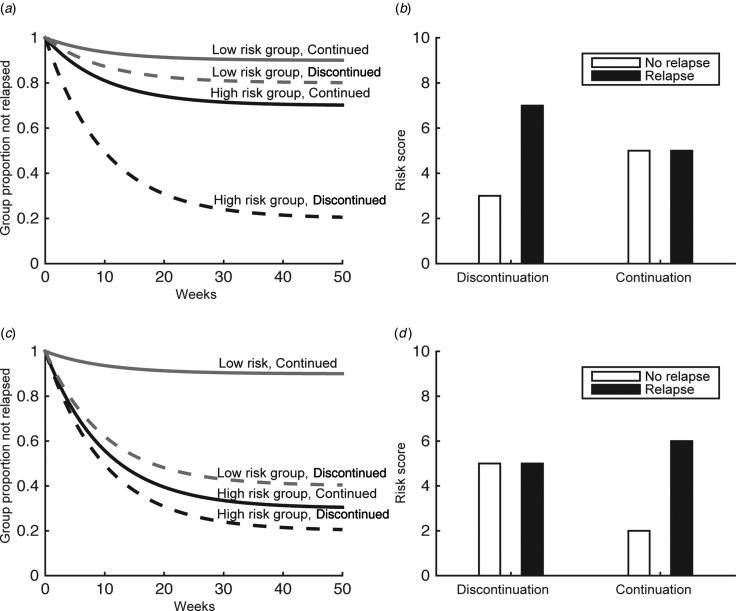
A substantial proportion of the burden of depression arises from its recurrent nature. The risk of relapse after antidepressant medication (ADM) discontinuation is high but not uniform. Predictors of individual relapse risk after antidepressant discontinuation could help to guide treatment and mitigate the long-term course of depression. We conducted a systematic literature search in PubMed to identify relapse predictors using the search terms '(depress* OR MDD*) AND (relapse* OR recurren*) AND (predict* OR risk) AND (discontinu* OR withdraw* OR maintenance OR maintain or continu*) AND (antidepress* OR medication OR drug)' for published studies until November 2014. Studies investigating predictors of relapse in patients aged between 18 and 65 years with a main diagnosis of major depressive disorder (MDD), who remitted from a depressive episode while treated with ADM and were followed up for at least 6 months to assess relapse after part of the sample discontinued their ADM, were included in the review. Although relevant information is present in many studies, only 13 studies based on nine separate samples investigated predictors for relapse after ADM discontinuation. There are multiple promising predictors, including markers of true treatment response and the number of prior episodes. However, the existing evidence is weak and there are no established, validated markers of individual relapse risk after antidepressant cessation. There is little evidence to guide discontinuation decisions in an individualized manner beyond overall recurrence risk. Thus, there is a pressing need to investigate neurobiological markers of individual relapse risk, focusing on treatment discontinuation.
Overview
CoChat Summary
TL;DR
This systematic review found only 13 studies based on nine separate datasets that examined predictors of relapse after antidepressant discontinuation, and no established, validated individual marker emerged. Promising signals include true drug response pattern and number of prior episodes, but the evidence remains weak and insufficient to guide individualized discontinuation decisions beyond overall recurrence risk.
Key findings
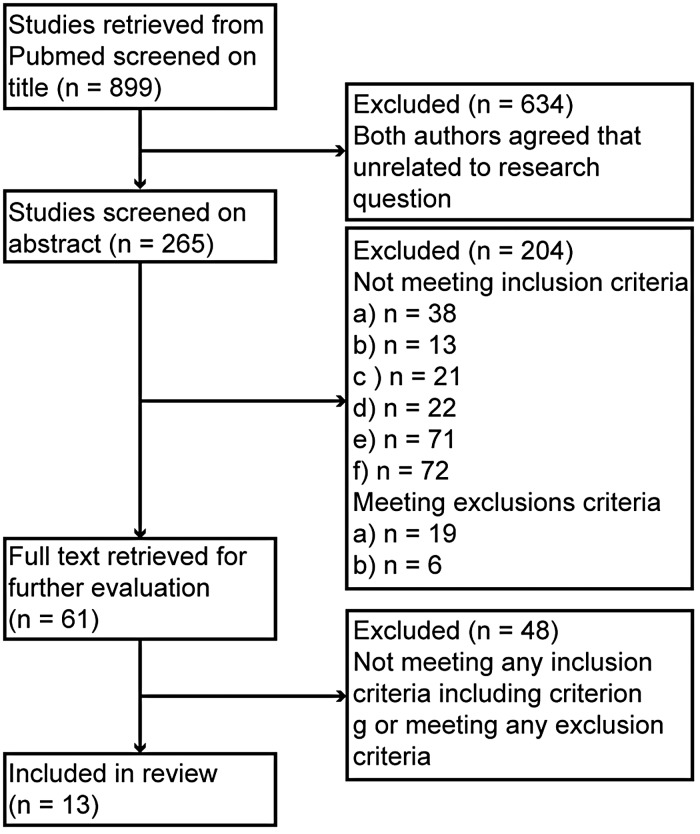
- The PubMed search retrieved 899 studies; 61 were read in full text, and 13 studies based on nine separate datasets met inclusion criteria. No study used neuroimaging predictors, no naturalistic study was identified, and all patients who discontinued received placebo.
- True drug response pattern was the most consistent signal: Stewart et al. (1998) found discontinuation increased relapse in likely true drug responders (log-rank = 22.37, p < 0.001 for 12 v. 26 weeks; log-rank = 8.23, df = 1, p < 0.005 for 26 v. 50 weeks), and Nierenberg et al. (2004) found relapse risk after discontinuation was larger in true than placebo response patterns (log-rank = 4.87, df = 1, p = 0.027). McGrath et al. (2006) failed to find a significant response-pattern × discontinuation interaction.
- Number of prior episodes did not significantly interact with treatment in four studies. In Keller et al. (1998), placebo relapse was 40% in first-episode patients v. 55% in recurrent patients, while sertraline relapse was 29% v. 24%; the treatment × prior episode interaction was not significant (p = 0.25).
- Other isolated signals included high anxiety increasing relapse in the discontinuation group (risk ratio = 1.632, p = 0.013; relapse rates 53.3% v. 40.7% for high v. low anxiety) but not the continuation group (28.5% v. 27.2%) in Joliat et al. (2004), and somatic pain interacting with treatment in Fava et al. (2009; hazard ratios 0.62 v. 0.25 in high- v. low-pain groups, p = 0.048).
Methods
- Systematic PubMed search until November 2014 using terms combining depression/MDD, relapse/recurrence, predictors/risk, discontinuation/withdrawal/maintenance/continuation, and antidepressant/medication/drug; 899 records were retrieved, with Cohen’s κ = 0.75 for abstract inter-rater agreement.
- Inclusion criteria: patients aged 18–65 years with a main diagnosis of MDD, remitted from a depressive episode while treated with antidepressant medication, followed for at least 6 months to assess relapse, with part of the sample discontinuing antidepressant medication; original research reporting relapse predictors in the discontinuation group alone or a treatment × predictor interaction. Exclusion criteria included anonymous prescription-record data and confounds with psychotherapy.
- The review narratively synthesized 13 studies from nine datasets; no meta-analysis was performed, and the authors did not formally evaluate study quality because results were overall weak.
Limitations
- The authors state that only one database was searched, full-text access was not available for all relevant studies, and eligible studies may have been missed; reporting/positive bias is possible because positive findings are more likely to be cited and to appear in titles used for initial screening.
- The authors state that they did not formally evaluate the quality of included studies, and they excluded psychotherapy studies to avoid confounding, although psychotherapy is known to prevent relapse.
- Evident from the text: the evidence base is very small (13 studies, nine datasets), sample sizes were often small, interaction testing and multiple-comparison corrections were inconsistent, and there was heterogeneity in definitions, relapse criteria, follow-up, and medications; the authors conclude the field is insufficient to draw either positive or negative conclusions.
Model-written summary. Check it against the paper before relying on it.
Integrity signals
Registry
Cites
Statistics
Figures
Verification
Claims the paper makes
9 Valid · 1 Not valid · 45 Not checked · 47 Own results and interpretations
The cited sources support only part of this claim — read each source’s verdict below.
In the paper
“Less ill patients are known to have a smaller relapse risk overall (e.g. Nierenberg et al. 2010)”
§ Predicting relapse after antidepressant withdrawal – a systematic review > Discussion
What the sources say
- Partly supportedcites Nierenberg et al. 2010 matched to “Residual symptoms after remission of major depressive disorder with citalopram and risk of relapse: a STAR*D report” (2010) sourceExperimental — accuracy not yet measured
The Results report that, among patients whose depression remitted with citalopram, more residual symptom domains were associated with a greater probability of relapse. This supports the direction of the claim, but the study does not establish that less ill patients generally have a smaller relapse risk overall; its finding concerns residual symptoms in remitters. (LLM, conf=0.86)
boostedstates an association- Asserted: passes — The authors put it forward as true.
- Checkable: passes — It can be checked against evidence.
- Load-bearing: unclear — It is unclear whether the paper’s conclusions depend on it.
- Based: passes — The paper gives a reason why it holds.
- Partly supported
The cited sources support only part of this claim — read each source’s verdict below.
In the paper
“and probably accounts for the impact of different definitions of remission on relapse risk (Dunlop et al. 2012).”
§ Predicting relapse after antidepressant withdrawal – a systematic review > Discussion
What the sources say
- Partly supportedcites Dunlop et al. 2012 matched to “Recovery and subsequent recurrence in patients with recurrent major depressive disorder” (2012) sourceExperimental — accuracy not yet measured
The Methods (section 2.3) distinguish recovery definitions by residual symptom severity, and the Discussion (section 4) reports better outcomes under stricter definitions. But the paper also identifies duration of wellness as affecting recurrence risk; it does not establish that residual symptom load alone accounts for the difference. It studies definitions of recovery and subsequent recurrence, rather than definitions of remission and relapse. (LLM, conf=0.84)
hedgedstates a possible cause- Asserted: passes — The authors put it forward as true.
- Checkable: passes — It can be checked against evidence.
- Load-bearing: unclear — It is unclear whether the paper’s conclusions depend on it.
- Based: passes — The paper gives a reason why it holds.
- Partly supported
The cited sources support only part of this claim — read each source’s verdict below.
In the paper
“Farb et al. (2011), for instance, found that a simple functional magnetic resonance imaging (fMRI) measure coupled with an emotion manipulation (sad movies) could near perfectly predict relapse overall independently of treatment”
§ Predicting relapse after antidepressant withdrawal – a systematic review > Conclusion
What the sources say
- Partly supportedcites Farb et al. 2011 matched to “Mood-linked responses in medial prefrontal cortex predict relapse in patients with recurrent unipolar depression” (2011) sourceExperimental — accuracy not yet measured
The Results (page not provided) report that fMRI responses to sad versus neutral films predicted relapse in the 16 remitted patients; a combined measure had 100% sensitivity and 83% specificity. The Results also say prediction persisted after controlling for antidepressant dosage, but the Methods and Materials state that all patients took antidepressants and received no cognitive or behavioral therapy. The study therefore does not establish prediction independently of treatment in general. (LLM, conf=0.88)
hedgedstates an association- Asserted: passes — The authors put it forward as true.
- Checkable: passes — It can be checked against evidence.
- Load-bearing: passes — The paper’s conclusions depend on it.
- Based: passes — The paper gives a reason why it holds.
- Partly supported
Every source the paper cites for this claim was checked and supports it.
In the paper
“Residual symptom load affects relapse risk overall (Nierenberg et al. 2010)”
§ Predicting relapse after antidepressant withdrawal – a systematic review > Discussion
What the sources say
- Supportedcites Nierenberg et al. 2010 matched to “Residual symptoms after remission of major depressive disorder with citalopram and risk of relapse: a STAR*D report” (2010) source
The Abstract Results report that a greater number of residual symptom domains was associated with a higher probability of relapse. The Discussion likewise says an increased number of residual domains was associated with relapse. The paper establishes an association, not a causal effect. (LLM, conf=0.90)
plainstates a cause- Asserted: passes — The authors put it forward as true.
- Checkable: passes — It can be checked against evidence.
- Load-bearing: passes — The paper’s conclusions depend on it.
- Based: passes — The paper gives a reason why it holds.
- Supported
In the paper
“McGrath et al. (2006) failed to find a significant interaction between response pattern and discontinuation.”
§ Predicting relapse after antidepressant withdrawal – a systematic review > Results > Disease course
What the sources say
- Not checked — no full text of the sourcecites McGrath et al. (2006) matched to “Predictors of Relapse in a Prospective Study of Fluoxetine Treatment of Major Depression” (2006) source
plain- Asserted: passes — The authors put it forward as true.
- Checkable: passes — It can be checked against evidence.
- Load-bearing: unclear — It is unclear whether the paper’s conclusions depend on it.
- Based: passes — The paper gives a reason why it holds.
52 more claims
Create a free account to see all 102 claims and every source verdict.
- It may state two separate claims as one. 29
- Probably not a substantial claim. 21
- The quote only partly states this claim. 1
Claims other papers make about this one
Each is checked against this paper’s own text: does it say what the citing paper says it does?
The source backs part of the claim, not all of it — or backs it for a different population, condition or comparison.
In the citing paper
“Patients with comorbid anxiety were particularly likely to relapse if they discontinued ADM (Berwian et al., 2017) and there was evidence of a prognostic effect of psychiatric comorbidities (including anxiety disorders) on the risk of recurrence (Clarke et al., 2015; Hardeveld et al., 2010).”
From Risk factors for relapse and recurrence of depression in adults and how they operate: A four-phase systematic review and meta-synthesis (2018) · cites this paper as Berwian et al., 2017
Experimental — accuracy not yet measuredThe source backs part of the claim, not all of it — or backs it for a different population, condition or comparison.
In the citing paper
“On the whole, the evidence is largely unsupportive of a prescriptive effect by demographic factors.”
From Risk factors for relapse and recurrence of depression in adults and how they operate: A four-phase systematic review and meta-synthesis (2018) · cites this paper as Berwian et al., 2017
Experimental — accuracy not yet measuredThe source backs part of the claim, not all of it — or backs it for a different population, condition or comparison.
In the citing paper
“So, although widely accepted as a prescriptive index in the field, the quality of evidence to support this effect is relatively weak.”
From Risk factors for relapse and recurrence of depression in adults and how they operate: A four-phase systematic review and meta-synthesis (2018) · cites this paper as Berwian et al., 2017
Experimental — accuracy not yet measuredThe source backs part of the claim, not all of it — or backs it for a different population, condition or comparison.
In the citing paper
“On the whole, there is minimal evidence of a prescriptive effect.”
From Risk factors for relapse and recurrence of depression in adults and how they operate: A four-phase systematic review and meta-synthesis (2018) · cites this paper as Berwian et al., 2017
Experimental — accuracy not yet measuredThe source backs part of the claim, not all of it — or backs it for a different population, condition or comparison.
In the citing paper
“after treatment, a higher risk of relapse has been associated with the number and severity of previous episodes, the persistence of residual symptoms and a history of childhood maltreatment.9,15,19–23”
Experimental — accuracy not yet measured
6 more claims about this paper
Create a free account to see every claim other papers make about this one.
Self-check
Percentages, sums and reported differences re-computed from the paper’s own numbers.
Each contradiction between two passages listed here was confirmed by an independent check.
Rated minor: it would not touch a result — a value no result rests on, a p-value that stays on the same side of the significance level, or a conflict that is clerical, resolved elsewhere in the paper, or outside its own findings.
In the paper
§ Predicting relapse after antidepressant withdrawal – a systematic review > Results > Disease course
“Four studies have investigated the interaction of number of prior episodes and treatment. No significant results were reported (Keller et al. 1998; McGrath et al. 2000; Hochstrasser et al. 2001; Fava et al. 2009).”
§ Predicting relapse after antidepressant withdrawal – a systematic review > Results
“| Number of prior episodes | | | n.s. | n.s. | | n.s. | n.s. | | | | | | |”
Rated minor: it would not touch a result — a value no result rests on, a p-value that stays on the same side of the significance level, or a conflict that is clerical, resolved elsewhere in the paper, or outside its own findings.
In the paper
§ Predicting relapse after antidepressant withdrawal – a systematic review > Results > Disease course
“McGrath et al. (2006) failed to find a significant interaction between response pattern and discontinuation.”
§ Predicting relapse after antidepressant withdrawal – a systematic review > Results
“| Response pattern | n.s. | | | | | | | Sig | | Sig | | | |”
Rated minor: it would not touch a result — a value no result rests on, a p-value that stays on the same side of the significance level, or a conflict that is clerical, resolved elsewhere in the paper, or outside its own findings.
In the paper
§ Predicting relapse after antidepressant withdrawal – a systematic review > Discussion
“the odds ratio for relapse after discontinuation compared with continuation in first-episode patients was 0.12, while it was 0.31 in patients in their second or more episodes.”
§ Predicting relapse after antidepressant withdrawal – a systematic review > Discussion
“Kaymaz et al. (2008) came to the diametrically opposed conclusion, finding that an increasing number of prior episodes instead reduced the prophylactic effect of antidepressants.”
Rated minor: it would not touch a result — a value no result rests on, a p-value that stays on the same side of the significance level, or a conflict that is clerical, resolved elsewhere in the paper, or outside its own findings.
In the paper
§ Predicting relapse after antidepressant withdrawal – a systematic review > Results > Disease course
“Residual symptoms, i.e. subthreshold symptoms present at the time of randomization, failed to interact with treatment in four studies (Keller et al. 1998; Rouillon et al. 2000; McGrath et al. 2006; Fava et al. 2009)”
§ Predicting relapse after antidepressant withdrawal – a systematic review > Results
“| Residual symptoms | | | | | | n.s. | n.s. | | | | n.s. | n.s. | |”
Citations
Cites
Kessler, R. C., Berglund, P., Demler, O., Jin, R., Koretz, D., Merikangas, K. R., Rush, A. J., Walters, E. E., & Wang, P. S. (2003) · JAMA · doi:10.1001/jama.289.23.3095 · Cited by 7,988 · cited 2×
“Though these recommendations are well motivated by the natural course of depressive episodes (Frank et al. 1991; Kessler et al. 2003) and the protective effect of antidepressants, to our knowledge there are no systematic examinations of what predictors relate to discontinuation above and beyond…”
BackgroundWhiteford, H. A., Degenhardt, L., Rehm, J., Baxter, A. J., Ferrari, A. J., Erskine, H. E., Charlson, F. J., Norman, R. E., Flaxman, A. D., Johns, N., et al. (2013) · The Lancet · doi:10.1016/s0140-6736(13)61611-6 · Cited by 6,006 · cited 2×
“Predicting relapse after antidepressant withdrawal – a systematic review”
BackgroundRush, A. J., Trivedi, M. H., Wisniewski, S. R., Nierenberg, A. A., Stewart, J. W., Warden, D., Niederehe, G., Thase, M. E., Lavori, P. W., Lebowitz, B. D., et al. (2006) · American Journal of Psychiatry · doi:10.1176/ajp.2006.163.11.1905 · Cited by 5,643 · cited 2×
“Predicting relapse after antidepressant withdrawal – a systematic review”
BackgroundFrank, E. (1991) · Archives of General Psychiatry · doi:10.1001/archpsyc.1991.01810330075011 · Cited by 1,959 · cited 2×
“Though these recommendations are well motivated by the natural course of depressive episodes (Frank et al. 1991; Kessler et al. 2003) and the protective effect of antidepressants, to our knowledge there are no systematic examinations of what predictors relate to discontinuation above and beyond…”
Risk for recurrence in depression
Burcusa, S. L., & Iacono, W. G. (2007) · Clinical Psychology Review · doi:10.1016/j.cpr.2007.02.005 · Cited by 1,023
Relapse prevention with antidepressant drug treatment in depressive disorders: a systematic review
Geddes, J. R., Carney, S. M., Davies, C., Furukawa, T. A., Kupfer, D. J., Frank, E., & Goodwin, G. M. (2003) · The Lancet · doi:10.1016/s0140-6736(03)12599-8 · Cited by 945 · cited 3×
“Antidepressant medications (ADM) have proven utility not only in treating acute episodes of depression, but also in reducing the risk of relapse (Geddes et al. 2003; Kaymaz et al. 2008; Glue et al. 2010; Sim et al. 2015).”
BackgroundNational Collaborating Centre for Mental Health
Veale, D. M. (2006) · Research Portal (King's College London) · Cited by 941
Montague, P. R., Dolan, R. J., Friston, K. J., & Dayan, P. (2012) · Trends in Cognitive Sciences · doi:10.1016/j.tics.2011.11.018 · Cited by 809 · cited 1×
“In doing so, the field can now avail itself of novel techniques both from machine learning and computational psychiatry (Huys et al. 2011; Montague et al. 2012; Wolfers et al. 2015; Chekroud et al. 2016) to hopefully provide individually valid predictors of differential risk.”
BackgroundPrevention of Relapse following cognitive therapy vs medications in moderate to severe depression.
Hollon, S. D., DeRubeis, R. J., Shelton, R. C., Amsterdam, J. D., Salomon, R. M., O’Reardon, J. P., Lovett, M. L., Young, P. R., Haman, K. L., Freeman, B. B., et al. (2005) · Archives of General Psychiatry · doi:10.1001/archpsyc.62.4.417 · Cited by 735 · cited 1×
“…of the review is the fact that we excluded studies that investigated the effect of psychotherapy on relapse risk after antidepressant discontinuation as this would have confounded the findings given that psychotherapy is known to be effective in preventing relapses (e.g. Hollon et al. 2005).”
ResultKendler, K. S., Thornton, L. M., & Gardner, C. O. (2000) · American Journal of Psychiatry · doi:10.1176/appi.ajp.157.8.1243 · Cited by 721 · cited 3×
“…properties as predictors of relapse or recurrence risk independent of medication discontinuation: number of previous episodes (Berlanga et al. 1999; Kendler et al. 2000; Burcusa & Iacono, 2007; Hardeveld et al. 2010), residual symptoms (Hardeveld et al. 2010; Nierenberg et al. 2010) and other…”
BackgroundMonroe, S. M., & Harkness, K. L. (2005) · Psychological Review · doi:10.1037/0033-295x.112.2.417 · Cited by 693 · cited 2×
“Predicting relapse after antidepressant withdrawal – a systematic review”
BackgroundCross-trial prediction of treatment outcome in depression: a machine learning approach
Chekroud, A. M., Zotti, R. J., Shehzad, Z., Gueorguieva, R., Johnson, M. K., Trivedi, M. H., Cannon, T. D., Krystal, J. H., & Corlett, P. R. (2016) · The Lancet Psychiatry · doi:10.1016/s2215-0366(15)00471-x · Cited by 676
Bauer, M., Pfennig, A., Severus, E., Whybrow, P. C., Angst, J., Möller, H.-J., & Šon behalf of the Task Force on Unipolar Depressive Disorders (2013) · The World Journal of Biological Psychiatry · doi:10.3109/15622975.2013.804195 · Cited by 632 · cited 3×
“Predicting relapse after antidepressant withdrawal – a systematic review”
BackgroundPrevalence and predictors of recurrence of major depressive disorder in the adult population
Hardeveld, F., Spijker, J., De Graaf, R., Nolen, W. A., & Beekman, A. T. F. (2010) · Acta Psychiatrica Scandinavica · doi:10.1111/j.1600-0447.2009.01519.x · Cited by 486 · cited 3×
“…risk independent of medication discontinuation: number of previous episodes (Berlanga et al. 1999; Kendler et al. 2000; Burcusa & Iacono, 2007; Hardeveld et al. 2010), residual symptoms (Hardeveld et al. 2010; Nierenberg et al. 2010) and other factors all robustly increase the risk of relapse.”
BackgroundNierenberg, A. A., Husain, M. M., Trivedi, M. H., Fava, M., Warden, D., Wisniewski, S. R., Miyahara, S., & Rush, A. J. (2010) · Psychological Medicine · doi:10.1017/s0033291709006011 · Cited by 458 · cited 5×
“Residual symptom load affects relapse risk overall (Nierenberg et al. 2010) and probably accounts for the impact of different definitions of remission on relapse risk (Dunlop et al. 2012).”
BackgroundInfluentialContinuity of antidepressant treatment for adults with depression in the United States
Olfson, M., Marcus, S. C., Tedeschi, M., & Wan, G. J. (2006) · American Journal of Psychiatry · doi:10.1176/appi.ajp.163.1.101 · Cited by 392 · cited 2×
“…respond to ADMs, particularly not first-line ones (e.g. Rush et al. 2006); many experience side-effects; thus, discontinue treatment rapidly (Olfson et al. 2006) or adhere partially (Hunot et al. 2007); some relapse despite ADM maintenance treatment while others do not relapse despite…”
BackgroundSzegedi, A., Jansen, W. T., van Willigenburg, A. P. P., van der Meulen, E., Stassen, H. H., & Thase, M. E. (2009) · The Journal of Clinical Psychiatry · doi:10.4088/jcp.07m03780 · Cited by 341
Continuity of Antidepressant Treatment for Adults With Depression in the United States
Ballenger, J. C. (2007) · Yearbook of Psychiatry and Applied Mental Health · doi:10.1016/s0084-3970(08)70480-8 · Cited by 313
Wolfers, T., Buitelaar, J. K., Beckmann, C. F., Franke, B., & Marquand, A. F. (2015) · Neuroscience & Biobehavioral Reviews · doi:10.1016/j.neubiorev.2015.08.001 · Cited by 290 · cited 1×
“In doing so, the field can now avail itself of novel techniques both from machine learning and computational psychiatry (Huys et al. 2011; Montague et al. 2012; Wolfers et al. 2015; Chekroud et al. 2016) to hopefully provide individually valid predictors of differential risk.”
Recurrence in major depression: A conceptual analysis
Monroe, S. M., & Harkness, K. L. (2011) · Psychological Review · doi:10.1037/a0025190 · Cited by 225 · cited 1×
“Given the importance of the initial episodes of depression in setting up the long-term course of the disorder (e.g. Kendler et al. 2000; Monroe & Harkness, 2005, 2011), this is a very pressing research lacuna.”
BackgroundSim, K., Lau, W. K., Sim, J., Sum, M. Y., & Baldessarini, R. J. (2016) · International Journal of Neuropsychopharmacology · doi:10.1093/ijnp/pyv076 · Cited by 218
Use of Pattern Analysis to Identify True Drug Response: A Replication
Quitkin, F. M. (1987) · Archives of General Psychiatry · doi:10.1001/archpsyc.1987.01800150071009 · Cited by 191
Keller, M. B. (1998) · JAMA · doi:10.1001/jama.280.19.1665 · Cited by 184 · cited 7×
“However, Keller et al. (1998) only included patients with chronic or double depression and no studies exist that have 432 I. M. Berwian et al. compared dysthymia and recurrent depression with recurrent depression alone.”
BackgroundInfluentialHunot, V. M., Horne, R., Leese, M. N., & Churchill, R. C. (2007) · The Primary Care Companion to The Journal of Clinical Psychiatry · doi:10.4088/pcc.v09n0202 · Cited by 180 · cited 1×
“…to ADMs, particularly not first-line ones (e.g. Rush et al. 2006); many experience side-effects; thus, discontinue treatment rapidly (Olfson et al. 2006) or adhere partially (Hunot et al. 2007); some relapse despite ADM maintenance treatment while others do not relapse despite discontinuation.”
Discontinuing antidepressant treatment in major depression.
Viguera, A. C., Baldessarini, R. J., & Friedberg, J. (1998) · Harvard Review of Psychiatry · doi:10.3109/10673229809003578 · Cited by 145
Farb, N. A. S., Anderson, A. K., Bloch, R. T., & Segal, Z. V. (2011) · Biological Psychiatry · doi:10.1016/j.biopsych.2011.03.009 · Cited by 141 · cited 1×
“Farb et al. (2011), for instance, found that a simple functional magnetic resonance imaging (fMRI) measure coupled with an emotion manipulation (sad movies) could near perfectly predict relapse overall independently of treatment, and Lythe et al. (2015) found that self-blame-related fMRI…”
BackgroundKaymaz, N., van Os, J., Loonen, A. J. M., & Nolan, W. A. (2008) · The Journal of Clinical Psychiatry · doi:10.4088/jcp.v69n0910 · Cited by 135 · cited 4×
“While Viguera et al. (1998) found that patients with more prior episodes benefited more from antidepressant treatment, Kaymaz et al. (2008) came to the diametrically opposed conclusion, finding that an increasing number of prior episodes instead reduced the prophylactic effect of antidepressants.”
BackgroundResultInfluentialKeller, M. B., Trivedi, M. H., Thase, M. E., Shelton, R. C., Kornstein, S. G., Nemeroff, C. B., Friedman, E. S., Gelenberg, A. J., Kocsis, J. H., Dunner, D. L., et al. (2007) · The Journal of Clinical Psychiatry · doi:10.4088/jcp.v68n0812 · Cited by 116
Stewart, J. W., Quitkin, F. M., McGrath, P. J., Amsterdam, J., Fava, M., Fawcett, J., Reimherr, F., Rosenbaum, J., Beasley, C., & Roback, P. (1998) · Archives of General Psychiatry · doi:10.1001/archpsyc.55.4.334 · Cited by 113 · cited 3×
“McGrath et al. (2000) extended the Stewart et al. (1998) findings (see below).”
BackgroundInfluentialPredictors of Relapse in a Prospective Study of Fluoxetine Treatment of Major Depression
McGrath, P. J., Stewart, J. W., Quitkin, F. M., Chen, Y., Alpert, J. E., Nierenberg, A. A., Fava, M., Cheng, J., & Petkova, E. (2006) · American Journal of Psychiatry · doi:10.1176/ajp.2006.163.9.1542 · Cited by 111
Andrews, P. W., Kornstein, S. G., Halberstadt, L. J., Gardner, C. O., & Neale, M. C. (2011) · Frontiers in Psychology · doi:10.3389/fpsyg.2011.00159 · Cited by 107
Meta-analysis of relapse prevention antidepressant trials in depressive disorders
Glue, P., Donovan, M. R., Kolluri, S., & Emir, B. (2010) · Australian & New Zealand Journal of Psychiatry · doi:10.3109/00048671003705441 · Cited by 100
Residual symptoms after remission of major depressive disorder with fluoxetine and risk of relapse
Iovieno, N., van Nieuwenhuizen, A., Clain, A., Baer, L., & Nierenberg, A. A. (2011) · Depression and Anxiety · doi:10.1002/da.20768 · Cited by 98 · cited 1×
“The lack of interaction with treatment holds for both true residual symptoms (present both at treatment initiation and randomization) and symptoms emerging with treatment (not present at treatment initiation; Iovieno et al. 2011).”
Are computational models of any use to psychiatry?
Huys, Q. J. M., Moutoussis, M., & Williams, J. (2011) · Neural Networks · doi:10.1016/j.neunet.2011.03.001 · Cited by 94
Self-citationPerahia, D. G., Gilaberte, I., Wang, F., Wiltse, C. G., Huckins, S. A., Clemens, J. W., Montgomery, S. A., Montejo, A. L., & Detke, M. J. (2006) · British Journal of Psychiatry · doi:10.1192/bjp.188.4.346 · Cited by 94
Lythe, K. E., Moll, J., Gethin, J. A., Workman, C. I., Green, S., Lambon Ralph, M. A., Deakin, J. F. W., & Zahn, R. (2015) · JAMA Psychiatry · doi:10.1001/jamapsychiatry.2015.1813 · Cited by 91 · cited 1×
“…that a simple functional magnetic resonance imaging (fMRI) measure coupled with an emotion manipulation (sad movies) could near perfectly predict relapse overall independently of treatment, and Lythe et al. (2015) found that self-blame-related fMRI connectivity features had predictive validity.”
BackgroundThase, M. E., Nierenberg, A. A., Keller, M. B., & John Panagides for the Relapse Prevention Study Group (2001) · The Journal of Clinical Psychiatry · doi:10.4088/jcp.v62n1006 · Cited by 85
Hochstrasser, B., Isaksen, P. M., Koponen, H., Lauritzen, L., Mahnert, F. A., Rouillon, F., Wade, A. G., Andersen, M., Pedersen, S. F., De Swart, J. C. G., et al. (2001) · British Journal of Psychiatry · doi:10.1192/bjp.178.4.304 · Cited by 85 · cited 4×
“No significant results were reported (Keller et al. 1998; McGrath et al. 2000; Hochstrasser et al. 2001; Fava et al. 2009).”
BackgroundInfluentialKhan, A., Bhat, A., Kolts, R., Thase, M. E., & Brown, W. (2010) · CNS Neuroscience & Therapeutics · doi:10.1111/j.1755-5949.2010.00151.x · Cited by 78 · cited 1×
“For instance, antidepressant–placebo response differences have decreased over the past few decades, in part due to recruitment of less severely ill patients into trials (Khan et al. 2010).”
BackgroundPersonality and Clinical Predictors of Recurrence of Depression
Berlanga, C., Heinze, G., Torres, M., Apiquián, R., & Caballero, A. (1999) · Psychiatric Services · doi:10.1176/ps.50.3.376 · Cited by 70
Schmidt, M. E., Fava, M., Robinson, J. M., & Judge, R. (2000) · The Journal of Clinical Psychiatry · doi:10.4088/jcp.v61n1107 · Cited by 68
Predictors of Relapse During Fluoxetine Continuation or Maintenance Treatment of Major Depression
McGrath, P. J., Stewart, J. W., Petkova, E., Quitkin, F. M., Amsterdam, J. D., Fawcett, J., Reimherr, F. W., Rosenbaum, J. F., & Beasley, C. M. (2000) · The Journal of Clinical Psychiatry · doi:10.4088/jcp.v61n0710 · Cited by 65 · cited 10×
“Neurovegetative symptoms moderated an effect of treatment response specificity (McGrath et al. 2000; see also below for response specificity).”
InfluentialDuration of Initial Antidepressant Treatment and Subsequent Relapse of Major Depression
Baldessarini, R. J., Lau, W. K., Sim, J., Sum, M. Y., & Sim, K. (2015) · Journal of Clinical Psychopharmacology · doi:10.1097/jcp.0000000000000263 · Cited by 52
Nierenberg, A. A., Quitkin, F. M., Kremer, C., Keller, M. B., & Thase, M. E. (2004) · Neuropsychopharmacology · doi:10.1038/sj.npp.1300405 · Cited by 51
Kornstein, S. G., Pedersen, R. D., Holland, P. J., Nemeroff, C. B., Rothschild, A. J., Thase, M. E., Trivedi, M. H., Ninan, P. T., & Keller, M. B. (2013) · The Journal of Clinical Psychiatry · doi:10.4088/jcp.12m07841 · Cited by 46 · cited 2×
“The resulting 61 papers were then retrieved in full text and inclusion and exclusion criteria examined by I.M.B. (including, in addition, criterion g) and unclear cases discussed jointly.”
BackgroundResultYang, H., Chuzi, S., Sinicropi-Yao, L., Johnson, D., Chen, Y., Clain, A., Baer, L., McGrath, P. J., Stewart, J. W., Fava, M., et al. (2010) · European Archives of Psychiatry and Clinical Neuroscience · doi:10.1007/s00406-009-0031-3 · Cited by 42 · cited 1×
“Analyses in a further study investigating specific residual symptoms, namely phobic anxiety, also failed to yield significant results (Yang et al. 2009).”
ResultStudies of Long-Term Use of Antidepressants: How Should the Data from Them be Interpreted?
El-Mallakh, R. S., & Briscoe, B. (2012) · CNS Drugs · doi:10.2165/11599450-000000000-00000 · Cited by 36 · cited 1×
“Patients discontinue for a variety of reasons including side effects; and there are indications that tachyphylaxis (Rothschild et al. 2009) and even oppositional tolerance may occur (Andrews et al. 2011; El-Mallakh & Briscoe, 2012).”
BackgroundPrevention of recurrent depressive episodes with milnacipran: consequences on quality of life
Rouillon, F., Berdeaux, G., Bisserbe, J. C., Warner, B., Mesbah, M., Smadja, C., & Chwalow, J. (2000) · Journal of Affective Disorders · doi:10.1016/s0165-0327(99)00109-3 · Cited by 36
Predictors of relapse in a study of duloxetine treatment in patients with major depressive disorder
Fava, M., Wiltse, C. G., Walker, D. J., Brecht, S., Chen, A., & David, P. (2008) · Journal of Affective Disorders · doi:10.1016/j.jad.2008.05.023 · Cited by 27 · cited 8×
“subthreshold symptoms present at the time of randomization, failed to interact with treatment in four studies (Keller et al. 1998; Rouillon et al. 2000; McGrath et al. 2006; Fava et al. 2009) though Rouillon et al.”
BackgroundMethodInfluential(2009) · PubMed · Cited by 20
Long-Term Treatment Outcomes of Depression With Associated Anxiety
Joliat, M. J., Schmidt, M. E., D, M. F. M., Zhang, S., Michelson, D., Trapp, N. J., & Miner, C. M. (2004) · The Journal of Clinical Psychiatry · doi:10.4088/jcp.v65n0313 · Cited by 16 · cited 1×
“Joliat et al. (2004) investigated drug- v. placebo-treated groups separately.”
Recovery and subsequent recurrence in patients with recurrent major depressive disorder
Dunlop, B. W., Holland, P., Bao, W., Ninan, P. T., & Keller, M. B. (2012) · Journal of Psychiatric Research · doi:10.1016/j.jpsychires.2012.03.002 · Cited by 15
Examining the role of race and ethnicity in relapse rates of major depressive disorder
Trinh, N., Shyu, I., McGrath, P. J., Clain, A. J., Baer, L., D, M. F. M., & Yeung, A. (2010) · Comprehensive Psychiatry · doi:10.1016/j.comppsych.2010.05.004 · Cited by 7
Biomarkers for Antidepressant Selection: iSPOT-D Study
Palmer, D. M. (2015) · Current Behavioral Neuroscience Reports · doi:10.1007/s40473-015-0046-1 · Cited by 4
Research works printed but not linked: 1
- American Psychiatric Association (2000). Diagnostic and Statistical Manual Text Revision (DSM-IV-TR). American Psychiatric Association: Washington, DC.
Cited by
Buckman, J. E. J., Underwood, A., Clarke, K., Saunders, R., Hollon, S. D., Fearon, P., & Pilling, S. (2018) · Clinical Psychology Review · doi:10.1016/j.cpr.2018.07.005 · Cited by 398
“Patients with comorbid anxiety were particularly likely to relapse if they discontinued ADM (Berwian et al., 2017) and there was evidence of a prognostic effect of psychiatric comorbidities (including anxiety disorders) on the risk of recurrence (Clarke et al.”
BackgroundInfluentialLam, R. W., Kennedy, S. H., Adams, C., Bahji, A., Beaulieu, S., Bhat, V., Blier, P., Blumberger, D. M., Brietzke, E., Chakrabarty, T., et al. (2024) · The Canadian Journal of Psychiatry · doi:10.1177/07067437241245384 · Cited by 369
Li, Y., Song, W., Tong, Y., Zhang, X., Zhao, J., Gao, X., Yong, J., & Wang, H. (2021) · Journal of Neuroinflammation · doi:10.1186/s12974-020-02040-8 · Cited by 295
“Hence, novel therapies with higher efficacy and fewer adverse effects are urgently needed [2].”
BackgroundGoldberg, S. B., Flemotomos, N., Martinez, V. R., Tanana, M. J., Kuo, P. B., Pace, B. T., Villatte, J. L., Georgiou, P. G., Van Epps, J., Imel, Z. E., et al. (2020) · Journal of Counseling Psychology · doi:10.1037/cou0000382 · Cited by 141
“Psychotherapy is a frontline treatment approach (Cuijpers et al., 2014), with efficacy similar to psychotropic medications and with potentially longer lasting benefits and fewer side effects (Berwian, Walter, Seifritz, & Huys, 2017).”
BackgroundBerwian, I. M., Wenzel, J. G., Collins, A. G. E., Seifritz, E., Stephan, K. E., Walter, H., & Huys, Q. J. M. (2020) · JAMA Psychiatry · doi:10.1001/jamapsychiatry.2019.4971 · Cited by 113
Self-citation
Metadata
- Authors
- Berwian, I. M., Walter, H., Seifritz, E., & Huys, Q. J. M.
- Affiliations
- University of Zurich (CH)
- Charité – Universitätsmedizin Berlin (DE)
- Corresponding author
- Berwian, I. M.
- Venue
- Psychological Medicine
- Publisher
- Cambridge University Press (CUP)
- Published
- 2016-10-27
- Volume
- 47
- Issue
- 3
- Pages
- 426-437
- ISSN
- 0033-2917 (ISSN-L)
- 1469-8978
- PMC
- PMC5244448
- OpenAlex
- W2546247999
- Cited by
- 93
- References
- 55
- Citations by year
- 2026: 3 · 2025: 8 · 2024: 12 · 2023: 8 · 2022: 5 · 2021: 11 · 2020: 17 · 2019: 10 · 2018: 8 · 2017: 11
- FWCI
- 1.10
- Type
- journal article
- Language
- en
- Open access
- hybrid
- doi.org
- Locations
- Psychological Medicine (publishedVersion, cc-by)
- PubMed Central (publishedVersion, cc-by)
- PubMed (publishedVersion)
- Zurich Open Repository and Archive (University of Zurich) (acceptedVersion, cc-by)
- UCL Discovery (University College London) (submittedVersion)
- Repository for Publications and Research Data (ETH Zurich) (submittedVersion, cc-by)
- Zurich Open Repository and Archive (University of Zurich) (submittedVersion, cc-by)
- ETH Zürich Research Collection
- Zurich Open Repository and Archive (University of Zurich)
- Funders
- National Science Foundation
- Schweizerischer Nationalfonds zur Förderung der Wissenschaftlichen Forschung (320030L_153449/1)
- Topics
- Health Sciences › Medicine › Pharmacology (medical) › Treatment of Major Depression
- Social Sciences › Psychology › Experimental and Cognitive Psychology › Anxiety, Depression, Psychometrics, Treatment, Cognitive Processes
- Health Sciences › Medicine › Psychiatry and Mental health › Mental Health Treatment and Access
- Keywords
- antidepressant discontinuation, recurrence prediction, major depressive disorder, relapse risk factors, treatment response biomarkers, neurobiological markers, individualized treatment decision-making
- MeSH terms
- Adolescent, Adult, Aged, Antidepressive Agents, Major Depressive Disorder, Humans, Middle Aged, Outcome Assessment, Health Care, Young Adult
About these checks
Registry, retraction, Cites and statistics results are computed, not judged, with one exception: a printed reference that no index lists is read once by a model before it counts as a citation error. Claims are extracted by a model and kept only when their quote appears verbatim in the text; each cited source is then checked, with a model’s help, for whether it says what the claim relies on. Those verdicts can be wrong — read the claim’s quote and the cited source before relying on one.
The claim verdicts this report counts are experimental: their accuracy is not yet measured.
A language model drew the claims from the paper on 2026-10-10, under version 3 of the claim definition (model deepseek-v4.1-flash, prompt extract-v3).
A second model labelled each claim on 2026-10-10 (model jev-1.13-20260917, definition revision gold-guideline-v0.2).
Cited sources are checked with a language model’s help (gpt-6-sol).
Statistics and arithmetic are recomputed, not judged.
Confidence bands are shown only for fields calibrated on our annotated test set. None is calibrated yet, so no band is shown.
What counts as a claim ›How we measure confidence ›How we check this ›
Are you an author, or do you see a problem with this page? Request a review
Data sources
Bibliographic data: Semantic Scholar, OpenAlex, Crossref.
Contains information from the Semantic Scholar Academic Graph Datasets, made available under the ODC Attribution License (ODC-BY 1.0).
Semantic Scholar’s data is described in: Kinney, R., et al. (2023). The Semantic Scholar Open Data Platform. arXiv:2301.10140.
