

Decoding material-specific memory reprocessing during sleep in humans
Open accessThe DOI matches its Crossref record; 67 of the 67 references it cites were found in a registry or an index.
Abstract
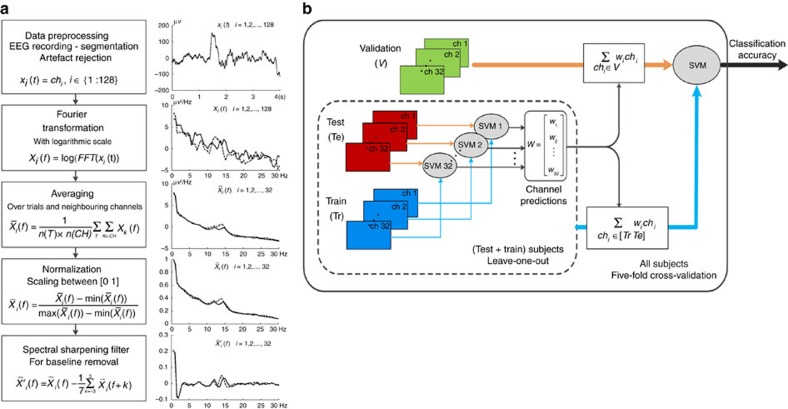
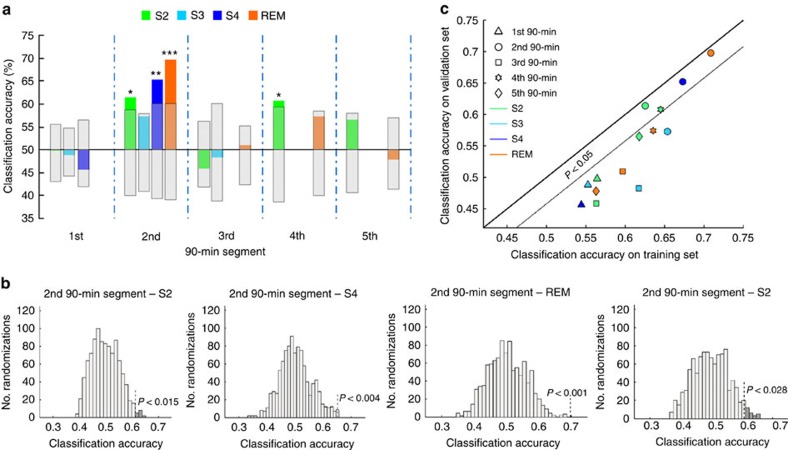
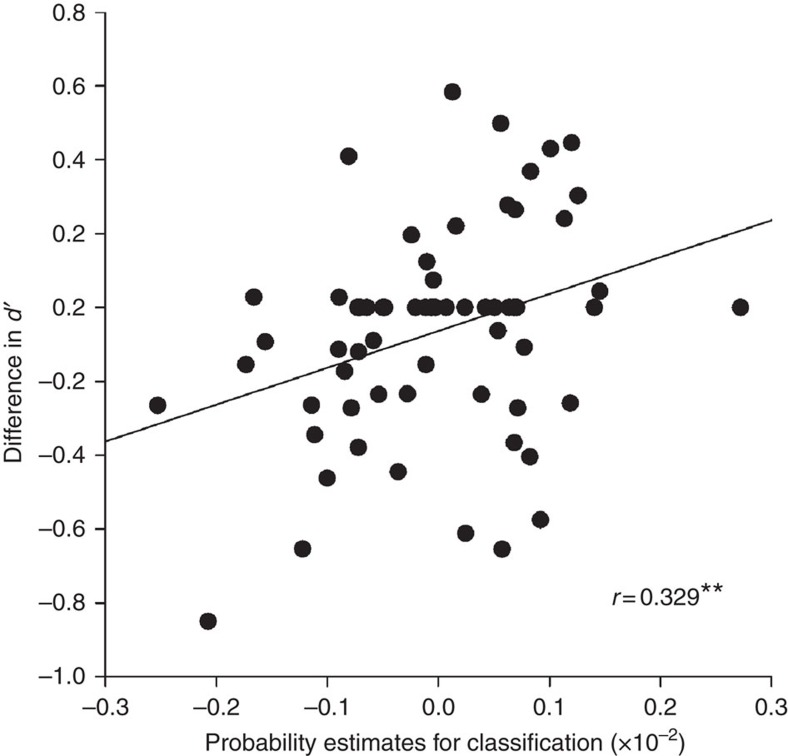
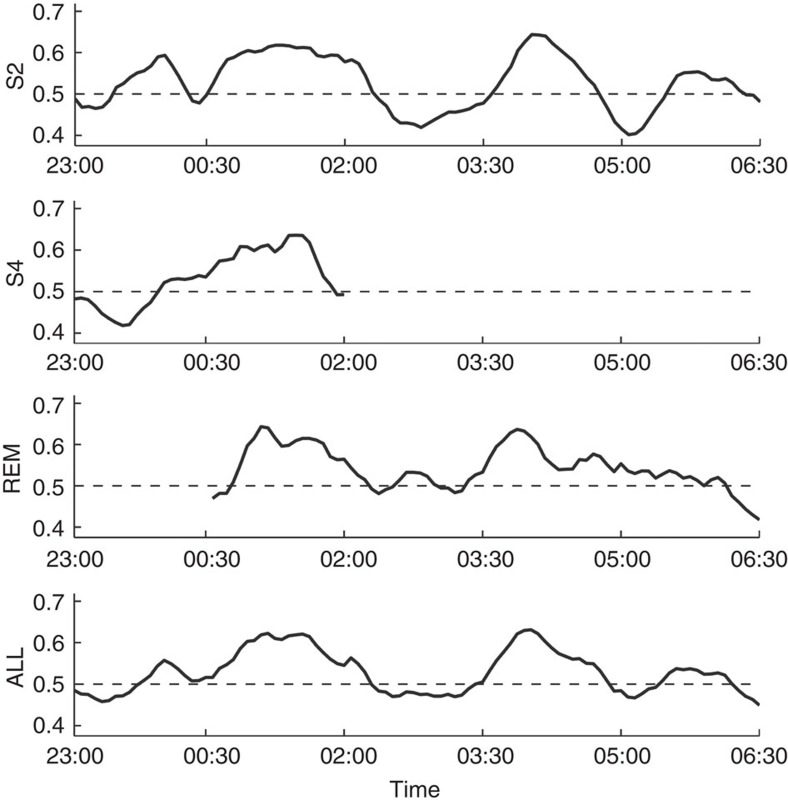
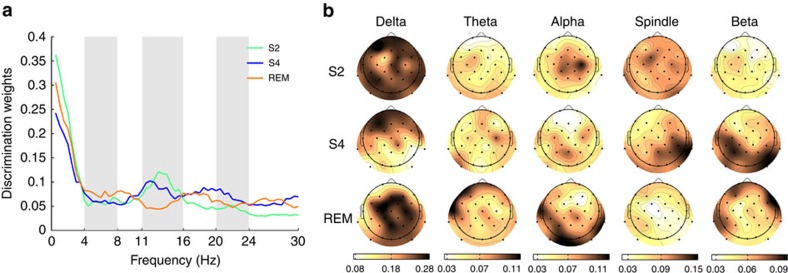
Neuronal learning activity is reactivated during sleep but the dynamics of this reactivation in humans are still poorly understood. Here we use multivariate pattern classification to decode electrical brain activity during sleep and determine what type of images participants had viewed in a preceding learning session. We find significant patterns of learning-related processing during rapid eye movement (REM) and non-REM (NREM) sleep, which are generalizable across subjects. This processing occurs in a cyclic fashion during time windows congruous to critical periods of synaptic plasticity. Its spatial distribution over the scalp and relevant frequencies differ between NREM and REM sleep. Moreover, only the strength of reprocessing in slow-wave sleep influenced later memory performance, speaking for at least two distinct underlying mechanisms between these states. We thus show that memory reprocessing occurs in both NREM and REM sleep in humans and that it pertains to different aspects of the consolidation process.
Overview
The claims and statistics of this paper haven’t been checked yet.
Free: it reads the open-access text and checks the first 5 claims that cite a source we can check. Create a free account to check every claim.
Integrity signals
Registry
Cites
Statistics
Figures
Verification
Claims the paper makes
The claims and statistics of this paper haven’t been checked yet.
Free: it reads the open-access text and checks the first 5 claims that cite a source we can check. Create a free account to check every claim.
Claims other papers make about this one
Each is checked against this paper’s own text: does it say what the citing paper says it does?
The source backs part of the claim, not all of it — or backs it for a different population, condition or comparison.
In the citing paper
“According to contemporary models and backed by a growing body of research,5,6,7,8 covert reactivation of mnemonic content underlies sleep-dependent memory consolidation by propagating information from hippocampal to neocortical regions via a synchronized interplay of hippocampal sharp-wave ripples, thalamic spindles, and neocortical slow waves.9,10”
From Random auditory stimulation during sleep disturbs traveling slow waves and declarative memory (2026) · cites this paper as [6]
Experimental — accuracy not yet measured
Self-check
Percentages, sums and reported differences re-computed from the paper’s own numbers.
The self-check needs the paper’s full text.
Citations
Cites
The assessment and analysis of handedness: The Edinburgh inventory
Oldfield, R. C. (1971) · Neuropsychologia · doi:10.1016/0028-3932(71)90067-4 · Cited by 35,900
Delorme, A., & Makeig, S. (2004) · Journal of Neuroscience Methods · doi:10.1016/j.jneumeth.2003.10.009 · Cited by 24,371
Rechtschaffen, A. (1968) · Medical Entomology and Zoology · Cited by 12,637
Thalamocortical oscillations in the sleeping and aroused brain
Steriade, M., McCormick, D. A., & Sejnowski, T. J. (1993) · Science · doi:10.1126/science.8235588 · Cited by 3,564
Reactivation of hippocampal ensemble memories during sleep
Wilson, M. A., & McNaughton, B. L. (1994) · Science · doi:10.1126/science.8036517 · Cited by 3,118
Rasch, B., & Born, J. (2013) · Physiological Reviews · doi:10.1152/physrev.00032.2012 · Cited by 2,783 · cited 1×
“The subsequent steps for data preparation were implemented to (1) increase signal-to-noise ratio, (2) reduce dimensionality of the data and (3) adapt the signal for between-subject classification.”
MethodBeyond mind-reading: multi-voxel pattern analysis of fMRI data
Norman, K. A., Polyn, S. M., Detre, G. J., & Haxby, J. V. (2006) · Trends in Cognitive Sciences · doi:10.1016/j.tics.2006.07.005 · Cited by 2,271
Boosting slow oscillations during sleep potentiates memory
Marshall, L., Helgadóttir, H., Mölle, M., & Born, J. (2006) · Nature · doi:10.1038/nature05278 · Cited by 1,792
Two-stage model of memory trace formation: A role for “noisy” brain states
Buzsáki, G. (1989) · Neuroscience · doi:10.1016/0306-4522(89)90423-5 · Cited by 1,709
Coordinated memory replay in the visual cortex and hippocampus during sleep
Ji, D., & Wilson, M. A. (2007) · Nature Neuroscience · doi:10.1038/nn1825 · Cited by 1,669
Cited by
Mechanisms of systems memory consolidation during sleep
Klinzing, J. G., Niethard, N., & Born, J. (2019) · Nature Neuroscience · doi:10.1038/s41593-019-0467-3 · Cited by 1,176
Sleep and emotional processing
Tempesta, D., Socci, V., De Gennaro, L., & Ferrara, M. (2018) · Sleep Medicine Reviews · doi:10.1016/j.smrv.2017.12.005 · Cited by 443
Sleep—A brain-state serving systems memory consolidation
Brodt, S., Inostroza, M., Niethard, N., & Born, J. (2023) · Neuron · doi:10.1016/j.neuron.2023.03.005 · Cited by 343
Memory consolidation is linked to spindle-mediated information processing during sleep
Cairney, S. A., Guttesen, A. Á. V., El Marj, N., & Staresina, B. P. (2018) · Current Biology · doi:10.1016/j.cub.2018.01.087 · Cited by 289
“Consistent with this notion, recent work applying EEG classifiers to continuous overnight sleep recordings has shown that spectral power in the spindle range contributes to the ability to decode previously learned materials [12].”
Remote Memory and the Hippocampus: A Constructive Critique
Barry, D. N., & Maguire, E. A. (2019) · Trends in Cognitive Sciences · doi:10.1016/j.tics.2018.11.005 · Cited by 208
Memory and Sleep: How Sleep Cognition Can Change the Waking Mind for the Better
Paller, K. A., Creery, J. D., & Schechtman, E. (2021) · Annual Review of Psychology · doi:10.1146/annurev-psych-010419-050815 · Cited by 150
Schreiner, T., Petzka, M., Staudigl, T., & Staresina, B. P. (2021) · Nature Communications · doi:10.1038/s41467-021-23520-2 · Cited by 161
Sleep Spindles and Memory Reprocessing
Antony, J. W., Schönauer, M., Staresina, B. P., & Cairney, S. A. (2019) · Trends in Neurosciences · doi:10.1016/j.tins.2018.09.012 · Cited by 146
“, faces versus houses) encoded in a prior learning phase [2].”
BackgroundSelf-citationSlow oscillation-spindle coupling predicts enhanced memory formation from childhood to adolescence
Hahn, M. A., Heib, D., Schabus, M., Hoedlmoser, K., & Helfrich, R. F. (2020) · eLife · doi:10.7554/elife.53730 · Cited by 140
“Furthermore, targeted memory reactivation triggers SO-spindle coupling, which enabled successful decoding of mnemonic information (Antony et al., 2018; Antony et al., 2019; Cairney et al., 2018; Schönauer, 2018; Schönauer et al., 2017).”
MethodMemory consolidation as an adaptive process
Cowan, E. T., Schapiro, A. C., Dunsmoor, J. E., & Murty, V. P. (2021) · Psychonomic Bulletin & Review · doi:10.3758/s13423-021-01978-x · Cited by 133
Theta Phase-Coordinated Memory Reactivation Reoccurs in a Slow-Oscillatory Rhythm during NREM Sleep
Schreiner, T., Doeller, C. F., Jensen, O. B., Rasch, B., & Staudigl, T. (2018) · Cell Reports · doi:10.1016/j.celrep.2018.09.037 · Cited by 117
The impact of sleep deprivation on declarative memory
Cousins, J. N., & Fernández, G. (2019) · Progress in brain research · doi:10.1016/bs.pbr.2019.01.007 · Cited by 130
Cowan, E., Liu, A., Henin, S., Kothare, S., Devinsky, O., & Davachi, L. (2020) · The Journal of Neuroscience · doi:10.1523/jneurosci.1946-19.2020 · Cited by 97
“, 2011), as well as the reactivation of memories (Schönauer et al., 2017; Antony et al., 2018; Cairney et al., 2018).”
BackgroundInfluentialDecoding cognition from spontaneous neural activity
Liu, Y., Nour, M. M., Schuck, N. W., Behrens, T. E. J., & Dolan, R. J. (2022) · Nature reviews. Neuroscience · doi:10.1038/s41583-022-00570-z · Cited by 117
How Targeted Memory Reactivation Promotes the Selective Strengthening of Memories in Sleep
Lewis, P. A., & Bendor, D. (2019) · Current Biology · doi:10.1016/j.cub.2019.08.019 · Cited by 106
Closed-Loop Acoustic Stimulation Enhances Sleep Oscillations But Not Memory Performance
Henin, S. E., Borges, H., Shankar, A., Sarac, C., Melloni, L., Friedman, D. J., Flinker, A., Parra, L. C., Buzsáki, G., Devinsky, O., et al. (2019) · eNeuro · doi:10.1523/eneuro.0306-19.2019 · Cited by 95
“Specific reactivations of information learned during the prior day (e.g., discrimination between faces and houses) can be decoded from spindles detected from scalp EEG recordings (Schönauer et al., 2017).”
BackgroundSingh, D., Norman, K. A., & Schapiro, A. C. (2022) · Proceedings of the National Academy of Sciences · doi:10.1073/pnas.2123432119 · Cited by 95
“There have been very few empirical demonstrations of replay during REM (73, 74), and our account suggests that this may be partly because REM is not as focused on recent experience, which is the subject of most experiments.”
Electrophysiological signatures of memory reactivation in humans
Schreiner, T., & Staudigl, T. (2020) · Philosophical Transactions of the Royal Society B Biological Sciences · doi:10.1098/rstb.2019.0293 · Cited by 90
Enhancing precision in human neuroscience
Nebe, S., Reutter, M., Baker, D. H., Bölte, J., Domes, G., Gamer, M., Gärtner, A., Gießing, C., Gurr, C., Hilger, K., et al. (2023) · eLife · doi:10.7554/elife.85980 · Cited by 82
Mehta, K. J. (2022) · Humanities and Social Sciences Communications · doi:10.1057/s41599-021-01031-1 · Cited by 72
“A 90-min nap can benefit episodic memory retention in young adults but these benefits decrease with age (Scullin et al., 2017) and may be harmful in the older population, particularly in those getting more than 9 hours of sleep (Mantua and Spencer, 2017; Mehra and Patel, 2012).”
BackgroundShanahan, L. K., Gjorgieva, E., Paller, K. A., Kahnt, T., & Gottfried, J. A. (2018) · eLife · doi:10.7554/elife.39681 · Cited by 69
A sleep spindle framework for motor memory consolidation
Boutin, A., & Doyon, J. (2020) · Philosophical Transactions of the Royal Society B Biological Sciences · doi:10.1098/rstb.2019.0232 · Cited by 89
Shaping overnight consolidation via slow-oscillation closed-loop targeted memory reactivation
Ngo, H.-V. V., & Staresina, B. P. (2022) · Proceedings of the National Academy of Sciences · doi:10.1073/pnas.2123428119 · Cited by 76
Targeted memory reactivation during sleep elicits neural signals related to learning content
Wang, B., Antony, J. W., Lurie, S., Brooks, P. P., Paller, K. A., & Norman, K. A. (2019) · The Journal of Neuroscience · doi:10.1523/jneurosci.2798-18.2019 · Cited by 66
“fore sleep in the EEG (Schönauer et al., 2017) and stimulus-”
BackgroundTahmasian, M., Samea, F., Khazaie, H., Zarei, M., Masouleh, S. K., Hoffstaedter, F., Camilleri, J. A., Kochunov, P., Yeo, B. T. T., Eickhoff, S. B., et al. (2020) · Communications Biology · doi:10.1038/s42003-020-0892-6 · Cited by 70
Identification of memory reactivation during sleep by EEG classification
Belal, S. Y., Cousins, J. N., El‐Deredy, W., Parkes, L. M., Schneider, J., Tsujimura, H., Zoumpoulaki, A., Amadó, M. P., Santamaria, L., & Lewis, P. A. (2018) · NeuroImage · doi:10.1016/j.neuroimage.2018.04.029 · Cited by 67
Contributions of post-learning REM and NREM sleep to memory retrieval
MacDonald, K. J., & Côté, K. A. (2021) · Sleep Medicine Reviews · doi:10.1016/j.smrv.2021.101453 · Cited by 72
How our understanding of memory replay evolves
Chen, Z. S., & Wilson, M. A. (2023) · Journal of Neurophysiology · doi:10.1152/jn.00454.2022 · Cited by 72
Shaping memory consolidation via targeted memory reactivation during sleep
Cellini, N., & Capuozzo, A. (2018) · Annals of the New York Academy of Sciences · doi:10.1111/nyas.13855 · Cited by 64
Jiang, X., Shamie, I., Doyle, W., Friedman, D. J., Dugan, P. C., Devinsky, O., Eskandar, E. N., Cash, S. S., Thesen, T., & Halgren, E. (2017) · Scientific Reports · doi:10.1038/s41598-017-17469-w · Cited by 60
The impact of frequent napping and nap practice on sleep-dependent memory in humans
McDevitt, E. A., Sattari, N. S., Duggan, K. A., Cellini, N., Whitehurst, L. N., Perera, C., Reihanabad, N., Granados, S., Hernandez, L. T., & Mednick, S. C. (2018) · Scientific Reports · doi:10.1038/s41598-018-33209-0 · Cited by 62
A neural network account of memory replay and knowledge consolidation
Barry, D. N., & Love, B. C. (2022) · Cerebral Cortex · doi:10.1093/cercor/bhac054 · Cited by 55
“First observed in rodent hippocampal cells during sleep [1], the phenomenon has since been 48 detected in humans during rest [2-6], and sleep [7, 8], These investigations have revealed replayed 49 experiences are more likely to be subsequently remembered, therefore replay has been proposed to 50”
BackgroundMurphy, M., Stickgold, R., Parr, E., Callahan, C. E., & Wamsley, E. J. (2018) · Scientific Reports · doi:10.1038/s41598-018-23590-1 · Cited by 56
Targeted memory reactivation during sleep improves next-day problem solving
Sanders, K. E. G., Osburn, S., Paller, K. A., & Beeman, M. (2019) · Psychological Science · doi:10.1177/0956797619873344 · Cited by 41
“More precise sleep-physiology data would be needed to implicate memory reactivation more directly, as in several recent studies (Belal et al., 2018; Schönauer et al., 2017; Wang et al., 2019).”
BackgroundRest-related consolidation protects the fine detail of new memories
Craig, M., & Dewar, M. (2018) · Scientific Reports · doi:10.1038/s41598-018-25313-y · Cited by 53
Picard‐Deland, C., Aumont, T., Samson-Richer, A., Paquette, T., & Nielsen, T. (2021) · Neurobiology of Learning and Memory · doi:10.1016/j.nlm.2021.107460 · Cited by 43
Schönauer, M., & Pöhlchen, D. (2018) · Current Biology · doi:10.1016/j.cub.2018.07.035 · Cited by 62
Self-citationRest on it: Awake quiescence facilitates insight
Craig, M., Ottaway, G., & Dewar, M. (2018) · Cortex · doi:10.1016/j.cortex.2018.09.009 · Cited by 46
Neural Pattern Similarity Differentially Relates to Memory Performance in Younger and Older Adults
Sommer, V. R., Fandakova, Y., Grandy, T. H., Shing, Y. L., Werkle‐Bergner, M., & Sander, M. C. (2019) · Journal of Neuroscience · doi:10.1523/jneurosci.0197-19.2019 · Cited by 42
“To counter the effect of intrinsically high correlations between frequency patterns due to the 1/frequency power spectrum (Schönauer et al., 2017), we removed the mean background noise spectrum from the log-transformed TFRs following previously established procedures, i.”
MethodSleep Spindles: Timed for Memory Consolidation
Schönauer, M. (2018) · Current Biology · doi:10.1016/j.cub.2018.03.046 · Cited by 46
“Research in both animals and humans shows that memory content is reprocessed during subsequent sleep [10,11].”
BackgroundSelf-citationTargeting targeted memory reactivation: Characteristics of cued reactivation in sleep
Abdellahi, M. E. A., Koopman, A. C. M., Treder, M. S., & Lewis, P. A. (2022) · NeuroImage · doi:10.1016/j.neuroimage.2022.119820 · Cited by 35
Spindle-dependent memory consolidation in healthy adults: a meta-analysis
Kumral, D., Matzerath, A., Leonhart, R., & Schönauer, M. (2023) · Neuropsychologia · doi:10.1016/j.neuropsychologia.2023.108661 · Cited by 32
Self-citationCreery, J. D., Brang, D., Arndt, J. D., Bassard, A. M., Towle, V. L., Tao, J. X., Wu, S., Rose, S., Warnke, P. C., Issa, N. P., et al. (2022) · Proceedings of the National Academy of Sciences · doi:10.1073/pnas.2123430119 · Cited by 35
Phase-based coordination of hippocampal and neocortical oscillations during human sleep
Cox, R., Rüber, T., Staresina, B. P., & Fell, J. (2020) · Communications Biology · doi:10.1038/s42003-020-0913-5 · Cited by 41
Heterogeneous profiles of coupled sleep oscillations in human hippocampus
Cox, R., Rüber, T., Staresina, B. P., & Fell, J. (2019) · NeuroImage · doi:10.1016/j.neuroimage.2019.116178 · Cited by 38
Targeted memory reactivation in human REM sleep elicits detectable reactivation
Abdellahi, M. E. A., Koopman, A. C. M., Treder, M. S., & Lewis, P. A. (2023) · eLife · doi:10.7554/elife.84324 · Cited by 34
“…and Winson, 1989; Louie and Wilson, 2001; Hennevin et al., 1995; Poe et al., 2000), but support for such reactivation comes from human work by Schönauer et al., 2017, who used EEG classifiers to elegantly distinguish between the REM sleep on nights after training on two very different…”
Sleep’s contribution to memory formation
Lutz, N. D., Harkotte, M., & Born, J. (2025) · Physiological Reviews · doi:10.1152/physrev.00054.2024 · Cited by 59
Memory Engrams in the Neocortex
Brodt, S., & Gais, S. (2020) · The Neuroscientist · doi:10.1177/1073858420941528 · Cited by 36
Self-citationMemory reactivations during sleep: a neural basis of dream experiences?
Picard‐Deland, C., Bernardi, G., Genzel, L., Dresler, M., & Schoch, S. F. (2023) · Trends in Cognitive Sciences · doi:10.1016/j.tics.2023.02.006 · Cited by 40
Schreiner, T., Petzka, M., Staudigl, T., & Staresina, B. P. (2020) · bioRxiv (Cold Spring Harbor Laboratory) · doi:10.1101/2020.09.16.299545 · Cited by 25
Evidence against a large effect of sleep in protecting verbal memories from interference
Pöhlchen, D., Pawlizki, A., Gais, S., & Schönauer, M. (2020) · Journal of Sleep Research · doi:10.1111/jsr.13042 · Cited by 30
“In humans, several studies using electroencephalography (Schönauer et al., 2017), positron emission tomography (Maquet et al., 2000; Peigneux et al., 2004) or functional magnetic resonance imaging (Rasch, Buchel, Gais, & Born, 2007; Yotsumoto et al., 2009) also show learning-related activity during…”
BackgroundSelf-citationIncubation, not sleep, aids problem-solving
Brodt, S., Pöhlchen, D., Täumer, E., Gais, S., & Schönauer, M. (2018) · Sleep · doi:10.1093/sleep/zsy155 · Cited by 23
Self-citationContinuously changing memories: a framework for proactive and non-linear consolidation
Roüast, N. M., & Schönauer, M. (2022) · Trends in Neurosciences · doi:10.1016/j.tins.2022.10.013 · Cited by 23
Self-citationItem-specific neural representations during human sleep support long-term memory
Liu, J., Xia, T., Chen, D., Yao, Z., Zhu, M., Antony, J. W., Lee, T. M. C., & Hu, X. (2023) · PLoS Biology · doi:10.1371/journal.pbio.3002399 · Cited by 25
Neural reactivation during human sleep
Denis, D., & Cairney, S. A. (2023) · Emerging Topics in Life Sciences · doi:10.1042/etls20230109 · Cited by 26
uBrain: a unary brain computer interface
Wu, D., Li, J., Pan, Z., Kim, Y., & Miguel, J. S. (2022) · Proceedings - International Symposium on Computer Architecture/Proceedings · doi:10.1145/3470496.3527401 · Cited by 28
“Among those, EEG signals attract most research interests [22] with applications in motor imagery [28, 77], seizure prediction [4, 48], emotion recognition [2, 86], sleep monitoring [72, 80], speech synthesis [6, 88], odor memorization [66], etc.”
BackgroundSleep Matters: CD4+ T Cell Memory Formation and the Central Nervous System
Lange, T., Born, J., & Westermann, J. (2019) · Trends in Immunology · doi:10.1016/j.it.2019.06.003 · Cited by 23
Sleep loss disrupts the neural signature of successful learning
Guttesen, A. Á. V., Gaskell, M. G., Madden, E. V., Appleby, G., Cross, Z. R., & Cairney, S. A. (2022) · Cerebral Cortex · doi:10.1093/cercor/bhac159 · Cited by 29
Gross motor adaptation benefits from sleep after training
Bothe, K., Hirschauer, F., Wiesinger, H., Edfelder, J. M., Gruber, G., Hoedlmoser, K., & Birklbauer, J. (2019) · Journal of Sleep Research · doi:10.1111/jsr.12961 · Cited by 23
“Lastly, spectral theta activity during REM has been linked to the reactivation and consolidation of previously encoded memories (Boyce, Glasgow, Williams, & Adamantidis, 2016; Fogel, Smith, & Cote, 2007; Schönauer et al., 2017).”
BackgroundRecent advances in memory consolidation and information processing during sleep
Hoedlmoser, K., Peigneux, P., & Rauchs, G. (2022) · Journal of Sleep Research · doi:10.1111/jsr.13607 · Cited by 32
Sleep selectively stabilizes contextual aspects of negative memories
Cox, R., van Bronkhorst, M. L. V., Bayda, M., Gomillion, H., Cho, E., Parr, E., Manickas-Hill, O. P., Schapiro, A. C., & Stickgold, R. (2018) · Scientific Reports · doi:10.1038/s41598-018-35999-9 · Cited by 22
Forcato, C., Klinzing, J. G., Carbone, J., Radloff, M., Weber, F. D., Born, J., & Diekelmann, S. (2020) · Communications Biology · doi:10.1038/s42003-020-01457-4 · Cited by 18
Sleep-Related Hypermotor Epilepsy: Etiology, Electro-Clinical Features, and Therapeutic Strategies
Wan, H., Wang, X., Chen, Y., Jiang, B., Chen, Y., Hu, W., Zhang, K., & Shao, X. (2021) · Nature and Science of Sleep · doi:10.2147/nss.s330986 · Cited by 18
“Sleep reactivates neuronal learning activities, allowing the reprocessing of memories during both NREM and REM sleep, which interact during memory consolidation.(77) The disruption of sleep quality caused by epilepsy (including shorter total sleep time, poorer sleep efficiency, and prolonged sleep latency) may impair…”
BackgroundLinks between the brain and body during sleep: implications for memory processing
Whitehurst, L. N., Subramoniam, A., Krystal, A. D., & Prather, A. A. (2022) · Trends in Neurosciences · doi:10.1016/j.tins.2021.12.007 · Cited by 23
Reap while you sleep: Consolidation of memories differs by how they were sown
Antony, J. W., & Schechtman, E. (2023) · Hippocampus · doi:10.1002/hipo.23526 · Cited by 23
“Measuring spontaneous reactivation in humans, despite promising and impressive in-roads (Deuker et al., 2013; Schonauer et al., 2017; Schreiner et al., 2021), is coarse (often limited to the level of categories like places or objects, though see Deuker et al., 2013) and commonly yields low decoding…”
BackgroundSommer, V. R., Mount, L., Weigelt, S., Werkle‐Bergner, M., & Sander, M. C. (2022) · Developmental Cognitive Neuroscience · doi:10.1016/j.dcn.2022.101071 · Cited by 21
Profile of neuropsychological impairment in Sleep-related Hypermotor Epilepsy
Licchetta, L., Poda, R., Vignatelli, L., Pippucci, T., Zenesini, C., Menghi, V., Mostacci, B., Baldassari, S., Provini, F., Tinuper, P., et al. (2018) · Sleep Medicine · doi:10.1016/j.sleep.2018.03.027 · Cited by 17
Brewer‐Smyth, K., Kafonek, K., & Koenig, H. G. (2019) · Holistic Nursing Practice · doi:10.1097/hnp.0000000000000362 · Cited by 21
Memory and sleep: brain networks, cell dynamics and global states
Genzel, L. (2020) · Current Opinion in Behavioral Sciences · doi:10.1016/j.cobeha.2020.02.003 · Cited by 14
“In contrast, in humans using EEG-based decoding techniques reactivations can be found as easily in REM as in Non-REM sleep [49].”
Methods for Assessment of Memory Reactivation
Liu, S., Grosmark, A., & Chen, Z. S. (2018) · Neural Computation · doi:10.1162/neco_a_01090 · Cited by 11
“As a result, it remains a challenge to assess hippocampalneocortical memory reactivation during REM sleep in animals or humans (Louie & Wilson, 2001; Horikawa, Tamaki, Miyawaki, & Kamitani, 2013; Schönauer et al., 2017; Siclari et al., 2017).”
BackgroundA unified time-frequency foundation model for sleep decoding
Huang, W., Wang, Y., Cheng, H., Xu, W., Li, T., Wu, X., Xu, H., Liao, P., Cui, Z., Zou, Q., et al. (2026) · Nature Communications · doi:10.1038/s41467-025-67970-4 · Cited by 26
“Details about the data and annotations are provided (Supplementary Note 4).”
InfluentialExtracting information from the shape and spatial distribution of evoked potentials
Lopes‐dos‐Santos, V., Rey, H. G., Navajas, J., & Quiroga, R. Q. (2017) · Journal of Neuroscience Methods · doi:10.1016/j.jneumeth.2017.12.014 · Cited by 11
Memory reactivations and consolidation: considering neuromodulators across wake and sleep
Samanta, A., Alonso, A., & Genzel, L. (2020) · Current Opinion in Physiology · doi:10.1016/j.cophys.2020.01.003 · Cited by 12
Sleep-dependent memory consolidation in the light of rapid neocortical plasticity
Pöhlchen, D., & Schönauer, M. (2020) · Current Opinion in Behavioral Sciences · doi:10.1016/j.cobeha.2020.02.001 · Cited by 13
Self-citationElectrophysiological Mechanisms of Memory Consolidation in Human Non-rapid Eye Movement Sleep
Denis, D., & Cairney, S. A. (2024) · Current Sleep Medicine Reports · doi:10.1007/s40675-024-00291-y · Cited by 15
“Work using multivariate classification approaches has reliably decoded from sleep EEG data the types of images viewed in a preceding learning session, consistent with memory reprocessing in sleep [109].”
Koopman, A. C. M., Abdellahi, M. E. A., Belal, S. Y., Rakowska, M., Metcalf, A., Śledziowska, M., Hunter, T., & Lewis, P. (2020) · bioRxiv (Cold Spring Harbor Laboratory) · doi:10.1101/2020.11.17.381913 · Cited by 14
“Furthermore, rodent studies have clearly identified replay in REM (Poe et al., 2000; Louie and Wilson, 2001; Booth and Poe, 2006; Howe et al., 2019), while human work has suggested that REM replay may be stronger than replay in other sleep stages (Schönauer et al., 2017).”
BackgroundA visual paired associate learning ( vPAL ) paradigm to study memory consolidation during sleep
Schmidig, F. J., Geva‐Sagiv, M., Falach, R., Yakim, S., Gat, Y., Sharon, O., Fried, I., & Nir, Y. (2024) · Journal of Sleep Research · doi:10.1111/jsr.14151 · Cited by 10
“…hypothesis that sleep spindles facilitate synaptic plasticity (Seibt et al., 2017; Sejnowski & Destexhe, 2000) by representing an offline reactivation of previously acquired knowledge (Antony et al., 2019; Bergmann et al., 2012; Muehlroth et al., 2019; Petzka et al., 2022; Schönauer et al., 2017).”
Delineating memory reactivation in sleep with verbal and non-verbal retrieval cues
Guttesen, A. Á. V., Denis, D., Gaskell, M. G., & Cairney, S. A. (2024) · Cerebral Cortex · doi:10.1093/cercor/bhae183 · Cited by 8
“patterns of brain activity observed at learning re-emerge during spindles, highlighting spindles as a candidate neural marker of memory reactivation in sleep (Bergmann et al., 2012; Schreiner et al., 2021; Schönauer et al., 2017).”
BackgroundSleep disruption by memory cues selectively weakens reactivated memories
Whitmore, N. W., & Paller, K. A. (2023) · Learning & Memory · doi:10.1101/lm.053615.122 · Cited by 10
“In human sleep, metabolic activation (Peigneux et al. 2004) and EEG activity (Schönauer et al. 2017; Schreiner and Staudigl 2020) were shown to re fl ect the type of information learned before sleep.”
Odor cueing of declarative memories during sleep enhances coordinated spindles and slow oscillations
Sánchez‐Corzo, A., Baum, D. M., Irani, M., Hinrichs, S., Reisenegger, R., Whitaker, G. A., Born, J., Sitaram, R., & Klinzing, J. G. (2024) · NeuroImage · doi:10.1016/j.neuroimage.2024.120521 · Cited by 10
Ortega, R. S., & Peigneux, P. (2024) · SLEEP · doi:10.1093/sleep/zsae114 · Cited by 9
Sleep Research in the Era of AI
Göktepe-Kavis, P., Aellen, F. M., Alnes, S. L., & Tzovara, A. (2024) · Clinical and Translational Neuroscience · doi:10.3390/ctn8010013 · Cited by 10
“These patterns reflected that learned stimuli manifested across REM and NREM sleep neurally, and that their occurrence in the latter could influence memory performance during subsequent wakefulness [47].”
BackgroundReactivation of Motor-Related Gamma Activity in Human NREM Sleep
Eichenlaub, J., Biswal, S., Peled, N., Rivilis, N., Golby, A. J., Lee, J. W., Westover, M. B., Halgren, E., & Cash, S. S. (2020) · Frontiers in Neuroscience · doi:10.3389/fnins.2020.00449 · Cited by 9
REM sleep vs exploratory wakefulness: Alternatives within adult ‘sleep debt’?
Horne, J. (2019) · Sleep Medicine Reviews · doi:10.1016/j.smrv.2019.101252 · Cited by 10
Recurring memory reactivation: The offline component of learning
Paller, K. A. (2024) · Neuropsychologia · doi:10.1016/j.neuropsychologia.2024.108840 · Cited by 7
“Further studies have sought to understand the brain events accompanying reactivation and how they may contribute to consolidation and improved memory storage (e.g., Sch ¨ onauer et al., 2017; Schreiner et al., 2018; Wang et al., 2019; Abdellahi et al., 2023).”
BackgroundSleep deprivation-induced memory impairment: exploring potential interventions
Fan, Y., Li, J., & Qiao, S. (2024) · Frontiers in Psychiatry · doi:10.3389/fpsyt.2024.1470976 · Cited by 9
Temporal dynamics of negative emotional memory reprocessing during sleep
Tabarak, S., Zhu, X., Li, P., Weber, F. D., Shi, L., Gong, Y.-M., Yuan, K., Bao, Y., Fan, T., Li, S., et al. (2024) · Translational Psychiatry · doi:10.1038/s41398-024-03146-w · Cited by 9
“Notably, Horikawa et al. showed that it is possible to uncover the subjective content of dreams during sleep [16], and Yuta et al. reported that the process of dreaming may be coordinated with eye movements during REM sleep [17, 18].”
BackgroundCalidad de sueño y aprendizaje en estudiantes de medicina: Revisión narrativa
Sierra, M. E. G. (2023) · Revista Médica Herediana · doi:10.20453/rmh.v34i1.4450 · Cited by 14
Pre-sleep experiences shape neural activity and dream content in the sleeping brain
Kumral, D., Palmieri, J., Gais, S., & Schönauer, M. (2025) · iScience · doi:10.1016/j.isci.2025.113032 · Cited by 8
“To overcome this, we employed a between-subject analysis approach, 6,25 which enabled us to detect learning-related information using data recorded in the same states of consciousness, avoiding noise induced by oscillatory differences between wakefulness and sleep states.”
InfluentialSelf-citationRandom auditory stimulation disturbs traveling slow waves and declarative memoryPreprint
Roüast, N. M., Kumral, D., Gais, S., & Schönauer, M. (2025) · bioRxiv (Cold Spring Harbor Laboratory) · doi:10.1101/2025.02.06.636865 · Cited by 7
Self-citationHahn, M. A., Lendner, J. D., Anwander, M., Slama, S. J. K., Knight, R. T., Lin, J. J., & Helfrich, R. F. (2024) · Progress in Neurobiology · doi:10.1016/j.pneurobio.2024.102672 · Cited by 6
“…can be defined as decoding accuracy using multivariate pattern classifiers during endogenous and targeted memory reactivation (Cairney et al., 2018; Schonauer et al., 2017; Schreiner et al., 2021) or via the Shannon information theory framework (Luppi et al., 2024; Quian Quiroga and Panzeri, 2009;…”
BackgroundA new application of TMR: A study on implicit self-esteem
Chen, L., Wang, Y., Zhang, Y., & Wang, Y. (2021) · Current Psychology · doi:10.1007/s12144-021-01883-5 · Cited by 6
Interpreting Sleep Activity Through Neural Contrastive LearningPreprint
Chen, Z., Zheng, H., Zhou, J., Zheng, L., Lin, P., Wang, H., Busche, M. A., Behrens, T. E. J., Dolan, R. J., & Liu, Y. (2024) · bioRxiv (Cold Spring Harbor Laboratory) · doi:10.1101/2024.09.25.615100 · Cited by 5
Modulating social learning-induced evaluation updating during human sleep
Chen, D., Xia, T., Yao, Z., Zhang, L., & Hu, X. (2024) · npj Science of Learning · doi:10.1038/s41539-024-00255-5 · Cited by 8
The Role of Sleep in Memory Consolidation: Active or Permissive?
Schönauer, M., & Born, J. (2017) · Elsevier eBooks · doi:10.1016/b978-0-12-809324-5.21034-1 · Cited by 4
Self-citationPetzka, M., Zika, O., Staresina, B. P., & Cairney, S. A. (2023) · Learning & Memory · doi:10.1101/lm.053660.122 · Cited by 5
“…consolidation is inherent to many experimental designs in the sleep and memory literature, meaning that the interval between encoding and sleep is typically kept as short as possible (Ngo et al. 2013; Schreiner and Rasch 2015; Schönauer et al. 2017; Cairney et al. 2018; Petzka et al. 2022).”
BackgroundThe influence of intentions on dream content
Fechner, J., Born, M., Mancini, M., Akata, Z., Haag, P., Diekelmann, S., & Jan Born, A. (2024) · SLEEP Advances · doi:10.1093/sleepadvances/zpae088 · Cited by 4
“First, rather than in SWS, we awakened the participants in NREM stage 2 sleep during which the reprocessing of the to-be-consolidated memory representations might be less intense than in SWS, though evidence for such difference is mixed [62–64].”
Interpreting human sleep activity through neural contrastive learning
Chen, Z., Zheng, H., Zhou, J., Zheng, L., Lin, P., Wang, H., Busche, M. A., Behrens, T. E. J., Dolan, R. J., & Liu, Y. (2026) · Neuron · doi:10.1016/j.neuron.2026.03.028 · Cited by 8
Does overnight memory consolidation support next-day learning?
Guttesen, A. Á. V., Harrington, M. O., Gaskell, M. G., & Cairney, S. A. (2025) · Cognition · doi:10.1016/j.cognition.2025.106241 · Cited by 4
“The capacity for forming new declarative memories is also linked with markers of SWS during the previous period of sleep (Antonenko, Diekelmann, Olsen, Born, & M ¨ olle, 2013; Kaida et al., 2015; Mander et al., 2011; Ong et al., 2018; Van Der Werf et al., 2009).”
InfluentialRasch, B. (2018) · eLife · doi:10.7554/elife.43832 · Cited by 3
Metadata
- Authors
- Schönauer, M., Alizadeh, S., Jamalabadi, H., Abraham, A., Pawlizki, A., & Gais, S.
- Affiliations
- Bernstein Center for Computational Neuroscience Munich (DE)
- Ludwig-Maximilians-Universität München (DE)
- Corresponding author
- Schönauer, M.
- Gais, S.
- Venue
- Nature Communications
- Published
- 2017-05-17
- Volume
- 8
- Issue
- 1
- Pages
- 15404-15404
- ISSN
- 2041-1723 (ISSN-L)
- PMC
- PMC5442370
- OpenAlex
- W2615649700
- Semantic Scholar
- 9a127000f02e84346a7efd579eebd6ff5b8efbc2
- Cited by
- 139
- References
- 67
- Citations by year
- 2026: 10 · 2025: 9 · 2024: 21 · 2023: 17 · 2022: 17 · 2021: 11 · 2020: 19 · 2019: 13 · 2018: 18 · 2017: 4
- FWCI
- 8.47
- Type
- journal article
- Language
- en
- Open access
- gold
- doi.org
- Licence
- cc-by
- creativecommons.org/licenses/by/4.0 (tdm)
- creativecommons.org/licenses/by/4.0 (vor)
- Locations
- Nature Communications (publishedVersion, cc-by)
- Europe PMC (PubMed Central) (publishedVersion, cc-by)
- PubMed Central (publishedVersion, cc-by)
- PubMed (publishedVersion)
- RePEc: Research Papers in Economics (submittedVersion)
- DOAJ (DOAJ: Directory of Open Access Journals) (submittedVersion, cc-by-sa)
- Open access LMU (Ludwid Maxmilian's Universitat Munchen) (submittedVersion)
- Funders
- Deutsche Forschungsgemeinschaft (GA730/3–1)
- Topics
- Life Sciences › Neuroscience › Cognitive Neuroscience › Sleep and Wakefulness Research
- Life Sciences › Neuroscience › Cognitive Neuroscience › Memory and Neural Mechanisms
- Life Sciences › Neuroscience › Cognitive Neuroscience › Memory Processes and Influences
- Keywords
- sleep-dependent memory consolidation, REM sleep, NREM sleep, slow-wave sleep, multivariate pattern classification, neural decoding, synaptic plasticity
- MeSH terms
- Adult, Brain, Electroencephalography, Humans, Learning, Memory, Neuronal Plasticity, Neurons, Sleep, Young Adult, Healthy Volunteers
About these checks
Registry, retraction, Cites and statistics results are computed, not judged, with one exception: a printed reference that no index lists is read once by a model before it counts as a citation error. Claims are extracted by a model and kept only when their quote appears verbatim in the text; each cited source is then checked, with a model’s help, for whether it says what the claim relies on. Those verdicts can be wrong — read the claim’s quote and the cited source before relying on one.
Statistics and arithmetic are recomputed, not judged.
Confidence bands are shown only for fields calibrated on our annotated test set. None is calibrated yet, so no band is shown.
What counts as a claim ›How we measure confidence ›How we check this ›
Are you an author, or do you see a problem with this page? Request a review
Data sources
Bibliographic data: Semantic Scholar, OpenAlex, Crossref.
Contains information from the Semantic Scholar Academic Graph Datasets, made available under the ODC Attribution License (ODC-BY 1.0).
Semantic Scholar’s data is described in: Kinney, R., et al. (2023). The Semantic Scholar Open Data Platform. arXiv:2301.10140.
