

The Amyloid-β Pathway in Alzheimer’s Disease
Open accessThe DOI matches its Crossref record; 412 of the 418 references it cites were found in a registry or an index.
Abstract
Breakthroughs in molecular medicine have positioned the amyloid-β (Aβ) pathway at the center of Alzheimer’s disease (AD) pathophysiology. While the detailed molecular mechanisms of the pathway and the spatial-temporal dynamics leading to synaptic failure, neurodegeneration, and clinical onset are still under intense investigation, the established biochemical alterations of the Aβ cycle remain the core biological hallmark of AD and are promising targets for the development of disease-modifying therapies. Here, we systematically review and update the vast state-of-the-art literature of Aβ science with evidence from basic research studies to human genetic and multi-modal biomarker investigations, which supports a crucial role of Aβ pathway dyshomeostasis in AD pathophysiological dynamics. We discuss the evidence highlighting a differentiated interaction of distinct Aβ species with other AD-related biological mechanisms, such as tau-mediated, neuroimmune and inflammatory changes, as well as a neurochemical imbalance. Through the lens of the latest development of multimodal in vivo biomarkers of AD, this cross-disciplinary review examines the compelling hypothesis- and data-driven rationale for Aβ-targeting therapeutic strategies in development for the early treatment of AD.
Overview
The claims and statistics of this paper haven’t been checked yet.
Free: it reads the open-access text and checks the first 5 claims that cite a source we can check. Create a free account to check every claim.
Integrity signals
Registry
Cites
Statistics
Figures
Verification
Claims the paper makes
The claims and statistics of this paper haven’t been checked yet.
Free: it reads the open-access text and checks the first 5 claims that cite a source we can check. Create a free account to check every claim.
Claims other papers make about this one
Each is checked against this paper’s own text: does it say what the citing paper says it does?
The source backs part of the claim, not all of it — or backs it for a different population, condition or comparison.
In the citing paper
“Biomarkers play a crucial role in patient selection, biological effect detection, dose optimization, and monitoring response progress, with recent approvals of Aβ monoclonal antibodies benefiting from new and accurate biomarkers.83,423”
From Recent advances in Alzheimer's disease: Mechanisms, clinical trials and new drug development strategies. (2024) · cites this paper as [83]
Experimental — accuracy not yet measuredThe source backs part of the claim, not all of it — or backs it for a different population, condition or comparison.
In the citing paper
“Aβ originates from the processing of the amyloid precursor protein (APP) through sequential cleavage by β-secretase and γ-secretase, resulting in various lengths of Aβ fragments, with Aβ40 and Aβ42 being predominant.”
From Recent Advances in Therapeutics for the Treatment of Alzheimer’s Disease (2024) · cites this paper as [12]
Experimental — accuracy not yet measuredThe source backs part of the claim, not all of it — or backs it for a different population, condition or comparison.
In the citing paper
“The hydrophobic C-terminus of Aβ42 facilitates its aggregation and the formation of senile plaques.”
From Recent Advances in Therapeutics for the Treatment of Alzheimer’s Disease (2024) · cites this paper as [12]
Experimental — accuracy not yet measuredThe source backs part of the claim, not all of it — or backs it for a different population, condition or comparison.
In the citing paper
“Mutations in presenilin-1 (PS1) can promote Aβ accumulation through increased production and impaired autophagy functions.”
From Recent Advances in Therapeutics for the Treatment of Alzheimer’s Disease (2024) · cites this paper as [12]
Experimental — accuracy not yet measuredThe source backs part of the claim, not all of it — or backs it for a different population, condition or comparison.
In the citing paper
“As AD progresses to its late stages, the effectiveness of nanoparticle-based therapies often diminishes due to the increased disruption of the BBB [148].”
From Targeted Nanoparticles for Drug Delivery Across the Blood–Brain Barrier in Early and Late Stages of Alzheimer's Disease: A Review (2026) · cites this paper as [149]
Experimental — accuracy not yet measured
7 more claims about this paper
Create a free account to see every claim other papers make about this one.
Self-check
Percentages, sums and reported differences re-computed from the paper’s own numbers.
The self-check needs the paper’s full text.
Citations
Cites
1 retracted
RETRACTED ARTICLE: A specific amyloid-β protein assembly in the brain impairs memory
Lesné, S., Koh, M. T., Kotilinek, L., Kayed, R., Glabe, C. G., Yang, A., Gallagher, M., & Ashe, K. H. (2006) · Nature · doi:10.1038/nature04533 · Cited by 2,769
RetractedThe Amyloid Hypothesis of Alzheimer’s Disease: Progress and Problems on the Road to Therapeutics
Hardy, J., & Selkoe, D. J. (2002) · Science · doi:10.1126/science.1072994 · Cited by 13,864
Self-citationNIA‐AA Research Framework: Toward a biological definition of Alzheimer's disease
Jack, C. R., Bennett, D. A., Blennow, K., Carrillo, M. C., Dunn, B., Haeberlein, S. B., Holtzman, D. M., Jagust, W., Jessen, F., Karlawish, J., et al. (2018) · Alzheimer's & Dementia · doi:10.1016/j.jalz.2018.02.018 · Cited by 10,537
Self-citationAmyloid oligomers exacerbate tau pathology in a mouse model of tauopathy
Selenica, M.-L. B., Brownlow, M., Jimenez, J. P., Lee, D. C., Pena, G., Dickey, C. A., Gordon, M. N., & Morgan, D. (2013) · Neurodegenerative Diseases · doi:10.1159/000337230 · Cited by 10,359
Corder, E. H., Saunders, A. M., Strittmatter, W. J., Schmechel, D. E., Gaskell, P. C., Small, G. W., Roses, A. D., Haines, J. L., & Pericak-Vance, M. A. (1993) · Science · doi:10.1126/science.8346443 · Cited by 9,429
Neurotoxic reactive astrocytes are induced by activated microglia
Liddelow, S. A., Guttenplan, K. A., Clarke, L. E., Bennett, F. C., Bohlen, C. J., Schirmer, L., Bennett, M. L., Münch, A. E., Chung, W.-S., Peterson, T. C., et al. (2017) · Nature · doi:10.1038/nature21029 · Cited by 7,971
Alzheimer's disease: the amyloid cascade hypothesis
Hardy, J. A., & Higgins, G. A. (1992) · Science · doi:10.1126/science.1566067 · Cited by 7,484
Self-citationSperling, R. A., Aisen, P. S., Beckett, L. A., Bennett, D. A., Craft, S., Fagan, A. M., Iwatsubo, T., Jack, C. R., Kaye, J., Montine, T. J., et al. (2011) · Alzheimer's & Dementia · doi:10.1016/j.jalz.2011.03.003 · Cited by 7,155
Self-citationNeuroinflammation in Alzheimer's disease
Heneka, M. T., Carson, M. J., Khoury, J. E., Landreth, G. E., Brosseron, F., Feinstein, D. L., Jacobs, A. H., Wyss-Coray, T., Vitorica, J., Ransohoff, R. M., et al. (2015) · The Lancet Neurology · doi:10.1016/s1474-4422(15)70016-5 · Cited by 6,226
The amyloid hypothesis of Alzheimer's disease at 25 years
Selkoe, D. J., & Hardy, J. (2016) · EMBO Molecular Medicine · doi:10.15252/emmm.201606210 · Cited by 6,164
Self-citation
Research works printed but not linked: 1
- Yamashita K Hasegawa T Iino T Miura M Watanabe T Watanabe S P075-prediction of amyloid pathology by the plasma Aβ(1-42)/Aβ(1-40) ratio measured with fully automated immunoassay system (HISCL™ SERIES) J Prev Alz Dis 2019 6 S89
Cited by
Items 501–600 of 1,005
Song, X., Wang, C., Ding, Q., Li, P., Sun, S., Wei, W., Zhang, J., Sun, R., Yin, L., Liu, S., et al. (2024) · Journal of Controlled Release · doi:10.1016/j.jconrel.2024.12.060 · Cited by 16
Reversal of neuronal tau pathology via adiponectin receptor activation
McGregor, E. R., Lasky, D. J., Rippentrop, O. J., Clark, J. P., Wright, S., Jones, M. V., & Anderson, R. M. (2025) · Communications Biology · doi:10.1038/s42003-024-07391-z · Cited by 17
“Amyloid beta accumulates in the brain and vasculature with AD 70 , and this pathology can be induced in transgenic mice that express a chimeric mouse/human amyloid precursor protein carrying the 695 Swedish mutation (APP SWE695 ) and a mutant human presenilin 1 (PS1-dE9).”
Oddi, S., Scipioni, L., Totaro, A., Giacovazzo, G., Ciaramellano, F., Tortolani, D., Leuti, A., Businaro, R., Armeli, F., Bilkei‐Gorzó, A., et al. (2025) · FEBS Journal · doi:10.1111/febs.17403 · Cited by 16
Panda, S. P., Sinha, S., Kesharwani, A., Kumar, S., Singh, M., Kondepudi, G. M., Samuel, A., Sanghi, A. K., Thapliyal, S., Chaubey, K. K., et al. (2025) · Biochemical Pharmacology · doi:10.1016/j.bcp.2025.116794 · Cited by 16
Sleep characteristics and brain structure: A systematic review with meta-analysis
Namsrai, T., Northey, J. M., Ambikairajah, A., Ahmed, O., Alateeq, K., Oyarce, D. A. E., Burns, R. A., Rattray, B., & Cherbuin, N. (2025) · Sleep Medicine · doi:10.1016/j.sleep.2025.02.028 · Cited by 17
Yeapuri, P., Machhi, J., Foster, E. G., Kadry, R., Bhattarai, S., Lu, Y., Sil, S., Sapkota, R., Srivastava, S., Kumar, M., et al. (2025) · Alzheimer s & Dementia · doi:10.1002/alz.70084 · Cited by 16
RNA‐Based Therapies for Neurodegenerative Diseases Targeting Pathogenic Proteins
Rabbani, S. A., El‐Tanani, M., Sharma, S., El‐Tanani, Y., Kumar, R., Saini, M., Yadav, M., Khan, M. A., & Parvez, S. (2025) · European Journal of Neuroscience · doi:10.1111/ejn.70110 · Cited by 16
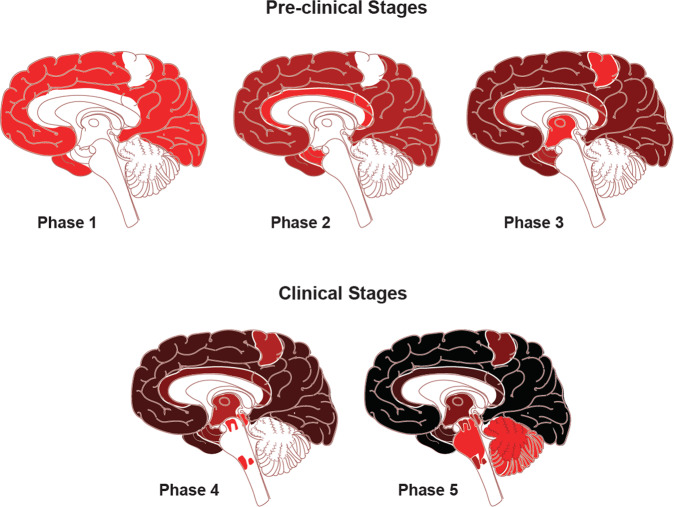
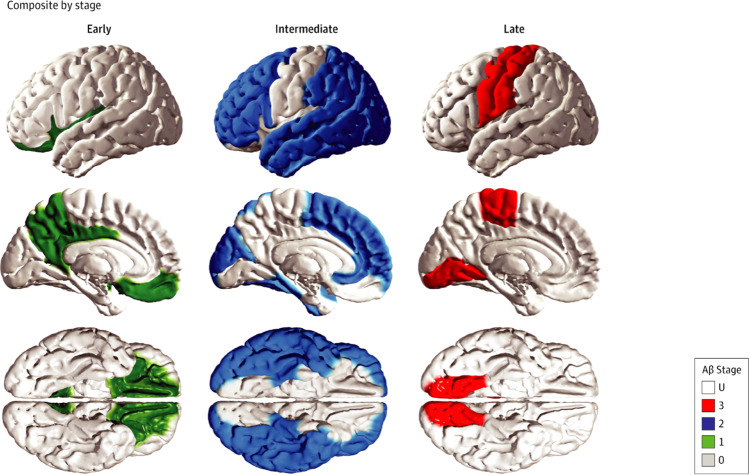
“Both Aβ plaques and vascular Aβ deposits initially form in neocortical regions and subsequently spread to other brain areas in a characteristic hierarchical pattern (Hampel et al. 2021; Thal et al. 2008) (Figure 1).”
Dimkovski, A., Dobričić, V., Simić, M. R., Pavlova, M. J., Mihajloska, E., Sterjev, Z., & Panovska, A. P. (2025) · Molecules · doi:10.3390/molecules30102121 · Cited by 17
“However, growing evidence suggest that AD is a multifactorial disorder driven by amyloid-β aggregation, tau hyperphosphorylation, neuroinflammation, oxidative stress, and cholinergic dysfunction [3–7].”
A Solvatochromic Near Infrared Fluorophore Sensitive to the Full Amyloid Beta Aggregation Pathway
Wang, Z., Kristensen, L. G., Ho, Y. H., Liu, Y., Valencia, L. A., Nadig, I., Range, K. L., Rad, B., Ralston, C. Y., & Cohen, B. E. (2025) · Journal of the American Chemical Society · doi:10.1021/jacs.5c01512 · Cited by 15
Ketogenic Metabolism in Neurodegenerative Diseases: Mechanisms of Action and Therapeutic Potential
Pawłowska, M., Kruszka, J., Porzych, M., Garbarek, J., & Nuszkiewicz, J. (2025) · Metabolites · doi:10.3390/metabo15080508 · Cited by 15
“A defining neuropathological feature of AD is the deposition of extracellular A β plaques in cortical and hippocampal regions [82].”
Runfola, M., Perni, M., Yang, X., Marchese, M., Bacci, A., Mero, S., Santorelli, F. M., Polini, B., Chiellini, G., Giuliani, D., et al. (2021) · Pharmaceuticals · doi:10.3390/ph14121330 · Cited by 16
“Alzheimer’s disease (AD) affects over 45 million people worldwide, a figure predicted to double by 2030 [1].”
BackgroundSelf-citationWojtunik‐Kulesza, K. A., Oniszczuk, T., Mołdoch, J., Kowalska, I., Szponar, J., & Oniszczuk, A. (2022) · International Journal of Molecular Sciences · doi:10.3390/ijms23031212 · Cited by 16
Sticker-and-spacer model for amyloid beta condensation and fibrillation
Connor, J. P., Quinn, S. D., & Schaefer, C. (2022) · Frontiers in Molecular Neuroscience · doi:10.3389/fnmol.2022.962526 · Cited by 17
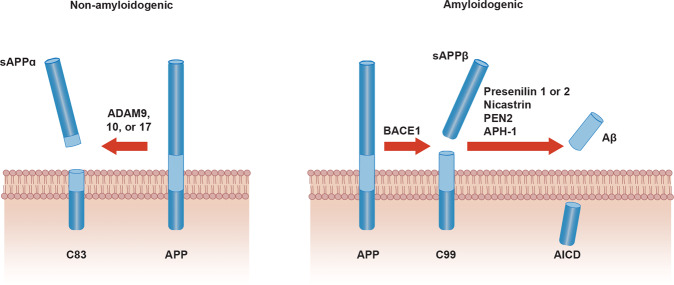
“Aβ is produced from amyloid precursor protein (APP) which is cleaved by α, β and γ secretases (Chen et al., 2017; Guo et al., 2020; Hampel et al., 2021).”
BackgroundNoncanonical regulation of imprinted gene Igf2 by amyloid-beta 1–42 in Alzheimer’s disease
Fertan, E., Gendron, W. A. C., Wong, A. A., Hanson, G. M., Brown, R. E., & Weaver, I. C. G. (2023) · Scientific Reports · doi:10.1038/s41598-023-29248-x · Cited by 15
Wang, B., Zhong, X., Fields, L. G., Lu, H., Zhu, Z., & Li, L. (2023) · Journal of the American Society for Mass Spectrometry · doi:10.1021/jasms.2c00332 · Cited by 17
Menéndez‐González, M., Tamba, B.-I., Leclere, M., Mabrouk, M., Schreiner, T. G., Ciobanu, R. C., & Tomás‐Zapico, C. (2023) · Pharmaceutics · doi:10.3390/pharmaceutics15030768 · Cited by 16
“Another therapeutic possibility is to act on the enzymatic dysfunction, a relevant example being the switch from the non-amyloidogenic pathway to the amyloidogenic one in AD [119].”
BackgroundChemical and Biological Strategies for Profiling Protein‐Protein Interactions in Living Cells
Wang, Y., Li, W., Ye, B., & Bi, X. (2023) · Chemistry - An Asian Journal · doi:10.1002/asia.202300226 · Cited by 15
Thermodynamic and kinetic approaches for drug discovery to target protein misfolding and aggregation
Vendruscolo, M. (2023) · Expert Opinion on Drug Discovery · doi:10.1080/17460441.2023.2221024 · Cited by 16
“Some proteins, including amyloid β (Aβ) [5,6] and tau [7,8] in Alzheimer’s disease, α-synuclein in Parkinson’s disease [9,10], and IAPP in type II diabetes [11,12], are natively disordered.”
BackgroundSelf-citationTopalis, V., Voros, C., & Ziaka, M. (2025) · Journal of Geriatric Psychiatry and Neurology · doi:10.1177/08919887251361578 · Cited by 17
“78 Indeed, numerous studies targeting the neurotoxicity of A β or tau have found limited effectiveness in treating AD, 79-82 suggesting a synergistic interaction between the pathophysiological pathways of A β and tau.”
Targeting Metabolic Dysregulation in Alzheimer’s Disease: A Potential Therapeutic Strategy
Barnwal, N., Dubey, S., & Tiwari, P. K. (2025) · Current Drug Metabolism · doi:10.2174/0113892002408089250912080734 · Cited by 190
Abushakra, S. R., Doraiswamy, P. M., Hey, J. A., Tosun, D., Barkhof, F., Barakos, J. A., Petrella, J. R., Kesslak, J. P., Power, A., Sabbagh, M. N., et al. (2025) · CNS Drugs · doi:10.1007/s40263-025-01251-y · Cited by 16
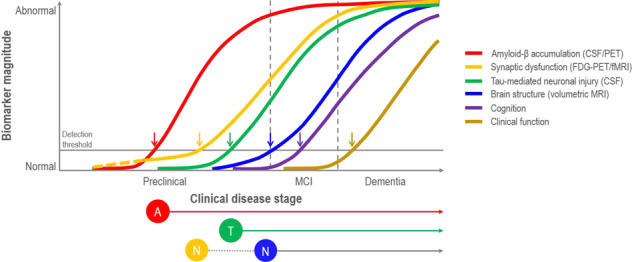
“Aβ misfolding and aggregation represent the earliest pathology along the AD continuum, followed by tau aggregation and neurodegeneration, as outlined in the A/T/N framework [4–7].”
Harı, E., Kizilates-Evin, G., Kurt, E., Bayram, A., Ulaşoğlu-Yıldız, Ç., Gurvit, H. I., & Demıralp, T. (2023) · Clinical Neurophysiology · doi:10.1016/j.clinph.2023.06.008 · Cited by 15
Ranganathan, R., Sapozhnikov, G., Wang, N., Li, S., & Song, Y. (2023) · Translational Medicine of Aging · doi:10.1016/j.tma.2023.06.004 · Cited by 15
Wiese, L. K., Pratt, B. A., Heinze, K. E., Besser, L. M., Ifill, A., & Williams, C. L. (2023) · Current Geriatrics Reports · doi:10.1007/s13670-023-00400-9 · Cited by 16
“Amyloid plaques are associated with decreases in executive function, attention, and visuospatial ability [37].”
Wu, H., Zhang, Q., Suo, H., Xu, F., Huang, W., & Wang, D. O. (2023) · Food Science and Human Wellness · doi:10.26599/fshw.2022.9250198 · Cited by 15
Ehlbeck, J. T., Grimard, D. M., Hacker, R. M., Garcia, J. A., Wall, B. J., Bothwell, P. J., Jones, M. A., & Webb, M. I. (2023) · Journal of Inorganic Biochemistry · doi:10.1016/j.jinorgbio.2023.112424 · Cited by 15
Ahmad, S., Alouffi, S., Shahab, U., Binsaleh, N. K., Ghoniem, M. E., Akasha, R., Ahmad, M. K., Ahmad, N., Waiz, M., & Khan, M. S. (2023) · Arabian Journal of Chemistry · doi:10.1016/j.arabjc.2023.105441 · Cited by 14
Design and synthesis of phenoxy methyl‐oxadiazole compounds against Alzheimer's disease
Evren, A. E., Nuha, D., Özkan, B. N. S., Kahraman, Ç., Gönülalan, E. M., & Yurttaş, L. (2024) · Archiv der Pharmazie · doi:10.1002/ardp.202400115 · Cited by 14
Hao, W., Jialong, Z., Jiuzhi, Y., Yang, Y. S., Lv, C., & Jin-cai, L. (2024) · Ageing Research Reviews · doi:10.1016/j.arr.2024.102347 · Cited by 15
“As a major hallmark of AD, beta-amyloid (A β ) accumulation remain the core pathologic hallmark of AD even though A β -targeting alterations failed in clinic(Hampel et al., 2021).”
Almasi, S., Shirazi, M. R. J., Rezvani, M. R., Ramezani, M., Salehi, I., Pegah, A., & Komaki, A. (2024) · Heliyon · doi:10.1016/j.heliyon.2024.e32299 · Cited by 14
“A β aggregation is a key event in the accumulation of A β in the brain, which is an early and central pathophysiological change within the biological continuum of AD [5].”
BackgroundLee, J., Mizuno, K., Watanabe, H., Lee, I., Tsumita, T., Hida, K., Yawaka, Y., Kitagawa, Y., Hasebe, A., Iimura, T., et al. (2024) · Journal of Neuroinflammation · doi:10.1186/s12974-024-03192-7 · Cited by 17
Nguyen, D. P. Q., Pham, S., Jallow, A. W., Ho, N.-T., Le, B., Quang, H. T., Lin, Y.-F., & Lin, Y.-F. (2024) · Scientific Reports · doi:10.1038/s41598-024-66693-8 · Cited by 14
“The accumulation of Aβ initially appears in brain regions with neurons exhibiting high metabolic activity, such as the association cortices in AD patients 3 .”
BackgroundWu, K. S. J., Liu, Q., Long, K. Y., Duan, X., Chen, X. Y., Zhang, J., Li, L., & Li, B. (2024) · Frontiers in Endocrinology · doi:10.3389/fendo.2024.1448119 · Cited by 15
Andrade, K. S., & Pacella, V. (2024) · Communications Biology · doi:10.1038/s42003-024-07076-7 · Cited by 14
“The cognitive decline that characterizes the symptomatic AD phase is expected to occur only inthe presence of amyloid-β plaques and intracellulartau tangles — the hallmark pathological features of AD 13 – 15 , along with synaptic dysfunction and/or neuronal loss.”
Chemical-Driven Amyloid Clearance for Therapeutics and Diagnostics of Alzheimer’s Disease
Kim, H. Y., & Kim, Y. S. (2024) · Accounts of Chemical Research · doi:10.1021/acs.accounts.4c00458 · Cited by 15
Li, L., Zhang, J., Zhang, Y., Zhao, R., Yang, F., Yan, Y., Wang, Q., & Xie, M. (2024) · International Journal of Pharmaceutics · doi:10.1016/j.ijpharm.2024.125112 · Cited by 14
A cognitive–motor framework for spatial navigation in aging and early-stage Alzheimer's disease
Hill, P. F., & Ekstrom, A. D. (2025) · Cortex · doi:10.1016/j.cortex.2025.02.003 · Cited by 14
McLachlan, M., Bettcher, B., McVea, A. K., DiFilippo, A. H., Zammit, M. D., LeMerise, L., Rouanet, J. P., Price, J. C., Tudorascu, D. L., Laymon, C. M., et al. (2025) · Alzheimer s & Dementia · doi:10.1002/alz.70141 · Cited by 14
In vitro and in vivo bioimaging by Quinoline conjugated probes and dyes
Ghosh, A., & Adhikary, A. (2025) · Coordination Chemistry Reviews · doi:10.1016/j.ccr.2025.216654 · Cited by 15
Watanabe, S., & Yamanaka, K. (2025) · BioEssays · doi:10.1002/bies.70016 · Cited by 15
“A β is highly aggregative and forms oligomers or amyloid fibrils to induce neurotoxicity, represented by synaptic dysfunction, ER stress, and excitotoxicity [78–80].”
Morais, G. P., Neto, I. V. D. S., Veras, A. S. C., Teixeira, G. R., Paroschi, L. O., Pinto, A. P., dos Santos, J. R., Alberici, L. C., Cintra, D. E., Pauli, J. R., et al. (2025) · Molecular Neurobiology · doi:10.1007/s12035-025-05066-2 · Cited by 14
“Alzheimer’s disease (AD) is characterized by amyloid-β (Aβ) overproduction with concomitant clearance reduction, inducing Aβ plaque aggregation in the prefrontal cortex and hippocampus, impairing cognitive function [1, 2].”
Giorgio, J., Jonson, C., Wang, Y., Yokoyama, J. S., Wang, J., Jagust, W. J., & Initiative, O. B. O. T. A. D. N. (2025) · Nature Communications · doi:10.1038/s41467-025-60370-8 · Cited by 15
“Alongside the APOE-ε 4 allele, rare genetic polymorphisms in Triggering Receptor Expressed on Myeloid Cells 2 ( TREM2) have also been shown to be signi fi cant risk factors for sporadic late-onset AD 16 .”
TNF-α-NF-κB activation through pathological α-Synuclein disrupts the BBB and exacerbates axonopathy
Jeon, M., Cogill, S. A., Kim, K., Kim, Y.-J., Kim, H., Lee, C.-Y., Kim, S., Son, S., Kim, J.-Y., Lee, J., et al. (2025) · Cell Reports · doi:10.1016/j.celrep.2025.116001 · Cited by 15
Self-citationSantambrogio, A., Horne, R. I., Metrick, M. A., Gallagher, N. C. T., Brotzakis, Z. F., Rinauro, D. J., Vourkou, E., Papanikolopoulou, K., Skoulakis, E. M. C., Linse, S. S., et al. (2025) · Journal of the American Chemical Society · doi:10.1021/jacs.5c12812 · Cited by 17
Self-citationMastova, A. V., Selyutina, O. Y., & Polyakov, N. E. (2022) · Membranes · doi:10.3390/membranes12050460 · Cited by 16
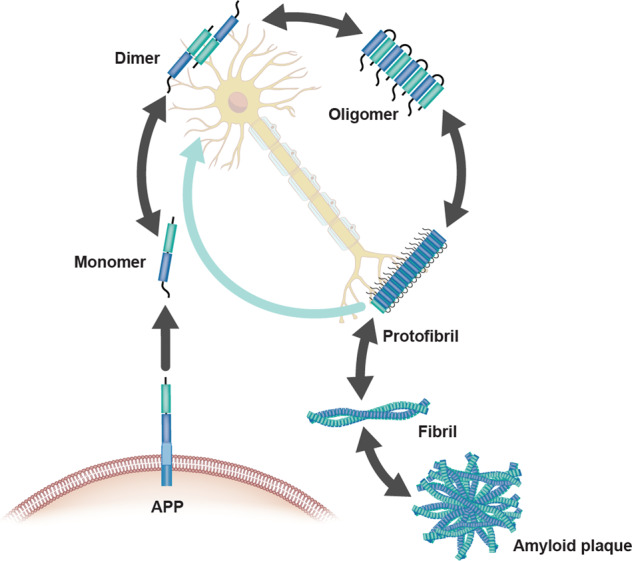
“Fibrils can accumulate in plaques, typically viewed as an Alzheimer’s disease neuropathological hallmark [11].”
BackgroundRamirez, E., Ganegamage, S. K., Elbatrawy, A. A., Alnakhala, H., Shimanaka, K., Tripathi, A., Min, S., Rochet, J., Dettmer, U., & Fortin, J. S. (2023) · ACS Omega · doi:10.1021/acsomega.3c02668 · Cited by 15
Rogers, E. A., Beauclair, T., Martinez, J., Mufti, S. J., Kim, D., Sun, S., Stingel, R. L., Dieterly, A. M., Krishnan, N., Crodian, J. S., et al. (2023) · Lab on a Chip · doi:10.1039/d3lc00248a · Cited by 14
Bioactive Isoquinoline Alkaloids with Diverse Skeletons from Fissistigma polyanthum
Jiang, K., Liu, X., Liu, Y., Wang, L., Xiao, Y.-T., & Wu, F.-C. (2023) · Journal of Natural Products · doi:10.1021/acs.jnatprod.3c00391 · Cited by 14
Griñán‐Ferré, C., Jarné‐Ferrer, J., Bellver‐Sanchís, A., Codony, S., Puigoriol‐Illamola, D., Sanfeliu, C., Oh, Y., Lee, S., Vázquez, S., & Pallàs, M. (2023) · CNS Neuroscience & Therapeutics · doi:10.1111/cns.14511 · Cited by 16
“8,9 Those cells promote neuroinflammation, controlling physiological response, by producing different inflammatory mediators that alter the microenvironment.”
BackgroundBedward, A., Kaur, J., Seedat, S., Donohue, H., Kow, C. S., Rasheed, M. K., Javed, A., & Hasan, S. S. (2024) · Expert Review of Neurotherapeutics · doi:10.1080/14737175.2024.2341004 · Cited by 16
“AD ranked the fifth leading cause of death globally [6].”
BackgroundGonzalez, P., Sabater, L., Mathieu, E., Faller, P., & Hureau, C. (2022) · Biomolecules · doi:10.3390/biom12101327 · Cited by 13
“This is the case for instance of the amyloid-β (Aβ) peptide [5,10] and the hyperphosphorylated Tau protein [11,12] that can assemble to form extracellular amyloid deposits and intracellular tangles, respectively.”
BackgroundMorris, O. M., Röntgen, A., Toprakcioglu, Z., Cali, M. P., Dada, S. T., & Vendruscolo, M. (2025) · ACS Central Science · doi:10.1021/acscentsci.5c00614 · Cited by 14
Self-citationRole of Neddylation in Neurodegenerative Diseases
Govindarajulu, M., Ramesh, S., Shankar, T., Kora, M. K., Moore, T., & Dhanasekaran, M. (2022) · NeuroSci · doi:10.3390/neurosci3040038 · Cited by 14
“The γ – secretase is a multi-protein complex consisting of presenilin (PS) as the primary catalytic constituent [49].”
BackgroundPeppercorn, K., Kleffmann, T., Hughes, S. M., & Tate, W. P. (2023) · International Journal of Molecular Sciences · doi:10.3390/ijms24087165 · Cited by 13
“Alzheimer’s disease is associated with aberrant APP processing in neurons with an over-abundance of Aβ linked to disease pathology [71].”
Backgroundde Oliveira, T. R., Manzine, P. R., Cominetti, M. R., Leite, O. D., & Faria, R. C. (2023) · Talanta · doi:10.1016/j.talanta.2023.125042 · Cited by 13
Peptide Self-Assembly into Amyloid Fibrils: Unbiased All-Atom Simulations
Nilsson, B. L., Torabfam, G. Ç., & Dias, C. L. (2024) · The Journal of Physical Chemistry B · doi:10.1021/acs.jpcb.3c07861 · Cited by 16
Palko, S. I., Benoit, M., Yao, A. Y., Mohan, R., & Yan, R. (2024) · Glia · doi:10.1002/glia.24514 · Cited by 15
“It has been shown that AD pathogenesis occurs up to 20 years before any cognitive symptoms become apparent in patients (Hampel et al., 2021; Jack et al., 2018; Rahman & Lendel, 2021), meaning that the ideal intervention for AD treatment is during this undiagnosed period of disease progression.”
BackgroundSpecific Binding of Alzheimer’s Aβ Peptides to Extracellular Vesicles
Coughlan, C. M., Lindenberger, J. J., Jacot, J. G., Johnson, N. R., Anton, P. E., Bevers, S. G., Welty, R. S., Graner, M. W., & Potter, H. (2024) · International Journal of Molecular Sciences · doi:10.3390/ijms25073703 · Cited by 14
Zhang, Z., Wang, C., Wang, J.-Z., Wei, W., Wang, Z., Li, X., Li, A. A., Zhou, L., Wang, Q., & Kong, H. (2024) · Chemical Engineering Journal · doi:10.1016/j.cej.2024.151644 · Cited by 18
Impact of Peptide Transport and Memory Function in the Brain
Cheng, L., Shi, C., Li, X., & Matsui, T. (2024) · Nutrients · doi:10.3390/nu16172947 · Cited by 13
“In 2019, the tetrapeptide VHVV was identified from the flavoenzyme hydrolysate of soybean protein by Ju et al. with neuroprotective potential by upregulating long-term memory-related proteins in spontaneously hypertensive rats [94].”
BackgroundAhn, J.-S., & Jang, C. (2024) · Colloids and Surfaces B Biointerfaces · doi:10.1016/j.colsurfb.2024.114211 · Cited by 13
Wang, K., Xie, Y., Chen, X., Ouyang, X., Zhao, L., Chen, H., & Xu, J. (2024) · International Journal of Molecular Sciences · doi:10.3390/ijms251910432 · Cited by 15
“It is exacerbated by protein misfolding [1], genetic mutations [2], and dysfunctions of the autoimmune system [3] within the CNS, playing a key role in the pathogenesis of neurological diseases.”
BackgroundJin, J., Fu, C.-L., Xia, J., Luo, H., Wang, X., Chen, S. X., Mao, H., Yuan, K., Lü, L., Xiong, W., et al. (2024) · Molecular Psychiatry · doi:10.1038/s41380-024-02789-x · Cited by 15
Elevated Aβ aggregates in feces from Alzheimer’s disease patients: a proof-of-concept study
Pils, M., Dybala, A., Schaffrath, A., Rehn, F., Kutzsche, J., Blömeke, L., Tusche, M., Özdüzenciler, P., Bujnicki, T., Kraemer‐Schulien, V., et al. (2024) · Alzheimer s Research & Therapy · doi:10.1186/s13195-024-01597-3 · Cited by 15
“AD is neuropathologically characterized by the progressive accumulation of extracellular senile plaques composed of fibrillar amyloid β (Aβ) peptides and of intracellular neurofibrillary tangles composed of tau proteins [2, 3].”
BackgroundSPLICER: a highly efficient base editing toolbox that enables in vivo therapeutic exon skipping
Miskalis, A., Shirguppe, S., Winter, J., Elias, G., Swami, D., Nambiar, A., Stilger, M., Woods, W. S., Gosstola, N. C., Gapinske, M., et al. (2024) · Nature Communications · doi:10.1038/s41467-024-54529-y · Cited by 14
“…of this toolbox, we demonstrate that SPLICER can be used to induce skipping of exon 17 in the gene encoding the amyloid precursor protein (APP), a transmembrane receptor that contributes to the formation of the amyloid deposits in the brain of patients af fl icted by Alzheimer ’ s disease 24 – 30 .”
Gautam, A. S., Panda, E. S., Balki, S., Pandey, S. K., Tiwari, A., & Singh, R. K. (2025) · Food & Function · doi:10.1039/d4fo05278a · Cited by 13
Blood-based biomarkers in mild behavioral impairment: an updated overview
Angelopoulou, E., Androni, X., Villa, C., Hatzimanolis, A., Scarmeas, N., & Papageorgiou, S. G. (2025) · Frontiers in Neurology · doi:10.3389/fneur.2025.1534193 · Cited by 14
“Importantly, amyloid deposition occurs many years before the clinical onset of AD, highlighting its role as a potential biomarker of the early stages of the disease (22, 23) (Table 1).”
InfluentialGait impairment associated with neuroimaging biomarkers in Alzheimer’s disease
Kim, S.-W., Kim, D. H., Hong, J. Y., Mun, K.-R., Jung, D., Hong, I., Ardle, R. M., Seong, J., & Baek, M. S. (2025) · Scientific Reports · doi:10.1038/s41598-025-90020-4 · Cited by 13
Self-citationPromising Natural Remedies for Alzheimer’s Disease Therapy
Thawabteh, A. M., Ghanem, A. W., AbuMadi, S., Thaher, D., Jaghama, W., Karaman, D., & Karaman, R. (2025) · Molecules · doi:10.3390/molecules30040922 · Cited by 14
Banu, Z., Poduri, R. R., & Bhattamisra, S. K. (2025) · Natural Product Research · doi:10.1080/14786419.2025.2477211 · Cited by 13
“…The less common early-onset (familial) Alzheimer’s, attributed to mutations in the APP, PSEN1, and PSEN2 genes, and the more prevalent late-onset (sporadic) Alzheimer’s, which affects individuals over 65 years and is influenced by a blend of genetic and environmental factors (Hampel et al. 2021).”
Adaptive immunity in the neuroinflammation of Alzheimer’s disease
Liu, H., Chen, Y., Zhang, J., & Chen, X. (2025) · Chinese Medical Journal · doi:10.1097/cm9.0000000000003695 · Cited by 15
“[43] During the prolonged period between A β accumulation and the onset of symptoms, neuroinflammation plays a crucial role in driving the progression of AD.”
Titze-de-Almeida, S. S., Marina, C. L., Ramos, M. V., Silva, L. D. D. S., Brandão, P. R. D. P., Bispo, D. D. D. C., von Glehn, F., & Titze‐de‐Almeida, R. (2025) · International Journal of Molecular Sciences · doi:10.3390/ijms26178246 · Cited by 13
“While the A β 42/40 ratio is a validated CSF biomarker [58], it poses challenges for blood-based testing due to detection limitations [59,60].”
Rong, X., Yao, X., Fang, H., Saji, J., Qian, Y., Gu, J.-X., Yang, M., Peng, W., Liu, C.-R., Chen, B., et al. (2025) · Alzheimer s Research & Therapy · doi:10.1186/s13195-025-01869-6 · Cited by 14
“Aβ plays a central role in AD by forming amyloid plaques [38, 39].”
Chen, Y., Zeng, X., Olvera‐Rojas, M., Sewell, K. R., Sehrawat, A., Gu, J. M., Triviño‐Ibáñez, E. M., Solis‐Urra, P., Gómez-Río, M., Oberlin, L. E., et al. (2026) · Nature Communications · doi:10.1038/s41467-026-68372-w · Cited by 13
Self-citationTaylor, H. A., Simmons, K. J., Clavane, E. M., Trevelyan, C. J., Brown, J., Przemyłska, L., Watt, N. T., Matthews, L. C., & Meakin, P. J. (2022) · International Journal of Molecular Sciences · doi:10.3390/ijms23094568 · Cited by 16
“The accumulation of neurotoxic Aβ into amyloid plaques in the brain is believed to be a major driver of AD, through disruption of neuronal and synaptic function [1,2].”
BackgroundConformational Models of APP Processing by Gamma Secretase Based on Analysis of Pathogenic Mutations
Kim, M., & Борисович, Б. И. (2021) · International Journal of Molecular Sciences · doi:10.3390/ijms222413600 · Cited by 13
“Both the amyloidogenic Aβ42 peptide and the non-amyloidogenic Aβ40 peptide are generated as a result of sequential proteolytic cleavage of amyloid precursor protein (APP) by β and γ secretases [5,6].”
BackgroundAzzam, S. M., Rahman, A. A. S. A., Ahmed-Farid, O. A.-H., El-Wafa, W. M. A., & Salem, G. E. M. (2023) · International Journal of Biological Macromolecules · doi:10.1016/j.ijbiomac.2023.123260 · Cited by 13
Radwan, A. A., Alanazi, F. K., & Raish, M. (2023) · PLoS ONE · doi:10.1371/journal.pone.0286195 · Cited by 14
“In pathological conditions, the activities of β-secretase and γ-secretase produced two Aβ-peptides with lengths of 40 or 42 amino acids, which precipitate form fibrils via soluble oligomers, producing neuronal toxicity [3].”
BackgroundGu, F., Boisjoli, M.-P., & Naghavi, M. H. (2023) · Nature Communications · doi:10.1038/s41467-023-40000-x · Cited by 13
Ramos, V., Reis, M. A., Ferreira, L., Silva, A. M., Ferraz, R., Vieira, M., Vasconcelos, V. M., & Martins, R. F. (2023) · Biomolecules · doi:10.3390/biom13101444 · Cited by 15
“In another study, treatment with S. platensis -loaded niosome (300 mg/kg) modulated gene expression, restoring the mRNA levels of the enzymes AChE and monoamine oxidase and reversing both the AlCl 3 -induced decrease in the anti-apoptotic protein B-cell lymphoma-2 (Bcl-2) and increase in the…”
BackgroundSamuels, J. D., Lukens, J. R., & Price, R. J. (2023) · Journal of Neurochemistry · doi:10.1111/jnc.15981 · Cited by 25
“A β monomers, the smallest of the A β species with possible functional roles in maintaining neuronal health, are extremely prone to aggregation and quicky form soluble A β oligom - ers (Chen et al., 2017 ; Hampel et al., 2021 ; Sengupta et al., 2016 ).”
InfluentialEmerging drug delivery systems with traditional routes – A roadmap to chronic inflammatory diseases
Min, K., Sahu, A., Jeon, S. H., & Tae, G. (2023) · Advanced Drug Delivery Reviews · doi:10.1016/j.addr.2023.115119 · Cited by 14
A label-free high-throughput protein solubility assay and its application to Aβ40
Lindberg, M., Axell, E., Sparr, E., & Linse, S. S. (2024) · Biophysical Chemistry · doi:10.1016/j.bpc.2023.107165 · Cited by 13
Development of amyloid beta-directed antibodies against Alzheimer's disease: Twists and turns
Lu, D., Dou, F., & Gao, J. (2023) · Drug Discoveries & Therapeutics · doi:10.5582/ddt.2023.01215 · Cited by 14
Singrang, N., Nopparat, C., Panmanee, J., & Govitrapong, P. (2024) · International Journal of Molecular Sciences · doi:10.3390/ijms25105225 · Cited by 13
“…50 and 100 µM of significantly decreased p T au expression ( Figures 5d ) the reduction in the C99 level in the OGD/R group treated with 50 and 100 µ M of melatonin (Figure 6e,f) A β 1-42 and A β 1-40 are markers of amyloid pathology. and 100 µM significantly pTau /t au expression ( Figures 5f ).”
BackgroundThe potential link between the development of Alzheimer’s disease and osteoporosis
Nasme, F., Behera, J., Tyagi, P., Debnath, N., Falcone, J. C., & Tyagi, N. (2025) · Biogerontology · doi:10.1007/s10522-024-10181-z · Cited by 15
“The hall mark of the AD pathophysiology includes, but not limited to, significant accumulation of amyloid-β (Aβ) plaques and neurofibrillary tangles (NFTs) in the brain (Chen and Yu 2023; Hampel et al. 2021).”
Molecular and cellular processes disrupted in the early postnatal Down syndrome prefrontal cortex
Risgaard, R. D., Hanthanan Arachchilage, K., Knaack, S. A., Hosseini, M., Chen, R. J., Kumarage, P., Schmidt, D. K., Huang, X., Sheng, J., Wang, C. J., et al. (2026) · Science · doi:10.1126/science.aea1549 · Cited by 12
Haferkamp, U., Hartmann, C., Abid, C. L., Brachner, A., Höchner, A., Gerhartl, A., Harwardt, B., Leckzik, S., Leu, J., Metzger, M., et al. (2023) · Fluids and Barriers of the CNS · doi:10.1186/s12987-023-00471-y · Cited by 12
“Altered deposition of microtubule-associated protein tau (tau pathology) and accumulation of Aβ (cerebral amyloid angiopathy) within or adjacent to BCECs induces a loss of vascular function in LOAD [3–5].”
BackgroundWei, W., Jing, L., Tian, Y., Więckowska, A., Kang, D., Meng, B., Panek, D., Godyń, J., Góral, I., Song, Y., et al. (2023) · Bioorganic & Medicinal Chemistry · doi:10.1016/j.bmc.2023.117535 · Cited by 13
Hanafy, A. S., Lamprecht, A., & Dietrich, D. (2023) · Fluids and Barriers of the CNS · doi:10.1186/s12987-023-00492-7 · Cited by 12
“The generated Aβ is released to the extracellular space and is shuttled across the blood-brain barrier (BBB) from brain to blood and vice versa by a group of receptors and carriers, which coordinate in order to maintain Aβ homeostasis and brain levels [3].”
BackgroundSpatial navigation questionnaires as a supportive diagnostic tool in early Alzheimer’s disease
Laczó, M., Svatkova, R., Lerch, O., Martinkovič, L., Zuntychová, T., Nedelská, Z., Horáková, H., Vyhnálek, M., Hort, J., & Laczó, J. (2024) · iScience · doi:10.1016/j.isci.2024.109832 · Cited by 12
Góral, I., Wichur, T., Sługocka, E., Godyń, J., Szałaj, N., Zaręba, P., Głuch‐Lutwin, M., Mordyl, B., Panek, D., & Więckowska, A. (2024) · Molecules · doi:10.3390/molecules29112616 · Cited by 12
Wang, Y., Ye, X., Su, W., Yan, C., Pan, H., Wang, X., & Shao, S. (2024) · Metabolic Brain Disease · doi:10.1007/s11011-024-01388-7 · Cited by 15
“For instance, the accumulation of Aβ, acting as an inflammatory stimulator, can activate glial cells and lead to the excretion of various inflamma - tory factors, thus establishing a pro-inflammatory environ - ment and disrupting neuronal integrity (Hampel et al. 2021).”
Daidzein’s potential in halting neurodegeneration: unveiling mechanistic insights
Singh, L. (2024) · Naunyn-Schmiedeberg s Archives of Pharmacology · doi:10.1007/s00210-024-03356-5 · Cited by 12
“AD is characterized by the accumulation of beta-amyloid plaques and tau protein tangles in the brain, leading to neuronal death, particularly in regions associated with memory and cognition (Hampel et al. 2021).”
Shao, X., Li, M., Yan, C., Wang, C., Wang, X., Guan, P., Hu, X., & Li, F. (2024) · Colloids and Surfaces B Biointerfaces · doi:10.1016/j.colsurfb.2024.114380 · Cited by 15
Effects of the therapeutic correction of U1 snRNP complex on Alzheimer’s disease
Leal, C. B. Q. S., Zimmer, C. G. M., Sinatti, V. V. C., Soares, E. S., Poppe, B., de Wiart, A. C., Chua, X. Y., da Silva, R. V., Magdesian, M. H., Rafii, M. S., et al. (2024) · Scientific Reports · doi:10.1038/s41598-024-81687-2 · Cited by 13
Proteomic Insight Into Alzheimer's Disease Pathogenesis Pathways
Ryu, T., Kim, K., Asiimwe, N., & Na, C. H. (2025) · PROTEOMICS · doi:10.1002/pmic.202400298 · Cited by 14
Jiménez‐Ramírez, I. A., & Castaño, E. (2025) · Molecular Biology Reports · doi:10.1007/s11033-025-10284-x · Cited by 12
“The Aβ peptide is generated by APP cleavage via β-secretase (BACE1) and γ-secretase enzymes, a complex formed by four proteins: Presenilins (PS), nicastrin, anterior pharynx defective 1 (APH-1), and presenilin enhancer [41, 42].”
Ogunro, O. B., Karigidi, M. E., Gyebi, G. A., Turkistani, A. A., & Almehmadi, A. H. (2025) · BMC Complementary Medicine and Therapies · doi:10.1186/s12906-025-04769-2 · Cited by 12
“…in the form of insoluble aggregates known as amyloid plaques, is a hallmark pathological feature of AD, while the decrease in BDNF levels suggests impaired synaptic function, reduced neurogenesis, and compromised neuronal survival, all of which can contribute to memory deficits [86, 88].”
Cathepsin B prevents cell death by fragmentation and destruction of pathological amyloid fibrils
Sulatsky, M. I., Stepanenko, O. V., Stepanenko, O. V., Mikhailova, E. V., & Sulatskaya, A. I. (2025) · Cell Death Discovery · doi:10.1038/s41420-025-02343-w · Cited by 12
Metadata
- Authors
- Hampel, H., Hardy, J., Blennow, K., Chen, C., Perry, G., Kim, S. H., Villemagne, V. L., Aisen, P., Vendruscolo, M., Iwatsubo, T., Masters, C. L., Cho, M., Lannfelt, L., Cummings, J. L., & Vergallo, A.
- Affiliations
- Eisai (United States) (US)
- UK Dementia Research Institute (GB)
- Sahlgrenska University Hospital (SE)
- National University of Singapore (SG)
- The University of Texas at San Antonio (US)
- Hanyang University Seoul Hospital (KR)
- The University of Melbourne (AU)
- University of Southern California (US)
- University of Cambridge (GB)
- The University of Tokyo (JP)
- Uppsala University (SE)
- University of Nevada, Las Vegas (US)
- Corresponding author
- Hampel, Harald
- Vergallo, Andrea
- ORCID
- Venue
- Molecular Psychiatry
- Published
- 2021-08-30
- Volume
- 26
- Issue
- 10
- Pages
- 5481-5503
- ISSN
- 1359-4184 (ISSN-L)
- 1476-5578
- PMC
- PMC8758495
- OpenAlex
- W3198052269
- Cited by
- 1,952
- References
- 418
- Citations by year
- 2026: 451 · 2025: 608 · 2024: 468 · 2023: 297 · 2022: 113 · 2021: 15
- FWCI
- 30.00
- Type
- journal article
- Language
- en
- Open access
- hybrid
- doi.org
- Licence
- cc-by
- creativecommons.org/licenses/by/4.0 (tdm)
- creativecommons.org/licenses/by/4.0 (vor)
- Locations
- Molecular Psychiatry (publishedVersion, cc-by)
- PubMed Central (publishedVersion, cc-by)
- PubMed (publishedVersion)
- Digital Scholarship - UNLV (University of Nevada Reno) (submittedVersion, cc-by)
- Minerva Access (University of Melbourne) (submittedVersion, cc-by)
- National University of Singapore (submittedVersion)
- Uppsala University Publications (Uppsala University) (submittedVersion, other-oa)
- HAL (submittedVersion, other-oa)
- UCL Discovery (University College London) (submittedVersion)
- Apollo (University of Cambridge) (submittedVersion, cc-by)
- Molecular Psychiatry
- Apollo
- Funders
- Alzheimer’s Drug Discovery Foundation (RDAPB-201809-2016615)
- Topics
- Life Sciences › Neuroscience › Cellular and Molecular Neuroscience › Alzheimer's disease research and treatments
- Health Sciences › Medicine › Psychiatry and Mental health › Dementia and Cognitive Impairment Research
- Life Sciences › Neuroscience › Neurology › Neuroinflammation and Neurodegeneration Mechanisms
- Keywords
- amyloid-beta, Alzheimer's disease, tau protein, neuroinflammation, neurodegeneration, synaptic failure, multimodal biomarkers, in vivo biomarkers, disease-modifying therapy, early treatment
- MeSH terms
- Alzheimer Disease, Humans, Biomarkers, Amyloid beta-Peptides, tau Proteins
About these checks
Registry, retraction, Cites and statistics results are computed, not judged, with one exception: a printed reference that no index lists is read once by a model before it counts as a citation error. Claims are extracted by a model and kept only when their quote appears verbatim in the text; each cited source is then checked, with a model’s help, for whether it says what the claim relies on. Those verdicts can be wrong — read the claim’s quote and the cited source before relying on one.
Statistics and arithmetic are recomputed, not judged.
Confidence bands are shown only for fields calibrated on our annotated test set. None is calibrated yet, so no band is shown.
What counts as a claim ›How we measure confidence ›How we check this ›
Are you an author, or do you see a problem with this page? Request a review
Data sources
Bibliographic data: Semantic Scholar, OpenAlex, Crossref.
Contains information from the Semantic Scholar Academic Graph Datasets, made available under the ODC Attribution License (ODC-BY 1.0).
Semantic Scholar’s data is described in: Kinney, R., et al. (2023). The Semantic Scholar Open Data Platform. arXiv:2301.10140.
