

The Amyloid-β Pathway in Alzheimer’s Disease
Open accessThe DOI matches its Crossref record; 412 of the 418 references it cites were found in a registry or an index.
Abstract
Breakthroughs in molecular medicine have positioned the amyloid-β (Aβ) pathway at the center of Alzheimer’s disease (AD) pathophysiology. While the detailed molecular mechanisms of the pathway and the spatial-temporal dynamics leading to synaptic failure, neurodegeneration, and clinical onset are still under intense investigation, the established biochemical alterations of the Aβ cycle remain the core biological hallmark of AD and are promising targets for the development of disease-modifying therapies. Here, we systematically review and update the vast state-of-the-art literature of Aβ science with evidence from basic research studies to human genetic and multi-modal biomarker investigations, which supports a crucial role of Aβ pathway dyshomeostasis in AD pathophysiological dynamics. We discuss the evidence highlighting a differentiated interaction of distinct Aβ species with other AD-related biological mechanisms, such as tau-mediated, neuroimmune and inflammatory changes, as well as a neurochemical imbalance. Through the lens of the latest development of multimodal in vivo biomarkers of AD, this cross-disciplinary review examines the compelling hypothesis- and data-driven rationale for Aβ-targeting therapeutic strategies in development for the early treatment of AD.
Overview
The claims and statistics of this paper haven’t been checked yet.
Free: it reads the open-access text and checks the first 5 claims that cite a source we can check. Create a free account to check every claim.
Integrity signals
Registry
Cites
Statistics
Figures
Verification
Claims the paper makes
The claims and statistics of this paper haven’t been checked yet.
Free: it reads the open-access text and checks the first 5 claims that cite a source we can check. Create a free account to check every claim.
Claims other papers make about this one
Each is checked against this paper’s own text: does it say what the citing paper says it does?
The source backs part of the claim, not all of it — or backs it for a different population, condition or comparison.
In the citing paper
“Biomarkers play a crucial role in patient selection, biological effect detection, dose optimization, and monitoring response progress, with recent approvals of Aβ monoclonal antibodies benefiting from new and accurate biomarkers.83,423”
From Recent advances in Alzheimer's disease: Mechanisms, clinical trials and new drug development strategies. (2024) · cites this paper as [83]
Experimental — accuracy not yet measuredThe source backs part of the claim, not all of it — or backs it for a different population, condition or comparison.
In the citing paper
“Aβ originates from the processing of the amyloid precursor protein (APP) through sequential cleavage by β-secretase and γ-secretase, resulting in various lengths of Aβ fragments, with Aβ40 and Aβ42 being predominant.”
From Recent Advances in Therapeutics for the Treatment of Alzheimer’s Disease (2024) · cites this paper as [12]
Experimental — accuracy not yet measuredThe source backs part of the claim, not all of it — or backs it for a different population, condition or comparison.
In the citing paper
“The hydrophobic C-terminus of Aβ42 facilitates its aggregation and the formation of senile plaques.”
From Recent Advances in Therapeutics for the Treatment of Alzheimer’s Disease (2024) · cites this paper as [12]
Experimental — accuracy not yet measuredThe source backs part of the claim, not all of it — or backs it for a different population, condition or comparison.
In the citing paper
“Mutations in presenilin-1 (PS1) can promote Aβ accumulation through increased production and impaired autophagy functions.”
From Recent Advances in Therapeutics for the Treatment of Alzheimer’s Disease (2024) · cites this paper as [12]
Experimental — accuracy not yet measuredThe source backs part of the claim, not all of it — or backs it for a different population, condition or comparison.
In the citing paper
“As AD progresses to its late stages, the effectiveness of nanoparticle-based therapies often diminishes due to the increased disruption of the BBB [148].”
From Targeted Nanoparticles for Drug Delivery Across the Blood–Brain Barrier in Early and Late Stages of Alzheimer's Disease: A Review (2026) · cites this paper as [149]
Experimental — accuracy not yet measured
7 more claims about this paper
Create a free account to see every claim other papers make about this one.
Self-check
Percentages, sums and reported differences re-computed from the paper’s own numbers.
The self-check needs the paper’s full text.
Citations
Cites
1 retracted
RETRACTED ARTICLE: A specific amyloid-β protein assembly in the brain impairs memory
Lesné, S., Koh, M. T., Kotilinek, L., Kayed, R., Glabe, C. G., Yang, A., Gallagher, M., & Ashe, K. H. (2006) · Nature · doi:10.1038/nature04533 · Cited by 2,769
RetractedThe Amyloid Hypothesis of Alzheimer’s Disease: Progress and Problems on the Road to Therapeutics
Hardy, J., & Selkoe, D. J. (2002) · Science · doi:10.1126/science.1072994 · Cited by 13,864
Self-citationNIA‐AA Research Framework: Toward a biological definition of Alzheimer's disease
Jack, C. R., Bennett, D. A., Blennow, K., Carrillo, M. C., Dunn, B., Haeberlein, S. B., Holtzman, D. M., Jagust, W., Jessen, F., Karlawish, J., et al. (2018) · Alzheimer's & Dementia · doi:10.1016/j.jalz.2018.02.018 · Cited by 10,537
Self-citationAmyloid oligomers exacerbate tau pathology in a mouse model of tauopathy
Selenica, M.-L. B., Brownlow, M., Jimenez, J. P., Lee, D. C., Pena, G., Dickey, C. A., Gordon, M. N., & Morgan, D. (2013) · Neurodegenerative Diseases · doi:10.1159/000337230 · Cited by 10,359
Corder, E. H., Saunders, A. M., Strittmatter, W. J., Schmechel, D. E., Gaskell, P. C., Small, G. W., Roses, A. D., Haines, J. L., & Pericak-Vance, M. A. (1993) · Science · doi:10.1126/science.8346443 · Cited by 9,429
Neurotoxic reactive astrocytes are induced by activated microglia
Liddelow, S. A., Guttenplan, K. A., Clarke, L. E., Bennett, F. C., Bohlen, C. J., Schirmer, L., Bennett, M. L., Münch, A. E., Chung, W.-S., Peterson, T. C., et al. (2017) · Nature · doi:10.1038/nature21029 · Cited by 7,971
Alzheimer's disease: the amyloid cascade hypothesis
Hardy, J. A., & Higgins, G. A. (1992) · Science · doi:10.1126/science.1566067 · Cited by 7,484
Self-citationSperling, R. A., Aisen, P. S., Beckett, L. A., Bennett, D. A., Craft, S., Fagan, A. M., Iwatsubo, T., Jack, C. R., Kaye, J., Montine, T. J., et al. (2011) · Alzheimer's & Dementia · doi:10.1016/j.jalz.2011.03.003 · Cited by 7,155
Self-citationNeuroinflammation in Alzheimer's disease
Heneka, M. T., Carson, M. J., Khoury, J. E., Landreth, G. E., Brosseron, F., Feinstein, D. L., Jacobs, A. H., Wyss-Coray, T., Vitorica, J., Ransohoff, R. M., et al. (2015) · The Lancet Neurology · doi:10.1016/s1474-4422(15)70016-5 · Cited by 6,226
The amyloid hypothesis of Alzheimer's disease at 25 years
Selkoe, D. J., & Hardy, J. (2016) · EMBO Molecular Medicine · doi:10.15252/emmm.201606210 · Cited by 6,164
Self-citation
Research works printed but not linked: 1
- Yamashita K Hasegawa T Iino T Miura M Watanabe T Watanabe S P075-prediction of amyloid pathology by the plasma Aβ(1-42)/Aβ(1-40) ratio measured with fully automated immunoassay system (HISCL™ SERIES) J Prev Alz Dis 2019 6 S89
Cited by
Items 301–400 of 1,005
Vajedi, F. S., Rasoolzadeh, R., Angnes, L., Santos, E. C. S., & Silva, L. D. P. C. (2024) · ACS Applied Bio Materials · doi:10.1021/acsabm.3c01201 · Cited by 24
Olajide, O. J., Rue, C. L., Bergdahl, A., & Chapman, C. A. (2022) · Frontiers in Aging Neuroscience · doi:10.3389/fnagi.2022.960314 · Cited by 25
“, 2018; Khosravi and Harner, 2020), and Aβ can disrupt mitochondrial energy production and lead to increases in the synthesis of reactive oxygen species (ROS) and oxidative damage (Calkins et al., 2011; Hampel et al., 2021; Olajide et al., 2021; Ashleigh et al., 2022).”
BackgroundKim, J., Kim, S.-J., Jeong, H.-R., Park, J.-H., Moon, M., & Hoe, H.-S. (2022) · Frontiers in Immunology · doi:10.3389/fimmu.2022.903309 · Cited by 23
“Hyperphosphorylation of tau protein at specific residues contributes to the initiation of neuroinflammation in the early stage of AD (9, 10).”
BackgroundSelf-citationProtective ApoE variants support neuronal function by effluxing oxidized phospholipids
Ralhan, I., Do, A. D., Bae, J.-Y., Feringa, F. M., Cai, W., Chang, J., Chik, K., Lee, N. Y. J., Gerry, C. J., van der Kant, R., et al. (2026) · Neuron · doi:10.1016/j.neuron.2025.10.040 · Cited by 23
Park, E., He, C., Abbasi, A. Z., Tian, M., Huang, S., Wang, L., Georgiou, J., Collingridge, G. L., Fraser, P. E., Henderson, J. T., et al. (2025) · Biomaterials · doi:10.1016/j.biomaterials.2025.123142 · Cited by 25
Nrf2/Bach1 signaling axis: A promising multifaceted therapeutic strategy for Alzheimer's disease
Soni, P., Sharma, S. M., Pieper, A. A., Paul, B. D., & Thomas, B. (2025) · Neurotherapeutics · doi:10.1016/j.neurot.2025.e00586 · Cited by 25
Papanikolaou, A., Graykowski, D. R., Lee, B. I., Yang, M., Ellingford, R. A., Zünkler, J., Bond, S. A., Rowland, J. M., Rajani, R. M., Harris, S., et al. (2025) · Neuron · doi:10.1016/j.neuron.2025.04.010 · Cited by 23
Ayoub, S., Arabi, M., Al-Najjar, Y. A., Laswi, I., Outeiro, T. F., & Châari, A. (2025) · Molecular Neurobiology · doi:10.1007/s12035-025-05051-9 · Cited by 27
“Blood-based biomarkers such as phosphorylated tau (p-tau), Aβ, and neurofilament light chain (NfL) provide accessible indicators of core AD pathology and neuroaxonal damage, and their levels have been shown to respond to therapeutic modulation [28, 31].”
Patricio-Martínez, A., Patricio, F., Macuil-Chapuli, E., Martínez-Juárez, E. Á., Flores-Díaz, S., Cedillo-Ramirez, M. L., & Limón, I. D. (2025) · Frontiers in Neuroscience · doi:10.3389/fnins.2025.1598011 · Cited by 28
“In transgenic mouse models, these proteins are significantly upregulated, leading to excessive A β production and aggregation (Hampel et al., 2021).”
Dey, C., Roy, M., Pal, P., Ghosh, R., & Dey, S. G. (2025) · Chemical Society Reviews · doi:10.1039/d5cs00544b · Cited by 24
Jia, L., Xiao, L., Song, X., Zhang, X., Han, X., Wu, L., Fu, T., Xie, Y., Wang, Y., & Geng, W. (2025) · Food Research International · doi:10.1016/j.foodres.2025.117708 · Cited by 26
Spatial and single-cell transcriptomics reveal the reorganization of cerebellar microglia with aging
Tsai, A. P., Henze, D. E., Lopez, E. R., Haberberger, J., Dong, C., Lu, N., Atkins, M., Costa, E. K., Farinas, A., Oh, H. S., et al. (2025) · Cell Reports · doi:10.1016/j.celrep.2025.116624 · Cited by 23
“10,11 Amyloid plaques are largely absent during early stages, and dystrophic neurites are rarely observed throughout the disease progression.”
López-Ornelas, A., Jiménez, A., Pérez‐Sánchez, G., Rodríguez-Pérez, C. E., Corzo‐Cruz, A., Velasco, I., & Estudillo, E. (2022) · International Journal of Molecular Sciences · doi:10.3390/ijms231710136 · Cited by 25
“Neuroimaging studies indicate that Aβ accumulation begins in cerebral areas with high metabolic activity [17].”
BackgroundSheikh, A. M., Yano, S., Tabassum, S., Mitaki, S., Michikawa, M., & Nagai, A. (2023) · International Journal of Molecular Sciences · doi:10.3390/ijms24054510 · Cited by 24
“However, a bulk of the peptide is cleared through perivascular pathways [7].”
BackgroundJadhav, R., & Kulkarni, Y. A. (2023) · Antioxidants · doi:10.3390/antiox12030707 · Cited by 30
“Clinical symptoms such as oxidative stress, neuroinflammation and cholinergic dysfunction were observed in this animal model [39], allowing us to study the effect of treatment with baicalein and memantine.”
BackgroundPei, Y., Chen, S., Zhou, F., Xie, T., & Cao, H. (2023) · Frontiers in Aging Neuroscience · doi:10.3389/fnagi.2023.1146660 · Cited by 25
“In this process, many hypotheses have emerged, among which the most recognized by researchers is Aβ hypothesis, which believes that Aβ deposition is the most critical pathological change of AD (Ferrari and Sorbi, 2021; Hampel et al., 2021).”
BackgroundUlaganathan, S., & Pitchaimani, A. (2023) · Life Sciences · doi:10.1016/j.lfs.2023.121918 · Cited by 25
Berberine derivatives as inhibitors of acetylcholinesterase: A systematic review
Singh, Y. P., & Kumar, H. (2023) · Chemical Biology & Drug Design · doi:10.1111/cbdd.14337 · Cited by 23
“The cleavage of APP takes place by two enzymes namely α and β secretase (Hampel et al., 2021).”
BackgroundMunteanu, C., Iordan, D. A., Hoteteu, M., Popescu, C., POSTOIU, R. L., Onu, I., & Onose, G. (2023) · International Journal of Molecular Sciences · doi:10.3390/ijms242015481 · Cited by 24
“A β is derived from the cleavage of amyloid precursor protein (APP), regulated by secretase activities, and produced both systemically and by neurons [18].”
BackgroundYadav, V. K., Choudhary, N., Gacem, A., Verma, R. K., Hasan, M. A., Imam, M. T., Almalki, Z. S., Yadav, K. K., Park, H.-K., Ghosh, T., et al. (2023) · Redox Report · doi:10.1080/13510002.2023.2269331 · Cited by 24
AlphaFold Prediction of Structural Ensembles of Disordered Proteins
Brotzakis, Z. F., Zhang, S., & Vendruscolo, M. (2023) · doi:10.1101/2023.01.19.524720 · Cited by 22
Self-citationCooperation between neurovascular dysfunction and Aβ in Alzheimer’s disease
Wang, N., Yang, X., Zhao, Z., Liu, D., Wang, X., Tang, H., Zhong, C., Chen, X., Chen, W. K., & Meng, Q. (2023) · Frontiers in Molecular Neuroscience · doi:10.3389/fnmol.2023.1227493 · Cited by 23
“The Aβ hypothesis is the earliest and most traditional pathological hypothesis for AD (Hardy and Selkoe, 2002; Selkoe and Hardy, 2016; Hampel et al., 2021).”
BackgroundDing, Y., Palecek, S. P., & Shusta, E. V. (2024) · Fluids and Barriers of the CNS · doi:10.1186/s12987-024-00580-2 · Cited by 23
“Our data also agree with clinical observations where Aβ brain depositions in AD patients are ranked in a APOE4 > APOE3 > APOE2 fashion, suggesting differential clearance of Aβ with different APOE isoforms [23, 106–108].”
ResultKinetics of Amyloid Oligomer Formation
Wei, J., Meisl, G., Dear, A. J., Michaels, T. C. T., & Knowles, T. P. J. (2025) · Annual Review of Biophysics · doi:10.1146/annurev-biophys-080124-122953 · Cited by 22
Insulin resistance in Alzheimer's disease: signalling mechanisms and therapeutics strategies
Dahiya, M., Yadav, M., Goyal, C., & Kumar, A. (2025) · Inflammopharmacology · doi:10.1007/s10787-025-01704-2 · Cited by 25
“…the build-up of Aβ in AD, mutations in the genes that encode APP (presenilin-1 and presenilin-2), or α-secretase cause Aβ to aggregate into insoluble fibrils, forming amyloid plaques that cause neuroinflammation, mitochondrial dysfunction, and neuronal death (Cheng et al. 2013; Hampel et al. 2021).”
Rao, S., Madhu, L. N., Babu, R. S., Shankar, G., Kotian, S., Nagarajan, A., Upadhya, R., Narvekar, E., Cai, J. J., & Shetty, A. K. (2025) · Stem Cell Research & Therapy · doi:10.1186/s13287-025-04324-3 · Cited by 26
“These alterations contribute to the progressive loss of synapses, significant chronic neuroinflammation, and eventual neurodegeneration and dementia [3, 4].”
Application of Novel Drug‐Delivery Strategies in Neurological Disorders
Li, C., Yao, S., Li, Z., & Gao, Y. (2025) · Advanced Materials · doi:10.1002/adma.202503646 · Cited by 30
Alrouji, M., Alshammari, M. S., Syed, T., & Shamsi, A. (2025) · Antioxidants · doi:10.3390/antiox14070774 · Cited by 26
“A β is a small aberrant proteolytic fragment created when β -secretase and γ -secretase sequentially cleave APP [45].”
Amyloid-β modulates the phase separation and aggregation of α-synuclein
Röntgen, A., Toprakcioglu, Z., Morris, O. M., & Vendruscolo, M. (2025) · Proceedings of the National Academy of Sciences · doi:10.1073/pnas.2501987122 · Cited by 25
Self-citationReview of microgravity’s impact on cardiovascular and nervous systems in space exploration
Alzaabi, A. A., Alzaabi, F. M., Siddiqui, R. W., Siddiqui, T. W., & Sami, M. M. (2025) · npj Microgravity · doi:10.1038/s41526-025-00534-4 · Cited by 25
“Thiscouldleadto the accumulation of neurotoxic proteins such as beta-amyloid, potentially increasing the risk of neurodegenerative conditions with prolonged space exposure 71 .”
So, S. W., Fleming, K. M., Nixon, J. P., & Butterick, T. A. (2023) · Nutrients · doi:10.3390/nu15112494 · Cited by 22
“As the hippocampus is an important region for learning and memory, hippocampal Aβ deposition has been shown to impair long-term potentiation [46].”
BackgroundSchilling, S., Pradhan, A., Heesch, A., Helbig, A., Blennow, K., Koch, C., Bertgen, L., Koo, E. H., Brinkmalm, G., Zetterberg, H., et al. (2023) · Acta Neuropathologica Communications · doi:10.1186/s40478-023-01577-y · Cited by 26
Self-citationFeng, Q., Zhang, X., Zhang, N., Gu, H., Wang, N., Chen, J., Yuan, X., & Wang, L. (2023) · Exploration · doi:10.1002/exp.20230048 · Cited by 23
Therapeutic effects of saffron and its components on neurodegenerative diseases
Golpour-Hamedani, S., Pourmasoumi, M., Zarifi, S. H., Askari, G., Jamialahmadi, T., Bagherniya, M., & Sahebkar, A. (2024) · Heliyon · doi:10.1016/j.heliyon.2024.e24334 · Cited by 25
“The signaling process shows that the aggregation of A β leads to an increase in caspase 3 activity, an enzyme involved in the execution phase of cell apoptosis, indicating that the accumulation of A β is associated with neuronal death [36].”
BackgroundLiu, S., Zhong, H., Zhu, J., & Wu, L. (2024) · Molecular Psychiatry · doi:10.1038/s41380-023-02400-9 · Cited by 22
Nanomodulators That Target Alzheimer’s Disease: A Review
Pradhan, N., & Jana, N. R. (2024) · ACS Applied Nano Materials · doi:10.1021/acsanm.3c04846 · Cited by 25
A Comprehensive Analysis on Galantamine Based Hybrids for the Management of Alzheimer's Disease
Singh, Y. P., Prasad, S., & Kumar, H. (2024) · Chemical Biology & Drug Design · doi:10.1111/cbdd.70004 · Cited by 23
Exploring the potential of probiotics in Alzheimer's disease and gut dysbiosis
Sowmiya, S., Ls, D., Rajendran, P., Harikrishnan, N., & Ankul Singh, S. (2024) · IBRO Neuroscience Reports · doi:10.1016/j.ibneur.2024.11.004 · Cited by 25
“These neurotransmitter imbalances can result in neurodegenerative disease and psychiatric disease such as depression, anxiety, autism spectrum disorder, Parkinson ’ s disease, and Alzheimer disease(Chen et al., 2021).”
Jia, C., Chai, J., Zhang, S., Sun, Y., He, L., Sang, Z., Chen, D., & Zheng, X. (2025) · Marine Drugs · doi:10.3390/md23030091 · Cited by 24
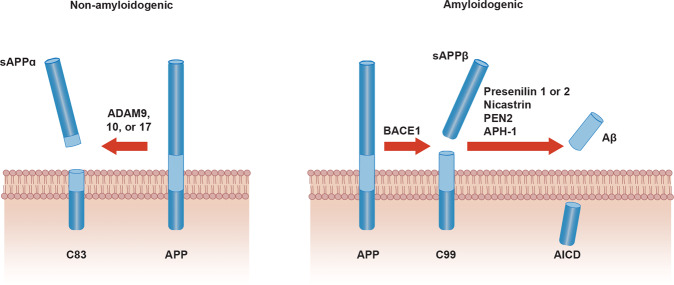
“…pathway generates non-amyloidogenic fragments, while the β -secretase (BACE1) pathway produces sAPP β and C-terminal fragment beta (CTF β ), which is further processed by γ -secretase to generate amyloid-beta (A β ) peptides, including the neurotoxic A β 42 that readily forms plaques [4–6].”
Quantitative proteomics of tau and Aβ in detergent fractions from Alzheimer's disease brains
Mukherjee, S., Dubois, C., Perez, K. A., Varghese, S., Birchall, I. E., Leckey, M., Davydova, N., McLean, C., Nisbet, R. M., Roberts, B. R., et al. (2022) · Journal of Neurochemistry · doi:10.1111/jnc.15713 · Cited by 24
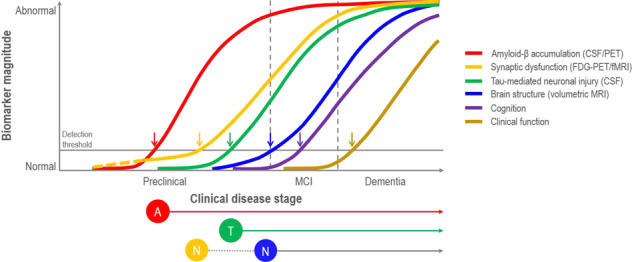
“While tangles, neurites and cognitive decline appear to occur in conjunction, Aβ accumulation occurs much earlier (Hampel et al., 2021).”
BackgroundSelf-citationSong, C., Li, S., Mai, Y., Li, L., Dai, G., Zhou, Y., Liang, X., Zou, O. M., Wang, Y., Zhou, L., et al. (2024) · Journal of Neuroinflammation · doi:10.1186/s12974-024-03162-z · Cited by 23
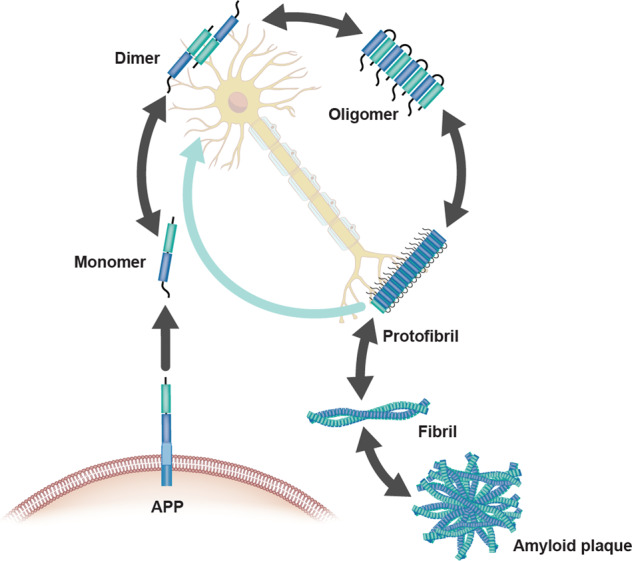
“Among numerous Aβ species, including Aβ monomer, oligomer, protofibrils and fibrils, Aβ oligomer and pro-tofibrils are considered toxic while Aβ monomers have been shown to be neuroprotective [47].”
BackgroundXue, H., Wang, X., Jiang, Q., Ma, J., & Wong, M. S. (2025) · Biosensors and Bioelectronics · doi:10.1016/j.bios.2025.117201 · Cited by 22
Generation of Neural Organoids and Their Application in Disease Modeling and Regenerative Medicine
Huang, R., Gao, F., Yu, L., Chen, H., & Zhu, R. (2025) · Advanced Science · doi:10.1002/advs.202501198 · Cited by 23
Serotonergic Regulation in Alzheimer’s Disease
Долгачева, Л. П., Зинченко, В. П., Nadeev, A. D., & Goncharov, N. V. (2025) · International Journal of Molecular Sciences · doi:10.3390/ijms26115218 · Cited by 25
“The non-amyloidogenic pathway is the most predominant proteolytic processing of the APP in healthy brain [32].”
From Amyloid to Synaptic Dysfunction: Biomarker-Driven Insights into Alzheimer’s Disease
Agnello, L., Gambino, C. M., Ciaccio, A. M., Cacciabaudo, F., Massa, D., Masucci, A., Tamburello, M., Vassallo, R., Midiri, M., Scazzone, C., et al. (2025) · Current Issues in Molecular Biology · doi:10.3390/cimb47080580 · Cited by 26
“A β is a small protein (4 kDa) that results from the cleavage of amyloid precursor protein (APP), a transmembrane molecule produced by neurons, vascular cells, and blood cells, including platelets and astrocytes [6].”
Peripheral Aβ acts as a negative modulator of insulin secretion
Shigemori, K., Nomura, S., Umeda, T., Takeda, S., & Tomiyama, T. (2022) · Proceedings of the National Academy of Sciences · doi:10.1073/pnas.2117723119 · Cited by 23
Trang, N. M., Kim, E., Pham, T. H., & Jeong, G. (2023) · Journal of Agricultural and Food Chemistry · doi:10.1021/acs.jafc.3c00368 · Cited by 21
Murai, T., & Matsuda, S. (2023) · Life · doi:10.3390/life13071466 · Cited by 21
“However, it is not clear whether the disruption of GM is a cause or a result of neurodegeneration or whether the timely treatment of this gut dysbiosis could impede its progress [15].”
BackgroundLiu, M., Jiang, N., Qin, C., Xue, Y., Wu, J., Qiu, Y. L., Yuan, Q., Chen, C., Huang, L., Zhuang, L., et al. (2023) · Biosensors and Bioelectronics · doi:10.1016/j.bios.2023.115832 · Cited by 21
Self-citationRai, R., Kalar, P. L., Jat, D., & Mishra, S. K. (2024) · Neurochemistry International · doi:10.1016/j.neuint.2024.105799 · Cited by 21
Arjun, A. M., Deshpande, S., Dunlop, T., Norman, B., Oliviera, D., Vulpe, G., Moreira, F. T. C., & Sharma, S. (2024) · Biosensors and Bioelectronics X · doi:10.1016/j.biosx.2024.100513 · Cited by 31
Bhatt, A., Bhardwaj, H., & Srivastava, P. (2024) · Neuroscience · doi:10.1016/j.neuroscience.2024.07.019 · Cited by 25
Gurram, P. C., Satarker, S., & Nampoothiri, M. (2024) · Biochemical and Biophysical Research Communications · doi:10.1016/j.bbrc.2024.150597 · Cited by 25
Tariot, P. N., Riviere, M., Salloway, S., Burns, J. M., Snædal, J., Borowsky, B., Lopez, C. L., Liu, F., Rouzade‐Dominguez, M., Cazorla, P., et al. (2024) · Alzheimer s & Dementia · doi:10.1002/alz.14237 · Cited by 22
Elhage, A., Cohen, S., Cummings, J. L., van der Flier, W. M., Aisen, P. S. S., Cho, M., Bell, J., & Hampel, H. J. (2024) · Alzheimer s & Dementia · doi:10.1002/alz.14425 · Cited by 23
“16 FutureprecisionmedicineinADandinneurologymorebroadlymay also be facilitated by differentiated multimodal and multidomain outcome development across the AD continuum.”
Self-citationLai, M. C., Liu, W. Y., Liou, S., & Liu, I.-M. (2022) · Nutrients · doi:10.3390/nu14112248 · Cited by 21
“Amyloid-β (Aβ) peptides misfolding and aggregation is recognized as the leading cause of the toxic Aβ oligomers formation and the Aβ plaques deposition in the brain, representing the hallmarks of AD [2].”
BackgroundDhiman, N., Deshwal, S., Rishi, V., Singhal, N. K., & Sandhir, R. (2024) · Experimental Neurology · doi:10.1016/j.expneurol.2024.115034 · Cited by 23
Do Statins Affect Cognitive Health? A Narrative Review and Critical Analysis of the Evidence
Kazibwe, R., Rikhi, R. R., Mirzai, S., Ashburn, N. P., Schaich, C. L., & Shapiro, M. D. (2024) · Current Atherosclerosis Reports · doi:10.1007/s11883-024-01255-x · Cited by 22
“The aggregation of Aβ plaques and neurofibrillary tangles are key pathological mechanisms in AD, the leading cause of dementia [44].”
Therapeutic Advances in Targeting the Amyloid-β Pathway for Alzheimer’s Disease
Zhang, B., Li, Y., Li, H., Shen, X., & Zhu, Z. (2025) · Brain Sciences · doi:10.3390/brainsci15101101 · Cited by 23
Lyu, Z., Li, Q., Yu, Z., Chan, Y., Fu, L., Li, Y., & Zhang, C. (2021) · Frontiers in Pharmacology · doi:10.3389/fphar.2021.791059 · Cited by 22
“It is known that amyloidbeta peptide (Aβ) accumulation acts as a core factor among the multifaceted etiology of AD, which is closely associated with the cerebrovascular dysfunctions, especially brain microcirculation disturbance (Bell and Zlokovic, 2009; Yamazaki and Kanekiyo, 2017; Jack et al., 2018; Hampel et al., 2…”
BackgroundCardelo, M. P., Corina, A., Leon‐Acuña, A., Quintana‐Navarro, G. M., Alcala-Diaz, J. F., Rangel-Zúñiga, O. A., Camargo, A., Conde, C., Carmona-Medialdea, C., Casas, J. A. V., et al. (2022) · Frontiers in Nutrition · doi:10.3389/fnut.2022.1037842 · Cited by 21
The Role of Dietary Antioxidants and Their Potential Mechanisms in Alzheimer’s Disease Treatment
Knight, E., Geetha, T., Broderick, T. L., & Babu, J. R. (2023) · Metabolites · doi:10.3390/metabo13030438 · Cited by 22
“In the non-amyloidogenic pathway, APP is cleaved by α-secretase to soluble APPα, while in the amyloidogenic pathway, APP is cleaved by β-secretase and γ-secretase to Aβ [12–14].”
BackgroundInfluentialYan, D.-K., Qu, X., Chen, M., Wang, J., Li, X., Zhang, Z., Liu, Y., Kong, L., Yu, Y., Ju, R.-J., et al. (2023) · Journal of Drug Delivery Science and Technology · doi:10.1016/j.jddst.2023.104633 · Cited by 20
Araki, W. (2023) · Cells · doi:10.3390/cells12101386 · Cited by 20
“AβOs are mixtures of heterogeneous species, ranging from small to large; however, which species are the most toxic remains to be elucidated [9,11].”
BackgroundGetting ahead of Alzheimer’s disease: early intervention with focused ultrasound
Noel, R. L., Gorman, S. L., Batts, A. J., & Konofagou, E. E. (2023) · Frontiers in Neuroscience · doi:10.3389/fnins.2023.1229683 · Cited by 21
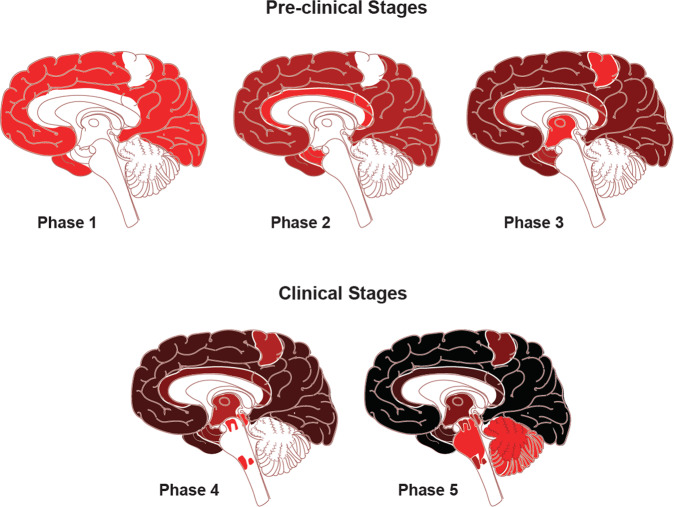
“Aβ accumulation begins in cerebral brain regions before spreading to the neocortex, allocortex, and brainstem (Hampel et al., 2021).”
BackgroundNeurodegenerative diseases and brain delivery of therapeutics: Bridging the gap using dendrimers
Kaur, A., Singh, N., Kaur, H., Kakoty, V., Sharma, D. S., Khursheed, R., Babu, M. R., Harish, V., Gupta, G., Gulati, M., et al. (2023) · Journal of Drug Delivery Science and Technology · doi:10.1016/j.jddst.2023.104868 · Cited by 22
Bajad, N. G., Singh, R. B., Gajendra, T. A., Gutti, G., Kumar, A., Krishnamurthy, S., & Singh, S. K. (2024) · Bioorganic Chemistry · doi:10.1016/j.bioorg.2023.107082 · Cited by 20
Neuroprotective Roles of the Biliverdin Reductase-A/Bilirubin Axis in the Brain
Paul, B. D., & Pieper, A. A. (2024) · Biomolecules · doi:10.3390/biom14020155 · Cited by 21
“In AD, an increased production of the A β (1–42) fragment occurs by the action of beta-secretase 1 (BACE1) on APP [64–66].”
BackgroundIram, F., Shahid, M., Ansari, J., Ashraf, G. M., Hassan, M. I., & Islam, A. (2024) · Ageing Research Reviews · doi:10.1016/j.arr.2024.102342 · Cited by 22
Chi, M., Liu, J., Li, L., Zhang, Y., & Xie, M. (2024) · ACS Applied Materials & Interfaces · doi:10.1021/acsami.4c02088 · Cited by 22
Involvement of inflammasomes in the pathogenesis of Alzheimer's disease
Beder, N., Belkhelfa, M., & Leklou, H. (2024) · Journal of Alzheimer s Disease · doi:10.1177/13872877241283677 · Cited by 22
“39,40 Neuroin fl ammation as a pathological event in Alzheimer ’ s disease The initial indications of a connection between in fl ammation and the development of AD emerged from several epidemiological studies.”
Recent developments in the chemical biology of amyloid-β oligomer targeting
Wang, Y., Chen, J., Gao, F., Hu, M., & Wang, X. (2023) · Organic & Biomolecular Chemistry · doi:10.1039/d3ob00509g · Cited by 21
Singh, D. D. (2025) · RSC Medicinal Chemistry · doi:10.1039/d5md00167f · Cited by 21
Pan, T.-T., Sun, Y., Shi, Y.-F., Zhao, M., Khan, N. U., Chen, H., Ji, W., Li, J., Han, L., & Ma, Q. (2025) · Alzheimer s Research & Therapy · doi:10.1186/s13195-025-01840-5 · Cited by 21
“LRP1-mediated endocytosis of neuronal A β 42 is associated with increased A β aggregation and neuronal toxicity [4, 7].”
InfluentialSaif, M. S., Batool, S., Majeed, Y., Asadullah, Tariq, T., Li, H., Duan, Y., Mustafa, G., & Hasan, M. (2025) · Journal of environmental chemical engineering · doi:10.1016/j.jece.2025.118725 · Cited by 19
Emerging Role of Oligodendrocytes Malfunction in the Progression of Alzheimer's Disease
Tylek, K., & Basta‐Kaim, A. (2025) · Journal of Neuroimmune Pharmacology · doi:10.1007/s11481-025-10236-z · Cited by 23
“Generally, the majority of evidence emphasizes neurons as the primary contributors to Aβ production and distribution, thereby providing a central role in plaque formation associated with AD (Hampel et al. 2021; Murphy and LeVine 2010; Sadigh-Eteghad et al. 2015).”
Mitochondria Metabolism Regulates Glucose–Lipid Homeostasis in Neurodegenerative Diseases
Huang, J., Zhang, C., Huang, C. Z., Deng, K., Xiao, Y., Wei, G., Wu, M., & Lei, M. (2025) · Research · doi:10.34133/research.0912 · Cited by 27
“These imbalances have pathological consequences, such as stimulating β -secretase activity, which promotes A β synthesis, while simultaneously inhibiting the protective cleavage function of α -secretase [ 100 ].”
The emerging landscape of brain glycosylation: from molecular complexity to therapeutic potential
Seo, Y., Park, J. E., Yu, J. Y., Lee, B., Yoon, J. H., & An, H. J. (2025) · Experimental & Molecular Medicine · doi:10.1038/s12276-025-01560-8 · Cited by 23
“AD is characterized by histopathological features closely linked to amyloid-beta (A β ) production and aggregation 59,60,69 .”
Brossaud, R., Oullier, T., Bessard, A., Aubert, P., Brossard, L., Mahé, M. M., Caillaud, M., Delfino, G., Paillusson, S., Falentin, H., et al. (2026) · Molecular Psychiatry · doi:10.1038/s41380-026-03522-6 · Cited by 21
Shaikh, S., Dhavan, P. P., Singh, P. R., Uparkar, J. J., Vaidya, S. P., Jadhav, B. L., & Ramana, M. M. V. (2021) · Journal of Biomolecular Structure and Dynamics · doi:10.1080/07391102.2021.2006088 · Cited by 21
“…2018; Hampel, Mesulam, Cuello, Khachaturian, et al., 2018), agglomeration of b-amyloid (Ab) peptides into senile plaques (Brothers et al., 2018; Hampel et al., 2021); s-protein hyperphosphorylation into neurofibrillary tangles (Wegmann et al., 2021), oxidative stress (Rummel & Butterfield,…”
BackgroundNon-coding RNAs in Alzheimer’s disease: perspectives from omics studies
Wang, E., Duarte, M. L., Rothman, L. E., Cai, D., & Zhang, B. (2022) · Human Molecular Genetics · doi:10.1093/hmg/ddac202 · Cited by 21
Tan, M. A., Ishikawa, H., & An, S. S. A. (2022) · Nutrients · doi:10.3390/nu14193962 · Cited by 20
“With a complex plethora of etiologies, the excessive formation and deposition of amyloid-beta (Aβ) plaques leading to oxidative stress, mitochondrial dysfunctions, and eventual nerve cell death and tissue loss are the most accepted pathological hallmark of AD [3].”
BackgroundInfantino, R., Boccella, S., Scuteri, D., Perrone, M., Ricciardi, F., Vitale, R. M., Bonsale, R., Parente, A., Allocca, I., Virtuoso, A., et al. (2022) · Biomedicine & Pharmacotherapy · doi:10.1016/j.biopha.2022.113844 · Cited by 20
Sequence–Activity Relationship of ATCUN Peptides in the Context of Alzheimer’s Disease
Lefèvre, M., Malikidogo, K. P., Esmieu, C., & Hureau, C. (2022) · Molecules · doi:10.3390/molecules27227903 · Cited by 21
Honey and Alzheimer’s Disease—Current Understanding and Future Prospects
Shaikh, A., Ahmad, F., Teoh, S. L., Kumar, J., & Yahaya, M. F. (2023) · Antioxidants · doi:10.3390/antiox12020427 · Cited by 19
Stem cells in the treatment of Alzheimer's disease – Promises and pitfalls
Bhatti, J. S., Khullar, N., Mishra, J., Kaur, S., Sehrawat, A., Sharma, E., Bhatti, G. K., Selman, A., & Reddy, P. H. (2023) · Biochimica et Biophysica Acta (BBA) - Molecular Basis of Disease · doi:10.1016/j.bbadis.2023.166712 · Cited by 22
Paraoxonase 1 activity in patients with Alzheimer disease: Systematic review and meta-analysis
Zuin, M., Rosta, V., Trentini, A., Bosi, C., Zuliani, G., & Cervellati, C. (2023) · Chemico-Biological Interactions · doi:10.1016/j.cbi.2023.110601 · Cited by 20
Wang, X., Song, Y., Cong, P., Wang, Z., Liu, Y., Xu, J., & Xue, C. (2023) · Molecular Nutrition & Food Research · doi:10.1002/mnfr.202300414 · Cited by 21
Minding the Gap: Exploring Neuroinflammatory and Microglial Sex Differences in Alzheimer’s Disease
Reed-Geaghan, E. G., & Keller-Norrell, P. R. (2023) · International Journal of Molecular Sciences · doi:10.3390/ijms242417377 · Cited by 19
Ji, Y., Yang, C., Pang, X., Yan, Y., Wu, Y., Geng, Z., Hu, W., Hu, P., Wu, X., & Wang, K. (2024) · Neural Regeneration Research · doi:10.4103/nrr.nrr-d-23-01201 · Cited by 22
“…not only bring about notable synaptic loss in the hippocampal region (Pereira et al., 2021), involving apoptosis or necroptosis (Chi et al., 2018), but can also activate glial cells in the AD brain, inducing a chronic inflammatory response by releasing neurotoxic cytokines (Hampel et al., 2021).”
Venkatesh, Y., Marotta, N. P., Lee, V. M. ‐., & Petersson, E. J. (2024) · Chemical Science · doi:10.1039/d4sc00024b · Cited by 19
Distinctive contribution of two additional residues in protein aggregation of Aβ42 and Aβ40 isoforms
Im, D., & Choi, T. S. (2024) · BMB Reports · doi:10.5483/bmbrep.2024-0044 · Cited by 22
Tahir, A., Mobeen, B., Hussain, F., Sadiq, A., & Rashid, U. (2024) · RSC Advances · doi:10.1039/d4ra01536c · Cited by 19
Lian, W., Wang, Z., Zhou, F., Yuan, X., Xia, C., Wang, W., Yu, Y., Cheng, Y., Yang, H., Xu, J., et al. (2024) · Journal of Neuroimmune Pharmacology · doi:10.1007/s11481-024-10120-2 · Cited by 20
“…has been made to explore the complicated pathogenesis and effective treatment for AD. β-amyloid (Aβ) is produced from amyloid precursor protein (APP), and further accumulates into plaques extracellularly in abnormal conditions, which is one of the pathologic hallmarks of AD (Hampel et al. 2021).”
Akasaka, T., Watanabe, H., & Ono, M. (2024) · Sensors and Actuators B Chemical · doi:10.1016/j.snb.2024.136132 · Cited by 19
Krasny, S., Yan, C., Hartley, S., Handen, B., Wisch, J. K., Boehrwinkle, A. H., Ances, B., & Rafii, M. (2024) · Alzheimer's & Dementia · doi:10.1002/alz.14068 · Cited by 15
Kasri, A., Camporesi, E., Gkanatsiou, E., Boluda, S., Brinkmalm, G., Stimmer, L., Ge, J., Hanrieder, J., Villain, N., Duyckaerts, C. J., et al. (2024) · Acta Neuropathologica · doi:10.1007/s00401-024-02756-4 · Cited by 19
Self-citationSingh, G., Kumar, S., Panda, S. R., Kumar, P., Rai, S., Verma, H., Singh, Y. P., Kumar, S., Srikrishna, S., Naidu, V. G. M., et al. (2024) · ACS Chemical Neuroscience · doi:10.1021/acschemneuro.4c00130 · Cited by 22
Formation of Nanofibrillar Self-Healing Hydrogels Using Antimicrobial Peptides
Wiita, E. G., Toprakcioglu, Z., Jayaram, A. K., & Knowles, T. P. J. (2024) · ACS Applied Materials & Interfaces · doi:10.1021/acsami.4c11542 · Cited by 19
Pasupalak, J. K., Rajput, P., & Gupta, G. L. (2024) · European Journal of Pharmacology · doi:10.1016/j.ejphar.2024.177022 · Cited by 19
Metadata
- Authors
- Hampel, H., Hardy, J., Blennow, K., Chen, C., Perry, G., Kim, S. H., Villemagne, V. L., Aisen, P., Vendruscolo, M., Iwatsubo, T., Masters, C. L., Cho, M., Lannfelt, L., Cummings, J. L., & Vergallo, A.
- Affiliations
- Eisai (United States) (US)
- UK Dementia Research Institute (GB)
- Sahlgrenska University Hospital (SE)
- National University of Singapore (SG)
- The University of Texas at San Antonio (US)
- Hanyang University Seoul Hospital (KR)
- The University of Melbourne (AU)
- University of Southern California (US)
- University of Cambridge (GB)
- The University of Tokyo (JP)
- Uppsala University (SE)
- University of Nevada, Las Vegas (US)
- Corresponding author
- Hampel, Harald
- Vergallo, Andrea
- ORCID
- Venue
- Molecular Psychiatry
- Published
- 2021-08-30
- Volume
- 26
- Issue
- 10
- Pages
- 5481-5503
- ISSN
- 1359-4184 (ISSN-L)
- 1476-5578
- PMC
- PMC8758495
- OpenAlex
- W3198052269
- Cited by
- 1,952
- References
- 418
- Citations by year
- 2026: 451 · 2025: 608 · 2024: 468 · 2023: 297 · 2022: 113 · 2021: 15
- FWCI
- 30.00
- Type
- journal article
- Language
- en
- Open access
- hybrid
- doi.org
- Licence
- cc-by
- creativecommons.org/licenses/by/4.0 (tdm)
- creativecommons.org/licenses/by/4.0 (vor)
- Locations
- Molecular Psychiatry (publishedVersion, cc-by)
- PubMed Central (publishedVersion, cc-by)
- PubMed (publishedVersion)
- Digital Scholarship - UNLV (University of Nevada Reno) (submittedVersion, cc-by)
- Minerva Access (University of Melbourne) (submittedVersion, cc-by)
- National University of Singapore (submittedVersion)
- Uppsala University Publications (Uppsala University) (submittedVersion, other-oa)
- HAL (submittedVersion, other-oa)
- UCL Discovery (University College London) (submittedVersion)
- Apollo (University of Cambridge) (submittedVersion, cc-by)
- Molecular Psychiatry
- Apollo
- Funders
- Alzheimer’s Drug Discovery Foundation (RDAPB-201809-2016615)
- Topics
- Life Sciences › Neuroscience › Cellular and Molecular Neuroscience › Alzheimer's disease research and treatments
- Health Sciences › Medicine › Psychiatry and Mental health › Dementia and Cognitive Impairment Research
- Life Sciences › Neuroscience › Neurology › Neuroinflammation and Neurodegeneration Mechanisms
- Keywords
- amyloid-beta, Alzheimer's disease, tau protein, neuroinflammation, neurodegeneration, synaptic failure, multimodal biomarkers, in vivo biomarkers, disease-modifying therapy, early treatment
- MeSH terms
- Alzheimer Disease, Humans, Biomarkers, Amyloid beta-Peptides, tau Proteins
About these checks
Registry, retraction, Cites and statistics results are computed, not judged, with one exception: a printed reference that no index lists is read once by a model before it counts as a citation error. Claims are extracted by a model and kept only when their quote appears verbatim in the text; each cited source is then checked, with a model’s help, for whether it says what the claim relies on. Those verdicts can be wrong — read the claim’s quote and the cited source before relying on one.
Statistics and arithmetic are recomputed, not judged.
Confidence bands are shown only for fields calibrated on our annotated test set. None is calibrated yet, so no band is shown.
What counts as a claim ›How we measure confidence ›How we check this ›
Are you an author, or do you see a problem with this page? Request a review
Data sources
Bibliographic data: Semantic Scholar, OpenAlex, Crossref.
Contains information from the Semantic Scholar Academic Graph Datasets, made available under the ODC Attribution License (ODC-BY 1.0).
Semantic Scholar’s data is described in: Kinney, R., et al. (2023). The Semantic Scholar Open Data Platform. arXiv:2301.10140.
