

The Amyloid-β Pathway in Alzheimer’s Disease
Open accessThe DOI matches its Crossref record; 412 of the 418 references it cites were found in a registry or an index.
Abstract
Breakthroughs in molecular medicine have positioned the amyloid-β (Aβ) pathway at the center of Alzheimer’s disease (AD) pathophysiology. While the detailed molecular mechanisms of the pathway and the spatial-temporal dynamics leading to synaptic failure, neurodegeneration, and clinical onset are still under intense investigation, the established biochemical alterations of the Aβ cycle remain the core biological hallmark of AD and are promising targets for the development of disease-modifying therapies. Here, we systematically review and update the vast state-of-the-art literature of Aβ science with evidence from basic research studies to human genetic and multi-modal biomarker investigations, which supports a crucial role of Aβ pathway dyshomeostasis in AD pathophysiological dynamics. We discuss the evidence highlighting a differentiated interaction of distinct Aβ species with other AD-related biological mechanisms, such as tau-mediated, neuroimmune and inflammatory changes, as well as a neurochemical imbalance. Through the lens of the latest development of multimodal in vivo biomarkers of AD, this cross-disciplinary review examines the compelling hypothesis- and data-driven rationale for Aβ-targeting therapeutic strategies in development for the early treatment of AD.
Overview
The claims and statistics of this paper haven’t been checked yet.
Free: it reads the open-access text and checks the first 5 claims that cite a source we can check. Create a free account to check every claim.
Integrity signals
Registry
Cites
Statistics
Figures
Verification
Claims the paper makes
The claims and statistics of this paper haven’t been checked yet.
Free: it reads the open-access text and checks the first 5 claims that cite a source we can check. Create a free account to check every claim.
Claims other papers make about this one
Each is checked against this paper’s own text: does it say what the citing paper says it does?
The source backs part of the claim, not all of it — or backs it for a different population, condition or comparison.
In the citing paper
“Biomarkers play a crucial role in patient selection, biological effect detection, dose optimization, and monitoring response progress, with recent approvals of Aβ monoclonal antibodies benefiting from new and accurate biomarkers.83,423”
From Recent advances in Alzheimer's disease: Mechanisms, clinical trials and new drug development strategies. (2024) · cites this paper as [83]
Experimental — accuracy not yet measuredThe source backs part of the claim, not all of it — or backs it for a different population, condition or comparison.
In the citing paper
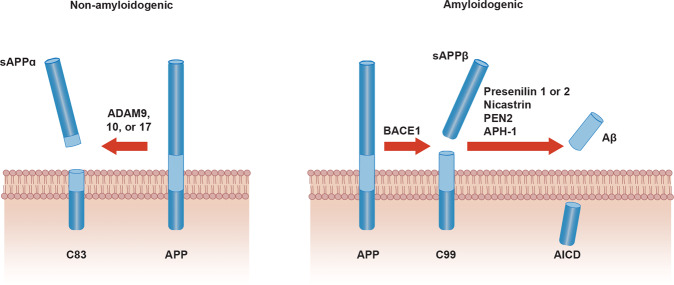
“Aβ originates from the processing of the amyloid precursor protein (APP) through sequential cleavage by β-secretase and γ-secretase, resulting in various lengths of Aβ fragments, with Aβ40 and Aβ42 being predominant.”
From Recent Advances in Therapeutics for the Treatment of Alzheimer’s Disease (2024) · cites this paper as [12]
Experimental — accuracy not yet measuredThe source backs part of the claim, not all of it — or backs it for a different population, condition or comparison.
In the citing paper
“The hydrophobic C-terminus of Aβ42 facilitates its aggregation and the formation of senile plaques.”
From Recent Advances in Therapeutics for the Treatment of Alzheimer’s Disease (2024) · cites this paper as [12]
Experimental — accuracy not yet measuredThe source backs part of the claim, not all of it — or backs it for a different population, condition or comparison.
In the citing paper
“Mutations in presenilin-1 (PS1) can promote Aβ accumulation through increased production and impaired autophagy functions.”
From Recent Advances in Therapeutics for the Treatment of Alzheimer’s Disease (2024) · cites this paper as [12]
Experimental — accuracy not yet measuredThe source backs part of the claim, not all of it — or backs it for a different population, condition or comparison.
In the citing paper
“As AD progresses to its late stages, the effectiveness of nanoparticle-based therapies often diminishes due to the increased disruption of the BBB [148].”
From Targeted Nanoparticles for Drug Delivery Across the Blood–Brain Barrier in Early and Late Stages of Alzheimer's Disease: A Review (2026) · cites this paper as [149]
Experimental — accuracy not yet measured
7 more claims about this paper
Create a free account to see every claim other papers make about this one.
Self-check
Percentages, sums and reported differences re-computed from the paper’s own numbers.
The self-check needs the paper’s full text.
Citations
Cites
1 retracted
RETRACTED ARTICLE: A specific amyloid-β protein assembly in the brain impairs memory
Lesné, S., Koh, M. T., Kotilinek, L., Kayed, R., Glabe, C. G., Yang, A., Gallagher, M., & Ashe, K. H. (2006) · Nature · doi:10.1038/nature04533 · Cited by 2,769
RetractedThe Amyloid Hypothesis of Alzheimer’s Disease: Progress and Problems on the Road to Therapeutics
Hardy, J., & Selkoe, D. J. (2002) · Science · doi:10.1126/science.1072994 · Cited by 13,864
Self-citationNIA‐AA Research Framework: Toward a biological definition of Alzheimer's disease
Jack, C. R., Bennett, D. A., Blennow, K., Carrillo, M. C., Dunn, B., Haeberlein, S. B., Holtzman, D. M., Jagust, W., Jessen, F., Karlawish, J., et al. (2018) · Alzheimer's & Dementia · doi:10.1016/j.jalz.2018.02.018 · Cited by 10,537
Self-citationAmyloid oligomers exacerbate tau pathology in a mouse model of tauopathy
Selenica, M.-L. B., Brownlow, M., Jimenez, J. P., Lee, D. C., Pena, G., Dickey, C. A., Gordon, M. N., & Morgan, D. (2013) · Neurodegenerative Diseases · doi:10.1159/000337230 · Cited by 10,359
Corder, E. H., Saunders, A. M., Strittmatter, W. J., Schmechel, D. E., Gaskell, P. C., Small, G. W., Roses, A. D., Haines, J. L., & Pericak-Vance, M. A. (1993) · Science · doi:10.1126/science.8346443 · Cited by 9,429
Neurotoxic reactive astrocytes are induced by activated microglia
Liddelow, S. A., Guttenplan, K. A., Clarke, L. E., Bennett, F. C., Bohlen, C. J., Schirmer, L., Bennett, M. L., Münch, A. E., Chung, W.-S., Peterson, T. C., et al. (2017) · Nature · doi:10.1038/nature21029 · Cited by 7,971
Alzheimer's disease: the amyloid cascade hypothesis
Hardy, J. A., & Higgins, G. A. (1992) · Science · doi:10.1126/science.1566067 · Cited by 7,484
Self-citationSperling, R. A., Aisen, P. S., Beckett, L. A., Bennett, D. A., Craft, S., Fagan, A. M., Iwatsubo, T., Jack, C. R., Kaye, J., Montine, T. J., et al. (2011) · Alzheimer's & Dementia · doi:10.1016/j.jalz.2011.03.003 · Cited by 7,155
Self-citationNeuroinflammation in Alzheimer's disease
Heneka, M. T., Carson, M. J., Khoury, J. E., Landreth, G. E., Brosseron, F., Feinstein, D. L., Jacobs, A. H., Wyss-Coray, T., Vitorica, J., Ransohoff, R. M., et al. (2015) · The Lancet Neurology · doi:10.1016/s1474-4422(15)70016-5 · Cited by 6,226
The amyloid hypothesis of Alzheimer's disease at 25 years
Selkoe, D. J., & Hardy, J. (2016) · EMBO Molecular Medicine · doi:10.15252/emmm.201606210 · Cited by 6,164
Self-citation
Research works printed but not linked: 1
- Yamashita K Hasegawa T Iino T Miura M Watanabe T Watanabe S P075-prediction of amyloid pathology by the plasma Aβ(1-42)/Aβ(1-40) ratio measured with fully automated immunoassay system (HISCL™ SERIES) J Prev Alz Dis 2019 6 S89
Cited by
Items 701–800 of 1,005
Behroozi, Z., Askarpour, H., & Baghcheghi, Y. (2026) · Journal of Alzheimer s Disease Reports · doi:10.1177/25424823261415807 · Cited by 12
Molecular Probes: From Aβ Imaging to Phototherapy in Alzheimer’s Disease
Jiang, Z., Wang, H., Jiang, Y., Gu, S., Yan, J., & Ran, C. (2026) · Accounts of Chemical Research · doi:10.1021/acs.accounts.5c00860 · Cited by 11
Lysosomal homeostasis at the crossroads of neurodegeneration
Tito, S. D., & Tooze, S. A. (2026) · Journal of Clinical Investigation · doi:10.1172/jci199845 · Cited by 12
“A β peptides are generated by sequential cleavage of amyloid precursor protein (APP), a trans-membrane protein involved in neuronal growth and synaptic repair, by β - and γ -secretases (96, 97).”
Shobo, A., Röntgen, A., Hancock, M. A., & Multhaup, G. (2022) · FEBS Letters · doi:10.1002/1873-3468.14358 · Cited by 10
Blutbasierte Biomarker zur Optimierung der Früh- und Differentialdiagnostik der Alzheimer-Demenz
Hansen, N., Rauter, C. M., & Wiltfang, J. (2022) · Fortschritte der Neurologie · Psychiatrie · doi:10.1055/a-1839-6237 · Cited by 16
“Die ß-Amylo-id (Aß) Kaskade [14] ist weiterhin die am meisten vertretene Hy-pothese zur Erklärung der Pathogenese der AD [12].”
BackgroundKazemi-Harikandei, S.-Z., Shobeiri, P., Jelodar, M.-R. S., & Tavangar, S. M. (2022) · Neuroscience Informatics · doi:10.1016/j.neuri.2022.100104 · Cited by 11
Role of Alginate Composition on Copper Ion Uptake in the Presence of Histidine or Beta-Amyloid
Mahl, C. R. A., Bataglioli, R. A., Calais, G. B., Taketa, T. B., & Beppu, M. M. (2022) · Molecules · doi:10.3390/molecules27238334 · Cited by 11
Upregulation of endocytic protein expression in the Alzheimer’s disease male human brain
Alsaqati, M., Thomas, R. S., & Kidd, E. J. (2023) · Aging Brain · doi:10.1016/j.nbas.2023.100084 · Cited by 12
“The increased level of soluble A b 42 is consistent with the A b oligomer hypothesis where soluble A b oligomer levels correlate much better than insoluble forms with the extent of synaptic loss and severity of cognitive impairment [8,28].”
BackgroundZiegler, T., Tsiountsioura, M., Meixner-Götz, L., Cvirn, G., & Lamprecht, M. (2023) · Nutrients · doi:10.3390/nu15173770 · Cited by 11
“Nowadays, it is supposed that the Aβ pathway triggers further downstream events and actual disease models support the idea of Aβ peptides being the initiator of a pathophysiological cascade that further leads to tau misfolding and assembly, which results in neural system failure, neurodegeneration, and cognitive decli…”
BackgroundLiu, M. H., Tang, Y. P., Li, Q., Song, L., Lo, H. H., Zhang, R. L., Yun, X. Y., Wang, H. M., Chan, J. T. W., Wu, J. H., et al. (2023) · Phytomedicine · doi:10.1016/j.phymed.2023.155121 · Cited by 12
Piccirillo, S., Preziuso, A., Cerqueni, G., Serfilippi, T., Terenzi, V., Vinciguerra, A., Amoroso, S., Lariccia, V., & Magi, S. (2023) · Biochemical Pharmacology · doi:10.1016/j.bcp.2023.115869 · Cited by 10
Chitosan oligosaccharides inhibit the fibrillation of insulin and disassemble its preformed fibrils
Kalitnik, A. A., Grelich-Mucha, M., & Olesiak‐Bańska, J. (2023) · International Journal of Biological Macromolecules · doi:10.1016/j.ijbiomac.2023.127857 · Cited by 10
Alzheimer's Targeted Treatments: Focus on Amyloid and Inflammation
Iwatsubo, T., Irizarry, M. C., Lewcock, J. W., & Carrillo, M. C. (2023) · Journal of Neuroscience · doi:10.1523/jneurosci.1576-23.2023 · Cited by 10
Self-citationGanglioside Micelles Affect Amyloid β Aggregation by Coassembly
Hu, J., Linse, S. S., & Sparr, E. (2023) · ACS Chemical Neuroscience · doi:10.1021/acschemneuro.3c00524 · Cited by 10
Zhang, R., Jalali, S., Dias, C. L., & Haataja, M. (2024) · PNAS Nexus · doi:10.1093/pnasnexus/pgae045 · Cited by 13
“Their presence in human tissues is often indicative of diseases such as Alzheimer’s, Parkinson’s, and type 2 diabetes ( 3, 4).”
BackgroundNagayama, T., Yagishita, S., Shibata, M., Furuno, A., Saito, T., Saido, T. C., Wakatsuki, S., & Araki, T. (2024) · Neuroscience Research · doi:10.1016/j.neures.2024.03.003 · Cited by 10
“A large amount of evidence supports the amyloid cascade hypothesis, which states that A β accumulation triggers tau hyperphosphorylation (Polanco et al., 2018; Hampel et al., 2021).”
BackgroundSchneider, T. R., Stöckli, L., Felbecker, A., & Nirmalraj, P. N. (2024) · Brain Communications · doi:10.1093/braincomms/fcae180 · Cited by 10
Koppula, S., Wankhede, N. L., Sammeta, S. S., Shende, P. V., Pawar, R. S., Chimthanawala, N. M. A., Umare, M. D., Taksande, B. G., Upaganlawar, A. B., Umekar, M. J., et al. (2024) · Ageing Research Reviews · doi:10.1016/j.arr.2024.102389 · Cited by 11
Kaszyńska, A. A. (2024) · Pharmaceuticals · doi:10.3390/ph17060813 · Cited by 11
“Studies [101] by He et al. (2020) and [103] by Hampel et al. (2021) emphasize the excessive accumulation of proteins in AD and other dementias, exacerbating inflammatory processes [104]—it is highlighted that receptors on microglia can bind A β fibrils, driving an inflammatory response similar to…”
BackgroundPreparation and Characterization of Zn(II)-Stabilized Aβ42 Oligomers
Díaz, A. G., Cataldi, R., Mannini, B., & Vendruscolo, M. (2024) · ACS Chemical Neuroscience · doi:10.1021/acschemneuro.4c00084 · Cited by 11
Self-citationBaek, Y., & Lee, M. (2024) · Biochemical Society Transactions · doi:10.1042/bst20230854 · Cited by 11
Mechanistic Approach to Immunity and Immunotherapy of Alzheimer’s Disease: A Review
Islam, M. R., Rabbi, M. A., Hossain, T., Sultana, S., & Uddin, S. (2024) · ACS Chemical Neuroscience · doi:10.1021/acschemneuro.4c00360 · Cited by 16
Khoshdooz, S., Bonyad, A., Bonyad, R., Khoshdoz, P., Jafari, A., Rahnemayan, S., & Abbasi, H. (2024) · NeuroImage · doi:10.1016/j.neuroimage.2024.120935 · Cited by 11
“The MedDiet may reduce A β deposition, an early Alzheimer ’ s marker, by enhancing anti-inflammatory pathways and modulating oxidative stress, contrasting with high-glycemic and junk-food diets that increase A β plaque formation through inflammation and oxidative stress (Hampel et al., 2021).”
Microglia-Associated Neuroinflammation in Alzheimer’s Disease and Its Therapeutic Potential
Shah, S., & Jain, H. (2024) · Neuroglia · doi:10.3390/neuroglia5040029 · Cited by 11
Soares, E. S., Souza, A. C. G., Zanella, C. A., Carmichael, R. E., Henley, J. M., Wilkinson, K. A., & Cimarosti, H. (2022) · IBRO Neuroscience Reports · doi:10.1016/j.ibneur.2022.01.003 · Cited by 10
Clickable Biomaterials for Modulating Neuroinflammation
Cornelison, R. C., & Fadel, S. (2022) · International Journal of Molecular Sciences · doi:10.3390/ijms23158496 · Cited by 10
“Alzheimer’s disease is associated with intracellular tau accumulation and extracellular accumulation of Aβ protein, which induce microglial and astrocyte activation and secretion of pro-inflammatory cytokines [42].”
BackgroundBiological determinants of blood‐based cytokines in the Alzheimer's disease clinical continuum
Galgani, A., Vergallo, A., Campese, N., Lombardo, F. P., Pavese, N., Petrozzi, L., LoGerfo, A., Franzini, M., Cecchetti, D., Puglisi‐Allegra, S., et al. (2022) · Journal of Neurochemistry · doi:10.1111/jnc.15686 · Cited by 12
Self-citationTherapeutic roles of plants for 15 hypothesised causal bases of Alzheimer’s disease
Tyler, S. E. B., & Tyler, L. D. K. (2022) · Natural Products and Bioprospecting · doi:10.1007/s13659-022-00354-z · Cited by 10
Building in vitro models of the brain to understand the role ofAPOEin Alzheimer’s disease
Pinals, R. L., & Tsai, L. (2022) · Life Science Alliance · doi:10.26508/lsa.202201542 · Cited by 10
“…longer to shorter Aß peptides (often the Aß-42/40 ratio) has become a more widely accepted AD biomarker (Tanzi & Bertram, 2005; Selkoe & Hardy, 2016; Hampel et al, 2021), it is worth noting that not all familial ADcausing mutations lead to increased relative or absolute Aß-42 production,…”
BackgroundMetamodulation of presynaptic NMDA receptors: New perspectives for pharmacological interventions
Olivero, G., Grilli, M., Marchi, M., & Pittaluga, A. (2023) · Neuropharmacology · doi:10.1016/j.neuropharm.2023.109570 · Cited by 10
“Despite a large part of the literature focussed on the colocalization and functional cross-talk of postsynaptic AMPARs and NMDARs, starting from the early ’92, evidence was provided supporting the existence of colocalized and functionally linked presynaptic AMPARs and NMDARs in glutamatergic and catecholaminergic (i.e…”
InfluentialChen, M., Zhu, Z., Wu, S., Huang, A., Xie, Z., Cai, J., Huang, R., Yu, S., Liu, M., Zhang, J., et al. (2024) · Redox Biology · doi:10.1016/j.redox.2024.103065 · Cited by 11
Wen, Y., Fu, H., Chen, Q., Lan, C., Qin, D., Wu, J., Wu, A., & Zhou, X. (2024) · Frontiers in Pharmacology · doi:10.3389/fphar.2024.1408031 · Cited by 9
“Previousstudieshaveemphasized thattheearlyaccumulationofA β aggregates in the brain are precursors to AD and that these often manifest years before the emergence of distinct clinical symptoms (Hampel et al., 2021).”
BackgroundSandhu, Y. K., Bath, H. S., Shergill, J., Liang, C., Syed, A. U., Ngo, A., Karim, F., Serrano, G. E., Beach, T. G., & Mukherjee, J. (2024) · International Journal of Molecular Sciences · doi:10.3390/ijms25147890 · Cited by 10
“…cingulate gyrus, are subsequently significantly affected by the accumulation of A β plaques. occurs early within the temporal lobe, including The amount of A β plaque load in various brain regions is very high based on postmortem human AD brain studies. the hippocampus and entorhinal cortex [12].”
BackgroundAdewoyin, M., Hamarsha, A., Akinsola, R., Teoh, S. L., Azmai, M. N. A., Bakar, N. A., & Nasruddin, N. S. (2024) · International Journal of Molecular Sciences · doi:10.3390/ijms252011025 · Cited by 9
Impaired glymphatic clearance is an important cause of Alzheimer’s disease
Hazzard, I., Batiste, M., Luo, T., Cheung, C., & Lui, F. (2024) · Exploration of Neuroprotective Therapy · doi:10.37349/ent.2024.00091 · Cited by 11
Dual Role of Anionic Lipids in Amyloid Aggregation
Jain, M., & Matysiak, S. (2024) · The Journal of Physical Chemistry B · doi:10.1021/acs.jpcb.4c05636 · Cited by 9
Associations of plasma biomarkers with cerebral perfusion and structure in Alzheimer’s disease
He, Y., Liu, X., Liu, F., Che, P., Zhang, Y., Fan, R., Li, Y., Qin, W., & Zhang, N. (2025) · Translational Psychiatry · doi:10.1038/s41398-024-03220-3 · Cited by 10
The ER protein CANX (calnexin)-mediated autophagy protects against alzheimer disease
Shen, H., Xie, Y., Wang, Y., Xie, Y., Wang, Y., Su, Z., Zhao, L., Yao, S., Cao, X., Liang, J., et al. (2025) · Autophagy · doi:10.1080/15548627.2024.2447206 · Cited by 12
“The neuropathological hallmarks of AD are intracellular MAPT/tau tangles and extracellular amyloid-β (Aβ) plaques, which are derived from hyperphosphorylated MAPT/ tau and cleaved APP peptides by BACE (beta-site APP cleaving enzyme) and γ-secretase, respectively [28–30].”
Xavier-de-Britto, I., Gomes-da-Silva, N. C., Soares, M. A. G., Follmer, C., Dabkiewicz, D., Alencar, L. M. R., Sant’Anna, C., Ferreira, T. P. T., Silva, P., Ricci‐Júnior, E., et al. (2025) · ACS Chemical Neuroscience · doi:10.1021/acschemneuro.4c00734 · Cited by 11
Circulating amyloid beta 1‐40 peptide as an associate of renal function decline
Mavraganis, G., Georgiopoulos, G. A., Zervas, G., Aivalioti, E., Delialis, D., Petropoulos, I., Rachiotis, N., Konstantaki, C., Moustou, C., Dimopoulou, M., et al. (2025) · European Journal of Clinical Investigation · doi:10.1111/eci.70006 · Cited by 9
“Within this framework, recent accumulating evidence indicates that amyloid-beta ( Αβ ) metabolism, involved in Alzheimer's disease (AD) and amyloid cerebral angiopathy, 2 plays a pivotal role in vascular aging and development of cardiovascular disease (CVD) including ASCVD and heart failure.”
Exploring the Potential of tsRNA as Biomarkers for Diagnosis and Treatment of Neurogenetic Disorders
Zhao, S., Wang, Y., Zhou, L., Li, Z., & Weng, Q. (2025) · Molecular Neurobiology · doi:10.1007/s12035-025-04760-5 · Cited by 13
“EOAD, often referred to as FAD, is associated with mutations in the genes encoding amyloid precursor protein (APP), presenilin 1 (PSEN1), and presenilin 2 (PSEN2) [103].”
A criterion characterizing accumulated neurotoxicity of Aβ oligomers in Alzheimer's disease
Kuznetsov, A. V. (2025) · Proceedings of the Royal Society A Mathematical Physical and Engineering Sciences · doi:10.1098/rspa.2024.0652 · Cited by 11
Khowdiary, M. M., Khan, S. A., Iqbal, T., Rehman, W. U., Khan, M. B., Rehman, M. U., Fiaz, Z., & Hakimullah (2025) · Pharmaceuticals · doi:10.3390/ph18030415 · Cited by 9
Unveiling the role of Na⁺/K⁺-ATPase pump: neurodegenerative mechanisms and therapeutic horizons
Sidhu, R. K., Maparu, K., Singh, S., & Aran, K. R. (2025) · Pharmacological Reports · doi:10.1007/s43440-025-00717-6 · Cited by 9
“…phosphorylation and neurofibrillary tangles (NFTs), exacerbating neuronal damage and impairing cognitive function [53] through processes such as neuroinflammation, synaptic dysfunction, oxidative stress, and abnormalities in protein clearance, mitochondrial function, and Ca 2+ homeostasis [ 54 ].”
Niazi, N. U. K., Jiang, J., Ou, H., Chen, R., & Yang, Z. (2025) · Brain Sciences · doi:10.3390/brainsci15060641 · Cited by 9
“As mentioned above, the A β is a byproduct of APP catabolism by the activity of α , β , and γ secretase in the amyloidogenic pathway [67].”
Advancements and challenges in using AI for biomarker detection in early Alzheimer’s disease
Beheshti, I., Albensi, B. C., Freitas, A. A., & Ghafourian, T. (2025) · Drug Discovery Today · doi:10.1016/j.drudis.2025.104415 · Cited by 8
Azargoonjahromi, A., Nasiri, H., & Initiative, A. D. N. (2025) · Molecular Brain · doi:10.1186/s13041-025-01229-3 · Cited by 9
“Normally, Aβ42 is cleared via the glymphatic system, enzymatic degradation, and receptor-mediated transport, but these pathways are impaired in AD, leading to increased plaque deposition in the brain [1, 31, 32].”
Abraham, S. M., Suresh, S., & Komal, P. (2025) · Cellular and Molecular Neurobiology · doi:10.1007/s10571-025-01586-6 · Cited by 10
“In AD, the hyperphosphorylation of tau and production of Aβ-amyloid plaques caused neuronal and memory loss, where targeting α7nAChRs counteracted Aβ deposition (D’Angelo et al. 2021; Hampel et al. 2021; Zhang et al. 2023).”
Dhapola, R., Kumari, S., Sharma, P., Paidlewar, M., Medhi, B., Vellingiri, B., & HariKrishnaReddy, D. (2025) · Molecular Neurobiology · doi:10.1007/s12035-025-05216-6 · Cited by 9
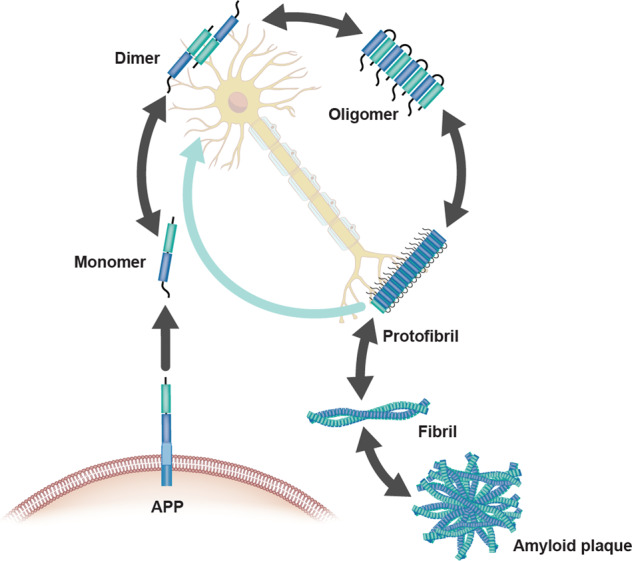
“The oligomeric form of the Aβ1–42 peptide, which is detrimental to neuronal cells and occurs before fibrillar aggregation, is thought to be the main cause of its toxicity [58].”
Yuan, M., Nguyen, T. T. T., Gibb, A. J., Xian, Y., & Xu, H. (2025) · Chinese Medicine · doi:10.1186/s13020-025-01204-z · Cited by 11
Overview of Proteomic Analysis of Amyloid Plaques and Neurofibrillary Tangles in Alzheimer’s Disease
Grewal, A., Raikundalia, S., Zaia, J., & Sethi, M. K. (2025) · Biomolecules · doi:10.3390/biom15091310 · Cited by 10
“However, major challenges persist: limited blood–brain barrier permeability, modest clinical outcomes despite robust biomarker changes, and an incomplete understanding of the most toxic tau species [33].”
Targeting Microglial Activation to Modulate Neuroinflammation in Alzheimer’s Disease
Patil, V., Sharma, A., Parekh, B. K., Farah, H., Jyothi, S. R., Mishra, S. S., Nanda, A., Al-Hasnaawei, S., & Mishra, M. K. (2025) · NeuroMolecular Medicine · doi:10.1007/s12017-025-08898-2 · Cited by 9
“Therapeutic approaches likely need to differ across disease stages: early intervention may pri - oritize enhancing microglial clearance and protective functions, whereas later stages may require strategies to control persistent inflammatory responses (Hampel et al., 2021).”
Wang, X., Li, B., Yu, X., Zhou, Y., & Gao, Y. (2022) · Neurochemical Research · doi:10.1007/s11064-022-03635-8 · Cited by 10
Shimamori, K., Nambu, T., Kawamata, D., Kuragano, M., Nishishita, N., Iimori, T., Yamanaka, S., Uwai, K., & Tokuraku, K. (2023) · Foods · doi:10.3390/foods12030486 · Cited by 10
“Thus, Aβ aggregation is an initiating factor in AD that leads to the death of neurons [6,7].”
BackgroundCombinations of Vitamin A and Vitamin E Metabolites Confer Resilience against Amyloid-β Aggregation
Joshi, P., Chia, S., Yang, X., Perni, M., Gabriel, J. M., Gilmer, M., Limbocker, R., Habchi, J., & Vendruscolo, M. (2023) · ACS Chemical Neuroscience · doi:10.1021/acschemneuro.2c00523 · Cited by 10
“− 5 Because of the toxicity associated with protein aggregation, living systems have evolved complex quality control mechanisms, collectively known as the protein homeostasis system, to control the presence of protein aggregates.”
Self-citationMKP ‐1 regulates the inflammatory activation of microglia against Alzheimer's disease
Li, J., Wang, L., Zeng, Q., He, J., Tang, Q., Wang, K., & He, G. (2023) · CNS Neuroscience & Therapeutics · doi:10.1111/cns.14409 · Cited by 13
Wang, X., Liu, L., Jiang, X., Saredy, J., Xi, H., Cueto, R., Sigler, D., Khan, M., Wu, S., Ji, Y. H., et al. (2023) · Alzheimer s Research & Therapy · doi:10.1186/s13195-023-01311-9 · Cited by 9
Bruno, D., Gicas, K. M., Zinkunegi, A. J., Mueller, K. D., & Lamar, M. (2024) · Alzheimer s & Dementia Diagnosis Assessment & Disease Monitoring · doi:10.1002/dad2.12524 · Cited by 9
Mazahir, F., Alam, M. I., & Yadav, A. K. (2024) · Ageing Research Reviews · doi:10.1016/j.arr.2024.102318 · Cited by 11
Nazir, S. (2024) · Biomedical Materials & Devices · doi:10.1007/s44174-024-00180-6 · Cited by 12
“Some of the genes linked to dementia include the amyloid precursor protein (APP) [38], presenilin-1 (PSEN1) [39], presenilin-2 (PSEN2) [40], chromosome 9 open reading frame 72 (C9orf72) [41], granulin precursor (GRN) [42], and microtubule-associated protein tau (MAPT) [43].”
Strategies for measuring concentrations and forms of amyloid-β peptides
Shen, H., Liu, K., Kong, F., Ren, M., Wang, X., & Wang, S. (2024) · Biosensors and Bioelectronics · doi:10.1016/j.bios.2024.116405 · Cited by 10
Siwek, A., Marcinkowska, M., Głuch‐Lutwin, M., Mordyl, B., Wolak, M., Jastrzębska‐Więsek, M., Wilczyńska-Zawal, N., Wyska, E., Szafrańska, K., Karcz, T. P., et al. (2024) · European Journal of Medicinal Chemistry · doi:10.1016/j.ejmech.2024.116601 · Cited by 10
Chen, T., Hutchison, R. M., Rubel, C., Murphy, J., Xie, J., Montenigro, P. H., Cheng, W., Fraser, K. B., Dent, G. W., Hendrix, S., et al. (2024) · The Journal of Prevention of Alzheimer s Disease · doi:10.14283/jpad.2024.126 · Cited by 10
“The presence of Aβ plaques in the brain is believed to drive downstream tau pathology (15, 24, 25).”
BackgroundSelf-citationAmbamba, B. D. A., Ella, F. A., Ngoumen, D. J. N., Dibacto, R. E. K., Injoh, A. N., Mbappe, F. E., Fonkoua, M., Mandob, D. E., & Ngondi, J. L. (2024) · Journal of Ethnopharmacology · doi:10.1016/j.jep.2024.118653 · Cited by 10
Repurposing Anidulafungin for Alzheimer’s Disease via Fragment-Based Drug Discovery
Xie, S., Liang, Y., Song, Y., Li, T., & Jia, J. (2024) · ACS Chemical Neuroscience · doi:10.1021/acschemneuro.4c00150 · Cited by 9
Effect of diffusivity of amyloid beta monomers on the formation of senile plaques
Kuznetsov, A. V. (2024) · Mathematical Medicine and Biology A Journal of the IMA · doi:10.1093/imammb/dqae019 · Cited by 9
Lü, W., Shue, F., Kurti, A., Jeevaratnam, S., Macyczko, J. R., Roy, B., Izhar, T., Wang, N., Bu, G., Kanekiyo, T., et al. (2024) · Neurobiology of Aging · doi:10.1016/j.neurobiolaging.2024.10.005 · Cited by 10
“Alzheimer's disease (AD) is the most common neurodegenerative disorder characterized by abnormal extracellular amyloid-β (Aβ) accumulation and abundant intraneuronal tau-containing neurofibrillary tangles in the brain (Hampel et al., 2021; Wilson et al., 2023).”
BackgroundGriñán‐Ferré, C., Servín-Muñoz, I. V., Palomera‐Ávalos, V., Martínez-Fernández, C., Companys‐Alemany, J., Muñoz-Villanova, A., Ortuño‐Sahagún, D., Pallàs, M., & Bellver‐Sanchís, A. (2024) · Genes · doi:10.3390/genes15111411 · Cited by 9
Budak, M., Fausto, B. A., Osiecka, Z., Sheikh, M., Perna, R., Ashton, N. J., Blennow, K., Zetterberg, H., Fitzgerald-Bocarsly, P. A., & Gluck, M. A. (2024) · Alzheimer s Research & Therapy · doi:10.1186/s13195-024-01619-0 · Cited by 9
Self-citationStudy on the therapeutic potential of induced neural stem cells for Alzheimer's disease in mice
Ji, Q., Lv, Y., Hu, B., Su, Y., Shaikh, I. I., & Xu, Z. (2024) · Biological Research · doi:10.1186/s40659-024-00568-0 · Cited by 9
Advances and future trends in the detection of beta-amyloid: A comprehensive review
Ganguly, A., Babu, S. S., Ghosh, S. K., Velyutham, R., & Kapusetti, G. (2024) · Medical Engineering & Physics · doi:10.1016/j.medengphy.2024.104269 · Cited by 9
Advancements in ultrasound-mediated drug delivery for central nervous system disorders
Chuang, C.-F., Phan, T.-N., Fan, C., Le, T.-T. V., & Yeh, C. (2024) · Expert Opinion on Drug Delivery · doi:10.1080/17425247.2024.2438188 · Cited by 10
“The main pathological features of AD are the accumulation of β-amyloid (Aβ) plaques [57] and tau protein tangles [58], which lead to neuronal dysfunction.”
Lamichhane, S., Seo, J., Jeong, J. H., Lee, S., & Lee, S. (2024) · Archives of Pharmacal Research · doi:10.1007/s12272-024-01527-9 · Cited by 9
“These models exhibit varying degrees of Aβ deposition, gliosis, and cognitive impairments (Poon et al. 2020; Hampel et al. 2021).”
Ginseng and Polygonum multiflorum formula protects brain function in Alzheimer’s disease
Liu, J., Wei, F., Wang, Y., Liu, J., Xu, B., Ma, S., & Yang, J.-B. (2025) · Frontiers in Pharmacology · doi:10.3389/fphar.2025.1461177 · Cited by 15
“The disease is characterized by the deposition of amyloid-β (A β ) plaques, the formation of neuro fi brillary tangles, and the loss of neurons and synapses (Hampel et al., 2021).”
He, Z., Zhang, W., Chen, P., Li, S., Tao, M., Yue, F., Hong, W., Feng, S., & Jing, N. (2025) · Journal of genetics and genomics/Journal of Genetics and Genomics · doi:10.1016/j.jgg.2025.02.007 · Cited by 11
Sahoo, T. A., Chand, J., Kandy, A. T., Shanish Antony, A., & Subramanian, G. (2025) · Neurochemical Research · doi:10.1007/s11064-025-04399-7 · Cited by 10
“However, the activity of these events is dependent upon kinases like glycogen synthase kinase 3 (GSK-3) or cyclin-dependent kinase 5 (CDK5) activity [75–77].”
Bo, M. D., Gambirasi, M., Vruzhaj, I., Cecchin, E., Pishdadian, A., Toffoli, G., & Safa, A. (2025) · International Journal of Molecular Sciences · doi:10.3390/ijms26114982 · Cited by 10
“This increased affinity for aggregated A β leads to more efficient plaque clearance, an essential process in alleviating AD-related pathology [186].”
Sakamuri, S. S. V. P., Sure, V. N. L. R., Wang, X., Bix, G. J., Fonseca, V. A., Mostany, R., & Katakam, P. V. G. (2022) · GeroScience · doi:10.1007/s11357-022-00644-x · Cited by 9
Murayama, M. A. (2023) · EXPERIMENTAL ANIMALS · doi:10.1538/expanim.22-0164 · Cited by 10
Cha, M., Dagar, A., Lee, S. H., Cho, I., Lee, D.-H., Kim, K., Park, I., Yoon, S., Kim, H. Y., Kim, I., et al. (2023) · ACS Chemical Neuroscience · doi:10.1021/acschemneuro.2c00547 · Cited by 10
Lee, K.-H., Hsu, M.-H., Chen, H.-H., & Yang, S. (2023) · ACS Measurement Science Au · doi:10.1021/acsmeasuresciau.3c00029 · Cited by 10
Semenyuk, P. I. (2024) · Biophysical Chemistry · doi:10.1016/j.bpc.2024.107196 · Cited by 10
Parvin, F., Haglund, S., Wegenast‐Braun, B. M., Jucker, M., Saito, T., Saido, T. C., Nilsson, K. P. R., Nilsson, P., Nyström, S., & Hammarström, P. (2024) · ACS Chemical Neuroscience · doi:10.1021/acschemneuro.4c00104 · Cited by 11
Filip, T., Mairinger, S., Neddens, J., Sauberer, M., Flunkert, S., Stanek, J., Wanek, T., Okamura, N., Langer, O., Hutter‐Paier, B., et al. (2021) · Alzheimer s Research & Therapy · doi:10.1186/s13195-021-00916-2 · Cited by 14
Glymphatic system waste clearance and Alzheimer's disease
de Quevedo, J. L. B., Leffa, D. T., & Pascoal, T. A. (2023) · Brazilian Journal of Psychiatry · doi:10.47626/1516-4446-2023-0049 · Cited by 12
Insights into Dysregulated Neurological Biomarkers in Cancer
Duranti, E., & Villa, C. (2024) · Cancers · doi:10.3390/cancers16152680 · Cited by 8
“As mentioned above, the A β protein has been associated with the formation of senile plaques in the brain, a hallmark of AD pathology [49,97].”
BackgroundUh, K., Monarch, K., Reese, E. D., Rodriguez, K., Yoon, J. D., Spate, L. D., Samuel, M., Koh, S., Chen, P. R., Jarome, T. J., et al. (2024) · Journal of Alzheimer s Disease · doi:10.3233/jad-231297 · Cited by 8
Kim, J., & Choi, C. (2024) · Current Issues in Molecular Biology · doi:10.3390/cimb46100691 · Cited by 10
“These processes lead to synaptic cognitive impairment [28–30].”
BackgroundTripathi, V., Fox‐Fuller, J. T., Malotaux, V., Baena, A. Y., Felix, N. B., Álvarez, S., Aguillon, D. F., Lopera, F. J., Somers, D. C., & Quiroz, Y. T. (2025) · Alzheimer s & Dementia · doi:10.1002/alz.70061 · Cited by 9
Neuroadaptation in neurodegenerative diseases: compensatory mechanisms and therapeutic approaches
Kopalli, S. R., Behl, T., Baldaniya, L. H., Ballal, S., Joshi, K. K., Arya, R., Chaturvedi, B., Chauhan, A. S., Verma, R. K., Patel, M., et al. (2025) · Progress in Neuro-Psychopharmacology and Biological Psychiatry · doi:10.1016/j.pnpbp.2025.111375 · Cited by 8
Diagnosis, pathomechanisms and therapy of cerebral amyloid angiopathy-related inflammation (CAA-ri)
Seifert, R. M., Klingebiel, R., & Schäbitz, W. (2025) · Neurological Research and Practice · doi:10.1186/s42466-025-00382-3 · Cited by 8
“Based on data from a detrimental [29, 32] resp. favorable [34] APOE4 and APOE2 carrier status in AD patients, such connections have also been investigated in CAA-ri.”
Tiwari, P., Dwivedi, R., Kaushik, M., Tripathi, M., & Dada, R. (2025) · Journal of Molecular Neuroscience · doi:10.1007/s12031-025-02363-2 · Cited by 10
“(Hampel et al. 2021).”
The 96‐Puddle Paper Plate as a Versatile Lab‐on‐Paper Platform
Lee, T., Seo, Y., Kang, D., Oh, S. H., Lee, S. W., Park, I., & Lee, G. (2025) · Small Methods · doi:10.1002/smtd.202500729 · Cited by 8
Jin, Z., Liu, N., & Wei, H. P. (2025) · PLoS ONE · doi:10.1371/journal.pone.0324652 · Cited by 9
“The observed perivascular gradient of pTau staining intensity suggests that vascular dysfunction may contribute to the development of a microenvironment conducive to tau aggregation, possibly mediated by localized inflammation and reduced protein clearance [20–22].”
Insights into Membrane Damage by α-Helical and β-Sheet Peptides
Rangubpit, W., Distaffen, H. E., Nilsson, B. L., & Dias, C. L. (2025) · Biomolecules · doi:10.3390/biom15070973 · Cited by 8
“Disruption of lipid membranes by amphipathic peptides and their aggregates contributes to cytotoxic effects in amyloid diseases such as Alzheimer’s disease by inducing neuronal damage, resulting in cognitive and motor decline [1–4].”
Chinnappan, R., Khan, M. A., Mohammad, T., Allwaibh, S. M., Easwaramoorthi, S., Yaqinuddin, A., Devansan, S., Mir, T. A., & Hassan, M. I. (2025) · Frontiers in Neuroscience · doi:10.3389/fnins.2025.1653063 · Cited by 8
Charissopoulos, E., & Pontiki, E. A. (2025) · Molecules · doi:10.3390/molecules30173512 · Cited by 8
“In the self-induced A β 1–42 aggregation assay, compounds 16 , 19 , 20 , 25 – 28 , 31 , and 35 showed the most effective inhibition compared to the reference compounds.”
InfluentialChen, J.-D., Chen, S., Liao, C.-C., Fang, C.-Y., & Yen, G. (2025) · Food & Function · doi:10.1039/d5fo03048j · Cited by 9
Recent Advances and Emerging Trends in Nanopore‐Based Single‐Molecule Sensing of Proteins
Zhang, Z., Sha, J., Qin, G., Chen, D., Si, W., Wang, Q., & Liu, L. (2025) · Small Methods · doi:10.1002/smtd.202501603 · Cited by 8
Gallo, C., Verrillo, L., Manzo, E., Cauzzi, E., Barbera, L. L., Sabatino, G., Paolis, M. L. D., Sciacca, M. F. M., Barra, G., Peroni, E., et al. (2025) · Journal of Neuroinflammation · doi:10.1186/s12974-025-03634-w · Cited by 10
“This is consistent with emerging evidence that immune restoration may offer more clinically relevant benefit [67, 68].”
Metadata
- Authors
- Hampel, H., Hardy, J., Blennow, K., Chen, C., Perry, G., Kim, S. H., Villemagne, V. L., Aisen, P., Vendruscolo, M., Iwatsubo, T., Masters, C. L., Cho, M., Lannfelt, L., Cummings, J. L., & Vergallo, A.
- Affiliations
- Eisai (United States) (US)
- UK Dementia Research Institute (GB)
- Sahlgrenska University Hospital (SE)
- National University of Singapore (SG)
- The University of Texas at San Antonio (US)
- Hanyang University Seoul Hospital (KR)
- The University of Melbourne (AU)
- University of Southern California (US)
- University of Cambridge (GB)
- The University of Tokyo (JP)
- Uppsala University (SE)
- University of Nevada, Las Vegas (US)
- Corresponding author
- Hampel, Harald
- Vergallo, Andrea
- ORCID
- Venue
- Molecular Psychiatry
- Published
- 2021-08-30
- Volume
- 26
- Issue
- 10
- Pages
- 5481-5503
- ISSN
- 1359-4184 (ISSN-L)
- 1476-5578
- PMC
- PMC8758495
- OpenAlex
- W3198052269
- Cited by
- 1,952
- References
- 418
- Citations by year
- 2026: 451 · 2025: 608 · 2024: 468 · 2023: 297 · 2022: 113 · 2021: 15
- FWCI
- 30.00
- Type
- journal article
- Language
- en
- Open access
- hybrid
- doi.org
- Licence
- cc-by
- creativecommons.org/licenses/by/4.0 (tdm)
- creativecommons.org/licenses/by/4.0 (vor)
- Locations
- Molecular Psychiatry (publishedVersion, cc-by)
- PubMed Central (publishedVersion, cc-by)
- PubMed (publishedVersion)
- Digital Scholarship - UNLV (University of Nevada Reno) (submittedVersion, cc-by)
- Minerva Access (University of Melbourne) (submittedVersion, cc-by)
- National University of Singapore (submittedVersion)
- Uppsala University Publications (Uppsala University) (submittedVersion, other-oa)
- HAL (submittedVersion, other-oa)
- UCL Discovery (University College London) (submittedVersion)
- Apollo (University of Cambridge) (submittedVersion, cc-by)
- Molecular Psychiatry
- Apollo
- Funders
- Alzheimer’s Drug Discovery Foundation (RDAPB-201809-2016615)
- Topics
- Life Sciences › Neuroscience › Cellular and Molecular Neuroscience › Alzheimer's disease research and treatments
- Health Sciences › Medicine › Psychiatry and Mental health › Dementia and Cognitive Impairment Research
- Life Sciences › Neuroscience › Neurology › Neuroinflammation and Neurodegeneration Mechanisms
- Keywords
- amyloid-beta, Alzheimer's disease, tau protein, neuroinflammation, neurodegeneration, synaptic failure, multimodal biomarkers, in vivo biomarkers, disease-modifying therapy, early treatment
- MeSH terms
- Alzheimer Disease, Humans, Biomarkers, Amyloid beta-Peptides, tau Proteins
About these checks
Registry, retraction, Cites and statistics results are computed, not judged, with one exception: a printed reference that no index lists is read once by a model before it counts as a citation error. Claims are extracted by a model and kept only when their quote appears verbatim in the text; each cited source is then checked, with a model’s help, for whether it says what the claim relies on. Those verdicts can be wrong — read the claim’s quote and the cited source before relying on one.
Statistics and arithmetic are recomputed, not judged.
Confidence bands are shown only for fields calibrated on our annotated test set. None is calibrated yet, so no band is shown.
What counts as a claim ›How we measure confidence ›How we check this ›
Are you an author, or do you see a problem with this page? Request a review
Data sources
Bibliographic data: Semantic Scholar, OpenAlex, Crossref.
Contains information from the Semantic Scholar Academic Graph Datasets, made available under the ODC Attribution License (ODC-BY 1.0).
Semantic Scholar’s data is described in: Kinney, R., et al. (2023). The Semantic Scholar Open Data Platform. arXiv:2301.10140.
