

The Amyloid-β Pathway in Alzheimer’s Disease
Open accessThe DOI matches its Crossref record; 412 of the 418 references it cites were found in a registry or an index.
Abstract
Breakthroughs in molecular medicine have positioned the amyloid-β (Aβ) pathway at the center of Alzheimer’s disease (AD) pathophysiology. While the detailed molecular mechanisms of the pathway and the spatial-temporal dynamics leading to synaptic failure, neurodegeneration, and clinical onset are still under intense investigation, the established biochemical alterations of the Aβ cycle remain the core biological hallmark of AD and are promising targets for the development of disease-modifying therapies. Here, we systematically review and update the vast state-of-the-art literature of Aβ science with evidence from basic research studies to human genetic and multi-modal biomarker investigations, which supports a crucial role of Aβ pathway dyshomeostasis in AD pathophysiological dynamics. We discuss the evidence highlighting a differentiated interaction of distinct Aβ species with other AD-related biological mechanisms, such as tau-mediated, neuroimmune and inflammatory changes, as well as a neurochemical imbalance. Through the lens of the latest development of multimodal in vivo biomarkers of AD, this cross-disciplinary review examines the compelling hypothesis- and data-driven rationale for Aβ-targeting therapeutic strategies in development for the early treatment of AD.
Overview
The claims and statistics of this paper haven’t been checked yet.
Free: it reads the open-access text and checks the first 5 claims that cite a source we can check. Create a free account to check every claim.
Integrity signals
Registry
Cites
Statistics
Figures
Verification
Claims the paper makes
The claims and statistics of this paper haven’t been checked yet.
Free: it reads the open-access text and checks the first 5 claims that cite a source we can check. Create a free account to check every claim.
Claims other papers make about this one
Each is checked against this paper’s own text: does it say what the citing paper says it does?
The source backs part of the claim, not all of it — or backs it for a different population, condition or comparison.
In the citing paper
“Biomarkers play a crucial role in patient selection, biological effect detection, dose optimization, and monitoring response progress, with recent approvals of Aβ monoclonal antibodies benefiting from new and accurate biomarkers.83,423”
From Recent advances in Alzheimer's disease: Mechanisms, clinical trials and new drug development strategies. (2024) · cites this paper as [83]
Experimental — accuracy not yet measuredThe source backs part of the claim, not all of it — or backs it for a different population, condition or comparison.
In the citing paper
“Aβ originates from the processing of the amyloid precursor protein (APP) through sequential cleavage by β-secretase and γ-secretase, resulting in various lengths of Aβ fragments, with Aβ40 and Aβ42 being predominant.”
From Recent Advances in Therapeutics for the Treatment of Alzheimer’s Disease (2024) · cites this paper as [12]
Experimental — accuracy not yet measuredThe source backs part of the claim, not all of it — or backs it for a different population, condition or comparison.
In the citing paper
“The hydrophobic C-terminus of Aβ42 facilitates its aggregation and the formation of senile plaques.”
From Recent Advances in Therapeutics for the Treatment of Alzheimer’s Disease (2024) · cites this paper as [12]
Experimental — accuracy not yet measuredThe source backs part of the claim, not all of it — or backs it for a different population, condition or comparison.
In the citing paper
“Mutations in presenilin-1 (PS1) can promote Aβ accumulation through increased production and impaired autophagy functions.”
From Recent Advances in Therapeutics for the Treatment of Alzheimer’s Disease (2024) · cites this paper as [12]
Experimental — accuracy not yet measuredThe source backs part of the claim, not all of it — or backs it for a different population, condition or comparison.
In the citing paper
“As AD progresses to its late stages, the effectiveness of nanoparticle-based therapies often diminishes due to the increased disruption of the BBB [148].”
From Targeted Nanoparticles for Drug Delivery Across the Blood–Brain Barrier in Early and Late Stages of Alzheimer's Disease: A Review (2026) · cites this paper as [149]
Experimental — accuracy not yet measured
7 more claims about this paper
Create a free account to see every claim other papers make about this one.
Self-check
Percentages, sums and reported differences re-computed from the paper’s own numbers.
The self-check needs the paper’s full text.
Citations
Cites
1 retracted
RETRACTED ARTICLE: A specific amyloid-β protein assembly in the brain impairs memory
Lesné, S., Koh, M. T., Kotilinek, L., Kayed, R., Glabe, C. G., Yang, A., Gallagher, M., & Ashe, K. H. (2006) · Nature · doi:10.1038/nature04533 · Cited by 2,769
RetractedThe Amyloid Hypothesis of Alzheimer’s Disease: Progress and Problems on the Road to Therapeutics
Hardy, J., & Selkoe, D. J. (2002) · Science · doi:10.1126/science.1072994 · Cited by 13,864
Self-citationNIA‐AA Research Framework: Toward a biological definition of Alzheimer's disease
Jack, C. R., Bennett, D. A., Blennow, K., Carrillo, M. C., Dunn, B., Haeberlein, S. B., Holtzman, D. M., Jagust, W., Jessen, F., Karlawish, J., et al. (2018) · Alzheimer's & Dementia · doi:10.1016/j.jalz.2018.02.018 · Cited by 10,537
Self-citationAmyloid oligomers exacerbate tau pathology in a mouse model of tauopathy
Selenica, M.-L. B., Brownlow, M., Jimenez, J. P., Lee, D. C., Pena, G., Dickey, C. A., Gordon, M. N., & Morgan, D. (2013) · Neurodegenerative Diseases · doi:10.1159/000337230 · Cited by 10,359
Corder, E. H., Saunders, A. M., Strittmatter, W. J., Schmechel, D. E., Gaskell, P. C., Small, G. W., Roses, A. D., Haines, J. L., & Pericak-Vance, M. A. (1993) · Science · doi:10.1126/science.8346443 · Cited by 9,429
Neurotoxic reactive astrocytes are induced by activated microglia
Liddelow, S. A., Guttenplan, K. A., Clarke, L. E., Bennett, F. C., Bohlen, C. J., Schirmer, L., Bennett, M. L., Münch, A. E., Chung, W.-S., Peterson, T. C., et al. (2017) · Nature · doi:10.1038/nature21029 · Cited by 7,971
Alzheimer's disease: the amyloid cascade hypothesis
Hardy, J. A., & Higgins, G. A. (1992) · Science · doi:10.1126/science.1566067 · Cited by 7,484
Self-citationSperling, R. A., Aisen, P. S., Beckett, L. A., Bennett, D. A., Craft, S., Fagan, A. M., Iwatsubo, T., Jack, C. R., Kaye, J., Montine, T. J., et al. (2011) · Alzheimer's & Dementia · doi:10.1016/j.jalz.2011.03.003 · Cited by 7,155
Self-citationNeuroinflammation in Alzheimer's disease
Heneka, M. T., Carson, M. J., Khoury, J. E., Landreth, G. E., Brosseron, F., Feinstein, D. L., Jacobs, A. H., Wyss-Coray, T., Vitorica, J., Ransohoff, R. M., et al. (2015) · The Lancet Neurology · doi:10.1016/s1474-4422(15)70016-5 · Cited by 6,226
The amyloid hypothesis of Alzheimer's disease at 25 years
Selkoe, D. J., & Hardy, J. (2016) · EMBO Molecular Medicine · doi:10.15252/emmm.201606210 · Cited by 6,164
Self-citation
Research works printed but not linked: 1
- Yamashita K Hasegawa T Iino T Miura M Watanabe T Watanabe S P075-prediction of amyloid pathology by the plasma Aβ(1-42)/Aβ(1-40) ratio measured with fully automated immunoassay system (HISCL™ SERIES) J Prev Alz Dis 2019 6 S89
Cited by
Items 101–200 of 1,005
Stereo-seq of the prefrontal cortex in aging and Alzheimer’s disease
Gong, Y., Haeri, M., Zhang, X., Li, Y., Liu, A., Wu, D., Zhang, Q., Jazwinski, S. M., Zhou, X., Wang, X., et al. (2025) · Nature Communications · doi:10.1038/s41467-024-54715-y · Cited by 60
Clarity AD: Asian regional analysis of a phase III trial of lecanemab in early Alzheimer's disease
Chen, C., Katayama, S., Lee, J. H., Lee, J.-Y., Nakagawa, M., Torii, K., Ogawa, T., Dash, A., Irizarry, M. C., Dhadda, S., et al. (2025) · The Journal of Prevention of Alzheimer s Disease · doi:10.1016/j.tjpad.2025.100160 · Cited by 62
“Growing evidence suggests that amyloid removal slows progression of disease [ 10 , 11 ].”
Self-citationRuiz de Martín Esteban, S., Benito-Cuesta, I., Terradillos, I., Martínez-Relimpio, A. M., Arnanz, M. A., Ruiz-Pérez, G., Korn, C., Raposo, C., Sarott, R. C., Westphal, M. V., et al. (2022) · Frontiers in Pharmacology · doi:10.3389/fphar.2022.841766 · Cited by 45
“Multiple deleterious consequences derive from the accumulation of both in the brain, including mitochondrial dysfunction, axonal degeneration, alterations in synaptic transmission and neuroinflammation (Hampel et al., 2021).”
BackgroundDomínguez-Fernández, C., Egiguren-Ortiz, J., Razquin, J., Gómez-Galán, M., Heras-García, L. D. L., Paredes-Rodriguez, E., Astigarraga, E., Miguélez, C., & Barreda‐Gómez, G. (2023) · International Journal of Molecular Sciences · doi:10.3390/ijms24043321 · Cited by 62
“warn about the impact of glycemia in FDG imaging and recommend monitoring hyperglycemia and adapting the analysis accordingly when interpreting the images [50].”
MethodNanopore single-molecule analysis of biomarkers: Providing possible clues to disease diagnosis
Chen, X., Zhou, S., Wang, Y., Zheng, L., Guan, S., Wang, D., Wang, L., & Guan, X. (2023) · TrAC Trends in Analytical Chemistry · doi:10.1016/j.trac.2023.117060 · Cited by 57
The Brilliance of the Zebrafish Model: Perception on Behavior and Alzheimer’s Disease
Shenoy, A., Banerjee, M., Upadhya, A., Bagwe‐Parab, S., & Kaur, G. (2022) · Frontiers in Behavioral Neuroscience · doi:10.3389/fnbeh.2022.861155 · Cited by 65
The Nerve Growth Factor Receptor (NGFR/p75NTR): A Major Player in Alzheimer’s Disease
Bruno, F., Abondio, P., Montesanto, A., Luiselli, D., Bruni, A. C., & Maletta, R. (2023) · International Journal of Molecular Sciences · doi:10.3390/ijms24043200 · Cited by 57
Zhang, X., Yuan, T., Chen, X., Liu, X., Hu, J., & Liu, Z. (2023) · Progress in Lipid Research · doi:10.1016/j.plipres.2023.101256 · Cited by 54
Polymer nanocomposite-based biomolecular sensor for healthcare monitoring
Natarajan, B., Kannan, P., Maduraiveeran, G., & Alnaser, A. S. (2025) · Advances in Colloid and Interface Science · doi:10.1016/j.cis.2025.103557 · Cited by 51
Death-associated protein kinase 1 as a therapeutic target for Alzheimer's disease
Zhang, T., Kim, B. M., & Lee, T. H. (2024) · Translational Neurodegeneration · doi:10.1186/s40035-023-00395-5 · Cited by 53
Morphological and Molecular Profiling of Amyloid-β Species in Alzheimer’s Pathogenesis
Almeida, Z. L., Vaz, D. C., & Brito, R. M. M. (2024) · Molecular Neurobiology · doi:10.1007/s12035-024-04543-4 · Cited by 52
“Table 1 shows a compilation of different amyloidogenic and non-amyloidogenic Aβ species formed along the aggregation process derived from the analysis of recombinant-derived or chemically synthesized Aβ peptides or from AD brain extracts [206–212].”
McMillan, I. O., Li, J., & Wang, L. (2023) · American Journal of Physiology-Cell Physiology · doi:10.1152/ajpcell.00247.2022 · Cited by 52
Biomaterials-based anti-inflammatory treatment strategies for Alzheimer’s disease
Chu, J., Zhang, W., Liu, Y., Gong, B., Ji, W., Yin, T., Gao, C., Liangwen, D., Hao, M., Chen, C., et al. (2023) · Neural Regeneration Research · doi:10.4103/1673-5374.374137 · Cited by 53
Self-citationRecent progress of nanomedicine in the treatment of Alzheimer’s disease
Hu, L., Tao, Y., Jiang, Y., & Qin, F. (2023) · Frontiers in Cell and Developmental Biology · doi:10.3389/fcell.2023.1228679 · Cited by 52
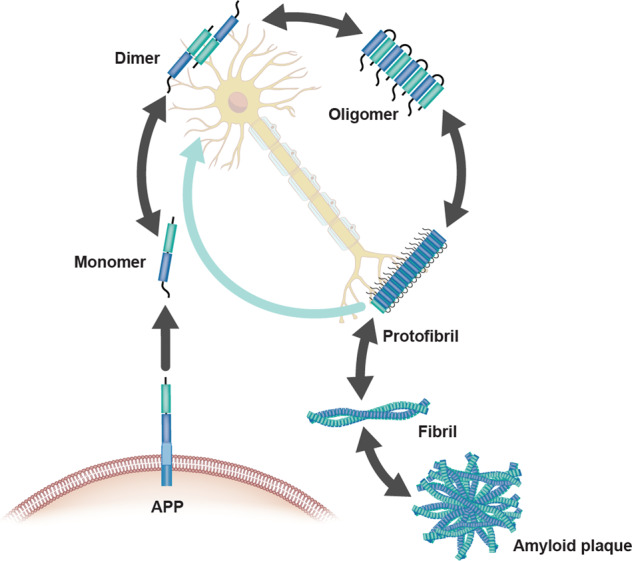
“Aβ exists in the brain in multiple forms, including soluble monomers, oligomers, protofibrils, and insoluble Aβ fibers in amyloid plaques (Hampel et al., 2021).”
BackgroundZhang, L., Cao, K., Xie, J., Liang, X., Gong, H., Luo, Q., & Luo, H. (2024) · Journal of Nanobiotechnology · doi:10.1186/s12951-024-02543-z · Cited by 53
Abbas, K., Mustafa, M., Alam, M., Habib, S., Ahmad, W., Adnan, M., Hassan, M. I., & Usmani, N. (2025) · Neurogenetics · doi:10.1007/s10048-025-00821-y · Cited by 51
Resveratrol as a Therapeutic Agent in Alzheimer’s Disease: Evidence from Clinical Studies
Puranik, N., Kumari, M., Tiwari, S., Dhakal, T., & Song, M. (2025) · Nutrients · doi:10.3390/nu17152557 · Cited by 55
“At the molecular level, the imbalance between A β production and clearance results in the formation of toxic oligomers, which impair synaptic function, activate microglia, and trigger a cascade of neuroinflammatory responses [24,25].”
Lista, S., Vergallo, A., Teipel, S. J., Lemercier, P., Giorgi, F. S., Gabelle, A., Garaci, F., Mercuri, N. B., Babiloni, C., Gaire, B. P., et al. (2022) · Ageing Research Reviews · doi:10.1016/j.arr.2022.101819 · Cited by 50
Self-citationMcKay, N. S., Gordon, B. A., Hornbeck, R. C., Dincer, A., Flores, S., Keefe, S. J., Joseph-Mathurin, N., Jack, C. R., Koeppe, R., Millar, P. R., et al. (2023) · Nature Neuroscience · doi:10.1038/s41593-023-01359-8 · Cited by 44
“Mechanistically, these mutations increase amyloid-beta (Aβ) aggregation in the brain by increasing the overall production of Aβ and/or by altering the relative concentration of aggregation-prone Aβ isoforms 7 .”
Self-citationQu, L., Li, Y., Liu, F., Fang, Y., He, J., Ma, J., Xu, T., Wang, L., Lei, P., Dong, H., et al. (2023) · Aging and Disease · doi:10.14336/ad.2023.0823-2 · Cited by 68
“A growing body of research suggests that neuroinflammation plays a pivotal role in the initiation of Aβ deposition, tau protein phosphorylation, and eventual neuronal demise [27, 28].”
BackgroundFirdaus, Z., & Li, X. (2024) · International Journal of Molecular Sciences · doi:10.3390/ijms25042320 · Cited by 51
He, C., Jiang, J., Liu, J., Zhou, L., Ge, Y., & Yang, Z. (2024) · International Journal of Biological Macromolecules · doi:10.1016/j.ijbiomac.2024.132372 · Cited by 53
The impact of rare genetic variants on Alzheimer disease
Deyn, L. D., & Sleegers, K. (2025) · Nature Reviews Neurology · doi:10.1038/s41582-025-01062-1 · Cited by 50
“In addition, Aβ accumulation can lead to BBB dysfunction and cerebral amyloid angiopathy by depositing within increasingly weakened blood vessels 78 .”
Alzheimer disease seen through the lens of sex and gender
Castro‐Aldrete, L., Einsiedler, M., Martínková, J., Depypere, H. T., Ang, T. F. A., Mielke, M. M., Sindi, S., Eyre, H. A., Au, R., Dimech, A. S., et al. (2025) · Nature Reviews Neurology · doi:10.1038/s41582-025-01071-0 · Cited by 50
“For example, AD biomarkers can be used to assess the effects of menopausal transition and/or initiation of MHT (which both typically occur at age 51–52 years) on the onset of AD symptoms, which in the USA occurs at an average age of 72 years 168 .”
Chen, J., Xiang, P., Duro-Castano, A., Cai, H., Guo, B., Liu, X., Yu, Y., Lui, S., Luo, K., Ke, B., et al. (2025) · Signal Transduction and Targeted Therapy · doi:10.1038/s41392-025-02426-1 · Cited by 45
Tondo, G., Marchi, F. D., Bonardi, F., Menegon, F., Verrini, G., Aprile, D., Anselmi, M., Mazzini, L., & Comi, C. (2024) · Journal of Clinical Medicine · doi:10.3390/jcm13113098 · Cited by 46
“In physio-pathological conditions, A β can be present in several intermediate aggregation forms, including oligomers, protofibrils, fibrils, and plaques [32].”
BackgroundThe therapeutic potential of bone marrow‐derived macrophages in neurological diseases
Zhou, K., Han, J., Wang, Y., Xu, Y., Zhang, Y., & Zhu, C. (2022) · CNS Neuroscience & Therapeutics · doi:10.1111/cns.13964 · Cited by 47
Calpain signaling: from biology to therapeutic opportunities in neurodegenerative disorders
Metwally, E., Al-Abbadi, H. A., Hussain, T., Murtaza, G., Abdellatif, A. M., & Ahmed, M. F. E. M. (2023) · Frontiers in Veterinary Science · doi:10.3389/fvets.2023.1235163 · Cited by 49
“Dysregulation of APP processing can lead to the accumulation of Aβ plaques, which are neurotoxic and contribute to AD pathology (87).”
BackgroundLee, R., Kim, J.-H., Kim, W., Hwang, S., Choi, S.-H., Kim, J., Cho, I., Kim, M., & Nah, S.-Y. (2024) · Journal of Ginseng Research · doi:10.1016/j.jgr.2024.02.002 · Cited by 48
“As these A β polymers spread to other brain areas, they cause toxicity to neurons, resulting in the death of nerve cells around β -amyloid plaques, which are large A β polymer aggregates [8].”
BackgroundEngineering brain-on-a-chip platforms
Servais, B., Mahmoudi, N., Gautam, V., Tong, W., Ibbotson, M. R., Nisbet, D. R., & Collins, D. J. (2024) · Nature Reviews Bioengineering · doi:10.1038/s44222-024-00184-3 · Cited by 50
Comprehensive Overview of Alzheimer’s Disease: Etiological Insights and Degradation Strategies
Singh, M. K., Shin, Y., Ju, S., Han, S., Kim, S. S., & Kang, I. (2024) · International Journal of Molecular Sciences · doi:10.3390/ijms25136901 · Cited by 49
“Adapted from Ref [17].”
BackgroundSelf-citationBACE1 Inhibitors for Alzheimer’s Disease: Current Challenges and Future Perspectives
Coimbra, J. R. M., Resende, R., Custódio, J. B. A., Salvador, J. A. R., & Santos, A. E. (2024) · Journal of Alzheimer s Disease · doi:10.3233/jad-240146 · Cited by 53
Mitophagy in Neurons: Mechanisms Regulating Mitochondrial Turnover and Neuronal Homeostasis
Basak, B., & Holzbaur, E. L. F. (2025) · Journal of Molecular Biology · doi:10.1016/j.jmb.2025.169161 · Cited by 46
Extracellular protein homeostasis in neurodegenerative diseases
Wilson, M. R., Satapathy, S., & Vendruscolo, M. (2023) · Nature Reviews Neurology · doi:10.1038/s41582-023-00786-2 · Cited by 78
Self-citationHein, Z. M., Karikalan, B., Gopalakrishna, P. K., Dhevi, K., Alkatiri, A., Hussan, F., Mohd Moklas, M. A., Jagadeesan, S., Che Ramli, M. D., Che Mohd Nassir, C. M. N., et al. (2026) · Molecular Neurobiology · doi:10.1007/s12035-025-05602-0 · Cited by 43
“Conversely, protective variants, such as APP A673T, reduce β-secretase cleavage and lower Aβ production by up to 40% [31].”
Emerging non-invasive MRI techniques for glymphatic system assessment in neurodegenerative disease
Botta, D., Hutuca, I., Ghoul, E. E., Sveikata, L., Assal, F., Lövblad, K., & Kurz, F. T. (2025) · Journal of Neuroradiology · doi:10.1016/j.neurad.2025.101322 · Cited by 45
Xie, J., Hoecke, L. V., Wonterghem, E. V., Imschoot, G. V., Andries, V., Vereecke, L., & Vandenbroucke, R. E. (2025) · Gut Microbes · doi:10.1080/19490976.2025.2501193 · Cited by 44
“As microglia are one of the important players in the brain mediating Aβ clearance as well as limiting plaque growth and accumulation, 31 we investigated the amount of internalized Aβ and Aβ plaque-associated microglia via IBA1 and 6E10 co-immunostaining.”
Messina, B. M., Grippaudo, C., Polizzi, A., Blasi, A., & Isola, G. (2025) · Applied Sciences · doi:10.3390/app15126847 · Cited by 47
Ren, X., Yao, L., Wang, Y., Mei, L., & Xiong, W.-C. (2022) · Journal of Neuroinflammation · doi:10.1186/s12974-022-02422-0 · Cited by 42
Decoding metabolic signatures in Alzheimer’s disease: a mitochondrial perspective
Bano, D., Ehninger, D., & Bagetta, G. (2023) · Cell Death Discovery · doi:10.1038/s41420-023-01732-3 · Cited by 47
Bougea, A. M., & Gourzis, P. (2024) · Journal of Clinical Medicine · doi:10.3390/jcm13164661 · Cited by 48
“Depending on the distinct APP breakdown mechanisms, different lengths of A β peptides can be found in vivo [100].”
BackgroundHu, Y., Cho, M., Sachdev, P., Dage, J., Hendrix, S., Hansson, O., Bateman, R. J., & Hampel, H. (2024) · Med · doi:10.1016/j.medj.2024.08.004 · Cited by 42
“13 It is important to conceptualize the relationship between therapeutic interventions and pathophysiological pathways under-pinning AD when considering treatment-related biomarker changes.”
Self-citationRole of piRNA biogenesis and its neuronal function in the development of neurodegenerative diseases
Sato, K., Takayama, K.-I., & Inoue, S. (2023) · Frontiers in Aging Neuroscience · doi:10.3389/fnagi.2023.1157818 · Cited by 41
“Therefore, measurement of the CSF Aβ42/Aβ40 ratio and phosphorylated tau (p-tau) can be used to distinguish between clinical and preclinical AD (Jack et al., 2018; Soria Lopez et al., 2019; Campbell et al., 2021).”
BackgroundKazemeini, S., Nadeem-Tariq, A., Shih, R., Rafanan, J., Ghani, N., & Vida, T. A. (2024) · International Journal of Molecular Sciences · doi:10.3390/ijms252111720 · Cited by 41
“Additionally, while blood-based biomarkers, including cytokine profiles, are emerging as promising tools for earlier AD diagnosis [167], the direct translation of these findings into targeted therapies has yet to be fully realized.”
BackgroundSuzuki, N., Hatta, T., Ito, M., & Kusakabe, K. (2024) · Chemical and Pharmaceutical Bulletin · doi:10.1248/cpb.c24-00069 · Cited by 50
Moawad, M. H. E. D., Serag, I., Alkhawaldeh, I. M., Abbas, A., Sharaf, A., Alsalah, S., Sadeq, M. A., Shalaby, M. M. M., Hefnawy, M. T., Abouzid, M., et al. (2024) · Molecular Neurobiology · doi:10.1007/s12035-024-04468-y · Cited by 46
“Microtubules, which are essential for maintaining the structure and function of synapses, are adversely affected by tau protein tangles that disrupt their typical structure and function [14]; B synaptic pruning is a process through which the brain eliminates redundant or underused synapses.”
Faraji, N., Ebadpour, N., Abavisani, M., & Gorji, A. (2024) · Molecular Neurobiology · doi:10.1007/s12035-024-04462-4 · Cited by 42
“The production of Aβ occurs when amyloid precursor protein (APP) undergoes breakdown in the membranes of neurons [54].”
Global brain activity and its coupling with cerebrospinal fluid flow is related to tau pathology
Han, F., Lee, J., Chen, X., Ziontz, J., Ward, T. J., Landau, S. M., Baker, S. L., Harrison, T. M., Jagust, W. J., & Initiative, A. D. N. (2024) · Alzheimer s & Dementia · doi:10.1002/alz.14296 · Cited by 42
ASC specks as a single-molecule fluid biomarker of inflammation in neurodegenerative diseases
Lobanova, E., Zhang, Y. P., Emin, D., Brelstaff, J., Kahanawita, L., Malpetti, M., Quaegebeur, A., Triantafilou, K., Triantafilou, M., Zetterberg, H., et al. (2024) · Nature Communications · doi:10.1038/s41467-024-53547-0 · Cited by 43
“The code isavailable from https://github.com/YPZ858/Super-res-code/issues/1.”
Lipid-induced condensate formation from the Alzheimer’s Aβ peptide triggers amyloid aggregation
Šneiderienė, G., Díaz, A. G., Dasadhikari, S., Wei, J., Michaels, T. C. T., Šneideris, T., Linse, S. S., Vendruscolo, M., Garai, K., & Knowles, T. P. J. (2025) · Proceedings of the National Academy of Sciences · doi:10.1073/pnas.2401307122 · Cited by 42
Self-citationGuan, Y., Li, L., Yang, R., Lü, Y., & Tang, J. (2025) · Journal of Translational Medicine · doi:10.1186/s12967-025-06605-0 · Cited by 46
“For example, in Alzheimer’s disease, oxidative stress is implicated in the abnormal folding and aggregation of amyloid-beta peptides and tau proteins, forming plaques and neurofibrillary tangles, respectively [189, 190].”
Alzheimer’s Disease Biomarkers Revisited From the Amyloid Cascade Hypothesis Standpoint
Alawode, D. O. T., Fox, N. C., Zetterberg, H., & Heslegrave, A. (2022) · Frontiers in Neuroscience · doi:10.3389/fnins.2022.837390 · Cited by 45
“The amyloid cascade hypothesis, described by Hardy and Higgins (1992), introduced the idea of Aβ misfolding and deposition being the primary precipitant of AD, with the other neuropathological hallmarks, including NFT formation and neuronal loss, occurring as a direct consequence of the misfolded…”
BackgroundEpigenetic Peripheral Biomarkers for Early Diagnosis of Alzheimer’s Disease
Villa, C., & Stoccoro, A. (2022) · Genes · doi:10.3390/genes13081308 · Cited by 43
“Pathogenic mutations in three genes encoding for proteins involved in the maturation and aggregation of Aβ, namely PSEN1 (presenilin-1), PSEN2 (presenilin-2) and APP (amyloid precursor protein), are causative of familial early-onset forms of AD affecting individuals under the age of 65 years with an autosomal dominant…”
BackgroundMa, L., Jiang, X., Huang, Q.-Y., Chen, W., Zhang, H., Pei, H., Cao, Y., Wang, H., & Li, H. (2023) · Biomedicine & Pharmacotherapy · doi:10.1016/j.biopha.2023.115244 · Cited by 45
Disease-associated astrocytes and microglia markers are upregulated in mice fed high fat diet
Lin, L., Basu, R., Chatterjee, D., Templin, A. T., Flak, J. N., & Johnson, T. S. (2023) · Scientific Reports · doi:10.1038/s41598-023-39890-0 · Cited by 44
“Mean plaque density reveals the severity of Aβ deposition 46 , with a mean 0.7 ± 1.6 for controls and 15.3 ± 9.0 for AD samples.”
BackgroundInfluentialLiu, J., Chi, M., Li, L., Zhang, Y., & Xie, M. (2024) · Journal of Colloid and Interface Science · doi:10.1016/j.jcis.2024.02.219 · Cited by 40
Olloquequi, J., Díaz‐Peña, R., Verdaguer, E., Ettcheto, M., Auladell, C., & Camins, A. (2024) · International Journal of Molecular Sciences · doi:10.3390/ijms25136928 · Cited by 47
“…characterized by the accumulation of toxic protein aggregates, namely beta-amyloid ( β A) plaques and neurofibrillary tangles (NFTs) [49,50]. β A plaques are abnormal deposits of the β A peptide that accumulate between neurons, disrupting cell signaling and promoting neuronal damage and death [51].”
BackgroundMorris, O. M., Toprakcioglu, Z., Röntgen, A., Cali, M. P., Knowles, T. P. J., & Vendruscolo, M. (2024) · Scientific Reports · doi:10.1038/s41598-024-72265-7 · Cited by 42
“Moreover, using this microfluidic approach, we investigated the phase space of this system, monitoring various biophysical parameters such as droplet coalescence and Ostwald ripening.”
BackgroundMethodSelf-citationLi, Y., Fu, Y., Zhang, H., Wang, X., Chen, T., Wu, Y., Xu, X., Yang, S., Ji, P., & Song, J. (2022) · Advanced Healthcare Materials · doi:10.1002/adhm.202102807 · Cited by 42
Bermejo‐Pareja, F., & del Ser, T. (2024) · Journal of Clinical Medicine · doi:10.3390/jcm13020536 · Cited by 43
Lipid droplet accumulation in microglia and their potential roles
Li, Y., Zhao, Q., Wang, Y., Du, W., Yang, R., Wu, J., & Li, Y. (2025) · Lipids in Health and Disease · doi:10.1186/s12944-025-02633-3 · Cited by 41
“…in microglia has been found to lead to excessive accumulation of LDs, which not only affects the phagocytic and clearance abilities of microglia, but also influences their interaction with neurons, leading to disorders at the neuronal network level and neuro-degenerative changes [190, 191].”
Paes-Colli, Y., Aguiar, A. F. L., Isaac, A. R., Ferreira, B. K., Campos, R. M. P., Trindade, P. M. P., Reis, R. A. D. M., & Sampaio, L. D. S. (2022) · Frontiers in Cellular Neuroscience · doi:10.3389/fncel.2022.917164 · Cited by 44
Molecular basis of selective amyloid‐β degrading enzymes in Alzheimer's disease
Żukowska, J., Moss, S. J., Subramanian, V., & Acharya, K. R. (2023) · FEBS Journal · doi:10.1111/febs.16939 · Cited by 44
Bodily, T. A., Ramanathan, A., Wei, S., Karkisaval, A. G., Bhatt, N. N., Jerez, C., Haque, M. A., Ramil, A., Heda, P., Wang, Y., et al. (2023) · Proceedings of the National Academy of Sciences · doi:10.1073/pnas.2311565120 · Cited by 38
“(5, 10).”
Sleep disorders cause Parkinson's disease or the reverse is true: Good GABA good night
Al-Kuraishy, H. M., Al-Gareeb, A. I., Albuhadily, A. K., Elewa, Y. H. A., AL-Farga, A. M., Aqlan, F. M., Zahran, M. H., & Batiha, G. E. (2024) · CNS Neuroscience & Therapeutics · doi:10.1111/cns.14521 · Cited by 41
“52 Regulation of cognitive function is mostly fine-tuning between the excitatory neurotransmitters and GABA inhibitory systems.”
BackgroundThe immunology of stroke and dementia
Iadecola, C., & Anrather, J. (2025) · Immunity · doi:10.1016/j.immuni.2024.12.008 · Cited by 42
Jian, Y., Yuan, S., Yang, J., Lei, Y., Li, X., & Liu, W. (2022) · International Journal of Molecular Sciences · doi:10.3390/ijms23179921 · Cited by 41
“Aβ induces neuronal apoptosis in AD, leading to cognitive dysfunction [1].”
BackgroundInfluentialCurrent strategies of detecting Aβ species and inhibiting Aβ aggregation: Status and prospects
Li, J., Liao, W., Huang, D., Ou, M., Chen, T., Wang, X., Zhao, R., Zhang, L., Mei, L., Liu, J., et al. (2023) · Coordination Chemistry Reviews · doi:10.1016/j.ccr.2023.215375 · Cited by 38
Badr, A., Daily, K. P., Eltobgy, M. M., Estfanous, S. Z. K., Tan, M. H., Kuo, J. C., Whitham, O. D., Carafice, C., Gupta, G., Amer, H. M., et al. (2024) · Brain Behavior and Immunity · doi:10.1016/j.bbi.2024.05.006 · Cited by 39
“A β is generated from the β -amyloid precursor protein (APP) in neurons through sequential cleavages by several secretases (Hampel et al., 2021).”
Lasure, V., Gautam, A. S., & Singh, R. K. (2024) · Food & Function · doi:10.1039/d4fo02602k · Cited by 39
Recent Advances in Medicinal Chemistry of Memantine Against Alzheimer's Disease
Singh, Y. P., & Kumar, H. (2024) · Chemical Biology & Drug Design · doi:10.1111/cbdd.14638 · Cited by 38
“The pathological characteristics of AD manifest through the aggregation of Aβ peptide, forming toxic Aβ plaques outside neurons, and the aggregation of hyperphosphorylated tau into neurofibrillary tangles (NFTs) inside neurons (Hampel et al. 2021).”
Ahn, E. H., & Park, J. (2025) · Cells · doi:10.3390/cells14020089 · Cited by 38
“Alzheimer’s disease (AD) is the leading cause of dementia, affecting approximately 45 million individuals worldwide [1,2].”
Intrinsic timescales and predictive allostatic interoception in brain health and disease
Ibanez, A., & Northoff, G. (2024) · Neuroscience & Biobehavioral Reviews · doi:10.1016/j.neubiorev.2023.105510 · Cited by 36
“…gene expression and epigenetics (Day, 2019), multiple allostatic biomarkers such as neuro-immune, inflammatory, and neurochemical imbalance (Hampel et al., 2021), circadian regulation (Morris et al., 2020), brain dynamics and cognition (Atasoy et al., 2018; Lurie et al., 2020; Deco et al.,…”
Retinal Alterations Predict Early Prodromal Signs of Neurodegenerative Disease
Casciano, F., Zauli, E., Celeghini, C., Caruso, L., Gonelli, A., Zauli, G., & Pignatelli, A. (2024) · International Journal of Molecular Sciences · doi:10.3390/ijms25031689 · Cited by 38
“Amyloid β aggregates originate from the cleavage of amyloid beta precursor protein (APP) into short A β peptides of about 4 kDa [119].”
BackgroundAdvanced nano delivery system for stem cell therapy for Alzheimer's disease
Pan, Y., Li, L., Cao, N., Liao, J., Chen, H., & Zhang, M. (2024) · Biomaterials · doi:10.1016/j.biomaterials.2024.122852 · Cited by 40
Batra, R., Krumsiek, J., Wang, X., Allen, M., Blach, C., Kastenmüller, G., Arnold, M., Ertekin‐Taner, N., & Kaddurah‐Daouk, R. (2024) · Alzheimer s & Dementia · doi:10.1002/alz.14249 · Cited by 37
“23 Wespec-ulatethatthemetabolicalterationsobservedinCERmaybeduetothe presence of either neuropathology in late-phase AD 25 or toxic A β /tau oligomer species 73 transported from other brain regions due to the functional and structural connectivity between CER and other brain regions including the…”
Glycomics in Human Diseases and Its Emerging Role in Biomarker Discovery
Onigbinde, S. B., Adeniyi, M., Daramola, O. E., Chukwubueze, F. M., Bhuiyan, M. M. A. A., Nwaiwu, J. I., Bhattacharjee, T., & Mechref, Y. S. (2025) · Biomedicines · doi:10.3390/biomedicines13082034 · Cited by 45
Lipid Homeostasis and Its Links With Protein Misfolding Diseases
Vendruscolo, M. (2022) · Frontiers in Molecular Neuroscience · doi:10.3389/fnmol.2022.829291 · Cited by 40
Self-citationOumata, N., Lu, K., Teng, Y., Cavé, C., Yu, P., Galons, H., & Roques, B. P. (2022) · European Journal of Medicinal Chemistry · doi:10.1016/j.ejmech.2022.114578 · Cited by 38
Alkahtani, S. H., AL–Johani, N. S., & Alarifi, S. A. (2023) · International Journal of Molecular Sciences · doi:10.3390/ijms24021340 · Cited by 39
“Over time, AD causes a loss of function regarding even the most basic everyday activities [99].”
BackgroundTargeting epigenetics: A novel promise for Alzheimer’s disease treatment
Jeremic, D., Jiménez‐Díaz, L., & Navarro‐López, J. D. (2023) · Ageing Research Reviews · doi:10.1016/j.arr.2023.102003 · Cited by 39
Acteoside palliates d-galactose induced cognitive impairment by regulating intestinal homeostasis
Li, M., Zhu, M., Quan, W., Huang, W., Liu, X., Zhang, C., Lu, B., Xiao, X., & Liu, Z. (2023) · Food Chemistry · doi:10.1016/j.foodchem.2023.135978 · Cited by 36
Tobeh, N. S., & Bruce, K. D. (2023) · Frontiers in Aging Neuroscience · doi:10.3389/fnagi.2023.1259012 · Cited by 38
Pei, J., Palanisamy, C. P., Jayaraman, S., Natarajan, P. M., Umapathy, V. R., Roy, J. R., Thalamati, D., Ahalliya, R. M., Gopalakrishnan, V. K., & Mironescu, M. (2024) · Ageing Research Reviews · doi:10.1016/j.arr.2024.102359 · Cited by 56
Shastri, D., Raj, V., & Lee, S.-K. (2024) · Ageing Research Reviews · doi:10.1016/j.arr.2024.102379 · Cited by 36
Dong, Q., Li, Z., Zhang, Q., Hu, Y., Liang, H., & Xiong, L. (2022) · Frontiers in Pharmacology · doi:10.3389/fphar.2022.924429 · Cited by 36
“A number of hypotheses have emerged to illustrate the pathogenesis of AD, mainly the amyloid cascade hypothesis (Savelieff et al., 2013; Butterfield and Halliwell, 2019; Hampel et al., 2021), tau protein hypothesis (Arnsten et al.”
BackgroundLi, S., Xiao, J., Huang, C., & Sun, J. (2023) · Scientific Reports · doi:10.1038/s41598-023-27977-7 · Cited by 48
The Role of Micronutrients in Neurological Disorders
Brodska, H. L., Klempíř, J., Závora, J., & Kohout, P. (2023) · Nutrients · doi:10.3390/nu15194129 · Cited by 39
“The disease process is manifested as neuritic plaques, extracellular deposits of amyloidβ, and neurofibrillary tangles [8].”
BackgroundEarly-stage Alzheimer’s disease: are skeletal muscle and exercise the key?
Brisendine, M. H., & Drake, J. C. (2023) · Journal of Applied Physiology · doi:10.1152/japplphysiol.00659.2022 · Cited by 36
Atlante, A., & Valenti, D. (2023) · International Journal of Molecular Sciences · doi:10.3390/ijms242115951 · Cited by 35
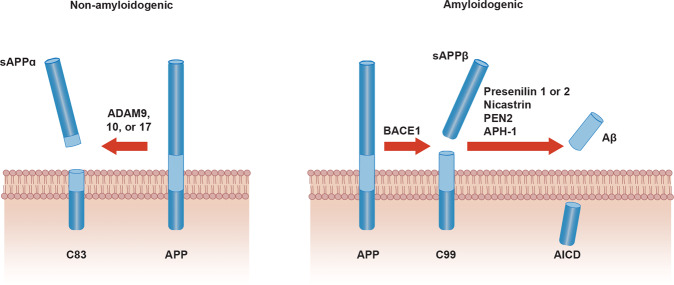
“…-secretases, can lead to the production and release into the extracellular medium of a ‘good’ protein, α -APP—this is the non-amyloidogenic pathway [107,108]—and of some non-toxic peptide derivatives whose function is still largely unknown; conversely, it can also generate the ‘bad’ protein, β…”
BackgroundGSK-3β dysregulation in aging: Implications for tau pathology and Alzheimer's disease progression
Rekha, A., Afzal, M., Babu, M. A., Menon, S. V., Nathiya, D., Supriya, S., Mishra, S. B., Gupta, S., Goyal, K., Rana, M., et al. (2025) · Molecular and Cellular Neuroscience · doi:10.1016/j.mcn.2025.104005 · Cited by 36
Relationship of S100 Proteins with Neuroinflammation
García‐Domínguez, M. (2025) · Biomolecules · doi:10.3390/biom15081125 · Cited by 34
“As a result, APP processing is diverted from the non-amyloidogenic α -secretase pathway toward β -secretase-mediated cleavage, facilitating increased production and extracellular deposition of neurotoxic A β peptides [184].”
Increase in Mitochondrial D-Loop Region Methylation Levels in Mild Cognitive Impairment Individuals
Stoccoro, A., Baldacci, F., Ceravolo, R., Giampietri, L., Tognoni, G., Siciliano, G., Migliore, L., & Coppedè, F. (2022) · International Journal of Molecular Sciences · doi:10.3390/ijms23105393 · Cited by 36
“Pathogenetic mutations in three genes, namely beta-amyloid precursor protein (APP), presenilin 1 (PSEN1), and presenilin 2 (PSEN2), which induce an overproduction of the Aβ peptide, cause an early-onset (before age 65) autosomal dominant familial inherited form of the disease, representing a small percentage (<1%) of…”
BackgroundAlzheimer's disease – Where do we go from here?
Борисович, Б. И. (2022) · Biochemical and Biophysical Research Communications · doi:10.1016/j.bbrc.2022.08.075 · Cited by 36
Quintanilla‐Sánchez, C., Schmitt, F. W., Curdt, N., Westhoff, A. C., Bänfer, I. W. H., Bayer, T. A., & Bouter, Y. (2023) · Biomedicines · doi:10.3390/biomedicines11020599 · Cited by 35
“AD is characterized by the accumulation of β-amyloid (Aβ) plaques, phosphorylation of tau protein, chronic inflammation with micro- and astrogliosis, and neuron loss [1,2].”
BackgroundPeptide‐Based Supramolecular Therapeutics for Fighting Major Diseases
Wang, Z., Luo, H., Wang, H., Meng, X., Jia, H., Ren, C., & Liu, J. (2024) · Advanced Functional Materials · doi:10.1002/adfm.202314492 · Cited by 39
Kim, J., Um, H., Kim, N. H., & Kim, D. (2023) · Bioactive Materials · doi:10.1016/j.bioactmat.2023.01.006 · Cited by 33
“Amyloid-beta (Aβ) monomers, which can be present in any body part including the brain, can form Aβ plaque that causes severe toxicity in the AD patient’s brain [15,16].”
BackgroundThe SH-SY5Y cell line: a valuable tool for Parkinson’s disease drug discovery
Pandey, M., Karmakar, V., Majie, A., Dwivedi, M., Md, S., & Gorain, B. (2023) · Expert Opinion on Drug Discovery · doi:10.1080/17460441.2023.2293158 · Cited by 37
“Mutations, polymorphisms, and interactions in genes are associated with changes in protein expression levels in the cellular environment, which is essential in developing the in vitro disease model [58,59].”
BackgroundDietary (Poly)phenols and the Gut–Brain Axis in Ageing
Láng, L., McArthur, S., Lázár, A. S., Pourtau, L., Gaudout, D., Pontifex, M. G., Müller, M. M., & Vauzour, D. (2024) · Nutrients · doi:10.3390/nu16101500 · Cited by 34
“Increased intestinal permeability, enabling diffusion of pathogenic bacteria into the systemic circulation and ultimately the brain, may lead to synaptic dysfunction and neuronal loss, eventually affecting cognitive and memory function [32].”
BackgroundZhuang, X., Jie, L., Song, Y., Ban, R., Zhao, X., Xia, Z., Wang, Z., & Zhang, G. (2024) · NeuroMolecular Medicine · doi:10.1007/s12017-024-08815-z · Cited by 35
“These peptides tend to aggregate into oligomers, fibrils, and plaques, hallmark features of AD (Hampel et al., 2021).”
Metadata
- Authors
- Hampel, H., Hardy, J., Blennow, K., Chen, C., Perry, G., Kim, S. H., Villemagne, V. L., Aisen, P., Vendruscolo, M., Iwatsubo, T., Masters, C. L., Cho, M., Lannfelt, L., Cummings, J. L., & Vergallo, A.
- Affiliations
- Eisai (United States) (US)
- UK Dementia Research Institute (GB)
- Sahlgrenska University Hospital (SE)
- National University of Singapore (SG)
- The University of Texas at San Antonio (US)
- Hanyang University Seoul Hospital (KR)
- The University of Melbourne (AU)
- University of Southern California (US)
- University of Cambridge (GB)
- The University of Tokyo (JP)
- Uppsala University (SE)
- University of Nevada, Las Vegas (US)
- Corresponding author
- Hampel, Harald
- Vergallo, Andrea
- ORCID
- Venue
- Molecular Psychiatry
- Published
- 2021-08-30
- Volume
- 26
- Issue
- 10
- Pages
- 5481-5503
- ISSN
- 1359-4184 (ISSN-L)
- 1476-5578
- PMC
- PMC8758495
- OpenAlex
- W3198052269
- Cited by
- 1,952
- References
- 418
- Citations by year
- 2026: 451 · 2025: 608 · 2024: 468 · 2023: 297 · 2022: 113 · 2021: 15
- FWCI
- 30.00
- Type
- journal article
- Language
- en
- Open access
- hybrid
- doi.org
- Licence
- cc-by
- creativecommons.org/licenses/by/4.0 (tdm)
- creativecommons.org/licenses/by/4.0 (vor)
- Locations
- Molecular Psychiatry (publishedVersion, cc-by)
- PubMed Central (publishedVersion, cc-by)
- PubMed (publishedVersion)
- Digital Scholarship - UNLV (University of Nevada Reno) (submittedVersion, cc-by)
- Minerva Access (University of Melbourne) (submittedVersion, cc-by)
- National University of Singapore (submittedVersion)
- Uppsala University Publications (Uppsala University) (submittedVersion, other-oa)
- HAL (submittedVersion, other-oa)
- UCL Discovery (University College London) (submittedVersion)
- Apollo (University of Cambridge) (submittedVersion, cc-by)
- Molecular Psychiatry
- Apollo
- Funders
- Alzheimer’s Drug Discovery Foundation (RDAPB-201809-2016615)
- Topics
- Life Sciences › Neuroscience › Cellular and Molecular Neuroscience › Alzheimer's disease research and treatments
- Health Sciences › Medicine › Psychiatry and Mental health › Dementia and Cognitive Impairment Research
- Life Sciences › Neuroscience › Neurology › Neuroinflammation and Neurodegeneration Mechanisms
- Keywords
- amyloid-beta, Alzheimer's disease, tau protein, neuroinflammation, neurodegeneration, synaptic failure, multimodal biomarkers, in vivo biomarkers, disease-modifying therapy, early treatment
- MeSH terms
- Alzheimer Disease, Humans, Biomarkers, Amyloid beta-Peptides, tau Proteins
About these checks
Registry, retraction, Cites and statistics results are computed, not judged, with one exception: a printed reference that no index lists is read once by a model before it counts as a citation error. Claims are extracted by a model and kept only when their quote appears verbatim in the text; each cited source is then checked, with a model’s help, for whether it says what the claim relies on. Those verdicts can be wrong — read the claim’s quote and the cited source before relying on one.
Statistics and arithmetic are recomputed, not judged.
Confidence bands are shown only for fields calibrated on our annotated test set. None is calibrated yet, so no band is shown.
What counts as a claim ›How we measure confidence ›How we check this ›
Are you an author, or do you see a problem with this page? Request a review
Data sources
Bibliographic data: Semantic Scholar, OpenAlex, Crossref.
Contains information from the Semantic Scholar Academic Graph Datasets, made available under the ODC Attribution License (ODC-BY 1.0).
Semantic Scholar’s data is described in: Kinney, R., et al. (2023). The Semantic Scholar Open Data Platform. arXiv:2301.10140.
