

Effect of the ketogenic diet on glycemic control, insulin resistance, and lipid metabolism in patients with T2DM: a systematic review and meta-analysis
Open accessThe DOI matches its Crossref record; 52 of the 52 references it cites were found in a registry or an index.
Abstract
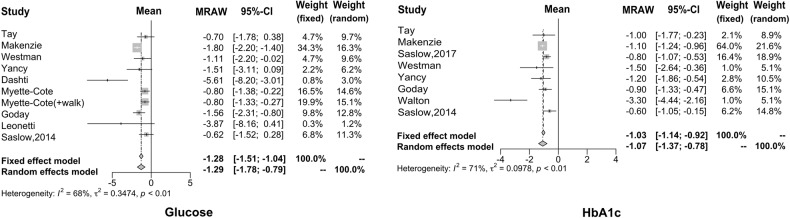
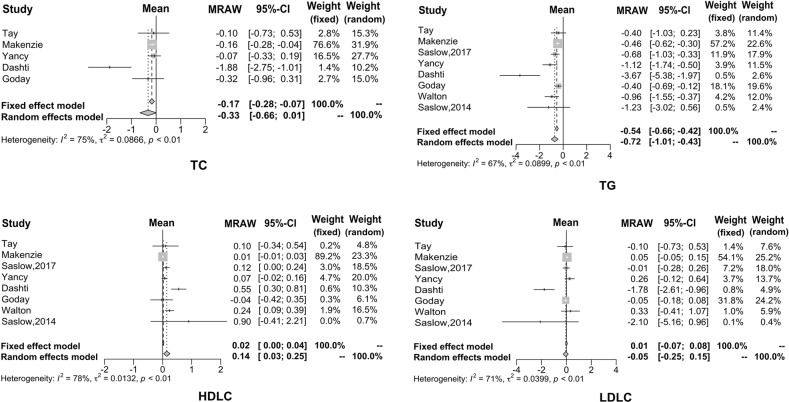
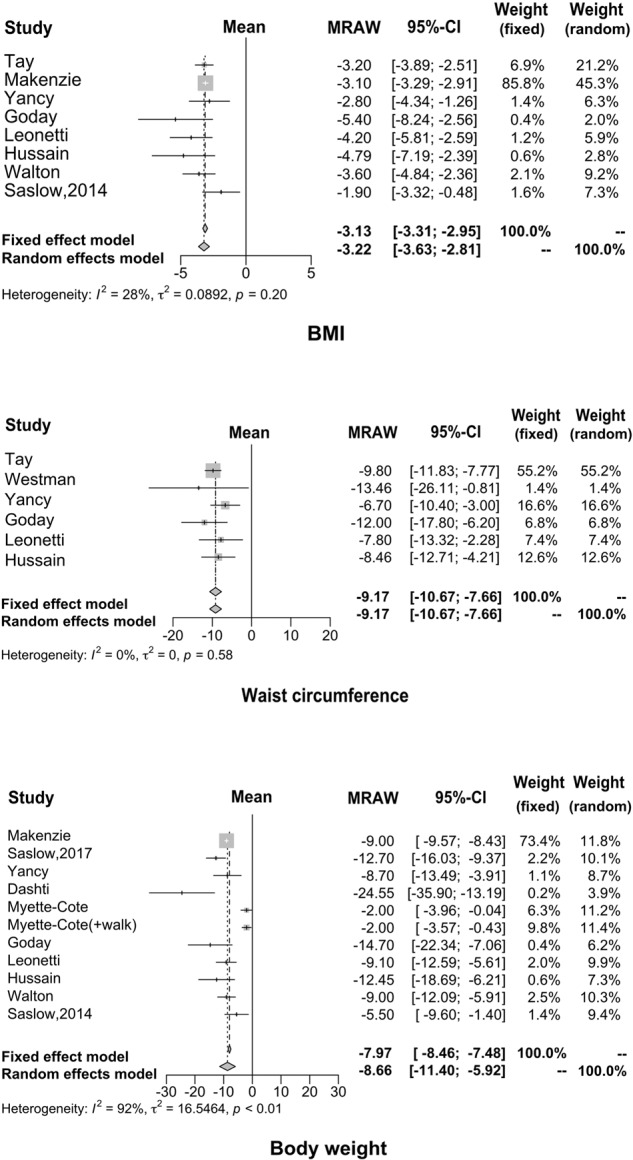
Background: At present, the beneficial effect of the ketogenic diet (KD) on weight loss in obese patients is generally recognized. However, a systematic research on the role of KD in the improvement of glycemic and lipid metabolism of patients with diabetes is still found scarce. Methods: This meta-study employed the meta-analysis model of random effects or of fixed effects to analyze the average difference before and after KD and the corresponding 95% CI, thereby evaluating the effect of KD on T2DM. Results: After KD intervention, in terms of glycemic control, the level of fasting blood glucose decreased by 1.29 mmol/L (95% CI: −1.78 to −0.79) on average, and glycated hemoglobin A1c by 1.07 (95% CI: −1.37 to −0.78). As for lipid metabolism, triglyceride was decreased by 0.72 (95% CI: −1.01 to −0.43) on average, total cholesterol by 0.33 (95% CI: −0.66 to −0.01), and low-density lipoprotein by 0.05 (95% CI: −0.25 to −0.15); yet, high-density lipoprotein increased by 0.14 (95% CI: 0.03−0.25). In addition, patients’ weight decreased by 8.66 (95% CI: −11.40 to −5.92), waist circumference by 9.17 (95% CI: −10.67 to −7.66), and BMI by 3.13 (95% CI: −3.31 to −2.95). Conclusion: KD not only has a therapeutic effect on glycemic and lipid control among patients with T2DM but also significantly contributes to their weight loss.
Overview
The claims and statistics of this paper haven’t been checked yet.
Free: it reads the open-access text and checks the first 5 claims that cite a source we can check. Create a free account to check every claim.
Integrity signals
Registry
Cites
Statistics
Figures
Verification
Claims the paper makes
The claims and statistics of this paper haven’t been checked yet.
Free: it reads the open-access text and checks the first 5 claims that cite a source we can check. Create a free account to check every claim.
Claims other papers make about this one
Each is checked against this paper’s own text: does it say what the citing paper says it does?
The source backs part of the claim, not all of it — or backs it for a different population, condition or comparison.
In the citing paper
“Ketogenic or very‐low‐carbohydrate diets can be a practical approach to weight loss and glycemic control for some people, while others find long‐term adherence difficult [290, 291, 292].”
From Nutritional priorities to support GLP ‐1 therapy for obesity: A joint Advisory from the American College of Lifestyle Medicine, the American Society for Nutrition, the Obesity Medicine Association, and The Obesity Society (2025) · cites this paper as [291]
Experimental — accuracy not yet measuredIn the citing paper
“Ketogenic or very-low-carbohydrate diets can be a practical approach to weight loss and glycemic control for some people, while others find long-term adherence difficult [[284], [285], [286]].”
In the citing paper
“Our findings corroborate previous evidence indicating that HbA1c levels can be significantly reduced on both a ketogenic diet (35–38) and a Mediterranean diet (39–44), especially if the diet is restricted in added sugars and refined carbohydrates (2).”
Self-check
Percentages, sums and reported differences re-computed from the paper’s own numbers.
The self-check needs the paper’s full text.
Citations
Cites
Meta-analysis in clinical trials
DerSimonian, R., & Laird, N. (1986) · Controlled Clinical Trials · doi:10.1016/0197-2456(86)90046-2 · Cited by 39,552
Quantifying heterogeneity in a meta‐analysis
Higgins, J. P. T., & Thompson, S. G. (2002) · Statistics in Medicine · doi:10.1002/sim.1186 · Cited by 36,763
Stratton, I. M. (2000) · BMJ · doi:10.1136/bmj.321.7258.405 · Cited by 9,059
Global estimates of diabetes prevalence for 2013 and projections for 2035
Guariguata, L., Whiting, D. R., Hambleton, I., Beagley, J., Linnenkamp, U., & Shaw, J. E. (2014) · Diabetes Research and Clinical Practice · doi:10.1016/j.diabres.2013.11.002 · Cited by 4,642 · cited 2×
“Exclusive criteria: (1) case report studies were excluded; (2) meta-analysis or review studies were excluded; (3) studies on other diseases rather than type II diabetes were excluded; and (4) if only the respective mean and standard errors were available, such studies were excluded given it is hard to get an accurate…”
BackgroundMethodGuh, D. P., Zhang, W., Bansback, N., Amarsi, Z., Birmingham, C. L., & Anis, A. H. (2009) · BMC Public Health · doi:10.1186/1471-2458-9-88 · Cited by 3,855
Quantitative Synthesis in Systematic Reviews
Lau, J., Ioannidis, J. P. A., & Schmid, C. H. (1997) · Annals of Internal Medicine · doi:10.7326/0003-4819-127-9-199711010-00008 · Cited by 2,517
Insulin resistance and hyperglycaemia in cardiovascular disease development
Laakso, M., & Kuusisto, J. (2014) · Nature Reviews Endocrinology · doi:10.1038/nrendo.2014.29 · Cited by 858
Westman, E. C., Yancy, W. S., Mavropoulos, J. C., Marquart, M., & McDuffie, J. R. (2008) · Nutrition & Metabolism · doi:10.1186/1743-7075-5-36 · Cited by 475
Comparison of low- and high-carbohydrate diets for type 2 diabetes management: a randomized trial
Tay, J., Luscombe-Marsh, N. D., Thompson, C. H., Noakes, M., Buckley, J. D., Wittert, G. A., Yancy, W. S., & Brinkworth, G. D. (2015) · The American Journal of Clinical Nutrition · doi:10.3945/ajcn.115.112581 · Cited by 341
Hall, K. D., Chen, K. Y., Guo, J., Lam, Y. Y., Leibel, R. L., Mayer, L. E., Reitman, M. L., Rosenbaum, M., Smith, S. R., Walsh, B. T., et al. (2016) · The American Journal of Clinical Nutrition · doi:10.3945/ajcn.116.133561 · Cited by 330
Cited by
Zhu, H., Bi, D., Zhang, Y., Kong, C., Du, J., Wu, X., Wei, Q., & Qin, H. (2022) · Signal Transduction and Targeted Therapy · doi:10.1038/s41392-021-00831-w · Cited by 399
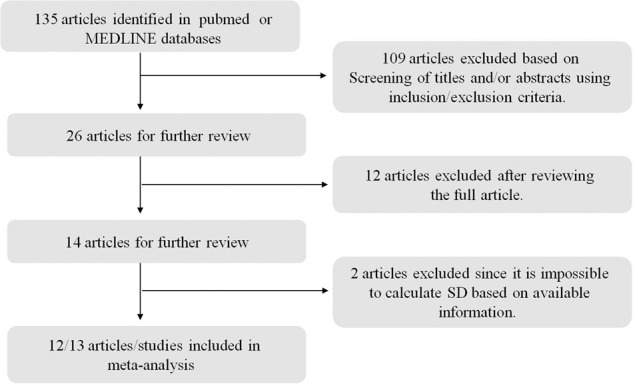
“A systematic metaanalysis that included 13 studies showed that the KD not only guarantees the basic supply of nutrients but also maintains a negative balance of energy, thereby decreasing the fluctuation and reduction of insulin secretion caused by reduced carbohydrate intake as well, which eventually leads to increas…”
BackgroundThe Role of Ketogenic Diet in the Treatment of Neurological Diseases
Dyńka, D., Kowalcze, K., & Paziewska, A. (2022) · Nutrients · doi:10.3390/nu14235003 · Cited by 215
Ketogenic diets and chronic disease: weighing the benefits against the risks
Crosby, L., Davis, B., Joshi, S., Jardine, M., Paul, J., Neola, M., & Barnard, N. D. (2021) · Frontiers in Nutrition · doi:10.3389/fnut.2021.702802 · Cited by 229
Effects of dietary intervention on human diseases: molecular mechanisms and therapeutic potential
Xiao, Y.-L., Gong, Y., Qi, Y.-J., Shao, Z.-M., & Jiang, Y.-Z. (2024) · Signal Transduction and Targeted Therapy · doi:10.1038/s41392-024-01771-x · Cited by 202
“420 However, KD may contribute to decreased sensitivity to peripheral insulin and impaired glucose tolerance by upregulating insulin receptors, as determined by previous studies, which contradicts clinical fi ndings.”
ResultMozaffarian, D., Agarwal, M., Aggarwal, M., Alexander, L., Apovian, C. M., Bindlish, S., Bonnet, J., Butsch, W. S., Christensen, S., Gianos, E., et al. (2025) · The American Journal of Clinical Nutrition · doi:10.1016/j.ajcnut.2025.04.023 · Cited by 154
Gardner, C. D., Landry, M. J., Perelman, D., Petlura, C., Durand, L. R., Aronica, L., Crimarco, A., Cunanan, K. M., Chang, A., Dant, C. C., et al. (2022) · The American Journal of Clinical Nutrition · doi:10.1093/ajcn/nqac154 · Cited by 151
Zhou, C., Wang, M., Liang, J., He, G., & Chen, N. (2022) · International Journal of Environmental Research and Public Health · doi:10.3390/ijerph191610429 · Cited by 151
“This result was consistent with those reported in other systemic reviews and meta-analyses, in which a ketogenic diet was found to remarkably improve glycemic profiles [41].”
BackgroundResultMozaffarian, D., Agarwal, M., Aggarwal, M., Alexander, L., Apovian, C. M., Bindlish, S., Bonnet, J., Butsch, W. S., Christensen, S., Gianos, E., et al. (2025) · Obesity · doi:10.1002/oby.24336 · Cited by 143
The Ketogenic Diet and Cardiovascular Diseases
Dyńka, D., Kowalcze, K., Charuta, A., & Paziewska, A. (2023) · Nutrients · doi:10.3390/nu15153368 · Cited by 135
Jing, T., Zhang, S., Bai, M., Chen, Z., Gao, S., Li, S., & Zhang, J. (2023) · Nutrients · doi:10.3390/nu15143156 · Cited by 143
“In contrast to previous studies that attempted to confirm short-term effects [107], our study included evidence of sustained intervention for at least six months, further confirming the effects of the dietary approaches for glycemic control.”
ResultEffects of Ketogenic Diet on Neuroinflammation in Neurodegenerative Diseases
Jiang, Z., Yin, X., Wang, M., Chen, T., Wang, Y., Gao, Z., & Wang, Z. (2022) · Aging and Disease · doi:10.14336/ad.2021.1217 · Cited by 128
The Role of Diet and Dietary Patterns in Parkinson’s Disease
Knight, E., Geetha, T., Burnett, D. O., & Babu, J. R. (2022) · Nutrients · doi:10.3390/nu14214472 · Cited by 111
“Recently, research has begun to explore the potential benefits of the KD on type 2 diabetes [96] and Alzheimer’s Disease [97–100].”
BackgroundNapoleão, A., Fernandes, L., Miranda, C., & Marum, A. P. (2021) · Nutrients · doi:10.3390/nu13041302 · Cited by 103
Patikorn, C., Saidoung, P., Pham, T., Phisalprapa, P., Lee, Y. Y., Varady, K. A., Veettil, S. K., & Chaiyakunapruk, N. (2023) · BMC Medicine · doi:10.1186/s12916-023-02874-y · Cited by 101
“Due to a lack of insulin, lipolysis increases in fat cells [2, 13, 15].”
BackgroundThe Importance of Nutrition as a Lifestyle Factor in Chronic Pain Management: A Narrative Review
Elma, Ö., Brain, K., & Dong, H. (2022) · Journal of Clinical Medicine · doi:10.3390/jcm11195950 · Cited by 105
“Studies exploring the effect of low-carbohydrate diets, including the ketogenic diet, have revealed promising results including improvements in the glucose metabolism [106].”
BackgroundMoriconi, E., Camajani, E., Fabbri, A., Lenzi, A., & Caprio, M. (2021) · Nutrients · doi:10.3390/nu13030758 · Cited by 97
“In a recent meta-analysis, 13 studies were included to investigate the effects of KD on T2DM [42].”
BackgroundPaoli, A., Bianco, A., Moro, T., Mota, J. F., & Coelho‐Ravagnani, C. D. F. (2023) · Nutrients · doi:10.3390/nu15143120 · Cited by 98
Jayedi, A., Zeraattalab-Motlagh, S., Jabbarzadeh, B., Hosseini, Y., Jibril, A. T., Shahinfar, H., Mirrafiei, A., Hosseini, F., & Shab-Bidar, S. (2022) · The American Journal of Clinical Nutrition · doi:10.1093/ajcn/nqac066 · Cited by 85
Ketogenic Diet: An Effective Treatment Approach for Neurodegenerative Diseases
Zhang, H., Tao, Y., & Leng, S. X. (2022) · Current Neuropharmacology · doi:10.2174/1570159x20666220830102628 · Cited by 82
“Increased free fatty acids constitute an independent risk factor for insulin resistance in patients with type 2 diabetes who already have disorders of lipid metabolism, and they may increase the risk of cardiovascular disease [206, 207].”
The Effect of Ketogenic Diet on Shared Risk Factors of Cardiovascular Disease and Cancer
Mohammadifard, N., Haghighatdoost, F., Rahimlou, M., Rodrigues, A. P. D. S., Gaskarei, M. A. K., Okhovat, P., de Oliveira, C. M., Silveira, É. A., & Sarrafzadegan, N. (2022) · Nutrients · doi:10.3390/nu14173499 · Cited by 76
SGLT2 Inhibition for Cardiovascular Diseases, Chronic Kidney Disease, and NAFLD
Ala, M. (2021) · Endocrinology · doi:10.1210/endocr/bqab157 · Cited by 75
Ji, J., Fotros, D., Sohouli, M. H., Velu, P., Fatahi, S., & Liu, Y. (2024) · Nutrition Reviews · doi:10.1093/nutrit/nuad175 · Cited by 74
Microbiota and body weight control: Weight watchers within?
Boscaini, S., Leigh, S., Lavelle, A., García‐Cabrerizo, R., Lipuma, T., Clarke, G. A., Schellekens, H., & Cryan, J. F. (2021) · Molecular Metabolism · doi:10.1016/j.molmet.2021.101427 · Cited by 74
Ciaffi, J., Mitselman, D., Mancarella, L., Brusi, V., Lisi, L., Ruscitti, P., Cipriani, P., Melicòni, R., Giacomelli, R., Borghi, C., et al. (2021) · Frontiers in Medicine · doi:10.3389/fmed.2021.792846 · Cited by 67
“Among the important physiological changes induced by KD there is insulin reduction (5) and the hormonal changes caused by KD, with decreased insulin and increased glucagon levels, favor gluconeogenesis.”
BackgroundBonsembiante, L., Targher, G., & Maffeis, C. (2021) · Nutrients · doi:10.3390/nu13103344 · Cited by 70
“The ADA guidelines suggest that low-carbohydrate and very-low-carbohydrate (<25% total energy) eating patterns are associated with a significant reduction in HbA1c levels and a lower need for anti-hyperglycemic agents in individuals with established T2D [62,63].”
BackgroundKetogenic diet and cardiovascular risk – state of the art review
Popiołek-Kalisz, J. (2024) · Current Problems in Cardiology · doi:10.1016/j.cpcardiol.2024.102402 · Cited by 63
Continuous Ketone Monitoring Consensus Report 2021
Nguyen, K. T., Xu, N. Y., Zhang, J. Y., Shang, T., Basu, A., Bergenstal, R. M., Castorino, K., Chen, K. Y., Kerr, D., Koliwad, S. K., et al. (2022) · Journal of Diabetes Science and Technology · doi:10.1177/19322968211042656 · Cited by 54
Dyńka, D., Kowalcze, K., Ambrożkiewicz, F., & Paziewska, A. (2023) · Nutrients · doi:10.3390/nu15030500 · Cited by 58
Kim, E. R., Kim, S. R., Cho, W., Lee, S., Kim, S. H., Kim, J. H., Choi, E., Kim, J., Yu, J., Lee, B., et al. (2022) · Frontiers in Immunology · doi:10.3389/fimmu.2022.843520 · Cited by 59
Monda, A., Torre, M. E. L., Messina, A., Maio, G. D., Monda, V., Moscatelli, F., Stefano, M. D., Marra, M. L., di Padova, M., Dipace, A., et al. (2024) · Frontiers in Immunology · doi:10.3389/fimmu.2024.1425816 · Cited by 51
Ahmad, Y., Seo, D. S., & Jang, Y. (2024) · International Journal of Molecular Sciences · doi:10.3390/ijms25137076 · Cited by 49
“By reducing the glycemic response induced by carbohydrates, the KD improved type-two diabetes mellitus and potentially reduced insulin resistance [34].”
BackgroundJoo, M., Moon, S., Lee, Y. S., & Kim, M. G. (2023) · Nutrition Reviews · doi:10.1093/nutrit/nuad017 · Cited by 53
Saslow, L. R., Jones, L. M., Sen, A., Wolfson, J. A., Diez, H. L., O’Brien, A., Leung, C. W., Bayandorian, H., Daubenmier, J. J., Missel, A. L., et al. (2023) · The Annals of Family Medicine · doi:10.1370/afm.2968 · Cited by 60
VLCKD: a real time safety study in obesity
Barrea, L., Verde, L., Vetrani, C., Marino, F., Aprano, S., Savastano, S., Colao, A., & Muscogiuri, G. (2022) · Journal of Translational Medicine · doi:10.1186/s12967-021-03221-6 · Cited by 47
“However, a subsequent re-establishment in HDL levels can be expected in the reintroduction phase as reported in other previous studies [46, 47].”
ResultKetone Bodies and SIRT1, Synergic Epigenetic Regulators for Metabolic Health: A Narrative Review
Tozzi, R., Cipriani, F., Masi, D., Basciani, S., Watanabe, M., Lubrano, C., Gnessi, L., & Mariani, S. (2022) · Nutrients · doi:10.3390/nu14153145 · Cited by 49
“In humans, the KD was initially used as a therapeutic option for its anticonvulsant effects in children with refractory epilepsy [32]; then, a very low carbohydrate ketogenic diet (VLCKD) was introduced for the treatment of obesity and its complications, such as insulin-resistance, type 2 diabetes [33], nonalcoholic f…”
Luo, W., Zhang, J., Xu, D., Zhou, Y., Qu, Z., Yang, Q., & Lv, Q. (2022) · Frontiers in Nutrition · doi:10.3389/fnut.2022.1092031 · Cited by 44
Ketogenic Diets for Body Weight Loss: A Comparison with Other Diets
Dyńka, D., Rodzeń, Ł., Rodzeń, M., Pacholak-Klimas, A., Ede, G., Sethi, S., Łojko, D., Bartoń, K., Berry, K., Deptuła, A., et al. (2025) · Nutrients · doi:10.3390/nu17060965 · Cited by 47
“Among the benefits, the authors highlight the positive impact of these diets on triglyceride levels, HDL, glycaemic control, and the potential discontinuation of antidiabetic medications, although after 2 years, no differences are observed in most cardiometabolic markers.”
InfluentialSpigoni, V., Cinquegrani, G., Iannozzi, N. T., Frigeri, G., Maggiolo, G., Maggi, M., Parello, V., & Dei, A. (2022) · Frontiers in Endocrinology · doi:10.3389/fendo.2022.972890 · Cited by 45
“Type 2 diabetes mellitus (T2D) is a major public health global emergency (96).”
BackgroundWan, S., Teng, F., Fan, W., Xu, B.-T., Li, X., Tan, X., Guo, M., Gao, C., Zhang, C., Jiang, Z., et al. (2023) · Aging · doi:10.18632/aging.205248 · Cited by 40
“In addition, KD interventions have been reported to have beneficial effects on type 2 diabetes mellitus (T2DM) and DKD [22–24].”
Self-citationLow-Carbohydrate High-Fat Diet: A SWOC Analysis
Nuwaylati, D. A., Eldakhakhny, B. M., Bima, A. I. H., Sakr, H. F., & Elsamanoudy, A. Z. (2022) · Metabolites · doi:10.3390/metabo12111126 · Cited by 42
Ketone Bodies in Diabetes Mellitus: Friend or Foe?
Veneti, S., Grammatikopoulou, M. G., Kintiraki, E., Mintziori, G., & Goulis, D. G. (2023) · Nutrients · doi:10.3390/nu15204383 · Cited by 40
“Yuan [90] 13 RCTs Post-KD, the levels of fasting glucose, HbA1c, total cholesterol, LDL and TG decreased, but HDL increased.”
BackgroundWang, Z., Chen, T., Wu, S., Dong, X., Zhang, M., & Ma, G. (2024) · American Journal of Clinical Nutrition · doi:10.1016/j.ajcnut.2024.04.021 · Cited by 42
Mozaffarian, D., Agarwal, M., Aggarwal, M., Alexander, L., Apovian, C. M., Bindlish, S., Bonnet, J. P., Butsch, W. S., Christensen, S. M., Gianos, E., et al. (2025) · Obesity Pillars · doi:10.1016/j.obpill.2026.100269 · Cited by 41
Prins, P. J., Noakes, T. D., Buga, A., D’Agostino, D. P., Volek, J. S., Buxton, J. D., Heckman, K., Jones, D. W., Tobias, N. E., Grose, H. M., et al. (2023) · Frontiers in Nutrition · doi:10.3389/fnut.2023.1084021 · Cited by 38
Choi, A. H., Delgado, M., Chen, K. Y., Chung, S. T., Courville, A. B., Turner, S. A., Yang, S. B., Airaghi, K. J., Dustin, I. M., McGurrin, P. M., et al. (2024) · BMC Neurology · doi:10.1186/s12883-024-03603-5 · Cited by 37
“Metabolic effects were consistent with those established in the literature and included weight loss, reduced waist circumference, elevated HDL, reduced TG, and improved insulin sensitivity [57, 58].”
ResultSelf-citationMerovci, A., Finley, B., HANSIS-DIARTE, A. A., Neppala, S., Abdul‐Ghani, M. A., Cersósimo, E., Triplitt, C. L., & DeFronzo, R. A. (2024) · BMJ Open Diabetes Research & Care · doi:10.1136/bmjdrc-2024-004199 · Cited by 41
Onu, A., Trofin, D. M., Tutu, A., Onu, I., Galaction, A., Sardaru, D.-P., Trofin, D., Onita, C. A., Iordan, D. A., & Matei, D.-V. (2025) · Life · doi:10.3390/life15050757 · Cited by 39
Li, D., Zhang, L., He, Y., Zhou, T., Cheng, X., Huang, W. G., & Xu, Y. (2022) · Biomedicine & Pharmacotherapy · doi:10.1016/j.biopha.2022.113984 · Cited by 38
Li, S., Du, Y. N., Meireles, C. L., Sharma, K., Qi, L., Castillo, A., & Wang, J. (2023) · Nutrition and Diabetes · doi:10.1038/s41387-023-00246-2 · Cited by 36
“05) Goldstein [28] Urine ketone >0mmol/L % adherent participants at 1 year: 65% Both diet groups similarly increased their reported exercise activity during the trial by ~1 h/week at 1 year Westman [25] Urine ketone concentration N.”
BackgroundSelf-citationEfficacy and safety of prolonged water fasting: A narrative review of human trials
Ezpeleta, M., Cienfuegos, S., Lin, S., Pavlou, V., Gabel, K., & Varady, K. A. (2024) · Nutrition Reviews · doi:10.1093/nutrit/nuad081 · Cited by 32
Shahpasand, S., Khatami, S. H., Ehtiati, S., Alehossein, P., Salmani, F., Toutounchi, A. H., Zarei, T., Shahmohammadi, M. R., Khodarahmi, R., Aghamollaii, V., et al. (2024) · The Journal of Nutritional Biochemistry · doi:10.1016/j.jnutbio.2024.109693 · Cited by 34
Giannakogeorgou, A., & Roden, M. (2024) · Alimentary Pharmacology & Therapeutics · doi:10.1111/apt.17848 · Cited by 30
Medical nutrition therapy for the management of type 2 diabetes mellitus
Barrea, L., Verde, L., Colao, A., Mandarino, L. J., & Muscogiuri, G. (2025) · Nature Reviews Endocrinology · doi:10.1038/s41574-025-01161-5 · Cited by 33
Dietary Risk Factors and Eating Behaviors in Peripheral Arterial Disease (PAD)
Cecchini, A. L., Biscetti, F., Rando, M. M., Nardella, E., Pecorini, G., Eraso, L. H., DiMuzio, P. J., Gasbarrini, A., Massetti, M., & Flex, A. (2022) · International Journal of Molecular Sciences · doi:10.3390/ijms231810814 · Cited by 37
Beneficial Effects of the Ketogenic Diet on Nonalcoholic Fatty Liver Disease (NAFLD/MAFLD)
Dyńka, D., Rodzeń, Ł., Rodzeń, M., Łojko, D., Kraszewski, S., Ibrahim, A., Hussey, M., Deptuła, A., Grzywacz, Ż., Ternianov, A., et al. (2024) · Journal of Clinical Medicine · doi:10.3390/jcm13164857 · Cited by 29
“The second mechanism of action is associated with the absence of monosaccharides (and significant reduction in the total amount of carbohydrates to 50 g daily) in the ketogenic diet, which directly prevents excessive fluctuations of glucose levels and insulin spikes [34,54–56].”
BackgroundMozaffarian, D., Agarwal, M., Aggarwal, M., Alexander, L., Apovian, C. M., Bindlish, S., Bonnet, J., Butsch, W. S., Christensen, S., Gianos, E., et al. (2025) · Obesity Pillars · doi:10.1016/j.obpill.2025.100181 · Cited by 28
Barrea, L., Verde, L., Annunziata, G., Chedraui, P. A., Petraglia, F., Cucalón, G., Camajani, E., Caprio, M., Gorini, S., Iorio, G. G., et al. (2025) · Current Obesity Reports · doi:10.1007/s13679-025-00662-8 · Cited by 30
“KD has demonstrated rapid improvements in insulin sensitivity and reductions in circulating insulin and glucose levels [ 153 ], suggesting that it could be particularly effective in metabolically vulnerable subgroups of endometriosis patients.”
Ketogenic metabolic therapy for chronic kidney disease – the pro part
Weimbs, T., Saville, J., & Kalantar‐Zadeh, K. (2023) · Clinical Kidney Journal · doi:10.1093/ckj/sfad273 · Cited by 28
“Numerous studies suggest that ketogenic diets are more effective in glycemic con-trol, weight loss and decreasing hypertension than low fat diets [12 –14 ].”
BackgroundThe therapeutic potential of ketones in cardiometabolic disease: impact on heart and skeletal muscle
Soni, S., Dakhili, S. A. T., Ussher, J. R., & Dyck, J. R. B. (2024) · American Journal of Physiology-Cell Physiology · doi:10.1152/ajpcell.00501.2023 · Cited by 30
Akansel, M. G., Baş, M., Gençalp, C., Kahrıman, M., Şahin, E., Öztürk, H., Gür, G., & Gür, C. (2024) · Nutrients · doi:10.3390/nu16244374 · Cited by 29
“The fact that these factors could not be controlled is another limitation of this study.”
Hossain, A., Rahman, M. E., Faruqe, M. O., Saif, A., Suhi, S., Zaman, R., Hirad, A. H., Matin, M. N., Rabbee, M. F., & Baek, K.-H. (2024) · Pharmaceutics · doi:10.3390/pharmaceutics16040483 · Cited by 28
“These medicines work by specific mechanisms to lower blood sugar levels, either by elevating insulin secretion [13], increasing insulin sensitivity [14], reducing glucose production [15], or slowing down carbohydrate absorption in the intestines [16].”
BackgroundOptimal diet for cardiovascular and planetary health
Verschuren, W. M. M., Boer, J. M. A., & Temme, E. H. M. (2021) · Heart · doi:10.1136/heartjnl-2019-316373 · Cited by 26
Kackley, M. L., Brownlow, M. L., Buga, A., Crabtree, C. D., Sapper, T. N., O’Connor, A., & Volek, J. S. (2022) · Frontiers in Neuroscience · doi:10.3389/fnins.2022.971144 · Cited by 25
“Glucose-lowering is a well-established benefit of ketogenic diets (Yuan et al., 2020; Hyde et al., 2021), and this effect was not augmented by the addition of ketone salts.”
BackgroundHo, K. L., Karwi, Q. G., Wang, F., Wagg, C. S., Zhang, L., Panidarapu, S., Chen, B., Pherwani, S., Greenwell, A. A., Oudit, G. Y., et al. (2024) · Cardiovascular Research · doi:10.1093/cvr/cvae092 · Cited by 25
Luong, T. V., Pedersen, M. G. B., Abild, C. B., Lauritsen, K. M., Kjærulff, M. L. G., Møller, N., Gormsen, L. C., & Søndergaard, E. (2024) · Diabetes · doi:10.2337/db24-0162 · Cited by 26
Qu, X., Huang, L. H., & Rong, J. (2024) · Scientific Reports · doi:10.1038/s41598-024-73384-x · Cited by 24
Han, Y., Cheng, B., Guo, Y., Wang, Q., Yang, N., & Lin, P. (2021) · Frontiers in Endocrinology · doi:10.3389/fendo.2021.779636 · Cited by 25
Qiu, H., Kan, C., Han, F., Luo, Y., Qu, N., Zhang, K., Ma, Y., Hou, N., Wu, D., Sun, X., et al. (2024) · Lipids in Health and Disease · doi:10.1186/s12944-024-02198-7 · Cited by 23
“A low-carbohydrate, high-fat ketogenic diet utilizes fat and 10% protein as the primary energy sources [11].”
BackgroundZhao, B., Aggarwal, A., Marshall, J. A., Barletta, J. A., Kijewski, M. F., Lorch, J. H., & Nehs, M. A. (2021) · Surgery · doi:10.1016/j.surg.2021.05.055 · Cited by 22
Ketogenic diet modulates cardiac metabolic dysregulation in streptozocin-induced diabetic rats
Trang, N. N., Lee, T., Kao, Y., Chao, T., Lee, T.-I., & Chen, Y. (2022) · The Journal of Nutritional Biochemistry · doi:10.1016/j.jnutbio.2022.109161 · Cited by 23
The effect of the ketogenic diet on Acne: Could it be a therapeutic tool?
Barrea, L., Cacciapuoti, S., Megna, M., Verde, L., Marasca, C., Vono, R., Camajani, E., Colao, A., Savastano, S., Fabbrocini, G., et al. (2023) · Critical Reviews in Food Science and Nutrition · doi:10.1080/10408398.2023.2176813 · Cited by 24
“Overall, KDs could improve acne disease by normalizing hormone levels (including insulin, IGF-1, and sex hormone binding globulin (SHBG)) (Yuan et al. 2020), antioxidant effects (reducing reactive oxygen species (ROS)) (Pinto et al. 2018), anti-inflammatory effects (reducing inflammatory markers)…”
BackgroundBattezzati, A., Foppiani, A., Leone, A., Amicis, R. S. D., Spadafranca, A., Mari, A., & Bertoli, S. (2023) · Nutrients · doi:10.3390/nu15051119 · Cited by 24
Calcaterra, V., Verduci, E., Pascuzzi, M. C., Magenes, V. C., Fiore, G., Profio, E. D., Tenuta, E., Bosetti, A., Todisco, C. F., D’Auria, E., et al. (2021) · Nutrients · doi:10.3390/nu13082805 · Cited by 25
Very Low Calorie Ketogenic Diet: What Effects on Lipid Metabolism?
Suarez, R., Chapela, S., Llobera, N. D., Montalván, M., Vásquez, C. A., Martinuzzi, A. L. N., Katsanos, C. S., Verde, L., Frias-Toral, E., Barrea, L., et al. (2024) · Current Nutrition Reports · doi:10.1007/s13668-024-00556-6 · Cited by 20
“However, a meta-analysis published in 2020 by Yuan et al. demonstrated that a VLCKD had no significant impact on LDL in people with type 2 diabetes [58].”
MethodBornstein, R., James, K., Stokes, J., Park, K. Y., Kayser, E., Snell, J., Bard, A. M., Chen, Y., Kalume, F. K., & Johnson, S. C. (2021) · Neurobiology of Disease · doi:10.1016/j.nbd.2021.105594 · Cited by 20
Xu, Y., Zheng, F., Zhong, Q., & Zhu, Y. (2023) · Journal of Alzheimer s Disease · doi:10.3233/jad-230002 · Cited by 23
“Recent studies determined that KD improved insulin sensitivity [181–183].”
Cooper, I. D., Kyriakidou, Y., Edwards, K., Petagine, L., Seyfried, T. N., Duraj, T., Soto-Mota, A., Scarborough, A., Jacome, S. L., Brookler, K. H., et al. (2023) · International Journal of Molecular Sciences · doi:10.3390/ijms242115621 · Cited by 23
“Thus, NK may not only assist with regulating glycaemic control in T2DM, reducing insulin demand and exposure [134], but may help to ameliorate further MCP-1-mediated insulin resistance, further reducing insulin demand.”
BackgroundMarinescu, S., Apetroaei, M.-M., Nedea, M. I., Arsene, A. L., Velescu, B. Ș., Hîncu, S., Stancu, E., Pop, A. L., Drăgănescu, D., & Udeanu, D. I. (2024) · Nutrients · doi:10.3390/nu16081213 · Cited by 21
“Moreover, the KD enhances insulin sensitivity and attenuates HOMA-IR scores [15,19–21].”
BackgroundInfluentialA Ketogenic Diet is Effective in Improving Insulin Sensitivity in Individuals with Type 2 Diabetes
Skow, S. L., & Jha, R. K. (2022) · Current Diabetes Reviews · doi:10.2174/1573399818666220425093535 · Cited by 25
Sex- and Age-Specific Differences in Mice Fed a Ketogenic Diet
Sprankle, K. W., Knappenberger, M. A., Locke, E. J., Thompson, J. H., Vinovrski, M. F., Knapsack, K., & Kolwicz, S. C. (2024) · Nutrients · doi:10.3390/nu16162731 · Cited by 20
Yin, L., Liu, Q., Jia, Z., & Guo, B. (2025) · Advanced Exercise and Health Science · doi:10.1016/j.aehs.2025.05.004 · Cited by 18
The role of β-hydroxybutyrate testing in ketogenic metabolic therapies
Fante, C., Spritzler, F., Calabrese, L. V., Laurent, N., Roberts, C. G. P., & Deloudi, S. (2025) · Frontiers in Nutrition · doi:10.3389/fnut.2025.1629921 · Cited by 20
Ahn, Y., Kim, Y. S., Kim, B. K., Ryu, J. M., Kim, M. S., Kang, M., & Park, J. (2023) · Healthcare · doi:10.3390/healthcare11020252 · Cited by 17
“Consequently, improvements in these domains may yield favorable health outcomes by affecting anthropometric parameters, such as body mass index (BMI), waist circumference [30], weight [31] and muscle strength, as well as biochemical indices such as glucose levels and insulin sensitivity [30,32].”
BackgroundA daily diary investigation of cannabis use and its diet and exercise correlates
Gibson, L. P., Skrzynski, C. J., Giordano, G., & Bryan, A. D. (2023) · Frontiers in Psychology · doi:10.3389/fpsyg.2023.1217144 · Cited by 18
Giuseppe, G. D., Ciccarelli, G., CEFALO, C. M. A., Cinti, F., Moffa, S., Impronta, F., Capece, U., Pontecorvi, A., Giaccari, A., & Mezza, T. (2021) · Minerva Endocrinology · doi:10.23736/s2724-6507.21.03405-9 · Cited by 17
Amiri, M., Karabegović, I., van Westing, A. C., Verkaar, A. J. C. F., Beigrezaei, S., Lara, M., Bramer, W. M., & Voortman, T. (2021) · Maturitas · doi:10.1016/j.maturitas.2021.10.001 · Cited by 22
Taylor, M., Sullivan, D. K., Keller, J. E., Burns, J. M., & Swerdlow, R. H. (2022) · Frontiers in Neuroscience · doi:10.3389/fnins.2022.899612 · Cited by 21
Intermittent fasting with ketogenic diet: A combination approach for management of chronic diseases
Arora, N., Pulimamidi, S., Yadav, H., Jain, S., Glover, J., Dombrowski, K. E., Hernandez, B., Sarma, A. K., & Aneja, R. (2023) · Clinical Nutrition ESPEN · doi:10.1016/j.clnesp.2023.01.024 · Cited by 18
Hepatic ketone body regulation of renal gluconeogenesis
Hatano, R., Lee, E., Sato, H., Kiuchi, M., Hirahara, K., Nakagawa, Y., Shimano, H., Nakayama, T., Tanaka, T., & Miki, T. (2024) · Molecular Metabolism · doi:10.1016/j.molmet.2024.101934 · Cited by 16
“The lack of hyperglycemia by KD in mice accords with the effectiveness of low carbohydrate diet or KD in lowering glycemic levels in diabetes patients [43].”
BackgroundKetogenic Diet Increases Serum and White Adipose Tissue SIRT1 Expression in Mice
Tozzi, R., Campolo, F., Baldini, E., Venneri, M. A., Lubrano, C., Ulisse, S., Gnessi, L., & Mariani, S. (2022) · International Journal of Molecular Sciences · doi:10.3390/ijms232415860 · Cited by 17
“A KD has several proven benefits for the glyco-lipidic profile, and diabetic or dyslipidemic patients might improve with a KD [32,56].”
BackgroundBasta, D., Latinovic, O., & Silvestri, G. (2024) · Journal of AIDS and HIV Treatment · doi:10.33696/aids.6.048 · Cited by 15
“The risk of these cancers remains elevated in PLWH despite effective cART, highlighting the need for ongoing cancer surveillance and prevention strategies in this population [27,28].”
BackgroundTain, Y., & Hsu, C. (2024) · International Journal of Molecular Sciences · doi:10.3390/ijms25189788 · Cited by 14
“Additionally, plant-rich diets and the Mediterranean diet are associated with a lower risk of T2DM and obesity [34,35].”
BackgroundKundu, S., Hossain, K. S., Moni, A., Zahan, M. S., Rahman, M. M., & Uddin, M. J. (2022) · Molecular Biology Reports · doi:10.1007/s11033-022-07460-8 · Cited by 14
Ravaut, G., Carneiro, A., & Mounier, C. (2024) · Frontiers in Nutrition · doi:10.3389/fnut.2024.1290540 · Cited by 14
The Ketogenic Diet as a Treatment for Mood Disorders
Ozan, E., Chouinard, V., & Palmer, C. (2024) · Current Treatment Options in Psychiatry · doi:10.1007/s40501-024-00322-z · Cited by 15
Ketogenic diet and cancer: multidimensional exploration and research
Wan, S., Zhou, X., Xie, F., Zhou, F., & Zhang, L. (2025) · Science China Life Sciences · doi:10.1007/s11427-023-2637-2 · Cited by 13
“Recent studies have shown that KD can inhibit cancer cell growth by altering lipid metabolism (Yuan et al., 2020).”
Palmas, V., Deledda, A., Heidrich, V., Sanna, G., Cambarau, G., Fosci, M., Puglia, L., Cappai, E. A., Lai, A., Loviselli, A., et al. (2025) · Metabolites · doi:10.3390/metabo15010022 · Cited by 14
“This dietary approach led to an average HbA1c reduction of 1.07%, along with improvements in insulin resistance, lipid profile, and obesity levels [64].”
InfluentialGaspa, G., Naciu, A. M., Rosa, C. D., Lattanzi, G., Beato, I., MICHELI, V., TURRIZIANI, C., Khazrai, Y. M., & CESAREO, R. (2022) · Minerva Endocrinology · doi:10.23736/s2724-6507.22.03922-7 · Cited by 13
Ketogenic diet in clinical populations—a narrative review
Zemer, A., Samaei, S., Yoel, U., Biderman, A., & Pincu, Y. (2024) · Frontiers in Medicine · doi:10.3389/fmed.2024.1432717 · Cited by 13
Du, Y. N., Wang, J., Li, S., Dennis, B., Meireles, C. L., Siddiqui, N., Patel, D. I., Gelfond, J., Li, C., Faruqui, S. H. A., et al. (2022) · Contemporary Clinical Trials · doi:10.1016/j.cct.2022.106845 · Cited by 12
Self-citation
Metadata
- Authors
- Yuan, X., Wang, J., Yang, S., Gao, M., Cao, L., Li, X., Hong, D., Tian, S., & Sun, C.
- Affiliations
- First Hospital of Jilin University (CN)
- Corresponding author
- Tian, Suyan
- Sun, Chenglin
- Venue
- Nutrition & Diabetes
- Published
- 2020-11-30
- Volume
- 10
- Issue
- 1
- Pages
- 38-38
- ISSN
- 2044-4052 (ISSN-L)
- PMC
- PMC7705738
- OpenAlex
- W3109589967
- Semantic Scholar
- 7bb281e624b02f40f837b489b4a1881113111774
- Cited by
- 240
- References
- 52
- Citations by year
- 2026: 23 · 2025: 51 · 2024: 64 · 2023: 43 · 2022: 42 · 2021: 17
- FWCI
- 3.41
- Type
- journal article
- Language
- en
- Open access
- gold
- doi.org
- Licence
- cc-by
- creativecommons.org/licenses/by/4.0 (tdm)
- creativecommons.org/licenses/by/4.0 (vor)
- Locations
- Nutrition and Diabetes (publishedVersion, cc-by)
- PubMed Central (publishedVersion, cc-by)
- PubMed (publishedVersion)
- Funders
- People's Government of Jilin Province
- Jilin University (JJKH20201081KJ, JDYYJC010, JJKH20190032KJ, 20180623006TC, 20200404213YY, JDYYZH-1902019)
- Education Department of Jilin Province (20180623006TC, JJKH20201081KJ, 20200404213YY, JDYYZH-1902019, JJKH20190032KJ, JDYYJC010)
- First Hospital of Jilin University
- Topics
- Health Sciences › Medicine › Physiology (medical) › Diet and metabolism studies
- Health Sciences › Medicine › Physiology (medical) › Dietary Effects on Health
- Health Sciences › Medicine › Endocrinology, Diabetes and Metabolism › Diabetes Management and Research
- Keywords
- ketogenic diet, type 2 diabetes, glycemic control, insulin resistance, lipid metabolism, fasting blood glucose, HbA1c, triglycerides, cholesterol, low-density lipoprotein, high-density lipoprotein, weight loss, waist circumference, body mass index
- MeSH terms
- Glycemic Control, Adult, Aged, Blood Glucose, Cholesterol, Diabetes Mellitus, Type 2, Female, Glycated Hemoglobin, Humans, Insulin Resistance, Lipids, Male, Middle Aged, Triglycerides, Weight Loss, Body Mass Index, Lipid Metabolism, Waist Circumference, Diet, Ketogenic
About these checks
Registry, retraction, Cites and statistics results are computed, not judged, with one exception: a printed reference that no index lists is read once by a model before it counts as a citation error. Claims are extracted by a model and kept only when their quote appears verbatim in the text; each cited source is then checked, with a model’s help, for whether it says what the claim relies on. Those verdicts can be wrong — read the claim’s quote and the cited source before relying on one.
Statistics and arithmetic are recomputed, not judged.
Confidence bands are shown only for fields calibrated on our annotated test set. None is calibrated yet, so no band is shown.
What counts as a claim ›How we measure confidence ›How we check this ›
Are you an author, or do you see a problem with this page? Request a review
Data sources
Bibliographic data: Semantic Scholar, OpenAlex, Crossref.
Contains information from the Semantic Scholar Academic Graph Datasets, made available under the ODC Attribution License (ODC-BY 1.0).
Semantic Scholar’s data is described in: Kinney, R., et al. (2023). The Semantic Scholar Open Data Platform. arXiv:2301.10140.
